Dr. William Balistreri: Whatever Happened to Neonatal Hepatitis (Part 1)

Recently Dr. Balistreri gave our group an excellent lecture. I have taken some notes and shared some slides. There may be inadvertent omissions and mistakes in my notes.

In my view, Dr.Balistreri’s contributions to our field of pediatric gastroenterology, hepatology and nutrition are unsurpassed by any other individual. This is due to his leadership roles (division director, president of AASLD and NASPGHAN), his editor roles (Journal of Pediatrics, and JPGN), his extensive publications/research including sentinel discoveries in bile acid pathophysiology and treatment, and through education (lectures and mentorship).
Key points:

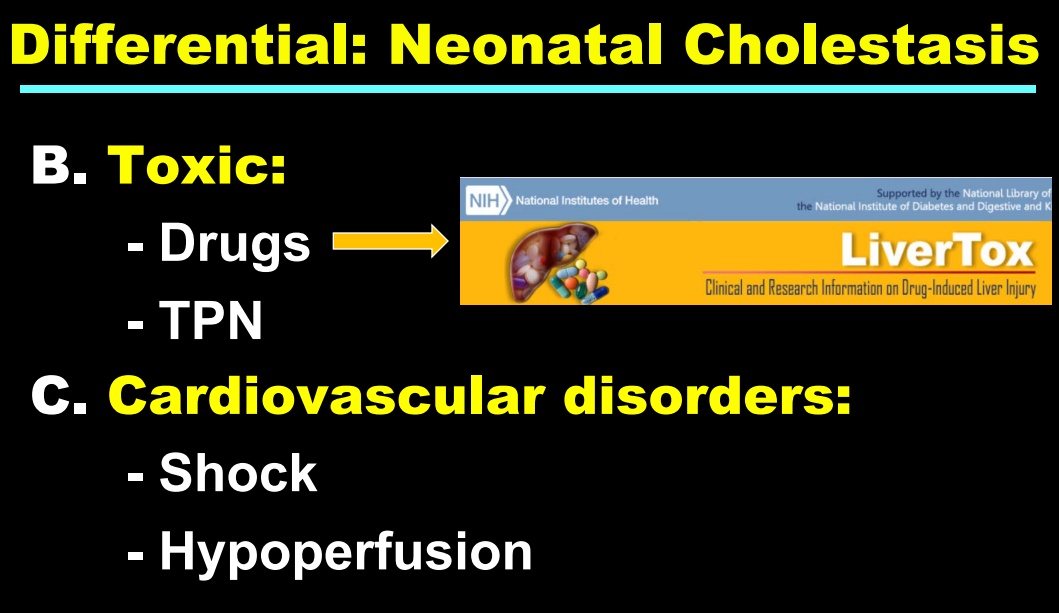
  • Fifty years ago, ~65% of neonatal cholestasis cases were poorly understood and lumped together under the heading of “Idiopathic Neonatal Hepatitis” (INH). The discovery of Alpha-One Antitrypsin (A1AT) Deficiency was instrumental, indicating that there were specific medical diseases mislabeled as INH
  • A1AT deficiency proved that many cases were NOT “idiopathic,” NOT necessarily “neonatal,” and NOT “hepatitis”
  • Currently, less than 10% of infants with neonatal cholestasis are unspecified. Dr. Balistreri’s goal has been to make sure every patient receives a precise diagnosis
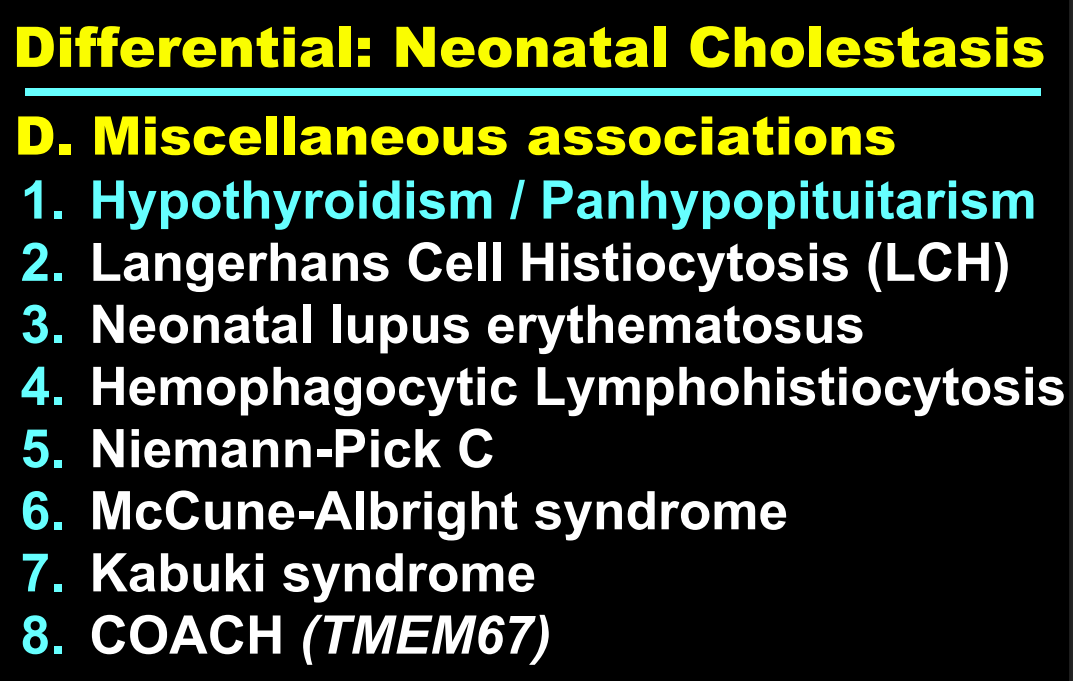
  • Now more than 90 genetic conditions have been recognized as causing neonatal cholestasis
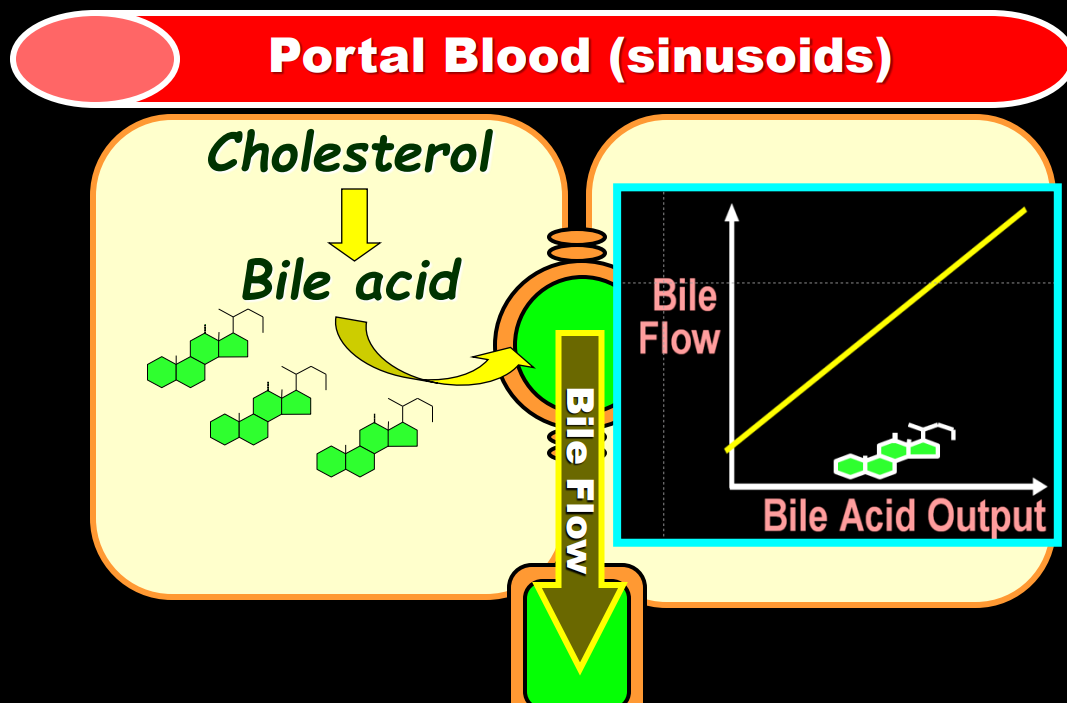
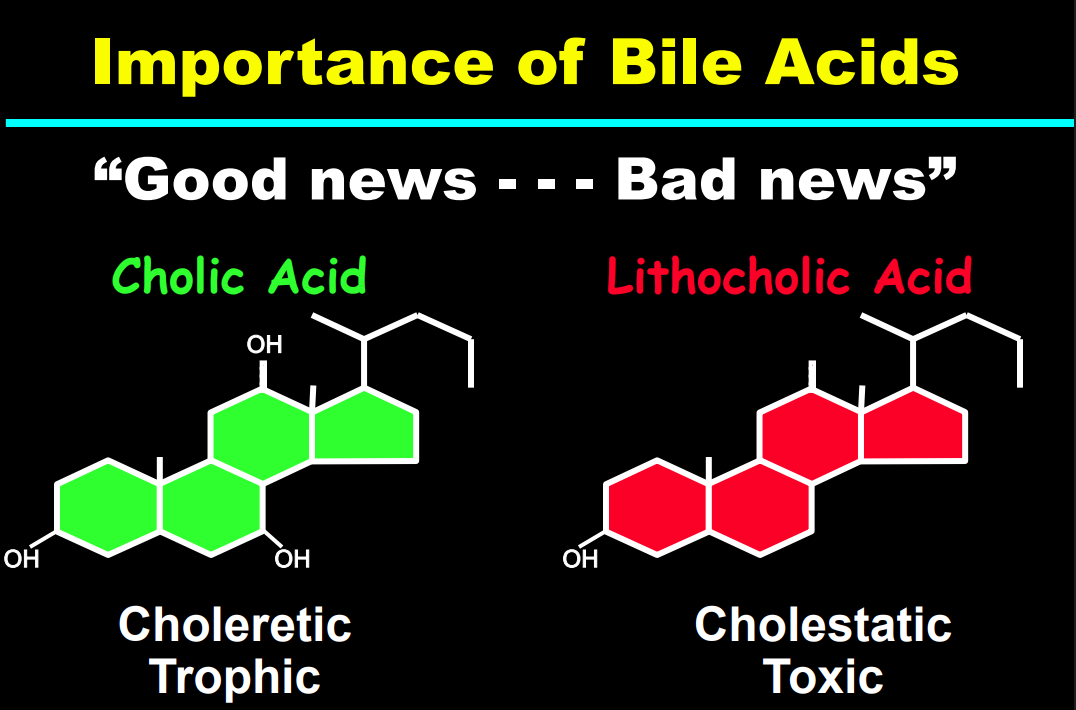
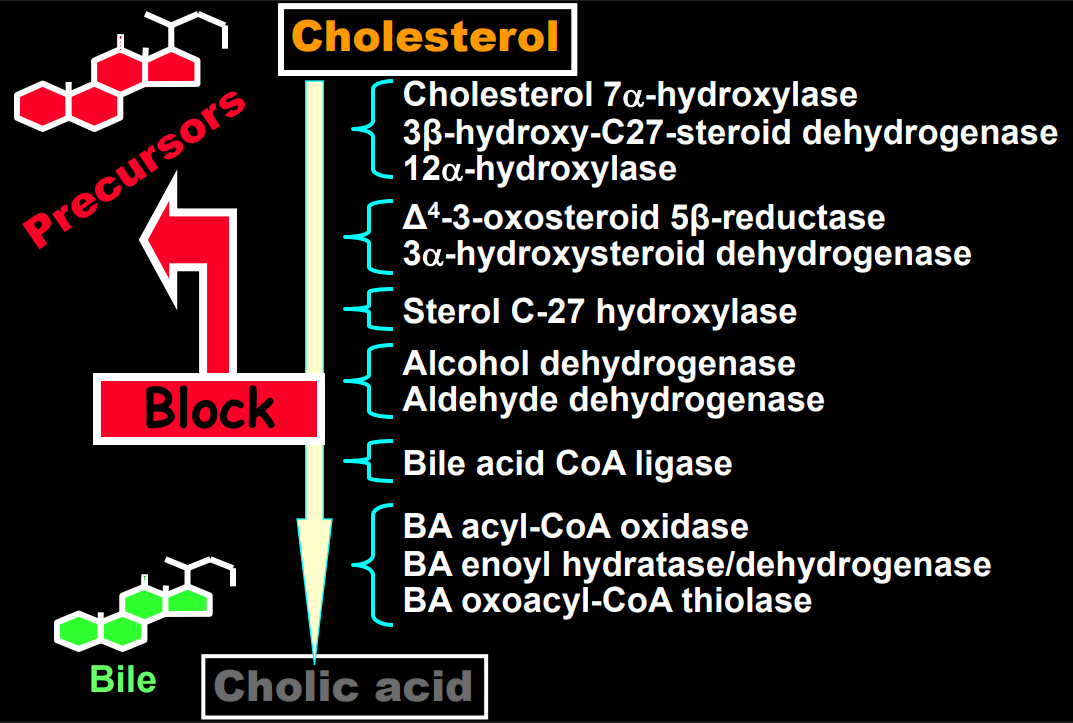
  • The journey of unraveling the reasons for neonatal cholestasis includes the referral of two infants from Atlanta by Dr. Saripkin to Cincinnati. These infants who had an older sibling who had died at 4 months of age were determined to have an inborn error of bile acid metabolism. Subsequently, they were treated successfully with cholic acid which suppressed production of toxic precursors via feedback inhibition
  • There are 11 steps in the conversion of cholesterol to bile acids; thus, it was hypothesized and later proven that there would be many other inborn errors of bile acid metabolism

Related blog posts:

Gene Therapy for Alpha-One Antitrypsin Deficiency

An excerpt from NY Times:

Researchers have corrected a disease-causing gene mutation with a single infusion carrying a treatment that precisely targeted the errant gene.This was the first time a mutated gene has been restored to normal….

The study involved patients who have alpha-1 antitrypsin deficiency, or AATD, a genetic disease that affects an estimated 100,000 Americans…

When the nanoparticles reached the liver, the lipid layer peeled off, releasing the editor — a disabled CRISPR molecule that acted like a GPS for the genome and an enzyme to fix the mutation. The CRISPR molecule crawled along the patient’s DNA until it found the one incorrect letter that needed to be repaired among the three billion DNA letters in the genome. Then the editing enzyme replaced that letter with the correct one… Those who got the highest dose made enough normal alpha-1 antitrypsin to be in a range where no more damage should occur. 

My take: This is exciting news, though, long-term data is needed to determine if this will be a durable cure. Cost/availability will be an important consideration if effective.

Related blog posts:

More Data on Fazisiran for Alpha-One Antitrypsin

About two years ago, the NEJM published a phase 2 study of Fazisiran for Alpha-One Antitrypsin Deficiency (see: RNA Interference (Fazirsiran) for Liver Disease Associated with Alpha-1-Antitrypsin Deficiency). Now a larger placebo-controlled study which randomized 40 patients to subcutaneous placebo or fazirsiran 25/100/200 mg has been published:

VG Clark et al. Gastroenterol 2024; (in press). DOI:https://doi.org/10.1053/j.gastro.2024.06.028 Fazirsiran for Adults with Alpha-1 Antitrypsin Deficiency Liver Disease: A Phase 2 Placebo Controlled Trial (SEQUOIA)

Key findings:

  • At Week 16, least-squares mean percent declines in serum Z-AAT concentration were −61%, −83% and −94% with fazirsiran 25/100/200 mg, respectively, versus placebo (all P< .0001)
  • Efficacy was sustained through Week 52. At post-dose liver biopsy, fazirsiran reduced median liver Z-AAT concentration by 93% compared with an increase of 26% with placebo
  • All fazirsiran-treated patients had histological reduction from baseline in hepatic globule burden
  • Portal inflammation improved in 5/12 and 0/8 patients with baseline score >0 in the fazirsiran and placebo groups, respectively
  • Histological METAVIR score improved by >1 point in 7/14 and 3/8 patients with fibrosis >F0 at baseline in the fazirsiran and placebo groups, respectively

My take: This is an exciting development for patients with A1AT-associated liver disease. Longer duration data is needed to confirm whether fazirsiran will be a useful therapeutic agent for A1AT deficiency. If effective, selecting patients who benefit from treatment will need to be determined.

Year-in-Review for Pediatric Hepatology

Recently, Dr. William Balistreri presented a review of some of the biggest advances in pediatric hepatology this past year on the Bowel Sounds Podcast (with the award-winning hosts).

He discussed the following:

  • IBAT inhibitors which are a game-changer for pruritic cholestatic disorders like Alagille syndrome. By reducing itching, it may help many avoid liver transplantation
  • HCV medications which usually result in a cure with typical therapy courses running 8-12 weeks
  • Emergence of a new treatment, Fazirsiran, for alpha-one antitrypsin deficiency (see blog post below)
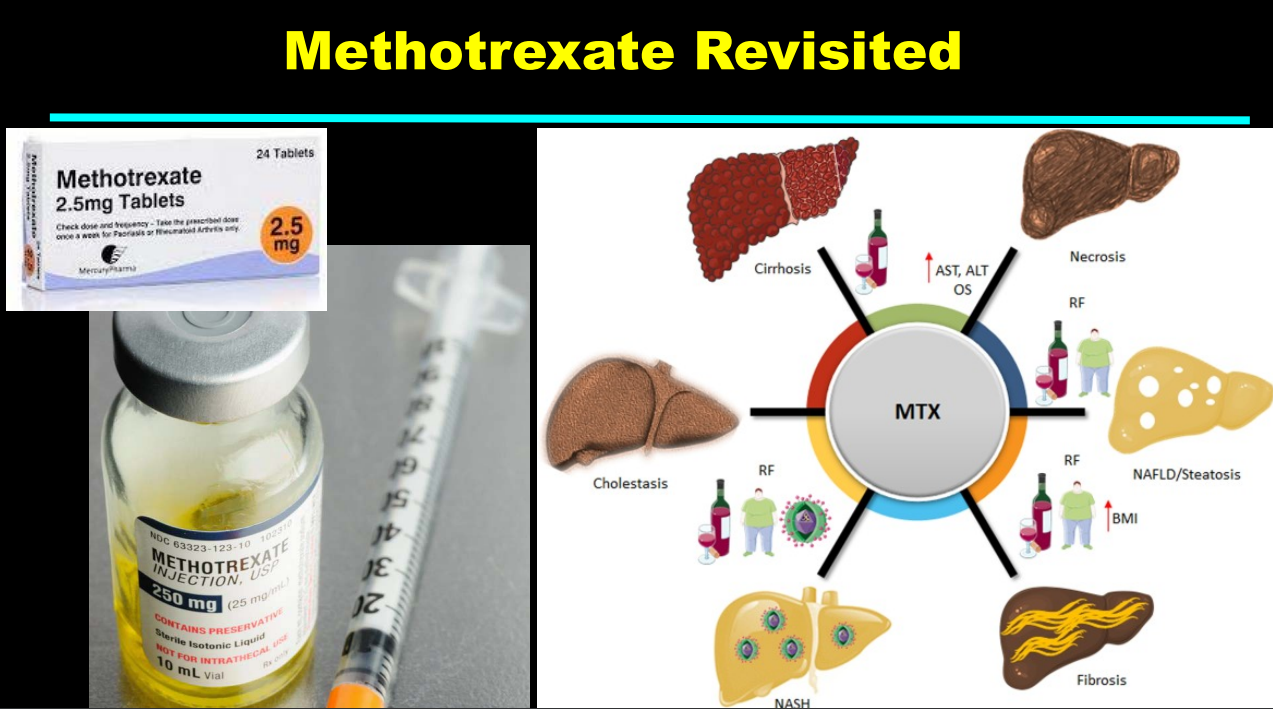
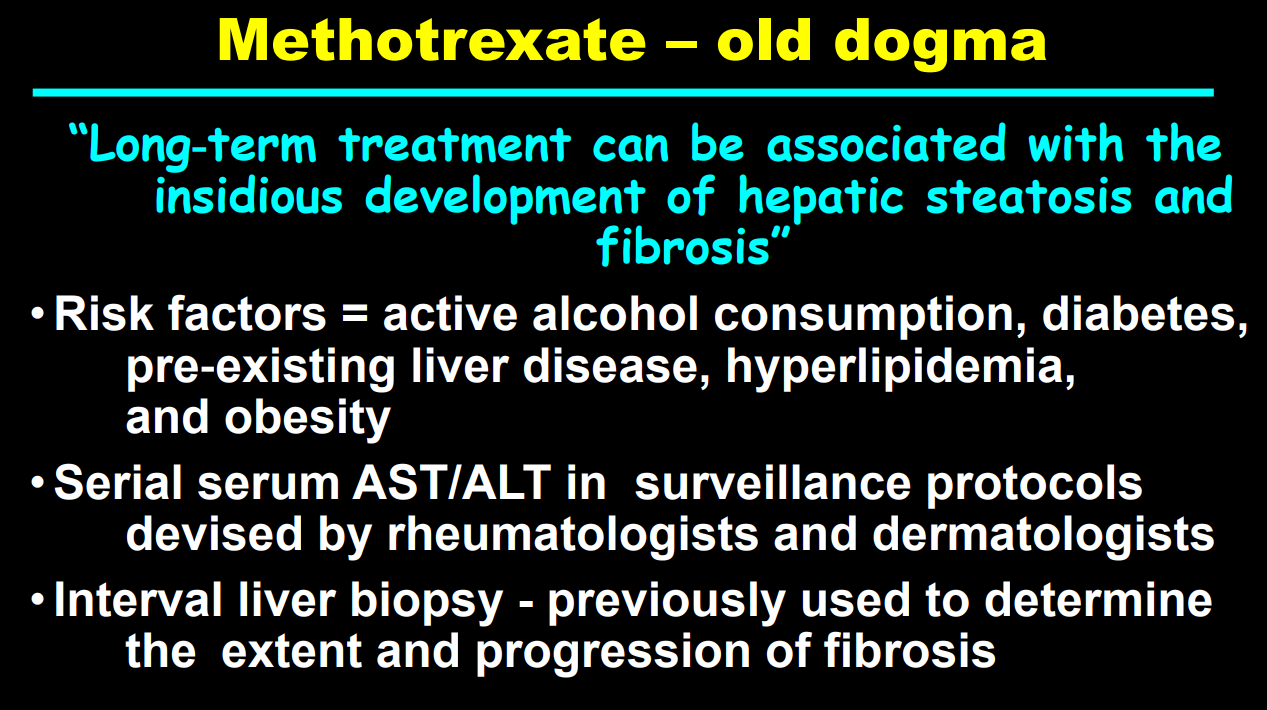
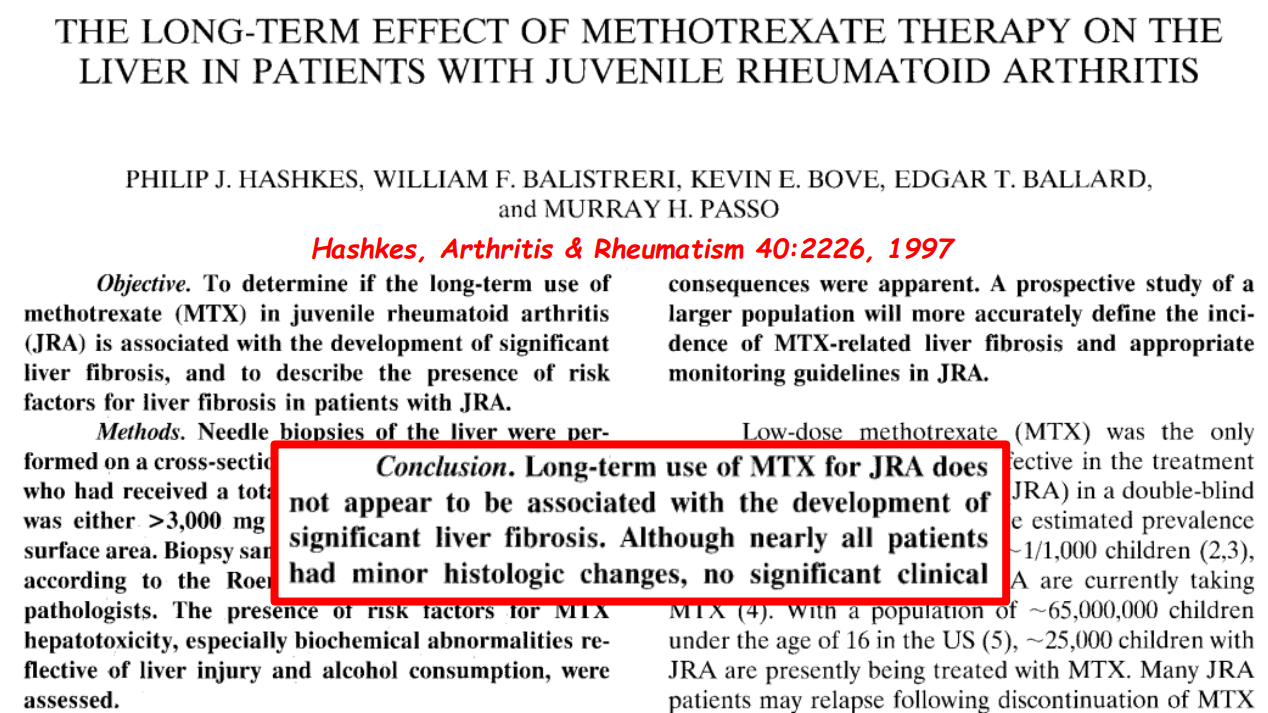
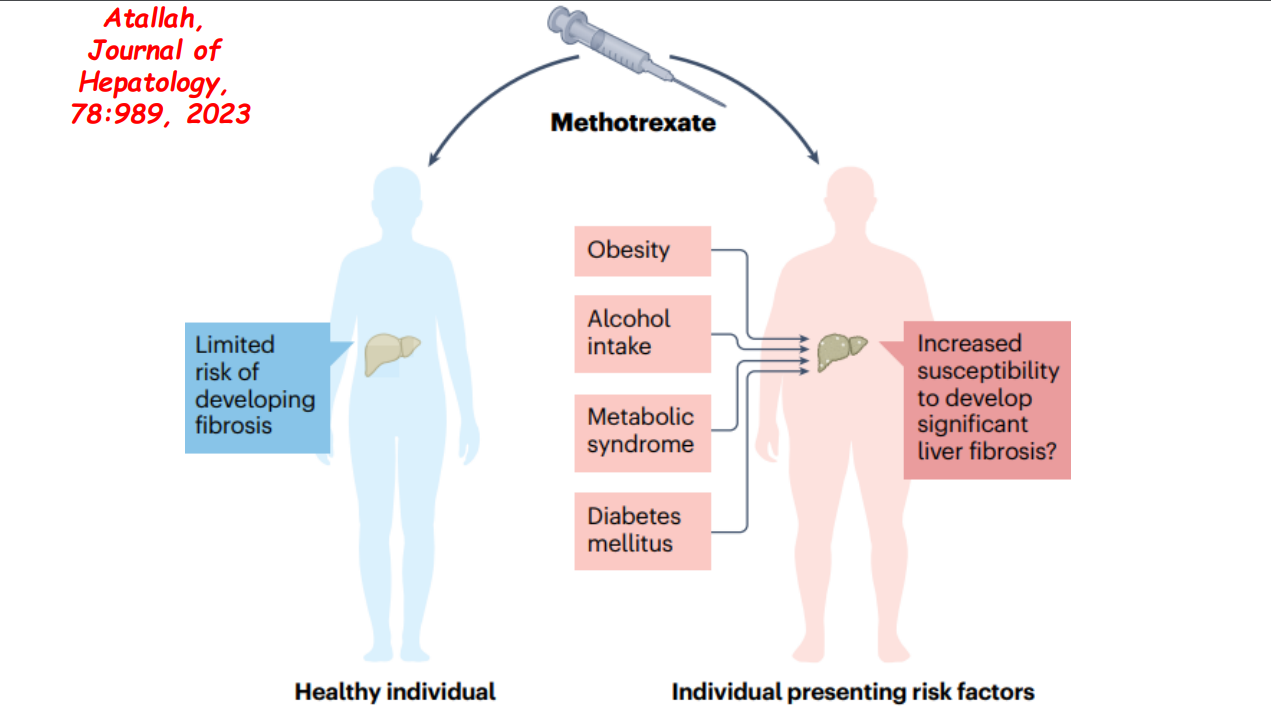
  • More data showing the good liver safety of methotrexate in individuals without preexisting liver disease. Dr. Balistreri and colleagues showed pediatric patients with JRA did not develop liver fibrosis/clinical liver disease in 1997.
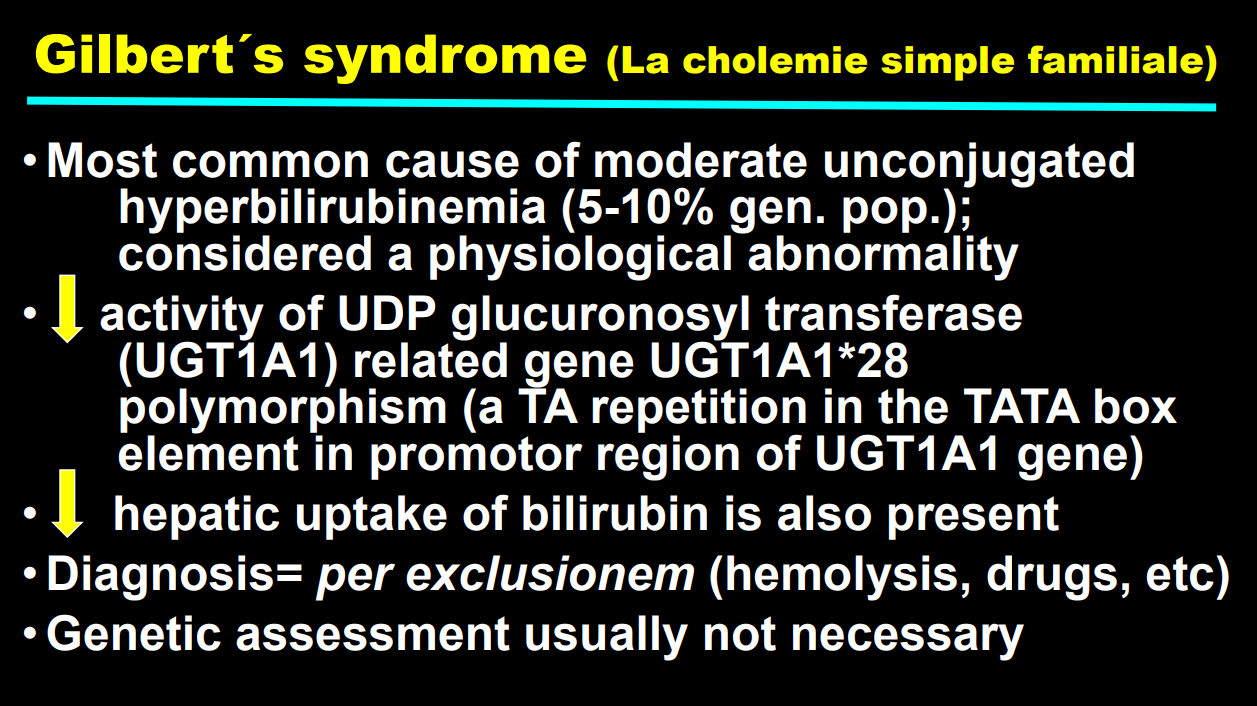
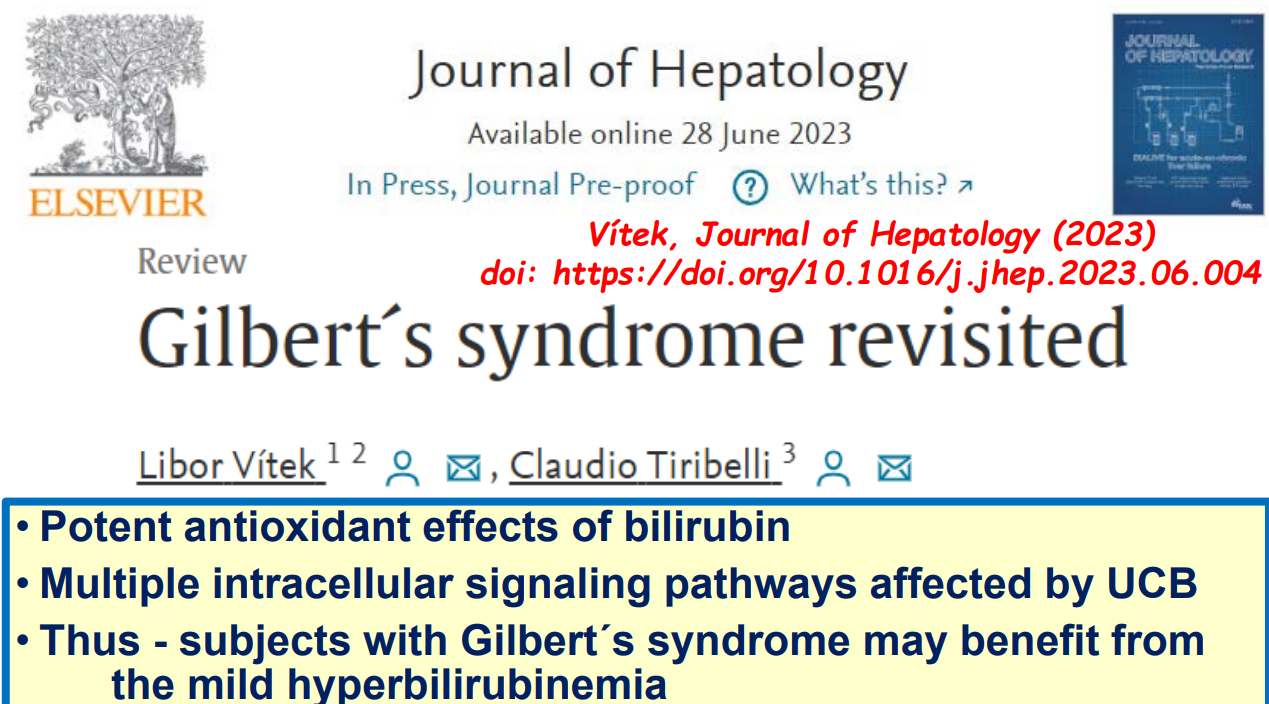
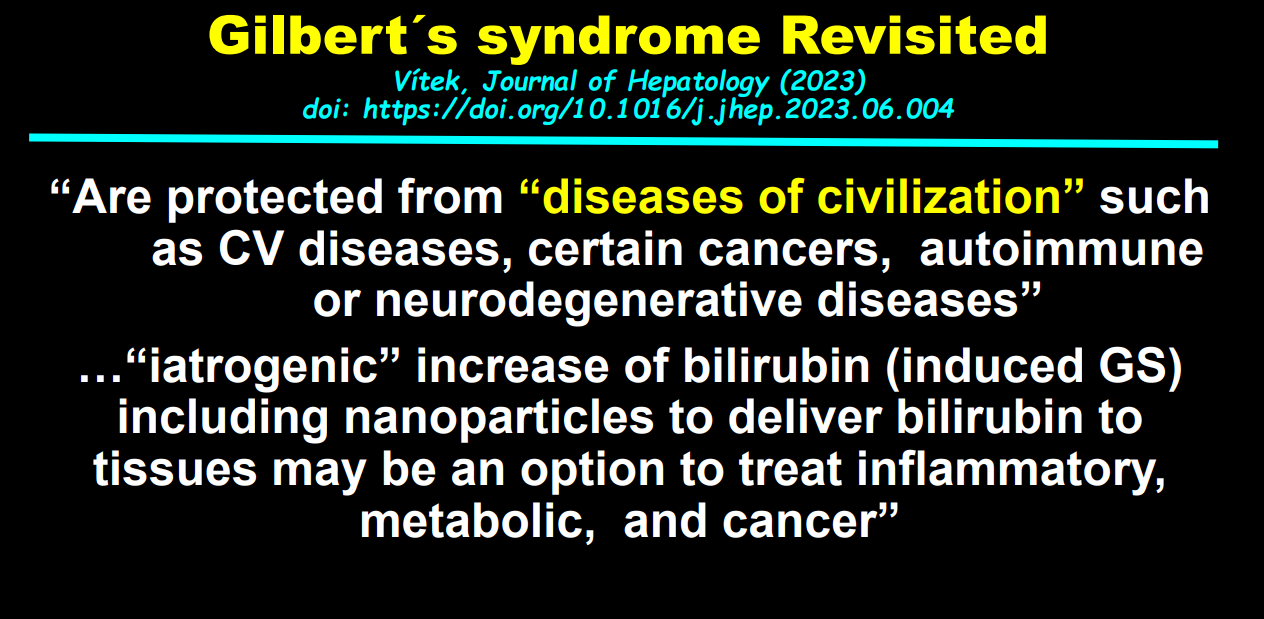
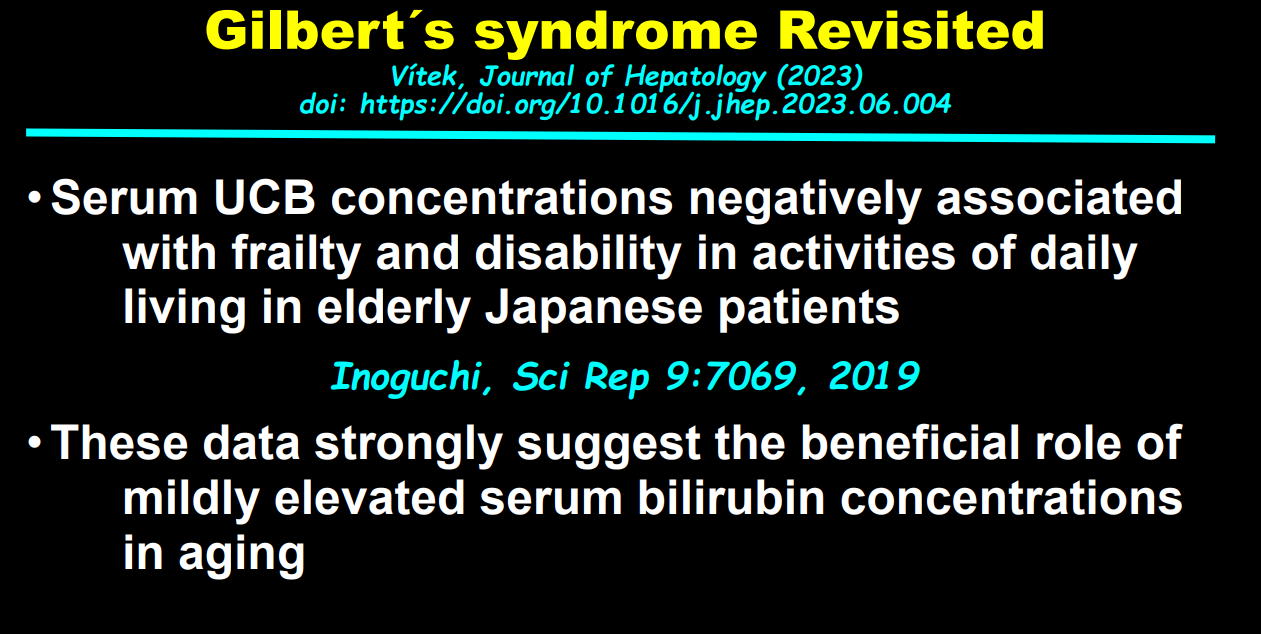
  • How Gilbert’s may be beneficial –>hopeful news for the mildly jaundiced children that we see. Science (M Leslie, 6/8/23): Can ‘toxic’ bilirubin treat a variety of illnesses

He kindly agreed to send me a few slides on the later two subjects at my request:

Related blog posts:

IBAT Inhibitors:

Hepatitis C

Alpha-One Antitrypsin

Dr. Balistreri

RNA Interference (Fazirsiran) for Liver Disease Associated with Alpha-1-Antitrypsin Deficiency

P Strnad et al. NEJM 2022; 387: 514-524. Fazirsiran for Liver Disease Associated with Alpha1-Antitrypsin Deficiency

Background: “Z-AAT accumulation has been correlated with liver fibrosis, a finding that suggests that reducing Z-AAT production may improve hepatic phenotypes…RNA interference (RNAi) is a naturally occurring cellular mechanism that regulates gene expression. Fazirsiran (previously ARO-AAT) is an investigational RNAi therapeutic that contains a synthetic, double-stranded, small interfering RNA duplex conjugated to N-acetylgalactosamine, which binds to the hepatocyte asialoglycoprotein receptor to facilitate endosomal uptake and intracellular delivery…Fazirsiran causes degradation of AAT and Z-AAT messenger RNA, thus reducing both AAT and Z-AAT protein synthesis in hepatocytes.” Fazirsiran has already shown effectiveness in a mouse model and had an adequate safety profile in a phase 1 study with healthy volunteers.

Methods: Phase 2, open-label, multicenter trial enrolled adults with the PI ZZ genotype and liver fibrosis. They received fazirsiran subcutaneously on day 1 and week 4 and then every 12 weeks

Key findings:

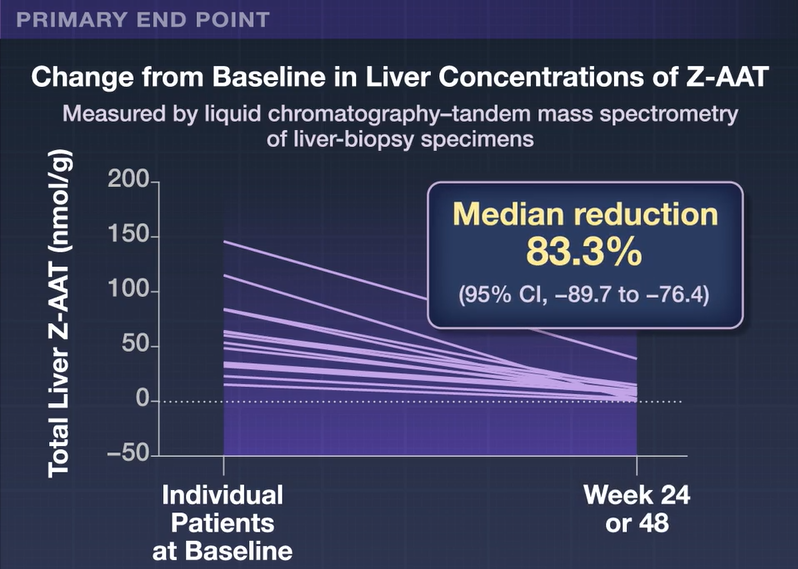
  • All the patients had reduced accumulation of Z-AAT in the liver (median reduction, 83% at week 24 or 48)
  • Fibrosis regression was observed in 7 of 15 patients and fibrosis progression in 2 of 15 patients after 24 or 48 weeks
  • There were no adverse events leading to trial or drug discontinuation. Four serious adverse events (viral myocarditis, diverticulitis, dyspnea, and vestibular neuronitis) resolved. Most common adverse events were arthralgia and transient increase in creatinine kinase (each in 4 patients). It was noted that there was a gradual decrease in mean FEV1 through week 52 but no evidence that this was due to fazirsiran treatment.

The authors note that reduction in Z-AAT accumulation is expected to yield clinical benefit since the liver is a regenerative organ.

My take: This is an exciting development for patients with AAT-associated liver disease but a larger, placebo-controlled treatment trial with longer duration is needed to confirm whether fazirsiran will be a useful therapeutic agent for AAT deficiency.

After reviewing this study, I contacted one of the authors (Dr. Teckman) to find out about the status of pediatric studies. His response:

  • A larger, phase III study is going to start enrolling soon (for adults) to better define the risks, benefits, dose, length of therapy and patient selection which will hopefully lead to full FDA approval. The next phase of fazirsiran for adults will have many sites and St Louis will be one. Patients are welcome to contact me.
  • Trials with fazirsiran for children are being designed. Time frame 1-3 years. Other drugs are also close to opening studies for kids, as well.
  • Several other drugs that appear promising for AAT are also in phase I, II, soon III. That’s great news. I commonly refer patients to “clinicaltrials.gov” but they can contact me or the Alpha-1 Foundation for information.
  • All patients should read the extensive and very informative patient literature on the Alpha-1 Foundation web site; www.alpha1.org.
  • All patients should enroll in the Alpha-1 Registry. This is a scientific, IRB approved registry which is non-interventional and does not commit patients to anything, but which will permit them to be contacted and kept informed about potential trials. It is for anyone who carries any number of many abnormal genotype; ZZ, SZ, MZ, null, etc.
  • All eligible people who are anywhere near a site should be enrolled in the Childhood Liver Disease Research Network; www.childrennetwork.og. This is a non-interventional, NIH- sponsored network which studies pediatric liver disease. ZZ and SZ patients ages 0 years to 25 years can enroll. You do not need to change doctors or care sites. Many patients stay with their docs they have but contribute to the study once a year.

Related blog posts:

  • Alpha-1-Antitrypsin Deficiency (review May 2020). 35% of adults with ZZ genotype show clinically-significant liver fibrosis. Risk factors for advanced fibrosis: male gender, metabolic syndrome/obesity, and alcohol consumption.
  • Liver Shorts March 2020 (A1AT Heterozygosity worsens NAFLD/contributes to cirrhosis)

IQ and Pediatric Chronic Liver Disease

DH Leung et al. JPGN2022 – Volume 74 – Issue 1 – p 96-103. Neurodevelopmental Outcomes in Children With Inherited Liver Disease and Native Liver

In this longitudinal study, the authors evaluated Full Scale Intelligence Quotient (FSIQ) in children with chronic liver disease (mean age 7.6 yrs). Key finding:

  • Patients with Alagille syndrome (ALGS) are at increased risk of lower FSIQ (with 29% <85), whereas our data suggest A1AT and PFIC are not

Related blog posts:

Liver Shorts -February 2021 (part 1)

T Mayr et al. JPGN 2021; 72: 115-122. Optimized Trientine-dihydrochloride Therapy in Pediatric Patients With Wilson Disease: Is Weight-based Dosing Justified?

In this retrospective study with 31 children with Wilson’s disease (most of whom had had previous penicillamine), those who received more than 20 mg/kg/day of trientine therapy had increased adverse effects compared to those who received less than 20 mg/kg/day: 63% vs 7%; median followup was 60 months. In addition, there was not increased response to higher doses. The authors note that trientine had lower incidence of adverse effects compared to penicillamine and “appears to be the preferred” as a first-line treatment.

J Teckman et al. (ChiLDReN Network). J Pediatr 2020; 227: 81-86. Longitudinal Outcomes in Young Patients with Alpha-1-Antitrypsin Deficiency with Native Liver Reveal that Neonatal Cholestasis is a Poor Predictor of Future Portal Hypertension

In this prospective cohort with 350 participants (all with either PiZZ (90%) or PiSZ (10%) and native livers), 278 (79%) entered the cohort (in 2007 or later) without portal hypertension and 18 developed portal hypertension during follow-up. Portal hypertension was defined by development of ascites, varices or combination of splenomegaly/thrombocytopenia. Thirty participants required liver transplantation; 2 patients died during 1077 person-years of follow-up. Median length of followup was 2.5 years. My take: While most children with Alpha-1-Antitrypsin Deficiency do well, monitoring is warranted as some will develop progressive liver disease (even in the absence of neonatal cholestasis).

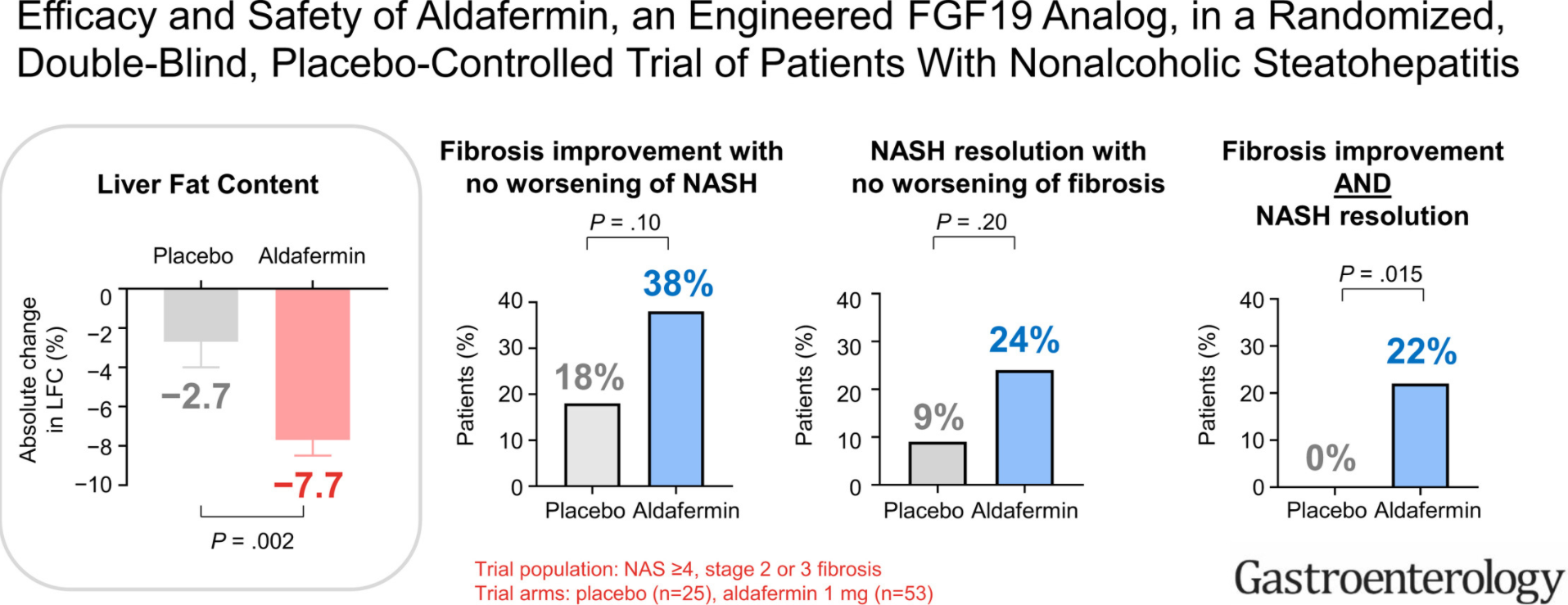
SA Harrison et al. Gastroenterol 2021: 160: 219-231. Full text PDF: Efficacy and Safety of Aldafermin, an Engineered FGF19 Analog, in a Randomized, Double-Blind, Placebo-Controlled Trial of Patients With Nonalcoholic Steatohepatitis

In this phase 2 double-blind study with 78 patients with NASH, at week 24, the aldafermin group had a significant reduction in absolute liver fat content (reduction of 7.7%) compared with placebo (reduction of 2.7%) (P=.002). Fibrosis improvement (1 stage) with no worsening of NASH was achieved in 38% of patients receiving aldafermin vs 18% of
patients receiving placebo (P = .10). And, NASH resolution with no worsening of fibrosis was observed in 24% of patients given aldafermin vs 9% of patients given placebo (P = .20)

A Chanpong, A Dhawan. JPGN; 2021: 72: 210-215. Long-Term Urinary Copper Excretion on Chelation Therapy in Children with Wilson Disease Key finding:  24-hour UCE decreases to ≤8 μmol/day and <6 μmol/day after 1 and 5 years of treatment, respectively.

Related blog posts:

Insight Into Alpha-1 Antitrypsin Heterozygosity

CV Schneider, K Hamesch et al. Gastroenterol 2020; 159: 534-548Liver Phenotypes of European Adults Heterozygous or Homozygous for Pi∗Z Variant of AAT (Pi∗MZ vs Pi∗ZZ genotype) and Noncarriers)

Key findings:

  • Ten percent of subjects with the Pi∗MZ genotype vs 4% of noncarriers had LSMs (liver stiffness measurements) of 7.1 kPa or more (adjusted odds ratio, 4.8; 95% confidence interval, 2.0–11.8)
  • Obesity and diabetes were the most important factors associated with LSMs ≥7.1 kPa in subjects with the Pi∗MZ genotype.
  • AAT inclusions were detected in liver biopsies of 63% of subjects with the Pi∗MZ genotype, vs 97% of subjects with the Pi∗ZZ genotype, and increased with liver fibrosis stages.

The associated editorial (pg 433-34) noted that Pi∗MZ genotype is a disease modifier in cystic fibrosis, alcoholic liver disease, and nonalcoholic liver disease.

My take: This study indicates that Pi∗MZ genotype for alpha-one antitrypsin are more likely to develop liver fibrosis in the presence of other risk factors like obesity and diabetes mellitus.

Related blog posts:

Alpha-1-Antitrypsin Deficiency

A recent terrific review on Alpha-1-Antitrypsin (A1AT) Deficiency: P Strnad et al. NEJM 2020; 382: 1443-55

Background:

  • 95% of A1AT deficiency is due to homozygosity for the Z allele; prevalence of 1 in 2000 in those of European descent.
  • A1AT protects the lung tissue against attack by the enzyme neutrophil elastase.
  • The presence of A1AT genetic variants suggests that these mutations may confer a selective advantage, perhaps by amplifying the inflammatory response to invasive respiratory/gastrointestinal infections.

Pathophysiology/Clinical Features:

  • Table 1 lists the key alleles/mutations associated with A1AT deficiency -17 deficiency/null listed including: F, I, Iners, King’s, M-malton, M-procida, Pittsburgh, Queen’s, S, S-iyama, Z, QO-bellingham, QO-granitefalls, QO-hongkong
  • S allele deficiency often results in disease (emphysema, cirrhosis) in the setting of SZ heterozygotes.  The disease is typically less severe than in ZZ disease.  This allele is the most common deficiency variant (1 in 5 in Southern Europe, 1 in 30 in U.S.)
  • Z allele deficiency is the most common severe deficiency variant.  Carrier frequency: 1 in 27 persons in Northern Europe, 1 in 83 in the U.S. It is NOT seen in China, Japan, Korea, Malaysia, or Northern and Western Africa.

PI ZZ Genotype:

  • 73% of infants with PI ZZ genotype had elevated ALT level in the 1st 12 months of life
  • Cholestatic jaundice noted in 10% of infant; 15% of these infants progress to juvenile cirrhosis
  • Only 15% with abnormal ALT values by 12 years of age
  • 35% of adults with ZZ genotype show clinically-significant liver fibrosis. Risk factors for advanced fibrosis: male gender, metabolic syndrome/obesity, and alcohol consumption.

Lung Disease Due to A1AT Deficiency:

  • The clinical features of lung disease due to A1AT deficiency are “mainly indistinguishable from those of nonhereditary emphysema…this is partly why severe A1AT deficiency remains undiagnosed in approximately 90% of case, with an interval of 5 to 7 years from the onset of symptoms to diagnosis.”  When the diagnosis is late, lung disease has become irreversible.
  • Early diagnosis allows lifestyle changes (eg. smoking cessation), reduction in occupational risks, and access to therapies.

MZ Phenotype:

PI MZ genotype is more susceptible to multiple disorders, including a predisposition to COPD (at least among smokers) with odds ratio of 1.4.  Other conditions with increased risk: NAFLD-related cirrhosis (OR 3-7), Alcoholic cirrhosis, and CF-associated liver disease

Treatment:

  • Smoking cessation
  • Plasma-purified A1AT infusions.  “Randomized, controlled trials have focused on decreased loss of lung density as the primary efficacy outcome;” however, augmentation therapy has not been to shown to effect other measures, “such as FEV1, quality of life, or exacerbation of COPD.”

Related blog posts:

Also, this study was previously alluded to by this blog, but now is in print:

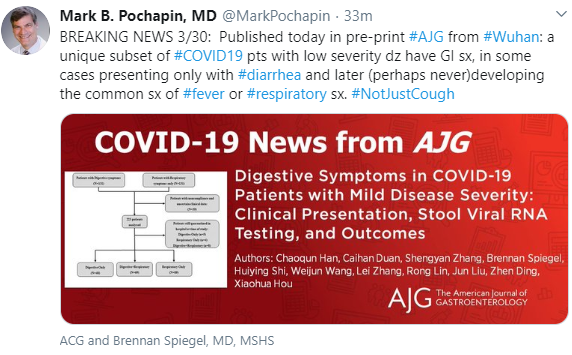
Briefly noted: X Lu et al. SARS-CoV-2 Infection in Children (NEJM 2020; 382: 1663-5). In 171 Chinese children with confirmed SARS-CoV-2 infection, 41.5% had fever during illness; 27 (15.8%) had no symptoms of infection or radiographic findings. Three required ICU/ventilator support; all had coexisting conditions.  One 10 month old child with intussusception died.

Liver Shorts March 2020 & COVID-19 Screenshots

Sofusbuvir and Ribavirin for children with hepatitis C infection (3-12 yrs, genotype 2 or 3) P Rosenthal et al. Hepatology 2020; 71: 31-43. n=54.  SVR12 was 98% (one patient did not complete treatment).

Alpha-one antitrypsin heterozygositiy contributes to cirrhosis in fatty liver disease. Liver Transplantation 2020; 26: 17-24. From the discussion: “unexpected PASD+ globules, in the context of advanced liver disease, are a specific finding that indicates the presence of a mutant A1AT allele.”  Of 196 explanted livers from NASH patients, 21 (11%) has PASD+ globules; however, among NASH patients the frequency was 47%.  Also, the Z allele was present in 10% of all tested liver explants, this exceeds the 2% rate in the general population.  Thus, in agreement with other studies, A1AT heterozygosity contributes to chronic liver failure, but may affect fatty liver disease more than other chronic liver diseases.

Durability of HBsAg Loss in Hepatitis B AS Alawad et al. Clin Gastroenterol Hepatol 2020;18: 700-09.  In this retorspective study form NIH, 89/787 HBsAg-positive patients cleared HBsA; 65 had confirmed clearance. (spontaneous in 19, post-interferon in 22, and post-NA treatment in 24). 62 of 65 remained negative after a mean time of 9.6 years. 3 patients had seroreversion at a mean of 20 months after stopping therapy, though this was transient in 2 of 3 and may have been a false-positive.

Are Medications Contributing to Obesity and Fatty Liver Disease? ~25% of U.S. adults take a prescription medication  that often produces obesity as an adverse effect. (Hales CM et al. Obesity Week 2019, Link to Abstract T-OR-2037). PRESCRIPTION MEDICATIONS THAT PROMOTE WEIGHT GAIN: Prevalence of Use Among U.S. Adults, 2013-2016 Common obesogenic medications in this cohort, (n=11,055), included all glucocorticoids, beta-blockers, and antihistamines and some agents among antidepressants, antipsychotics, antidiabetics and progestin-only contraceptives.  Medications were defined as promoting weight gain according to the Endocrine Society Clinical Practice Guideline for the Pharmacological Management of Obesity (J Clin Endocrinol Metab, 2015).

———————————————

If you have not seen this on YouTube, highly recommend this virtual choir link: Rodean School -Hallelujah


More fallout from Coronavirus: NY Times: Coronavirus May Add Billions to Nation’s Health Care Bill Insurance premiums could spike as much as 40 percent next year, a new analysis warns, as employers and insurers confront the projected tens of billions of dollars in additional costs of treating coronavirus patients.

Topical (& Tasty) Tweets: