Long-Term Treatment of Eosinophilic Esophagitis with Budesonide

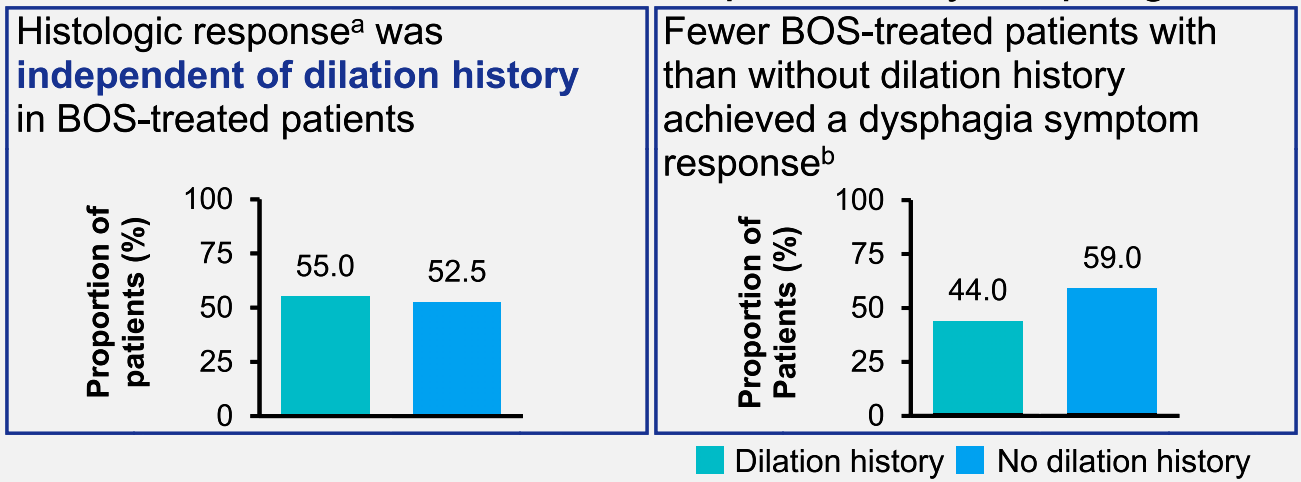
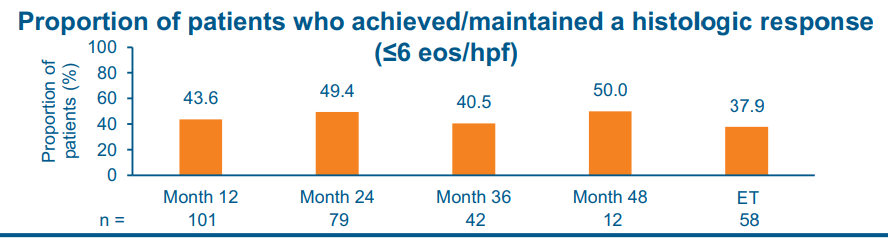
The study by Dellon et al was a 4-year, phase 3, open-label study in patients with EoE who completed up to 52 weeks of BOS therapy (Budesonide oral suspension 2 mg 2/day) in 2 preceding phase 3 studies.

Key findings:

  • At month 48 of treatment, 50.0% and 58.3% of patients achieved/maintained a histologic response (< or =6 and <15 eosinophils per high-power field, respectively)

Safety:

  • Treatment-emergent adverse events (TEAEs) occurred in 76.3% of patients; most were mild/moderate in severity and unrelated to study drug.
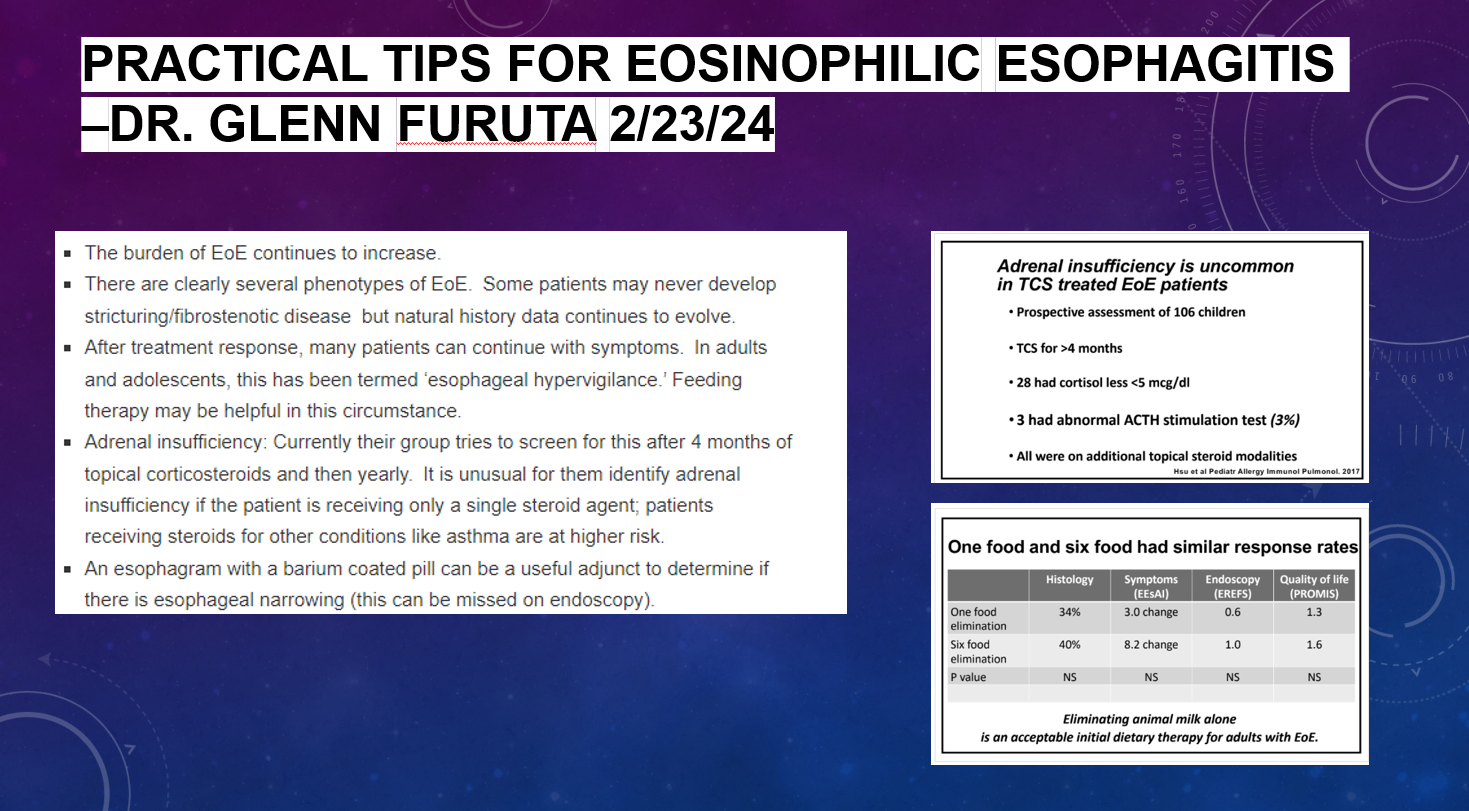
  • The most frequently reported BOS-related TEAEs included abnormal adrenocorticotropic hormone stimulation test results (8.4%, 11/131; number of events [m] [ 12) and adrenal insufficiency (2.3%, 3/131; m [ 3). Esophageal candidiasis occurred in 3.1% of patients (4/131)

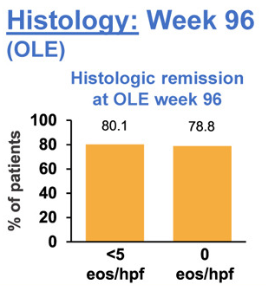
The study by Biedermann et al explored the use of an orodipsersible tablet for EoE up to 3 years in patients who achieved remission during a 12-week induction. This tablet is not available in the U.S.

Key findings:

  • At week 96, 80.1% of patients were in histologic remission, defined as peak eosinophils per high-power field of <5, at week 96 vs 91.8% at open label extension baseline
  • No new safety concerns were observed across 96 weeks of treatment. Suspected symptomatic candidiasis occurred at similar rates to prior BOT studies and was predominantly mild and resolved with treatment

My take: The pharmaceutical budesonide suspension, Eohilia, is labelled by the FDA for use as a 12 week treatment course. Since EoE is a chronic disease, 12 weeks is insufficient. These long-term studies provide data that may address this shortcoming.

Related blog posts:

How to Best Use Steroids for Inflammatory Bowel Disease

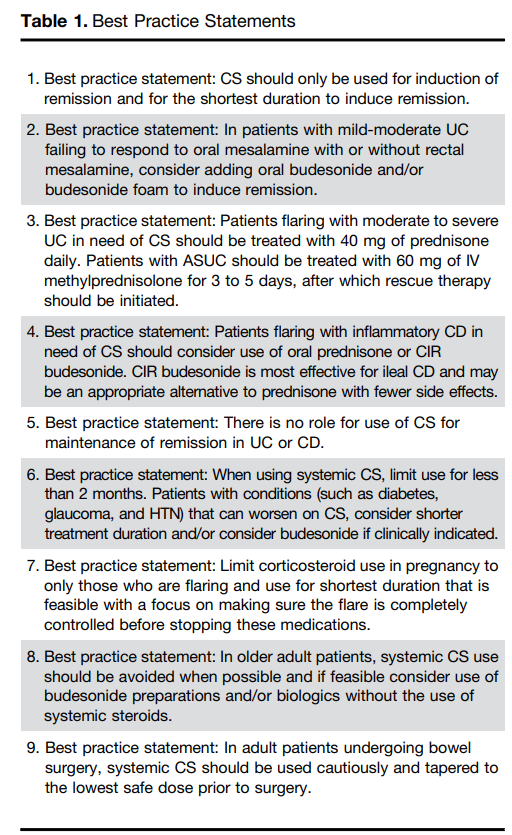
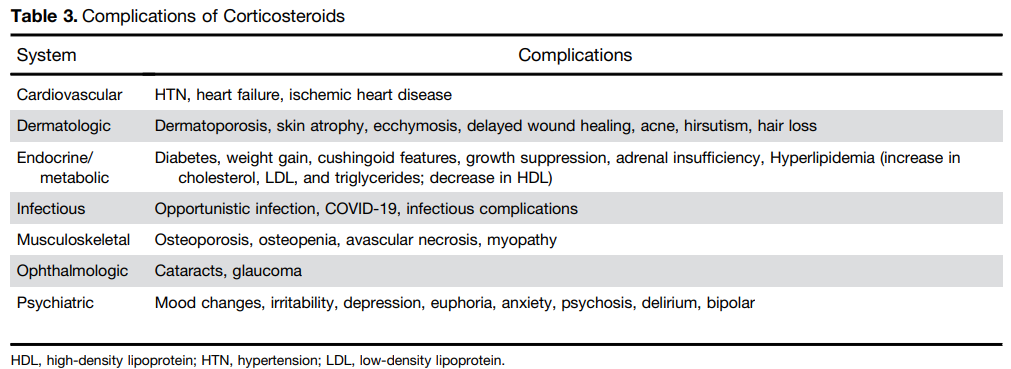
JD Feuerstein et al. Clin Gastroenterol Hepatol 2025; 23: 2068-2082. Open Access! Appropriate Use and Complications of Corticosteroids in Inflammatory Bowel Disease: A Comprehensive Review

Steroids are commonly used and misused for inflammatory bowel disease. This article reviews best practices, steroid formulations/dosing, and potential complications.

  • For moderate to severe ulcerative colitis (in adults), the authors recommend treatment with 40 mg of prednisone daily. Patients with ASUC (acute severe ulcerative colitis) should be treated with 60 mg of IV methylprednisolone for 3 to 5 days, after which rescue therapy should be initiated
  • Use of budesonide is recommended as an option for many clinical situations to minimize steroid adverse effects. These situations include mild-moderate UC failing to respond to mesalamine, ileal CD and older patients
  • Postoperative complications: “In the postoperative period, patients treated with CS had a higher risk of both infectious complications (aOR, 3.69; 95% CI, 1.24–10.97) and major infectious complications (aOR, 5.54; 95% CI, 1.12–27.26) [Abrerra et al].135  Subramanian pooled data from 7 studies showing that preoperative CS use is associated with increased postoperative complications (OR, 1.41; 95% CI, 1.07–1.87) as well as infectious complications.

The authors note that corticosteroids “remain widely available and are an effective short-term option for induction of remission in patients with active UC or inflammatory CD. However, their well-described and significant safety profile warrants proactive strategies to limit their use through non-systemic formulations, short-term exposures, steroid-sparing maintenance options, and most recently, complete steroid avoidance strategies.”

My take: Continuing steroids when they are not effective prior to potential surgery (eg. ASUC) remains a frequent problem. Sometimes, it is difficult to know it they are helping some.

Rectal Budesonide for Biliary Atresia After Kasai Procedure

S Langreen et al. JPGN 2025;81:626–633. Rectal budesonide: A potential game changer after Kasai hepatoportoenterostomy

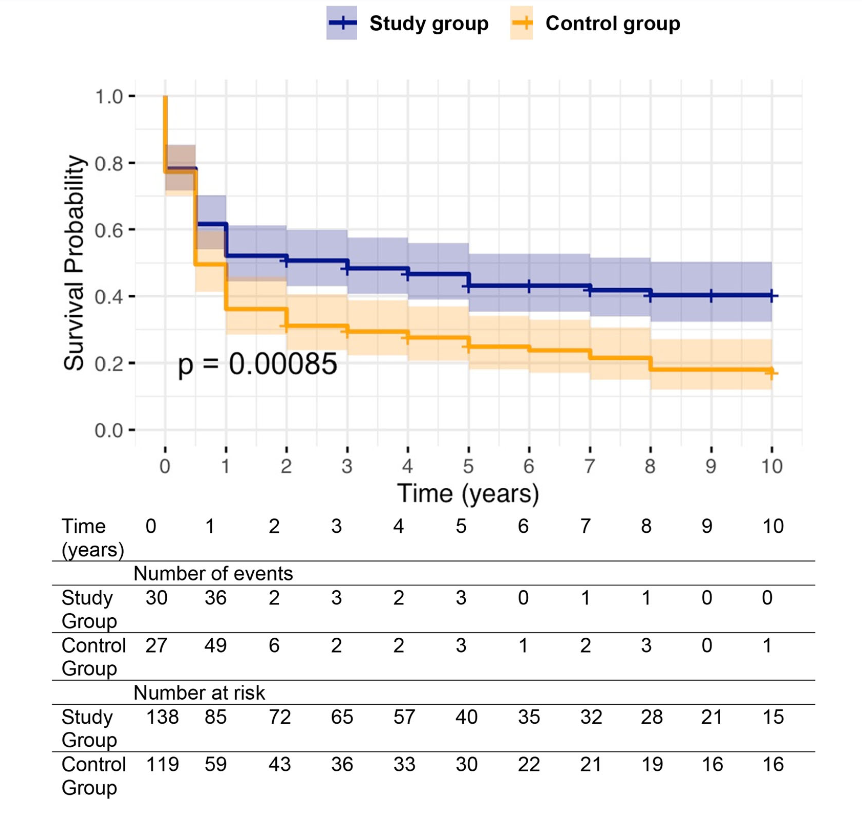
Background: After the START trial in 2014, it seemed that enthusiasm for post-operative steroids for biliary atresia had waned. The START study did not find that steroids improved outcomes after Kasai hepatoportoenterostomy (HPE). Subsequently, though, there have been observational reports of using steroids in a customized fashion to improve outcomes. Langreen et al add to this literature by examining their use of rectal budesonide (2 mg) for 3 months in a retrospective cohort (n=142) with a historical control (n=137). Jaundice-free native liver survival (jfNLS) was assessed at 6 months, 2 years, 5 years, and 10 years post-Kasai.

Key findings:

  • Improvements were noted in jfNLS at 6 months (53% vs. 39%) , 2 years (45% vs. 22%), 5 years (40% vs. 23%) and 10 years (32% vs. 13%)
  • These benefits were exclusive to patients with nonsyndromic BA
  • No serious adverse effects were identified with budesonide

Rationale for rectal budesonide: The authors note that “a single dose of budesonide foam contains about 2 mg of budesonide, equivalent to 25 mg of prednisolone or 20 mg of methylprednisolone…In our series, no serious steroid associated adverse effects were recorded, possibly due to the first pass after rectal administration.”

Limitations: “The retrospective nature of our data analysis allows for variability in the follow‐up protocols, potential biases (historical control group, change of surgeons) and confounding factors cannot be entirely ruled out.”

Kaplan–Meier curve comparing native liver survival between the study and control groups
over a 10‐year follow‐up.. Study group—blue. Control group—orange.

My take: The START study with 140 participants was well-designed and did not find a benefit with systemic steroids. However small differences in outcomes can be difficult to identify. Rectal budesonide may improve outcomes. A randomized, double-blind, placebo-controlled trial would be more definitive.

Related blog posts:

Budesonide Tablet vs Off-Label Corticosteroids in Eosinophilic Esophagitis

G Pellegatta et al. Clin Gastroenterol Hepatol 2025; 23: 1058-1060. Open Access! Switch From Off-Label Swallowed Topical Corticosteroids to Budesonide Orodispersible Tablets in Eosinophilic Esophagitis Patients

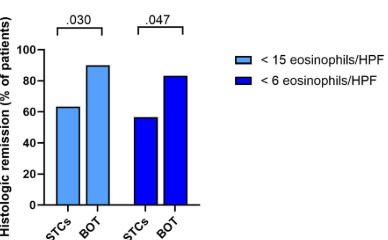
Methods: This was a single center, prospective, observational study with adult patients previously diagnosed with EoE. Thirty EoE patients, receiving off-label swallowed topical corticosteroids (STCs), were consecutively enrolled. “This is the first study to evaluate the clinical, histological, and endoscopic efficacy of the switch from STCs to BOT [Budesonide Orodispersible Tablet]”

Key findings:

  • The median Dysphagia Symptoms Score decreased from 5 (range 0–9) under STCs therapy to 0 (range 0–6) under BOT therapy (P < .0001)
  • After switching to BOT, there was a significant increase in the number of patients in histological remission (STCs: n = 19 of 30 [63.3%] vs BOT: n = 27 of 30 [90%]; P = .030) and histological deep remission (STCs: n = 17 of 30 [56.6%] vs BOT: n = 25 of 30 [83.3%]; P = .047) 
  • Another important improvement following the switch was the improved patient satisfaction with the therapy in terms of a faster and easier modality of assumption…favors a better compliance to BOT
  • There was a “slight increase in oral Candida infection after BOT”

The authors did not include any cost information regarding the switch. In U.S., BOT is not an available treatment option. However, Eohilia, which is a budesonide suspension with a 12-week FDA approval period, costs ~$2100 per month (for 600 mL =30 day supply), whereas budesonide ampules at same dosage cost ~$300 per month (60 1 mg ampules).

My take: BOT therapy, which was targeted for esophageal delivery, was associated with better response rates. However, the cost of targeted FDA approved budesonide therapy in U.S, is exorbitant.

Related blog posts:

Key Advances in 2024: An Overview from GutsandGrowth (Part 2)

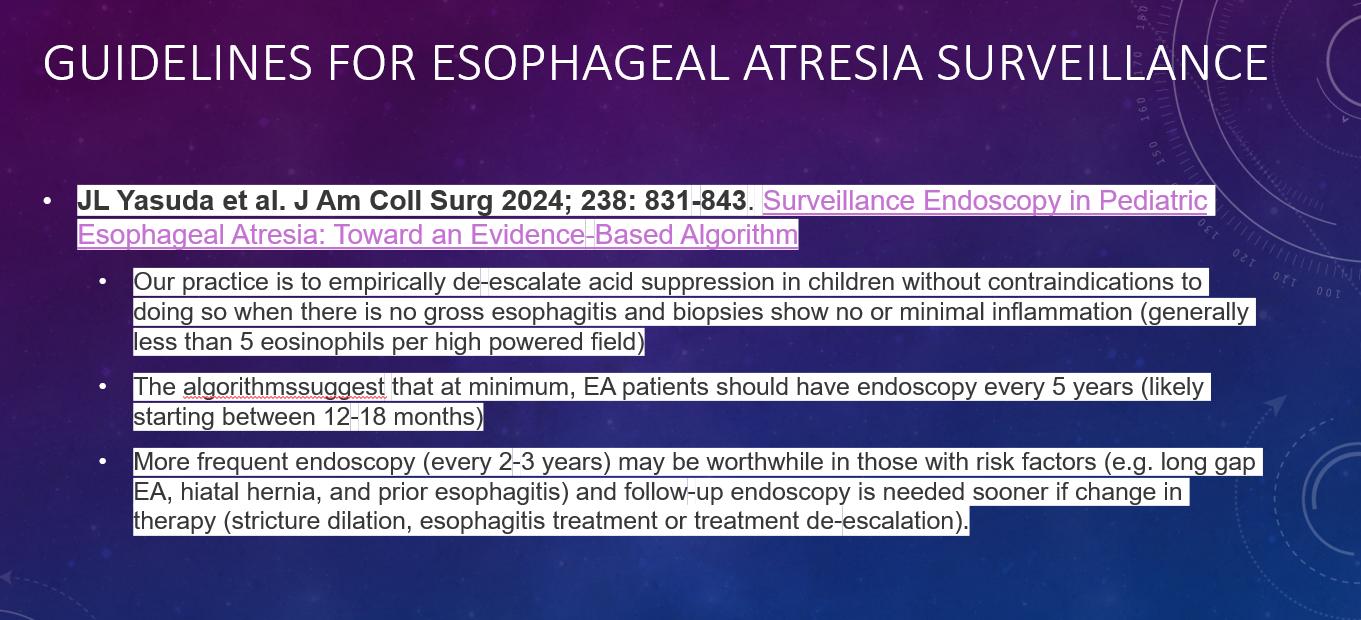
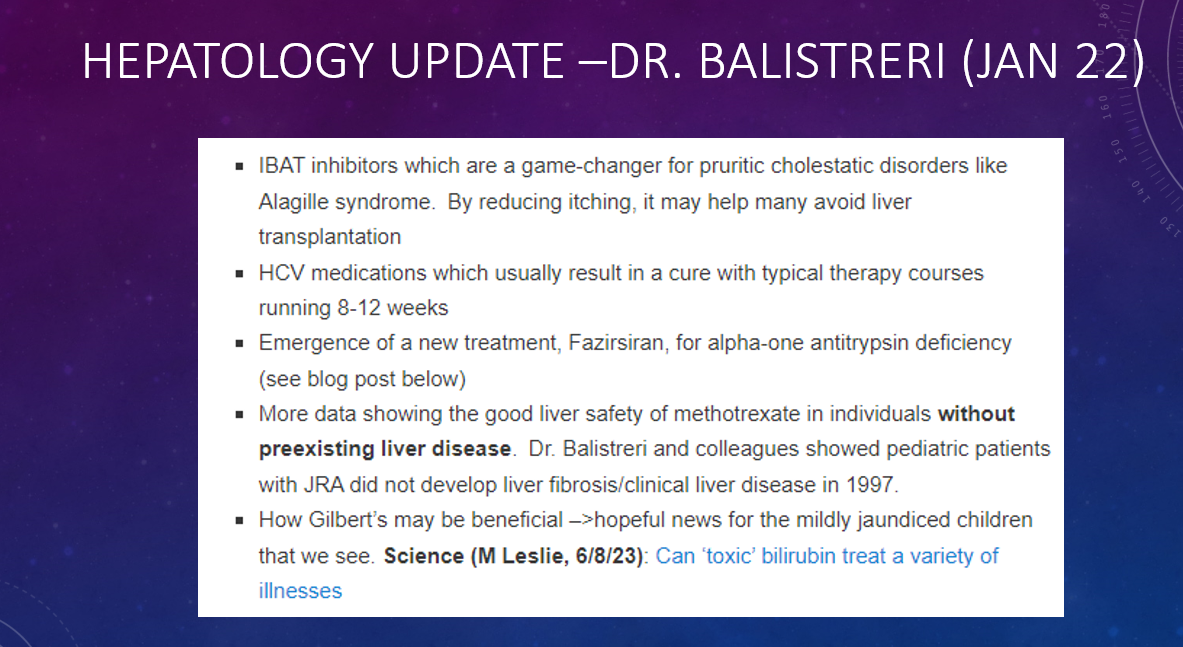
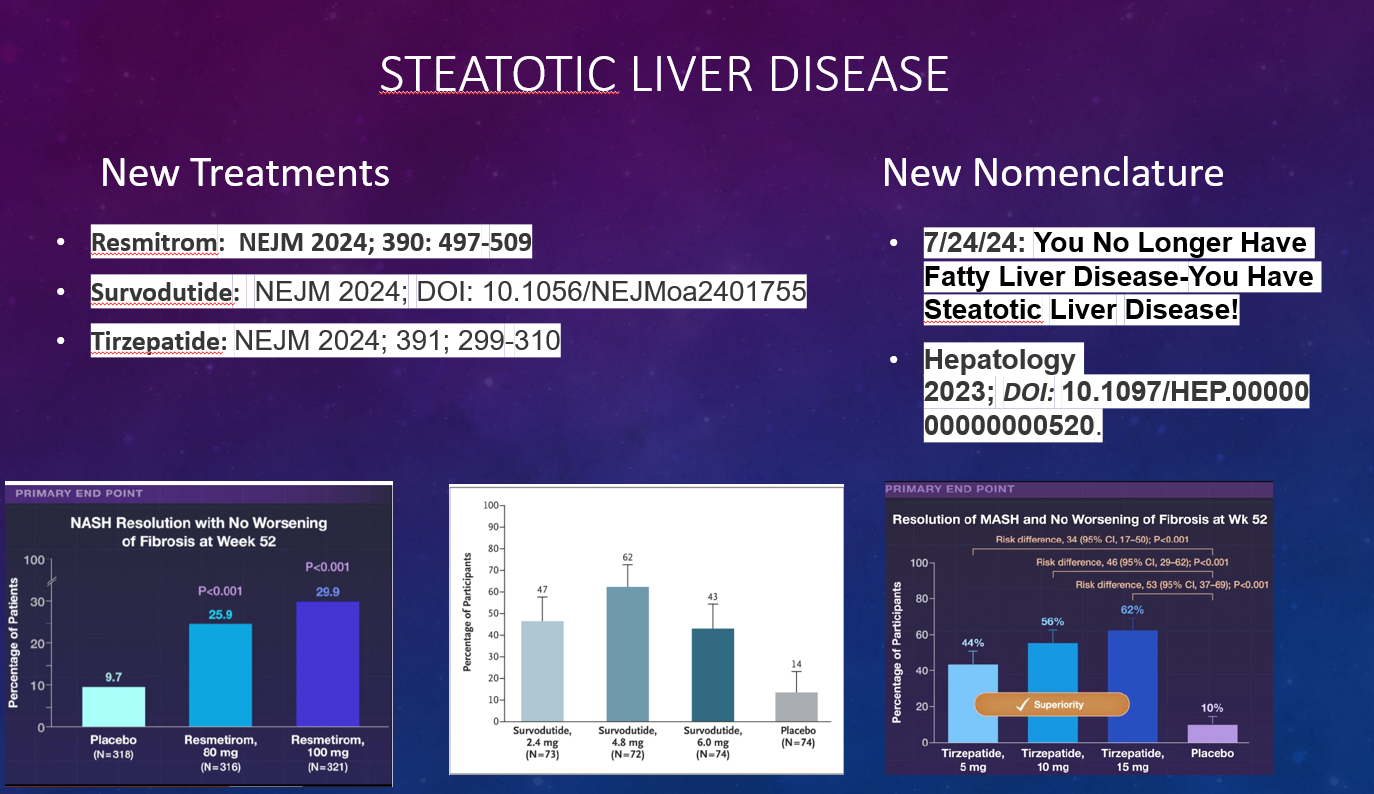
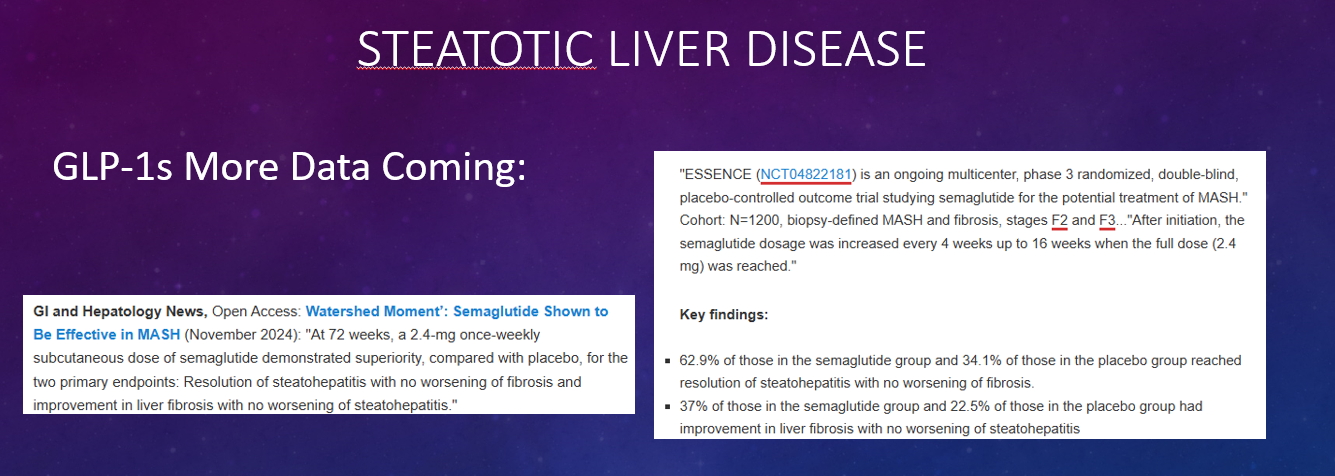
This year I had the opportunity to give a lecture to our group that reviewed much of the important advances that happened in 2024. Here are some of the slides (if you have any trouble reading the slides, you can search for the original blog post using author name).

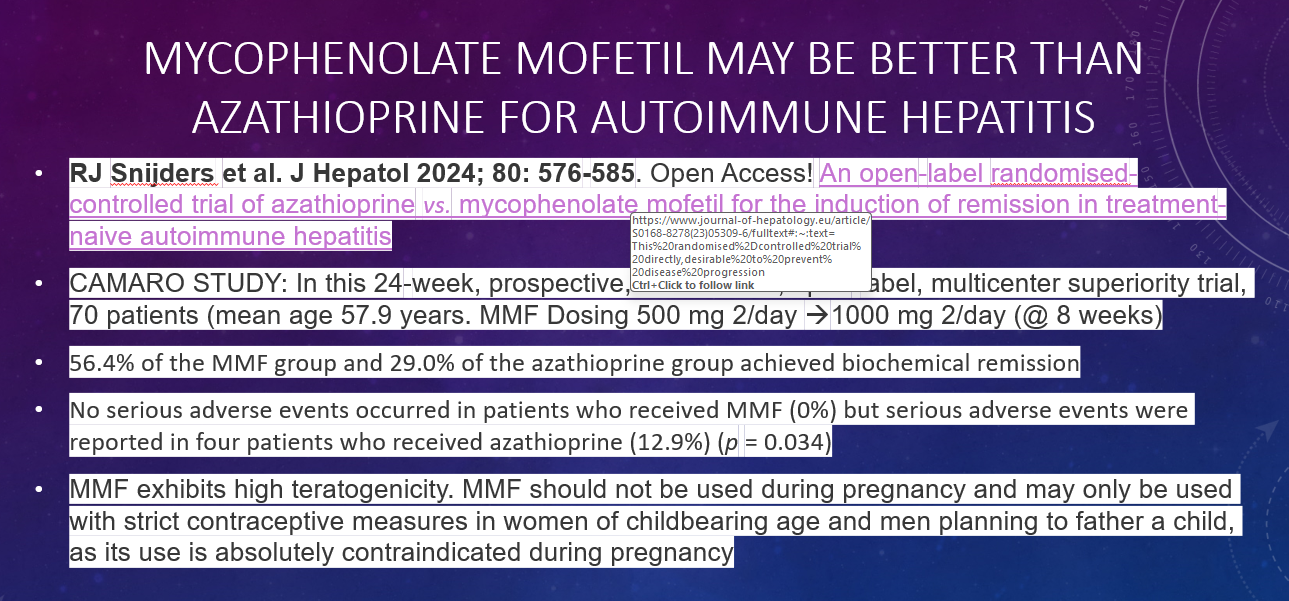
Delivery Vehicle and Outcomes for Budesonide-Treated Eosinophilic Esophagitis

N Lendner, et al. J Pediatr Gastroenterol Nutr. 2024;79:92‐99. Comparison of budesonide vehicles in inducing histologic remission in pediatric eosinophilic esophagitis.

This retrospective study with 111 patients with EoE examined histologic remission with oral viscous budesonide (OVB) and various delivery vehicles (Splenda, honey, syrup or applesauce). Key findings:

  • Overall rate of histologic remission with OVB was 52.6% (“which is less than the reported response of approximately 66% for topical steroid therapy”).
  • There was no difference in rates of histologic remission or response in mid and distal esophagus, respectively) among the different vehicle types or treatment regimens. Similarly, there was no difference in endoscopic remission or response

My take: It does not seem to matter which delivery vehicle is used for OVB; thus, clinicians should aim for more palatable and cost‐effective vehicles.

Related blog posts:

Arches National Park

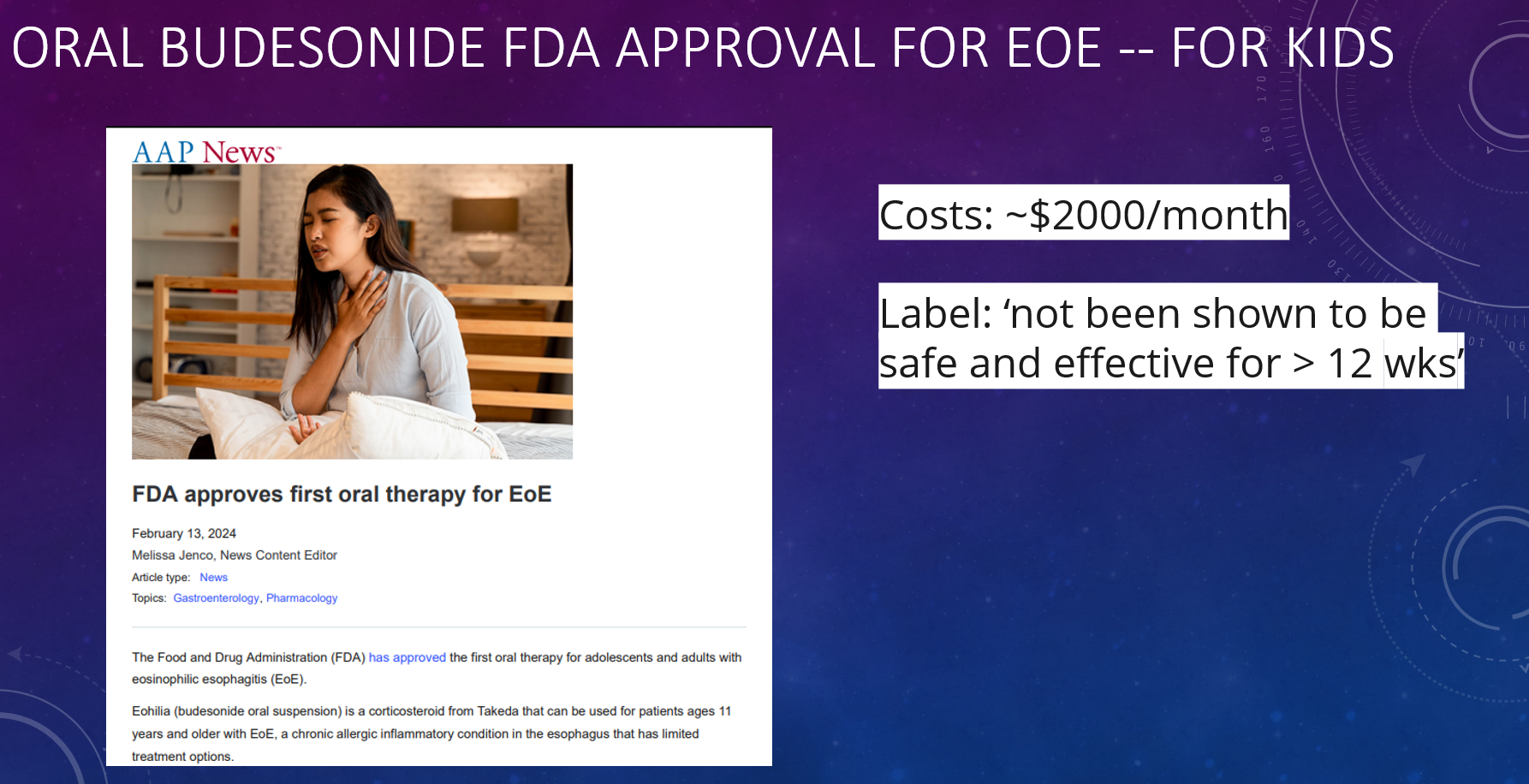
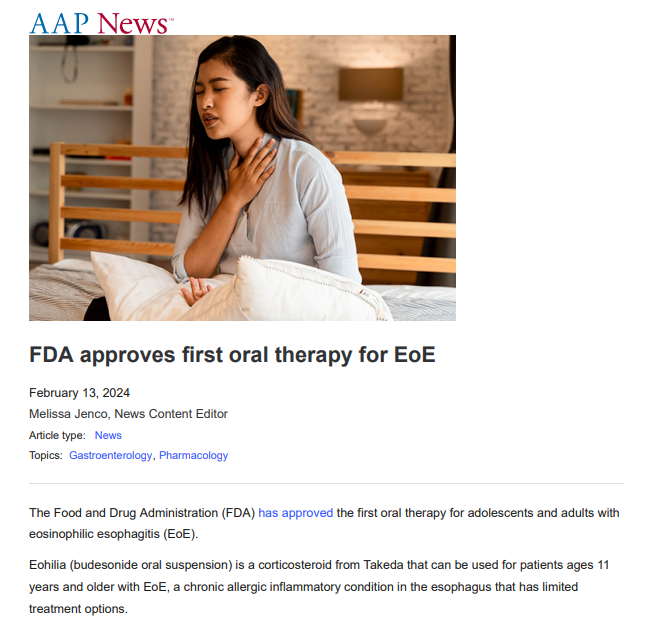
Budesonide FDA-Approved for Eosinophilic Esophagitis

AAP News 2/13/24: FDA approves first oral therapy for EoE

Eohilia is given in doses of 2 milligrams twice a day for 12 weeks. The label notes it has not been shown to be safe and effective for longer.

The FDA accepted Takeda’s new drug application in December 2020. A year later, the FDA determined more study was needed. Takeda revised its application and resubmitted it in September 2023.

Takeda conducted two multicenter, randomized, placebo-controlled trials in patients 11 to 56 years and 11 to 42 years, respectively. The first found 53% of the treatment group achieved histologic remission compared to 1% receiving a placebo. The second found 38% of the treatment group achieved remission vs. 2% of the placebo group, according to Takeda

Patients [need] to refrain from eating or drinking for at least 30 minutes after taking Eohilia. After 30 minutes, patients should rinse their mouth and spit to reduce the risk of developing thrush.

My take: Budesonide has been used effectively for EoE for a long time; it is good news that it is recognized by FDA with a specific EoE indication. However, it is a little concerning that the label indication is for 12 weeks when we know that this is chronic disease. Also, I am eager to see how much this formulation costs in comparison to the budesonide ampules.

Related blog posts:

Is It a Mistake to Use Budesonide for Autoimmune Hepatitis?

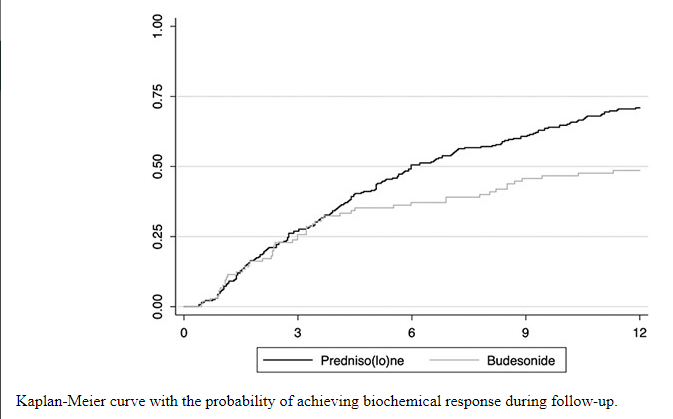
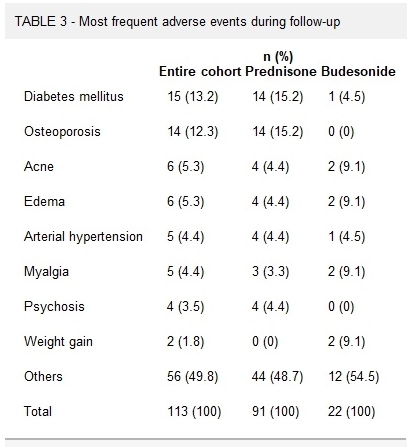
A Diaz-Gonzalez et al. Hepatology 2023; 77: 1095-1105. Open Access! Budesonide as first-line treatment in patients with autoimmune hepatitis seems inferior to standard predniso(lo)ne administration

Background: AASLD guidelines also suggest the use of budesonide with azathioprine as an alternative agent (to prednisone with azathioprine) in patients without cirrhosis or a severe acute presentation.1–3 However, particularly in pediatrics, there is concern that it is not as effective.

Methods: This was a retrospective, multicenter study of 105 naive AIH patients treated with budesonide as the first-line drug. The control group included 276 patients treated with prednisone.

Key findings:

  • The biochemical response (BR) rate was significantly higher in patients treated with prednisone (87% vs. 49% of patients with budesonide, p < 0.001). BR was defined as normalization of both serum transaminases and IgG.
  • The probability of achieving BR was significantly lower in the budesonide group (OR = 0.20) at any time during follow-up, and at 6 (OR = 0.51) and 12 months after starting treatment (0.41)
  • Prednisone treatment was significantly associated with a higher risk of adverse events (24.2% vs. 15.9%). These differences vanished when patients with cirrhosis were excluded from the analysis, showing a similar incidence of AEs in both groups (p = 0.119). Of the specific adverse effects, only the presence of osteoporosis was significantly higher in the prednisone group (mainly in those older than 60 years)
  • The authors note that budesonide was “only indicated in 5.4% of patients newly diagnosed with AIH… Budesonide was mainly employed in patients with low baseline transaminases, suggesting that this drug is preferred in patients with less severe disease.”

My take: “The use of budesonide in the real-life setting was low and was associated with a lower probability of achieving BR with respect to prednisone.” It likely needs to be restricted to those with mild disease, and those with adverse events with prednisone. Cost is less of an issue as budesonide can be obtained as a generic (Mark Cuban Costplus pharmacy: Budesonide).

Related blog posts:

What To Do For Pediatric Patients with Non-Responsive Celiac Disease

AA Ibrahim et al. JPGN 2022; 75: 616-622. Budesonide and the Gluten Containing Elimination Diet as Treatments for Non-responsive Celiac Disease in Children

Background: Non-responsive celiac disease (NRCD) may affect up to 15% of children with CD. A Gluten Containing Elimination Diet (GCED) is a more stringent diet consisting of fresh, whole, and unprocessed naturally gluten-free foods (MM Leonard et al. Nutrients 2017; 9: 1129. Open Access! Indications and Use of the Gluten Contamination Elimination Diet for Patients with Non-Responsive Celiac Disease).

Methods: In this 5-year retrospective study, the authors identified 22 patients with NRCD; they were following a gluten-free diet for at least 12 months but had persistent symptoms and enteropathy (Marsh 3). Treatments for NRCD were either a GCED (n=13), budesonide (n=9) or both (n=4). Four patients were lost to follow-up and did not receive either treatment.

Key findings:

  • Thirteen were treated with the GCED for 3 months with 46% achieving both histological and symptomatic resolution
  • Nine patients were treated with budesonide (6–9 mg daily), with 89% achieving both symptomatic and histologic resolution after a median 3-month treatment course
  • 67% of patients who responded to the GCED and 100% of patients who responded to budesonide remained in remission for at least 6 months following treatment transition back to exclusive GFD

My take: This important article shows that many patients thought to be receiving a GFD can respond to a more stringent approach. In addition, it offers an alternative strategy with budesonide which had a high response rate.

Related article: PHR Green et al. Gastroenterol 2022; 163: 1461-1469. Open Access! AGA Clinical Practice Update on Management of Refractory Celiac Disease: Expert Review These recommendations are for adults with refractory celiac disease.

Best Practice Advice 1

In patients believed to have celiac disease who have persistent or recurrent symptoms or signs, the initial diagnosis of celiac disease should be confirmed by review of prior diagnostic testing, including serologies, endoscopies, and histologic findings.

Best Practice Advice 2

In patients with confirmed celiac disease with persistent or recurrent symptoms or signs (nonresponsive celiac disease), ongoing gluten ingestion should be excluded as a cause of these symptoms with serologic testing, dietitian review, and detection of immunogenic peptides in stool or urine. Esophagogastroduodenoscopy with small bowel biopsies should be performed to look for villous atrophy. If villous atrophy persists or the initial diagnosis of celiac disease was not confirmed, consider other causes of villous atrophy, including common variable immunodeficiency, autoimmune enteropathy, tropical sprue, and medication-induced enteropathy.

Best Practice Advice 3

For patients with nonresponsive celiac disease, after exclusion of gluten ingestion, perform a systematic evaluation for other potential causes of symptoms, including functional bowel disorders, microscopic colitis, pancreatic insufficiency, inflammatory bowel disease, lactose or fructose intolerance, and small intestinal bacterial overgrowth.

Best Practice Advice 4

Use flow cytometry, immunohistochemistry, and T-cell receptor rearrangement studies to distinguish between subtypes of refractory celiac disease and to exclude enteropathy-associated T-cell lymphoma. Type 1 refractory celiac disease is characterized by a normal intraepithelial lymphocyte population and type 2 is defined by the presence of an aberrant, clonal intraepithelial lymphocyte population. Consultation with an expert hematopathologist is necessary to interpret these studies.

Best Practice Advice 5

Perform small bowel imaging with capsule endoscopy and computed tomography or magnetic resonance enterography to exclude enteropathy-associated T-cell lymphoma and ulcerative jejunoileitis at initial diagnosis of type 2 refractory celiac disease.

Best Practice Advice 6

Complete a detailed nutritional assessment with investigation of micronutrient and macronutrient deficiencies in patients diagnosed with refractory celiac disease. Check albumin as an independent prognostic factor.

Best Practice Advice 7

Correct deficiencies in macro- and micronutrients using oral supplements and/or enteral support. Consider parenteral nutrition for patients with severe malnutrition due to malabsorption.

Best Practice Advice 8

Corticosteroids, most commonly open-capsule budesonide or, if unavailable, prednisone, are the medication of choice and should be used as first-line therapy in either type 1 or type 2 refractory celiac disease.

Best Practice Advice 9

Patients with refractory celiac disease require regular follow-up by a multidisciplinary team, including gastroenterologists and dietitians, to assess clinical and histologic response to therapy. Identify local experts with expertise in celiac disease to assist with management.

Best Practice Advice 10

Patients with refractory celiac disease without response to steroids may benefit from referral to a center with expertise for management or evaluation for inclusion in clinical trials.

Related blog posts:

Unrelated article: NPR (12/11/22) Authorities are urging indoor masking in major cities as the ‘tripledemic’ rages

Link: CDC Covid Weekly Tracker -lots of interesting data and information

Canyon Road Artwork in Santa Fe

Disclaimer: This blog, gutsandgrowth, assumes no responsibility for any use or operation of any method, product, instruction, concept or idea contained in the material herein or for any injury or damage to persons or property (whether products liability, negligence or otherwise) resulting from such use or operation. These blog posts are for educational purposes only. Specific dosing of medications (along with potential adverse effects) should be confirmed by prescribing physician.  Because of rapid advances in the medical sciences, the gutsandgrowth blog cautions that independent verification should be made of diagnosis and drug dosages. The reader is solely responsible for the conduct of any suggested test or procedure.  This content is not a substitute for medical advice, diagnosis or treatment provided by a qualified healthcare provider. Always seek the advice of your physician or other qualified health provider with any questions you may have regarding a condition.

Does Budesonide Work for Collagenous Gastritis?

Congratulations to NASPGHAN Elected Leaders and especially to Vicky Ng (who I met while completing my fellowship in Cincinnati).

Briefly noted:

RS Choung et al. Clin Gastroenterol Hepatol 2022; 20(9):1977-1985. Collagenous Gastritis: Characteristics and Response to Topical Budesonide

This was an open-label, retrospective study with 64 patients with collagenous gastritis (CG) (50 adults, 14 children). Budesonide was administered in 2 formulations: open-capsule budesonide or compounded immediate-release budesonide capsule.  Key finding: Of the patients treated with topically targeted budesonide (TTB), 89% had a clinical response (42% complete, 46% partial), and 88% had a histologic response (53% complete, 33% partial).

Related blog posts:

At the top of Crow’s Pass Trail, Girdwood AK