Elevated Fecal Calprotectin Levels in Pediatric Patients with H pylori Infection

P Villalba-Davila et al. J Pediatr Gastroenterol Nutr. 2025;80:617–622 Helicobacter pylori infection is associated with significant elevations to fecal calprotectin, systemic inflammatory markers

In this retrospective study from a high immigrant density community, patients aged 6–18 years old who had an fecal calprotectin (FC) level within 6 months prior to EGD and who were tested for HP infection were included in the study. 

Key findings:

  • Of 129 patients, 37 (28.7%) tested positive for HP infection.
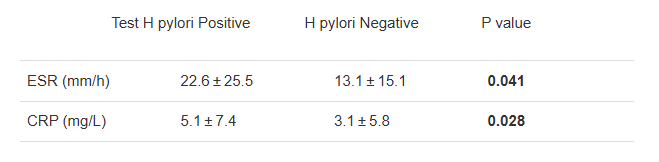
  • The mean FC level was significantly elevated in HP-positive patients (241.2) as compared with HP-negative patients (88.1) (p < 0.001)
  • HP-positive patients were also found to have small but notably higher elevations of CRP and ESR levels

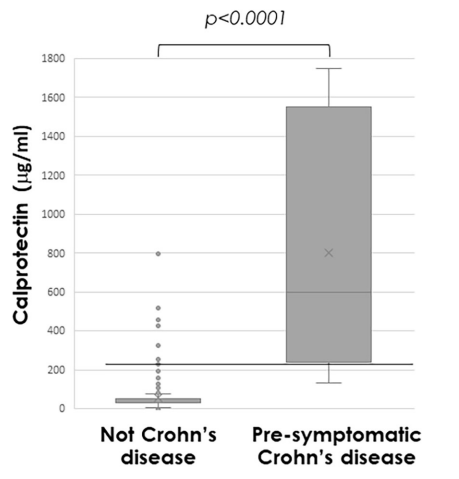
My take: This study confirms what I have seen in my own practice. Patients with H pylori frequently have elevated calprotectin levels. Checking stool for H pylori may help avoid some colonoscopies. H pylori infection, however, can be present in patients with inflammatory bowel disease as well.

Related blog posts:

Phang Nga Bay, Thailand

AGA Guidance: Biomarkers for Crohn’s Disease

AN Ananthakrishnan, J Adler et al. Gastroenterol 2023; 165: 1367-1399. Open Access! AGA Clinical Practice Guideline on the Role of Biomarkers for the Management of Crohn’s Disease

Key points:

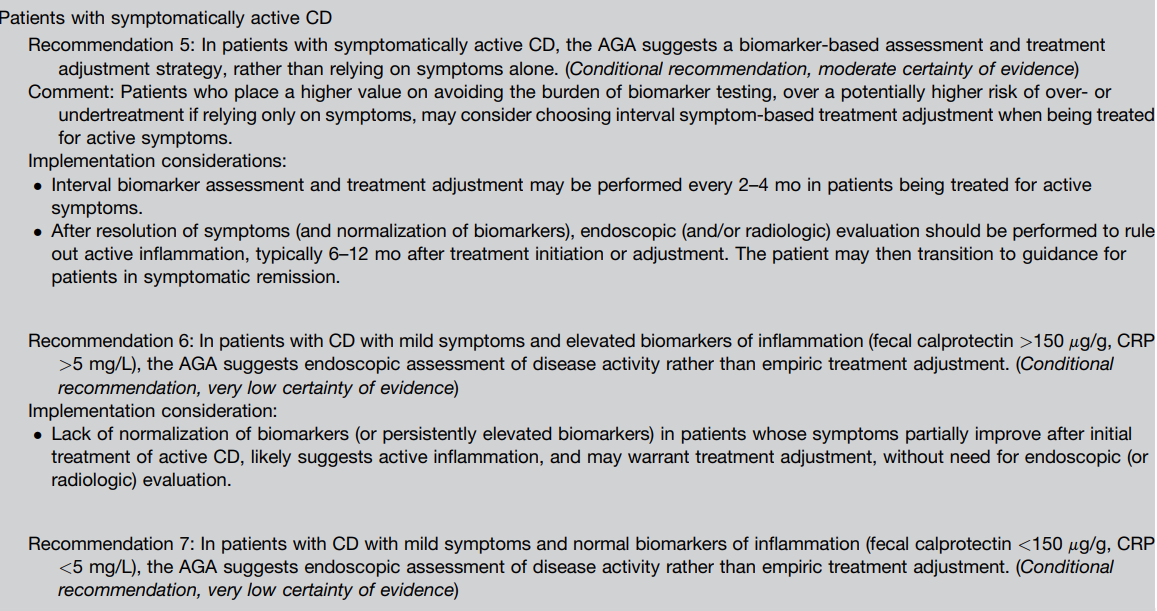
  • Recommendation #2: In patients in symptomatic remission with recent endoscopic evaluation (w/in 3 yrs), a fecal calprotectin <150 μg/g and normal CRP rules out active inflammation, avoiding endoscopic evaluation for assessment of disease activity. However, elevated biomarkers in this setting merit confirmation with endoscopy before treatment adjustment.
  • Recommendations #6, #7: In patients with CD with mild symptoms, neither normal nor elevated biomarkers alone are sufficiently accurate to determine endoscopic activity.
  • Recommendations #8, #9: In patients with CD with moderate to severe symptoms, elevated fecal calprotectin or serum CRP suggests endoscopic activity, precluding routine endoscopic assessment for disease activity. In those with moderate to severe symptoms but normal biomarkers, endoscopic assessment is recommended rather than empiric adjustment in treatment.
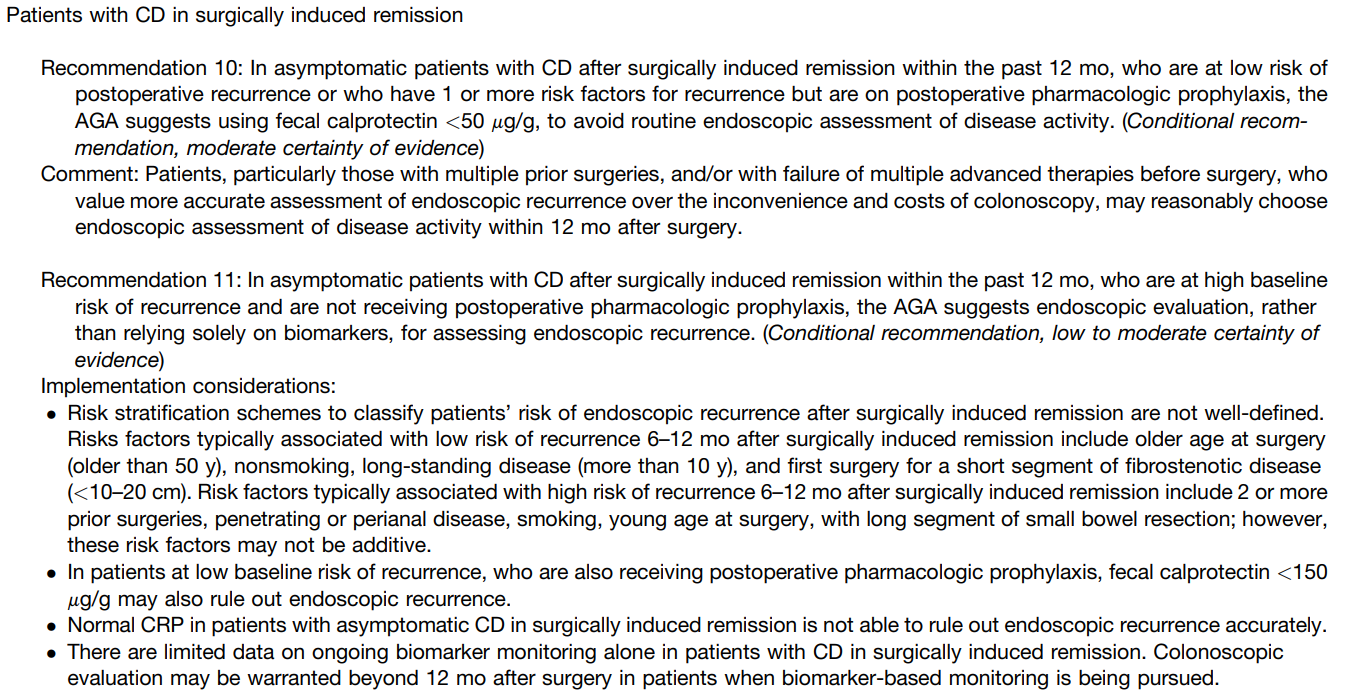
  • Recommendation #10: In patients with CD in surgically induced remission in low-risk patients on pharmacologic prophylaxis, a normal fecal calprotectin (<50 mcg/gm) reliably rules out endoscopic recurrence.

More Recommendations:

#1 In patients with CD in symptomatic remission, the AGA suggests a monitoring strategy that combines biomarkers and symptoms, rather than relying on symptoms alone.

#3 In patients with CD in symptomatic remission without recent confirmation of endoscopic remission, the AGA suggests endoscopic evaluation to rule out active inflammation, rather than relying solely on fecal calprotectin or CRP. 

#5 In patients with symptomatically active CD, the AGA suggests a biomarker-based assessment and treatment adjustment strategy, rather than relying on symptoms alone.

My take: This practical guidance will help target endoscopy in patients with Crohn’s disease. In those who are feeling well with normal biomarkers, frequent endoscopic evaluation is a low-value procedure. Similarly, in those with very elevated biomarkers and who are very symptomatic (with normal infectious studies), endoscopic evaluation is often unnecessary. The AGA expert recommendations should help persuade insurance companies to include biomarkers in their coverage.

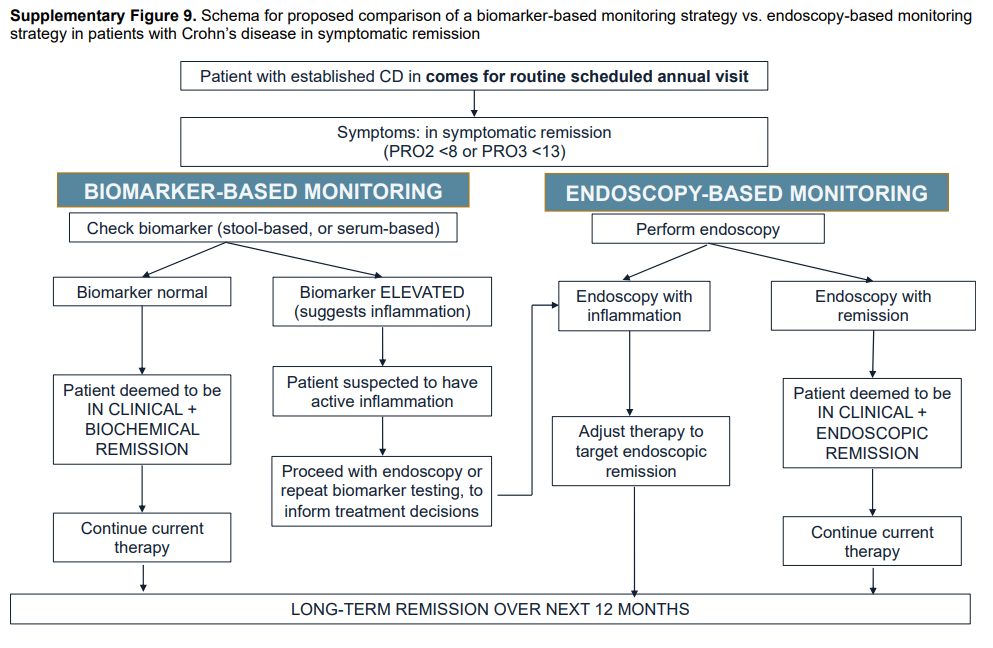
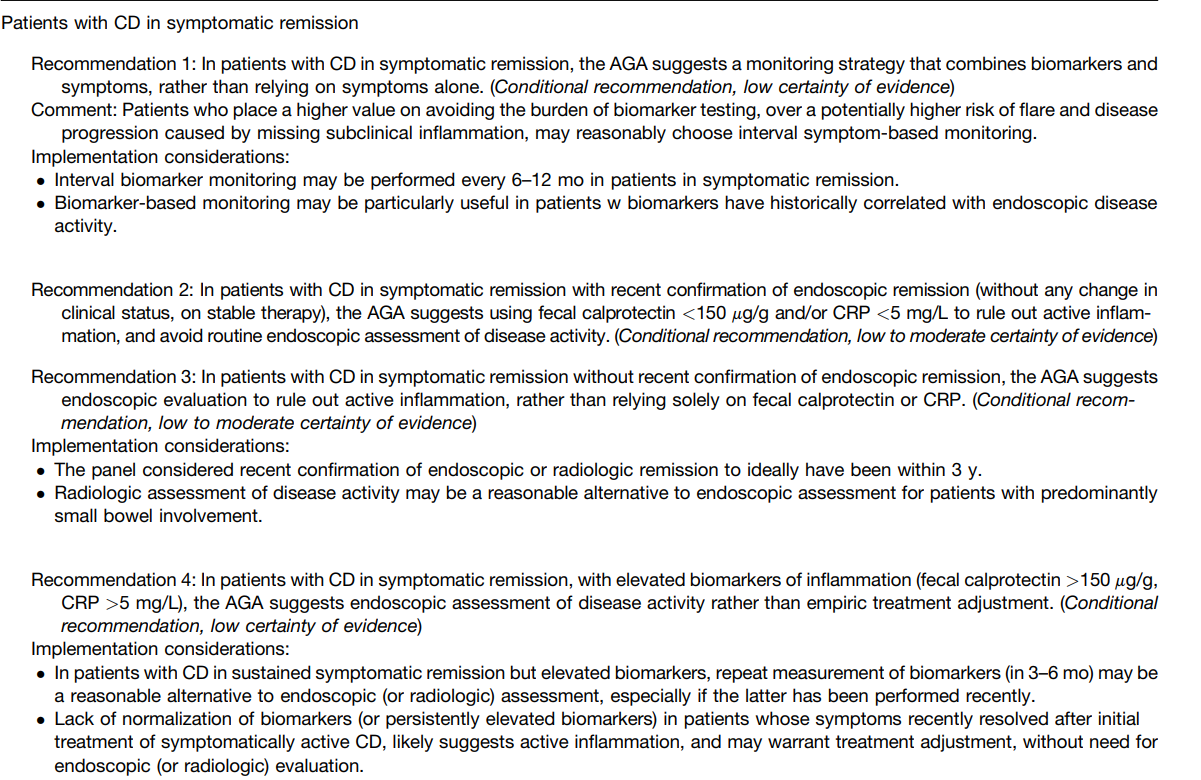
Summary of all recommendations -see below from Figure 9 and Table 3.

Related blog posts:

Guideline: Biomarker Use for Ulcerative Colitis
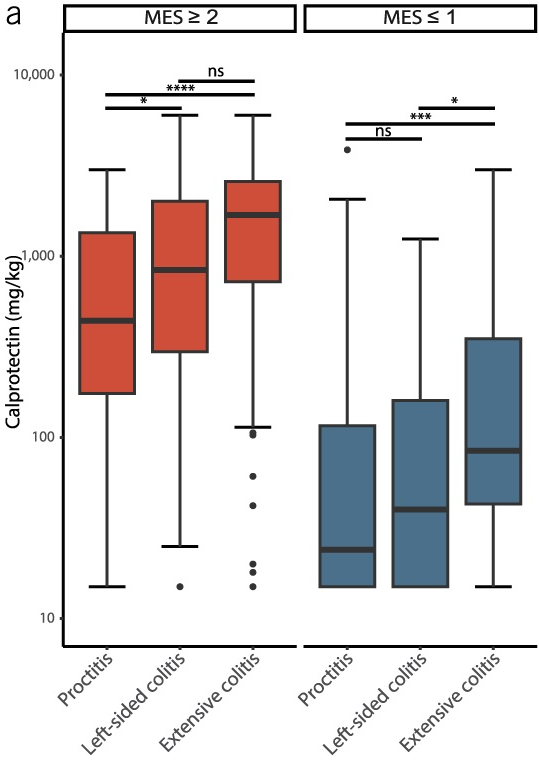
S Singh et al. Gastroenterol 2023; 164: 344-372. Open Access! AGA Clinical Practice Guideline on the Role of Biomarkers for the Management of Ulcerative Colitis Clinical Decision support tool (pg 373-374), Spotlight (pg 375).

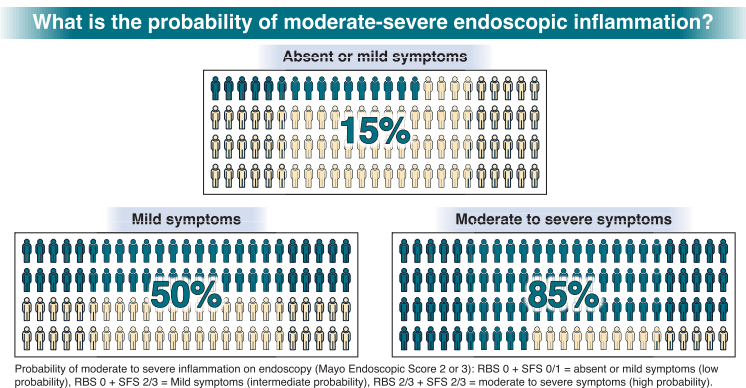
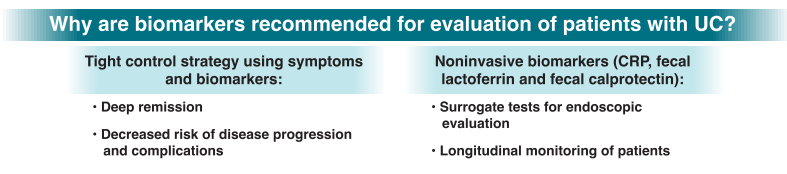
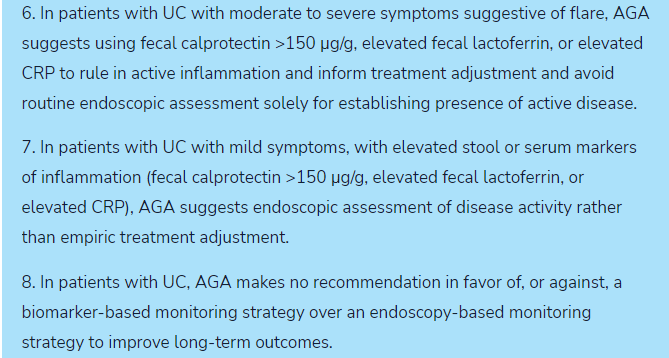
The full access links to the article and related articles provide extensive information and rationale for AGA’s biomarker recommendations in ulcerative colitis (UC). For me, the recommendations highlight the important role of biomarkers (especially fecal calprotectin (FC)) when things are going very well or very poorly. Key points:

  • In asymptomatic patients with normal biomarkers (FC <150, normal lactoferrin, normal CRP), the recommendations suggest continued monitoring without endoscopic assessment.
  • In patients with moderate-to-severe symptoms and with elevated biomarkers, the authors, likewise, advocate for treatment adjustment without endoscopic assessment.
  • For asymptomatic patients with elevated biomarkers and symptomatic patients with normal biomarkers, the authors recommend endoscopic assessment.
From Spotlight Material

My take: By combining biomarkers with symptoms, this improves utility of more invasive testing.

Related blog posts:

Targeting Calprotectin Levels Below 80 for Ulcerative Colitis Plus Obesity Medication Pushback
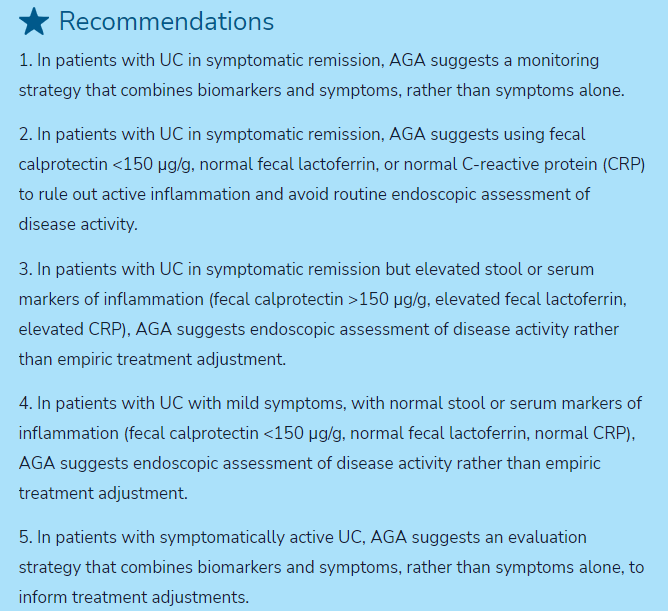
K Kawashima et al. Inflamm Bowel Dis 2023; 29: 359-366. Low Fecal Calprotectin Predicts Histological Healing in Patients with Ulcerative Colitis with Endoscopic Remission and Leads to Prolonged Clinical Remission
In this prospective study (n=76), patients with UC in clinical and endoscopic remission, defined as a partial Mayo score (PMS) ≤ 2 points and a Mayo endoscopic subscore 0–1, were enrolled and followed for 2 years or until relapse, defined as a PMS > 2 or medication escalation.

Key findings:

  • The median fecal calprotectin (FC) value in patients with histologic healing (HH) (n = 40) was 56.2 µg/g, significantly lower than that in those with histological activity (118.1 µg/g; P < .01)
  • The optimal FC cutoff value to predict prolonged CR was 84.6 µg/g (72% sensitivity; 85% specificity; P < .01)

My take: Even among ulcerative colitis in clinical & endoscopic remission, fecal calprotectin levels are an objective way to identify histologic healing and to stratifying likelihood of prolonged remission.

Related blog posts:

Sendero Esperanza Trail, Saguaro National Park, Tucson AZ

It is good to see some skepticism regarding the new obesity medications. 4/2/23 USA Today: Why experts worry the ‘magic’ in new weight loss medications carries a dark side

IBD Updates: Rising Burden of IBD, Calprotectin in Severe Colitis, Postoperative Therapeutic Drug Monitoring, Formula Choice for EEN

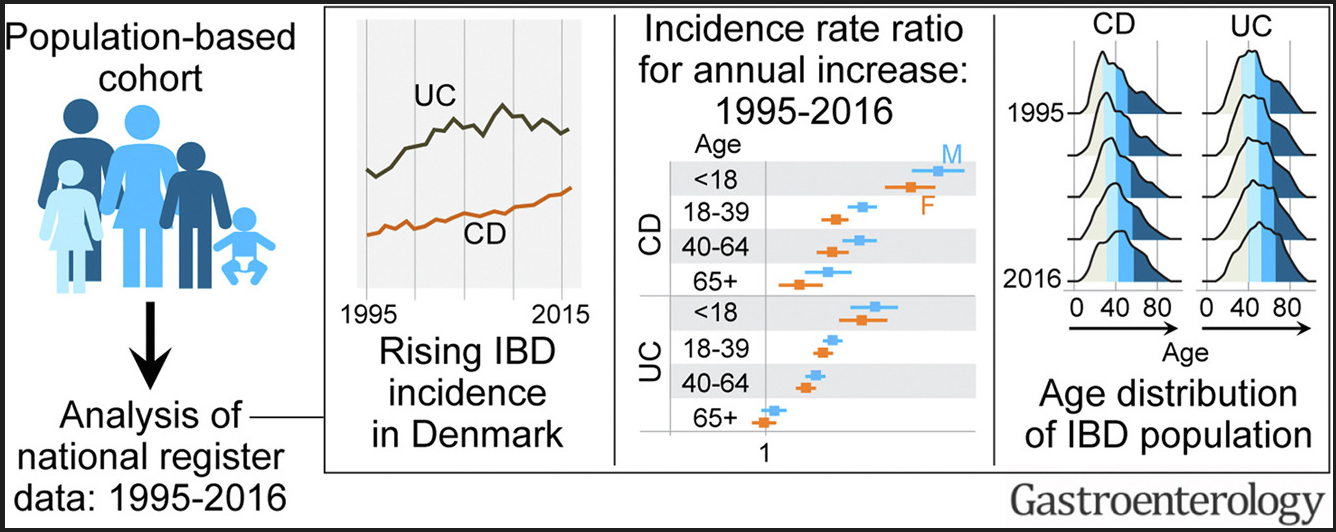
M Agrawal et al. Gastroenterol 2022; 163: 1547-1554. Open Access! The Rising Burden of Inflammatory Bowel Disease in Denmark Over Two Decades: A Nationwide Cohort Study

Key findings:

  • Between 1995 and 2016, the incidence rate (95% confidence interval) per 100,000 person-years rose from 9.1 (8.3–10.0) to 17.8 (16.8–19.0) for CD, and from 21.0 (19.8–22.3) to 28.4 (27.0–29.8) for UC.
  • The highest increase in CD and UC incidence rates occurred in children and young adults, respectively.
  • The prevalence of IBD doubled from 1995 to 2016; the greatest increase (2.5-fold) was in UC prevalence among individuals aged >40 years. During this period, the median age of the IBD population increased by 6 to 7 years.

Y Pan et al. Inflamm Bowel Dis 2022; 28: 1865-1871. Utility of Therapeutic Drug Monitoring for Tumor Necrosis Factor Antagonists and Ustekinumab in Postoperative Crohn’s Disease

In this retrospective study (n=130), therapeutic drug levels in the postoperative period were associated with improved outcomes for anti-TNF agents (infliximab (IFX) or adalimumab (ADA) but NOT for ustekinumab (UST):

  • In patients with IFX ≥3 µg/mL, higher rates of deep remission (39% vs 0%; P = .02) existed compared with those with IFX less than 3 µg/mL. This was true for clinical remission (44% vs 9%; P = .04) and objective (83% vs 62%; P = .1) remission. 
  •  In patients with ADA ≥7.5 µg/mL, rates of deep (42% vs 0%; P = .02), clinical (42% vs 0%; P = .02), and objective (88% vs 40%; P = .007) remission were higher than patients with lower concentrations.
  • For UST, rates of deep (28% vs 17%; P = 1.0), clinical (33% vs 33%; P = 1.0), and objective (70% vs 67%; P = 1.0) remission were similar between patients regardless of drug concentration.

S Sasidharan et al. Inflamm Bowel Dis 2022; 28: 1833-1837. Fecal Calprotectin Is a Predictor of Need for Rescue Therapy in Hospitalized Severe Colitis

In this retrospective study (n=147), a fecal calprotectin >800 mcg/g independently predicted the need for inpatient medical rescue therapy (odds ratio, 2.61; 95% CI, 1.12-6.12). An admission calprotectin >800 mcg/g independently predicted surgery within 3 months (odds ratio, 2.88; 95% CI, 1.01-8.17). My take: This is the least surprising study I’ve read this past month —those with more severe colitis, based on calprotectin values, were more likely to need more intensive treatments.

R Dawson et al. Inflamm Bowel Dis 2022; 28: 1859-1864. Comparing Effectiveness of a Generic Oral Nutritional Supplement With Specialized Formula in the Treatment of Active Pediatric Crohn’s Disease

In this retrospective pediatric study (n=171), the authors found that a generic oral supplement (Fortsip) was as effective as a specialized formula (Modulen IBD) for enteral nutrition. “No difference was demonstrated in remission rate (Fortisip n = 67 of 106 [63%] vs Modulen IBD n = 41 of 64 [64%], P = .89), nonadherence rate (Fortisip n = 7 of 106 [7%] vs Modulen IBD 3 of 64 [5%], P = .57) or method of administration.” The main difference in outcome was a lower expense in the group receiving the generic formula. My take: This study is in agreement with previous studies.

Related blog posts:

Most Popular 2022 Posts

The list of the most viewed gutsandgrowth blog posts in 2022.

Links to Posts:

Calprotectin Less Accurate for Isolated Ileal Crohn’s Disease

G D’Arcangelo et al. JPGN 2021; 73: 242-246. Is Fecal Calprotectin a Useful Marker for Small Bowel Crohn Disease?

In this retrospective study with 98 patients, the authors examined the sensitivity and specificity of fecal calprotectin (FC) at a cutoff of 150 mcg/g in comparison to findings of ileocolonoscopy and MRE in those with isolated ileal CD (L1, n=14), colonic CD (L2, n=10) and ilecolonic CD (L3, n=74) . Note: the abstract erroneously states the cutoff as 50 mcg/g.

Key findings:

  • The sensitivity and specificity of FC for L1 CD were 36% and 91%, respectively, compared to 93% and 75% for L2 and 70% and 95% for L3.
  • An FC of 95 mg/kg was identified as the best cut off for identification of active isolated ileal disease, with a sensitivity of 77% and a specificity of 56%

My take: Though this study had only 14 patients with isolated ileal disease, it is likely that a calprotectin level is less reliable as a biomarker in these patients.

Related article: Jukic A, Bakiri L, Wagner EF, et al Calprotectin: from biomarker to biological functionGut Published Online First: 18 June 2021. doi: 10.1136/gutjnl-2021-324855. Thanks to KT Park for this reference. Open Access- Full text: Calprotectin: from biomarker to biological function

Related blog posts:

Clinical Remission: Trust But Verify

A recent study reminded me of the slogan ‘trust but verify.’ This slogan was popularized by Ronald Reagan in nuclear disarmament talks with the U.S.S.R. In contrast, C Sarbagili-Shabat et al (JPGN 2021; 72: 569-573. Moderate-to-severe Endoscopic Inflammation is Frequent After Clinical Remission in Pediatric Ulcerative Colitis) discuss the issue of clinical remission in ulcerative colitis.

This study  prospectively assessed for mucosal healing by endoscopy 3 to 5 months after clinical remission, PUCAI <10, was documented. Key findings:

  • 28 children in continuous clinical remission at time of sigmoidoscopy were included. Mayo 0 was present in 12/28 (43%), Mayo 1 in 2/28 (7%) and Mayo 2 to 3 in 14/28 (50%) endoscopies.
  • Among 23 patients with follow-up through 18 months, remission was sustained in 6/12 (50%) with Mayo score 0 to 1 versus 2/11 (18%) of patients with Mayo 2 and 3
  • 16 (57%) of the patients were receiving 5-ASA treatment

It would have been helpful to have calprotectin values as well. In their discussion, the authors note that “a normal calprotectin is quite convincing with regard to endoscopic remission” and ECCO ESPGHAN guidelines “provide guidance that a colonoscopy should only be performed if fecal calprotectin” is >250 mcg/g.

My take: Clinical remission in ulcerative colitis should be verified. It is reasonable to start with a fecal calprotectin and if elevated to proceed with endoscopic evaluation (colonoscopy or sigmoidoscopy).

Also: new therapy for Crohn’s disease with favorable phase III study. From Pharmacy Times: Risankizumab (Skyrizi) Demonstrates Significant Improvements In Patients with Crohn Disease Two studies, ADVANCE and MOTIVATE showed similar results for Crohn’s disease. In the ADVANCE study: “40% of patients receiving 600 mg, and 32% of patients receiving 1200 mg achieved endoscopic response at week 12, compared to 12% in the placebo group.” In the MOTIVATE study, “29% and 34% of patients receiving 600 mg and 1200 mg achieved endoscopic response, respectively, compared to 11% in the placebo group.”

Related blog posts:

Results in population with reported clinical remission (Sarbagili-Shabat et al JPGN 2021; 72: 569-573)

IBD Update (November 2020)

W Reinisch et al. Inflamm Bowel Dis 2020; 1562-1571.Full Text: Association of Biomarker Cutoffs and Endoscopic Outcomes in Crohn’s Disease: A Post Hoc Analysis From the CALM Study n=244.

  • The proportion of patients who achieved the primary end point CDEIS <4 and no deep ulcers was significantly greater for those with FC <250 µg/g (74%; P < 0.001)
  •  Fecal calprotectin <250 µg/g, CRP <5 mg/L, and CDAI <150 gave a sensitivity/specificity of 72%/63% and positive/negative predictive values of 86%/42% for CDEIS <4 and no deep ulcers 48 weeks after randomization

My take: Fecal calprotectin levels are useful for monitoring mucosal healing. Levels less than 250 are encouraging. Levels less than 100 are better.

Proportion of patients achieving mucosal healing (CDEIS <4) and no deep ulcers in (B) all patients by FC cutoff at week 48 after randomization

Related blog posts:

S Danese et al. Clin Gastroenterol Hepatol 2020; 18: 2526-2534. Full text link: Effects of Apremilast, an Oral Inhibitor of Phosphodiesterase 4, in a Randomized Trial of Patients With Active Ulcerative Colitis “We performed a double-blind, phase 2 trial of adults with active UC for 3 months or more who were naïve to biologic therapy or had been failed by, could not tolerate, or had contraindications to conventional therapies.” n=168. Key findings:

  • Clinical remission was achieved at week 12 by 31.6% of patients in the 30 mg apremilast group and 12.1% of patients in the placebo group (P = .01). However, only 21.8% of patients in the 40 mg apremilast group achieved clinical remission at week 12 (P = .27 compared with placebo)
  • At week 52, clinical remission was achieved by 40.4% of patients initially assigned to the apremilast 30 mg group and 32.7% of patients initially assigned to the apremilast 40 mg group.

X Zhuang et al. Inflamm Bowel Dis 2020; 26: 1636-1647. Full text: Fecal Microbiota Alterations Associated With Clinical and Endoscopic Response to Infliximab Therapy in Crohn’s Disease

Methods: Microbiota was prospectively analyzed in 49 patients with active CD at baseline, week 6, and week 30

Key Findings:

  • Increased proportions of Lachnospiraceae and Blautia were associated with IFX efficacy; the combined increase of these taxa at week 6 showed 83.4% and 84.2% accuracy in predicting clinical response at weeks 14 and 30, respectively, with a predictive value of 89.1% in predicting endoscopic response at week 30
  • IFX diminished CD-related gut microbial dysbiosis by modifying microbiota composition and function

Diagnostic Strategy For Children with Diarrhea and Abdominal Pain

A recent study (E Van de Vijver et al. Pediatrics 2020; 146: e20192235) shows a logical approach for testing children with diarrhea and abdominal pain.

Abstract and video abstract link: Test Strategies to Predict Inflammatory Bowel Disease Among Children With Nonbloody Diarrhea

Methods:

  • Prospective cohort study: n=193, 6 to 18 years who underwent a standardized diagnostic workup.
  • Patients with rectal bleeding or perianal disease were excluded because the presence of these findings prompted endoscopy regardless of their biomarkers.
  • In addition to symptoms, objective measures included C-reactive protein (>10 mg/L), hemoglobin (<−2 SD for age and sex), and fecal calprotectin (≥250 μg/g).

Key findings:

  • Twenty-two of 193 (11%) children had IBD
  • “Triaging with a strategy that involves symptoms, blood markers, and calprotectin will result in 14 of 100 patients being exposed to endoscopy. Three of them will not have IBD, and no IBD-affected child will be missed.

My take: The approach advocated by the authors of reserving a diagnostic endoscopy for children at high risk for IBD based on stool tests/blood tests in addition to symptoms has merit.  I would add a couple caveats:

  1. In this population, I would recommend checking for celiac disease (eg. tissue tranglutaminase IgA antibody, serum IgA level)
  2. I think in individuals with ‘borderline’ elevations of calprotectin (50-250 μg/g), followup testing is needed and if remains persistently elevated, then ileocolonoscopy is likely warranted.  (Calprotectin values in younger children tend to be higher -so this approach is best suited in children >5 years of age)

Related blog posts: