COVID-19 Posts

My wife has been receiving a lot of compliments for her daily jokes which she decided to post for all of the neighborhood walkers. “A lot of people cry when they cut an onion. The trick is not to form an emotional bond.”

This coronavirus disease has caused incredible upheaval & misery throughout the world.  In addition, it has created an “infodemic.”  This blog post is intended to collate my previous related posts/& many of the referenced links into one location, to provide GI society guidelines for PPE/endoscopy as well as to place a good image at the bottom:

Aslo, recommendations from GI societies -AGA, ACG, ASGE and AASLD

  1. Use of Personal Protective Equipment in GI Endoscopy
  2. Endoscopic Procedure Guidance

JOINT GASTROENTEROLOGY SOCIETY MESSAGE: COVID-19
Use of Personal Protective Equipment in GI Endoscopy
RECOMMENDATIONS:
  1. General measures of physical distancing and adequate hand hygiene are of critical importance and need to be practiced diligently, independent of other protective measures.
  2. All elective, non-urgent procedures should be postponed until ample supplies of PPE, hospital beds and other resources are available after the COVID-19 surge.
  3. All members of the endoscopy team should wear a full set of PPE, predicated on resource availabilities.
  4. The correct sequence of putting on and taking off PPE (“donning” and “doffing”) is critical and needs to be understood and practiced [17].
  5. All members of the endoscopy team should wear N95 respirators (or devices with equivalent or higher filtration rates) for all GI procedures performed on patients with known SARS-CoV-2 infection and those with high risk of exposure. Given the high rate of infection transmission from pre-symptomatic individuals, all patients undergoing GI endoscopy in an area of community spread need to be considered ‘high risk’.
  6. All healthcare workers should have their N95 respirators fitted by an occupational health specialist prior to the first usage.
  7. Staffing of endoscopy rooms should be reduced to the minimum number of individuals necessary, in order to conserve PPE and other resources.
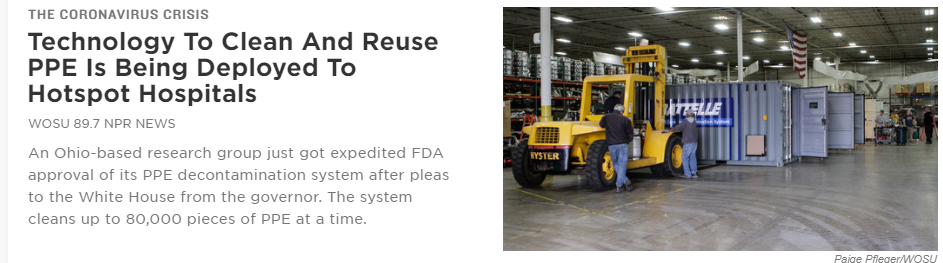
  8. In some cases, shortages may require extended and limited reuse of N95 respirators. Guidance is available on how to wear, remove and store respirators to minimize contamination [18]. Decontamination of N95 respirators with hydrogen peroxide vapor has been approved by the FDA as a means of reuse in times of limited supply [19].
GASTROENTEROLOGY PROFESSIONAL SOCIETY
GUIDANCE ON ENDOSCOPIC PROCEDURES
DURING THE COVID-19 PANDEMIC
Below is guidance regarding how to manage the clinical procedural needs of patients during the COVID-19 pandemic. Any decisions should be informed by the local situation and available resources. There may be state, local and institutional rules in place that must be considered as well. This guidance is offered until more definitive data-driven information becomes available.
For those patients for whom a procedure or appointment is not deemed immediately necessary, each practice should implement mechanisms to assure appropriate follow-up once the immediate impact of the COVID-19 pandemic has eased or passed.
All Elective Procedures Should Be Delayed
  1. Screening and surveillance colonoscopy in asymptomatic patients ​
  2. Screening and surveillance for upper GI diseases in asymptomatic patients​, including surveillance for esophageal varices in patients with cirrhosis
  3. For patients needing interval endoscopy for obliteration of esophageal varices post-acute bleeding, the individual circumstances of the patient need to be taken into account to determine safety of delay (i.e., size of varices, red wale markings, CTP status of the patient, acute bleed characteristics).
  4. Evaluation of non-urgent symptoms or disease states where procedure results will not imminently (within 4-6 weeks) change clinical management (e.g., EGD for non-alarm symptoms, EUS for intermediate risk pancreatic cysts) ​
  5. Motility procedures – esophageal manometry, ambulatory pH testing, wireless motility capsule testing and anorectal manometry
Urgent/Emergent Procedures Should Not Be Delayed ​
  1. Upper and lower GI bleeding​ or suspected bleeding leading to symptoms
  2. Dysphagia significantly impacting oral intake (including EGD for intolerance of secretions due to foreign body impaction or malignancy (stent placement))
  3. Cholangitis or impeding cholangitis (perform ERCP)​
  4. Symptomatic pancreaticobiliary disease ​(perform EUS drainage procedure if necessary for necrotizing pancreatitis and non-surgical cholecystitis, if patient fails antibiotics)
  5. Palliation of GI obstruction [UGI, LGI (including stent placement for large bowel obstruction) and pancreaticobiliary] ​
  6. Patients with a time-sensitive diagnosis (evaluation/surveillance/treatment of premalignant or malignant conditions, staging malignancy prior to chemotherapy or surgery) ​
  7. Cases where endoscopic procedure will urgently change management (e.g., IBD)
  8. Exceptional cases will require evaluation and approval by local leadership on a case by case basis
Q. Should all emergent EGD patients be intubated?
A. Absent other reasons that present a threat to the airway, intubation is not indicated for all EGDs. Proper use of PPE, including N95 masks is paramount.
Q. Should procedures be performed on patients with intermediate level cases such as Iron Deficiency Anemia (IDA) or mild dysphagia?
A. Decisions regarding cases such as these will need to be made on a case by case basis, taking into account resource availability, level of community infectivity and risk to the patient.
 

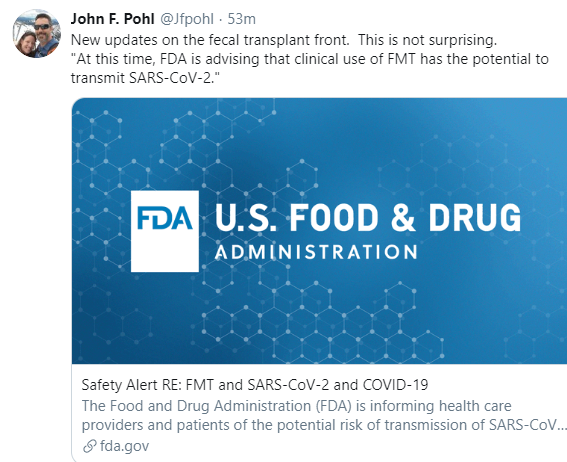
FMT Warning & “Get Your Butt in Gear” –Less Than 10% of Kids Meeting Guidelines for Healthy Movement

To lessen obesity, three health risk behaviors have been targeted:

  • Sedentary behavior -goal is to limit to 2 hours of screen time in 24 hours
  • Physical activity -goal is 1 hour (or more) of moderate to vigorous activity
  • Sleep duration -goal is 9-12 hours (ages 6-12 years) and 8-10 hours (13-18 years)

A recent study (X Zhu et al. J Pediatr 2020; 218: 204-9) shows that <10% of U.S. kids meet these goals.  The authors examined data (2016-17) from the National Survey of Children’s Health (NSCH) dataset (n=71,811)

Key findings:

  • 80.9% did NOT meet physical activity goal
  • 76.2% did meet screen time goal
  • 581% did meet sleep goal
  • However, only 9.4% met all 3 goals
  • Not meeting these ‘movement’ guidelines was associated with obesity, particularly in females (aOR 4.97 compared to aOR 3.99 for males)

My take: We are all made to be different shapes and sizes.  Nevertheless, we should strive for healthy behaviors and healthy eating which could improve outcomes.

Autoimmune Hepatitis Outcomes, Grand Rounds on Splenomegaly, Hydroxychloroquine for SARS-CoV-2 & Zantac Warning

Here’s a commentary explaining why hydroxychloroquine is NOT proven effective:

Annals of Internal Medicine -Link: A Rush to Judgment? Rapid Reporting and Dissemination of Results and Its Consequences Regarding the Use of Hydroxychloroquine for COVID-19

Some of the key points:

  • While the study suggested more rapid clearance of SARS-CoV-2 virus at day 6 in those treated with hydroxychloroquine/azathioprine (n=20), the authors excluded 6 from the treatment group including one patient who died and three who were transferrred to the ICU.  In addition, the treatment group had a lower viral load at the start of treatment.
  • Other viral infections, including influenza, have also had in vitro data suggesting efficacy with hydroxychloroquine but this did not translate into clinical efficacy in clinical trials.
  • “The hydroxychloroquine shortage not only will limit availability to patients with COVID-19 if efficacy is truly established but also represents a real risk to patients with rheumatic diseases who depend on HCQ for their survival.”

————————–

A Di Giorgio et al (J Pediatr 2020; 218: 121-9) provide long-term data (median f/u of 14.5 years) from a retrospective review on 83 children with autoimmune hepatitis (AIH, n=54)/autoimmune sclerosing cholangitis (ASC, n=29). Median age at presentation, between 2000-2004 was 12.1 years

Key findings:

  • 29% had histologic evidence of cirrhosis at diagnosis
  • At a median followup of 14.5 years, 99% were alive, 11 underwent transplantation.  In those who underwent transplantation, 5-year and 10-year survival was 95% and 88% respectively.
  • ASC was associated with IBD in 73% of cases, compared to 33% of AIH patients.
  • Treatment: 95% of all patients had normalization with transaminases with immunosuppressive treatment (most commonly azathioprine with prednisone 2.5-5 mg/day). ASC patients also received ursodeoxycholic acid 15-20 mg/kg/day.
  • Immunologic remission: 47% achieved immunologic remission which required normal IgG levels and negative/low ANA/SMA <1:20 in addition to normal transaminases.
  • Liver transplantation was needed in 28% of ASC compared to 9% of AIH patients; overall, 83% experienced 15-year transplant-free survival. Median age of those needing a liver transplant was 19.3 years.
  • Immunosuppression withdrawal was attempted in 12 patients after a median of 4.5 years of treatment.  9 were able to stay off immunosuppression.
  • An increase in case frequency was noted during the last 4 decades at this center, from 3.6 cases/year to 5.4 case/year.
  • Four patients had isolated infrequent autoantibodies of anti-SLA (n=3) nad antiLC-1 (n=1). SLA =liver soluble antigen, LC-1 =liver cytosol antibody type 1.  Thus, in those with suspected AIH/ASC, testing for these autoantibodies is important in ~5%.
  • Pathology: 18% did not have classical features of interface hepatitis.  Instead, some had lymphocytic/lymphoplasmocytic infiltrate without spillover into the parenchyma.
  • Progression from AIH to ASC occurred in 3 patients on followup cholangiography.
  • ASC would have been overlooked in 41% if one relied on pathology alone -reaffirming need for biliary imaging.

My take: This article has a number of useful points and with an overarching message that long-term outcomes are good for children with AIH/ASC.

Related blog posts:

B Freiberg et al. 2020; 218: 221-31. This grand rounds describes the extensive workup of a 12 year old with splenomegaly ultimately due to splenic vein stenosis.  The report provides a nice review of hepatologic, hematologic, infectious, and other causes of splenomegaly as well as a work-up algorithm. (look for everything).

Initial evaluation per algorithm should start with CBC/d, retic, blood smear, liver biochemistries, GGT, coags, EBV VCA IgM, CMV IgM, Parvovirus IgM, and complete abdominal ultrasound with doppler.

Hepatologic causes of splenomegaly include the following:

  • cirrhosis with portal hypertension
  • autoimmune hepatitis/autoimmune sclerosing cholangitis
  • congenital hepatic fibrosis
  • hepatoportal sclerosis
  • nodular regenerative hyperplasia
  • storage disease and inborn errors of metabolism which includes lipidosis (Gaucher, Niemann-Pick), mucopolysaccharidoses, defects in carbohydrate metabolism (galactosemis, hereditary fructose intolerance), sea-blue histiocyte syndrome
  • anatomic disorders: portal/splenic thrombosis, Budd-Chiari, cysts, hamartomas, hemangiomas, hematoma, peliosis

Other causes of splenomegaly: infecions, hematologic-oncologic, and rheumatic disorders

Related blog posts:

The U.S. Food and Drug Administration today announced it is requesting manufacturers withdraw all prescription and over-the-counter (OTC) ranitidine drugs from the market immediately. This is the latest step in an ongoing investigation of a contaminant known as N-Nitrosodimethylamine (NDMA) in ranitidine medications (commonly known by the brand name Zantac). The agency has determined that the impurity in some ranitidine products increases over time and when stored at higher than room temperatures and may result in consumer exposure to unacceptable levels of this impurity. As a result of this immediate market withdrawal request, ranitidine products will not be available for new or existing prescriptions or OTC use in the U.S.

New FDA testing and evaluation prompted by information from third-party laboratories confirmed that NDMA levels increase in ranitidine even under normal storage conditions, and NDMA has been found to increase significantly in samples stored at higher temperatures, including temperatures the product may be exposed to during distribution and handling by consumers. The testing also showed that the older a ranitidine product is, or the longer the length of time since it was manufactured, the greater the level of NDMA. These conditions may raise the level of NDMA in the ranitidine product above the acceptable daily intake limit.

Bill Gates: What We Need to Do Now for COVID-19, False-negative testing & Article Describing 3 Stages of Infection

A recent commentary in Washington Post by Bill Gates states clearly what we need to do now to improve the outcome of this pandemic. Link (may be behind paywall) : Bill Gates: Here’s how to make up for lost time on covid-19

  1. Nationwide stay-at-home.  Given mobility in country, having some states policies lessens the effectiveness of individual state mandates. “Because people can travel freely across state lines, so can the virus. The country’s leaders need to be clear: Shutdown anywhere means shutdown everywhere. Until the case numbers start to go down across America — which could take 10 weeks or more — no one can continue business as usual or relax the shutdown. Any confusion about this point will only extend the economic pain, raise the odds that the virus will return, and cause more deaths.”
  2. Much more testing and quicker turnaround.  This would allow more effective isolation policies and help determine if/when we are truly making progress.
  3. Nationwide coordination for ventilators/supplies.  Competition between states is counterproductive
  4. Preparation for making billions of doses of vaccine (when available)

—————————-

From NY TimesIf You Have Coronavirus Symptoms, Assume You Have the Illness, Even if You Test Negative

An excerpt:

Current coronavirus tests may have a particularly high rate of missing infections. The good news is that the tests appear to be highly specific: If your test comes back positive, it is almost certain you have the infection… From a technical standpoint, under ideal conditions, these tests can detect small amounts of viral RNA.  In the real world, though, the experience can be quite different, and the virus can be missed.

———————–

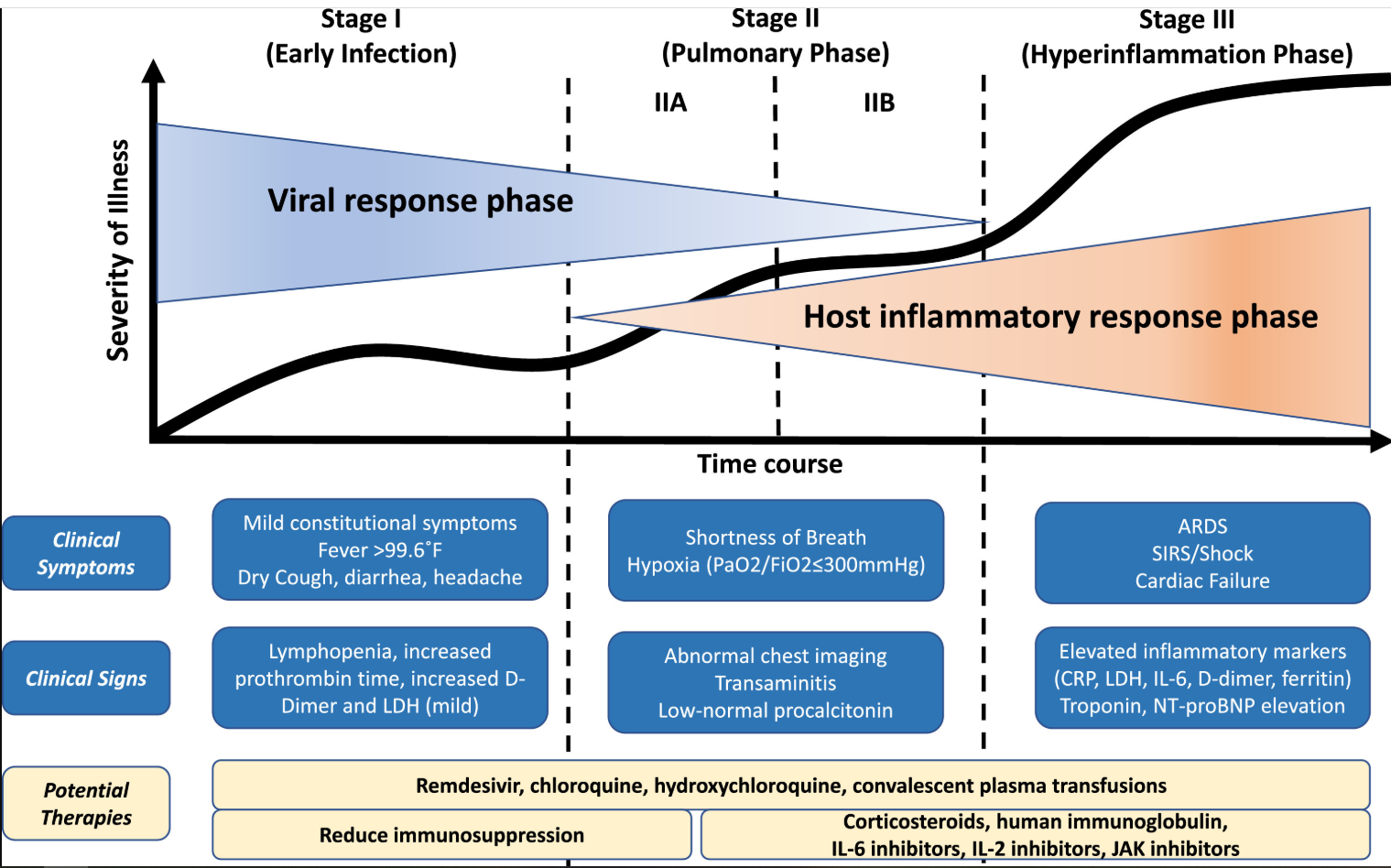
Thanks to Ben Gold for the following article: COVD-19 Illness in Native and Immunosuppressed States: A Clinical-Therapeutic Staging Proposal (HK Siddiqi, MR Mehra. J Heart Lung Transplantation) available at jhltonline.org

This article describes three stages of COVID-19 and associated laboratory/clinical findings.

  1. I -Early stage.  “In patients who can keep the virus limited to this stage of COVID-19, prognosis and recovery is excellent”
  2. II-Pulmonary involvement (IIa) without and (IIlb) with hypoxia
  3. III-Systemic Hyperinflattion

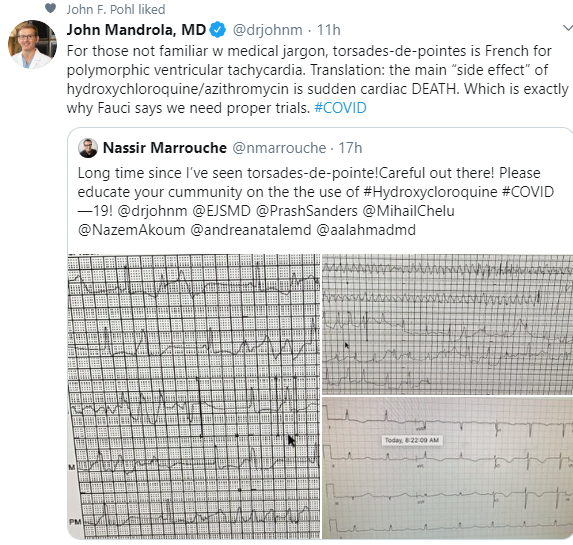
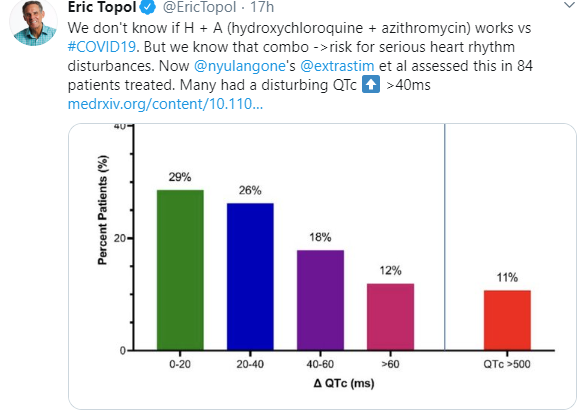
And a reason to wary of hydroxychloroquine in its use for COVID-19:


Liver Shorts March 2020 & COVID-19 Screenshots

Sofusbuvir and Ribavirin for children with hepatitis C infection (3-12 yrs, genotype 2 or 3) P Rosenthal et al. Hepatology 2020; 71: 31-43. n=54.  SVR12 was 98% (one patient did not complete treatment).

Alpha-one antitrypsin heterozygositiy contributes to cirrhosis in fatty liver disease. Liver Transplantation 2020; 26: 17-24. From the discussion: “unexpected PASD+ globules, in the context of advanced liver disease, are a specific finding that indicates the presence of a mutant A1AT allele.”  Of 196 explanted livers from NASH patients, 21 (11%) has PASD+ globules; however, among NASH patients the frequency was 47%.  Also, the Z allele was present in 10% of all tested liver explants, this exceeds the 2% rate in the general population.  Thus, in agreement with other studies, A1AT heterozygosity contributes to chronic liver failure, but may affect fatty liver disease more than other chronic liver diseases.

Durability of HBsAg Loss in Hepatitis B AS Alawad et al. Clin Gastroenterol Hepatol 2020;18: 700-09.  In this retorspective study form NIH, 89/787 HBsAg-positive patients cleared HBsA; 65 had confirmed clearance. (spontaneous in 19, post-interferon in 22, and post-NA treatment in 24). 62 of 65 remained negative after a mean time of 9.6 years. 3 patients had seroreversion at a mean of 20 months after stopping therapy, though this was transient in 2 of 3 and may have been a false-positive.

Are Medications Contributing to Obesity and Fatty Liver Disease? ~25% of U.S. adults take a prescription medication  that often produces obesity as an adverse effect. (Hales CM et al. Obesity Week 2019, Link to Abstract T-OR-2037). PRESCRIPTION MEDICATIONS THAT PROMOTE WEIGHT GAIN: Prevalence of Use Among U.S. Adults, 2013-2016 Common obesogenic medications in this cohort, (n=11,055), included all glucocorticoids, beta-blockers, and antihistamines and some agents among antidepressants, antipsychotics, antidiabetics and progestin-only contraceptives.  Medications were defined as promoting weight gain according to the Endocrine Society Clinical Practice Guideline for the Pharmacological Management of Obesity (J Clin Endocrinol Metab, 2015).

———————————————

If you have not seen this on YouTube, highly recommend this virtual choir link: Rodean School -Hallelujah


More fallout from Coronavirus: NY Times: Coronavirus May Add Billions to Nation’s Health Care Bill Insurance premiums could spike as much as 40 percent next year, a new analysis warns, as employers and insurers confront the projected tens of billions of dollars in additional costs of treating coronavirus patients.

Topical (& Tasty) Tweets:

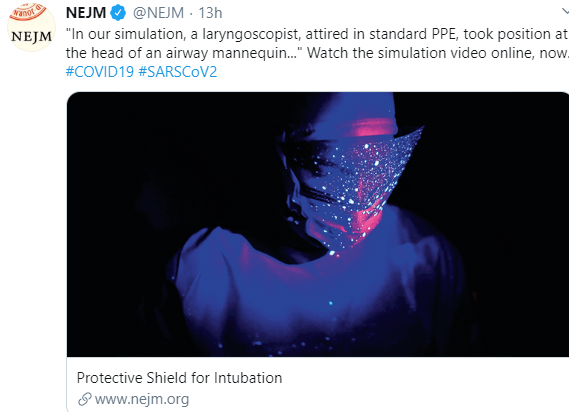
What is the Current Standard of Care for PPE and Endoscopy Cases?

CC Thompson et al. Gastointestinal Endoscopy (EPUB), in a letter to the editor, respond to two recent studies on SARS-CoV-2 virus/COVID-19 and provide recommendations for PPE use in this era of COVID-19.

Here’s a link to manuscript: COVID-19 in Endoscopy: Time to do more?

Key points:

  • Reduce non-urgent cases. “We have cut our daily endoscopy volume by over 80% and closed our ambulatory endoscopy practice.”
  • Increase the use of telemedicine. “At present, telemedicine or virtual visits make up 91% of our upcoming clinic appointments.”
  • Physical distancing as advocated recently by WHO throughout a patient’s time in the endoscopy unit is stressed in the papers, with a 6-foot minimum between individuals.
  • Suggests “the need for a separate toilet as part of the isolation to minimize spread of infection due to bioaerosols from the toilet plume”
  • Our hospital system has recently changed policy to mandate that all employees wear surgical masks at all times while in the hospital and attest to their wellness online before reporting to work.
  • We suggest labeling each computer so the same provider uses that computer and chair for the entire day, and separating by at least 6 feet.
  • All endoscopic procedures (upper endoscopy, colonoscopy, EUS, ERCP) are aerosol-generating, referencing studies that show contamination of the endoscopist’s face during routine procedures. This makes all endoscopic procedures high risk from an infectious standpoint, and appropriate PPE is
    recommended… It makes little sense for healthcare providers to perform
    aerosolizing procedures, with patients coughing or passing gas on them, while not wearing an N95 mask or better
  • “It is important to use full PPE for all endoscopic procedures while in a pandemic such as this especially in areas with community spread, because no one is truly low risk given our ongoing difficulties with testing.”
  • “The mask can be reused as long as it is functional, not soiled, and not used in a suspected or COVIDpositive patient. It is important to cover the N95 to prevent soiling.”
  • “A study from China showed that no medical staff working in high-risk departments who wore N95s and practiced strict hand hygiene regardless of patient’s infection status became infected.”
  • “Testing all patients before high-risk procedures such as endoscopy is likely the best approach; however, this will depend on significant expansion of testing capabilities. Hopefully, the development of point-of-care testing with rapid results and increasing testing availability will make this a reality soon”

My take (in part from authors): “We are living through an unprecedented time and are all trying our best to protect our patients and ourselves under suboptimal conditions of limited PPE, limited testing, and limited data. ”  The recommendations in this article are based mainly on expert opinion and may need modifications based on new data and circumstances.

—————————-

IOIBD (International Organization for the Study of Iinflammatory Bowel Disease) Recommendations (#76) for IBD Patients with Regard to COVID-19:

Full link: IOIBD Update on COVID19 for Patients with Crohn’s Disease and Ulcerative Colitis (3/26/20)


COVID-19: Veneto vs. Lombary & Georgia’s Part of the Pandemic

Harvard Business Review: Lessons from Italy’s Response to Coronavirus

An excerpt:

While Lombardy and Veneto applied similar approaches to social distancing and retail closures, Veneto took a much more proactive tack towards the containment of the virus…

  • Extensive testing of symptomatic and asymptomatic cases early on.
  • Proactive tracing of potential positives. If someone tested positive, everyone in that patient’s home as well as their neighbors were tested. If testing kits were unavailable, they were self-quarantined.
  • A strong emphasis on home diagnosis and care. Whenever possible, samples were collected directly from a patient’s home and then processed in regional and local university labs.
  • Specific efforts to monitor and protect health care and other essential workers.

“The virus is faster than our bureaucracy.” ..Together, the need for immediate action and for massive mobilization imply that an effective response to this crisis will require a decision-making approach that is far from business as usual. If policymakers want to win the war against Covid-19, it is essential to adopt one that is systemic, prioritizes learning, and is able to quickly scale successful experiments and identify and shut down the ineffective ones. Yes, this a tall order — especially in the midst of such an enormous crisis


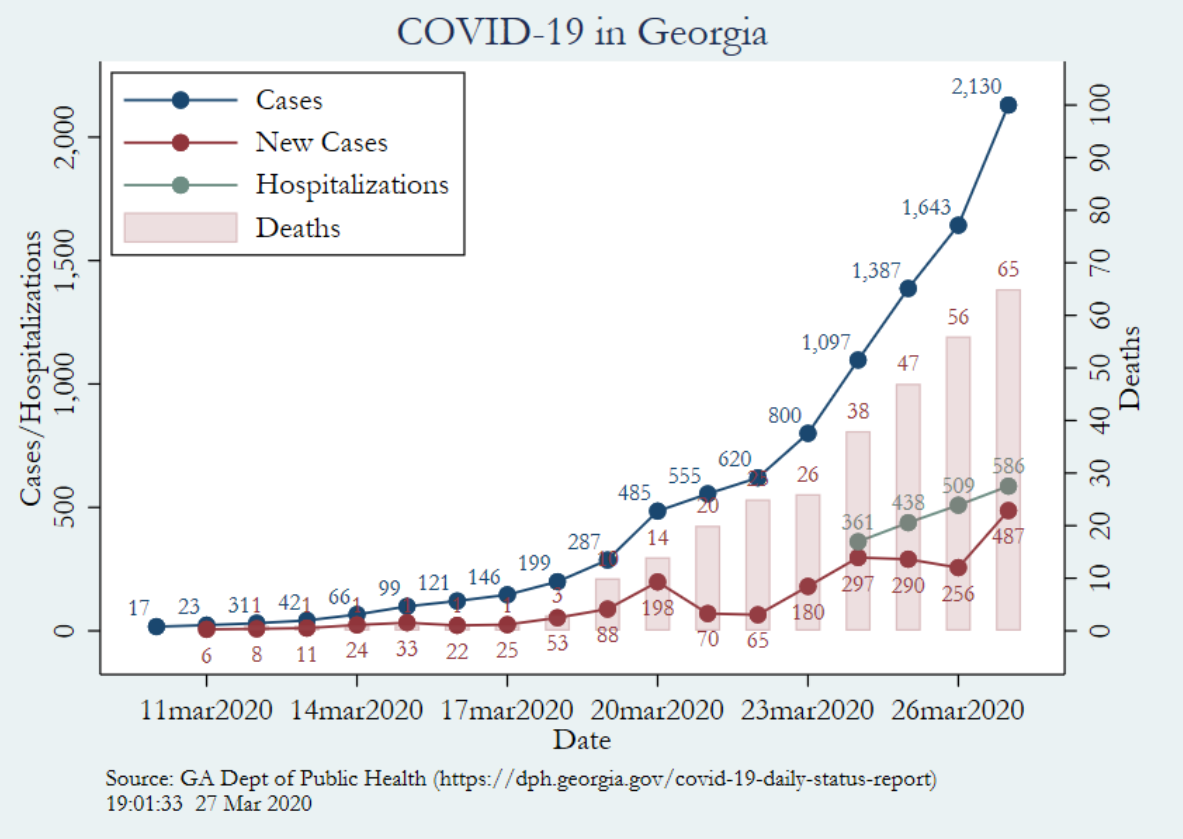
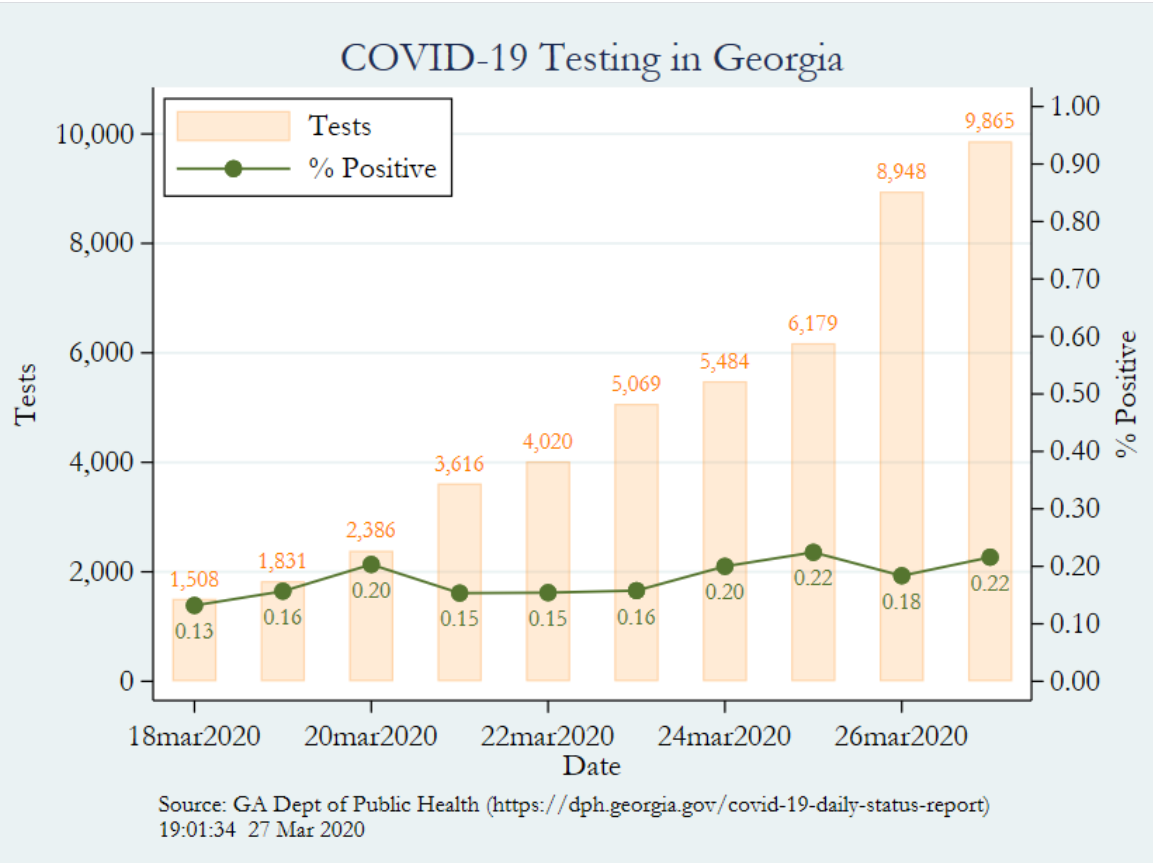
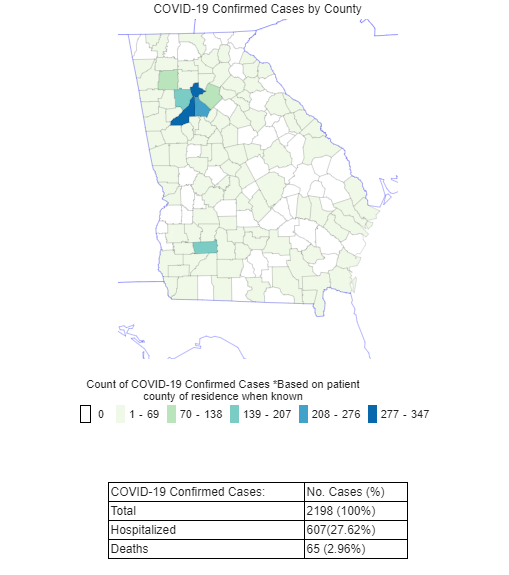
For those who live in Georgia, here’s a link to the official COVID-19 numbers from DPH:

  • Georgia DPH: COVID-19 Daily Status Report
  • It is worth noting that Georgia has a very high postive test rate (22%) compared to many states which likely indicates inadequate testing and a large number of undetected cases.

How to Do a Colonoscopic Polypectomy & U.S. COVID-19 Tracker

NPR’s website has a good tracker of what is going in each state.  Here’s the link:

NPR: Map: Tracking The Spread Of The Coronavirus In The U.S  One example: on this tracher, in Georgia, March 27, 8:30 am: 1642 reported cases, 56 deaths. (However, Georgia has conducted less than 10,000 tests in a population of more than 10 million).

——————–

A recent review (M Kay, R Wyllie. JPGN 2020; 70: 280-4) provides some practical tips for improving polypectomy technique.

Key points:

The optimal position for the polyp is in the 5-7 o’clock position.

  • Snaring juvenile polyps close to the head rather than close to the colonic wall “allows for easier therapeutic intervention if polypectomy bleeding occurs” (eg. hemoclip) and may lower the risk of complications like perforation
  • Epinephrine volume reduction (for larger polyps) (use 1:10,000 dilution) and saline-assisted polypectomy may facilitate procedure.  Large polyps (>2 cm) could require piecemeal resection; epinephrine reduction may result in a decreased size as well.
  • “Cold snare technique has replaced use of hot biopsy forceps in adults for removal of small sessile polyps”
  • Electrosurgical units (ESUs) -settings are specific to each unit.  Newer ‘smart’ ESUs have suggested default settings, typically lower settings for right colon. “Most endoscopists use pure coagulation current or a combination of coagulation and cutting settings (blended current) for snare polypectomy. Use of pure cutting current without coagulation will result in bleeding.”

Related blog posts:

Disclaimer: This blog, gutsandgrowth, assumes no responsibility for any use or operation of any method, product, instruction, concept or idea contained in the material herein or for any injury or damage to persons or property (whether products liability, negligence or otherwise) resulting from such use or operation. These blog posts are for educational purposes only. Specific dosing of medications (along with potential adverse effects) should be confirmed by prescribing physician.  Because of rapid advances in the medical sciences, the gutsandgrowth blog cautions that independent verification should be made of diagnosis and drug dosages. The reader is solely responsible for the conduct of any suggested test or procedure.  This content is not a substitute for medical advice, diagnosis or treatment provided by a qualified healthcare provider. Always seek the advice of your physician or other qualified health provider with any questions you may have regarding a condition

Pipeline Medications for Ulcerative Colitis (Part 1) & Face Mask Shortages

Before getting to today’s post, I wanted to provide a link on why we are desperately short of face masks in the midst of this crisis: NY Times: How the World’s Richest Country Ran Out of a 75-Cent Face Mask

An excerpt:

The answer to why we’re running out of protective gear involves a very American set of capitalist pathologies — the rise and inevitable lure of low-cost overseas manufacturing, and a strategic failure, at the national level and in the health care industry, to consider seriously the cascading vulnerabilities that flowed from the incentives to reduce costs…

Given the vast global need for masks — in the United States alone, fighting the coronavirus will consume 3.5 billion face masks, according to an estimate by the Department of Health and Human Services — corporate generosity will fall short. People in the mask business say it will take a few months, at a minimum, to significantly expand production…

Hospitals began to run out of masks for the same reason that supermarkets ran out of toilet paper — because their “just-in-time” supply chains, which call for holding as little inventory as possible to meet demand, are built to optimize efficiency, not resiliency.

My take: Conserve, conserve, conserve PPE -supply chains meeting the need is NOT imminent.

—————

Several articles from Gastroenterology highlight emerging medications for ulcerative colitis (UC).

Two of the studies:

  • WJ Sandborn et al. Gastroenterol 2020; 158: 550-61.
  • WJ Sandborn et al. Gastroenterol 2020; 158: 562-72.

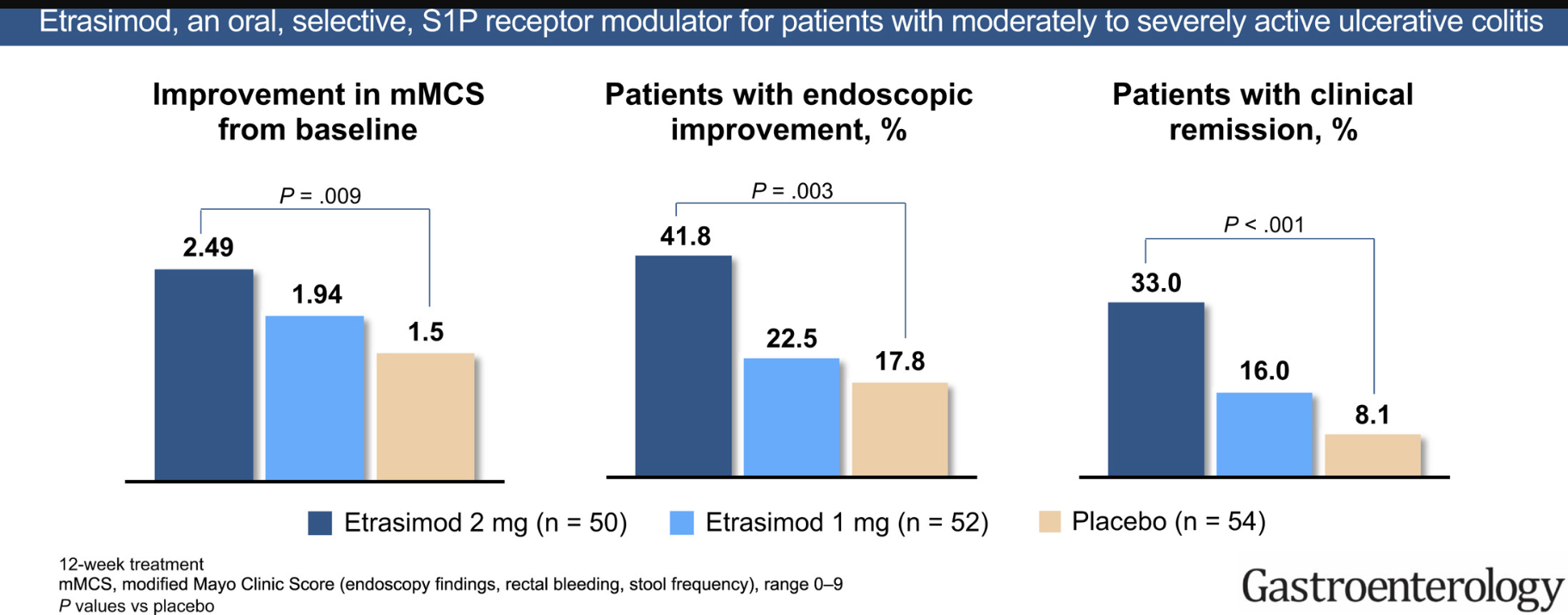
The first study was a phase 2 randomized trial of etrasimod which is an oral selective sphingosine 1-phosphate receptor modulator.  A total of 156 patients were randomized into 3 groups: placebo, 1 mg etrasimod, and 2 mg etrasimod.

Key findings (graphical abstract):

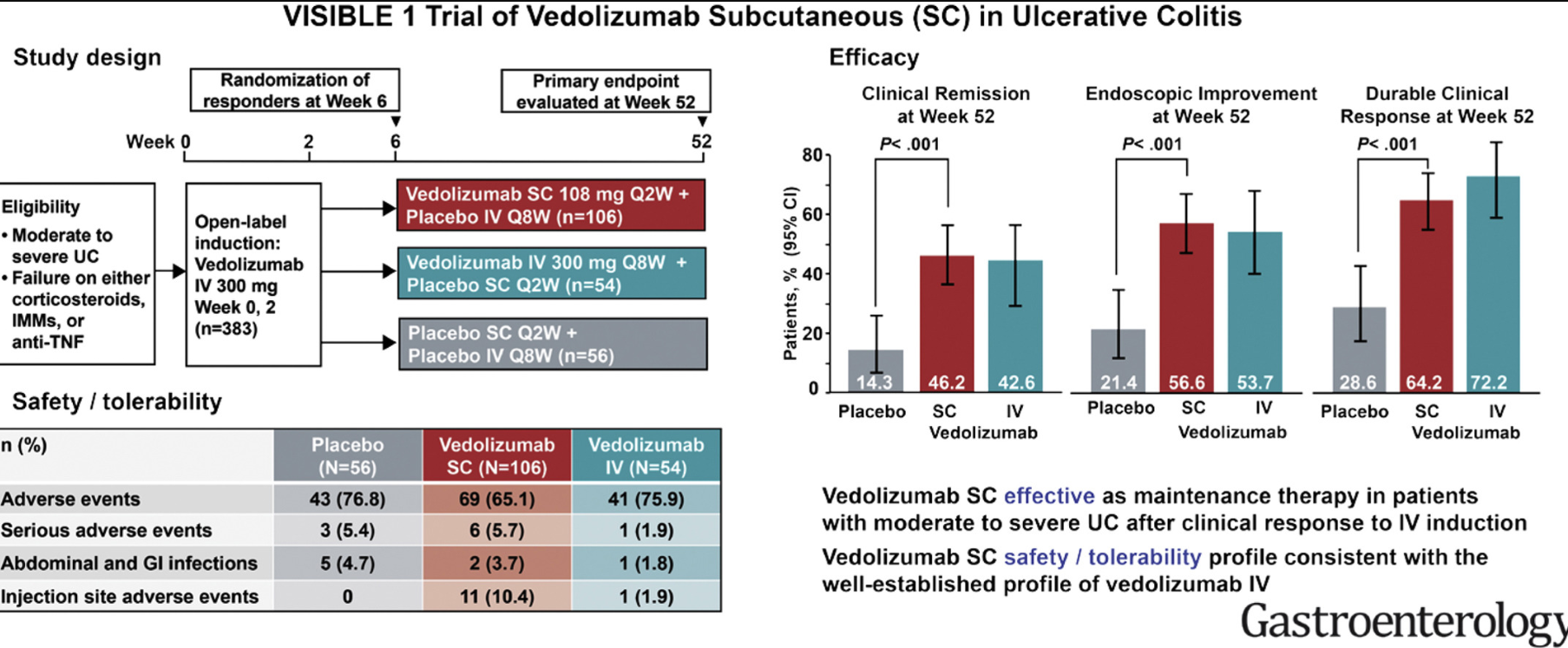
In the second phase 3, double-blind, double-dummy study, Sandborn et al show that, after the initial 2 intravenous doses,  among patients with an initial response subcutaneous vedolizumab (108 mg every 2 weeks) had similar effectiveness to intravenous vedolizumab (300 mg every 8 weeks); both SC and IV vedolizumab resulted in higher clinical remission rates compared to placebo at 52 weeks in the 216 patients: 46.2%, 42.6%, and 14.3% respectively.

Full text link: Efficacy and Safety of Vedolizumab Subcutaneous Formulation in a Randomized Trial of Patients With Ulcerative Colitis