VISION 5-Year Study Results: Safety of Vonoprazan in Erosive Esophagitis

N Uemura et al. Clin Gastroenterol Hepatol 2025; 23: 748-757. Open Access! Vonoprazan as a Long-term Maintenance Treatment for Erosive Esophagitis: VISION, a 5-Year, Randomized, Open-label Study

Background: Potassium-competitive acid blockers, such as vonoprazan, provide more potent gastric acid suppression than proton pump inhibitors. However, long-term safety data are lacking for vonoprazan in patients with healed erosive esophagitis. This study with 208 patients provides long-term data on the use of a vonoprazan.

Methods: Open-label study. Patients with erosive esophagitis (EE) received induction therapy (once daily vonoprazan 20 mg or lansoprazole 30 mg; ≤8 weeks). Those with healed EE received maintenance therapy (once daily vonoprazan 10 mg or lansoprazole 15 mg) for 260 weeks (2:1). 

Key findings–Adverse effects:

  • No malignant alterations or gastric neuroendocrine tumors (NETs) were observed; there was 1 adenoma in each group
  • At week 260, significantly more patients taking vonoprazan vs lansoprazole had parietal cell hyperplasia (97.1% vs 86.5%) and foveolar hyperplasia (14.7% vs 1.9%)
  • proportions of patients with ECL cell hyperplasia (4.9% vs 7.7%) and G-cell hyperplasia (85.3% vs 76.9%) were similar
  • Median serum gastrin levels were higher with vonoprazan treatment vs lansoprazole (625 pg/mL vs 200 pg/mL)

Key finding –Efficacy:

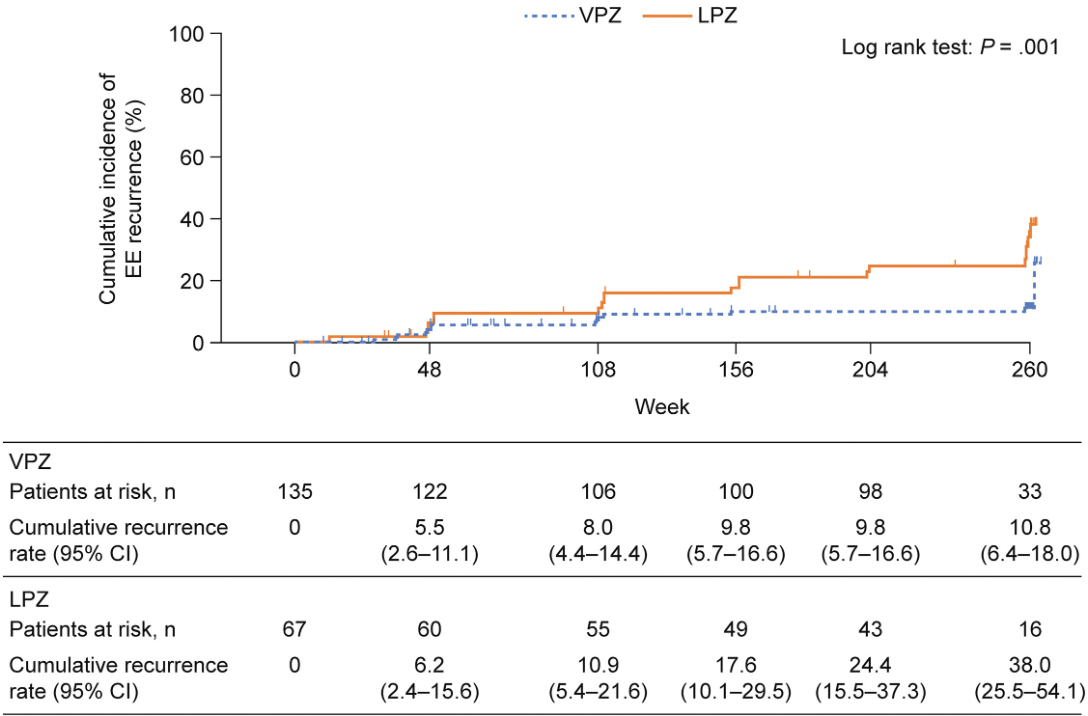
  • Overall, the cumulative EE recurrence over 260 weeks was lower in the vonoprazan group (10.8% ) vs the lansoprazole group (38.0%) (P = .001)  
Discussion Points:

  • “Annual endoscopies and biopsies performed in the VISION study are considered objective approaches for detecting upper gastrointestinal diseases and variable lesions, as well as gastric mucosa morphological changes in areas without endoscopically apparent lesions…Although the proportions of patients with parietal cell protrusion and foveolar hyperplasia were higher in the vonoprazan group than in the lansoprazole group over 5 years, the clinical significance of these findings is unclear.”
  • “The safety profiles of vonoprazan and lansoprazole were also comparable, suggesting that long-term use of vonoprazan is as safe as PPIs.”

My take: This study provides some reassurance regarding the risk of using vonoprazan & other potassium-competitive acid blockers. The benefits of controlling erosive esophagitis may outweigh potential safety risks of long-term use. Nevertheless, it will be a while before this class of medications is used extensively in the pediatric age group.

Related blog posts:

Disclaimer: This blog, gutsandgrowth, assumes no responsibility for any use or operation of any method, product, instruction, concept or idea contained in the material herein or for any injury or damage to persons or property (whether products liability, negligence or otherwise) resulting from such use or operation. These blog posts are for educational purposes only. Specific dosing of medications (along with potential adverse effects) should be confirmed by prescribing physician.  Because of rapid advances in the medical sciences, the gutsandgrowth blog cautions that independent verification should be made of diagnosis and drug dosages. The reader is solely responsible for the conduct of any suggested test or procedure.  This content is not a substitute for medical advice, diagnosis or treatment provided by a qualified healthcare provider. Always seek the advice of your physician or other qualified health provider with any questions you may have regarding a condition.

Competition for Competitive Acid Blockers

Thanks to Ben Gold for the reference in today’s post.

J-H Oh et al. Am J Gastroenterol 2025; DOI: 10.14309/ajg.0000000000002929 Randomized, Double-Blind, Active-Controlled Phase 3 Study to Evaluate Efficacy and Safety of Zastaprazan Compared With Esomeprazole in Erosive Esophagitis

Introduction: “Unlike PPIs, metabolism of zastaprazan in not dependent on CYP2C19, and it does not require enteric coating due to its acid stability. While PPIs bind irreversibly only to active proton pumps, zastaprazan can bind reversibly and competitively to both active and inactive proton pumps. Moreover, as prodrugs, PPIs necessitate activation into their active form within acidic conditions, typically requiring a regimen of 3-5 consecutive days of dosing…By contrast, P-CABs deliver a rapid onset of action and complete efficacy from the initial dose, as they can directly inhibit proton pumps.”

Methods: A phase III, multicenter, randomized, double-blind, noninferiority clinical study was conducted with 300 subjects (>19 yrs) with confirmed erosive esophagitis compared daily zastaprazan (20 mg) to esomeprazole (40 mg)

Key findings:

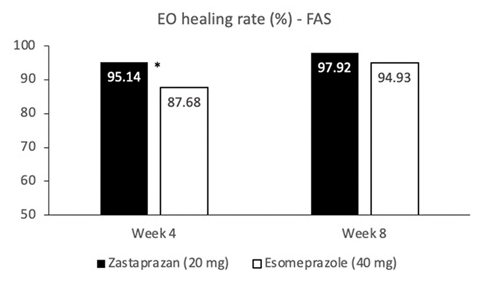
  • The cumulative healing rate at week 8 were 97.92% (141/144) for zastaprazan and 94.93% (131/138) (P = 0.178) for esomeprazole.
  • The healing rate at week 4 in the zastaprazan group was higher than the esomeprazole group (95.14% [137/144] vs 87.68% [121/138]; P = 0.026)

My take: Zastaprazan had higher healing rates at 4 weeks; results at 8 weeks were similar. This phase 3 study suggests that there will be other CABs besides vonoprazan approved for treating acid-related disorders.

Related blog posts:

NYC view from Brooklyn

BRUEs in Boston –Two Punch Study

DR Duncan et al. J Pediatr 2024; 272: 114128. Brief Resolved Unexplained Events Symptoms Frequently Result in Inappropriate Gastrointestinal Diagnoses and Treatment

In this prospective cohort study from Boston Children’s (2017-2022, n=157), the authors examined diagnostic evaluations in children presenting with Brief Resolved Unexplained Events (BRUEs).

Key findings:

  • Only 28% (20% during the hospitalization, 8% afterwards) underwent VFSS with 71% abnormal.
  • 42% of infants had their BRUE attributed to GERD, and 33% were treated with acid suppression during follow-up
  • Provision of GERD diagnosis was associated with a delay in making an aspiration diagnosis. 10% (6/66) of patients with “GERD” diagnosis subsequently had swallow studies –all were abnormal. Mean diagnostic delay was 56 days.

Discussion points:

  • The approach of using symptoms to determine evaluation of BRUEs has been advised by AAP clinical practice guidelines (2016 & 2019); “however, our results suggest that reliance on these clinical characteristics may result in negative outcomes.”
  • Most aspiration in infants is silent aspiration and not detected by clinical feeding evaluation (CFE) in the absence of a VFSS. “It is concerning that 63% of patients had CFE alone without confirmatory VFSS in the present cohort, and it may be that this practice is even more common in other centers.” Silent aspiration can lead to repeat hospital visits and even long-lasting pulmonary damage including bronchiectasis.
  • Establishing a GERD diagnosis likely increases unnecessary (& potentially harmful) acid suppression

My take: The two punches in this study:

  1. Clinicians cannot diagnose aspiration based on history or bedside feeding evaluations. Objective testing (e.g. VFSS) is needed if there are concerns for dysphagia
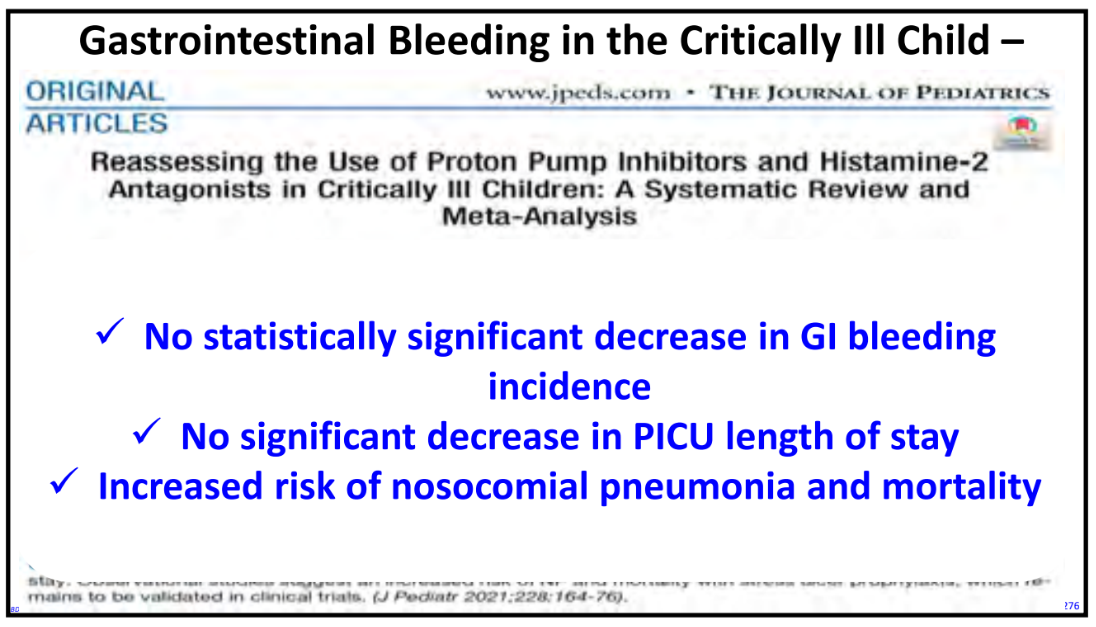
  2. Inappropriate diagnosis of GERD may cause harm. GERD medications have been associated with increased infections and may increase risk for allergies.

The role of aspiration in causing BRUEs has been well-recognized since 2017 (see below) by the same group in Boston. It is likely that evaluation of dysphagia is even less frequent in other medical centers.

Related blog posts:

Double Arch at Arches National Park

Jose Garza: What’s New in Motility (Part 1)

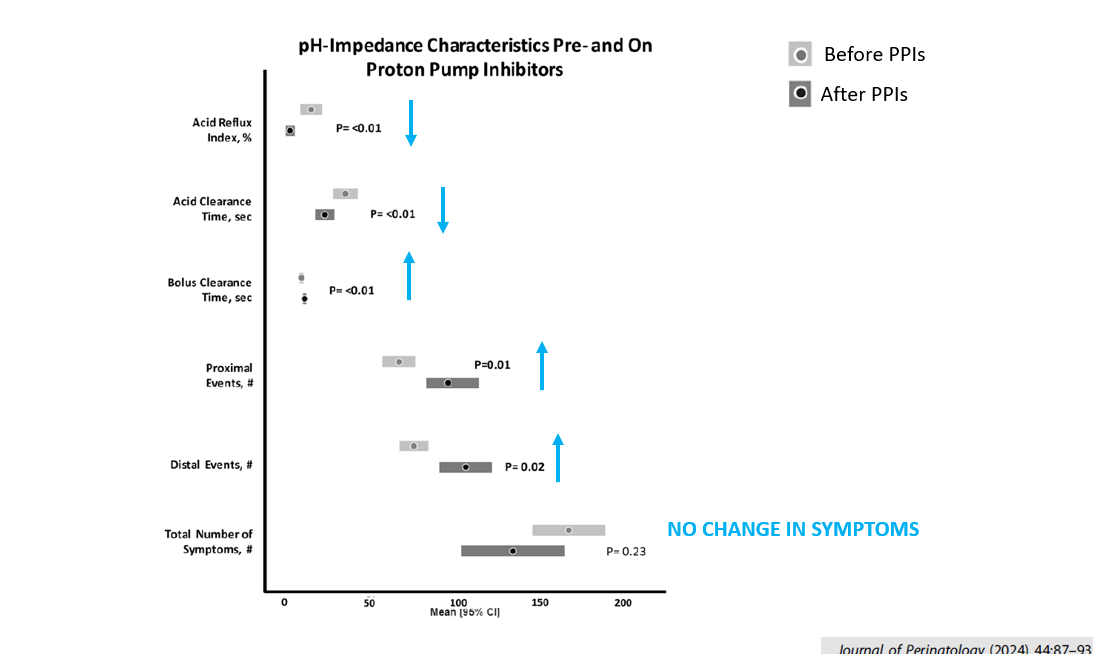
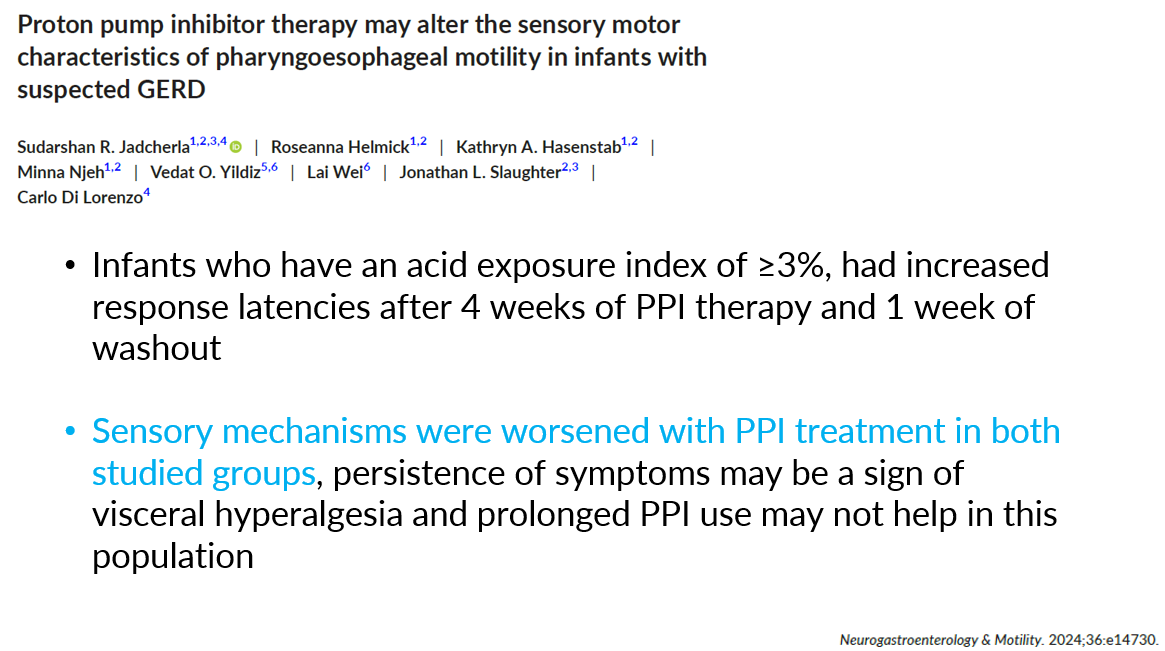
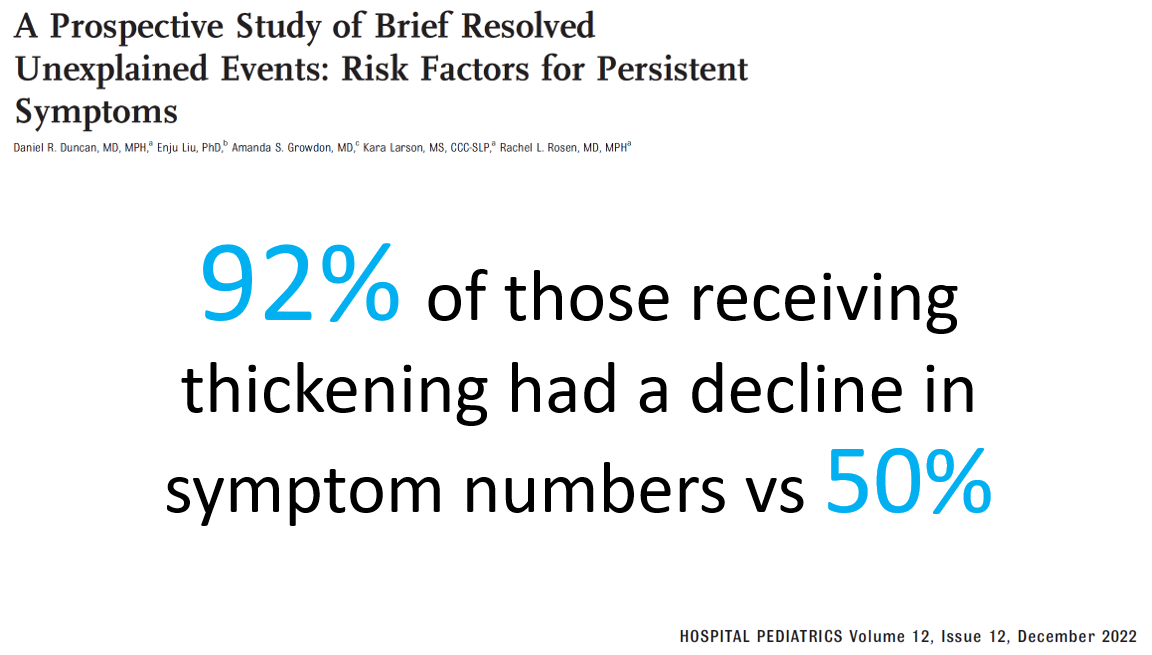
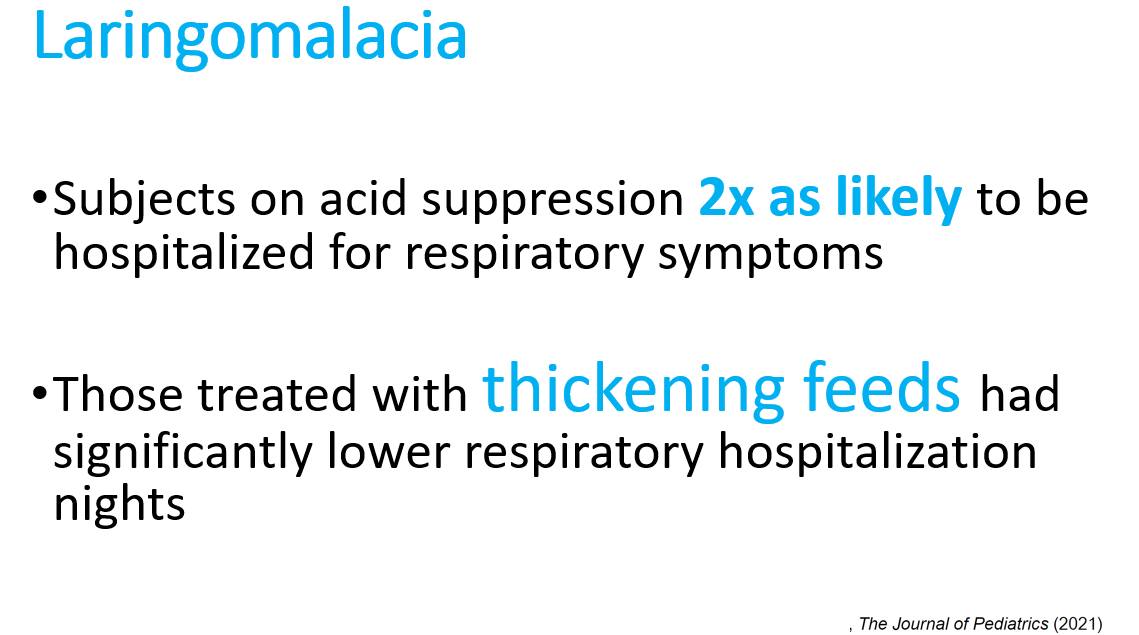
Dr. Jose Garza joined our group in 2013 and has been providing excellent care for children throughout the South with suspected motility disorders. Recently, he gave our group a fabulous update on what’s new in motility.  My notes below may contain errors in transcription and in omission. Along with my notes, I have included some of his slides. His talk had 123 slides; true motilists would be appalled that I haven’t included more of the high resolution tracing slides (though there are a few tomorrow).

Reflux:

Colic:

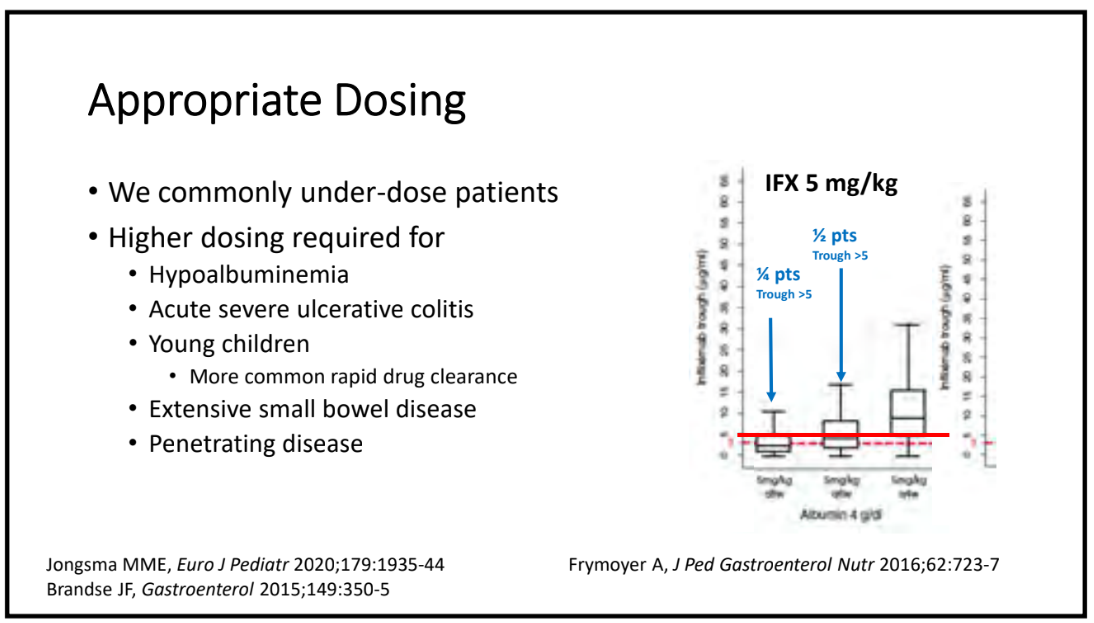
BRUE:

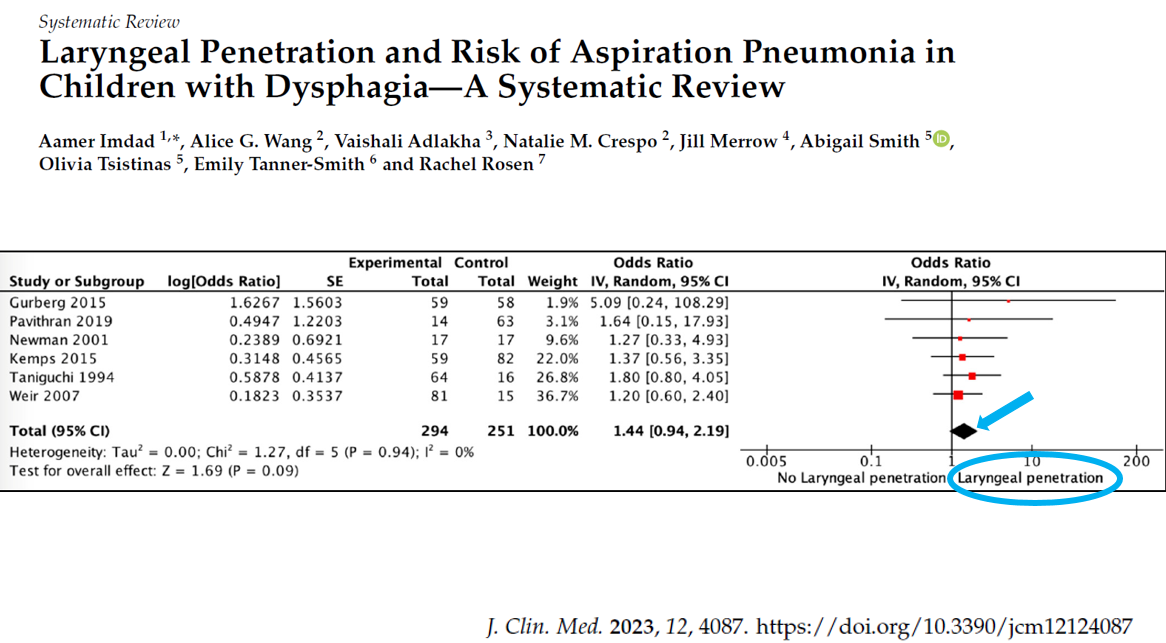
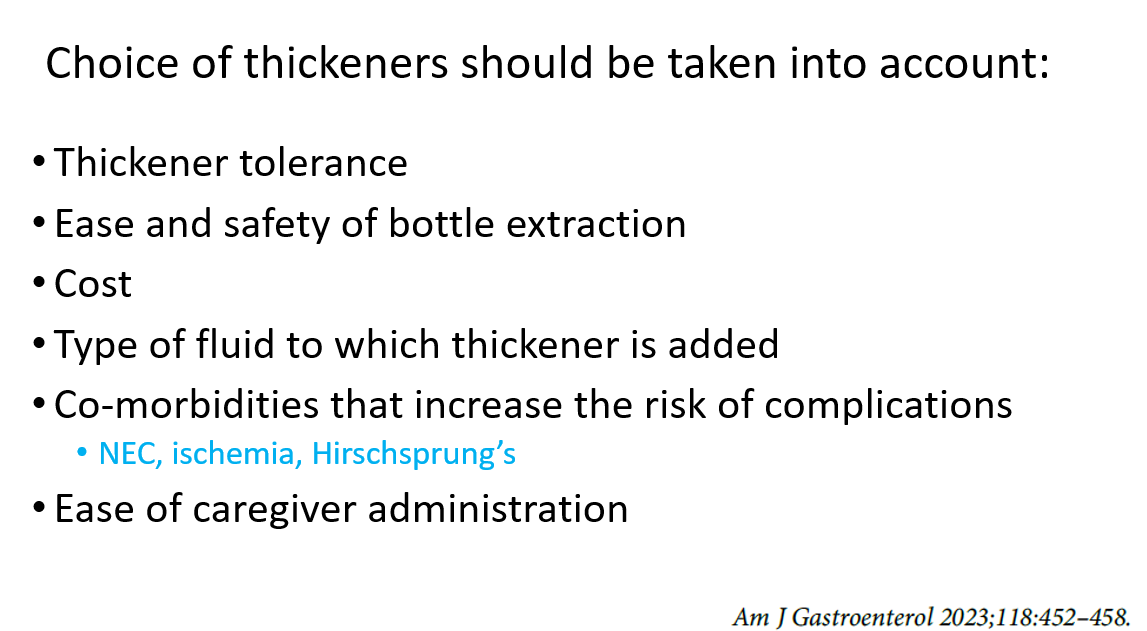
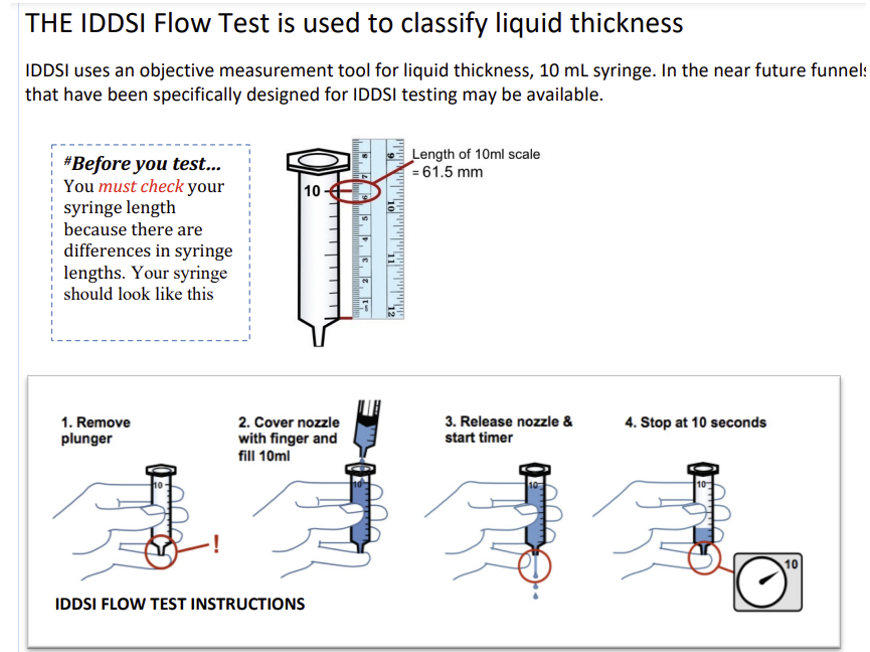
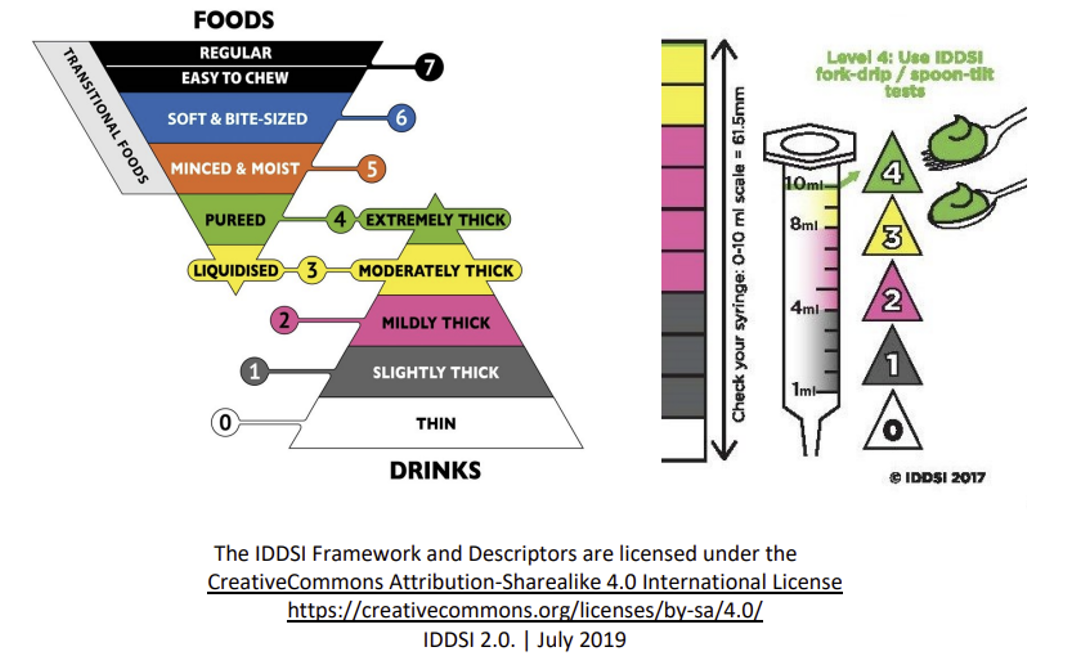
Laryngomalacia/Thickening:

Impedance

Disclaimer: This blog, gutsandgrowth, assumes no responsibility for any use or operation of any method, product, instruction, concept or idea contained in the material herein or for any injury or damage to persons or property (whether products liability, negligence or otherwise) resulting from such use or operation. These blog posts are for educational purposes only. Specific dosing of medications (along with potential adverse effects) should be confirmed by prescribing physician.  Because of rapid advances in the medical sciences, the gutsandgrowth blog cautions that independent verification should be made of diagnosis and drug dosages. The reader is solely responsible for the conduct of any suggested test or procedure.  This content is not a substitute for medical advice, diagnosis or treatment provided by a qualified healthcare provider. Always seek the advice of your physician or other qualified health provider with any questions you may have regarding a condition.

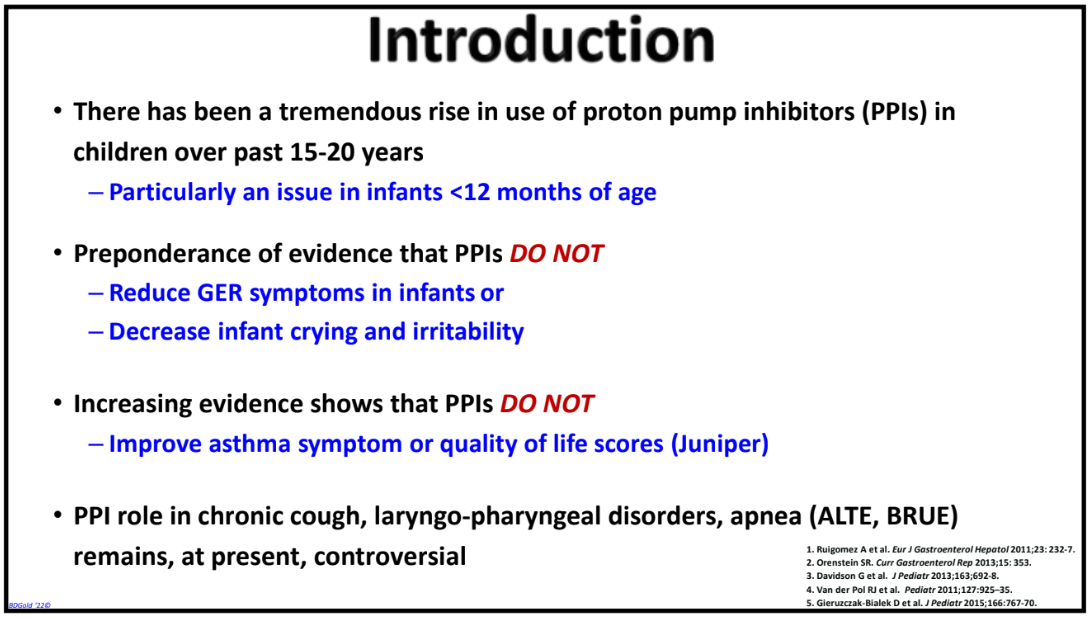
Is Reflux Really a Disease in Premature Infants?

From Atlanta Botanical Garden

Z Sultana et al. Gastro Hep Advances 2022; 1: 869-881: Open Access! Symptom Scores and pH-Impedance: Secondary Analysis of a Randomized Controlled Trial in Infants Treated for Gastroesophageal Reflux

In the introduction, the authors note: “Gastroesophageal reflux (GER) is a physiological process defined as the passage of gastric contents into the esophagus with or without regurgitation and vomiting, while GER disease (GERD) is pathophysiologic and occurs when GER is associated with troublesome symptoms and/or complications.”

“This distinction between GER and GERD remains enigmatic among survivors in the neonatal intensive care unit (NICU). Reflux-type symptoms (arching, irritability, acute life-threatening events, coughing, failure to thrive, and swallowing difficulties) in this high-risk infant population can be troublesome to the parent and provider, and empiric management using pharmacological and dietary changes are common albeit with consequences.”

Methods: “Infant Gastroesophageal Reflux Questionnaire Revised (I-GERQ-R) and 24-hour pH-impedance data were analyzed from 94 infants…[and] Longitudinal data from 40 infants that received randomized GER therapy (proton pump inhibitor [PPI] with or without feeding modifications) for 4 weeks followed by 1-week washout were analyzed. Relationships between I-GERQ-R and pH-impedance metrics (acid reflux index, acid and bolus GER events, distal baseline impedance, and symptoms) were examined and effects of treatments compared.”

Key findings:

  • Acid-suppressive therapy with feeding modifications had no effect on symptom scores or pH-impedance metrics. Clearance of refluxate worsened despite PPI therapy.
  • Correlations between I-GERQ-R and pH-impedance metrics were weak or non-existent, indicating that physicians cannot depend only on the questionnaire to diagnose and treat GERD in premature infants.

My take: This study shows that reflux symptoms are unreliable in establishing a diagnosis of reflux disease in infants. In addition, medical treatments were not beneficial in infants with abnormal pH-impedance metrics. Perhaps, it is time to acknowledge that we cannot even agree what reflux “disease” is in (premature) infants.

Related blog posts:

Terrain in Denali National Park, AK

Selected Slides from NASPGHAN 2022 Postgraduate Course (Part 2)

See previous post for lecturers

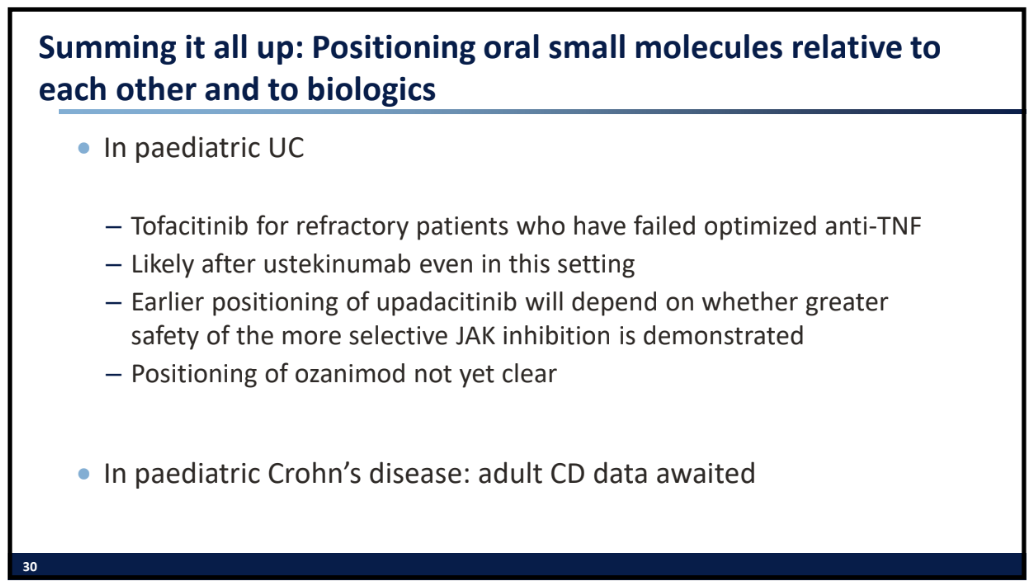
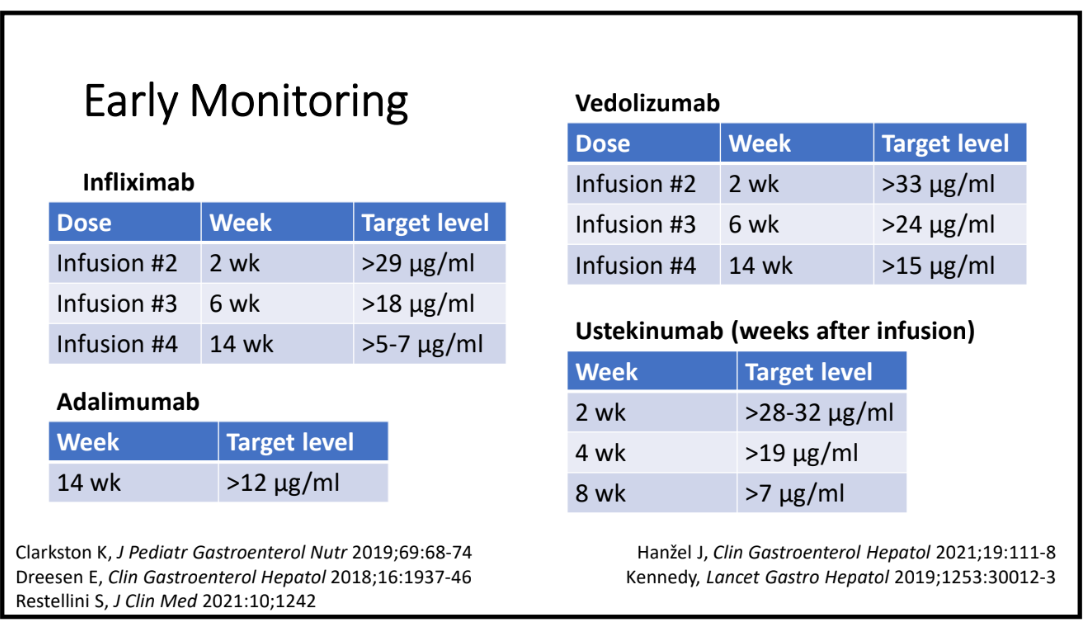
Oral small molecultes in IBD. Anne Griffiths, MD
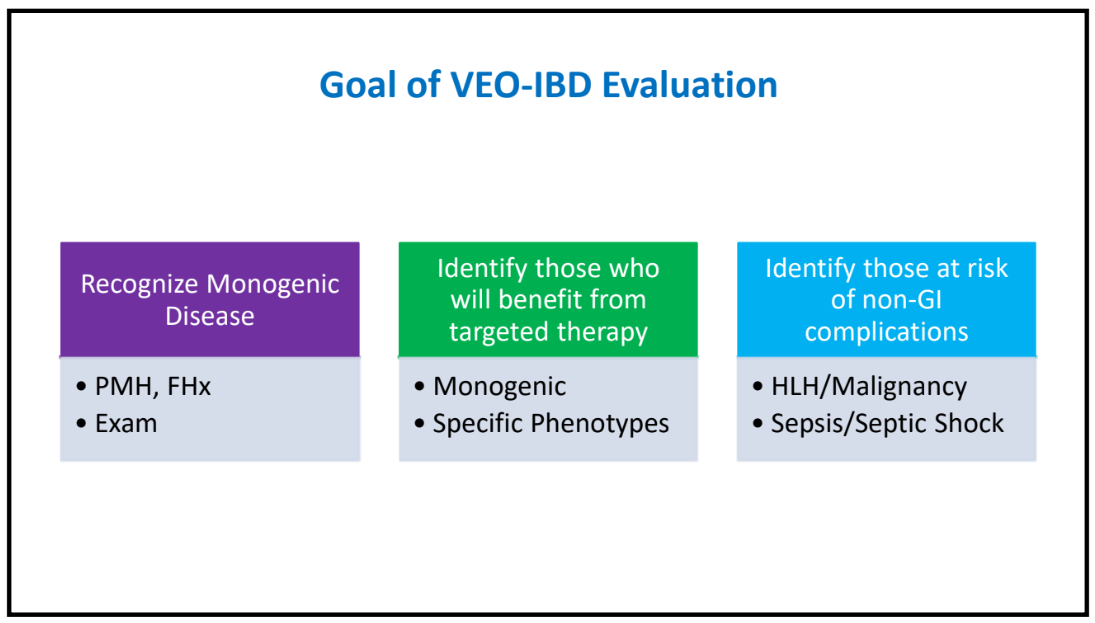
Judith Kelsen, Very early onset IBD
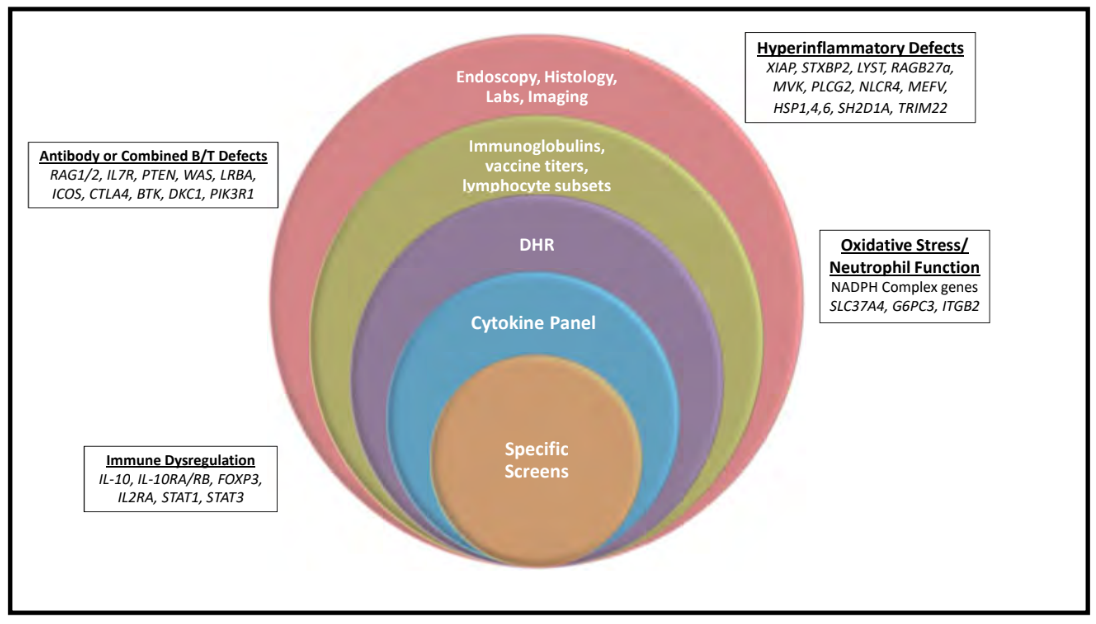
VEO Evaluation
VEO Treatments
Jeremy Adler and Treat to Target for IBD
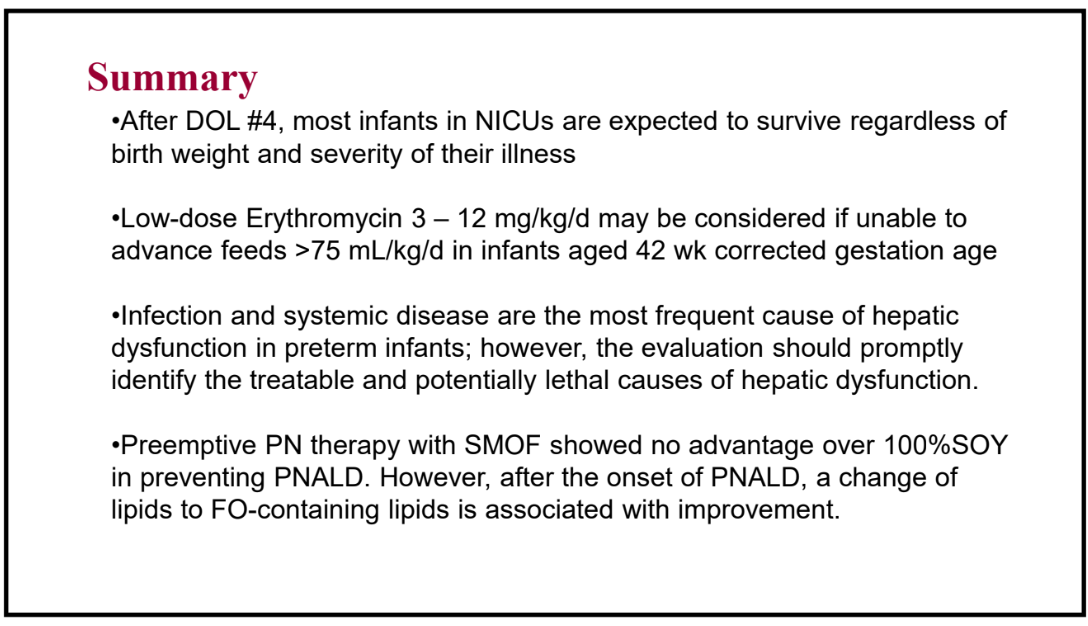
Timothy Sentongo and Growth and Nutrition Issues in the NICU
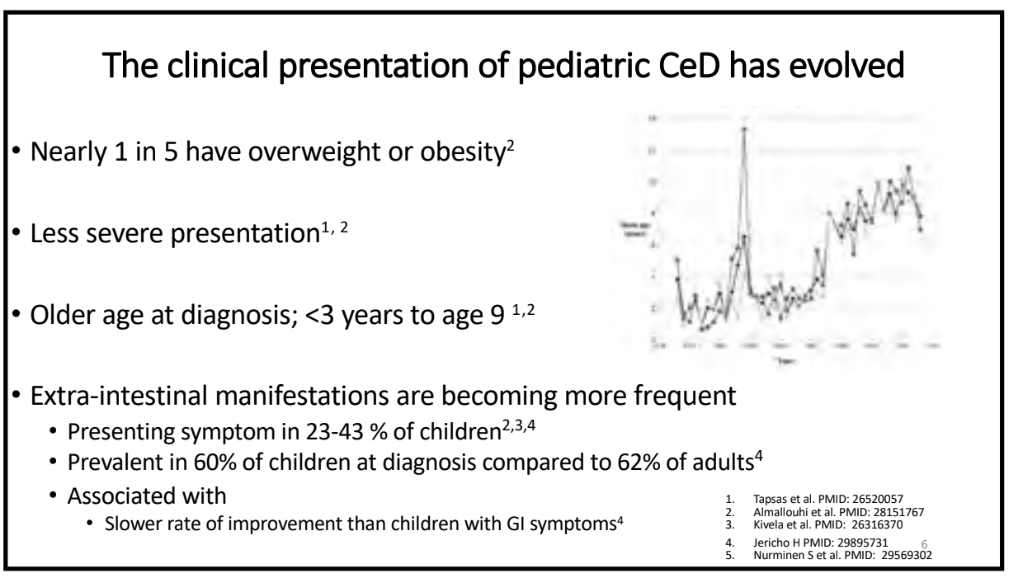
Maureen Leonard and Gluten-Related Disorders Update
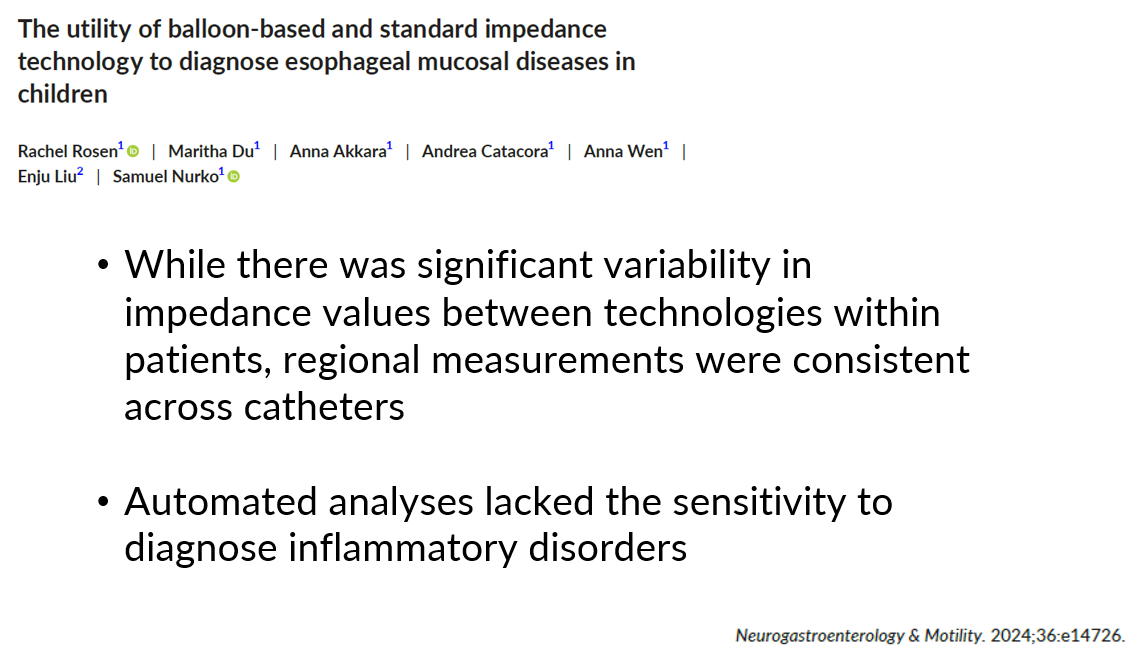
Rachel Rosen and Esophageal Motor Disorders
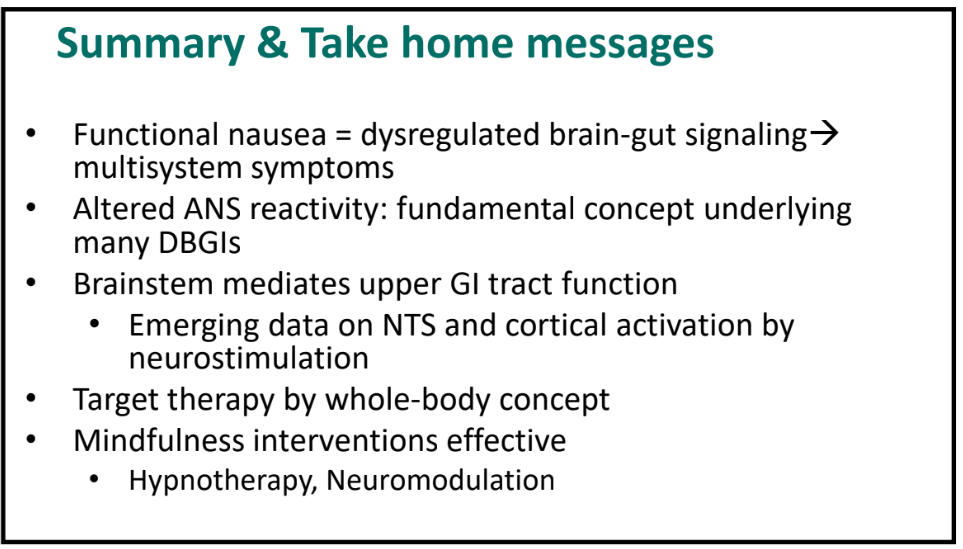
Katja Kovacic and Functional Nausea
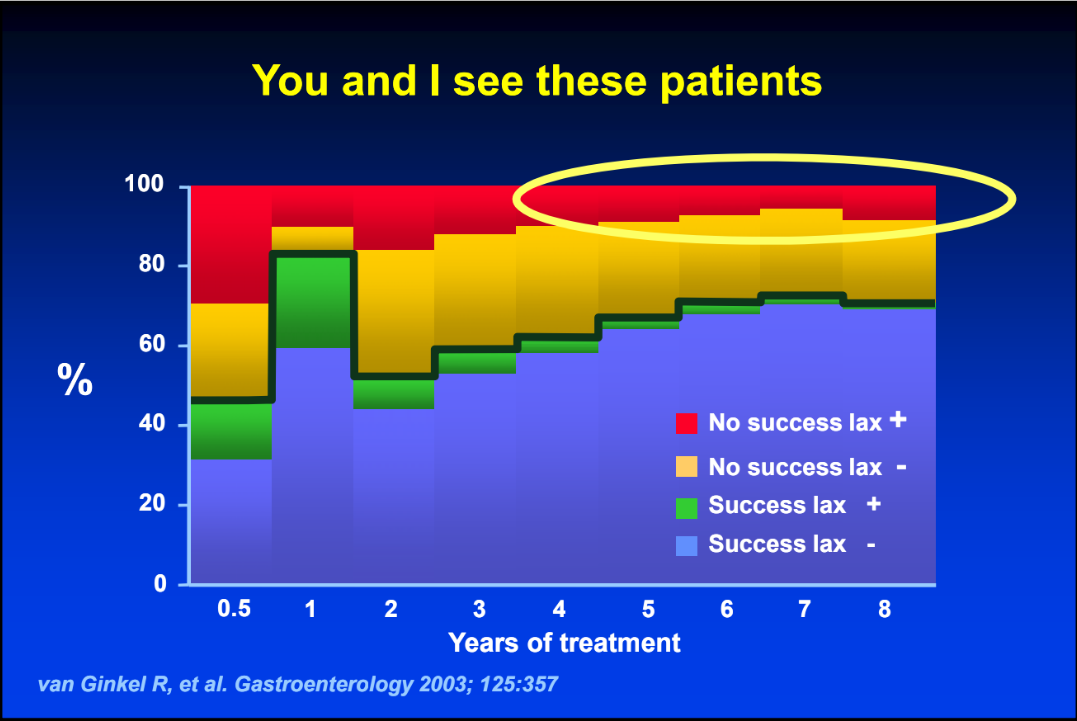
This study was 20 yrs ago -we can do better today

Disclaimer: This blog, gutsandgrowth, assumes no responsibility for any use or operation of any method, product, instruction, concept or idea contained in the material herein or for any injury or damage to persons or property (whether products liability, negligence or otherwise) resulting from such use or operation. These blog posts are for educational purposes only. Specific dosing of medications (along with potential adverse effects) should be confirmed by prescribing physician.  Because of rapid advances in the medical sciences, the gutsandgrowth blog cautions that independent verification should be made of diagnosis and drug dosages. The reader is solely responsible for the conduct of any suggested test or procedure.  This content is not a substitute for medical advice, diagnosis or treatment provided by a qualified healthcare provider. Always seek the advice of your physician or other qualified health provider with any questions you may have regarding a condition.

My Favorite Posts from the Past Year

Recently, I listed the posts that had the most views in the past year –some dating back to 2012.  The following list includes less viewed but some of my favorite posts from 2018:

GI:

Nutrition:

LIVER:

Miscellaneous:

Flowers in Calgary

Clinical Practice Update: Extraesophageal Symptoms Attribute to Gastroesophageal Reflux Disease

A recent practice update (MF Vaezi, D Katzka, F Zerbib. Clin Gastroenterol Hepatol 2018; 16: 1018-29) reviews the data and provides up-to-date recommendations for extraesophageal symptoms attributed to gastroesophageal reflux disease (GERD) in adults.

Extraesophageal symptoms attributed to GERD could include cough, asthma, hoarseness, sore throat, sinusitis, dental erosions, and ear pain.

Key recommendations:

  • Non-GI evaluations by ENT, pulmonary and/or allergy are essential and often should be performed initially in most patients.
  • “Abnormalities seen on endoscopy have poor predictive value for determination of GERD as the cause of extraesophageal symptoms”
  • “Ambulatory pH/impedance monitoring…have limited ability to establish GERD as the cause of an extraesophageal symptom.  The main role of testing is to document the absence of GERD.”
  • Empiric therapy with ‘aggressive’ acid suppression for 6-8 weeks can help in assessing association between reflux and extraesophageal symptoms.
  • Testing for reflux on therapy should be considered mainly in those with high probability of baseline reflux (eg. previous esophagitis, Barrett’s esophagus, or prior abnormal pH study).
  • Surgical treatment is discouraged in those with extraesophageal reflux symptoms unresponsive to aggressive PPI therapy

Related blog posts:

Flower in Canadian Rockies: Western Anemone

Breathing (Diaphragmatic) Helps Belching and Reflux Symptoms

A recent prospective study (A M-L Ong et al. Clin Gastroenterol Hepatol 2018; 16: 407-16) of 36 patients (median age 45) showed that diaphragmatic breathing was helpful for PPI-refractory GERD symptoms/belching.  Patients enrolled all had “troublesome belching” for 6 months and GERD. Patients underwent high resolution manometry and pH-impedance study.

Key findings:

  • 9 of 15 (60%) in the diaphragmatic treatment group reduced their belching visual analog score by ≥50%, whereas none of the control group achieved the primary outcome
  • Treatment also resulted in lower GERD symptoms based on reflux disease questionnaire score -decrease of 12.2 vs 3.1 in the control group (P=.01)
  • Treatment improved QOL scores, based on Reflux-Qual Short form (15.7 increase for treatment group compared to 2.4 decrease in control group)
  • Treatment effects were sustained at 4 months after treatment

My take: Diaphragmatic breathing can be a useful adjunct in GERD, particularly in patients with belching.

Related blog post: Treatment for rumination and belching


Foggy Morning in Sandy Springs

Esophageal Diseases Special

Gastroenterology published a ‘special issue’ in January 2018 (volume 154; pages 263-451) which reviewed several esophageal diseases in-depth: gastroesophageal reflux disease (GERD), eosinophilic esophagitis (EoE), and esophageal cancer. For me, this issue served as a good review on GERD and EoE.

A couple of items that I picked up:

  • For both GERD and functional dyspepsia, “estimated prevalence values are approximately 20% for each.” (pg 269)
  • “15% of healthy individuals may have microscopic esophagitis” (pg 291)
  • For pH-impedance, the current view of non-acid reflux is unchanged: “unknown clinical relevance of non-acid reflux in the setting of aggressive acid suppression.” (pg 291)
  • Treatment algorithm for EoE (pg 353):
    • Induction treatment with any of the three approaches:  high dose topical corticosteroids, double dose proton pump inhibitor (PPI) or elimination diet “because no comparative studies have shown any of these to be superior to the others.”
    • Then, re-evaluation after 2-3 months (clinical, endoscopic, and histologic).  Responders should continue on therapy but maintenance treatment suggests low dose topical corticosteroid, lowering PPI to single dose, or continuing elimination diet.  For nonresponders, switching to one of the other two treatment approaches is recommended.
    • The algorithm indicates that followup evaluation of responders to insure ongoing response should be considered 1 year later
  • As for dilatation, the authors note that this does not control the underlying inflammation and thus should not be used as monotherapy. Also, “after dilatation, 75% of patients have considerable chest pain that may last several days.” (pg 354)

Unrelated twitter post below -IgG allergy testing is NOT a good idea: