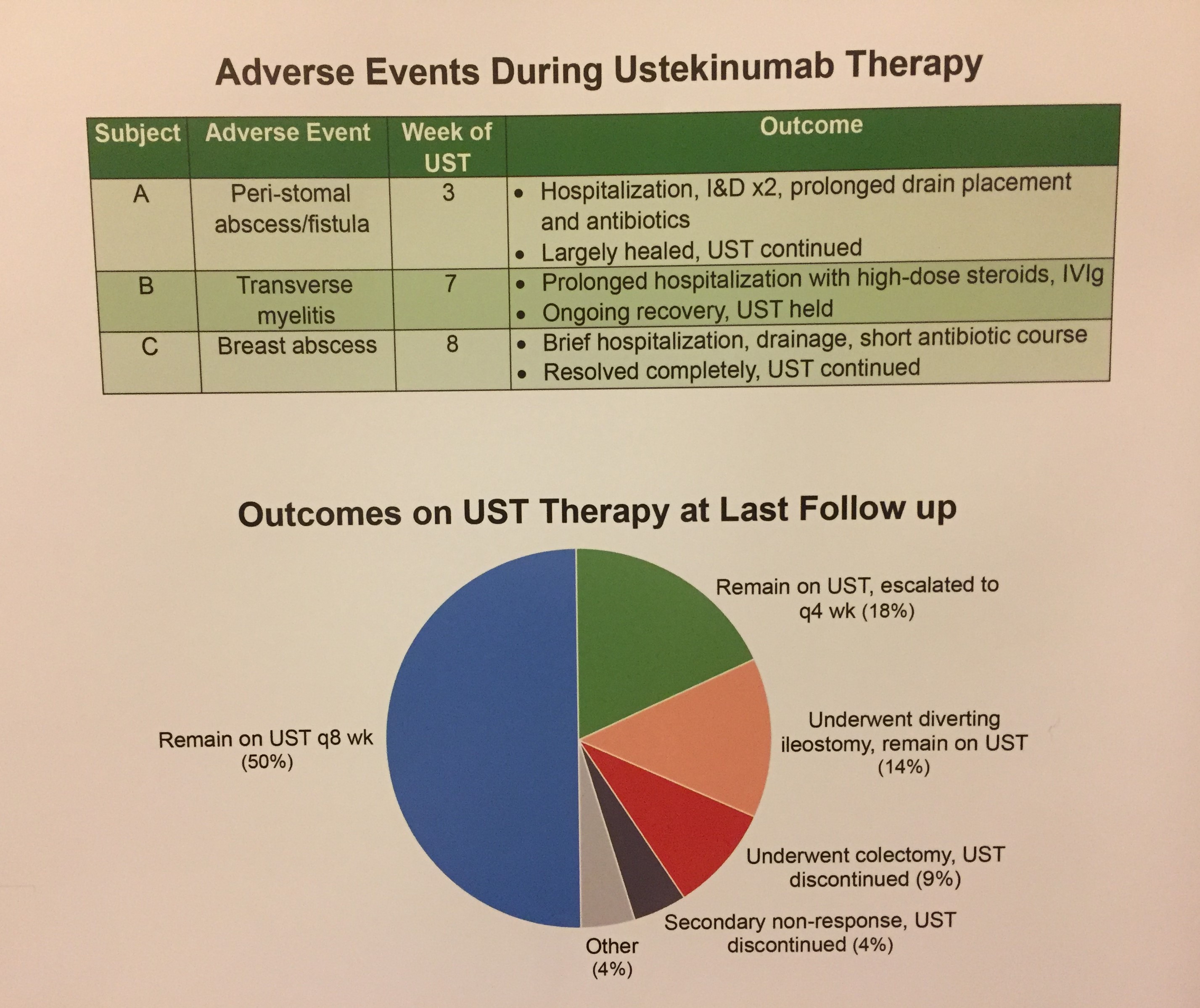
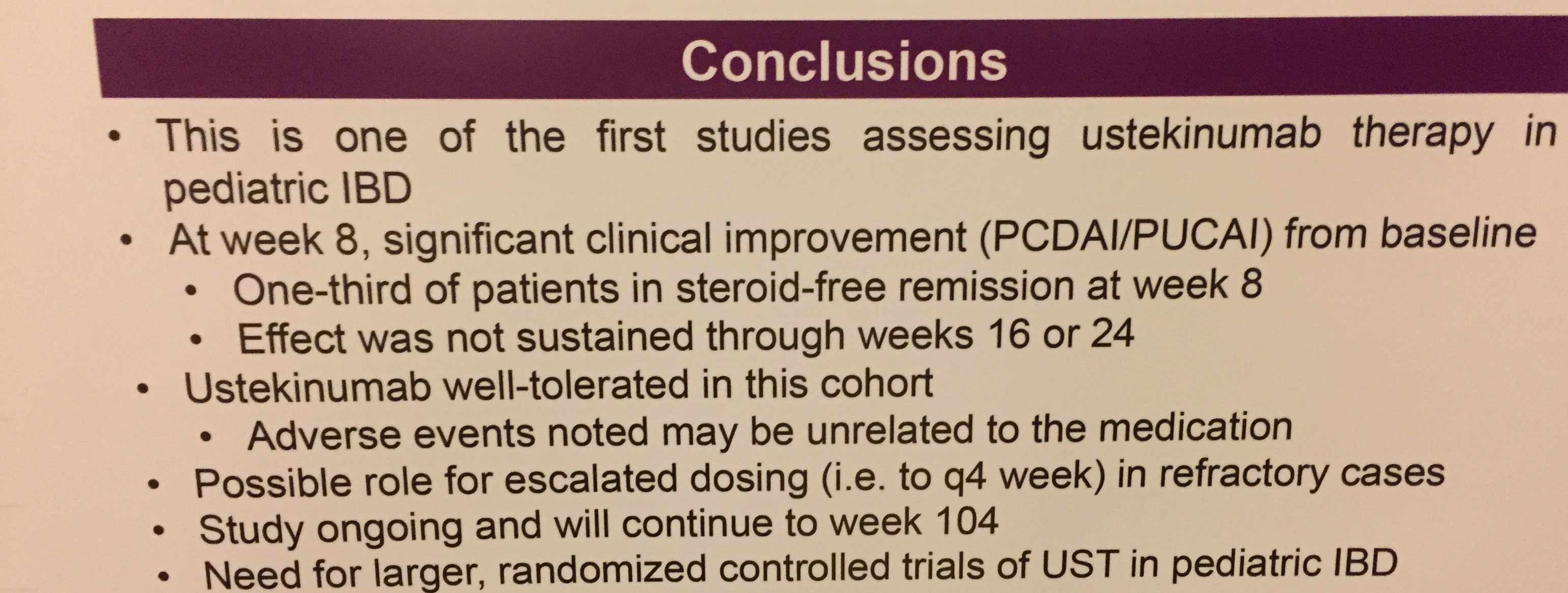
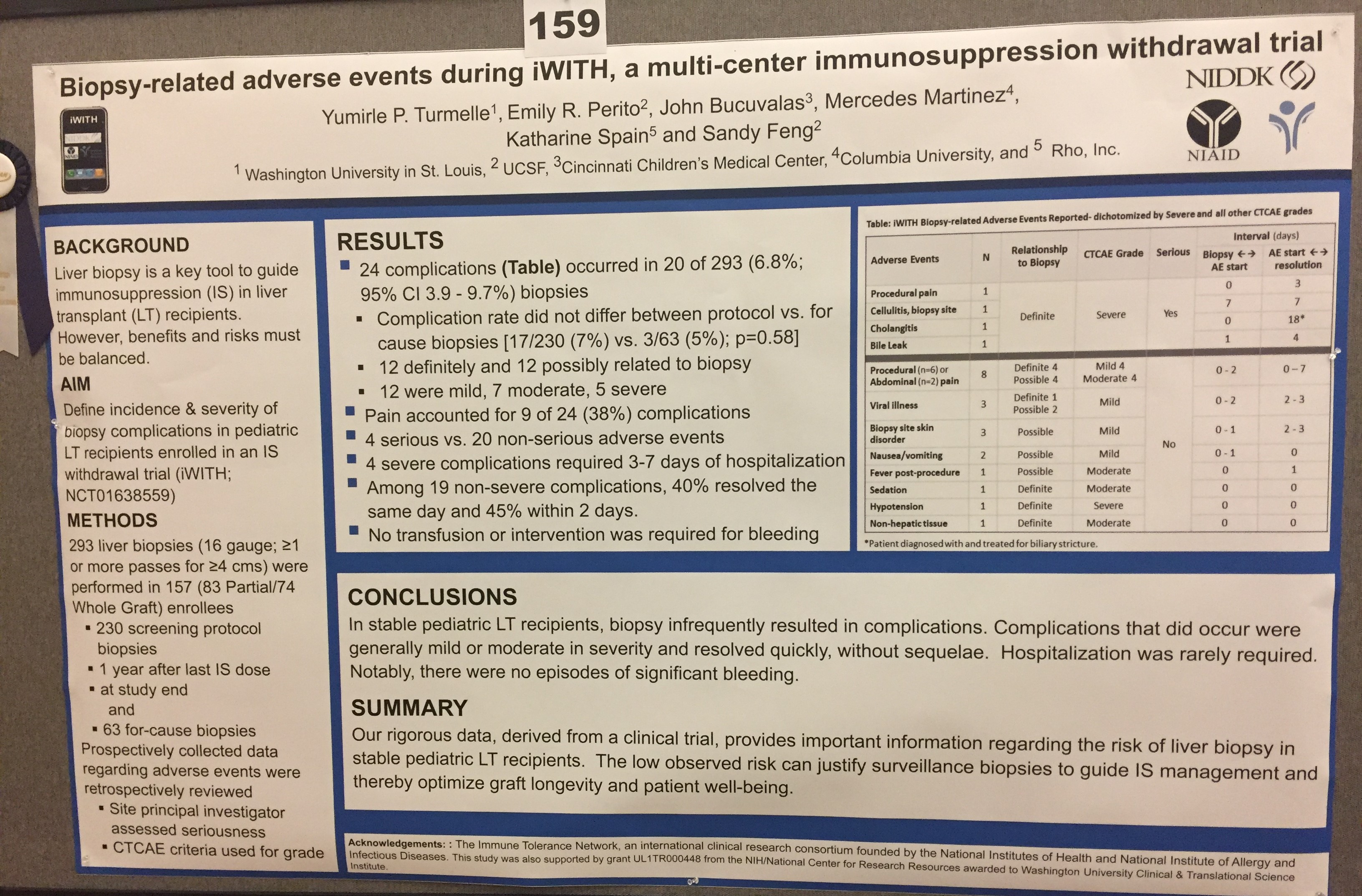
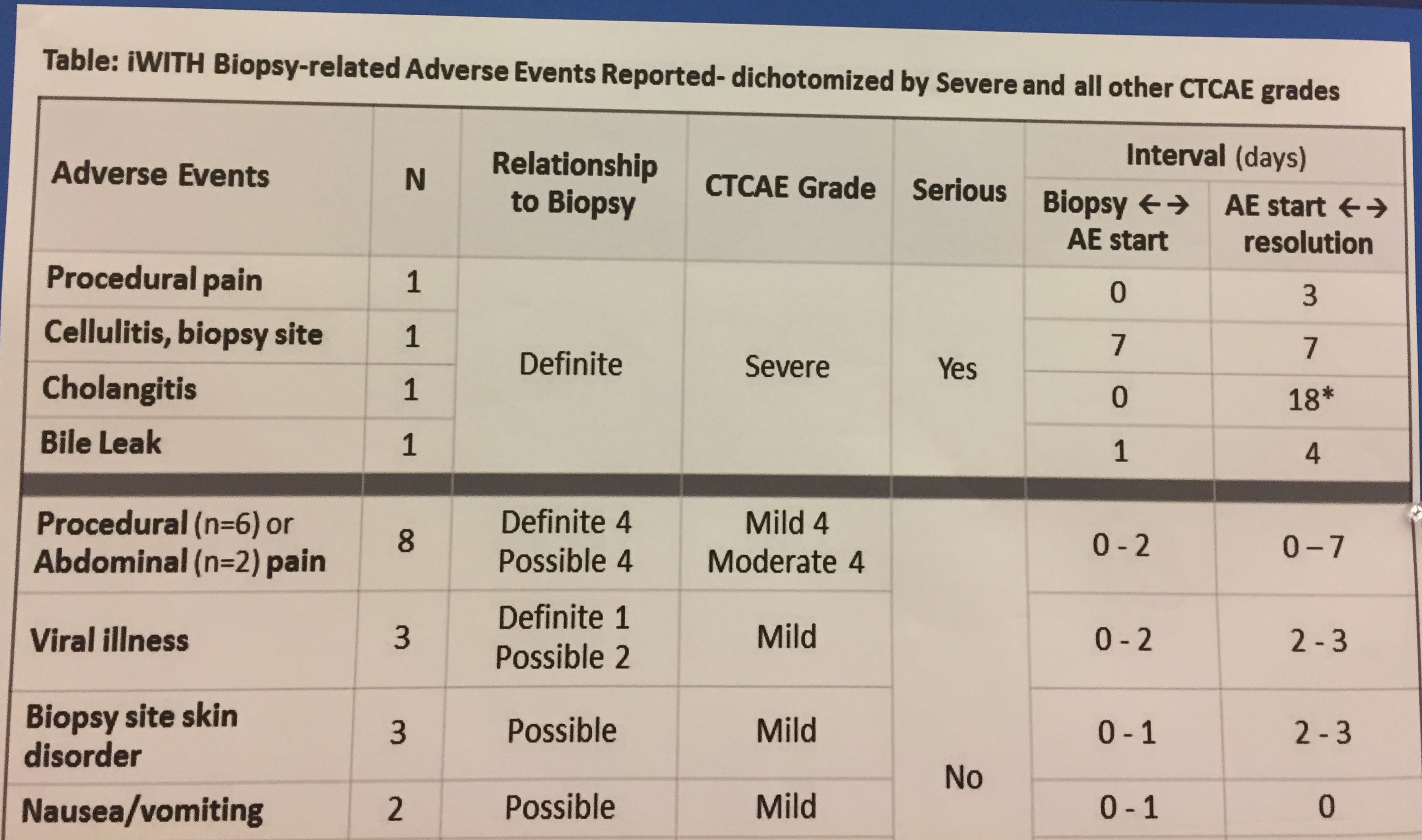
More Data for Ustekinumab in Crohn’s Disease

Briefly noted: C Ma et al. Inflamm Bowel Dis 2017; 23: 833-9.  This retrospective study examined the response to ustekinumab in 104 patients with Crohn’s disease.  All patients had achieved a steroid-free ustekinumab induction.  92.3% had failed anti-TNFα therapy.

Key findings:

  • 71.8% maintained a response at 52 weeks
  • 64.4% maintained an endoscopic or radiographic response

IBD Shorts and Postop Crohn’s Management

C Ma et al. Inflamm Bowel Dis 2017; 23: 833-9.  This retrospective study examined the ongoing response to ustekinumab in 104 patients with Crohn’s disease.  All patients had achieved a steroid-free ustekinumab induction.  92.3% had failed anti-TNFα therapy.Key findings:

  • 71.8% maintained a response at 52 weeks
  • 64.4% maintained an endoscopic or radiographic response

Related blog post: Closer Look at Ustekinumab Data

O Truffinet et al JPGN 2017; 64: 721-25. This small study with 8 children with Crohn’s disease examined the use of tacrolimus.  Six of eight showed a response to tacrolimus (target 8-15) with a clinical response at 2 months and 4 of 8 in clinical remission.  Adverse effects were common, occurring in 6 of 8.  These included renal dysfunction, diabetes, paresthesia and tremor.

J Adler et al.  JPGN 2017; 64: e117-e124. Using ImproveCareNow registry, the authors identified perianal disease (PD) in 1399 of 6679 cases (21%).  PD was more common in blacks than whites: 26% vs. 20%.  Overall, this study showed a higher rate of PD than previously recognized.

J Amil-Dias et al JPGN 2017; 64: 818-35.  This is an ESPGHAN IBD Porto Group guideline for surgical Crohn’s disease management in children.  There are 25 graded statements.  Here are a few:

  • #7 & #8. If needing surgery for CD pancolitis, the authors recommend subtotal colectomy and ileostomy.  Possible reanastomosis at later date if no significant rectal and/or perianal disease.  Ileal pouch-anal anastomosis is NOT recommended.
  • #13. Monitor Vitamin B12 if >20 cm resection of terminal ileum
  • #16. Postoperative management “should be based on ileocolonoscopy.” Figure 1 details recommendations, including need for assessment postoperatively.
  • In patients with high-risk factors, anti-TNF therapy is recommended postoperatively.  In those without high-risk factors, the authors indicate that thiopurines are reasonable with and advancing to anti-TNF if Rutgeerts i2 or greater at followup assessment.  High-risk factors include growth failure, short duration from diagnosis to surgery, extensive resection (>40 cm), and penetrating disease.

Related blog post:

Musee d’Orsay


Closer Look at Ustekinumab Data

At a recent dinner, we had the opportunity to hear a review of some of the recent data on ustekinumab.  These notes may include some errors in transcription and errors of omission.  Most of this data is derived from a recent publication that has been summarized in this blog: Landmark Publication for Ustekinumab (Stelara) | gutsandgrowth

Some key points:

  • In numerous studies of biologic agents, longer duration of disease is associated with a much lower response to therapy.  For the UNITI-1/UNTI-2 studies, the patients enrolled had long duration of disease (~10 years in UNIT1-1, ~8 years in UNITI-2)
  • Recent data indicate that vedolizumab is effective for Crohn’s disease, but works slowly. It likely takes ~6 months to determine if it is working.
  • With ustekinumab, most patients respond within 3 weeks of the induction dose; however, among nonresponders, many responded after the first maintenance dose.  Thus, probably need to give at least the induction dose and the first maintenance dose for determining whether ustekinumab is effective.
  • Overall safety profile looks very good for ustekinumab.  More than 4000 patients in a psoriasis registry showed no serious safety signals (though psoriasis patients receive a lower dose).
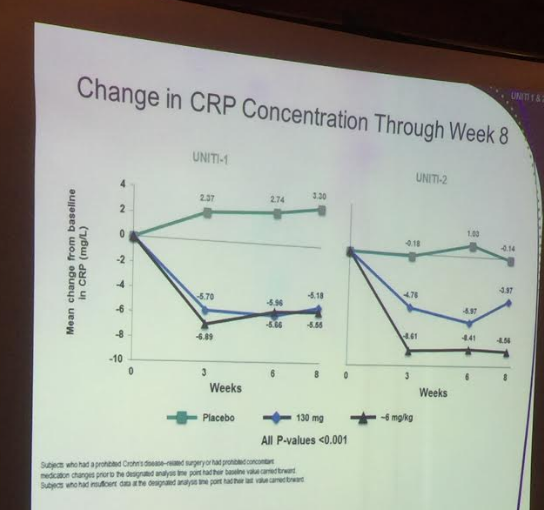
  • Overall, the 6 mg/kg induction dose outperformed the 130 mg dose with regard to objective measures.
  • High placebo rate in the IM-UNITI study likely is due to some residual response to the initial induction dose.
  • Every 8 week dosing for ustekinumab was more effective than every 12 week dosing in these studies, though, there are likely patients who need more frequent and some who could benefit from less frequent dosing.
  • 2.3% of patients in IBD studies had detectable antibody to ustekinumab but this did not preclude efficacy.
  • ~20% of IBD patients do not develop increased CRP
  • Pediatric studies of ustekinumab are ongoing testing different dosing regimens.
  • One other anecdote in regards to magical thinking about which premedications are most effective:  A man with a ridiculous hat was approached as he walked in an Atlanta.suburb.  A lady asked him why he wore such an unusual hat. He replied that “the hat keeps elephants far away.”  The lady said, “there are no elephants around here.” He said, “See it is working.”

screenshot-86 screenshot-87 screenshot-88 screenshot-89 screenshot-90 screenshot-91 screenshot-92 screenshot-93

Landmark Publication for Ustekinumab (Stelara)

A recent study (BG Feagan, WJ Sandborn et al NEJM 2016; 375: 1946-60) provides extensive data regarding the effectiveness of ustekinumab for Crohn’s disease.

This publication combines three trials (industry-sponsored): UNITI-1, UNITI-2, and IM UNITI.  The first two trials with 741 and 628 patients respectively examined intravenous ustekinumab for induction.  Patients (18 years or older with Crohn’s disease) received either 130 mg, 6 mg/kg or placebo.  UNITI-1 were patients with primary or secondary nonresponse to TNF antagonists.  UNITI-2 were patients in whom conventional therapy failed or in which unacceptable side effects developed. The majority of UNITI-2 patients had not received a TNF antagonist.

IM UNITI with 397 patients followed patients who completed the first two trials for maintenance (90 mg SC every 8 weeks or every 12 weeks).  For this study, the primary end point was remission at week 44 (CDAI score <150).

The IM UNITI study involved 260 sites in 27 countries.

Key findings:

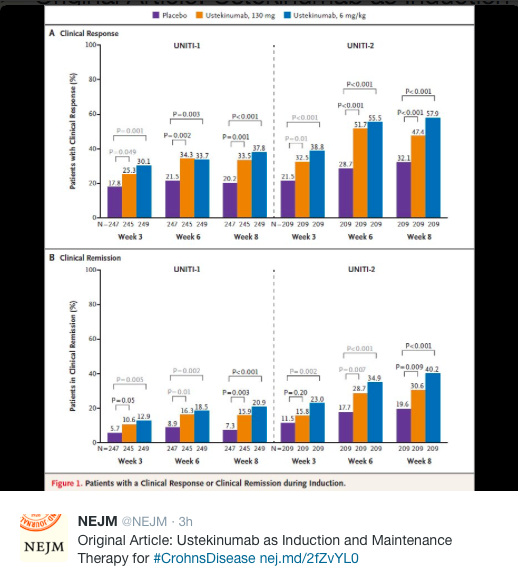
  • With the induction trials, ustekinumab outperformed placebo at 6 weeks.  For UNITI-1, 130 mg dosing resulted in 34.3% response, 6 mg/kg resulted in 33.7% response and placebo 21.5%.
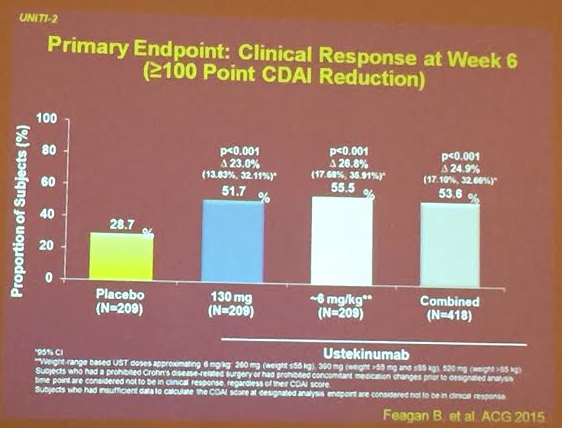
  • For UNITI-2, 130 mg dosing resulted in 51.7% response, 6 mg/kg resulted in 55.5% response and placebo 28.7%.
  • For IM UNITI, every 8 weeks dosing resulted in 53.1% remission at week 44, compared with 48.8% dosed every 12 weeks, and 35.9% who received placebo.
  • For IM UNITI, among those who started in remission at week 0, 66.7% (q 8 weeks), 56.4% (q12 weeks) and 45.6% (placebo) remained in remission at 44 weeks.

When looking at more objective results, both UNITI-1 and UNITI-2 showed significant drops in calprotectin and CRP values; both of these objective markers favored 6 mg/kg over 130 mg fixed induction dose.

  • UNITI-1 at 6 weeks, calprotectin dropped 38.6 in 130 mg dosing group, 41.3 in 6 mg/kg group and 0 in placebo.
  • UNITI-2 at 6 weeks, calprotectin dropped 55.0 in 130 mg dosing group, 106.3 in 6 mg/kg group and 0 in placebo.
  • For the IM UNITI objective markers, it was noted that the median CRP values generally were unchanged in both treatment groups (q8 weeks, and q12 weeks) but increased in the placebo group by ~4 mg/L.  Also, calprotectin remained <250 mg in both ustekinumab treatment groups at a much higher percentage than those who received placebo.

Safety:

Extensive safety data are reported and more than 60% of all patients, including placebo-treated patients reported potential adverse effects.  Adverse effects and serious adverse effects were similar in treatment and control groups. During 1 year of therapy, there were no deaths or instances of the reversible posterior leukoencephalopathy syndrome.

Other points:

  • Response to ustekinumab was observed as early as week 3
  • UNITI-2 patients, most of whom had not failed a TNF antagonist, had higher response than UNITI-1 likely due to disease which was less refractory and of shorter duration

My take: These data support the use of ustekinumab for Crohn’s disease, particularly in patients who have not responded to other therapies.

stelarastudy


FDA Gives Ustekinumab (Stelara) Approval for Crohn’s

Here’s a link summarizing FDA approval: Medscape: FDA Clears Ustekinumab (Stelara) for Crohn’s Disease

An excerpt:

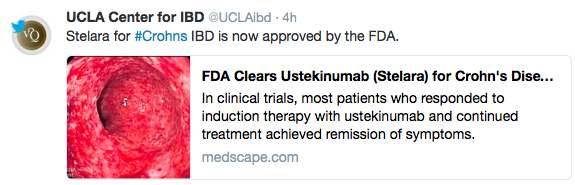
The US Food and Drug Administration (FDA) has approved ustekinumab (Stelara, Janssen Biotech, Inc) for the treatment of moderately to severely active Crohn’s disease in patients aged 18 years or older.

Specifically, the interleukin-12/23 inhibitor is indicated for Crohn’s patients who have failed or were intolerant to immunomodulator or corticosteroid therapy but who never failed treatment with a tumor necrosis factor (TNF) blocker or who failed or were intolerant to treatment with one or more TNF blockers, according to a company news release.

Ustekinumab is already approved in the United States for treatment of patients with plaque psoriasis and psoriatic arthritis…The clinical development program for ustekinumab for Crohn’s disease included more than 1300 patients across three pivotal phase 3 studies, which served as the primary basis for FDA approval.

In clinical studies of patients who were either new to, experienced with, or failed anti-TNF therapy, between 34% and 56% of patients experienced symptom relief in the 6 weeks after receiving a one-time intravenous induction dose of ustekinumab. “Noticeable improvement was observed as early as 3 weeks,” the company said.

Most patients who responded to induction dosing and who continued ustekinumab treatment with subcutaneous maintenance doses every 8 weeks were in remission at the end of 44 weeks (52 weeks from initiation of the induction dose), the company said.

Full prescribing information and a medication guide are available online.

screen-shot-2016-09-28-at-4-18-01-pm


Small Pediatric IBD Studies …Briefly Noted

G Wahbeh et al. JPGN 2016; 63: 348-51.  This retrospective case series with 4 children  (aged 12-17 years) indicated that 2 had a ‘clinical response’ to ustekinumab therapy, though one of these had ongoing elevation of CRP.  The dosing may have been too low: 90 mg at week 0 and 4, then every 8 weeks.  My take: This study shows that ustekinumab’s use in pediatric IBD seems to be a ‘shot in the dark’ given the lack of coherent data.

Related posts:

L Zimmerman et al. JPGN 2016; 63: 352-56. Among a cohort of 123 children who had underwent a bowel resection, from 1977-2011, the overall postoperative complication rate was 13%.  This included 3 of 24 who had prior infliximab and 9 of 99 who had not received infliximab. It is noteworthy that the infliximab group had more corticosteroid exposure. The authors concluded that preoperative infliximab was not associated with increased complications but noted that their sample size was small. My take: Studies of adults with Crohn’s disease have yielded conflicting results on whether preoperative infliximab increases the risk of complications.  This study shows that children likely have a lower rate of postsurgical complications and more pediatric specific data are needed.

Related post:

From KT Park’s Twitter Feed:

calprotectin

4-week-ada-trough-ktparj

More on Ustekinumab, plus Allopurinol Study

More data emerging that indicates that subcutaneous ustekinumab will be useful for refractory Crohn’s disease: S Khorrami et al. Inflamm Bowel Dis 2016; 22: 1662-69.

  • This open-label cohort of 116 patients identified a clinical response (Harvey-Bradshaw Index) in 97 (84%) after loading dose, and clinical benefit in 58% at 12 months of followup.
  • Perianal disease improved in 11 of 18 (61%).
  • This cohort had refractory disease with almost 90% had failed or were intolerant to 2 or more anti-TNFs.

Another strategy for managing inflammatory bowel disease is using allopurinol which can help low-dose azathioprine achieve therapeutic levels.  In the largest cohort to date, Pavlidis et al (Inflamm Bowel Dis 2016; 22: 1639-46) showed that at the end of followup (median 19 months after treatment initiation) 113/164 (69%) of patients with Crohn’s disease and 83/136 (61%) with ulcerative/unclassified colitis had a clinical response; 52% and 54% respectively were in remission. The azathioprine dose was 25% of weight-based monotherapy dose adjusted based on TPMT status; thus, for normal/high TPMT activity, azathioprine was dosed at 0.5 mg/kg whereas for heterozygous/intermediate activity, azathioprine was dosed at 0.25 mg/kg.

Related blog posts:

Disclaimer: These blog posts are for educational purposes only. Specific dosing of medications/diets (along with potential adverse effects) should be confirmed by prescribing physician/nutritionist.  This content is not a substitute for medical advice, diagnosis or treatment provided by a qualified healthcare provider. Always seek the advice of your physician or other qualified health provider with any questions you may have regarding a condition.

Vickery Creek, Sandy Springs

Vickery Creek, Sandy Springs

CCFA Conference Notes 2016 (part 5) -Emerging Therapies

This blog entry has abbreviated/summarized this terrific presentation; most of the material has been covered in this blog in prior entries (can use search function to find additional relevant material) but still this was a useful review. Though not intentional, some important material is likely to have been omitted; in addition, transcription errors are possible as well.

Emerging Therapies in IBD –Dr. Gary Lichtenstein

Background: This lecture started with a review of current therapies. We have learned how to use our current therapies better. There still remain a large number of patients that face surgery with IBD; though there has been improvement (?50% reduction).

Issues with thiopurines were reviewed. May take 2-6 months to take effect, though monotherapy with thiopurines are fairly ineffective for Crohn’s disease as initial therapy.

Leukocyte Trafficking Agents:

  • Natalizumab
  • Vedolizumab
  • AJM300 –oral agent. Initial safety data were fine.
  • AMG 181
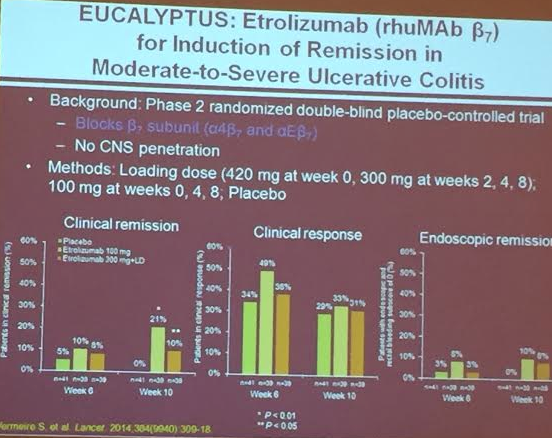
  • Etrolizumab (Vermeire S Lancet 2014) –low rates of endoscopic healing, but better than placebo

Screen Shot 2016-04-17 at 12.15.26 PM

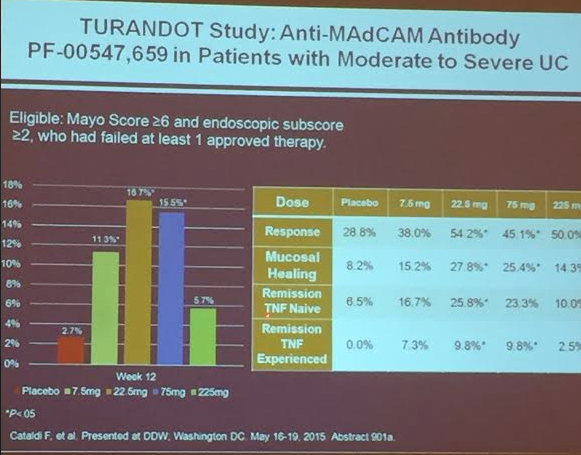
PF-00547,659

Screen Shot 2016-04-17 at 12.15.52 PM

S1P Modulators:

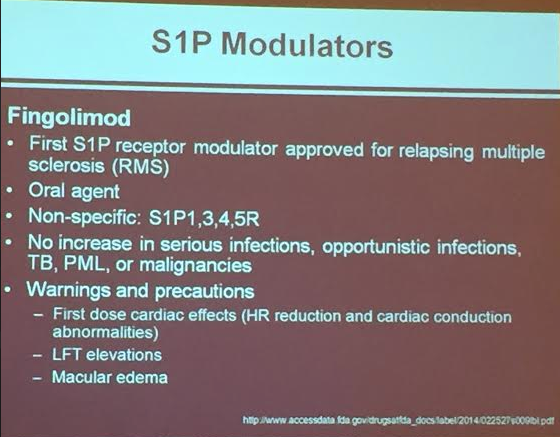
Fingolimod

Screen Shot 2016-04-17 at 12.16.26 PM

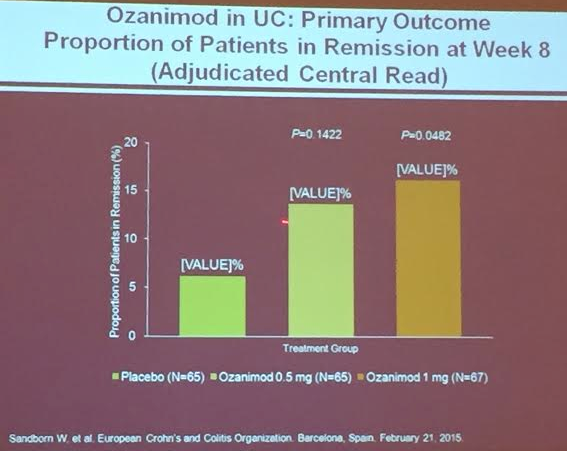
Ozanimod (RPC1063) (oral agent, fairly rapid onset) causes S1P-r on lymphocytes to be internalized –more selective than Fingolimod. Good safety has been noted thus far.  No notable cardiac problems. Infrequent elevations of transaminases; this issue will need to be followed.

Screen Shot 2016-04-17 at 12.16.38 PM

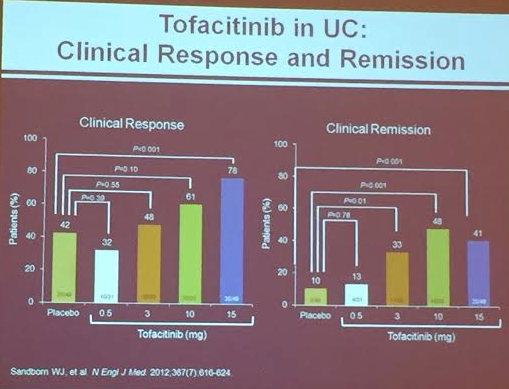
Tofacitinib oral Janus Kinus (JAK) Inhibitor (Sanborn WJ et al. NEJM 2012; 367: 616-24). Dr. Lichtenstein thinks 10 mg will be recommended dose. Follow lipids. For UC

Screen Shot 2016-04-17 at 12.17.11 PM

Mongerson related post: Mongerson -Phase II Data Available in NEJM | gutsandgrowth


Ustekinumab

Screen Shot 2016-04-17 at 12.18.05 PM

Related article from GI & Hep News: Ustekinumab for complex Crohn’s from ECCO conference/UNITI-1 Study (n=741)

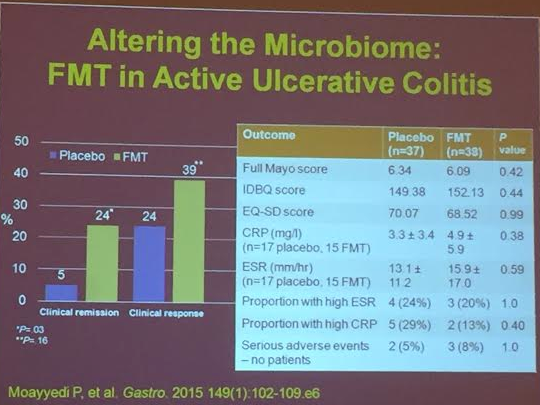
FMT.  Further studies are needed

Screen Shot 2016-04-17 at 12.18.17 PM

CCFA Conference Notes 2016 (part 2) -Pediatric Lecture

This blog entry has abbreviated/summarized this terrific presentation; most of the material has been covered in this blog in prior entries but still this was a useful review. Though not intentional, some important material is likely to have been omitted; in addition, transcription errors are possible as well.

2nd Lecture: What is Next in Treatments for Pediatric Patients? –Dr. Michael Rosen

I really enjoyed meeting Dr. Rosen. He is super-friendly and knowledgeable.

Combination therapy. Grossi V et al showed improvement in infliximab durability with concomitant therapy.

Screen Shot 2016-04-17 at 11.44.52 AM Screen Shot 2016-04-17 at 11.44.38 AM

Screen Shot 2016-04-17 at 11.46.30 AM

Now starting COMBINE trial (ImproveCareNow)–randomized to low dose MTX or placebo in combination with anti-TNF agent.

Screen Shot 2016-04-17 at 11.42.32 AM

Therapeutic drug monitoring in pediatrics. Is this an alternative to combination therapy? Rationale (see slide): lower antibody formation if trough levels maintained. IFX level >5.5 associated with persistent remission (Singh et al 2014). Children are growing and they may need more adjustments. In Cincy, checking levels at week 14 after initiation and then every 6-12 months.

Screen Shot 2016-04-17 at 11.48.03 AM Screen Shot 2016-04-17 at 11.47.12 AM

Acute Severe Ulcerative Colitis. High rates of dose escalation in this population. Some of this is due to more rapid clearance of anti-TNF –leaking in gut and other mechanisms as well. Week 8 level of 40 associated with clinical response. Thus, this population may benefit from 10 mg/kg at start (in those with albumin <3) and may need more frequent dosing, especially early into treatment (?0, 2, 6, 10). ARCH study to look into this further

Screen Shot 2016-04-17 at 11.49.33 AM

Screen Shot 2016-04-17 at 11.49.45 AM

Vedolizumab. Conrad MA 2015. About 1/3rd of these refractory patients in this abstract responded.

Screen Shot 2016-04-17 at 11.50.01 AM

Screen Shot 2016-04-17 at 11.50.16 AM

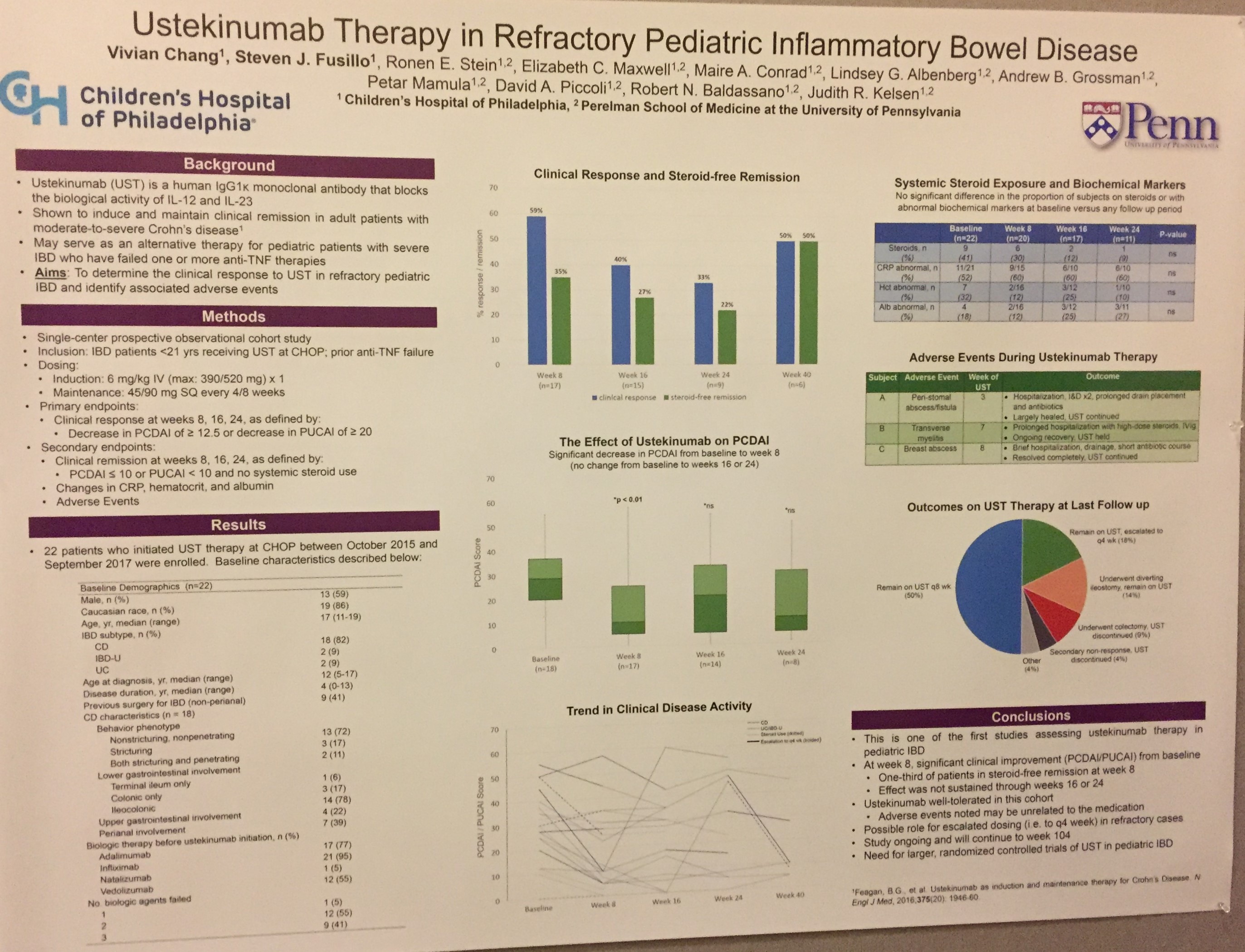
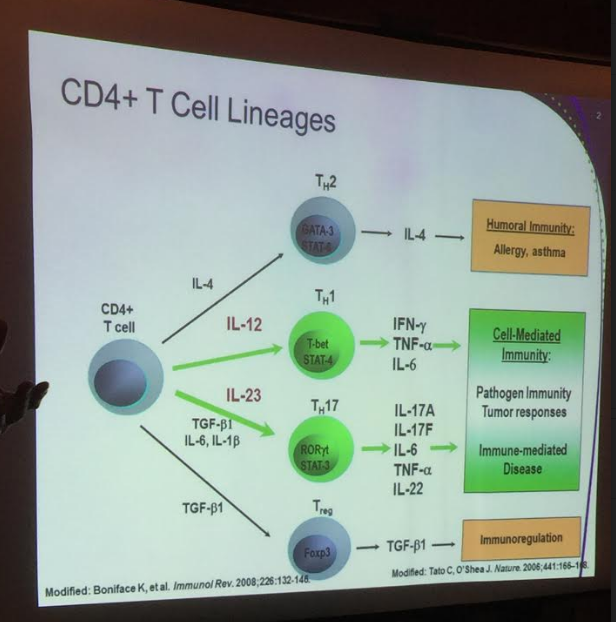
Ustekinumab . IL-12 & IL-23 blockage. No studies in pediatrics. Case report reviewed of good response in a refractory case.

Enteral therapy. Specific carbohydrate diet experience. These diets have some published data, most retrospective studies. Our group (Cohen SA et al) did perform a small prospective study. Sigall-Boneh R et al showed improvement with partial enteral nutrition.

Screen Shot 2016-04-17 at 11.53.14 AM

Screen Shot 2016-04-17 at 11.53.26 AM


Screen Shot 2016-04-17 at 11.54.44 AM

Screen Shot 2016-04-17 at 11.55.08 AM Screen Shot 2016-04-17 at 11.54.57 AM

Very early-onset of IBD. IL-10 receptor deficiency was a key early discovery and can be treated with stem cell transplant. STAT3 mutation case reviewed which was managed with tocilizumab. More targeted therapy expected based on specific mutations.

Screen Shot 2016-04-17 at 11.55.33 AM