Outcomes of Hematopoietic Stem Cell Transplant in Monogenic Inflammatory Bowel Disease

A Baccarella et al. Clinical Gastroenterology and Hepatology; 2025; 23: 2242 – 2252. Open Access! Outcomes of Allogeneic Hematopoietic Stem Cell Transplant in Monogenic Inflammatory Bowel Disease

This was a retrospective single-center (CHOP) study of 25 children with monogenic IBD who underwent Hematopoietic Stem Cell Transplant (HSCT) (2012-2022).

Key findings:

  • Seventy-two percent of patients had Crohn’s Disease, and 28% were classified as IBD-unspecified. Ninety-two percent of patients had VEO-IBD, 56% presenting under age 1
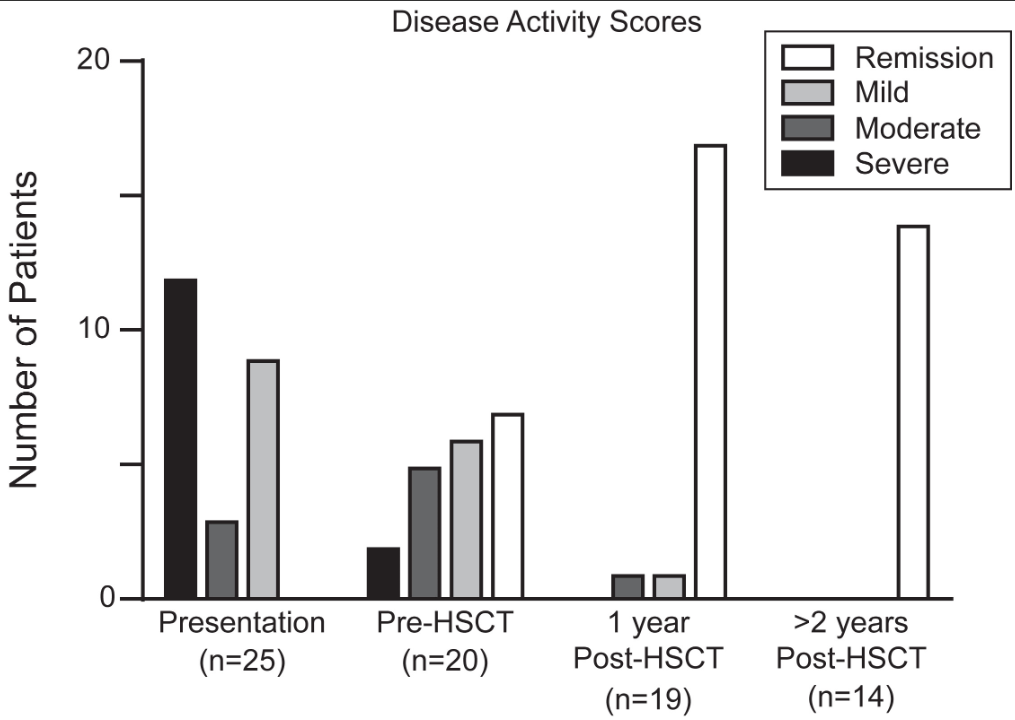
  • At most recent follow-up, 92% of patients achieved sustained medication-free remission of IBD and 60% with prior ostomy underwent re-anastomosis. There was 100% survival at a median follow-up of 3 years
  • There was significant improvement in growth, hospital days, and severe infections
Disease activity scores at the time of IBD presentation, immediately prior to transplant, 1-year post-transplant, and at most recent follow up if ≥2 years since transplant.

Discussion points:

  • “Delay of HSCT with the goal of obtaining remission of IBD prior to transplant may prove to be determinantal, as outcomes of HSCT are in general improved for younger patients,20 and medical remission is often unattainable for more severe forms of monogenic IBD. Within our cohort, 32% of patients had moderate or severe disease at the time of transplant despite medical optimization. None of these patients developed intestinal GVHD, which was a rare event in our total cohort”
  • “HSCT is not without risk, and complications occurred in our cohort, at rates typical of other IEI cohorts”
  • “The selection of patients who would benefit from HSCT requires multidisciplinary discussion.”

With regard to patient selection, one item that was not included in the discussion was the one patient excluded from their analysis who had a TTC7A gene defect. In the results section, it was explained that the patient with “TTC7A was subsequently excluded as transplant was performed for the indication of SCID alone, rather than treatment of intestinal disease.” More discussion on this point is merited as many centers would NOT have a patient with TTC7A undergo HCST specifically because it cannot correct the underlying bowel disease.

Also, it was noted that one patient with CTLA4 deficiency had undergone HSCT prior to the discovery of the genetic defect. With the more widespread use of genetic testing available now, this discovery may have obviated the need for HSCT as treatment with abatacept is typically effective.

My take: Overall, the authors present impressive results for HSCT for monogenic IBD and strengthen the need for genetic testing in those with early onset disease and those refractory to treatment.

Related blog posts:

Disclaimer: This blog, gutsandgrowth, assumes no responsibility for any use or operation of any method, product, instruction, concept or idea contained in the material herein or for any injury or damage to persons or property (whether products liability, negligence or otherwise) resulting from such use or operation. These blog posts are for educational purposes only. Specific dosing of medications (along with potential adverse effects) should be confirmed by prescribing physician.  Because of rapid advances in the medical sciences, the gutsandgrowth blog cautions that independent verification should be made of diagnosis and drug dosages. The reader is solely responsible for the conduct of any suggested test or procedure.  This content is not a substitute for medical advice, diagnosis or treatment provided by a qualified healthcare provider. Always seek the advice of your physician or other qualified health provider with any questions you may have regarding a condition.

NASPGHAN Pediatric Position Paper for Therapeutic Drug Monitoring

LM Felipez et al. J Pediatr Gastroenterol Nutr. 2025;81:1100–1117. Open Access! North American Society for Pediatric Gastroenterology, Hepatology, and Nutrition position paper on the therapeutic drug monitoring in pediatric inflammatory bowel disease

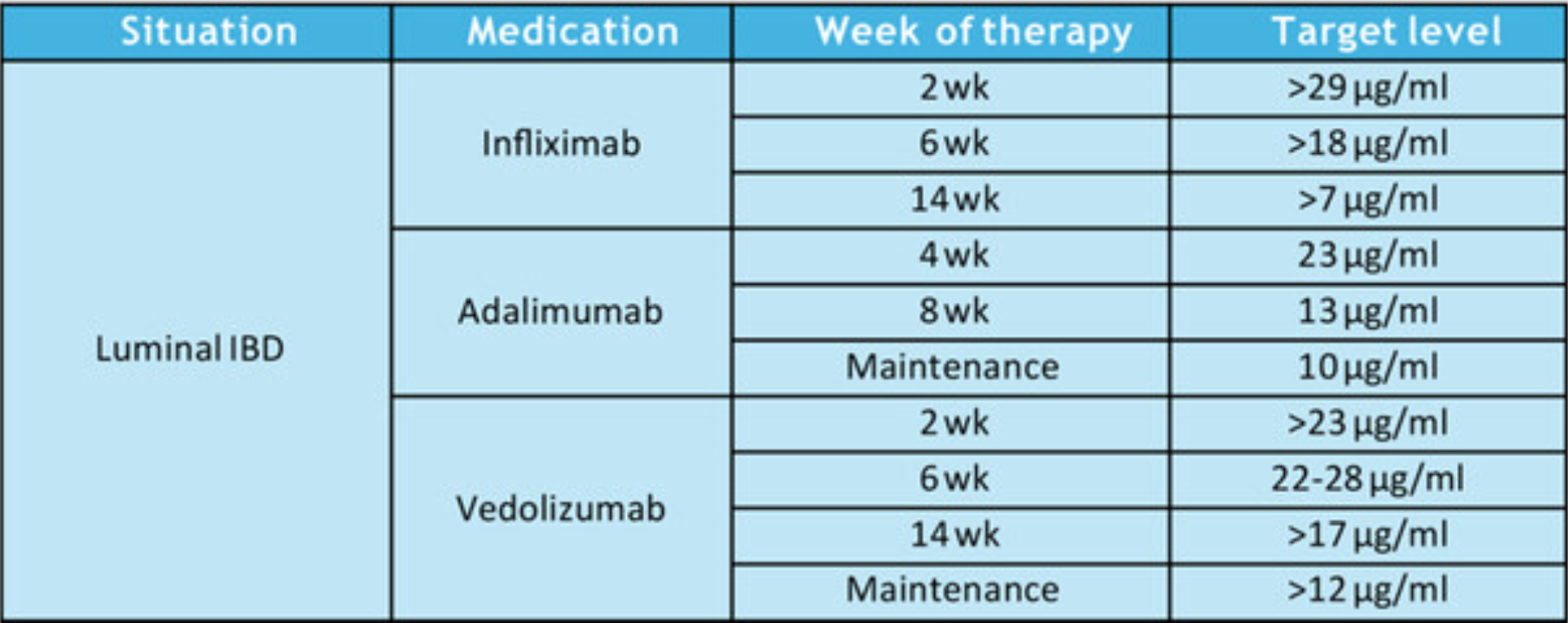
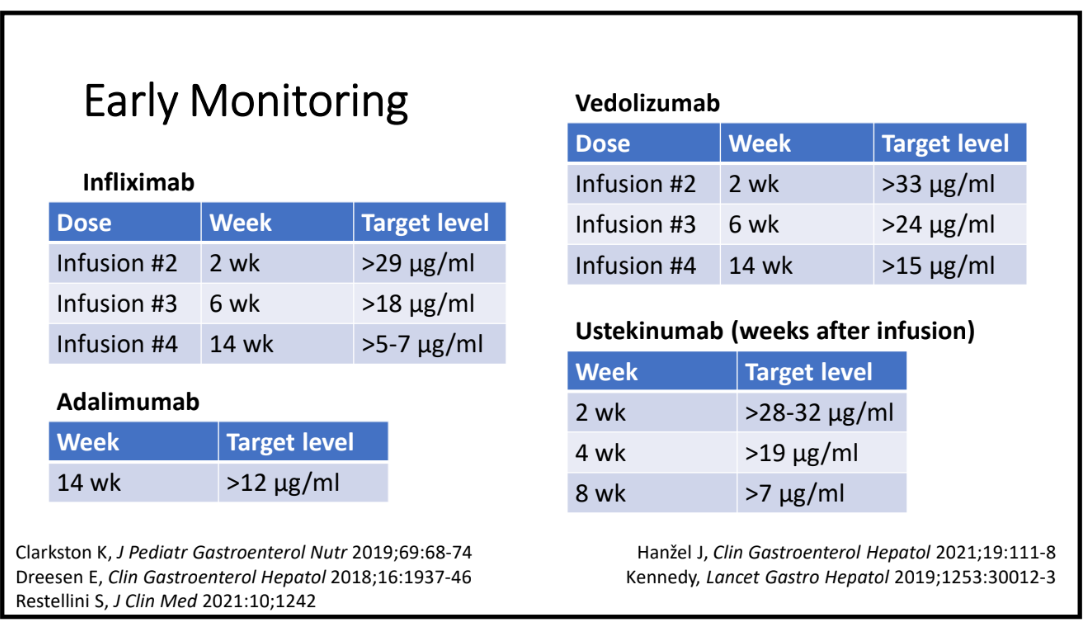
Therapeutic Drug Targets Based on Condition, Medication and Time of Therapy:

Discussion Points:

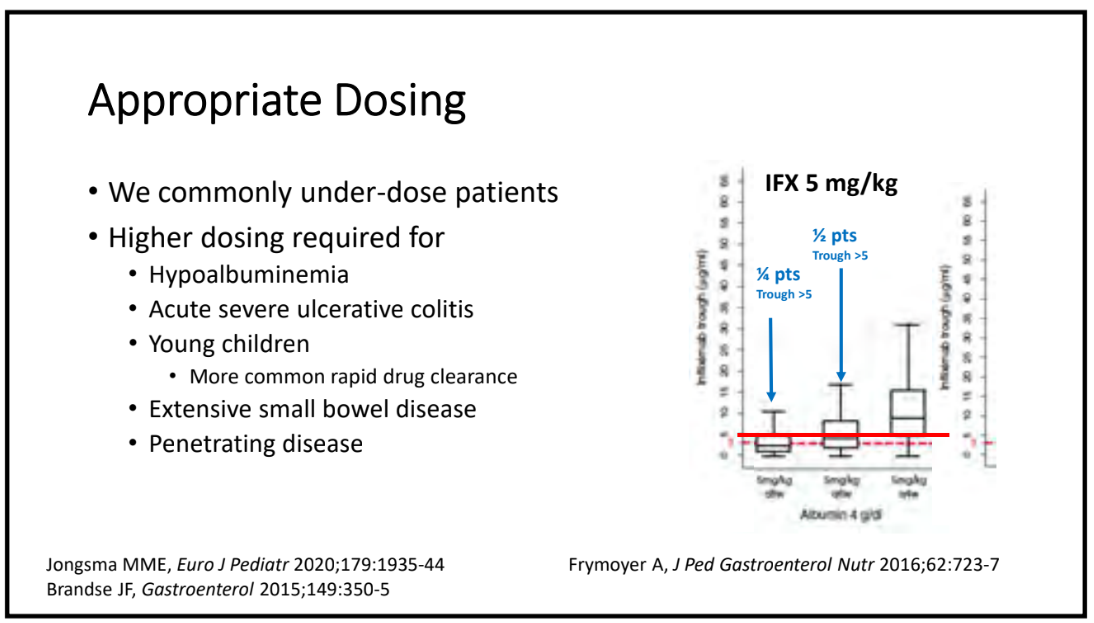
  • Pediatric Dosing is Different: “Pediatric studies have also determined adult infliximab targets are insufficient…In a prospective pediatric study, Clarkston et al. found that a trough level of 29 μg/mL at 2 weeks is required to achieve both clinical and biologic response. Patients with lower trough levels had 13-fold greater odds of clinical nonresponse. Additionally, a trough of 18 μg/mL at 6 weeks was associated with improved response. Patients with lower trough levels had sixfold greater odds of clinical nonresponse. They also observed that patients who did not achieve a trough >5–7 μg/mL by 14 weeks of therapy had a 21-fold increase in the odds of clinical nonresponse.62
  • Undetectable/very low anti-TNF levels: “If the serum level is extremely low or undetectable, then full re-induction is warranted in addition to dose escalation.”
  • Timing of TDM: “As a practice point, TDM is routinely recommended at the end of induction for most patients. We recommend obtaining TDM earlier during induction in at-risk populations, including younger age children, those with hypoalbuminemia, and those with increased inflammatory burden.”
  • Maintenance proactive TDM: “Based on prospective randomized trial evidence, we recommend proactive TDM during maintenance every 6–12 months…yearly proactive TDM was associated with 55% reduced risk of developing antidrug antibodies.26
  • Increased Antidrug Antibodies with Lower Infliximab Dosing: “In the pivotal REFINE study on immunogenicity in pediatric IBD, Coleman et al. found that antibodies to infliximab were detected in 68% of patients in the cohort, and starting dose under 7.5 mg/kg was one of the strongest predictors of developing antidrug antibodies.4
  • Higher Doses Prevent Antidrug Antibodies: “The best available evidence for preventing immunogenicity supports initiating therapy with infliximab doses greater than 8 mg/kg, and in the case of hypoalbuminemia, doses greater than 10 mg/kg. For children <40 kg, doses of 200 mg/m2 are more appropriate.”
  • Perianal fistulas: “Overall, there is less evidence to support adalimumab use over infliximab for treatment of perianal fistulas. It is possible that adalimumab may have lower efficacy for perianal fistula.105 However, it is unclear if this is inherent to adalimumab, or if it relates to less frequent TDM or less frequent dose escalation in practice.”
  • Vedolizumab: “In general, as with other biologic therapies, a higher serum vedolizumab concentration is associated with higher likelihood of treatment response…Multiple studies identified that in patients with IBD (either UC or CD) early trough levels at Week 2132 with a cut off of >23.2 μg/mL or Week 6133134 with a cut off of above 22–28 μg/mL or at Week 14135) above 16.55 μg/mL predicted a higher likelihood of sustained response over the first year. In regard to clinical remission one study identified that corticosteroid free, clinical and biochemical remission was correlated to higher trough vedolizumab concentration.136
  • Vedolizumab in younger patients: “Children under 30 kg require vedolizumab doses of 200 mg/m2 or 10 mg/kg.”

My take: “This NASPGHAN position paper should also serve to document that high-dose therapy, especially guided by TDM, is evidence-based standard of care.” This article clearly establishes three key points:

  1. “Intensive anti-TNF⍺ dosing strategies are not experimental. The initial doses of infliximab and adalimumab approved by the United States Food and Drug Administration (FDA) routinely lead to under-treatment, poor outcomes, and treatment discontinuation.60117 There is a rich, corroborated, and verified evidence-base to support the safety and efficacy of high-dose therapy anti-TNF⍺ therapy when clinically indicated, especially as supported by TDM.506265100101103118
  2. Therapeutic drug monitoring is essential in the pediatric population to optimize drug levels, allow many patients to do well with monotherapy, and to help avoid development of antidrug antibodies.
  3. The best available evidence supports TDM during induction of vedolizumab as well.

Related blog posts:

Disclaimer: This blog, gutsandgrowth, assumes no responsibility for any use or operation of any method, product, instruction, concept or idea contained in the material herein or for any injury or damage to persons or property (whether products liability, negligence or otherwise) resulting from such use or operation. These blog posts are for educational purposes only. Specific dosing of medications (along with potential adverse effects) should be confirmed by prescribing physician.  Because of rapid advances in the medical sciences, the gutsandgrowth blog cautions that independent verification should be made of diagnosis and drug dosages. The reader is solely responsible for the conduct of any suggested test or procedure.  This content is not a substitute for medical advice, diagnosis or treatment provided by a qualified healthcare provider. Always seek the advice of your physician or other qualified health provider with any questions you may have regarding a condition.

The VEO-IBD Foundation -Developing Resource for Families

Link: Family reflections: research gives back childhood: a family’s experience with very early onset inflammatory bowel disease Pediatric Research; https://doi.org/10.1038/s41390-024-03506-8

An excerpt:

Very Early Onset Inflammatory Bowel Disease is so rare and individualized that no standard of care yet exists, and almost none of the interventions are approved for infants. After eliminating all dairy, prematurely ending breastfeeding, and moving exclusively to a prescription formula, we tried and failed multiple classes of medications, hoping each time that this medication would be the one that would ease our son’s suffering. Doctors are only now building a history of successful interventions to draw from, so treatment options come from very small studies from Very Early Onset Inflammatory Bowel Disease researchers and educated guesses. Treatment options generally ramp up in aggressiveness, which is hard enough for parents of a miserably sick infant to process and decide. Once these interventions fail, drug costs and insurance approval become major hurdles. This process of trial-and-error in treating Very Early Onset Inflammatory Bowel Disease patients is a nightmare. On a weekly or monthly basis, parents must make life-altering decisions with very little data for a patient too young to advocate for themselves.

Link: The VEO-IBD Foundation This foundation is still in its early stages, but anticipate it will be a resource for families with VEO-IBD.
Related blog posts:

Selected Slides from NASPGHAN 2022 Postgraduate Course (Part 2)

See previous post for lecturers

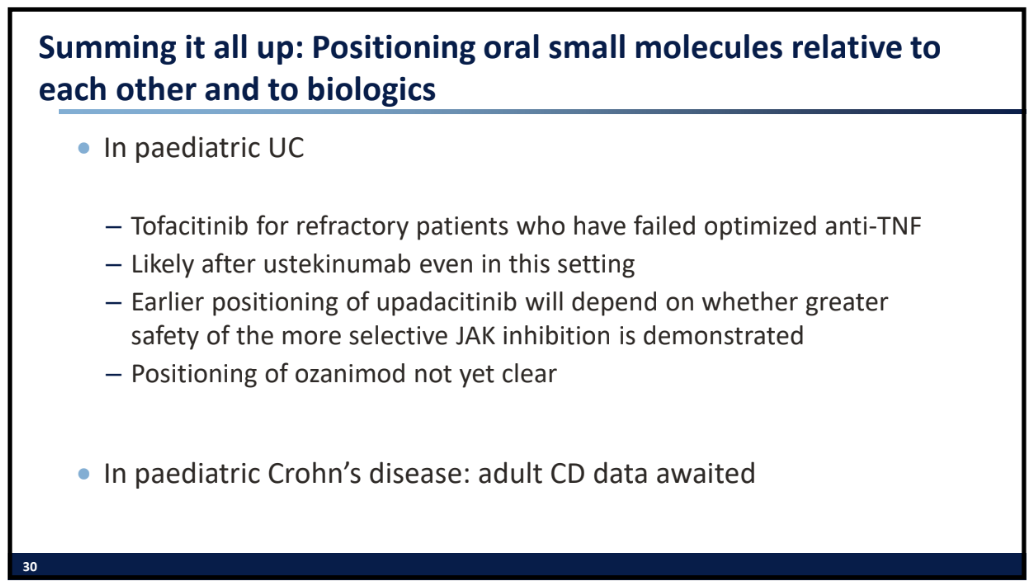
Oral small molecultes in IBD. Anne Griffiths, MD
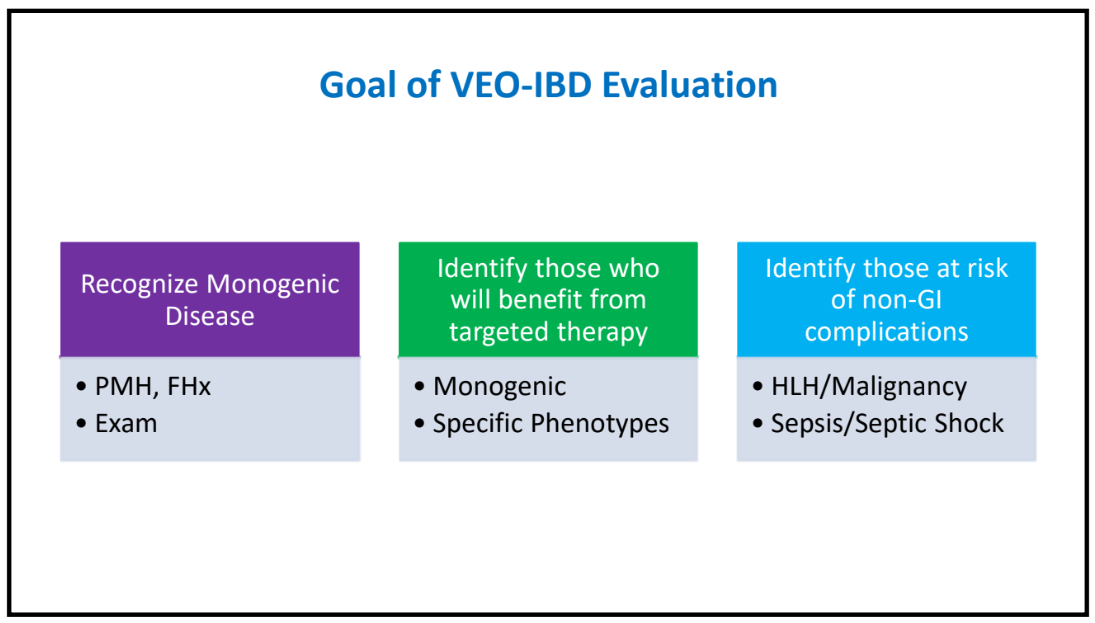
Judith Kelsen, Very early onset IBD
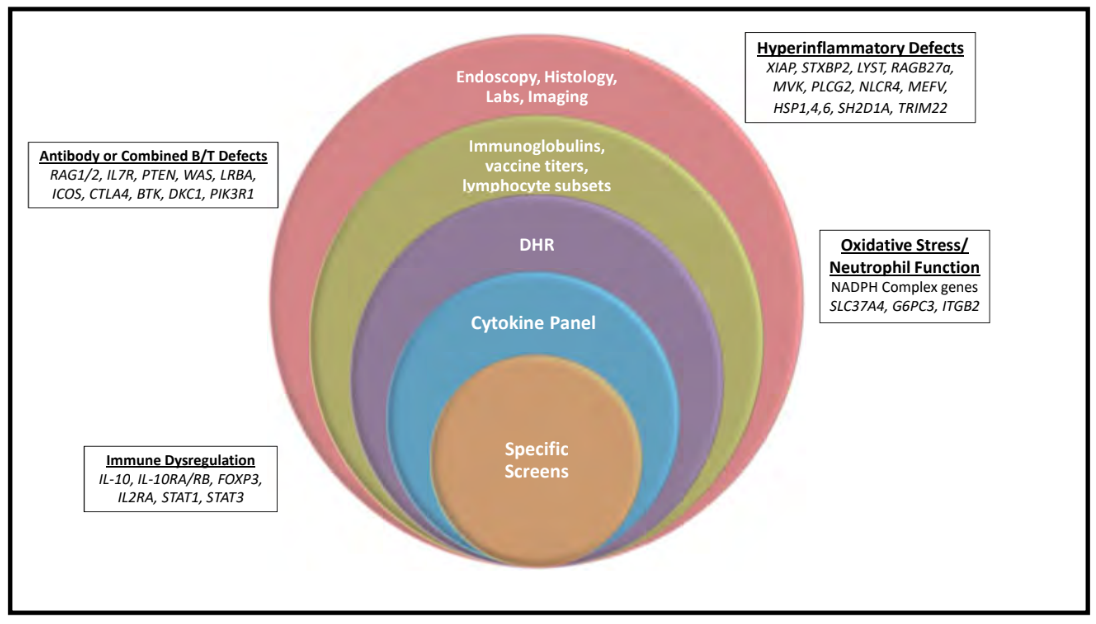
VEO Evaluation
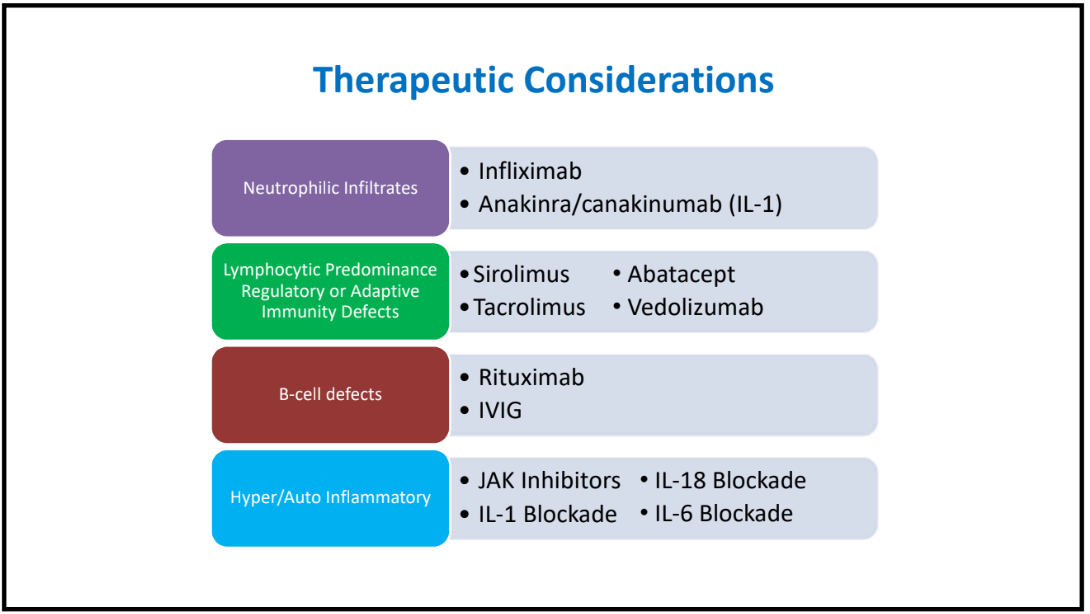
VEO Treatments
Jeremy Adler and Treat to Target for IBD
Timothy Sentongo and Growth and Nutrition Issues in the NICU
Maureen Leonard and Gluten-Related Disorders Update
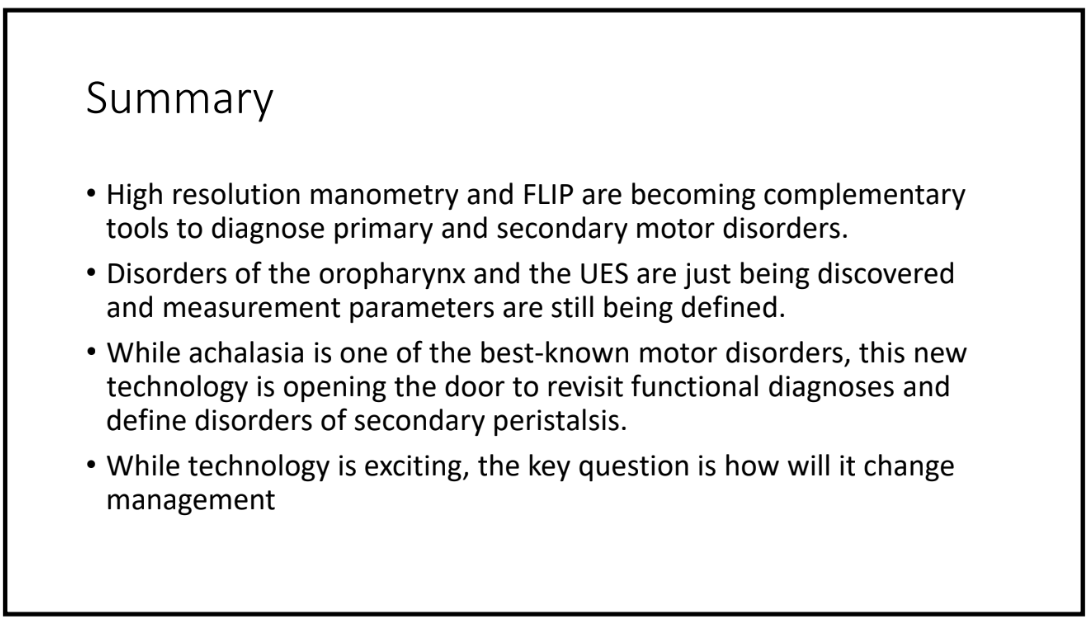
Rachel Rosen and Esophageal Motor Disorders
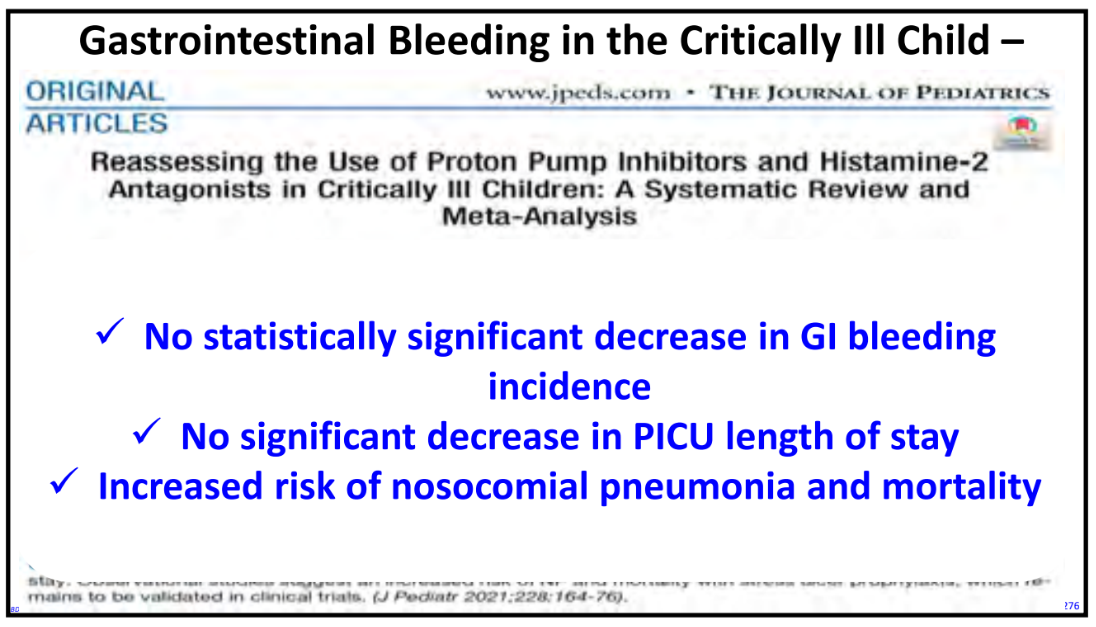
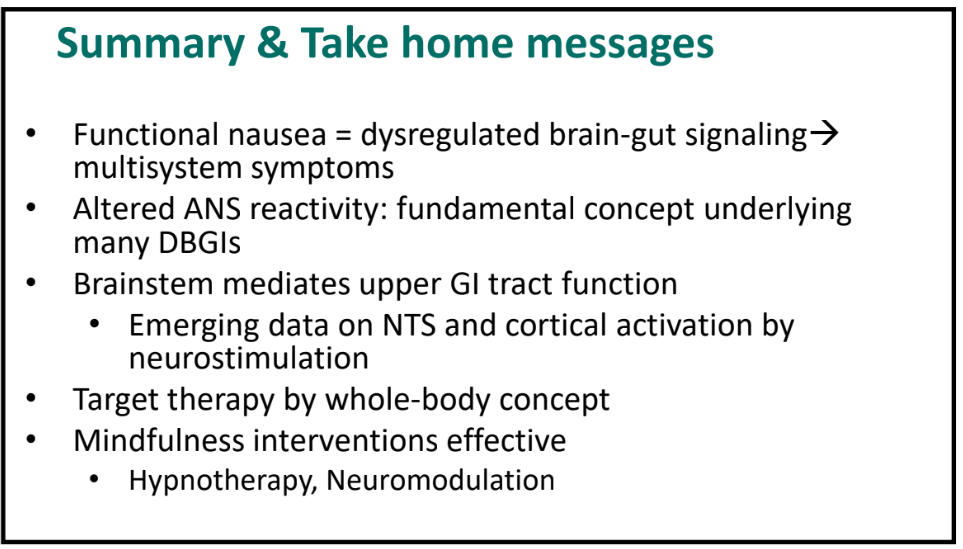
Katja Kovacic and Functional Nausea
This study was 20 yrs ago -we can do better today

Disclaimer: This blog, gutsandgrowth, assumes no responsibility for any use or operation of any method, product, instruction, concept or idea contained in the material herein or for any injury or damage to persons or property (whether products liability, negligence or otherwise) resulting from such use or operation. These blog posts are for educational purposes only. Specific dosing of medications (along with potential adverse effects) should be confirmed by prescribing physician.  Because of rapid advances in the medical sciences, the gutsandgrowth blog cautions that independent verification should be made of diagnosis and drug dosages. The reader is solely responsible for the conduct of any suggested test or procedure.  This content is not a substitute for medical advice, diagnosis or treatment provided by a qualified healthcare provider. Always seek the advice of your physician or other qualified health provider with any questions you may have regarding a condition.

Biologics in Children with Very Early Onset Inflammatory Bowel Disease

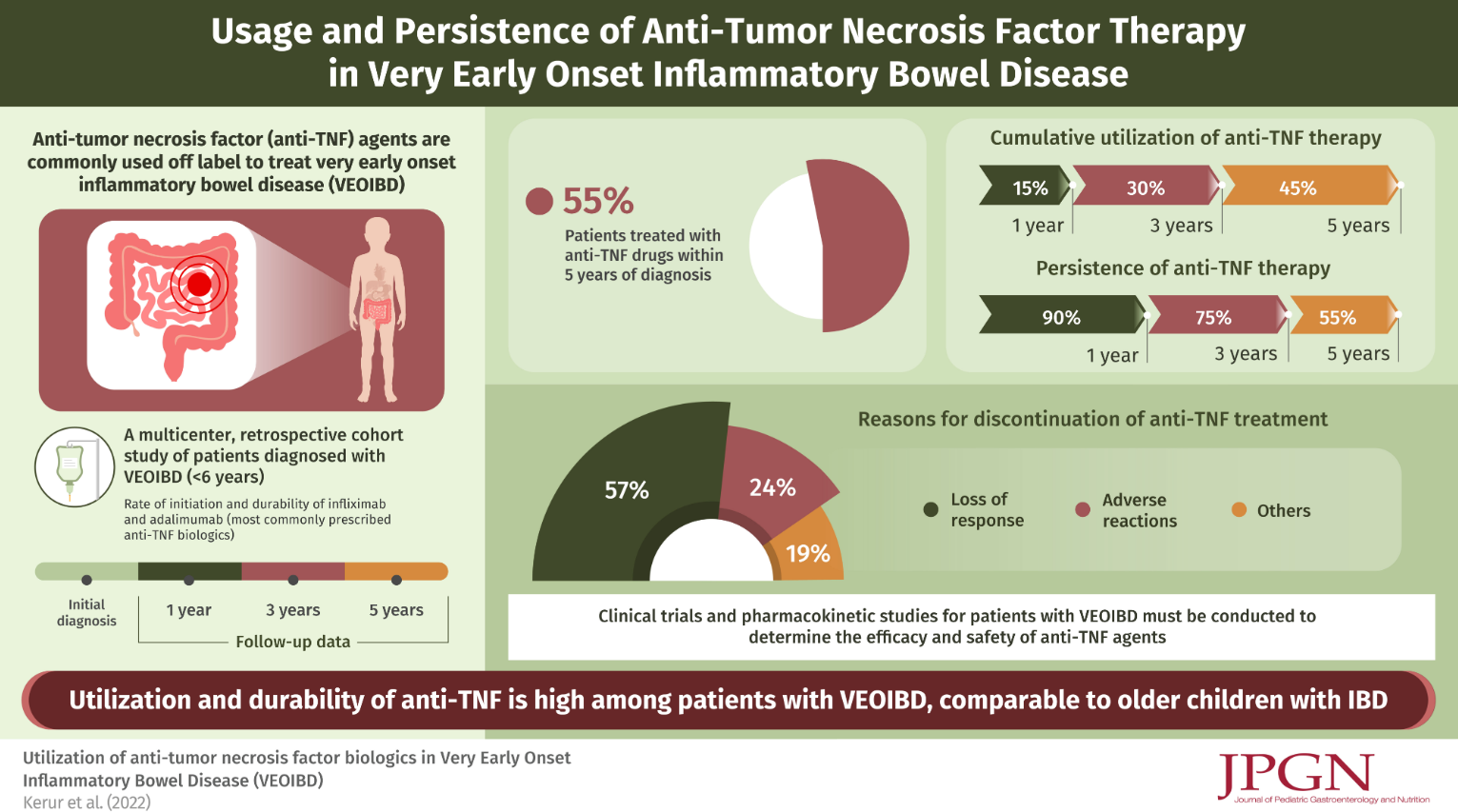
B Kerur et al. JPGN 2022; 75: 64-69. Utilization of Antitumor Necrosis Factor Biologics in Very Early Onset Inflammatory Bowel Disease: A Multicenter Retrospective Cohort Study From North America

In this retrospective study, 120 of 294 children with VEO-IBD (diagnosed 2008 and 2013, PRO-KIDS network) received anti-TNF therapy (96% infliximab). 101 of these 120 had adequate data recorded. It is noted that additional data on this cohort has been previously published (IBD Updates: Outcomes of VEO-IBD, PIANO Study Update, and Insurance-Disparity Relationship). Key findings:

  • Anti-TNF durability was 90% at 1 year, 75% at 3 years, and 55% at 5 years
  • Patients with Crohn’s disease had better durability than those with UC/IBD-U (Hazard ratio 0.17)
  • The most common reason for discontinuation of anti-TNF were loss of response in 24 (57%) children
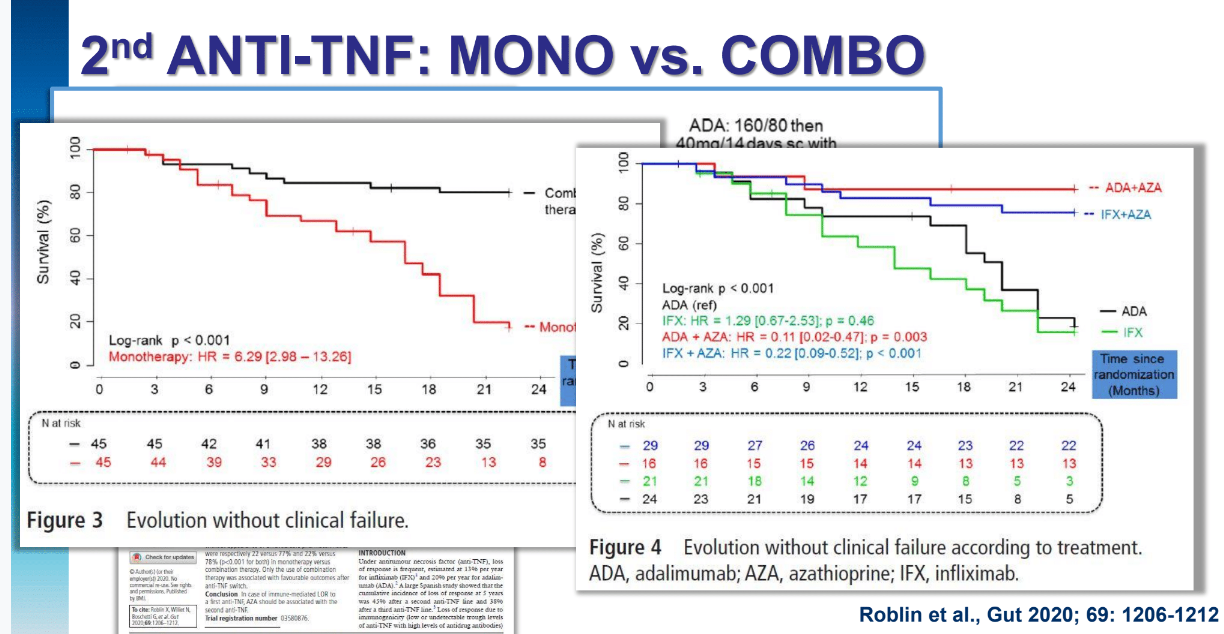
  • 67 (66%) received combined therapy with an immunomodulator and this was associated with improved anti-TNF durability (Hazard ratio 0.30). However, authors note this was in era preceding widespread therapeutic drug monitoring.
  • The majority of children in the current study did not undergo testing for monogenic mutations

My take: Data for use of anti-TNF agents in this age group (< 6 yrs) has been limited. This study suggests similar effectiveness of anti-TNF agents in VEO-IBD compared to older groups. Given this groups increased risk for monogenic mutations, it is still a good idea, if feasible, to test for these disorders.

Related blog posts:

Targeted Therapy for Autoinflammatory Very Early Onset Inflammatory Bowel Disease

S Rudra et al. Clin Gastroenterol Hepatol 2022; 20: 1408-1410. Ruxolitinib: Targeted Approach for Treatment of Autoinflammatory Very Early Onset Inflammatory Bowel Disease

As we start to understand the genetic basis for some of the cases of very early onset inflammatory bowel disease (VEO-IBD), identifying effective targeted treatment is needed. For example, abatacept has been shown to be helpful for CTLA4 deficiency. The report cited above reports the experience of ruxolitinib for autoinflammatory phenotype (AIP) of VEO-IBD.

AIP was defined by persistent fevers, leukocytosis, elevation of at least 2 cytokines: sIL2R, IL8, IL6, CXCL9 or IFN-gamma.

Ruxolitinib is a selective JAK1/2 inhibitor which is approved for treatment of polycythemia vera, myelofibrosis, and graft-versus-host disease. As an aside, its retail cost (with 10 mg, #60) is ~$15,000 per month.

In this case report, 6 children with severe VEO-IBD were treated with average starting dose of 5.6 mg/m2/dose twice daily. Most were receiving dual therapy –3 patients were treated with IL1 blockade and 2 patinents with anti-TNF therapy.

Key findings:

  • Over 6-months, all patients had clinical response, especially with regard to fever and stool frequency
  • All patients had improvement in lab studies
  • Among the 3 with endoscopic followup, 1 had deep mucosal healing and 2 had endoscopic improvement
  • Three mild infections occurred while on treatment, but no bone marrow suppression was noted

My take: Patients with VEO-IBD represent a huge challenge. Trying to target specific therapies is difficult given that there are more than 70 monogenic defects that have been identified and many of the therapies are quite expensive (and difficult to get).

Related blog posts:

Near Santa Fe, NM

IBD Updates: Outcomes of VEO-IBD, PIANO Study Update, and Insurance-Disparity Relationship

Outcomes of VEO-IBD. B Kerur et al. Inflamm Bowel Dis 2021; 27: 295-302. Bowel Disease in North America: A Retrospective Cohort Study The study population included 269 children (105 [39%] Crohn’s disease, 106 [39%] ulcerative colitis, and 58 [22%] IBD unclassified). Key findings:

  • By the end of follow-up, stricturing/penetrating occurred in 7 (6.6%) children.
  • Median age at diagnosis was 4.2 years. 71 (26%) were ❤ yrs.
  • Only 5 (1.7%) had a coexisting immunological disorder.
  • Over 5 years, cumulative use of an immunomodulator and biologic was 61% and 41% respectively. Exclusive enteral nutrition was used in 10 children (4%).
  • 11.5% (n=19) had a change in diagnosis from UC/IBD-U to Crohn’s disease
  • The risk of any bowel surgery in Crohn’s disease was 3% by 1 year, 12% by 3 years, and 15% by 5 years and did not differ by age at diagnosis.
  • The risk of colectomy in ulcerative colitis/IBD unclassified was 0% by 1 year, 3% by 3 years, and 14% by 5 years and did not differ by age of diagnosis.

Related blog posts:

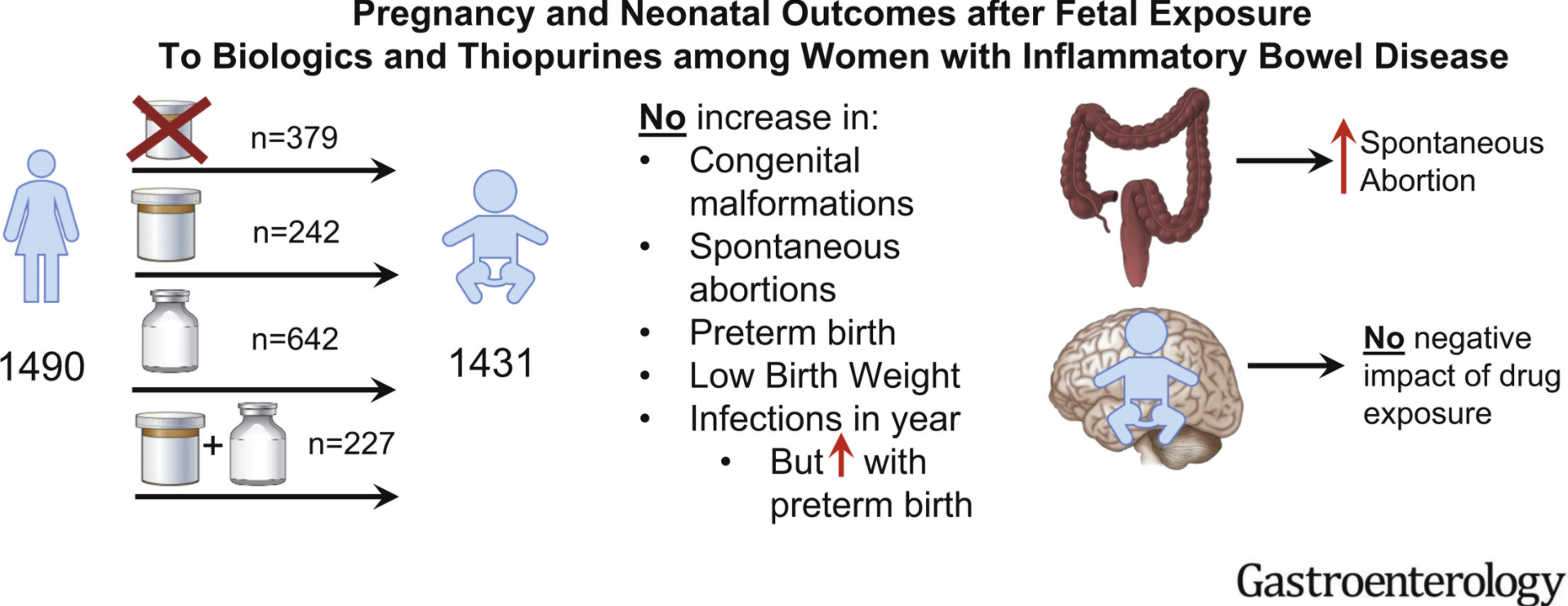
IBD Therapies and Newborn Outcomes (also covered in a prior blog post: Disease Activity, Not Medications, Linked to Neonatal Outcomes in Women with IBD). U Mahadevan et al. Gastroenterol 2021; 160: 1131-1139. Pregnancy and Neonatal Outcomes After Fetal Exposure to Biologics and Thiopurines Among Women With Inflammatory Bowel Disease

In this PIANO study (2007-2019), pregnant women with IBD were enrolled in a prospective, observational, multicenter study across the United States. PIANO is an acronym for Pregnancy in Inflammatory Bowel Disease and Neonatal Outcomes.

Exposure was to thiopurines (n = 242), biologics (n = 642), or both (n = 227) vs unexposed (n = 379). 

Disparity Not Apparent Among Insured Population. EL Barnes et al. Inflamm Bowel Dis 2021; 27: 364-370. Black and White Patients With Inflammatory Bowel Disease Show Similar Biologic Use Patterns With Medicaid Insurance

In this study, which analyzed Medicaid Analytic eXtract data from 4 states (California, Georgia, North Carolina, and Texas) between 2006 and 2011, the authors identified 14,735 patients with IBD (4672 black [32%]). Key finding: “In patients with Medicaid insurance, where access to IBD-specific therapy should be similar for all individuals, there was no significant disparity by race in the utilization of IBD-specific therapies.”

When To Perform Genetic Testing In The Setting Of Inflammatory Bowel Disease

HH Uhilg et al. JPGN 2021; 72: 45-473. Free Full Text: Clinical Genomics for the Diagnosis of Monogenic Forms of Inflammatory Bowel Disease: A Position Paper From the Paediatric IBD Porto Group of European Society of Paediatric Gastroenterology, Hepatology and Nutrition

  • This is a very useful article. Table 3 lists many of the features of some monogenic inflammatory bowel disease (IBD). Table 4 details potential immune workup tests. Table 5 lists 75 genes that should be included when testing for monogenic IBD.
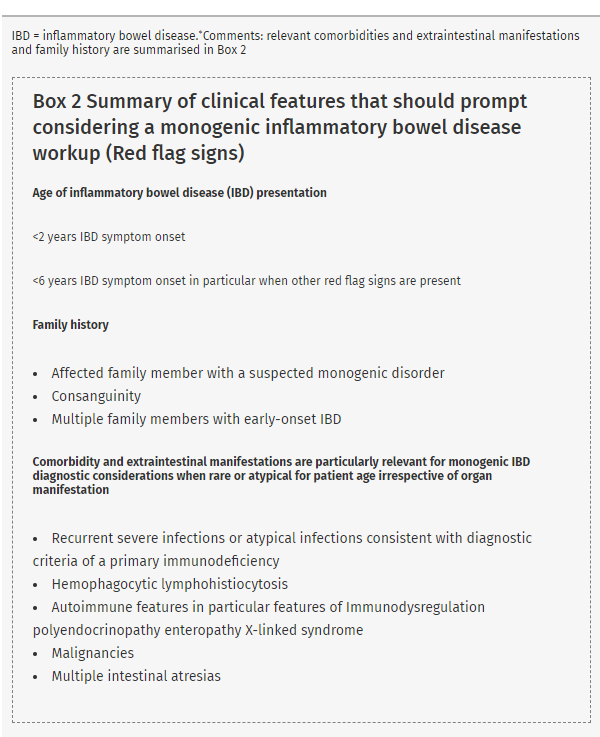
  • Box 2 (see below) provides a list of conditions that should prompt consideration of genetic testing. Figure 1 provides an algorithm for testing.
  • Table 6 provides a summary of statements
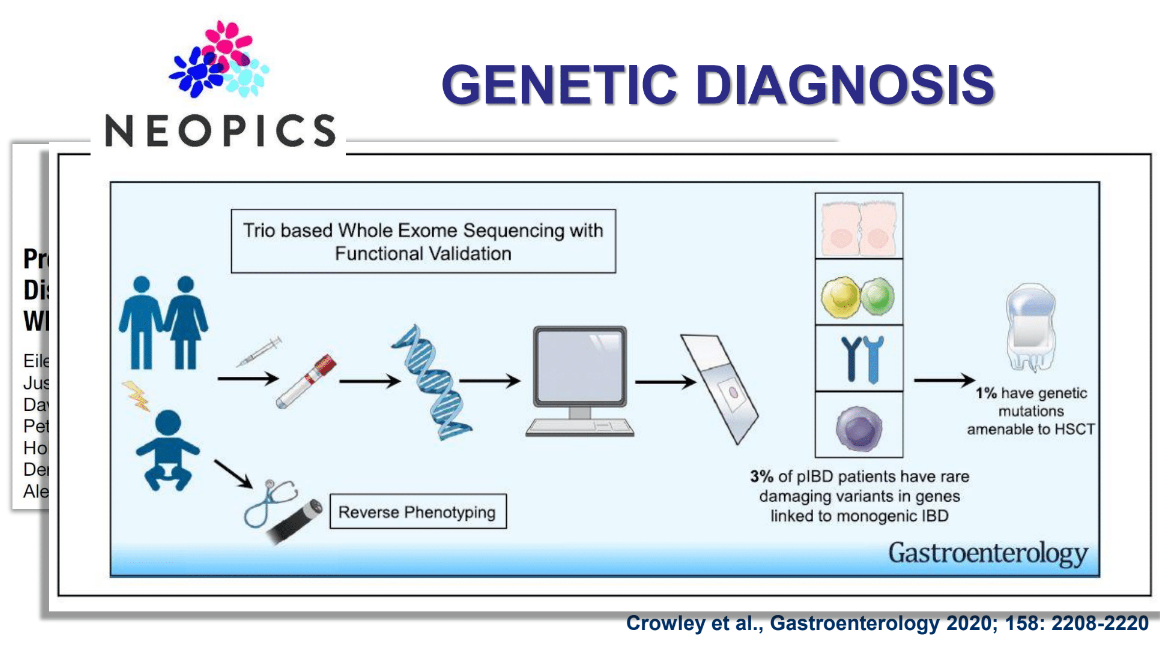
    • #3:”Genetic screening for monogenic IBD is recommended in all patients with infantile-onset IBD (<2 years) and should be considered in patients with very early-onset IBD (<6 years), in particular, in those patients with relevant comorbidity, extraintestinal manifestations, and/or family history”
    • #5: “Routine genetic screening for all IBD patients is not recommended since a monogenic cause of IBD in patients with IBD onset over 6 year of age, especially those with adolescent or adult age onset of IBD is exceptional in the absence of relevant comorbidity”
  • There is also some advice on variants of unknown significance: “Databases, such as Clinvar, ClinGen, or The Human Gene Mutation Database can help to assess variant phenotype relations”

Related blog posts:

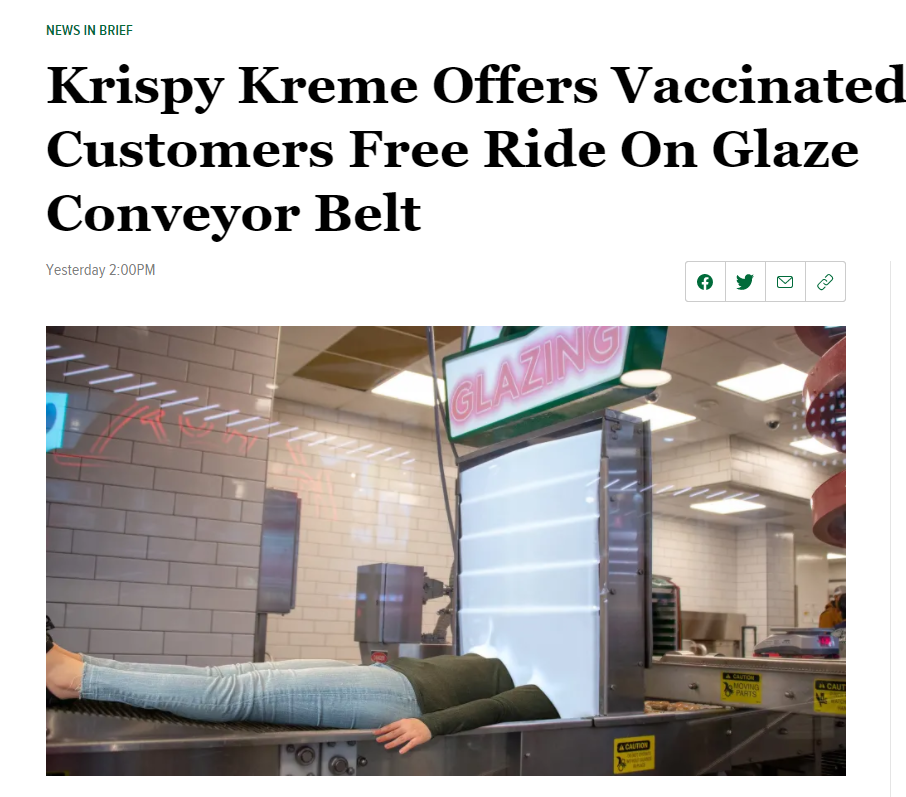
From The Onion:

From The Onion

In Case You Missed It: IBD Year in Review (Eric Benchimol)

I did not have the opportunity to hear this #NASPGHAN20 lecture but Dr. Benchimol has shared his slides. Link to Dropbox Slides: IBD Clinical Science: Year in Review

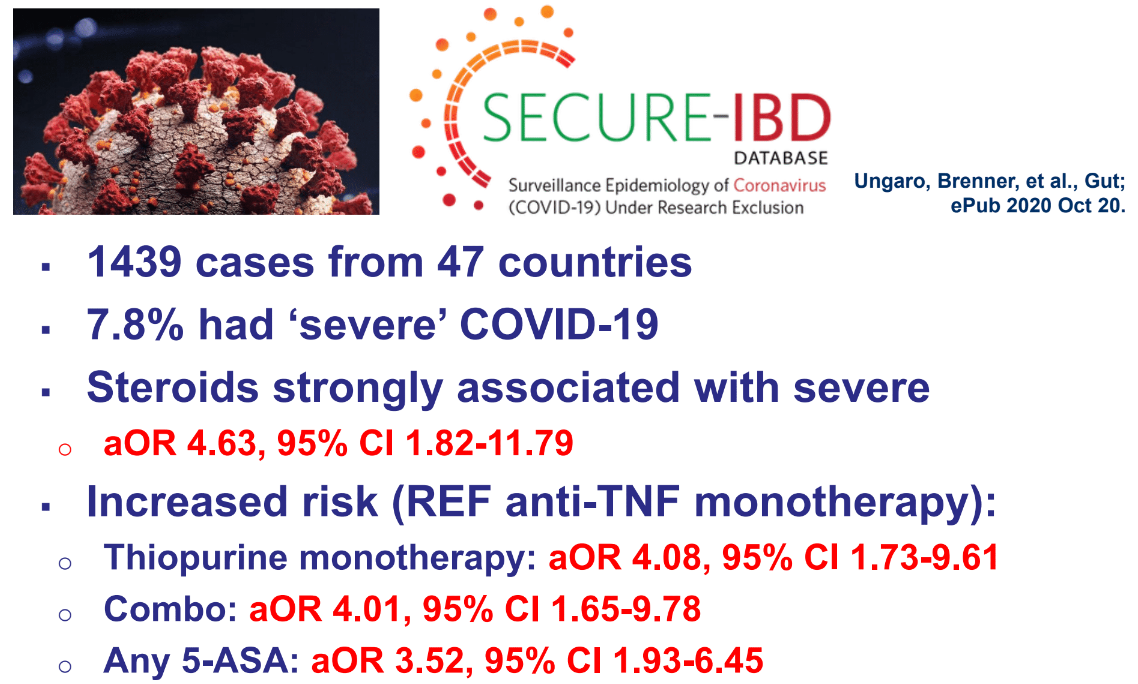
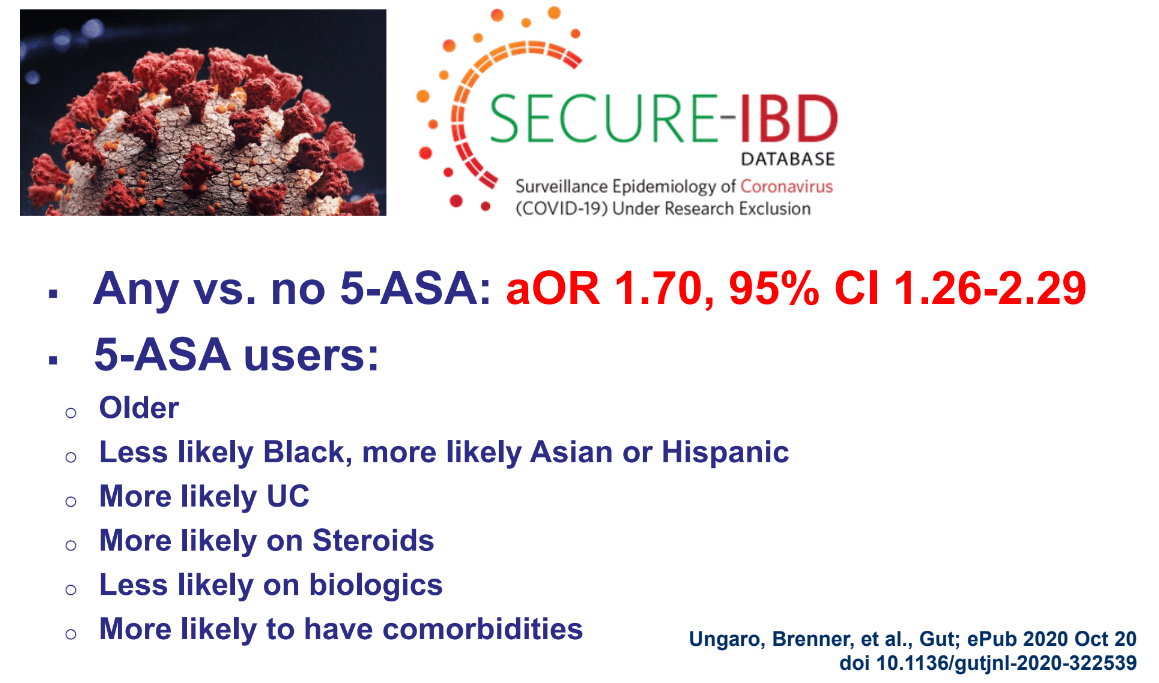
Some of the key points on slides (links to articles below):

Some screenshots:

Links to many of the referenced papers:


Related links:

How Very Early Onset-Inflammatory Bowel Disease is Different, Plus One

A recent retrospective study (JR Kelsen et al. Inflamm Bowel Dis 2020; 26: 909-18) compares children diagnosed with inflammatory bowel disease at different age points and their outcomes.  During a 9 year study span (2008-16), there were 229 subjects diagnosed as very-early onset (<6 years, VEO), 221 diagnosed as intermediate onset (6-10 years), and 521 diagnosed as older onset (> 10 years)

Key findings:

  • VEO-IBD patients were significantly more likely to have had a diverting ileostomy and colectomy than the older patients.  Diverting ileostomy rates: 12.2%, 4.1%, and 1.2% respectively.  Colectomy rates: 7.4%, 4.1%, and 1.7% respectively.
  • Ileocecal resections were significantly higher in the older-onset IBD population. In the older group, these resections were noted in 64/521 (12.2%) compared to 1/229 (0.4%) in the VEO group and 10/221 (4.5%) in the intermediate group.
  • VEO-IBD patients had higher medication failure rates at 1 year into treatment and were more frequently readmitted to the hospital. For infliximab (IFX), failure rates were 62.4% for VEO subjects compared to 14.6% for older-onset subjects.  For adalimumab, the respective rates were 53.2% vs. 7.2%.
  • Targeted therapy was successfully used almost exclusively in the VEO-IBD population

My take: Children with VEO-IBD have a more severe disease course than older children.  Since monogenetic disorders occur in ~8% of the VEO population, targeted therapies are more likely; however; ~2% of older children also have a monogenetic disorder and as such, targeted therapy could be important in this group as well.

Related review article: J Ouahed et al. Very Early Onset Inflammatory Bowel Disease: A Clinical Approach With a Focus on the Role of Genetics and Underlying Immune Deficiencies. Inflamm Bowel Dis 2020; 26: 820-842.  This is a useful review.  A couple of key points:

  • “There are no quality studies assessing the use of nutritional approaches in VEO-IBD”
  • Stem Cell Transplantation NOT efficacious in these disorders (per Table 3): TTC7A, STXBP2, IKBKG (NEMO)

Related blog posts: