Unknown's avatar

About gutsandgrowth

I am a pediatric gastroenterologist at GI Care for Kids (previously called CCDHC) in Atlanta, Georgia. The goal of my blog is to share some of my reading in my field more broadly. In addition, I wanted to provide my voice to a wide range of topics that often have inaccurate or incomplete information. Before starting this blog in 2011, I would tear out articles from journals and/or keep notes in a palm pilot. This blog helps provide an updated source of information that is easy to access and search, along with links to useful multimedia sources. I was born and raised in Chattanooga. After graduating from the University of Virginia, I attended Baylor College of Medicine. I completed residency and fellowship training at the University of Cincinnati at the Children’s Hospital Medical Center. I received funding from the National Institutes of Health for molecular biology research of the gastrointestinal tract. During my fellowship, I had the opportunity to work with some of the most amazing pediatric gastroenterologists and mentors. Some of these individuals included Mitchell Cohen, William Balistreri, James Heubi, Jorge Bezerra, Colin Rudolph, John Bucuvalas, and Michael Farrell. I am grateful for their teaching and their friendship. During my training with their help, I received a nationwide award for the best research by a GI fellow. I have authored numerous publications/presentations including original research, case reports, review articles, and textbook chapters on various pediatric gastrointestinal problems. In addition, I have been recognized by Atlanta Magazine as a "Top Doctor" in my field multiple times. Currently, I am the vice chair of the section of nutrition for the Georgia Chapter of the American Academy of Pediatrics. In addition, I am an adjunct Associate Clinical Professor of Pediatrics at Emory University School of Medicine. Other society memberships have included the North American Society for Pediatric Gastroenterology Hepatology and Nutrition (NASPGHAN), American Academy of Pediatrics, the Food Allergy Network, the American Gastroenterology Association, the American Association for the Study of Liver Diseases, and the Crohn’s and Colitis Foundation. As part of a national pediatric GI organization called NASPGHAN (and its affiliated website GIKids), I have helped develop educational materials on a wide-range of gastrointestinal and liver diseases which are used across the country. Also, I have been an invited speaker for national campaigns to improve the evaluation and treatment of gastroesophageal reflux disease, celiac disease, eosinophilic esophagitis, hepatitis C, and inflammatory bowel disease (IBD). Some information on these topics has been posted at my work website, www.gicareforkids.com, which has links to multiple other useful resources. I am fortunate to work at GI Care For Kids. Our group has 17 terrific physicians with a wide range of subspecialization, including liver diseases, feeding disorders, eosinophilic diseases, inflammatory bowel disease, cystic fibrosis, DiGeorge/22q, celiac disease, and motility disorders. Many of our physicians are recognized nationally for their achievements. Our group of physicians have worked closely together for many years. None of the physicians in our group have ever left to join other groups. I have also worked with the same nurse (Bernadette) since I moved to Atlanta in 1997. For many families, more practical matters about our office include the following: – 14 office/satellite locations – physicians who speak Spanish – cutting edge research – on-site nutritionists – on-site psychology support for abdominal pain and feeding disorders – participation in ImproveCareNow to better the outcomes for children with inflammatory bowel disease – office endoscopy suite (lower costs and easier scheduling) – office infusion center (lower costs and easier for families) – easy access to nursing advice (each physician has at least one nurse) I am married and have two sons (both adults). I like to read, walk/hike, bike, swim, and play tennis with my free time. I do not have any financial relationships with pharmaceutical companies or other financial relationships to disclose. I have helped enroll patients in industry-sponsored research studies.

William Meyers

Yesterday I attended the Inaugural William Meyers Lecture and intended for this post to be a summary of that.  Sadly, he passed away last night.

Billy, a partner in our GI group, had been fighting brain cancer for the past year. This lecture was established to honor him. Jose Garza gave a lecture which highlighted the important work of the neurogastroenterology service, established in large measure by Billy.

Also, Billy served on numerous hospital committees.  Much of his efforts were ‘behind the scenes’ and usually the type of work that many of us seek to avoid.  In addition to working on these hospital committees, Billy remained a busy clinician.  In the past year, I’ve had the opportunity to interact with many of his patients and families.  Uniformly I have heard how compassionate and patient he was, even with the most complex situations.  In the 22 years that I had the opportunity to work with Billy, I cannot seem to recall him ever being flustered.  He was a truly wonderful person, physician, and mentor..   I will miss his kindness and friendship.


Briefly noted: Can We Afford (Multi) Million Dollar New Therapies?

New Gene Therapy: NPR: Zolgensma From Novartis -Most Expensive Medication Ever Approved

An excerpt:

The federal Food and Drug Administration has approved a gene therapy for a rare childhood disorder that is now the most expensive drug on the market. It costs $2.125 million per patient….

Zolgensma’s price tag, he says, is just the most extreme example of how drug prices are draining resources from society. The first gene therapy for an inherited disease was approved in 2017 for a genetic form of blindness. It is also very expensive — $425,000 for each eye.


What’s Going On in Patients with Reflux Who Fail Proton Pump Inhibitors

A recent prospective study (J Abdallah et al. Clin Gastroenterol Hepatol 2019; 17: 1073-80) examined adults patients with documented reflux at baseline.  Patients who reported heartburn and/or regurgitation at least twice a week for 3 months (n=16) despite proton pump inhibitor (PPI) therapy were considered PPI failures. Those (n=13) who responded to standard dose PPI for at least 4 weeks were in the “PPI success” group.

Standard PPI dosing in this study:

  • Omeprazole 20 mg per day
  • Esomeprazole 40 mg per day
  • Pantoprazole 40 mg per day

Methods: Both groups (PPI Failure group, PPI Success group) underwent EGD and pH-MII studies. Abnormal acid exposure was considered if pH <4 was present for >4.2%.

Key findings:

  • 12 patients (75%) in the PPI failure group had either functional heartburn or reflux hypersensitivity
  • 4 patients in both groups had abnormal pH test result.
  • There was no statistically significant differences in the number of reflux events, acid exposure or nonacid reflux parameters between patients who failed or those who were successfully treated with PPIs.
  • In the PPI failure group: 25% had persistent GERD, 12.% had overlap with reflux hypersensitivity, and 62.5% had overlap with functional heartburn

My take: The difference between PPI failure and PPI success largely is due to the overlapping presence of functional esophageal disorders.

Related blog posts:

Royal Palace, Madrid

NAFLD Outcomes After Bariatric Surgery

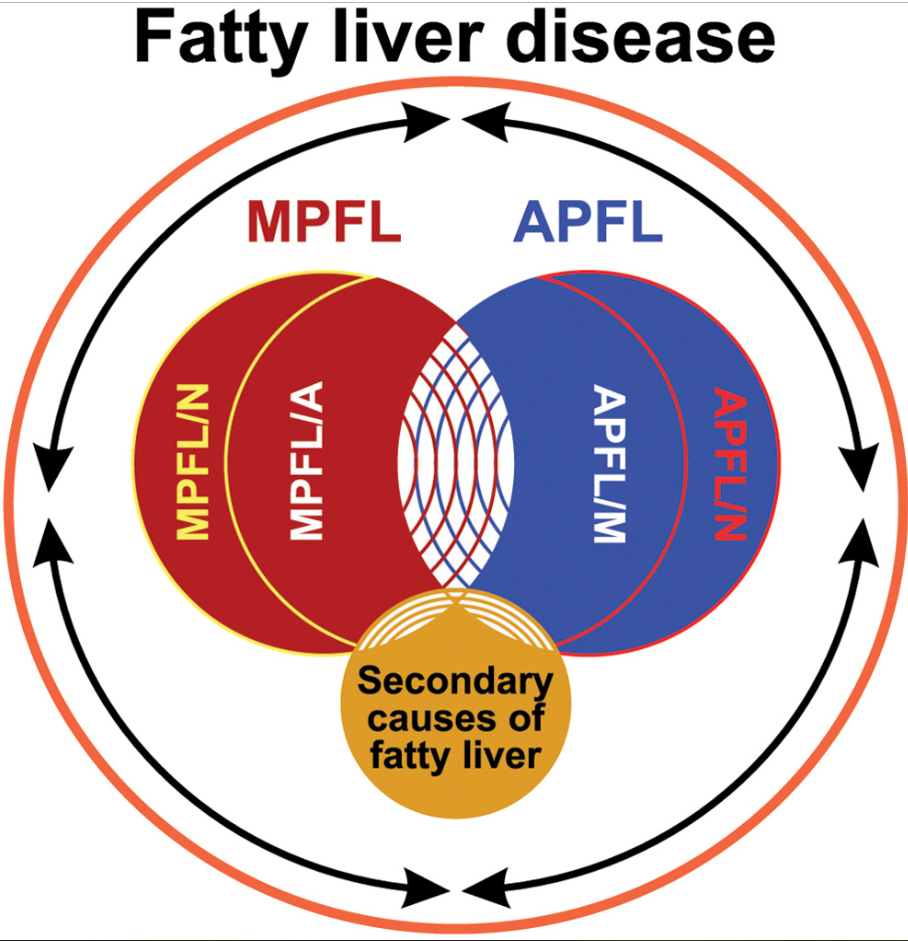
A recent systematic review and meta-analysis (Y Lee, et al. Clin Gastroenterol Hepatol 2019; 17: 1040-60) included 32 cohort studies with 3093 liver biopsy specimens from patients with nonalcoholic fatty liver disease (NAFLD).

Key findings:

  • Bariatric surgery resulted in a biopsy-confirmed resolution of steatosis in 66%, inflammation in 50%, ballooning degeneration in 76%, and fibrosis in 40%.
  • Bariatric surgery resulted in worsening features of NAFLD in 12%.
  • The authors note that Roux-en-Y Gastric Bypass (RYGB) “showed greater reduction of liver side effects and higher: resolution of NAFLD.”
  • Jejejnoileal bypass (JIB) and biliopancreatic diversion (BPD) “both have been associated with higher liver function morbidity.”
  • The overall GRADE quality of evidence was considered very low.

My take: Though better studies are needed, the majority of patients’ livers appear to benefit from bariatric surgery.

Related blog posts:

Liver Briefs -June 2019 part 2

E Cowell et al. JPGN 2019; 68: 695-99. This study reviewed 61 cases of pediatric hepatocellular carcinoma to determine predisposing conditions  (in Houston TX).  The majority did NOT have recognizable predisposing conditions.  25 of 61 (41%) had a predisposing condition including cryptogenic cirrhosis/steatosis (9), genetic (7), biliary pathology (4), viral hepatitis (1), and other (4).  Those without a recognizable predisposing condition were diagnosed later and with more advanced disease/decreased survival.

VA McLin et al. JPGN 2019; 68: 615-22. Useful review on congenital portosystemic shunts.

DE Kaplan et al. Gastroenterol 2019; 156: 1693-1706. This large study form the VA with more than 70,000 patients examined the relationship between statin exposure and survival in patients with cirrhosis.  “Each cumulative year of statin exposure was associated with an independent 8-8.7% decrease of mortality of patients with cirrhosis of Child-Turcotte-Pugh classes A and B.”

AG Singal et al. Gastroenterol 2019; 156: 1683-1692. Direct-acting antiviral therapy was not associated with recurrent hepatocellular carcinoma (HCC) in a multicenter cohort study with 793 patients with HCV-associated HCC. Thus, DAAs appear safe in patients who have achieved a complete response to HCC Rx

Liver Briefs -June 2019

YH Yeo et al. Hepatology 2019; 69: 1385-97.  The prevalence of high risk individuals in the U.S. who are susceptible (not immune) to hepatitis B has decreased from 83% to 69% from 2003 to 2014.  That still leaves 64 million who would benefit from HBV vaccination.

M Sharma et al. Hepatology 2019; 69: 1657-75. This meta-analysis compared therapies for primary prevention of esophageal varices and concluded that nonselective beta-blocker (NSBB) monotherapy may decrease all-cause mortality and carried a lower risk of serious complications than variceal band ligation (VBL). However, the commentary (1382-84 by L Laine) reaches a different conclusion. “Current recommendations for primary prevention with VBL or NSBB or carvediolo still appear to be acceptable…using a shared decision-making approach” to weigh issue such as daily medication or periodic endoscopy.

J Nguyen et al. J Pediatr 2019; 207: 90-6. This study modeled the cost-effectiveness of early treatment with direct-acting antiviral therapy in adolescents with hepatitis C infection.  With pangenotypic agenst, the cost would be $10000 to $21000 per QALY gained.

S Trinh et al. Clin Gastroenterol Hepatol 2019; 17: 948-56. This retrospective hepatitis B study examined the changes in renal function between 239 tenofovir disoproxil fumarte (TDF) treated patients and 171 entecavir treated patients.  Key finding: TDF was not associated with higher risk of worsening renal function in this cohort with a mean followup of 43-46 months in patients with baseline normal renal function.  In patients with renal impairment, deterioration of renal function was noted in TDF-treated patients.  Thus, TDF should be avoided in patients with impaired renal function.


Rhododendrom in Sandy Springs

.

NY Times: “Millions Take Gabapentin for Pain. But There’s Scant Evidence It Works.”

NY Times: “Millions Take Gabapentin for Pain. But There’s Scant Evidence It Works.”

Thanks to Stan Cohen for pointing out this reference.

An excerpt:

The drug was initially approved 25 years ago to treat seizure disorders, but it is now commonly prescribed off-label to treat all kinds of pain, acute and chronic…

Two doctors recently reviewed published evidence for the benefits and risks of off-label use of gabapentin (originally sold under the trade name Neurontin) and its brand-name cousin Lyrica (pregabalin) for treating all kinds of pain…

Gabapentin and Lyrica, both sold by Pfizer, have been approved by the Food and Drug Administration to treat only four debilitating pain problems: postherpetic neuralgia, diabetic neuropathy, fibromyalgia and spinal cord injury. Even for these approved uses, the evidence for relief offered by the drugs is hardly dramatic…

In many well-controlled studies they found there was less than a one-point difference on the 10-point pain scale between patients taking the drug versus a placebo, a difference often clinically meaningless….

the number of people taking gabapentinoids more than tripled from 2002 to 2015…

Related blog post: Brave New World: Psychotropic Manipulation and Pediatric Functional GI Disorders

Near Cathedral of Barcelona