Unknown's avatar

About gutsandgrowth

I am a pediatric gastroenterologist at GI Care for Kids (previously called CCDHC) in Atlanta, Georgia. The goal of my blog is to share some of my reading in my field more broadly. In addition, I wanted to provide my voice to a wide range of topics that often have inaccurate or incomplete information. Before starting this blog in 2011, I would tear out articles from journals and/or keep notes in a palm pilot. This blog helps provide an updated source of information that is easy to access and search, along with links to useful multimedia sources. I was born and raised in Chattanooga. After graduating from the University of Virginia, I attended Baylor College of Medicine. I completed residency and fellowship training at the University of Cincinnati at the Children’s Hospital Medical Center. I received funding from the National Institutes of Health for molecular biology research of the gastrointestinal tract. During my fellowship, I had the opportunity to work with some of the most amazing pediatric gastroenterologists and mentors. Some of these individuals included Mitchell Cohen, William Balistreri, James Heubi, Jorge Bezerra, Colin Rudolph, John Bucuvalas, and Michael Farrell. I am grateful for their teaching and their friendship. During my training with their help, I received a nationwide award for the best research by a GI fellow. I have authored numerous publications/presentations including original research, case reports, review articles, and textbook chapters on various pediatric gastrointestinal problems. In addition, I have been recognized by Atlanta Magazine as a "Top Doctor" in my field multiple times. Currently, I am the vice chair of the section of nutrition for the Georgia Chapter of the American Academy of Pediatrics. In addition, I am an adjunct Associate Clinical Professor of Pediatrics at Emory University School of Medicine. Other society memberships have included the North American Society for Pediatric Gastroenterology Hepatology and Nutrition (NASPGHAN), American Academy of Pediatrics, the Food Allergy Network, the American Gastroenterology Association, the American Association for the Study of Liver Diseases, and the Crohn’s and Colitis Foundation. As part of a national pediatric GI organization called NASPGHAN (and its affiliated website GIKids), I have helped develop educational materials on a wide-range of gastrointestinal and liver diseases which are used across the country. Also, I have been an invited speaker for national campaigns to improve the evaluation and treatment of gastroesophageal reflux disease, celiac disease, eosinophilic esophagitis, hepatitis C, and inflammatory bowel disease (IBD). Some information on these topics has been posted at my work website, www.gicareforkids.com, which has links to multiple other useful resources. I am fortunate to work at GI Care For Kids. Our group has 17 terrific physicians with a wide range of subspecialization, including liver diseases, feeding disorders, eosinophilic diseases, inflammatory bowel disease, cystic fibrosis, DiGeorge/22q, celiac disease, and motility disorders. Many of our physicians are recognized nationally for their achievements. Our group of physicians have worked closely together for many years. None of the physicians in our group have ever left to join other groups. I have also worked with the same nurse (Bernadette) since I moved to Atlanta in 1997. For many families, more practical matters about our office include the following: – 14 office/satellite locations – physicians who speak Spanish – cutting edge research – on-site nutritionists – on-site psychology support for abdominal pain and feeding disorders – participation in ImproveCareNow to better the outcomes for children with inflammatory bowel disease – office endoscopy suite (lower costs and easier scheduling) – office infusion center (lower costs and easier for families) – easy access to nursing advice (each physician has at least one nurse) I am married and have two sons (both adults). I like to read, walk/hike, bike, swim, and play tennis with my free time. I do not have any financial relationships with pharmaceutical companies or other financial relationships to disclose. I have helped enroll patients in industry-sponsored research studies.

Early Study Shows That Relamorelin Impoves Constipation and Transit Time

An early study shows that Relamorelin relieves constipation & accelerates colonic transit in a placebo-controlled, randomized trial.  Abstract follows.

Relamorelin Relieves Constipation and Accelerates Colonic Transit in a Phase 2, Placebo-Controlled, Randomized Trial A Acosta et. Clin Gastroenterol Hepatol; December 2015Volume 13, Issue 13, Pages 2312–2319.e1. DOI: http://dx.doi.org/10.1016/j.cgh.2015.04.184

Abstract:

Background & Aims

Ghrelin receptors are located in the colon. Relamorelin is a pentapeptide selective agonist of ghrelin receptor 1a with gastric effects, but its effects in the colon are not known. We aimed to evaluate the effects of relamorelin on bowel movements (BMs) and gastrointestinal and colonic transit (CT) in patients with chronic constipation.

Methods

We performed a study of 48 female patients with chronic constipation who fulfilled the Rome III criteria and had 4 or fewer spontaneous BMs (SBMs)/wk. In a randomized (1:1), double-blind, parallel-group, placebo-controlled trial, the effects of relamorelin (100 μg/d, given subcutaneously) were tested during 14 days after a 14-day baseline, single-blind phase in which patients were given placebo at 2 Mayo Clinic sites. The participants’ mean age was 40.6 ± 1.5 y, with a mean body mass index of 25.7 ± 0.6 kg/m2, with 1.7 ± 0.1 SBM/wk, and a mean stool consistency of 1.2 ± 0.1 on the Bristol scale during this baseline period. The effect of treatment on transit was measured in 24 participants with colonic transit of less than 2.4 (geometric center at 24 h) during the baseline period. Gastric emptying, small-bowel transit, and CT were measured during the last 2 days that patients received relamorelin or placebo. Bowel function was determined from daily diaries kept by patients from days 1 through 28. Study end points were time to first BM, SBMs/wk, complete SBMs/wk, stool form, and ease of stool passage. Effects of relamorelin were assessed by analysis of covariance.

Results

Compared with placebo, relamorelin accelerated gastric emptying half-time (P = .027), small-bowel transit (P = .051), and CT at 32 hours (P = .040) and 48 hours (P = .017). Relamorelin increased the number of SBMs (P < .001) and accelerated the time to first BM after the first dose was given (P = .004) compared with placebo, but did not affect stool form. Adverse events associated with relamorelin included increased appetite, fatigue, and headache.

Conclusions

Relamorelin acts in the colon to significantly reduce symptoms of constipation and accelerate CT in patients with chronic constipation, compared with placebo. ClinicalTrial.Gov registration number: NCT01781104.

Lights at Life University


Lights at Life University

More on Staying Up All Night

In September, this blog (Does Staying Up All Night Affect Surgery the Next Day …) noted a recent study indicating that adverse surgical outcomes with elective daytime procedures were similar irrespective of whether the surgeon had operated overnight.  Some of the letters to the editor on this study were of interest.  In one, the authors note that sleep deprivation was associated with a lower adenomatous polyp detection rate on colonoscopy but was not associated with major complications like death or perforation (M Benson et al. Am J Gastroenterol 2014; 109; 1133-7).  Thus, the letter contends that there are likely to be subtle effects of sleep deprivation on physician performance that could require more sensitive quality metrics.

Another letter notes that extended work was associated with an increased risk of motor vehicle accidents by interns.  The monthly risk increased 16.2% for every extended work shift (LK Barger et al. NEJM 2005; 352: 125-34).  Thus, sleep deprivation could represent a hazard for the physician themselves as well as their patients.

My take: I’m sorry I didn’t quite follow this post. (I was on-call last night.)

Lights at Life University

Lights at Life University

Hepatitis C Cure: Too Late for Many

Before the recent vast improvements in hepatitis C virus (HCV) treatment, there had been a number of studies predicting a huge increase in HCV-related mortality due to hepatocellular carcinoma (HCC) and cirrhosis.

Despite the optimism that have come with the new treatments, the most recent data (LA Beste, et al. Gastroenterol 2015; 149: 1471-82) continue to predict a huge and increasing burden of chronic liver disease due to HCV.

The authors used a national retrospective cohort of Veteran Affairs (VA) patients with cirrhosis (n=129,998) or HCC (n=21,326) from 2001-13.  They identified an increasing proportion of cirrhosis and HCC during that timeframe.

Key findings:

  • From 2001 to 2013, cirrhosis prevalence nearly doubled (664 –>1058 per 100,000 enrollees) driven by HCV and nonalcoholic fatty liver disease; deaths due to cirrhosis also increased from 83 to 126 per 100,000 patient years
  • From 2001 to 2013, HCC incidence increased 2.5-fold from 17 to 45 per 100,000 patient-years and HCC mortality tripled from 13 to 37 per 100,000 patient-years.  HCC incidence was driven overwhelmingly by HCV.
  • Based on current trends, cirrhosis prevalence will peak in 2021 according to the authors, though they acknowledge that patients from the VA may not be representative of the population at large and that the study has inherent weaknesses due to computerized data collection in this retrospective study.

My take: Despite dramatic improvements in HCV treatment, sadly, it is still going to get a lot worse with regard to disease burden & mortality from HCV before it will improve.

Briefly noted: F Negro. Gastroenterol 2015; 149: 1345-60.  “Extrahepatic morbidity and mortality of chronic hepatitis C”  This review article discusses diabetes, cardiovascular manifestations of HCV, fatigue, cognitive impairment, mixed cryoglobulinemia, and non-hodgkin lymphoma.

Related blog posts:

Chattanooga Aquarium

Chattanooga Aquarium

Exome Sequencing in VEO-IBD: More Data

With more widespread use of whole-exome sequencing (WES), the ability to study the genetic basis for rare disorders like very early onset inflammatory bowel disease (VEO-IBD) has improved considerably. A recent study (JR Kelsen et al. Gastroenterol 2015; 149: 1415-24) analyzed 125 patients (3 weeks to 4 years of age) and compared with pediatric IBD patients (n=45), adult-onset Crohn’s (n=20), and healthy controls (n=145). Link to abstract and online material. (Link includes full-text as well).

The authors focused their study on 400 genes/regions associated with primary immunodeficiency.

Key finding:

  • “Our analysis showed novel and rare variants within these genes that could contribute to the development of VEO-IBD, including rare heterozygous missense variants in IL10RA and previously unidentified variants in MSH5 and CD19.”

In their discussion, the authors elaborate on these findings. In addition, in Table 3, the authors elaborate on potential immunologic studies for these children.

Take home message: The authors recommend “a more complete immunologic evaluation be performed in patients with VEO-IBD.”  Ultimately, understanding the complex genetics will lead to more individualized and successful treatments.

Related blog posts:

Lights at Life University

Lights at Life University

Increasing Rates of Professional Burnout

A recent study (T Shanafelt et al. Mayo Clin Proc. 2015;90(12):1600-1613) indicates that there may be increasing rates of physicians with “Professional Burnout.”  The study is limited by suboptimal response rates but provides some useful information on this topic.

Full text article: Changes in Burnout and Satisfaction With Work-Life Balance in Physicians and the General US Working Population Between 2011 and 2014

Results: Of the 35,922 physicians who received an invitation to participate, 6880 (19.2%) completed surveys. When assessed using the Maslach Burnout Inventory, 54.4% (n=3680) of the physicians reported at least 1 symptom of burnout in 2014 compared with 45.5% (n=3310) in 2011 (P<.001). Satisfaction with work-life balance also declined in physicians between 2011 and 2014 (48.5% vs 40.9%; P<.001). Substantial differences in rates of burnout and satisfaction with work-life balance were observed by specialty.  In contrast to the trends in physicians, minimal changes in burnout or satisfaction with work-life balance were observed between 2011 and 2014 in probability-based samples of working US adults, resulting in an increasing disparity in burnout and satisfaction with work-life balance in physicians relative to the general US working population.  After pooled multivariate analysis adjusting for age, sex, relationship status, and hours worked per week, physicians remained at an increased risk of burnout (odds ratio, 1.97; 95% CI, 1.80-2.16; P<.001) and were less likely to be satisfied with work-life balance (odds ratio, 0.68; 95% CI, 0.62-0.75; P<.001).

The indices that the authors studied included measures of the following (Table 2):

  • Emotional exhaustion
  • Depersonalization
  • Personal Accomplishment
  • Depression: 38% (2011) –>39% (2014)
  • Suicidal ideation: 6.4% (2011) and 6.4% (2014)
  • Burned out rate: 45.5% (2011) –>54.4% (2014)
  • Career satisfaction (would become a doctor again): 70% (2011) –>67% (2014)

Satisfaction with work life balance (Figure 1):

  • Pediatrics generally better than other fields, but close to 50% in 2014 were not satisfied compared with about 40% in 2011 (P <.05).

Take-home message from authors:

Burnout and satisfaction with WLB among US physicians are getting worse. American medicine appears to be at a tipping point with more than half of US physicians experiencing professional burnout. Given the extensive evidence that burnout among physicians has effects on quality of care, patient satisfaction, turnover, and patient safety, these findings have important implications for society at large. 11-20.  There is an urgent need for systematic application of evidence-based interventions addressing the drivers of burnout among physicians. These interventions must address contributing factors in the practice environment rather than focusing exclusively on helping physicians care for themselves and training them to be more resilient.

Related blog posts:

Zion National Park

Zion National Park


Journals Supplanting Textbooks: Managing Liver Disease

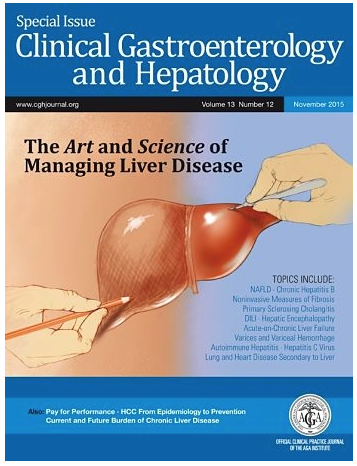
Between Journals and online resources, textbooks are increasingly less useful.  Case in point -this past month, Clinical Gastroenterology and Hepatology published a special issue: The Art and Science of Managing Liver Disease.  Some of the articles are excellent reviews.

Screen Shot 2015-11-21 at 5.35.44 PM

With autoimmune hepatitis (AIH), the authors make a number of useful points and concisely summarized diagnosis and management.  A few points:

  • Anti-soluble liver antigen/liver-pancreas (SLA/LP) and Asialoglycoprotein receptor (ASGPR) useful in diagnosis of AIH type 1 or 2 and is prognostic for severe disease.
  • In U.S. current guidelines suggest an azathioprine dose of 50 mg (for adults) whereas in Europe the dose is typically 1-2 mg/kg/day.  The authors suggest that the U.S. guidelines could lead to undertreatment, particularly with increasing rates of obesity.
  • The authors state that routine “testing for TPMT deficiency before AZA treatment of AIH is unnecessary, because severe TPMT deficiency occurs in 0.3%-0.5% of the general population and does not invariably cause AZA-induced bone marrow toxicity.” [I will probably continue to check TPMT activity.] They do recommend TPMT testing in cirrhotic patients and those with cytopenias.
  • The authors note that successful long-term withdrawal can occur in 19-40% but recommend biochemical remission (>12-24 months) and histologic remission.  They caution against withdrawal in patients after a relapse due to increased risks of progression to cirrhosis and/or death.
  • When discussing alternative therapies, the authors note that mycophenolate mofetil (MMF) is typically effective for patients intolerant to AZA but not likely to work in AZA nonresponders.
  • Alternative agents reviewed included tacrolimus, cyclosporine, sirolimus/everolimus, rituximab, and infliximab.

Other topics in this issue included NAFLD, HCC, Varices, Hepatic encephalpathy, HBV, HCV, Acute-on-Chronic Liver Failure, PSC and Malignancy, DILI, and noninvasive imaging for liver fibrosis.

Tipping Point for Obesity?

A bit of encouraging news from California where investigators showed a small drop in the prevalence of childhood obesity from 2008 to 2013 (C Koebnick et al. J Pediatr 2015; 167: 1264-71).  Using a population-based cohort of ~1.3 million patients, the authors found the following:

  • Obesity prevalence decreased from 19.1% (2008) to 17.5% (2013).  This was observed across all ages, sexes, races, and socioeconomic groups but with variability.
  • Younger children had a greater decline in obesity prevalence compared with adolescents: ages 2-5 years:  -15.4% decline, ages 6-11 years: -11,8% decline and in 12-19 years: -4.5%.

My take: This is a good indication that increased awareness of the obesity epidemic may be leading to some improvement.

Related blog posts:

Lights at Life University

Lights at Life University

Hypothyroidism with ATP8B1 Deficiency

A recent study (L Li et al. J Pediatr 2015; 157: 1334-9) indicated that hypothyroidism may be another extrahepatic feature of patients with ATP8B1 deficiency; this mutation’s main manifestation has been intrahepatic cholestasis in either progressive familial intrahepatic cholestasis (PFIC type 1) or benign recurrent intrahepatic cholestasis (BRIC type 1).

In this study, 3/13 were hypothyroid and an additional 2/13 had subclinical hypothyroidism.  These patients were compared with a cohort of children with ABCB11 deficiency (PFIC type 2 or BRIC type 2) in which 0/19 had hypothyroidism.

Related blog posts:

Zonulin –Possible Biomarker for Gluten Sensitivity?

A recent abstract indicated that there are high levels of zonulin in patients with gluten sensitivity as well as in patients with celiac disease.  These results are preliminary but could indicate a potential biomarker for this condition.  Here is a link to a review of these findings from NPR which includes commentary from Alessio Fasano: A Protein In The Gut May Explain Why Some Can’t Stomach Gluten

An excerpt:

Zonulin is an inflammatory protein first discovered by Fasano and his team in 2000. It helps regulate leakiness in the gut by opening and closing the spaces or “junctions” between cells in the lining of the digestive tract…

Giovanni Barbara and a team of researchers at the University of Bologna measured blood levels of zonulin in four groups of individuals: those with celiac disease, those with irritable bowel syndrome marked by diarrhea, those with self-diagnosed gluten sensitivity and healthy volunteers. Both celiacs and gluten sensitives turned up with remarkably high levels of zonulin in their blood. Those with IBS had elevated levels but less than half of celiacs or gluten sensitive individuals. Healthy volunteers had negligible blood levels of zonulin.

The results were presented in October as an abstract at the 23rd United European Gastroenterology Week in Barcelona, Spain.

Related blog posts:

“Changing Paradigm in Hemolytic Uremic Syndrome”

A recent study from the January 2016 Pediatrics (thanks to Michael Hart for this reference) demonstrates that more aggressive early volume expansion improved outcomes in hemolytic uremic syndrome compared with historical controls.  The full abstract is below.  An associated editorial (Shifting the Paradigm in Hemolytic Uremic Syndrome by David N. Cornfield) makes several points:

1. “The elegantly simple study design led to a relatively straightforward, yet palpably important conclusion that upon presentation, timely administration of sufficient intravenous fluids to increase the child’s body weight by 10% meaningfully decreases length of stay, need for admission to a PICU, use of renal replacement therapy, and the incidence of long-term sequelae.”

2. “The authors were willing, and able, to effectively challenge the standard approach for treatment of STEC-HUS. Over the course of the past several decades, care providers were wary of providing intravenous fluids in the context of renal insufficiency, owing to concerns over potential for fluid overload.”

3. “That the authors were able to demonstrate efficacy after enrolling only 38 children is remarkable. Outcomes were improved for almost every end point studied. The important end points that did not reach statistical significance, death, and central nervous system involvement likely result from a justifiable type 2 error.”

Abstract

BACKGROUND: Hemolytic uremic syndrome associated with Shiga toxin–producing Escherichia coli (STEC-HUS) is a severe acute illness without specific treatment except supportive care; fluid management is concentrated on preventing fluid overload for patients, who are often oligoanuric. Hemoconcentration at onset is associated with more severe disease, but the benefits of volume expansion after hemolytic uremic syndrome (HUS) onset have not been explored.

METHODS: All the children with STEC-HUS referred to our center between 2012 and 2014 received intravenous infusion targeted at inducing an early volume expansion (+10% of working weight) to restore circulating volume and reduce ischemic or hypoxic tissue damage. The short- and long-term outcomes of these patients were compared with those of 38 historical patients referred to our center during the years immediately before, when fluid intake was routinely restricted.

RESULTS: Patients undergoing fluid infusion soon after diagnosis showed a mean increase in body weight of 12.5% (vs 0%), had significantly better short-term outcomes with a lower rate of central nervous system involvement (7.9% vs 23.7%, P = .06), had less need for renal replacement therapy (26.3% vs 57.9%, P = .01) or intensive care support (2.0 vs. 8.5 days, P = .02), and needed fewer days of hospitalization (9.0 vs 12.0 days, P = .03). Long-term outcomes were also significantly better in terms of renal and extrarenal sequelae (13.2% vs 39.5%, P = .01).

CONCLUSIONS: Patients with STEC-HUS had great benefit from early volume expansion. It is speculated that early and generous fluid infusions can reduce thrombus formation and ischemic organ damage, thus having positive effects on both short- and long-term disease outcomes.

Related study showing that more aggressive fluid management also helpful in a pediatric cohort with clinical sepsis/shock: AA Arikan et al. J Pediatr 2015; 1301-5. “A protocol-driven implementation of a resuscitation bundle in the pediatric ED decreased acute kidney injury and need for renal-replacement therapy, as well as PICU and hospital LOS and mortality. Compared with patients prior to this bundle, there was increased fluid given (mean 56 mL/kg vs. 49 mL/kg) and initial bolus was given sooner (mean 34 min compared to 65 min).

Mt. Ranier

Mt. Ranier