Unknown's avatar

About gutsandgrowth

I am a pediatric gastroenterologist at GI Care for Kids (previously called CCDHC) in Atlanta, Georgia. The goal of my blog is to share some of my reading in my field more broadly. In addition, I wanted to provide my voice to a wide range of topics that often have inaccurate or incomplete information. Before starting this blog in 2011, I would tear out articles from journals and/or keep notes in a palm pilot. This blog helps provide an updated source of information that is easy to access and search, along with links to useful multimedia sources. I was born and raised in Chattanooga. After graduating from the University of Virginia, I attended Baylor College of Medicine. I completed residency and fellowship training at the University of Cincinnati at the Children’s Hospital Medical Center. I received funding from the National Institutes of Health for molecular biology research of the gastrointestinal tract. During my fellowship, I had the opportunity to work with some of the most amazing pediatric gastroenterologists and mentors. Some of these individuals included Mitchell Cohen, William Balistreri, James Heubi, Jorge Bezerra, Colin Rudolph, John Bucuvalas, and Michael Farrell. I am grateful for their teaching and their friendship. During my training with their help, I received a nationwide award for the best research by a GI fellow. I have authored numerous publications/presentations including original research, case reports, review articles, and textbook chapters on various pediatric gastrointestinal problems. In addition, I have been recognized by Atlanta Magazine as a "Top Doctor" in my field multiple times. Currently, I am the vice chair of the section of nutrition for the Georgia Chapter of the American Academy of Pediatrics. In addition, I am an adjunct Associate Clinical Professor of Pediatrics at Emory University School of Medicine. Other society memberships have included the North American Society for Pediatric Gastroenterology Hepatology and Nutrition (NASPGHAN), American Academy of Pediatrics, the Food Allergy Network, the American Gastroenterology Association, the American Association for the Study of Liver Diseases, and the Crohn’s and Colitis Foundation. As part of a national pediatric GI organization called NASPGHAN (and its affiliated website GIKids), I have helped develop educational materials on a wide-range of gastrointestinal and liver diseases which are used across the country. Also, I have been an invited speaker for national campaigns to improve the evaluation and treatment of gastroesophageal reflux disease, celiac disease, eosinophilic esophagitis, hepatitis C, and inflammatory bowel disease (IBD). Some information on these topics has been posted at my work website, www.gicareforkids.com, which has links to multiple other useful resources. I am fortunate to work at GI Care For Kids. Our group has 17 terrific physicians with a wide range of subspecialization, including liver diseases, feeding disorders, eosinophilic diseases, inflammatory bowel disease, cystic fibrosis, DiGeorge/22q, celiac disease, and motility disorders. Many of our physicians are recognized nationally for their achievements. Our group of physicians have worked closely together for many years. None of the physicians in our group have ever left to join other groups. I have also worked with the same nurse (Bernadette) since I moved to Atlanta in 1997. For many families, more practical matters about our office include the following: – 14 office/satellite locations – physicians who speak Spanish – cutting edge research – on-site nutritionists – on-site psychology support for abdominal pain and feeding disorders – participation in ImproveCareNow to better the outcomes for children with inflammatory bowel disease – office endoscopy suite (lower costs and easier scheduling) – office infusion center (lower costs and easier for families) – easy access to nursing advice (each physician has at least one nurse) I am married and have two sons (both adults). I like to read, walk/hike, bike, swim, and play tennis with my free time. I do not have any financial relationships with pharmaceutical companies or other financial relationships to disclose. I have helped enroll patients in industry-sponsored research studies.

What’s Going on with Hepatitis A and Hepatitis B?

Despite the excitement regarding Hepatitis C, Hepatitis A and Hepatitis B remain important challenges. Here’s the latest:

1. Collier MG, et al. “Hepatitis A Hospitalizations in United States, 2002-2011” Hepatology 2015; 61: 481-85. The authors examined the changes in demographics and frequency of HAV hospitalization during the study period. Key findings:

  • Rates of hospitalization dropped from 0.72/100,000 to 0.29/100,000.
  • Average age of hospitalized patient increased from 37.6 years to 45.5 years and more comorbidities were noted.
  • No changes were noted in length-of-stay or in-hospital deaths

2. DiBisceglie AM et al. “Recent US Food and Drug Administration Warnings on Hepatitis B Reactivation with Immune-Suppressing and Anticancer Drugs: Just the Tip of the Iceberg?” Hepatology 2015; 61: 703-11. Key recommendation: “There is good evidence to support routine screening of all patients for hepatitis B prior to undergoing chemotherapy or immunosuppressive treatment; use of prompt antiviral treatment appears to diminish the risk of severe or fatal reactivation of hepatitis B. Different organizations suggest disparate screening recommendations (Table 4).  AASLD suggests HBsAg, and anti-HBc.  CDC suggests adding anti-HBs.

3. Reddy KR, et al. Gastroenterology 2015; 148: 215-19, technical review 221-44.  AGA Guideline on the Prevention and Treatment of HBV Reactivation During Immunosuppressive Therapy. Key Recommendations:

  • Screen patients with HBsAg and anti-HBc, followed by a sensitive HBV DNA test if positive
  • Treat at-risk patients with antivirals with high barrier to resistance for at least 6 months after discontinuation of immunosuppressive therapy (except in patients taking B cell depleting agents who it is recommended to treat for at least 12 months afterwards)

Reactivation risk: (For all of the specifics — Full text article link)

  • High risk of reactivation (>10%): B cell depleting agents (eg. rituximab, ofatumumab), anthracycline derivatives (eg. doxorubicin, epirubicin), and daily moderate to high dose steroids (>10 mg) for at least 4 weeks.
  • Moderate risk of reactivation (1-10%): anti-TNF therapy, integrin inhibitors (eg. ustekinimab, vedolizumab), tyrosine kinase inhibitors, low-dose steroids daily (<10 mg/day) for at least 4 weeks (if HBsAg-positive but not if only anti-HBc-positive)
  • Low risk of reactivation (<1%): azathiopurine, 6-mercaptopurine, methotrexate.  No antiviral prophylaxis required.

For those interested in a more detailed summary of the recommendations: AGA Website HBV Reactivation Recommendations

4. Corsa AC et al. “No Resistance to Tenofovir Disoproxil Fumarate Through 96 Weeks of Treatment in Patients with Lamivudine-Resistant Chronic Hepatitis B. Clin Gastroenterol Hepatol 2014; 12: 2106-12.  This study followed 280 patients–no resistance to tenofovir was observed.

Related blog posts:
Bile Acid Therapy for BAAT

In a previous post (From theory to bedside practice | gutsandgrowth), I reviewed an article which described the diagnosis of a rare inborn error of bile acid metabolism –bile acid CoA:amino acid N-acyl transferase (BAAT).  A new report (Hepatology 2015; 61: 268-74) describes treatment and outcome in five patients with BAAT (I am thankful for acronyms!).

Treatment with 15 mg/kg of glycocholic acid (GCA) improved duodenal bile acid concentrations (to 23.3 ± 19.1 mmol/L).  Patients also received oral vitamin D2 (1000 IU/kg) and tocopherol (100 IU/kg).  With the combination of GCA and fat soluble vitamin provision, there was improvement in growth (3/3 prepubertal patients) and in fat-soluble vitamin absorption.

Bottomline: In patients with neonatal cholestasis growth failure, or fat-soluble vitamin deficiencies, identification of BAAT with fast atom bombardment mass spectrometry allows for institution of GCA which is efficacious and safe.

Also noted: FDA approves Cholbam to treat rare bile acid synthesis disorders FDA announcement 3/17/15, an excerpt: the first FDA approved treatment for pediatric and adult patients with bile acid synthesis disorders due to single enzyme defects, and for patients with peroxisomal disorders (including Zellweger spectrum disorders). Patients with these rare, genetic, metabolic conditions exhibit manifestations of liver disease, steatorrhea (presence of fat in the stool) and complications from decreased fat-soluble vitamin absorption. Individuals with these rare disorders lack the enzymes needed to synthesize cholic acid, a primary bile acid normally produced in the liver from cholesterol. The absence of cholic acid in these patients leads to reduced bile flow, accumulation of potentially toxic bile acid intermediates in the liver (cholestasis), and malabsorption of fats and fat-soluble vitamins in the diet. If untreated, patients fail to grow and can develop life-threatening liver injury. Cholbam is approved as an oral treatment for children aged three weeks and older, and adults.

NPR: “Craptastic Voyage” and Fart Analysis

Surely a story for every gastroenterologist: “Before The Gas is Passed, Researchers Aim to Measure it in The Gut.”

An excerpt:

Kalantar-Zadeh and his colleagues propose in a paper in Trends in Biotechnologyonline Thursday two new devices that could keep a vigilant eye, or a nose in this case, on what’s going on deep in the gut….

The jar is pretty straightforward. A spoonful of poop goes in and a technician squeezes on a lid containing a sensor that detects the molecules of gas fuming inside and at what concentration…but he’s most excited about their other invention.

It’s a robotic pill that sniffs its way along a craptastic voyage through the gut. As the pill tumbles through, a membrane on the pill lets gasses pass onto a small molecular sensor inside that serves as its nose. The membrane blocks the other stuff sloshing around in the gut.

The pill notes the gasses that gut microbes produce, including oxygen, methane, hydrogen and hydrogen sulfide, which smells like rotten eggs. The pill’s sensor figures out how much of each gas is present, and beams the information out of the patient’s body through a tiny antenna…

The researchers aim to detect changes in gas content. As people’s health waxes or wanes because of stress or disease their intestinal ecosystems change too. Certain microbes may thrive in the new conditions while others struggle. As the populations shift, so will the concentrations of their distinctive gassy waste products.

My Take: This story reminds me about the joke I heard from a mentor about how can you tell if a person is an optimist.  An optimist is a person who finds a pile of manure under the tree on Christmas morning and declares: ‘Oh boy, I’m getting a pony.’

This story shows us that some researchers are true optimists as well; they see a lot of opportunity in studying stool and intestinal gases. Will this research will be useful or wind up being a pile of stool?

Also on NPR: Why Is Insulin So Expensive in the U.S. -summarizes recent commentary (N Engl J Med 2015; 372:1171-1175). This article is important for anyone concerned about escalating medicine costs.

Related blog post“There is No ‘Healthy’ Microbiome” | gutsandgrowth

Emigration -One Way to Acquire Inflammatory Bowel Disease

A recent study (Shitrit AB, et al. Inflamm Bowel Ds 2015; 21: 631-35) highlights the phenomenon of acquiring inflammatory bowel disease (IBD) by moving from a non-developed country to a developed country; the implication is that the changes in environment and diet predispose towards the development of IBD.

This study examined Ethiopian Jews who migrated to Israel.  Using a case-control study, the authors compared 32 Ethiopian immigrants to 33 Ashkenazi patients with IBD.

Key findings:

  • No Ethiopian immigrants had a positive family history compared with 42% of Ashkenazi group.
  • Crohn’s disease was more prevalent in the Ethiopian immigrants: 94% versus 73%.
  • The Ethiopian immigrants lived in Israel for at least 8 years before developing IBD an da median duration of 13 years.

The study discusses the difficulty of diagnosing IBD in rural Africa but speculates that rather than an underdiagnosis of IBD, it is likely to have a true low prevalence of IBD.

Take-home message: It takes many years for the environment exposures to allow for the development of IBD.  Additional work is needed to establish the clinical, genetic, and microbial factors that influence the acquisition of IBD in immigrants to developing countries.  Understanding the susceptibility of immigrants would have widespread application.

Related blog posts:

More on Breastfeeding and Intelligence

A recent prospective study with 30 year followup indicates that breastfeeding is associated with improved IQ and income.

A summary of the study from NBC/Today HealthAn excerpt:

Babies who are breastfed for at least a year grow up to be significantly more intelligent as adults and they earn more money, too, a new study shows….

Many experts have questioned whether it’s breastfeeding that makes babies grow up healthier and smarter, or something else that their mothers do — maybe spending more time with them. In other studies done in the U.S. and Europe, mothers who breastfeed longer tend to be more educated and affluent — and that clearly has an effect on their kids.

This study was different.

“What is unique about this study is the fact that, in the population we studied, breastfeeding was not more common among highly educated, high-income women, but was evenly distributed by social class,” Horta said.

Coverage of story from NY Times with link to original study: an excerpt:

The study, in the April issue of Lancet Global Health, began in 1982 with 5,914 newborns. The duration of breast-feeding and the age when the babies began eating solid foods was recorded. Thirty years later, researchers were able to interview and test 3,493 of the original group….

Still, the authors acknowledge that this is an observational study, and that many other unmeasured factors could have influenced their results.

Related blog posts:

How Common are Clostridium difficile infections?

In 2011, Clostridium difficile was estimated, by a recent report from the CDC (NEJM 2015; 372: 825-34) to result in 453,000 infections in the U.S. based on surveillance data from 10 geographic regions.

Other key findings:

  • Approximately 29,000 deaths were attributed to Clostridium difficile infections
  • 65.8% of cases were health care associated.
  • 24.2% had onset in the hospital
  • Increased risk was particularly notable among the elderly, with an rate ratio of 8.65 in those 65 years of age or older
  • The aggressive NAP1 strain was evident in 30.7% of health-care associated infections compared with 18.8% of community-associated infections

Related posts:

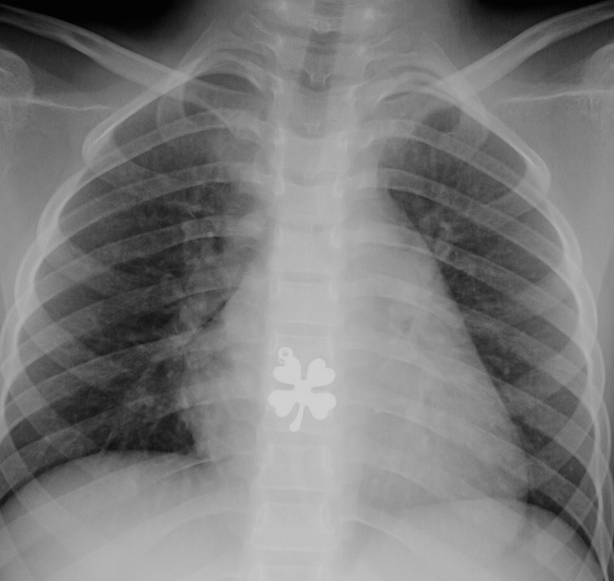
Note to blog followers: Yesterday’s blog was retitled to “Radiologic Image for St. Patrick’s Day” rather than “Endoscopic Image for St. Patrick’s Day”

Withdrawing Therapy Leads To Relapse, Even if in Deep Remission

A recent study, presented as an oral abstract (thanks to Jeff Lewis for forwarding this reference), indicates that even in patients in deep remission, withdrawal of anti-TNF therapy leads to relapse in about 50% even when thiopurines are continued; this is in agreement with previous posts (see below).

Full abstract: OP007 Relapse after Deep Remission in Crohn’s disease. Here are the results and conclusion from the abstract:

Results

Sixty one patients were included and followed-up for a median of 28 months (range 7-47). After withdrawal of anti- TNFa therapy (44 infliximab and 17 adalimumab) 47 (77%) patients continued thiopurines. 32 (52.5%) patients relapsed until the end of follow-up with a median time to relapse of 8 months (range 1-25). The cumulative probability of maintaining remission was 82% at 6 months, 59% at 1 year and 51% at 2 years. Analysis of 28 patients who were in deep remission (endoscopic healing; faecal calprotectin <150mg/kg; CRP <5mg/l) revealed no better survival (82%, 64% and 40% at 6 months, 1 and 2 years, respectively). Four (8%) of relapsing CD patients required surgery 5 to 19 months after anti-TNFa cessation (2 for new stricture development, 1 for medically refractory flare and 1 for high grade dysplasia). In multivariate model only disease localization was risk factor of disease relapse (colonic vs. ileal/ileocolonic: OR 0.16, 95%CI: 0.03-0.72; p=0.02). Type of anti- TNFa preparation, smoking, disease behaviour, corticosteroid or thiopurine therapy, biological markers and anti-TNFa trough levels did not impact disease relapse.

Conclusion

Approximately half of CD patients relapsed within 2 years after anti- TNFa discontinuation despite being in endoscopic remission when anti-TNFa was stopped. The highest relapse rate was observed during the 1st year. Ileal disease increased the risk of disease flare, while no other risk factor was identified.

Related blog posts:

Bryce Canyon

Bryce Canyon

Breath Testing for Bacterial Overgrowth

A recent review (Clin Gastroenterol Hepatol 2014; 12: 1964-72) provides useful advice on testing for bacterial overgrowth and explains the limitations/obstacles in determining whether bacterial overgrowth is present.

Their recommendations:

  • Preparation: avoid antibiotics for 4 weeks prior to testing, avoid bismuth for 2-4 weeks, avoid probiotics for 2-3 weeks before testing, avoid consumption of non absorbable carbohydrates (eg. pasta, bread, fiber cereal, beans) the night prior
  • Glucose substrate for hydrogen breath testing is likely most suitable.  50 g in 250 mL.  Check baseline and then every 15 minutes over 120 minute testing interval.  Positive study: increase of 12 ppm (or more) over baseline and/or baseline >20 ppm (if proper test conditions)
  • Glucose breath test (GBT): sensitivity 20-93%, specificity 30-86%.  False-positive results can occur with rapid small-bowel transit.  GBT may not detect distal small bowel bacterial overgrowth.  Lactulose breath test (LBT) generally has lower specificity.
  • If breath testing is not available, small-bowel aspiration for quantitative culture is a reasonable consideration (challenging methodology).  Alternatively, a trial of empiric antibiotics may be considered if pretest probability is high.

Related blog post:

Two Shorts -Minimal Hepatic Encephalopathy and Fish Oil Protection

Briefly noted: JPGN 2014; 59: 689-94.  In this study, the authors took a consecutive sample of 13  children (ages 4-18 years) with non cirrhotic extrahepatic portal vein portal vein obstruction (EHPVO).  Three tests (fasting ammonia, quantified EEG, a psychometric battery) identified that minimal hepatic encephalopathy (MHE) affects approximately 50% of children with EHPVO.

Also: JPGN 2014; 59: 708-13.  In this study in 7-day old rabbits, those who receive TPN with fish oil-based lipid emulsion had protection against biochemical and liver histologic damage in comparison to rabbits who received TPN with soybean oil. Given the lack of head-to-head randomized studies in infants, this study provides some important evidence of fish oil benefit compared with standardized soybean lipid emulsion.

Related blog posts: