How Helpful Are School-Based BMI Measurements?

KA Madsen et al. JAMA Pediatr. Published online November 16, 2020. doi:10.1001/jamapediatrics.2020.4768.Full text link: Effect of School-Based Body Mass Index Reporting in California Public Schools

Methods:  Cluster randomized clinical trial. The Fit Study (2014-2017) randomized 79 California schools (n=28 641 students) to BMI screening and reporting (group 1), BMI screening only (group 2), or control (no BMI screening or reporting [group 3]) in grades 3 to 8. The setting was California elementary and middle school

Key findings:

  • Among 6534 of 16 622 students with a baseline BMI in the 85th percentile or higher (39.3%), BMI reporting had no effect on BMI z score change (−0.003; 95% CI, −0.02 to 0.01 at 1 year and 0.01; 95% CI, −0.02 to 0.03 at 2 years)
  • Weight dissatisfaction increased more among students having BMI screened at school (8694 students in groups 1 and 2) than among control participants (5674 students in group 3).

My take: Tackling obesity will require a lot more than measuring BMIs. An interesting follow-up study would be to see if schools who reported BMIs were more likely to take other measures, such as providing nutritional counseling, improving school lunch selection, and providing opportunity for more activity/exercise.

Related blog posts:

“Leave Overweight Kids Alone”

Aubrey Gordon provides personal insight into the issue of weight stigma in her opinion piece: NY Times Leave Overweight Kids Alone

Here a few excepts:

The war on childhood obesity reached its zenith with the 2010 introduction of the national “Let’s Move!” campaign, “dedicated to solving the problem of obesity within a generation.” It was a campaign against “childhood obesity” — not specific health conditions or the behaviors that may contribute to those health conditions. It wasn’t a campaign against foods with little nutritional value, or against the unchecked poverty that called for such low-cost, shelf-stable foods. It was a campaign against a body type — specifically, children’s body types.

In 2012, Georgia began its Strong4Life campaign aimed at reducing children’s weight and lowering the state’s national ranking: second in childhood obesity. Run by the pediatric hospital Children’s Healthcare of Atlanta, it was inspired in part by a previous anti-meth campaign. Now, instead of targeting addiction in adults, the billboards targeted fatness in children…The billboards purported to warn parents of the danger of childhood fatness, but to many they appeared to be public ridicule of fat kids…

Despite ample federal and state funding, multiple national public health campaigns and a slew of television shows, the war on obesity does not appear to be lowering Americans’ B.M.I.s. According to the Centers for Disease Control and Prevention, since 1999 there has been a 39 percent increase in adult obesity and a 33.1 percent increase in obesity among children.
Weight stigma kick-starts what for many will become lifelong cycles of shame..Yet, despite its demonstrated ineffectiveness, the so-called war on childhood obesity rages on. This holiday season, for the sake of children who are told You’re not beautiful. You’re indulging too much. Your body is wrong. You must have done it, I hope some parents will declare a cease-fire.

Related blog posts:

Isle of Palms, SC

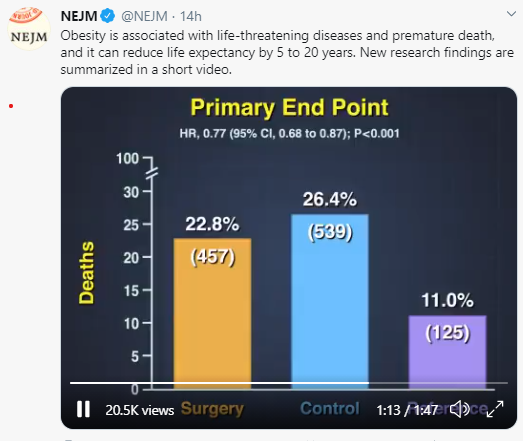
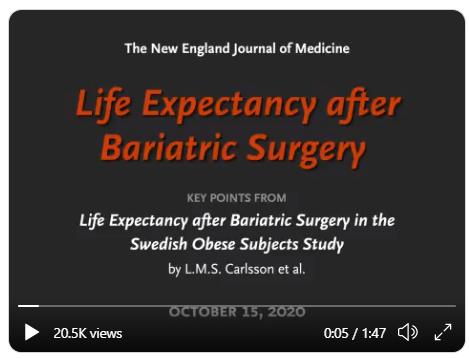
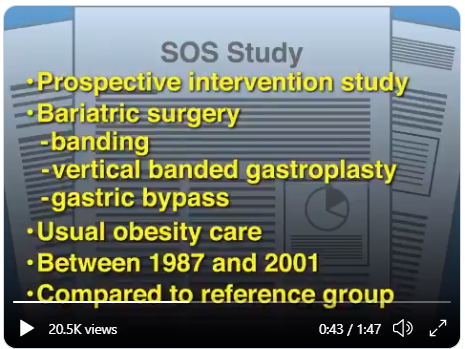
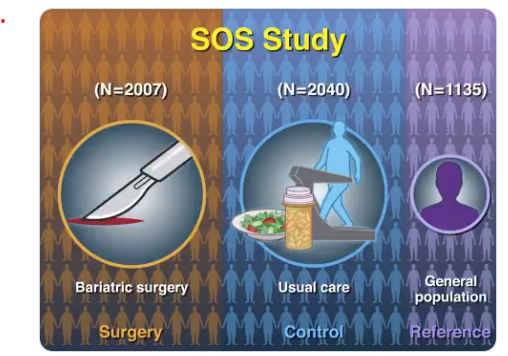
Bariatric Surgery Reduced Obesity’s Premature Death from 8 years to 5 years in SOS Study

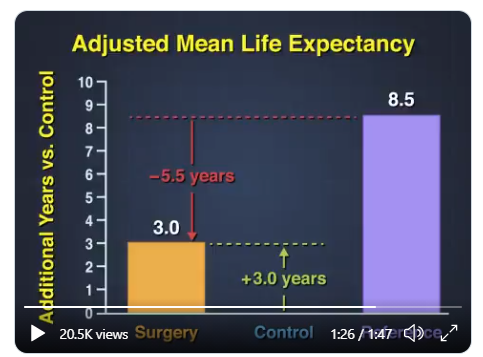
A recent study (LMS Carlsson et al. NEJM 2020; 383: 1535-43) was summarized in a quick take. Essentially, obese subjects who underwent bariatric surgery survived three years longer than a control group who had not undergone surgery but lived 5 years shorter than a reference group without obesity.

The authors speculate on the reasons why the bariatric subjects continued to have a lower life expectancy than controls after surgery:

  • Above-normal BMI even after surgery
  • Irreversible effects of obesity-related metabolic dysfunction
  • Surgical complications
  • Higher risk of alcohol abuse, suicide, and trauma (including fall-related); these factors were identified in the SOS study more often than in those who had not undergone bariatric surgery

Since there have been improvements in bariatric surgery since the time of this cohort underwent surgery (1987-2001), it is possible that the average gain in life expectancy would be greater.

Here are a few screenshots:

Nutrition4Kids and Nutrition4IBD

My colleague and partner, Stan Cohen, along with his outstanding advisory board, have put together two terrific (free) resources for both children and adults:

Both are up-to-date, user-friendly, authoritative and attractive websites that feature advice families can trust to help them understand their disease and options to live as full a life as possible. Between the two, there are:
  • Over 700 articles
    • Nutrition4Kids Categories: Eating at different ages, Healthy lifestyle, Nutrients, Diseases and disorders and Patient experience
    • Nutrition4IBD Categories: Understanding IBD, Treatment Options, Nutrition for IBD and Patient options.
  • Over 60 videos including 35 on food allergies (including FPIES and eosinophilic disorders) and 14 on tube-feedings, including one about a lacrosse player that is quite inspirational.
  • Amazing tools:
    • A food log and a symptom diary that patients can download to record how they are doing
    • a BMI calculator
    • a table of milk alternatives (created by our nutritionist Bailey Koch)
    • a tool which provides over 150,000 food labels for restaurant and packaged foods.
    • a cool tool where a patient can indicate their age, gender, whether they’re breastfeeding or pregnant (even which trimester they’re in), and it will tell what’s in over 200,000 foods and what nutrients and calories they need.
  • Healthy recipes with their nutrient values per serving.
  • This website relies on a group of 42 contributors including many from our group, psychologists, speech-language pathologists, nurses, dietitians, and families.
  • Other practices can link to our site, so they can share our medically-curated and accurate content and tools with their patient-families.

Building a Bigger (Better?) Brain in Premature Infants

A recent retrospective study (PE van Beek et al. J Pediatr 2020; 223: 57-63. Increase in Brain Volumes after Implementation of a Nutrition Regimen in Infants Born Extremely Preterm) with 178 infants (median gestational age 26.6 weeks) found that a modification in the nutritional regimen resulted in improved brain volumes.

Key findings:

  • In cohort B (new regimen), mean protein and caloric intake were 3.4 g/kg/d & 109 kcal/kg/day which were significantly  increased compared to Cohort A: 2.7 g/kg/d and 104 kcal/kg/d for first 28 days of life.
  • At 30 weeks gestational age, 22 brain regions were significantly large in cohort B compared with cohort A, though at term age equivalence, only the caudate nucleus remained significantly larger.
  • key limitation: brain MRI can only be performed in relatively stable neonates; thus, sicker infants may be underrepresented.

My view: Optimizing nutrition as early as possible is likely to help improve cognitive outcomes.

Related blog posts:

Other nutrition-related articles in this issue:

DL Harris et al. J Pediatr 2020; 223: 34-41. Glucose Profiles in Healthy Term Infants in the First 5 Days: The Glucose in Well Babies (GLOW) Study

  • In term infants, plasma glucose concentrations of 47 mg/dL (2.6 mmol/L) approximated the 10th percentile in the first 48 hours, and 39% of infants had ≥1 episode below this threshold.
  •  The mean glucose concentrations increased over the first 18 hours, remained stable to 48 hours (59 ± 11 mg/dL; 3.3 ± 0.6 mmol/L)] before increasing to a new plateau by the fourth day (89 ± 13 mg/dL; 4.6 ± 0.7 mmol/L).

WG Sharp et al. J Pediatr 2020; 223: 73-80. Intensive Multidisciplinary Intervention for Young Children with Feeding Tube Dependence and Chronic Food Refusal: An Electronic Health Record Review  Congratulations to my colleagues at the Marcus Center for this work, particularly Valerie Volkert who has worked with so many of our kids and Barbara McElhanon who has been so helpful.  83 patients with complex medical-behavioral-developmental problems met study criteria.  Key finding:  58 patients (72%) weaned from tube feeding at follow-up.

From Pitt Street Bridge Park, Mount Pleasant, SC


Nutrition ‘Mythbuster’ Webinar

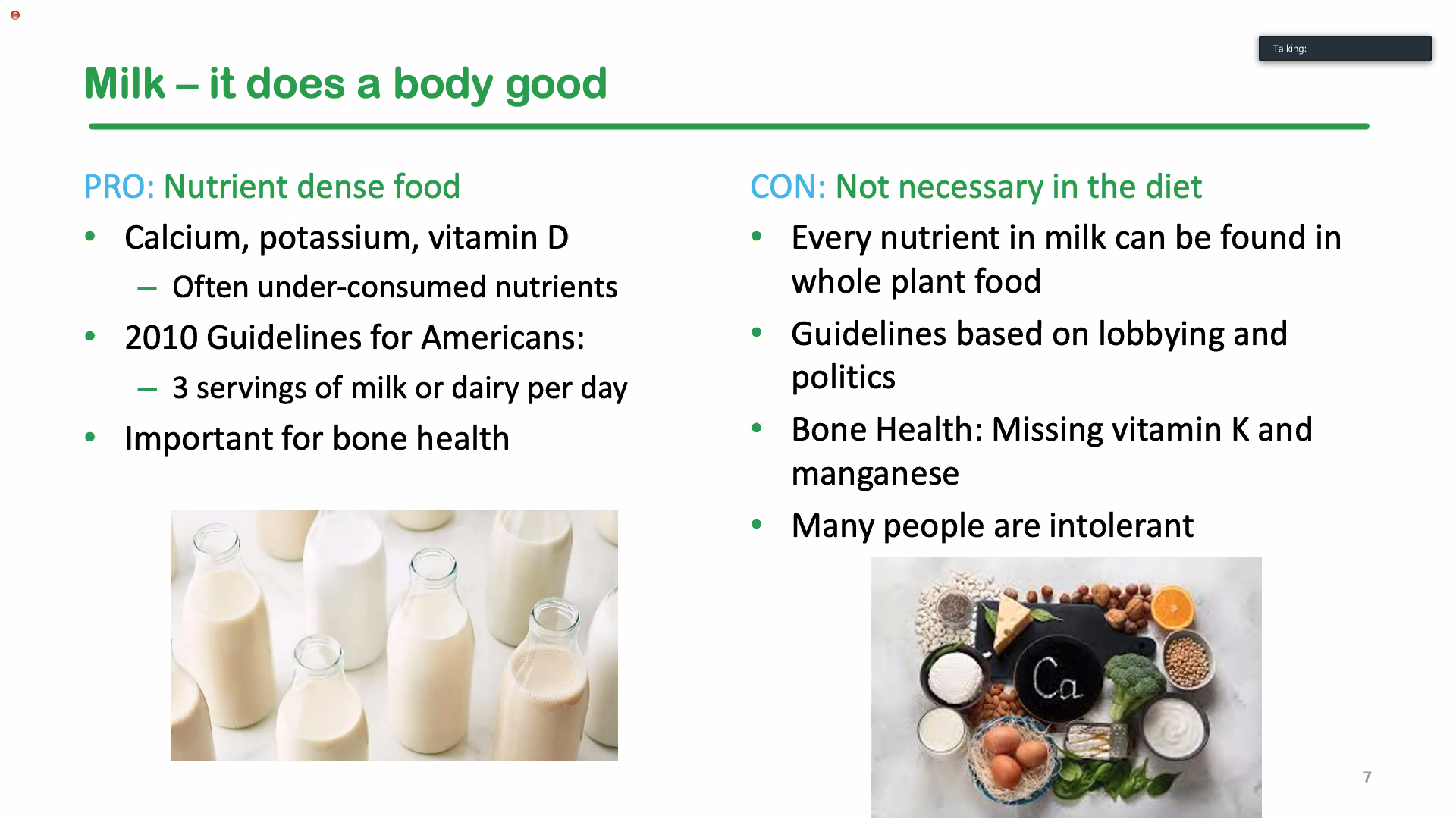
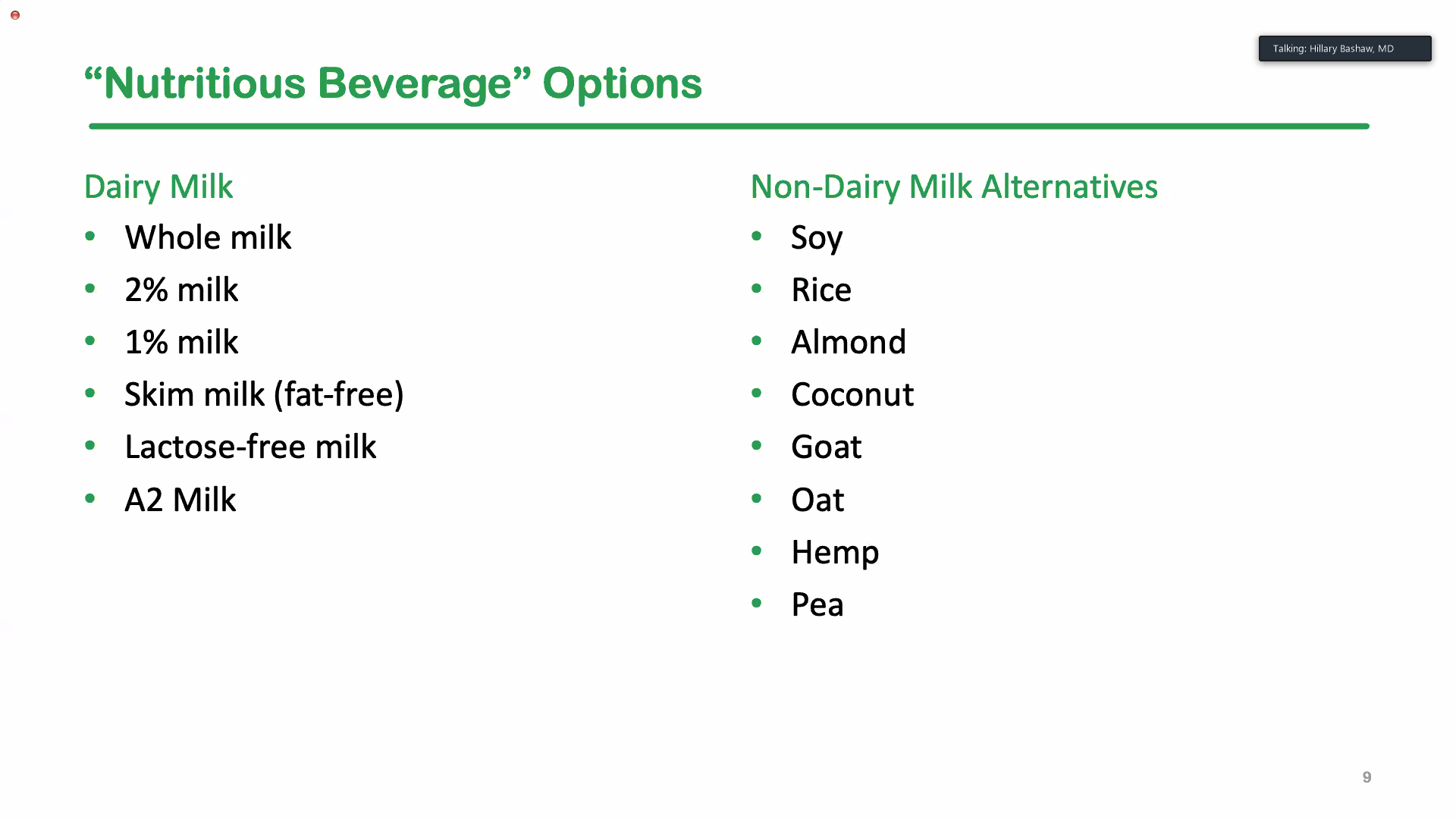
A recent Children’s Healthcare Webinar by Hillary Bashaw reviewed several nutrition topics.  I took some notes and some screenshots.  Some errors of omission and transcription may have occurred.

Key points from talk:

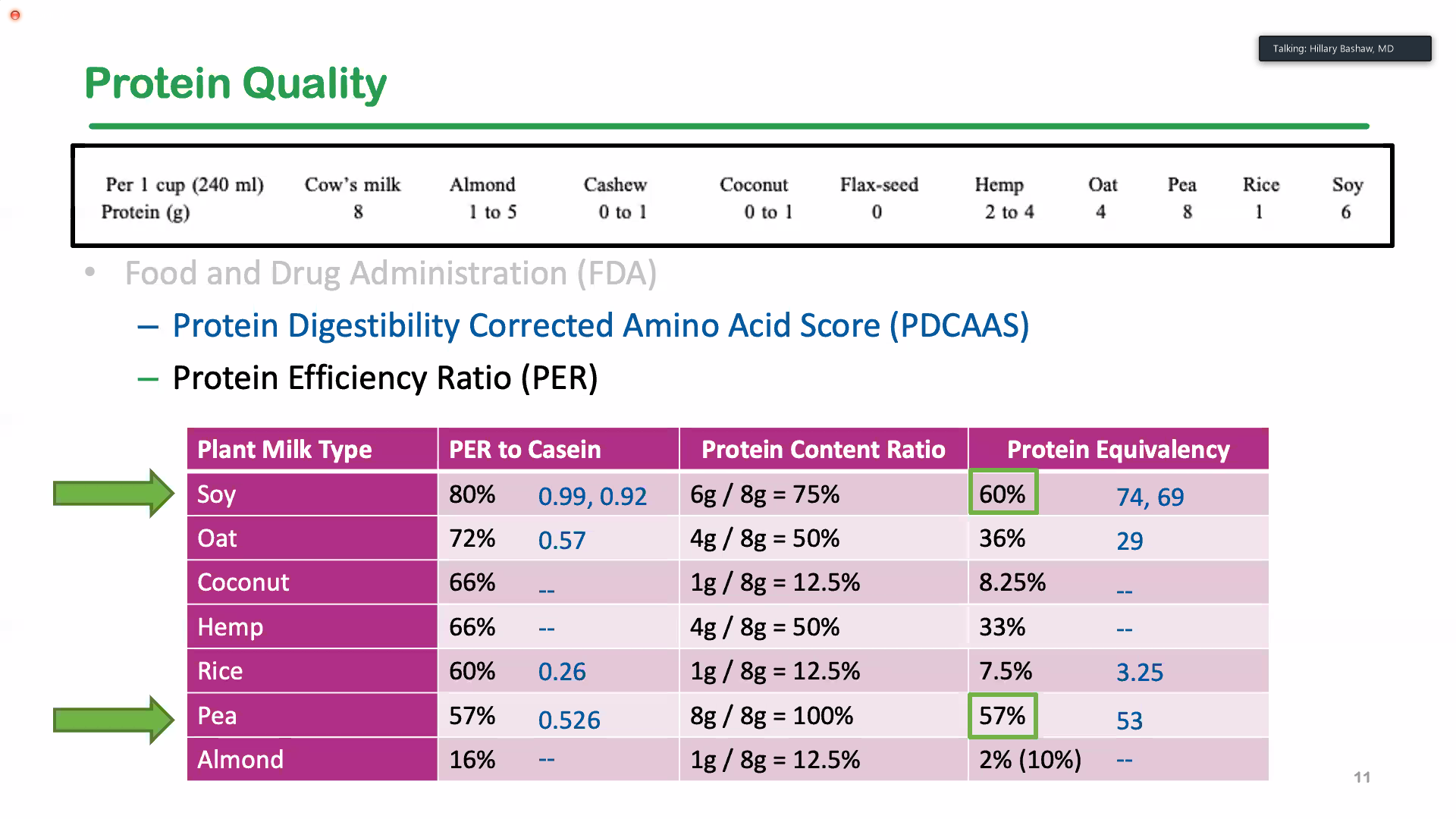
  • Cow’s milk overall is a healthy beverage for children, though there are several plant-based alternatives that can be effective substitutes.  Soy milk and pea-protein milk are often the best alternatives.
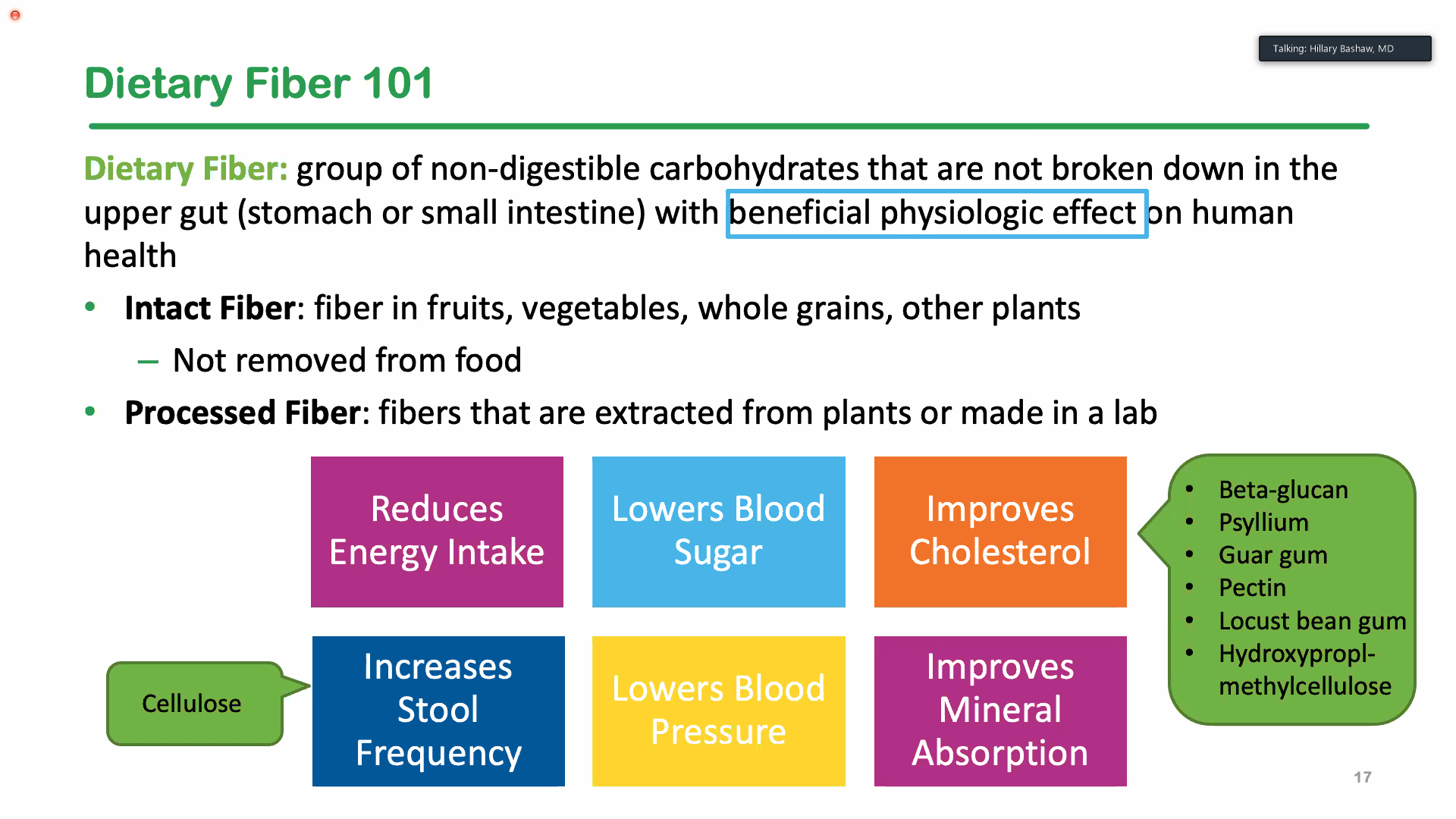
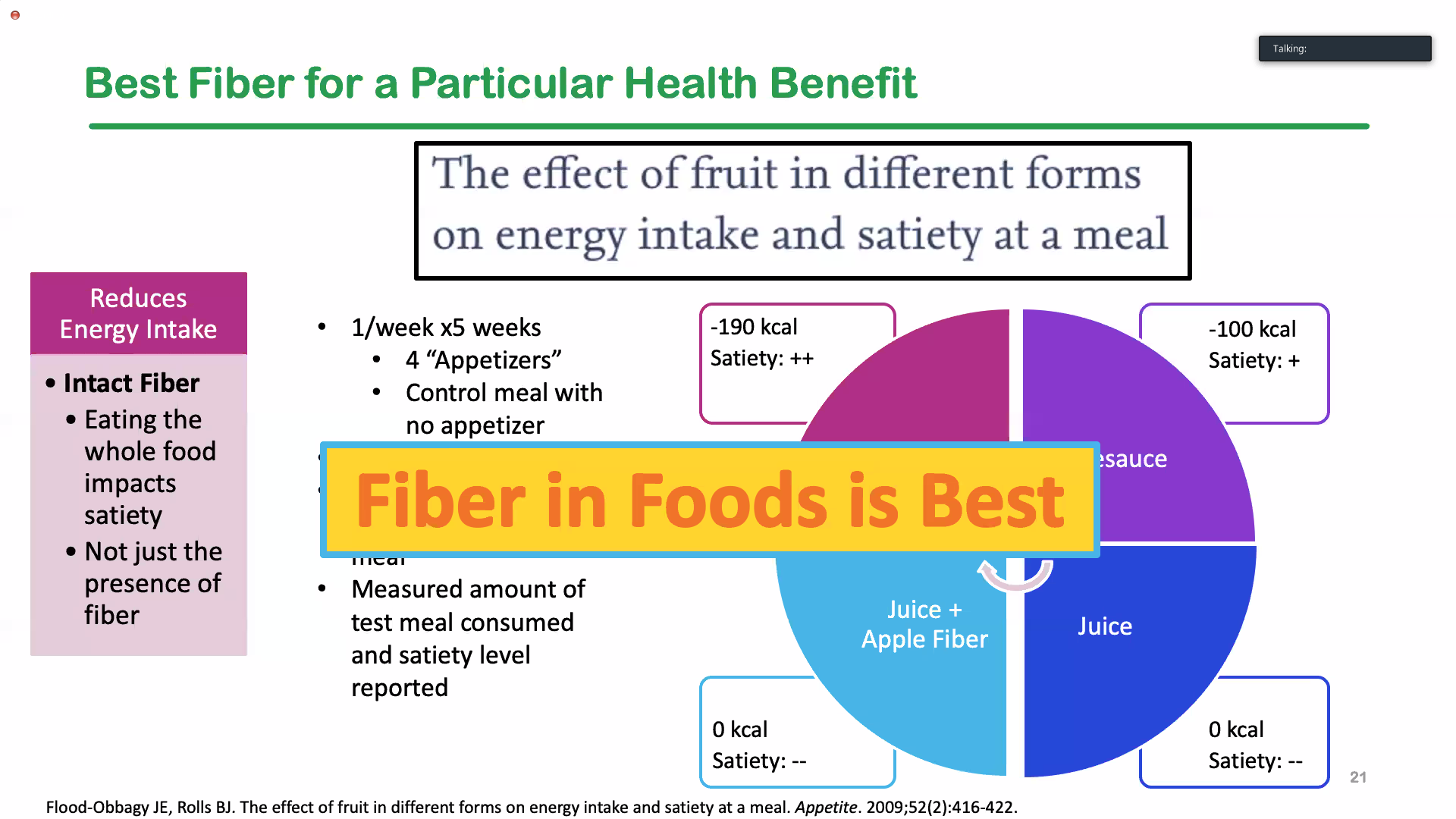
  • Fiber from foods is the best way to get fiber.  Gummy fiber products are not recommended.
  • Eating breakfast likely helps with school performance; however, this does not mean it is the ‘most important’ meal of the day.

Related article: RJ Merritt et al. JPGN 2020; 71: 276–81. Full text link: NASPGHAN Position Paper: Plant-based Milks

  • One of the slides from this talk modifies the Table 1 (adds skim milk) from this article.
  • Milk‘s contribution to the protein intake of young children is especially important. For almond or rice milk, an 8 oz serving provides only about 2% or 8%, respectively, of the protein equivalent found in a serving of CM.”
  • “As presently constituted, almond, rice, coconut, hemp, flax seed, and cashew “milks” are inappropriate replacements for CM in toddlers and young children for whom milk remains an important part of the diet.”

Milkrelated blog posts:

Fiber:

Fiberrelated blog posts:

Breakfast:

Breakfast-related blog posts:


Online Aspen Webinar (Part 6) -NAFLD and NASH

Aspen Online Webinar July  14-16, 2020

Below I’ve included some of my notes and slides.  There may be errors of omission or transcription.

What’s Hot? NAFLD and NASH Stavra Xanthakos

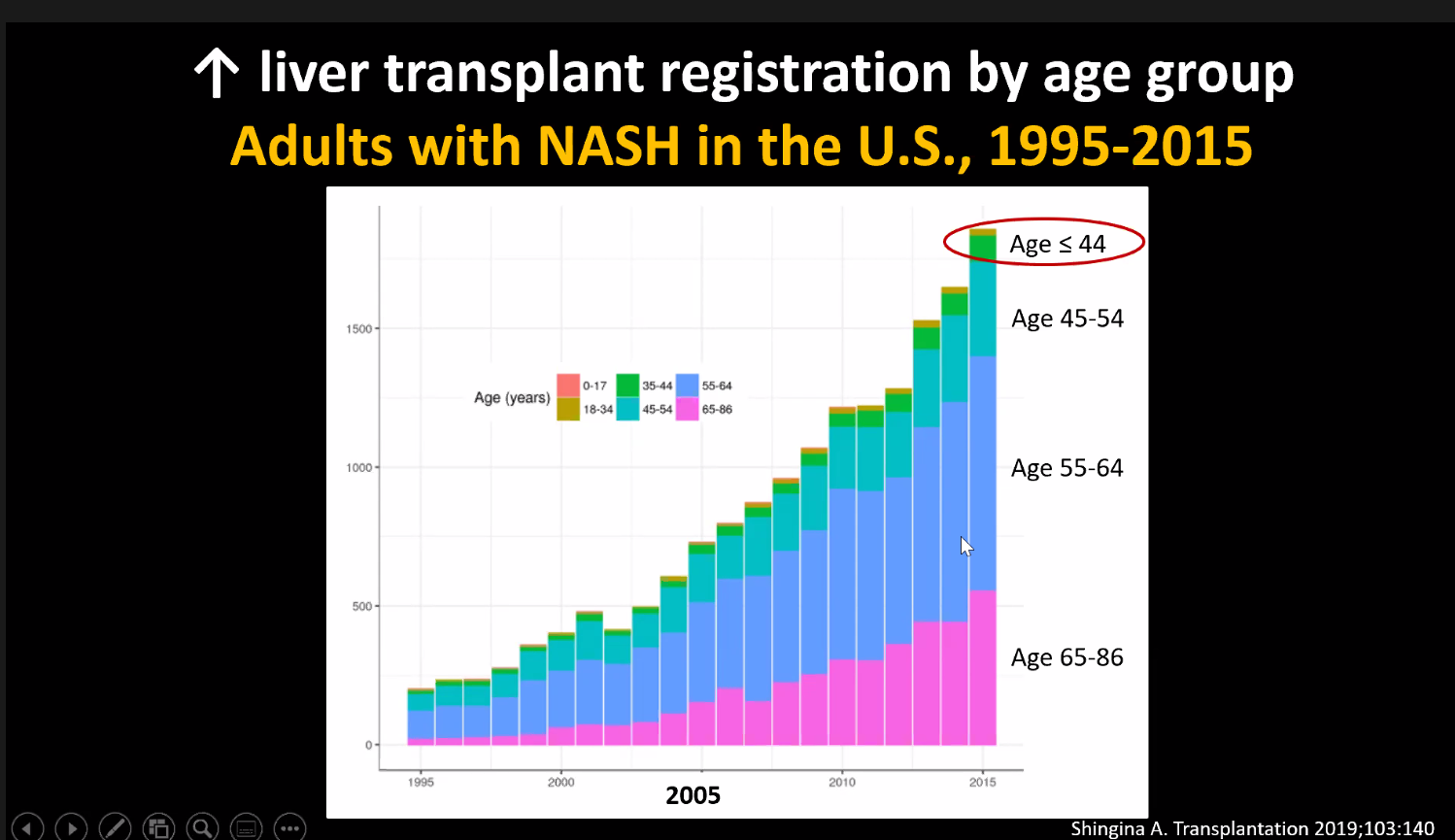
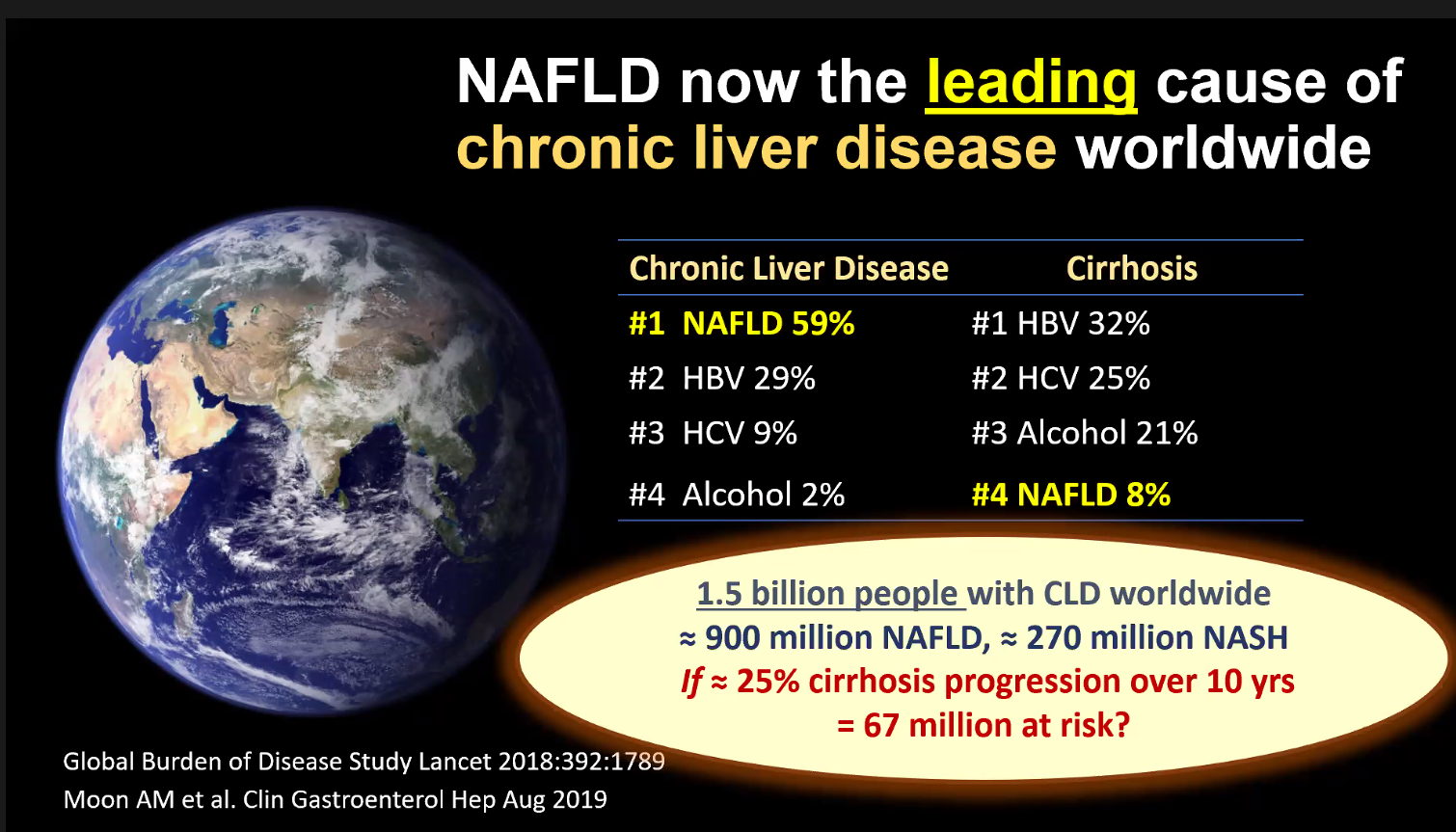
  • Fatty liver disease burden of NAFLD and NASH is increasing.  This increases the rate of cirrhosis, liver cancer and liver transplantation; the latter is being needed at younger ages
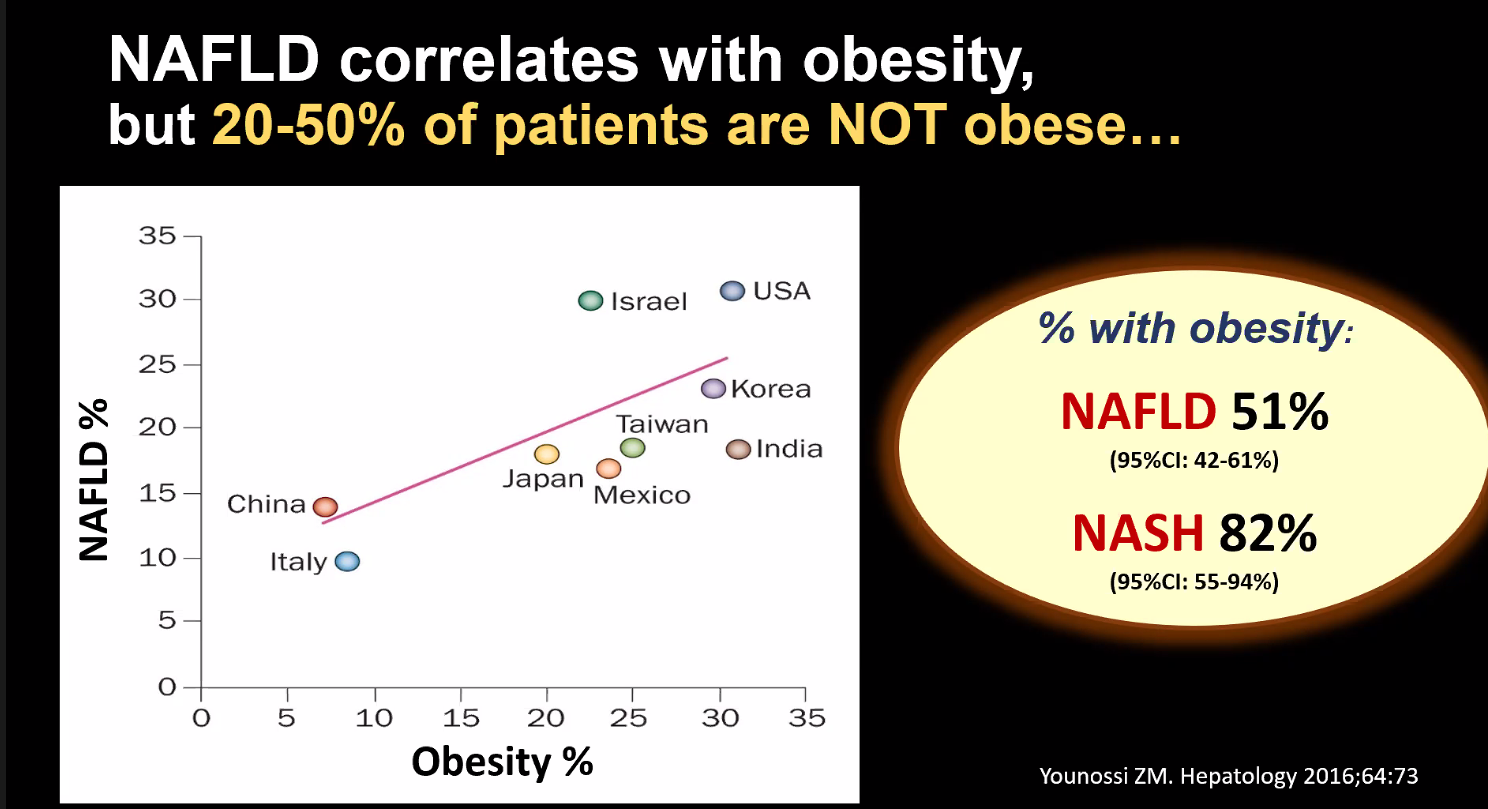
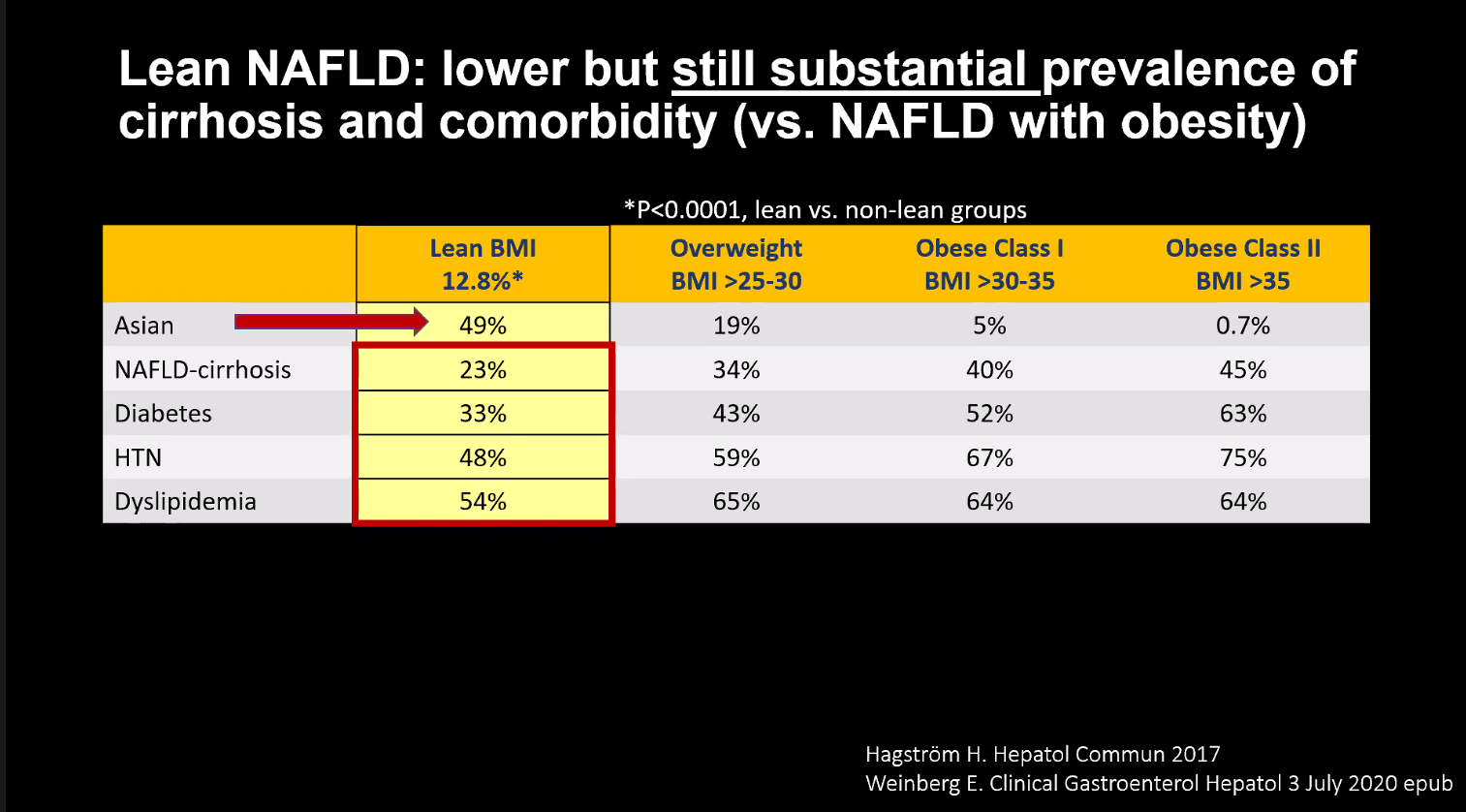
  • Explained that “Lean” (normal BMI) NAFLD is common
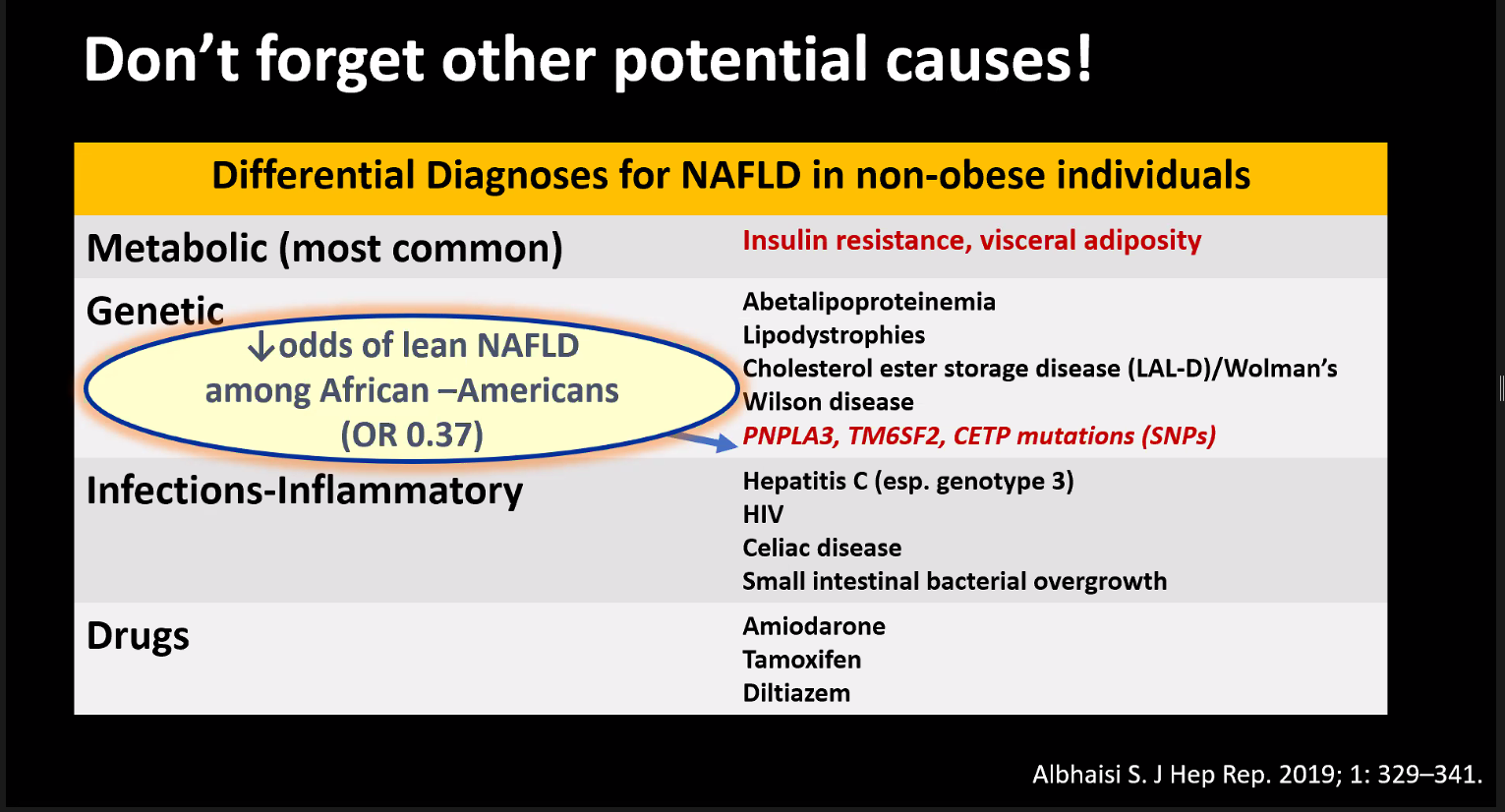
  • Diabetes is strongest risk factor for severe fatty liver disease (NASH or fibrosis). PNPLA3 is genetic risk factor for NAFLD risk.
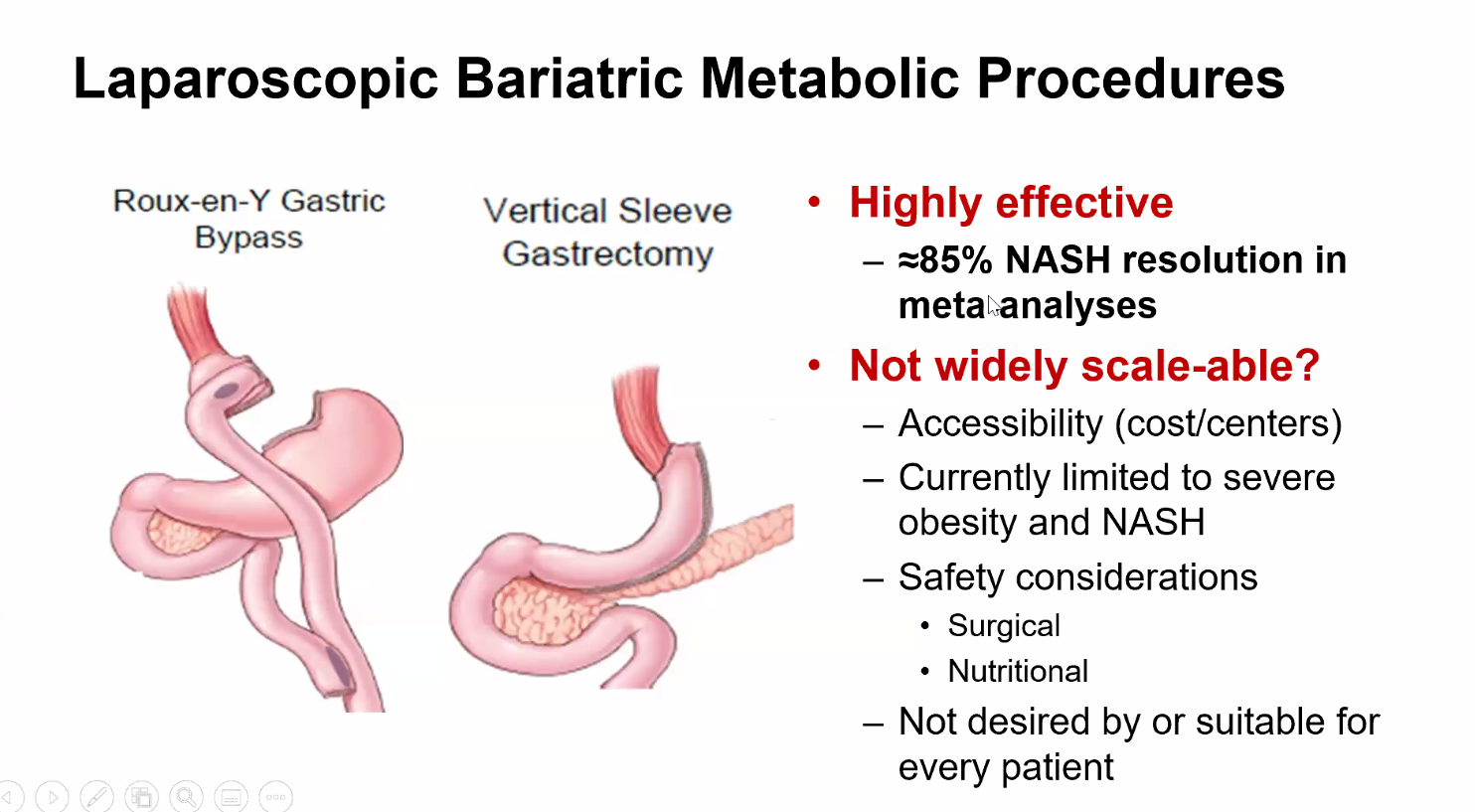
  • Discussed treatment, particularly diet  and bariatric surgery.  Stated that some emerging treatments look promising.
  • In those with suspected NAFLD, Dr. Xanthokos recommends liver biopsy, if lifestyle therapy is ineffective, under specific circumstances: prior to bariatric surgery, in some cases to determine severity, and prior to instituting therapy (eg Vitamin E)


Related blog posts:

Probiotics in Preemies: Lifesaving Therapy

Lots of studies have indicated that probiotics may be beneficial in premature newborns; the problem is that there are currently no FDA-approved probiotics for preterm infants. The use of probiotics as a non-regulated FDA product leads to the potential risk of contamination due to inconsistent quality control as well as variability in the strains and concentrations.  The risks are not inconsequential as there has been a report of 29-week infant who died from mucormycosis due to probiotic contamination with mold.

Despite the potential problems with probiotics in this population, their usage is increasing as described in a recent multicenter retrospective cohort study (KD Gray et al. J Pediatr 2020; 222: 59-64) which took place between 1997-2016 with 78,076 infants (23-29 weeks gestational age) in 289 NICUs.

Key findings

  • 3626 (4.6%) received probiotics
  • Probiotic use increased over the study period (>10% in 2015 & 2016)
  • By matching 2178 infants who received probiotics with 33,807 without probiotics, the authors determined that those received probiotics had a decrease likelihood of necrotizing enterocolitis (OR 0.62) and death (OR 0.52).  The authors observed an increase in Candida infection (OR 2.23); though, this is an infrequent infection and the absolute difference in risk was <1%
  • Limitations: “similar to many previous studies, there was great variation in probiotic products and organisms, as well as a lack of dosing information, which made it unclear which product, organism, or dose might be most effective.”  Also, other contributing factors like consumption of breastmilk and antibiotic exposure are not detailed in this report.

My take: Probiotics could be life-saving for premature infants. It would be nice if we could find out which strains work and which ones do not as well as to assure safe manufacturing processes.

Related blog posts:

ACG Review (Zobair Younassi, MD): NAFLD and NASH

For PDF copy of slides: NAFLD and NASH

Dr. Zobair Younassi gave a recent virtual grand rounds –here are some of the slides:

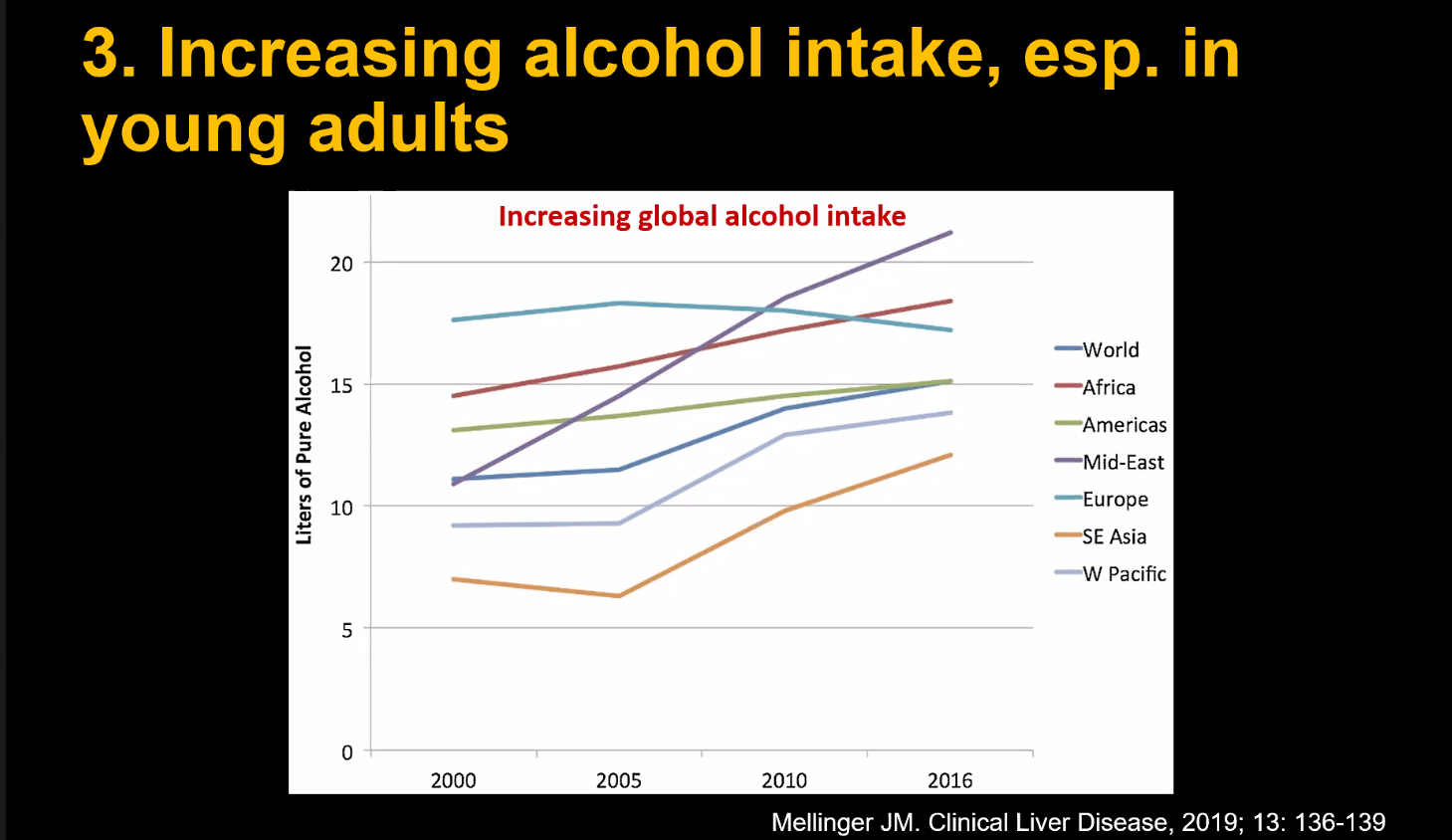
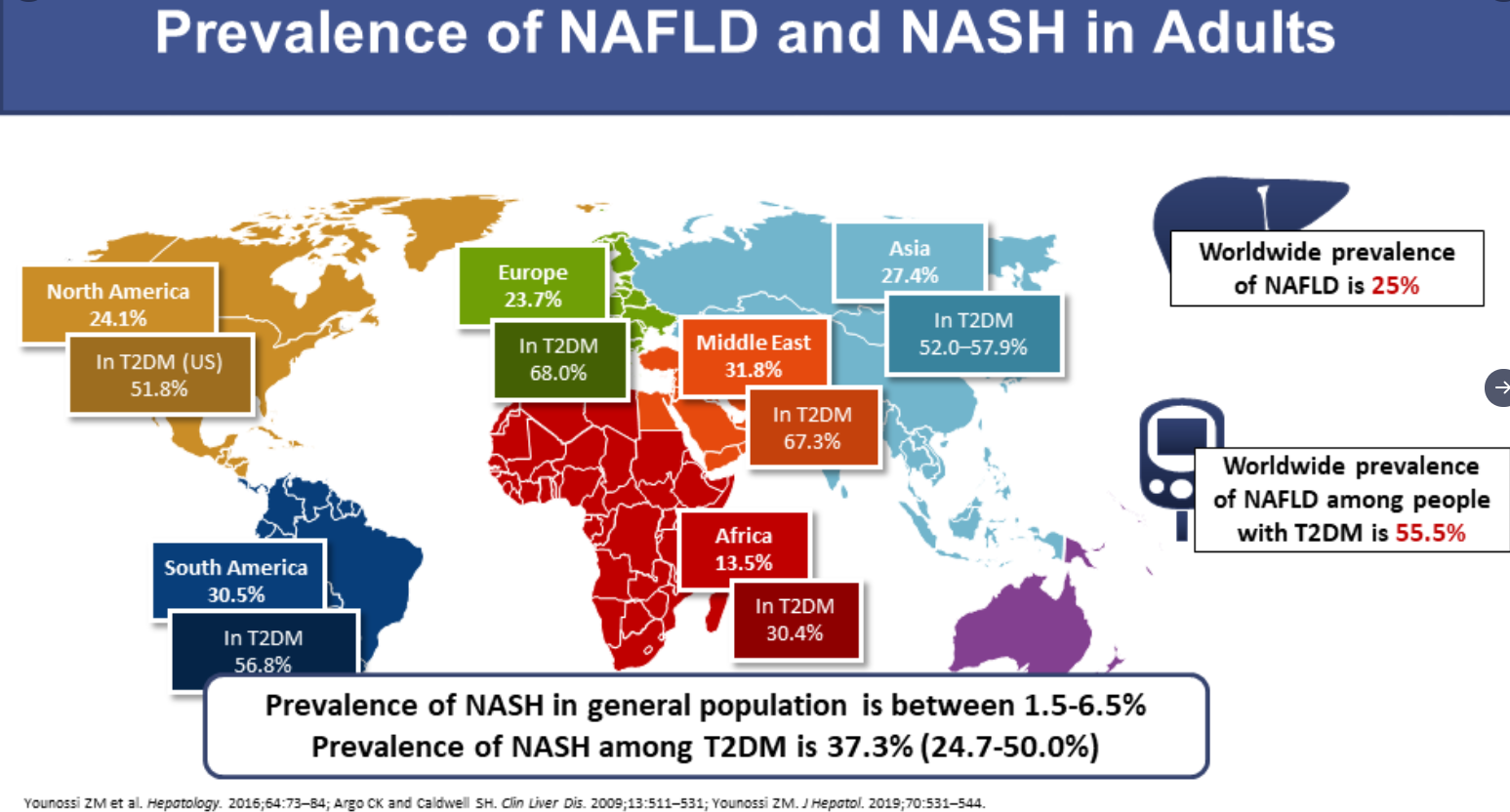
Epidemiology:

Natural History:

  • Progression of disease is not linear
  • Fatty liver disease is a multisystem disorder.  Cardiovascular disease is leading cause of death in patients with fatty liver disease
  • Fatigue (~50%) is common with fatty liver disease

Main treatment:

  • Weight loss -Mediterranean diet may be helpful
  • Exercise
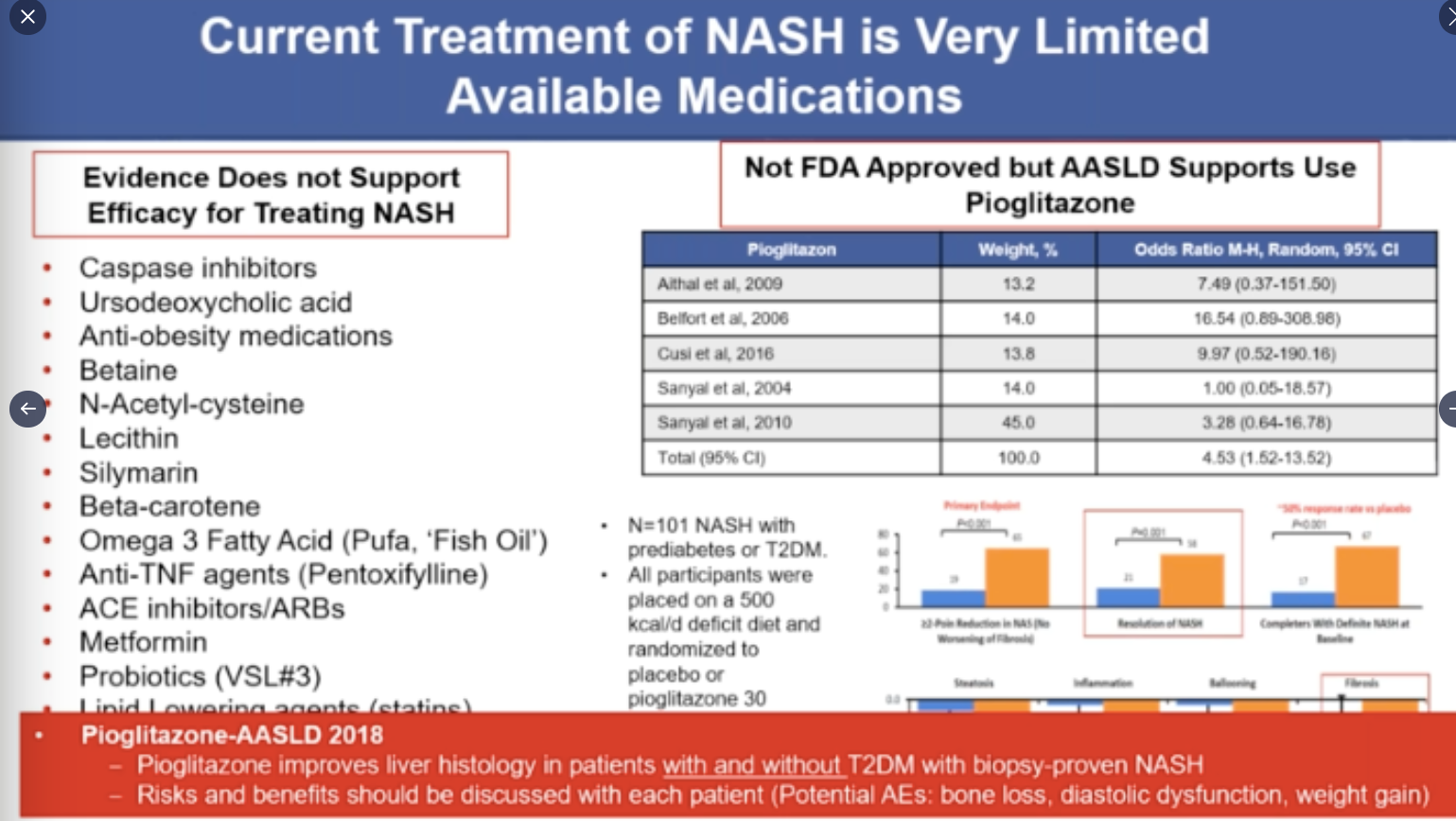
  • No FDA-approved treatments, though pioglitizone supported by AASLD for biopsy-proven NASH
  • Public health interventions are needed

Short Gut Diet -CHOA Approach

Recently Kipp Ellsworth, with input from members of the nutritional team, developed our first institutional Short Gut Diet.

Per Kipp, this diet is “designed to facilitate digestion while minimizing abdominal pain and ostomy/stool output in our inpatients with truncated intestinal anatomy.  Previously, clinicians ordered a regular diet for our short gut patients, with parents and nurses providing oversight of the ordering process based on their knowledge of short gut diet precepts.  Obviously this non-standardized approach resulted in significant noncompliance, another onerous daily task for nursing, and a failure of inpatient short gut diet principles reinforcement.  I anticipate the new diet serving as an omnipresent education tool, reinforcing short gut diet precepts for patients and parents during their inpatient stays.”

Related blog posts: