Time to Diagnosis in Eosinophilic Esophagitis

According to a recent retrospective study (CC Reed et al. Clin Gastroenterol Hepatol 2018; 16: 1667-9) the time to diagnosis of eosinophilic esophagitis (EoE) has NOT improved  between 2000 and 2014.  In this single tertiary-care center study with 677 cases, the predicted length of symptoms prior to diagnosis was the following:

  • 2000-2006: 6.1 years
  • 2007-2011: 7.2 years
  • 2011-2014: 7.2 years

While in the pediatric cohort the trend was the same, the length of symptoms preceding diagnosis was shorter: 2.8 years, 3.5 years and 3.7 years respectively for the above-mentioned time periods.

My take: In GI circles, EoE is quickly considered for a variety of clinical presentations.  This study suggests that

  • #1 for families and primary care doctors that many are unaware of this entity
  • #2 the symptoms of EoE are often insidious

Related blog posts:

Updated Consensus Guidelines for Eosinophilic Esophagitis

Full text: ES Dellon, CA Liacouras,  J Molina-Infante, GT Furuta et al. Gastroenterol 2018; 155: 1022-33.

This article provides a thorough review of EoE -including clinical features, differential diagnosis, diagnostic criteria, and treatments.

Key point: “The evidence suggests that PPIs are better classified as a treatment for esophageal eosinophilia that may be due to EoE than as a diagnostic criterion, and we have developed updated consensus criteria for EoE that reflect this change.”

Related blog posts:

Tofacitinib -Where Does it Fit in Treatment Algorithm for Ulcerative Colitis?

A few recent articles provide a lot of practical information regarding implementation of tofacitinib into treatment regimens for ulcerative colitis (UC).

  • S Danese et al. Inflamm Bowel Dis 2018; 24: 2106–12. Review article on Tofacitinib.
  • J-F Colombel.  Inflamm Bowel Dis 2018; 24: 2173–80. Review article on Herpes Zoster due to JAK Inhibitors (eg Tofacitinib).
  • KL Winthrop et al.  Inflamm Bowel Dis 2018; 24:  2258-65. Clinical study detailing the risk of Herpes Zoster in patients with UC receiving Tofacitinib.

The first of these articles reviews the mechanism of action of tofacitinib (TFB) and the relevant studies showing efficacy for UC.  A summary of the results are listed in Table 1. Some of the reported results –with TFB dosed at 10 mg BID:

  • In 2012, Sandborn et al: clinical response in 61% at wk 8 and clinical remission of 48% at wk 8.
  • In 2017 (OCTAVE Induction 1): clinical response in 18.5% at wk 8 and clinical remission of 31.3% at wk 8.
  • In 2017 (OCTAVE Induction 2): clinical response in 16.6% at wk 8 and clinical remission of 28.4% at wk 8.
  • In 2017 (OCTAVE Sustain):clinical response in 40.6% at wk 8 and clinical remission of 45.7% at wk 8.
  • In all of these studies, TFB outperformed the placebo arm and has had a good safety profile

Most common adverse effects had similar rates in the placebo arm:

  • Nasopharyngitis
  • Arthralgia
  • Headache

Other adverse effects have included pneumonia, herpes zoster (HZ) infection, and increased lipid levels (more common than with placebo group).  Trials in patients with rheumatoid arthritis have indicated an increased incidence of nonmelanoma skin cancer, lymphoma, breast cancer, lung cancer, and gastric cancers.

Preclinical studies have shown that TFB could cause fetal malformations when given at much higher doses.  Though, clinical experience in humans have not found teratogenic effects; this is based on one study with 9815 RA/psoriasis patients and 47 women who became pregnant.

Role for tofacitinib:

  • “Tofacitinib could be used in patients suffering mild, moderate and severe UC…after aminosalicylates (5-ASA)…and as second-line therapy in patients who have been treated with TNF inhibitors.”

Advantages of tofacitinib:

  • Oral administration with rapid absorption
  • Short serum half-life
  • Good experience in large number of patients with rheumatoid arthritis
  • No immunogenicity.
  • Effective in patients who have had previous anti-TNF agents

More on Herpes Zoster Infection:

  • The other two references detail the risk of Herpes Zoster infections with TFB usage.
  • Winthrop et al identified 65 (5.6%) of patients developed HZ among phase II/III open-label, long-term extension trials.
  • The review by Colombel notes that patients with UC have “an increased risk of HZ compared with the general population, and this risk can be increase by the use of immunosuppressive therapy.  JAK inhibitors, including tofacitinib, have been associated with HZ risk…The majority of HZ casees are noncomplicated.”
  • In this review, Colombel details an algorithm for treatment of HZ cases and indicates that adults receiving TFB should consider vaccination to lower the risk of HZ.

My take: A significant portion of patients with UC either do not respond to anit-TNF agents or lose response.  Tofacitinib provides an alternative treatment with a different mechanism of action.  Given the few other non-surgical treatment options, I expect it will be rapidly incorporated into treatment algorithms.

Related blog posts:

Are Probiotics Effective in Changing the Microbiome?

Two recent papers in Cell provide additional questions about the effectiveness of probiotics.

Full Studies:

The coverage of these studies in the media has created some controversy; enough so that the International Scientific Association of Probiotics and Prebiotics disseminated a very critical review:

CLINICAL EVIDENCE AND NOT MICROBIOTA OUTCOMES DRIVE VALUE OF PROBIOTICS

Here is a small excerpt:

Two recent papers have generated much adverse publicity for the probiotic field. Headlines driven by sensationalism, not data, claim “Probiotics labelled ‘quite useless’” (BBC) and “Probiotics ‘not as beneficial for gut health as previously thought’” (The Guardian). The quotes are from author Eran Elinav, who generalizes the study findings to all ‘probiotics’ as a class – a generalization that ignores that specific probiotic are meant for specific purposes…

The scope of these papers is limited to microbiome data; no clinical endpoints are assessed. Without clinical evidence, it is not possible to conclude about the tested probiotic’s usefulness, and it is certainly not possible to conclude about probiotic usefulness in general…. The authors discount the existing body of evidence for probiotic health benefits, including Level 1 placebo-controlled, randomized trials. Cochrane reviews (the gold standard used by physicians and public health policy makers) of the totality of evidence show that specific probiotics can prevent antibiotic associated diarrhea (AAD) and C. difficile diarrhea. This evidence has been translated into evidence-based recommendations for probiotics issued by medical groups. Regardless of an effect on the microbiota, these are established, evidence-based benefits of probiotics.

My take: This controversy points to the problem that probiotics are often considered more effective than the science merits.  While there are some conditions that may respond to probiotics, it should be understood that each probiotic needs to be looked at for each specific clinical scenario.

Related blog posts:


IBD Shorts October 2018

C Ma et al. Clin Gastroenterol Hepaatol 2018; 16: 1407-19.  This study examined endpoints in randomized controlled trials (RCTs) of Crohn’s disease.  Key finding: Among 116 included RCTs (n=27,263 patients), there were 38 unique definitions of clinical response or remission and 32 definitions of loss of response. The most common endpoint was CD activity index.

RP Hirten et al. Clin Gastroenterol Hepatol 2018; 16: 1374-84. This review examines the topic of combining biologics in inflammatory bowel disease. Currently, there is little data in IBD.  From studies completed in rheumatology and dermatology, there are some safety concerns. One current study, the EXPLORER study, which is a phase 4 open label trial evaluating the use of vedolizumab in combination with adalimumab and methotrexate, will provide some useful information.  With regard to safety, gut-specific anti-integrin therapies are likely to be safer in combination than other biologic therapies.

RJ Colman et al. Inflamm Bowel Dis 2018; 24: 2135-41.  This systematic review and meta-analysis which included 14 eligible studies showed that the pooled clinical remission rate with methotrexate monotherapy for pediatric Crohn’s disease was 57.7% at 3-6 months and 37.1% at 1 year.

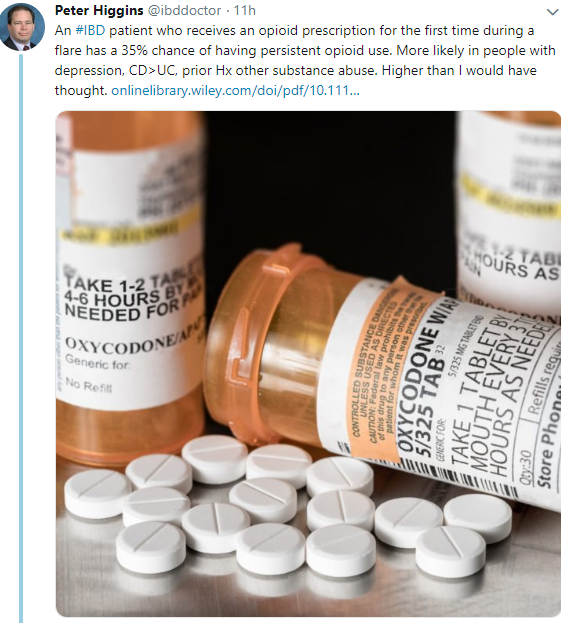
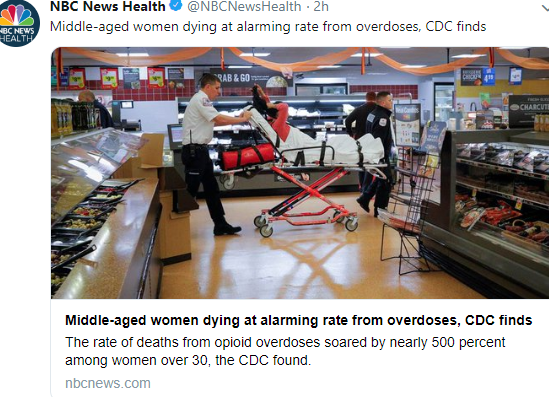
AA Wren et al. Inflamm Bowel Dis 2018; 24: 2093-2105. This study with 93,668 patients in a cohort from Truven MarketScan Database (2007-2015) identified a high rate of opioid therapy usage in U.S. adolescents and young adults (15-29 year olds).  Annual prevalence of chronic opioid use was 9.3% in 2007 and peaked at 12.2% in 2011. In 2015, the prevalence dropped to 10.8%.  Overall, 18.2% had received chronic opioid therapy.  Among the 2503 with chronic opioid usage who were followed longitudinally, 30.5% received opioids for 2 years and 5.3% for 4 years. The associated editorial (ME Kuenzig, EI Benchimol, pg 2140-5) note that these prevalence data may underestimate the true rate of opioid use due to the case definition of IBD used when analyzing the administrative data.

Lake Moraine, Banff

What to Do About Bile Reflux Gastritis?

A recent review (ME McCabe, CK Dilly. Clin Gastroenterol Hepatol 2018; 16: 1389-92) provides useful information on bile reflux gastritis.

The authors note that bile reflux gastritis is “increasingly found in individuals without prior gastric surgery, a problem termed ‘primary biliary reflux.'”

Key points:

  • Most often bile reflux gastritis occurs due to prior surgery affecting pylorus, dysmotility, after cholecystectomy (due to loss of bile reservoir), and after biliary sphincterotomy (due to increased biliary flow).
  • Suggested treatments (Figure 5) -are limited by lack of evidence but the following are recommended by the authors: remove offending medications (eg. agents that affect peristalsis) –>proton pump inhibitors –>ursodeoxycholic acid –>sucralfate –>combination therapy –>surgical diversion of bile (generally reserved in those with surgically-induced bile reflux)

Is it Helpful to Check Celiac Serology Titers After 3 Months of a Gluten Free Diet?

A recent prospective study (D Petroff et al. Clin Gastroenterol Hepatol 2018; 16: 1442-49) with 345 pediatric patients with biopsy-proven celiac disease (CD) examined serologic response to a gluten-free diet (GFD) between 2012-2015.

Key findings:

  • Mean TTG IgA concentration decreased 14-fold after 3 months of a GFD.  The study assay used kits from EUROIMMUN.
  • TTG IgA remained above 1-fold ULN in 83.8% and above 10-fold ULN in 26.6%.
  • Deamidated gliadin IgA (DGL IgA) decreased in the vast majority but did not distinguish response of GFD from random fluctuations.
  • The authors note that symptoms improved in most on GFD, but short-term response could reflect “regression to the mean…for a considerable share” as symptoms improved in the non-GFD group as well.

In their discussion, the authors reference a large study (n=487) which showed mean normalization of TTG IgA of ~400 days; longer times were noted in those with type 1 diabetes and higher baseline values.

My take: This study, while showing that TTG IgA levels improve after 3 months of a GFD, helps solidify my opinion that in those who are improving, followup serology could be obtained later.  My practice is to have followup serology after 6 months of a GFD in the majority of patients.

Related blog posts:

Lake Moraine, Banff

Do Biologics Alter the Natural History of Crohn’s Disease in Children?

An important recent study (B Kerur et al. Clin Gastroenterol Hepatol 2018; 16: 1467-73 & editorial C Ballengee S Kugasthasan 1398-1400) examined the impact of biologic therapies on Crohn’s disease progression and need for surgery in 1442 children (age, ≤16 y) between 2002-14. This study examined data from the Pediatric Inflammatory Bowel Disease Collaborative Research Group registry.

Key findings:

  • Early use of biologics (n=145) was associated with slowing of disease progression (hazard ratio 0.85, CI 0.76-0.95).  Those who received anti-TNF therapy within three months of diagnosis were less likely to develop stricturing (B2) or penetrating (B3) disease.
  • Early anti-TNF therapy did not effect progression to surgery. Surgery rates were 4% at 1 year, 13% at 5 years, and 26% at 10 years.
  • Of those who needed surgery, ~15% already had their first bowel-related surgery in the first 90 days after diagnosis.
  • The study cohort at diagnosis included only 51 with B2 disease, 27 with B3, and 11 with both B2 & B3.  Thus, these three disease phenotypes represented ~6% of the entire cohort.

In the editorial, the authors state that this study “is a sobering reminder that we apparently have not changed the long-term course of CD for our pediatric patients.”  Though, at the same time, they explain how this study had some limitations which could have affected some of the conclusions.

  • In contrast to the RISK study, this study classified patients as B1 who progressed to B2 or B3 in the first 3 months of diagnosis.  Including these patients decreased the chance to show improvement with early biologic therapy.
  • Also, this cohort included a lower percentage of African American patients compared to the RISK study (8% vs 13%).  This also lowered the likelihood of identifying improvement;  these patients are more likely to develop penetrating disease which can be prevented with early biologic therapy (RISK study: Kugasthasan S et al. Lancet 2017; 389: 1710-8).

Also, one other finding of the study was that there was a paradoxical increase in the risk of surgery in the first 5 years in the early biologic group. “This suggests that our practicing pediatric gastroenterologists may have selected the sicker patients to start biologics.”

My take: I think biologics do influence the natural history of Crohn’s disease in children.  However, this study suggests that the magnitude of that alteration is suboptimal.

Related blog post: CCFA update 2017 -RISK study presentation

Vedolizumab and Extraintestinal Manifestations of Inflammatory Bowel Disease

A recent retrospective study( MC Dubinsky et al. Inflamm Bowel Dis 2018; 24: 1876-82) indicates that vedolizumab (VDZ) is likely to less effective than anti-TNF agents for extraintestinal manifestations of inflammatory bowel disease (IBD).

The authors used the MarketScan database (2102-2016).  For Crohn’s disease (CD) this included 756 treated with VDZ and 19584 treated with anti-TNF.  For ulcerative colitis (UC), this included 544 treated with VDZ and 8574 treated with anti-TNF.

Key findings:

  • Compared to patients receiving anti-TNF therapy, VDZ-treated CD patients were 28% more likely to develop “any EIMs” with an adjusted rate ratio of 1.49.  The adjusted rate ratio of developing specific EIMs: erythema nodosum  4.29, aphthous stomatitis 3.71, episcleritis/scleritis 2.51, arthropathy 1.45, primary sclerosing cholangitis (PSC) 7.79, and uveitis/iritis 2.89.
  • VDZ-treated UC patients did not have a statistically-significant increase in general for EIMs; though when looked at individually, there was increased incident rate ratios for some: apthous stomatitis 3.67, pyoderma gangrenosum 4.42, and PSC 3.44.

The authors findings are counter to their hypothesis that VDZ-treated patients would not have a significantly higher incidence of EIMs and that the EIMs would parallel course with IBD. To explain their findings, the authors note the following:

  • “EIMs may be more associated with systemic inflammation than previously thought.”
  • “Alternatively, the correlation between specific EIMs and underlying intestinal disease activity may be less tight than previously described.”
  • Anti-TNFs may control intestinal inflammation better than VDZ
  • VDZ-treated patients may have had more severe disease

While EIMs are more likely to develop on VDZ therapy, this study and prior RCTs do not show whether VDZ is effective in resolving EIMs.

My take: This retrospective study indicates that EIMs, including PSC, are more likely to occur in patients receiving vedolizumab. It is unclear whether this is related to the gut-specific control of inflammation with VDZ or whether there are patient characteristics responsible for this observation.

Related blog posts:

Sunshine Meadows, Banff

Expansive View of Endoscopy from Porto IBD Group

The pediatric IBD Porto Group of ESPGHAN has updated endoscopy guidelines: S Oliva et al. JPGN 2018; 67: 414-430.   In total, the authors make 17 recommendations –here are a few of them:

A) In non-emergency situations, the diagnostic evaluation for suspected IBD in children should include a combination of EGD and colonoscopy.  Multiple biopsies from each segment are recommended even in the absence of macroscopic disease.

B) Endoscopic evaluation is recommended for the following:

  • before major treatment changes
  • in symptomatic patients when it is not clear whether the symptoms are inflammation-related
  • in Crohn’s disease(CD) to ensure mucosal healing during clinical remission
  • in Ulcerative colitis (UC) to ensure mucosal healing during clinical remission only if fecal calprotectin is elevated

C) 6-12 months after bowel resection to identify postoperative recurrence

D) Endoscopic surveillance in pediatric UC after 10 years from the onset of disease (as early as 8 years in older children (>16 years) with risk factors like extensive disease and strong family history

E) In patients with concurrent primary sclerosing cholangitis (PSC), surveillance colonoscopy may be considered every 1-2 years, starting from time of PSC diagnosis. However, in children <12 years of age, surveillance could be postponed based on individual risk factors.

In addition to discussions of conventional endoscopy, the authors favor evaluation of small bowel inflammation: “the choice to perform CE [capsule endoscopy], MRE or both, depends on local availability and expertise.”  The authors caution to consider strictures and the potential need for patency capsule prior to CE.

Conclusion of authors: “Endoscopy in pediatric IBD provides a more definitive diagnosis and disease extent evaluation, assesses therapeutic efficacy and leads to targeted therapy, which lessens complications and progression.”

My take: While I agree that endoscopy increases our understanding of disease extent and response to treatment, I do have some concerns about the recommendations (under section B above) regarding assessment of mucosal healing.  Part of the concern is that there is not a single accepted definition of mucosal healing.  Also, as a practical matter, there needs to be a discussion of the costs and more proof that frequent endoscopy will improve outcomes; it is possible that increased use of endoscopy will lead to some detrimental outcomes in some patients based on the interpretation of the results (eg. dropping a therapy that may be helping and replacing with a less effective treatment)..

Disclaimer: These blog posts are for educational purposes only. Specific dosing of medications/diets (along with potential adverse effects) should be confirmed by prescribing physician/nutritionist.  This content is not a substitute for medical advice, diagnosis or treatment provided by a qualified healthcare provider. Always seek the advice of your physician or other qualified health provider with any questions you may have regarding a condition.