Pharmacotherapy for Obesity

Recently, Dr. Shruthi Arora, an Emory Pediatric Endocrinologist and part of CHOA’s Strong4Life team, provided a terrific review of pediatric obesity pharmacology for our group. 

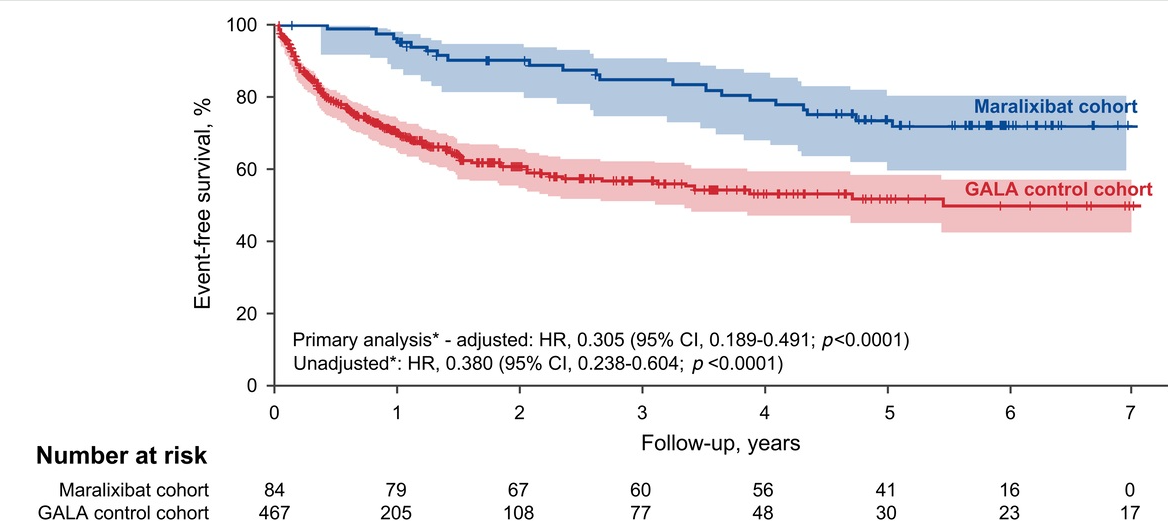
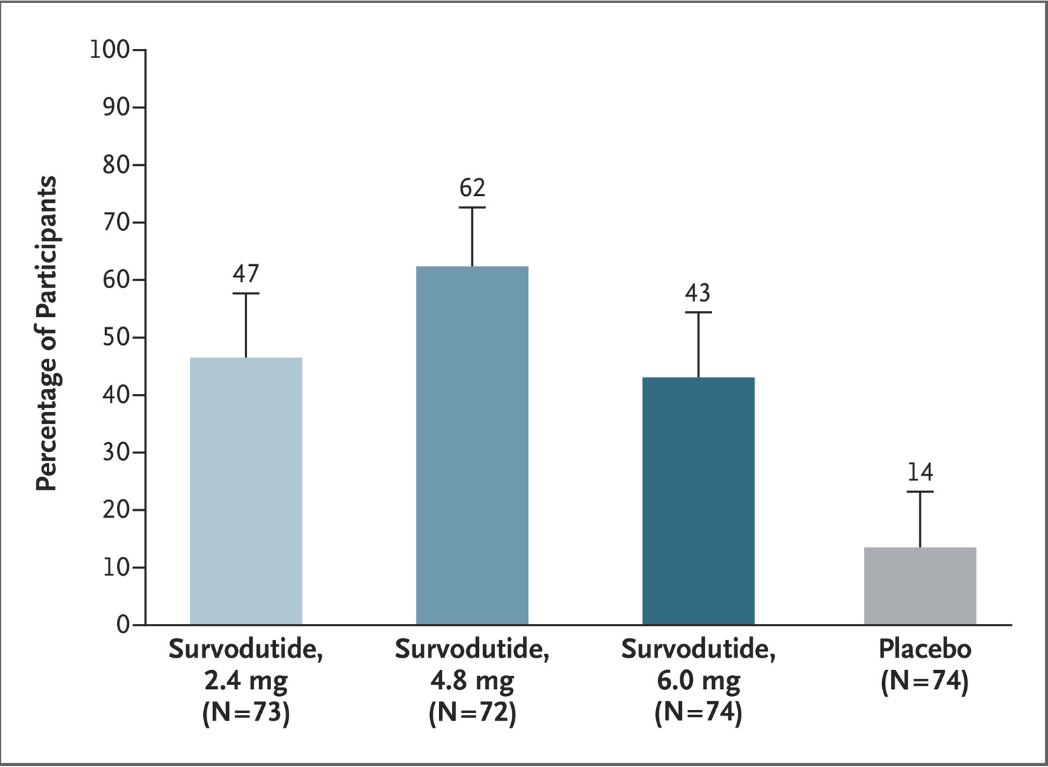
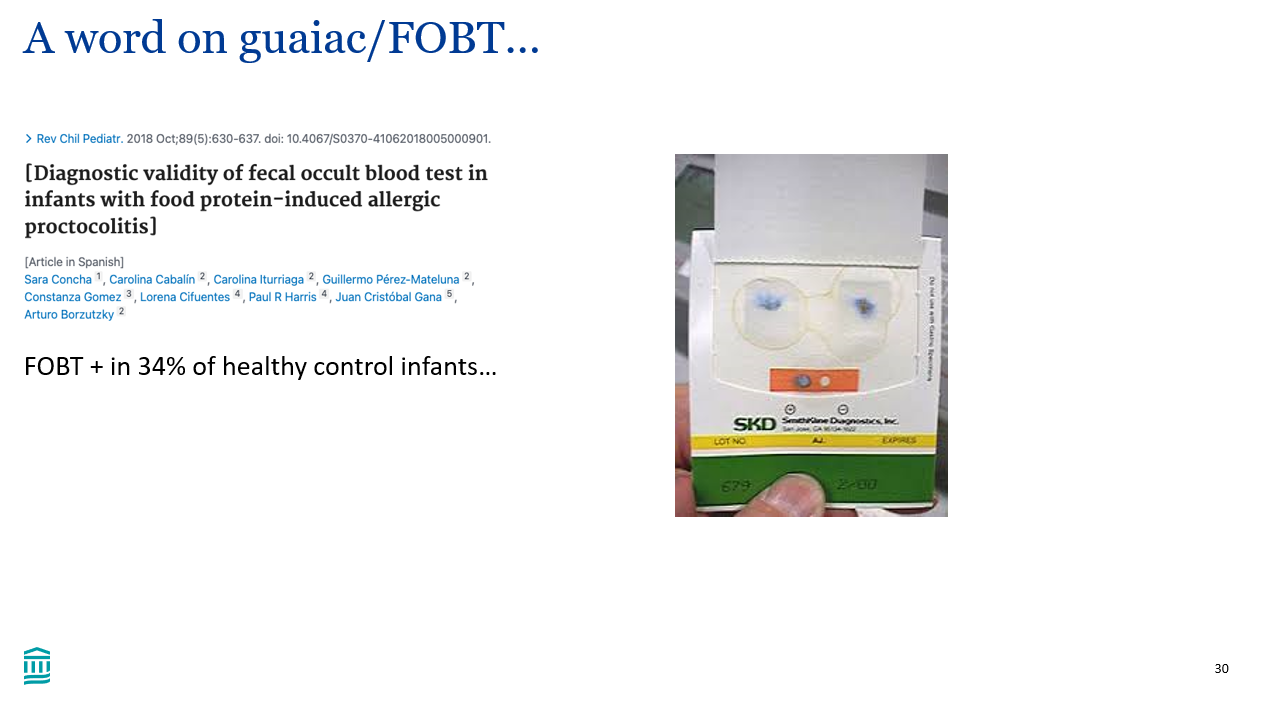
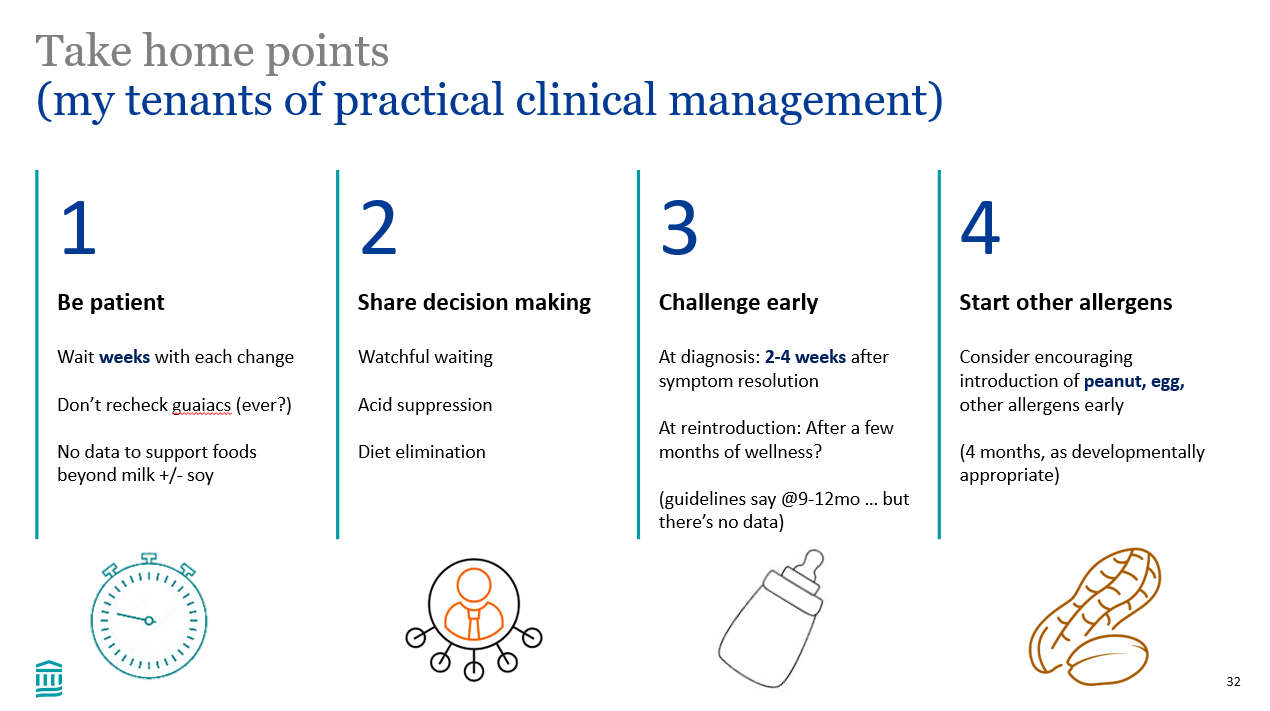
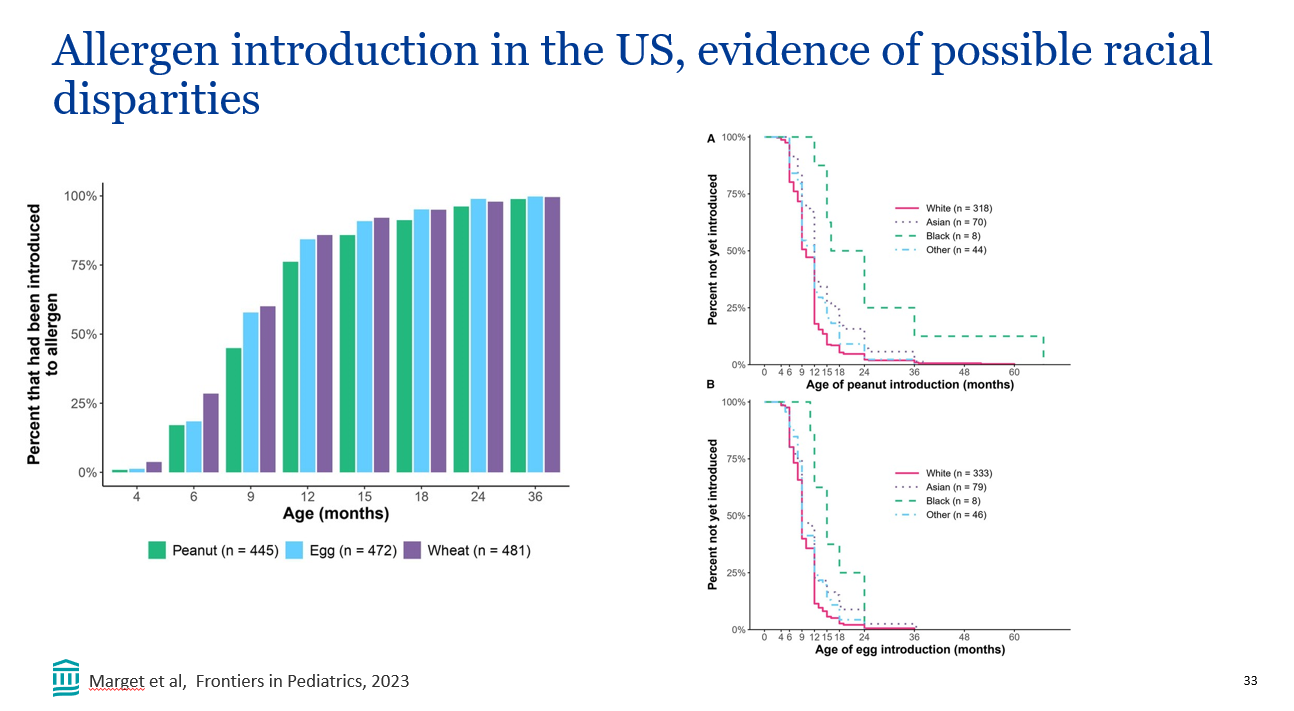
Here are a few slides from Dr. Arora’s lecture:

General points from this lecture:

  • GLP-1 agents are a huge advance but currently limited by affordability (frequently there is a lack of insurance coverage if there is not T2DM) and availability. In addition, most individuals will regain weight loss when these agents are stopped.
  • GLP-1 agents are not recommended in the following: patients with gastroparesis, and patients with a personal or family history significant for MEN 2 A /MEN 2 B/ Medullary thyroid cancer
  • Long-term data is still needed. These agents have been associated with muscle and bone loss; thus, working to assure a good diet is still very important

——————————————————————————

NASPGHAN has a good review/webinar on this topic as well: Pediatric MASLD in the Current Era of Pharmacological and Surgical Obesity Treatment Options. For members, after sign in, you can register and login to this webinar (look under clinical practice tab). This webinar made a lot of useful points (many covered by Dr. Arora too).

  • For GLP-1 agents, due to effects on gastric emptying, they are generally held prior to anesthesia. If they are given weekly, then hold 1 week prior to anesthesia. If it is a daily medication, hold for 1 day prior to anesthesia.
  • Surgery definitely helps improve MASH -though variable responses in patients. SLEEVE gastrectomy is currently the most frequent bariatric surgery
  • There is trouble getting GLP-1 medications. 
  • Limited knowledge regarding long-term effects of cycling of GLP-1 agents.
  • Obesity is a long-term disease –>anticipate long-term treatment

The Wall Street Journal recently published a personal account of using the newer obesity medications. Bradley Olson, 1/12/24: A Weight-Loss Drug Changed My Life. Will It Solve My Problem? (behind a paywall). This article discusses the dramatic improvement experienced by the writer along with his concerns about the cost of the medication and potential for rebound when he can no longer afford it. Two of the figures:

Disclaimer: This blog, gutsandgrowth, assumes no responsibility for any use or operation of any method, product, instruction, concept or idea contained in the material herein or for any injury or damage to persons or property (whether products liability, negligence or otherwise) resulting from such use or operation. These blog posts are for educational purposes only. Specific dosing of medications (along with potential adverse effects) should be confirmed by prescribing physician.  Because of rapid advances in the medical sciences, the gutsandgrowth blog cautions that independent verification should be made of diagnosis and drug dosages. The reader is solely responsible for the conduct of any suggested test or procedure.  This content is not a substitute for medical advice, diagnosis or treatment provided by a qualified healthcare provider. Always seek the advice of your physician or other qualified health provider with any questions you may have regarding a condition.

“A Swell Diagnosis”

J Allam et al. NEJM 2024; 390-71-76.A Swell Diagnosis

This clinical problem-solving case report describes a previously healthy 19 yo male with sudden-onset severe diffuse abdominal pain. His ED evaluation was unremarkable (including labs [CBC/d, CMP, Lipase, CMP, thryotropin, ESR, CRP and UA], and EKG). He was discharged after 3 hours. Over the next 10 years, he presented to the ED on numerous occasions with the same symptom complex and normal labs/mostly CT scans. One CT scan showed small-bowel thickening thought to be due to AGE. Ultimately, his symptoms increased to every 2 weeks. Extensive evaluations (multiple panendoscopies, MRCP, MRE, U/S, and infectious workup) were undertaken and numerous treatments were given without benefit. Ultimately, a CT scan showed remarkable circumferential wall thickening in the jejunum (see below). This led to evaluation for hereditary angioedema.

The article serves as a good review of this disorder and of the differential diagnosis.

Key points:

  • Background: Hereditary angioedema, which is due to a deficiency of functional C1 inhibitor protein, is a rare autosomal dominant genetic disorder that affects approximately 1 in 50,000 persons worldwide.1 
  • Mean age of onset : 8 to 12 years, and symptoms often worsen during puberty.1
  • Presentation: The disease is characterized by recurrent episodes of swelling in various parts of the body and can be severely debilitating. The hallmark symptom of hereditary angioedema is localized swelling of the skin and submucosal tissues (in the face, lips, throat, hands, feet, or genitalia) that is nonpitting, nonpruritic, and not accompanied by urticaria. Triggers include emotional stress, physical trauma, infections, physical exertion, and surgery and other medical procedures.
  • Abdominal pain: In a series of 149 patients with hereditary angioedema who had 521 attacks, 49% of the episodes were characterized by isolated abdominal pain.5  Abdominal attacks are generally not associated with fever, peritoneal signs, or leukocytosis.
  • Laryngeal edema occurs in approximately 0.9% of all attacks7 and may be life-threatening, leading to asphyxiation and death.
  • Differential Diagnosis: Some of the rare diagnosis that were discussed: acute intermittent porphyria, familial Mediterranean fever (FMF), mastocytosis, and eosinophilic gastroenteritis.
  • Pathophysiology: Deficiency of C1 inhibitor protein: The majority of cases of hereditary angioedema are caused by either decreased levels (type I) or reduced functionality (type II) of C1 inhibitor. A third subtype (type III) that is associated with different mutations but the same clinical features is characterized by normal quantitative and functional C1 inhibitor levels.2
  • The best screening testmeasurement of the level of C4 (which is exhausted as a result of uncontrolled activation of the complement pathway when C1 inhibitor is deficient or dysfunctional); results may be normal in 10% of patients between attacks. Quantification of C1 inhibitor levels can then be performed to differentiate between the low levels in hereditary angioedema type I and the normal levels in hereditary angioedema type II. 
  • Treatment: Food and Drug Administration–approved agents include human plasma–derived C1 inhibitor concentrate, recombinant human C1 inhibitor, icatibant (bradykinin B2 receptor antagonist), and ecallantide (kallikrein inhibitor).9 Each has been shown in randomized, controlled trials to decrease the median time to symptom relief.10-14 The first three therapies may be administered by the patient, whereas ecallantide requires support from a health care professional for management of possible anaphylaxis, which is reported in up to 4% of patients.9 Most treatments are used on-demand, though some patients benefit from long-term prophylaxis.
  • Preprocedure prophylaxis: Preprocedural prophylaxis is recommended for patients undergoing procedures that may trigger an attack (e.g., dental surgery, endotracheal intubation, or an endoscopic procedure). C1 inhibitor concentrate can be administered intravenously before the procedure, or treatment with an anabolic androgen (e.g., danazol or stanozolol) can be started 5 days before and continued for 2 to 5 days after the procedure9; …Fresh frozen plasma may be used as a second-line therapy when these therapies are not available

My take: This case “highlights the importance of maintaining a high clinical suspicion for hereditary angioedema in patients with episodic severe abdominal pain and negative workup for other illnesses” even in patients without other manifestations.

Related blog posts:

Figure 1A (from NEJM twitter feed)

Dupixent Approved in Younger Children (15 kg+)

Link: DUPIXENT® (DUPILUMAB) FDA APPROVED AS FIRST AND ONLY TREATMENT INDICATED FOR CHILDREN AGED 1 YEAR AND OLDER WITH EOSINOPHILIC ESOPHAGITIS (EOE)

“Regeneron Pharmaceuticals, Inc. (NASDAQ: REGN) and Sanofi today announced that the U.S. Food and Drug Administration (FDA) has approved Dupixent® (dupilumab) for the treatment of pediatric patients aged 1 to 11 years, weighing at least 15 kg, with eosinophilic esophagitis (EoE).”

Recommended dosing:

Related blog posts:

Disclaimer: This blog, gutsandgrowth, assumes no responsibility for any use or operation of any method, product, instruction, concept or idea contained in the material herein or for any injury or damage to persons or property (whether products liability, negligence or otherwise) resulting from such use or operation. These blog posts are for educational purposes only. Specific dosing of medications (along with potential adverse effects) should be confirmed by prescribing physician.  Because of rapid advances in the medical sciences, the gutsandgrowth blog cautions that independent verification should be made of diagnosis and drug dosages. The reader is solely responsible for the conduct of any suggested test or procedure.  This content is not a substitute for medical advice, diagnosis or treatment provided by a qualified healthcare provider. Always seek the advice of your physician or other qualified health provider with any questions you may have regarding a condition.

“Efficacy” of Probiotics in Irritable Bowel Syndrome

VC Goodoory, M Khasawneh et al. Gastroenterol 2023; 165: 1206-1218. Open Access! Efficacy of Probiotics in Irritable Bowel Syndrome: Systematic Review and Meta-analysis

After performing a systematic literature review, the authors identified randomized controlled trials (RCTs) recruiting adults with IBS, comparing probiotics with placebo were eligible; this included 82 eligible trials, containing 10,332 patients. However, only 24 RCTs were at low risk of bias across all domains.

Key findings:

  • There was some evidence to support the use of some probiotics for global IBS symptoms, abdominal pain, and abdominal bloating or distension (highly detailed analysis of the studies in article –Figures 1-3 and Tables 1-3)
  • There was moderate certainty in the evidence for a benefit of Escherichia strains, low certainty for Lactobacillus strains and Lplantarum 299V, and very low certainty for combination probiotics, LacClean Gold S, Duolac 7s, and Bacillus strains
  • For abdominal pain, there was low certainty in the evidence for a benefit of Scerevisiae I-3856 and Bifidobacterium strains, and very low certainty for combination probiotics, LactobacillusSaccharomyces, and Bacillus strains
  • For abdominal bloating or distension, there was very low certainty in the evidence for a benefit of combination probiotics and Bacillus strains
  • The relative risk of experiencing any adverse event, in 55 trials, including more than 7000 patients, was not significantly higher with probiotics

My take: This study shows that it is difficult to confidently recommend specific probiotics for IBS as the certainty in the evidence for efficacy by GRADE criteria was low to very low. In addition, the quality control of production of most probiotics is uncertain.

Related blog posts:

Riverside Park, Sandy Springs

Is PPI Use Detrimental Before or After a Diagnosis of Inflammatory Bowel Disease?

N Singh et al. Inflamm Bowel Dis 2023; 29: 1871-1878. Proton Pump Inhibitor Use Before and After a Diagnosis of Inflammatory Bowel Disease

The authors retrospectively utilized the University of Manitoba IBD Epidemiology Database includes all Manitobans diagnosed with IBD between 1984 and 2018 (n=5920). Key findings:

  • Rates of PPI use in control subjects increased gradually from 1.5% to 6.5% over 15 years
  • Persons with IBD had a higher rate of PPI use, peaking up to 17% within 1 year of IBD diagnosis with a rate ratio (RR) of 3.1

The authors noted an abrupt increase in PPI use within 6 months of an IBD diagnosis which could indicate that IBD-related symptoms are being mistakenly treated with a PPI or that IBD may increase reflux-related symptoms. Given the higher rate of PPI use in pre-IBD diagnosis patients, compared to controls, the authors note that “it is possible that their [PPI] use enhances the likelihood of an IBD diagnosis by their role in altering the gut microbiota.” In addition, they note that “a case-control study found that PPIs were associated with an increased risk of pediatric IBD” (NR Schwartz et al. J Pediatr Pharmacol Ther 2019; 24: 489-496).

My take: PPIs are being used more frequently. Whether PPIs are detrimental before or after a diagnosis with IBD is not clear.

Chattahoochee River at Island Ford

IBD Updates

  1. Allopurinol makes thiopurines more effective. A Vasudevan et al. AP&T 2023; https://doi.org/10.1111/apt.17831 Clinical trial: Combination allopurinol-thiopurine versus standard thiopurine in patients with IBD escalating to immunomodulators (the DECIDER study)

This was  a multicenter, randomized, placebo-controlled trial to compare the efficacy and safety of thiopurine-allopurinol versus thiopurine with placebo for adults commencing a thiopurine for IBD in 102 patients. Allopurinol was dosed at 100 mg. Key findings:

  • A higher proportion achieved the primary outcome (improved clinical score and fecal calprotectin <150) in the thiopurine-allopurinol group (50% vs 35%, p = 0.14) and fewer participants stopped their allocated therapy due to adverse events (11% vs 29%, p = 0.02

Related blog posts:

2. Newer treatments and lower colectomy rates in pediatric UC. D Ley et al. AJG 2023; 118:1997-2004 New Therapeutic Strategies Are Associated With a Significant Decrease in Colectomy Rate in Pediatric Ulcerative Colitis. Thanks to Ben Gold for this reference.

Medication exposure and disease outcomes were compared between 3 diagnostic periods: 1988 to 1993 (period [P] 1; pre-IS era), 1994 to 2000 (P2; pre-anti-TNF era), and 2001 to 2011 (P3; anti-TNF era).

  • Key finding: The risk of colectomy at 5 years decreased significantly over time (P1, 17%; P2, 19%; and P3, 9%; P = 0.045, P-trend = 0.027) and between the pre-anti-TNF era (P1 + P2, 18%) and the anti-TNF era (P3, 9%) (P = 0.013). 

Related blog posts:

3. More data indicating that anti-TNF therapy does not increase post-operative complications. D Bajzat et al. Inflamm Bowel Dis 2023; 29: 1971-1980. Safety Analysis of Preoperative Anti-TNF-α Therapy in Pediatric IBD After Intestinal Resection: A Systematic Review and Meta-analysis

In this systematic review, the authors identified 8 eligible articles with 526 pediatric patients with IBD. Key finding: “There is no significant association between preoperative anti-TNF-α therapy and postoperative complications in children with IBD after intestinal resection.”

Related blog posts:

Pics from Island Ford/Chattahoochee River

Disclaimer: This blog, gutsandgrowth, assumes no responsibility for any use or operation of any method, product, instruction, concept or idea contained in the material herein or for any injury or damage to persons or property (whether products liability, negligence or otherwise) resulting from such use or operation. These blog posts are for educational purposes only. Specific dosing of medications (along with potential adverse effects) should be confirmed by prescribing physician.  Because of rapid advances in the medical sciences, the gutsandgrowth blog cautions that independent verification should be made of diagnosis and drug dosages. The reader is solely responsible for the conduct of any suggested test or procedure.  This content is not a substitute for medical advice, diagnosis or treatment provided by a qualified healthcare provider. Always seek the advice of your physician or other qualified health provider with any questions you may have regarding a condition.

Why It is Hard to Do Histology EGD Studies -Case in Point: Endoscopy in Autism

SA Ballal et al. J Pediatr 2024; 264: 113737. Comparing Gastrointestinal Endoscopy Findings in Children with Autism, Developmental Delay, or Typical Development

This retrospective study compared the findings of children with probable autism (ASD) to age- and gender-matched controls with developmental delay (DD) or with typical development (TD), (n= 526 ASD, 526 DD, 1052 TD). Key findings:

  • Children with ASD had higher rates of abnormal esophageal histology (ASD 38.4%; DD 33.4%; TD 30.4%, P = .008)
  • Stomach findings did not differ significantly among the groups: histologic inflammation was identified in ASD 13.3%, DD 18.5%, and TD 22.4% (P=.10).
  • In the duodenum, histologic abnormalities were observed with lower frequency in ASD (ASD 17.0%; DD 20.1%; TD 24.2%, P = .005).

The authors emphasize the importance of the esophageal findings (increased rates of esophagitis). However, there are some important caveats that are not discussed in the paper:

  • At baseline (prior to study), it was known that the ASD and DD groups had higher rates of eosinophilic esophagitis: ASD 9.1%, DD 9.5%, and TD 7.4% (Table 1). In addition, both of these groups had higher rates of gastroesophageal reflux at baseline: ASD 7.6%, DD 8.0%, and TD 6.5%. This selection bias is likely to negate much of the esophageal differences observed in their study. Also, the ASD group had much higher numbers receiving H2 blockers at time of procedure: ASD 11.4%, DD 10.3%, and TD 6.4%.
  • In addition, the TD group had a much higher rate of abdominal pain as the indication for endoscopy (TD 26.6%, ASD 17.5%, and DD 20.2%). It is well-recognized that isolated abdominal pain has a low yield on endoscopy.
  • The authors do not discuss the elephant in the room. What is the significance of microscopic esophagitis (or microscopic gastritis or microscopic duodenitis)? Previous authors have noted that “15% of healthy individuals may have microscopic esophagitis” (Gastroenterology 2018 (volume 154; pages 263-451 -see page 291). When we were looking at the variation of diagnostic yield for endoscopy, we decided to focus on colonoscopy because of the high rates of microscopic inflammation in the upper GI tract (related blog post: Our Study: Provider Level Variability in Colonoscopy Yield)

My take: In their discussion, the authors state that this study represents “significant progress in the understanding of gastrointestinal pathophysiology in children with ASD…suggest a unique fingerprint of findings in children with ASD.” In my view, the authors showed similar yield of EGD histologic abnormalities in all three groups and these microscopic findings are of uncertain significance. 

Related blog posts:

Chattahoochee River at Island Ford

Arching in Infants Not Due to Reflux

M Njeh, S Jadcherla et al. J Pediatr 2024; 264: 113760. The Irritable Infant in the Neonatal Intensive Care Unit: Risk Factors and Biomarkers of Gastroesophageal Reflux Disease

This study analyzed “pH impedance testing in the NICU in 516 infants with symptoms of arching and irritability. A nurse was assigned to document episodes of arching and irritability during the study.”

Key findings:

  • Acid reflux and impedance bolus characteristics were not significantly different between infants with >72 and ≤72 arching/irritability events (P ≥ .05)
  • Arching/irritability events had an 8% sensitivity for reflux (3062/39,962). The specificity of arching/irritability for NOT being reflux was 94% (246,462/262,534)
  • Oral feeding was associated with more arching and irritability than tube feeding

R-A Deregenier. J Pediatr 2024; 264; 113844 (commentary) Rethinking Infant Irritability and Arching

“The study found that <10% of the clinical episodes were associated with acid reflux but episodes of arching and irritability were more common in infants with preterm birth, neurologic injury, or chronic lung disease.”

My take (in part, borrowed from authors): “Acid GER disease is unlikely the primary cause of arching/irritability and empiric treatment should not be used when arching/irritability is present.” Unfortunately, getting physicians to curtail the use of ineffective acid blockers in infants is a not making headway (Unfavorable Trends in Reflux Management of Infants) There is definitely enough material with reflux to devote a whole MythBusters show.

In addition to not being the main reason for arching,

  • Reflux is not a frequent reason for BRUEs
  • Reflux cannot be reliably-identified by ENTs. Red airway appearance is NOT indicative of reflux (poor specificity, poor sensitivity)
  • Reflux in infants does not improve with PPIs (more than placebo)
  • Fundoplication does not result in fewer hospitalizations or improve pulmonary outcomes
  • Treating reflux does not improve asthma and probably does not help throat symptoms either
  • Many kids (and adults) with “reflux” don’t have reflux

Related blog posts:

Lisbon

Eosinophilic Esophagitis -Increasing Incidence and Emergence of Biologic Treatments

1st article: JW Hahn et al. Clin Gastroenterol Hepatol 2023; 21: 3270-3284. Open Access! Global Incidence and Prevalence of Eosinophilic Esophagitis, 1976–2022: A Systematic Review and Meta-analysis

This research utilized 40 studies which met the eligibility criteria, including over 288 million participants and 147,668 patients with EoE from 15 countries across the five continents.

Key findings:

  • The global pooled incidence and prevalence of EoE were 5.31 cases per 100,000 inhabitant-years and 40.04 cases per 100,000 inhabitant-years, respectively.
  • The pooled prevalence and incidence of EoE were higher in high-income countries, males, and North America.
  • The pooled prevalence and incidence of EoE have increased from 1976 to 2022.
Time trends of incidence (A) and prevalence (B) of EoE, 1976 to 2022. Pooled estimates, cases per 100,000 inhabitant-years.

2nd Article: DL Snyder, ES Dellon. Clin Gastroenterol Hepatol 2023; 21: 3230-3233. Biologics in the Treatment of Eosinophilic Esophagitis: Ready for Use?

“This review summarizes the data leading to FDA approval for dupilumab and provides a practical approach for clinical use of dupilumab.” Dupilumab, a humanized monoclonal antibody that blocks interleukin (IL)-4 receptor alpha, is currently the only FDA-approved medication for EoE. It is noted that in the trials leading to FDA approval, all patients were PPI refractory and ~70% had received topical steroids (with about half either intolerant or nonresponsive).

Dosing: 300 mg weekly injection with a single-dose prefilled autoinjector pen or a syringe with a needle shield. It is recommended that refrigerated medicine is brought to room temperature for at least 45 minutes prior to injection. It “can remain unrefrigerated up to 14 days.”

In Figure 1, the articles details positioning of use of dupilumab in EoE management algorithm:

  • New diagnosis, patient preference
  • Additional atopic condition with approved dupilumab use (strong indication)
  • Lack of response to current treatment (diet, PPI, swallowed steroids) or adverse effects from current treatment (strong indications)
  • “It is reasonable to repeat endoscopy with biopsy 24 weeks after initiation of dupilumab in many patients…However, endoscopy may be completer earlier” in selected patients.

At least 5 other biologics are in phase 2 or phase 3 studies (listed in Table 1).

My take: EoE is increasing in prevalence and new therapies (often expensive) are emerging.

Related blog posts:

Also, there is a fairly good patient education 7-page pamphlet from the makers of Dupixent encouraging patients with symptoms suggestive of EoE to speak with their physicians.

Link: This is EoE

Disclaimer: This blog, gutsandgrowth, assumes no responsibility for any use or operation of any method, product, instruction, concept or idea contained in the material herein or for any injury or damage to persons or property (whether products liability, negligence or otherwise) resulting from such use or operation. These blog posts are for educational purposes only. Specific dosing of medications (along with potential adverse effects) should be confirmed by prescribing physician.  Because of rapid advances in the medical sciences, the gutsandgrowth blog cautions that independent verification should be made of diagnosis and drug dosages. The reader is solely responsible for the conduct of any suggested test or procedure.  This content is not a substitute for medical advice, diagnosis or treatment provided by a qualified healthcare provider. Always seek the advice of your physician or other qualified health provider with any questions you may have regarding a condition.

Vedolizumab and Infliximab: Expected Dosing When Switching From IV to SC Routes

Z Wang et al. Clin Gastroenterol Hepatol 2023; 3188-3190. Therapeutic Drug Monitoring Can Guide the Intravenous-to-Subcutaneous Switch of Infliximab and Vedolizumab: A Simulation Study

The authors performed population pharmacokinetic (popPK) simulations to determine optimal dosing recommendations.

Key points:

  • Infliximab: “The Q2W SC dosing regimen of infliximab has been selected with the purpose of exceeding a C,trough,ss of 5 mg/L.” This tends to align with 5 mg/kg Q8W IV dosing.
  • Infliximab: “Patients on Q6W or Q8W IV infliximab can safely switch to Q2W SC infliximab…only patients on Q4W IV infliximab need Q1W SC dosing”
  • Vedolizumab: “Only patients on Q4W IV vedolizumab should switch to Q1W SC dosing”
  • Both agents: “Switching 4 instead of 8 weeks after the last IV dose can hit SS[steady state] faster, thereby avoiding the risk of temporary underexposure.”

My take: It is still important to see how switching from IV to SC route affects clinical outcomes in real-world cohorts. This study, though, does provide a good starting point when trying to provide the right dose frequency to achieve good therapeutic troughs.

Related blog posts:

Japanese Maple tree

Disclaimer: This blog, gutsandgrowth, assumes no responsibility for any use or operation of any method, product, instruction, concept or idea contained in the material herein or for any injury or damage to persons or property (whether products liability, negligence or otherwise) resulting from such use or operation. These blog posts are for educational purposes only. Specific dosing of medications (along with potential adverse effects) should be confirmed by prescribing physician.  Because of rapid advances in the medical sciences, the gutsandgrowth blog cautions that independent verification should be made of diagnosis and drug dosages. The reader is solely responsible for the conduct of any suggested test or procedure.  This content is not a substitute for medical advice, diagnosis or treatment provided by a qualified healthcare provider. Always seek the advice of your physician or other qualified health provider with any questions you may have regarding a condition.