Health Benefit from Disease State: Sucrase-Isomaltase Deficiency

It is well-recognized that genetic mutations that persist often confer some advantages. For example, sickle cell trait (but not disease) provides protection against malaria.

A recent study shows potential health benefits in those with sucrase-isomaltase deficiency: MK Andersen, L Skotte, E Jorsboe et al. Gastroenterol 2022; 162: 1171-1182. Open Access: Loss of Sucrase-Isomaltase Function Increases Acetate Levels and Improves Metabolic Health in Greenlandic Cohorts

Methods: “The association between c.273_274delAG and phenotypes related to metabolic health was assessed in 2 cohorts of Greenlandic adults (n = 4922 and n = 1629). A sucrase-isomaltase knockout (Sis-KO) mouse model was used to further elucidate the findings”

Key findings:

  • Homozygous carriers of the variant had a markedly healthier metabolic profile than the remaining population, including lower body mass index ( –2.0 kg/m2P = 3.1 × 10–5), body weight (–4.8 kg; P = 5.1 × 10–4), fat percentage (–3.3%; P = 3.7 × 10–4), fasting triglyceride (–0.27 mmol/L; P = 2.3 × 10–6), and remnant cholesterol (–0.11 mmol/L; P = 4.2 × 10–5).
  • The metabolic profile “was likely mediated partly by higher circulating levels of acetate observed in homozygous carriers” (0.056 mmol/L; P = 2.1 × 10–26), and partly by reduced sucrose uptake, but not lower caloric intake.
  • “These findings were verified in Sis-KO mice, which, compared with wild-type mice, were leaner on a sucrose-containing diet, despite similar caloric intake, had significantly higher plasma acetate levels in response to a sucrose gavage, and had lower plasma glucose level in response to a sucrose-tolerance test.” 

My take: It should not be surprising that a genetic condition that results in limited sucrose intake would have health benefits. Perhaps correcting this condition will result in unexpected health issues similar to health issues that can develop in those with celiac disease after institution of a gluten-free diet (Gastroenterol 2013; 144: 912-17).

Related blog posts:

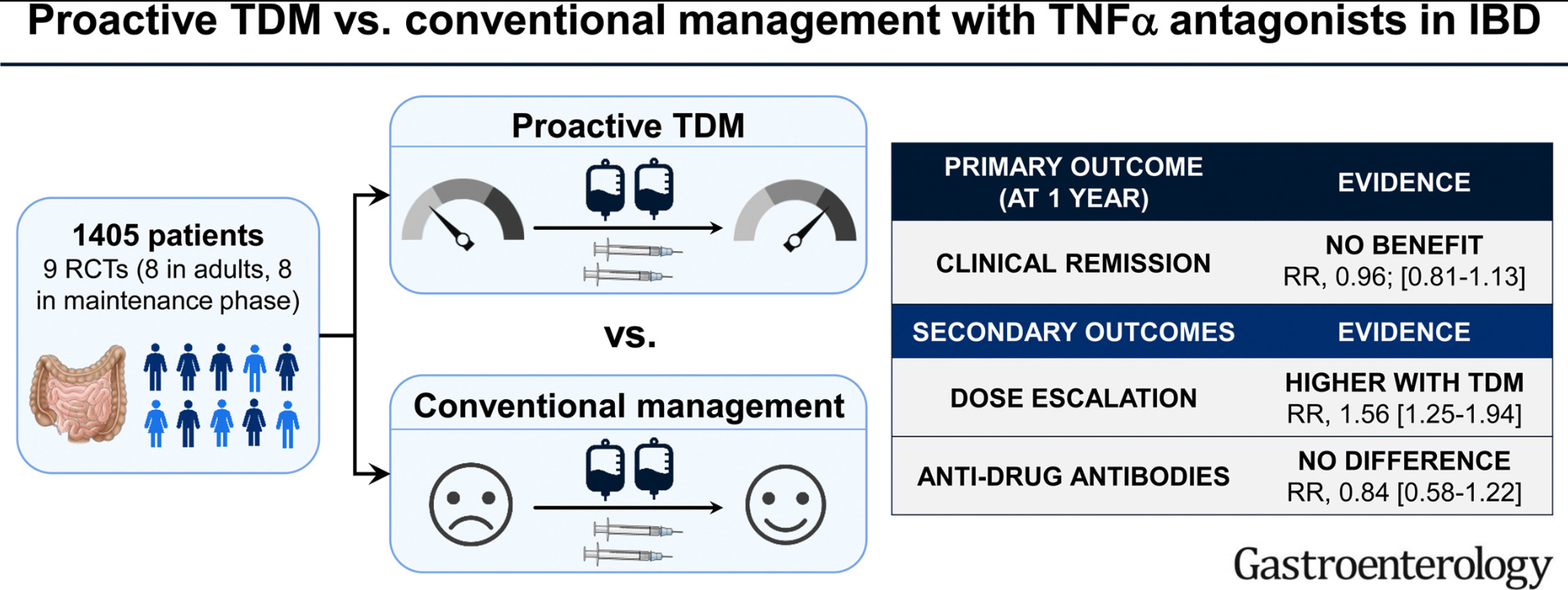
Graphical Abstract:

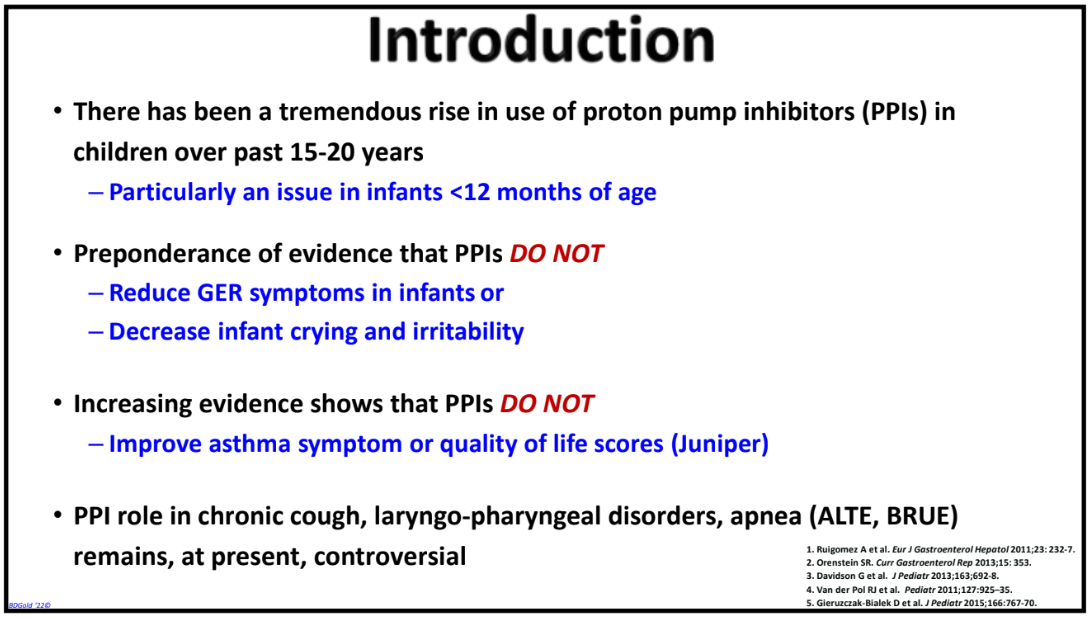
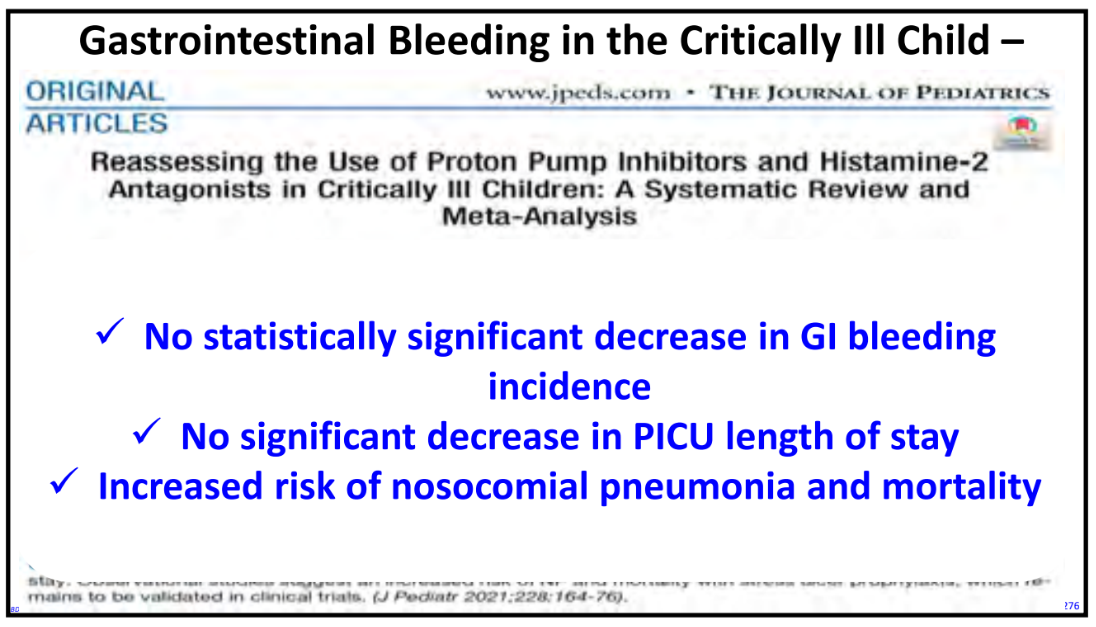
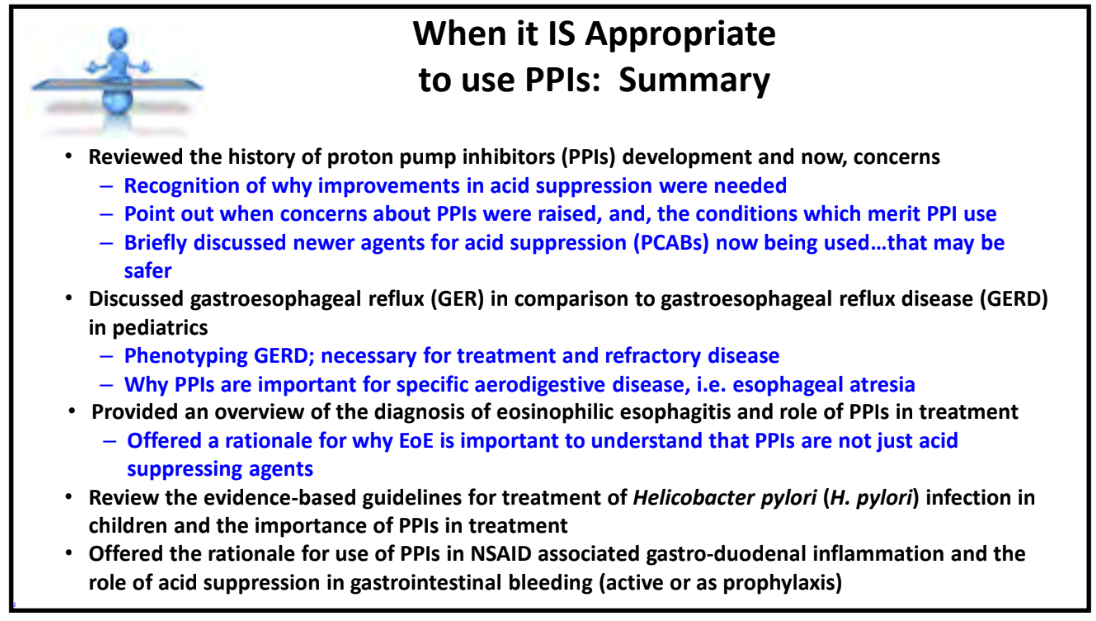
Expert Advice: De-Prescribing Proton Pump Inhibitors

LE Targownik et al. Gastroenterol 2022; 162: 1334-1342. Open Access: AGA Clinical Practice Update on De-Prescribing of Proton Pump Inhibitors: Expert Review

Background: “Proton pump inhibitors (PPIs) are among the most commonly used medications in the United States, if not the world. Observational studies have demonstrated that PPI use has increased over time and that 7%–15% of patients use these medications at any time, with the prevalence increasing to 40% for patients 70 years or older…In a large observational study examining ambulatory visits of PPI users, nearly two-thirds had no clear indication for PPI use.”

Some of the best practice advice:

  • Best Practice Advice 2 All patients taking a PPI should have a regular review of the ongoing indications for use and documentation of that indication. This review should be the responsibility of the patient’s primary care provider.
  • Best Practice Advice 3 Most patients with an indication for chronic PPI use who take twice-daily dosing should be considered for step down to once-daily PPI.
  • Best Practice Advice 4 Patients with complicated gastroesophageal reflux disease, such as those with a history of severe erosive esophagitis, esophageal ulcer, or peptic stricture, should generally not be considered for PPI discontinuation.
  • Best Practice Advice 5 Patients with known Barrett’s esophagus, eosinophilic esophagitis, or idiopathic pulmonary fibrosis should generally not be considered for a trial of de-prescribing.
  • Best Practice Advice 7 Patients at high risk for upper gastrointestinal bleeding should not be considered for PPI de-prescribing.
  • Best Practice Advice 10 The decision to discontinue PPIs should be based solely on the lack of an indication for PPI use, and not because of concern for PAAEs (PPI-associated adverse events).

My take: There are a lot of individuals who could benefit from de-prescribing PPIs.

Related blog posts:

Thanks to Susan for this picture which shows why our neighborhood is covered in a fine yellow dust.

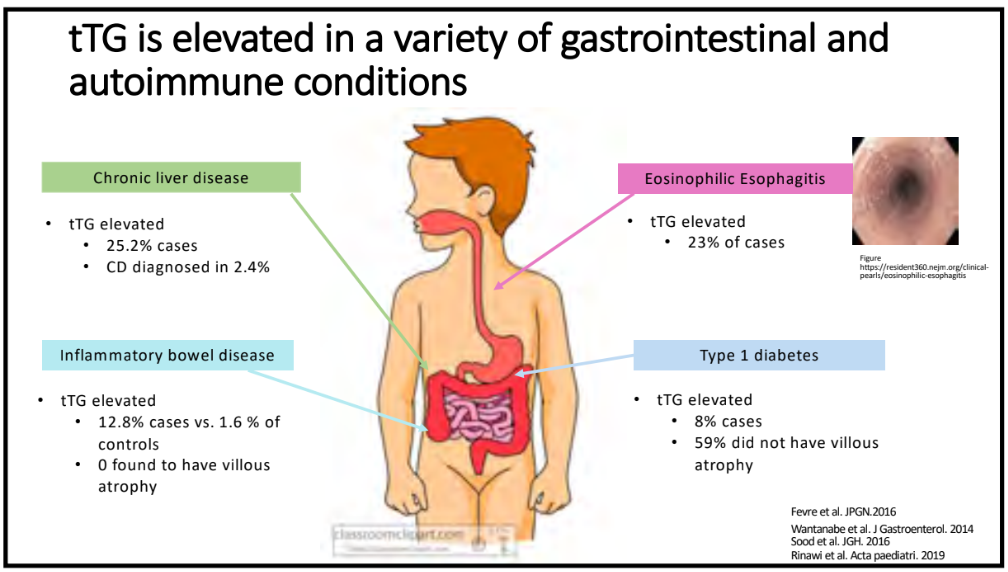
Tricky Article Title: IBD and Celiac

M Alkhayyat et al. Inflamm Bowel Dis 2022; 28: 385-392. Patients With Inflammatory Bowel Disease on Treatment Have Lower Rates of Celiac Disease

When I first saw this title, I mistakenly thought the title indicated that celiac disease (CD) occurred less often in those with inflammatory bowel disease (IBD). This would have been surprising given previous studies have found the opposite. In fact, this study confirms the bidirectional associated risk between patients with CD and in patients with IBD but with a twist. Most IBD treatments were associated with a lower risk of developing CD than those who were not treated.

Database study: Of the 72,965,940 individuals in the database (1999-2020), 133,400 had celiac disease (CD) (0.18%), 191,570 (0.26%) had ulcerative colitis (UC), and 230,670 (0.32%) had Crohn disease.

Key findings:

  • Patients with IBD were more likely to have a diagnosis of celiac disease (odds ratio [OR], 13.680), with a greater association with Crohn disease (OR 24.473).
  • Treated patients with IBD with UC and with Crohn disease, respectively, had a lower risk association with CD compared to those not undergoing IBD treatment, specifically corticosteroids (OR, 0.407 and 0.585), 5-aminosalicylates (OR, 0.124 and 0.127), immunomodulators (OR, 0.385 and 0.425), and anti-tumor necrosis factor drugs (OR, 0.215 and 0.242)
  • A new diagnosis of CD after 1 year of IBD diagnosis, was 1.59% for Crohn disease and 0.90% for UC compared to 0.16% in patients without IBD (P<0.0001)
  • A new diagnosis of IBD, Crohn disease and UC respectively, in patients with celiac disease was 2.75% and 1.11% compared to 0.29% and 0.25% in the non-celiac population (P<0.0001)
  • A new diagnosis of IBD and celiac disease among patients with microscopic colitis was 10.5% and 2.6% respectively; a new diagnosis of microscopic colitis among patients with celiac disease was 0.01%

My take: This study confirms the bidirectional associated risk between IBD and celiac disease. The risk of developing celiac disease in those with IBD may be lower in those receiving some treatments; however, this assertion is limited by the nature of a database study.

Related blog posts:

Pelicans at Shem Creek, SC (near Charleston)

How NOT To Do a Transit Time Study

ESPGHAN’s Image of the Month: What time is it? A case of unusual foreign body ingestion

Perhaps this 4 yo child was interested in answering the question of whether the watch ‘takes a licking and keeps on ticking?”

Related blog posts:

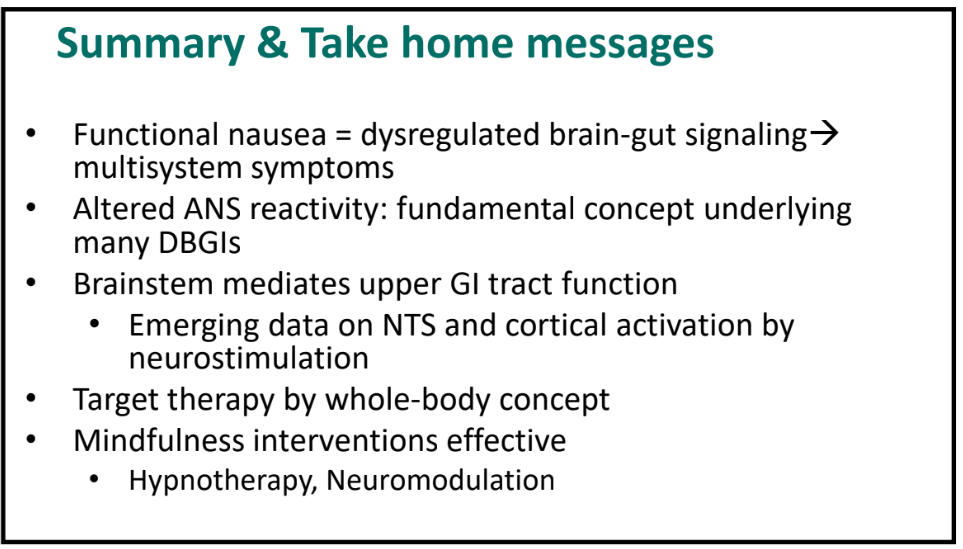
Auricular Stimulation Associated with Less Pain, Less Disability, and Better Sleep

N Santucci et al. Neurogastroenterology & Motility. 2022;00:e14358. Effect of percutaneous electrical nerve field stimulation on mechanosensitivity, sleep, and psychological comorbidities in adolescents with functional abdominal pain disorders

This study evaluated the effects of IB-stim® (Innovative Health Solutions, Versailles, IN, USA) in 20 patients (11-19 years old) with functional pain. This external auricular device with a battery powered generator that creates percutaneous electrical nerve field stimulation (PENFS), targeting cranial nerves V, VII, IX, and X. This device which has been associated with improvement in functional abdominal pain previously was evaluated for its effects on resting and evoked pain and nausea, sleep and psychological functioning, and long-term outcomes.

Key Findings:

  • During pain evoked by Water Load Symptom Provocation Task (WL-SPT), visual analog scale (VAS) pain intensity and nausea were lower following PENFS compared with baseline (p = 0.004 and p = 0.02, respectively)
  • After PENFS, resting VAS pain unpleasantness (p = 0.03), abdominal pain (p < 0.0001), pain catastrophizing (p = 0.0004), somatic complaints (0.01), functional disability (p = 0.04), and anxiety (p = 0.02) exhibited significant improvements, and some were sustained long-term.
  • Self-reported sleep improved after PENFS (p’s < 0.05) as well as actigraphy-derived sleep onset latency (p = 0.03). The authors note that, paradoxically, patients receiving neuromodulators had more trouble with sleep at baseline. “It is hard to tease out if these differences are due to the medications themselves or if the patients on these medications have more severe symptoms that may have a bigger impact on their life”
  • In assessing predictors of response to PENFS therapy, those with higher pain catastrophizing and somatization had lesser reduction in VAS pain scores, while those with high anxiety had lesser improvements in functioning.
  • Study limitations: small sample size and lack of control/sham group

In this limited study, PENFS was associated with improvements in pain intensity and nausea through visual analog scales and validated questionnaires. Disability, pain catastrophizing, somatization, and anxiety reduced after four weeks of PENFS and effects were sustained at 6–12 months post-treatment.

My take: Auricular stimulation if feasible (in terms of cost) is a good alternative to pharmacologic therapy. It would be of interest to study outcomes of patients who received this treatment modality compared with those who were treated by well-qualified pain psychologists.

Related blog posts:

Osprey on The Hunley Bridge, Isle of Palms, SC

Image Only: Pneumatosis Intestinalis in Necrotizing Enterocolitis

L Tong, Y-T Chang. NEJM 2022; 386: 1070. Pneumatosis Intestinalis in Necrotizing Enterocolitis

This image below is from an 11 day-old born at 39 weeks gestational age. Sadly, he did not survive an emergency operation.

From NEJM Twitter Feed

Related blog posts:

Abraham Lincoln’s Cyclic Vomiting Action Plan

PT Reeves et al. J Pediatr 2022; 242: 174-183. Development and Assessment of a Low Literacy, Pictographic Cyclic Vomiting Syndrome Action Plan

Similar to the constipation action plan (see blog link below), the authors have created a stepwise pictographic CVS action plan (CVSAP).

Image is from Pat Reeves twitter feed and corresponds to figure in study (pg 175)

Key points:

  • A composite readability score of 5.32 was consistent with a fifth-grade level.
  • Patients/caregivers (n = 70) judged the CVSAP to be of high quality with consumer information rating form rating of 84.2%
  • Six medical librarians rated the CVSAP to have 93% understandability and 100% actionability, and 33 clinicians completing the SAM generated a suitability rating of 87.5%

On the listed ED management, the authors note “consider fosaprepitant…and can give oral aprepitant on days 2 and 3.” It should be noted that oral dosing afterwards is generally not required as fosaprepitant can last 2-3 days after a single dose. In addition, many use a maximum dose of 150 mg rather than 115 mg. Also, the ED dosage of several agents need to be tailored to the individual based on weight and other medications. Lower doses of many of the medications in the protocol are often effective.

My take: Patients with cyclic vomiting syndrome, like those with constipation, are likely to benefit from clearly articulated plans for maintenance treatment, escalation approaches and for ED management. The need for ED management may lessen with more consistent treatment approaches.

Link to blank CVS PDF Action Plan form: The Uniformed Services Cyclic Vomiting Syndrome Action Plan

Related blog posts:

Disclaimer: This blog, gutsandgrowth, assumes no responsibility for any use or operation of any method, product, instruction, concept or idea contained in the material herein or for any injury or damage to persons or property (whether products liability, negligence or otherwise) resulting from such use or operation. These blog posts are for educational purposes only. Specific dosing of medications (along with potential adverse effects) should be confirmed by prescribing physician.  Because of rapid advances in the medical sciences, the gutsandgrowth blog cautions that independent verification should be made of diagnosis and drug dosages. The reader is solely responsible for the conduct of any suggested test or procedure.  This content is not a substitute for medical advice, diagnosis or treatment provided by a qualified healthcare provider. Always seek the advice of your physician or other qualified health provider with any questions you may have regarding a condition


Hard Data on Blenderized Diets

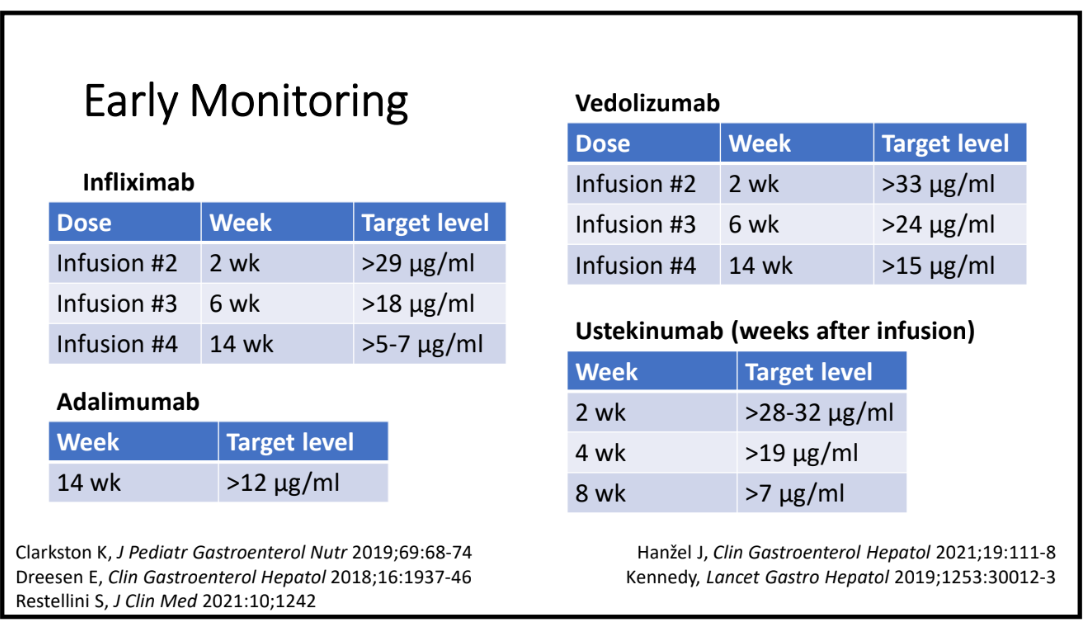
S Hirsch, T Solari, R Rosen. JPGN 2022; 74: 419-423. Effect of Added Free Water to Enteral Tube Feeds in Children Receiving Commercial Blends

This retrospective study (n=45) shows that supplemental water added to blenderized tube feeds may have detrimental effects.

Key finding:

  • Patients receiving <20% thin liquids were less likely to undergo chest X-rays during follow-up than patients receiving larger amounts of thin liquids (10% in the minimal thin group versus 48% in the greater thin group, P = 0.03)
  • This relationship remained significant after controlling for underlying pulmonary disease, aspiration, method of feed administration (bolus or continuous feeds), fundoplication status, and oral intake status. CXRs likely indicate concern for pulmonary outcomes related to feedings.
From JPGN twitter feed

My take: Many thick formulas may be difficult to administer via GT. However, using too much water may hinder the benefits of a blenderized diet. Larger prospective studies are needed to determine optimal viscosity diets in these vulnerable populations.

The Boston group has several related articles (Thanks to Alison Miller for sharing these articles):

B Hron et al. J Pediatr 2019;211:139-45. Health Outcomes and Quality of Life Indices of Children Receiving Blenderized Feeds via Enteral Tube

  • Blenderized diets were associated with decreased healthcare use, improved symptom scores, and increased patient satisfaction compared with conventional formulas.

B Hron, R Rosen. JPGN 2020; 70: e124–e128. Viscosity of Commercial Food-based Formulas and Home-prepared Blenderized Feeds

  • This article shows that adding 90 mL of water can reduce viscosity of blenderized formula from >6000 cP to ~1000 cP. The authors suggest that those patients with significant reflux may benefit from higher viscosity formulas: “Low viscosity formulas such as Kate Farms and Compleat may not be ideal for patients fed via gastrostomy with significant reflux, in whom extremely thick or possibly moderately thick liquids may have a beneficial impact.”
  • Commercial food-based formulas vary even more widely, with some meeting
    criteria for thin liquids (Kate Farms Pediatric 1.2 and Compleat Pediatric), slightly thick (Harvest), mildly thick (Nourish), moderately thick (Compleat Organic Blends, Liquid Hope), and extremely thick (Real Food Blends).

Specific viscosity (cP) listed in Table 1 of this article:

  • Pediasure 1.0 19
  • Kate Farms Pediatric 1.2 104
  • Pediasure 1.0 with 1 tsp/oz rice 438
  • Nourish 1363
  • Harvest 1774
  • Liquid Hope 2202
  • Compleat Organic blends (chicken) 4864
  • Real food blends (Quinoa, Kale, Hemp) 6331

What is An Emulsifier and Are They Safe in Our Diets?

Two recent articles examine emulsifiers and their potential impact on the GI tract and beyond.

Levine et al provide a good overview of the topic of emulsifiers. Key points:

  • Emulsifiers allow “the mixing of water and and water-soluble agents with fats and fat-soluble agents that is they possess both hydrophilic and lipophilic properties”
  • The FDA “has been responsible for approving the use of all direct food additives” (n=~3000) and “for regulatory purposes, [the FDA excluded] some substances that were generally regarded as safe (GRAS) (n=~450)…Precisely how some emulsifiers gained GRAS status is unclear.
  • “Lecithin” is derived from the Greek name for egg yolk (lekithos). “Over the years the use of the term “lecithin” has been taken to include various mixtures of different phospholipids” (not just phosphatidylcholine).
  • Lecithin can provide the substrate “for the production of trimethylamine N-oxide (TMAO)…linked to cardiac events and cardiovascular inflammation.”
  • “The list of emulsifiers that are widely used, but not considered GRAS, most notably include polysorbate 80 (p80), carboxymethylcellulose (CMC) and carrageenan…these emulsifiers have been linked to the disruption of the microbiota and gut mucosal lining…In addition, low-grade inflammation [has been] associated with consumption of emulsifying agents such as CMC and p80” [in mouse models].
  • The International Organization for the Study of Inflammatory Bowel Disease (IOIBD) has recommended that IBD patients “limit consumption of certain commonly encountered synthetic emulsifiers, specifically carboxymethylcellulose (E466/cellulose gum) and polysorbate 80 (E433) [which] are present in many processed foods, such as ice cream. The group also recommends a decrease in foods containing carrageenan”

In the second study by Chassaing et al with 16 healthy adults, the authors studied the effects of CMC in those with an emulsifier-free diet (n=9) or an identical diet enriched with CMC (n=7).

Key findings:

  • Relative to control subjects, CMC consumption modestly increased postprandial abdominal discomfort and perturbed gut microbiota composition in a way that reduced its diversity
  • CMC-fed subjects exhibited changes in the fecal metabolome, particularly reductions in short-chain fatty acids and free amino acids
  • 2 subjects consuming CMC who exhibited increased microbiota encroachment into the normally sterile inner mucus layer, a central feature of gut inflammation, as well as stark alterations in microbiota composition

My take: The dramatic increase in the prevalence of IBD over the past 50 years indicates a strong influence of environment factors, particularly diet. Determining which of these factors are most important will be challenging. These articles indicate that some emulsifiers could be contributing to GI tract inflammation and non-GI tract inflammation as well.

The challenges with identifying dietary factors relate to difficulties with using randomized controlled trials (especially eliminating delicious foods) to assess the impact over a long period of follow-up.

Related blog posts:

PEnQuIN and Improving the Quality of Pediatric Endoscopy

Several articles in a recent JPGN supplement issue describe the efforts to develop quality standards and indicators for pediatric endoscopy. All of these articles are open access.

The overview article (CM Walsh et al. JPGN 2022;74: S3–S15) is the most important: Open Access: Overview of the Pediatric Endoscopy Quality Improvement Network Quality Standards and Indicators for Pediatric Endoscopy: A Joint NASPGHAN/ESPGHAN Guideline

The reporting article (CM Walsh et al. JPGN 2022;74: S53–S62) lays out the details that should be included in an endoscopy procedure note: open access PDF: Pediatric Endoscopy Quality Improvement Network Pediatric Endoscopy Reporting Elements: A Joint NASPGHAN/ESPGHAN Guideline

The other articles:

JR Lightdale et al. JPGN 2022;74: S16–S29 Open Access: Pediatric Endoscopy Quality Improvement Network Quality Standards and Indicators for Pediatric Endoscopy Facilities: A Joint NASPGHAN/ESPGHAN Guideline

JR Lightdale et al. JPGN 2022;74: S30-S43 Open Access: Pediatric Endoscopy Quality Improvement Network Quality Standards and Indicators for Pediatric Endoscopic Procedures: A Joint NASPGHAN/ESPGHAN Guideline

CM Walsh et al. JPGN 2022;74: S44–S52. Open Access: Pediatric Endoscopy Quality Improvement Network Quality Standards and Indicators for Pediatric Endoscopists and Endoscopists in Training: A Joint NASPGHAN/ESPGHAN Guideline

My view: These detailed articles provide a good framework for improving pediatric endoscopy. After assuring that the facility and personnel are high quality, the pediatric endoscopist has the important responsibility of providing a high quality endoscopy. We need to strive to provide the best care for every single child entrusted in our care. In my view, the most important step is having an appropriate indication and despite guidelines, this remains highly subjective.

Related blog posts: