“A Practical Guide to Diet and IBD” (2025)

EJ Figueroa et al. Am J Gastroenterol 2025;120:1941–1945. A Practical Guide to Diet and IBD

Background: “A growing body of evidence suggests that dietary intake may play a role in the pathogenesis and perpetuation of IBD-associated inflammation. Human and animal-based studies have identified various dietary components, such as meat and artificial
food additives, associated with intestinal inflammation.”

“Despite the interest of patients in dietary therapy, robust data surrounding the potential harms and benefits are limited (1). Patients often attribute symptoms of IBD to their dietary intake and will avoid foods they perceive as triggers. Overly restrictive diets can lead to decreased food-related quality of life, malnutrition, or micronutrient deficiencies.”

Key points:

  • “For patients seeking general guidance, we recommend avoiding ultra-processed foods, artificial thickeners, and sweeteners and trying to adhere to a predominantly plant-based diet focusing on fruits and vegetables, with moderate amounts of lean proteins, and for patients with UC, reduced amounts of red meat.”
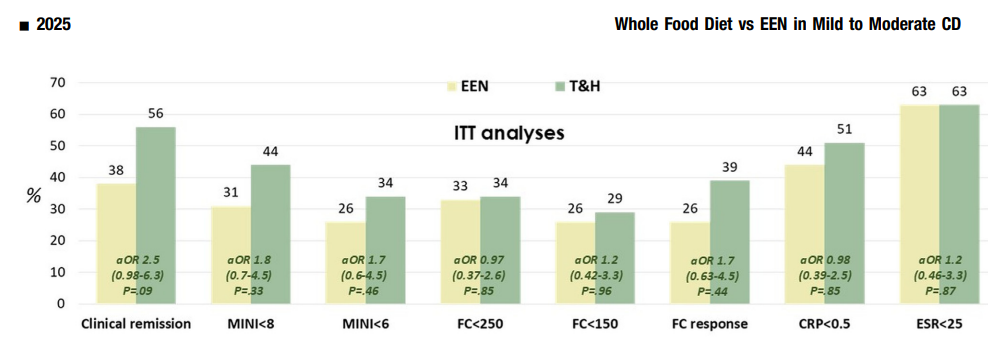
  • For Crohn’s disease: “the highest quality evidence supporting dietary management of IBD is for EEN and PEN in mild-to-moderate CD.”
  • “For patients seeking specific guidance, …there is good evidence for the use of EEN and
    PEN with CDED for induction of remission in Crohn’s disease…short-duration use of EEN/PEN can be offered to patients with medically refractory disease who require a bridge to their next advanced therapy.”
  • For Crohn’s disease: “Dietary strategies using whole food alone can improve gastrointestinal symptoms but have not definitively demonstrated successful control of inflammation. Their use is generally recommended for patients with mild-to-moderate symptoms.”
  • For Ulcerative Colitis: “There remains insufficient evidence to support the use of dietary approaches in the management of UC, but some evidence suggests a diet high in fiber and low in fat may be of benefit.”

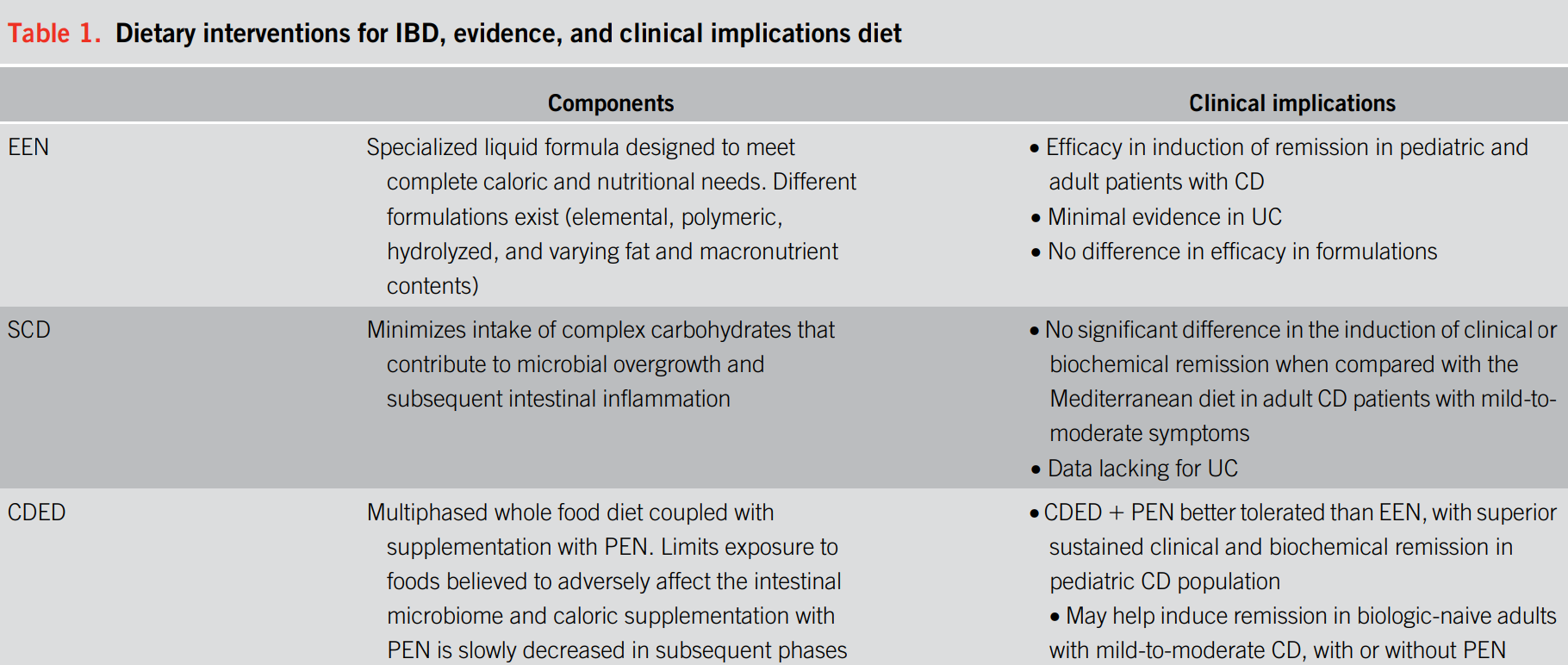
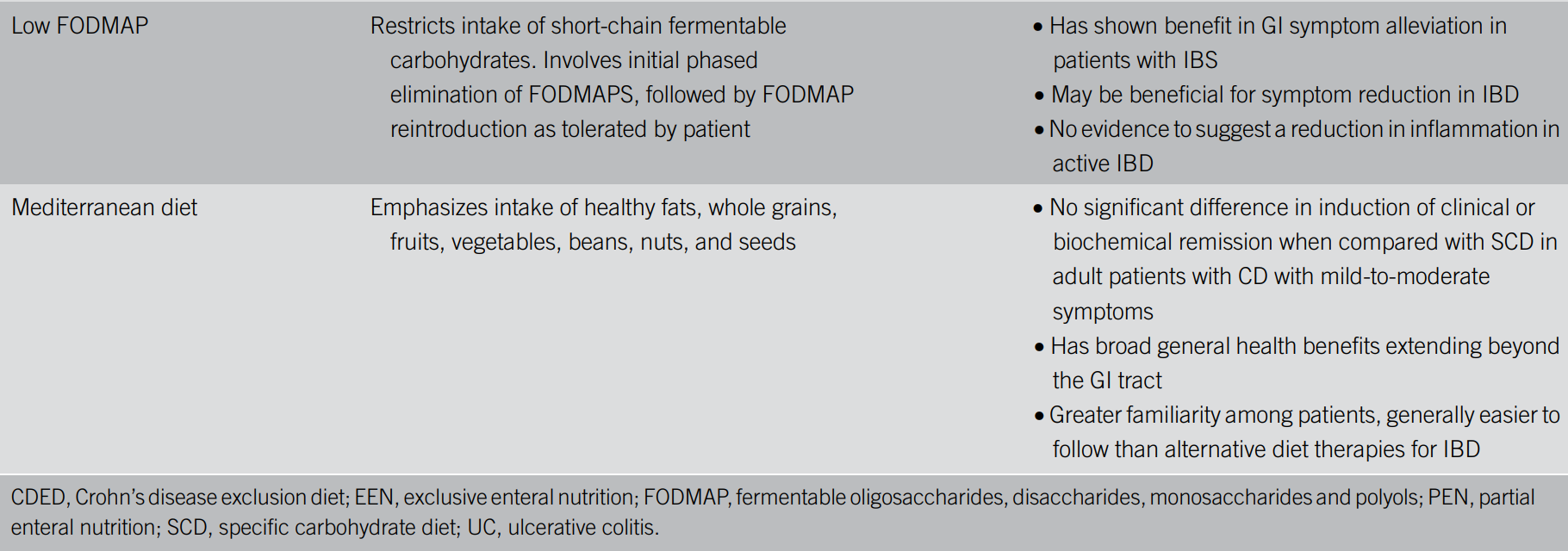
Table 1 provides a good summary:

Other points:

Formula for EEN: “A Cochrane meta-analysis found no difference in efficacy between polymeric or elemental EEN formulations…Because of lower cost and better palatability, polymeric formulas are most often used in clinical practice.”

SCD Diet vs Mediterranean:”Iin a randomized superiority trial that compared 6 weeks of the SCD with a Mediterranean diet in adults with Crohn’s disease with mild-to-moderate symptoms, the SCD was not found to be superior to the Mediterranean diet (14). After 6 weeks of therapy, less than half the participants (46.5% on SCD and 43.5% on the
Mediterranean diet) were in clinical remission, and neither diet resulted in normalization of C-reactive protein concentration for most patients.”

My take: This article provides a good summary of the current evidence supporting the role of dietary treatment for IBD. In patients interested in specific diets, the assistance of a nutritionist/dietician is very important.

Related blog posts:

Pediatric Guidelines for Ulcerative Colitis (Part 2: Acute Severe Colitis)

With regard to yesterday’s post (Pediatric Guidelines for Ulcerative Colitis (Part 1)), the use of combination therapy with thiopurines is frequently avoided in the pediatric population in the U.S. due to safety concerns (eg. low risk of lymphoma). Anti-TNF monotherapy with pTDM appears to be a more common practice in the U.S. (Related blog post: Can Therapeutic Drug Monitoring with Monotherapy Achieve Similar Results to Combination IBD Therapy?). These pediatric guidelines with regard to combination therapy are similar to recent ACG guidelines for adults (D Rubin et al. The American Journal of Gastroenterology 120(6):p 1187-1224, June 2025. Open Access! ACG Clinical Guideline Update: Ulcerative Colitis in Adults).

————

A Assa et al. JPGN 2025; 81:816–85. Open Access! Management of paediatric ulcerative colitis, part 2: Acute severe colitis—An updated evidence-based consensus guideline from the European Society of Paediatric Gastroenterology, Hepatology and Nutrition and the European Crohn’s and Colitis Organization

Comprehensive review (69 pages!) of all the topics related to acute severe colitis are covered. Topics include associated enteric infections (C diff, CMV), toxic megacolon, antibiotics, pain management, VTE, surgery, and pouchitis.

Some of the recommendations:

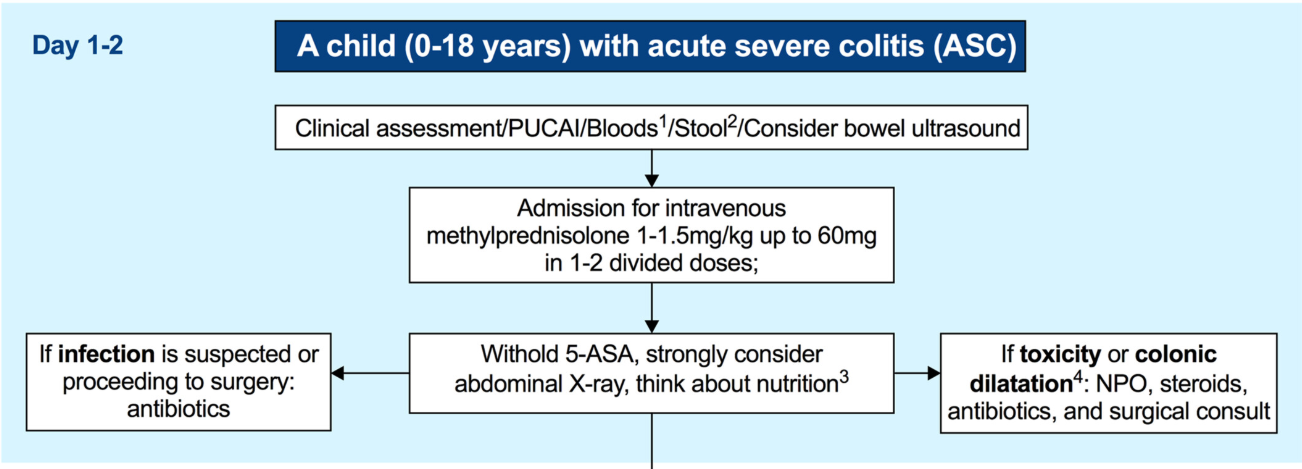
  • All mesalamine preparations (oral and rectal) should be discontinued upon admission to exclude mesalamine intolerance, especially when mesalamine has been commenced during the preceding few weeks; (re-) introduction should be considered after significant improvement in the clinical condition [EL5, adults EL5] (*100% agreement).
  • Regular diet should be continued in most ASC cases [not in toxic megacolon]. Enteral nutrition may be used if oral feeding is not tolerated or in malnourished children [EL4, adults EL1] (*100% agreement).
  • Pharmacological thromboprophylaxis for reducing the risk of VTE should be considered in all inpatient children with ASC (Figure 1) [EL5, adults EL2] (*100% agreement).
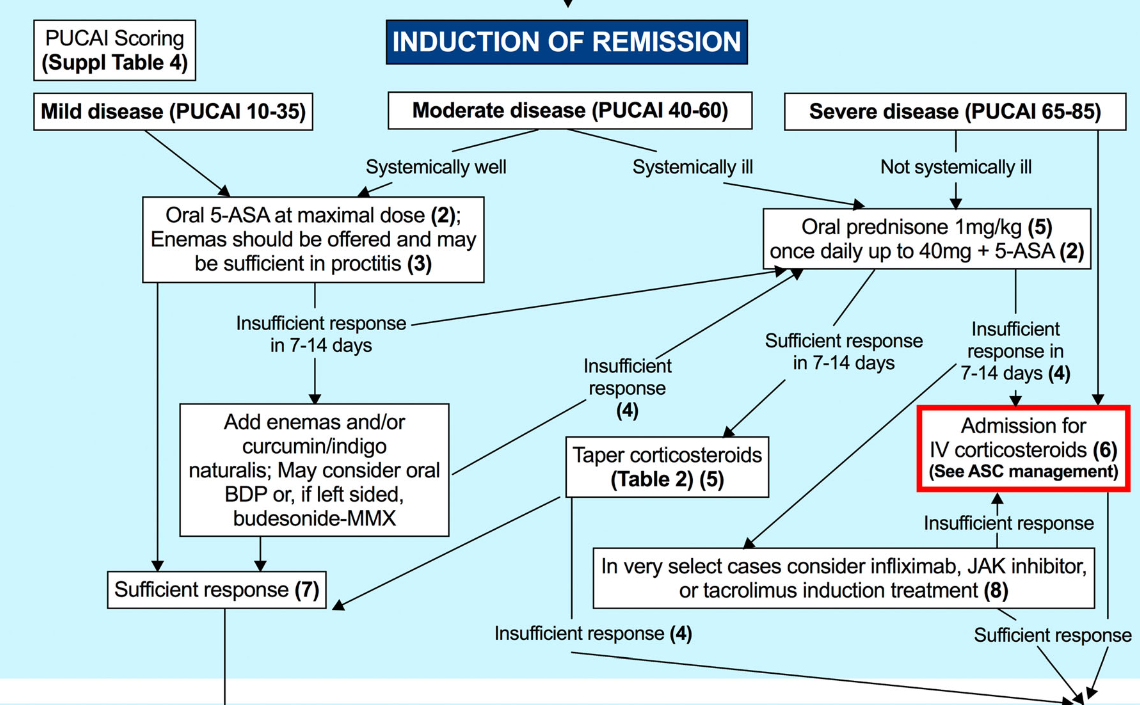
  • Intravenous methylprednisolone 1 mg/kg/day (up to 40 mg/day) once daily is the first-line treatment in ASC and should be promptly started [EL2, adults EL1]. A higher dose of 1.5 mg/kg/day (up to 60 mg/day) can be used at the clinician’s discretion (e.g., in patients on oral corticosteroids at admission and/or with a more severe spectrum of ASC) [EL4, adults EL4] (*100% agreement).
  • Intravenous methylprednisolone should not be extended beyond 7–10 days of total course, since it carries no additional benefit and increases toxicity. In corticosteroid-refractory patients in whom second-line therapy is initiated, there is no need for corticosteroid tapering if corticosteroids are given as an isolated short course (up to 10 days) (*100% agreement).
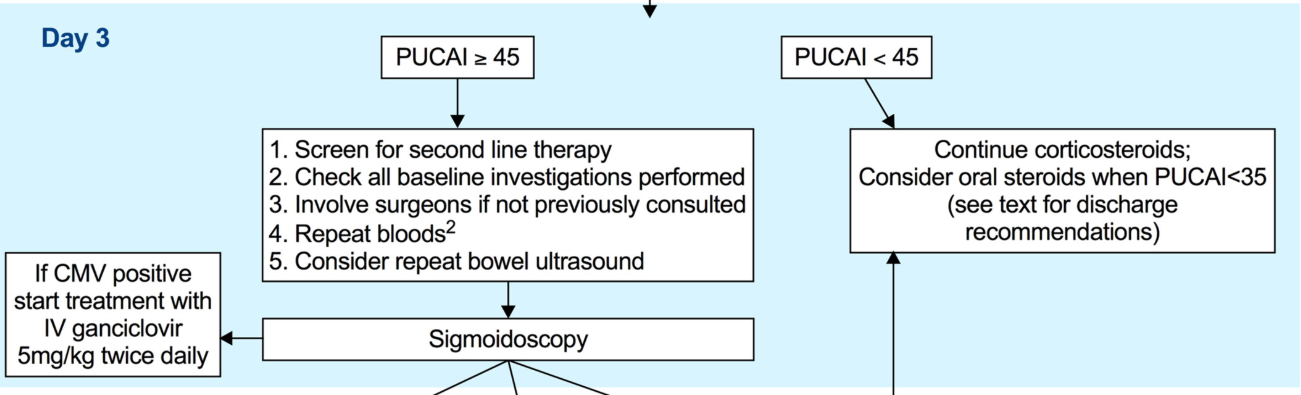
  • A PUCAI > 45 on the 3rd day of IVCS treatment should dictate planning for second-line therapy between Days 3–5 [EL2, adults EL2] (*100% agreement).
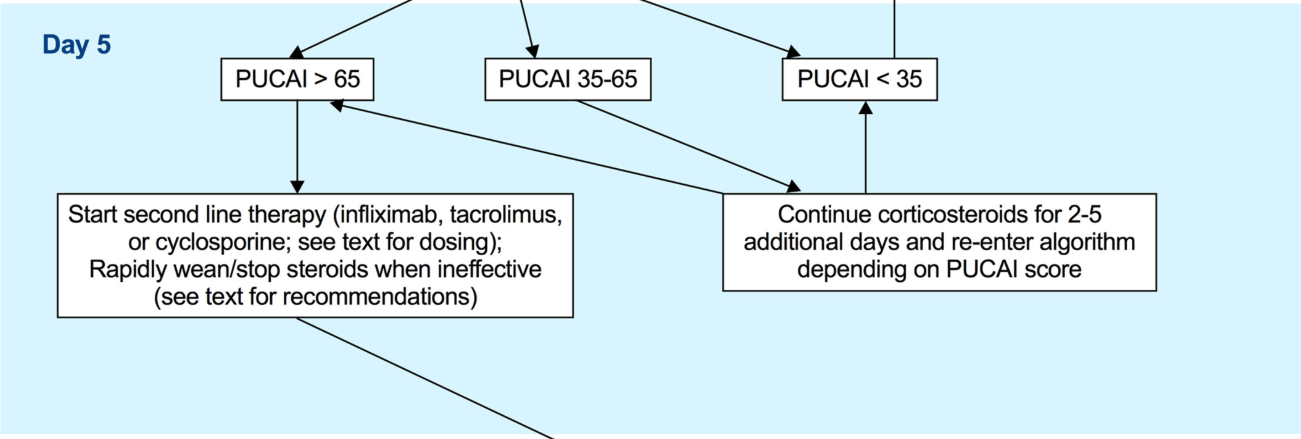
  • Second-line therapy should be initiated on the 5th day of IVCS treatment in children with a PUCAI ≥ 65 [EL2, adults EL2] (*100% agreement).
  • Infliximab is recommended as the preferred second-line medical therapy for anti-TNF naive children failing IVCS [EL3, adults EL1] (*100% agreement).
  • To reduce unnecessary immunosuppression, corticosteroids (when ineffective) should be rapidly weaned following introduction of second-line therapy or decision to proceed to colectomy (stopped if in use ≤10 days and reduced to prednisone ≤0.2 mg/kg or equivalent to 10 mg adult dose with gradual tapering thereafter if >10 days) [EL5, adults EL5] (*100% agreement).
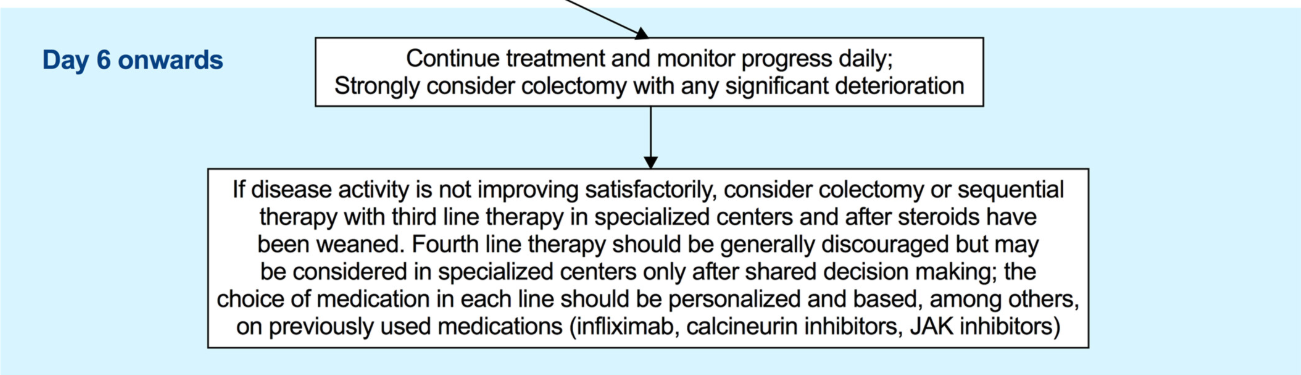
  • Third-line sequential rescue therapies (CNIs after infliximab, infliximab after CNI or a JAK inhibitor after either) may be considered in stable patients, in specialised centres and in those whose corticosteroids were weaned off or nearly weaned off as stated above [EL5, adults EL2] (*100% agreement).

Related blog posts:

Disclaimer: This blog, gutsandgrowth, assumes no responsibility for any use or operation of any method, product, instruction, concept or idea contained in the material herein or for any injury or damage to persons or property (whether products liability, negligence or otherwise) resulting from such use or operation. These blog posts are for educational purposes only. Specific dosing of medications (along with potential adverse effects) should be confirmed by prescribing physician.  Because of rapid advances in the medical sciences, the gutsandgrowth blog cautions that independent verification should be made of diagnosis and drug dosages. The reader is solely responsible for the conduct of any suggested test or procedure.  This content is not a substitute for medical advice, diagnosis or treatment provided by a qualified healthcare provider. Always seek the advice of your physician or other qualified health provider with any questions you may have regarding a condition.

Pediatric Guidelines for Ulcerative Colitis (Part 1)

E Wine et al. JPGN 2025;81:765–815. Open Access! Management of paediatric ulcerative colitis, part 1: Ambulatory care—An updated evidence-based consensus guideline from the European Society of Paediatric Gastroenterology, Hepatology and Nutrition and the European Crohn’s and Colitis Organisation

This is the first of two highly-detailed papers. (This is a 50 page report.) it has extensive/comprehensive recommendations and information on all aspects of UC management, except acute severe colitis which is covered tomorrow.

Here are some of the recommendations:

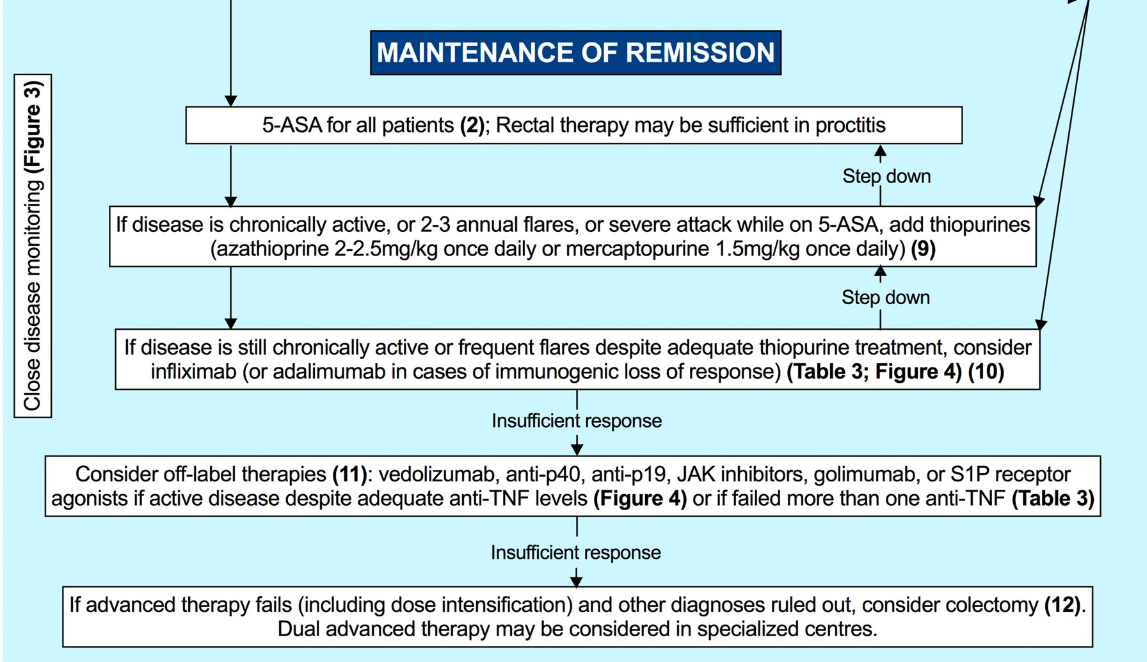
  • Thiopurines are recommended for maintaining remission in children who, despite optimal 5-ASA treatment, are corticosteroid-dependent or have frequent relapses (≥2 relapses per year) or in 5-ASA-intolerant patients; thiopurines should be considered following discharge from ASC episodes (EL4, adults EL3) (Agreement 100%).
  • Infliximab should be considered, preferably in combination with an IMM, as the first-line biologic agent in chronically active or corticosteroid-dependent UC, uncontrolled by 5-ASA, and in most cases also thiopurines, for both induction and maintenance of remission [EL1, adults EL1] (Agreement 96%).

It is worth noting that anti-TNF monotherapy with pTDM is common practice in the U.S. due to concerns about the safety of combined therapy with a thiopurine (Related blog post: Can Therapeutic Drug Monitoring with Monotherapy Achieve Similar Results to Combination IBD Therapy?). These pediatric guidelines with regard to combination therapy are similar to recent ACG guidelines for adults (D Rubin et al. The American Journal of Gastroenterology 120(6):p 1187-1224, June 2025. Open Access! ACG Clinical Guideline Update: Ulcerative Colitis in Adults).

  • Infliximab is recommended to be used preferably in combination with an IMM (with the most evidence in UC being for thiopurines) to reduce the likelihood of developing antibodies to infliximab (ATIs) and in thiopurine-naïve patients, to enhance effectiveness. Methotrexate may also be used to mitigate ATIs. For immunogenicity prevention, lower doses of azathioprine (1–1.5 mg/kg) may be used. Data on methotrexate dose in this setting are scarce, but low total doses of 7.5–12.5 mg weekly are reported. Proactive TDM is recommended, particularly when infliximab is prescribed as monotherapy (Agreement 96%).
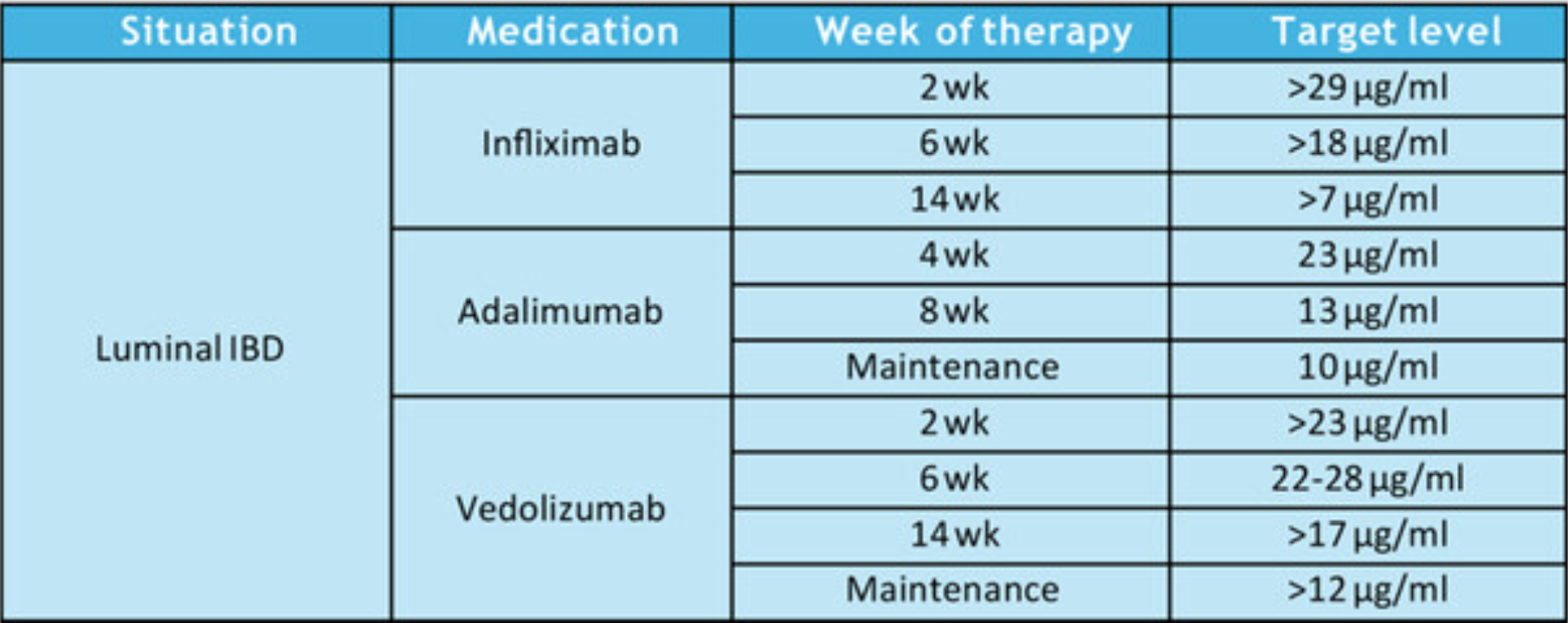
  • In most cases, higher doses of infliximab (e.g., 10 mg/kg/dose at Weeks 0, 2 and 6, followed by 10 mg/kg every 4–8 weeks for maintenance) are required to provide the best chance of reaching the desired clinical and endoscopic outcome. The dose can be subsequently reduced, guided by TDM. Lower dosing (5 mg/kg) can be used in less severe cases. In cases in which IV infliximab treatment is switched to subcutaneous injections, the recommended dosing schedule (established only for >40 kg) is 120 mg every 2 weeks. See Table 2 for dosing details (Agreement 100%).
  • Proactive TDM is recommended for both infliximab and adalimumab, particularly at the end of induction (before the 4th infliximab infusion and after 3 adalimumab injections) [EL4] (Agreement 100%).

Cancer Surveillance:

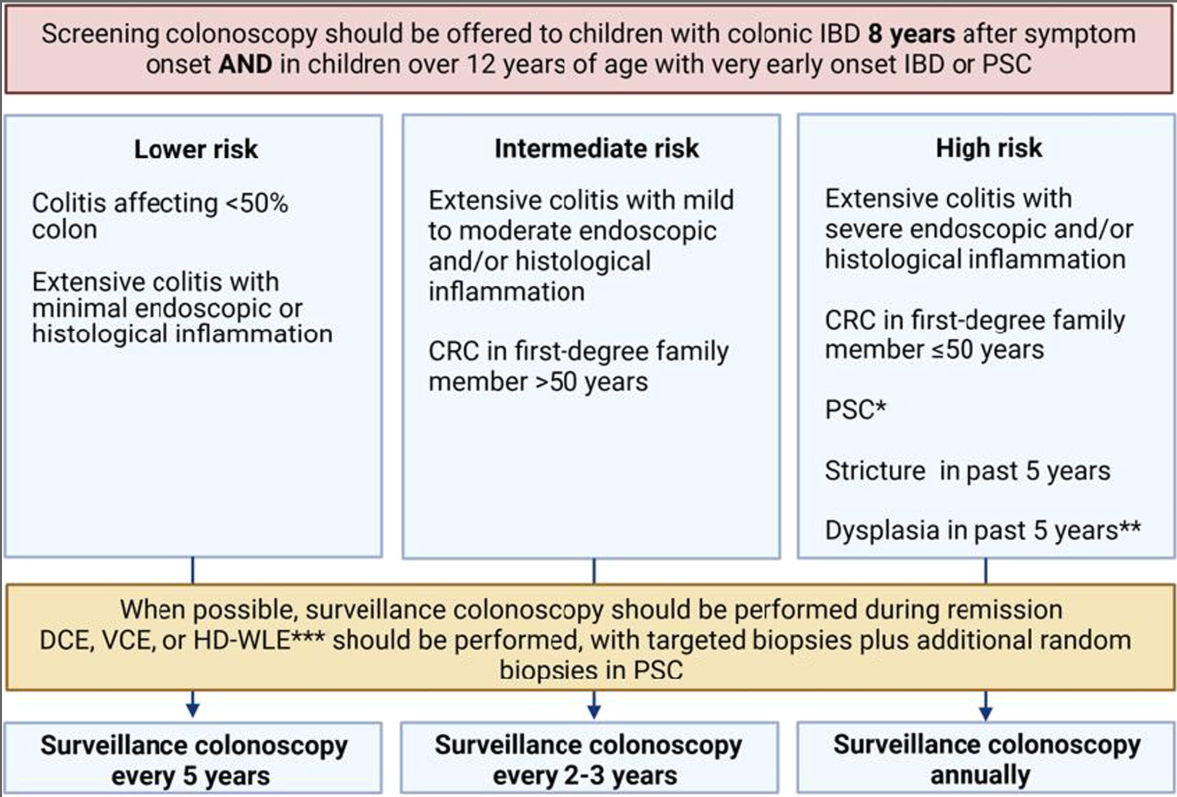
  • 1. Children with UC aged 12 years and over with a disease duration of greater than 8 years should be considered for surveillance for CRC and dysplasia [EL4, Adults EL1] (Agreement 96%).
  • 2. Children with UC and PSC should be considered for surveillance for CRC and dysplasia starting at age 12, regardless of disease duration [EL4, Adults EL3] (Agreement 100%).

My take: The referenced paper in today’s post and tomorrow’s are essentially updated published book chapters with specific management recommendations. There are likely some practice variations but overall the recommendations will help garner support for current practices like optimizing infliximab dosing and using proactive TDM.

Related blog posts:

Disclaimer: This blog, gutsandgrowth, assumes no responsibility for any use or operation of any method, product, instruction, concept or idea contained in the material herein or for any injury or damage to persons or property (whether products liability, negligence or otherwise) resulting from such use or operation. These blog posts are for educational purposes only. Specific dosing of medications (along with potential adverse effects) should be confirmed by prescribing physician.  Because of rapid advances in the medical sciences, the gutsandgrowth blog cautions that independent verification should be made of diagnosis and drug dosages. The reader is solely responsible for the conduct of any suggested test or procedure.  This content is not a substitute for medical advice, diagnosis or treatment provided by a qualified healthcare provider. Always seek the advice of your physician or other qualified health provider with any questions you may have regarding a condition

Trisomy 21 and Associated Biliary Anomalies

M Joseph et al. JPGN 2025;81:743–747. Duct tales: Biliary anomalies found at endoscopic retrograde cholangiopancreatography in trisomy 21 pediatric patients

Methods: A single-center, retrospective chart review was conducted to identify pediatric patients (n=12) with T21 who underwent ERCP.

Patient characteristics:

  • Six patients (50%) had a history of duodenal atresia with subsequent surgical repair during the neonatal period
  • Four patients (33.3%) had chronic or acute recurrent pancreatitis, and two patients (16.7%) had biliary pancreatitis
  • Five patients (41.7%) had a biliary stricture that required stenting
  • Choledocholithiasis was present in 7 of the 12 patients (58.3%)

Key findings:

  • Eight patients (66.7%) were found to have an abnormal location of the major papilla. This included three patients’ papillae which were in the blind duodenal pouch created after duodenal atresia surgery (Figure 1B) and two patients had their papilla in the proximal duodenum/bulb (Figure 1D)
  • Two patients (16.7%) had unsuccessful ERCP either due to difficult cannulation or inability to find the major papilla
Figure 1: Biliary anatomic variations in Trisomy 21. Shown are drawings that represent variations of the location of the major papilla.(A) Normal; (B) normal location but with a long common channel; (C) pylorus; (D) postsurgical pre‐anastomotic location; and (E) postanastomotic location with choledochal cyst. Illustrations by Dr. Robert E. Kramer.

My take: In patients with trisomy 21, ERCP may be quite challenging due to anatomic variations and stricturing. In some patients in this cohort, a front-viewing scope was helpful.

Fidaxomicin Treatment of Clostridioides difficile in Children and Adolescents

MA Conrad et al. The Journal of Pediatrics, Volume 285, 114681. Open Access! Fidaxomicin Treatment of Clostridioides difficile Infections and Recurrences in Children and Adolescents: A Retrospective Multicenter Study

Methods: This was a  a multicenter, retrospective, observational study of fidaxomicin treatment for primary or recurrent CDI in children ages 12 months to 18 years old identified from 2013 to 2021 at 5 centers. Inclusion criteria were active CDI, defined as ≥3 watery stools in 24 hours and a positive laboratory test (toxin enzyme immunoassay positivity and/or polymerase chain reaction [PCR] positivity). Cure was defined as resolution of symptoms.

Patient characteristics:

  • Of the 95 patients included in this study, 84 (88%) were treated with fidaxomicin for a recurrent CDI, and 82 (86%) had at least one medical or surgical comorbidity.  
  • 38 (40%) patients had 4 or more CDI prior to fidaxomicin.
  • 22 (23%) had prior FMT.
  • 29 (31%) had IBD

Key findings:

  • By day 14 (end of treatment): 50 patients (52.6%) had a clinical cure and an additional 29 (30.5%) had improvement of symptoms. Thus, 17% did not respond to treatment.
  • Among 79 patients who responded to fidaxomicin treatment, 17 (21.5%) had a clinical and microbiologically confirmed recurrence of CDI by day 60, likely representing relapse.
  • Patients with inflammatory bowel disease were less likely to achieve clinical cure at day 14 (OR 0.27). 9 of 29 were considered treatment failures.
  • If the patient’s with IBD are excluded (n=66), there were only 7 (11%) treatment failures

Discussion points:

  • “Our clinical experience is that approval for coverage by insurers often is restricted to those with recurrent CDI, and the cost of fidaxomicin may limit availability for use as primary therapy.”
  • “CDI in IBD is a major clinical conundrum as the symptoms of the 2 disorders can overlap, and a positive C. difficile test is not always indicative of its active pathologic role…Therefore, patients who undergo treatment for CDI without response likely have an alternative cause of symptoms…. Current guidelines recommend reassessing symptoms in patients
    with IBD being treated for CDI at day 3 or 4 of the treatment course in order to consider escalation of IBD therapy in those who are not responding clinically to antimicrobial therapy.”

My take (borrowed from the authors): “More extensive studies are necessary to understand how to position fidaxomicin in the treatment algorithm for pediatric CDI.”

Related blog posts:

Chicago Botanic Garden (n Glencoe, IL)

When Celiac Disease Symptoms Continue Despite a Gluten Free Diet

A Kruegger et al. JPGN 2025; 81:596–605. Open Access! The prevalence and predictive factors of overlapping disorders of gut–brain interaction and celiac disease in children

Methods: Single-center, retrospective study of children (4–21 years old, n=191) with biopsy-proven Celiac disease (CeD) who were evaluated for DGBI based on Rome IV criteria. Patients who were adherent to a GFD, demonstrated tissue transglutaminase immunoglobulin A (TTG IgA) decline, and had at least one visit 9–24-months after diagnosis with a pediatric gastroenterologist. For this study, sustained TTG IgA decline required at least two declining TTG IgA values, a 90% decline from baseline, or normalization of TTG IgA.

Key findings:

  • 43% (n = 83) met Rome IV DGBI diagnostic criteria.
  • Functional constipation (27/83, 33%) and functional abdominal pain (24/83, 29%) were the most common DGBI
  • Abdominal pain, constipation, and vomiting at initial presentation as well as comorbid joint hypermobility, headaches, and chronic musculoskeletal pain increased risk of developing DGBI after serological decline

Discussion Points:

  • “The prevalence reported here is similar to a study of adults with CeD who were adherent to a GFD that reported over 50% met criteria for a functional gastrointestinal disorder19 and is higher than previously reported pediatric prevalence rates”
  • “The majority of patients who met DGBI criteria did so through having the persistence of the same gastrointestinal symptoms that were present at CeD diagnosis. This raises the question as to whether the symptoms at presentation were due to CeD, DGBI, or both”
  • “Clinicians could consider discussing that while symptoms related to CeD should improve on a GFD, some symptoms may persist, especially if they have an increased likelihood of having a comorbid DGBI. Such counseling may prevent the misattribution of persistent symptoms to ongoing gluten exposure and mitigate hypervigilance”
  • “Having complete villous blunting on diagnostic biopsy increased the likelihood of having a DGBI. Intuitively, it is possible that complete villous blunting can lead to greater nerve sensitization and subsequently higher rates of DGBI. It is also possible that complete villous blunting is slower to recover”

My take: Given the overlap of DGBI symptoms with CeD, diagnosing DGBI in patients with CeD can be challenging. However, DGBI is much more likely to contribute to lingering symptoms than refractory CeD.

As a practical matter, the high frequency of ongoing GI symptoms despite use of a GFD provides another drawback to relying on a no-biopsy diagnosis. A no-biopsy diagnosis introduces greater uncertainty in the diagnosis and does not allow for a histologic comparison if a subsequent evaluation is needed.

Related blog posts:

Claude Monet, Bridge over a Pond of Water Lilies at The Metropolitan Museum of Art

How Often Esophageal Coins Pass Into the Stomach

P Quitadomo et al. Am J Gastroenterol 2025; 120: 1388-1390. “Insert-Coin”: A Prospective Study of Coin Ingestion in Children of Southern Italy

Thanks to Ben Gold for this reference.

This prospective study from Naples, Italy examined children 0-14 yrs of age with a coin ingestion (n=807). Children with coins in the proximal esophagus underwent endoscopic removal within 4 hours whereas those with middle to lower esophageal coins had re-evaluation after 12 hours before removal.

Key findings:

  • 52 of 807 (6.4%) had a coin retained in the esophagus, the remainder were in the stomach or beyond
  • 20 of 52 (38%) were located in the middle to lower esophagus (10 in each)
  • 13 of 20 (65%) coins in the middle to lower esophagus had spontaneous gastric passage
  • The mean age of patients with gastric passage (72 months) was higher than those without passage (48 months)

My take: Only 6% of patients in this study who had a coin ingestion had esophageal retention of the coin. In addition, one-fourth of those with esophageal coins had spontaneous passage into the stomach. This occurred only with the mid-distal esophageal coins; in this subset it occurred in 65%. Thus, in those with mid-distal esophageal coins, watchful waiting for ~12 hrs may be beneficial for patients. The ultimate primary prevention of this problem may occur with more widespread adoption of electronic payments.

Related blog posts:

Agnes Northrup of Louis Tiffany Studio,
Tiffany Garden Landscape Window (1912)
at The Metropolitan Museum of Art
Agnes Northrup of Louis Tiffany Studio,
Autumn Landscape  (1923) at The Metropolitan Museum of Art

The Best Way to Judge Pediatric Poo

J Orozco et al. Am J Gastroenterol 2025; 120: 1381-1387. Comparison of the Bristol Stool Scale and Modified Version for Children: Use by Providers vs Children

Thanks to Ben Gold for this reference.

Background: The modified Bristol Stool Form Scale for Children (mBSFS-C) removes #3 and #5 from the Bristol Stool Form Scale (BSFS), leaving only one normal image and shortening the options from seven to five.

Methods: Pediatric gastroenterology providers  (21 faculty, 11 fellows, 3 nurse practitioners)  and 200 children/families rated the same 35 stool photographs, reflecting diverse stool forms, using both scales. The order of photograph presentation and scale use were randomized.

Modified Bristol Stool Scale
Bristol Stool Chart

Key findings:

  •  Of 1,225 provider ratings using the mBSFS-C, 90.0% agreed with the provider’s modal ratings vs 77.8% using the BSFS.
  • Of 7,000 child ratings using the mBSFS-C, 84.6% agreed with the children’s modal ratings vs 71.8% using the BSFS.
  • Using providers’ modal ratings as the reference, all mBSFS-C photograph modal ratings matched between children and providers (35/35 photographs) whereas only 86% (30/35 photographs) matched with the BSFS.

Discussion:

  • “Unique and new in this study is the direct head-to-head comparison of the 2 scales (BSFS, mBSFS-C) when used by pediatric gastroenterology providers and children. Both the BSFS and mBSFS-C demonstrated excellent reliability…modal rating agreement was significantly poorer for the BSFS than for the mBSFS-C.”
  • “Almost 20% of the time expert raters using the BSFS (vs. 8% with the mBSFS-C) deemed a stool to be a different clinical delineation than that selected by the majority of their peers.”

Related editorial: Peter Lu, The American Journal of Gastroenterology 120(6):p 1267, June 2025. Is It Time to Scale Down the Bristol?

My take: The modified BSFS is easier and better. This study indicates it should be widely used for children but probably for adults too. As Dr. Lu’s editorial notes, “aren’t adults just big children?”

Related blog posts:

New Data on the Reliability of the No-Biopsy Diagnosis in Pediatric Celiac Disease

Chang D, Wong M, Camila Cardenas M, et al. Pediatrics. 2025;156(3):e2025070897. Positive Predictive Value of Tissue Transglutaminase IgA for Celiac Disease.

Background:For a no-biopsy celiac diagnosis, “the [ESPGHAN] criteria were revised in 2020, to specify that only a highly positive tTG IgA greater than or equal to 10× ULN and a positive EMA on a second blood sample are sufficient to diagnose celiac disease, obviating the need for HLA testing or symptoms.” NASPGHAN “has yet to adopt similar serologic criteria for diagnosing celiac disease. A clinical report in 2016 continued to recommend a confirmatory biopsy in all suspected cases of celiac disease. This recommendation cited concerns of interassay variability.”

Methods: This was a retrospective, multicenter North American cohort study of children (<18 years) with an elevated tTG IgA within 6 months of an esophagogastroduodenoscopy between January 2016 and December 2021. Biopsy-confirmed celiac disease was determined by the presence of intraepithelial lymphocytosis and villous atrophy. The primary outcomes were the PPV of an elevated tTG IgA and tTG IgA greater than or equal to 10 times the upper limit of normal (10× ULN).

The study identified 4019 children with the following characteristics: 63.3% female; 9% type 1 diabetes, and 2% Down syndrome

Key findings:

  • Histologic findings in the entire cohort were consistent with celiac disease for 3321 children (PPV = 82.6%)
  • Among the 1739/4019 (43.2%) children with tTG IgA greater than or equal
    to 10× ULN, 1651 had biopsy-confirmed celiac disease (PPV10× = 94.9%). Five percent (88/1739) of children did not have histologic findings of celiac disease, including 41/1739 (2%) with normal histology
  • EMA only marginally improved specificity as 76% of children without celiac disease and tTG IgA greater than or equal to 10× ULN had a positive EMA, albeit on the same sample. There was variations across providers, practices, and countries, which resulted in EMA not being performed in all cases or tested on the same blood sample as the tTG IgA
  • Assays performed worse in children with type 1 diabetes (PPV10× 89%) than that in those without T1DM (95.7%)
  • Of those with esophageal biopsies, 175/2980 (6%) had at least 15 eos/hpf in at least 1 esophageal biopsy
  • Of those with gastric biopsies, 912/3534 (25.8%) had histologic gastritis, including 1.4% (51/3534) with evidence of Helicobacter infection (n (49 cases of H pylori and 2 cases of H heilmannii)

My take: This study indicates that the no-biopsy diagnostic approach for celiac disease may need to be reconsidered. Though, it is likely that the no-biopsy approach would have had a higher PPV if the guidelines were actually followed (eg. separate EMA confirmatory sample). The values in this study show a much lower PPV than prior studies (96% in those without T1DM). In addition, among the 4% without celiac disease (potential celiac disease), about half of them would likely progress to celiac disease and could potentially benefit from a gluten free diet. Thus, up to 2%of patients, based on this study, would probably be harmed by being placed on a gluten free diet.

Another point to reiterate based on this study, diagnostic confirmation by a specialist prior to dietary changes is recommended. Increasingly, patients are referred after starting a gluten free diet.

Related blog posts:

Brooklyn Botanic Gardens

Pharmacologic Neuromodulation for Bloating Symptoms

Briefy noted: EN Madva et al. Scand J Gastroenterol 2025 Aug 8:1-5. doi: 10.1080/00365521.2025.2544306. Online ahead of print. Pharmacologic neuromodulation for bloating.

This was a small retrospective study of consecutively referred patients with a DGBI (N = 77; ages 18-74, 87% female) to a tertiary neurogastroenterology clinic who were prescribed a neuromodulator for a primary complaint of bloating in 2016-2022.  Duloxetine was the most commonly prescribed neuromodulator (n = 52, 67.5%).

My take: This study shows that neuromodulators are likely beneficial for bloating symptoms. Dr. Garza () previously noted that in patients with bloating “the typical increase in excess gas during bloating symptoms is only 22 mL.” Thus, “A lot of bloating symptoms are due to increased sensitivity and ‘weird gas handling.’ The latter could include compression of diaphragm rather than elevation.”

Related blog posts:

Disclaimer: This blog, gutsandgrowth, assumes no responsibility for any use or operation of any method, product, instruction, concept or idea contained in the material herein or for any injury or damage to persons or property (whether products liability, negligence or otherwise) resulting from such use or operation. These blog posts are for educational purposes only. Specific dosing of medications (along with potential adverse effects) should be confirmed by prescribing physician.  Because of rapid advances in the medical sciences, the gutsandgrowth blog cautions that independent verification should be made of diagnosis and drug dosages. The reader is solely responsible for the conduct of any suggested test or procedure.  This content is not a substitute for medical advice, diagnosis or treatment provided by a qualified healthcare provider. Always seek the advice of your physician or other qualified health provider with any questions you may have regarding a condition.