Consensus Recommendations on Functional Bloating and Distention

C Melchior et al. United European Gastroenterology Journal, 2025; 00:1–39. Open Access! European Consensus on Functional Bloating and Abdominal Distension—An ESNM/UEG Recommendations for Clinical Management

A total of 21 experts (authors of article), recommended by ESNM, The European Association for Gastroenterology, Endoscopy and Nutrition (EAGEN) and The European Society for Primary Care Gastroenterology (ESPCG), from different countries agreed to participate as the International Working Group for the European Consensus on Bloating to vote on the Delphi statements.

This article regarding bloating/distension in adults is summarized in two tables. Table 1 has 75 statements. Table 2 is a summary –here are many of its recommendations:

Patients with functional bloating and abdominal distention should receive a lactose‐limiting diet trial based on their self‐reported symptoms or the presence of intolerance during a breath test after ingestion of a defined lactose load

  • A low FODMAP diet is effective in reducing functional bloating and abdominal distention
  • Rifaximin may be useful for the treatment of functional bloating and abdominal distention with efficacy
  • Among antispasmodic agents, pinaverium and otilonium bromide have been shown to be the most effective drugs for the treatment of functional bloating and abdominal distension
  • Lubiprostone, plecanatide and linaclotide are effective in improving constipation associated with functional bloating and abdominal distension
  • Linaclotide is the most effective secretagogue for functional bloating, although limited data is available for lubiprostone and plecanatide as well
  • Selective serotonin reuptake inhibitors (SSRI’s) are effective in reducing symptoms of functional bloating
  • Tricyclic antidepressants (TCA) such as amitriptyline are effective in reducing symptoms of functional bloating
  • In patients with discrete episodes of visible abdominal distension, biofeedback‐guided techniques to re‐educate abdominothoracic muscular activity are safe and effective for correction of abdominal distention and are associated with improvement in the subjective sensation of abdominal bloating
  • “Hypnotherapy improves symptoms of bloating in patients with IBS. However, its effect on functional bloating and abdominal distension was not explored and cannot be recommended”
  • Figure 1 provides an algorithm. For workup, it suggests checking the following in all patients: TSH, HgbA1c, CBC, CRP, TTG IgA, IgA, Glucose
  • In those with alarm features (eg. anemia, wt loss, suspicion of organic disease), more extensive evaluation is recommended

My take: One of my colleagues would often say that if there are a lot of treatments for a disease it usually indicates that none of them are very good.

Related blog posts:

Bouquet of Flowers, Claude Monet

Disclaimer: This blog, gutsandgrowth, assumes no responsibility for any use or operation of any method, product, instruction, concept or idea contained in the material herein or for any injury or damage to persons or property (whether products liability, negligence or otherwise) resulting from such use or operation. These blog posts are for educational purposes only. Specific dosing of medications (along with potential adverse effects) should be confirmed by prescribing physician.  Because of rapid advances in the medical sciences, the gutsandgrowth blog cautions that independent verification should be made of diagnosis and drug dosages. The reader is solely responsible for the conduct of any suggested test or procedure.  This content is not a substitute for medical advice, diagnosis or treatment provided by a qualified healthcare provider. Always seek the advice of your physician or other qualified health provider with any questions you may have regarding a condition.

New Era in Cholestatic Liver Diseases

H Sutton, RJ Sokol, BM Kamath. Hepatology 2025; 82: 985-995. Open Access! IBAT inhibitors in pediatric cholestatic liver diseases: Transformation on the horizon?

This review article is one of many in the same issue (#4) of Hepatology.

Key points:

  • “In the last few years, a novel class of agents, intestinal bile acid transporter (Ileal bile acid transporter (IBAT); also known as apical sodium-dependent bile acid transporter [ASBT]) inhibitors, has emerged and gained approval from the FDA… the pivotal studies on which these approvals were granted were all performed in rare pediatric cholestatic diseases, namely Alagille syndrome (ALGS) and progressive familial intrahepatic cholestasis (PFIC).3 Additional expansion of these approvals will possibly follow as there are ongoing trials of IBAT inhibitors in primary biliary cirrhosis, primary sclerosing cholangitis, and biliary atresia.”
  • “The role of bile acids in promoting hepatic injury in cholestasis is perhaps best illustrated in human infants with ABCB11 (bile salt export pump; BSEP) disease or PFIC type 2…The response to IBAT inhibition in this disease further supports the notion that retained bile acids are a key factor leading to progressive liver injury and cholestatic symptoms including pruritus, fat-soluble vitamin deficiencies, and growth failure.4
  • These medications may improve liver histology and not just reduce pruritic symptoms: “Using the MDR2−/− mouse cholangiopathy model, Miethke et al22 demonstrated that ASBT inhibition led to a reduction in both serum and intrahepatic bile acid concentrations by 98% and 65%, respectively. These reductions in bile acid concentrations were associated with improved liver biochemistry and a reduction in peri-portal inflammation and fibrosis on histology. The histopathologic improvements seen in these treated MDR2−/− are important to highlight, as they support the rationale of this therapeutic approach: that lowering serum bile acid (sBA) with IBAT inhibition leads to a reduction in intrahepatic bile acid accumulation and toxicity, improvements in liver inflammation and fibrosis, and ultimately improved liver disease biology.”
  • Numerous clinical trials are listed in Table 1 (completed trials) and Table 2 (ongoing).
  • Physiology: “Bile acids are key regulators of their own enterohepatic circulation, predominately through activation of the farnesoid X receptor (FXR)…the fecal elimination of bile acids in IBAT inhibitor–treated patients appears to far exceed the rate of synthesis of new bile acids in the liver; thus, IBAT inhibitors reduce the total bile acid pool size and the bile acid load presented to the liver.22,34,39
  • Alagille syndrome (ALGS): Key trials are summarized including the ICONIC trial with maralixibat and the ASSERT trial with odevixibat.
  • PFIC (Type 1 and 2) Trials: Key trials are summarized including the MARCH-PFIC trial with maralixibat and the PEDFIC1 & PEDFIC 2 trialswith odevixibat.
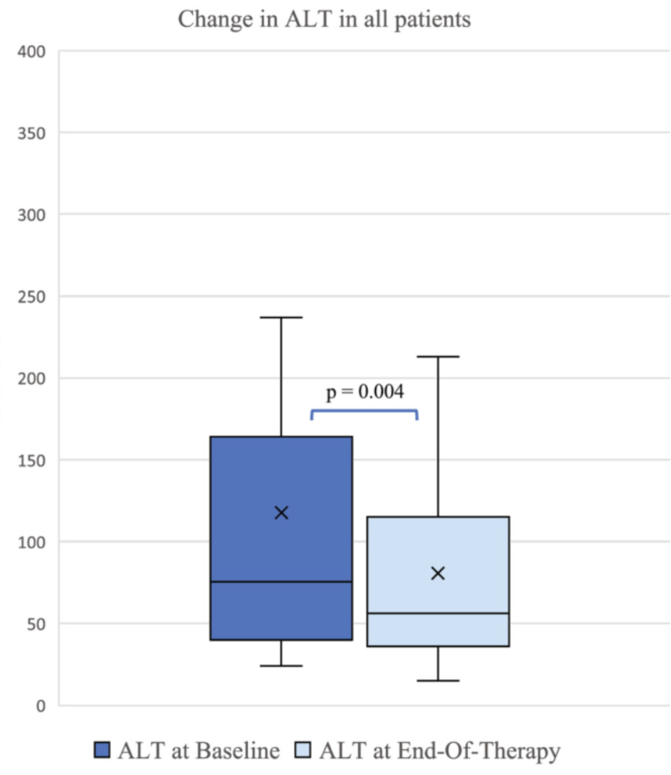
  • Safety: These medications are well-tolerated with self-limiting diarrhea and abdominal pain especially at the initiation of these medications. Liver blood test abnormalities have been noted in up to 20%. “This is an interesting finding, and the underlying etiology is unknown. Maralixibat is largely luminally restricted and so, without systemic absorption, a direct hepatotoxic effect is unlikely. It may reflect an alteration in the speciation of the bile acid pool with increasing bile acid synthesis or alterations in the gut-liver axis signaling. More importantly, it is not known if there are any clinical consequences to the increase in ALT.”
  • Cost: The authors note that ursodeoxycholic acid and antihistamines are frequently used for management of pruritus. They also not that “from a cost standpoint, it seems appropriate to offer rifampin before IBAT inhibitors in the treatment of cholestatic pruritus.”
  • Conclusions: “The clinical trial data are encouraging. As more physicians gain experience prescribing IBAT inhibitors, we will continue to learn how to best apply them to our patient populations. Like any new drug, there are still several unknowns. One of these unknowns is the potential for loss of efficacy…The short-term to medium-term clinical effects of IBAT inhibitors are clear, but we have not yet begun to see the long-term benefits. Whether durable reductions in oncogenic and fibrogenic bile acids reduce rates of HCC or slow the progression of (or reverse) portal hypertension remains to be seen.”

Related article: M Trauner, SJ Karpen, PA Dawson. Hepatology 2025; 82: 855-876. Open Access! Benefits and challenges to therapeutic targeting of bile acid circulation in cholestatic liver disease

“Recent advances in understanding bile acid (BA) transport in the liver… This has led to new treatments targeting BA transport and signaling. These include inhibitors of BA transport systems in the intestine and kidney (IBAT/ASBT inhibitors) and liver (NTCP inhibitors), as well as receptor agonists that modify BA synthesis and transport genes. BA analogs like norucholic acid also show promise. This review discusses the molecular and clinical basis for these therapies, particularly for cholestatic liver disorders.

Principal therapeutic targets within the entero-nephro-hepatic circulation of BAs in cholestasis.

My take (borrowed from Trauner et al): “We have arrived at a new era in the treatment of cholestatic disorders. This has been made possible by incorporating findings from discoveries into the molecular pathogenesis of cholestasis and adaptive processes that direct rational therapeutics to improve patients’ lives.”

Related blog posts:

NSAIDs for Severe Acute Pancreatitis

L Huang, et al. Gut 2025;74:1467–1475. doi:10.1136/gutjnl-2024-334038. Open Access! Parecoxib sequential with imrecoxib for occurrence and remission of severe acute pancreatitis: a multicentre, double-blind, randomised, placebo-controlled trial

Background: “COX-2 inhibitors (COX-2-Is) have shown potential in reducing pancreatitis severity and improving renal and respiratory function in animal models.” However, at this time, “there is no effective drug treatment for organ failure (OF) caused by severe acute pancreatitis (SAP)” in humans.

Methods: “In this multicentre, double-blind, randomised, placebo-controlled, investigator-initiated trial, 348 patients with acute pancreatitis aged 18–75 years, <1 week from onset of illness to admission, and Acute Physiology and Chronic Health Evaluation II Score ≥7 or modified Marshall Score ≥2, were randomly assigned (1:1) to the COX-2-Is group (parecoxib sequential with imrecoxib) or the placebo group.”

The authors chose to adopt a sequential regimen of intravenous (3 days) to oral COX-2-Is. “Parecoxib labelling recommends intravenous administration for no more than 3 days due to limited clinical experience beyond this period.”

Key findings:

  • “Compared with the placebo group, SAP occurrence was reduced by 20.7% (77.6% vs 61.5%, p=0.001) and the persistent OF duration in SAP was shortened by 2 days (p<0.001) after COX-2-Is treatment.” 
  • “For patients enrolled within or after 48 hours from symptom onset, SAP occurrence was reduced by 23.8% (p=0.001) and 8.5% (p=0.202), and the persistent OF [organ failure] duration in SAP was shortened by 3 days (p=0.001) and 2 days (p=0.010) after COX-2-Is treatment, respectively.” 
  • “The serum levels of inflammatory mediators and 30-day mortality (from 8.6% to 3.4%) were significantly reduced after COX-2-Is treatment, p<0.05.”
  • “The incidence of adverse events was similar between the two treatment groups.”

My take: This study showed that NSAIDs (starting with IV x 3 days) improved outcomes with severe acute pancreatitis (in adults). Prior studies have also showed reduced pancreatitis with NSAIDs following ERCP.

Related blog posts:

Diets for Obesity and Steatotic Liver Disease Plus Patient Information from FISPGHAN

S Karjoo et al. JPGN 2025;81:485–496. Evidence-based review of the nutritional treatment of obesity and metabolic dysfunction-associated steatotic liver disease in children and adolescents

This invited commentary reviews the data for several diets that may improve weight loss and metabolic dysfunction-associated steatotic liver disease (MSALD).

Several points:

  • “Extremely restricted plant‐based diets may have deficiencies of vitamin D, calcium, and vitamin B12 which are nutrients found in animal products, and can be minimized by vitamin supplementation or increasing consumption of fish, mushrooms, egg yolk, cod liver oil, salmon, herring, and sole fish. VitaminB12 supplementation is recommended in plant‐based diets because this vitamin is primarily found in animal products”
  • Table 1 compares the structure of these diets and their advantages/drawbacks
  • “Low to moderate weight loss can be seen in the anti-inflammatory diet, plant-based diets, or Mediterranean diet. These diets are nutritionally complete. However, restrictive plant-based diet carries a risk of micronutrient deficiencies, which can be corrected with appropriate supplementation. These diets are effective in treating MASLD independent of weight loss due to their anti-inflammatory profile.”
  • “The ketogenic diet, certain carbohydrate-restricted diets, and intermittent fasting can lead to more weight loss but carry a higher risk of malnutrition. Children on these diets must be followed by nutritionists.”

My take: Each of the diets reviewed can help MASLD and obesity. Most patients pursuing dietary therapy would benefit from working with a nutritionist.

Related news: TEVA Press release, August 28, 2025: Generic liraglutide (need for daily injections) is now available.

Related blog posts:

Also, related patient advice from Federation of International Societies for Pediatric Gastroenterology, Hepatology, and Nutrition (FISPGAN) –outlines risk factors and prevention tips for metabolic dysfunction-associated steatotic liver disease (MASLD):

The Rise of Oral Obesity Therapies: Semaglutide and Orforglipron

SWharton et al. N Engl J Med 2025;393:1077-1087. Oral Semaglutide at a Dose of 25 mg in Adults with Overweight or Obesity

Methods: The participants were randomly assigned in a 2:1 ratio to receive oral semaglutide (25 mg) or placebo once daily, plus lifestyle interventions.

Key Findings:

In their discussion, the authors note that the reasons why “patients may prefer oral administration over the subcutaneous route are most often needle aversion and local skin reactions.7,8 In addition, unlike injectable agents, oral agents may not require a refrigerated chain of delivery and could widen the reach of obesity care in many regions of the world where a lack of refrigeration represents a barrier to access.”

In addition, the results were similar to the “STEP 1 (Semaglutide Treatment Effect in People with Obesity) trial of weekly subcutaneous semaglutide at a dose of 2.4 mg (12.4 percentage points more than that with placebo),16

As with prior trials of semaglutide, “treatment was also associated with substantial reductions in cardiometabolic risk factors including BMI, waist circumference, and levels of glycated hemoglobin, fasting plasma glucose, fasting serum insulin, lipids (very-low-density lipoprotein and triglycerides), and C-reactive protein.”

My take: Effective oral therapy is a big advance for management of obesity. The entire field of pharmacology for obesity has seen remarkable advances in the past few years. For me, it is reminiscent of the proliferation of published studies for hepatitis C around 10 years ago.

Related article in same NEJM issue: J Rosenstock et al. N Engl J Med 2025;393:1065-1076. Orforglipron, an Oral Small-Molecule GLP-1 Receptor Agonist, in Early Type 2 Diabetes

In the ACHIEVE-1 Trial: Key Findings (n=559 adults):

The associated editorial by DB Lowe (N Engl J Med 2025;393:1133-1134) notes that Orforglipron is a small molecule that manages to mimic the effects of glucagon-like peptide-1 (GLP-1) at the GLP-1 receptor. “The incretins, like many peptide hormones, are fairly small as proteins go — a few dozen amino acids long. But that makes them gigantic as compared with small-molecule drugs. Their molecular weights are at least 10 times as high as the 300 to 500 mass units that medicinal chemists have traditionally aimed for, and being peptides, they have generally undesirable properties as well. Many have short half-lives in the circulation, which can be a desirable feature for endogenous peptides but is nowhere near what is needed for the administration of a once-daily dose.”

Related blog posts:


Why Corporatization Occurs in Health Care -What Motivates Hospitals

S Lipstein. NEJM 2025; 393: 1249-1251. Insight into Corporate Governance — What Motivates Hospitals and Delivery Systems

This commentary provides a useful perspective on how hospitals view consolidation of health care. This article is one of many on the topic of corporatization of health care in recent NEJM issues. The author pushes back on the notion that the motivation is purely financial. And, the author argues that a lot of the concerns with poor outcomes/life expectancy despite high expenditures in health care actually are related mainly to poverty level, gun-related mortality, and public social services expenditures.

Here’s an excerpt:

Critics of such large-scale combinations argue that when clinical assets are aggregated within contiguous geographic areas, there is market consolidation. And market consolidation leads to anticompetitive behaviors, resulting in higher prices without concomitant quality improvements, fewer small innovative providers left to disrupt the status quo, and depressed wages for health care workers.

Delivery system leaders view asset aggregation in a different way — as a vehicle for efficient deployment of human, physical, and financial capital to achieve a health care mission. Upsizing by means of mergers and consolidation, hospitals and delivery systems realize benefits that come with economies of scale, spreading fixed operating costs…over a larger base of patient care revenue. Aggregating hospitals and physician practices within contiguous geographic areas enables systems to make large investments in facilities and technology that serve more people and avoid costly duplication….

Large-scale aggregation of health care delivery enterprises helps level the playing field with large-scale payers…

Often underappreciated is the importance for health systems of cultivating managerial bandwidth and subject-matter competencies unique to health care. As a health system grows, it gains the ability to compete on a national scale for top talent and expertise…

Use of the term “corporatization” suggests that health care mega-providers are money-motivated, focused on goals that are all about the bottom line. But money motivation in health care is not unique to big corporations…

In my experience, governing boards of delivery systems have four expectations of their executive leaders. Each expectation drives a financial motivation to generate the requisite revenues, operating margin, and investment capital.

First, to take good care of people when they are sick or injured and to help people remain as healthy… the delivery sector must have the financial capacity to invest in workforce skill development and training, renewal and expansion of patient care infrastructure and technology, and business and enterprise management systems…

Second, to operate in a financially responsible way, a delivery system needs to generate a positive operating margin, meaning revenues greater than expenses…

Third, to position a health care enterprise for long-term sustainability, it requires the financial fortitude to withstand the vagaries of economic and political cycles that might jeopardize the future availability of services…

And fourth, to stay true to a social or academic mission, many health care institutions make substantial financial commitments to their local communities and affiliated universities…

Comparisons of life expectancy and health spending are unadjusted for important differences among countries, including household income and poverty levels, gun-related mortality, and public social services expenditures.2,3 Nobody benefits if we ascribe poor health outcomes to corporatization and ignore true determinants…

Until we devise better solutions to improve the health of people whose economic disadvantages and behaviors reduce longevity, the United States will continue to lag.

My take: This article explains how health care systems view consolidation. Overall, my view is that the costs associated with hospitals are too high and some of this could be curtailed without affecting outcomes (see: When Hospitals Look Like The Ritz (But Cost Even More)).

Related blog posts:

Bouquet of Flowers, Claude Monet at the Met

NASPGHAN Pediatric Position Paper for Therapeutic Drug Monitoring

LM Felipez et al. J Pediatr Gastroenterol Nutr. 2025;81:1100–1117. Open Access! North American Society for Pediatric Gastroenterology, Hepatology, and Nutrition position paper on the therapeutic drug monitoring in pediatric inflammatory bowel disease

Therapeutic Drug Targets Based on Condition, Medication and Time of Therapy:

Discussion Points:

  • Pediatric Dosing is Different: “Pediatric studies have also determined adult infliximab targets are insufficient…In a prospective pediatric study, Clarkston et al. found that a trough level of 29 μg/mL at 2 weeks is required to achieve both clinical and biologic response. Patients with lower trough levels had 13-fold greater odds of clinical nonresponse. Additionally, a trough of 18 μg/mL at 6 weeks was associated with improved response. Patients with lower trough levels had sixfold greater odds of clinical nonresponse. They also observed that patients who did not achieve a trough >5–7 μg/mL by 14 weeks of therapy had a 21-fold increase in the odds of clinical nonresponse.62
  • Undetectable/very low anti-TNF levels: “If the serum level is extremely low or undetectable, then full re-induction is warranted in addition to dose escalation.”
  • Timing of TDM: “As a practice point, TDM is routinely recommended at the end of induction for most patients. We recommend obtaining TDM earlier during induction in at-risk populations, including younger age children, those with hypoalbuminemia, and those with increased inflammatory burden.”
  • Maintenance proactive TDM: “Based on prospective randomized trial evidence, we recommend proactive TDM during maintenance every 6–12 months…yearly proactive TDM was associated with 55% reduced risk of developing antidrug antibodies.26
  • Increased Antidrug Antibodies with Lower Infliximab Dosing: “In the pivotal REFINE study on immunogenicity in pediatric IBD, Coleman et al. found that antibodies to infliximab were detected in 68% of patients in the cohort, and starting dose under 7.5 mg/kg was one of the strongest predictors of developing antidrug antibodies.4
  • Higher Doses Prevent Antidrug Antibodies: “The best available evidence for preventing immunogenicity supports initiating therapy with infliximab doses greater than 8 mg/kg, and in the case of hypoalbuminemia, doses greater than 10 mg/kg. For children <40 kg, doses of 200 mg/m2 are more appropriate.”
  • Perianal fistulas: “Overall, there is less evidence to support adalimumab use over infliximab for treatment of perianal fistulas. It is possible that adalimumab may have lower efficacy for perianal fistula.105 However, it is unclear if this is inherent to adalimumab, or if it relates to less frequent TDM or less frequent dose escalation in practice.”
  • Vedolizumab: “In general, as with other biologic therapies, a higher serum vedolizumab concentration is associated with higher likelihood of treatment response…Multiple studies identified that in patients with IBD (either UC or CD) early trough levels at Week 2132 with a cut off of >23.2 μg/mL or Week 6133134 with a cut off of above 22–28 μg/mL or at Week 14135) above 16.55 μg/mL predicted a higher likelihood of sustained response over the first year. In regard to clinical remission one study identified that corticosteroid free, clinical and biochemical remission was correlated to higher trough vedolizumab concentration.136
  • Vedolizumab in younger patients: “Children under 30 kg require vedolizumab doses of 200 mg/m2 or 10 mg/kg.”

My take: “This NASPGHAN position paper should also serve to document that high-dose therapy, especially guided by TDM, is evidence-based standard of care.” This article clearly establishes three key points:

  1. “Intensive anti-TNF⍺ dosing strategies are not experimental. The initial doses of infliximab and adalimumab approved by the United States Food and Drug Administration (FDA) routinely lead to under-treatment, poor outcomes, and treatment discontinuation.60117 There is a rich, corroborated, and verified evidence-base to support the safety and efficacy of high-dose therapy anti-TNF⍺ therapy when clinically indicated, especially as supported by TDM.506265100101103118
  2. Therapeutic drug monitoring is essential in the pediatric population to optimize drug levels, allow many patients to do well with monotherapy, and to help avoid development of antidrug antibodies.
  3. The best available evidence supports TDM during induction of vedolizumab as well.

Related blog posts:

Disclaimer: This blog, gutsandgrowth, assumes no responsibility for any use or operation of any method, product, instruction, concept or idea contained in the material herein or for any injury or damage to persons or property (whether products liability, negligence or otherwise) resulting from such use or operation. These blog posts are for educational purposes only. Specific dosing of medications (along with potential adverse effects) should be confirmed by prescribing physician.  Because of rapid advances in the medical sciences, the gutsandgrowth blog cautions that independent verification should be made of diagnosis and drug dosages. The reader is solely responsible for the conduct of any suggested test or procedure.  This content is not a substitute for medical advice, diagnosis or treatment provided by a qualified healthcare provider. Always seek the advice of your physician or other qualified health provider with any questions you may have regarding a condition.

Forget the Surrogate Markers: Resolving MASH Improves Longevity Outcomes

G Lassailly et al. Clin Gastroenterol Hepatol 2025; 23: 1567-1576. Open Access! Resolution of Metabolic Dysfunction-associated Steatohepatitis With No Worsening of Fibrosis After Bariatric Surgery Improves 15-year Survival: A Prospective Cohort Study

Methods: From 1994 to 2021, 3028 bariatric patients at the University Hospital of Lille were prospectively included. Baseline liver biopsies were systematically performed with proposed follow-up biopsies 1 year after surgery, mainly in patients with MASH. We evaluated the association of the baseline and 1-year histologic progression of MASH and fibrosis status and long-term survival. The median follow-up was 10.1 years. At baseline, 2641 patients (89%) had a biopsy, including 232 with MASH (8.7%) and 266 (10.8%) with significant fibrosis (grade F2-F4). At 1 year, 594 patients had qualitative paired biopsies.

Key findings:

  • 15-year survival was shorter in patients with baseline MASH (83.9%) than in
    those without (92.7%)
  • Similarly, the15-year survival rate was 79.8% in patients with significant fibrosis vs
    94.0% in patients without
  • Compared with patients without baseline MASH, mortality increased in those with persistent MASH and/or if fibrosis worsened (adjusted HR 2.54), but not if MASH resolved without the worsening of fibrosis (adjusted HR, 0.73). This translates to a 15-year survival of 79.8% in patients with persistent MASH or worsening of fibrosis compared to 92.9% with patients without MASH and 88.4% in patients with a histologic resolution of MASH without the worsening of fibrosis (see below)

My take (borrowed in part from the authors): “This is the first study to show that the resolution of MASH with no worsening of fibrosis is associated with improved long-term survival.” Thus, histologic improvement is a very useful surrogate marker for long-term benefit in MASH, whether this is due to bariatric surgery as in this study but also with medical treatment.

Related blog posts:

Related News: Steve Gardner, USAToday 9/16/25: Legendary Dolphins QB Dan Marino reveals liver disease diagnosis

An excerpt:

In an interview with People magazine, the former Miami Dolphins quarterback said he first began feeling “a little fatigued” in 2007, and found out after a routine checkup that he had metabolic dysfunction-associated steatohepatitis, or MASH

Marino, 64, says he now exercises more regularly than he did after his playing days ended. And he’s made major adjustments to his diet after doctors told him to “cut back on the wine and pizza and candy, ice cream, those kind of things.”