How Insurance Companies Can Help Stop the Pandemic in the U.S.

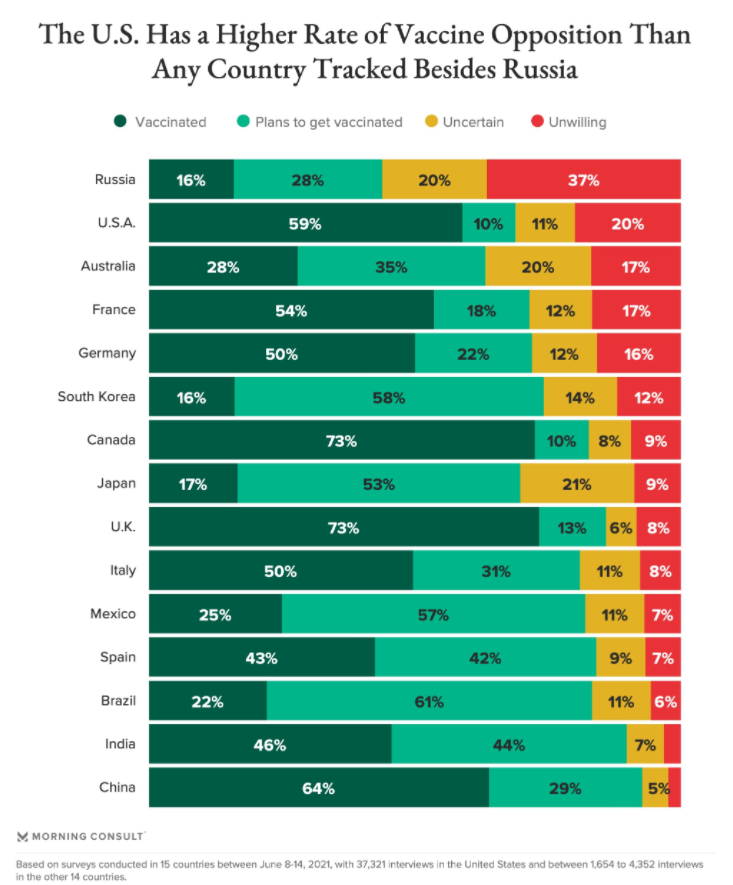
From AJC, Hashem Dezhbakhsh: An incentive to encourage vaccination

This is a good read. An excerpt:

Vaccine hesitancy, which can prolong the pandemic, is a textbook example of a negative consumption externality, where an individual’s choice can harm or impose costs on others. Indoor smoking, drunk driving, or littering are other examples…

One policy option is to use the insurance mechanism, with risk assessment and risk pricing as its enforcing arms….

For example, a risky driver has a higher auto insurance premium than a safe driver, a smoker has a higher health insurance premium than a non-smoker,…Similarly, health insurance premiums, deductibles, and co-pays can be set higher for those who are unvaccinated...

Using risk pricing to set insurance premiums and co-pays for these individuals makes good sense and is fair policy. It incentivizes individuals to vaccinate, while also providing a fairer insurance pricing system by charging those with self-selected higher risk a higher price, instead of shifting their medical costs to others through uniform insurance pricing.


Hydrangeas

Why It Is Hard to Stop Immunosuppression with Autoimmune Hepatitis and Lower Bone Density with Fatty Livers

C Schulthei et al. Hepatology 2021; 73: 1436-1448. Full text: Next-Generation Immunosequencing Reveals Pathological T-Cell Architecture in Autoimmune Hepatitis

This is highly technical study of 60 patients with AIH. “Our key finding was a clearly biased signature of TRBV-J gene usage in peripheral and liver-infiltrating T-cells of patients with AIH, independent of AIH predisposing HLA-DRB1 alleles. This signature was unaffected by immunosuppressive treatment and not related to complete biochemical disease remission. This suggests that treatment acted on T-cell functionality rather than on the underlying pathological T-cell architecture in this disease that has a high relapse rate.”

My take (borrowed from authors): “Patients with AIH show profound and persisting T-cell architectural changes that may explain high relapse rates after tapering immunosuppression.”

Related blog posts:

LF Chun et al. J Pediatr 2021; 233: 105-111. Hepatic Steatosis is Negatively Associated with Bone Mineral Density in Children

Key findings:

  • Using a community-based sample of 235 children, the authors found that there was a significant negative relationship between liver MRI-PDFF and BMD z score R = −0.421, P < .001).
  • There was no significant association between vitamin D status and BMD z score (P = .94).
  • Children with clinically low BMD z scores were found to have higher alanine aminotransferase (P < .05) and gamma-glutamyl transferase (P < .05) levels compared with children with normal BMD z scores.

My take: This study shows another organ that is affected in children with fatty liver disease; other associated problems include increased risk for cardiovascular disorders, pancreatic dysfunction/diabetes, cancer, polycystic ovary syndrome, and neurologic disorders

Related blog posts:

Image below near the Seven Mile Road on the Florida Keys:

What is the Risk of Inflammatory Bowel Disease in Patients with Hirschsprung’s Disease

Background: It is well-recognized that enterocolitis can occur in individuals with Hirschsprung’s disease, even after surgery. Case series have described cases of inflammatory bowel disease (IBD) in individuals with Hirschsprung’s which have some overlapping features with Hirschsprung disease-associated enterocolitis (HAEC). Those with IBD, however, have a constellation of clinical findings more typical of IBD and respond to treatments used in IBD.

A recent study from Canada (CN Bernstein et al. J Pediatr 2021; 233: 98-104. Increased Incidence of Inflammatory Bowel Disease After Hirschsprung Disease: A Population-based Cohort Study) provides more data regarding IBD in individuals with HD.

Key findings:

  • In the study from Ontario, 18 of 716 (2.5%) ultimately developed IBD (168.8 per 100 000 person-years), compared with 7109 of 3 377 394 children without Hirschsprung disease (0.2%, 14.2 per 100 000 person-years); thus, this represented a 12-fold increased risk.
  • In the study from Alberta and Manitoba, the OR of having had Hirschsprung disease before a diagnosis of IBD compared with controls was 74.9 (95% CI, 17.1-328.7) and 23.8 (95% CI, 4.6-123) respectively.
  • Crohn’s disease was more common after Hirschsprung disease than ulcerative colitis.

My take: I have personally seen IBD in HD and wondered how much increased risk that HD conferred. Now the question: what is the mechanism?

Related blog posts:

Alongside the Seven Mile Bridge in the Florida Keys:

Obesity and Cellular Aging in Childhood

A provocative study (MJ Baskind et al. J Pediatr 2021; 233: 141-149. Obesity at Age 6 Months Is Associated with Shorter Preschool Leukocyte Telomere Length Independent of Parental Telomere Length) suggests that obesity in infancy can result in shortened telomere length, which is a cumulative marker for cellular aging. Also, leukocyte telomere length (LTL) is associated with known risk factors for cardiometabolic disease, including obesity and smoking

The authors prospectively studied a group of 97 woman-infant dyads from the Latinx, Eating and Diabetes cohort. Key findings:

  • Obesity at 6 months was negatively associated (β = −0.21; P < .001) with leukocyte telomere length
  • However, there was a lack of association between obesity at earlier ages (2-5 years) and preschooler LTL in the same cohort
  • Any breastfeeding at 6 months was positively associated with leukocyte telomere length

From the associated editorial: JL Buxton, fulltext: Early Warning Signs? Infant Obesity and Accelerated Cellular Aging “These results are based on data from a relatively small sample and await replication in larger cohorts recruited from different populations.”

My take: This study shows that obesity could be affecting our bodies in ways that most of us have never contemplated.

Aerial view of the “the quicksands” off the coast of Key West:

“An Allergic Basis for Abdominal Pain”

A recent post (Mechanisms of Postinfectious IBS & Functional Pain) reviewed a study which described how food antigens during an infectious process can result in meal-induced pain.

A recent review of this study (M Rothenberg. NEJM 2021; 384:2156-2158. An Allergic Basis for Abdominal Pain) provides more insight.

Key points:

  • “A peripheral immune mechanism involving local mast cells stimulated by food-induced local IgE may underlie the symptoms associated with IBS and functional abdominal pain; these findings prompt consideration of new therapeutic strategies to target mast cells and allergies.”
  • The article reviews the experimental methods/results used in both mice and humans. Mice that were treated with agents that interfered with allergy “including anti-IgE, mast-cell stabilizers, and histamine H1 receptor antagonists, attenuated the pathologic and symptomatic responses…mice [that were] deficient in mast cells or in histamine H1 receptor were protected” as well.
  • The study shows that a “bacterial infection can break oral tolerance to a dietary antigen…which in turn can lead to increased gut permeability.”
  • The findings in human “showed no evidence of systemic IgE against common foods” but localized reactions were identified in every IBS patient after allergen injection into rectal mucosa.

My take: This study adds to the evidence that specific foods can lead to localized tissue-specific allergic responses. Nevetheless, it is still a futile effort to look for systemic allergic food reactions in patients with IBS and functional GI disorders.

Related blog posts:

IBD-Like Microbiome in at-Risk Twins

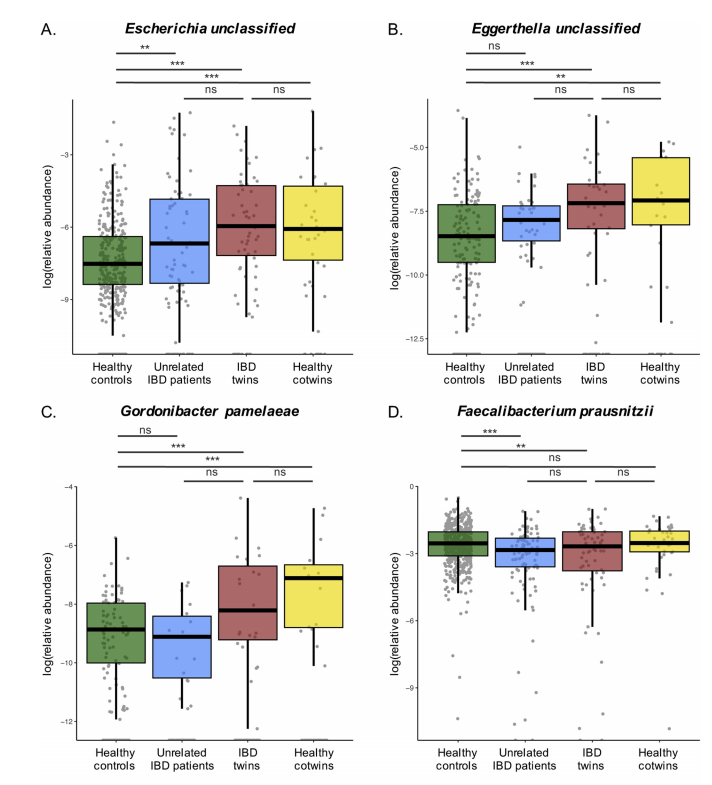
Thus far, the relationship of the microbiome and inflammatory bowel disease has been a ‘chicken and the egg which came first’ conundrum. A new study (EC Brand, MAY Klaassen et al. Gastroenterol 2021; 160: 1970-1985. Full text pdf: Healthy Cotwins Share Gut Microbiome Signatures With Their Inflammatory Bowel Disease Twins and Unrelated Patients) offers some insight into this issue.

Methods: Fecal samples were obtained from 99 twins (belonging to 51 twin pairs), 495 healthy age-, sex-, and body mass index–matched controls, and 99 unrelated patients with IBD. Whole-genome metagenomic shotgun sequencing was performed.

Key findings:

  • No significant differences were observed in the relative abundance of species and pathways between healthy cotwins and their IBD-twins.
  • Compared with healthy controls, 13, 19, and 18 species, and 78, 105, and 153 pathways were found to be differentially abundant in healthy cotwins, IBD-twins, and unrelated patients with IBD, respectively.

Discussion: “The gut microbiome composition of individuals at increased risk of developing IBD (i.e. healthy cotwins from IBD-discordant twin pairs) displays IBD-like signatures on a species and pathway level…The overlap in gut microbial features between healthy cotwins at increased risk of developing IBD and related and unrelated IBD patients suggests that these IBD-like microbiome signatures might precede the onset of IBD. This potentially opens new avenues for diagnosis and therapy in individuals with pre-symptomatic IBD.”

My take This study indicates that the microbiome changes in persons with IBD are also found in their healthy twins. In many ways, this is similar to the frequent finding of abnormal serology in Crohn’s disease; ASCA antibodies were considered much less helpful as a diagnostic test after the realization that ~20% of healthy first degree relatives also have detectable levels.

Figure 4 (pg 1979) shows the relative abundance of a selection of IBD-associated species and highlights similarities between the healthy cotwins and IBD twins.

Related blog posts:

IBD Updates: Microbiome afer surgery, Anti-TNF agents NOT changing hospitalizations/surgeries, Biobanking Genetics

X Fang et al. Inflamm Bowel Dis 2021; 27: 603-616. Full Text: Gastrointestinal Surgery for Inflammatory Bowel Disease Persistently Lowers Microbiome and Metabolome Diversity

  • Methods: The UC San Diego IBD Biobank was used to prospectively collect 332 stool samples (every 6 months) from 129 subjects (50 ulcerative colitis; 79 Crohn’s disease). Of these, 21 with Crohn’s disease had ileocolonic resections, and 17 had colectomies.
  • Key finding: Intestinal surgeries in IBD patients seem to reduce the diversity of the gut microbiome and metabolome in IBD patients. Colectomy has a larger effect than ileocolonic resection.
  • Limitations: Confounding variables (eg. antibiotics) and selection bias (patients with more severe disease

C Verdon et al. Inflamm Bowel Dis 2021; 27: 655-661. No Change in Surgical and Hospitalization Trends Despite Higher Exposure to Anti-Tumor Necrosis Factor in Inflammatory Bowel Disease in the Québec Provincial Database From 1996 to 2015

Key findings:

  • 34,644 newly diagnosed patients with IBD (CD = 59.5%)
  • The probability of first and second hospitalizations remained unchanged in Québec and the probability of major surgery was low overall but did increase despite the higher and earlier use of anti-TNFs. However, the authors note that “in the present study, biologics use under the public reimbursement plan was 13% in patients with UC and 16% in patients with CD.”
  • My take: This study is provocative but probably misleading; it is quite likely that use of anti-TNF agents do lower the risk of hospitalization and surgery.

K Gettler et al. Gastroenterol 2021; 160: 1546-1557. Full text PDF: Common and Rare Variant Prediction and Penetrance of IBD in a Large, Multi-ethnic, Health System-based Biobank Cohort

  • Methods: The authors used the Mount Sinai BioMe Biobank, which contains genetic data on
    32,595 patients. After rigorous phenotype validation, 19,541 individuals were retained, of whom 339 were IBD patients (273 CD, 28 UC, and 37 individuals who were classified as both) and 19,202 were controls
  • Key findings: In this study, the authors identified several rare VEO-IBD variants with high genetic penetrance using the biobank samples and then replicated results in large case control African American and European data sets.
  • One of the variants with the highest genetic penetrance located in the gene LRBA was predicted to result in a deleterious change to the amino acid structure. Reduced expression of CTLA-4 secondary to the variants we identified in LRBA may result in autoinflammation that contributes to IBD. “Targeting reduced CTLA-4 expression is an exciting treatment venue, because expression of CTLA-4 has been shown to be increased by chloroquine treatment in vitro.”
  • Enteropathy is present in 63% of all known individuals with LRBA deficiency, with 27% having chronic diarrhea as the presenting symptom

Mangroves in John Pennekamp State Park (Key Largo)

FDA Approval of Semiglutide for Obesity & AGA Recommends Intragastric Balloons for Adults with Obesity

June 4, 2021: FDA Approves New Drug Treatment for Chronic Weight Management, First Since 2014

“The U.S. Food and Drug Administration approved Wegovy (semaglutide) injection (2.4 mg once weekly) for chronic weight management in adults with obesity or overweight with at least one weight-related condition (such as high blood pressure, type 2 diabetes, or high cholesterol), for use in addition to a reduced calorie diet and increased physical activity…The drug is indicated for chronic weight management in patients with a body mass index (BMI) of 27 kg/m2 or greater who have at least one weight-related ailment or in patients with a BMI of 30 kg/m2 or greater… The largest placebo-controlled trial enrolled adults without diabetes. Individuals who received Wegovy lost an average of 12.4% of their initial body weight compared to individuals who received placebo” 


T Muniraj et al. Gastroenterol 2021; 160-1799-1808. Full text: AGA Clinical Practice Guidelines on Intragastric Balloons in the Management of Obesity

Related blog posts: 

How Important is Your Microbiome for Weight Loss?

Briefly noted: Z Jie et al. Gastroenterol 2021; 160: 2029-2042. Full text PDF: The Baseline Gut Microbiota Directs Dieting-Induced Weight Loss Trajectories

METHODS: A 6-month weight-reduction program with longitudinal collection of dietary, physical activity, body weight, and fecal microbiome data as well as single-nucleotide polymorphism genotypes in 83 participants was conducted, followed by integration of the high-dimensional data to define the most determining factors for weight loss in a dietician-guided, smartphone-assisted dieting program

Key findings:

  • 9 out of 83 subjects achieved long-term weight loss.
  • The baseline gut microbiota was found to outperform other factors as a predicting predictor of individual weight loss trajectories
  • Blautia wexlerae (MGS0575) and Bacteroides dorei (MGS0187) were the strongest predictors for weight loss when present in high abundance at baseline.
  • The microbiome features were more predictive of weight loss than diet, physical activity, and obesity-related host genotype (based on single-nucleotide polymorphism genotypes)

In the associated editorial by RA Reimer et al (pg 1933-1935, full text: Dieting for Success: What Baseline Gut Microbiota Can Tell You About Your Chances of Losing Weight), the authors state that this study supports considering the gut microbiome “as a key component of individual response to dietary interventions.

My take: Much more work is needed in this area to tease out confounding variables (like baseline diet). It is intriguing that our gut microbiome could be instrumental in diet success and perhaps many other characteristics (eg. mental health, longevity, and susceptibility to diseases).

Related blog posts:

Also NPR article (6/17/21): Bariatric Surgery Works, But Isn’t Offered To Most Teens Who Have Severe Obesity (at website, can also click link for 7 minute audio)

“Widely covered paper on ranitidine-cancer link retracted”

Retraction Watch: Widely covered paper on ranitidine-cancer link retracted Thanks to Bryan Vartabedian’s twitter feed for this reference.

An excerpt:

“A paper linking the use of a wildly popular drug for heartburn to cancer has been retracted after the authors concluded that their widely touted finding appears to have resulted from a hiccup in the way they conducted their testing. 

The 2016 article, in Carcinogenesis, has played a minor role in an ongoing class action lawsuit against the makers of ranitidine (sold as Zantac, among other brand names) claiming that use of the medication has caused cancer in more than 100,000 plaintiffs. And it was a key citation in a 2019 petition to the FDA urging that such drugs be recalled….

[From one of the authors of the retracted study] As far as I know, the detections of NDMA in ranitidine tablets remain an issue (detections by LC/MS, which should not be affected by this artefact).

Related blog posts:

Disclaimer: This blog, gutsandgrowth, assumes no responsibility for any use or operation of any method, product, instruction, concept or idea contained in the material herein or for any injury or damage to persons or property (whether products liability, negligence or otherwise) resulting from such use or operation. These blog posts are for educational purposes only. Specific dosing of medications (along with potential adverse effects) should be confirmed by prescribing physician.  Because of rapid advances in the medical sciences, the gutsandgrowth blog cautions that independent verification should be made of diagnosis and drug dosages. The reader is solely responsible for the conduct of any suggested test or procedure.  This content is not a substitute for medical advice, diagnosis or treatment provided by a qualified healthcare provider. Always seek the advice of your physician or other qualified health provider with any questions you may have regarding a condition

Sunset at Islamorada, FL