Wired: When Health Care Moves Online, Many Patients Are Left Behind

Wired: When Health Care Moves Online, Many Patients Are Left Behind

An excerpt:
Amid the coronavirus pandemic, more of the nation’s medical care is being delivered by telephone or videoconference, as in-person care becomes a last resort for both doctors and patients. That’s a problem for tens of millions of Americans without smartphones or speedy home internet connections. For them, the digital divide is exacerbating preexisting disparities in access to health care…

Overall, as many as 157.3 million people in the US only have access to substandard download speeds. During the pandemic, roughly half of low-income American say they’re concerned about affording to pay their broadband and smartphone bills, according to April Pew Research data. In rural areas (where Pew figures suggest only 63 percent of residents have home broadband subscriptions), phone calls might be patients’ best option.

Related blog post: #NASPGHAN19 Impact of New Technology

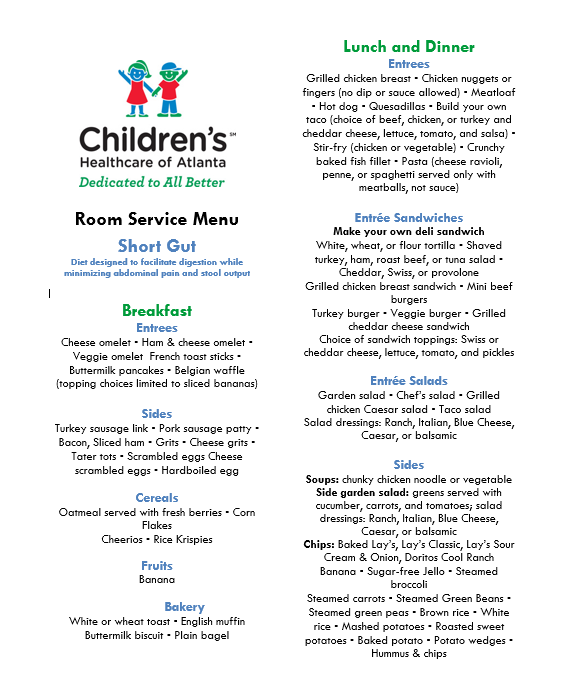
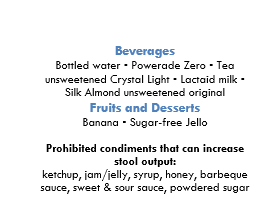
Short Gut Diet -CHOA Approach

Recently Kipp Ellsworth, with input from members of the nutritional team, developed our first institutional Short Gut Diet.

Per Kipp, this diet is “designed to facilitate digestion while minimizing abdominal pain and ostomy/stool output in our inpatients with truncated intestinal anatomy.  Previously, clinicians ordered a regular diet for our short gut patients, with parents and nurses providing oversight of the ordering process based on their knowledge of short gut diet precepts.  Obviously this non-standardized approach resulted in significant noncompliance, another onerous daily task for nursing, and a failure of inpatient short gut diet principles reinforcement.  I anticipate the new diet serving as an omnipresent education tool, reinforcing short gut diet precepts for patients and parents during their inpatient stays.”

Related blog posts:

NY Times: Japan’s Secret Success with Coronavirus

NY Times: Is the Secret to Japan’s Virus Success Right in Front of Its Face?

An excerpt:

In America, masks have become a weapon in the culture wars. In Japan, wearing one is no big deal, and deaths have stayed low…

Face coverings are nothing new here….
Yet a feared spike in cases and deaths has not materialized. Japan has reported more than 17,000 infections and just over 900 deaths, while the United States, with a population roughly two and a half times as large, is approaching 1.9 million cases and 110,000 deaths.

“Japan, I think a lot of people agree, kind of did everything wrong, with poor social distancing, karaoke bars still open and public transit packed near the zone where the worst outbreaks were happening,” Jeremy Howard, a researcher at the University of San Francisco who has studied the use of masks, said of the country’s early response. “But the one thing that Japan did right was masks.”…

The scientific evidence on whether a mask protects the wearer from infection is mixed. But experiments show that masks can be effective in blocking the emission of respiratory droplets that may contain the virus, even when someone has no symptoms of illness. And there is some evidence that infected people with no symptoms can still transmit the coronavirus.

Related blog posts:

Huntingdon Lake, Sandy Springs (no image filters used)

Briefly Noted: Bleeding in Noonan Syndrome, Pets Help Children’s Emotional Health

B Briggs et al. J Pediatr 2020; 220: 154-8This study confirmed a high rate of bleeding problems in infants with Noonan syndrome.  9/70 (12.8%) had bleeding complications in those without comprehensive preoperative testing and undergoing major or dental surgery. Hematology evaluation is indicated in these children.

H Christian et al. J Pediatr 2020; 220: 200-6. Using data from the Longitudinal Study of Australian Children with data points at ages 5 (n=4242) and at ages 7 (n=4431).  Key finding: Owning pets was associate with improved emotional health for children: odds of abnormal emotional scores on SDQ questionnaire was OR 0.81, peer problems OR 0.71, and prosocial behavior OR 0.70 compared with non-pet owners. Prosocial behavior was most improved for children without any siblings with OR 0.21.

Updated Outcome Data for Necrotizing Enterocolitis

A recent systematic review (IH Jones, NJ Hall. J Pediatr 2020; 220: 86-92) provides contemporary outcomes for infants with necrotizing enterocolitis (NEC). The authors analyzed from 38 articles (from 1375 abstracts); the authors excluded data from developing countries. This review included 21,349 infants with any stage of NEC and 7540 with Bell stage 2a+.

Key findings:

  • Overall mortality was 23.5% in all neonates with confirmed NEC (Bell stage 2a+), 34.5% for infants who underwent surgery
  • Mortality rates were higher for extremely low birthweight infants (<1000 g) at 40.5%; the rate was 50.9% for surgical NEC in this cohort
  • Neurodevelopmental disability was reported in only 4 studies and ranged between 24.8% and 61.1% (n=1209)
  • Intestinal failure was reported with an incidence of 15.2% to 35.0% (n=1370)

A limitation with this study is the lack of agreement on definitions/diagnosis for necrotizing enterocolitis and intestinal failure.

My take: This study shows that NEC still carries a high mortality.

Related blog posts:

Sandy Springs

COVID-19 Retractions

Two recent retractions indicate why multiple studies and careful analysis are often necessary to draw definitive conclusions, even from the most respected journals.

  1. NEJM: Retraction: Cardiovascular Disease, Drug Therapy, and Mortality in Covid-19. N Engl J Med. DOI: 10.1056/NEJMoa2007621.  Link to original article: Cardiovascular Disease, Drug Therapy, and Mortality in Covid-19
  2. Lancet: Retraction—Hydroxychloroquine or chloroquine with or without a macrolide for treatment of COVID-19: a multinational registry analysis Original study: Hydroxychloroquine or chloroquine with or without a macrolide for treatment of COVID-19: a multinational registry analysis

Surprised This Was Published: Liver Transplantation in Undocumented Immigrants

I was keenly interested in a recent study: BP Lee, NA. Terrault. Liver Transplantation in Unauthorized Immigrants in the United States. Hepatology 2020; 71: 1802-12.  Given the potential for causing a political firestorm, I was surprised it was published.

Definitions: “Unauthorized immigrants, also termed illegal aliens in US federal statures are…all foreign-born non-citizens who are not legal residents.”  Since March 2012, UNOS has required transplant centers to record citizenship…”primarily to better understand transplant tourism.” The authors excluded international transplant tourists in their cohort.

Key findings: 

  • 116 of 43,192 (0.4%) liver transplant (LT) recipients were unauthorized immigrants
  • The majority were from Mexico (52%).  Others came from Guatemala (7%), China (6%), El Salvador (5%) and India (5%).
  • Unauthorized immigrant recipients had a similar risk of graft failure (sHR 0.74) and death (sHR 0.68), though at time of LT, there was higher disease severity (higher MELD scores and increased need for renal replacement therapy).
  • Most LTs for unauthorized immigrants took place in California (47%) and New York (18%).  Texas (3%) and Florida (4%) had a lower proportion of LTs for unauthorized immigrants based on population distribution.
  • The authors note that unauthorized immigrants are different that transplant tourists  –they pay social security tax/other taxes and contribute to organ donation (~3% of donated organs) whereas transplant tourists do not.
  • The authors note that unauthorized immigrant LTs were less than half the number of transplant tourist LTs; the later LT recipients are commonly individuals from Persian Gulf countries.
  • Current federal law mandates that LT be distributed based on “established medical criteria” which does not suggest a “tiered allocation system by citizenship.”  Almost half of the unauthorized immigrant LTs were covered by Medicaid.

My take: Unauthorized immigrants are underrepresented as LT recipients compared to their total population distribution in the U.S.  This likely is due to a number of barriers.  Interestingly, this population is not underrepresented when it comes to organ donation.


One More Problem with HIDA Scans

A recent case study (A Adeyemi et al. J Pediatr 2020; 220: 245-8) provides information on 6 infants with a subsequent diagnosis of biliary atresia who had HIDA scans which reported excretion.

Methods: HIDA scans from 1992-2012 were reviewed from CHOP, this included 223 infants up to 4 months of age.

Key findings:

  • While there were six cases with HIDA scans that showed excretion into the bowel, none of these infants had truly normal HIDA scans.
  • 4 of the 6 patients had excretion qualified as slight, mild, or subtle and faint.
  • 5 of the 6 patients did not have the gallbladder visualized on HIDA.

Commentary:

  • HIDA scans are well-known to have a high sensitivity but a low specificity for biliary atresia (even with pretreatment choleretic agents). Liver biopsies have a higher diagnostic accuracy.
  • Since biliary atresia is a progressive disease, some excretion on HIDA does not exclude the diagnosis.  Though, age at HIDA was not a significant variable in this small series.

My takes:

  • Don’t rely too much on any test, including HIDA scans.  Equivocal findings need to be reported as such.
  • Fortunately, MMP-7 has emerged as another quick way with good (not perfect) specificity for biliary atresia.
  • Another related caveat is to look carefully at ultrasounds in this age group.  Often a small or retracted gallbladder is overlooked and could be an important clue to the diagnosis of biliary atresia.

Related blog posts:

Rhododendron Flowers (Spring 2020)

High Risk Workers Need N95 Masks

NY Times article that summarized recent Lancet study: Medical Workers Should Use Respirator Masks, Not Surgical Masks

Original Lancet Study (DK Chu et al. June 1, 2020
https://doi.org/10.1016/S0140-6736(20)31142-9): Physical distancing, face masks, and eye protection to prevent person-to-person transmission of SARS-CoV-2 and
COVID-19: a systematic review and meta-analysis

An excerpt from NY Times article:

The surgical masks used in risky settings like hospitals offer much less protection against the coronavirus, an analysis found…

The results, published on Monday in The Lancet, make it clear that the W.H.O. and the Centers for Disease Control and Prevention should recommend that essential workers like nurses and emergency responders wear N95 masks, not just surgical masks

N95 masks offered 96 percent protection, the analysis found, while the figure for surgical masks was 77 percent. The findings are particularly important as the United States moves to reopen the economy, Dr. Michaels said…

Workers in health care settings are not the only ones at high risk of coronavirus infection: employees in meatpacking plants and some farms are all also at high risk of coronavirus infection and could benefit from N95 masks..

The new analysis also suggests that covering the eyes with face shields, goggles and glasses may provide additional safeguards for health care workers and people in the community.

Related blog posts:

Does Stopping Cannabis Improve Cyclic Vomiting Syndrome?

Cannabis use has been linked to hyperemesis. However, a recent cross-sectional study (T Venkatesan et al. Clin Gastroenterol Hepatol 2020; 18: 1082-90) that stopping cannabis rarely results in improvement in cyclic vomiting syndrome (CVS).

This study enrolled 140 patients who had CVS with a mean age of 37 years, all seen at a specialized clinic; 41% were current cannabis users and were classified as regular users (≥4/wk, n=30) or occasional users (<4/wk, n=26).

Key findings:

  • Only 1 of 56 (2%) reported that cannabis abstinence (for a month) resolved their CVS symptoms and 1 of 56 (2%) noted improvement with cannabis abstinence.
  • 27 of 56 (56%) reported that cannabis abstinence worsened their CVS symptoms; 19 (40%) reported no change with cannabis abstinence
  • Only 1 patient taking cannabis met Rome IV criteria for cannabinoid hyperemesis syndrome (CHS). This patient subsequently resumed cannabis with a higher proportion of CBD (less THC) without recurrence of CVS symptoms.  This provides some support to the idea that THC in cannabis is responsible for CHS.

My take: (borrowed from authors) “If a patient with CVS and chronic regular cannabis use is refractory to standard therapy, we recommend a period of abstinence of at least 6 months or a duration of time that exceeds at least 3 consecutive cycles.”

Related blog posts:

Disclaimer: This blog, gutsandgrowth, assumes no responsibility for any use or operation of any method, product, instruction, concept or idea contained in the material herein or for any injury or damage to persons or property (whether products liability, negligence or otherwise) resulting from such use or operation. These blog posts are for educational purposes only. Specific dosing of medications (along with potential adverse effects) should be confirmed by prescribing physician.  Because of rapid advances in the medical sciences, the gutsandgrowth blog cautions that independent verification should be made of diagnosis and drug dosages. The reader is solely responsible for the conduct of any suggested test or procedure.  This content is not a substitute for medical advice, diagnosis or treatment provided by a qualified healthcare provider. Always seek the advice of your physician or other qualified health provider with any questions you may have regarding a condition