Methods: Participants (n=78, ages 6-17 years) in this study were part of the PAILOT trial; they were naïve to biologic therapy with moderate to severe Crohn’s disease. This was a randomized controlled trial aimed to evaluate proactive vs reactive therapeutic drug monitoring in children with Crohn’s disease (CD) treated with adalimumab.
Key findings:
There was no significant difference in the rates of sustained corticosteroid-free clinical remission (25/34, 73%, vs 28/44, 63%; P = 0.35) or sustained composite outcome of clinical remission, C-reactive protein ≤0.5 mg/dL, and calprotectin ≤150 µg/g (10/34, 29%, vs 14/44, 32%; P = 0.77) between the combination group and the monotherapy group, respectively.
Adalimumab trough concentrations and immunogenicity were not significantly different between groups. The rate of serious adverse events was not significantly different between groups but was numerically higher in the monotherapy group. The monotherapy group had three patients undergo ileo-cecal resection.
The discussion reviews a number of studies that have compared combination and monotherapy. One key point is that this study enrolled children who were naïve to biologic therapy; thus, combination therapy may be more useful in those who have failed a previous biologic, particularly if the loss of response was immune-mediated.
My take: This study indicates that combination therapy is likely not routinely needed in children who start adalimumab and who are naïve to biologic therapy. Another finding of interest is the relatively low sustained composite outcome of clinical remission, approximately 30; this outcome combined clinical remission with biological markers. ~30%
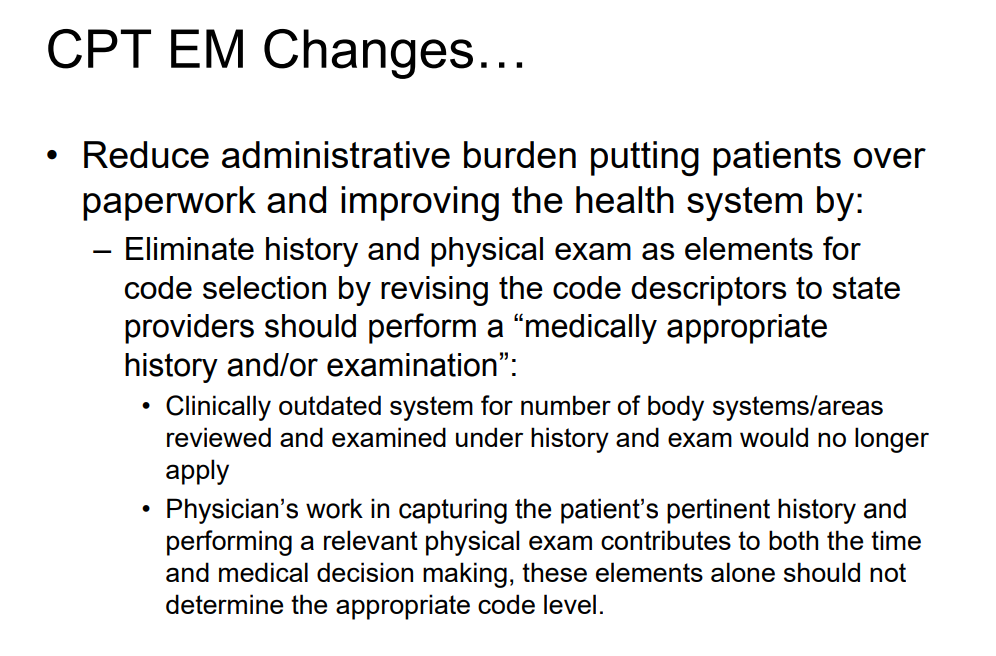
Earlier in the year, I summarized the upcoming changes for 2021: Link Get Ready for 2021 Coding Changes (with links to AMA resources and tables). Subsequently, I went to a coding seminar led by Jan Rasmusen and wanted to share some additional observations.
One of the most important changes is the need for “medically appropriate history and/or examination” rather than focusing on specific elements. This helps eliminate scoring the history and physical exam and should allow more time to document critical thinking. Besides billing, H&P is still key for helping with continuity of care and for liability.
2. When using time codes and not using medical decision-making, the total time –face-to-face and non face-to-face –is what is used. Total time does not include clinical staff time.
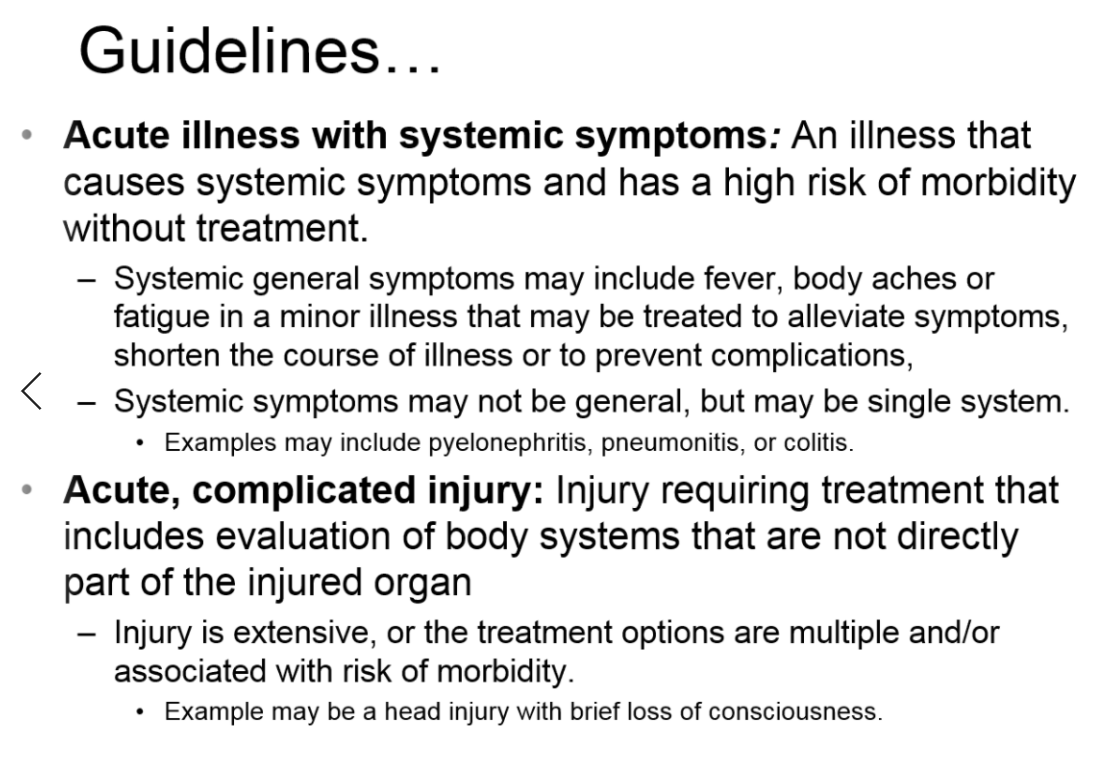
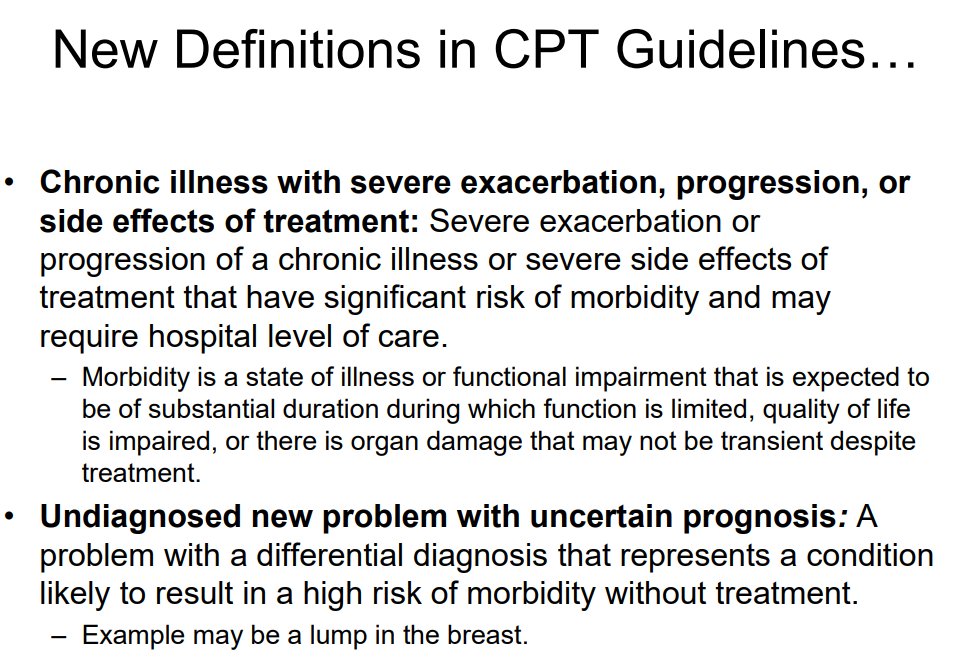
3. A lot of the terms have more specific definitions
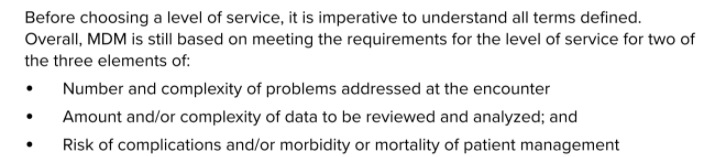
4. Medical Decision-Making is Similar to Current Guidelines
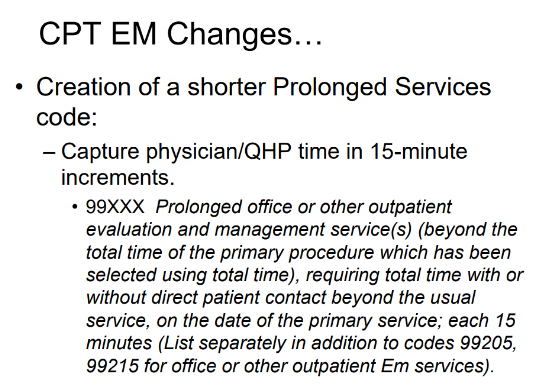
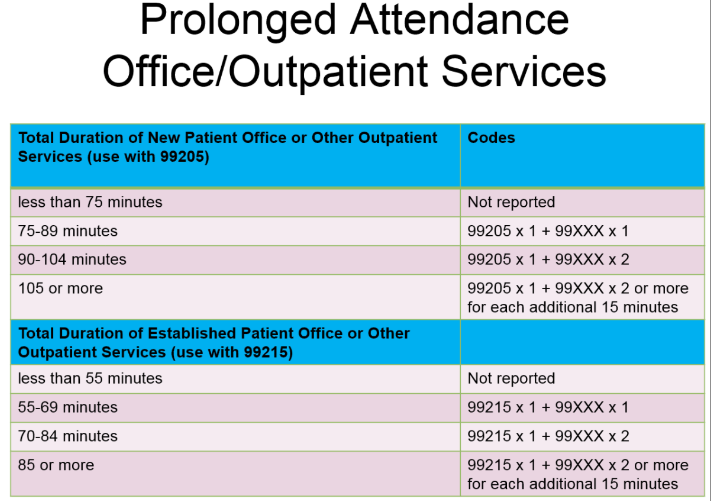
5.Creation of a new code for additional time
My take: The intent of these changes is logical. The goal of coding is to align the reimbursement with the degree of effort and not simply allow pre-formatted templates to justify upcoding. These changes could lead to simplification of documentation and allow more documentation time for medical decision-making part of the visit.
Disclaimer: This blog, gutsandgrowth, assumes no responsibility for any use or operation of any method, product, instruction, concept or idea contained in the material herein or for any injury or damage to persons or property (whether products liability, negligence or otherwise) resulting from such use or operation. These blog posts are for educational purposes only. Specific dosing of medications (along with potential adverse effects) should be confirmed by prescribing physician. Because of rapid advances in the medical sciences, the gutsandgrowth blog cautions that independent verification should be made of diagnosis and drug dosages. The reader is solely responsible for the conduct of any suggested test or procedure. This content is not a substitute for medical advice, diagnosis or treatment provided by a qualified healthcare provider. Always seek the advice of your physician or other qualified health provider with any questions you may have regarding a condition
“We pooled data from 8 phase 2 or phase 3 trials of treatment-naïve patients with HCV genotype 1 to 6 infections, without cirrhosis or with compensated cirrhosis, who received 8 weeks of glecaprevir/pibrentasvir.” (n=1248) Key finding: Overall rates of sustained virologic response at post-treatment week 12 were 97.6% (1218 of 1248) in the intention to treat (ITT) and 99.3% (1218 of 1226) in the modified ITT populations.
This review discussed the use of SMOFlipid that includes soybean, medium-chain triglycerides, olive and fish oils. Key points:
“Lipid minimization strategies have also been shown to reverse IFALD [intestinal failure associated liver disease]. There are, however, considerable concerns regarding adequate weight gain, compromise to neurodevelopment, and EFAD [essential fatty acid deficiency]”
“Thee is actually considerable safety data for CLE [composite lipid emulsion] in neonates, albeit over the short term.”
“In Canada, CLE is currently the lipid emulsion of choice for all infants at risk of IFLAD.”
Methods: “We collected information on weight-adjusted, submaximal physical work capacity (PWC), ultrasound-determined hepatic steatosis, iron indices, and hematologic and metabolic parameters from 390 female and 458 male participants of the Raine Study—a longitudinal study of disease development … in Western Australia”
Key finding: “Fourteen percent of the cohort had NAFLD. PWC was significantly reduced in adolescents with NAFLD compared to adolescents without NAFLD (reduction of 0.17 W/kg, P = .0003, adjusted for sex and body mass index [BMI])… we found NAFLD to be associated with decreased cardiorespiratory fitness, independent of BMI. The relationship between transferrin saturation and PWC in adolescents with NAFLD indicates that functional iron deficiency might contribute to reductions in cardiorespiratory fitness.”
“Thousands of Georgia’s poor and uninsured adults who meet a work or activity requirement will soon be eligible for Medicaid, with perhaps 50,000 added to the rolls within two years…And more than 350,000 very poor, uninsured Georgia adults still won’t meet Georgia’s requirements for Medicaid”
“At the same time, the 400,000 Georgians who bought individual health insurance plans on the federal healthcare.gov Affordable Care Act shopping website will find they can’t do that anymore. Instead they will be directed to contact information for private brokers or insurance companies”
In this retrospective cohort of 69 patients, Nine (13.0%) had papilledema and Five (7.2%) had confirmed or probable intracranial hypertension. All five had undergone liver transplantation.
Age (in months) when intracranial hypertension was diagnosed: 35, 43, 55, 62, and 103.
Discussion Points:
“Cerbrovascular abnormalities, including moyamoya disease, are increasingly describe in patients with” Alagille syndrome.
“Opthalmic complications in relation with papilledema seem to appear mostly after” liver transplantation. This could indicate that LT/immunosuppression exaccerbate underlying disorder, that those who need LT have more severe phenotype or could be related to closer scrutiny (‘follow-up bias”).
First line treatment for intracranial hypertension in this group is generally acetazolamide.
My take: I agree with the authors who propose regular eye exams for patients with Alagille syndrome, especially if needing liver transplantation. Further evaluation is recommended for patients who have greater than mild papilledema. This includes MRI and lumbar opening pressure.
A recent correspondence letter (CJ Black, AC Ford. AJG 2020; doi: 10.14309/ajg.0000000000000932. Full text: Efficacy of Ondansetron for Irritable Bowel Syndrome With Diarrhea) shows that ondansetron could be an effective option for irritable bowel syndrome with diarrhea. Thanks to Ben Gold for this reference.
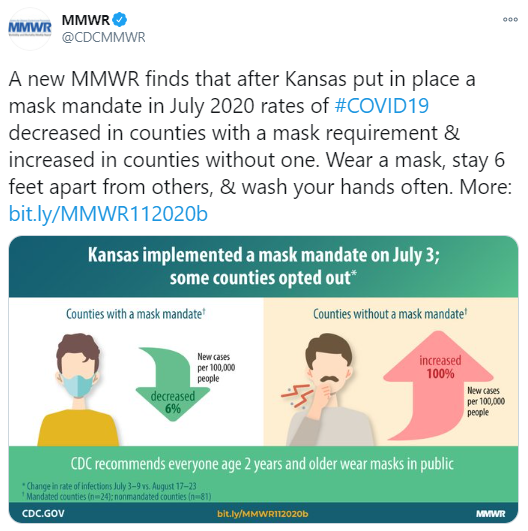
“Kansas counties that had mask mandates in place appear to have mitigated the transmission of COVID-19, whereas counties that did not have mask mandates continued to experience increases in cases.”
Methods: Retrospective chart review of 86 patients transplanted between 2003 and 2013
Key findings:
Intestinal graft survival was 71% and 65% after 5 and 10 years, respectively
Five-year graft survival was attained in 79% of patients with a history of anatomic intestinal failure (n=63) compared with 45% with functional intestinal failure (n=22) (P = 0.0055).
In their cohort, graft-versus-host and post-transplant lymphoproliferative disease were 11 times greater and 8 times greater in the functional compared with anatomic intestinal failure group. “Severe functional gastrointestinal diseases are more likely to be component of inherited multisystem disorders not fully correctable with ITx (intestinal transplantation) alone.”
Graft survival depends on avoidance of severe infectious and immunological complications including GVHD, whereas inclusion of a liver graft provides no obvious survival benefit
My take: In this cohorts, intestinal transplantation outcomes have improved for anatomic intestinal failure but not for functional intestinal failure. “Reduced success with functional intestinal failure may reflect inherently increased susceptibility to complications in this group.”
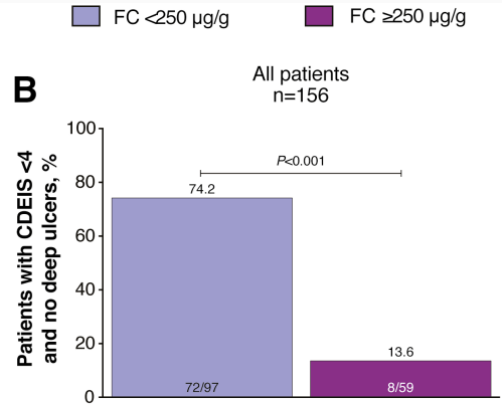
The proportion of patients who achieved the primary end point CDEIS <4 and no deep ulcers was significantly greater for those with FC <250 µg/g (74%; P < 0.001)
Fecal calprotectin <250 µg/g, CRP <5 mg/L, and CDAI <150 gave a sensitivity/specificity of 72%/63% and positive/negative predictive values of 86%/42% for CDEIS <4 and no deep ulcers 48 weeks after randomization
My take: Fecal calprotectin levels are useful for monitoring mucosal healing. Levels less than 250 are encouraging. Levels less than 100 are better.
Proportion of patients achieving mucosal healing (CDEIS <4) and no deep ulcers in (B) all patients by FC cutoff at week 48 after randomization
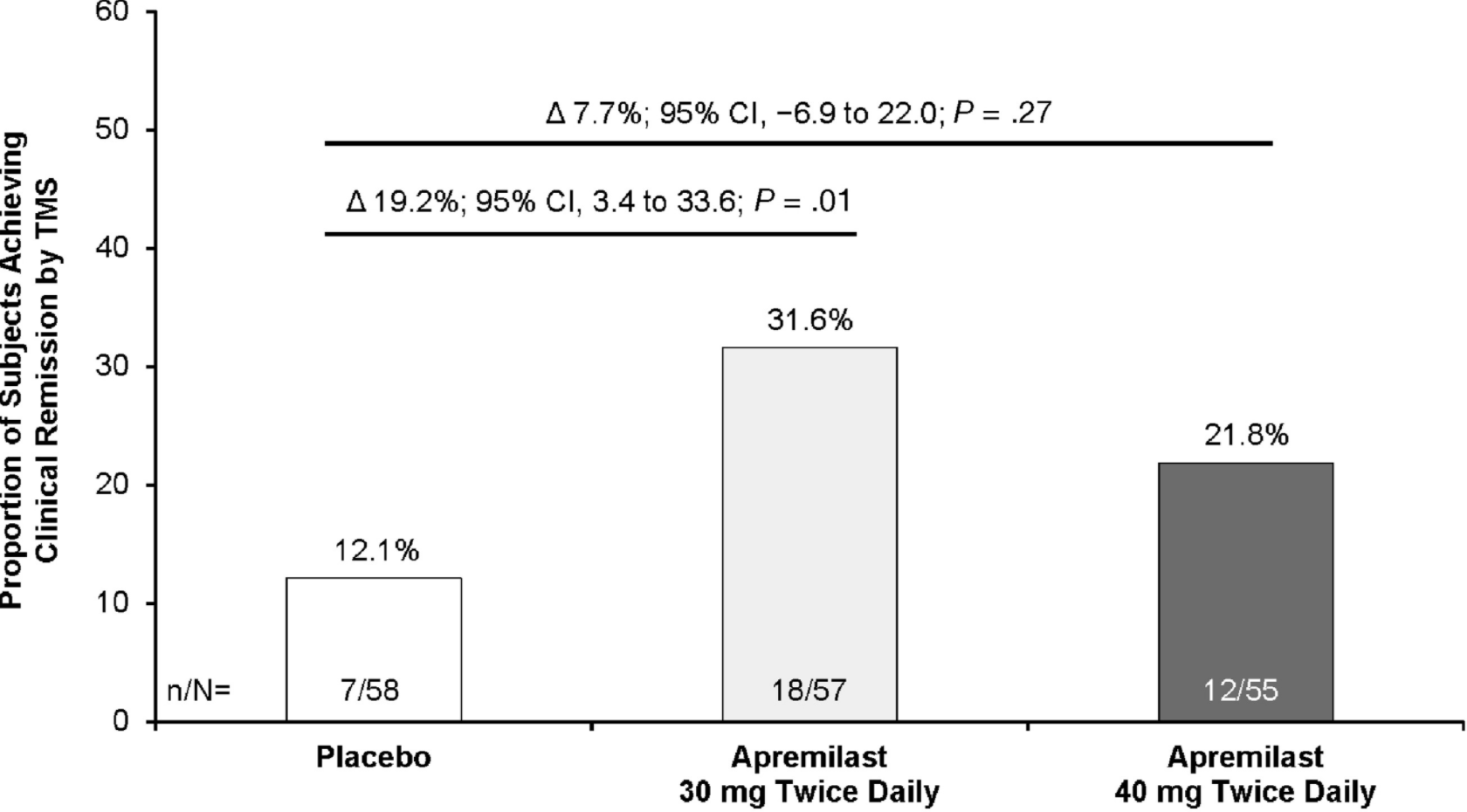
Clinical remission was achieved at week 12 by 31.6% of patients in the 30 mg apremilast group and 12.1% of patients in the placebo group (P = .01). However, only 21.8% of patients in the 40 mg apremilast group achieved clinical remission at week 12 (P = .27 compared with placebo)
At week 52, clinical remission was achieved by 40.4% of patients initially assigned to the apremilast 30 mg group and 32.7% of patients initially assigned to the apremilast 40 mg group.
Methods: Microbiota was prospectively analyzed in 49 patients with active CD at baseline, week 6, and week 30
Key Findings:
Increased proportions of Lachnospiraceae and Blautia were associated with IFX efficacy; the combined increase of these taxa at week 6 showed 83.4% and 84.2% accuracy in predicting clinical response at weeks 14 and 30, respectively, with a predictive value of 89.1% in predicting endoscopic response at week 30
IFX diminished CD-related gut microbial dysbiosis by modifying microbiota composition and function
“We found histologic evidence of UC activity (Geboes score ≥ 2B.1) in biopsies from 182 patients (65%) and endoscopic evidence of UC activity in 149 patients (53%) (substantial agreement, κ = 0.60).”
“Histologic features of UC activity were associated with increased rates of systemic corticosteroid use, colectomy, and hospitalization in the entire cohort (P < .05 for all) and associated with increased rates of systemic corticosteroid use in an analysis limited to patients in endoscopic remission (P < .001).”
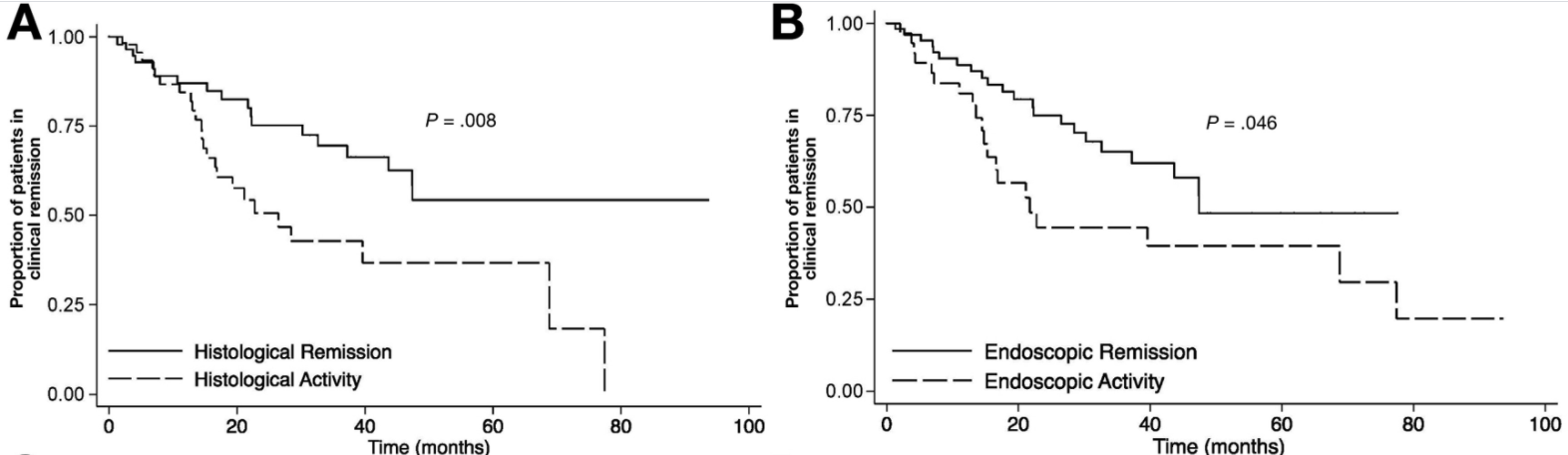
At ileo-colonoscopy, 63% of patients had endoscopic healing and 55% had histologic evidence of healing. The level of agreement between endoscopic and histologic activity was fair (62%, K = 0.2250, P = .0064)
On multivariate analysis, only histologic healing was associated with decreased risk of clinical relapse (hazard ratio [HR], 2.05; 95% CI, 1.07–3.94; P = .031), medication escalation (HR, 2.17; 95% CI, 1.2–3.96; P = .011), and corticosteroid use (HR, 2.44; 95% CI, 1.17–5.09; P = .018).
Kaplan-Meier analysis of effect of endoscopic and histologic activity on (A) clinical relapse-free survival versus histologic healing, (B) clinical relapse-free survival versus endoscopic healing
D Kevans et al. Inflamm Bowel Dis 2020; 26: 1722-1729. Histological Markers of Clinical Relapse in Endoscopically Quiescent Ulcerative Colitis Key finding: In endoscopically quiescent UC (n=76), active histological inflammation …[is] adjunctive histological marker associated with increased likelihood of disease relapse. The associated editorial (1730-32 by Asher Kornbluth) quotes Voltaire: “A wise Italian says that the best is the enemy of the good.” He notes that there is “a very real risk of abandoning an effective drug while chasing the goal of some yet to be universally defined histologic remission.” Currently organizational guidelines (ACG, AGA, ECCO, IOIBD) do NOT suggest the use of histologic normalization as an endpoint at this point.
My take: These studies show that histologic healing in ileal Crohn’s disease and in ulcerative colitis are associated with better outcomes that endoscopic appearance. However, there are a lot questions because many patients, possibly a majority, will not achieve histologic healing despite aggressive treatment. Related technical issues include how many biopsies are needed to assess histology and having a validated histologic assessment.
Disclaimer: This blog, gutsandgrowth, assumes no responsibility for any use or operation of any method, product, instruction, concept or idea contained in the material herein or for any injury or damage to persons or property (whether products liability, negligence or otherwise) resulting from such use or operation. These blog posts are for educational purposes only. Specific dosing of medications (along with potential adverse effects) should be confirmed by prescribing physician. Because of rapid advances in the medical sciences, the gutsandgrowth blog cautions that independent verification should be made of diagnosis and drug dosages. The reader is solely responsible for the conduct of any suggested test or procedure. This content is not a substitute for medical advice, diagnosis or treatment provided by a qualified healthcare provider. Always seek the advice of your physician or other qualified health provider with any questions you may have regarding a condition.
Background: AK002 (lirentelimab) is an anti-Siglec-8 antibody that depletes eosinophils and inhibits mast cells.
Methods: In this phase 2 trial, the authors randomly assigned adults (n=65) who had symptomatic eosinophilic gastritis, eosinophilic duodenitis, or both conditions in a 1:1:1 ratio to receive four monthly infusions of low-dose AK002, high-dose AK002, or placebo
Key findings:
The mean percentage change in gastrointestinal eosinophil count was −86% in the combined AK002 group, as compared with 9% in the placebo group
Treatment response (>30% reduction in total symptom score and >75% reduction in gastrointestinal eosinophil count) occurred in 63% of the patients who received AK002 and in 5% of the patients who received placebo
The authors note that AK002 “also resulted in alleviation of dysphagia in patients with a history of concomitant eosinophilic esophagitis.”
Limitations: Small study and 10% developed antibodies to drug
My take: Larger phase 3 studies with AK002 are underway (NCT04322604 & NCT04322708). AK002 looks promising for eosinophilic gastrointestinal diseases.
Change in total symptom score over 14 weeks. “Shown is the least-squares mean percentage change from baseline in total symptom score over time.” The total symptom score ranges from 0 to 80, with higher scores indicating greater symptom severity. Each of eight symptoms are given a score of 0 to 10: abdominal pain, nausea, vomiting, early satiety, loss of appetite, abdominal cramping, bloating and diarrhea.