“The Paramount Health Challenge for Humans in the 21st Century”

I had the privilege recently of introducing William Balistreri as the keynote speaker for the Georgia AAP Nutrition Symposium.  Dr. Balistreri is a personal hero for me; someone I admire greatly.  Hopefully, if he reads this, he will forgive me for forgetting to mention in my introduction that he also is a Lacrosse coach for one of his grandchildren’s team.

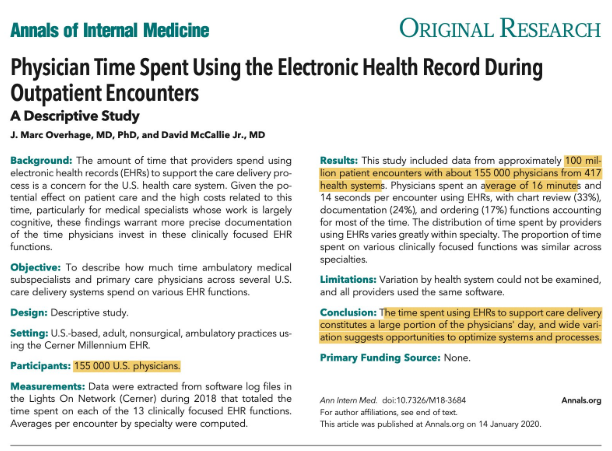
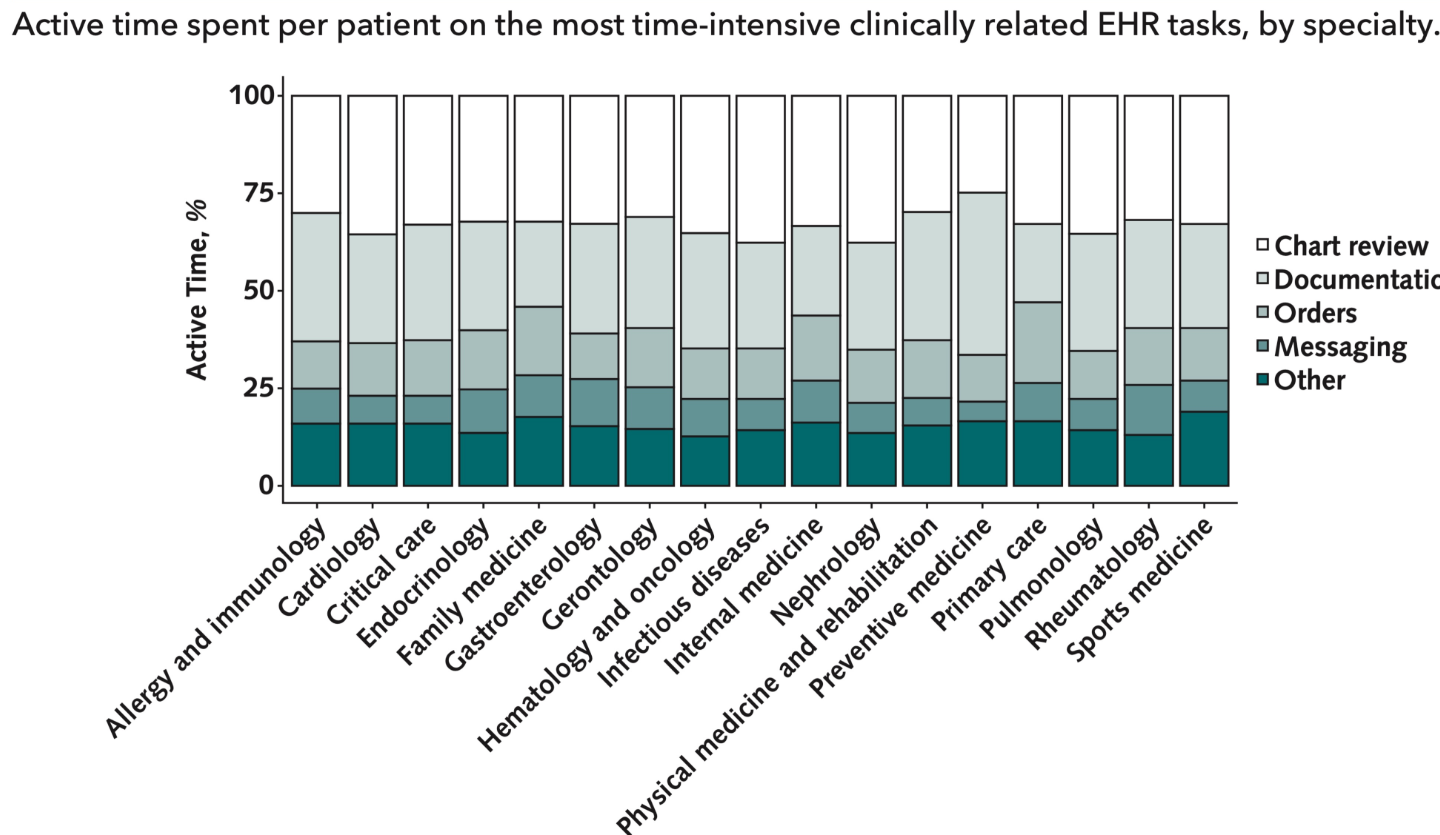
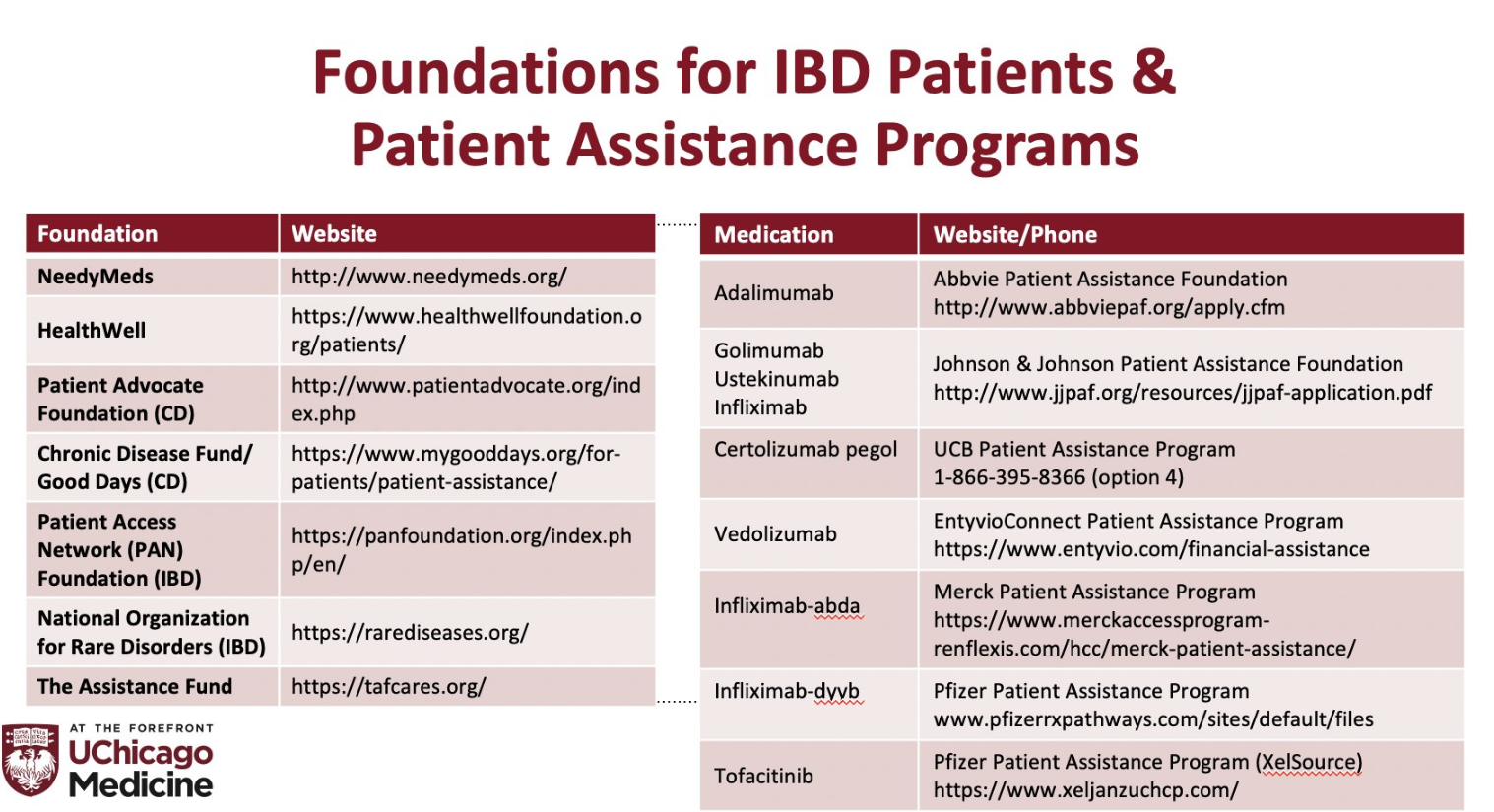
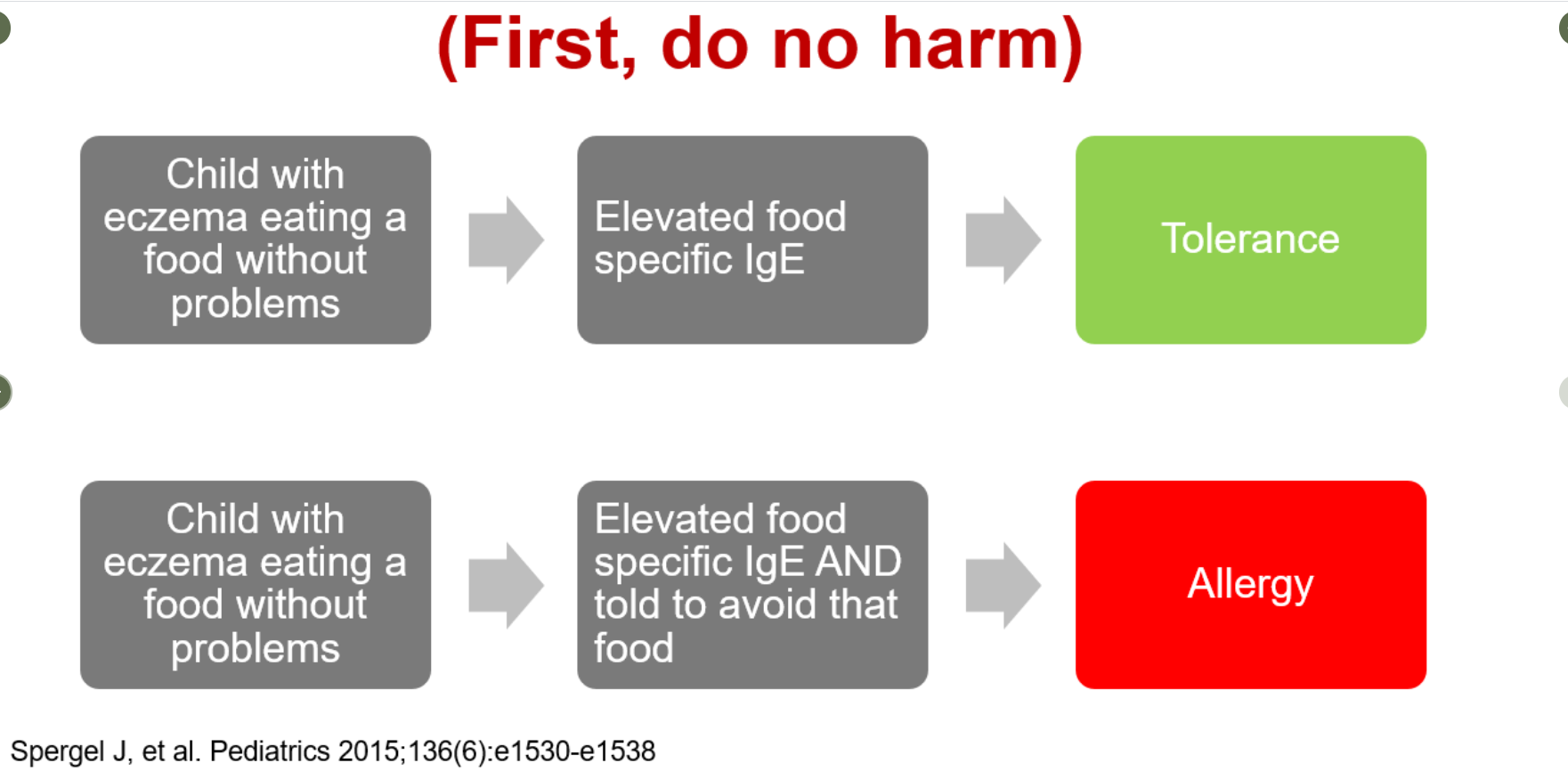
He gave a tour de force presentation on the global challenge of obesity.  In addition, he discussed undernutrition, endobariatrics, gastroenteritis, climate change and even food waste; 40% of U.S. food is thrown away. In Finland, there is a ‘Grocery Store Happy Hour‘ for distribution of reduced cost/free groceries which may help reduce food waste.  In general, I try to condense what I read or hear –that was pretty much impossible with this lecture which was packed with information based on the latest research as well as information dating back to the 5th Century BC/Plato.  What follows are some of my favorite slides.

Here is a link to the full talk: WHAT’S HOT in Pediatric Gastroenterology? Global Nutrition Lecture (10-10-19)

Two Articles received the most attention:

  1. LANCET Commission on Global Syndemic (Obesity, Undernuturition, and Climate Change)
  2. EAT- LANCET Commission on Healthy Diets

What Can Be Done?

Additional References:

A recent book (not discussed in lecture) provides related information. “We Are The Weather” by Jonathan Foer, was reviewed this past weekend in the NY Times: Meat is Murder: “[This book] has a point, and that is to persuade us to eat fewer animal products. Foer makes the case that, for Americans and citizens of other voracious meat-eating countries, this is the most important individual change we can make to reduce our carbon footprints.” However, the reviewer, Mark Bittman, states that “we’re not good at making positive decisions about our future. And we’re really not good at denying ourselves cheap pleasures like cheeseburgers.”  He advocates for stronger laws, government leadership, and pricing the products to account for their true costs in terms of their contributions to climate change, public health, and environmental degradation.

Related blog posts:


Anti-TNF Therapy: Might Save Your Health But Not Your Wallet

A recent study (LE Targownik, EI Benchimol, J Witt et al. Inflamm Bowel Dis 2019; 25: 1718-28) shows that direct health care costs are increased with anti-TNF therapy.

In this retrospective study using the Manitoba IBD Database, the authors examined the direct costs associated with anti-TNF therapy initiation in 928 patients (676 CD, 252 UC).  Only 84 subjects were <18 years.

Key findings:

  • The median costs for health care in the year of anti-TNF initiation increased compared to prior year.  In year prior to initiation, median costs were $4698 for CD and $6364 for UC; in the first year of anti-TNF treatment, costs rose to $39,749 and $49,327 respectively.
  • Costs remained elevated through 5 years of anti-TNF therapy for continuous users with total median of $210,956 and $245,260 respectively
  • There were reductions in non-drug costs. Inpatient and outpatient costs decreased in the year after anti-TNF initiation by 12% and 7% respectively, when excluding the costs of anti-TNFs.  These observed savings are considerably less than the medication expenditures.

Discussion:

  • Costs for medications are likely to improve with the introduction of biosimilars.  Currently these are being used mainly in persons with a new diagnosis due to reticence to switch from originator product in established patients.
  • The authors note that costs were overall higher with infliximab (IFX) than adalimumab (ADA) though “it is possible that patients with higher-severity disease are channeled toward IFX over ADA.”
  • Indirect costs like ability to go to work and achieve educational potential could offset some of the direct costs.  In a prior study in the U.S., ADA treatment was estimated to reduce indirect costs of “nearly $11,000 per person treated.”

Limitations:

  • Some costs were not measured in the study including emergency room visits, over the counter medications and alternative health care use.
  • This was not a randomized study; thus, it is impossible to know what costs of persons with similar disease who were untreated would have been.

My take: This study shows that saving money is not the main reason to use anti-TNF therapies; rather, their effects on improved health and fewer complications.

Related blog posts:

Haystack Rock, Cannon Beach OR

IBD Shorts -October 2019

Briefly noted:

D Piovani et al. Gastroenterol 2019; 157: 647-59.  This study examined environmental risk factors for inflammatory bowel disease after extensive literature review and assessment of meta-analysis.

9 factors that were associated with increased risk of IBD:

  • smoking (CD)
  • urban living (CD & IBD)
  • appendectomy (CD)
  • tonsillectomy (CD)
  • antibiotic exposure (IBD)
  • oral contraceptive use (IBD)
  • consumption of soft drinks (UC)
  • vitamin D deficiency (IBD)
  • Heliobacter species (non-Helicobacter pylori-like) (IBD)

7 factors that associated with reduced risk of IBD:

  • physical activity (CD)
  • breatfeeding (IBD)
  • bed sharing (CD)
  • tea consumption (UC)
  • high folate levels (IBD)
  • high vitamin D levels (CD)
  • H pylori infection (CD, UC, and IBD)

EL Barnes et al. Inflamm Bowel Dis 2019; 1474-80. In this review which identified 12 studies and 4843 with an IPAA ( ileal pouch-anal anastomosis) for ulcerative colitis, 10.3% were ultimately diagnosed with Crohn’s disease. Link to full text and video explanation: The Incidence and Definition of Crohn’s Disease of the Pouch: A Systematic Review and Meta-analysis

EV Loftus et al. Inflamm Bowel Dis 2019; 1522-31. In this study with 2057 adalimumab-naive patients, “the proportion of patients in HBI remission increased from 29% (573 of 1969; baseline) to 68% (900 of 1331; year 1) and 75% (625 of 831; year 6). Patients stratified by baseline immunomodulator use had similar HBI remission rates.”  Full text: Adalimumab Effectiveness Up to Six Years in Adalimumab-naïve Patients with Crohn’s Disease: Results of the PYRAMID Registry

The following study was summarized in previous blog: Oral Antibiotics For Refractory Inflammatory Bowel Disease  Full text link: Efficacy of Combination Antibiotic Therapy for Refractory Pediatric Inflammatory Bowel Disease

Washington Park, Portland, OR

30 -Year Outcomes with Biliary Atresia

M Fanna et al. JPGN 2019; 69: 416-24. In this retrospective 30-year study (1986-2015) from France, patients were examined in 4 time cohorts: 1986-96, 1997-2002, 2003-9, and 2010-5.

  • Age at Kasai operation remained stable throughout the study period -median 59 days.
  • Early Kasai was associated with a reduced need for liver transplantation. 25-year survival with native liver was 38%, 27%, 22%, and 19% for patients operated in first, second, third months or later respectively.
  • Clearance of jaundice (total bilirubin ≤20 micromol/L) after Kasai did not change appreciably in the time cohorts and was 38.8%.
  • 753 (of 1428 in cohort) patients underwent liver transplantation.
  • Overall survival of entire cohort was 87% (including all levels of followup).
  • Survival after LT was 79% at 28 years.
  • Five-year patient survival after LT was 76%, 91%, 88%, and 92% in the cohorts, indicating better survival more recently.
  • 22% of patients reached age 30 years without transplantation.

The authors note that better outcomes were noted in a long-term study from Japan where there are lower rates of LT needed for biliary atresia. IN Japan 20-year survival with native liver and overall patient survival was 48% and 89%, compared to 26% and 76% in France.

My take: This study indicates that the majority of patients with BA will require liver transplantation and that earlier Kasai operation is associated with a better chance of survival with native liver.  It is likely that data in the U.S. would be more similar to France than Japan based on prior publications.

Related blog posts:

Ecola State Park, OR

Liver Briefs -October 2019

Briefly noted:

M Mouzaki et al. JPGN 2019; 69: 339-43. In a cohort of 228 patients with 17 (8%) who were receiving psychotropic medications, the use of psychotropic medications was associated with increased nonalcoholic fatty liver disease (NAFLD) severity.  These patients were more likely to be receiving metformin (53% vs 18%) and antihypertensive medications (29% vs 8%).

S Honigbaum et al. JPGN 2019; 69: 344-50. Among 20 infants with biliary atresia, tissue had abundantly expressed lysly oxidase-like 2 (LOXL2) compared to controls.  LOXL2 is an extracellular matrix enzyme that catalyzed cross-linking of collagen and elastin; LOXL2 likely contributes to fibrosis.

Fewer Surgeries with Crohn’s Disease

Briefly noted: NE Burr et al. Clin Gastroenterol Hepatol 2019; 17: 2042-49.

In a retrospective cohort (1994-2013) using a primary care database from England, the authors identified decreasing risk of surgeries with Crohn’s diseae (CD).

  • From 1994-2003, the risk of first surgery dropped from 44% to 21%.
  • The risk of a second resection dropped as well, from 40% in 1994 to 17% in 2003 (with 10-year followup)

The reasons for this reduction are not certain but could include better clinical care or reduction in other risk factors (like smoking).

Atlanta Botanical Garden

NASPGHAN/ESPGHAN Position Paper: Nutrition Support for Children with Chronic Liver Disease

M Mouzaki et al. JPGN 2019; 69: 498-511. Full text link: Nutrition Support of Children with Chronic Liver Diseases: A Joint Position Paper of the North American Society for Pediatric Gastroenterology, Hepatology, and Nutrition and the European Society for Pediatric Gastroenterology, Hepatology, and Nutrition 

Figure 2 (above) outlines an approach to assuring adequate intake of nutrients

Table 2 (above) provides an approach to laboratory monitoring. The authors recommend measuring every 3-6 months for most of the vitamins and micronutrients listed in this table

Table 3 (above) provides recommendations for specific elements of nutritional support.

Figure 1 (above) describes pathophysiology of malnutrition.

My take: This position paper provides useful advice for approaching nutritional support in children with chronic liver disease. Defining the specific patients in which these guidelines may be applicable requires individual assessment.  Thus, the authors note that the guidelines “should not be construed as establishing a legal standard of care or as encouraging, advocating, requiring, or discouraging any particular treatment.”

Related blog posts:

Disclaimer: These blog posts are for educational purposes only. Specific dosing of medications/diets (along with potential adverse effects) should be confirmed by prescribing physician/nutritionist.  This content is not a substitute for medical advice, diagnosis or treatment provided by a qualified healthcare provider. Always seek the advice of your physician or other qualified health provider with any questions you may have regarding a condition

Quantifying the Risk of Autoimmunity for Celiac Disease

A recent study (MR Khan et al. JPGN 2019; 69: 438-42) examined the rates of autoimmune disorders (AD) among patients with celiac disease (CD) (n=249) compared to a control group (n=498) over an 18 year period (1997-2015). The authors utilized the  a database of medical records via the Rochester Epidemiology Project (Mayo Clinic/Olmstead County).

Key findings:

  • Five years after the index date, 5.0% of CD patients and 1.3% of controls had a de novo AD diagnosis
  • In the pediatric age group, there was an increased risk of AD: 5/83 (7.3%) of CD patients and 0/179 (0%) developed a AD diagnosis at the 5-year mark
  • The authors note that they observed a lower rate of Hashimoto thyroiditis after the diagnosis of CD, likely indicating a protective role of a gluten-free diet
  • Thyroid disorders, type 1 DM, psoriasis/psoriatic arthritis and rheumatoid arthritis were the most common AD identified in patients with CD

Limitations:

  • Retrospective study
  • Adherence with GFD was not assessed

My take: Screening for AD periodically is worthwhile in patients with CD, particularly thyroid disorders and type 1 diabetes which accounted for ~80% of the autoimmune conditions identified.

Briefly noted: R Ahawat et al. JPGN 2019; 69: 449-54. In this study with 38 newly-diagnosed CD, the authors found a high prevalence of low vitamin D (25OHD) levels (65.8%) -defined as <30 ng/mL; however, the control population had a higher rate of 79.3%.  While the authors advocate checking vitamin D levels due to the risk of bone disease, it is noted that bone mineral density and vitamin deficiencies frequently improve with a gluten-free diet (Related post: Celiac studies)

Related posts:

Barcelona