Safety of Senna-Based Laxatives

A recent study  (Vilanova-Sanchez A, et al. J Pediatr Surg 2018; 53: 722-7) provides reassurance regarding the safety of senna-based laxatives in kids.

The authors performed a literature review and reviewed their personal experience (2014 to 2017) of prescribing Senna in 640 patients. In this cohort, 230 (36%) had functional constipation.

Key findings:

  • Besides abdominal cramping or diarrhea during the first weeks of administration, there were no other long-term side effects from Senna found in the pediatric literature with long-term treatment
  • At their institution, 83 (13%) patients presented minor side effects such as abdominal cramping, vomiting or diarrhea, almost half (48%) of which resolved spontaneously within two weeks.
  • “We did not see any side effects in 540 (84.3%) patients.”  The median length of treatment was 338 days and median dose was 17.5 mg.  “430 (80%) of them are currently taking Senna.”
  • 17 patients (2.2%) developed blisters during their treatment. Patients who developed blisters had higher doses 60 mg/day; 60 [12–100] vs. 17.5 [1.7–150] (p < 0.001). All of the blistering episodes were related to night-time accidents, with a long period of stool to skin contact.

In their discussion, the authors note that senna and other anthranoid glycosides are not absorbed in the small intestine.  They are maintained as prodrugs until they reach the large intestine where they are metabolized to the active form. In addition, “despite an extensive search of both the medical and lay literature we did not find any reference to long term tolerance due to treatment which we find is a frequently mentioned concern by families and clinicians”

The authors comments on the study from Nationwide Children’s Hospital website:

  • “The safety profile of senna is as good as or better than many common medications a person would be on, including over-the-counter medications routinely given to very young children, and tolerance does not appear to be a concern,” says Dr. Levitt, who is also a professor of Surgery at The Ohio State University College of Medicine. “We hope this paper will make physicians more comfortable in using senna-based laxatives, and that they will be more widely used.”
  • Senna is often more effective than polyethylene glycol. This study shows that it is safe as well.  “A physician should consider senna as the first line medication,” says Dr. Levitt.

My take: Many patients who come to pediatric gastroenterologists have not responded to polyethylene glycol.  Senna has been effective in many of these patients as part of a bowel regimen which usually includes behavior modification and diet.

Related blog posts:

Pictures from Joshua Tree National Park

NY Times: The Battle Over Fecal Transplantation

NY Times: Drug Companies and Doctors Battle Over the Future of Fecal Transplants

This article highlights a concern that pharmaceutical companies may persuade the FDA to regulate fecal transplants similar to medications.  This will exponentially increase the cost and limit the access to beneficial human excrement. Thanks to one of my sons for pointing out this commentary to me.

An excerpt:

As pharmaceutical companies seek to profit from the curative wonders of human feces, doctors worry about new regulations, higher prices and patients attempting DIY cures…

The clash is over the future of fecal microbiota transplants, or F.M.T., a revolutionary treatment that has proved remarkably effective in treating Clostridioides difficile, a debilitating bacterial infection that strikes 500,000 Americans a year and kills 30,000…

At the heart of the controversy is a question of classification: Are the fecal microbiota that cure C. diff a drug, or are they more akin to organs, tissues and blood products that are transferred from the healthy to treat the sick? The answer will determine how the Food and Drug Administration regulates the procedure, how much it costs and who gets to profit…

Human feces, it turns out, are a potential gold mine, for both medical researchers and drug makers…

Inspired by the success of fecal transplants for C. diff, scientists are racing to develop similar treatments for an array of ailments and disorders, among them obesityautismulcerative colitis, and Alzheimer’s and Parkinson’s diseases…

For now, most of the material used in fecal transplants comes from OpenBiome, the public stool bank in Cambridge …The material comes from donors who earn $40 a pop and must pass intensive screenings and regular medical checkups. “It’s harder to become a stool donor than it is to get into M.I.T.,” said Carolyn Edelstein, who runs the organization…The F.D.A. has ramped up oversight of OpenBiome’s production, leading to more rigorous testing and higher prices, which will double to $1,600 this month.

Related blog posts:

From NY Times Twitter Feed

IBD Update March 2019

Briefly noted:

W El-Matary et al. Inflamm Bowel Dis 2019; 25: 150-5. This retrospective study of 667 children with Crohn’s disease who were prospectively enrolled in an inception study found that 85 (12.7%) had fistulizing perianal disease. The mean infliximab (pre-fourth dose) was 12.7 mcg/mL in responders compared with 5.4 mcg/mL in the active disease group.  My take: Higher trough levels are desirable in those with fistulizing disease.

LJT Smits et al. Inflamm Bowel Dis 2019; 25: 172-9. In a  prospective cohort with 83 patients with IBD (57 with Crohn’s disease) with at least 2 years of followup, 66% of IBD patients continued CT-P13 after switching from Remicade; two patients developed anti-drug antibodies.  The absolute numbers suggest no adverse impact of a single switch to the biosimilar product.

Related blog posts:

A Tinsley et al. Inflamm Bowel Dis 2019; 25: 369-76. This study documents the increased risk of influenza and increased influenza complications among IBD patients based on a database cohort of 140,480 patients (with and without IBD). The risk of hospitalization was 5.4% in patients with IBD compared with 1.85% in non-IBD patients.

Related blog post: Almost Everybody Needs Flu Shot -IBD Patients at Higher Risk

YY Xu et al. Inflamm Bowel Dis 2019; 25: 261-9. This meta-analysis included 18 nonrandomized controlled trial studies with 1407 patients who received preoperative infliximab and 4589 patients.  The authors showed that preoperative infliximab was not associated with any statistically significant differences for the 2 groups for any complications, reoperation, readmission or mortality.

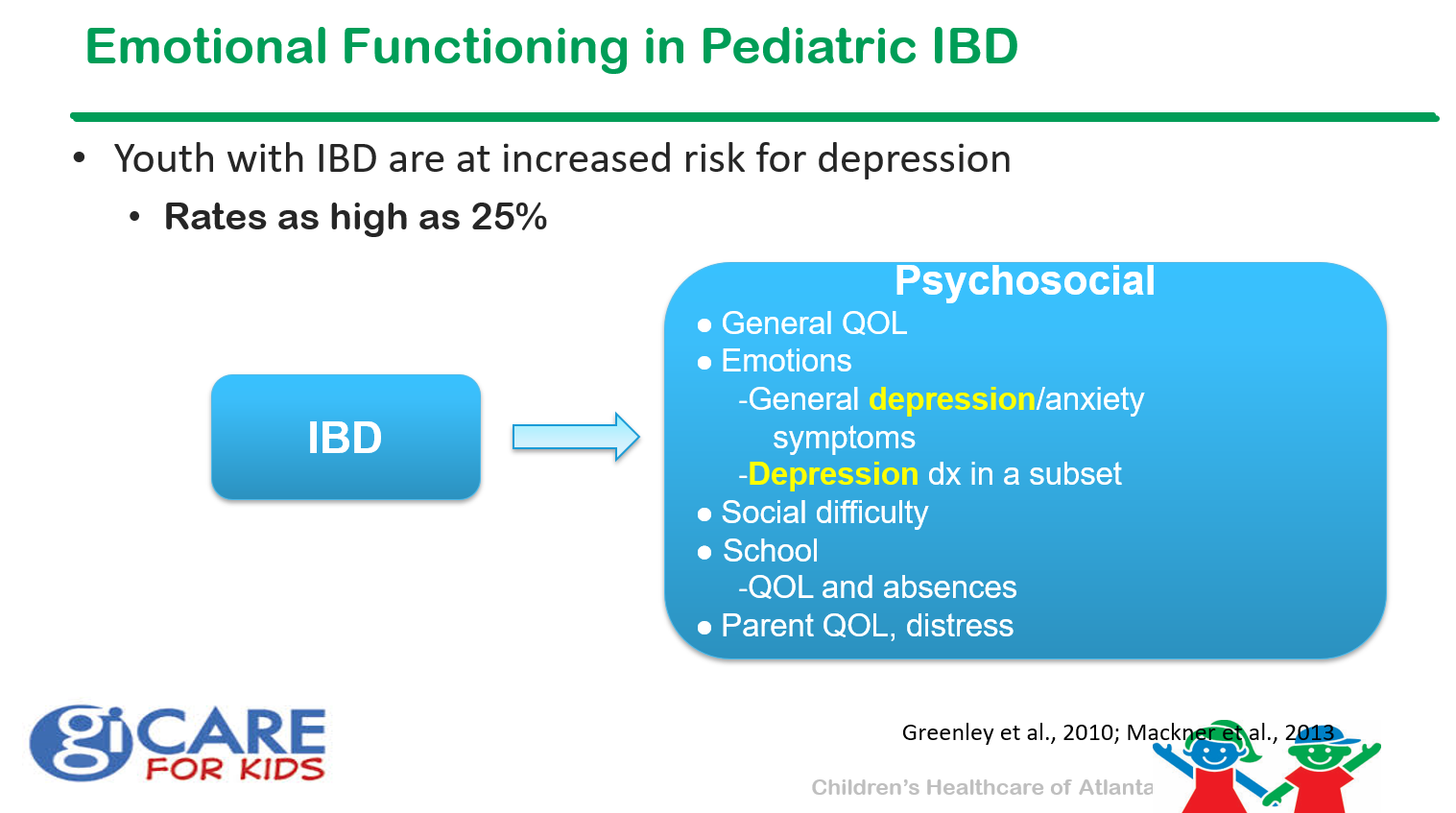
CN Bernstein et alInflamm Bowel Dis 2019; 25: 360-8. This study, using population-based administrative health data (Manitoba) found increased burden of psychiatric disorders in IBD: compared with controls the incidence rate ratio for depression was 1.58, for anxiety 1.39, for bipolar disorder 1.82, and for schizophrenia 1.64.

Related blog post: #NASPGHAN17 Psychosocial Problems in Adolescents with IBD

View from Ryan Mountain, Joshua Tree National Park

More Cases of Hepatocellular Carcinoma after Fontan

Several years ago, there were 4 cases of hepatocellular carcinoma (HCC) following Fontan procedure reported in the NEJM. (Reviewed in this blog: Hepatocellular carcinoma after Fontan Procedure).

Another recent report describes 3 patients who presented with HCC more than 10 years after Fontan procedure.  The age of these patients varied from 20 to 28 years. The authors use the term Fontan-Associated Liver Disease (FALD).  They note that FALD is strongly associated with the interval from the procedure, increasing in frequency with more time following surgery.  The risk of FALD is 4.4 times greater between years 11-15 years than in the first 10 years.

The authors recommend screening for HCC in patients 10 years after Fontan procedure. They suggest a baseline MRI followed by biannual ultrasounds and alpha-fetoprotein tests.

Related blog posts:

Warren Peak, Joshua Trree National Park

Big Data for Personalized Diets

A recent commentary in the NY Times discusses the future of personalized diets.  Along the way, the commentary notes how little we know about the best diet and how difficult nutrition research is to complete.

The A.I. Diet by Eric Topol who is the author of the forthcoming “Deep Medicine,” from which this essay is adapted

An excerpt:

It turns out, despite decades of diet fads and government-issued food pyramids, we know surprisingly little about the science of nutrition. It is very hard to do high-quality randomized trials: They require people to adhere to a diet for years before there can be any assessment of significant health outcomes…

Meanwhile, the field has been undermined by the food industry, which tries to exert influence over the research it funds.

Now the central flaw in the whole premise is becoming clear: the idea that there is one optimal diet for all people…

Only recently, with the ability to analyze large data sets using artificial intelligence, have we learned how simplistic and naïve the assumption of a universal diet is. It is both biologically and physiologically implausible: It contradicts the remarkable heterogeneity of human metabolism, microbiome and environment, to name just a few of the dimensions that make each of us unique. A good diet, it turns out, has to be individualized.

My take: Dr. Topol makes some important observations and he is right that there is not a simple diet solution for everyone.  Nevertheless, in the near future, personalized medicine is not coming to our dinner tables and we have to rely on what we know right now –don’t eat too much sugar, do eat more fruits and vegetables, and don’t eat too much.

Related blog posts:

Briefly noted: Autism Spectrum Prevalence

A recent study (G Xu et al. JAMA Pediatr 2019; 173: 153-9) uses a nationwide, population-based, cross-sectional survey to provided updated estimates of autism spectrum disorder (ASD) prevalence. The authors include more than 43,000 children (3-17 yrs).

Key findings:

  • The weighted prevalence of ever-diagnosed and current ASD was 2.79% and 2.50% respectively
  • State-level prevalence varied considerably with ever-diagnosed ASD of 1.54% in Texas to 4.88% in Florida.
  • 29.5% of those with current ASD did not receive either behavioral or medication treatment.

My take: This study documents the high rates of ASD in the pediatric population and shows that many are not receiving potentially beneficial treatment.

Also, in the same issue, there are three unrelated commentaries regarding vaccine policy (thanks to Ben Gold for these references):

  • New York City Childcare Influenza Mandate (YT Yang, J Colgrove. JAMA Pediatr 2019; 173: 119-20)
  • Lessons from California’s Discipline of a Popular Physician for Vaccination Exemptions Without Medical Cause (RD Silverman, YT Yang. JAMA Pediatr 2019; 173: 121-2)
  • Requiring Human Papillomavirus Vaccination for School Entry  (MJ Bayefsky, LO Gastin. JAMA Pediatr 2019; 173: 123-4)

The first of these commentaries discusses the implications of NYC influenza 2013 mandate for infants/children 6 mo-59 months.  After implementation, there was an increase in vaccination rates by 11.4% which dropped back after a legal challenge. The second commentary discusses the California State Board’s discipline of a vaccine skeptic, Dr. ‘Bob’ Sears. The final commentary calls for mandating the HPV vaccine. (Related post: HPV Vaccine Eliminating Cervical Cancer)

View from Ryan Mountain, Joshua Tree National Park

How Long is Acetylcysteine Needed for Acetaminophen Overdose?

A recent open-label “NACSTOP trial” (A Wong et al. Hepatology 2019; 69: 774-84) examined a 12-hour regimen of acetylcysteine in patients at lower risk for severe hepatotoxicity from acetaminophen overdose.

Background/Methods: Intravenous acetylcysteine is generally delivered as 300 mg/kg over 20 hours in “nearly every patient deemed at any risk for hepatotoxicity following acetaminophen overdose.” Administration within 8 hours of an acute single acetaminophen overdose prevents hepatotoxicity in nearly all patients.

In this study, patients with normal serum alanine transaminase (ALT) and normal creatinine at presentation and at 12 hours along with acetaminophen level of <20 mg/L at 12 hours were assigned to either a 12 hour (250 mg/kg) or 20 hour (300 mg/kg) acetylcysteine (IV) infusion.

1411 Acetaminophen overdoses were identified; of these, 449 met criteria for study participation. 100 patients out of these 449 eligible were enrolled.

Key findings:

  • There was no difference in ALT or INR at 20 hours between the two groups.
  • No hepatotoxicity was evident in either group. 96 of 96 were well at 14-day telephone followup.

Discussion: “A normal ALT on  presentation has a high negative predictive values (100%) of individuals developing any serious liver injury (ALT >1000 IU/L) in those receiving acetylcysteine.” [Al-Hourani et al. QJM 2013; 1065: 541-6)

My take: This study shows that a shortened acetylcysteine infusion is likely safe in selected patients at low risk for hepatotoxicity.

Related blog posts:

Disclaimer: These blog posts are for educational purposes only. Specific dosing of medications/diets (along with potential adverse effects) should be confirmed by prescribing physician/nutritionist.  This content is not a substitute for medical advice, diagnosis or treatment provided by a qualified healthcare provider. Always seek the advice of your physician or other qualified health provider with any questions you may have regarding a condition

Joshua Tree National Park

Liver Shorts Feb 2019

ZM Younossi et al. Hepatology 2019; 69: 564-72. This study, using Markov models for nonalcoholic steatohepatitis (NASH), estimated that there are 6.65 million adults with NASH in the U.S. and that lifetime costs will be $.222.6 billion.

Y Chang et al. Hepatology 2019; 69: 64-75.  This study with 58,927 Koreans with non-alcoholic fatty liver disease (NAFLD), found that nonheavy alcohol consumption was “significantly and independently associated with worsening of noninvasive markers of fibrosis, indicating that even moderate alcohol consumption might be harmful.”

Related blog posts:

KA Forde et al. Hepatology 2019; 69: 270-81.  This study examined screening for hepatopulmonary syndrome (HPS) in patients (n=363) evaluated for liver transplantation (LT). It found that pulse oximetry had low sensitivity for detecting HPS. Overall, 21% of the cohort had HPS. “We found that pulse oximetry essentially performed no better than chance (i.e.. a ‘coin flip’) in the discrimination of patients with HPS from all-comers.” 18% of patients with an SpO2 of 96% or higher had HPS. Based on their findings, the authors recommend that routine screening of LT candidates include ABG and contrast-enhanced echocardiograpy.

From Joshua Tree National Park..Gorgeous views from Ryan Mountain