Jose Garza: Belching, Bloating and Best Advice

Recently Dr. Garza gave our group an excellent lecture. It is always great learning more about how the GI tract really works and what is going wrong when patients are having symptoms. I have taken some notes and shared some slides. There may be inadvertent omissions and mistakes in my notes.

Physiology:

  • Air in the GI tract needs to either be expelled from mouth, be absorbed or be expelled rectally. Nitrogen gas is not well-absorbed. Bacteria in GI tract can contribute to gas production and can also absorb gas.
  • Only about 23% of GI tract air is expelled rectally as gas. Most gas is absorbed and can be expelled from the lungs subsequently.
  • GI tract makes adjustments after swallowing air to help with comfort. This includes raising of the diaphragm. Toddlers frequently have aerophagia but infrequently have symptoms due to distention. Symptoms may worsen in teens/older individuals due to not allowing gas passage

Bloating:

  • Bloating is a sensation that can occur with and without distention.
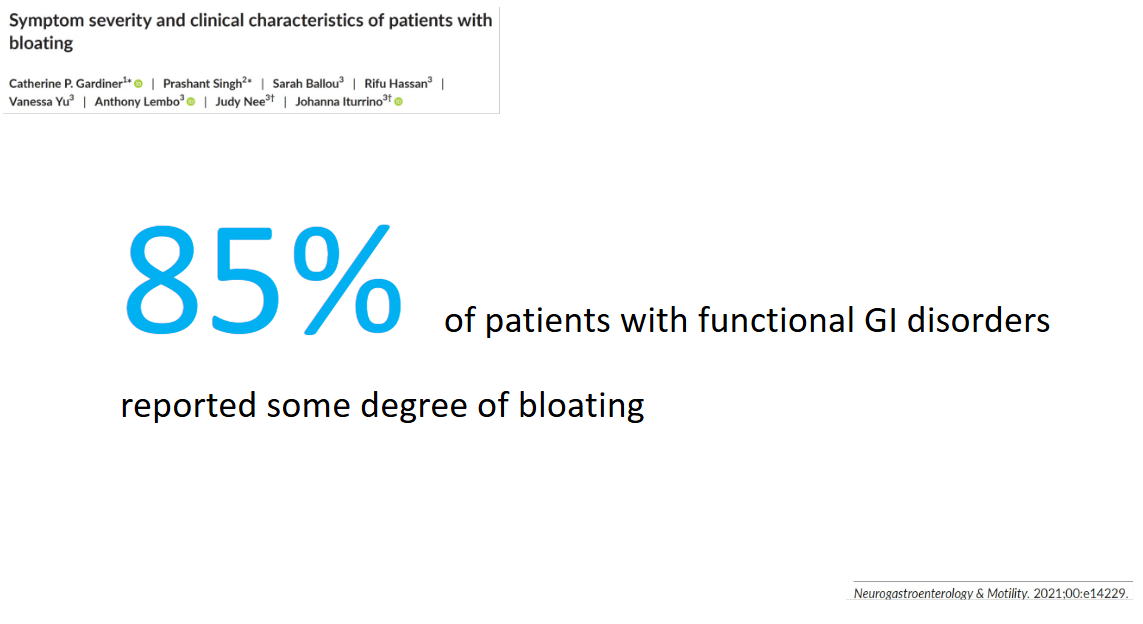
  • Up to 85% of patients with DGBIs c/o bloating
  • Reasonable to check for celiac disease and possibly other tests if alarm symptoms like bilious vomiting, weight loss and poor growth
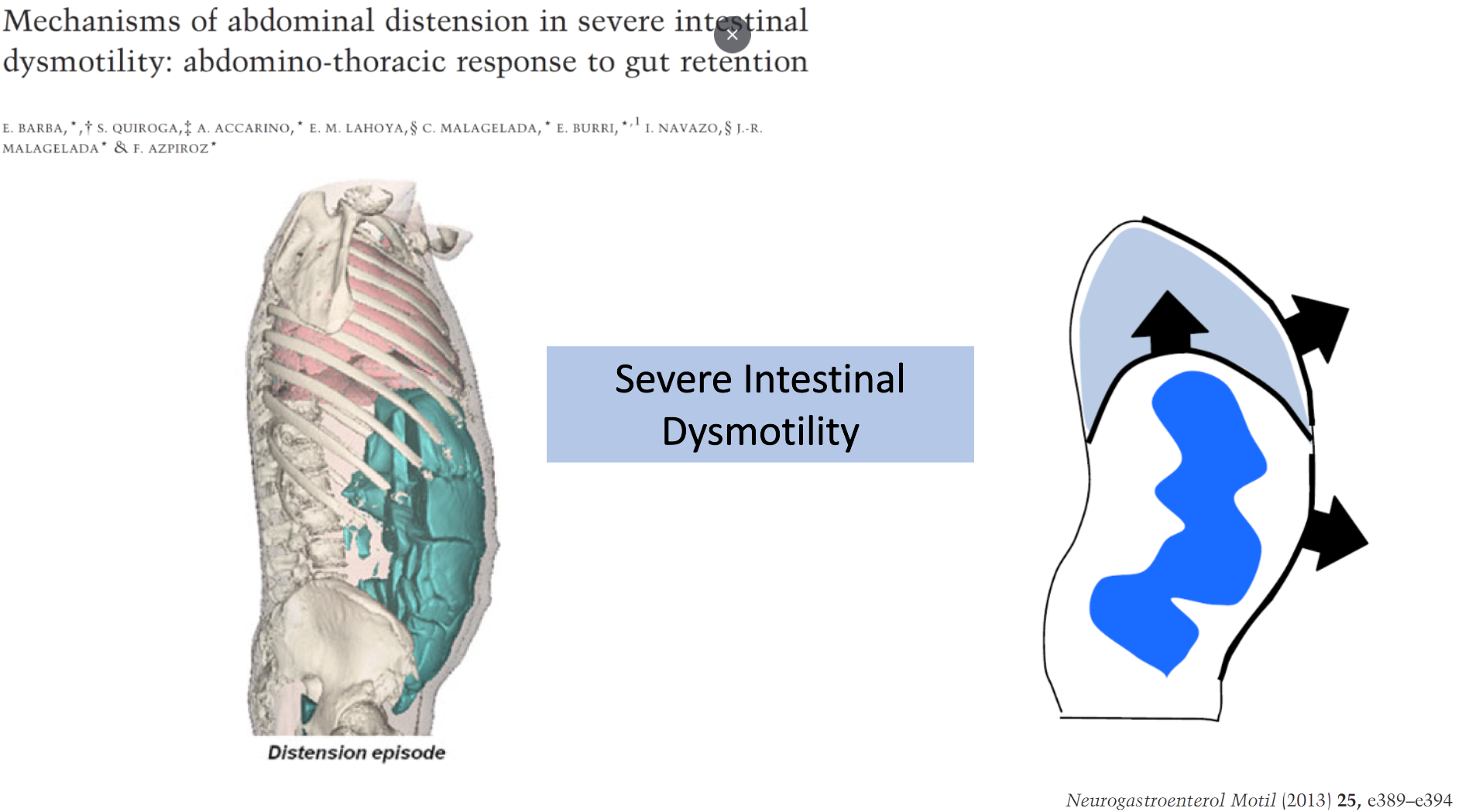
  • Increased air in the small bowel is rare and often indicative of dysmotility
  • Elegant studies with CT scan have shown that the typical increase in excess gas during bloating symptoms is only 22 mL. With pseudoobstruction, excess volume of gas is around 3000 mL.
  • pH-impedance is good at detecting aerophagia which often contributes to bloating. Aerophagia prevalence was 3.66% in one study
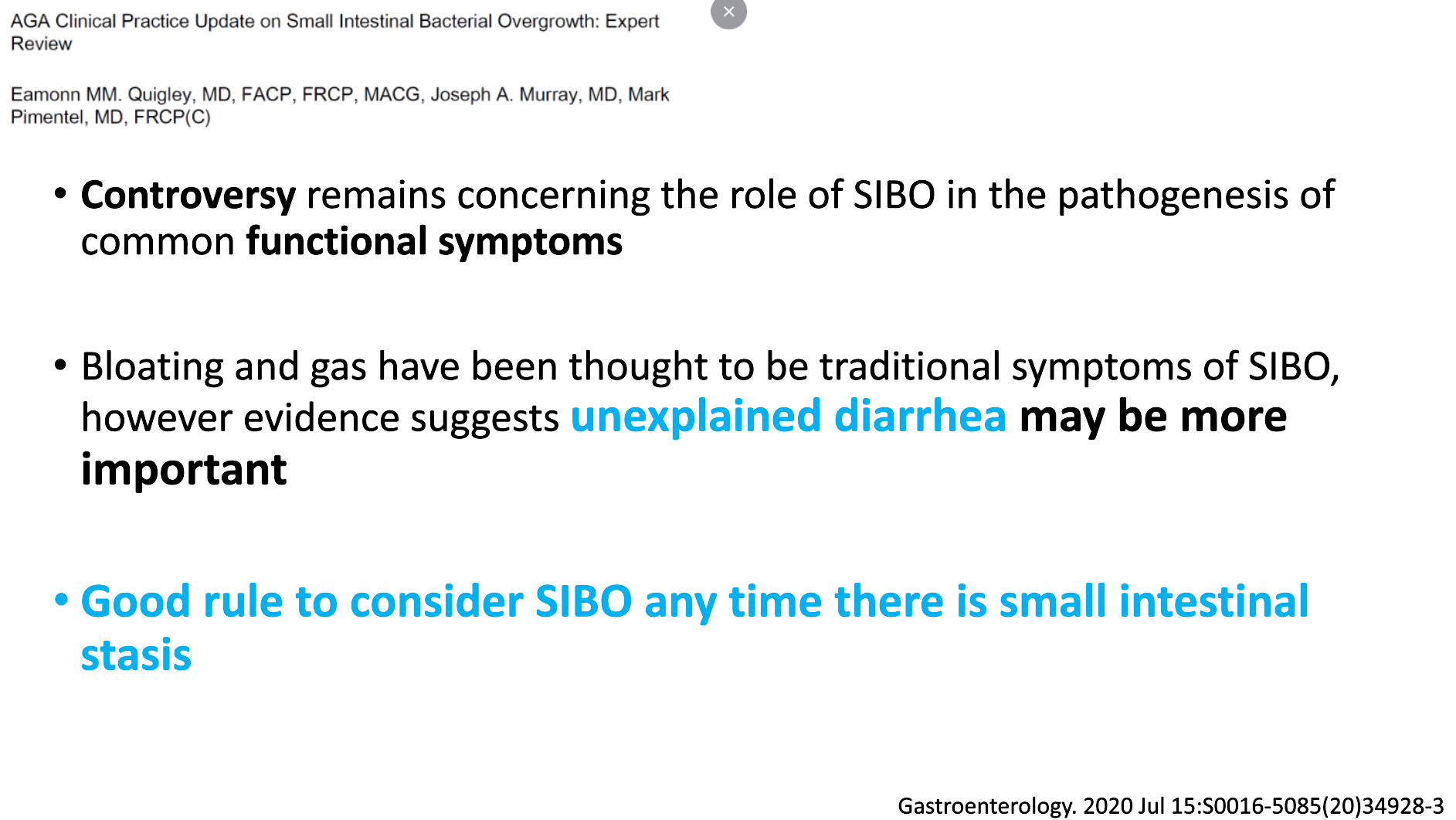
  • The amount of air from bacterial overgrowth (SIBO) is usually NOT enough to cause most of the reported symptoms of bloating (though may be a contributing factor).
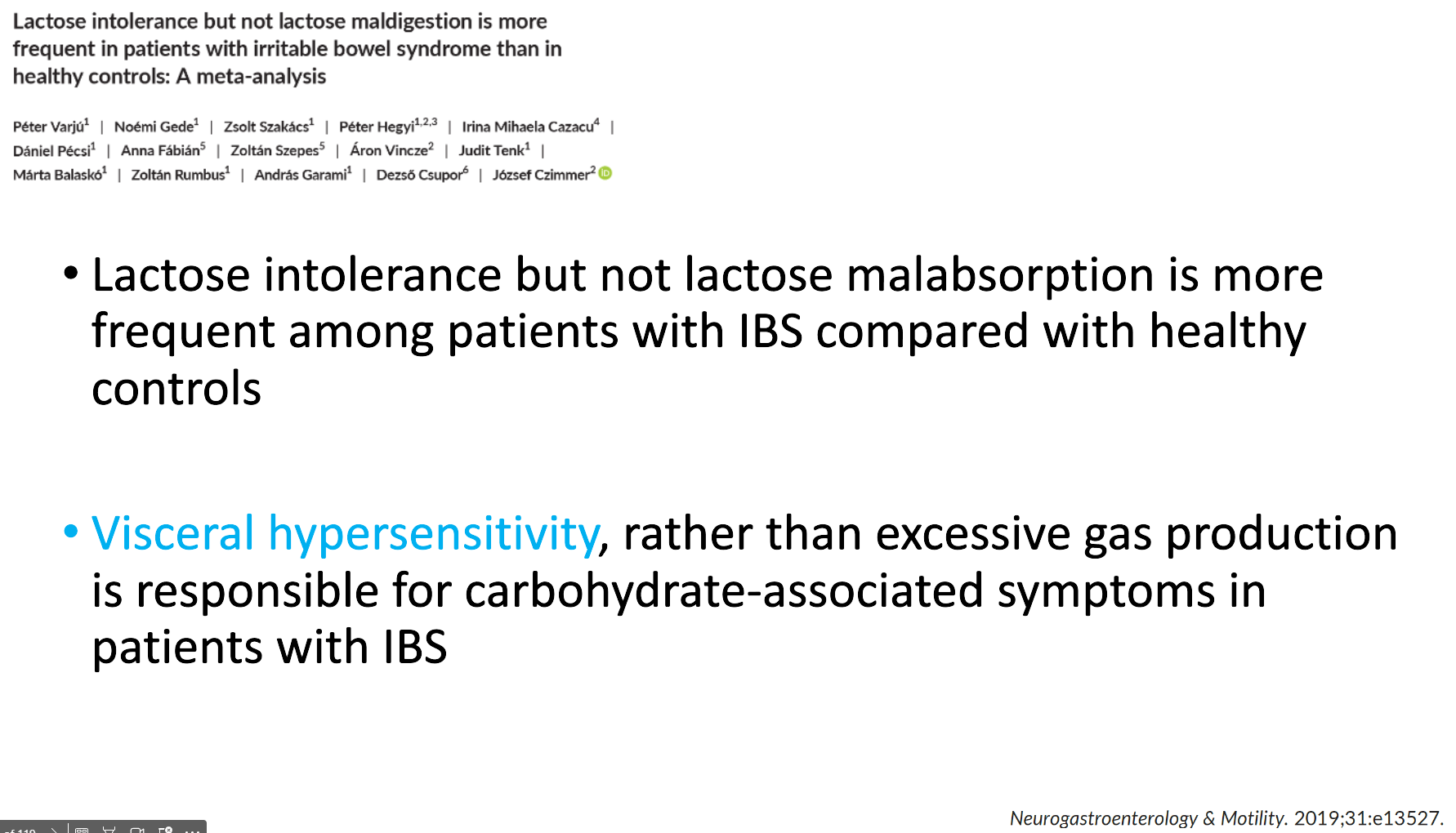
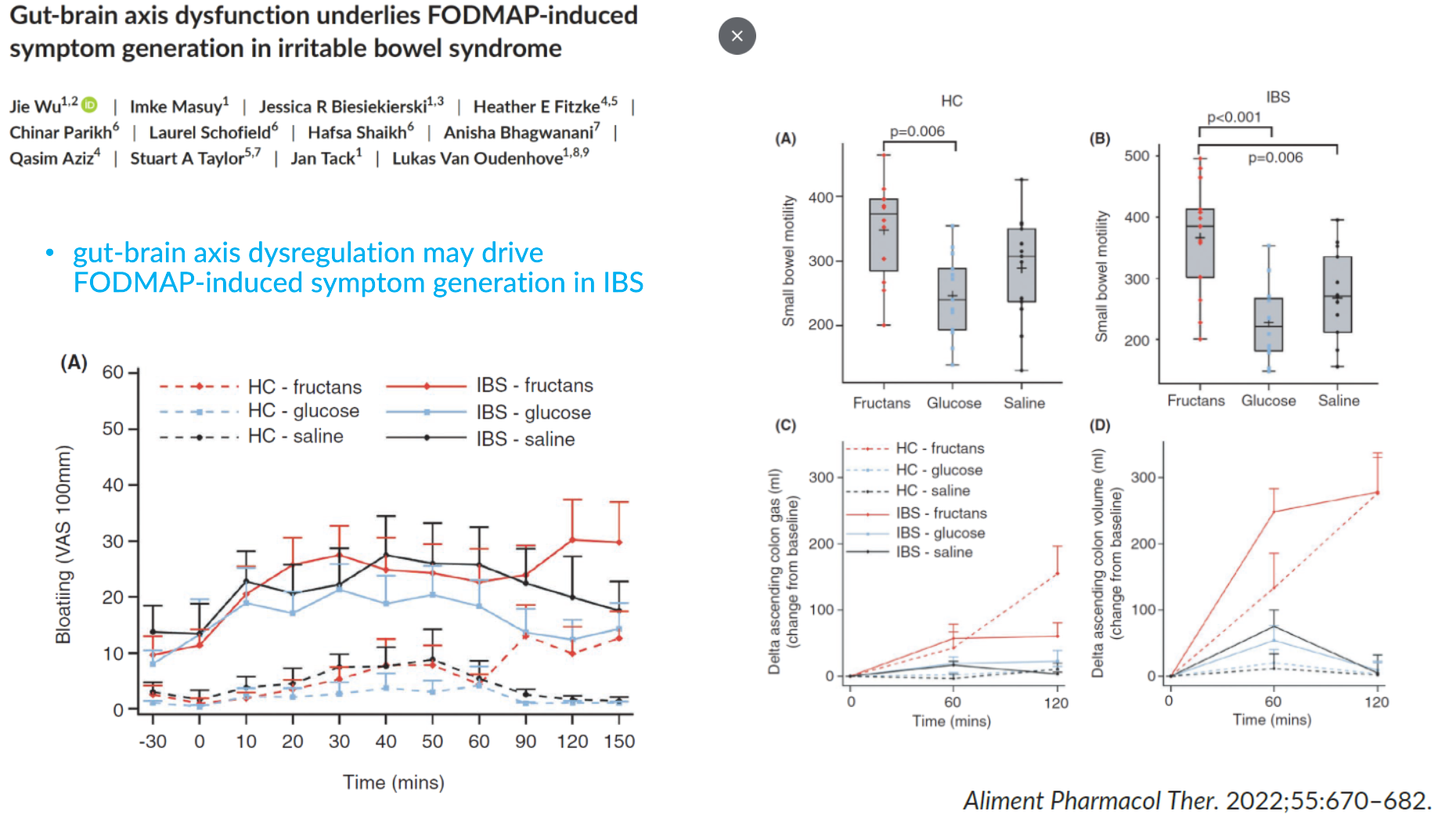
  • A lot of bloating symptoms are due to increased sensitivity and ‘weird gas handling.’ The latter could include compression of diaphragm rather than elevation.
  • Diets (eg lower fructan) can decrease gas but likely also work in other ways. Diets also have side effects and this needs to be carefully considered due to potential issues with eating disorders/ARFID
  • Treat constipation IF PRESENT
  • Diaphragmatic breathing, CBT, neuromodulators and peppermint oil are potential treatment options
  • Increased activity helps with bloating and gas passage
Belching:

  • Descriptions of belching date back more than a hundred years
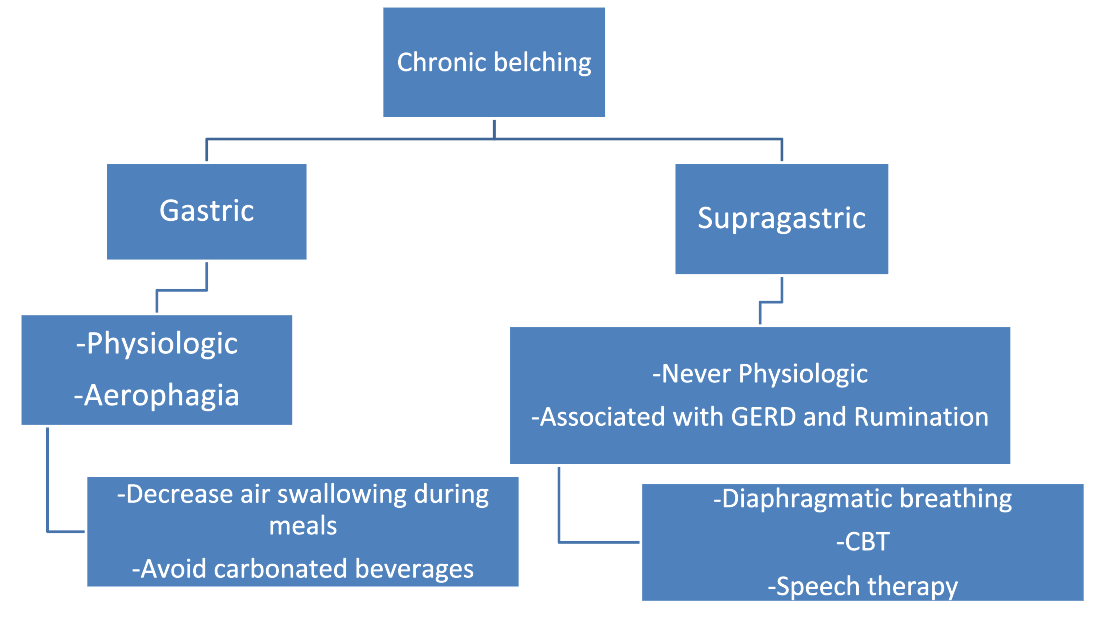
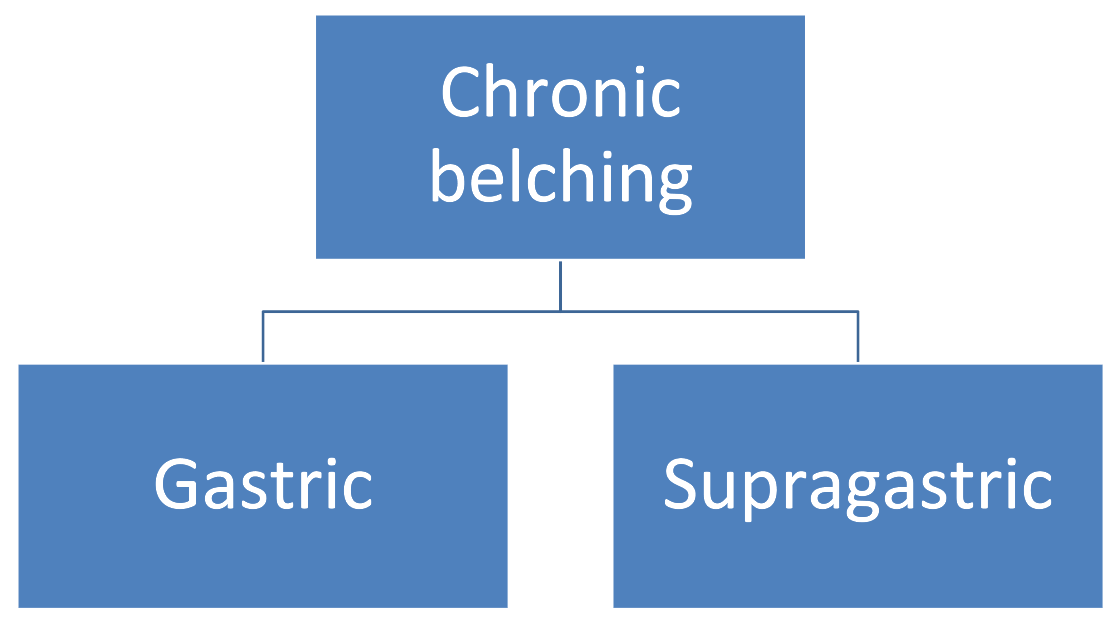
  • Most belching is normal. Most belching is due to gastric belching and is physiologic
  • Supragastric belching is abnormal. Hallmarks are frequent symptoms and can be associated with worsening reflux and rumination
  • Differences between gastric and supragastric belching can usually be distinguished with clinical presentation (see below). Manometry findings are distinctive between the two. With supragastric belching, With supragastric belching, the air that is expelled is from the esophagus. With gastric belching, air that has reached the stomach is expelled.  
  • Main treatments for supragastric belching are diaphragmatic breathing, and CBT
Inability to Belch:

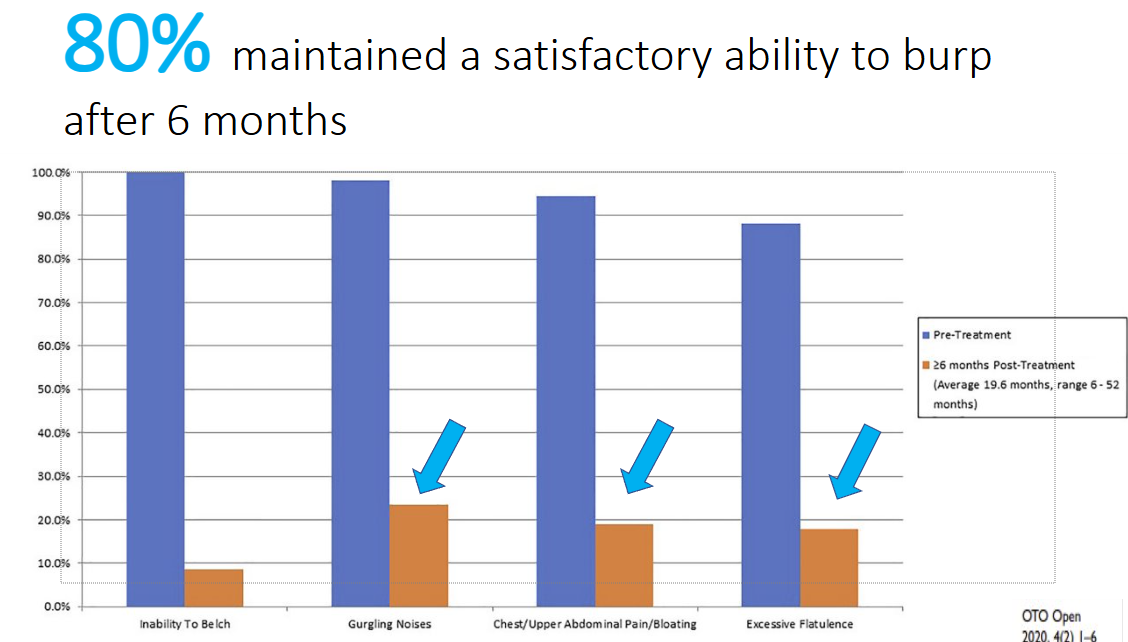
  • In patients unable to burp, many have retrograde cricopharyngeus dysfunction. This is due to dysfunction of upper esophageal sphincter which had increased pressure and not allowing air in the esophagus to escape. This, in turn, causes discomfort and gurgling noises. While this disorder was reported in 1987, more widespread recognition has occurred since 2019
  • Manometry should be done prior to botox therapy which results in improvement in most patients

Related blog posts:

Disclaimer: This blog, gutsandgrowth, assumes no responsibility for any use or operation of any method, product, instruction, concept or idea contained in the material herein or for any injury or damage to persons or property (whether products liability, negligence or otherwise) resulting from such use or operation. These blog posts are for educational purposes only. Specific dosing of medications (along with potential adverse effects) should be confirmed by prescribing physician.  Because of rapid advances in the medical sciences, the gutsandgrowth blog cautions that independent verification should be made of diagnosis and drug dosages. The reader is solely responsible for the conduct of any suggested test or procedure.  This content is not a substitute for medical advice, diagnosis or treatment provided by a qualified healthcare provider. Always seek the advice of your physician or other qualified health provider with any questions you may have regarding a condition.

Impact of Testing (or No Testing) for Rumination Syndrome Outcomes

JS Khoo et al. J Pediatr Gastroenterol Nutr. 2025;80:611–616. Impact of diagnostic testing on outcomes of children with rumination syndrome

Background: “A prior study from our institution showed that many patients undergo extensive diagnostic testing, which is associated with high financial cost with low clinical yield and delay in diagnosis.”

Methods: This was a retrospective study with 152 children (60% female, median age of diagnosis 13 years) with rumination syndrome (RS). 22 patients (14%) had diagnostic testing that confirmed RS.

Key findings:

  • The confirmatory testing group was more likely to need supplemental nutrition (p ≤ 0.001) and to receive intensive treatment (68% vs 24%) (p < 0.001)
  • After treatment, the proportion of patients without vomiting increased in both groups without a statistically significant difference between the two groups or needing supplemental nutrition.

Discussion Points:

“Our findings reveal that despite advancements in testing methodologies, undergoing diagnostic testing and receiving a positive result for RS is not associated with improved outcomes, specifically in cessation of vomiting, after treatment. In situations where patients and caregivers have difficulty accepting the clinical diagnosis, selective testing may be justified as acceptance of the diagnosis is a crucial aspect of the therapeutic plan for all gut-brain interaction disorders.”

Limitations included selection bias. While there were not overt differences in outcomes, the confirmatory testing group required more intensive treatment. As such, the testing may have some benefit in this group (though this was not identified in this retrospective study).

My take (borrowed in part from the authors): “We recommend that clinicians avoid diagnostic testing in children who clearly meet symptom-based criteria for RS and accept the diagnosis.”

Related blog posts:

Train bridge near Chickamauga dam (Tennessee River).
There is a blue heron about to take flight due to the oncoming train

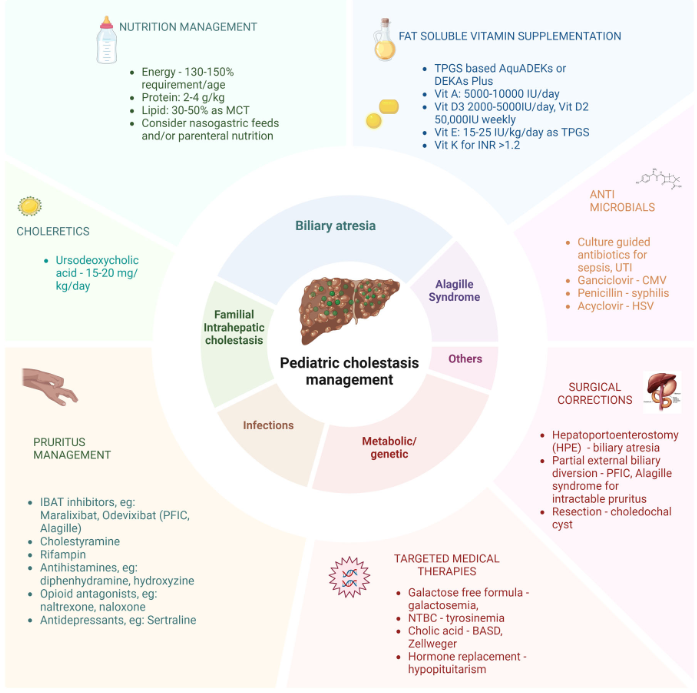
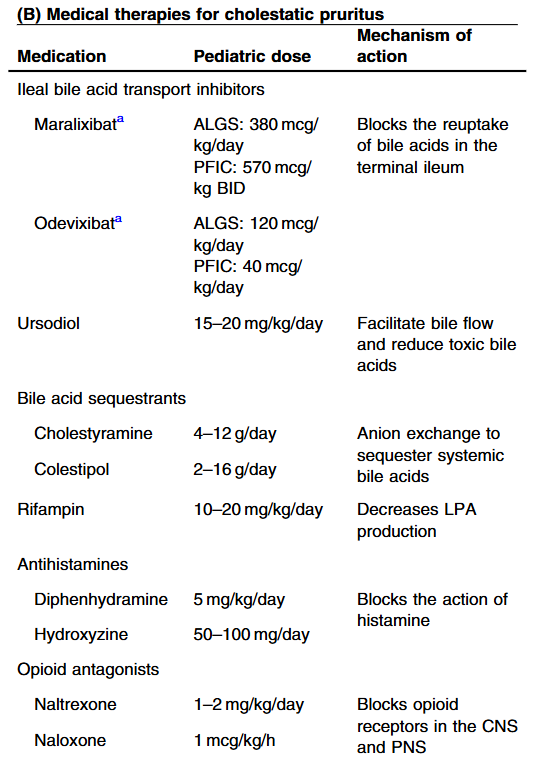
Advancements in Pediatric Cholestatic Liver Disease Management

KR Mysore et al. J Pediatr Gastroenterol Nutr. 2025;80:549–558. Recent advances in the management of pediatric cholestatic liver diseases

This is a useful review summarizing advances in the management of cholestatic diseases.

Treatment with IBAT inhibitors:

“Improvement in both pruritus and serum BAs/bilirubin levels has been associated with improved event‐free survival and 6‐year transplant‐free survival in ALGS patients treated with maralixibat. Additionally, this class of medication improved overall growth of the patient by improving mean height and weight Z scores that may be related to reduced impact of high serum bile acid levels on the growth axis although further studies are needed to better define the mechanism responsible for this out-come. This finding suggests these parameters could be used as surrogate end‐points for disease severity in diseases like ALGS or PFIC, where the time course to develop the need for LT commonly occurs over many years.”

Related blog posts:

Disclaimer: This blog, gutsandgrowth, assumes no responsibility for any use or operation of any method, product, instruction, concept or idea contained in the material herein or for any injury or damage to persons or property (whether products liability, negligence or otherwise) resulting from such use or operation. These blog posts are for educational purposes only. Specific dosing of medications (along with potential adverse effects) should be confirmed by prescribing physician.  Because of rapid advances in the medical sciences, the gutsandgrowth blog cautions that independent verification should be made of diagnosis and drug dosages. The reader is solely responsible for the conduct of any suggested test or procedure.  This content is not a substitute for medical advice, diagnosis or treatment provided by a qualified healthcare provider. Always seek the advice of your physician or other qualified health provider with any questions you may have regarding a condition.
Pharmaceutical Company Sponsoring Telehealth Visits –Is This a Good Idea?

ECF Brown et al NEJM 2025; 392: 1148-51. Partnerships between Pharmaceutical and Telehealth Companies — Increasing Access or Driving Inappropriate Prescribing?

This recent commentary discusses the upsides and pitfall of online platforms launched by pharmaceutical companies that direct users to websites run by telehealth companies.

An excerpt:

Proponents highlight the potential for pharmaceutical–telehealth partnerships to facilitate access to prescriptions for some patients, such as those in rural areas…. Virtual consultations can be cheaper and less time-consuming for patients than in-person appointments. For stigmatized conditions such as obesity, patients may be more likely to seek care …

But partnerships between drug and telehealth companies have prompted concerns as well…about the risks these arrangements pose in terms of inappropriate prescribing, inadequate follow-up care, and unnecessary spending on brand-name medications.1 There is also concern that telehealth advertisements, including those on social media, may be misleading, since they sometimes lack disclosures of a product’s risks and contraindications.

The key law governing these relationships in the United States is the federal Anti-Kickback Statute (AKS). The AKS is intended to prevent and penalize the use of financial incentives for patient referrals or other arrangements that encourage clinicians to provide inappropriate or unnecessary health care, thereby increasing government expenditures…

Under the AKS, a pharmaceutical company cannot compensate a telehealth company or its affiliated clinicians on the basis of the number or monetary value of prescribed products. Nor may a telehealth company pay a pharmaceutical company for making patient referrals…

The OIG also noted several characteristics of telehealth arrangements that heighten the risk of an AKS violation. These characteristics include patient recruitment using targeted advertising (including on social media), insufficient patient evaluation or follow-up, and steering of patients toward specific treatments without adequate consideration of clinical appropriateness or alternatives…

More information about the nature of financial arrangements between pharmaceutical and telehealth companies should be reported. Such reporting could be mandated as part of an expansion of the Physician Payments Sunshine Act.

My take: There needs to be closer scrutiny of the relationship between pharmaceutical companies and affiliated telehealth companies. While the online telehealth partnershps improve access, the current set up is likely to promote inappropriate care.

Mai Khao Beach, Phuket

U.S. Measles Outbreak Is Not Slowing

These charts show measles data through April 7th. Some additional data through Apirl 11th is listed below.

For those interested in a deeper dive into the measles numbers, you can follow Caitlin Rivers substack. From her notes on April 11:

  • Since my last update on Tuesday, Arkansas and Hawaii reported cases for the first time this year. At least five states have reported ten or more cases, which is very unusual. Texas continues to register the most cases, with 541 to date.”
  • According to the CDC, 712 cases have been reported so far this year. 1 in 3 (32%) are under the age of 5, and 1 in 10 (11%) have been hospitalized.”

Related blog posts:

Understanding the Economic Burden of Inflammatory Bowel Disease

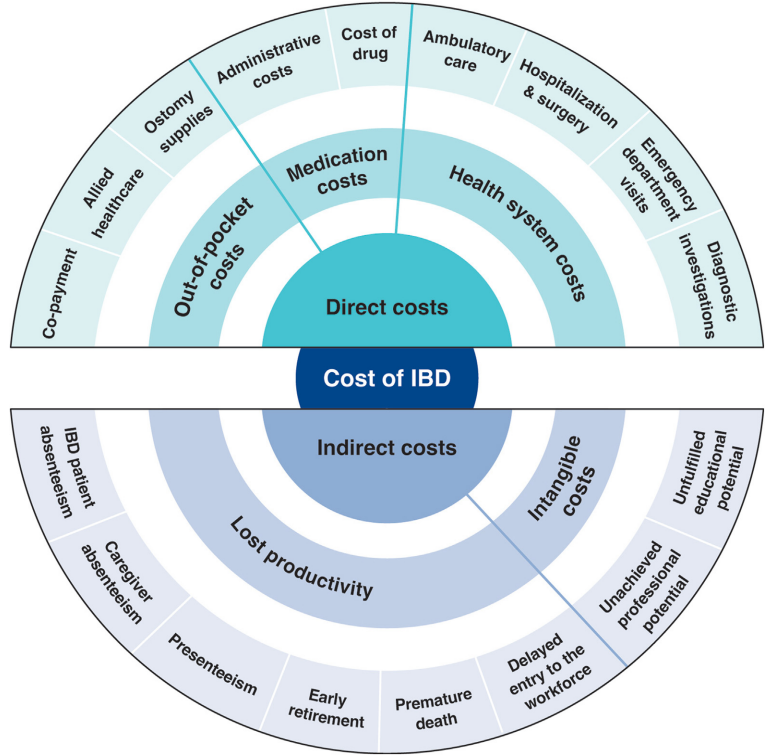
J Burisch et al. Clin Gastroenterol Hepatol 2025; 23: 386-395. Open Access! The Cost of Inflammatory Bowel Disease Care: How to Make it Sustainable

This article is a terrific review of care cost drivers in inflammatory bowel disease (IBD) but it does not actually have useful information on how to make the costs of care sustainable.

Key points:

  • The most recent data from the United States (U.S.) estimated that the prevalence of IBD
    was 0.7% of the population, representing 2.39 million individuals living with IBD…the annual cost of IBD in the U.S. approximates $50 billion
  • All studies demonstrated a shift over time from costs associated with hospitalizations to costs of medications
  • The costs of prescription drugs for IBD vary significantly worldwide… A particular outlier among high-income countries is the U.S., where manufacturers set prices freely. The lack of
    nationwide price regulation, coupled with the fragmentation of the U.S. health care system and prolonged market exclusivity periods, result in U.S. drug prices that exceed, on average, international prices by several-fold…Even when insurers are successful at negotiating discounts, patients seldom benefit, as costsharing paid at the point-of-sale is based on the full, non-discounted price
  • Using a “top-down” clinical paradigm, guidelines suggest starting biologic medications early to induce remission of moderate-to-severe IBD, thereby reducing risk of complications, surgeries, and hospitalizations and improving quality of life.55,58 A randomized controlled
    trial demonstrated a clear benefit in steroid-free and surgery-free remission among patients randomized to top-down vs step-up care (79% vs 15%; P < .0001) [PROFILE study]

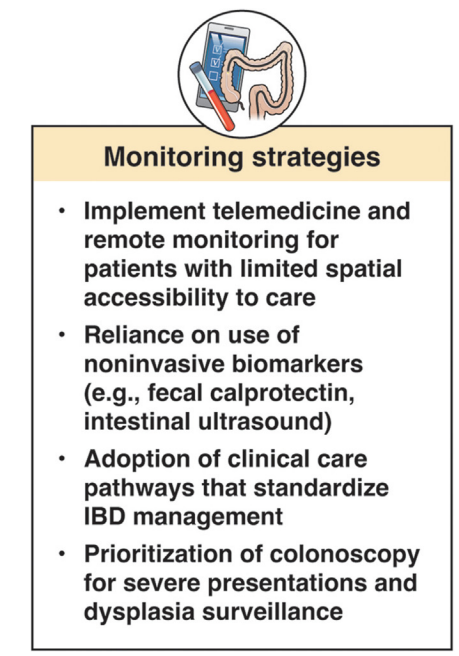
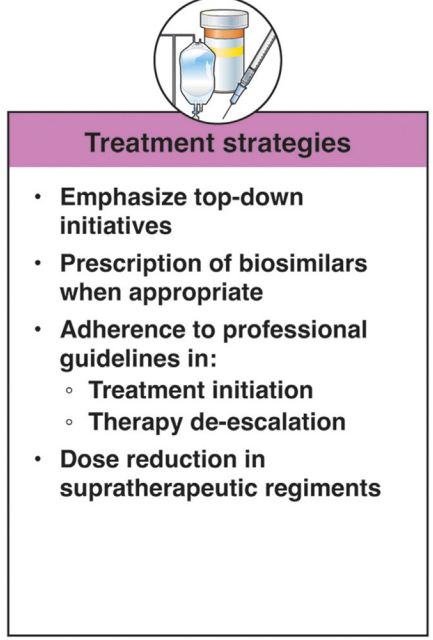
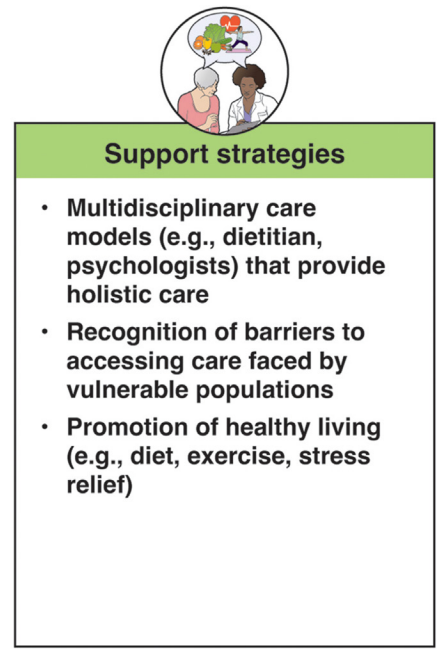
In terms of improving cost sustainability, here is what the authors propose “Strategies for cost reduction in the clinical treatment of IBD”:

My take: This article highlights the cost drivers in IBD but does not identify a path that appears to help address affordability.

This article is one of 11 articles in special issue discussing the future of IBD care.

Related blog posts:

Clinical Response to Risankizumab Dose Intensification for Crohn’s Disease

RS Dalal et al. Clin Gastroenterol Hepatol 2025; 23: 662-664. Outcomes After Dose Intensification of Risankizumab for Crohn’s Disease

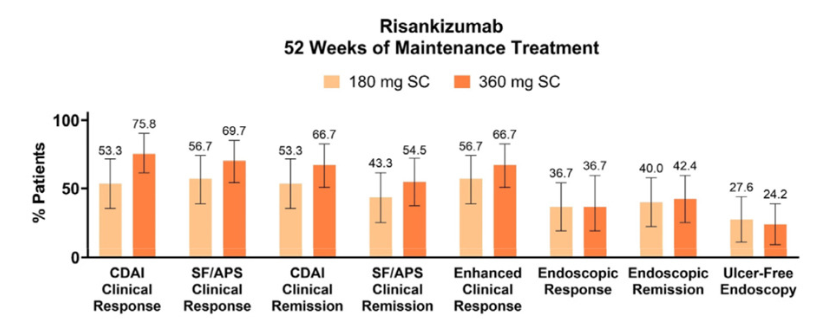
This retrospective study reviewed adults with Crohn’s disease (CD) who underwent dose intensification of maintenance from 360 mg every 8 weeks to every 6 weeks (n=11) or every 4 weeks (n=11).

Key findings:

  • Median time to first intensified dose was 228 days
  • Harvey Bradshaw Index (HBI) improved from a mean of 7.1 to 4.3 after 8 to 16 weeks
  • There was also improvement (not statistically significant) in mean CRP (1.64–>0.42 mg/dL) and mean calprotectin (774 –>650 mcg/g)
  • At 8 to 16 weeks, 64% (14 of 22) had a clinical response, 45% (10 of 22) achieved steroid free clinical remission

My take: This small study suggests that the majority of patients with a loss of response to standard dosing can be recaptured with dose intensification.

Related blog posts:

Old Town in Conyers, GA

Disclaimer: This blog, gutsandgrowth, assumes no responsibility for any use or operation of any method, product, instruction, concept or idea contained in the material herein or for any injury or damage to persons or property (whether products liability, negligence or otherwise) resulting from such use or operation. These blog posts are for educational purposes only. Specific dosing of medications (along with potential adverse effects) should be confirmed by prescribing physician.  Because of rapid advances in the medical sciences, the gutsandgrowth blog cautions that independent verification should be made of diagnosis and drug dosages. The reader is solely responsible for the conduct of any suggested test or procedure.  This content is not a substitute for medical advice, diagnosis or treatment provided by a qualified healthcare provider. Always seek the advice of your physician or other qualified health provider with any questions you may have regarding a condition.

Treatment Disparities in Adult vs. Pediatric IBD Care Related to Provider Specialization

JD Lewis et al. Clinical Gastroenterology and Hepatology. 2024; Volume 22, Issue 12, 2475 – 2486.e14. Open Access ! Provider Specialization in Inflammatory Bowel Diseases: Quality of Care and Outcomes

Methods:  This was a retrospective cohort of newly diagnosed patients with IBD using data from Optum’s deidentified Clinformatics Data Mart Database (2000–2020). The study included 772 children treated by 493 providers and 2864 adults treated by 2076 providers.

Key findings:

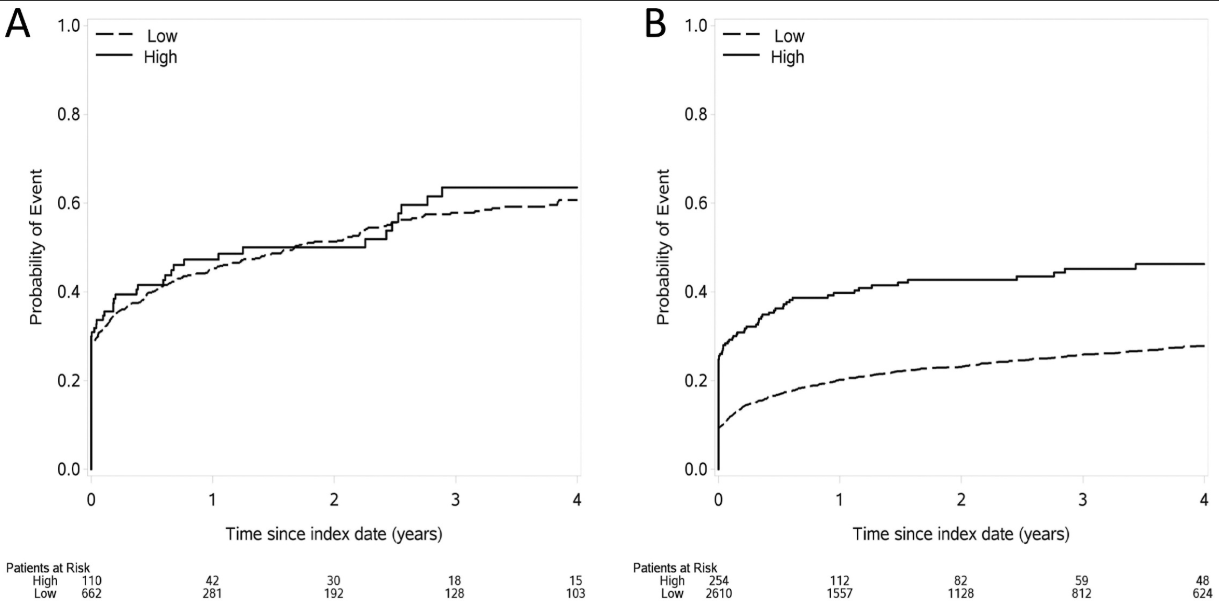
  • In adults, care from an IBD-focused provider was associated with more use of biologics, combination therapy, and imaging and endoscopy, and less mesalamine use for Crohn’s disease (P < .05 for all comparisons)
  • In children, none of the associations between provider focus and process or outcome measures were significant. Although not statistically significant among children, the OR for mesalamine use was 0.64, suggesting a similar association as that seen among adults
Time to first dispensing of a biologic therapy in (A) children and (B) adults

My take: This study indicates significant treatment disparities between IBD-focused care providers and providers without an IBD focus in the care for adults, but not in the care of children. This could be related to improved collaboration among pediatric care providers, better training, and parental involvement.

In addition, this study focused on patients with newly-diagnosed disease. Treatment is more complicated in patients who have not responded to initial treatments; as such, IBD-focused providers may be more important in this population.

Related blog posts:

Mechanical Dilation vs. Medical Therapy for Pediatric Eosinophilic Esophagitis

D Burnett et al. JPGN Reports. 2025;6:19–26. A Canadian multicenter pediatric eosinophilic esophagitis cohort: Evidence for a nondilation approach to esophageal narrowing

This was a retrospective study from Vancouver with 332 new diagnosis of eosinophilic esophagitis (EoE).

Key findings:

  • The incidence of EoE in patients less than 15 years old was 5.4 per 100,000 person‐years
  • Of the 332 new diagnoses, 40 (12.0%) had endoscopically-identified esophageal narrowing at diagnosis
  • During follow-up of 1-4 years, 11 (27.5% of narrowed cohort) patients underwent mechanical esophageal dilation
  • “Our most surprising result was the high number of cases of esophageal narrowing that resolved on follow‐up scope after initiating medical/dietary therapy, without need for mechanical dilation.” The rates of resolution were 1 with 1 (100%) on systemic steroids, 7 out of 13 (54%) with topical steroids, 3 out of 4 (75%) with dietary therapy, and 4 out of 12 (33%) with PPI therapy

My take: This study was a little confusing in how the results are presented. Through most of the article, there are 40 (of 332) children with newly-diagnosed EoE who had narrowing identified. However, there is also discussion of a 65 children subset who had follow-up endoscopy and this is the group in which esophageal narrowing treatment response is reported.

Despite the confusion, the clear take-home message is that esophageal narrowing often responds to medical treatment; only a subset of children with esophageal strictures need mechanical dilatation.

Related blog posts:

I love walking around NYC -even when it is cold (pictures from February)

Over 60% of Initial Nonresponders Improve with Extended Risankizumab Therapy for Crohn’s Disease

R Panaccione et al. Clinical Gastroenterology and Hepatology 2025; In press. Open Access! Extended Risankizumab Treatment in Patients With Crohn’s Disease Who Did Not Achieve Clinical Response to Induction Treatment

Addendum -updated reference: R Panaccione et al. Clinical Gastroenterology and Hepatology 2025; 23: 2012-2022. Open Access! Extended Risankizumab Treatment in Patients With Crohn’s Disease Who Did Not Achieve Clinical Response to Induction Treatment

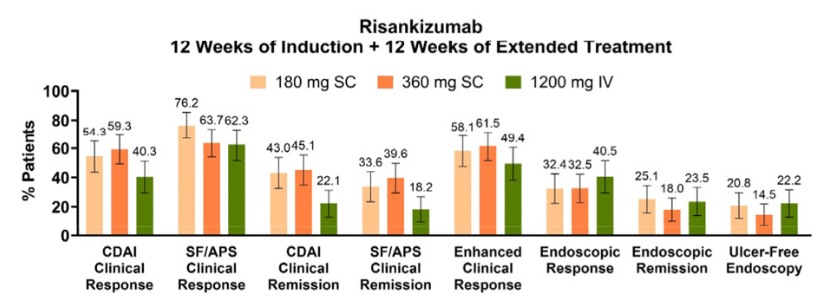
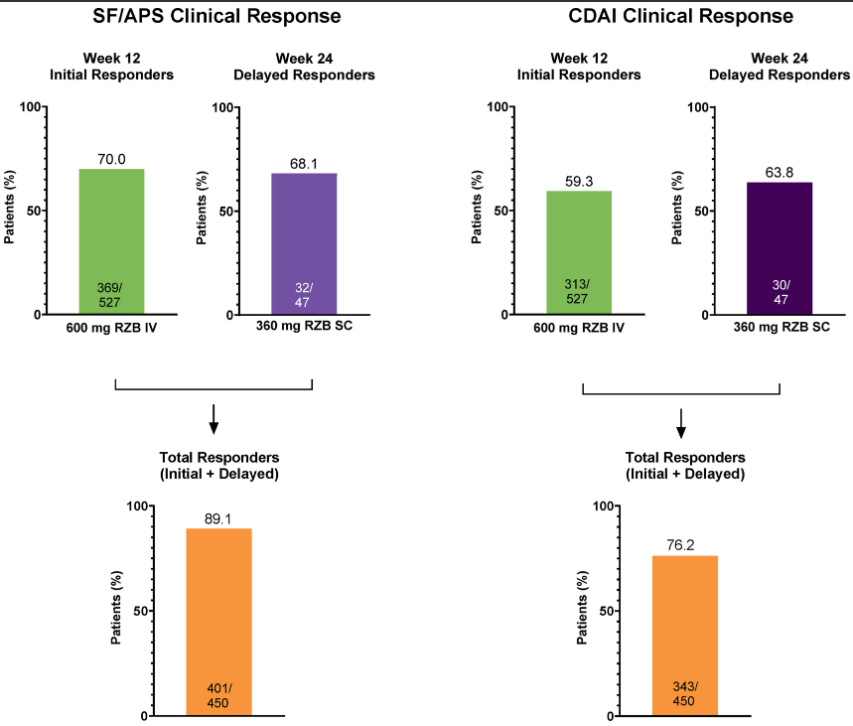
Methods: Per the study design, patients who did not achieve SF/APS clinical response following induction could receive 12 weeks of extended treatment with RZB, either via administration of the higher (1200 mg) IV RZB dose evaluated in ADVANCE and MOTIVATE or by initiation of SC RZB at doses (180 mg and 360 mg) used in FORTIFY maintenance therapy.

Key findings:

  • Over 60% of initial nonresponders achieved clinical response with extended RZB treatment. These patients also demonstrated improved clinical and endoscopic outcomes during the extended treatment period, which were sustained or continued to improve during maintenance.

My take: While there is a very good response with initial risankizumab therapy in Crohn’s disease, it looks like judgment on response needs to wait until 24 weeks as there are many who do not respond at 12 weeks who will subsequently respond to treatment.

Related blog posts: