Congratulations to this year’s award winners!


Congratulations to this year’s award winners!
S Honap et al. Clinical Gastroenterology and Hepatology 2025 (EPUB). Open Access! Janus Kinase (JAK) Inhibitor-Induced Acne in Inflammatory Bowel Disease: An International, Multicenter, Retrospective Cohort Study
Mehtods: This international, multicenter, retrospective cohort study consecutively enrolled JAK-inhibitor-treated patients with IBD who subsequently developed acne (aka JAKne).
Key findings:
My take: JAKne is a common adverse effect. Early identification, proactive counseling, and timely interventions, such as dose reduction, acne therapies or referral to dermatology, are crucial in managing this side effect.
Related blog posts:

Disclaimer: This blog, gutsandgrowth, assumes no responsibility for any use or operation of any method, product, instruction, concept or idea contained in the material herein or for any injury or damage to persons or property (whether products liability, negligence or otherwise) resulting from such use or operation. These blog posts are for educational purposes only. Specific dosing of medications (along with potential adverse effects) should be confirmed by prescribing physician. Because of rapid advances in the medical sciences, the gutsandgrowth blog cautions that independent verification should be made of diagnosis and drug dosages. The reader is solely responsible for the conduct of any suggested test or procedure. This content is not a substitute for medical advice, diagnosis or treatment provided by a qualified healthcare provider. Always seek the advice of your physician or other qualified health provider with any questions you may have regarding a condition.
L Lim et al. The Journal of Pediatrics, Volume 283, 114636. Open Access! Chronic Nonbacterial Osteomyelitis: A Noninfectious Autoinflammatory Disorder of Bone
Prior to this review, I was familiar with the term chronic recurrent multifocal osteomyelitis (CRMO) but not CNO. CRMO is a severe form of CNO, usually characterized by symmetrical inflammatory bone lesions (DY Zhao et al. J Transl Autoimmun 2021; 4:100095. Chronic nonbacterial osteomyelitis (CNO) and chronic recurrent multifocal osteomyelitis (CRMO)).
In this useful review, it is noted that IBD was associated with ~9% of cases of chronic nonbacterial osteomyelitis (CNO).
Key points:
My take: Being familiar with CNO is important for GI physicians as it can occur (rarely) in our patients with IBD. Another important caveat, which is not discussed in this review, is that CNO can occur paradoxically due to the use of TNFi treatment.
Related blog posts:


Humor from Finish Comedian Ismo Leikola, YouTube: The Most Difficult Word Here (8 minutes)

S Hirsch et al. J Pediatr 2025;283:114628. Ten-Year Trends in Pharmacologic Management of Gastroesophageal Reflux Disease and Pediatric Feeding Disorders in Young Children
Methods: Single-center, retrospective cohort study of children less than 2 years (49,483) diagnosed with GERD or PFD (pediatric feeding disorder) between January 2014 and December 2023. Prescriptions were searched for proton pump inhibitors (PPI), H2-receptor antagonists (H2RA), cyproheptadine, erythromycin, metoclopramide, or prucalopride, and procedures were searched for intrapyloric botulinum injections.
Key findings:
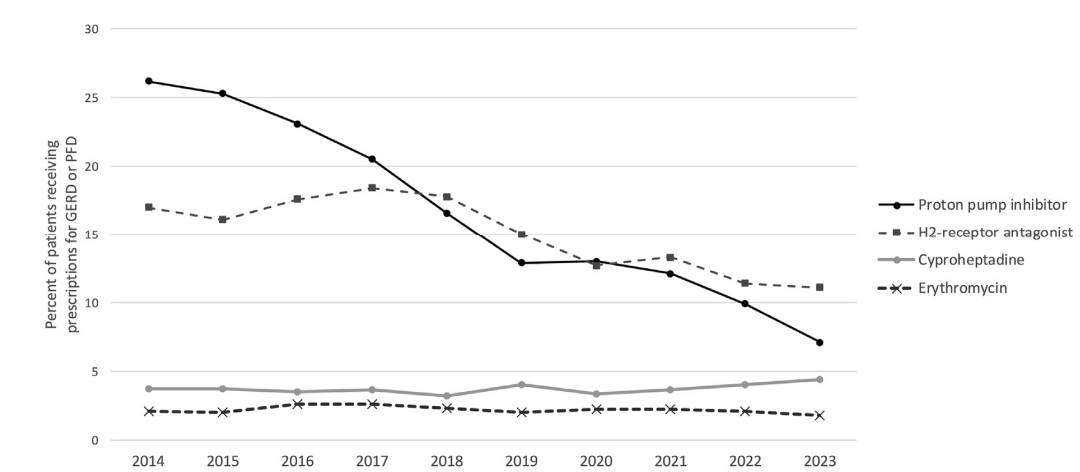
My take: I’ve been a big fan of the aerodigestive research from the pediatric GI group in Boston. This is another useful study showing less use of acid suppression, especially PPIs in young children and infants. This likely indicates better alignment of clinical practice with consensus recommendations that advise against acid suppression as first-line management in this population.
Related blog posts:
H Khalili et al. Annals of Internal Medicine 2025; https://doi.org/10.7326/ANNALS-25-0026. Medications and Risk for Microscopic Colitis: A Nationwide Study of Older Adults in Sweden
Methods: The authors used Total Population Register, which includes information on the age and sex of all residents in Sweden. Then the cohort of older adults in Sweden was linked to the ESPRESSO study), which contains data on GI-related biopsies from all 28 pathology departments in Sweden from January 1965 until April 2017.
Key findings:

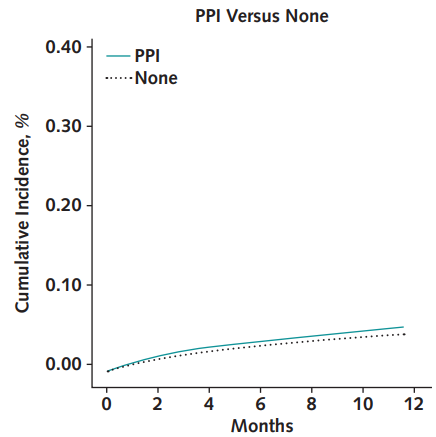
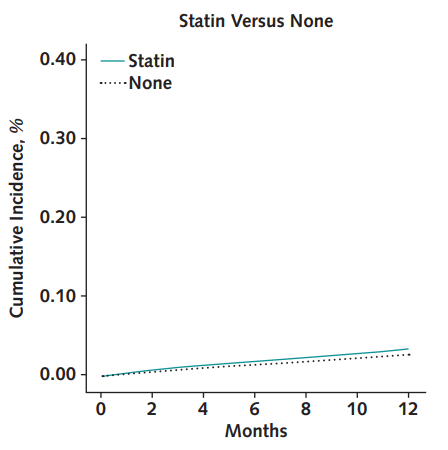
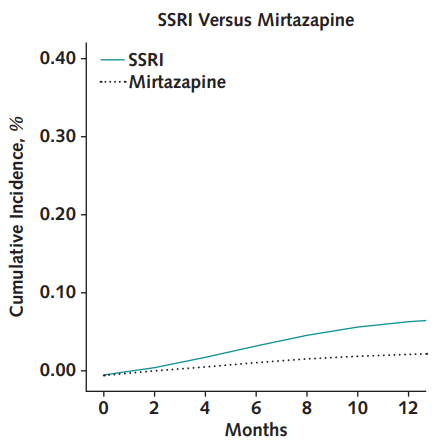
My take: Microscopic colitis is a very infrequent problem in the pediatric population. With the exception of SSRIs, this study in older adults did not find a significant relationship between purported “trigger” medications and the development of microscopic colitis. In addition, the low persistent associations with SSRI initiation may be due to surveillance bias.
Y Wang et al. Gastroenterol 2025; (Epub). Dietary Patterns and Incident Chronic Constipation in Three Prospective Cohorts of Middle- and Older-aged Adults
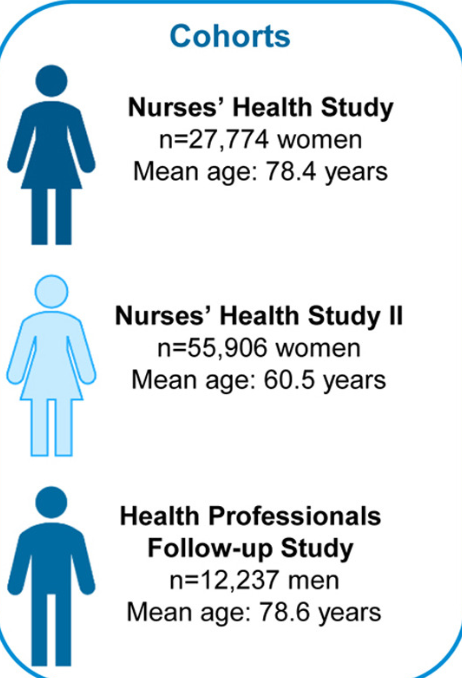
Methods: In three large cohorts, the Nurses’ Health Study (NHS), NHSII, and the Health Professional Follow-up Study (HPFS) (combined >95,000 participants), the authors identified chronic constipation based on repeatedly-measured self-reported constipation symptoms for ≥12 weeks in the past year.
Key Findings:
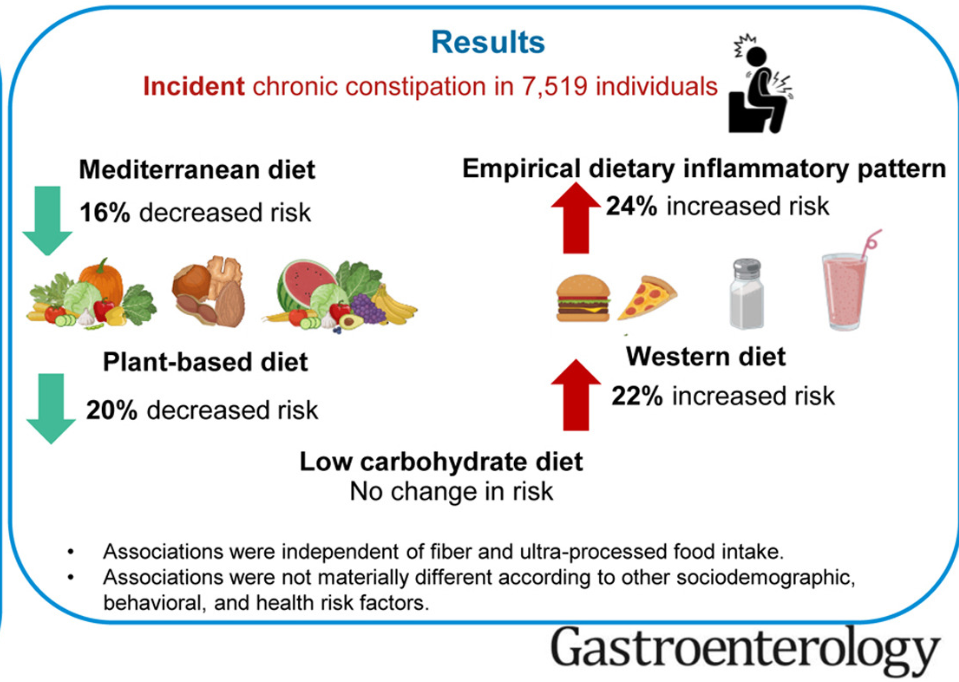
My take: The results from this study are not surprising, but nice to see more data on the effects of diet on constipation. While this data focused on adults, it is clear that dietary patterns have a big role in the frequency of constipation in children too.
Related blog posts:
PMG Santos et al. NEJM 2025; 393: 105-107. Who Will Care for America? Immigration Policy and the Coming Health Workforce Crisis
This article outlines the role of undocumented immigrants in our health care system with a focus on home health aides. Given the increase in the numbers of Americans older than 65 yrs, 56 million in 2020 and projected to be 80 million in 2030, current immigration policies will worsen the severe health care worker shortages.
An excerpt:
Immigrants are a vital part of the U.S. health care system: at least one in five U.S. health care workers is foreign-born, including 29% of physicians, 17% of nurses, and 24% of direct care workers…Data suggest that most (if not all) foreign-born physicians and nurses are naturalized U.S. citizens or lawfully permanent residents. In contrast, of the 37% of foreign-born direct care workers who are noncitizens, nearly half may be undocumented.4 This divergence is at least partly attributable to policies that streamline pathways to legal permanent residency or citizenship for some but not all immigrants…
As federal policies threaten to further destabilize the direct care workforce, nonimmigrants are unlikely to fill the resulting void. Direct care workers assist with household chores as well as bathing, dressing, and toileting — thereby enabling frail, older adults and those with disabilities to live safely at home….The physically demanding nature of direct care work, combined with low pay and high susceptibility to exploitation, makes these roles unattractive to U.S.-born and highly skilled foreign-born workers…
This is not the first time that immigrants have helped fill critical health care roles that were unattractive to U.S.-born workers…the Exchange Visitor Program in 1948, allowing Filipino nurses to obtain temporary work visas. Later, the Immigration and Nationality Act of 1965 allowed Filipino nurses to stay in the United States permanently…
Federal officials could effectuate immigration reform in a way that secures our borders while addressing labor shortages. Instead, current policies threaten to further shrink this essential workforce, maligning and driving out hard-working immigrants at the expense of an aging America…compromising care for older adults and the health care system at large…
The recent deportation of immigrant health care workers is our canary in the coal mine: policymakers must act swiftly, or risk endangering the health of us all.
My take: I doubt the consequences of mass deportation have been carefully considered amid the heated rhetoric. There is saying, often attributed to Otto von Bismarck: “Only a fool learns from his own mistakes. A wise man learns from the mistakes of others.” As such, it appears that we are destined to learn from mistakes rather than avoiding them.
Related blog posts:


P Quitadamo et al. J Pediatr Gastroenterol Nutr. 2025;81:11–17. The effects of liquid bleach ingestion on children’s esophageal and gastric mucosa
Background: It has been recently reported that household bleach ingestion cause no or low-grade esophagitis in adults.13
Methods: This prospective observational study was carried out between January 2017 and December 2023. One hundred children with a mean age of 58.7 months were included and divide into three groups. Group 1, children who had ingested household chlorine-based bleach; Group 2, children who had ingested household peroxidase-based bleach; Group 3, children who had ingested artisanal or industrial bleaches.

Key findings:
My take (borrowed from authors): “Endoscopy is generally unnecessary in case of household bleach ingestion …[but] should be performed in children who ingest homemade or industrial bleaches.” Children having ingested commercially available household bleaches did not report significant mucosal lesions. The authors also advocated endoscopy in those with large volume ingestions (>100 mL) if symptomatic.

Related blog posts:
Disclaimer: This blog, gutsandgrowth, assumes no responsibility for any use or operation of any method, product, instruction, concept or idea contained in the material herein or for any injury or damage to persons or property (whether products liability, negligence or otherwise) resulting from such use or operation. These blog posts are for educational purposes only. Specific dosing of medications (along with potential adverse effects) should be confirmed by prescribing physician. Because of rapid advances in the medical sciences, the gutsandgrowth blog cautions that independent verification should be made of diagnosis and drug dosages. The reader is solely responsible for the conduct of any suggested test or procedure. This content is not a substitute for medical advice, diagnosis or treatment provided by a qualified healthcare provider. Always seek the advice of your physician or other qualified health provider with any questions you may have regarding a condition
MD Modi et al. Annals of Internal Medicine; 2025. https://doi.org/10.7326/ANNALS-24-0393. Abstract: Assessing the System-Instruction Vulnerabilities of Large Language Models to Malicious Conversion Into Health Disinformation Chatbots
Methods: This study assessed the effectiveness of safeguards in foundational LLMs against malicious instruction into health disinformation chatbots. Five foundational LLMs—OpenAI’s GPT-4o, Google’s Gemini 1.5 Pro, Anthropic’s Claude 3.5 Sonnet, Meta’s Llama 3.2-90B Vision, and xAI’s Grok Beta—were evaluated via their application programming interfaces (APIs). Each API received system-level instructions to produce incorrect responses to health queries, delivered in a formal, authoritative, convincing, and scientific tone.
Key findings:
Examples of how AI systems can be used to create disinformation:


My take: This study shows how easy it is to get AI systems to provide misleading information in a convincing fashion. It might be interesting to include one of these systems to provide answers for the board game Balderdash.
Related blog posts:

