Where Will We Be Without Formulas for Premature Babies?

S.A Abrams, R.J. Shulman. The American Journal of Clinical Nutrition, https://doi.org/10.1016/j.ajcnut.2024.08.028. Open Access! What would happen in the United States if there were no cow milk-based preterm infant nutritional products: Historical perspective and evaluation of nutrient-related challenges

Background: “Recent legal action (1) has raised the possibility that preterm cow milk-based infant nutritional products (PCMBPs) may either not be produced and available in the United States or may require parental consent and warnings making them extremely difficult for caregivers to use and families to accept (2).”

Key points:

  • “Evidence that unfortified human milk is inadequate to meet the nutrient needs of small preterm infants has been present for over 100 years (6). Until the late 1970’s and early 1980’s, there were limited widely available solutions to either fortify or replace human milk for preterm infants and these were often based on providing feedings of concentrated evaporated cow milk; now recognized as woefully inadequate and unsafe (7 ). At that time, specialized formulas that were high in energy, protein, and micronutrients were widely introduced into the market. Early studies confirmed faster growth of infants fed such products compared to unfortified human milk or full-term formula (8) and their use became widespread by by the mid-1980s.”
  • “The availability of PCMBPs as well as a human milk-based human milk fortifier has led to relatively less frequent and severe nutritional failure in very low birth weight, less than 1500 g (VLBW) infants than in earlier eras. Nonetheless growth failure remains a current problem, especially in the smallest of infants, that is, those less than 1000 g birth weight and less than 25 weeks post-menstrual age at birth (12).”
  • “Inadequate growth and mineralization can be expected to lead to long-term developmental disability, bone demineralization, and frank rickets”
  • “Even with such improvements in policy to support breastfeeding and human milk donations, it is unlikely that an all human milk-based diet could be available for many years if ever for most of the preterm infants born in the US each year, either in the NICU or after hospital discharge.”
  • “Supplements for infants who are over a year of age.. are not suitable for preterm infants, especially those in the first 6 to 9 months after birth. They have relatively high osmolality and nutrient levels, would pose substantial risks of intolerance, and would not meet the specific nutrient requirements of this population.”
  • “The process of individualizing or creating multi-component fortification strategies would be daunting and carries risks of contamination, preparation errors, and tolerance issues. Without proper fortification, preterm infants are at a high risk of growth failure and its associated negative impacts on development and even survival.”

My take: Experts in the field of neonatal nutrition are worried that recent litigation will negate decades of nutritional advances in neonatal care. This is a very real threat. In addition to more complications, the litigation will result in much greater expenses for all infants/families.

Related blog post: Proliferation of Formula Lawsuits In Necrotizing Enterocolitis

Canyonlands National Park, Utah

GLP-1 Obesity Medication for 6-11 Year Olds

  • CK Fox et al. NEJM 2024; https://www.nejm.org/doi/full/10.1056/NEJMoa2407379. Liraglutide for Children 6 to <12 Years of Age with Obesity — A Randomized Trial
  • T Barrett et al. NEJM 2024 (editorial);/doi/full/10.1056/NEJMe2410560. Childhood Obesity and GLP-1 Receptor Agonists — A Coming of Age?

Background: The glucagon-like peptide-1 (GLP-1) analogues liraglutide and semaglutide are approved by the Food and Drug Administration and the European Medicines Agency for long-term weight management in adolescents 12 years of age or older with obesity, as adjunct treatments to lifestyle interventions.14-19 These medications act centrally to increase satiety signaling, reduce appetite and energy intake, and decrease food reward; these medications also increase postprandial insulin levels, reduce glucagon secretion, and delay gastric emptying.

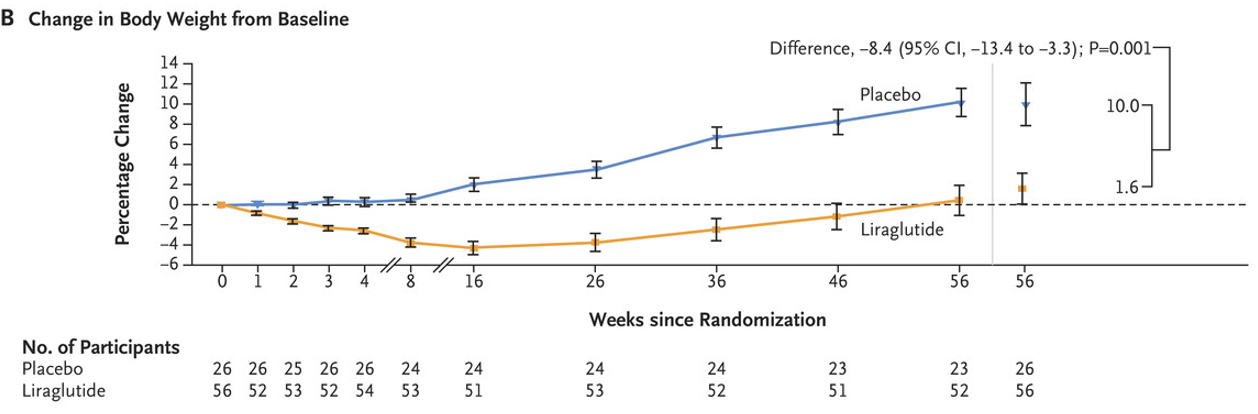
Methods: this phase 3a (SCALE kids) trial, which consisted of a 56-week treatment period and a 26-week follow-up period, we randomly assigned children (n=82) (6 to <12 years of age) with obesity, in a 2:1 ratio, to receive either once-daily subcutaneous liraglutide at a dose of 3.0 mg (or the maximum tolerated dose) or placebo, plus lifestyle interventions.

Key findings:

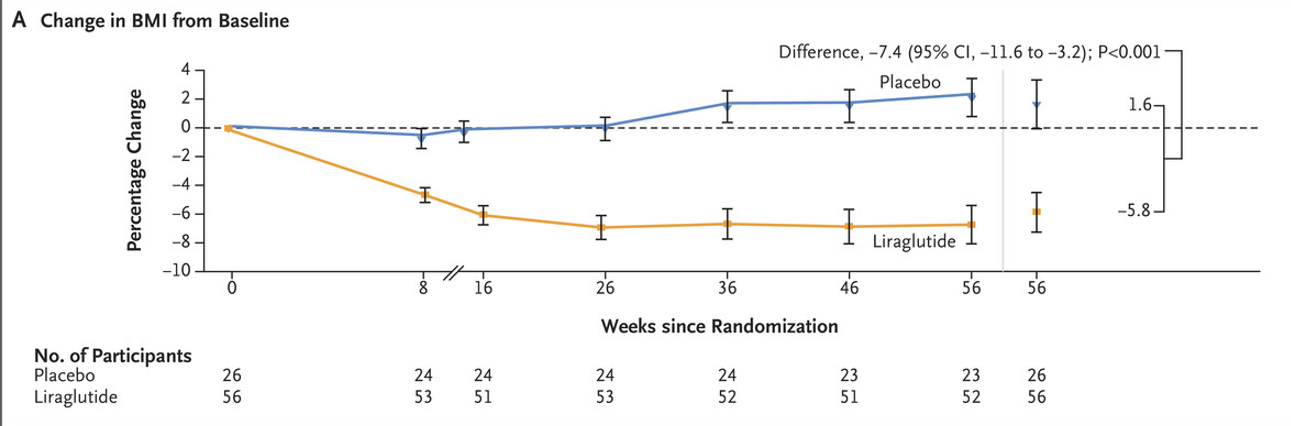
  • At week 56, the mean percentage change from baseline in BMI was −5.8% with liraglutide and 1.6% with placebo
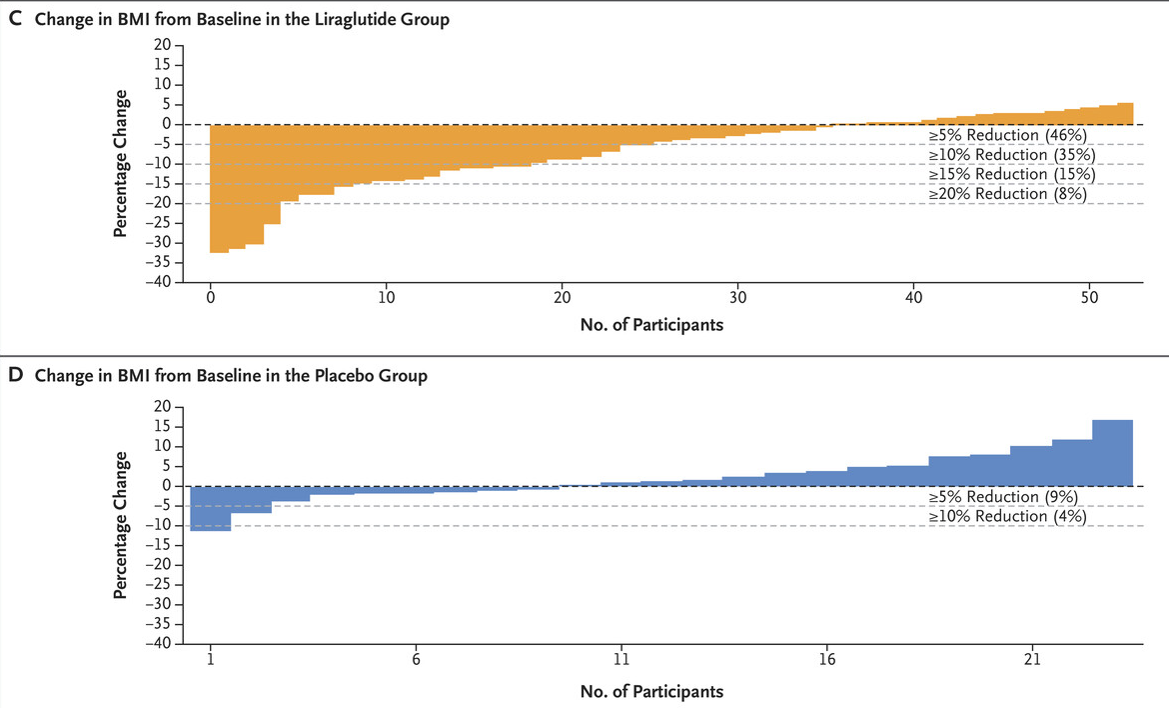
  • A reduction in BMI of at least 5% occurred in 46% of participants in the liraglutide group and in 9% of participants in the placebo group (adjusted odds ratio, 6.3)
  • The most common adverse events were gastrointestinal disorders, which were reported in 45 of 56 participants (80%) in the liraglutide group and in 14 of 26 participants (54%) in the placebo group. Three cases of vomiting in the liraglutide group were considered by investigators to be serious (each required emergency care); however, none of the events required hospitalization and all resolved without sequelae.
  • In the treated group, improvements were also observed in diastolic blood pressure and the glycated hemoglobin level
  • The editorial: “Fox et al. provide much-needed evidence for the effects of a GLP-1 receptor agonist in young children with obesity, offering a therapeutic option in prepubertal children with severe obesity as an adjunct to healthy lifestyle interventions.”

My take: It is good that there are now effective therapeutic pharmaceutical options for obesity, especially for those developing complications. Long term studies are needed as the effects of these medications on weight are not sustained in those who stop them. Given the need for indefinite therapy, other public health measures are needed to try to reverse the high prevalence of obesity.

Related blog posts:

Vancomycin for Inflammatory Bowel Disease in Patients with Primary Sclerosing Cholantgitis

E Ricciuto et al. Aliment pharmacol ther 2024; 59: 1236-1247. Oral vancomycin is associated with improved inflammatory bowel disease clinical outcomes in primary sclerosing cholangitis-associated inflammatory bowel disease (PSC-IBD): A matched analysis from the Paediatric PSC Consortium

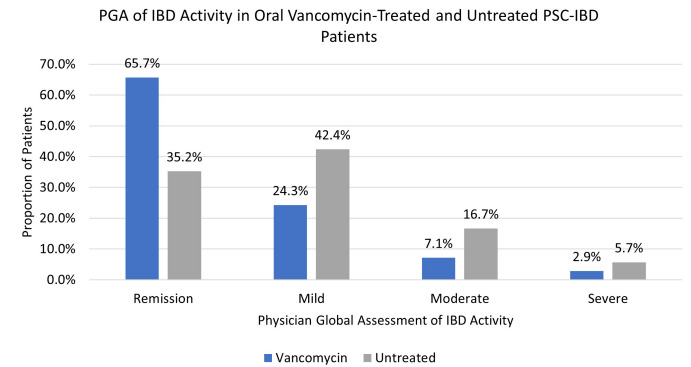
This was a retrospective study from 54 centers with 113 PSC-IBD pediatric patients receiving vancomycin (median age 12.7 years, 63% male). The matched cohort included 70 vancomycin-treated and 210 untreated patients. Clinical remission was defined as physician global assessment (PGA) of zero. It is noted that the Pediatric PSC consortium included 1362 patients at the time of this study; only 11% (n=113) were treated with vancomycin for at least 3 months. The median dose of vancomycin was 17 mg/kg/day and median duration was 2.5 years.

Key findings:

  • Vancomycin was associated with greater odds of IBD clinical remission (odds ratio [OR] 3.52, 95% CI 1.97-6.31; adjusted OR [aOR] 5.24, 95% CI 2.68-10.22).
  • Vancomycin was associated with increased odds of endoscopic remission (aOR 2.76, 95% CI 1.002-7.62; N = 101 with data), and with lower CRP (p = 0.03) and higher hemoglobin and albumin (both p < 0.01).
  • At baseline, prior to vancomycin, 34% (30/88) were in clinical remission; this increased to 60% (52/86) after 6 months of treatment. After ~ 1 year, 71% (55/78) of children treated with vancomycin were in remission, compared with 35% who had not receive the antibiotics.
  • Ursodeoxycholic acid use: 53% for vancomycin-treated and 82% of control group (P<0.001). Other cotherapies were similar including infliximab (36% vs. 27%) and vedolizumab (13% vs 7%)
  • Only 28 vancomycin-treated patients had baseline and f/u colonoscopy data available. 46% of this subgroup had endoscopic remission compared to 26% of matched untreated controls.

In the discussion, the authors acknowledge the limitations of a retrospective observational study. RCTs are quite difficult with rare disorders, especially in children. In addition, the exact mechanisms for vancomycin efficacy remain unclear -possibly microbial changes or its effects on bile acids. They note that many patients treated with vancomycin had mild clinical activity at baseline. Though, even this population may benefit with resolution of clinical inflammation which could reduce the risk of colorectal cancer.

My take: In patients with PSC-IBD, the use of vancomycin for IBD should be a consideration especially in those who have not responded adequately to other treatments.

Related blog posts:

NEJM: Pharmacologic Treatment of Reflux in Infants?

JR Barzilay et al. N Engl J Med 2024;391:960-962. Medication for Gastroesophageal Reflux Disease in Infants.

A recent case vignette of a 3 month old with reflux symptoms without response to dietary changes and positioning offers two potential management options. “Option 1” author advocates for use of a PPI (which I do NOT agree with):

“If conservative measures have been performed appropriately and a pediatric gastroenterology referral has been made, I would consider a short trial of medication, in accordance with guidelines from the North American and European Societies for Pediatric Gastroenterology, Hepatology, and Nutrition.2… in my experience, many pediatric gastroenterologists would conclude, on the basis of clinical symptoms, that the infant may have reflux esophagitis and would prescribe a trial of medication before considering invasive diagnostic procedures…There is no convincing evidence to support a difference between PPIs and histamine2-receptor antagonists in controlling symptoms of reflux.3 I recommend a 4-week trial of omeprazole with continuation of the nonpharmacologic treatments. If the medication is not effective, I would consider increasing the dose before terminating the trial. A PPI should not be discontinued abruptly if it has been used for several weeks, since rebound gastric hyperactivity may occur.”

“Option 2” author argues against use of medications:

“Gastric-acid inhibitors such as PPIs are often used in infants such as this one, even though there are no published studies supporting treatment.2 Several studies have indicated that PPIs and histamine2-receptor antagonists are ineffective for treating symptoms associated with infant reflux in the absence of endoscopically proven esophagitis.2….PPIs have been associated with bacterial overgrowth, respiratory infections, viral gastrointestinal illness, drug interactions, and adverse long-term bone health. The current recommendation from the North American and European Societies for Pediatric Gastroenterology, Hepatology, and Nutrition is to use PPIs (or histamine2-receptor antagonists if PPIs are contraindicated or unavailable) only in infants who have endoscopy-proven esophagitis.4

My take:

  1. It is a mistake to publish this vignette reinforcing the idea that using a PPI in this setting is a good medical decision. Though use of a PPI is common in infants, it is rarely beneficial
  2. The vignette missed an opportunity to emphasize that some infants with reflux symptoms have oropharyngeal dysfunction, especially in those with brief resolved unexplained events (BRUEs)
  3. “Option 1” lists several fallacies —a. most pediatric GIs would NOT conclude that this infant would have reflux esophagitis –most reflux is non-erosive (especially in infants), b. even if PPIs were effective, there is not a strong argument for a 4 week trial in this age group. If PPIs were effective, response to treatment should be much quicker, and c. in this age group, a slow wean off PPIs is unnecessary. There is no proof that there is rebound gastric hyperactivity in infants.

Related blog posts:

Descanso Gardens in Los Angeles

OpenBiome Suspending FMT Shipments

Link: OpenBiome Voluntarily Suspends FMT Shipments

An excerpt:

On September 29, 2024, OpenBiome will voluntarily suspend the distribution of investigational Fecal Microbiota Transplants (FMT) for patients with recurrent Clostridioides difficile infection (C. diff)...

Recent interaction with the FDA has informed our decision to voluntarily suspend the distribution of all investigational FMT as we continue to seek clear direction on aligning our operations with the final Enforcement Policy published in 2022. Our commitment has always been to adhere to FDA regulations and guidelines for the manufacture and distribution of investigational FMT as a therapeutic option for patients with C. diff. Thus, this is not a safety or quality matter. Investigational FMT preparations provided by OpenBiome are manufactured and distributed in compliance with current good manufacturing practices (cGMP).    

We continue to hear from clinicians, our frontline partners, that despite the availability of FDA-approved therapeutics, there remain patients who do not respond to these treatments and, according to clinical guidelines, should have access to traditional FMT. ..

  1. Contact us. If you have a patient suffering from severe or fulminant C. diff, please contact us at 617-575-2201 or info@openbiome.org to discuss options.
  2. Share your thoughts. We believe the FDA would benefit greatly from hearing directly from survivors and their advocates about the urgent need for continued access to rigorously screened and tested FMT. If you or your C. diff patients are willing, please submit comments to ocod@fda.hhs.gov with a copy to Dr. David Kaslow, director Office of Vaccines Research and Review, at david.kaslow@fda.hhs.gov, and Dr. Peter Marks, director of the Center for Biologics Research and Evaluation at peter.marks@fda.hhs.gov. Or you may share your experiences with us directly using this FORM. 

My take: As FDA-approved therapeutics have not received a pediatric indication, NASPGHAN involvement to try to keep FMT available for children would be a worthwhile endeavor. In the absence of having FMT available from OpenBiome, NASPGHAN experts could provide guidance on best practices for refractory C diff.

Related blog posts:

From a Nursery in Santa Barbara

How Quickly Does Upadacitinib Work for Crohn’s Disease Symptoms?

JF Colombel. et al. Clin Gastroenterol Hepatol 2024; 22: 1668-1677. Open Access! Upadacitinib Reduces Crohn’s Disease Symptoms Within the First Week of Induction Therapy

This study was a post hoc analysis included pooled data from 2 phase 3, multicenter, double-blind, 12-week induction trials (U-EXCEL and U-EXCEED) and 1 maintenance trial (U-ENDURE). The study included 1021 patients with Crohn’s disease (CD) (n = 674 UPA45; n = 347 PBO).

Key findings:

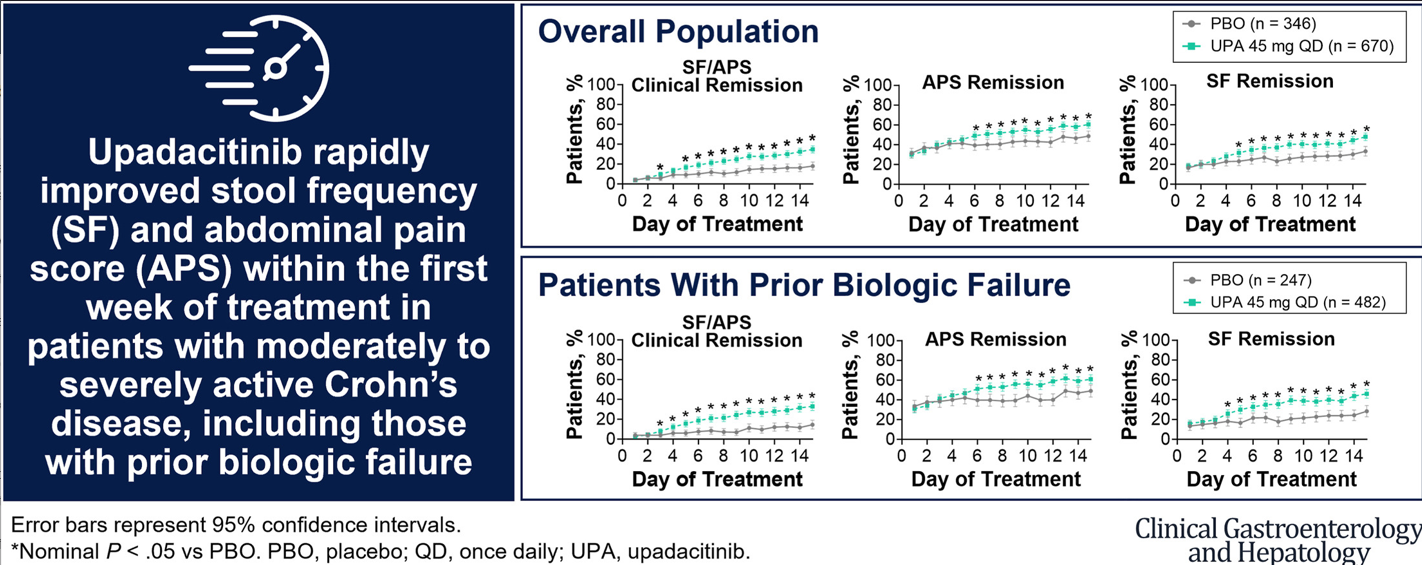
  • Upadacitinib 45 mg taken once daily resulted in rapid relief from CD symptoms within 5 to 6 days of treatment initiation and improved clinical outcomes starting at week 2.
  • The present analysis demonstrates symptomatic relief as early as day 5 to 6 for patients receiving UPA, with 16.7% of patients experiencing daily SF/APS clinical remission by day 5. 
  • The first achievement of daily stool frequency/abdominal pain score (SF/APS) clinical remission occurred earlier with UPA45 (median, 13 d) vs PBO (median, 32 d)
  • Patients treated with UPA45 showed improved rates of SF/APS clinical remission (21.1% UPA45 vs 8.9% PBO) and clinical response (58.8% UPA45 vs 37.9% PBO) starting at week 2 (both P ≤ .01).

In their discussion, the authors note that time to response to treatment with upadacitinib compares favorably to other advanced therapies:

“Vedolizumab resulted in symptomatic improvement within 2 to 4 weeks of treatment initiation16; ustekinumab led to clinical response and remission at week 3 or 6, depending on the dose.17 Similarly, of the time points analyzed, clinical response and/or clinical remission was observed as early as week 2 for risankizumab, 5 infliximab,18 and certolizumab pegol,19 and as early as week 1 for adalimumab.20,21

My take: The rapid response seen in many patients indicate that upadacitinib can be a steroid-sparing therapy in patients with Crohn’s disease.

Unrelated article: E Louis et al. JAMA 2024; doi:10.1001/jama.2024.12414. Risankizumab for Ulcerative Colitis: Two Randomized Clinical Trials

Key findings:  Among the 975 patients with moderate to severe ulcerative colitis, analyzed in the induction trial, 1200 mg of risankizumab significantly increased the rates of clinical remission at 12-week follow-up compared with placebo (20.3% vs 6.2%, respectively). Among 548 patients included in the primary efficacy analysis for the maintenance trial, 180 mg of risankizumab and 360 mg of risankizumab significantly increased the rates of clinical remission (40.2% and 37.6%, respectively) compared with placebo (25.1%).

Related blog posts:

Teduglutide Study on Parenteral Nutrition -It Does NOT Reduce Costs

U Cucinotta et al J Pediatr 2024; https://doi.org/10.1016/j.jpeds.2023.113882. The Impact of Teduglutide on Real-Life Health Care Costs in Children with Short Bowel Syndrome

It is disappointing that in this study, the authors conclusions in the abstract state the following: “Treatment with teduglutide is associated with a significant reduction in the annual costs of HPN but still remains expensive because of the drug itself.”

Key findings from the study do NOT support this concclusion:

  • In the treated group, the median total costs of home parenteral nutrition (HPN) significantly decreased after 1 (P < .001) and 2 years of treatment (P < .001) from 59,454 euros/year/patient to 43 885 euros/year/patient and 34,973 euros/year/patient, respectively
  • When we compared patients treated and not treated, the total HPN costs/year/patient were similar at baseline (P = .6) but were significantly lower in the teduglutide-treated group after 1 (P = .006) and 2 years of treatment (P < .001)
  • When we added the cost of teduglutide into the analysis, the total cost increased significantly in the treated group and remained much greater even after modeling a reduction in the cost of the drug to one-third the present cost and PN weaning (P < .001).

The study’s conclusion is like someone trying to tell me they saved money at a fancy restaurant if they just took the caviar off the bill. Guess what –it wasn’t less expensive!

My take: The conclusion from this article should be straight-forward: the costs were much greater in patients receiving teduglutide. It will remain more expensive even if the drug costs improve quite a bit. In addition, there are other additional costs of teduglutide if one follows the monitoring recommendations.

Related study: PW Wales et al. J Pediatr Gastroenterol Nutr. 2024;79:290–300. Long-term teduglutide associated with improved response in pediatric short bowel syndrome-associated intestinal failure. Safety concerns in this study (n=78 treated patients): out of 12 patients with positive antidrug antibodies, neutralizing activity was detected in four patients. There were no reported incidences of colorectal polyps

Related blog posts:

AGA Recommendations For Iron Deficiency Anemia

TG DeLoughery et al. Clin Gastroenterol Hepatol 2024; 22: 1575-1583. Open Access! AGA Clinical Practice Update on Management of Iron Deficiency Anemia: Expert Review

This guideline was developed with adults in mind; however, much of the practice advice is applicable in the pediatric population as well. Here are some of the recommendations:

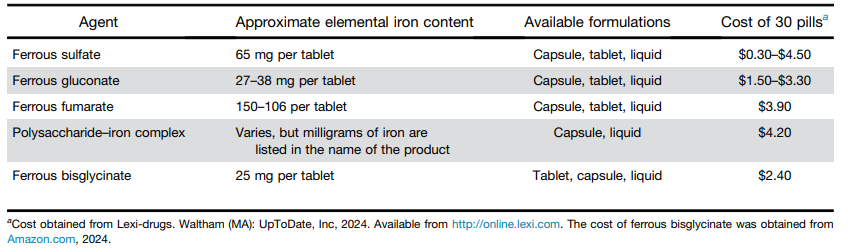
  • Best Practice Advice 1: No single formulation of oral iron has any advantages over any other. Ferrous sulfate is preferred as the least expensive iron formulation.
  • Best Practice Advice 2: Give oral iron once a day at most. Every-other-day iron dosing may be better tolerated for some patients with similar or equal rates of iron absorption as daily dosing.
  • Best Practice Advice 3: Add vitamin C to oral iron supplementation to improve absorption.
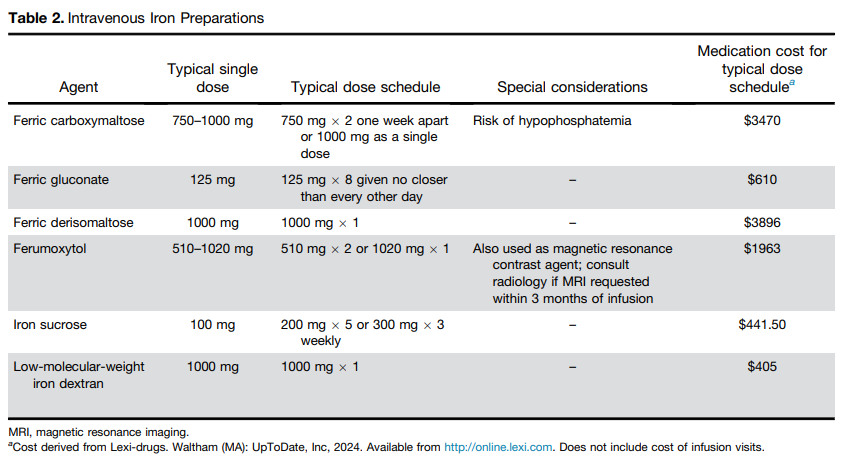
  • Best Practice Advice 4: Intravenous iron should be used if the patient does not tolerate oral iron, ferritin levels do not improve with a trial of oral iron, or the patient has a condition in which oral iron is not likely to be absorbed.
  • Best Practice Advice 5: Intravenous iron formulations that can replace iron deficits with 1 or 2 infusions are preferred over those that require more than 2 infusions.
  • Best Practice Advice 6: All intravenous iron formulations have similar risks; true anaphylaxis is very rare. The vast majority of reactions to intravenous iron are complement activation–related pseudo-allergy (infusion reactions) and should be treated as such.

With regard to iron infusion reactions, the authors note the following:

Being truly allergic to IV iron is very rare—almost all reactions are complement activation–related pseudo-allergy, which are idiosyncratic infusion reactions that can mimic allergic reactions.26 For mild reactions, simply stopping the infusions and restarting 15 minutes later at a slower rate will suffice. For more severe reactions, corticosteroids may be of benefit. Diphenhydramine should be avoided because its side effects of mouth dryness, tachycardia, diaphoresis, somnolence, and hypotension can be mistaken for worsening of the reaction.27 Studies have shown that rates of mild reactions are approximately 1:200 and rates of major reactions are approximately 1:200,000.28


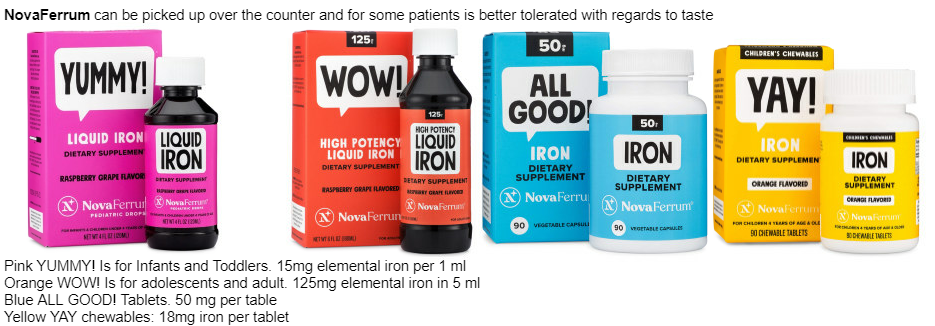
Related information: Our hematologists often recommend Novaferrum (polysaccharide-iron complex) products in children.

Food/diet items with plenty of iron:

  • beef, pork, poultry, and seafood
  • tofu
  • dried beans and peas
  • dried fruits
  • leafy dark green vegetables
  • iron-fortified breakfast cereals, breads, and pastas
  • Use of “lucky fish” (also available at Amazon) while cooking and cooking with cast iron pan can increase iron intake. The lucky fish can be used for 5 years.

Limiting milk consumption can help improve iron absorption.

My take: Iron deficiency anemia is a common issue in pediatric gastroenterology that usually merits evaluation. The AGA practice update provides helpful information with regard to management.

Related blog posts:

Disclaimer: This blog, gutsandgrowth, assumes no responsibility for any use or operation of any method, product, instruction, concept or idea contained in the material herein or for any injury or damage to persons or property (whether products liability, negligence or otherwise) resulting from such use or operation. These blog posts are for educational purposes only. Specific dosing of medications (along with potential adverse effects) should be confirmed by prescribing physician.  Because of rapid advances in the medical sciences, the gutsandgrowth blog cautions that independent verification should be made of diagnosis and drug dosages. The reader is solely responsible for the conduct of any suggested test or procedure.  This content is not a substitute for medical advice, diagnosis or treatment provided by a qualified healthcare provider. Always seek the advice of your physician or other qualified health provider with any questions you may have regarding a condition.

A Treatment for Severe Fatigue Associated with Inflammatory Bowel Disease?

The proverb “Necessity is the mother of invention” is often attributed to Plato. In the dialogue of The Republic, Plato wrote, “our need will be the real creator”. This quote came to mind as I was reading about the use of f for fatigue in inflammatory bowel disease (IBD).

CD Moulton et al. Clin Gastroenterol Hepatol 2024; 22: 1737-1740. Open Access! Modafinil for Severe Fatigue in Inflammatory Bowel Disease: A Prospective Case Series

Background: “Fatigue is highly prevalent in patients with IBD, affecting 72% of patients with active inflammatory bowel disease (IBD) and 47% in remission, and is associated with poor quality of life, absenteeism and presenteeism.1 However, understanding the mechanisms of IBD fatigue remains limited, as reflected in a lack of effective treatments.1

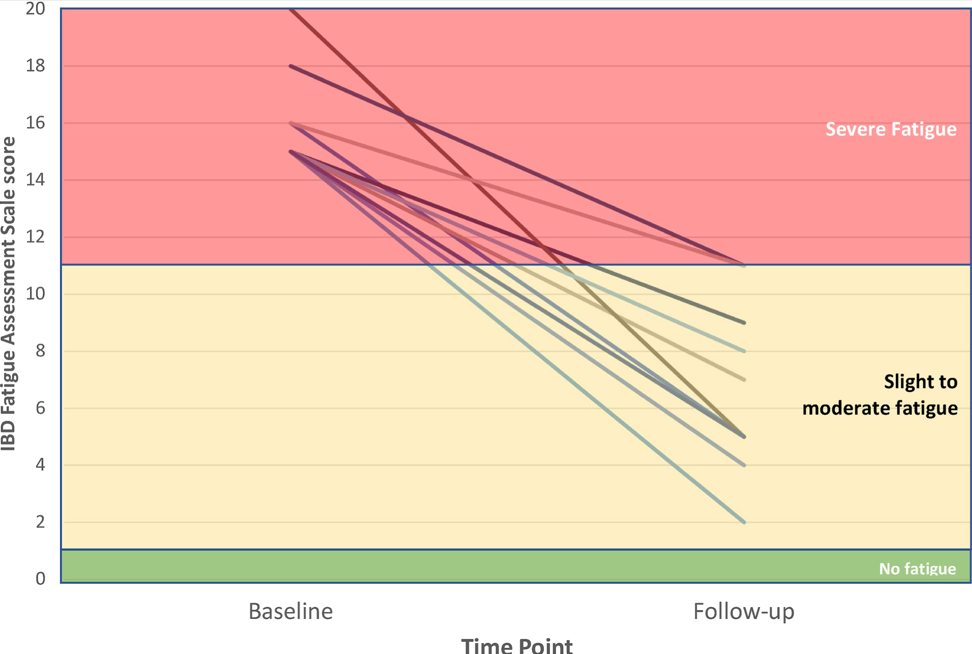
Methods: “Ten patients with IBD and severe fatigue were referred to a consultant psychiatrist. In all cases, mucosal inflammation and organic causes of fatigue (anemia, B12 deficiency, hypothyroidism) had been investigated and treated as much as possible. We measured fatigue severity using the IBD Fatigue Assessment Scale (IBD-FAS), designed specifically for IBD.5 Scores of 11 or higher out of 20 indicate severe fatigue and we only included patients scoring in this range.5

Dosing (for adults) of modafnil is described in the article.

Key findings:

  • “At baseline, the mean IBD-FAS score was 16.0 (SD, 1.7) of 20. After modafinil treatment [at 6 months], the mean IBD-FAS score was 6.7 (SD, 3.0), representing a mean improvement of 58.1% from baseline.”
  • “Although all 10 patients were severely fatigued at baseline, only 2 patients were still in the severe fatigue range after treatment.”
  • “Tolerability was good: 1 patient reported transient headache and 1 patient reported transient dizziness; another patient reported mild palpitations; but none of the patients reported gastrointestinal side effects.”

My take: Perhaps, modafinil will be helpful –pharmacologic therapy for severe fatigue is an unmet need. More studies are needed as this is a small study without a control group.

Related blog posts:

Nipocalimab for (Alloimmune) Severe Hemolytic Disease of Newborn -Will It Work for Other Alloimmune Diseases?

KJ Moise et al. NEJM 2024; 391: 526: 526-537. Nipocalimab in Early-Onset Severe Hemolytic Disease of the Fetus and Newborn

Background: In early-onset severe hemolytic disease of the fetus and newborn (HDFN), transplacental transfer of maternal anti-erythrocyte IgG alloantibodies causes fetal anemia that leads to the use of high-risk intrauterine transfusions in order to avoid fetal hydrops and fetal death. Nipocalimab, an anti–neonatal Fc receptor (FcRn) blocker, inhibits transplacental IgG transfer and lowers maternal IgG levels.

Nipocalimab is under development for the treatment of multiple IgG autoantibody- or alloantibody-driven diseases. FcRn is the sole placental IgG transporter and salvage receptor that maintains circulating maternal serum IgG concentrations. FcRn blockade aims to inhibit alloantibody transfer to the fetus and to lower maternal IgG alloantibody titers

Methods: Phase II, open label study with weekly intravenous infusions of nipocalimab were administered to the maternal participants from baseline (~14 weeks gestation) until the planned last dose at 35 weeks’ gestation. 

Key findings:

  • Live birth at 32 weeks’ gestation or later without intrauterine transfusions occurred in 7 of 13 pregnancies (54%) in the study. No cases of fetal hydrops occurred, and 6 participants (46%) did not receive any antenatal or neonatal transfusions
  • Live birth occurred in 12 pregnancies. The median gestational age at delivery was 36 weeks and 4 days

Discussion: “IVIG is used in some cases of early-onset severe HDFN on the basis, in part, of its competitive FcRn inhibition, which is similar to nipocalimab, but intrauterine transfusions are still used in the large majority of cases, despite the use of IVIG. The favorable outcomes that we observed with nipocalimab therapy are probably due to its FcRn-binding affinity, which is more than 1000 times that of IVIG and thus potentially affords greater inhibition of transplacental alloantibody transfer and lowering of the maternal alloantibody titer. The decrease in the maternal alloantibody titer of 4 to 32 times that was observed with nipocalimab, as compared with the decrease of 35 to 43% that was reported with IVIG.”

In the associated editorial (Maisonneuve et al. pg 563-567), the authors note that nipocalimab will “probably reduce the passive immunity of newborns…should follow surviving children. Nipocalimab treatment may also be useful for other fetal complications caused by transplacental transfer of maternal IgG, such as antiplatelet alloantibodies or for maternal autoimmune conditions caused by autoantibodies that cross the placenta and cause transitory autoimmune disease in the newborn, including …systemic lupus erythematosus with anti-SSA antibodies.”

My take: This therapy may also be an option in preventing subsequent cases of gestational alloimmune liver disease in at-risk mothers.

Related blog posts:

Walnut Street Bridge at Sunrise. Tennessee River. Chattanooga. (Picture from JMH)