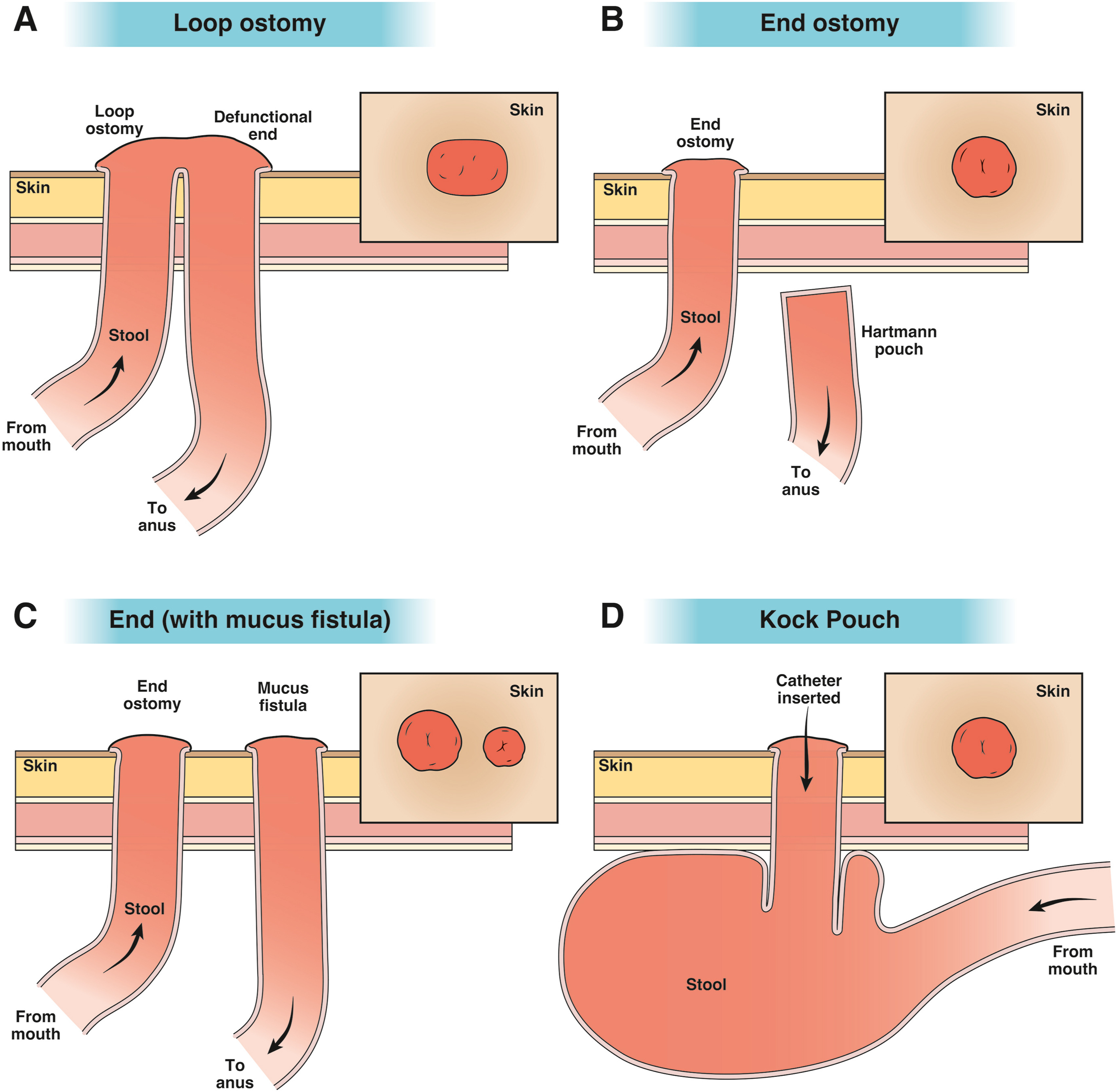
Management of Ostomies

TL Hedrick et al. Clin Gastroenterol Hepatol 2023; 21: 2473-2477. Open Access! AGA Clinical Practice Update on Management of Ostomies: Commentary

This article is a helpful review on ostomy care. The article reviews approaches to common problems including early high ostomy output, ostomy leakage, stoma retraction, mucocutaneous separation, dermatological problems, chronic high ostomy output, parastomal hernia, and stoma prolapse. A few of their comments:

  • “An estimated 750,000 Americans live with an ostomy and 130,000 new ostomy surgeries occur in the United States annually.1
  • “Reversal [of ostomy] before 6 weeks of the index surgery is associated with an increased risk of complications”
  • For leakage of ostomy: “Management steps involve thickening the stool with antidiarrheals to facilitate a more solid effluent and pouching techniques to bolster the height of the stoma off the peristomal skin (eg, convex appliance, ostomy belt, paste, or barrier rings). Each of these items is available through the patient’s medical equipment supplier. Additional pearls include heating the appliance with a hair dryer before application, lying flat for several minutes after application, ensuring the peristomal skin is dry before application, and use of a fine dusting of stomal powder followed by skin sealant on the peristomal skin before application.”
  • Stoma prolapse: “The rate of stomal prolapse is 5% to 10%.12 Acute prolapse can lead to incarceration and ischemia, which presents as pain, obstipation, and purple/black discoloration of the stoma…In the absence of ischemia, the prolapse may be reduced by laying the patient in a relaxed position and gently squeezing the ostomy back into the abdomen. If the stoma cannot be reduced with pressure alone, a cup of sugar applied directly to the stoma and left in place for 20 minutes can reduce stomal swelling and facilitate reduction of the prolapse. Surgery can be avoided if the prolapse is mild, easily reducible, and does not interfere with pouching.”
  • Medications for High Ostomy Output include bulking agents (fiber, guar gum, marshmellows), antimotility agents (eg. loperamide, diphenoxylate/atropine), and antisecretory agents (PPIs, Octreotide). Treatment of specific underlying disease may help, such as anti-inflammatory agents for IBD and GLP-2 analogues for short bowel.
Related blog posts:

Disclaimer: This blog, gutsandgrowth, assumes no responsibility for any use or operation of any method, product, instruction, concept or idea contained in the material herein or for any injury or damage to persons or property (whether products liability, negligence or otherwise) resulting from such use or operation. These blog posts are for educational purposes only. Specific dosing of medications (along with potential adverse effects) should be confirmed by prescribing physician.  Because of rapid advances in the medical sciences, the gutsandgrowth blog cautions that independent verification should be made of diagnosis and drug dosages. The reader is solely responsible for the conduct of any suggested test or procedure.  This content is not a substitute for medical advice, diagnosis or treatment provided by a qualified healthcare provider. Always seek the advice of your physician or other qualified health provider with any questions you may have regarding a condition.

The Quality of Evidence for Dietary Treatments in Inflammatory Bowel Disease

BN Limketkai et al. Clin Gastroenterol Hepatol 2023; 21: 2508-2525. Open Access! Dietary Interventions for the Treatment of Inflammatory Bowel Diseases: An Updated Systematic Review and Meta-analysis

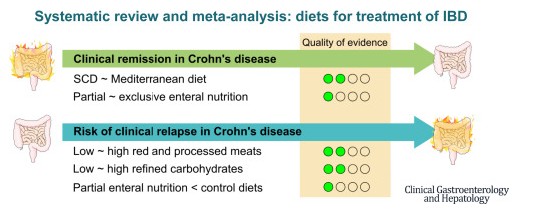
This was a systematic review of prospective controlled trials (n=27) of solid food diets for the induction or maintenance of remission in IBD.

Key findings:

  • For induction of remission in Crohn’s disease (CD), the Mediterranean diet was similar to the Specific Carbohydrate Diet (low certainty of evidence), and partial enteral nutrition (PEN) was similar to exclusive enteral nutrition (very low certainty of evidence).
  • PEN reduced risk of relapse (very low certainty of evidence), whereas reduction of red meat or refined carbohydrates did not (low certainty of evidence).
  • For ulcerative colitis, diets were similar to controls (very low and low certainty of evidence).

My take: Most of the dietary treatments for IBD have low to very low certainty of evidence regarding their effectiveness. Dietary changes are very likely to be helpful but more studies with rigorous endpoints are still needed.

Related blog posts:

Gastroparesis is Frequently Misdiagnosed

D Cangemi, L Stephens, BE Lacy. Clin Gastroenterol Hepatol 2023; 2670-2672. Misdiagnosis of Gastroparesis is Common: A Retrospective Review of Patients Referred to a Tertiary Gastroenterology Practice

In this retrospective study with adult patients (n=339) referred specifically to a tertiary center for evaluation of gastroparesis (GP) from 2019-2021, the key findings:

  • Nausea was most common symptom (in 89%), followed by abdominal pain (76%, constipation (71%), vomiting (66%), bloating (38%) and early satiety (35%)
  • 196 (58%) had undergone a prior gastric emptying study; though only 23 (7%) had ingested radiolabeled eggs as the test meal.
  • 66 (19.5%) ultimately received a diagnosis of GP; 80.5% received alterative diagnosis including functional dyspepsia in 44.5%. In those with GP, diabetes was more common (40% vs. 17%, P=.017).
  • GP patients more often had retained food in the stomach during EGD (23% vs. 11%, P=.013)

My take: In adults (& probably in children), most individuals labelled as having gastroparesis actually have an alternative explanation, usually functional dyspepsia. The symptoms are indistinguishable and improperly performed scintigraphy contributes to confusion.

Related blog posts:

Nelson Rocks, Circleville, WV

Getting over the Stigma of Medicines for Anxiety/Depression and Obesity

This is a terrific personal account of starting medications for anxiety/depression and obesity.

NY Times: Aaron Carroll 9/9/23, What Obesity Drugs and Antidepressants Have in Common

An excerpt:

Until a few years ago, I had controlled my depression and anxiety through decades of counseling. I was reluctant to try medications because the medical understanding of them seemed vague…We also can’t explain why some people benefit from S.S.R.I.s and others do not. Because of this, many people still believe those who take them don’t really need them. I also believed that, if I was strong enough, I didn’t need medication…

I was wrong to doubt. It’s had a remarkable effect on my mood, and almost everyone around me noticed the difference. I was more optimistic, friendlier and more engaging. I was forced to reconsider why I had avoided taking the medication for so long. I think it’s because — even though I realize this isn’t true — taking it felt like an admission of failure…

I’ve recently faced a similar scenario with new drugs for obesity. I’ve struggled with my weight for most of my life. I’ve always been overweight, and in the last few years, I’ve slipped into obesity, according to my body mass index. I exercise regularly and carry the weight well, but it bothers me immensely. It especially troubles me because I have a fair amount of self-discipline and eat quite healthfully

Despite all the advances in science, we don’t know why some people, even when they try desperately, can’t seem to lose weight. Because of that, we often assume it must be a lack of willpower…

These drugs are expensive, but I was determined to see what would happen if I took one. It is hard to explain what life is like on this medication to people who don’t have trouble controlling their weight. I’m not hungry all the time. I’m not thinking about food incessantly. I’m not obsessing about what I wish I could eat and what I can’t. My mental health, and even my temperament, improved so much that my whole family rejoiced…

Before writing this essay, I had told just a few people I’m on the drug. I think it’s because, on some level, I still feel shame. I felt the same when I finally started taking an antidepressant…

Medical treatments should not be dismissed just because we don’t fully grasp their mechanisms; people who use them are not cheating.

Related blog posts:

Photos from Washington DC

Timing of Cleft Palate Surgery

C Gamble et al. NEJM 2023; 389:795-807. Timing of Primary Surgery for Cleft Palate

Conclusion from study authors: Medically fit infants who underwent primary surgery for isolated cleft palate in adequately resourced settings at 6 months of age were less likely to have velopharyngeal insufficiency at the age of 5 years than those who had surgery at 12 months of age.

The associated editorial (R Tse, O Jackson, N Engl J Med 2023; 389:857-858. Mind the Gap) notes that “over two thirds of infants who were screened were excluded because their cleft was part of a syndrome, they were deemed to be medically unfit for early surgery, or they had a cleft that was too wide.” Also, “the incidence of additional surgery to treat velopharyngeal insufficiency was greater in the 6-month group than in the 12-month group (30 procedures in 27 children vs. 17 procedures in 16 children), and speech assessments performed after the secondary procedures were used in the analysis. Thus, the trial evaluated the mixed effects of primary surgery and secondary surgery in some patients.” Finally, “the considerations with regard to early surgery include the greater technical complexity of the procedure and the greater risks associated with anesthesia (airway complications and potential neurodevelopmental sequelae). Early surgery may also contribute to midfacial growth restriction, which becomes apparent only later, in adolescence, and may require complex corrective jaw surgery.”

My take: Early cleft palate surgery is not best for all infants with this defect.

Related blog post: Skinny Babies with Cleft Lips and/or Cleft Palates

Risk Factors for Inflammatory Bowel Disease: Antibiotics (Part 2)

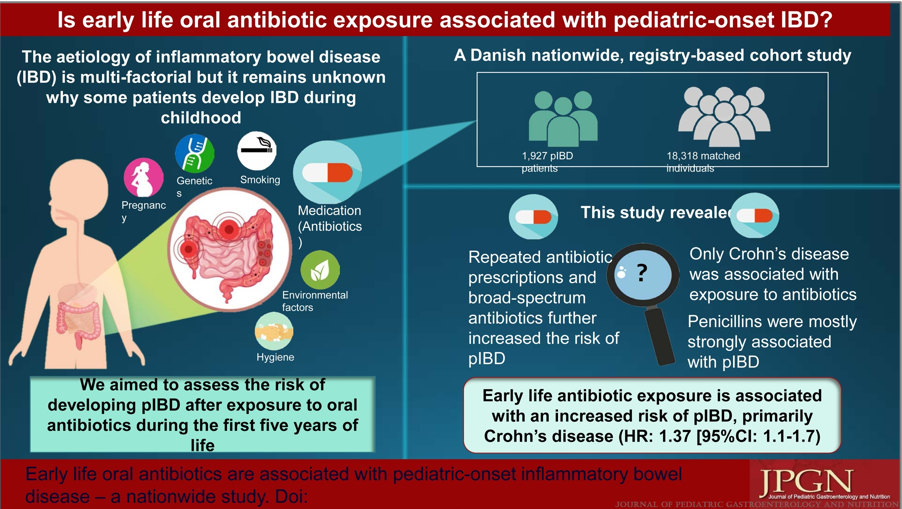
AB Jawad et al. JPGN 2023; 77: 366-372.Early Life Oral Antibiotics Are Associated With Pediatric-Onset Inflammatory Bowel Disease-A Nationwide Study

Key findings:

  • Oral antibiotic exposure during the first 5 years of life was associated with a higher risk of developing pIBD (HR = 1.33,  P <0.0001). The risk was also increased if patients had ≥4 antibiotic prescriptions compared to no antibiotics (HR = 1.33, P <0.0001).
  • Broad-spectrum antibiotics increased the risk of pIBD compared to narrow-spectrum antibiotics (HR = 1.29, P < 0.0001).
  • When stratified by IBD subtypes, only Crohn disease was significantly associated with exposure to antibiotics (HR = 1.37, P = 0.002).

My take: This study indicates that antibiotics (and/or serious infections) are associated with an increased the risk of pediatric Crohn’s disease but the absolute risk is very low. We still have a lot to learn about how environmental exposures, including diet, infections, antibiotics, and pollution, contribute to the increasing prevalence of inflammatory bowel disease.

Related blog posts:

Risk Factors for Inflammatory Bowel Disease: Ultra-Processed Food (Part 1)

N Narula et al. Clin Gastroenterol Hepatol 2023; 21: 2483-2495. Open Access! Food Processing and Risk of Inflammatory Bowel Disease: A Systematic Review and Meta-Analysis

JA Fitzpatrick et al. Clin Gastroenterol Hepatol 2023; 21: 2478-2480 (editorial). Open Access! Ultra-processed Foods and Risk of Crohn’s Disease: How Much is Too Much?

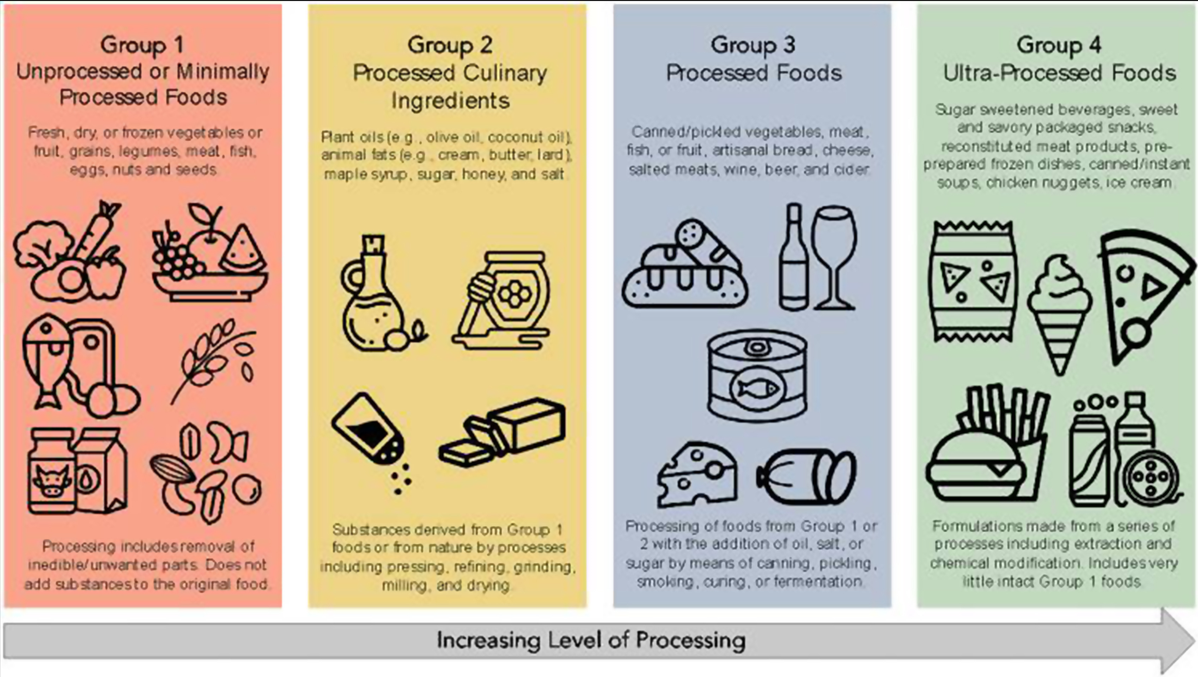
Figure 1 from editorial: The NOVA classification of food

A total of 1,068,425 participants were included (13,594,422 person-years) among 5 cohort studies published between 2020 and 2022. The average age of participants ranged from 43 to 56 years. Key findings:

  • Crohn’s disease:  During follow-up, 916 participants developed CD, and 1934 developed UC. There was an increased risk for development of CD for participants with higher consumption of ultra-processed foods compared with those with lower consumption (HR, 1.71; 95% CI, 1.37–2.14; I2 = 0%) and a lower risk of CD for participants with higher consumption of unprocessed/minimally processed foods compared with those with lower consumption (HR, 0.71; 95% CI, 0.53–0.94; I2 = 11%). 
  • Ulcerative colitis: There was no significant association between risk of UC and ultra-processed foods (HR, 1.17; 95% CI, 0.86–1.61; I2 = 74%) or unprocessed/minimally processed foods (HR, 0.84; 95% CI, 0.68–1.02; I2 = 0%).

The associated editorial by Fitzpatrick et al, notes that “there are plausible mechanisms that explain the associations of higher UPFs and development of CD, such as: (1) displacing the intake of minimally processed foods and subsequently reducing exposure to beneficial micronutrients, antioxidants, and phytochemicals; (2) driving overconsumption of total calories7; and (3) increasing exposure to non-nutritive food substances that have been implicated in the development of CD in pre-clinical studies…The notion is that a lower UPF intake is better, but a cutoff value remains elusive.”8

My take (borrowed from editorial): “the population studies have indicated that the extremes of UPF intake are related to risk of CD and that such associations are underpinned by plausible biological mechanisms, suggesting causality.”

Related blog posts:

How to Handle Gastric Intestinal Metaplasia

I Mansuri et al. JPGN 2023; 77: 332-338. Gastric Intestinal Metaplasia in Children: Natural History and Clinicopathological Correlation

This retrospective single-center study (2013-2019) identified 38 patients with gastric intestinal metaplasia (GM) with a mean age of 12.5 years.

Background: “Gastric intestinal metaplasia (GIM) is defined as the replacement of the normal gastric epithelium by intestinal-type epithelium. GIM is considered a preneoplastic lesion for gastric adenocarcinoma in adults and is found in 25% of Helicobacter pylori ( H pylori ) exposed adults.”

Key findings:

  • The prevalence was 0.53% based on 7104 patients who were 18 or younger who underwent EGDs
  • 2 cases of H pylori were identified; chronic gastritis was noted in 47%
  • Only a third of patients had f/u EGDs; none of these had progression to dysplasia. In fact, GIM was NOT identified in the majority at followup

In their discussion, the authors note that the AGA’s clinical practice guidelines for GIM in adults provides the following recommendation: “Routine surveillance endoscopy in patients with incidental detection of gastric intestinal metaplasia (GIM) is discouraged.”

Also, it is worthwhile to consider that many cases of GIM are likely overlooked given the often patchy distribution.

My take (borrowed from authors): GIM appears to be an incidental gastric biopsy finding of uncertain significance. Unless there are high risk factors for gastric cancer, routine followup is unlikely to be beneficial.

Pictures from Villa Ephrussi de Rothschild:

Disclaimer: This blog, gutsandgrowth, assumes no responsibility for any use or operation of any method, product, instruction, concept or idea contained in the material herein or for any injury or damage to persons or property (whether products liability, negligence or otherwise) resulting from such use or operation. These blog posts are for educational purposes only. Specific dosing of medications (along with potential adverse effects) should be confirmed by prescribing physician.  Because of rapid advances in the medical sciences, the gutsandgrowth blog cautions that independent verification should be made of diagnosis and drug dosages. The reader is solely responsible for the conduct of any suggested test or procedure.  This content is not a substitute for medical advice, diagnosis or treatment provided by a qualified healthcare provider. Always seek the advice of your physician or other qualified health provider with any questions you may have regarding a condition.

Customized Postoperative Therapy for Biliary Atresia -Does It Help?

S Pandurangi et al. J Pediatr Surg 2023; 58: 1483-1488. Customized Postoperative Therapy Improves Bile Drainage in Biliary Atresia: A Single Center Preliminary Report

This single center retrospective study compared  20 consecutive infants underwent hepatoportoenterostomy (HPE) (beginning in 2017) for biliary atresia (BA) to a historical cohort. Analysis of successful biliary drainage 3 months after HPE (defined as serum total bilirubin (TB) <2 mg/dL) was the primary endpoint; survival with native liver at 2 years was the secondary endpoint.

Protocol:

  • Cefoxitin was administered to all infants following HPE for 3-4 days.
  • Standard protocol: If the stool color normalized (pigmented), the infant received “conventional” treatment with trimethoprim-sulfamethoxazole cholangitis prophylaxis, fat-soluble vitamin supplementation with DEKAsPlus or AquaADEKs (1 mL daily), and ursodeoxycholic acid (5 mg/kg twice daily).
  • Customized protocol: If the stools were acholic (or not consistently pigmented) and </=45 days, the infants received intravenous cefoxitin or piperacillin-tazobactam and methylprednisolone, initial dose 5 mg/kg/day and decreased by 1 mg/kg/day each day thru day 5; then orally treated with dose dropped 0.25 mg/kg weekly. When switched to oral steroids, IV antibiotics were stopped and infant was placed on amoxicillin-clavulanate which was continued until TB <2 mg/dL or discontinuation of corticosteroids (whichever came first).
  • If stools were acholic and infant was >45 days, then the same treatment was given if there was liver inflammation on histology.

Key findings:

  • 8 had pigmented stools after HPE and received standard protocol.
  • 12 had acholic/inconsistent stools. All of those >45 days had liver inflammation; thus, all 12 received the customized protocol. Two infants had two cycles of steroids/antibiotics who had initial response to treatment and then worsened.
  • Sixteen of 20 (80%) infants had successful bile drainage, compared to 8 of 20 (40%) infants in the historical cohort (P = 0.0225)
  • Among the sixteen who have reached two years of age, 11 (68.8%) are alive with native livers versus 10 of 20 (50%) in the historical cohort (P = 0.0970).  This did not achieve statistical significance.

The authors established their protocol based on data from Kings College in 2016 suggesting that steroids appeared effective in younger patients who underwent HPE prior to 45 days (Peg Surg Int 2016; 32: 193-200). The START study showed no significant improvement in biliary drainage between patients receiving corticosteroids and placebo. However, in the group <70 days, 72% of infants receiving corticosteroids achieved biliary drainage compared with 57% of the placebo group (P=0.36).

My take: This is a small sample size. Perhaps, this protocol will help improve outcomes. If so, we still don’t know which factor is more important —the IV antibiotics or the high dose steroids. If these agents are helpful, are there other predictive factors –microbiome? MMP-&?

Related blog posts:

Pictures from the Villa Ephrussi de Rothschild

According to the study which you would never qualify for… (2023)

In 2012, this blog highlighted a study which showed that “only 31.1% of 206 patients with IBD would have been eligible to participate in any of the selected RCTs.” (Post: According to the study which you would never qualify for…).

A recent study shows the same phenomenon in pediatric IBD studies: O Atia et al. Aliment Pharmacol Ther 2022; 56 (5): 794-801. Open Access! Children included in randomised controlled trials of biologics in inflammatory bowel diseases do not represent the real-world patient mix

This study utilized data for children initiating biologics from two prospective real‐world cohorts and one retrospective cohort.

Key findings:

  • Only 62 of 164 (38%) children with moderate–to‐severe disease would have been eligible for inclusion in the original RCTs.
  • The steroid-free remission rate was higher in the eligible children (51%) than in the ineligible children (31%; OR 2.3 [95%CI 1.2–4.5]; p = 0.01)
  • The main exclusion criterion was prohibited previous therapies (47%)

My take (borrowed from authors): “Remission rates were higher among eligible children raising the concern that results presented in regulatory RCTs in paediatric IBD do not necessarily reflect the patient‐mix in the real‐world and should be interpreted with caution when applied to clinical practice.”

Pictures from VilleFranche-Sur-Mer: