IBS Impact: Survey Reveals Daily Life Struggles

AGA GastroNews, AGA IBS in America survey reveals IBS major burden despite advances in treatment (8/7/25):

Methods: The Harris Poll on behalf of AGA in 2024, among 2,013 U.S. adults age 18+ who have been diagnosed by a health care provider with IBS-C (1,005) or IBS-D (1,008). In addition, U.S. health care provider research was conducted online among 600 health care providers including gastroenterologists (n=200), primary care physicians (PCPs, n=200), gastroenterology nurse practitioners (NP)/physician assistants (PA) (n=100), and PCP NP/PAs (n=100)

Key findings:

  • IBS symptoms interfere with patients’ productivity at work/school for nearly 11 days per month on average
  • IBS symptoms disrupt personal activities eight days per month on average
  • 69% say their symptoms make them feel like they’re not “normal”
  • 77% avoid situations where bathroom access is limited.
  • 72% find it difficult to plan activities due to unpredictable symptoms.
  • 72% stay home more often because of their symptoms

My take: This sample of patients with IBS likely has more severe symptoms than a more general population of patients with IBS. Nevertheless, it highlights the impact of IBS symptoms on daily living.

Link: AGA IBS Toolkit

Related blog posts:

Westminster Abbey, London


Pilot Study: Mediterranean Diet vs Low FODMAP for Irritable Bowel Syndrome

S Singh et al. Neurogastroenterology and Motility 2025; https://doi.org/10.1111/nmo.70060. Open Access! Efficacy of Mediterranean Diet vs. Low-FODMAP Diet in Patients With Nonconstipated Irritable Bowel Syndrome: A Pilot Randomized Controlled Trial

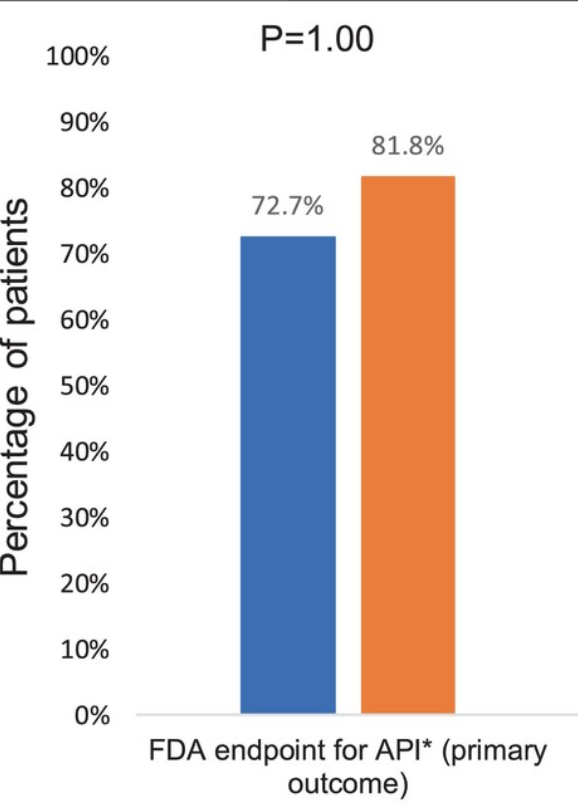
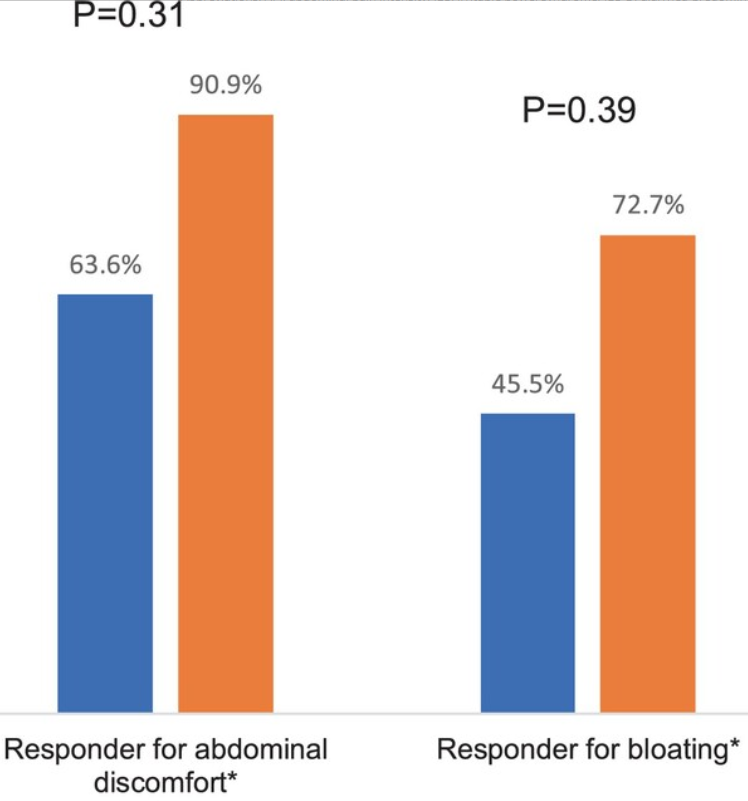
Methods: Patients were randomized controlled trial (RCT), adult patients with diarrhea-predominant IBS (IBS-D) or mixed bowel pattern (IBS-M) were randomized to Mediterranean diet (MD) versus a diet low in fermentable oligo-, di-, monosaccharides, and polyols (LFD) for 4 weeks. 10 patients completed the study in each group. The primary endpoint was the proportion of patients with ≥ 30% decrease in abdominal pain intensity (API) for ≥ 2/4 weeks. Daily variables included abdominal pain intensity (API) and bloating, while IBS symptom severity score (IBS-SSS) and IBS adequate relief (IBS-AR) were scored weekly

Key findings:

  • 73% percent of the MD group met the primary endpoint compared to 81.8% of the LFD group (p = 1.0)
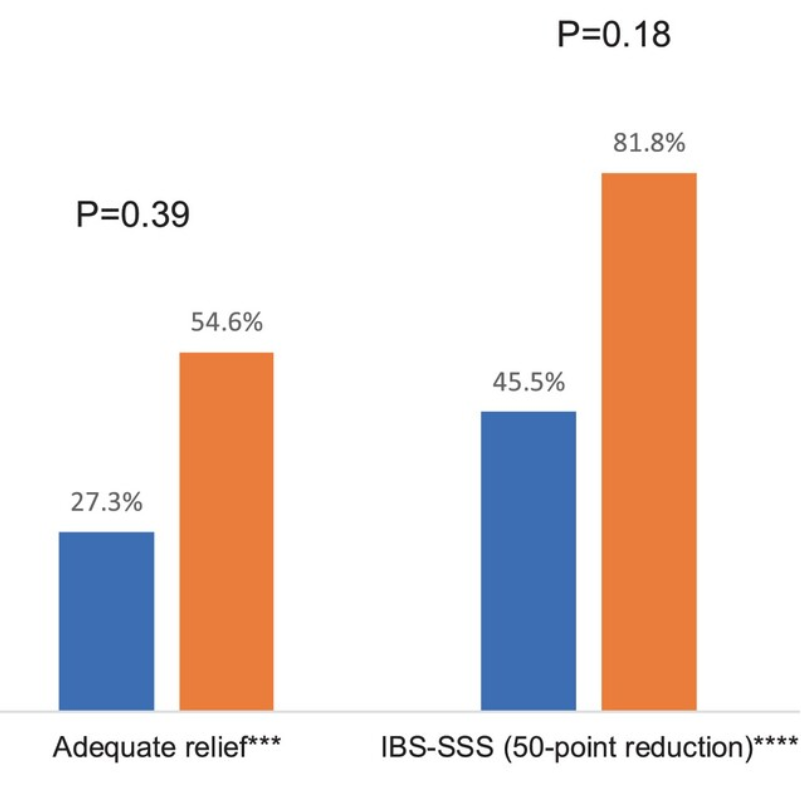
  • Although not statistically significant, a numerically higher proportion of the LFD group reported adequate relief and met the responder endpoint for IBS-SSS (50-point reduction) compared to the MD group (54.6% vs. 27.3% for IBS-AR and 81.8% vs. 45.5% for IBS-SSS, p = 0.39 and 0.18, respectively)
  • The LFD group also had a significantly greater reduction in IBS-SSS score over the 4-week treatment period compared to the MD group (−105.5 vs. −60, p = 0.02)

My take (borrowed from authors): A Mediterannean diet “improves abdominal symptoms in the majority of patients with IBS-D and IBS-M. Larger, adequately powered, real-world studies comparing the efficacy of a MD with LFD and NICE diet are needed to validate these preliminary findings and to help patients and providers to know if a MD should be added to the list of effective, evidence-based diet interventions for patients with IBS.”

Related blog posts:

Impact of Ultra-Processed Foods on Bowel Health

C-H Lo et al. Clin Gastroenterol Hepatol 2024; 22: 2309-2318. Open Access! Association of Ultra-processed Food and Unprocessed or Minimally Processed Food Consumption With Bowel Habits Among U.S. Adults

Methods: The authors used a cross-sectional study using data from the National Health and Nutrition Examination Survey (2005-2010) and they used two 24-hour dietary recalls and, based on the Nova classification, calculated intakes of ultra-processed foods (UPFs) and minimally-processed foods (MPFs). N=12,716 adults.

Key Findings:

  • Median UPF and MPF intakes were 26.5% and 66.2% of total grams per day, respectively
  • Greater UPF consumption (in % gram/d) was associated with higher odds of constipation
    (adjusted OR [aORQ4 vs Q1], 2.20]

Discussion point: The authors did not find an association with diarrhea. “UPF consumption has been associated with increased risks of GI disorders that can cause chronic diarrhea including IBD and irritable bowel syndrome (IBS). This was thought to be related to alteration of the gut barrier integrity and activation of the immune response in the setting of microbial dysbiosis. The overall effect induces a pro-inflammatory micro-environment in the intestine and alterations in bowel function. However, the amount of UPFs needed to be
consumed by individuals such that the risk of diarrhea would be higher is unknown and likely varies between individuals.”

My take: Limiting UPFs and promoting fresh foods/minimally-processed foods is better for our health.

Related blog posts:

La Fortuna, Costa Rica

Risk of Eating Disorders with Dietary Therapy of Functional Abdominal Pain

L Sims et al. JPGN 2024;79:1040–1046 Open Access! Eating concerns in youth with functional abdominal pain disorders

This retrospective cohort included 270 adolescents/young adults who attended an intensive, interdisciplinary pain treatment program, including 135 youth with functional abdominal pain (FAP) and an age- and gender-matched control group with a primary pain diagnosis of chronic headache.

Key findings:

  • Limitation of this study: The population attending this intensive pain program is NOT representative of typical outpatient setting
  • A history of an eating disorder was more common with FAP than in those with chronic headache (15.4% vs. 5.9%)
  • In this cohort, patients with FAP compared to patients with chronic headache had higher rates of prior exclusion diets to manage their symptoms (46% vs. 22%, p = 0.007), and prior requirement enteral or parenteral feeds (18% vs. 1.5%, p = 0.001)
  • The study found a significant association between a history of exclusion diets and meeting criteria for ARFID. “With regard to ARFID, the prevalence of patients in both groups who met diagnostic criteria (FAP: 50%; chronic headache: 36%) was also significantly higher than estimates from the general school-aged population (3%)”
  • Patients with FAP were also more likely than patients with chronic headache to be diagnosed with postural orthostatic tachycardia syndrome ([POTS]; 46% vs. 30%) and have a history of food allergies or intolerances (43% vs. 25%)
  • Significantly more adolescents with FAP (n = 68) than chronic headache (n = 45) had lost 4.5 kg or more, p = 0.004

My take: Most treatments for FAP, including dietary treatment, have some inherent risks. In patients placed on dietary therapies, screening and/or discussing the risk of dietary restriction need to be considered.

Related blog posts:

Boats Leaving Harbor -Claude Monet, National Gallery of Art (Washington, D.C.)

The Link Between Ultra-Processed Foods and Irritable Bowel

S Wu et al. Clin Gastroenterol Hepatol 2024; 22: 1497-1507. Ultra-Processed Food Consumption and Long-Term Risk of Irritable Bowel Syndrome: A Large-Scale Prospective Cohort Study

Methods: Participants (N = 178,711) who completed 24-hour dietary recalls during 2009 to 2012 from the UK Biobank, and free of IBS, celiac disease, inflammatory bowel disease, and any cancer at baseline, were included. During a median of 11.3 years of follow-up, 2690 incident IBS cases were identified.

Key findings:

  • The mean UPF consumption was 21.0% (SD, 11.0%) of the total diet
  • An 8% higher risk of IBS (hazard ratio, 1.08; 95% CI, 1.04–1.12) was associated with every 10% increment of UPF consumption
  • Compared with the lowest quartile of UPF consumption, the highest quartile was associated with a significantly increased risk of incident IBS (hazard ratio, 1.19)

Discussion:

  • “The worsening global epidemic of IBS has coincided with increased dietary consumption of UPF over the past few decades…A similar positive association with IBS (odds ratio of quartile 4 vs quartile 1 = 1.25; 95% CI, 1.12–1.39) was detected in…the French NutriNet-Santé study”
  • High UPF consumption has been associated with “a 42% greater risk of nonalcoholic fatty liver disease and a 22% greater risk of depression.”
  • The authors note that with an observational study, this limits the determination of causality between UPF and IBS

My take: Yet, another study showing that UPF are associated with negative health outcomes. This study reported that UPF consumption was 21% of participants’ diet. In U.S., the current estimate is 60-70% (Source: NPR May 2023: What we know about the health risks of ultra-processed foods). It would be helpful if these foods that are bad for our health did not taste so good!

Related blog posts:

Bryce Canyon

“Efficacy” of Probiotics in Irritable Bowel Syndrome

VC Goodoory, M Khasawneh et al. Gastroenterol 2023; 165: 1206-1218. Open Access! Efficacy of Probiotics in Irritable Bowel Syndrome: Systematic Review and Meta-analysis

After performing a systematic literature review, the authors identified randomized controlled trials (RCTs) recruiting adults with IBS, comparing probiotics with placebo were eligible; this included 82 eligible trials, containing 10,332 patients. However, only 24 RCTs were at low risk of bias across all domains.

Key findings:

  • There was some evidence to support the use of some probiotics for global IBS symptoms, abdominal pain, and abdominal bloating or distension (highly detailed analysis of the studies in article –Figures 1-3 and Tables 1-3)
  • There was moderate certainty in the evidence for a benefit of Escherichia strains, low certainty for Lactobacillus strains and Lplantarum 299V, and very low certainty for combination probiotics, LacClean Gold S, Duolac 7s, and Bacillus strains
  • For abdominal pain, there was low certainty in the evidence for a benefit of Scerevisiae I-3856 and Bifidobacterium strains, and very low certainty for combination probiotics, LactobacillusSaccharomyces, and Bacillus strains
  • For abdominal bloating or distension, there was very low certainty in the evidence for a benefit of combination probiotics and Bacillus strains
  • The relative risk of experiencing any adverse event, in 55 trials, including more than 7000 patients, was not significantly higher with probiotics

My take: This study shows that it is difficult to confidently recommend specific probiotics for IBS as the certainty in the evidence for efficacy by GRADE criteria was low to very low. In addition, the quality control of production of most probiotics is uncertain.

Related blog posts:

Riverside Park, Sandy Springs

Relative Efficacy of Medications for Irritable Bowel Syndrome with Constipation

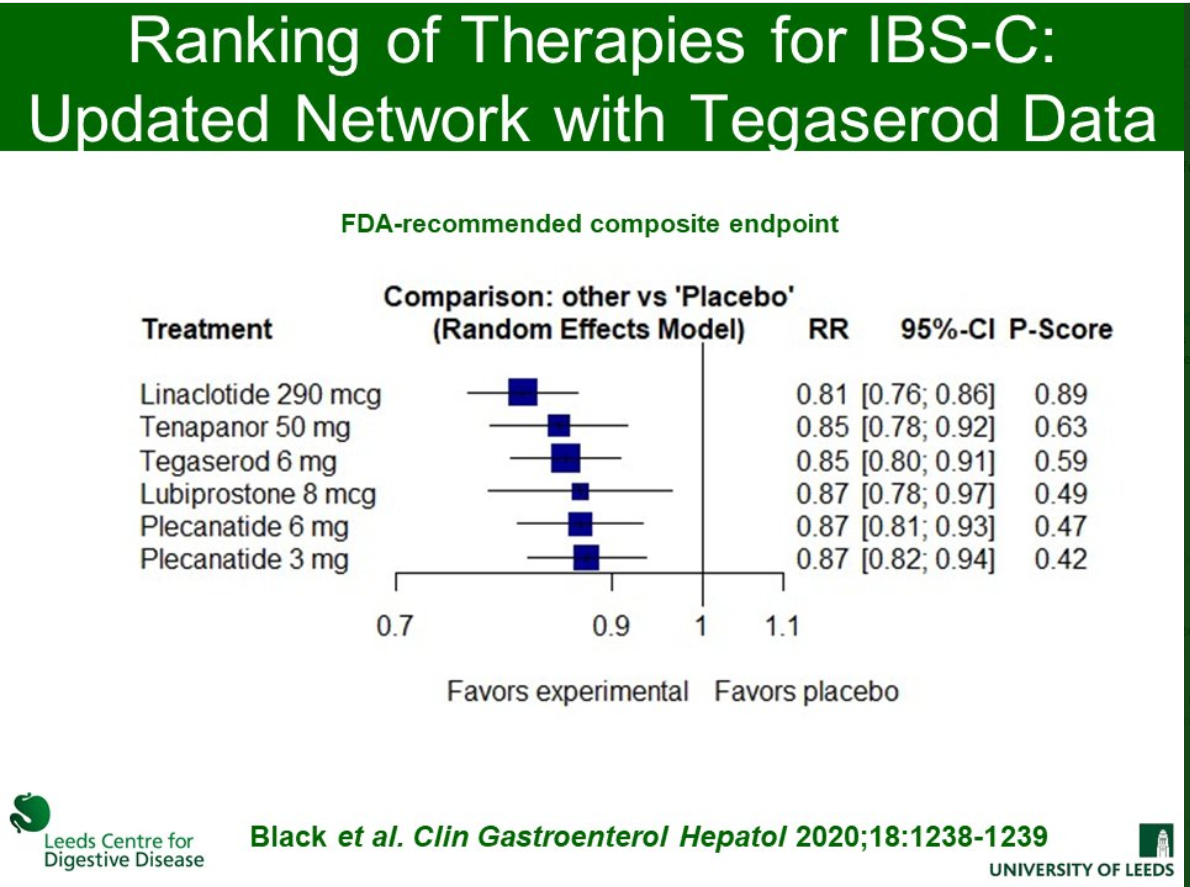
A recent systematic review and network meta-analysis (CJ Black, et al. Clin Gastroenterol Hepatol 2020; 18: 1238-39) reviewed the relative efficacy of medications for irritable bowel syndrome with constipation. In total, the 14 trials randomized 9113 patients.

Key points:

  • All treatments were significantly more effective than placebo
  • Linaclotide was ranked most effective; however, indirect comparison of active treatments revealed no significant differences between the individual drugs

Prevalence of Rome IV Functional Bowel Disorders in Adults (US, UK, Canada) & Largest Study to Date on Hydroxychloroquine for COVId-19

OS Palsson et al. Gastoenterol 2020; 158: 1262-73.  The authors note that the switch from Rome III to Rome IV criteria reduces the prevalence of IBS by half, but increases the prevalence of functional constipation and functional diarrhea.

Full text PDF: Prevalence of Rome IV Functional Bowel Disorders Among Adults in the United States, Canada, and the United Kingdom

Abstract

BACKGROUND & AIMS:

Little is known about the population prevalence or demographic distributions of Rome IV functional bowel disorders (FBDs) or their effects on quality of life. We examined these in a multinational survey.

METHODS:

We analyzed data from a population-based [online] survey of adults in the United States, Canada, and United Kingdom (5931 valid responders; 49.2% female; mean age, 47.4 years; range, 18-92 years). The survey included the Rome IV Diagnostic Questionnaire, Rome III irritable bowel syndrome (IBS) and constipation questions, and the SF-8 quality of life questionnaire.

RESULTS:

The prevalence values of census-adjusted Rome IV FBDs were similar among the 3 countries; ranges were: 4.4%-4.8% for IBS, 7.9%-8.6% for functional constipation, 3.6%-5.3% for functional diarrhea, 2.0%-3.9% for functional bloating or distention, 1.1%-1.9% for opioid-induced constipation, 7.5%-10.0% for unspecified FBDs, and 28.6%-31.7% for any Rome IV FBD. FBDs were less common in older individuals, and all except functional diarrhea were more common in women. IBS was only half as prevalent by Rome IV as by Rome III criteria (4.6% vs 9.0% overall), primarily due to higher Rome IV minimum pain frequency. Functional diarrhea and functional constipation were more prevalent by Rome IV than Rome III criteria. Subjects with FBD had significant reductions in quality of life and reported more gastrointestinal doctor consultations than other subjects.

CONCLUSIONS:

More than 1 in 4 adults in the general population meet the Rome IV criteria for FBDs. These disorders affect quality of life and increase use of gastrointestinal health care. The switch from Rome III to Rome IV criteria reduces the prevalence of IBS by half, but increases the prevalence of functional constipation and functional diarrhea.

Related blog posts:


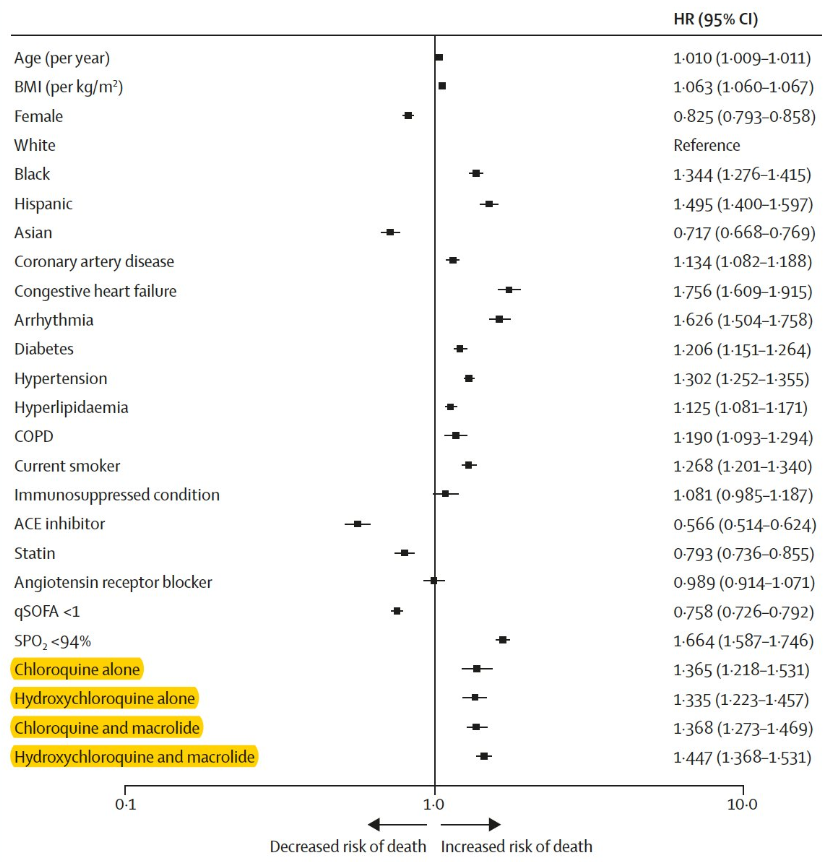
From @EricTopol: Just published @TheLancet The largest study of hydroxychloroquine shows a significant increase in death (~35%) and >2-fold increase of serious heart arrhythmias. ~96,000 patients, ~15,000 on HCQ or CQ from 671 hospitals, 6 continents.


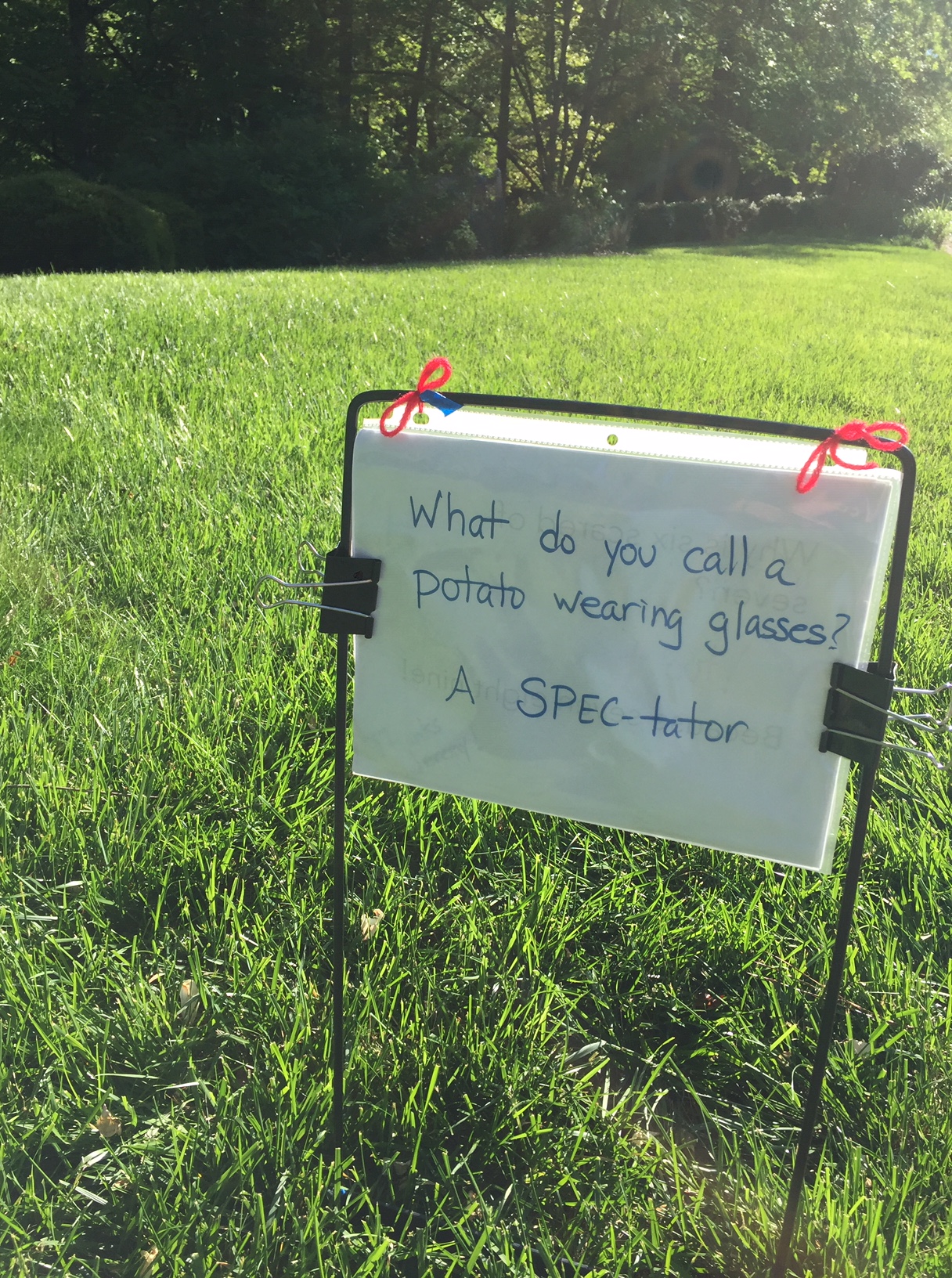
More Jokes:

Great Issue: We Need More Negative Studies (Published)

A recent ACG “Negative Issue” had some terrific articles –thanks to Ben Gold for sharing his issue.

Here are a few of the studies:

  1. Buspirone had similar efficacy as placebo in a randomized clinical trial for childhood functional abdominal pain, (n=117)  Full text: Comparison of the Efficacy of Buspirone and Placebo in Childhood Functional Abdominal Pain Key finding: Treatment response rates for buspirone and placebo were 58.3% and 59.6% at week 4 (P = 0.902) and 68.1% and 71.1% at week 12 (P = 0.753), respectively.
  2. IBS does not increase mortality in a nationwide cohort study (>300,000 in study)  Full text: Mortality Risk in Irritable Bowel Syndrome Key finding: After adjustment for confounders, IBS was not linked to mortality (HR = 0.96; 95% CI = 0.92–1.00) …and patients with IBS not undergoing a colorectal biopsy were at no increased risk of death (HR = 1.02; 95% CI = 0.99–1.06).
  3. Mongerson was not effective for active Crohn’s disease in a large phase 3 study, n=701 Full text: Mongersen (GED-0301) for Active Crohn’s Disease Key finding: The primary endpoint, clinical remission achievement (CD Activity Index score <150) at week 12, was attained in 22.8% of patients on GED-0301 vs 25% on placebo (P = 0.6210). At study termination, proportions of patients achieving clinical remission at week 52 were similar among individual GED-0301 groups and placebo.
  4. Treatment of H pylori did not increase the risk of C difficile infection (retrospective study)  Full text: Treatment of Helicobacter pylori & Clostridium difficile  Key finding: Of these 38,535 patients with H pylori based on endoscopic pathology, urea breath testing, or stool antigen, 284 (0.74%) had subsequent CDI. Those who developed CDI were less likely to have received treatment for HP within the VHA (66.2% vs 74.8%, P < 0.001)
  5. Percutaneous liver biospy was not safer when done by experienced clinician compared to a fellow, n=212 biopsies  Full text: Major Complications of Pediatric Percutaneous Liver Biopsy Do Not Differ Among Physicians With Different Degrees of Training  Key finding: No significant differences were found between groups (fellows vs staff) regarding number of punctures (median of 1.7 for both), nonrepresentative biopsies (4.2% vs 2.6%), and hemoglobin drop (median of 0.7 vs 0.5 g/L).  Interestingly, in the discussion, the authors assert: “previous studies do not support the conclusion that ultrasound-guided biopsies are superior in terms of safety or adequacy when compared with the use of ultrasound to mark the puncture” (this is based on a study referenced from 2007:  J Gastroenterol Hepatol 2007;22(9):1490–3.)  However, given that severe complications from liver biopsy are infrequent, this current study may be underpowered to detect a small difference between experienced clinicians and fellows.

Related blog posts:


It’s come to this:  Link: YouTube: Dirty Dancing Remake -Safest with a Lamp (this link is for Bernsie). 4 minute video.

PERSUADE Study: I Guarantee That It Will …

Peppermint oil (PO) products have been promoted for irritable bowel syndrome (IBS) for quite a long time.  When I have recommended PO as a possible treatment, I frequently say that “I guarantee that it will….give you fresh breath.  It might help your stomach symptoms.”

A recent randomized, double-blind “PERSUADE” study (Zsa Zsa R. M. Weerts et al Gastroenterol 2020; 158: 123-36) shows that PO likely has some efficacy for stomach symptoms in IBS. This trial enrolled 189 patients & 178 completed study (mean age, 34 years, 78% female) from the Netherlands.  Subjects were divided in three groups -instructed to take the study capsule 3/day for 8 weeks:

  • 182 mg small-intestinal release PO-SI
  • 182 mg ileocolonic release PO-IC
  • Placebo

The primary endpoint was at least a 30% decrease in the weekly average of worst daily abdominal pain

Key findings:

  • The primary endpoint did NOT differ significantly between the three groups: PO-SI with 46.8%, PO-IC with 41.3%, and Placebo with 34.4% response.
  • The PO-SI but not PO-IC was associated in secondary improvements compared to placebo in abdominal pain (P=.06), discomfort (P=.02), and IBS severity (P=.02).
  • Adverse events were mild with PO, but more common than placebo. Adverse events included heartburn, belching, and headache.
  • The authors calculate that the number needed to treat with PO-SI would be 8 which is higher than recent ACG monograph which suggested an NNT of 4 (Am J Gastroenterol 2018; 113: 1-18).  Even an NNT of 8 compares favorably with other treatments: linaclotide 6, plecanatide 10, and eluxadoline 12.5.

Limitations:

  • the studied population was mainly young adult, predominantly white and female; thus the findings may not be generalized to other groups
  • the peppermint smell could have undermined blinding despite presentation in capsule form
  • relatively short duration study

The associated editorial by BD Cash (pgs 36-37) notes that PO medicinal use began in 1753 by Carl Linnaeus.  PO is thought to work via smooth muscle calcium channel antagonism.  The findings of working in the small intestine and not ileocolonic release could “spur additional therapeutic development.”

My take (borrowed in part from editorial): “These results reaffirm that PO can improve viscerosensory symptoms of IBS …and is well-tolerated… [It is] clearly not a gangbuster as a monotherapy.”  While the findings show modest effect, the findings are supported by a “robust” study as this is the first randomized, double-blind placebo-controlled clinical trial of PO.

Related blog posts:

Also, fidaxomicin has received FDA approval for pediatric use for C diff infections: