Why Did the Young Woman’s Heartburn Keep Getting Worse?

Mystery NY Times Case: Why Did the Young Woman’s Heartburn Keep Getting Worse?

An excerpt:

The radiologist who read the scan made an interesting observation. In each of the three visits to the E.R., the patient’s blood had been tested. All three tests showed an elevated white-blood-cell count. That could suggest an infection — but in her tests a quarter of those white blood cells were a cell type known as eosinophils, which normally make up only a tiny fraction of the white blood cells in the circulation. ..

When the radiologist saw the elevated level of eosinophils, however, he recalled an unusual and relatively new disorder known as eosinophilic gastroenteritis (EGE). He added this rarity to the list of possible causes of the patient’s abnormal CT findings on his report…

EGE is thought to be an unusual type of allergic reaction to foods. Food exposure triggers the recruitment of eosinophils to the gut, but once they have a toehold, repeated exposure isn’t necessary to keep them there. The disorder was first described in a series of patients in the United States in 1993 but since then has been found to occur throughout the developed world. Because it’s a relatively new disease, and because our understanding of allergy is still emerging, it’s not well understood. As recognition of the disorder expands, so, too, do the number of cases. Patients are usually started on an elimination diet and given steroids to further suppress the immune system. An elimination diet — one in which the foods most frequently linked to allergic reactions, like milk, eggs and wheat, are not consumed — has been shown to be helpful up to 90 percent of the time.

Related blog posts:

.

Gut-Brain Modulators for Functional GI Disorders: Irritable Bowel, Dyspepsia, Functional Heartburn, and Cyclic Vomiting Syndrome

A lengthy report (DA Drossman et al. Gastroenterol 2018; 154: 1140-71) thoroughly reviews the evidence for neuromodulators for functional GI disorders, including Irritable Bowel, Dyspepsia, Functional Heartburn, and Cyclic Vomiting Syndrome.
“Some general recommendations include: (1) low to modest dosages of tricyclic antidepressants provide the most convincing evidence of benefit for treating chronic gastrointestinal pain and painful FGIDs and serotonin noradrenergic reuptake inhibitors can also be recommended, though further studies are needed; (2) augmentation, that is, adding a second treatment (adding quetiapine, aripiprazole, buspirone α2δ ligand agents) is recommended when a single medication is unsuccessful or produces side effects at higher dosages; (3) treatment should be continued for 6-12 months to potentially prevent relapse; and (4) implementation of successful treatment requires effective communication skills to improve patient acceptance and adherence, and to optimize the patient-provider relationship.”

The report makes specific recommendations for several functional conditions (Table 4).

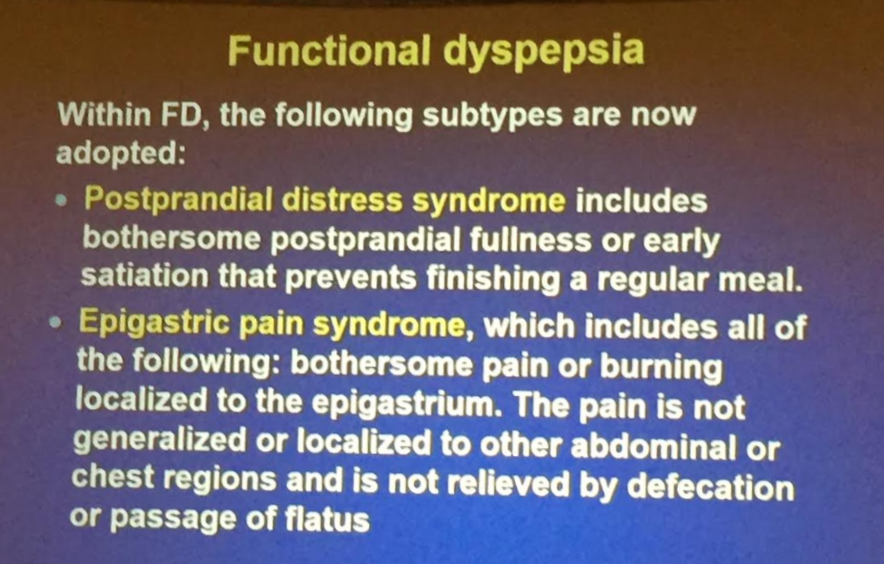
  • For dyspepsia, the authors recommend categorizing as either postprandial distress syndrome (PDS) and epigastric pain syndrome (EPS) as per Rome IV criteria.
  • They state that “Buspirone…may be used for PDS where early satiety, fullness and nausea predominate.”
  • “Mirtazapine is a good treatment option for PDS when there is chronic nausea and vomiting, or weight loss, and it may also help coexisting abdominal pain.”
  • For EPS, “studies mainly support the use of TCAs, either initially or after an unsuccessful response to a proton pump inhibitor.”

Figure 5 outlines general treatment advice:

  • SSRIs -“when anxiety, depression and phobic features are prominent with FGIDs”
  • TCAs -“first-line treatment when pain is dominant in FGIDs”
  • Tetracyclic antidepressant (mirtazapine, mianserin, trazodone) -“treatment of early satiety, nausea/vomiting, weight loss and disturbed sleep”
  • SNRIs (duloxetiine, venlafaxine, desvenlafaxin, milnacipran) -“treatment when pain is dominant in FGIDs or when side effects from TCAs preclude treatment”
  • Augmentation therapies are subsequently delineated including atyipical antipsychotics, pyschological treatments (like cognitive behavioral therapy) and hypnosis

Related blog posts:

Disclaimer: These blog posts are for educational purposes only. Specific dosing of medications (along with potential adverse effects) should be confirmed by prescribing physician.  This content is not a substitute for medical advice, diagnosis or treatment provided by a qualified healthcare provider. Always seek the advice of your physician or other qualified health provider with any questions you may have regarding a condition.


Another Study: Low FODMAPs Diet for Irritable Bowel Syndrome

Another good study on the low FODMAPs diet for irritable bowel syndrome with diarrhea (IBS-D): S Eswaran et al. Clin Gastroenterol Hepatol 2017; 15: 1890-9

This was a propspective, single-blind trial of 92 patients (84 completed study) with IBS-D (65 women) comparing the low FODMAPs diet to a modified diet recommended by the National Institute for Health and Care Excellence (NICE) for 4 weeks. Key findings:

  • The low FODMAPs group had larger increase in IBS-QOL score (15.0 vs 5.0).  In addition, based on IBS-QOL a meaningful clinical response occurred in 52% compared with 21% in the mNICE group.
  • Activity impairment was significantly reduced in the low FODMAPs group; -22.89 compared with -9.44.  Anxiety scores decreased as well.

My take: This study indicates that the low FODMAPs diet helps patient with IBS-D, and not just with their GI symptoms.

Related blog posts:

Cabin at Phantom Ranch, Grand Canyon

Mailbag for postcards (delivered via mule)

Phantom ranch canteen

Low FODMAP –Real World Experience

HM Staduacher et al. Gastroenterol October 2017; 153: 936–47

Key finding:

  • In this randomized, placebo-controlled study with 104 patients with irritable bowel syndrome (IBS), the researchers spent only 10 minutes per patient teaching the low FODMAPs diet; yet 57% reported adequate relief of symptoms.

AGA Journals blog summary: Can a Diet Low in FODMAP Reduce IBS Symptoms in the Real World?

An excerpt:

Heidi Maria Staudacher et al aimed to investigate the effects of a diet low in FODMAPs compared with a sham diet in patients with IBS, and determine the effects of a probiotic on diet-induced alterations in the microbiota.

They performed a 2×2 factorial trial of 104 patients with IBS. Patients were either given counselling to follow a sham diet or diet low in FODMAPs for 4 weeks, but not the actual foods. Patients also received a placebo or multistrain probiotic formulation, resulting in 4 groups (27 receiving sham diet/placebo, 26 receiving sham diet/probiotic, 24 receiving low-FODMAP diet/placebo, and 27 receiving low-FODMAP diet/probiotic)…

In the per-protocol analysis, a significantly higher proportion of patients on the low-FODMAP diet had adequate symptom relief (61%) than in the sham diet group (39%).

The total mean IBS severity score was significantly lower for patients on the low-FODMAP diet (173 ± 95) than the sham diet (224 ± 89), but there was no significantly difference between patients given probiotic (207 ± 98) or placebo (192 ± 93).

Related blog posts:


#NASPGHAN 17 More Abstracts

This link for the NASPGHAN abstracts :NASPGHAN 2017 Scientific Abstracts

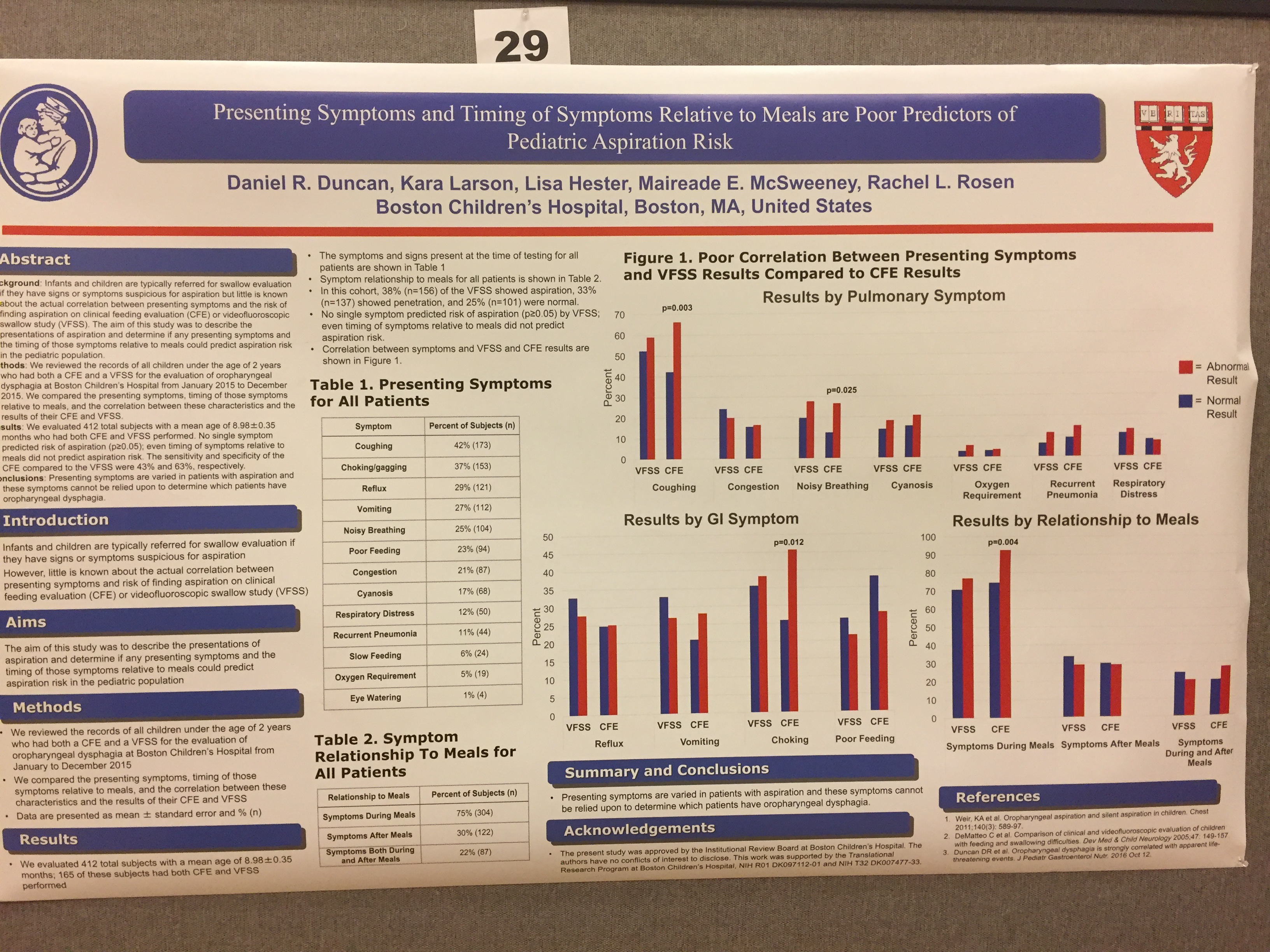
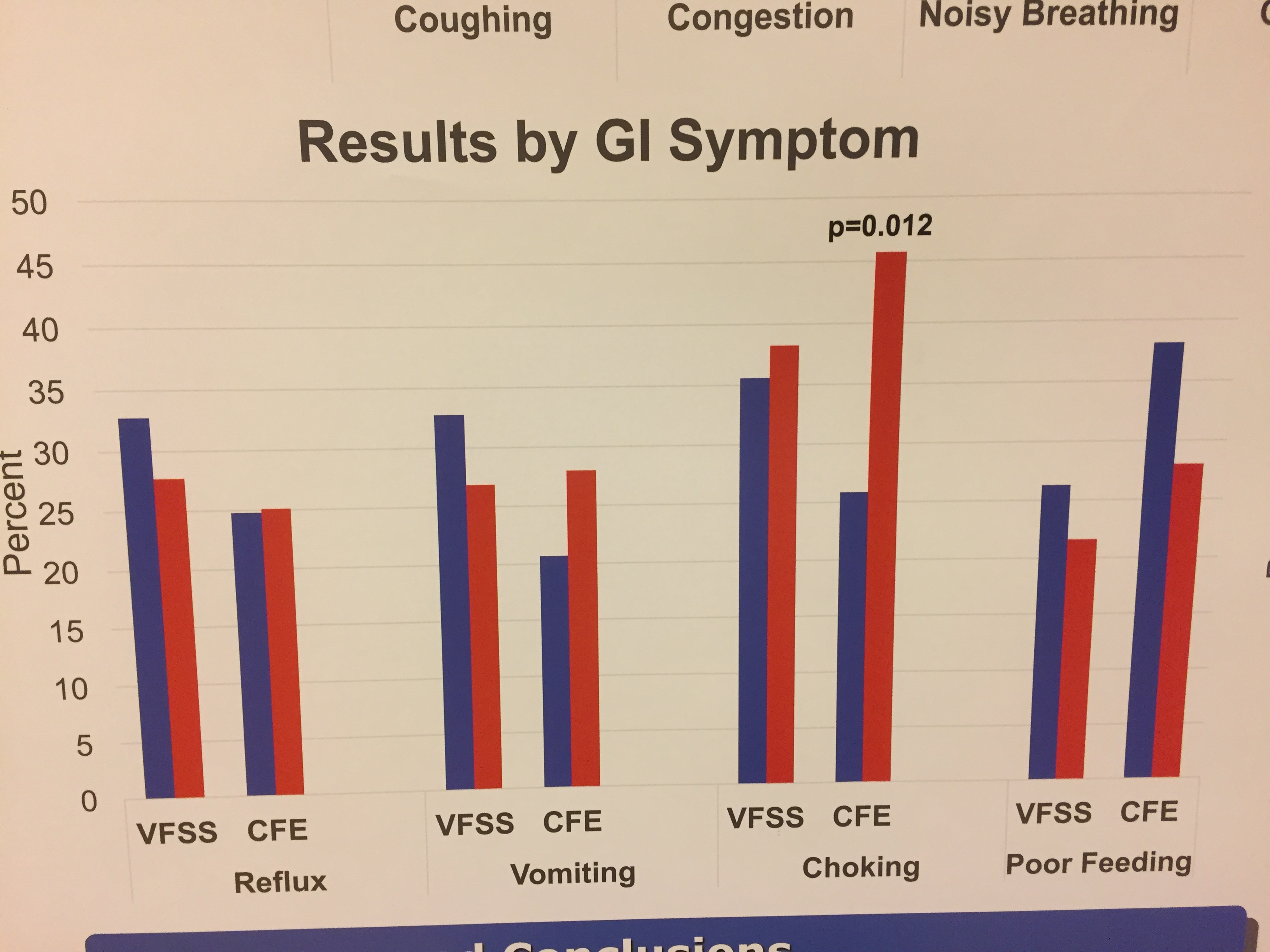
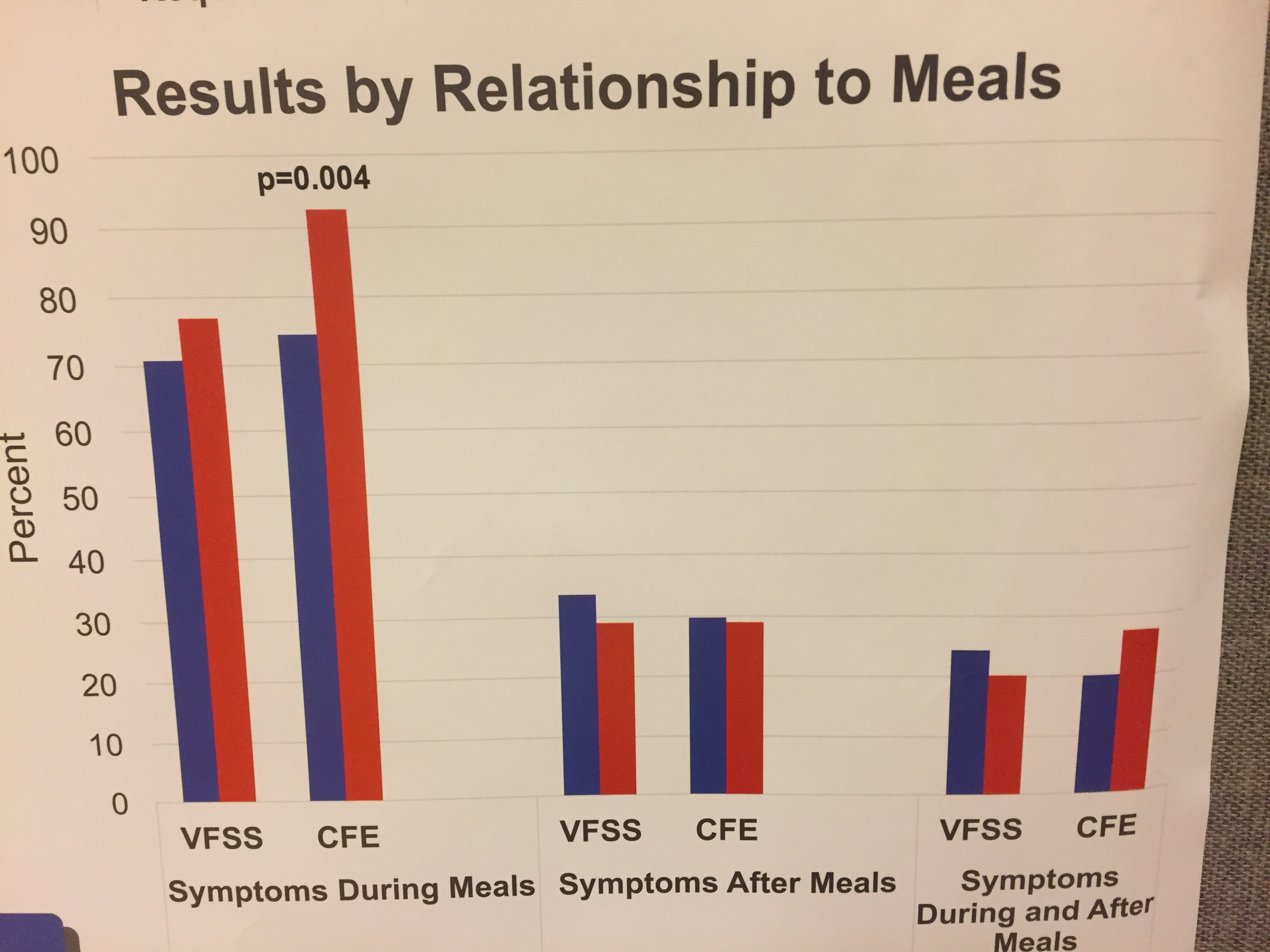
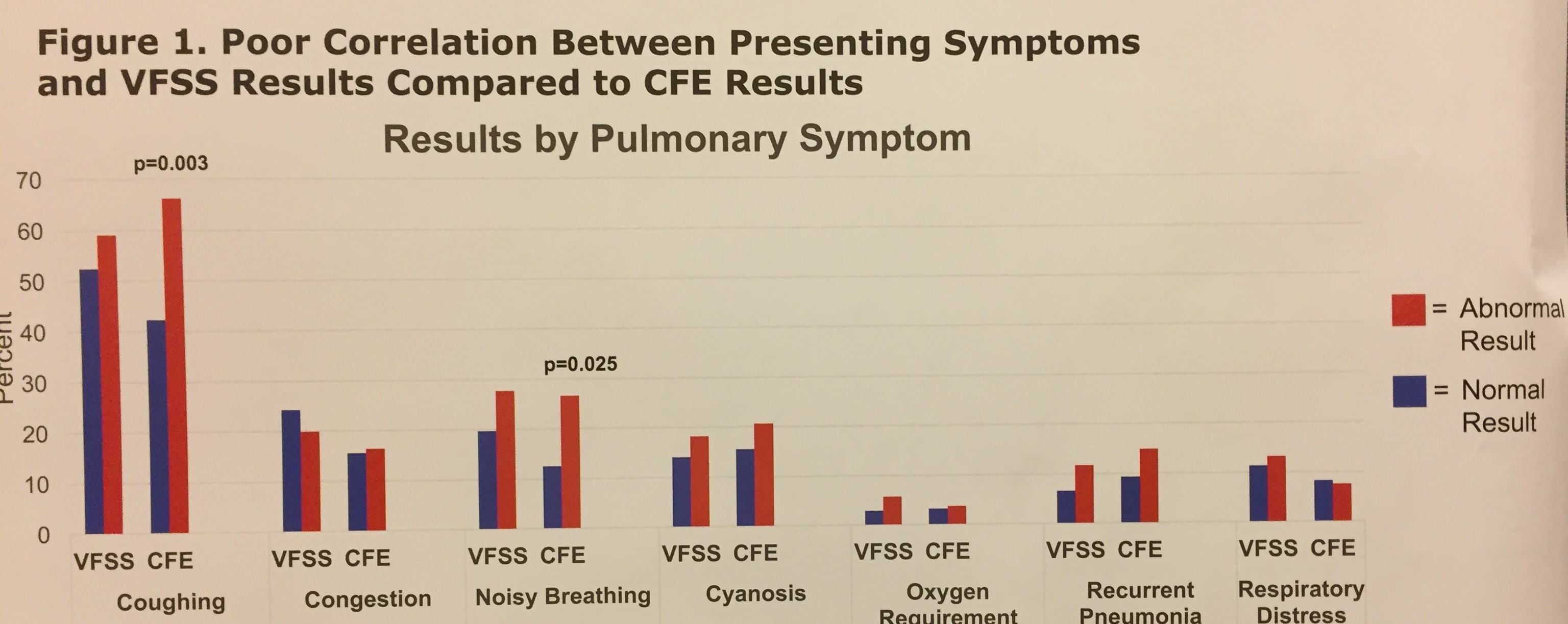
The following slides are from some of the abstract posters. This first poster (next 5 pics) showed that symptom association with meals is not predictive of aspiration among a selected group of children who underwent swallow study evaluations. In the figures, the blue bars are children who passed the swallow study whereas the red bars indicate the children who failed the swallow study.

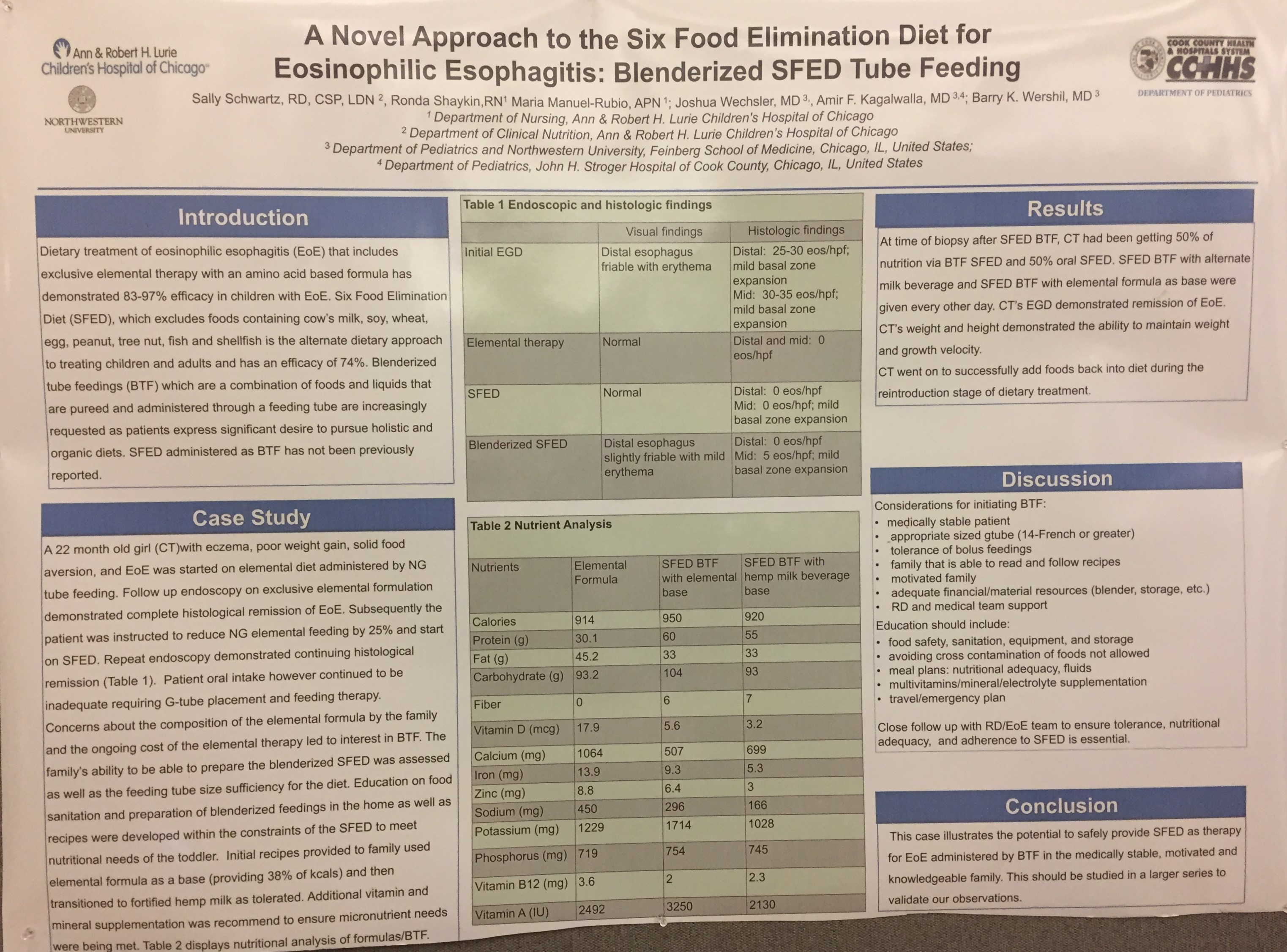
This next slide demonstrated that a six food diet for EoE could be administered blenderized via a gastrostomy tube.

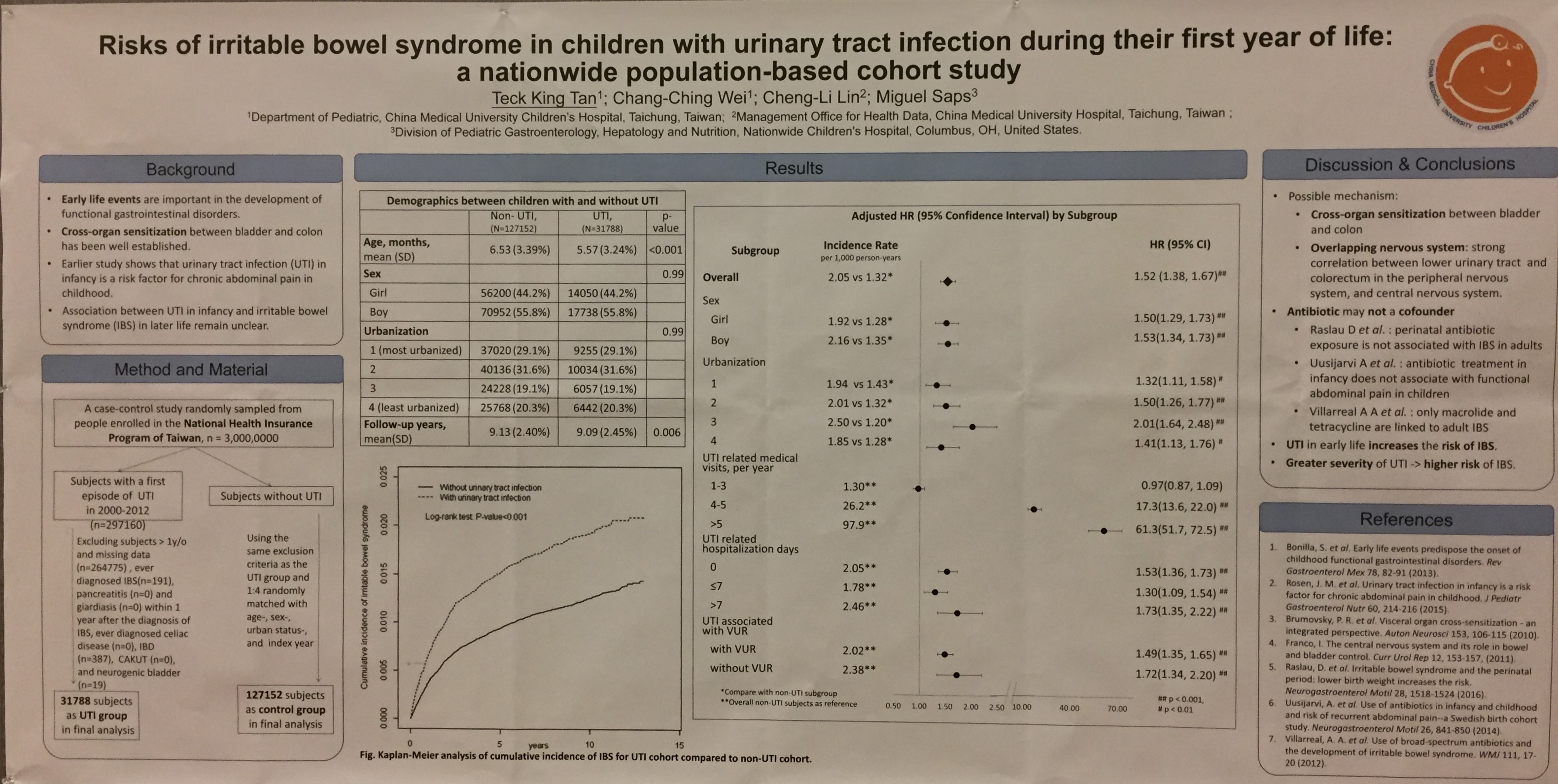
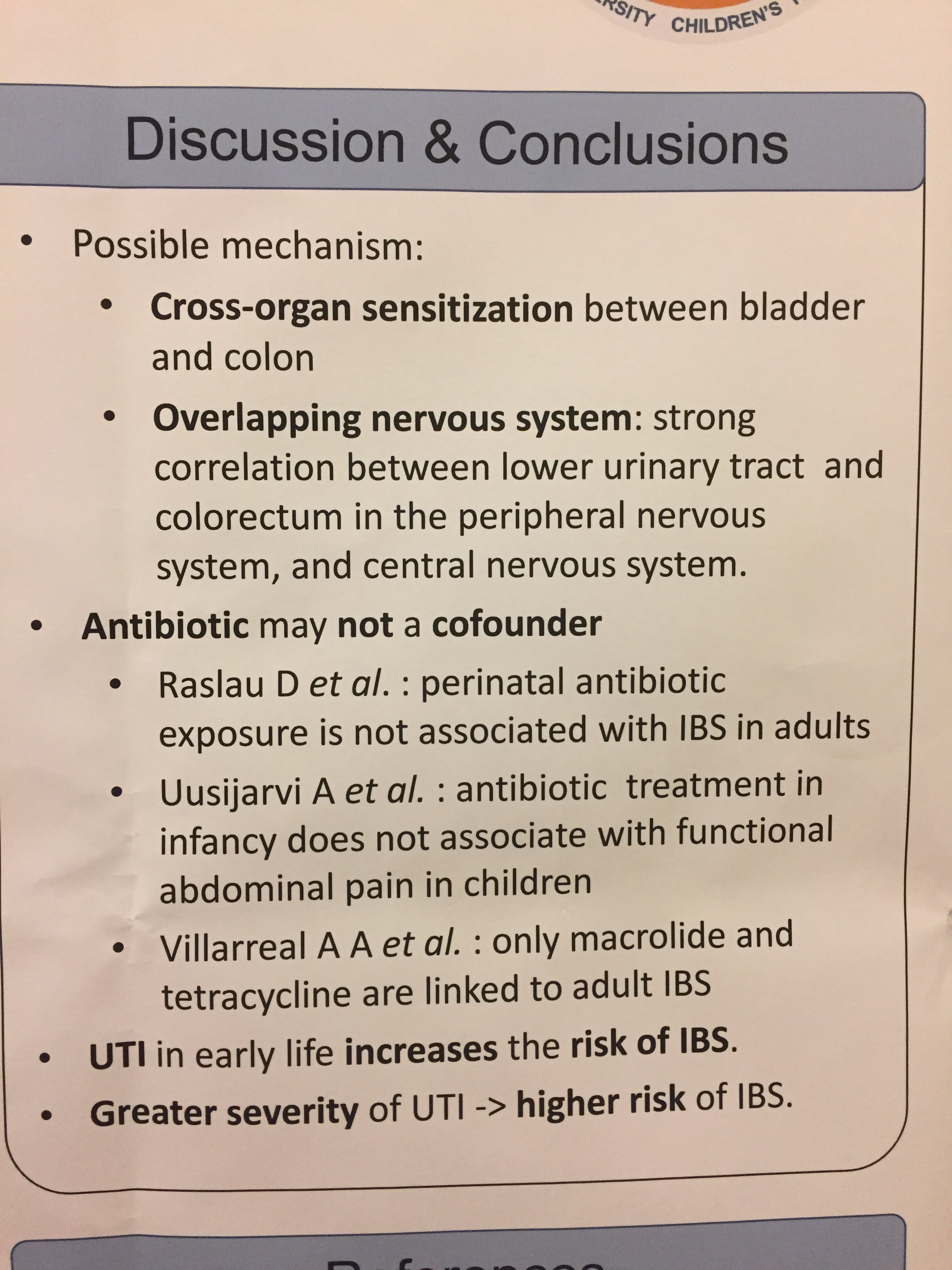
The next slide showed that irritable bowel syndrome was more frequent (overall hazard ratio of 1.52) following a urinary tract infection in the first year of life.

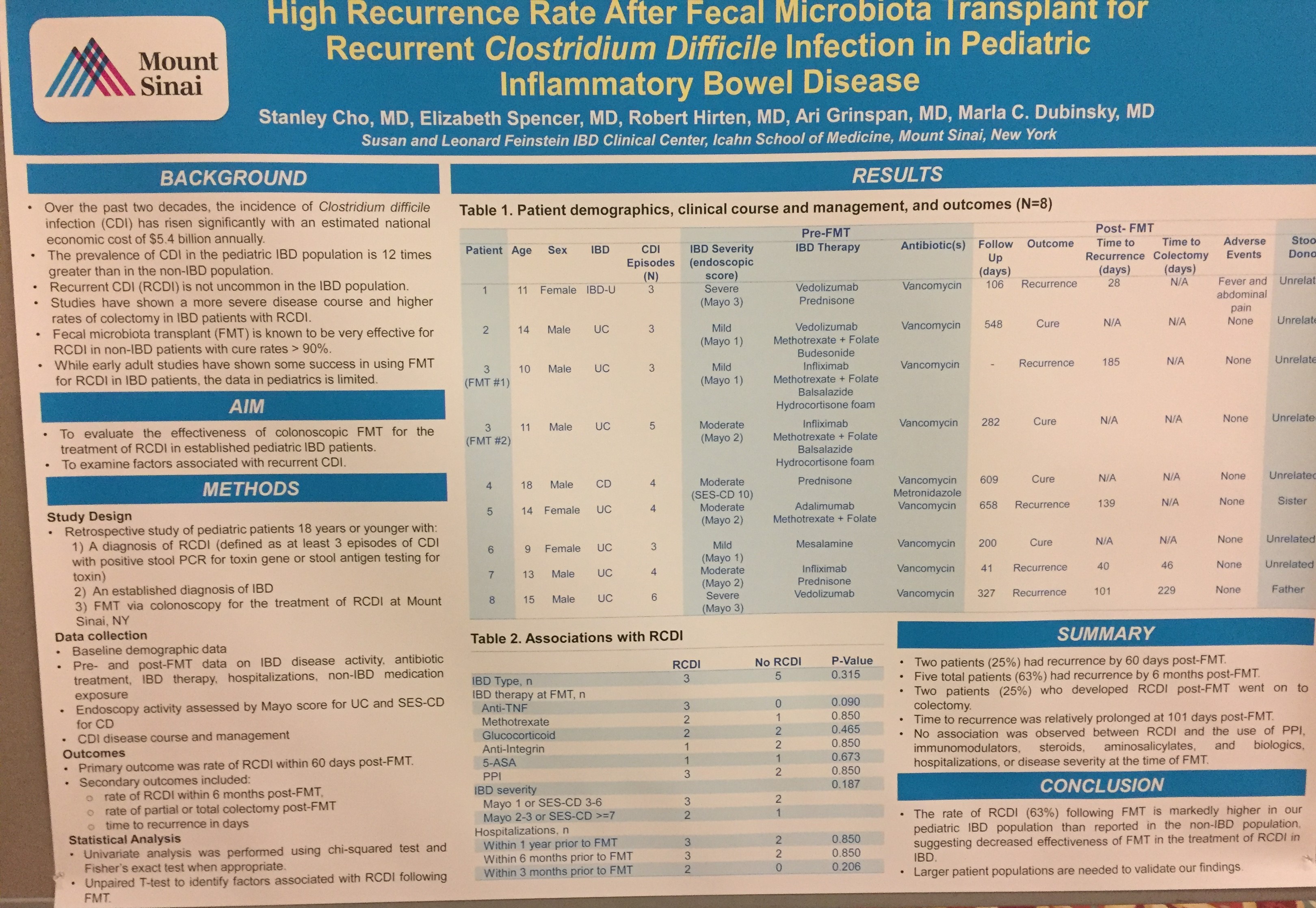
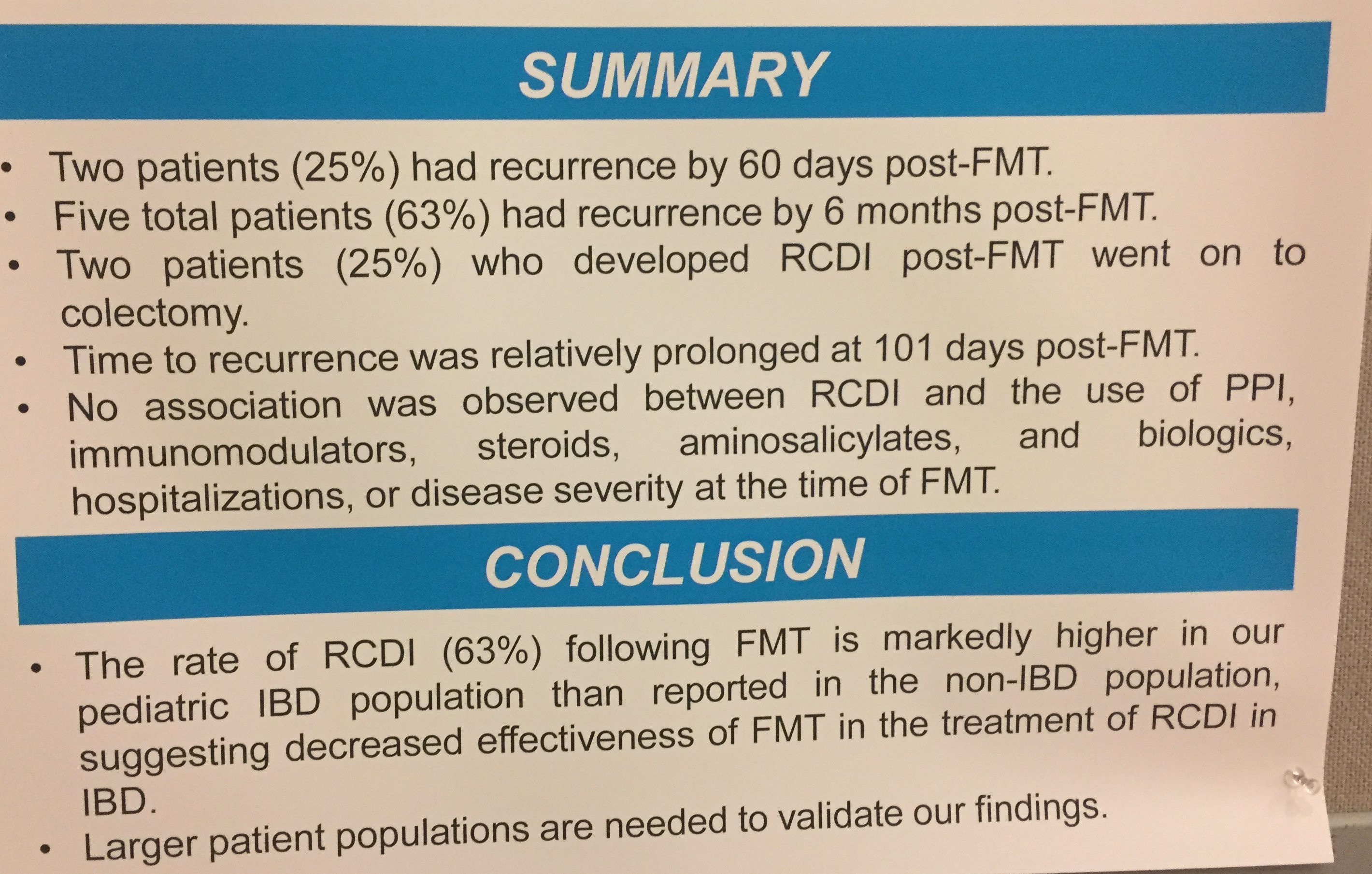
The next pictures are from a poster discussing high rates of recurrent C difficile infection following fecal microbial transplantation in pediatric patients with inflammatory bowel disease (mainly ulcerative colitis).  An inference from this study would be that many cases of C difficile that were attributed as causing symptoms could in fact have been from a flare up of their IBD.  More details about the diagnosis of C difficile (based on PCR or ELISA) would be helpful

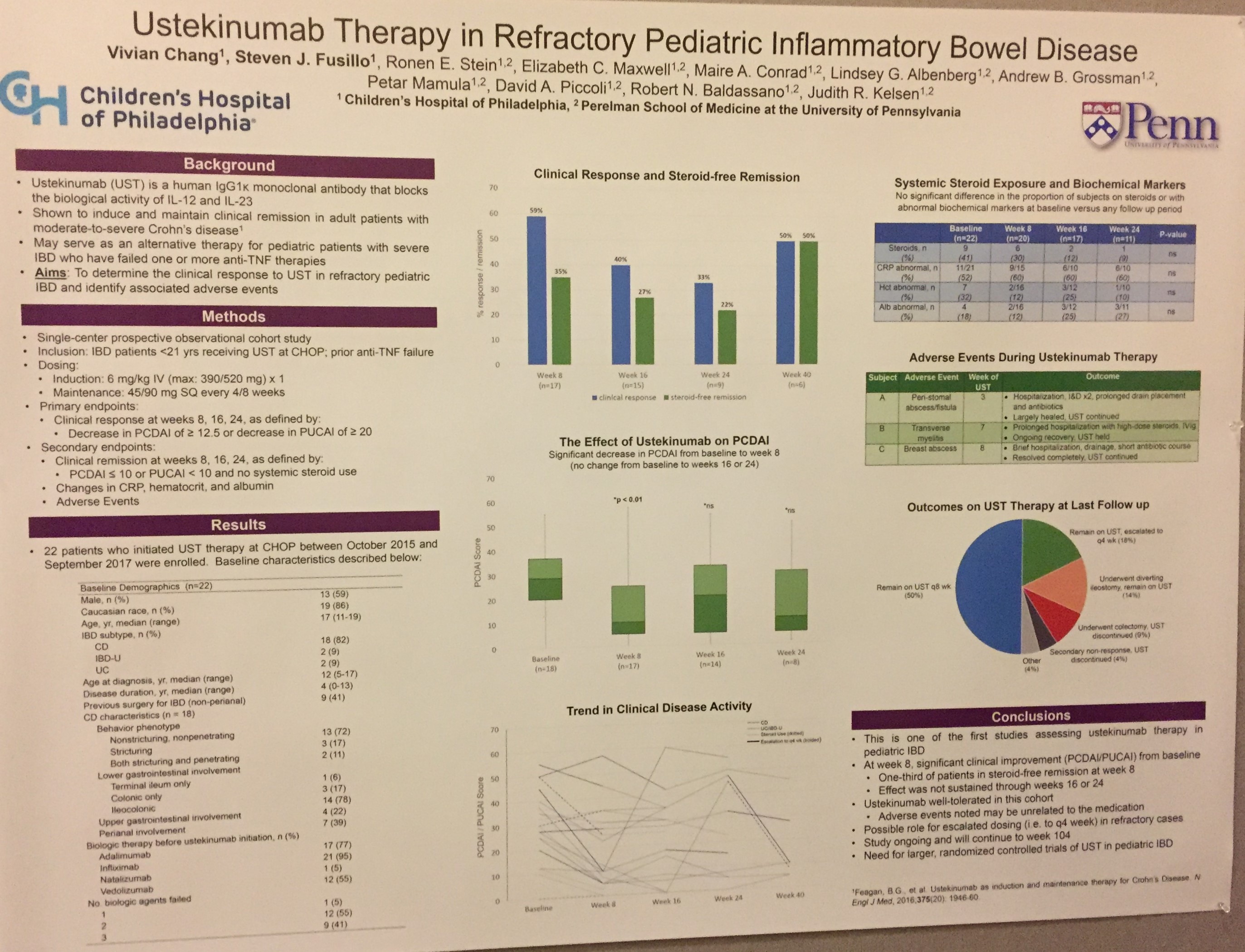
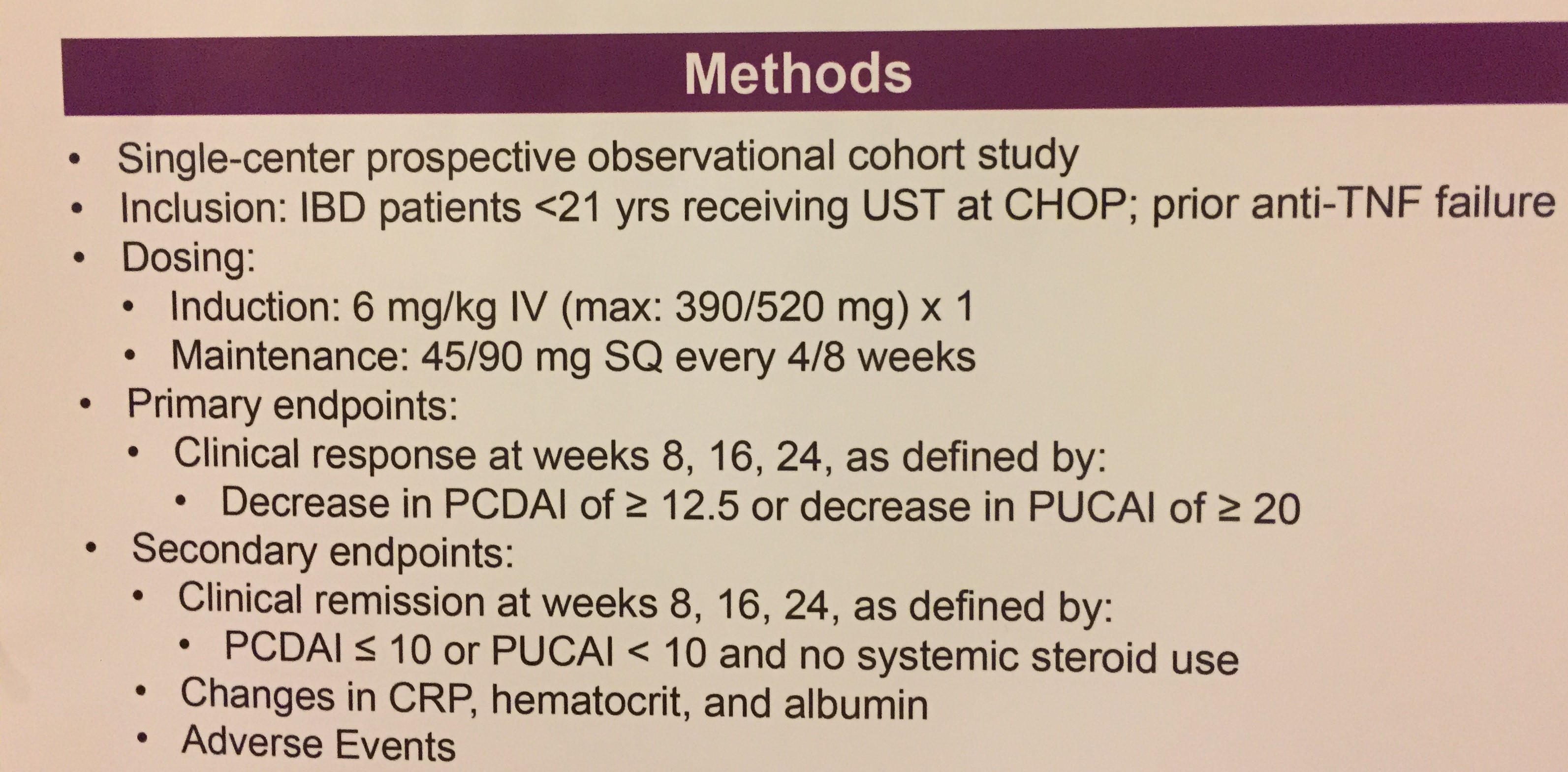
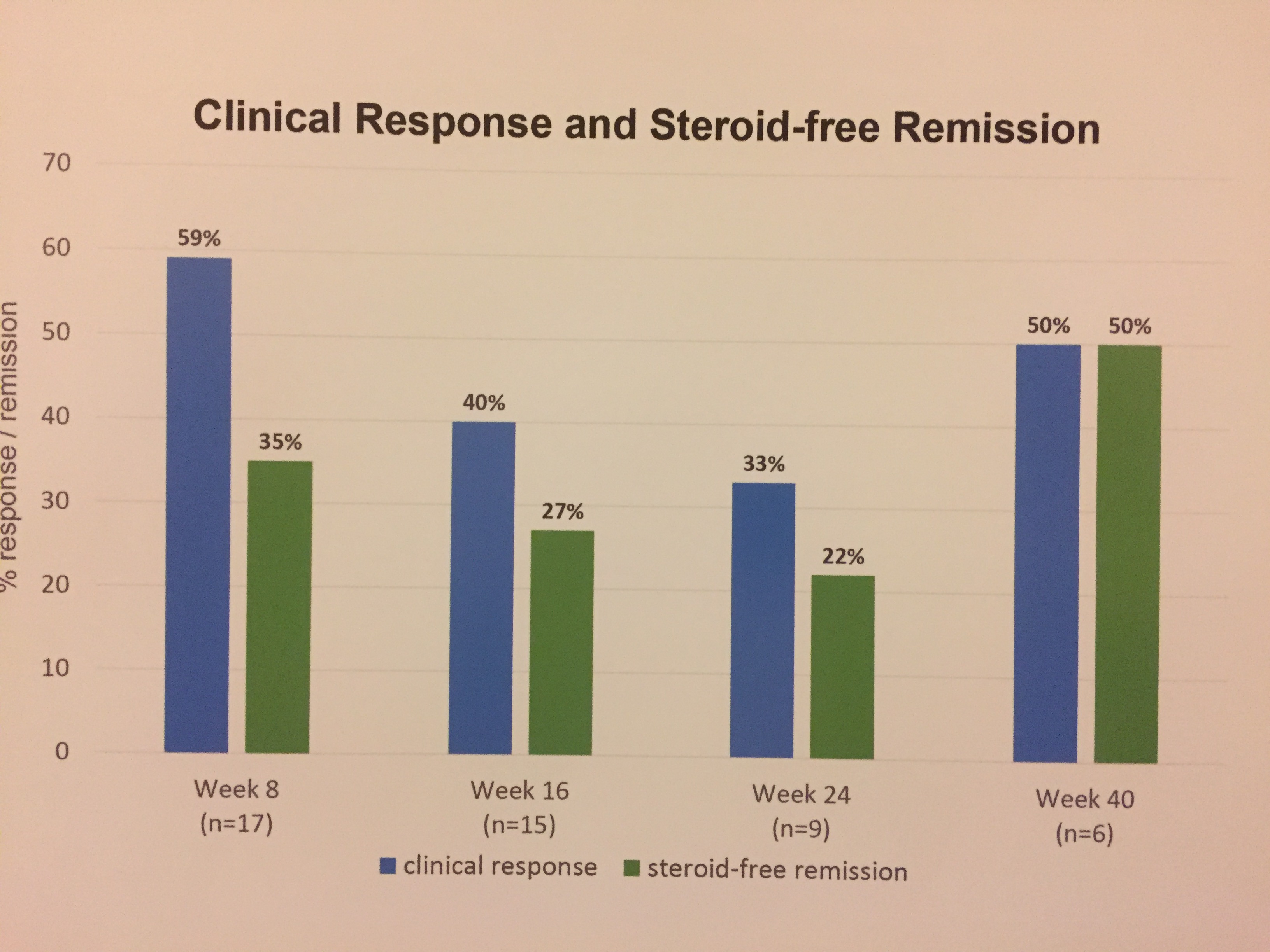
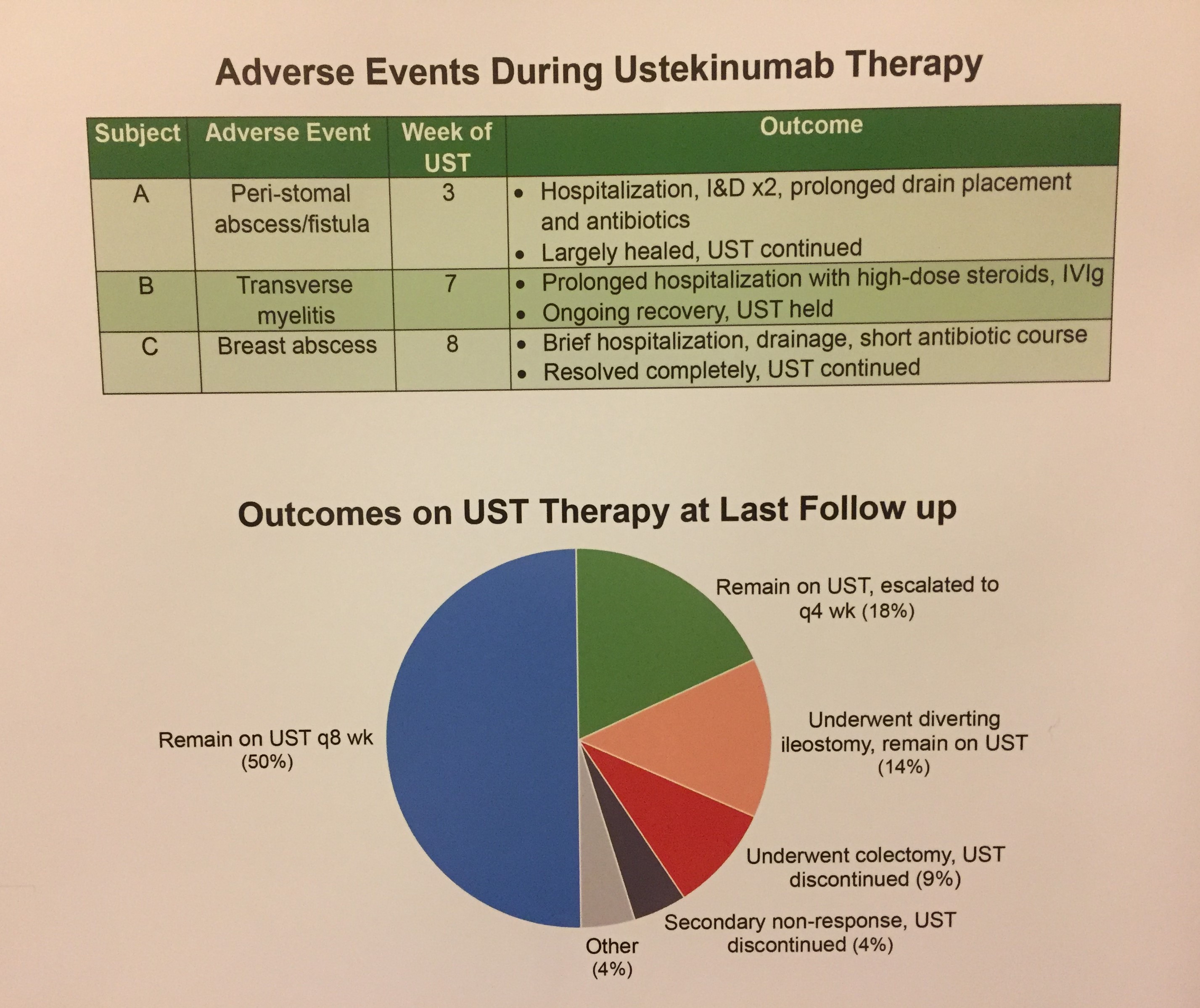
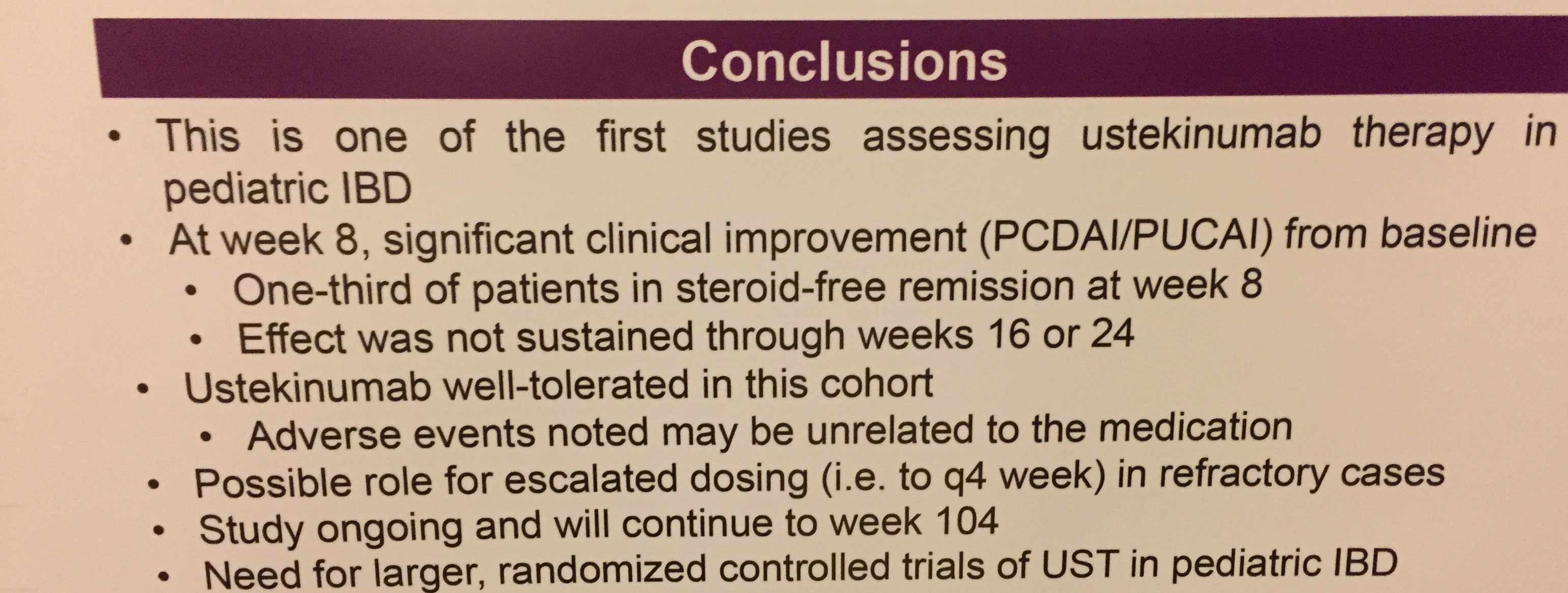
The next poster provides data from CHOP experience with Ustekinumab.  Overall, in this highly-selected (refrcactory) population the long term improvement was low; while one-third had steroid-free remission at week 8, this was not maintained at week 16 and week 24.  In addition, among the 22 patients, one developed transverse myelitis.

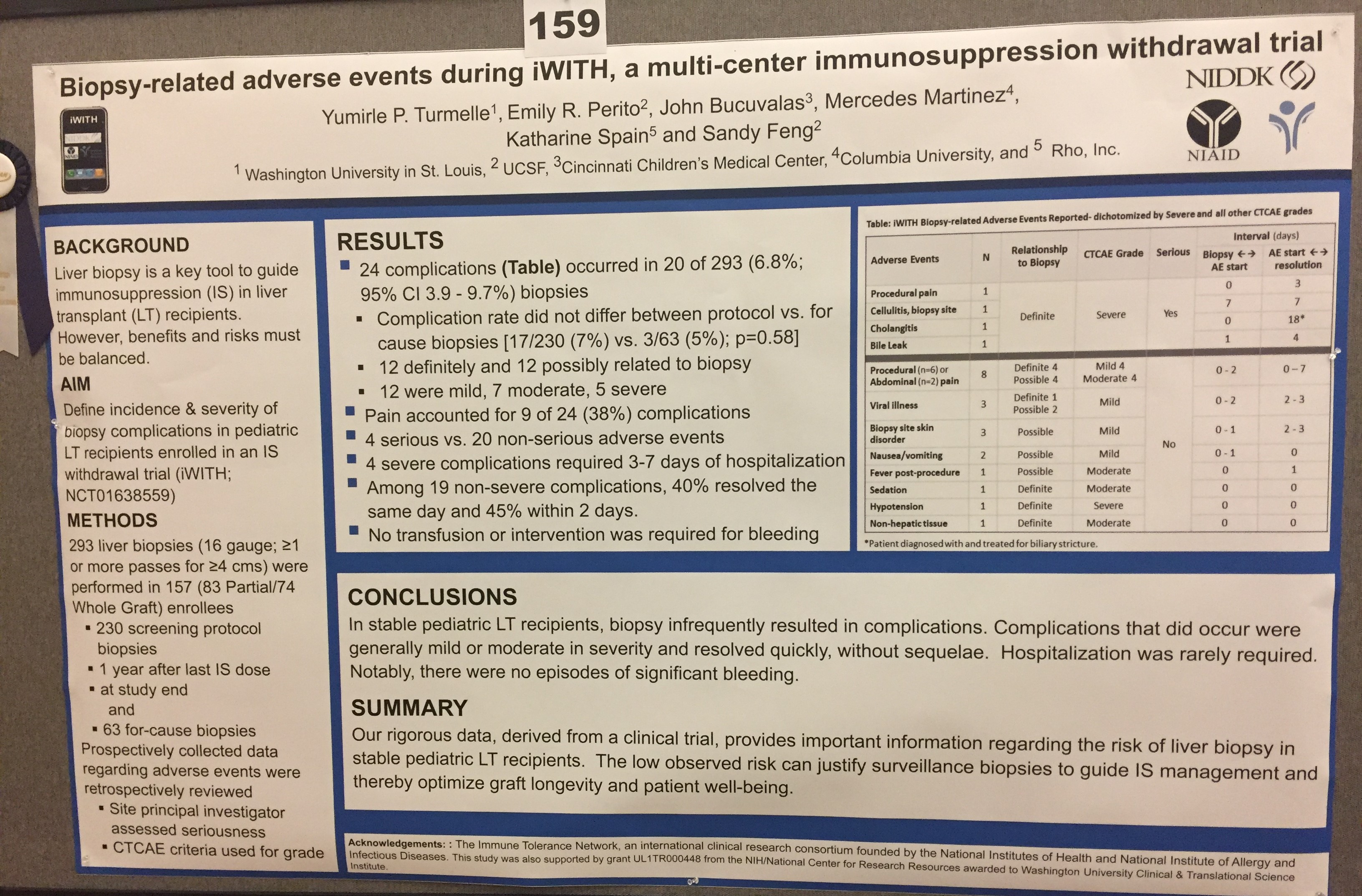
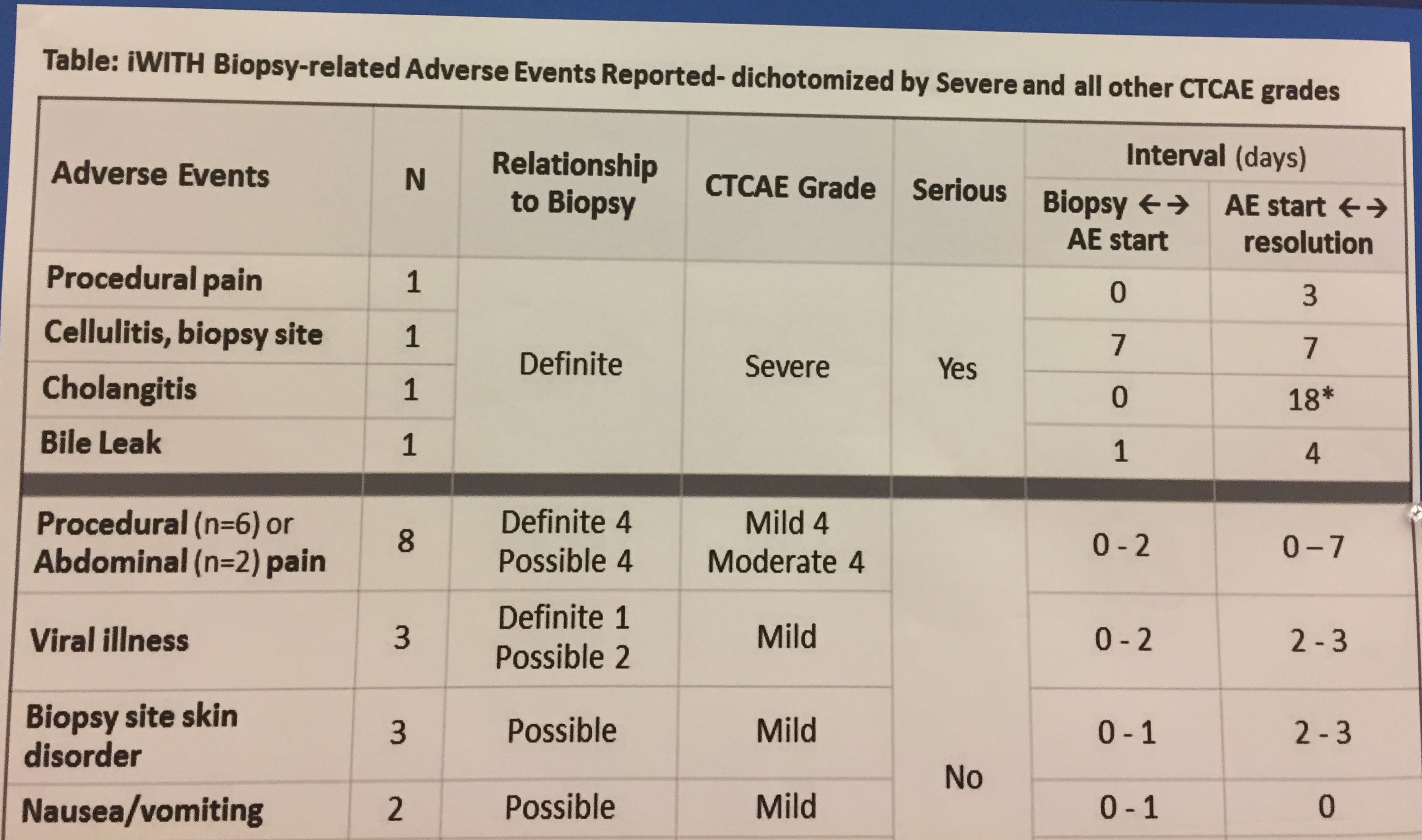
This study that follows (next two pics) documented the relative safety of liver biopsies (mainly percutaneous without interventional radiology) in the post-transplant period.  The two most serious adverse events, cholangitis and bile leak, helped identify biliary strictures.

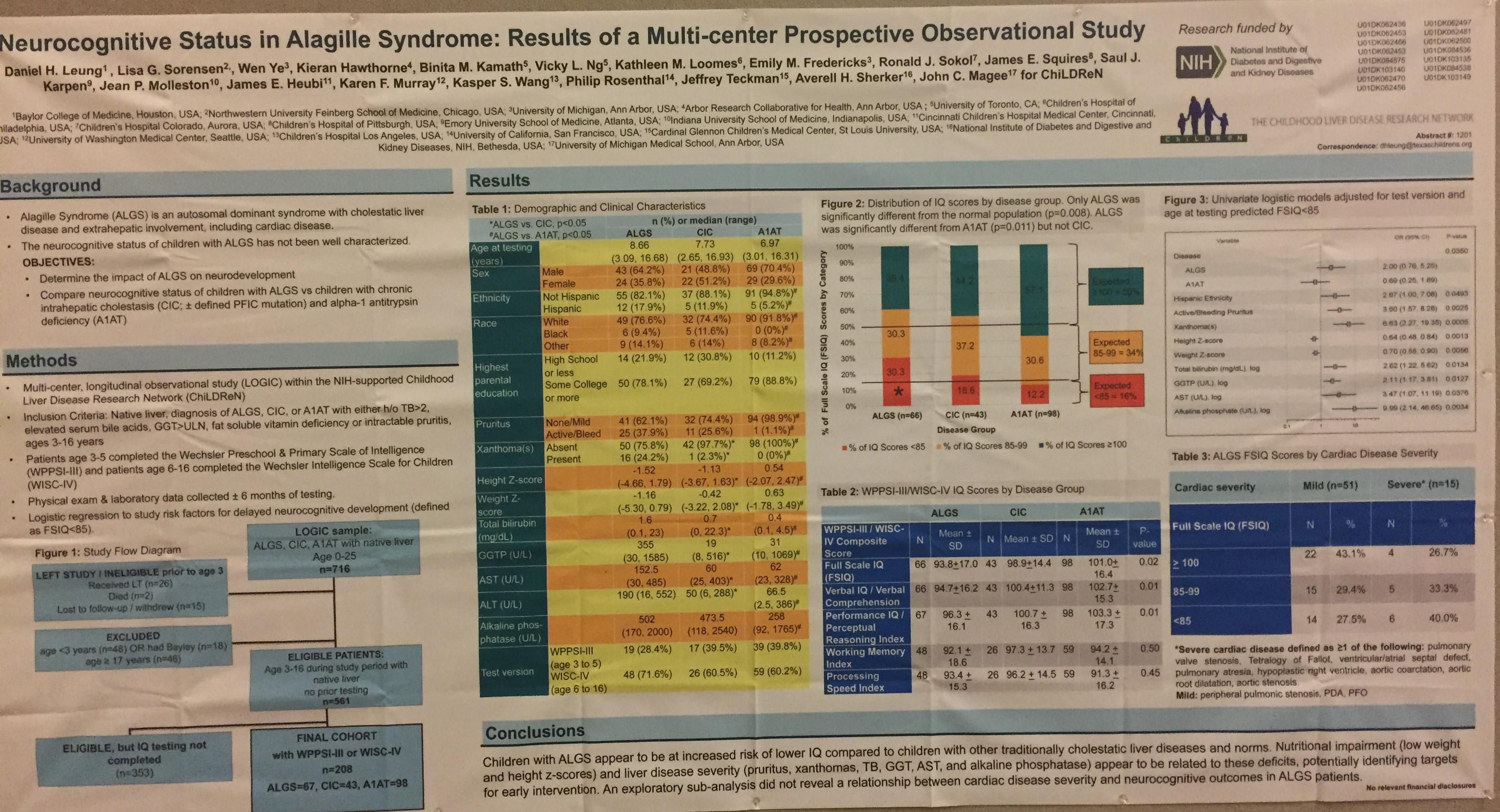
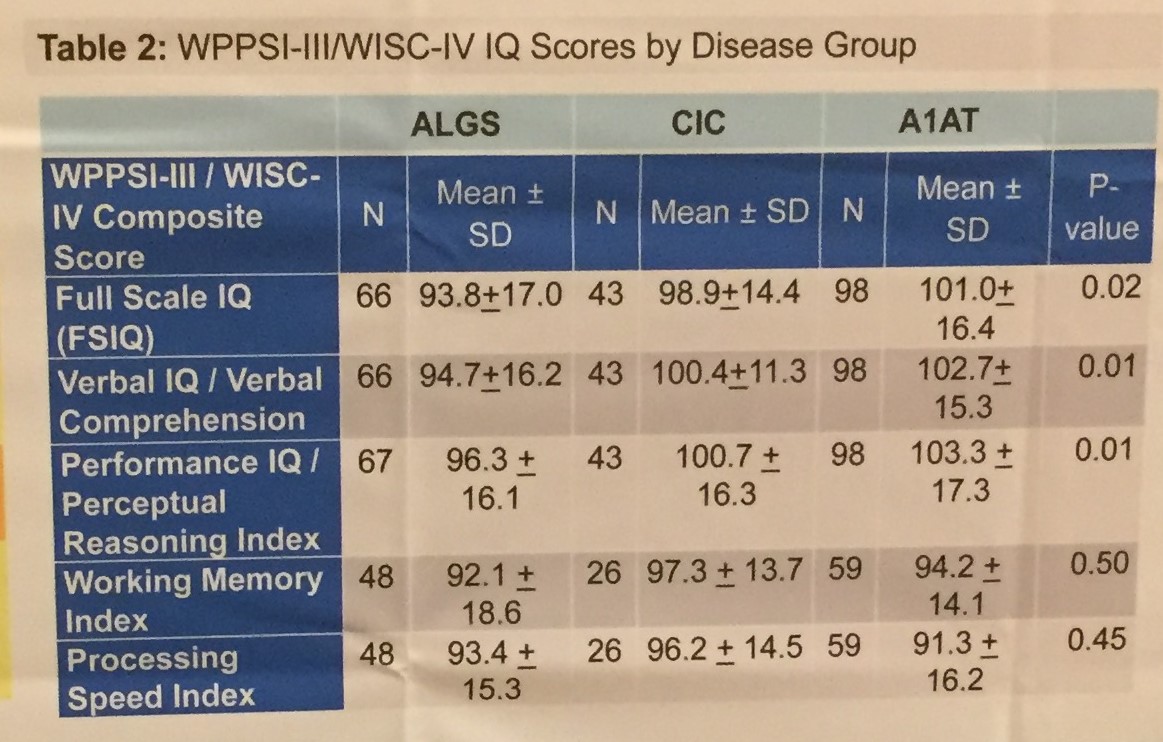
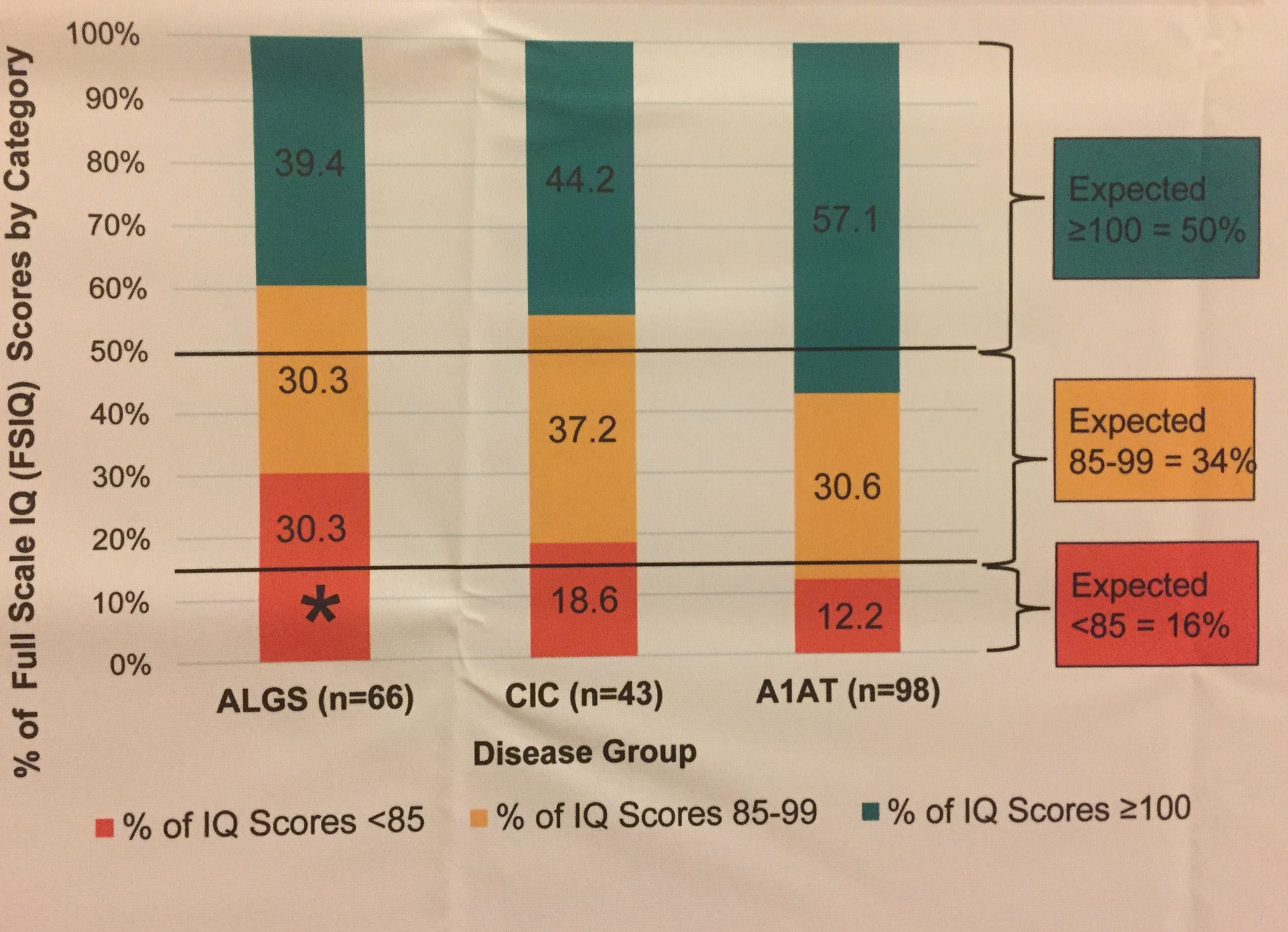
The following collaborative study examined the neurocognitive status of children with Alagille syndrome.  Overall, this study shows that children with Alagille syndrome are at increased risk of low IQ compared to children with other cholestatic diseases.


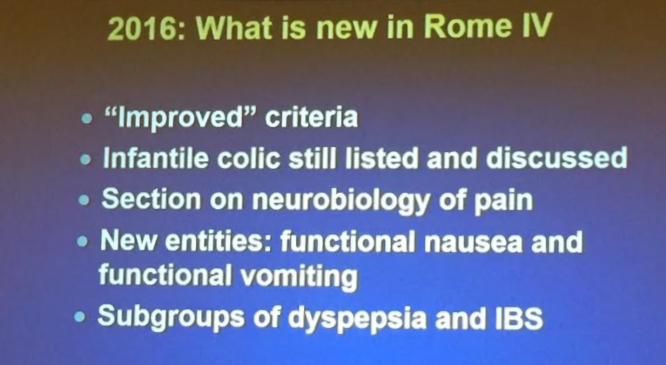
#NASPGHAN17 Why Rome IV Criteria are important

More information from this year’s annual NASPGHAN meeting.

This blog entry has abbreviated/summarized this presentation. Though not intentional, some important material is likely to have been omitted; in addition, transcription errors are possible as well.

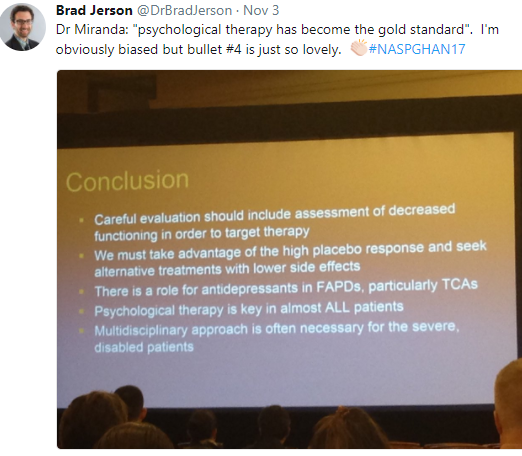
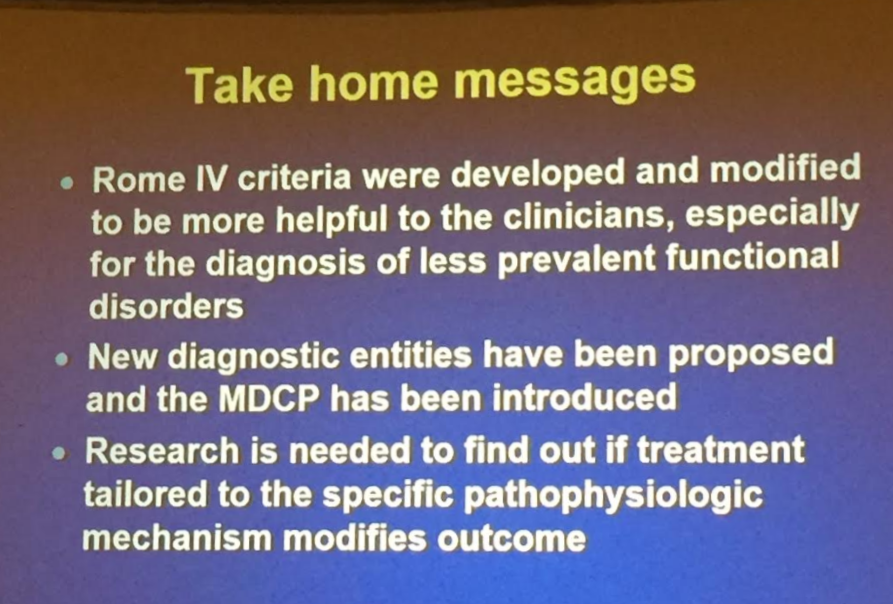
The following slides highlight a terrific lecture by Carlo DiLorenzo (Nationwide Children’s Hospital).  Subsequently, I’ve included slides from Miranda van Tilburg (UNC); I was unable to attend her lecture and found some of the slides via twitter.

Key points:

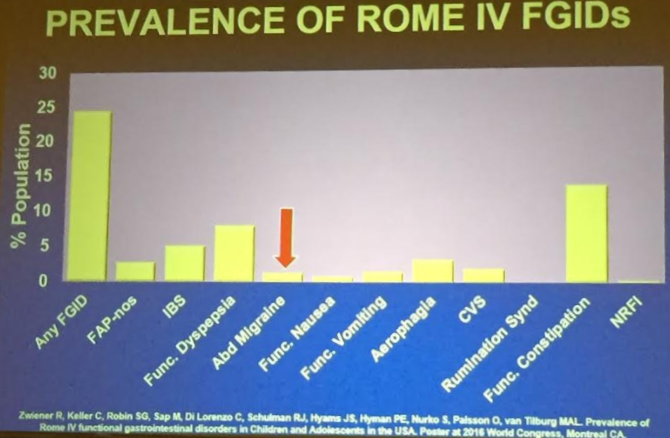
  • Rome IV criteria are helpful, particularly with less common presentations like rumination
  • There has been an increase in nausea.  Morning nausea can be equated as a marker of anxiety until proven otherwise.
  • There is improved wording. “After appropriate medical evaluation, the symptoms cannot be attributed to another condition” may help facilitate the diagnosis of irritable bowel syndrome, for example, in patients with IBD who are in remission.

From Miranda Tilburg:

Small Pediatric Study: Probiotic Helping Some with Irritable Bowel Syndrome

In a recent study (O Jadresin et al. JPGN 2017; 64: 925-9), 55 children with functional abdominal pain or irritable bowel syndrome were randomized (prospective, double-blind, placebo-controlled study) to either L reuteri DSM or placebo.

Key findings:

  • The intervention group had more days without pain: median 89.5 days vs. 51 days (P=.029)
  • Abdominal pain was less severe in the intervention group at some time points (second month, and fourth month)
  • The two groups did not differ with regard to duration of abdominal pain, stool type, or absence from school

Limitation: Small number of patients -the estimated samples size was not reached

My take: This study suggests that probiotics may help some pediatric patients with irritable bowel syndrome.  Trying to identify which patients should receive a probiotic and which probiotic should be selected remains unclear.

Related blog posts:

Pierre Renoir’s portrait of Claude Monet, Musee d’Orsay

Dreaded Nausea (2017)

This post provides followup to a previous post: Dreaded Nausea.

A recent study (AC Russell, AL Stone, LS Walker, Clin Gastroenterol Hepatol 2017; 15: 706-11) provides even more reasons to dread nausea.

This prospective study of 871 children with functional abdominal pain examined the comorbidity of nausea.  Followup data were collected from 392 patients at median of 8.7 years later.

Key findings:

  • At baseline, 44.8% of patients reported nausea. This group reported worse abdominal pain, somatic symptoms and depression than those without nausea.
  • At followup, “those with nausea in childhood continue to have more severe GI (P<.001) and somatic symptoms (P=.003)…as well as higher levels of anxiety (P=.02) and depression (P=.02).”  Anxiety and depression remained significant after controlling for baseline abdominal pain severity.
  • At the followup evaluation, the prevalence of any functional GI disorder (FGID) was 85 (48%) of those who had nausea at baseline compared with 77 (36%) for those without nausea at baseline.

In their discussion, the authors reiterate findings from previous work on this patient sample: “current and lifetime diagnoses of anxiety disorders are substantially higher in adolescents with a history of FAP [functional abdominal pain] compared with healthy controls (lifetime, 51% vs. 20%; current 30% vs 12%). The lifetime risk of depressive disorder is also significantly higher in those with FAP (40% vs. 16%).”  They also note some limitations in their work, including the absence of formal screening for postural orthostatic tachycardia syndrome (POTS).

My take (borrowed from authors): This study “suggests that nausea is more than just a comorbid symptom of FAP and may have a different underlying etiology” and increases likelihood of persistent symptoms as well as anxiety and depression.

Briefly noted: RJ Shulman et al. Clin Gastroenterol Hepatol 2017; 15: 712-9. This randomized, double-blind study showed that added psyllium reduced frequency (but not severity) of abdominal pain in children (n=103) with irritable bowel syndrome. Psyllium was dosed at 6 g/day for 7-11 year olds, and 12 g for 12-18 year olds. Interestingly, this study did not show that psyllium caused a difference in normal stools or other mechanistic reasons for improvement, like breath hydrogen, breath methane, intestinal permeability or microbiome composition.

Related posts:

Atlanta Zoo, Bald Eagle


Correlation between Microbiome and Irritable Bowel Syndrome

I vaguely remember jokes that I heard as a teenager about computers that could analyze stool or urine and then come to remarkable conclusions about the person’s health or extramarital problems.  Fast-forward a few decades and these jokes are not so far off.

A recent study (J Tap, M Derrien, et al. Gastroenterol 2017; 152: 111-23) describes an intestinal microbiome ‘signature’ associated with severity of irritable bowel syndrome (IBS).  Thanks to Ben Gold for highlighting this article.  (He placed this one on my desk: “Jay -FYI -It is all about the poop!”)

In this study, the authors collected fecal and mucosal samples from adult patients who met Rome III criteria for IBS.  They started with an exploratory set of 149 subjects (110 with IBS, 39 controls).  Subsequently, they used a validation cohort of 46 subjects (29 with IBS, 17 controls).

Key findings:

  • “By using classic approaches, we found no differences in fecal microbiota abundance or composition between patients with IBS vs healthy patients.”  But, “a machine learning procedure, a computational statistical technique, allowed us to reduce the 16S ribosomal RNA data complexity into a microbial signature for severe IBS, consisting of 90 bacterial operational taxonomic units.”
  • This microbial signature showed IBS to be associated negatively with microbial richness, exhaled CH4, presence of methanogens, and enterotypes enriched with Clostridiales or Prevotella species.  Figure 6 provides a graphic summary of the study and the microbial signature.
  • The authors note their findings were not explained by differences in diet or medications.
  • Overall, the microbial signature has a low sensitivity and thus at this point does not have clinical applicability.

My take: There are a number of studies showing that our gut microbiome is associated with numerous conditions, including IBS, inflammatory bowel disease, and metabolic syndrome.  Having our poops analyzed by a computer to tell us what is wrong does not seem all that funny anymore.

Related blog posts:

Bridge on Seine River

Image Only: Living with Irritable Bowel Syndrome

Related blog posts: