How HLA DQA1*05 and Combination Therapy Modulate Treatment Outcomes in Children with Crohn’s Disease

J Adler et al. Am J Gastroenterol 2025; 120: 1076-1086. HLA DQA1*05 and Risk of Antitumor Necrosis Factor Treatment Failure and Anti-Drug Antibody Development in Children’s with Crohn’s Disease.

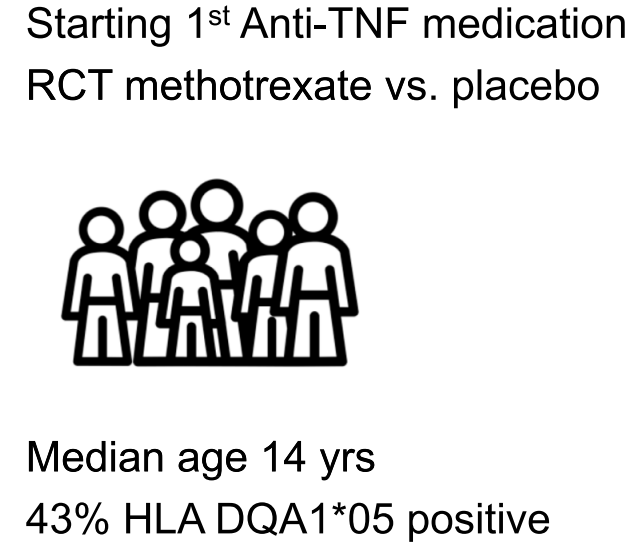
This was a prospective, double-blind, placebo-controlled trial with 204 patients examining the clinical outcomes of anti-TNF with or without methotrexate (COMBINE).

Key findings:

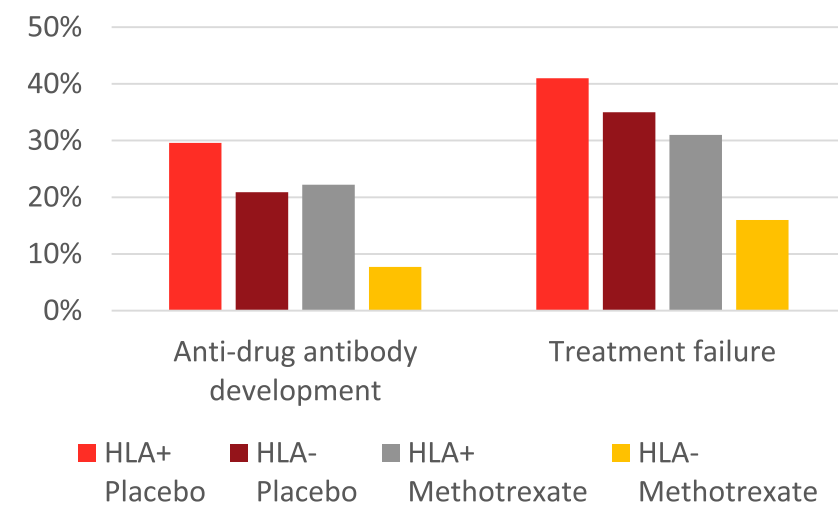
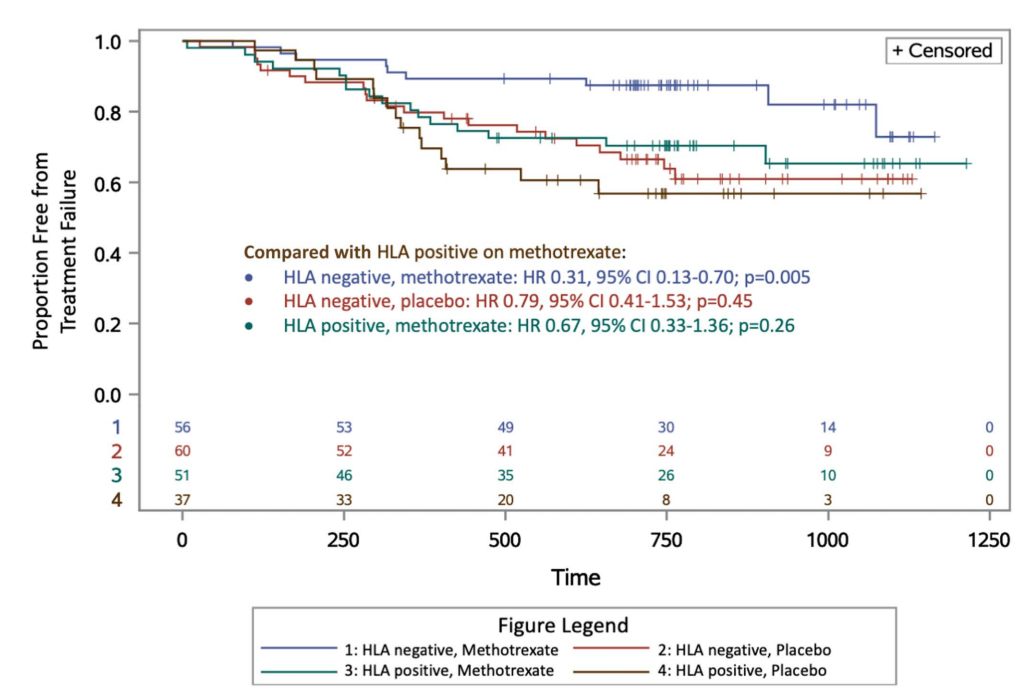
  • Treatment failure in HLA DQA1*O5: A trend toward increased treatment failure among HLA DQA1*05-positive participants was not statistically-significant (hazard ratio 1.58; P = 0.08).
  • HLA DQA1*05 and Treatment Failure Rate: During the followup period, HLA DQA1*05-positive patients had a 35% failure rate compared to 26% for those who were HLA DQA1*05-negative (P=0.098). The overall failure rate was 30%
  • Methotrexate Combined with HLA DQA1*05 Effect: Patients who were HLA DQA1*05 negative and assigned to methotrexate experienced less treatment failures than HLA DQA1*05-positive patients on placebo (hazard ratio 0.31, 95% CI 0.13-0.70; P = 0.005).
  • Anti-TNF Medication Comparison: Treatment failure was similar between infliximab and adalimumab, 29% and 33% respectively
  • Antidrug antibodies (ADA): A trend toward increased ADA development among HLA DQA1*05-positive participants was not significant (odds ratio 1.96, P = 0.09). The addition of methotrexate to the treatment regimen mitigated the risk of treatment failure among individuals positive for HLA DQA1*05 and reduced the odds of developing ADA by 90%.
  • Rate of ADA: “After further stratification, HLA DQA1*05-negative participants assigned to methotrexate were less likely to develop ADA relative to HLA DQA1*05-positive patients on placebo (odds ratio 0.12; P = 0.008).”

Discussion Points:

  • “A retrospective by Fuentes-Valenzuela et al …found that if patients underwent proactive TDM, there was no increase in the rate of treatment discontinuation among those who were HLA DQ-A105 positive compared with HLA DQ-A105 negative”
  • “The totality of evidence suggests that HLA DQ-A1*05 seems to confer a risk of both immunogenicity and treatment failure, particularly among infliximab-treated patients. Furthermore, this risk may be mitigated by the use of proactive TDM and/or concomitant immunomodulators.”

My take (borrowed in part from authors):  “40% of patients were HLA DQ-A1*05 positive, which was associated with a trend toward increased risk of both treatment failure and ADA. These risks were mitigated, but not eliminated, by adding oral methotrexate.” The use of combination therapy (methotrexate with anti-TNF) was associated with the lowest failure rates.

Also, unrelated article: DA Carlson et al. Gastroenterology 2025; 168: 1114-1127. A Standardized Approach to Performing and Interpreting Functional Lumen Imaging Probe Panometry for Esophageal Motility Disorders: The Dallas Consensus. Congratulations to Dr. Garza from our group who was one of the authors

Related blog posts:

Year-in-Review for Pediatric Hepatology

Recently, Dr. William Balistreri presented a review of some of the biggest advances in pediatric hepatology this past year on the Bowel Sounds Podcast (with the award-winning hosts).

He discussed the following:

  • IBAT inhibitors which are a game-changer for pruritic cholestatic disorders like Alagille syndrome. By reducing itching, it may help many avoid liver transplantation
  • HCV medications which usually result in a cure with typical therapy courses running 8-12 weeks
  • Emergence of a new treatment, Fazirsiran, for alpha-one antitrypsin deficiency (see blog post below)
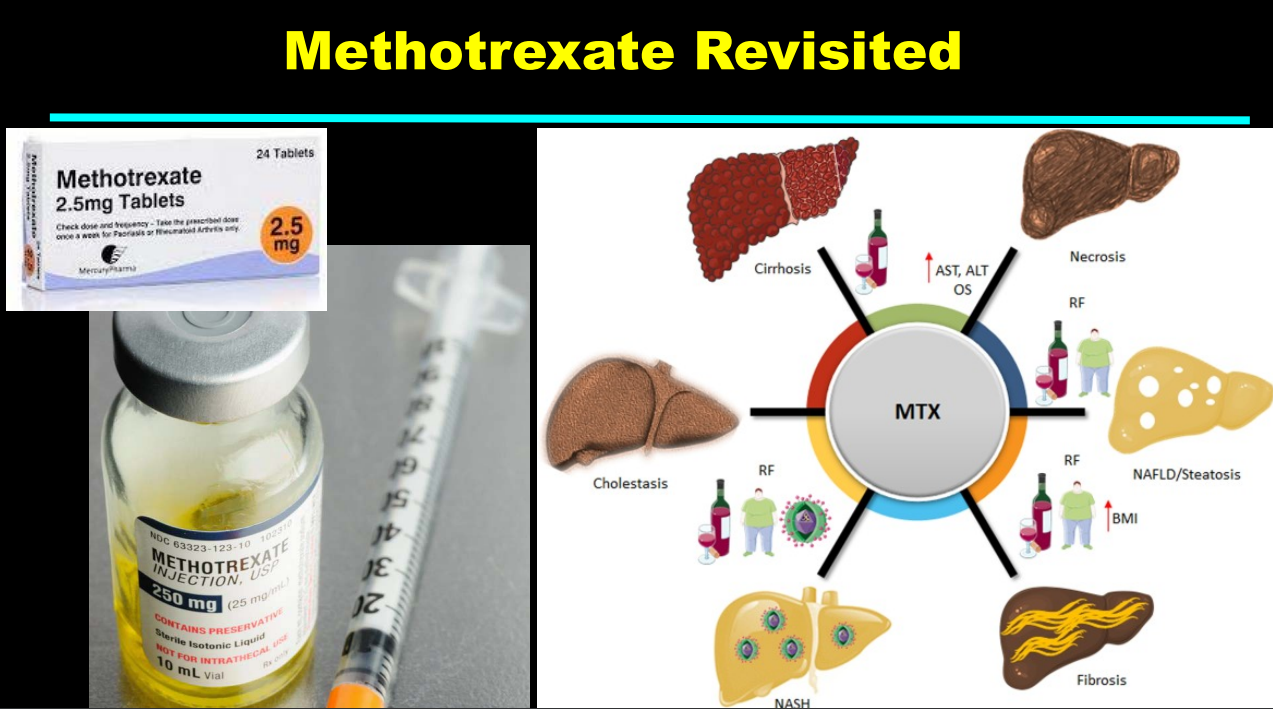
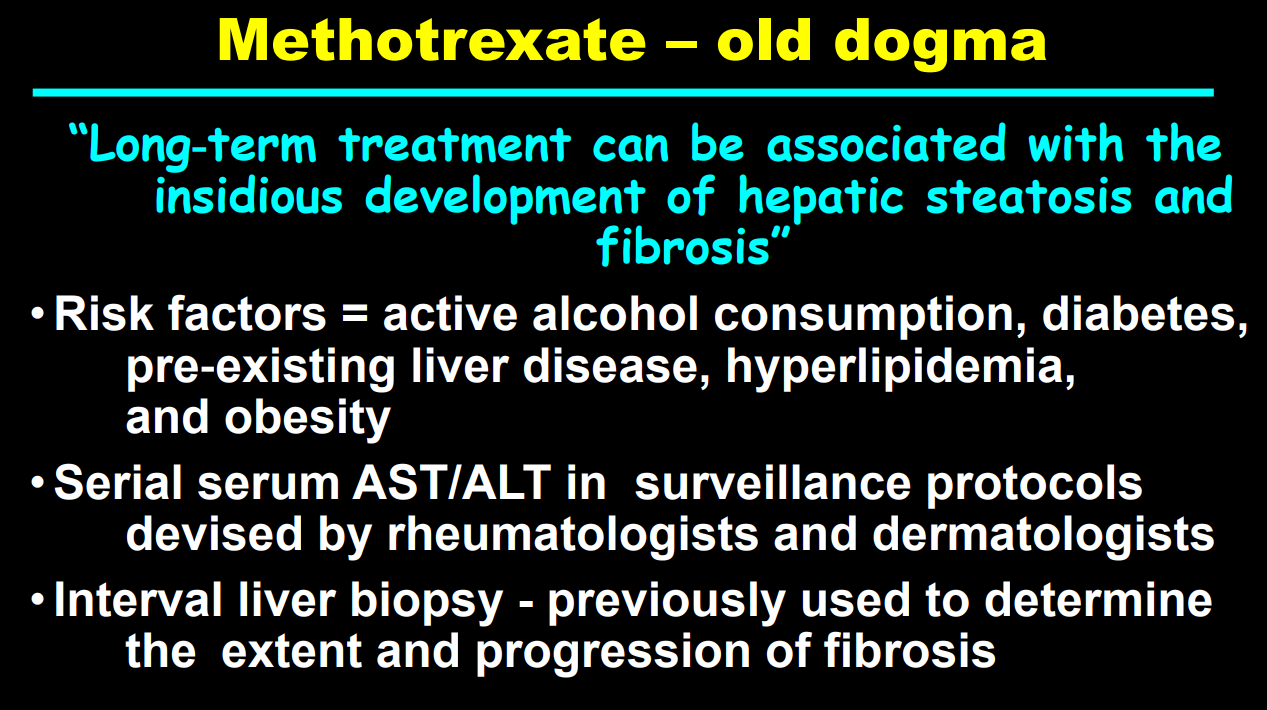
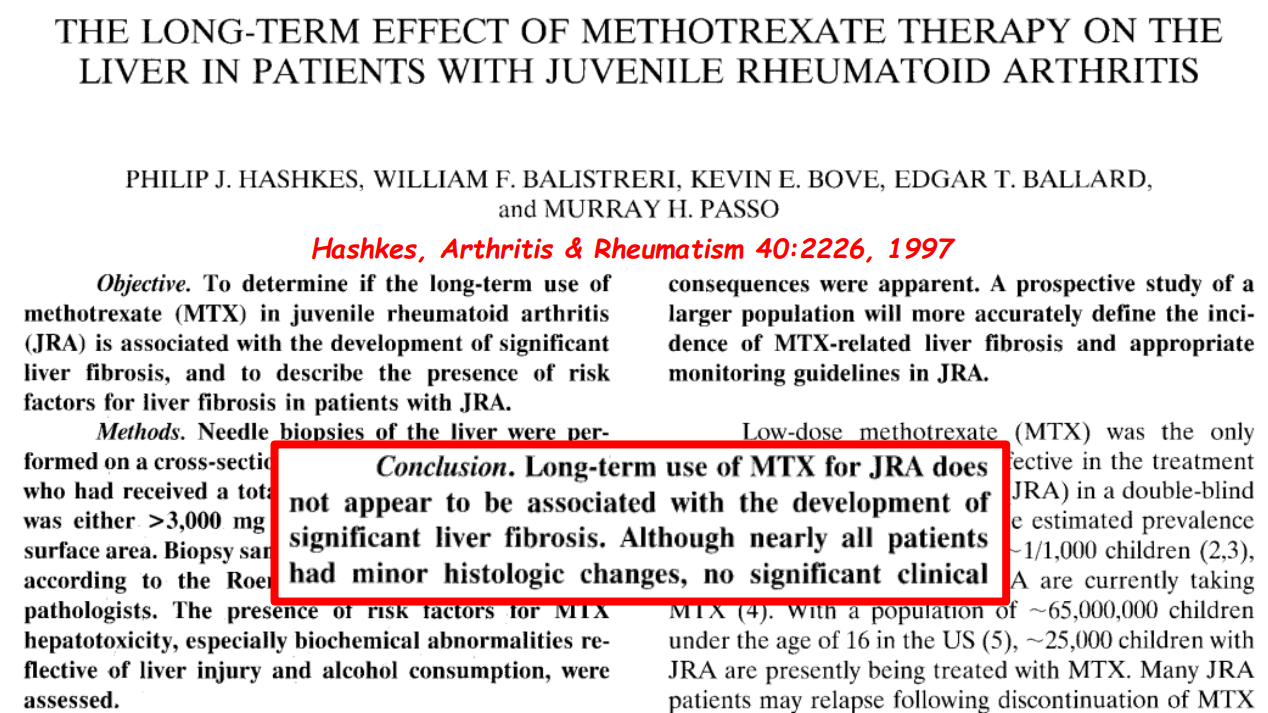
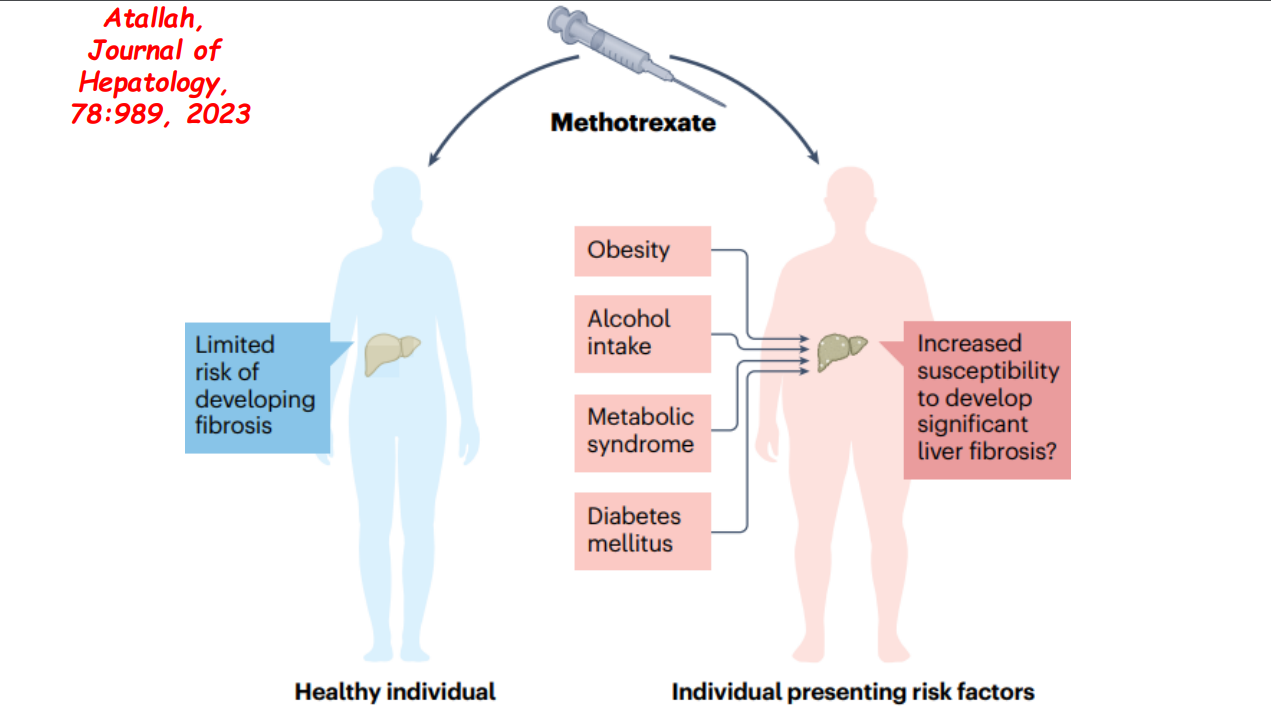
  • More data showing the good liver safety of methotrexate in individuals without preexisting liver disease. Dr. Balistreri and colleagues showed pediatric patients with JRA did not develop liver fibrosis/clinical liver disease in 1997.
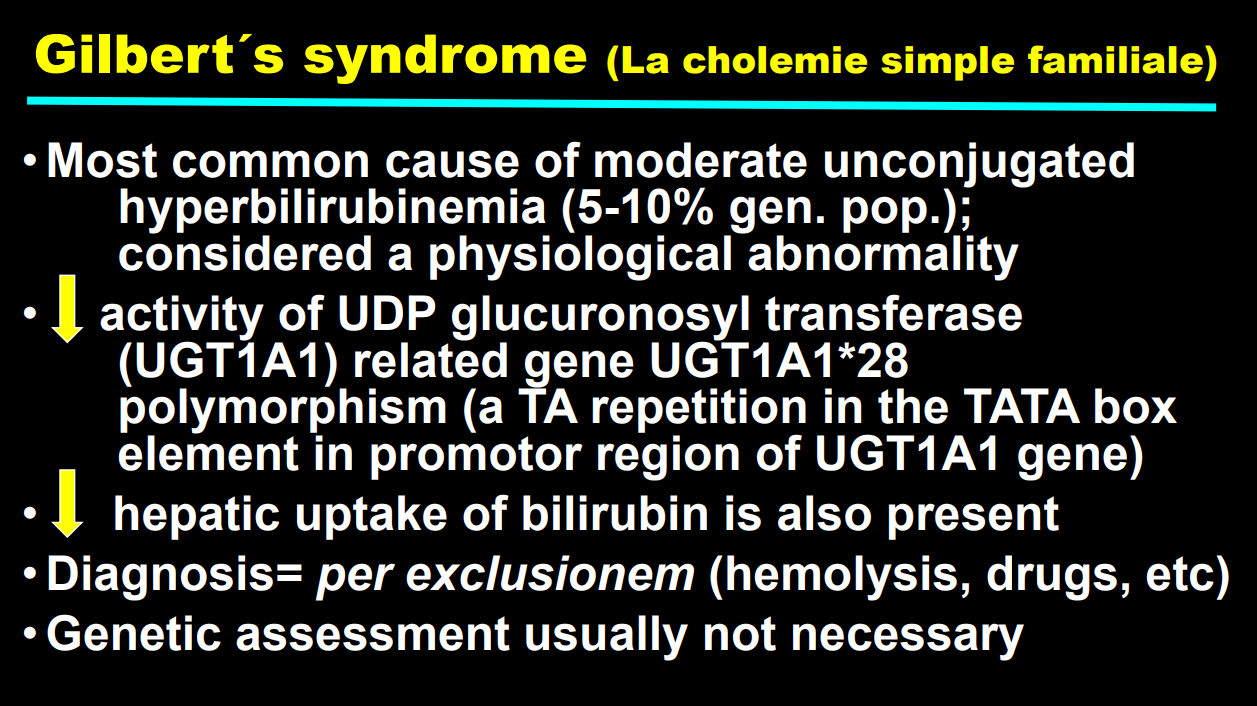
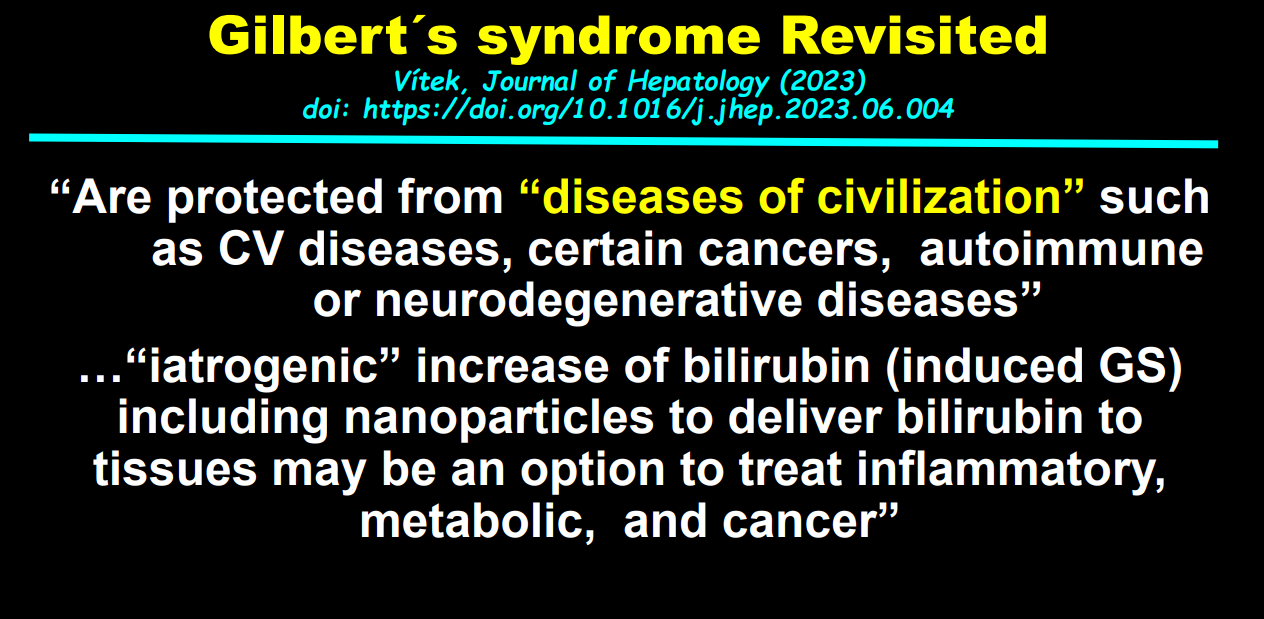
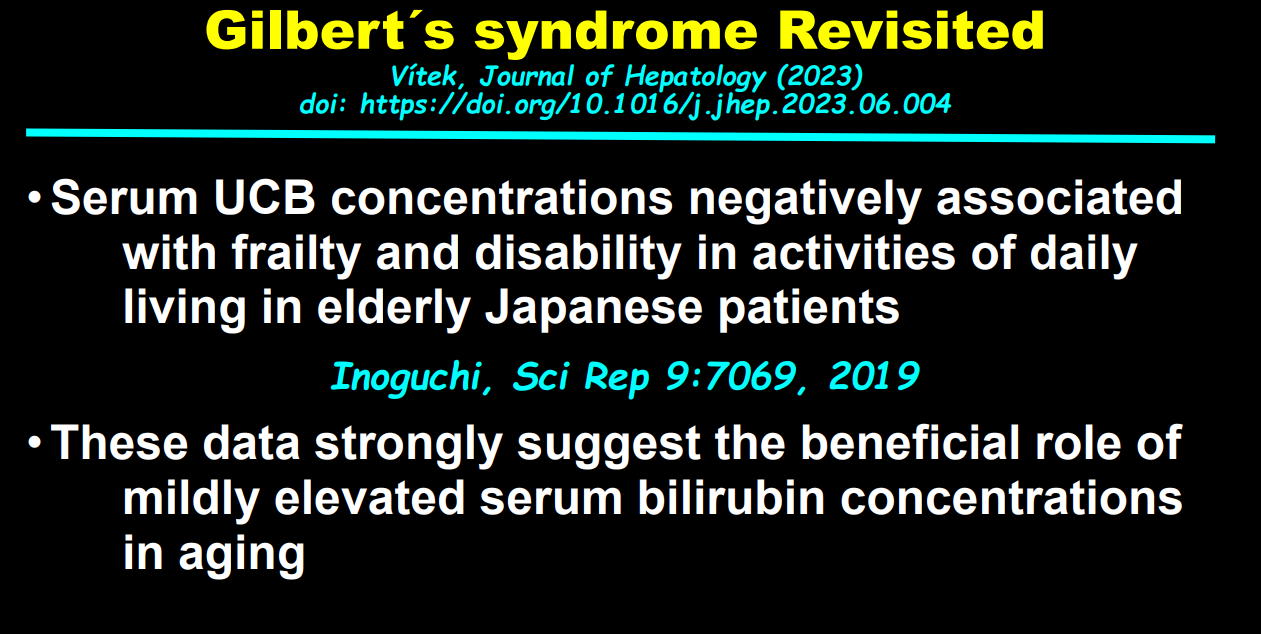
  • How Gilbert’s may be beneficial –>hopeful news for the mildly jaundiced children that we see. Science (M Leslie, 6/8/23): Can ‘toxic’ bilirubin treat a variety of illnesses

He kindly agreed to send me a few slides on the later two subjects at my request:

Related blog posts:

IBAT Inhibitors:

Hepatitis C

Alpha-One Antitrypsin

Dr. Balistreri

COMBO-IBD Study -Combination Immunomodulator Use and Thresholds

AJ Yarur et al. Clin Gastroenterol Hepatol 2023; 21: 2908-2917. Open Access! Combination Therapy With Immunomodulators Improves the Pharmacokinetics of Infliximab But Not Vedolizumab or Ustekinumab

In this prospective cohort with 369 patients, treatment included the following 113 infliximab, 133 vedolizumab, and 123 ustekinumab. All patients received standard dosing (eg. 5 mg/kg/dose every 8 weeks with infliximab). Per Table 1, dose of thiopurine was 100 mg (range 50-150, “using a 2:1 ratio of azathioprrine and mercaptopurine”); most patients received methotrexate at a dose of 12.5 mg. Key findings:

  • Infliximab levels were much improved in patients receiving combination therapy with either a thiopurine or methotrexate. In those patients receiving a thiopurine, a threshold of 6-TGN ≥146 was considered optimal.
  • Patients receiving combination therapy with methotrexate or a thiopurine and a 6-TGN concentration ≥146 pmol per 8 × 108 RBCs, and those with baseline infliximab level ≥12.3 μg/mL had a lower rate of secondary nonresponse when compared with those on monotherapy, thiopurine with 6-TGN <146 pmol per 8 × 108 RBCs, and baseline infliximab level <12.3 μg/mL (88.2 vs 11.8% [P = .04], 71.2 vs 45.5% [P = .04])
  • Ustekinumab and vedolizumab levels were NOT increased in patients receiving an immunomodulator

My take: This study reinforces the idea that there are pharmacokinetic benefits of combination therapy with infliximab (and extrapolated to other anti-TNF agents); there is a lack of benefit for most patients receiving ustekinumab and vedolizumab. Even with ustekinumab and vedolizumab, it is possible that patients with more severe disease may still benefit independent of pharmacokinetic effects on biologic agent.

Higher doses of infliximab monotherapy with therapeutic drug monitoring may achieve similar results as combination therapy. However, patients switching from one anti-TNF to another due to immunogenicity/antidrug antibodies are particularly likely to benefit from combination therapy. In addition, a recent ImproveCareNow study showed better outcomes for pediatric patients who received methotrexate with adalimumab (see below).

Related blog posts:

Disclaimer: This blog, gutsandgrowth, assumes no responsibility for any use or operation of any method, product, instruction, concept or idea contained in the material herein or for any injury or damage to persons or property (whether products liability, negligence or otherwise) resulting from such use or operation. These blog posts are for educational purposes only. Specific dosing of medications (along with potential adverse effects) should be confirmed by prescribing physician.  Because of rapid advances in the medical sciences, the gutsandgrowth blog cautions that independent verification should be made of diagnosis and drug dosages. The reader is solely responsible for the conduct of any suggested test or procedure.  This content is not a substitute for medical advice, diagnosis or treatment provided by a qualified healthcare provider. Always seek the advice of your physician or other qualified health provider with any questions you may have regarding a condition.

Why Do Children Taking Adalimumab Benefit from Methotrexate Dual Therapy?

MD Kappelman et al. Gastroenterology. 2023: 165: 149-161. Open Access! Comparative Effectiveness of Anti-TNF in Combination With Low-Dose Methotrexate vs Anti-TNF Monotherapy in Pediatric Crohn’s Disease: A Pragmatic Randomized Trial

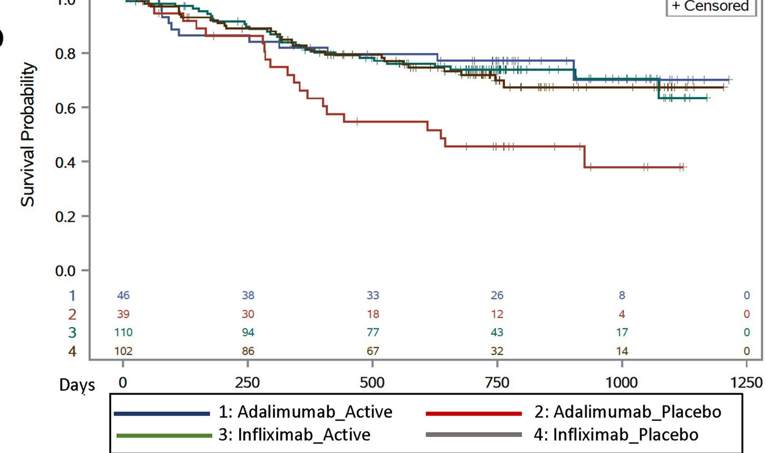
This study enrolled 297 children with Crohn’s disease starting anti-TNF therapy.  Patients initiating infliximab or adalimumab were randomized in 1:1 allocation to methotrexate or placebo and followed for 12–36 months. 

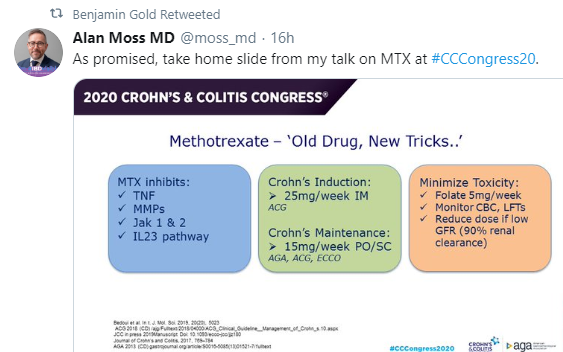
Methotrexate dosing: For those in the active arm, oral methotrexate was administered with a weekly dose of 15 mg for children ≥40 kg, 12.5 mg for children 30 to <40 kg, and 10 mg for children 20 to <30 kg. All participants received pretreatment with ondansetron 4 mg (or placebo) to prevent nausea and folic acid (1 mg/d).

Key findings:

  • For treatment failure: among infliximab initiators, there were no differences between combination and monotherapy (hazard ratio, 0.93; 95% CI, 0.55–1.56)
  • For treatment failure: among adalimumab initiators, combination therapy was associated with longer time to treatment failure (hazard ratio, 0.40; 95% CI, 0.19–0.81).
  • A trend toward lower anti-drug antibody development in the combination therapy arm was not significant (infliximab: odds ratio, 0.72; 95% CI, 0.49–1.07; adalimumab: odds ratio, 0.71; 95% CI, 0.24–2.07).
  • In our study, only 38% of participants underwent colonoscopy during follow-up (41% had calprotectin measurement). 

My thoughts on this study:

My take: Given the increased difficulty monitoring the kids on adalimumab, they are probably better off on dual therapy.  My suspicion, though, is that if they had optimized levels, the benefit of dual therapy is probably small and would mirror the findings with IFX.

2021 AGA Guidelines For Crohn’s Disease

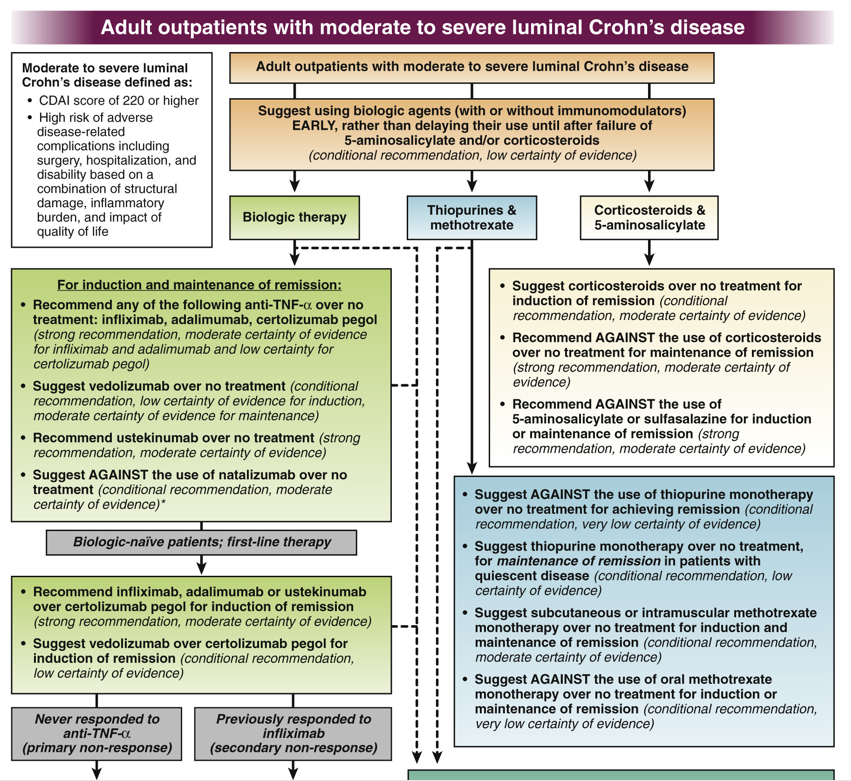
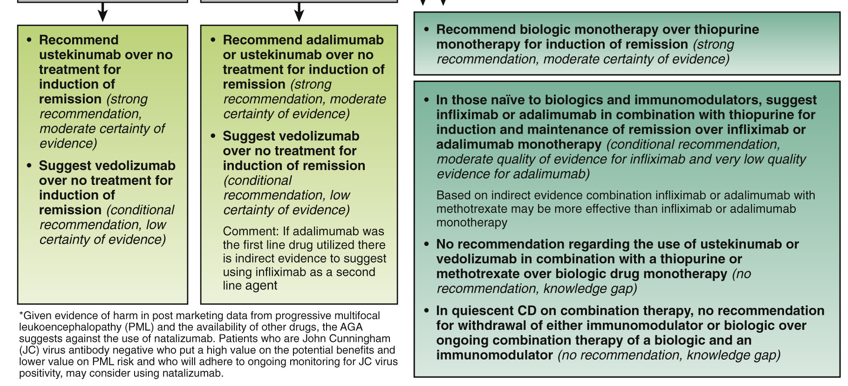
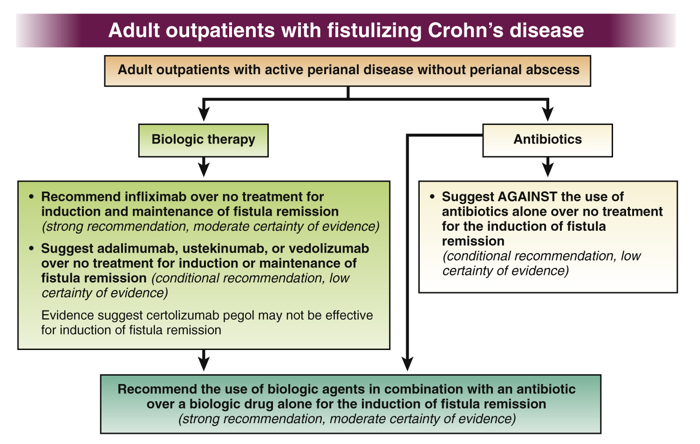
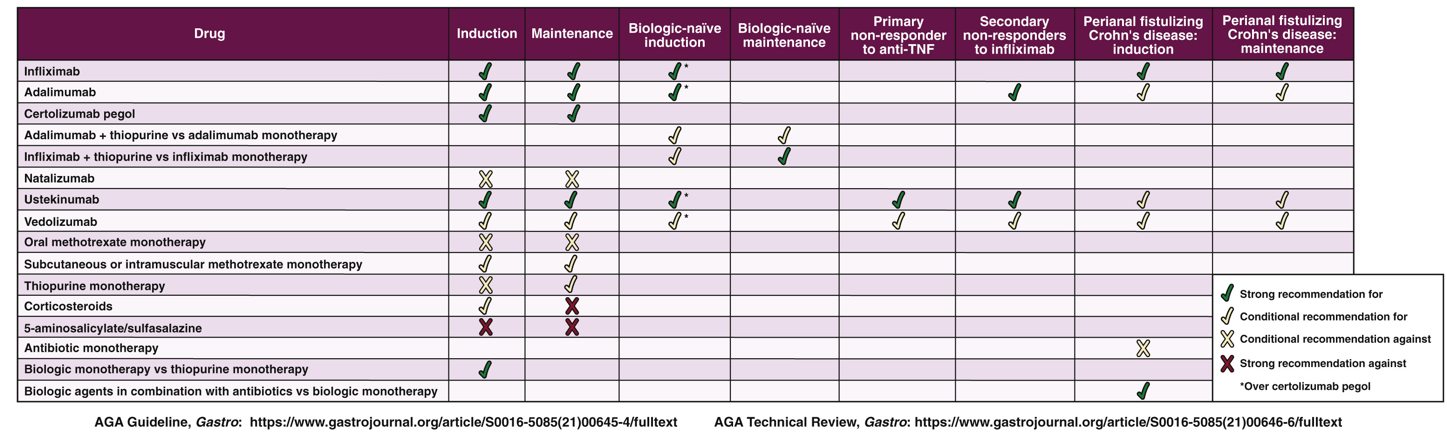
A series of articles details the 2021 AGA Guidelines for Crohn’s disease (CD) including a clinical practice guideline (pg 2496-2508), a clinical decision support tool (2509-2510), a spotlight summary (pg 2511), a technical review (2512-2557), and a review of the recommendations (pg 2557-2262). I will highlight the first article.

JD Feuerstein et al. Gastroenterol 2021; 160: 2496-2508. Full text: AGA Clinical Practice Guidelines on the Medical Management of Moderate to Severe Luminal and Perianal Fistulizing Crohn’s Disease

Full text: Spotlight

For me the most important of their recommendations was #7:

  • In adult outpatients with moderate to severe CD, the AGA suggests early introduction with a biologic with or without an immunomodulator rather than delaying their use until after failure of 5-aminosalicylates and/or corticosteroids.

Other points:

From Spotlight:

Combating Anti-Drug Antibodies with Immunomodulators in Pediatric IBD

RJ Colman et al. Inflamm Bowel Dis 2021; 27: 507-515. Favorable Outcomes and Anti-TNF Durability After Addition of an Immunomodulator for Anti-Drug Antibodies in Pediatric IBD Patients

In this retrospective review with 89 patients who developed antidrug antibodies (ADAs), the authors identified 30 who started an immunomodulator (IM) within 3 months of developing an ADA and compared with 59 who did not start an IM. The main IM used was methotrexate (n= 28, 93%)

Key findings:

  • 61 of the 89 patients (69%) had quiescent disease based on physician global assessment at their previous clinic visit
  • The initial anti-TNF was stopped shortly after ADA detection in 36% of the No-IM patients vs none of the IM patients. Thus, anti-TNF agents durability was prolonged in the IM group.
  • Dose intensification was also undertaken at the time of ADA detection: 25 (83%) of IM group and 28 (48%) of non-IM group.
  • At 12 months, steroid-free clinical and biochemical remission on the same anti-TNF occurred in 53.9% of the IM group vs 26.8% in the No-IM group (P = 0.025).
  • Drug levels rose higher (P = 0.003) and ADA levels fell farther (P = 0.037) in the IM group than in the No-IM group
  • Lower ADAs often improved without IM: An ADA level <329 ng/mL had a 76.2% sensitivity and an 83.3% specificity for ADA reversal without IM.

My take: If a patient develops a significantly elevated anti-drug antibody, addition of methotrexate/immunomodulator along with dose intensification increases the likelihood that the anti-TNF agent will continue to be effective.

Related blog posts:

IBD Shorts February 2020

Cost of IBD Care is Increasing. From Healio Gastro: Chronic inflammatory disease expenditures nearly double over last 2 decades Reference: Click B, et al. Poster 22. Presented at: Crohn’s and Colitis Congress; Jan. 23-25, 2020; Austin, Texas

An excerpt from Healio Gastro summary: [Using] the Medical Expenditure Panel Survey (MEPS), a nationally representative database of health care use and expenditure data collected since 1998The researchers assessed total annual, outpatient, inpatient, emergency and pharmacy expenditures in both patients with IBD (n = 641) and RA (n = 641). They used three separate time periods – 1998-2001, 2006-2009 and 2012-2015 –to compare expenditures over time…

Median per-patient annual health care expenditure in patients with IBD was $6,570 compared with $4,010 in patients with RA across all years of the study. Total annual spending increased approximately 2.2 times (95% CI, 1.6-3; P < .01) over the study period and was 36% higher in IBD than RA (P = 0.01).

Pharmaceutical spending increased more than fourfold (95% CI, 3.2-6.1; P < .01) and became the largest cost category (44% total). However, inpatient expenses in IBD decreased 40% over the study period.

My take: While the cost has increased, these new treatments are improving outcomes.  With the emergence of biosimilars, there may be improvement in pharmaceutical spending.

More on Proactive Therapeutic Drug Monitoring (pTDM) Being Helpful: SR Fernandes et al. Inflamm Bowel Dis 2020; 26: 263-70, editorial 271-2.  In this study, a prospective group of patients (n=56) undergoing pTDM were compared with a historical control group (n=149). pTDM had less frequent surgery (9% vs. 21%) and higher rates of mucosal healing (73% vs. 39%).  Treatment escalation was 3 times more common with pTDM than in the control group.

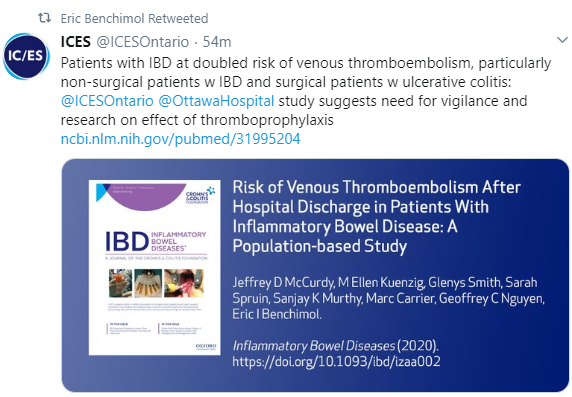
Increased risk of VTE in IBD patientsJD McCurdy et al. Inflamm Bowel Dis 2020; https://doi.org/10.1093/ibd/izaa002

Abstract Link: Risk of Venous Thromboembolism After Hospital Discharge in Patients With Inflammatory Bowel Disease: A Population-based Study

In a population-based study from Ontario, the authors analyzed a total of 81,900 IBD discharges (62,848 nonsurgical and 19,052 surgical) which were matched to non-IBD controls… The cumulative incidence of VTE at 12 months after discharge was 2.3% for nonsurgical IBD patients and 1.6% for surgical IBD patients…Nonsurgical IBD patients and surgical patients with ulcerative colitis are 1.7-fold more likely to develop postdischarge VTE than non-IBD patients.

Video for Patients: Benefits and Risks of IBD Treatment & Risks of Untreated IBD

A recent study (NE Newman, KL Williams, BJ Zikmunde-Fisher, J Adler. JPGN 2020;70: e33-36) highlights work to communicate the benefits and risks of the treatment for inflammatory bowel disease (IBD) along with the risks of untreated IBD.  “We developed a simple video aid to illustrate competing risks associated with medications and underling disease in context of inflammatory bowel disease…Those who viewed the video aid had more realistic perceptions than those who did not view it.”

Here is a link to the ~13 minute online video: IBD: Risk of Disease and Treatments

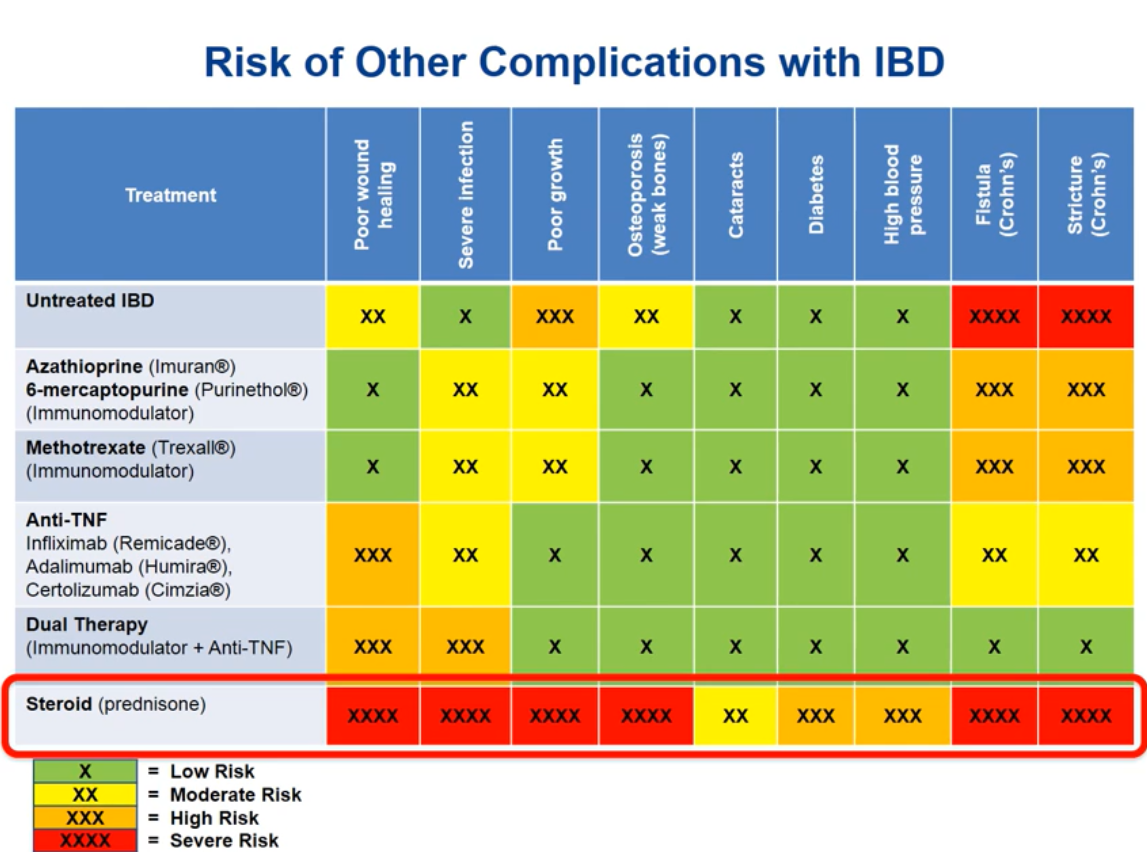
Overall, the presentation is very helpful and thoughtful.  I think this would be an excellent overview for families.  For practitioners, a few points that could benefit from some nuance are noted below some screenshots.  It is worth stating that the authors had started this project a few years ago and some of the points below are related to more information that has emerged.

In the section of treatment benefits (above), the presentation suggests that thiopurines (azathioprine, 6-mercaptopurine) and methotrexate both are effective in about 50%; this is probably an overestimate; in addition, methotrexate as monotherapy is definitely less effective (if effective at all) for ulcerative colitis .  Also, it would be worthwhile to indicate that anti-TNF monotherapy with therapeutic drug monitoring may help achieve similar benefits as dual therapy.

In the section of colon cancer, the authors provide useful data that current treatments lower this risk substantially.  It is notable that more recent reports suggest that there have been improvements in the rates of colon cancer associated with IBD.

Overall, the section on lymphoma is very good.

In the section on other complications, the presentation suggests that there may be impaired wound-healing with anti-TNFs.  I think this risk is overstated in this slide. Also, I think the risk of severe infection with thiopurines is a little bit higher than stated; though, this can be mitigated with careful monitoring.

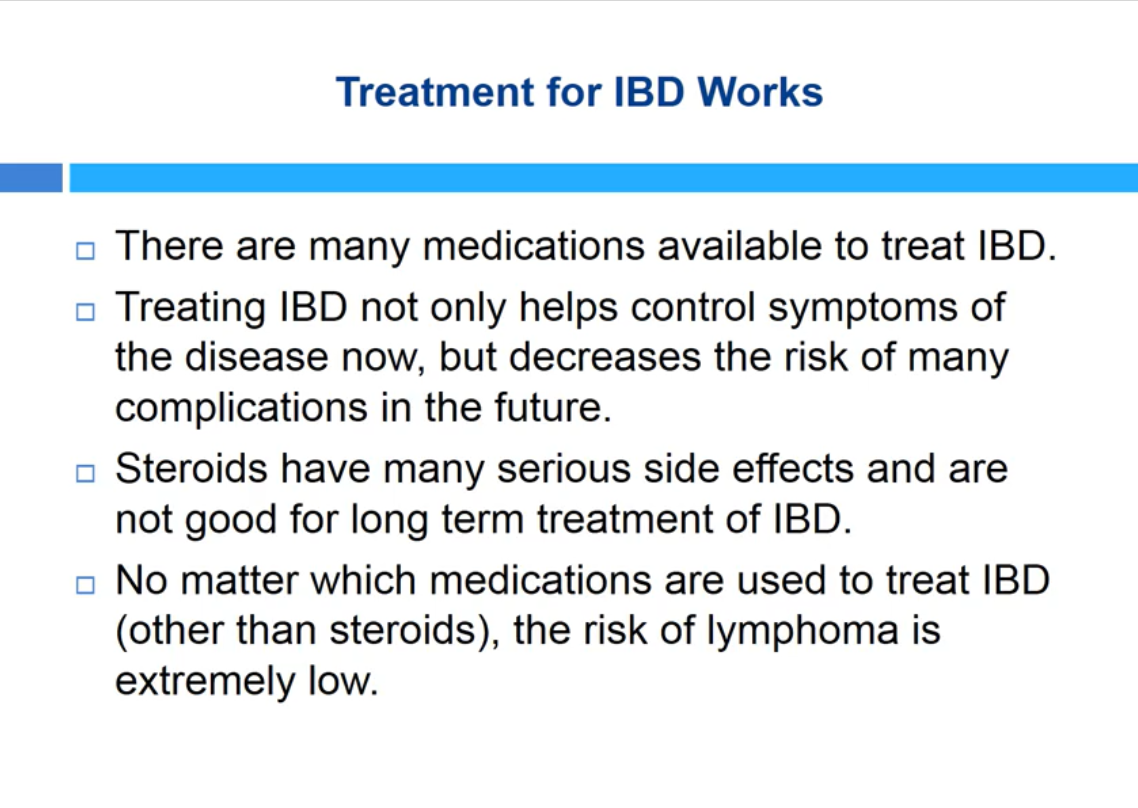
I think this summary slide could be improved by noting that the overall risk of serious cancers is likely lowered by treating IBD.  Since colon cancer is a fairly common cancer and IBD treatment reduces the risk, this likely outweighs the increased risk of other cancers (eg. lymphoma) which are much less common.

Another link to video: https://tinyurl.com/IBDTreatments

Related posts:

Disclaimer: This blog, gutsandgrowth, assumes no responsibility for any use or operation of any method, product, instruction, concept or idea contained in the material herein or for any injury or damage to persons or property (whether products liability, negligence or otherwise) resulting from such use or operation. These blog posts are for educational purposes only. Specific dosing of medications (along with potential adverse effects) should be confirmed by prescribing physician.  Because of rapid advances in the medical sciences, the gutsandgrowth blog cautions that independent verification should be made of diagnosis and drug dosages. The reader is solely responsible for the conduct of any suggested test or procedure.  This content is not a substitute for medical advice, diagnosis or treatment provided by a qualified healthcare provider. Always seek the advice of your physician or other qualified health provider with any questions you may have regarding a condition.

Toronto Consensus Guidelines for Luminal Crohn’s Disease

The recommendations from the Canadian Association of Gastroenterology for luminal Crohn’s Disease in adults were published in two journals.  R Panaccione et al. Clin Gastroenterol Hepatol 2019; 17: 1680-1713 and R Panaccione et al . 2019 Aug; 2(3): e1–e34.

Full text link : Canadian Association of Gastroenterology Clinical Practice Guideline for the Management of Luminal Crohn’s Disease

A few of the 41 statement recommendations:

  • 6. In patients with mild to moderate ileal and/or right colonic Crohn’s disease, we suggest oral budesonide beginning at 9 mg/day as first-line therapy to induce complete remission. GRADE: Conditional recommendation, low-quality evidence
  • 20. In patients with moderate to severe luminal Crohn’s disease with risk factors of poor prognosis, we recommend anti-TNF therapy (infliximab, adalimumab) as first-line therapy to induce complete remission. GRADE: Strong recommendation, moderate-quality evidence
  • 23. In patients with active Crohn’s disease, when starting anti-TNF therapy, we suggest it be combined with a thiopurine or methotrexate over monotherapy to improve pharmacokinetic parameters. GRADE: Conditional recommendation, very low-quality evidence for infliximab, very low-quality evidence for adalimumab
  • 29. We suggest against switching between anti-TNF therapies in patients who are doing well on anti-TNF therapy. GRADE: Conditional recommendation, low-quality evidence
  • 30. In patients with moderate to severe Crohn’s disease who fail to achieve complete remission with any of corticosteroids, thiopurines, methotrexate, or anti-TNF therapy, we recommend vedolizumab to induce complete remission. GRADE: Strong recommendation, moderate-quality evidence
  • 34. In patients with moderate to severe Crohn’s disease who fail to achieve complete remission with any of corticosteroids, thiopurines, methotrexate, or anti-TNF therapy, we recommend ustekinumab to induce complete remission. GRADE: Strong recommendation, moderate-quality evidence
  • 37-41: Authors against the use of probiotics, omega-3 fatty acids, marijuana, naltrexone and enteral nutrition/diet therapies.

Crater Lake and Wizard Island