Help Wanted in Hepatology

MW Russo et al. Hepatology 2020; 72: 1444-1454. Modeling the Hepatology Workforce in the United States: A Predicted Critical Shortage

Overall, this article details the estimated shortage of hepatologists in the coming years.

Key points:

  • One of the more interesting suggestions in this article is the need to change the name of specialty training from “transplant hepatology” to “advanced hepatology” to more accurately reflect the type of liver conditions managed by hepatologists.
  •  In 2018, the adult and pediatric workforce included 7,296 and 824 hepatology providers, respectively, composed of hepatologists, gastroenterologists, and advanced practice providers whose practice was ≥50% hepatology
  • The modeling analysis projects that in 2023, 2028, and 2033, there will be shortages of 10%, 23%, and 35% adult hepatology providers, respectively, and 19%, 20%, and 16% pediatric hepatology providers, respectively

The authors note that there are many challenges when predicting workforce needs. The main reasons for the predicted shortfall with hepatology include the following:

  • Older age of current clinicians
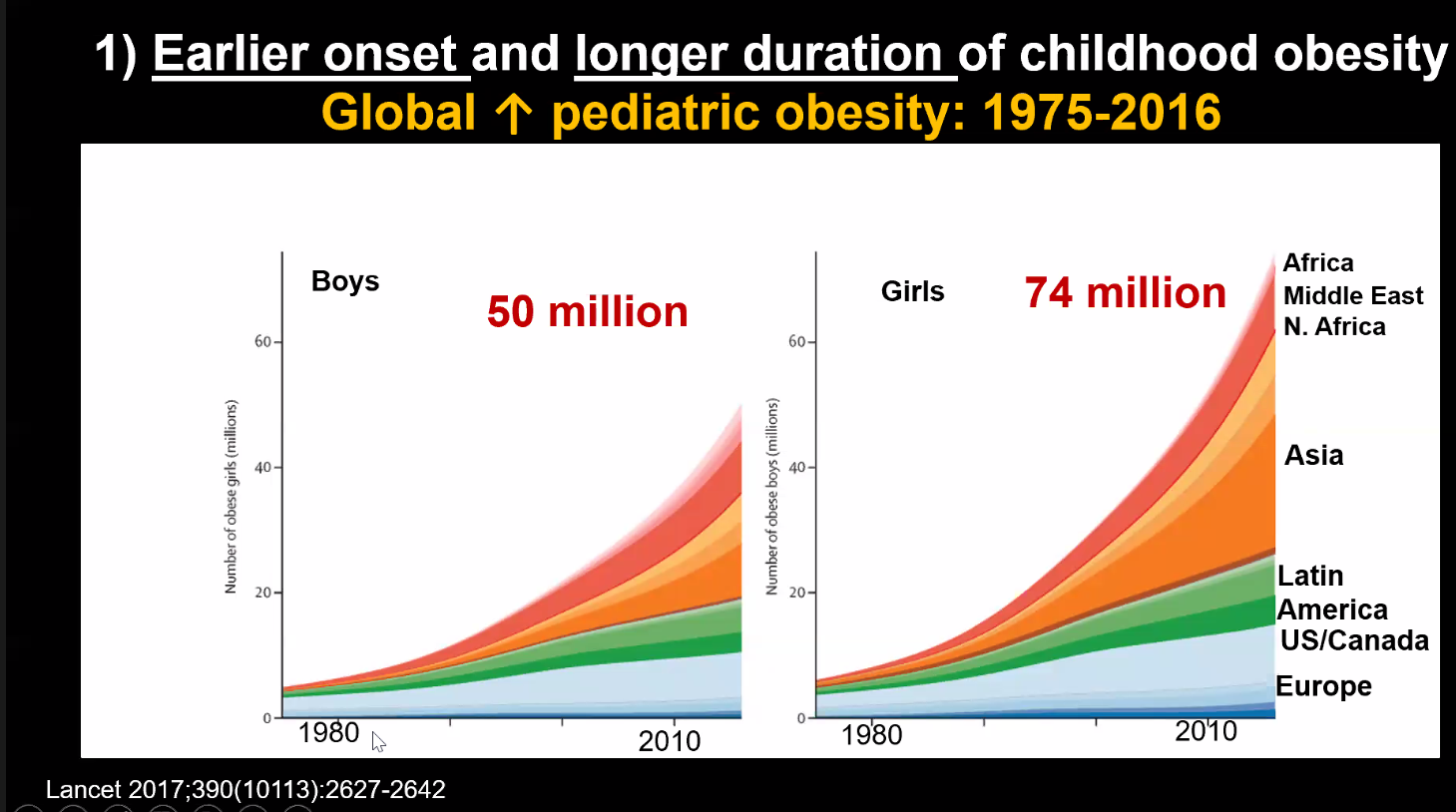
  • Increasing amount of liver disease (~34% increase from 2018 to 2033), particularly fatty liver disease. This is happening among adults and children.

Related blog post: Sad Truth: Job Security in Hepatology

From The Onion

Liver Shorts -November 2020 and Georgia’s ACA Waiver

E Zuckerman et al. Clin Gastroenterol Hepatol 2020; 18: 2544-53. Full text link: Eight Weeks of Treatment With Glecaprevir/Pibrentasvir Is Safe and Efficacious in an Integrated Analysis of Treatment-Naïve Patients With Hepatitis C Virus Infection

  • “We pooled data from 8 phase 2 or phase 3 trials of treatment-naïve patients with HCV genotype 1 to 6 infections, without cirrhosis or with compensated cirrhosis, who received 8 weeks of glecaprevir/pibrentasvir.” (n=1248) Key finding:  Overall rates of sustained virologic response at post-treatment week 12 were 97.6% (1218 of 1248) in the intention to treat (ITT) and 99.3% (1218 of 1226) in the modified ITT populations.

JA Silverman et al. JPGN 2020; 71: 283-287. Composite Lipid Emulsion for the Infant at Risk of Intestinal Failure–associated Liver Disease: The Canadian Perspective

This review discussed the use of SMOFlipid that includes soybean, medium-chain triglycerides, olive and fish oils. Key points:

  • “Lipid minimization strategies have also been shown to reverse IFALD [intestinal failure associated liver disease]. There are, however, considerable concerns regarding adequate weight gain, compromise to neurodevelopment, and EFAD [essential fatty acid deficiency]”
  • “Thee is actually considerable safety data for CLE [composite lipid emulsion] in neonates, albeit over the short term.”
  • “In Canada, CLE is currently the lipid emulsion of choice for all infants at risk of IFLAD.”

T Mitchell et al. Clin Gastroenterol Hepatol 2020; 18: 1584-1591. Decreased Physical Working Capacity in Adolescents With Nonalcoholic Fatty Liver Disease Associates With Reduced Iron Availability

  • Methods: “We collected information on weight-adjusted, submaximal physical work capacity (PWC), ultrasound-determined hepatic steatosis, iron indices, and hematologic and metabolic parameters from 390 female and 458 male participants of the Raine Study—a longitudinal study of disease development … in Western Australia”
  • Key finding: “Fourteen percent of the cohort had NAFLD. PWC was significantly reduced in adolescents with NAFLD compared to adolescents without NAFLD (reduction of 0.17 W/kg, P = .0003, adjusted for sex and body mass index [BMI])… we found NAFLD to be associated with decreased cardiorespiratory fitness, independent of BMI. The relationship between transferrin saturation and PWC in adolescents with NAFLD indicates that functional iron deficiency might contribute to reductions in cardiorespiratory fitness.”

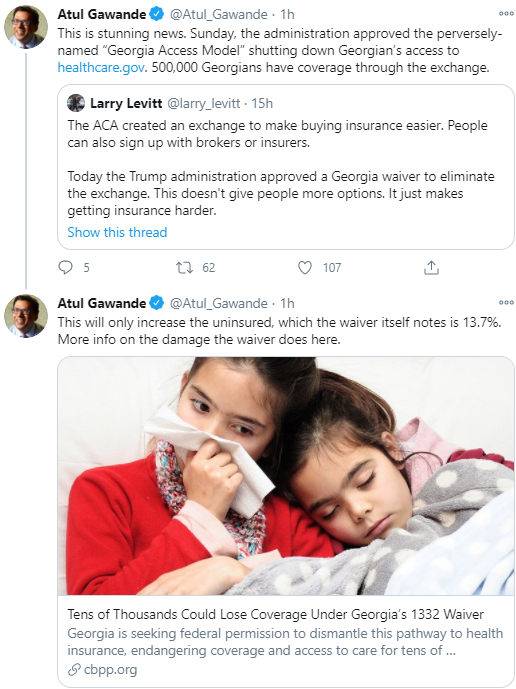
In other news, Georgia has received approval for an affordable care act waiver. From the AJC (October 15, 2020): Kemp’s health care waivers win federal approval Two key points:

  • “Thousands of Georgia’s poor and uninsured adults who meet a work or activity requirement will soon be eligible for Medicaid, with perhaps 50,000 added to the rolls within two years…And more than 350,000 very poor, uninsured Georgia adults still won’t meet Georgia’s requirements for Medicaid”
  • “At the same time, the 400,000 Georgians who bought individual health insurance plans on the federal healthcare.gov Affordable Care Act shopping website will find they can’t do that anymore. Instead they will be directed to contact information for private brokers or insurance companies”
These tweets were posted on 11/2/20.

Online Aspen Webinar (Part 6) -NAFLD and NASH

Aspen Online Webinar July  14-16, 2020

Below I’ve included some of my notes and slides.  There may be errors of omission or transcription.

What’s Hot? NAFLD and NASH Stavra Xanthakos

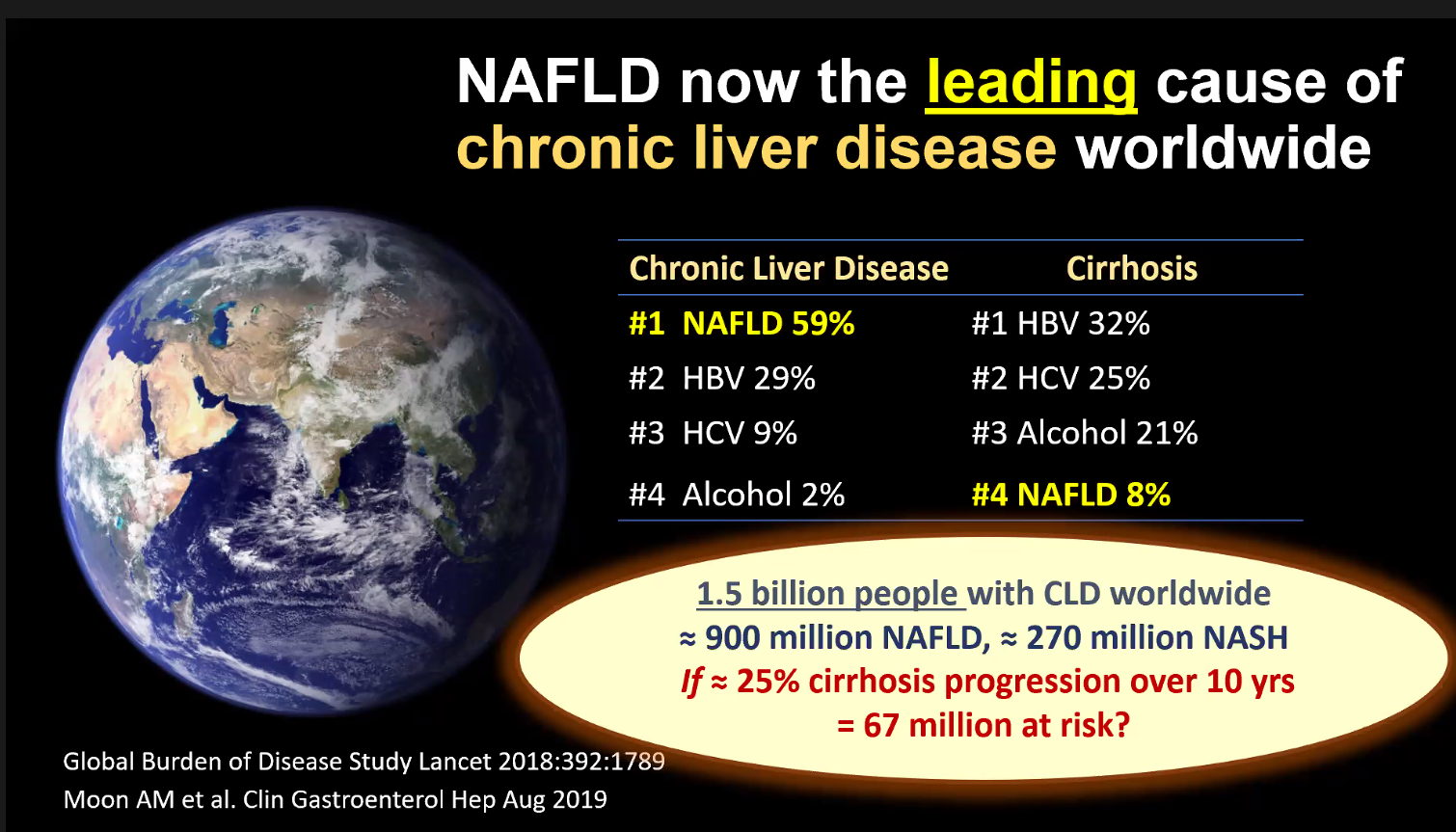
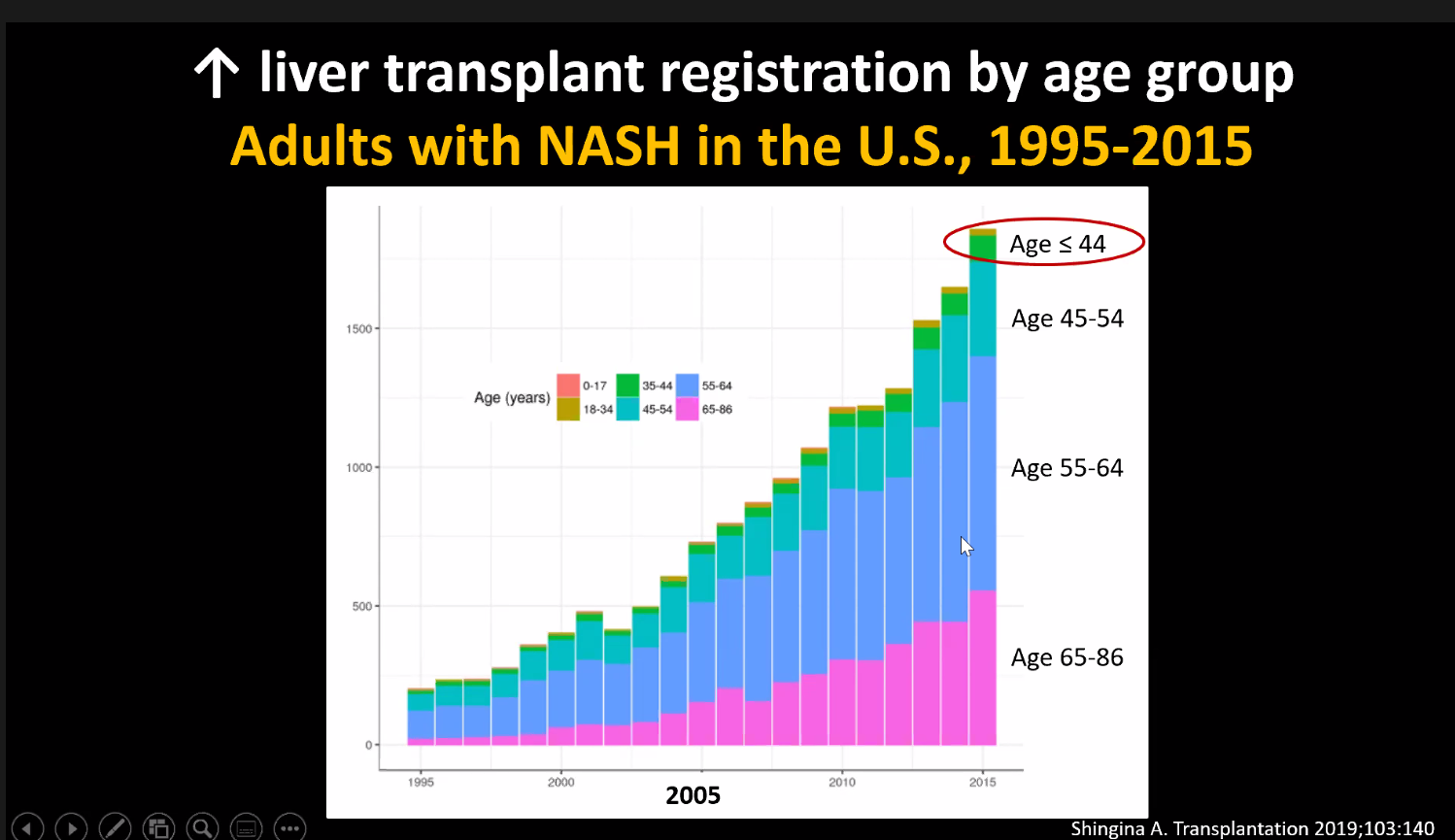
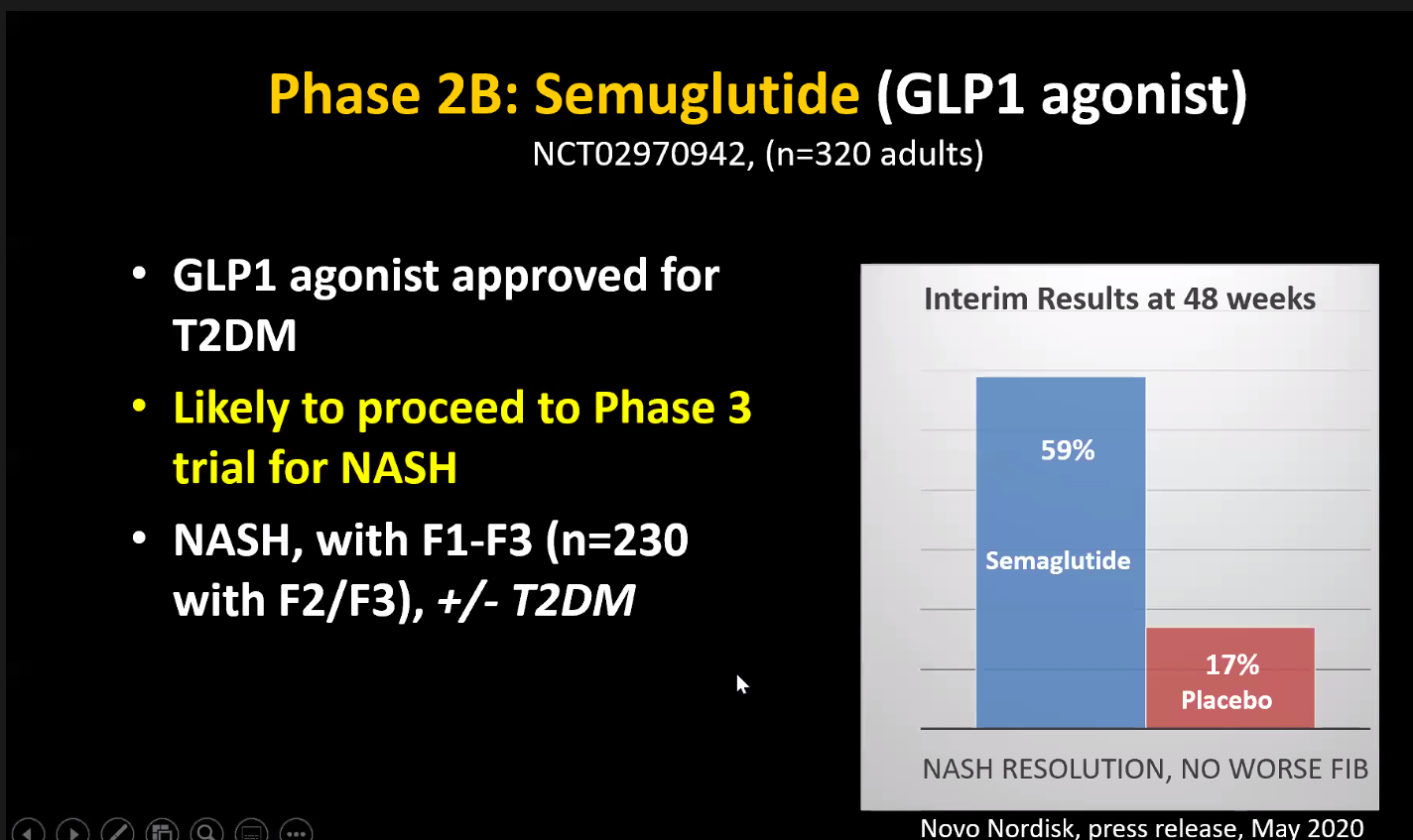
  • Fatty liver disease burden of NAFLD and NASH is increasing.  This increases the rate of cirrhosis, liver cancer and liver transplantation; the latter is being needed at younger ages
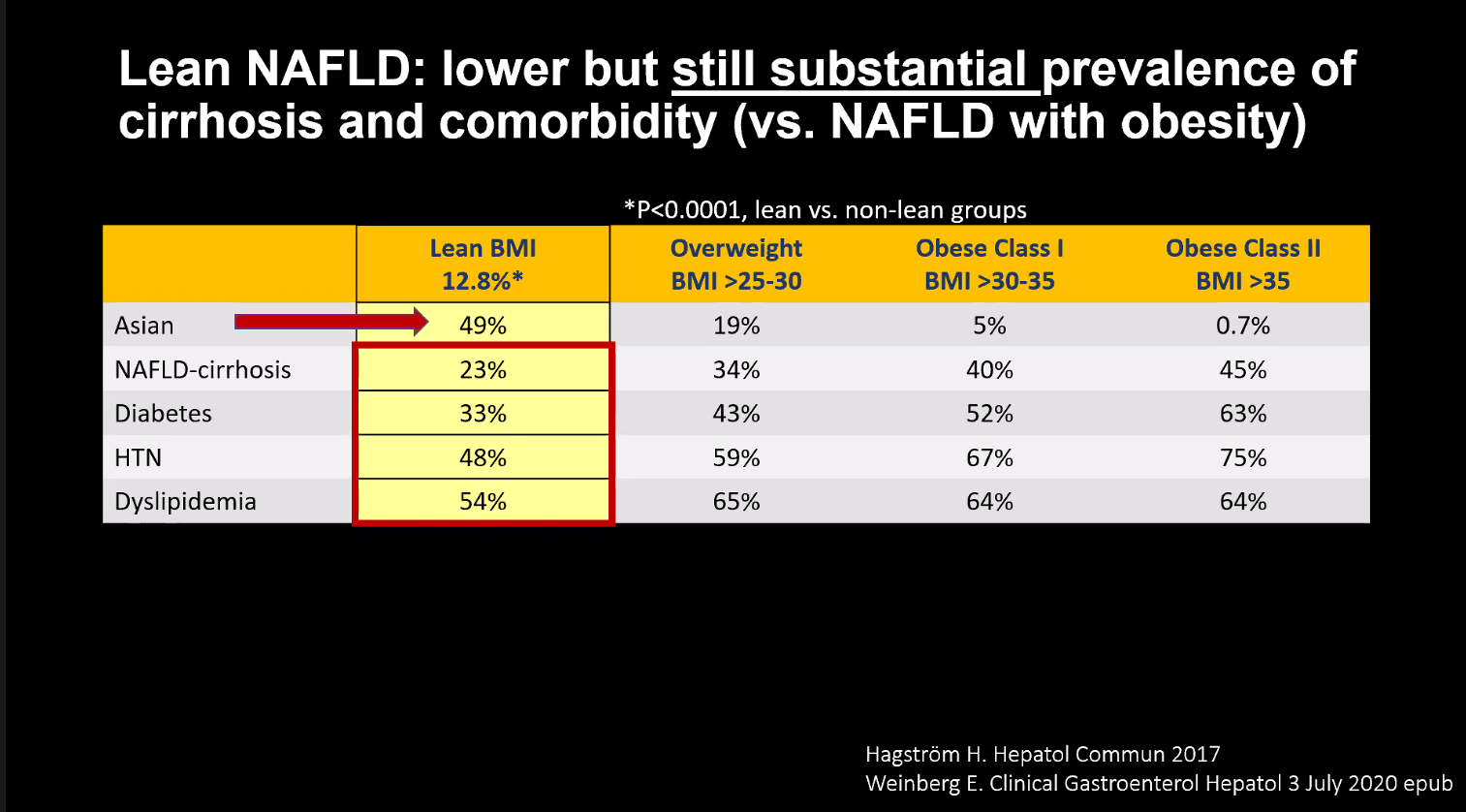
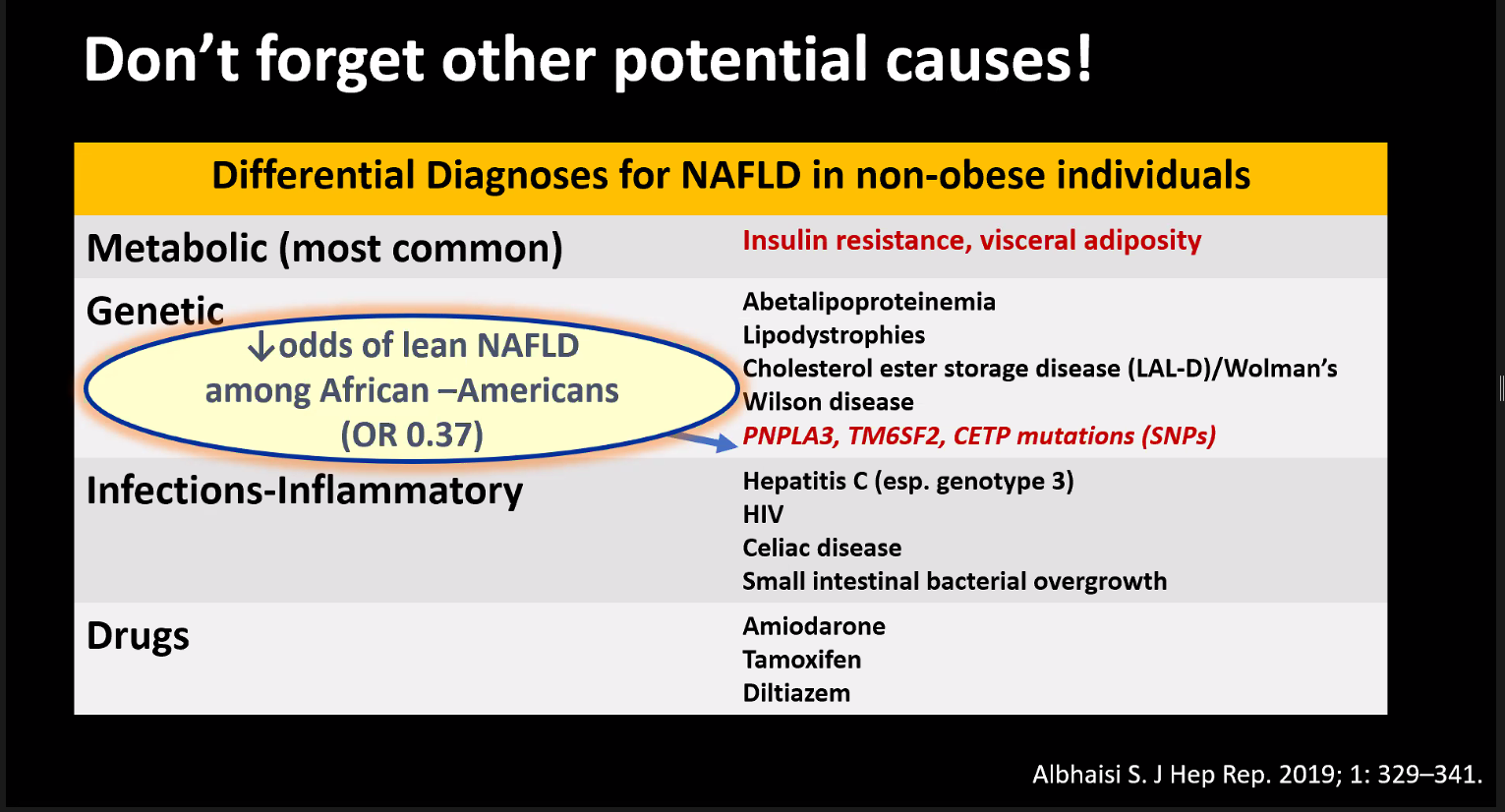
  • Explained that “Lean” (normal BMI) NAFLD is common
  • Diabetes is strongest risk factor for severe fatty liver disease (NASH or fibrosis). PNPLA3 is genetic risk factor for NAFLD risk.
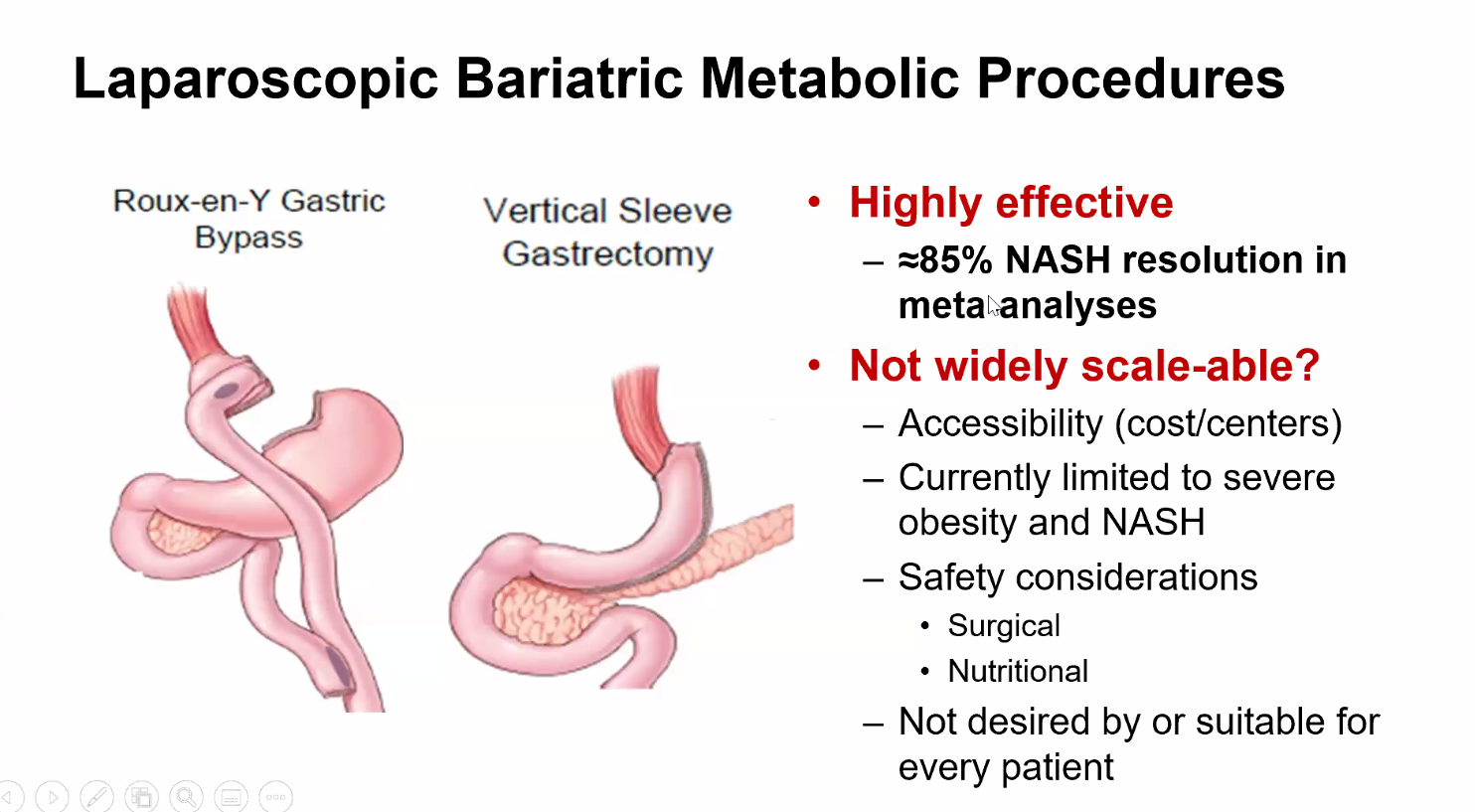
  • Discussed treatment, particularly diet  and bariatric surgery.  Stated that some emerging treatments look promising.
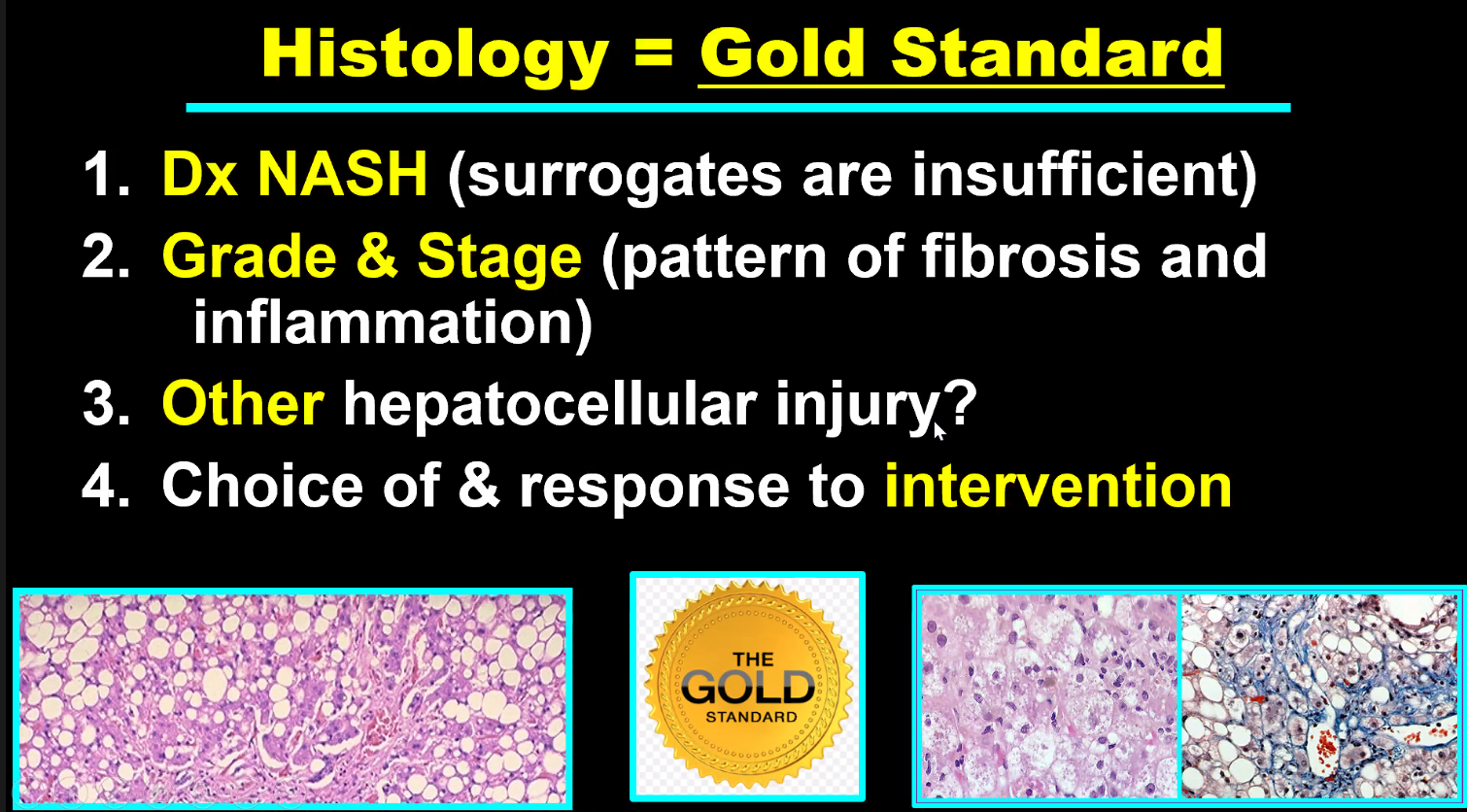
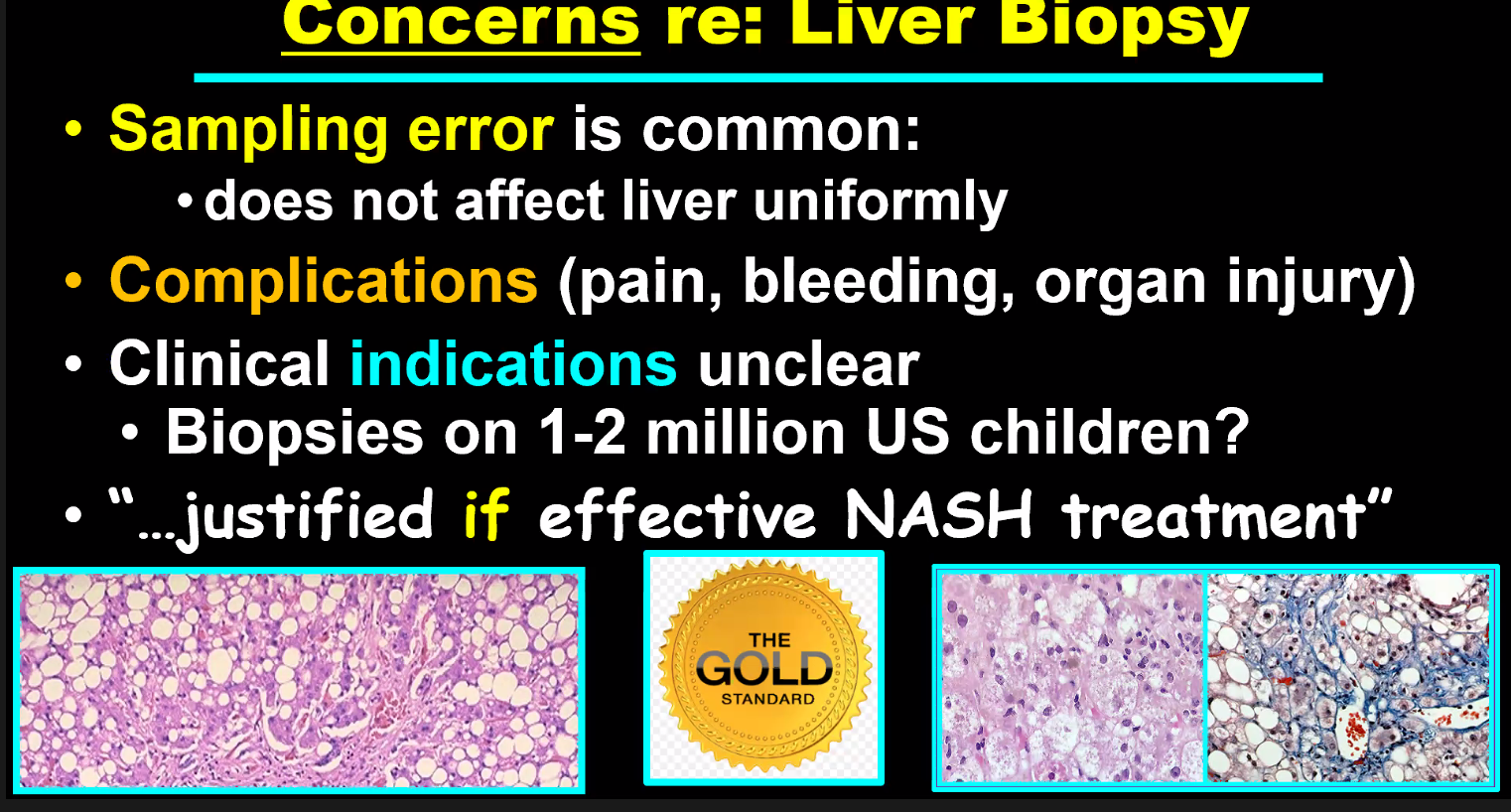
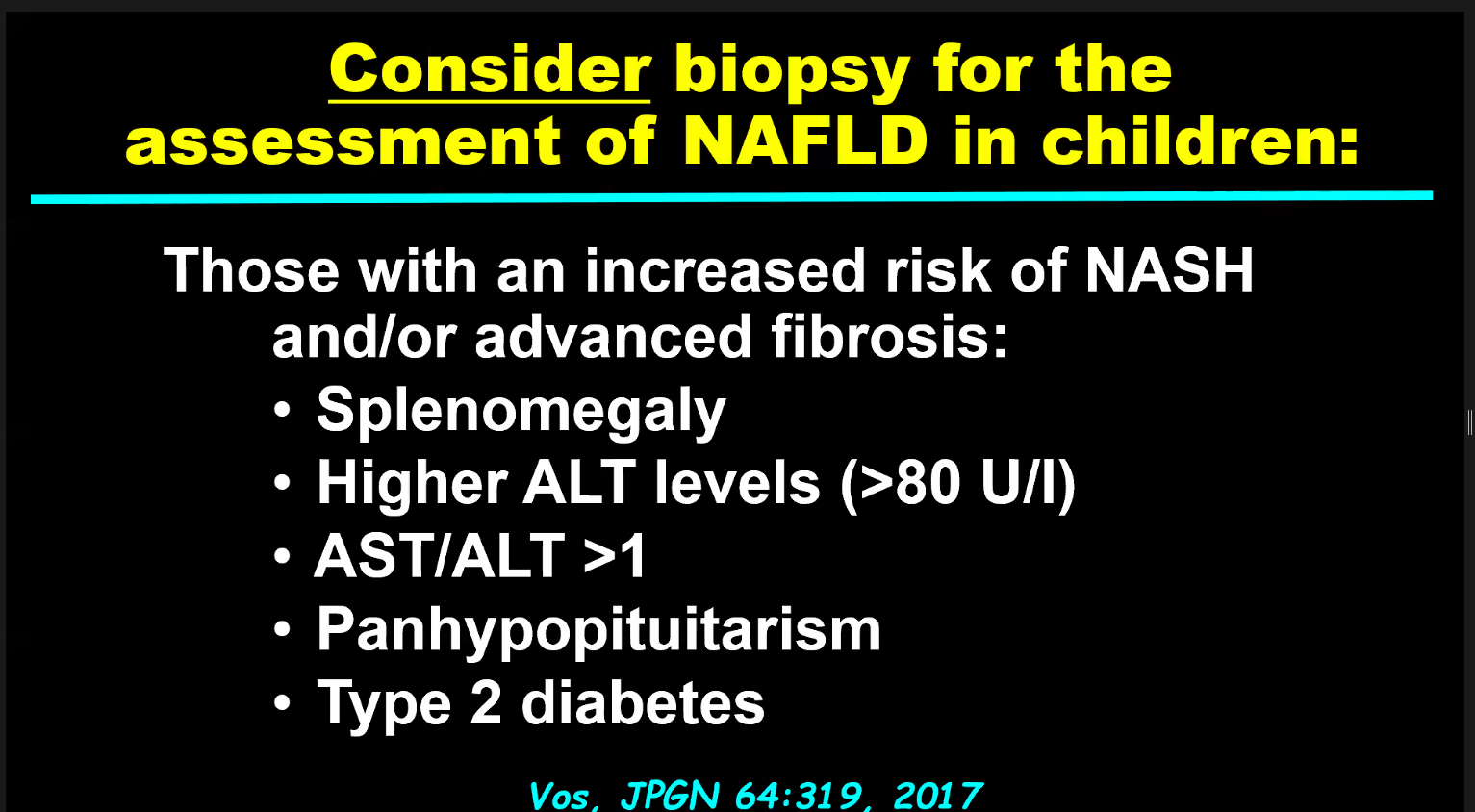
  • In those with suspected NAFLD, Dr. Xanthokos recommends liver biopsy, if lifestyle therapy is ineffective, under specific circumstances: prior to bariatric surgery, in some cases to determine severity, and prior to instituting therapy (eg Vitamin E)


Related blog posts:

Online Aspen Webinar (Part 2) -Abnormal Liver Enzymes in a Tween

What Do Abnormal Liver Enzymes Mean in a Tween William Balistreri

Below I’ve included a few slides and some notes; my notes may have errors of omission or transcription.

Key Points:

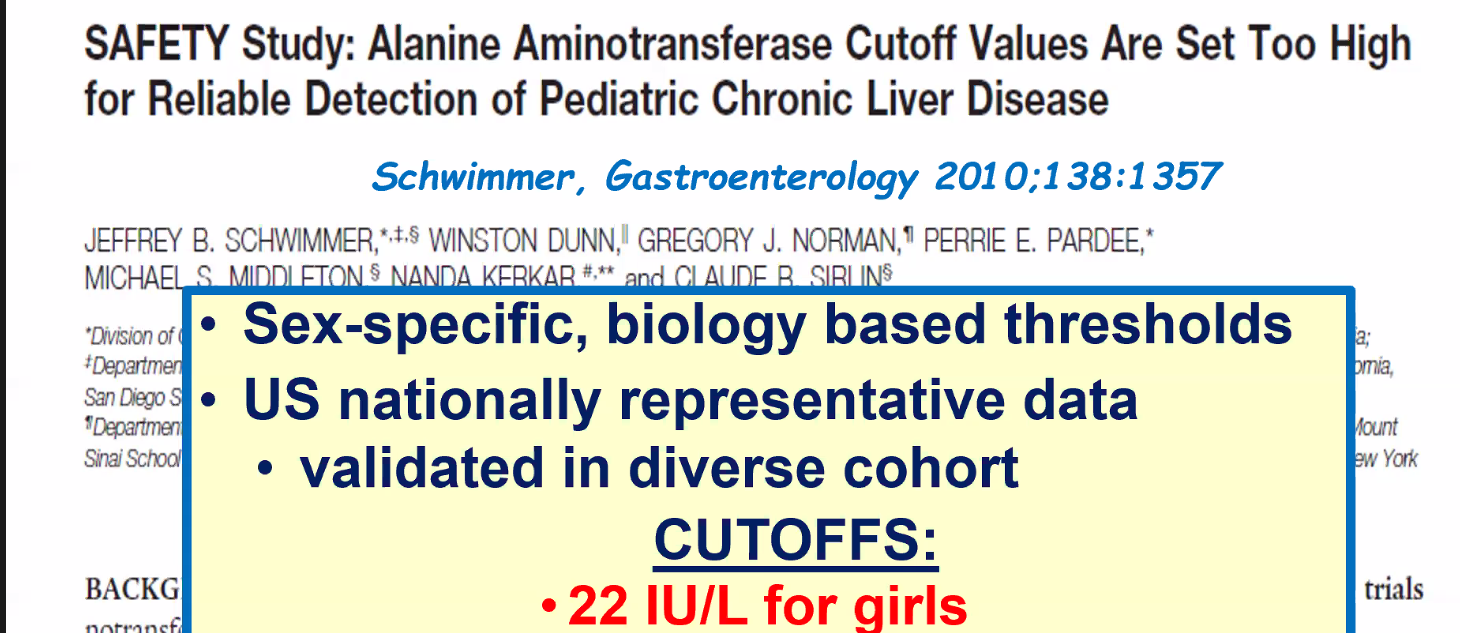
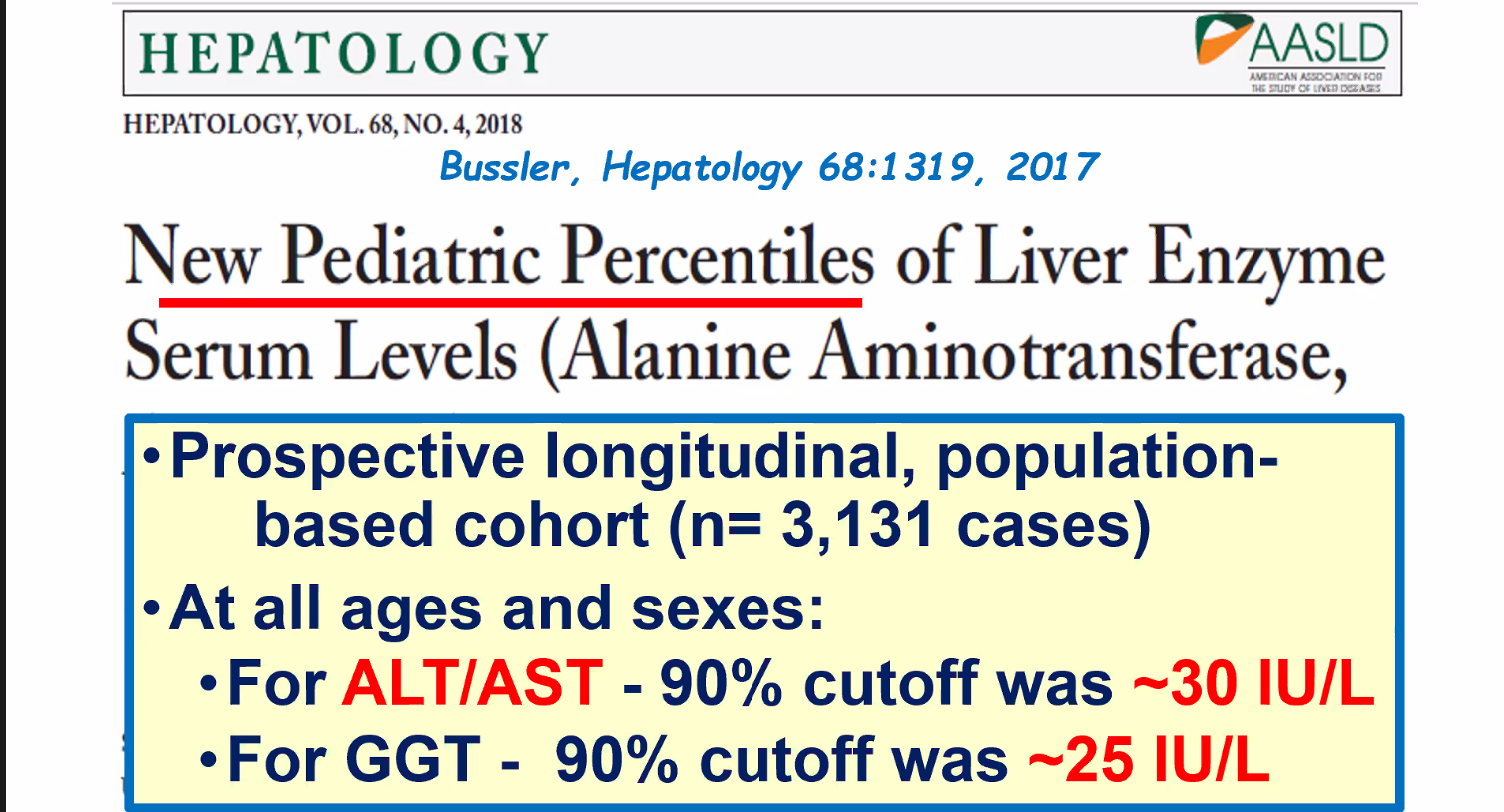
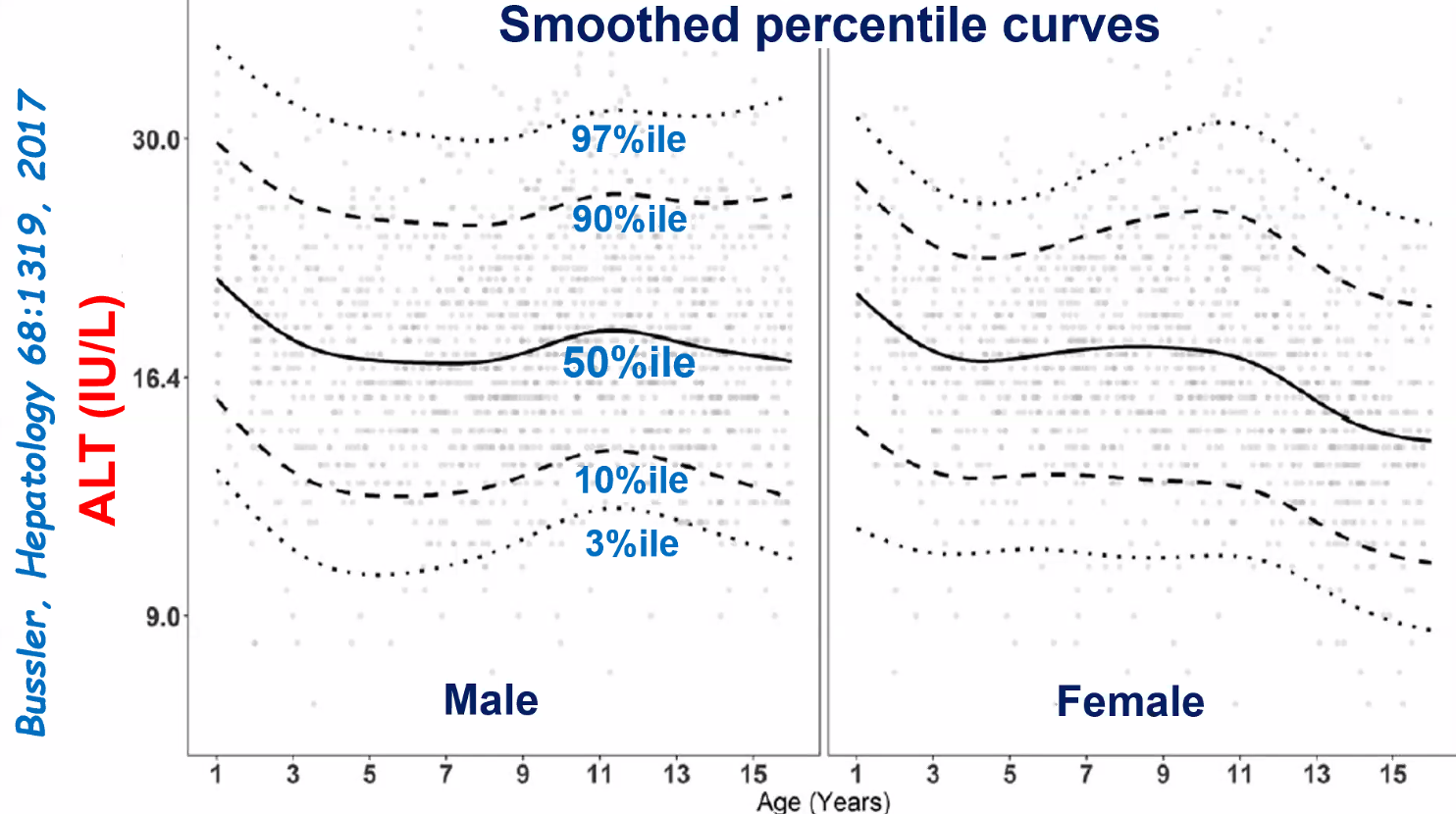
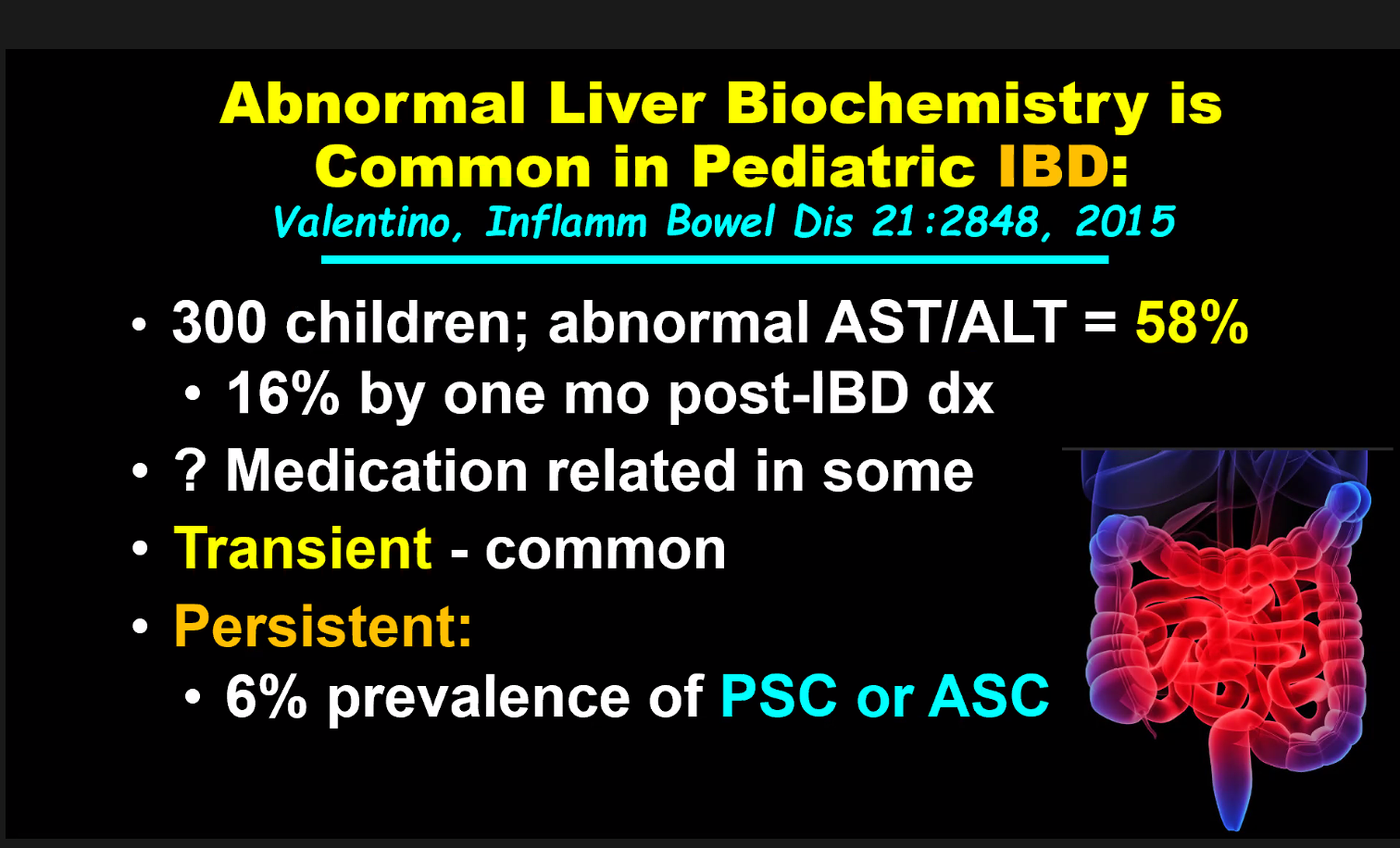
  • Provided updated normal reference data for ALT/AST along with patterns of abnormalities
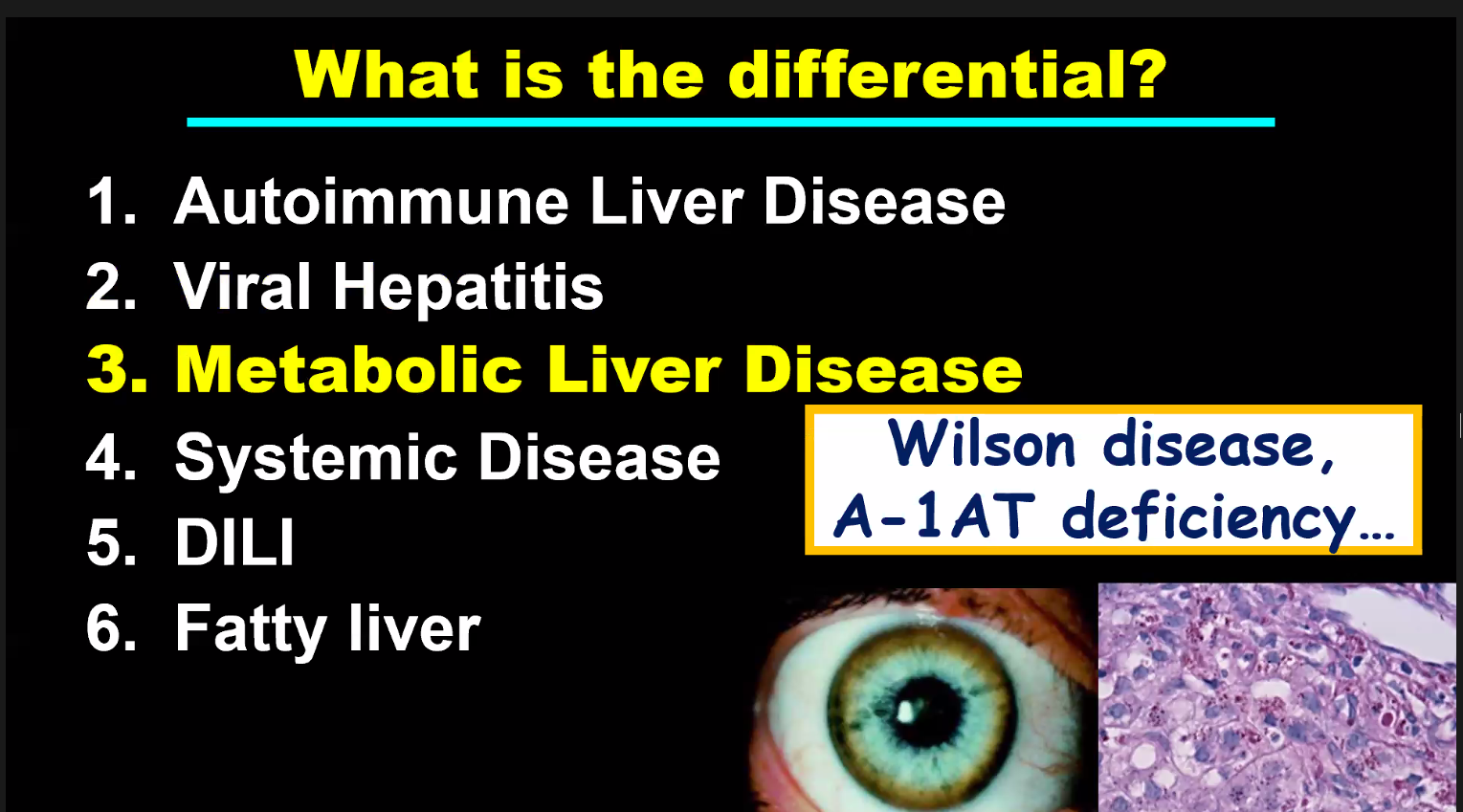
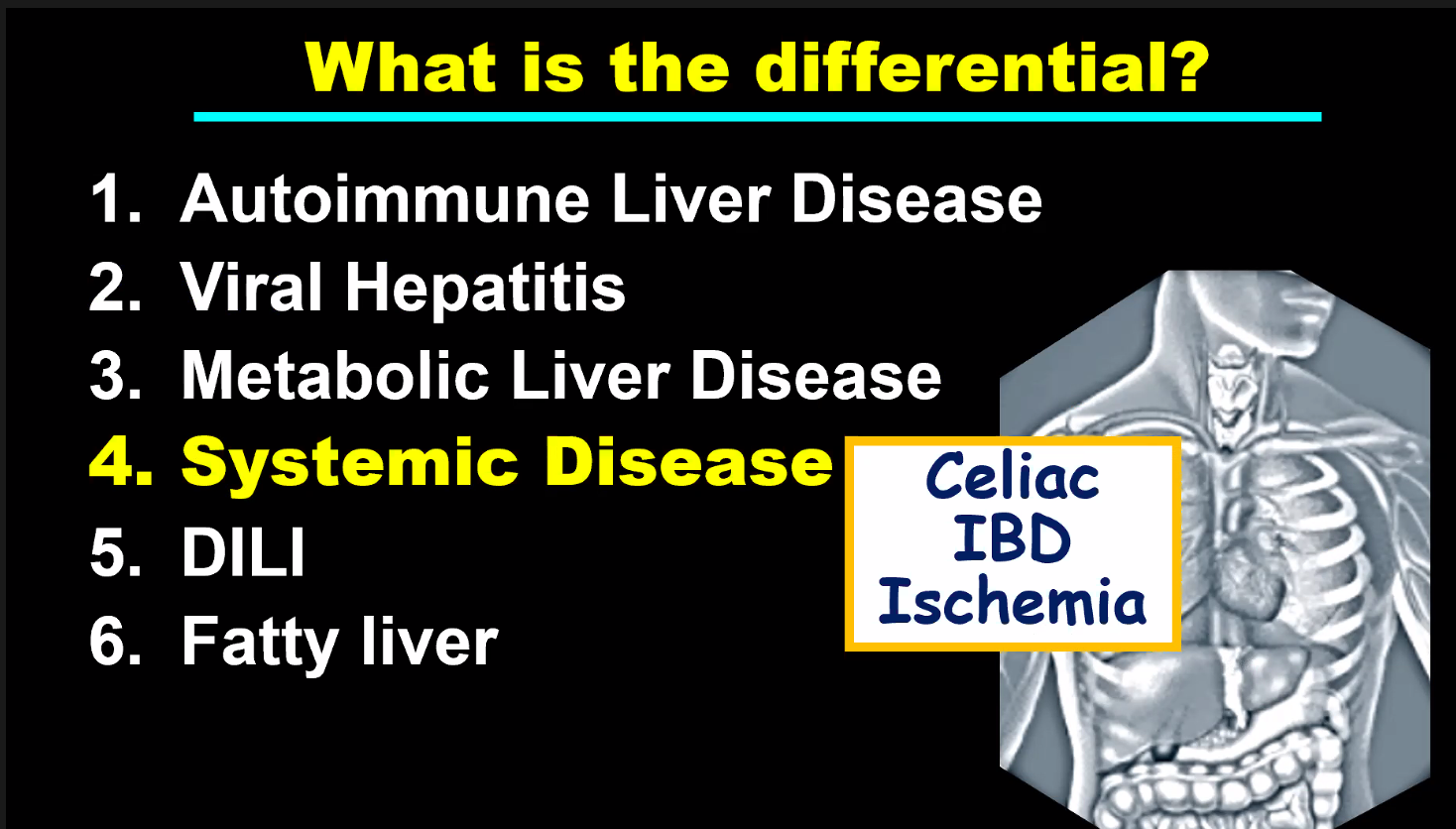
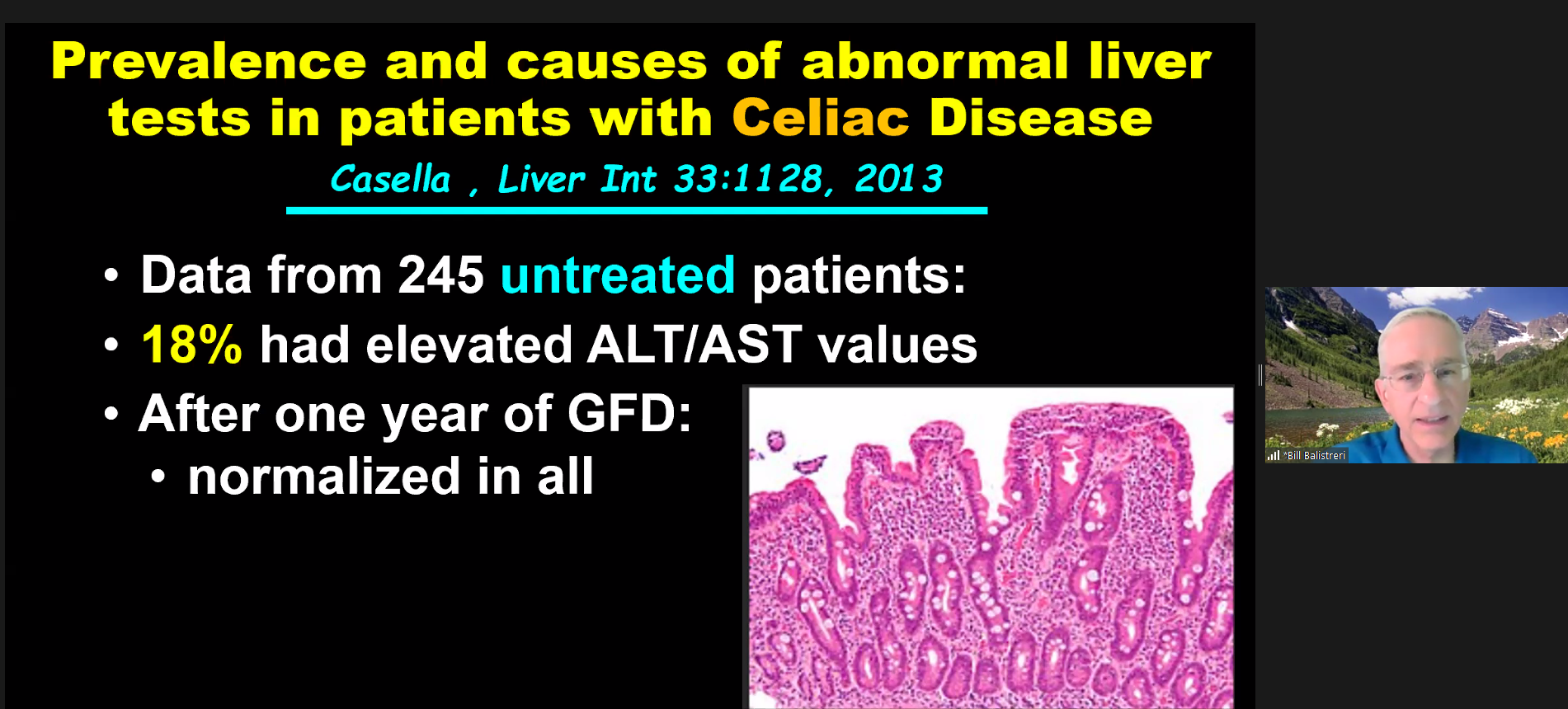
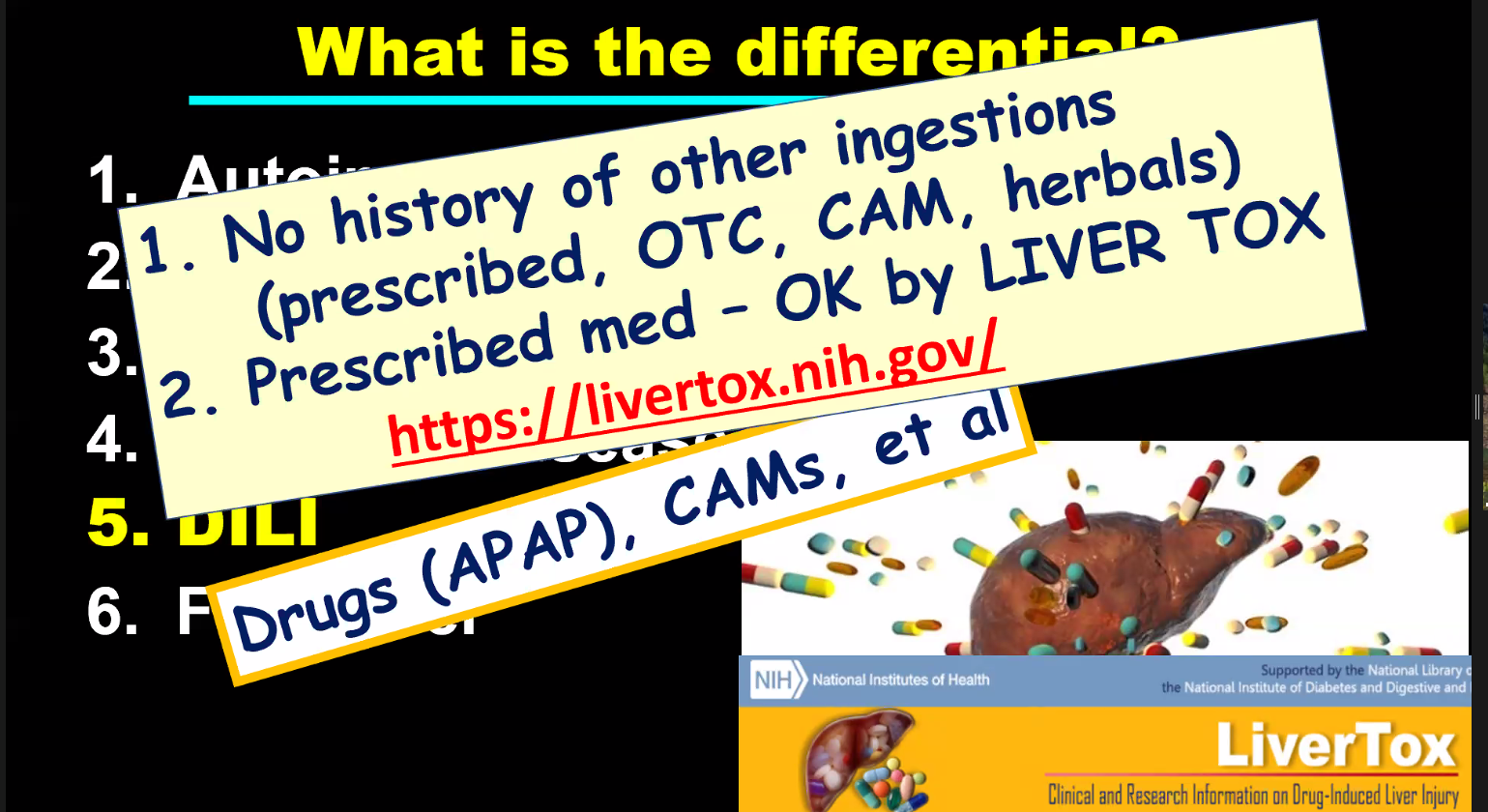
  • Reviewed step-wise workup for teenagers with elevated ALT/AST, particularly fatty liver disease and drug-induced liver disease
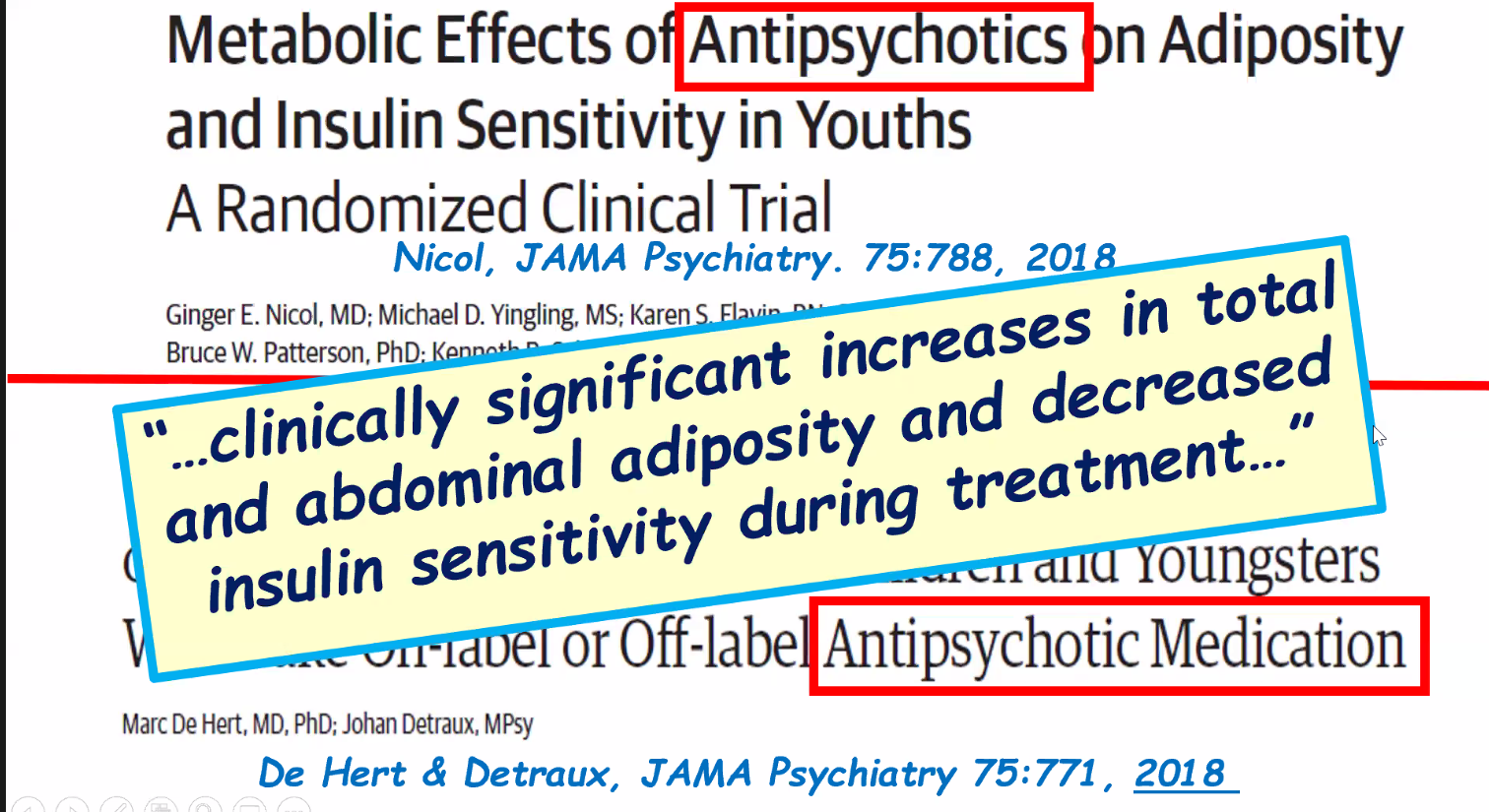
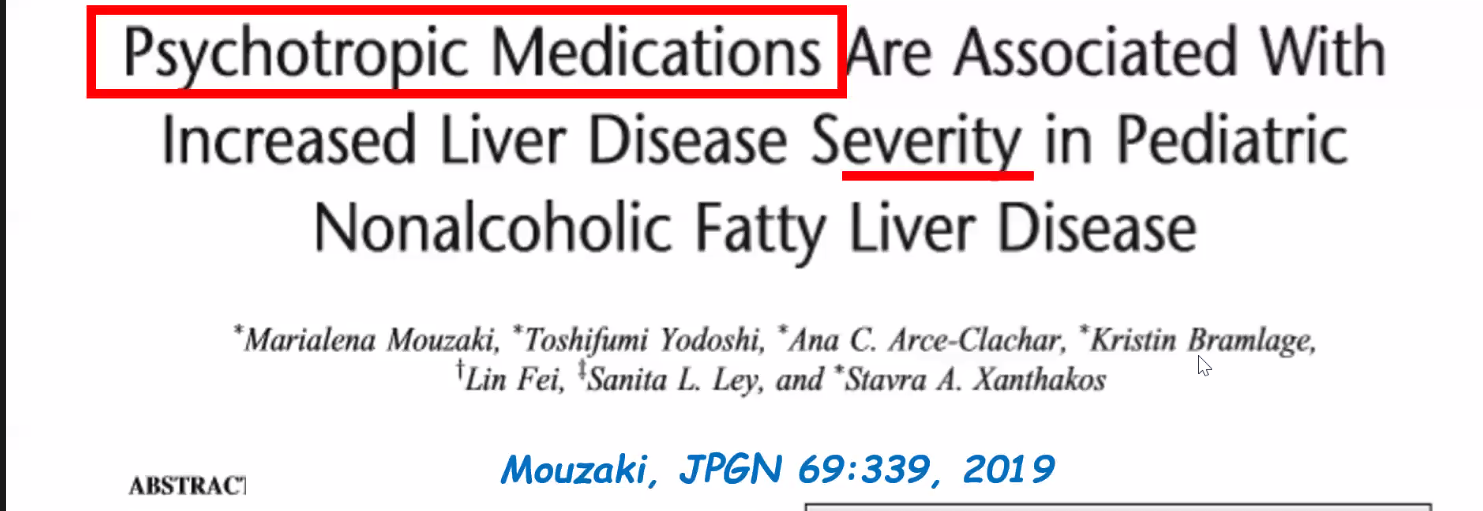
  • Increasingly frequent cause of fatty liver disease: psychotropic medications
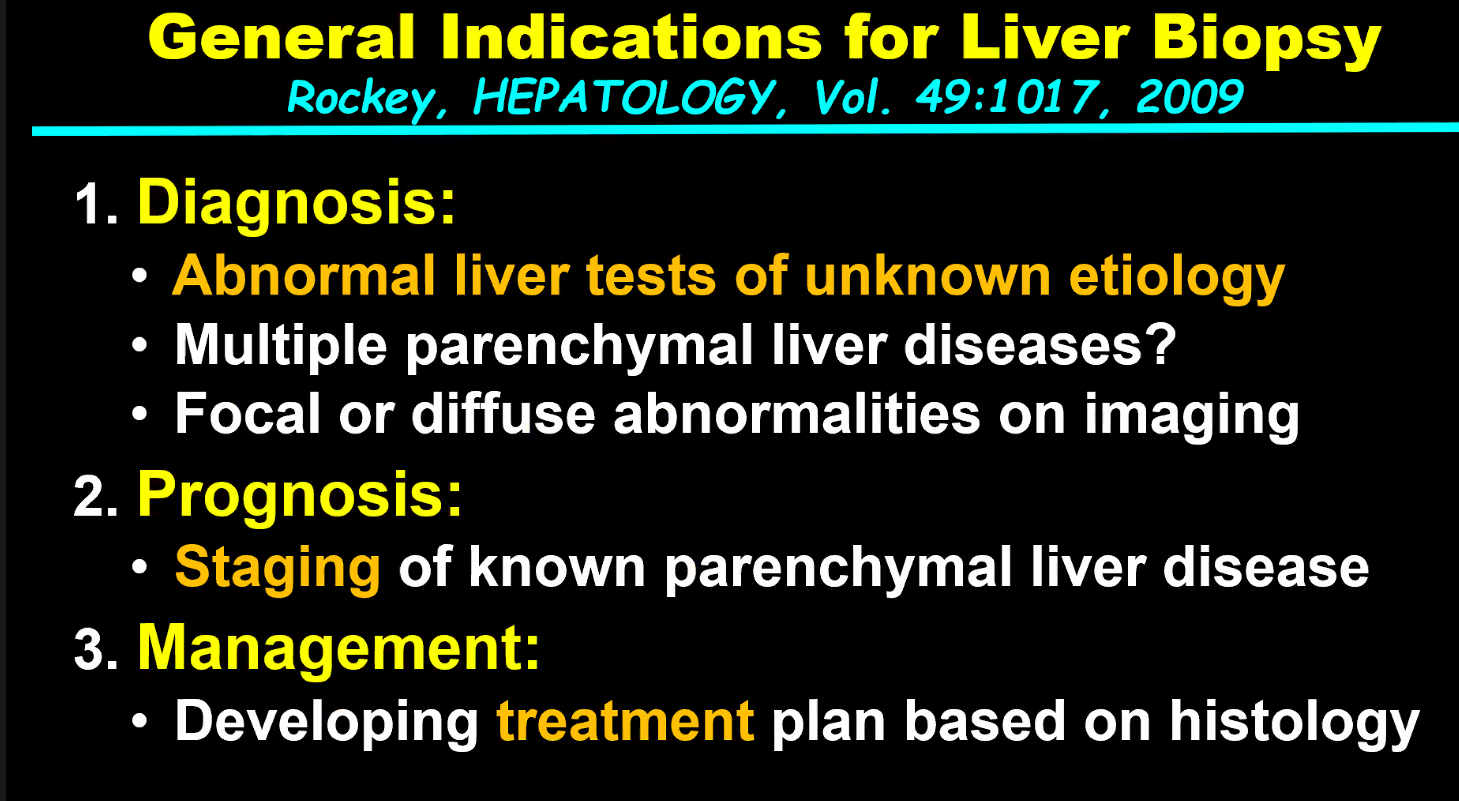
  • Discussed role/indications of liver biopsy. Liver biopsy is NOT practical option for all children with fatty liver disease and elevated liver enzymes
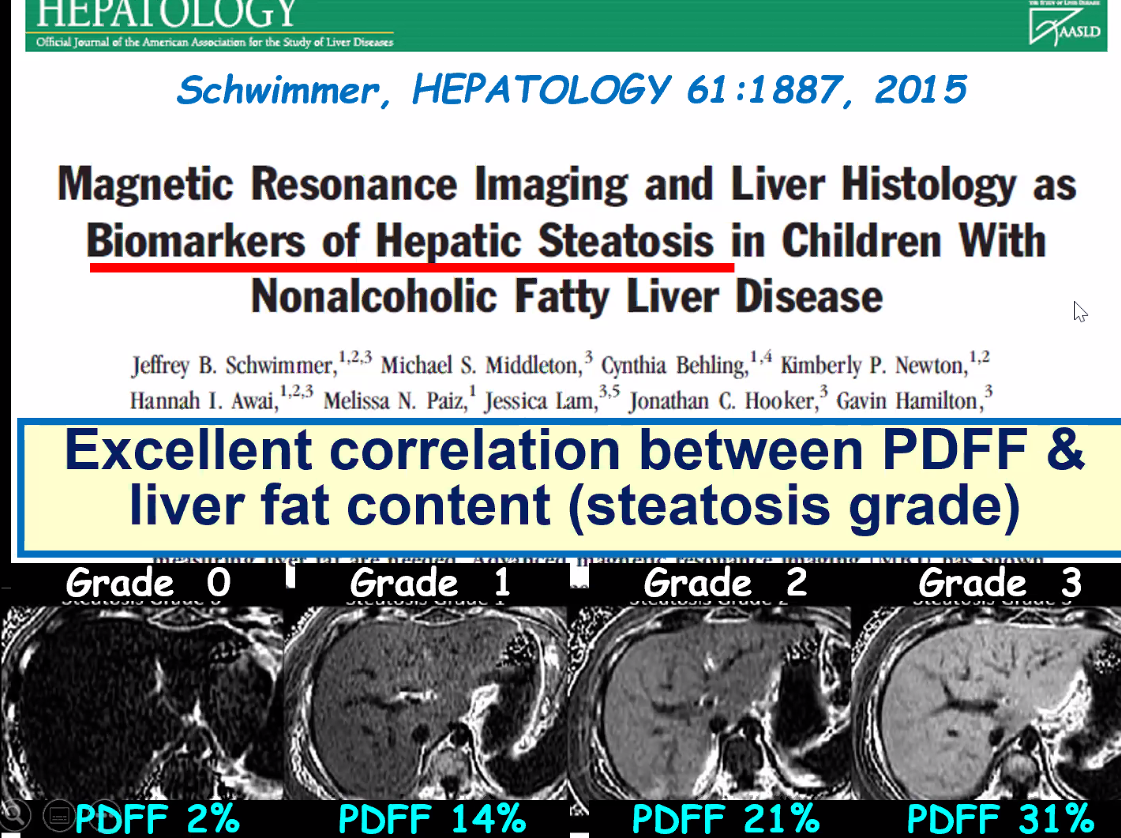
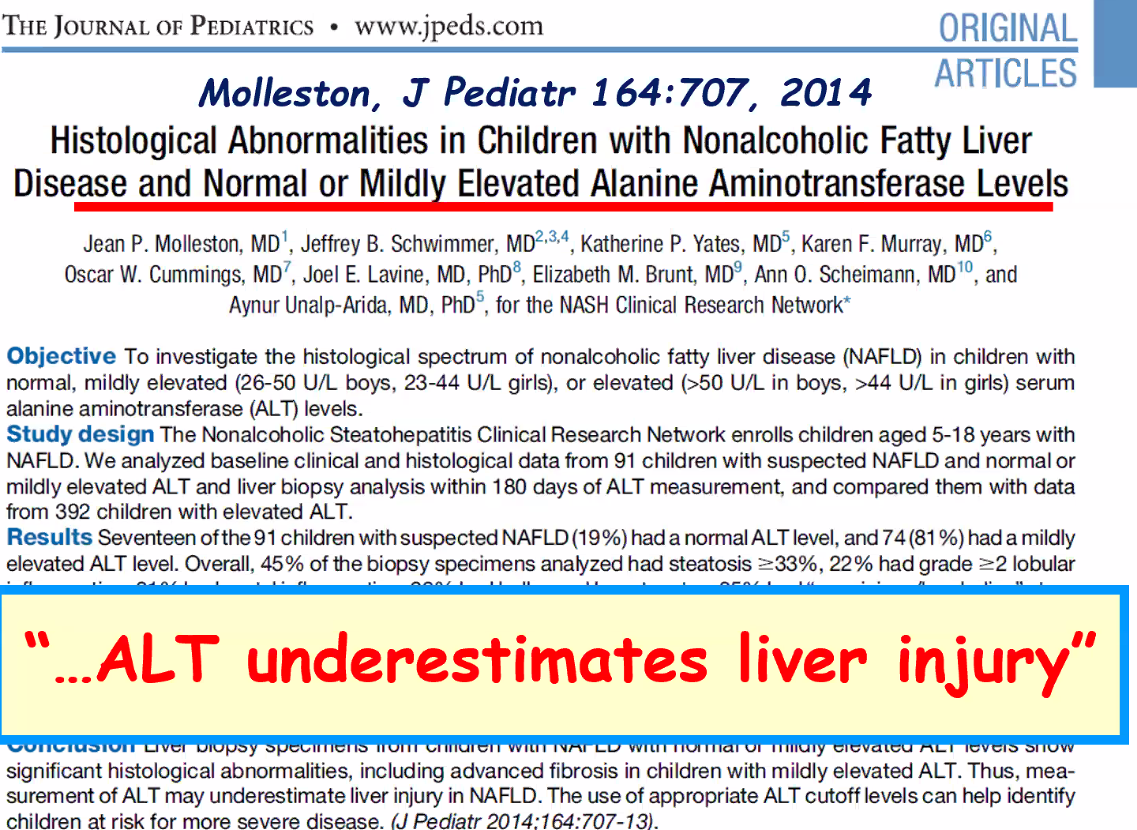
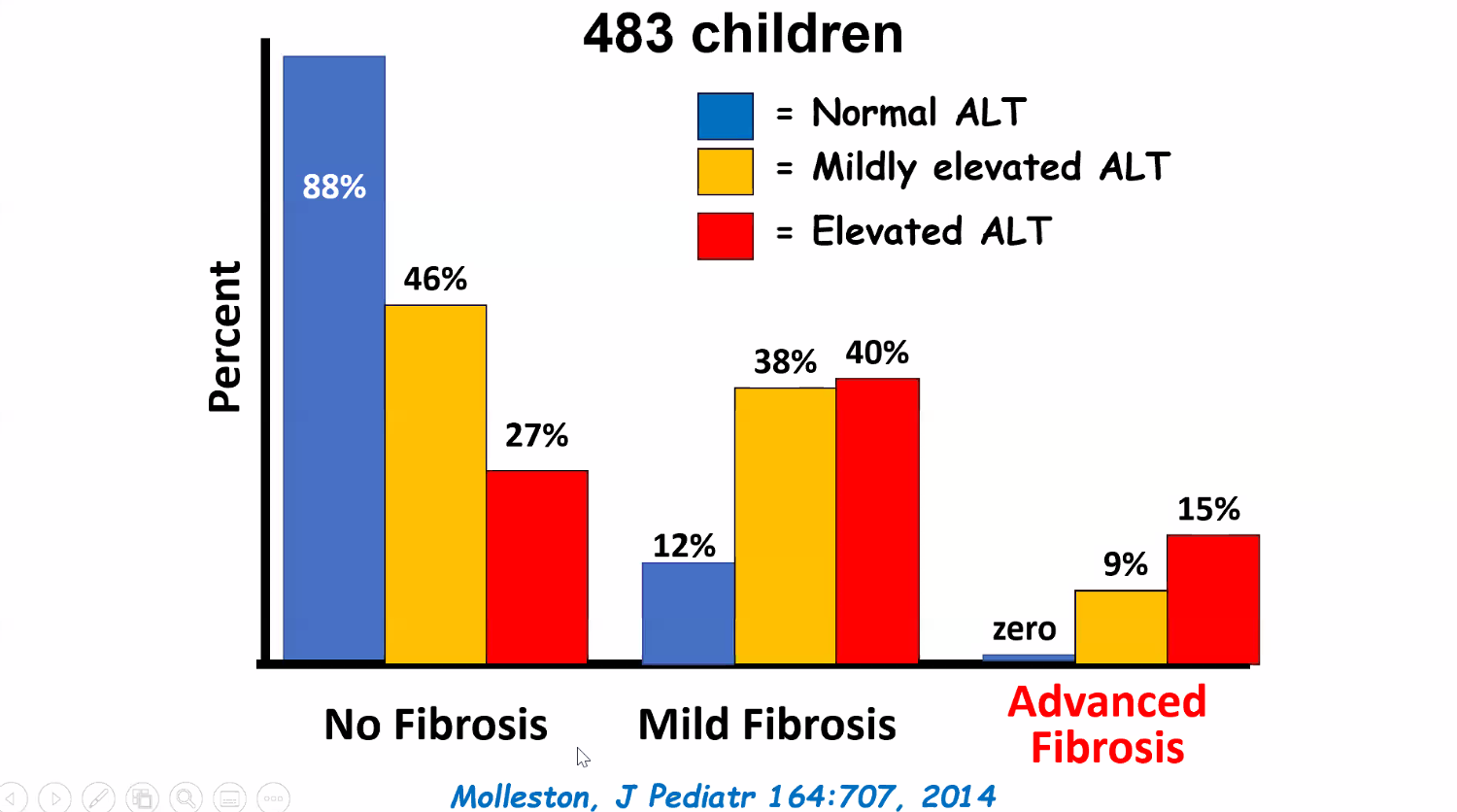
  • However, ALT values tend to underestimate severity of liver disease


Renal Disease Associated With Fatty Liver Disease & Dexamethasone-COVID-19 Data

Looking for and managing hypertension has been an important component of care in children and adults with nonalcoholic fatty liver disease (NAFLD)/metabolic syndrome.  In addition, hypertension is frequently associated with renal impairment.

As such, it is perhaps not surprising that in both adults and children, there is a high rate of renal impairment.   The data in children is much more sparse than in adults.  A recent retrospective pediatric cohort study (T Yodoshi et al. J Pediatr 2020; 222: 127-33) adds more information to this problem.

More background information:

  • Chronic kidney disease is highly prevalent in adults with NAFLD: 20-55% (J Hepatol 2020; 72: 785-801; Am J Kidney Dis 2014; 64: 638-52)
  • NAFLD is currently the leading indication for concurrent liver and kidney transplantation
  • In adults, the severity of NAFLD histology is associated with renal impairment
  • The first stage of renal impairment is glomerular hyperfiltration. This is hypothesized to be a precursor of intraglomerular hypertension which leads to albuminuria and glomerular filtration rate (GFR) decline/progressive renal dysfunction
  • Early intervention in high risk patients with angiotensin receptor inhibitors may prevent or delay progressive renal disease

Key findings in 179 patients with biopsy-confirmed NAFLD:

  • 82% non-Hispanic, median age 14 yrs
  • 36 (20%) had glomerular hyperfiltration and 26 (15%) had low GFR (w/in 3 months of liver biopsy) based on Schwartz equation
  • Hyperfiltration was independently associated with higher NAFLD activity score (aOR 2.96)

Discussion:

  • Mechanism: The authors speculate that “it is possible that they [renal and liver disease] are both the end result of the same ‘hit.’ The renin-angiotensin system may play a key role….Notably, there is an ongoing…clinical trial investigating an ATI receptor blocker, losartan, for the treatment of NAFLD in children.” Other potential contributors include fructose and insulin resistance.
  • Limitations: This single center biopsy-confirmed population may not be representative of most children with NAFLD.  Also, as this was a retrospective study, more precise measures of renal function were not available.

My take: This study confirms a high rate of renal dysfunction (35%) in children with NAFLD. As such:

  • Children with NAFLD need to have their blood pressure monitored
  • Clinicians should have a low threshold for nephrology referral if suspected renal impairment.

NEJM Recovery Collaborative Group: July 17, 2020
DOI: 10.1056/NEJMoa2021436: Full Link: Dexamethasone in Hospitalized Patients with Covid-19 — Preliminary Report

Form NEJM Journal blog:

In the open-label RECOVERY trial, some 2100 U.K. patients hospitalized with COVID-19 were randomized to usual care plus oral or intravenous dexamethasone (6 mg once daily for up to 10 days), and 4300 were randomized to usual care alone.

Among patients on invasive mechanical support at the time of randomization, the mortality rate within 28 days was significantly lower with dexamethasone than with usual care alone (29% vs. 41%). A benefit was also seen among those on oxygen without invasive ventilation (23% vs. 26%). However, among patients not receiving respiratory support, mortality rates did not differ significantly between treatment groups.


Liver Shorts July 2020

KA Strauss et al. Hepatology 2020; 71: 1923-39. Crigler-Najjar Syndrome Type 1: Pathophysiology, Natural History, and Therapeutic Frontier. This chart review  provides long-term data on phototherapy for  CN1 (n=28) over 30 years, bilirubin metabolism, and results from 17 who underwent liver transplantation at a median age of 16 years.  Background: “In 1952, John Crigler and Victor Najjar described 7 infants from 3 families who developed intractable nonhemolytic jaundice within the first week of life.”  Disorder is due to deficiency of uridine 5′-diphosphate glucuronyltransferase (UGT1A1, OMIM 218800). The report’s Table 1 provides management guidelines. 12 (43%) of patients developed cholelithiasis (pigmented stones) which exacerbated hyperbilirubinemia and resulted in cholecystectomy.
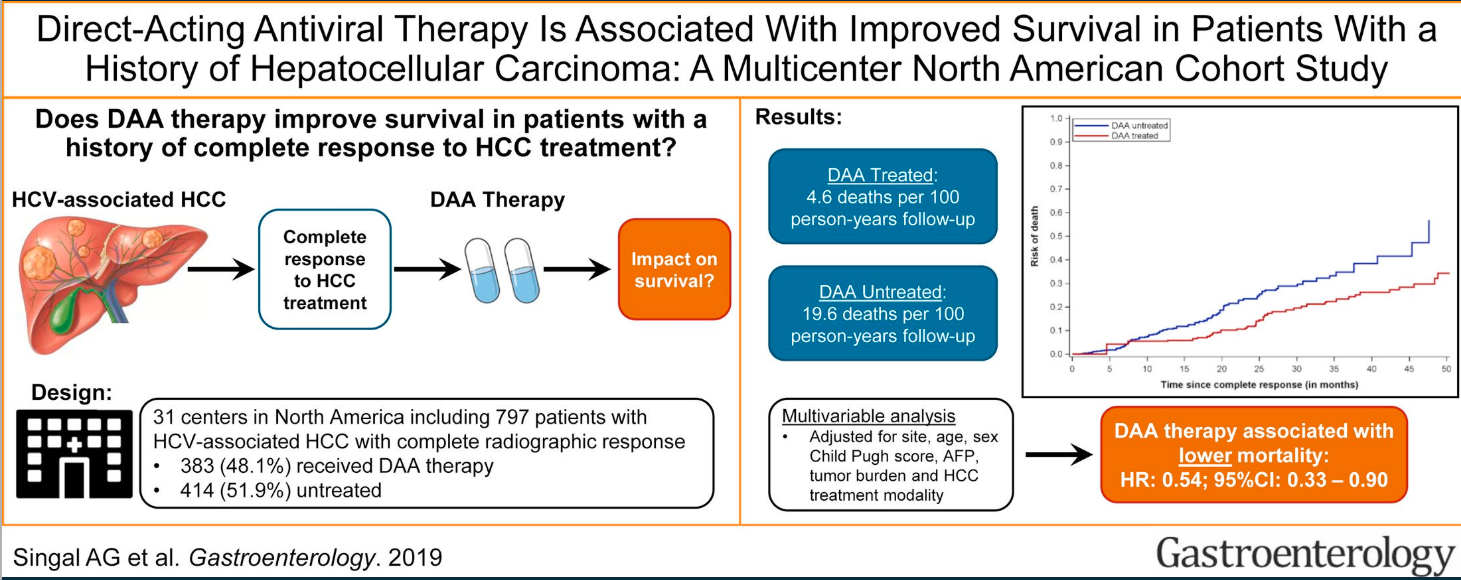
H Dang et al. Hepatology 2020; 71: 1910-22.  This multinational consortium retrospective study reviewed 1676 patients with HCV-related HCC.  They found that in patients who achieved a sustained virological response (SVR) after direct-acting antiviral (DAA) therapy had a significantly higher 5-year survival: 88% vs 66%, P<0.001; after regression analysis, SVR was independently associated with a 63% lower risk of 5-year all-cause mortality.  My take (borrowed from authors) Patients with HCV and HCC who are eligible for HCC therapy should also be considered for DAA therapy.

M Noureddin et al. Hepatology 2020; 71: 1940-52.  This study, a nested case-control analysis, examined a subset from a large prospective cohort of >215,000 adults in Hawaii and California for diet associations with nonalcoholic fatty liver disease (NAFLD); the subset consisted of 2974 patients with NAFLD and 29,474 matched controls.  Key findings: Red meat, processed read meat, poultry and cholesterol consumption were positively associated with NAFLD while dietary fiber was inversely associated with risk. My take: While sugar/fructose intake has been a dietary concern for NALFD, this study indicates that decreasing meat/cholesterol consumption and increasing fiber consumption would be beneficial to reduce risk of NALFD and advanced liver disease.

ACG Review (Zobair Younassi, MD): NAFLD and NASH

For PDF copy of slides: NAFLD and NASH

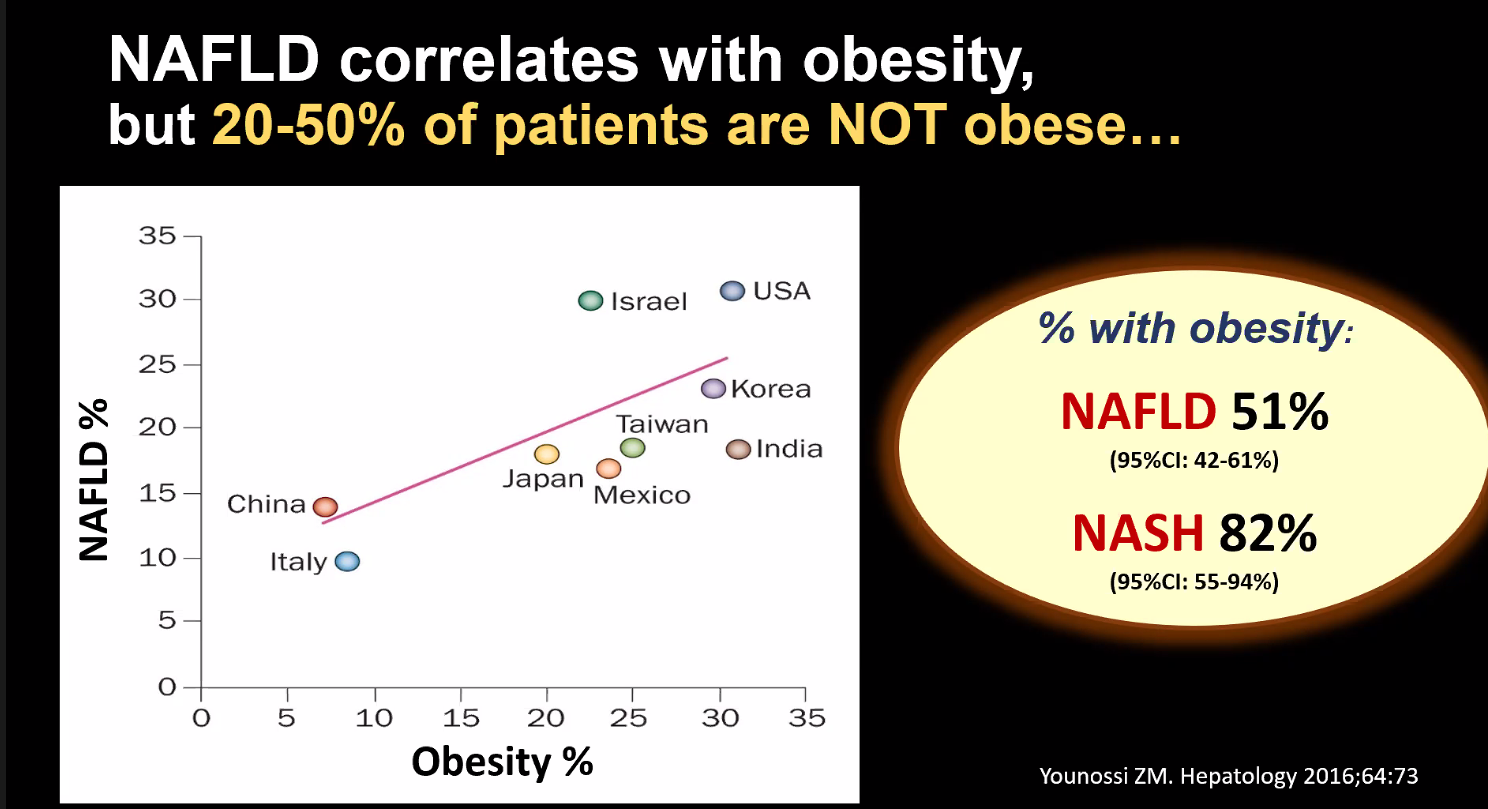
Dr. Zobair Younassi gave a recent virtual grand rounds –here are some of the slides:

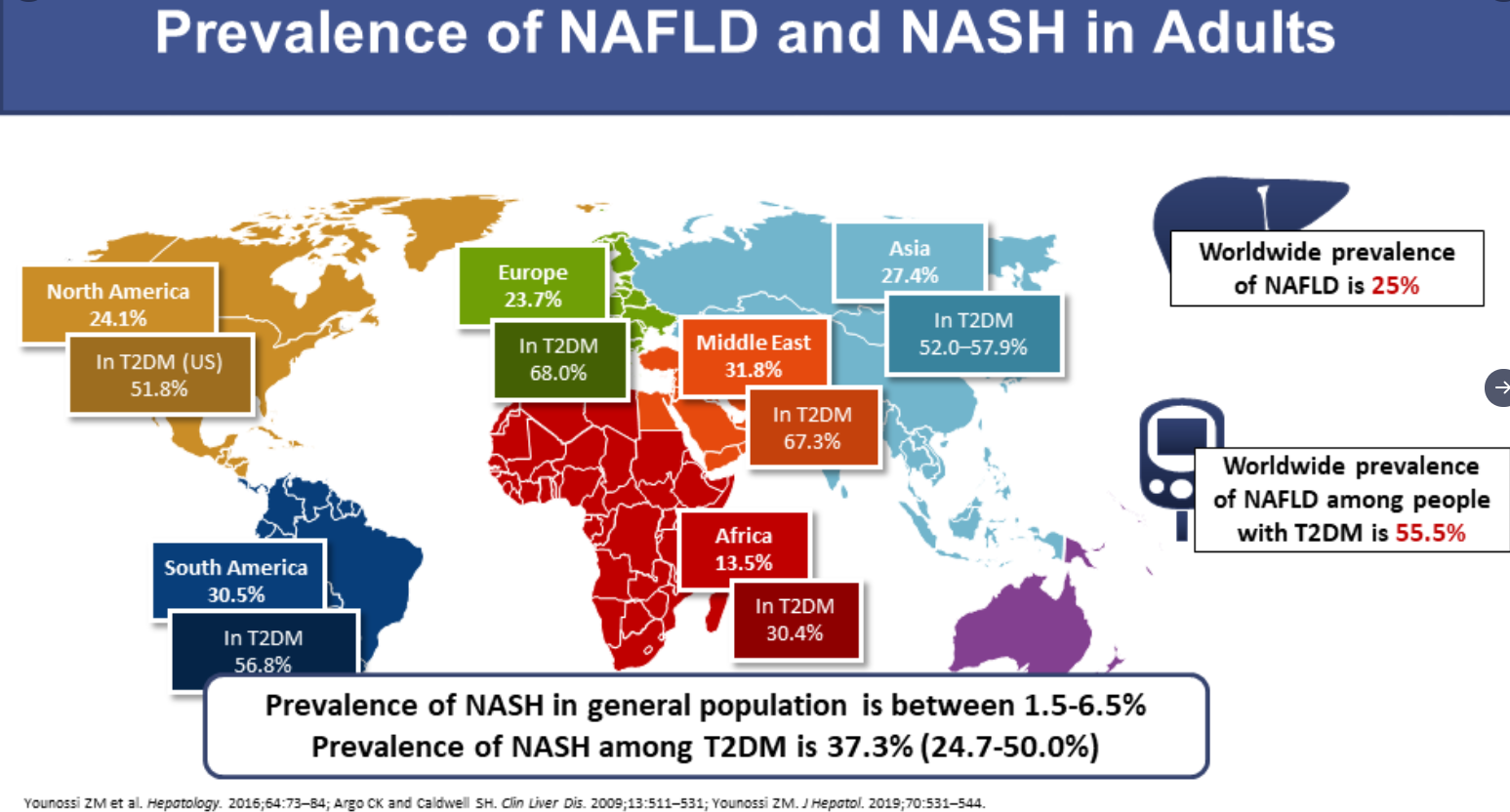
Epidemiology:

Natural History:

  • Progression of disease is not linear
  • Fatty liver disease is a multisystem disorder.  Cardiovascular disease is leading cause of death in patients with fatty liver disease
  • Fatigue (~50%) is common with fatty liver disease

Main treatment:

  • Weight loss -Mediterranean diet may be helpful
  • Exercise
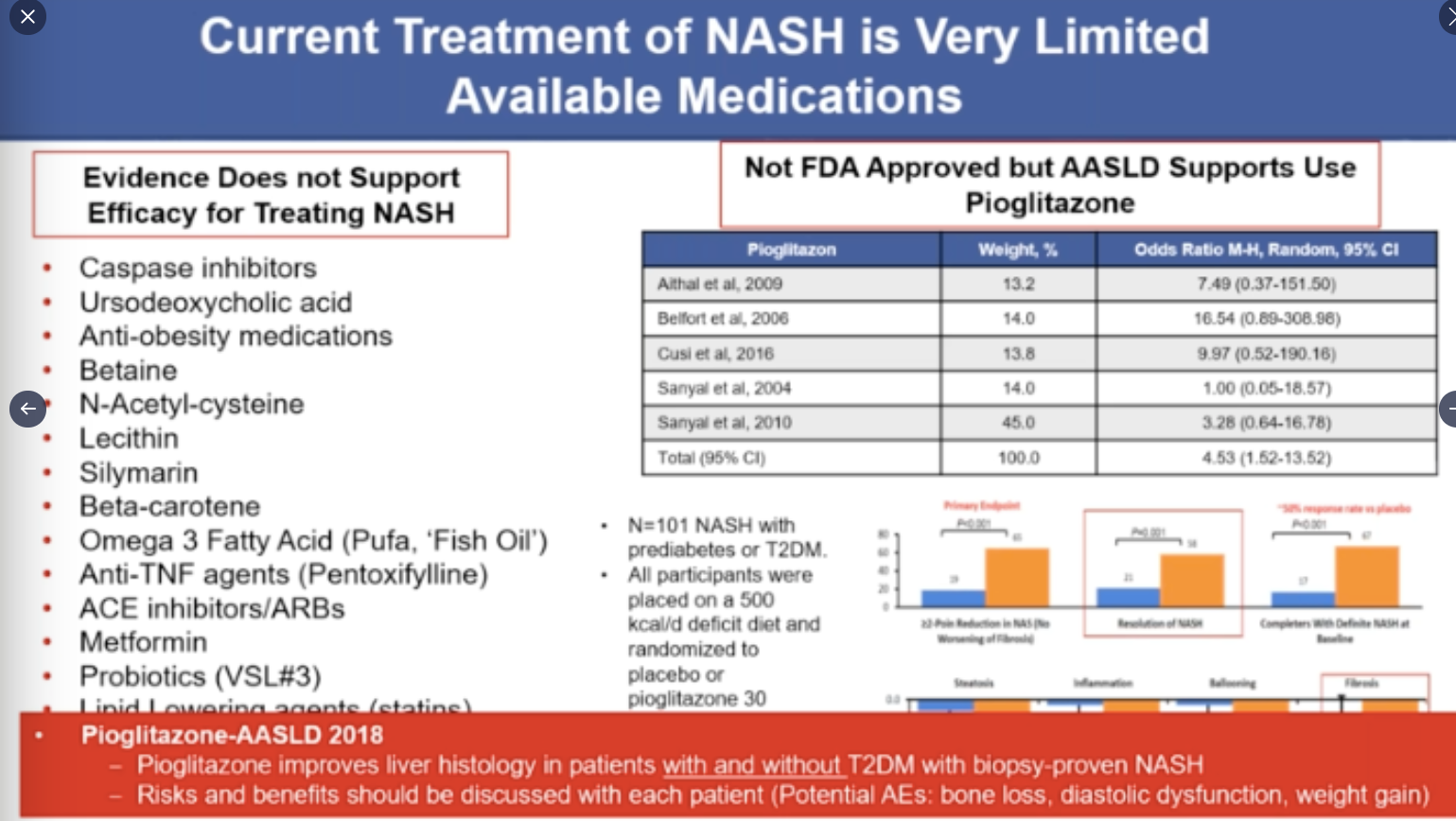
  • No FDA-approved treatments, though pioglitizone supported by AASLD for biopsy-proven NASH
  • Public health interventions are needed

Liver Shorts -February 2020

Caution with hemoglobin A1c interpretation: MM Kelsey et al. J Pediatr 2020; 216: 232-5. In the HEALTHY Study (n=8814), the authors note that a hemoglobin A1c was ≥5.7% in 2% of normal weight youth.  “This suggests need for cautious interpretation of prediabetes hemoglobin A1cs in youth”

Daily aspirin for NAFLD: TG Simon et al. Clin Gastroenterol Hepatol 2019; 17: 2776-84.  In this prospective cohort of 361 adults with biopsy-proven NAFLD, the use of daily aspirin (in 151) was associated with lower odds of NASH (aOR.68) and reduced risk of  fibrosis (aOR 0.54).  “The greatest benefit found with at least 4 years or more of aspirin use” (aHR =0.50).  The associated editorial (pages 2651-3) recommends controlled studies to determine if potential benefits outweigh the known risks (eg. bleeding).

Glecaprevir/pibrentasvir for HCV Treatment Failure:  AS Lok et al. Gastroenterol 2019; 157: 1506-17.  This randomized study with 177 patients showed that 16 weeks of glecaprevir and pibrentasvir was effective in retreatment of patients with genotype 1 hepatitis C viral infection (after prior failure with sofosbuvir plus an NS5A inhibitor).  The sustained virologic response 12 weeks after treatment was >90%.

Liver transplantation for Niemann-Pick Disease, type B:  YLY Luo et al. Liver Transplantation 2019; 25: 1233-40. This report analyzed 7 children receiving liver transplantation for Niemann-Pick disease, type B.  The authors report survival in the entire cohort and with normalized liver function within 3 weeks.  In addition, they noted improvement in psychomotor ability ( 10 months after transplantation) and resolution of insterstitial lung disease.  They state that developmental delay still existed in 4 patients during follow-up.  The editorial (1140-1) notes that these findings need to be confirmed but open a new window in improving the phenotype.  “A similar experience occurred with LT in maple syrup urine disease (MSUD), in which the liver is considered to host only 12-15% of the defective  enzyme responsible for the disease…in MSUD, liver replacement is able to counteract 85% of extrahepatic expression of the disease and to completely correct the phenotype.”

Increased Abdominal-Surgery Risk in Patients with Idiopathic Noncirrhotic Portal Hypertension: L Elkrief et al. Hepatology 2019; 70: 911-24. Among 44 patients (median age 44 years) with noncirrhoitic portal hypertension, 16 (33%) had one or more portal hypertension-related complication within 3 months after surgery.  4 (9%) died within 6 months.  “An unfavorable outcome (i.e. either liver or surgical complication or death) occurred in 22 (50%) patients” and was more likely in those with ascites, creatinine >100 micromol/L, or other extrahepatic complications related to portal hypertension.

One of my blog readers shared this image of “Liver Shorts” that can be purchased online

Bad Fatty Liver Disease Can Get Worse Quickly

A recent study (AJ Sanyal et al. Hepatology 2019; 70: 1913-27) used prospectively collected data from two large randomized, placebo-controlled phase 2b studies of simtuzumab in patients with either bridging fibrosis (n=217) or compensated cirrhosis (n=258) due to nonalcoholic fatty liver disease (NAFLD). The age range of participants were 48-61 years with median ages of 55 years and 57 years for the two cohorts.  All patients had liver biopsies at screening and at weeks 48 and 96.

Key findings:

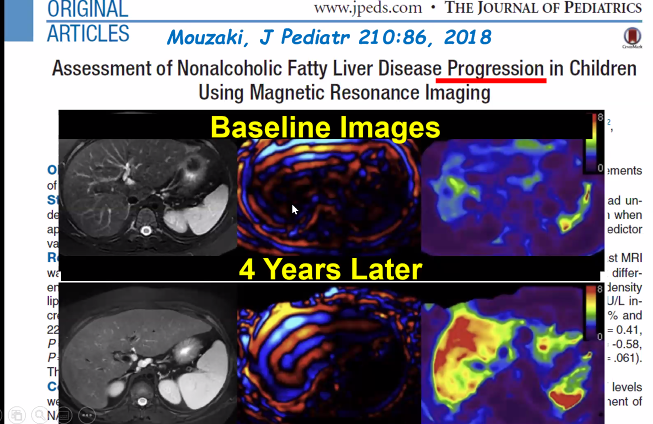
  • Progression to cirrhosis occurred in 22% (48/217) of patients with bridging fibrosis (F3) over a median of 29 months
  • Liver-related adverse clinical events (eg. ascites, variceal bleeding, encephalopathy, MELD score ≥15, liver transplantation or death) occurred in 19% (50/258) with compensated cirrhosis over a median of 29 months. Only 1 patient in this cohort died.
  • Higher  baseline hepatic fibrosis or serum markers of fibrosis were associated with disease progression in patients with F3 disease

My take: Among those with advanced liver disease, this study indicates that disease progression/deterioration is rather rapid in about 20%.

Related blog posts:

 P’tit Train du Nord Linear Park (near Montreal) -124 Miles

NY Times: Easy Slopes, Please: Biking the Mountains of Quebec