ASPEN website: 2021 Parenteral Nutrition Multivitamin Product Shortage Considerations

Related Blog Posts:

ASPEN website: 2021 Parenteral Nutrition Multivitamin Product Shortage Considerations
Related Blog Posts:
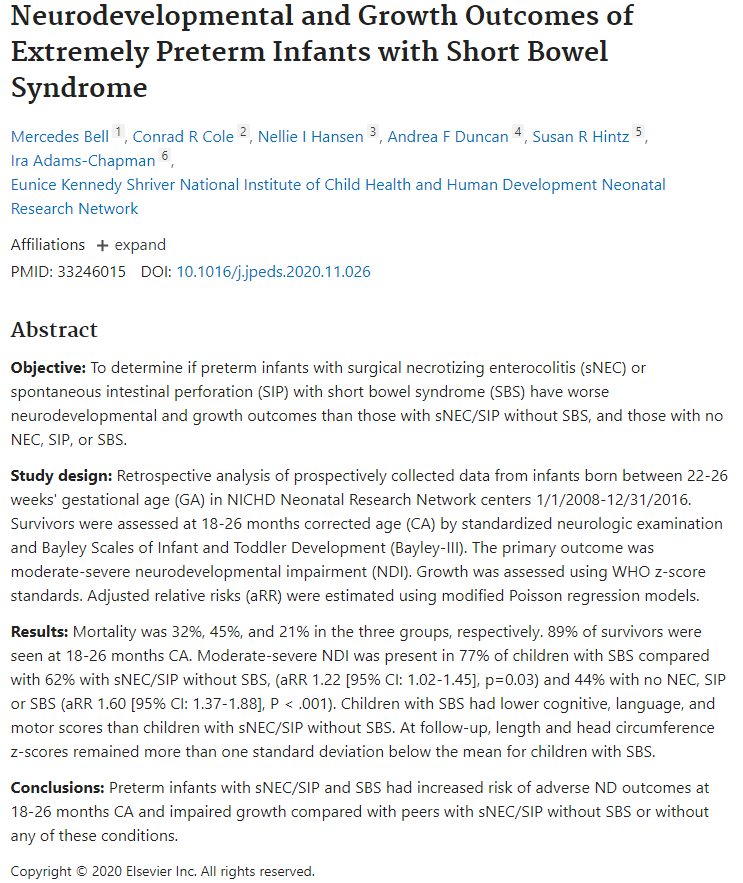
Link to article (paywall)/abstract: Neurodevelopmental and Growth Outcomes of Extremely Preterm Infants with Short Bowel Syndrome
Key finding from study:
One of the authors, Ira Adams-Chapman, recently passed away (link to obituary: Ira Adams-Chapman, 1965-2020). She and I were residents together in Cincinnati. She was a terrific person.
E Ramos Boluda et al. JPGN 2020; 71: 734-739. Experience With Teduglutide in Pediatric Short Bowel Syndrome: First Real-life Data
S Hill. JPGN 2020; 71: 697-698 (editorial) Use of GLP-2 May Herald a New Era of Improved Outcome of Short Bowel Syndrome-associated Intestinal Failure
The study and associated editorial highlight the effectiveness of GLP-2 in a prospective cohort of 17 patients with short bowel syndrome. It is noted that Dr. Hill has received funding from the pharmaceutical manufacturer of the product.
Key findings:
Both the editorial and the study comment briefly on the cost of the therapy. The editorial also notes the current recommendation for surveillance endoscopy in view of a hypothetical risk of malignancy.
My take: Is GLP2 Worth the Cost? It probably depends on who is paying and long-term safety data. Perhaps, we will develop tools to improve prediction of which patients will achieve enteral autonomy with GLP2 who would otherwise require ongoing parenteral nutrition.
Related blog posts:

One useful resource for NASPGHAN members (NASPGHAN Nutrition Pearls) has been the short monthly nutrition pearl videos (about 10 of them so far). Here are some pointers from the most recent of these.
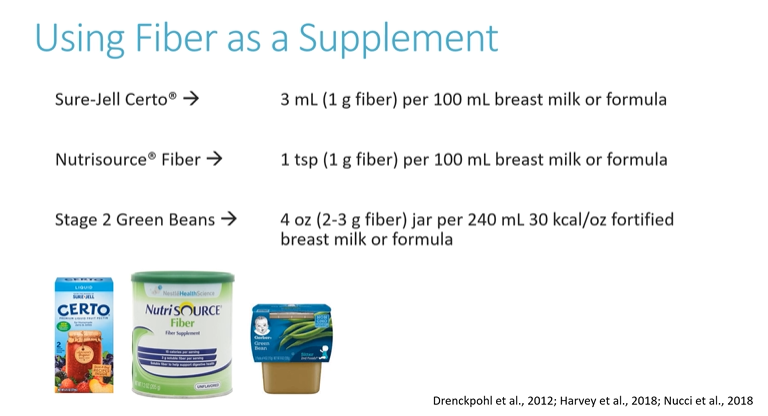
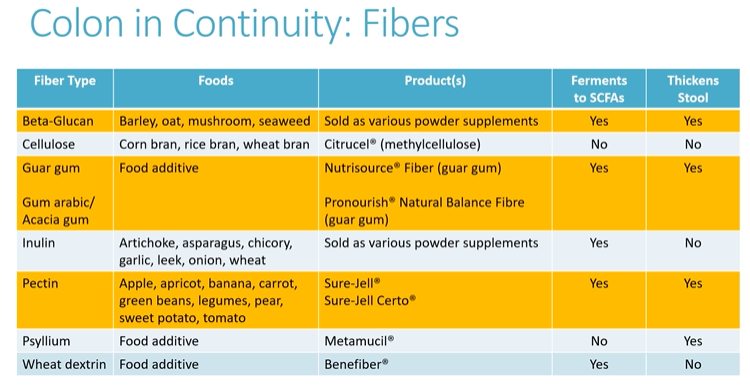
In October: Fiber for Short Bowel Syndrome –Beneficial for those with a colon in continuity:
In September: Growth in Cystic Fibrosis


Related blog posts for Short Bowel Syndrome:
Related blog posts for Cystic Fibrosis:
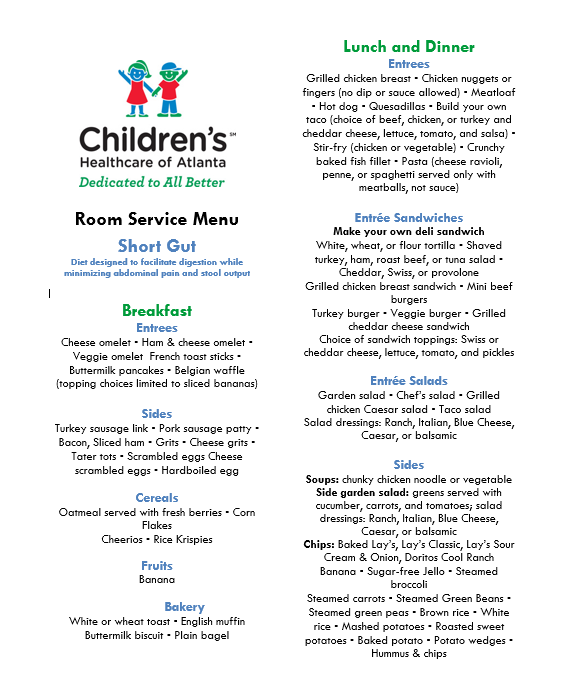
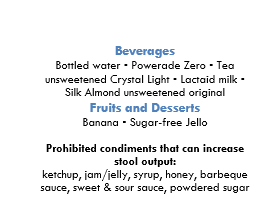
Recently Kipp Ellsworth, with input from members of the nutritional team, developed our first institutional Short Gut Diet.
Per Kipp, this diet is “designed to facilitate digestion while minimizing abdominal pain and ostomy/stool output in our inpatients with truncated intestinal anatomy. Previously, clinicians ordered a regular diet for our short gut patients, with parents and nurses providing oversight of the ordering process based on their knowledge of short gut diet precepts. Obviously this non-standardized approach resulted in significant noncompliance, another onerous daily task for nursing, and a failure of inpatient short gut diet principles reinforcement. I anticipate the new diet serving as an omnipresent education tool, reinforcing short gut diet precepts for patients and parents during their inpatient stays.”
Related blog posts:
A recent study (AKN Pedersen et al. JPEN https://doi.org/10.1002/jpen.1593) shows the utility of obtaining urine spot sodiums in patients with an ileostomy. Thanks to Kipp Ellsworth for sharing this reference.
Background: Sodium deficiency in patients with an ileostomy is associated with chronic dehydration and may be difficult to detect. We aimed to investigate if the sodium concentration in a single spot urine sample may be used as a proxy for 24‐hour urine sodium excretion.
Design: In this prospective, observational study, we included 16 adult individuals: 8 stable patients with an ileostomy and 8 healthy volunteers with intact intestines
Key finding:
My take: In patients with ileostomy (and also short bowel syndrome), periodic urine sodium values (from morning or mid-day) will help detect subclinical sodium depletion.
Related blog posts:


Atlanta Botanical Gardens


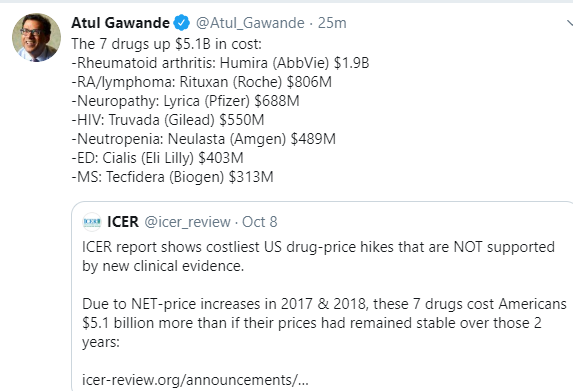
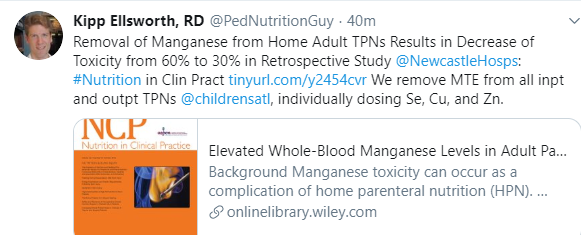


AC Fifi et al JPEN; https://doi.org/10.1002/jpen.1701
This retrospective study with 246 encounters identified the rate of bloodstream infections (BSI) in children with short bowel syndrome (SBS).
Key findings:
My take: This study supports the practice of using broad‐spectrum antibiotics in children with SBS and fever.
Related blog posts:

Atlanta Botanical Garden

Our Spooky Pumpkin
Here are some notes and a few slides from NASPGHAN’s plenary session. There could be errors of transcription in my notes.
Benjamin Gold, NASPGHAN president and part of our GI group, GI Care For Kids, welcomed everyone to the meeting.
Link to NASPGHAN_Annual_Meeting_Program 2019
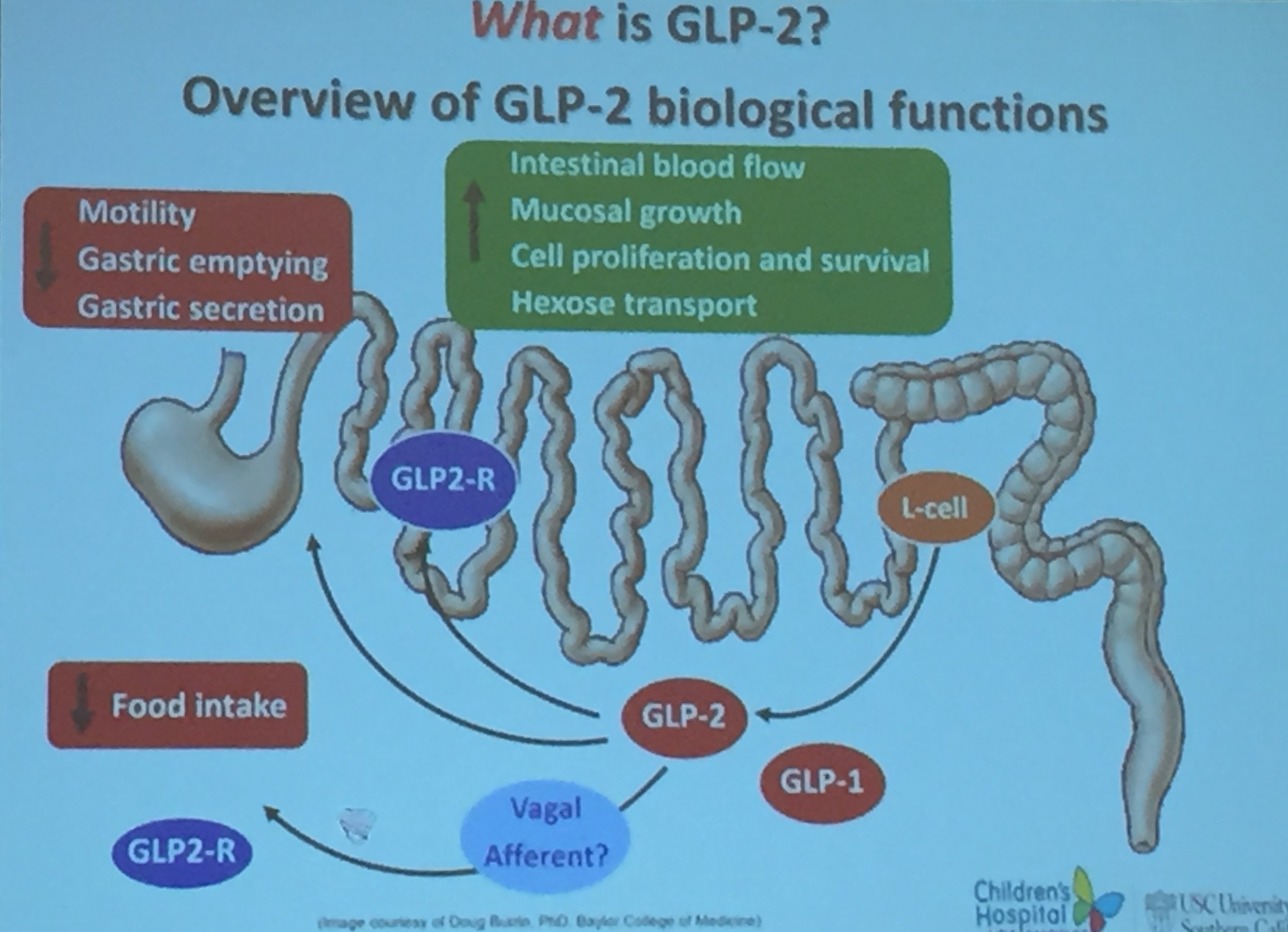
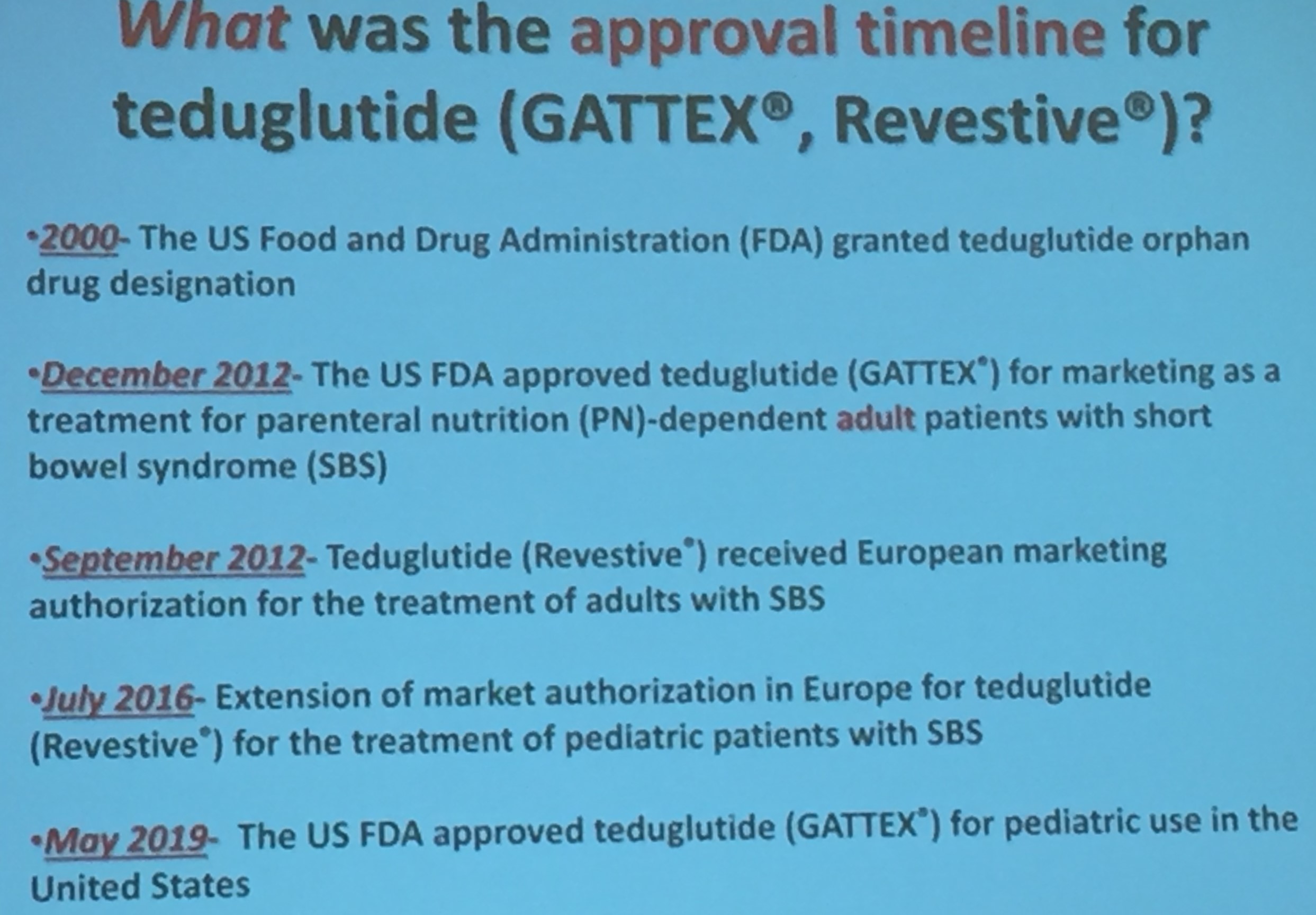
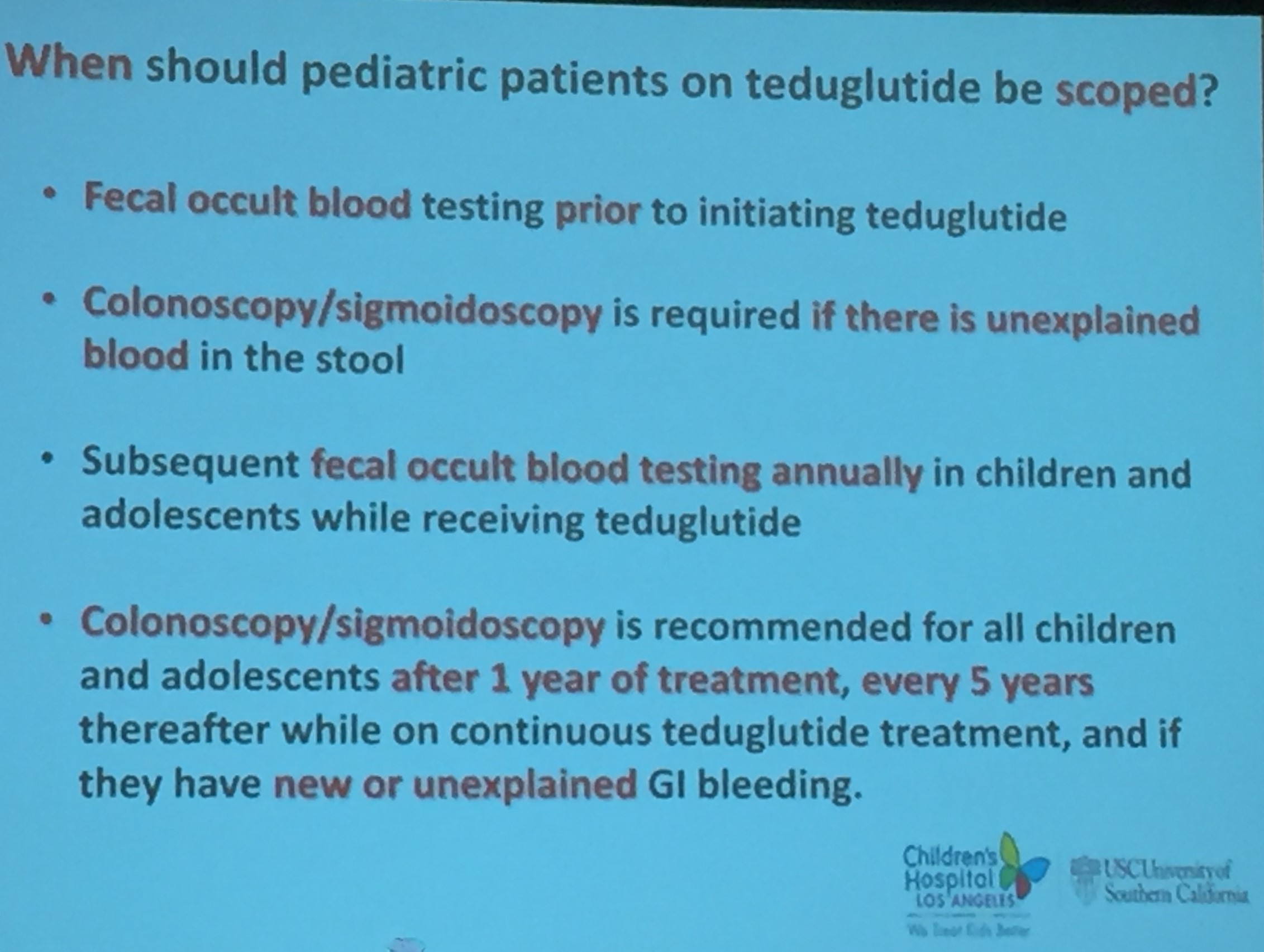
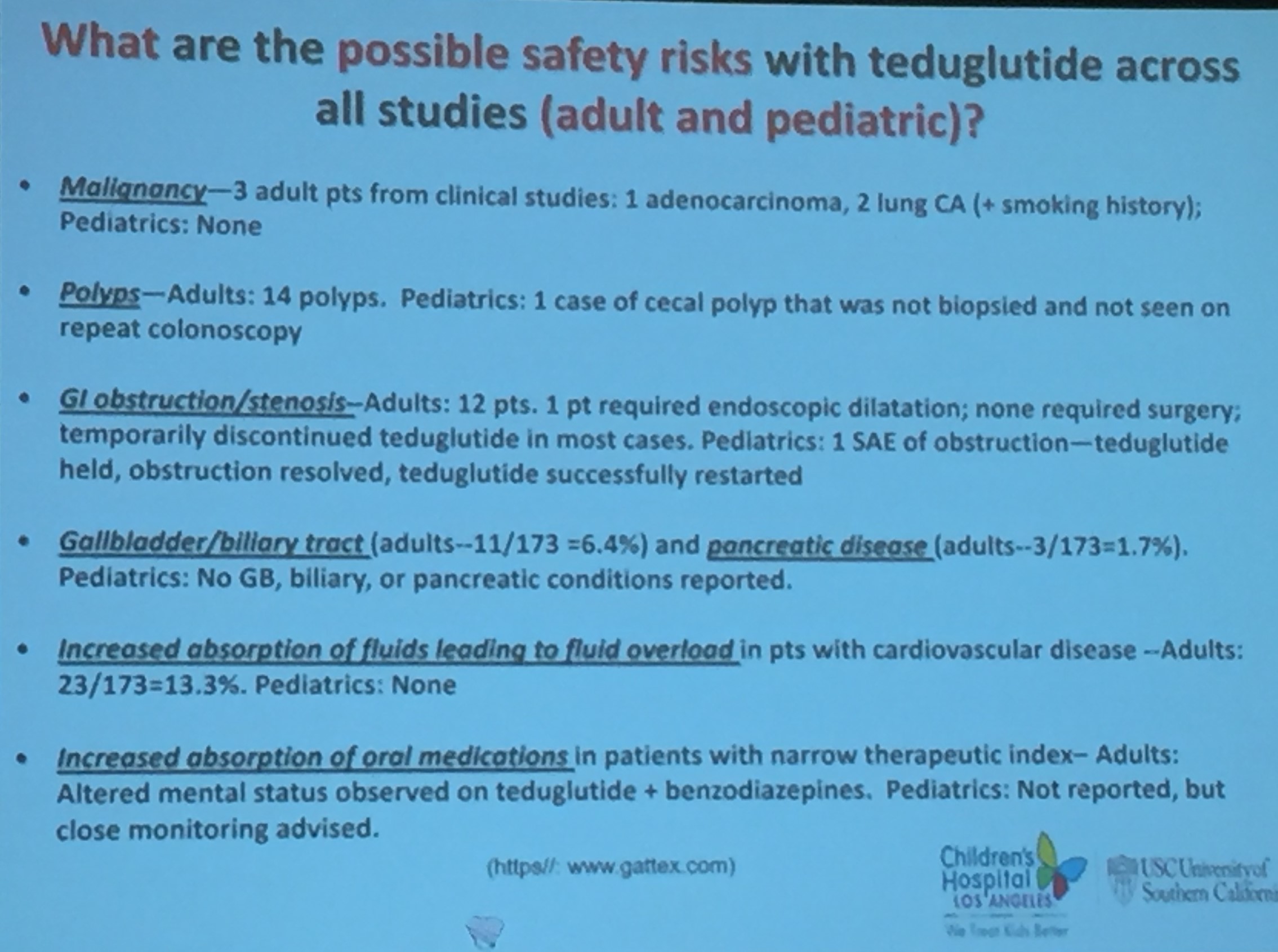
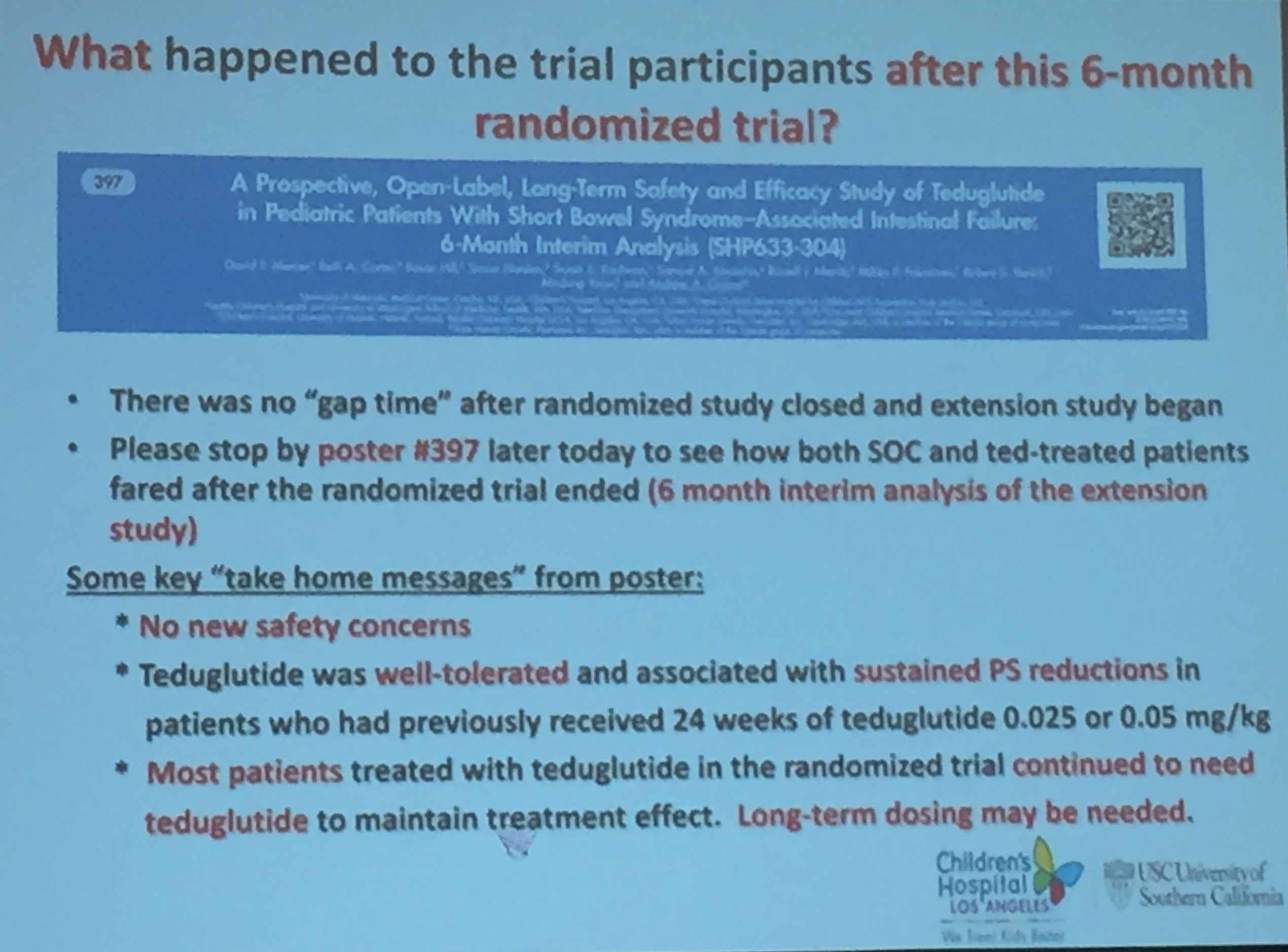
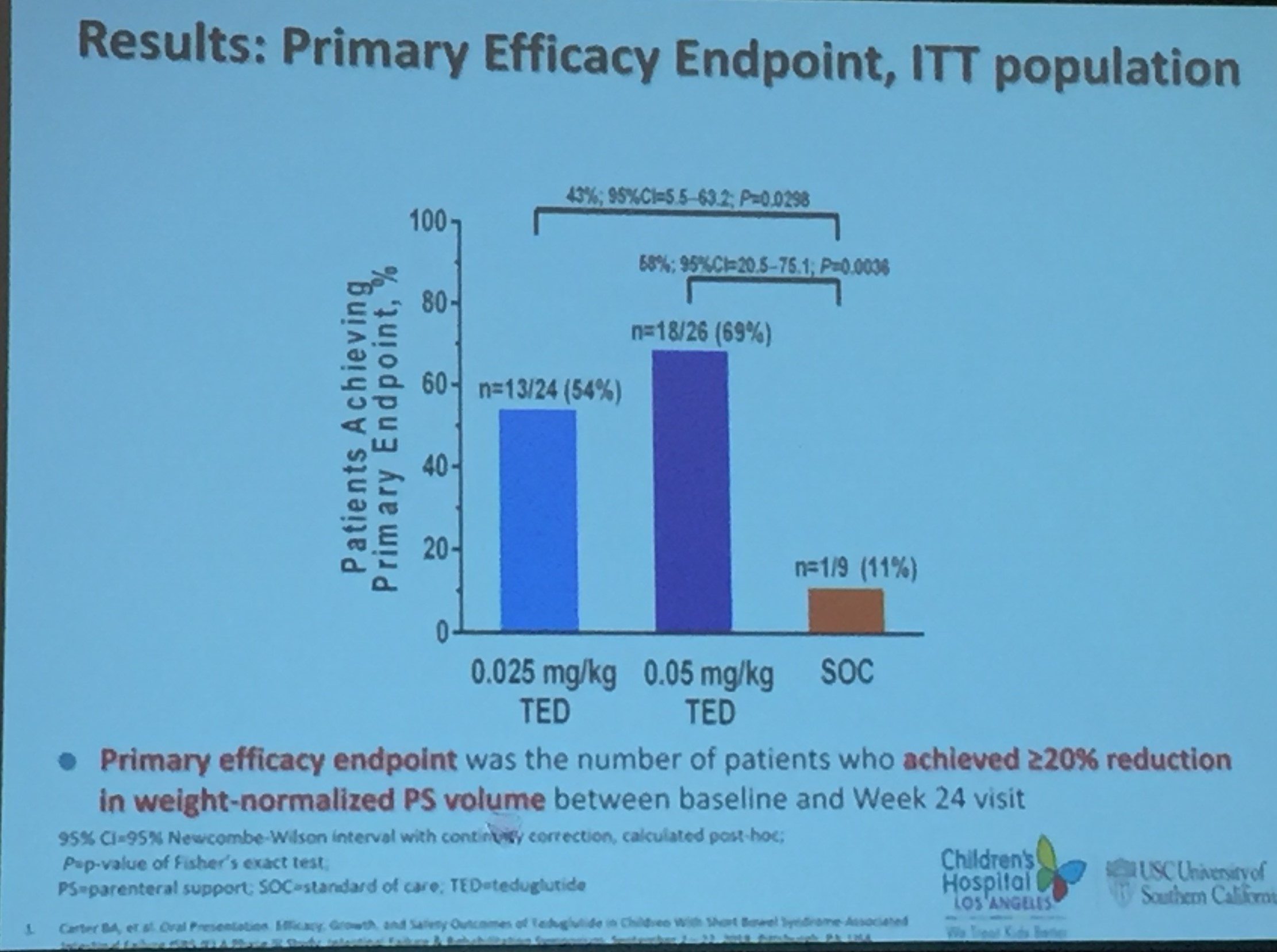
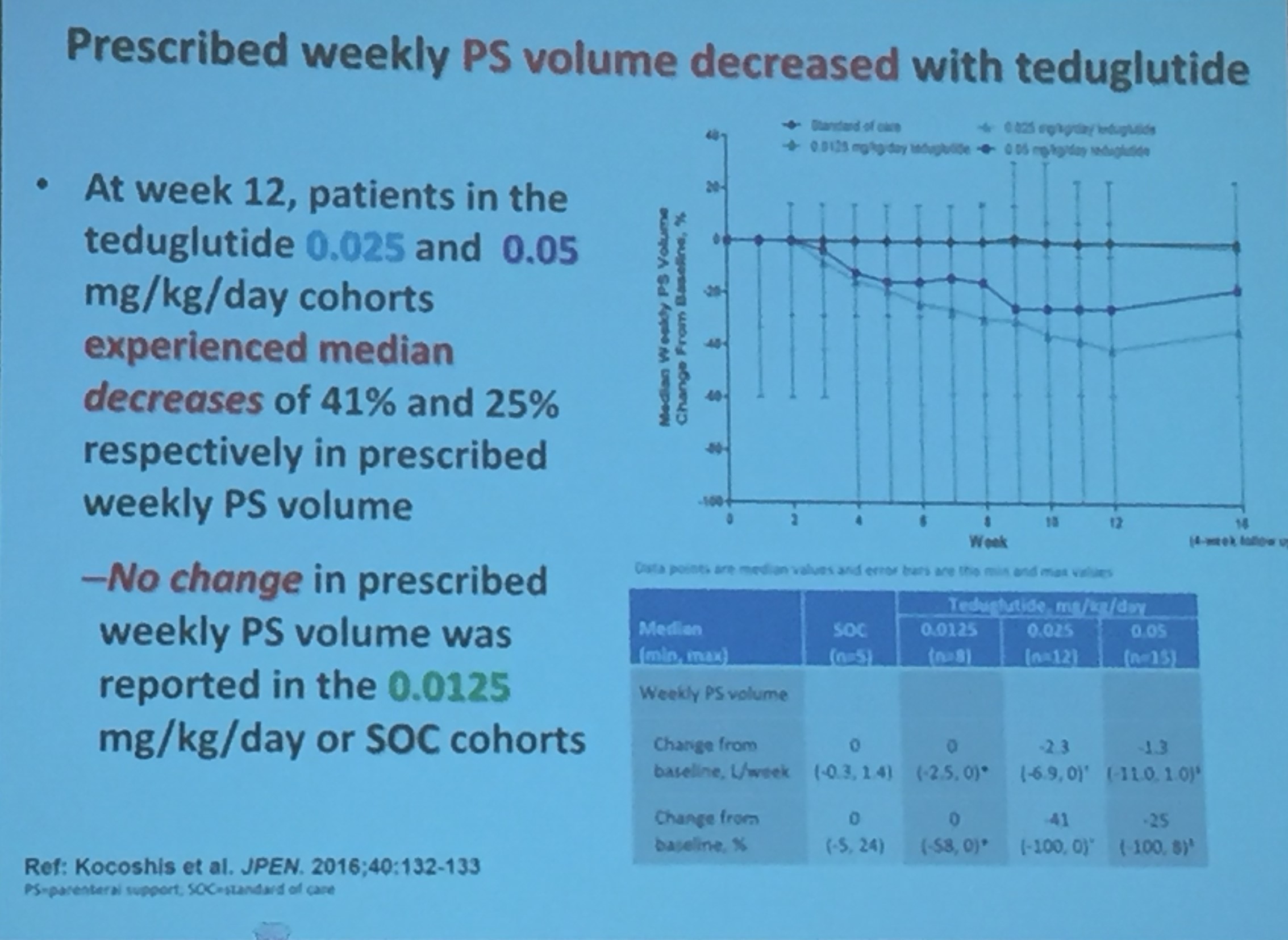
Beth Carter Trophic Growth Factors: A Practical View
Key Points:






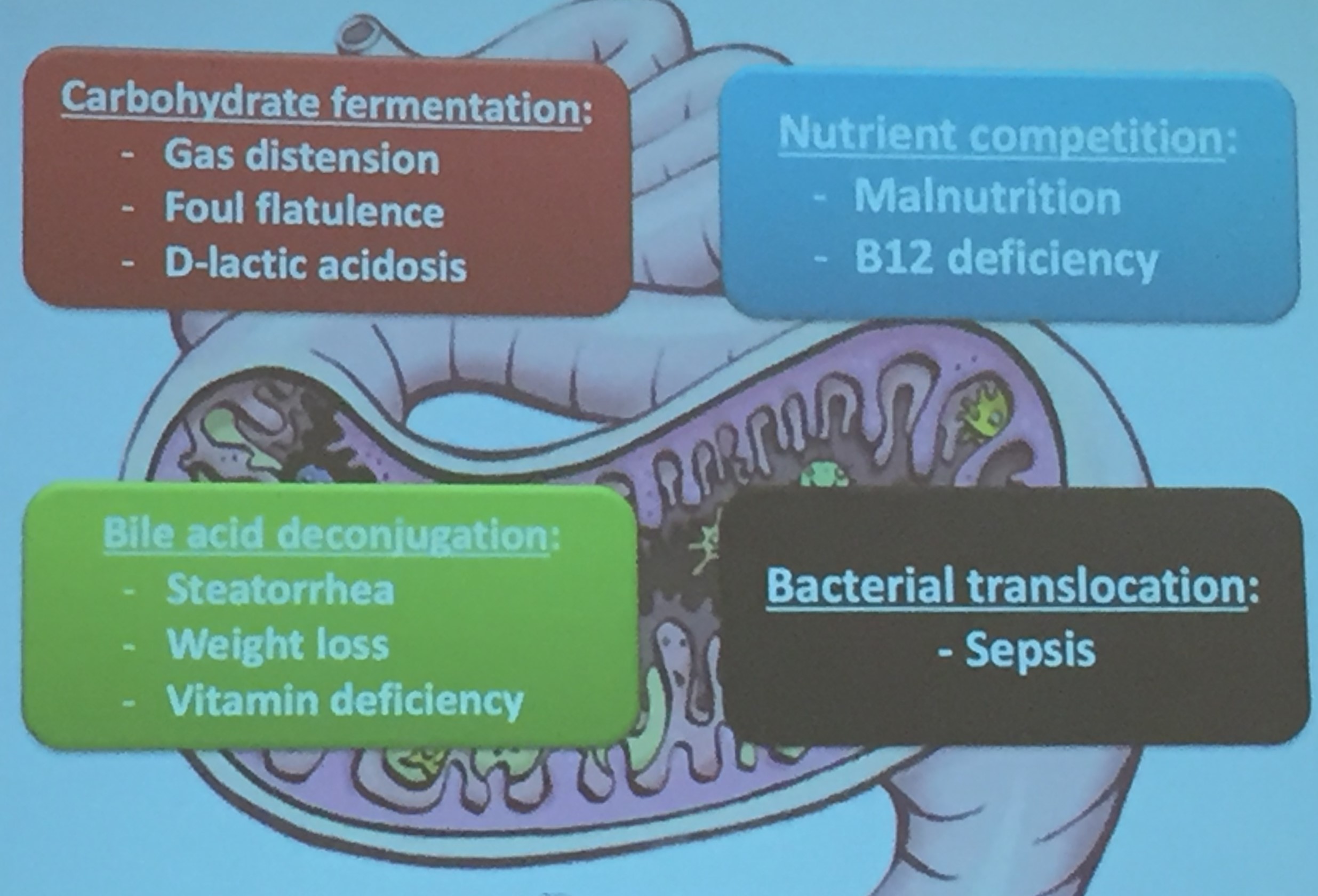
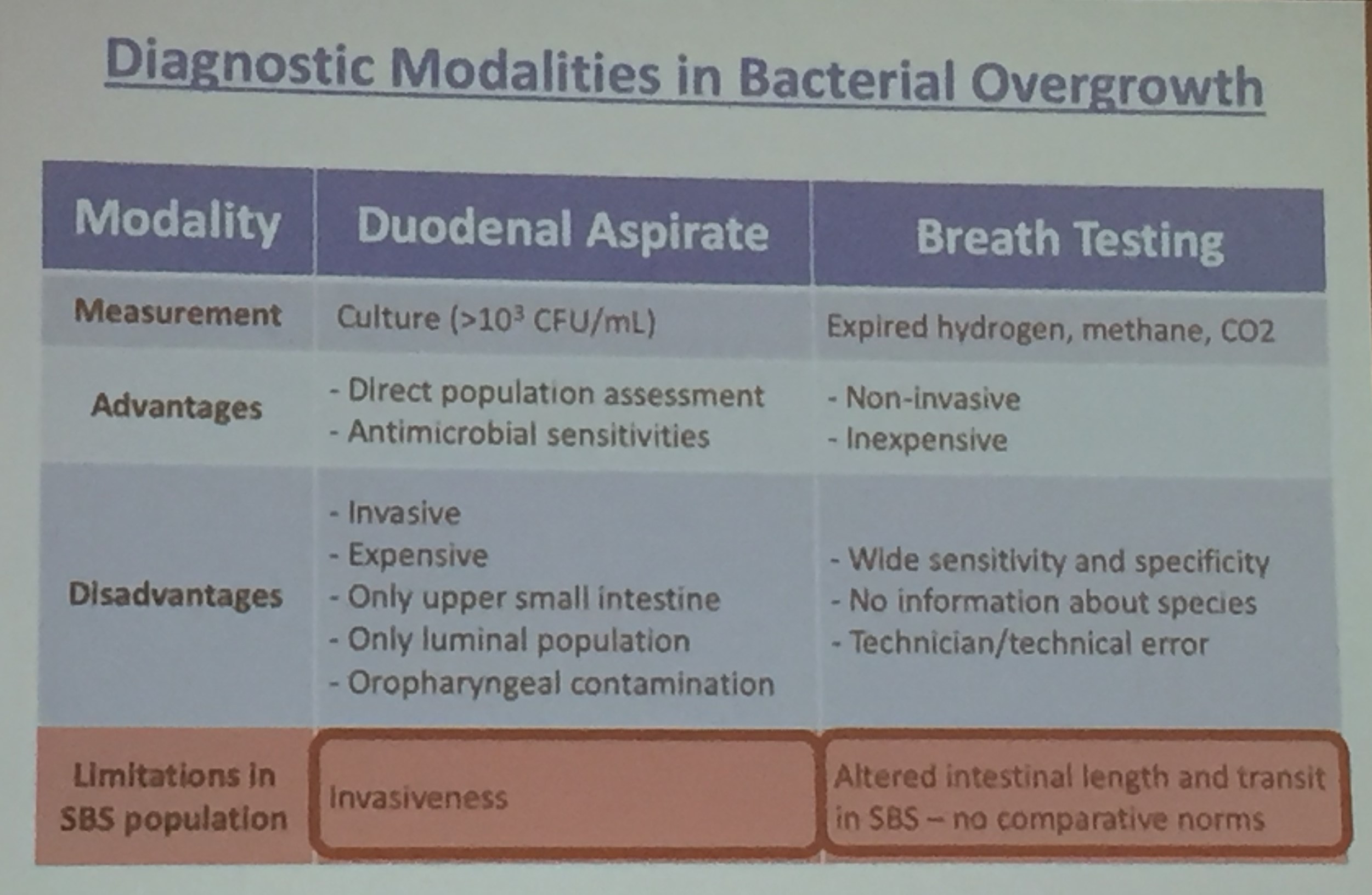
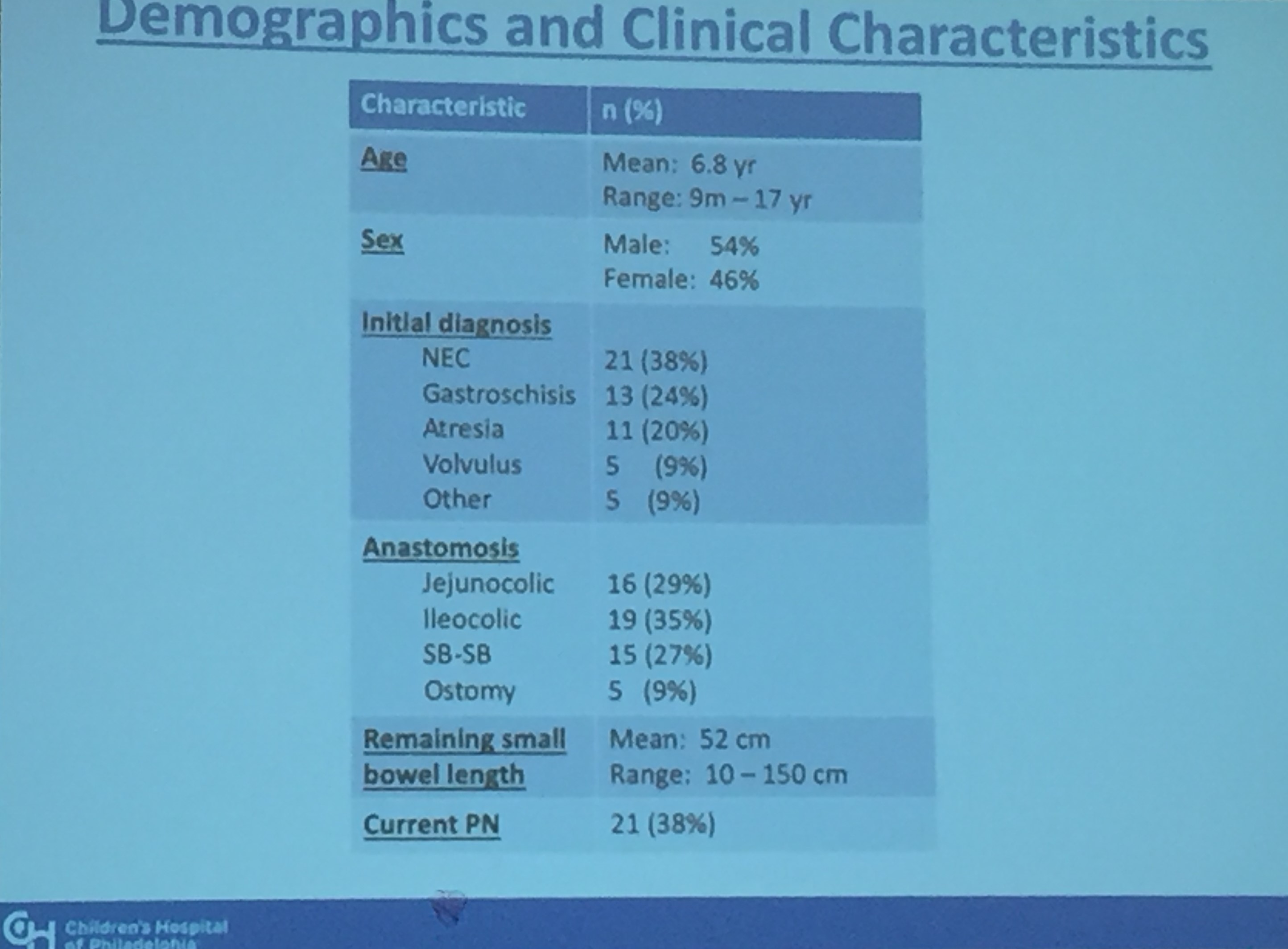
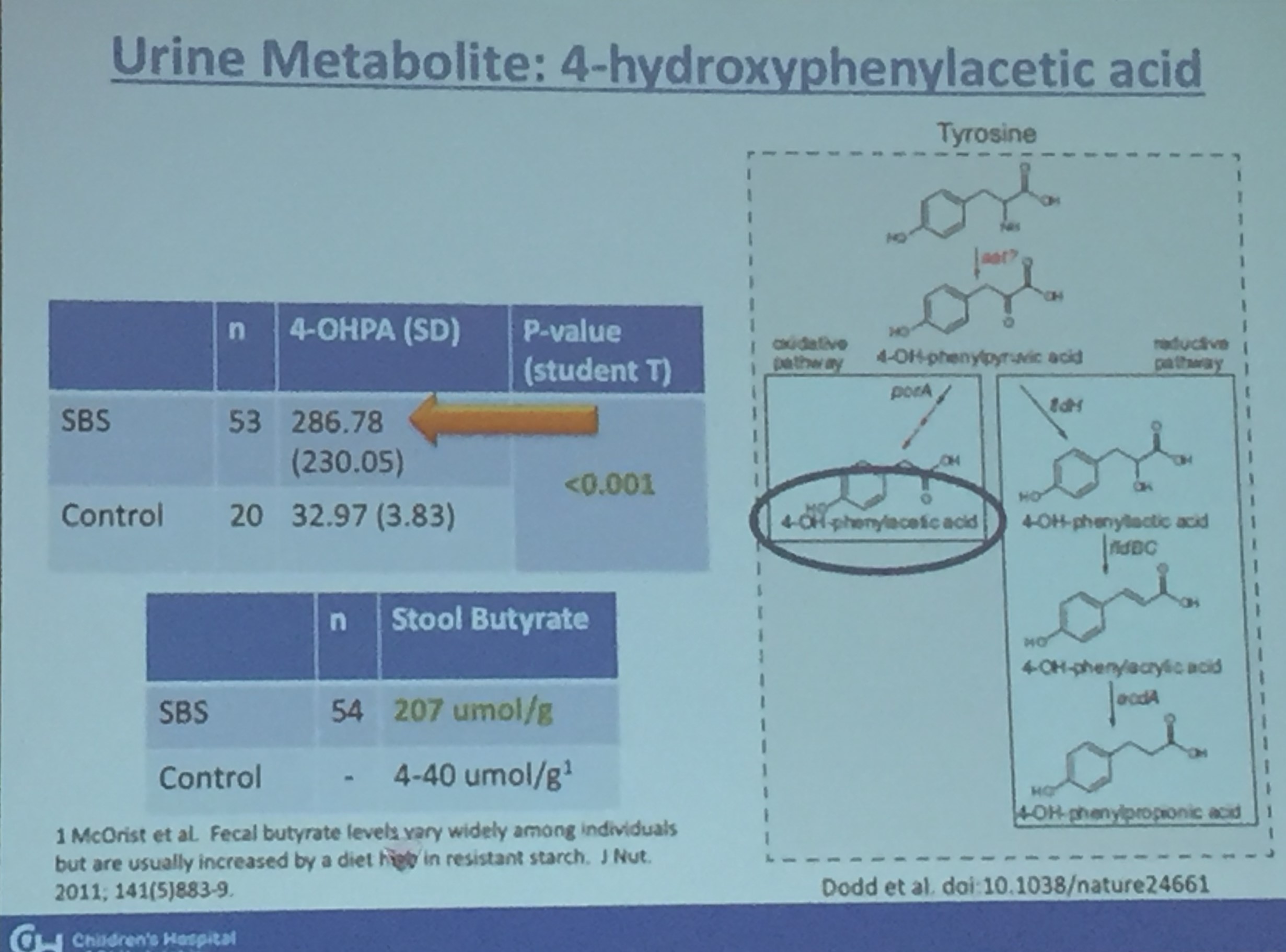
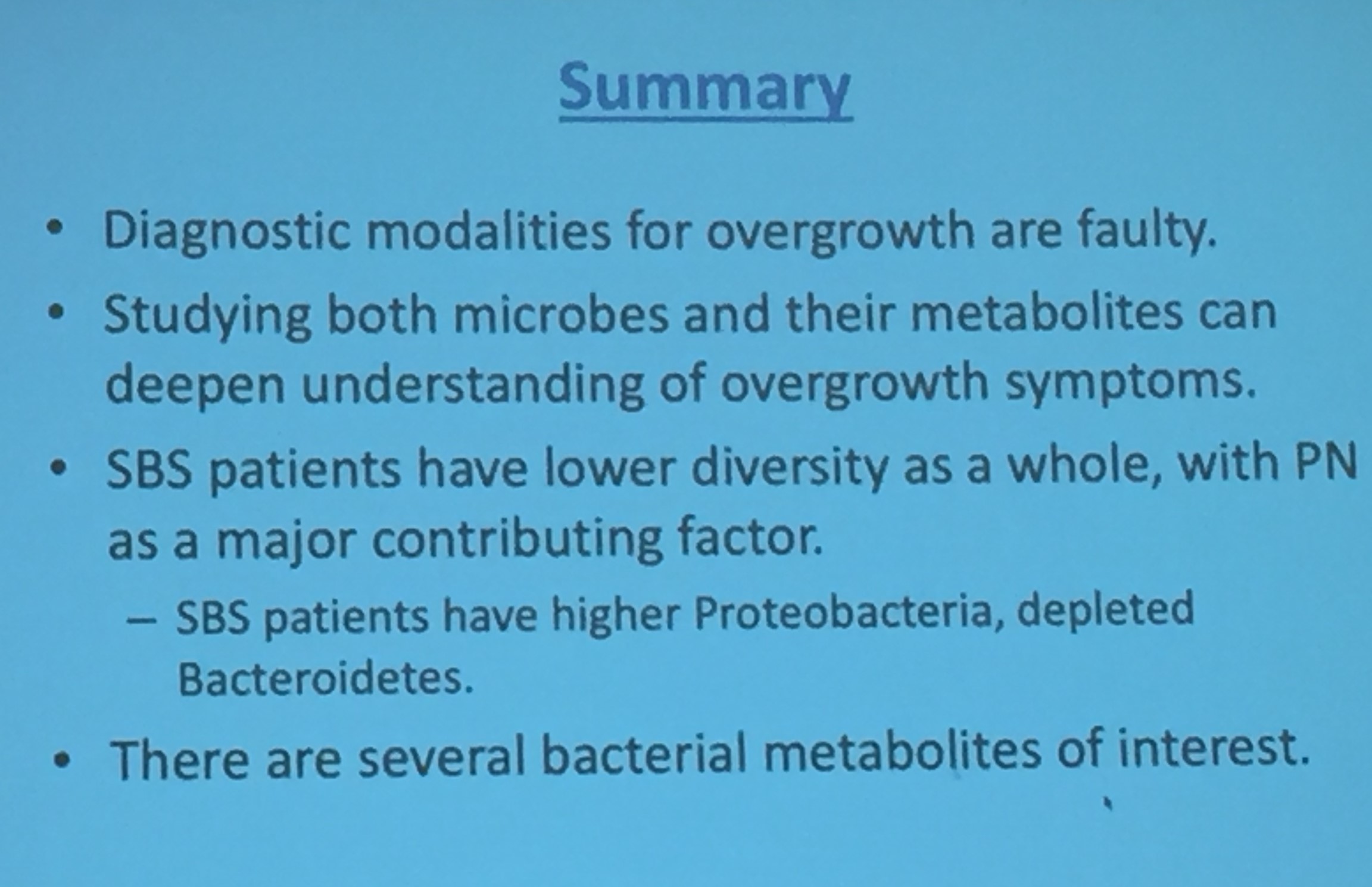
Arthur Kasti Abstract 218 Microbial Metabolites as Markers of Intestinal Dysbiosis in Pediatric Short Bowel Syndrome
This was a terrific presentation. Key points:



Disclaimer: This blog, gutsandgrowth, assumes no responsibility for any use or operation of any method, product, instruction, concept or idea contained in the material herein or for any injury or damage to persons or property (whether products liability, negligence or otherwise) resulting from such use or operation. These blog posts are for educational purposes only. Specific dosing of medications (along with potential adverse effects) should be confirmed by prescribing physician. Because of rapid advances in the medical sciences, the gutsandgrowth blog cautions that independent verification should be made of diagnosis and drug dosages. The reader is solely responsible for the conduct of any suggested test or procedure. This content is not a substitute for medical advice, diagnosis or treatment provided by a qualified healthcare provider. Always seek the advice of your physician or other qualified health provider with any questions you may have regarding a condition.
Here are some notes and a few slides from NASPGHAN’s plenary session. There could be errors of transcription in my notes.
Benjamin Gold, NASPGHAN president and part of our GI group, GI Care For Kids, welcomed everyone to the meeting.
Link to NASPGHAN_Annual_Meeting_Program 2019

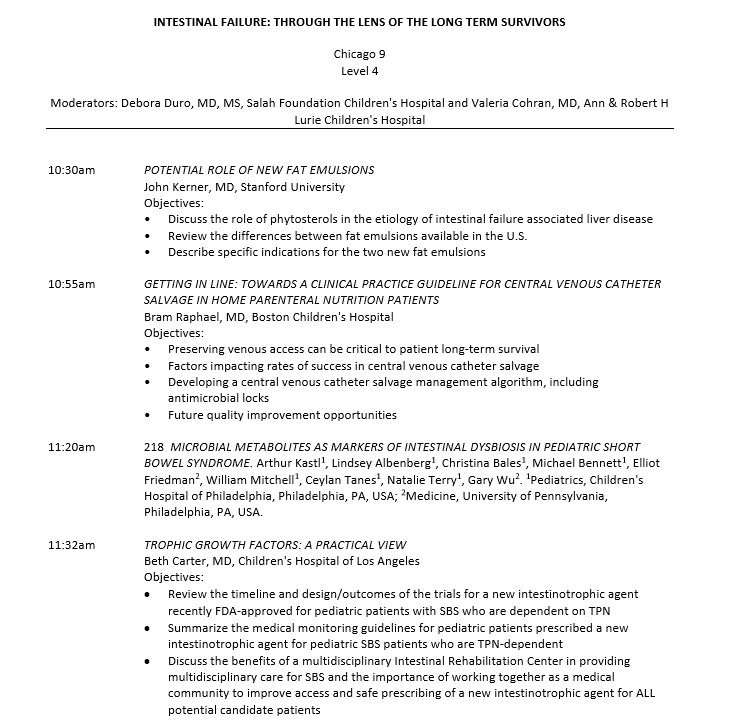
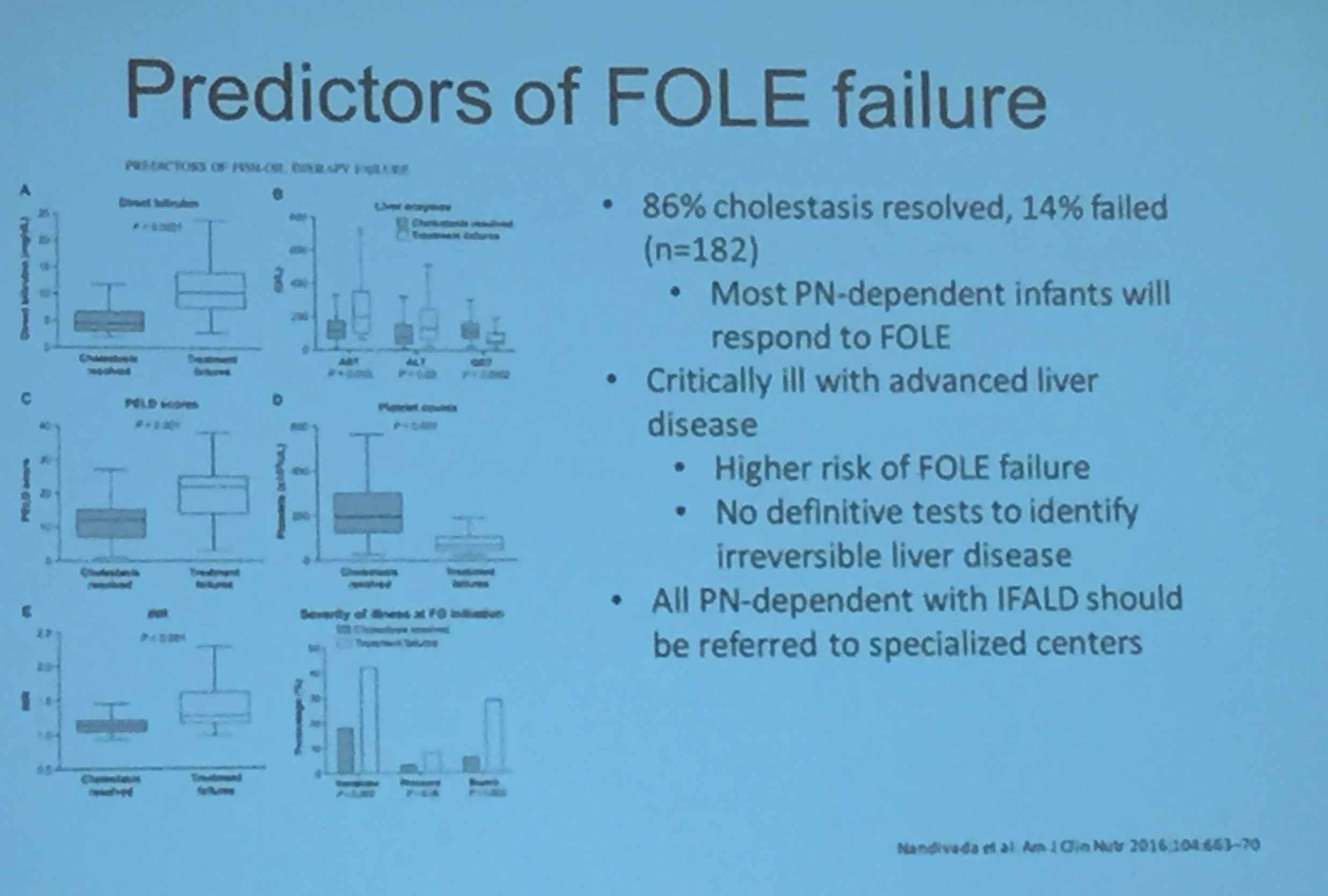
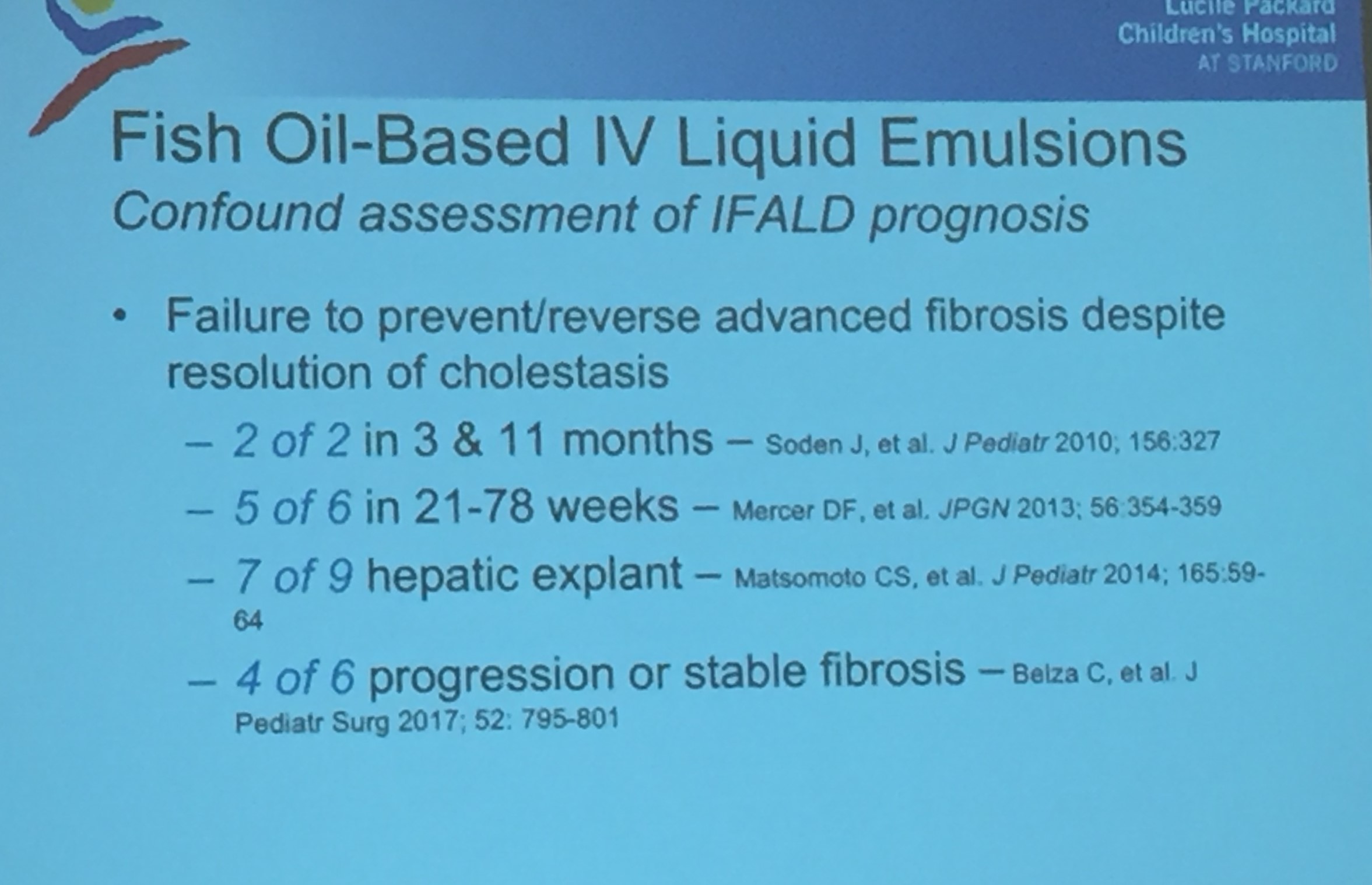
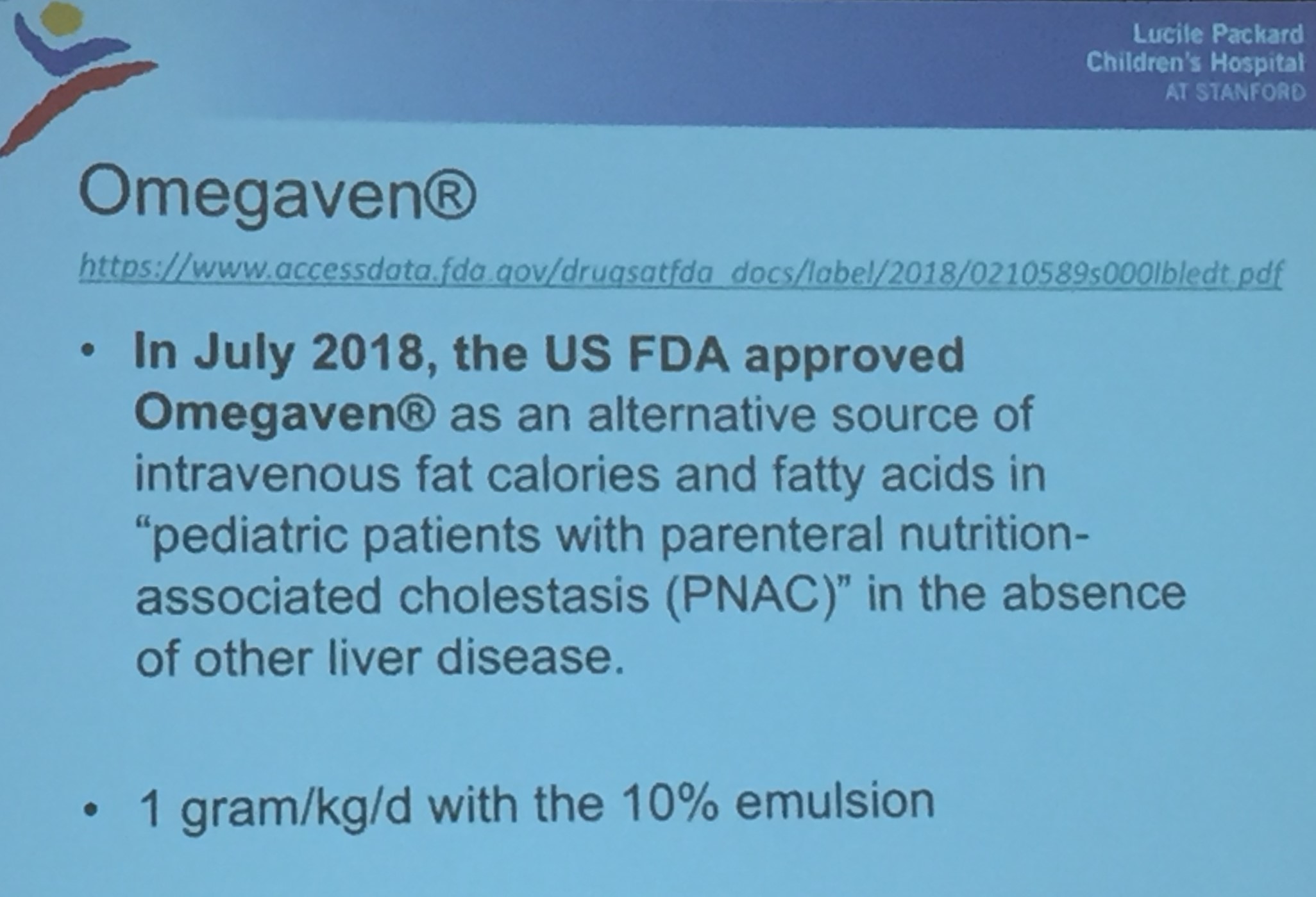
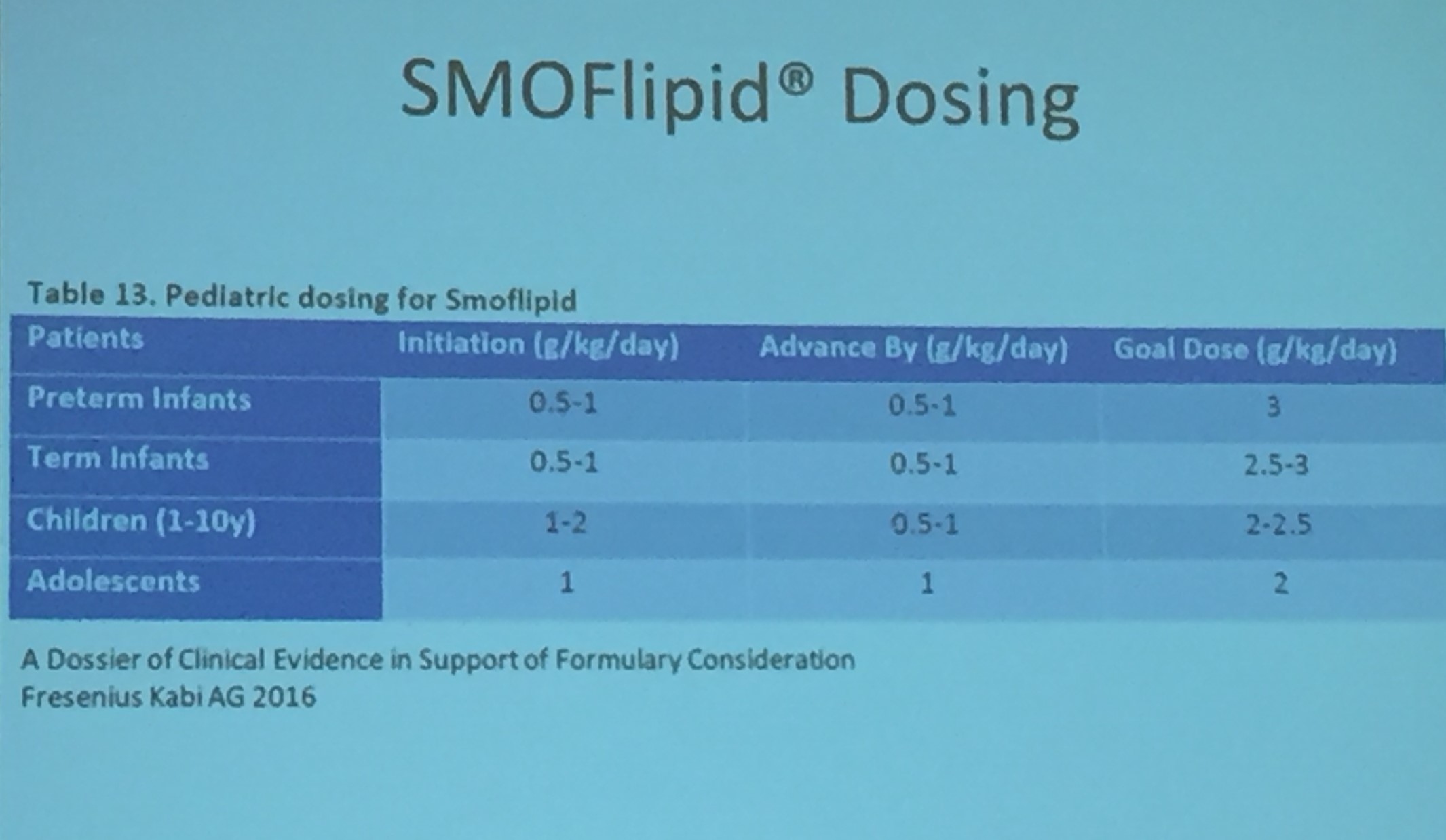
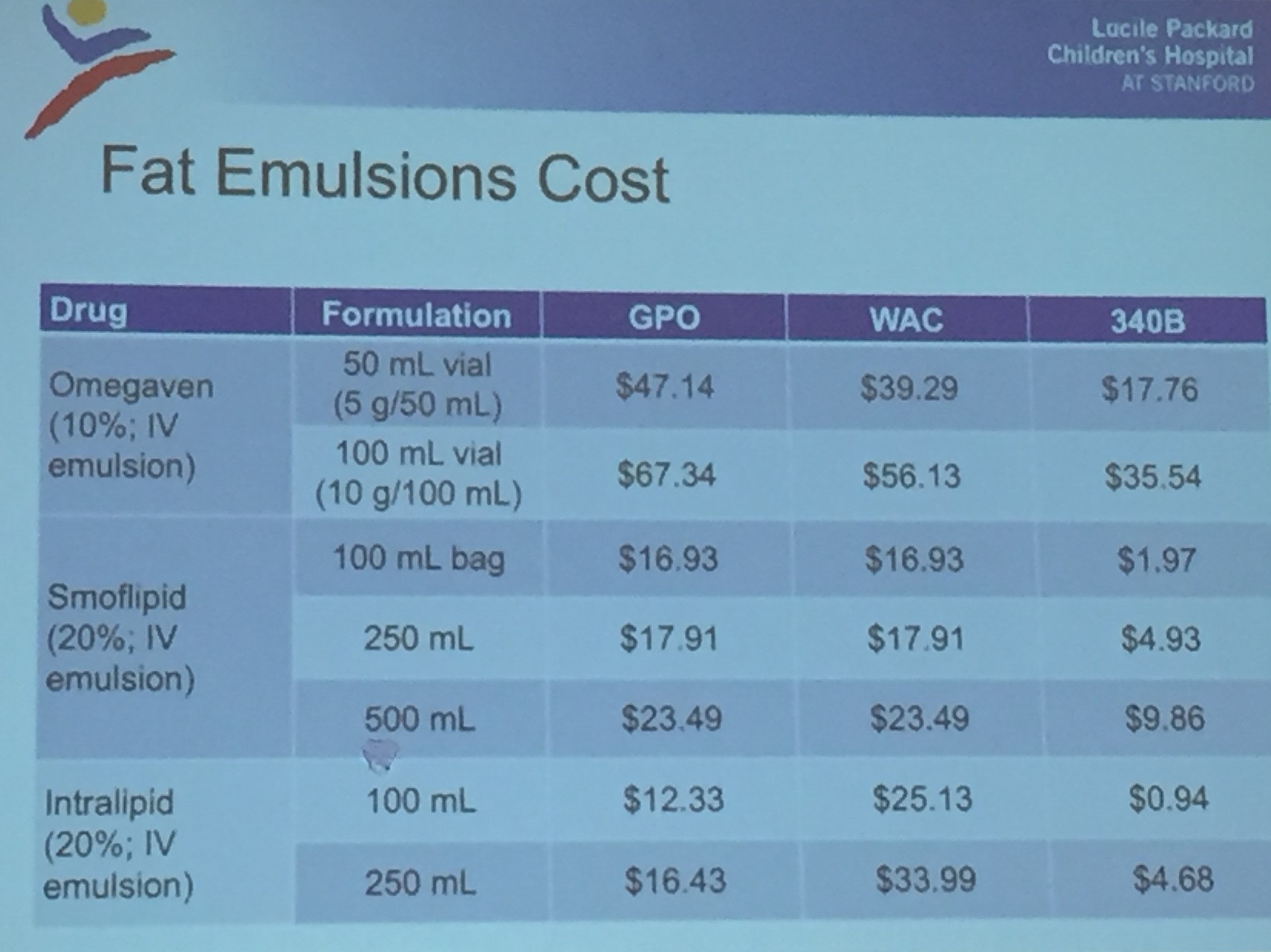
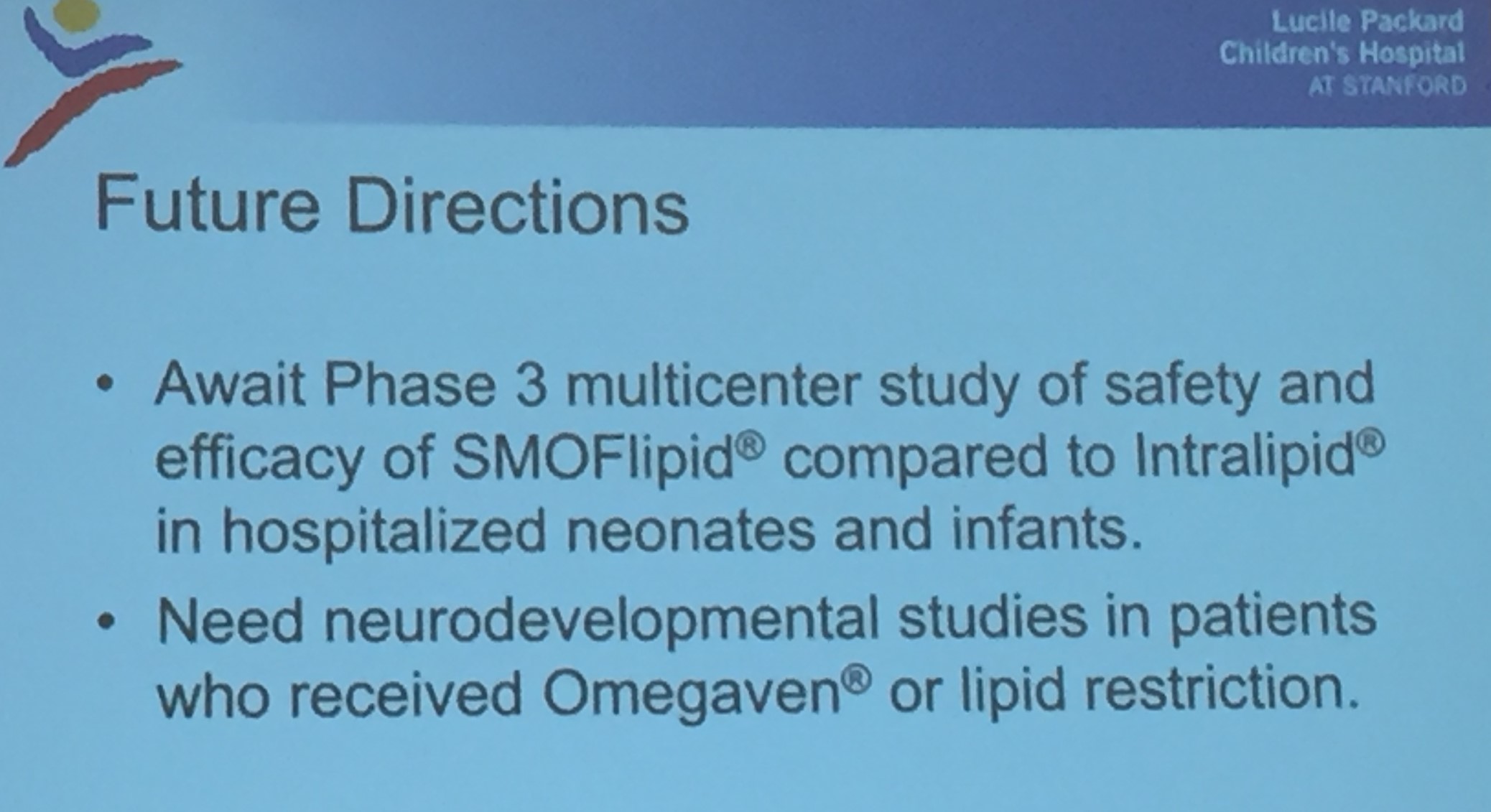
John Kerner Potential Role of New Fat Emulsions
Key points:





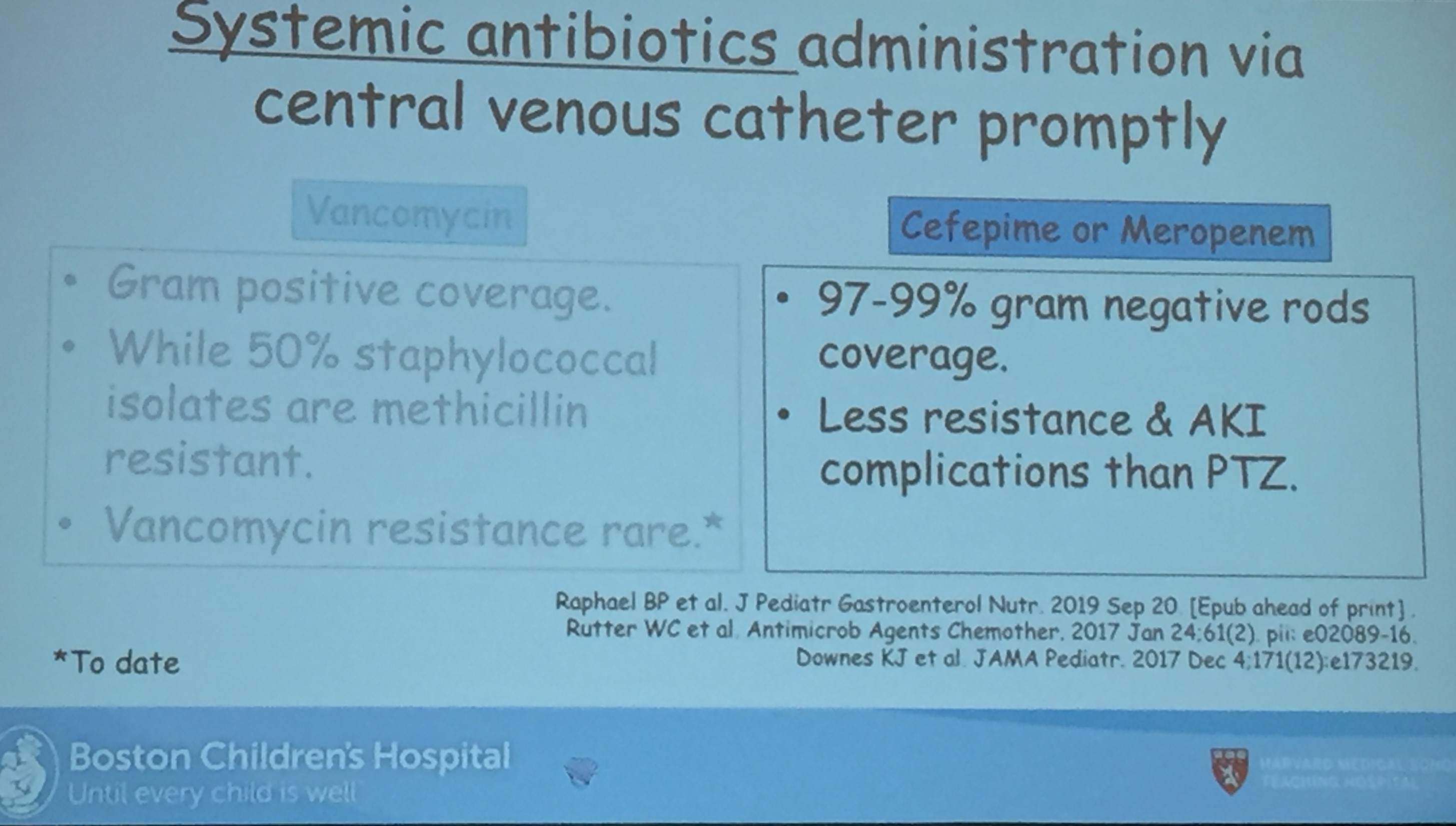
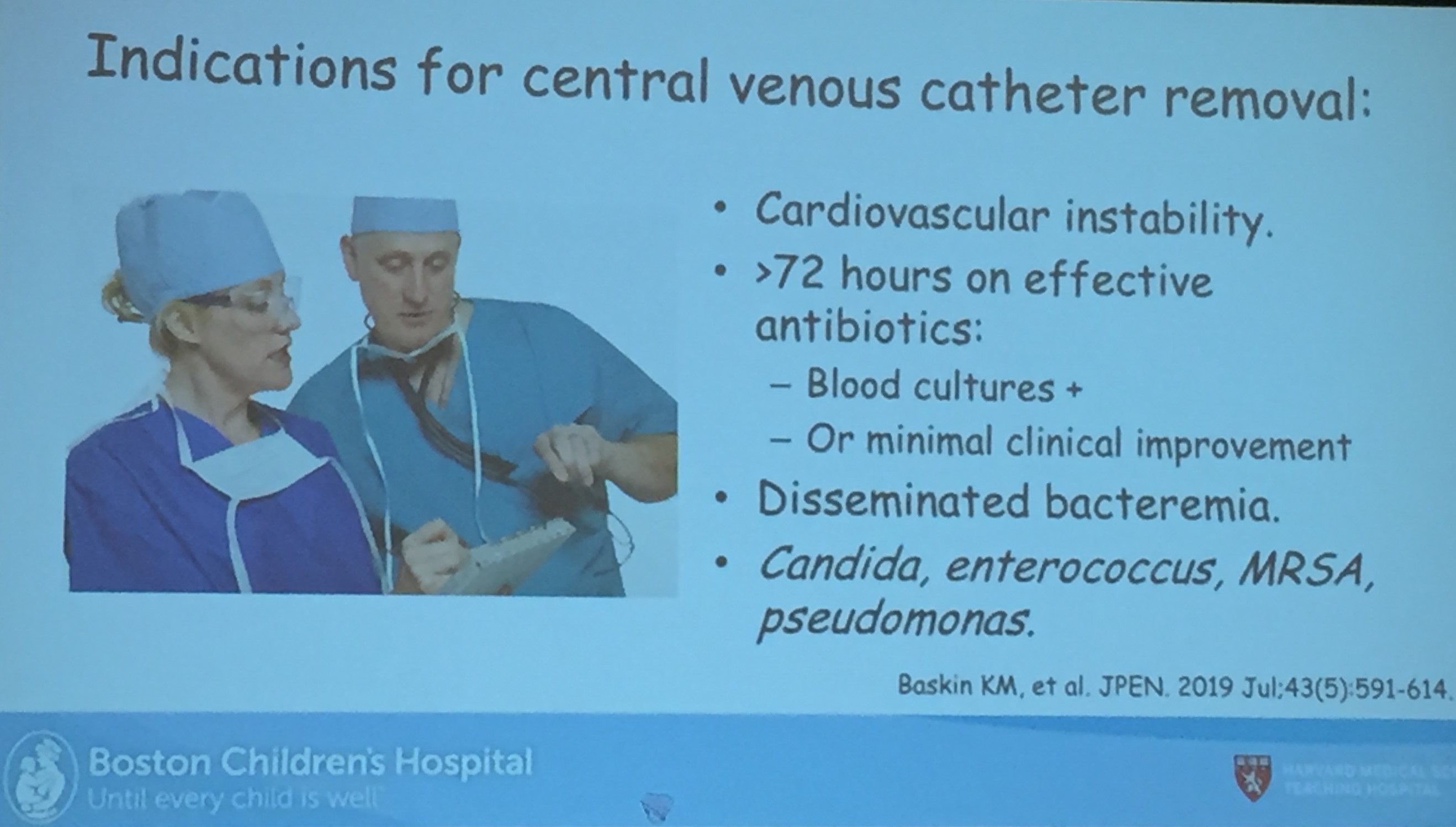
Bram Raphael Getting In Line: Towards a Clinical Practice Guideline For CVC Salvage
Key points:



Disclaimer: This blog, gutsandgrowth, assumes no responsibility for any use or operation of any method, product, instruction, concept or idea contained in the material herein or for any injury or damage to persons or property (whether products liability, negligence or otherwise) resulting from such use or operation. These blog posts are for educational purposes only. Specific dosing of medications (along with potential adverse effects) should be confirmed by prescribing physician. Because of rapid advances in the medical sciences, the gutsandgrowth blog cautions that independent verification should be made of diagnosis and drug dosages. The reader is solely responsible for the conduct of any suggested test or procedure. This content is not a substitute for medical advice, diagnosis or treatment provided by a qualified healthcare provider. Always seek the advice of your physician or other qualified health provider with any questions you may have regarding a condition.
 gutsandgrowth