IBD Shorts: Fecal Calprotectin in UC & Medication Withdrawal, Outcome of Biosimilar Reverse Switches, Vedolizumab after Anti-TNF Therapy

TW Stevens et al. Inflamm Bowel Dis 2021; 19: 2333-2342. Open Access. Diagnostic Accuracy of Fecal Calprotectin Concentration in Evaluating Therapeutic Outcomes of Patients With Ulcerative Colitis

Key finding: A post hoc analysis of data from a phase 4 trial (the MOMENTUM trial) found that, even in patients (n=593 at week 8, n=305 at week 52) with complete endoscopic healing of UC, FC concentration can be used to discriminate patients with ongoing microscopic inflammation from patients with histologic remission.  The optimal FC cut-off concentrations for identification of patients with histologic remission were 75 μg/g at week 8 and 99 μg/g at week 52.

A Cassinotti et al. Clin Gastroenterol Hepatol 2021; 19: 2293-2301. Noninvasive Monitoring After Azathioprine Withdrawal in Patients With Inflammatory Bowel Disease in Deep Remission

Key finding: In this prospective study, 57 patients in deep remission stopped azathioprine after a median of 7 years. 26 (46%) relapsed within a median of 15 months. Fecal calprotectin (FC) levels were >50 mcg/g in all patients with relapse (FC specificity 100%) but the sensitivity was only 50%. Thus, having a normal FC does not preclude relapse but elevated FC is associated with relapse.

S Mahmmod et al. Inflamm Bowel Dis 2021; 27: 1954-1962. Outcome of Reverse Switching From CT-P13 to Originator Infliximab in Patients With Inflammatory Bowel Disease

In this retrospective study, 75 patients, 9.9% of all patients, who had been changed from originator infliximab to a biosimilar had clinical worsening. Key finding: Improvement of reported symptoms was seen in 73.3% of patients after reverse switching back to originator infliximab; alsor 7 out of 9 patients (77.8%) with loss of response regained response

J Kim et al. Inflamm Bowel Dis 2021; 27: 1931-1941. Clinical Outcomes and Response Predictors of Vedolizumab Induction Treatment for Korean Patients With Inflammatory Bowel Diseases Who Failed Anti-TNF Therapy: A KASID Prospective Multicenter Cohort Study

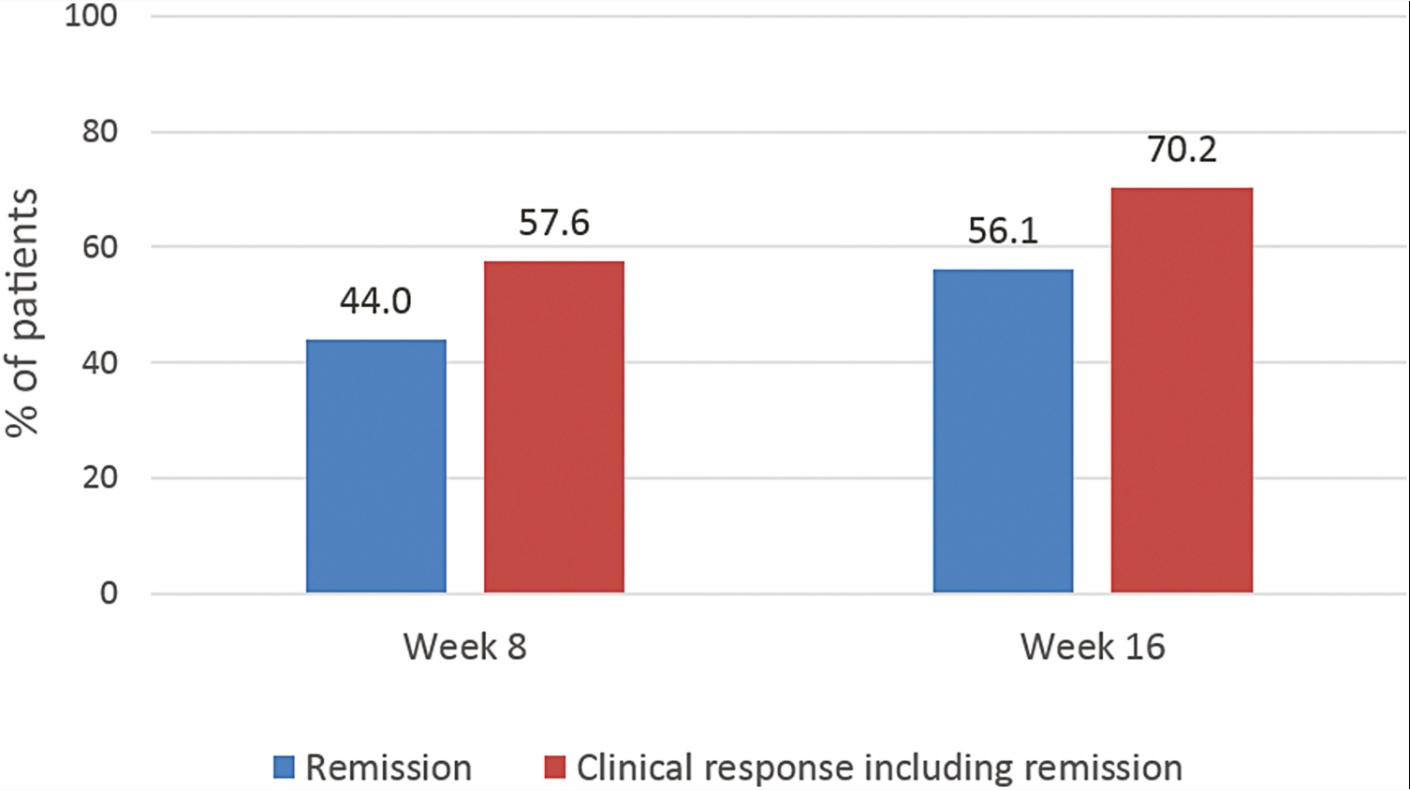
Key finding: Clinical remission rates with vedolizumab among patients with CD (n=80) and patients with UC (n=78) were 44.1% and 44.0%. Among patients with UC, the endoscopic remission rate was 32.4%

Preclinical Disease Detection of Inflammatory Bowel Disease

Recent articles indicate the possibility of preclinical disease detection of inflammatory bowel disease; perhaps this is analagous to the “precrime’ detection in The Minority Report which allowed the police to arrest people before they committed their crime.

D Bergemalm et al. Gastroenterol 2021; 161: 1526-1539. Open Access: Systemic Inflammation in Preclinical Ulcerative Colitis

In this study from Sweden, the authors used biobanked plasma samples from 72 individuals with ulcerative colitis (UC) and matched healthy controls (n=140). Then the findings were validated in an inception cohort (n=101 with UC and 50 healthy controls. In addition, a cohort of heathy twin siblings of patients with UC (n=41) were matched with healthy controls (n=37).

Key findings:

  • Six proteins (MMP10, CXCL9, CCL11, SLAMF1, CXCL11 and MCP-1) were up-regulated (P < .05) in preclinical ulcerative colitis compared with controls
  • MMP10, CXCL9, CXCL11, and MCP1, but not CCL11 and SLAMF1, were significantly up-regulated among the healthy twin siblings. This up-regulation is triggered by exposure to genetic and early environmental factors.

The discussion elaborates on the role of these proteins.

  • MMP10 is classified as a stromelysin. Upregulated levels of stromelysin have been detected in inflamed segments of the colon from patients with ulcerative colitis….The observed preclinical upregulation of MMP10 [thought to promote wound healing] in plasma might indicate that endogenous pathways for wound healing are up-regulated several years before clinically overt ulcerative colitis to counteract disease progression and maintain mucosal homeostasis”
  • “Eotaxin (CCL11) is a potent chemoattractant of monocytes…eosinophilic-driven inflammation represents an early element in the pathogenesis of ulcerative colitis”
  • CXCL9 and CXCL11 has been observed previously in inflamed colonic tissue specimens and blood from patients with ulcerative colitis… Both chemokines are regulated by IFN-gamma and attract CXCR3-positive CD4þ T cells and natural killer cells to the inflammatory site”

My take: This study shows up-regulation of 6 plasma proteins indicating activation of both pro-inflammatory and tissue-repairing pathways several years before clinically overt UC. It offers hope of intervention to prevent the development of UC.

Related study: S-H Lee et al. Gastroenterol 2021; 161: 1540-1551. Open Access: Anti-Microbial Antibody Response is Associated With Future Onset of Crohn’s Disease Independent of Biomarkers of Altered Gut Barrier Function, Subclinical Inflammation, and Genetic Risk

In this study, the authors measured host serum antibody response to 6 microbial antigens at enrollment (Prometheus enzyme-linked immunosorbent assay test: anti-Saccharomyces cerevisiae antibodies immunoglobulin A/immunoglobulin G, anti-OmpC, anti-A4-Fla2, anti-FlaX, anti-CBir1) and derived the sum of positive antibodies (AS).

Key finding:

“High baseline AS (≥2) (43% of cases, 11% of controls) was associated with higher risk of developing CD (adjusted odds ratio, 6.5; 95% confidence interval, 3.4–12.7; P < .001). Importantly, this association remained significant when adjusted for markers of gut barrier function, fecal calprotectin, C-reactive protein, and CD-polygenic risk score, and in subjects recruited more than 3 years before diagnosis. Causal mediation analysis showed that the effect of high AS on future CD development is partially mediated (42%) via preclinical gut inflammation.

Unpacking the Pivotal Ozanimod (True North) Trial

WJ Sandborn et al. NEJM 2021; 385: 1280-1291. Ozanimod as Induction and Maintenance Therapy for Ulcerative Colitis

This study led to FDA approval of ozanimod (Zeposia) in May 2021 for ulcerative colitis.

Mechanism of Action: Ozanimod is a selective sphingosine-1-phosphate receptor modulator which leads to internalization of S1P1 receptors in lymphocytes and the prevention of lymphocyte mobilization to inflammatory sites.

Design: There were two initial cohorts of adults with moderately to severely active ulcerative colitis. The first cohort (n=645) of this 52-week multicenter, randomized, double-blind, placebo-controlled trial (285 sites, 30 countries) of ozanimod as induction and maintenance therapy received either 1 mg of ozanimod hydrochloride once a day or placebo. A second cohort (n=457) received open-label ozanimod and was designed to assure that there would be adequate numbers of patients for the maintenance phase. The design allowed up to 30% of the first cohort to have received prior anti-TNF therapy and up to 50% of the second cohort to have received prior anti-TNF therapy. Ozanimod-treated patients with a clinical response during the 10-week induction were randomized again to a treatment group (n=230) or a placebo group for maintenance (n=227). Placebo-treated patients with a clinical response continued to receive placebo.

Approximately 97% of both cohorts had received prior aminosalicylate treatment and ~20% had received prior vedolizumab therapy.

As a safety measure (due to concerns of bradycardia), there was a 7-day period at the start of treatment with dose escalation, starting at 0.25 mg on days 1-4, 0.5 mg on days 5-7, then to 1 mg thereafter.

Key findings:

  • The incidence of clinical remission was significantly higher among patients who received ozanimod than among those who received placebo during both induction (18.4% vs. 6.0%, P<0.001) and maintenance (37.0% vs. 18.5% [among patients with a response at week 10], P<0.001). 
  • The incidence of clinical response was also significantly higher with ozanimod than with placebo during induction (47.8% vs. 25.9%, P<0.001) and maintenance (60.0% vs. 41.0%, P<0.001).
  • Histologic remission during induction, ozanimod vs placebo: 15.% vs 5.8%.
  • A post hoc analysis showed decreases in the rectal-bleeding and stool-frequency subscores by week 2 (1 week after the completion of dose adjustment).
From NEJM Twitter Feed

Safety Concerns:

  • Serious adverse events attributed to ozanimod or placebo occurred in 4 (0.5%) and 2 (0.9%) during induction respectively and none and 1 (0.4%) respectively during maintenance.
  • Overall all adverse events during induction occurred in 40% of ozanimod-treated patients and 38% of placebo recipients; during maintenance, adverse events were 49% and 37% respectively.
  • Absolute lymphocyte count (ALC) decreased by a mean of ~54% from baseline to week 10 in ozanimod-treated patients; ALC was <200 in 1.1% (both cohorts) in induction and 17 patients during maintenance. None of the patients with ALC <200 experienced a serious or opportunistic infection.
  • Serious infections associated wtih ozanimod or placebo occurred in 10 (1.3%) and 1 (0.5%) during induction respectively and 2 (0.9%) and 4 (1.8%%) respectively during maintenance.
  • Common infections like nasopharyngitis and upper respiratory tract infections in 3-4% of ozanimod-treated patients compared to ~2% of placebo-treated patients
  • Cancer: during induction there was one ozanimod-treated patient who had a basal cell carcinoma and during maintenance there was one ozanimod-treated patient who had a basal cell carcinoma. In the placebo group, during maintenance there was one patient who developed adenocarcinoma of the colon and one who developed breast cancer.
  • Among ozanimod-treated patients, bradycardia was evident in 5 (~0.6%) during induction and none during maintenance. (Patients with significant cardiovascular history were excluded from trial)
  • Among ozanimod-treated patients, hypertension occurred in 13 (~1.6%) during induction and 4 (1.7%); in the placebo group, none in the induction period and three (1.3%) in the maintenance had hypertension.
  • Prior to entry, the trial required documented varicella zoster IgG antibody or completion of vaccination. Still, HSV occurred in 3 during induction (~0.5%) and 5 (2.2%) during maintenance (only 1 placebo patient (0.4%) had an HSV infection during maintenance.
  • Elevated liver tests associated wtih ozanimod or placebo occurred in 42 (5.3%) and 2 (0.9%) during induction respectively and 32 (13.9%) and 1 (5.3%%) respectively during maintenance.
  • Macular edema was noted in 2 ozanimod-treated patients during induction and 1 during maintenance.

My take: This study shows that ozanimod was more effective than placebo in adults with moderately to severely active ulcerative colitis. It will probably be years before we have adequate pediatric data.

From NEJM Twitter Feed

Vedolizumab vs Adalimumab: Histology Outcomes from Varsity Trial

L Peyrin-Biroulet et al. Gastroenterol 2021; Open Access DOI:https://doi.org/10.1053/j.gastro.2021.06.015. Histologic Outcomes With Vedolizumab Versus Adalimumab in Ulcerative Colitis: Results From An Efficacy and Safety Study of Vedolizumab Intravenous Compared to Adalimumab Subcutaneous in Participants With Ulcerative Colitis (VARSITY)

In total, 769 patients received vedolizumab (n = 383) or adalimumab (n = 386). Geboes Index and Robarts Histopathology Index (RHI) scores were used to assess prespecified histologic exploratory end points of histologic remission (Geboes <2 or RHI ≤2) and minimal histologic disease activity (Geboes ≤3.1 or RHI ≤4) at weeks 14 and 52.

Key findings:

Vedolizumab induced greater histologic remission than adalimumab:

  • week 14: Geboes: 16.7% vs 7.3%, RHI: 25.6% vs 16.1%
  • week 52: Geboes: 29.2% vs 8.3%, RHI: 37.6% vs 19.9%
  • Histologic outcomes were generally better in anti–TNF-naïve vs -failure patients

My take: This study shows that histologic outcomes with vedolizumab, similar to clinical outcomes, were better than with adalimumab. Some of this difference could be due to the trail design which did not allow optimization of adalimumab dosing.

Related posts:

ImproveCareNow Work in Progress

P Kandavel et al. JPGN 2021; 73: 345-351. Reduced Systemic Corticosteroid Use among Pediatric Patients With Inflammatory Bowel Disease in a Large Learning Health System

In this study of 27,321 patients enrolled in the ImproveCareNow (ICN) learning health system, key findings:

  • Corticosteroid use decreased from 28% (2007) to 12% (2018)
  • Black patients received corticosteroids more commonly than white patients. This disparity improved as corticosteroid use decreased in both groups
  • Anti-tumor necrosis factor-alpha medication use <120 days after diagnosis was associated with a reduction in corticosteroid use
  • As corticosteroid use decreased, steroid-sparing therapy use increased and height and weight z scores improved, particularly among children with Crohn disease
  • 27 centers (31%) had a significant reduction in steroid use, 5 (6%) had a significant increase, and 45 (52%) had variability in steroid use. 9 centers (11%) had <2 years of data.

My take: These findings are expected but nice to see. Patients in the ICN are using less steroids and growing better. Given the variation in care among centers, there is more work needed.

From JPGN twitter feed

Related blog posts:

Expert Consensus: New Recommendations for Therapeutic Drug Monitoring

AS Cheifetz et al. Am J Gastroenterol 2021;116: 2014-2025. A Comprehensive Literature Review and Expert Consensus Statement on Therapeutic Drug Monitoring of Biologics in Inflammatory Bowel Disease (published online August 13, 2021)

Key recommendations:

  • The panel agreed that reactive TDM should be used for all biologics for both primary nonresponse and secondary loss of response
  • It was recommended that treatment discontinuation should not be considered for infliximab or adalimumab until a drug concentration of at least 10–15 mg/mL was achieved
  • Consensus was also achieved regarding the utility of proactive TDM for anti–tumor necrosis factor therapy. It was recommended to perform proactive TDM after induction and at least once during maintenance.
  • More data are needed with regard to proactive TDM for biologics other than anti-TNF agents
  • There are no differences in interpreting TDM between originator biologics and biosimilars
  • When considering switching within drug class in case of secondary loss of response to a first anti-TNF drug because of the development of antidrug antibodies, an immunomodulator should be added to a subsequent anti-TNF therapy
  • Low-titer antidrug antibodies can be overcome by treatment optimization (dose escalation, dose interval shortening, and/or addition of an immunomodulator)

My take: This article should help support the practice of proactive TDM and discourage stopping anti-TNF agents until an adequate therapeutic level is achieved.

Related blog posts:

Disclaimer: This blog, gutsandgrowth, assumes no responsibility for any use or operation of any method, product, instruction, concept or idea contained in the material herein or for any injury or damage to persons or property (whether products liability, negligence or otherwise) resulting from such use or operation. These blog posts are for educational purposes only. Specific dosing of medications (along with potential adverse effects) should be confirmed by prescribing physician.  Because of rapid advances in the medical sciences, the gutsandgrowth blog cautions that independent verification should be made of diagnosis and drug dosages. The reader is solely responsible for the conduct of any suggested test or procedure.  This content is not a substitute for medical advice, diagnosis or treatment provided by a qualified healthcare provider. Always seek the advice of your physician or other qualified health provider with any questions you may have regarding a condition.

‘Dual Immunotherapy’ for IBD

A recent study (MT Dolinger et al. Inflamm Bowel Dis 2021; 27: 1210-1214) and the associated editorial (D Geem, S Kugathasan. Inflamm Bowel Dis 2021; 27: 1361-1362) describe the use of multiple therapies (biologics and small molecule therapy) to target refractory pediatric inflammatory bowel disease. Since the term “combination therapy” is already in broad use for those receiving a biologic agent and an immunomodulator, I plan to refer to these new combinations as ‘dual immunotherapy’ for IBD.

Dolinger et al (Dual Biologic and Small Molecule Therapy for the Treatment of Refractory Pediatric Inflammatory Bowel Disease) described 16 children with dual immunotherapy. Nine (56%) were treated with vedolizumab/tofacitinib, 4 (25%) with ustekinumab/vedolizumab, and 3 (19%) with ustekinumab/tofacitinib. Twelve (75%; 7 ulcerative colitis/IBD-unspecified, 5 Crohn’s disease ) achieved steroid-free remission at 6 months. One patient on 30 mg of vedolizumab/tofacitinib and prednisone daily developed septic arthritis and a deep vein thrombosis.

In the editorial (It Takes Two to Make It Right: Dual Biologic and Small Molecule Therapy for Treatment-Refractory Pediatric Inflammatory Bowel Disease), Geem et al make a number of key points:

  • Except for “anti-TNF medications (infliximab and adalimumab), no other biologic therapies are FDA-approved for children with IBD”
  • “Clinical disease remission is achieved in only 40-60% of patients on anti-TNF medications”
  • With ustekinumab, “limited pediatric data reveal that in patients who have failed at least 1 biologic therapy, 38.6-58% achieve clinical remission by week 52…[And] vedolizumab …demonstrated steroid-free remission in 20% by week 22 in a single-center prospective observational cohort study.”
  • The response to dual immunotherapy is most likely due to the synergistic effects of two medications rather than the start of a new medication. The authors note a prior study which showed a positive experience of adding ustekinumab in 5 children who developed severe paradoxical psoriasis with infliximab and in another subset of pediatric patients, there was improvement with combination vedolizumab/infliximab (Paediatr Drugs 2020; 22: 409-416)

My take (borrowed from editorial): “Given the phenotypic heterogeneity of pediatric IBD and the multiple inflammatory immune pathways implicated in its pathogenesis, the approach of biologic monotherapy–may not be suitable for all patients…patients may require specific combinations…to quell multiple arms of their dysregulated immune response.” More trials are needed to determine the safety of these regimens (especially with regard to malignancy and infections).

Burlington VT (Lake Champlain)

IBD Shorts: Tofacitinib Safety, Vit D post-op, EIM with Vedolizumab

P Deepak et al. Clin Gastroenterol Hepatol 2021; 19: 1592-1601. Full Text: Safety of Tofacitinib in a Real-World Cohort of Patients With Ulcerative Colitis

This study described a ‘real-world’ experience with tofacitinib for Ulcerative Colitis in 260 adults; five patients developed HZ infection and 2 developed VTE (all receiving 10 mg tofacitinib, twice per day).

Related blog posts -Tofacitinib:

JR de Bruyn et al. Clin Gastroenterol Hepatol 2021; 19: 1573-1582. Full Text: High-Dose Vitamin D Does Not Prevent Postoperative Recurrence of Crohn’s Disease in a Randomized Placebo-Controlled Trial

Methods: Patients with CD after ileocolonic resection with ileocolonic anastomosis were assigned randomly to groups given weekly 25,000 IU oral vitamin D (n = 72) or placebo (n = 71) for 26 weeks, at 17 hospitals in The Netherlands and Belgium, from February 2014 through June 2017

Key finding: The cumulative rate of clinical recurrence did not differ significantly between the groups (18.1% in the vitamin D group vs 18.3% in the placebo group; P = .91). Though, the Vit D group achieved higher levels at week 26 (81 vs 43 of 25-OH Vit D)


GP Ramos et al. Inflamm Bowel Dis 2021; 27: 1270-1276. The Impact of Vedolizumab on Pre-Existing Extraintestinal Manifestations of Inflammatory Bowel Disease: A Multicenter Study

Key findings (n=201, retrospective study):

  • Worsening of EIMs after VDZ occurred in 34.8% of patients
  • Peripheral arthritis (PA) (68.2%) was most common EIM
  • Treatment using VDZ was discontinued specifically because of EIMs in 9.5% of patients

Related blog post: Vedolizumab and Extraintestinal Manifestations of IBD

Predicting IBD Outcomes –New Tools

In an observational prospective longitudinal study of with newly diagnosed Crohn’s disease in 156 adults followed for nearly 1.5 years, Yanai et al found that 52 patients (33.3%) had an indolent course of CD, 29 (18.5%) required hospitalizations, and 75 (48%) were recommended to start steroid, immunomodulator, or biologic therapies. An “indolent course” indicated a lack of needing steroids, immunomodulators, anti-TNF agents, hospitalization or surgery.  Key findings:

  • There were 4 factors associated with complicated course in treatment-naïve patients: body mass index <25 kg/m2 (hazard ratio [HR], 2.45; 95% CI, 1.07–5.43; P = .033), serum level of vitamin B12 <350 pg/mL (HR, 2.78; 95% CI, 1.21–6.41; P = .016), white blood cells ≥7 × 103/μL (HR, 2.419; 95% CI, 1.026–5.703; P = .044), and serum level of ALT ≥25 IU/L (HR, 2.680; 95% CI, 1.186–6.058; P = .018).
  • This model discriminated between patients with vs without a complicated course of disease with 90% and 89% accuracy at 6 and 12 months after diagnosis, respectively. A validation cohort demonstrated a discriminatory ability of 79% at 3 months after diagnosis, and a nomogram was constructed (see below)
Points on the nomogram are based on: BMI <25 kg/m2 = 87 or ≥25 kg/m2 = 0, WBC <7 × 103/μL = 0 or ≥7 × 103/μL = 83, vitamin B12 <350 pg/mL = 100 or ≥350 pg/mL = 0, and ALT <25 IU/L = 0 or ≥25 IU/L = 76. The sum score for all variables corresponds with the probability of having an indolent course of disease at different time points after diagnosis.

My take: In this study, low BMI, low Vit B12, high wbc, and high ALT were associated with a more complicated course. These particularly risk factors do not seem intuitive to me. These findings need to be looked at in the pediatric age group, which likely has a lower rate of an indolent course.

G Le Baut et al. Clin Gastroenterol Hepatol 2021; 19: 1602-1610. A Scoring System to Determine Patients’ Risk of Colectomy Within 1 Year After Hospital Admission for Acute Severe Ulcerative Colitis

In this retrospective study of 270 consecutive adult patients with acute severe ulcerative colitis (ASUC) (2002-2017), the cumulative risk of colectomy was 12.3% (95% CI, 8.6–16.8). Key findings:

  • Based on multivariate analysis, previous treatment with TNF antagonists or thiopurines (hazard ratio [HR], 3.86), Clostridioides difficile infection (HR, 3.73), serum level of C-reactive protein above 3.0 mg/dL (HR, 3.06), and serum level of albumin below 3.0 g/dL (HR, 2.67) were associated with increased risk of colectomy
  • The cumulative risks of colectomy within 1 y in patients with scores of 0, 1, 2, 3, or 4 were 0.0%, 9.4% (95% CI, 4.3%–16.7%), 10.6% (95% CI, 5.6%–17.4%), 51.2% (95% CI, 26.6%–71.3%), and 100%. Negative predictive values ranged from 87% (95% CI, 82%–91%) to 92% (95% CI, 88%–95.0%). Findings from the validation cohort were consistent with findings from the derivation cohort.

My take: These findings confirm other studies in patients with ulcerative colitis which have shown that each of these criteria were predictors of severe disease.

Related blog posts:

Paternal Exposure to IBD Medications and Neonatal Outcomes

COVID-19 Vaccine Effectiveness (8/10/21):

————————————————————————————————————-

J Meserve et al. Gastroenterol 2021; 161: 107-115. Full text: Paternal Exposure to Immunosuppressive and/or Biologic Agents and Birth Outcomes in Patients With Immune-Mediated Inflammatory Diseases

Methods: The investigators used a deidentified administrative claims database (OptumLabs Data Warehouse) with a total of 7453 expectant fathers with immune-mediated diseases.

Key findings:

  • As compared to unexposed fathers (3.4% prevalence of major congenital malformations), exposure to immunosuppressives/biologics were not associated with increased risk of major congenital malformations: thiopurines (relative risk [RR], 1.12; 95% confidence interval [CI], 0.66–1.76), methotrexate (RR, 0.67; 95% CI, 0.21–1.55), TNF-α antagonists (RR, 1.14; 95% CI, 0.81-1.57), and non–TNF-targeting biologic agents (RR, 1.75; 95% CI, 0.80–3.24).
  • No association was observed between paternal medication exposure and risk of preterm birth or low birth weight.

Editorial, pg 24-27: S Friedman et al. Full text: Does Fatherhood Matter? Preconception Use of Biologics and Immunomodulators by Fathers With Immune-Mediated Diseases and Birth Outcomes of Their Offspring

“Regarding major congenital malformations, we believe that the results should be interpreted with caution. The numbers of these outcomes are relatively low and the statistical precision of the risk estimates should be taken into consideration.”

My take: Overall, this study is reassuring. Though it is difficult to prove these medications do not have impacts on newborns, if these effects were frequent, it would likely be evident in this type of study.