Upadacitinib for Crohn’s Disease: U-ENDURE Study

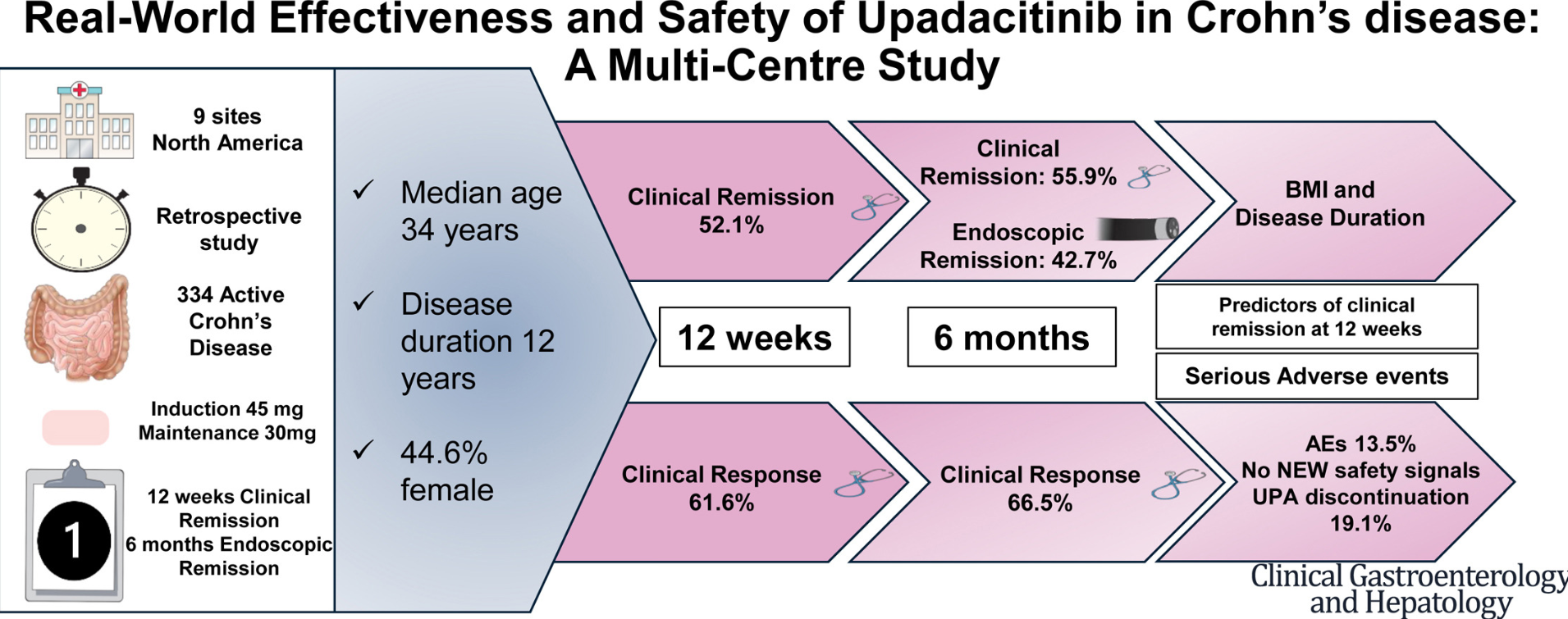
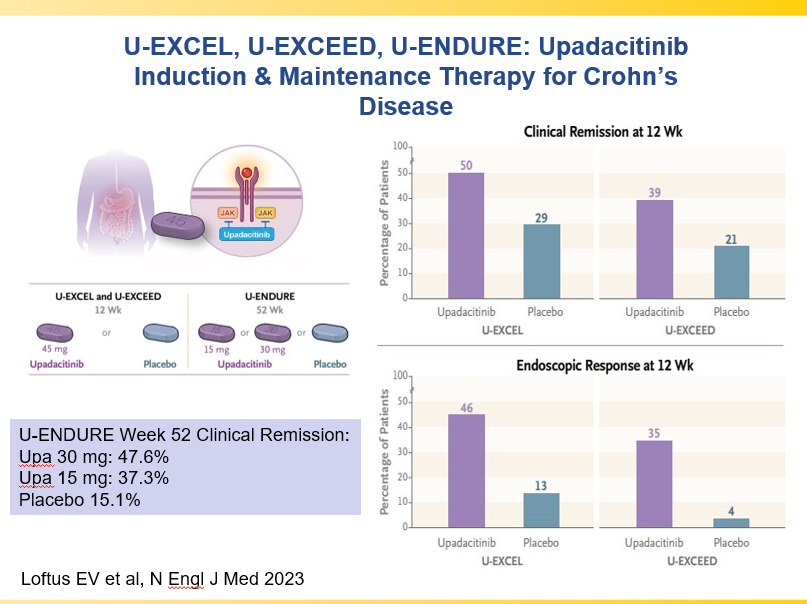
R Panaccione et al. Clin Gastroenterol Hepatol 2025; (In press) Open Access! Upadacitinib Maintenance Therapy in Crohn’s Disease: Final Results From the Randomized Phase 3 U-ENDURE Study

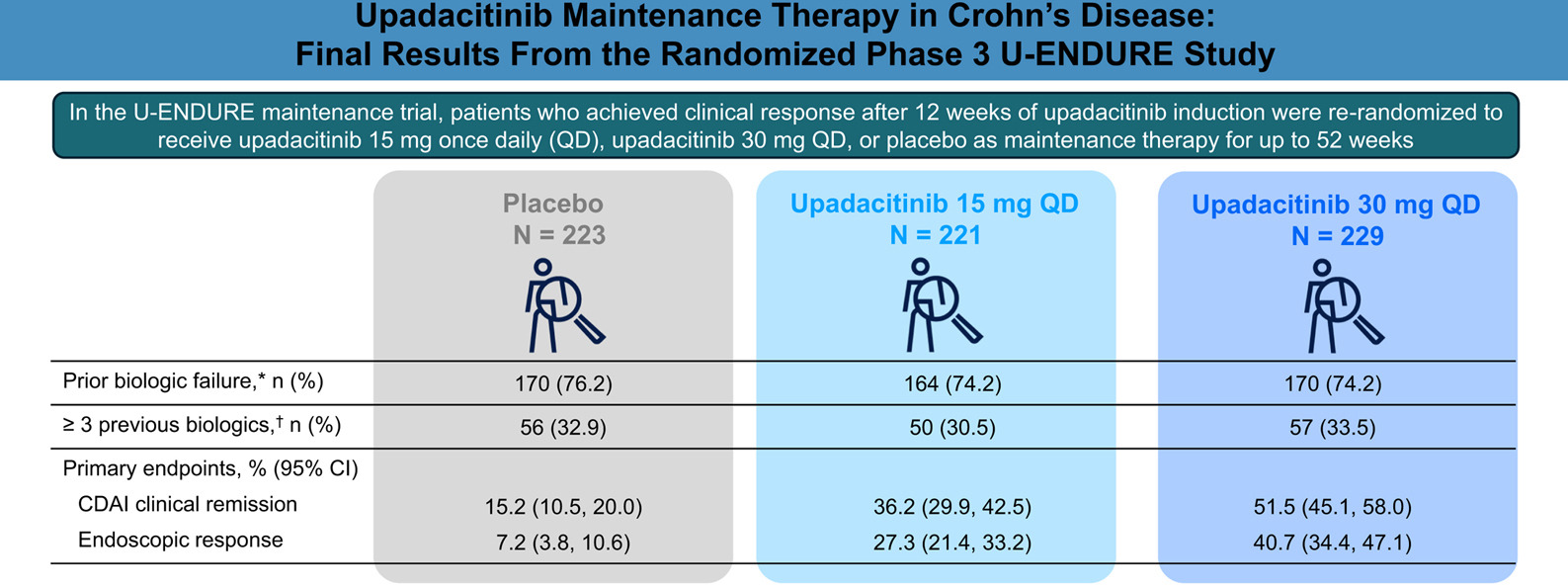
Methods: Clinical responders to 12 weeks of upadacitinib 45 mg once daily (QD) induction were randomized (1:1:1) to receive upadacitinib 15 mg QD (n = 221), upadacitinib 30 mg QD (n = 229), or placebo (n = 223) as maintenance therapy for 52 weeks

**This study presents data from the entire cohort (n=673); a previous report from ENDURE-3 analyzed data on 502 patients (though findings were nearly identical). EV Loftus et al. N Engl J Med 2023; 388:1966-1980 (Related post: Landmark Study: Oral Biologic for Crohn’s –Upadacitinib)

Key findings:

  • At week 52, more upadacitinib-treated vs placebo patients achieved CDAI clinical remission (upadacitinib 15 mg, 36.2% and upadacitinib 30 mg, 51.5% vs placebo, 15.2%)
  • The rates of endoscopic response were 27.3% for upadacitinib 15 mg and 40.7% for upadacitinib 30 mg vs 7.2% for placebo
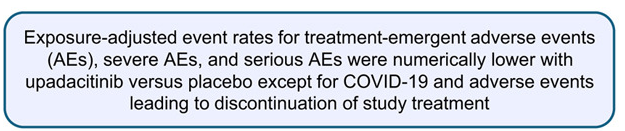
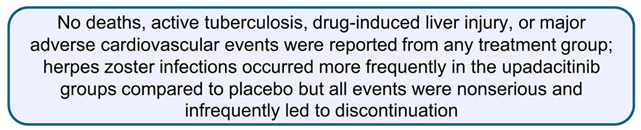
  • Herpes zoster infections occurred more frequently in the upadacitinib groups compared with placebo; all were nonserious, and most involved a single dermatome
  • In U-ENDURE, no dose-dependent risk for MACE, VTE, or malignancy (excluding NMSC) was observed during the 52-week maintenance period

My take: Upadacitinib is a effective in a good number of patients with with moderately to severely active Crohn’s disease who have been refractory to other advanced therapies.

Related blog posts:

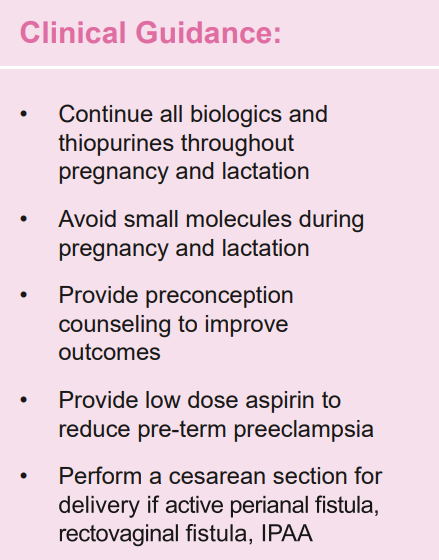
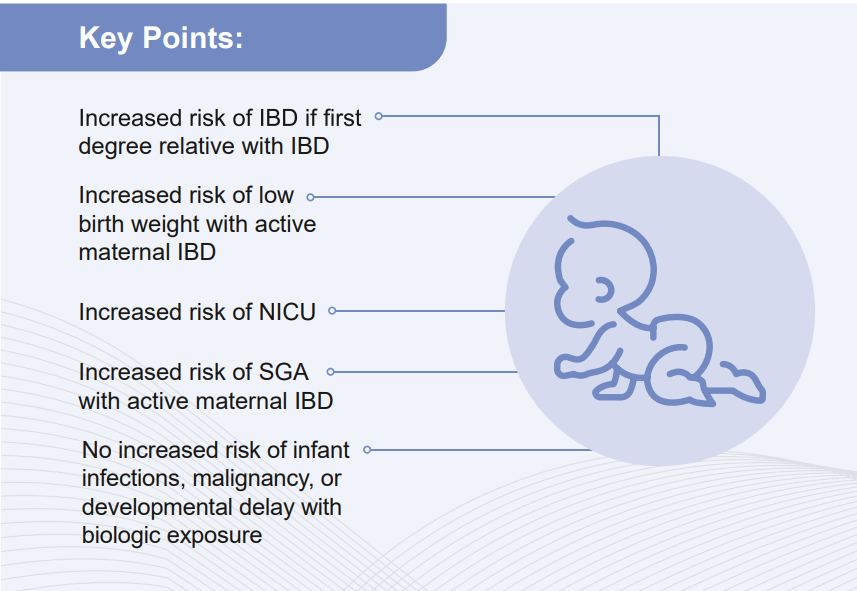
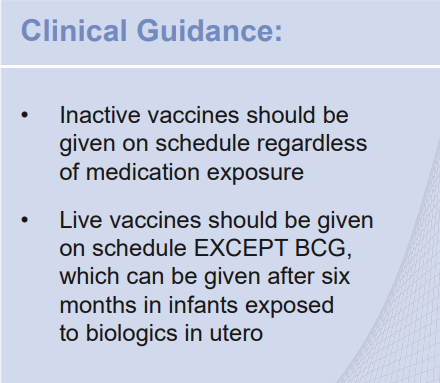
IBD Management in Pregnancy: Global Consensus

U Mahadevan et al. Clinical Gastroenterology and Hepatology 2025 (published ahead of print). Open Access! Global Consensus Statement on the Management of Pregnancy in Inflammatory Bowel Disease

Addendum -updated reference: U Mahadevan et al. Clinical Gastroenterology and Hepatology 2025; 23: S1-S60. Open Access! Global Consensus Statement on the Management of Pregnancy in Inflammatory Bowel Disease

This is a 60 page open access article. Table 1 lists 34 “GRADE” statements and Table 2 lists 35 consensus statements. This article is also jointly published in the following:

  • Gut
  • Am J Gastroenterol
  • Inflammatory Bowel Diseases
  • Journal of Crohn’s and Colitis
  • Aliment Pharmacol Ther

For Moms:

For Babies:

My take: This is a useful reference –mainly helpful for gastroenterologists rather than pediatric providers.

Related blog posts:

Long-term Efficacy and Safety of Upadacitinib for Ulcerative Colitis

R Panaccione et al. The Lancet Gastroenterology & Hepatology. 2025; 10: 507 – 519. Open Access! Long-term efficacy and safety of upadacitinib in patients with moderately to severely active ulcerative colitis: an interim analysis of the phase 3 U-ACTIVATE long-term extension study
Methods: U-ACTIVATE is an ongoing, 288-week, phase 3, long-term extension study that enrolled patients (n=369) aged 16–75 years with a confirmed diagnosis of moderately to severely active ulcerative colitis; patients who had a clinical response in the induction studies were eligible to enter the U-ACHIEVE maintenance study. Patients not in clinical remission originally randomly assigned to upadacitinib 15 mg were eligible to escalate to upadacitinib 30 mg, those originally randomly assigned to upadacitinib 30 mg continued on upadacitinib 30 mg, and those originally assigned to placebo were eligible to escalate to upadacitinib 15 mg in a masked way
Key findings:

  • In the as-observed population, 84 (71%) of 118 patients receiving upadacitinib 15 mg were in clinical remission at week 48, as were 130 (67%) of 193 receiving upadacitinib 30 mg
  • By week 96, 69 (76%) of 91 patients receiving upadacitinib 15 mg and 104 (74%) of 141 of those receiving upadacitinib 30 mg were in clinical remission
  • The most common adverse events of special interest were hepatic disorder, lymphopenia, creatine phosphokinase elevation, serious infection, neutropenia, and herpes zoster
mNRI indicates modified non-responder imputation analysis response

My take: This study shows a good durable (3 year) response to upadacitinib treatment with both 15 mg and 30 mg dosing.

Related blog posts:

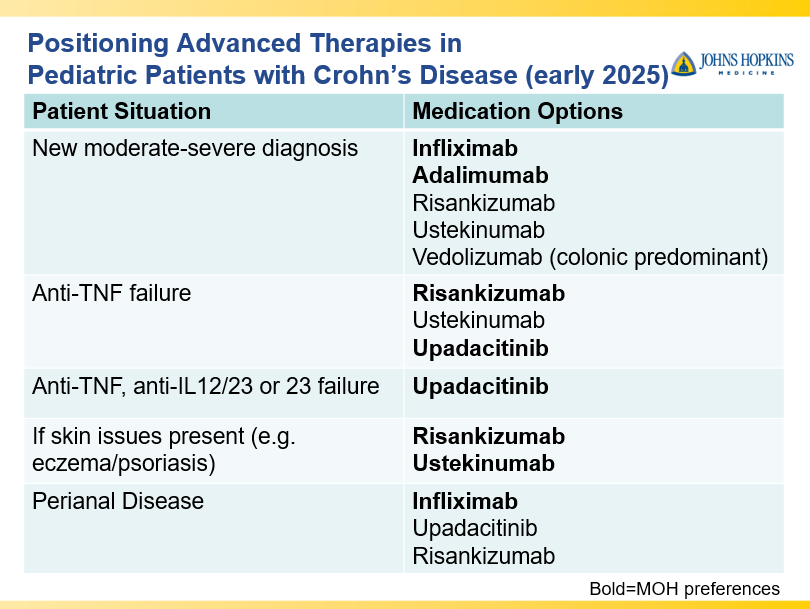
    Dr. Maria Oliva-Hemker: Positioning Therapies for Pediatric Crohn’s Disease

    Recently, Dr. Maria Oliva-Hemker gave our group an excellent update on Crohn’s disease therapies.  My notes below may contain errors in transcription and in omission. Along with my notes, I have included many of her slides.

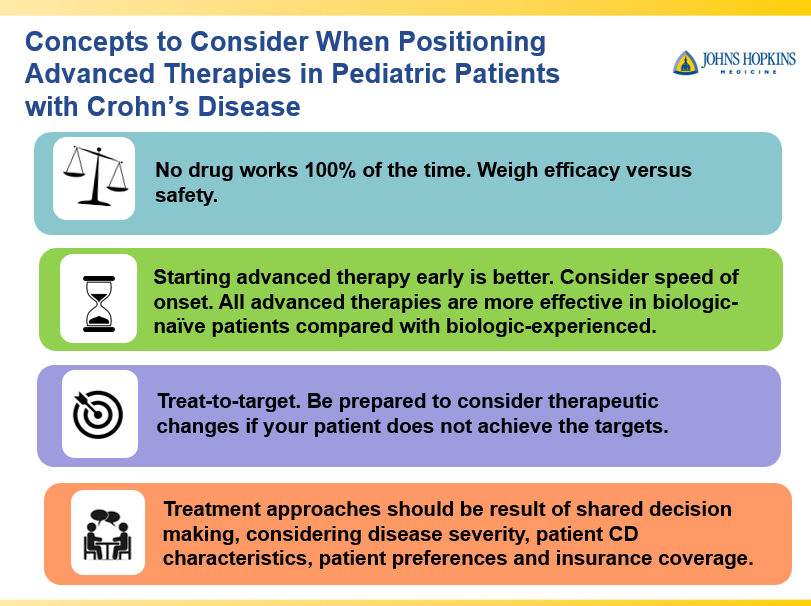
    Key points:

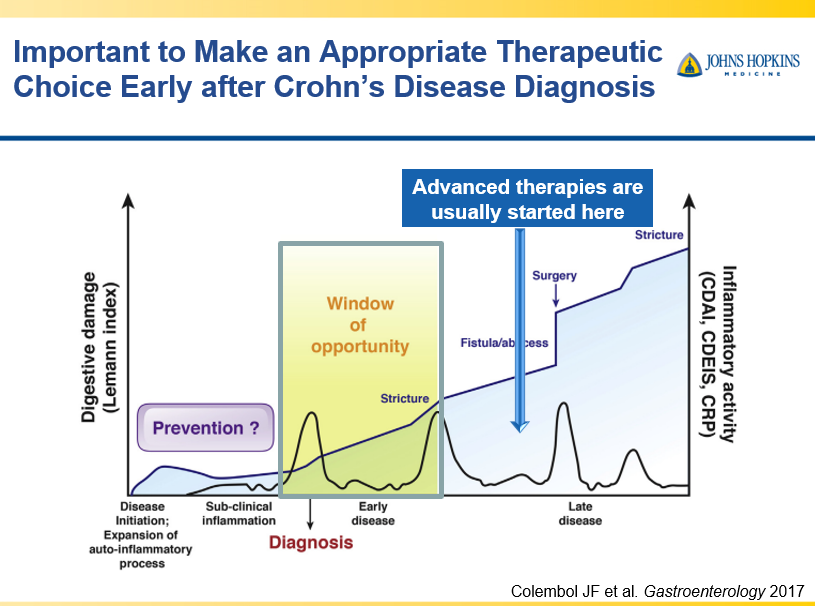
    • Early advanced therapy results in better outcomes (see The PROFILE study results below as one example)
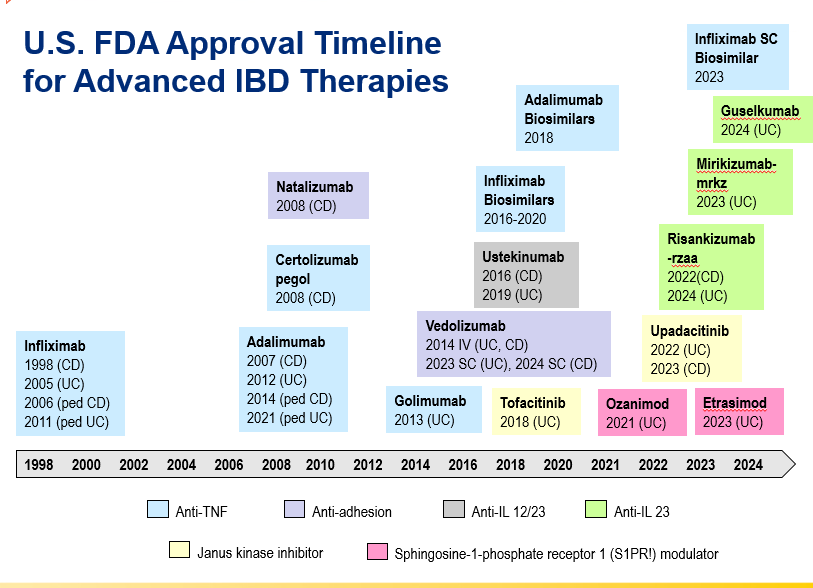
    • Anti-TNFs are the only therapy with a specific FDA pediatric indication. Medications can take 8-10 years after use in adults for pediatric labeling
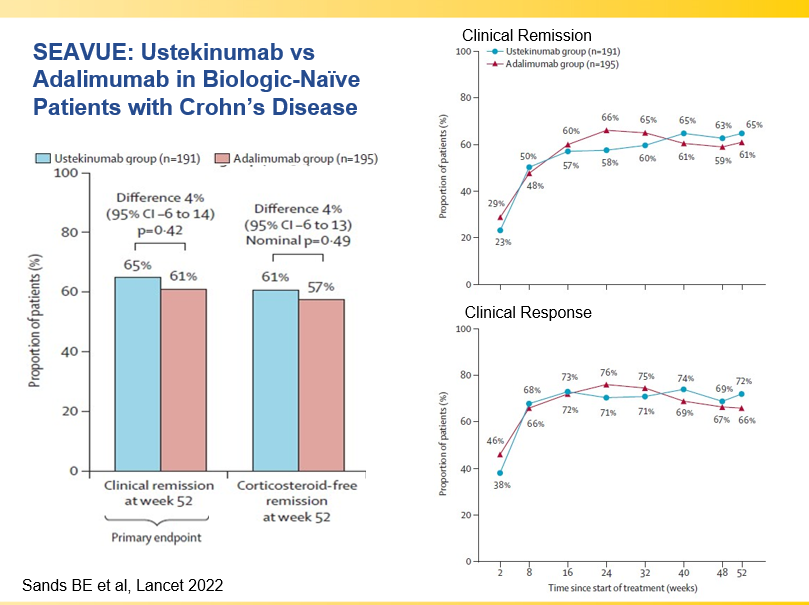
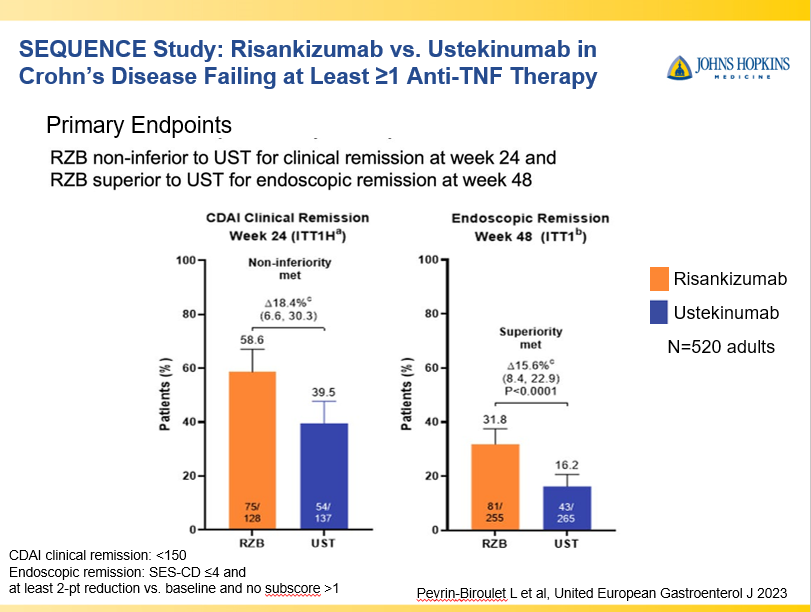
    • IL-23 specific agents (like risankizumab) are more effective than ustekinumab that target both IL-23/IL-12
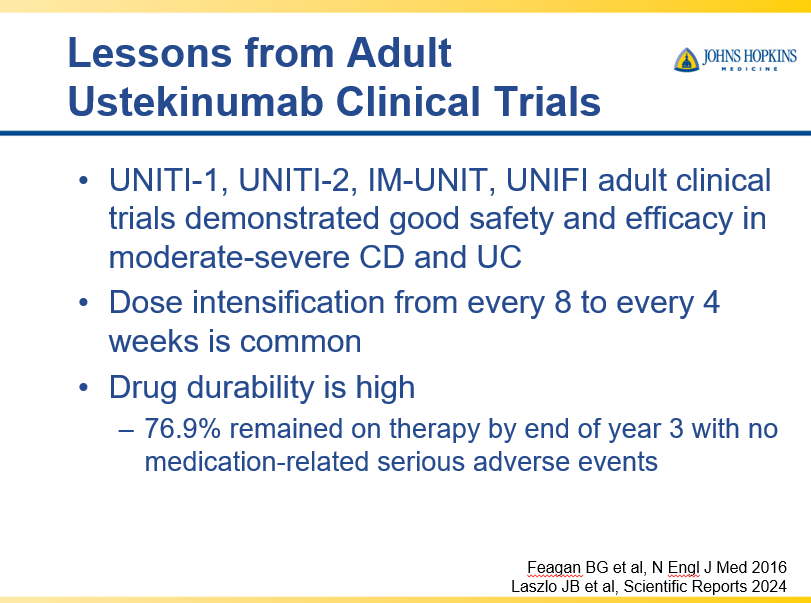
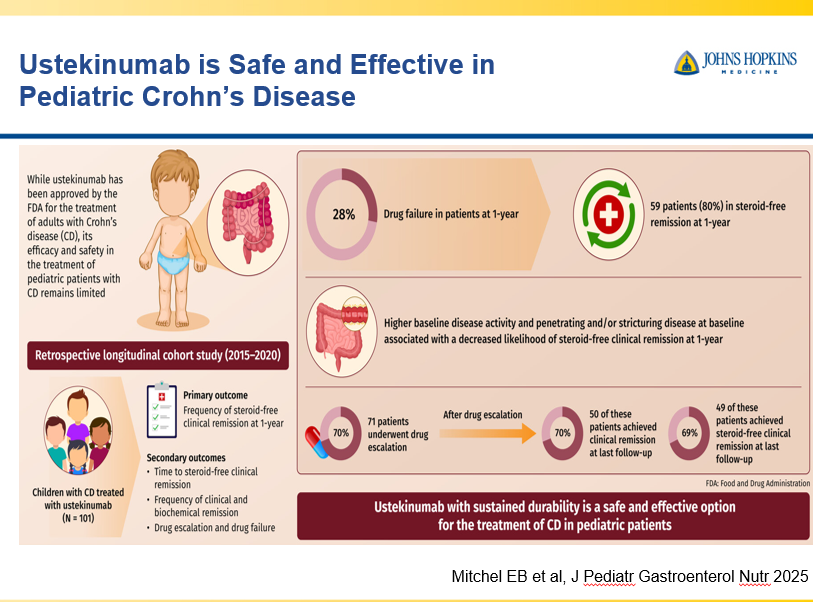
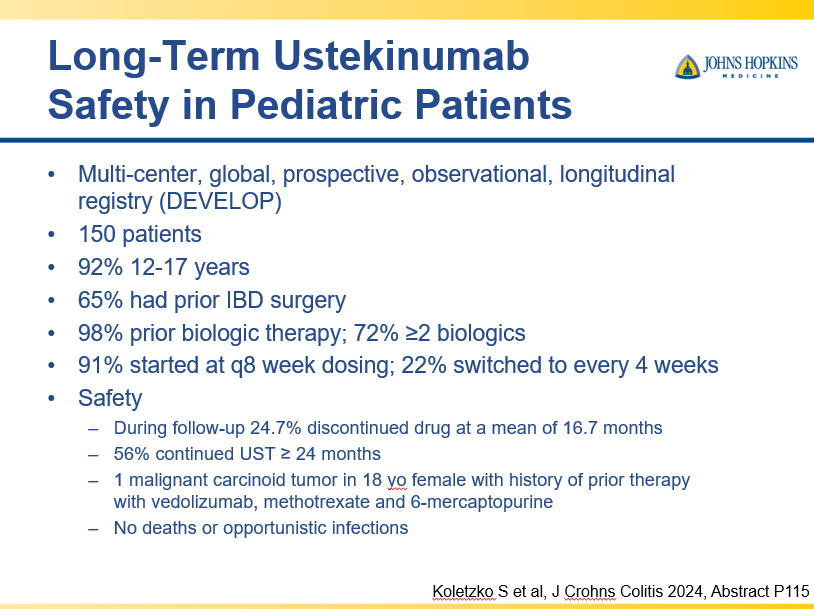
    • Recent studies show that ustekinumab is effective in children. Also, in patients who respond to ustekinumab, there is good durability
    • Infliximab is a top-line therapy in Crohn’s disease
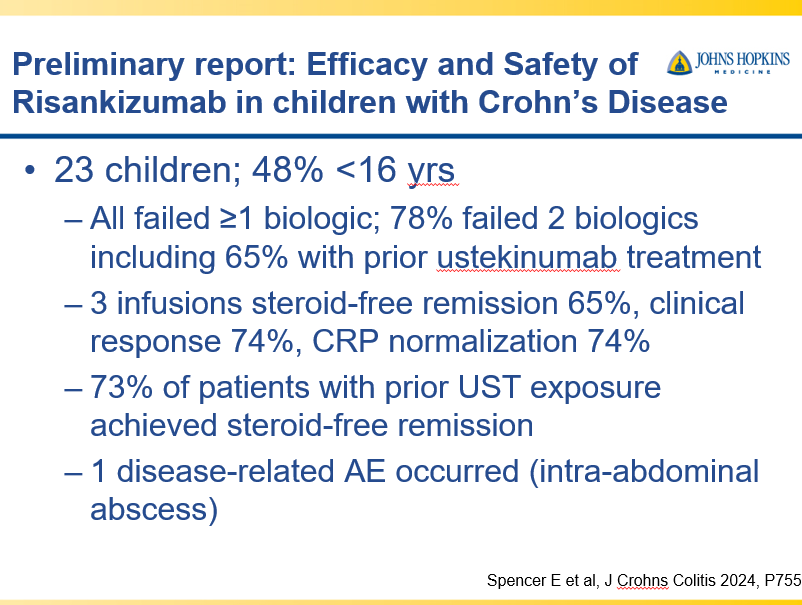
    • Risankizumab is a top-line therapy in both biologic-naive and biologic-exposed patients with Crohn’s disease. Higher maintenance doses may capture more patients.
    • Upadacitinib is a very good therapy in patients with prior advanced therapies with either Crohn’s or ulcerative colitis. It also has a rapid onset of action (within 2 weeks)
    • Vedolizumab is less effective in those who are biologic-exposed. However, patients with predominantly colonic (UC-like) involvement may be better-suited for this therapy
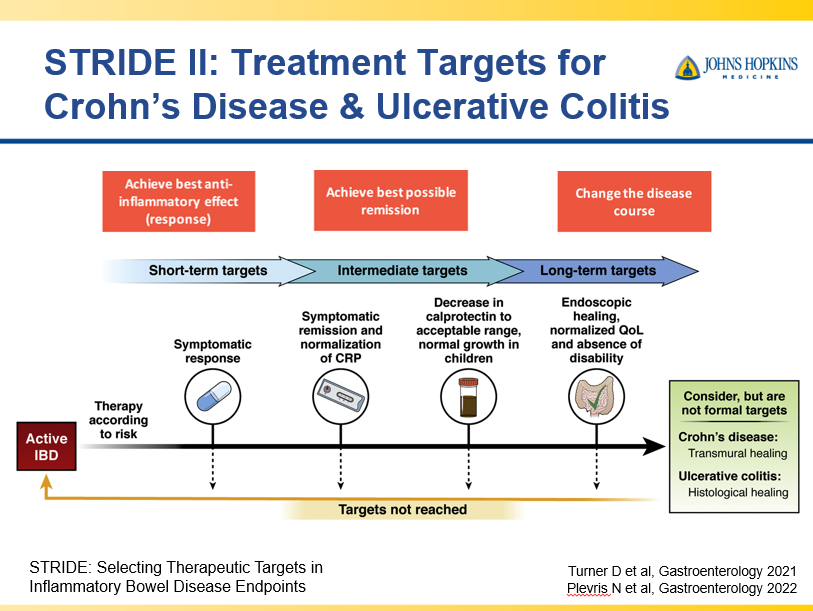
    • Close monitoring and treat-to-target approaches are recommended. Usually followup scope is undertaken after one year (&/or one year after switching therapy)
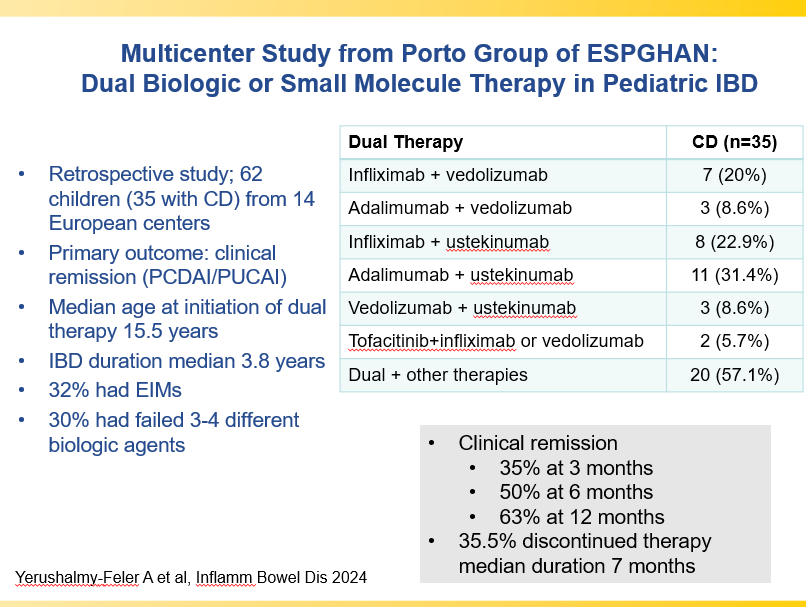
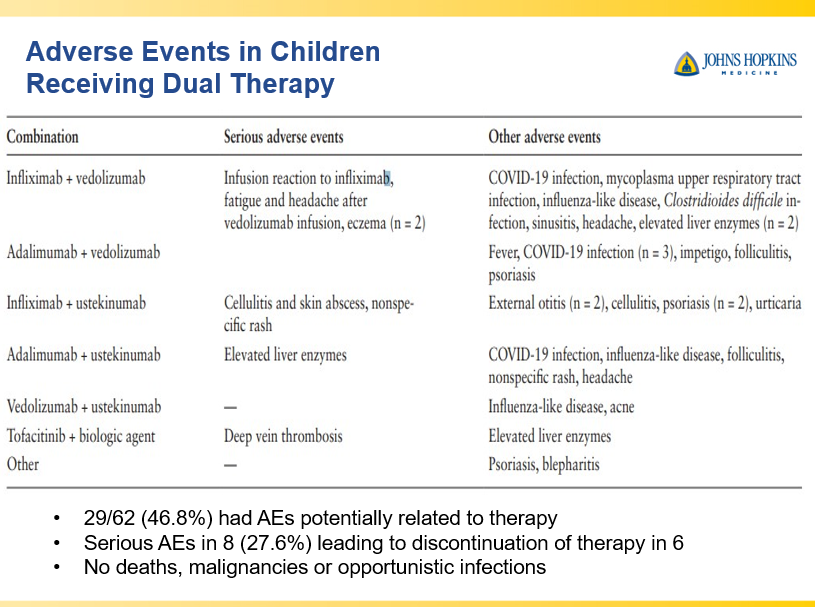
    • Combination advanced therapies have shown effectiveness but it is unclear which combinations are optimal
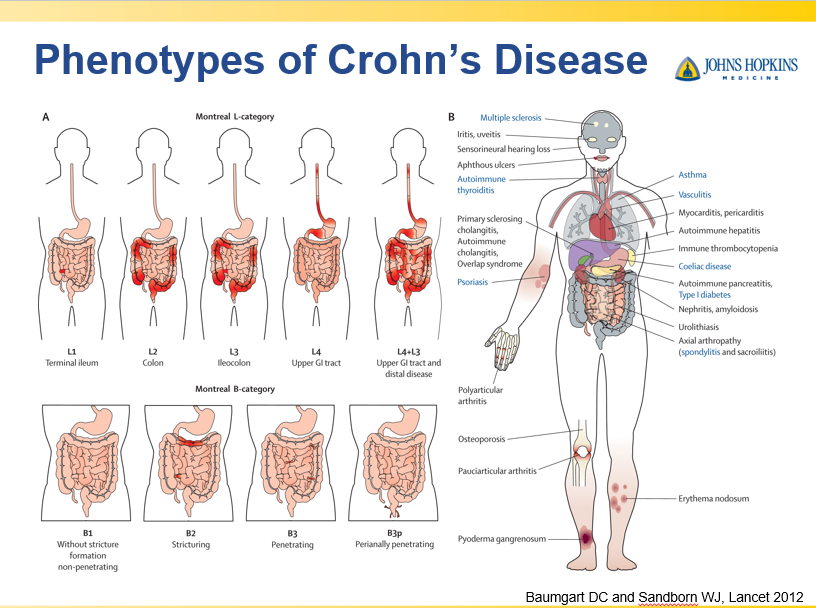
    This slide shows the Montreal Classification, an organ-based phenotype, to describe the anatomic extent and behaviors of Crohn’s disease;. The figure on the right illustrates extraintestinal manifestations of IBD. It is expected that disease classification will rely more on a molecular based approach.
    The STRIDE project which defined goals of treatment was the result of consensus achieved by the International Organization of IBD. The first recommendations came out in 2015 and then these were updated in 2021 to incorporate a pediatric component.
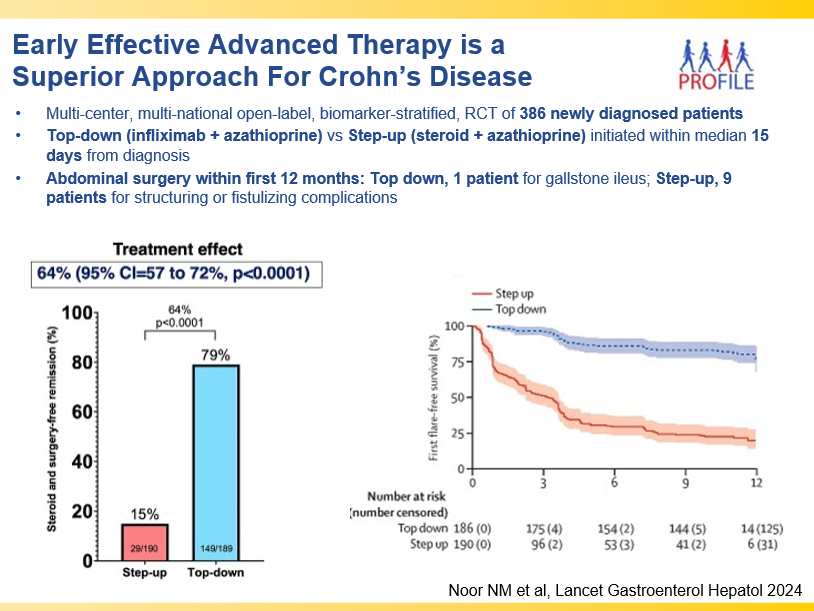
    The PROFILE study with 386 adults showed how important early effective advanced therapies. Patients receiving infliximab/azathioprine within a median of 15 days from diagnosis had remarkably better outcomes compared to step up treatment with prednisone + azathioprine.
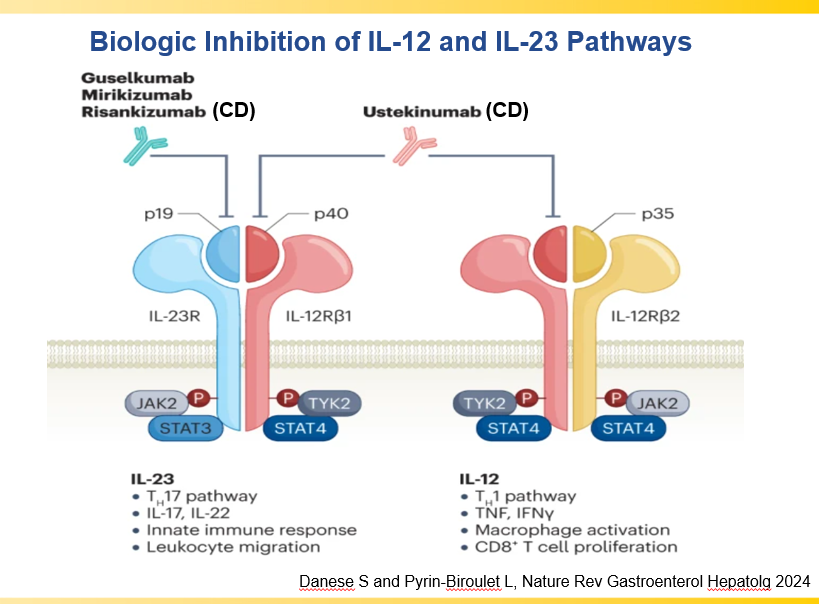
    The cytokine IL12 and IL23 shown as circles with 2 subunits attaching to their receptors share a p40 subunit (shown in red). Ustekinumab binds to that p40 subunit thereby inhibiting both the IL12 and IL23 pathways. IL23 inhibitor. Risankizumab, Mirkizumab, Guselkumab inhibit only the p19 subunit (shown in blue) and so  they only downregulate the IL-23 pathway.
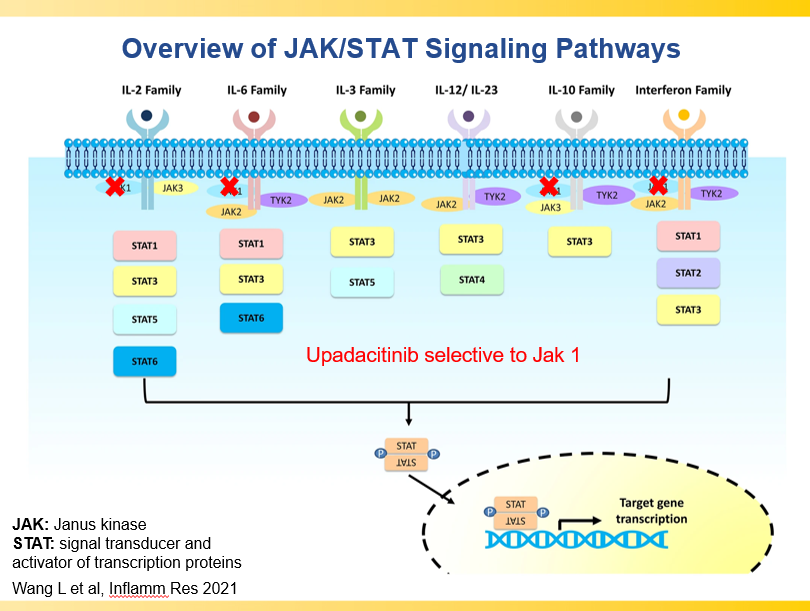
    Jak inhibitors targets are intracellular in location.
    Pediatric data: Multicenter 2015-2020; primary outcome was CS-free remission after 1 yr. Prior to use, 50% failed 1 anti TNF and 30% 2 anti TNF. At one year, 59/101 were in steroid free remission
    Upadactinib studies: Oral induction dose for UC and CD is 45 mg daily for induction
    and with reduction in maintenance to 30 mg or 15 mg
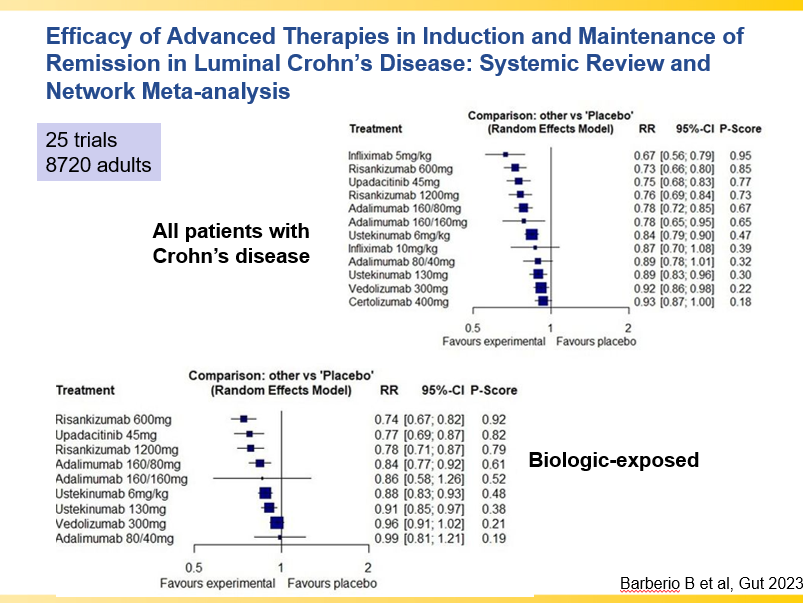
    Due to limited head-to-head studies, network meta analyses provides indirect evidence of comparative effectiveness. It relies on how effective a medication was compared to placebo. One of the problems with these comparisons is that there are different populations in each of these studies.
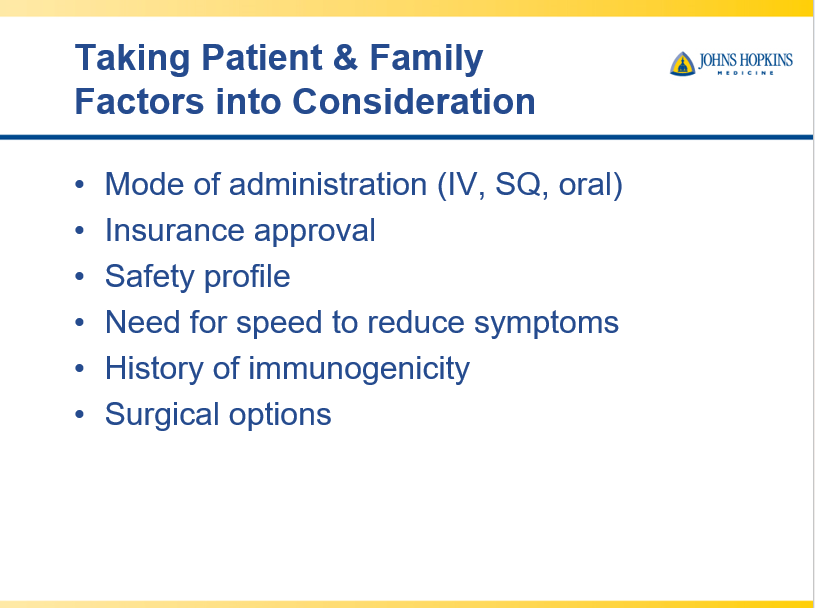
    In patients who need speed to reduce symptoms, upadacitinib is favored over IL-23 agents

    Though Dr. Oliva-Hemker’s lecture did not focus on ulcerative colitis, she did note that their center has recommended frequent colonoscopies (often yearly) in many of their patients with the combination of ulcerative colitis and PSC. This is due cases of colon cancer in their pediatric cohort.

    Related blog posts:

    Disclaimer: This blog, gutsandgrowth, assumes no responsibility for any use or operation of any method, product, instruction, concept or idea contained in the material herein or for any injury or damage to persons or property (whether products liability, negligence or otherwise) resulting from such use or operation. These blog posts are for educational purposes only. Specific dosing of medications (along with potential adverse effects) should be confirmed by prescribing physician.  Because of rapid advances in the medical sciences, the gutsandgrowth blog cautions that independent verification should be made of diagnosis and drug dosages. The reader is solely responsible for the conduct of any suggested test or procedure.  This content is not a substitute for medical advice, diagnosis or treatment provided by a qualified healthcare provider. Always seek the advice of your physician or other qualified health provider with any questions you may have regarding a condition.

    IBD Briefs: Upadacitinib in Children, Predicting Crohn’s Disease, and Autoimmune Diseases Associated with IBD

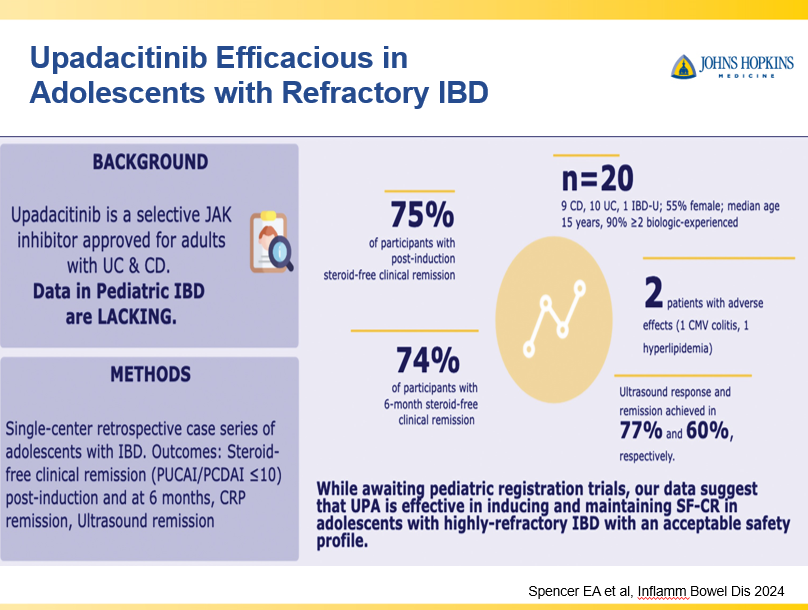
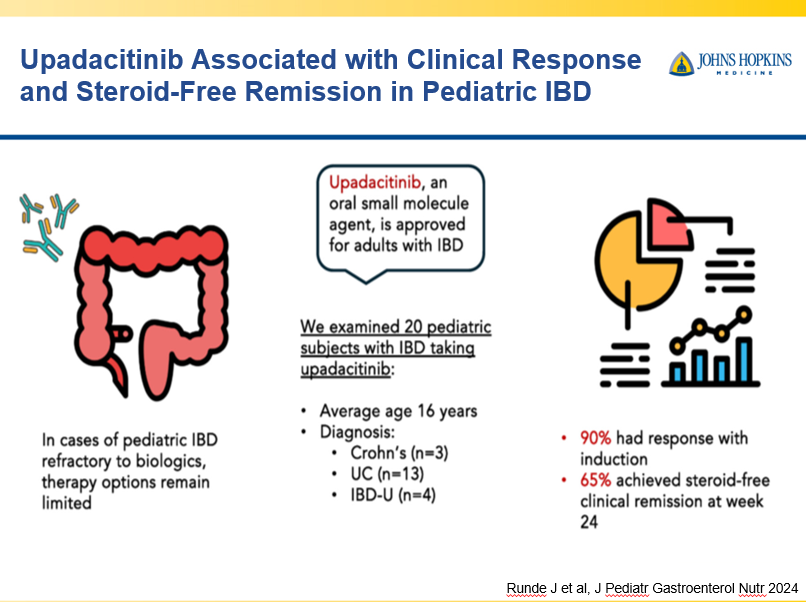
    J Runde et al. J Pediatr Gastroenterol Nutr. 2025;80:133–140. Upadacitinib is associated with clinical response and steroid-free remission for children and adolescents with inflammatory bowel disease

    In this single-center retrospective study, n=20 (3 CD, 13 UC, 4 IBD-U), steroid-free clinical remission (SF-CR) was seen in 75% (16/20) following induction and maintained in 65% (11/17) reaching Week 24 of therapy

    J Gaifem et al. Nature Immunology 2024; 25: 1692-1703. Open Access! A unique serum IgG glycosylation signature predicts development of Crohn’s disease and is associated with pathogenic antibodies to mannose glycan.

    “Analysis of preclinical serum samples, up to 6 years before IBD diagnosis (from the PREDICTS cohort), revealed the identification of a unique glycosylation signature on circulating antibodies (IgGs)…[which] elicits a proinflammatory immune pathway through the activation and reprogramming of innate immune cells.”

    LR Jolving et al. Inflamm Bowel Dis 2025; 31: 87-94. Children and Adolescents Diagnosed With Inflammatory Bowel Disease Are at Increased Risk of Developing Diseases With a Possible Autoimmune Pathogenesis

    Using Danish registry and 50-fold matched controls, there was a significant increase for a large number of autoimmune diseases: The adjusted hazard ratio after full follow-up was 4.72 for psoriatic arthritis, 5.21 for spondyloarthritis, 2.77 for celiac disease, 2.15 for rheumatoid arthritis, 1.69 and 1.64 for type 1 and type 2 diabetes, respectively. For thyroid disease, it was 1.16.

    Related blog posts:

    La Fortuna, Costa Rica

    How Quickly Does Upadacitinib Work for Crohn’s Disease Symptoms?

    JF Colombel. et al. Clin Gastroenterol Hepatol 2024; 22: 1668-1677. Open Access! Upadacitinib Reduces Crohn’s Disease Symptoms Within the First Week of Induction Therapy

    This study was a post hoc analysis included pooled data from 2 phase 3, multicenter, double-blind, 12-week induction trials (U-EXCEL and U-EXCEED) and 1 maintenance trial (U-ENDURE). The study included 1021 patients with Crohn’s disease (CD) (n = 674 UPA45; n = 347 PBO).

    Key findings:

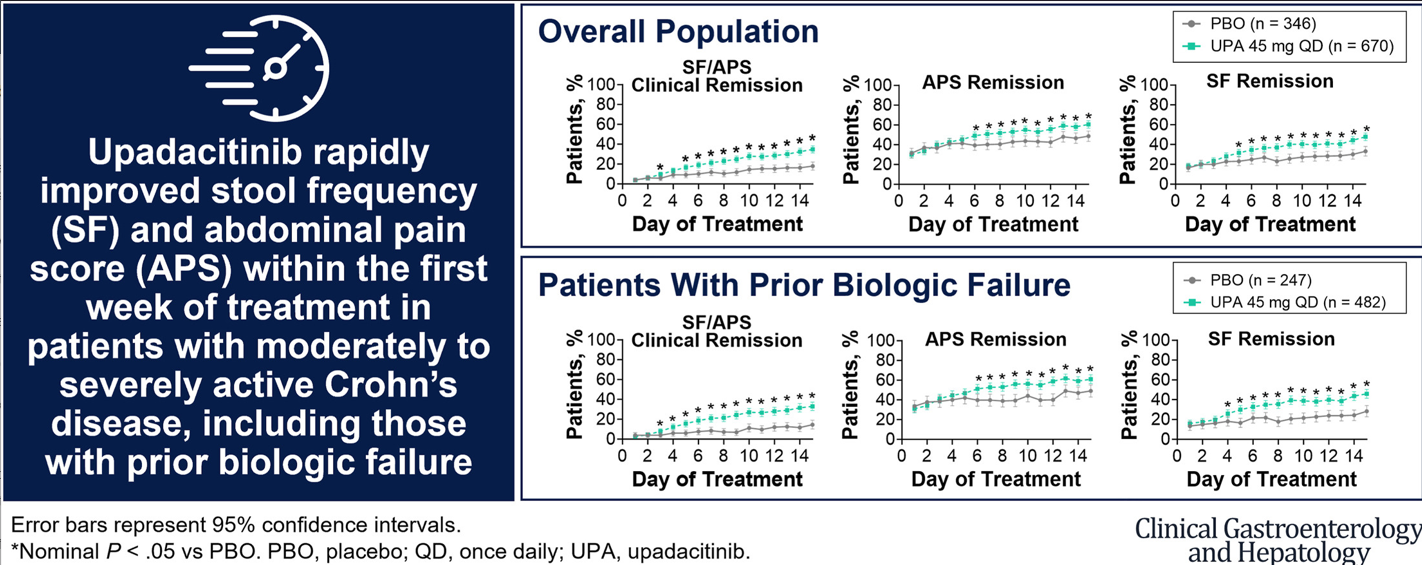
    • Upadacitinib 45 mg taken once daily resulted in rapid relief from CD symptoms within 5 to 6 days of treatment initiation and improved clinical outcomes starting at week 2.
    • The present analysis demonstrates symptomatic relief as early as day 5 to 6 for patients receiving UPA, with 16.7% of patients experiencing daily SF/APS clinical remission by day 5. 
    • The first achievement of daily stool frequency/abdominal pain score (SF/APS) clinical remission occurred earlier with UPA45 (median, 13 d) vs PBO (median, 32 d)
    • Patients treated with UPA45 showed improved rates of SF/APS clinical remission (21.1% UPA45 vs 8.9% PBO) and clinical response (58.8% UPA45 vs 37.9% PBO) starting at week 2 (both P ≤ .01).

    In their discussion, the authors note that time to response to treatment with upadacitinib compares favorably to other advanced therapies:

    “Vedolizumab resulted in symptomatic improvement within 2 to 4 weeks of treatment initiation16; ustekinumab led to clinical response and remission at week 3 or 6, depending on the dose.17 Similarly, of the time points analyzed, clinical response and/or clinical remission was observed as early as week 2 for risankizumab, 5 infliximab,18 and certolizumab pegol,19 and as early as week 1 for adalimumab.20,21

    My take: The rapid response seen in many patients indicate that upadacitinib can be a steroid-sparing therapy in patients with Crohn’s disease.

    Unrelated article: E Louis et al. JAMA 2024; doi:10.1001/jama.2024.12414. Risankizumab for Ulcerative Colitis: Two Randomized Clinical Trials

    Key findings:  Among the 975 patients with moderate to severe ulcerative colitis, analyzed in the induction trial, 1200 mg of risankizumab significantly increased the rates of clinical remission at 12-week follow-up compared with placebo (20.3% vs 6.2%, respectively). Among 548 patients included in the primary efficacy analysis for the maintenance trial, 180 mg of risankizumab and 360 mg of risankizumab significantly increased the rates of clinical remission (40.2% and 37.6%, respectively) compared with placebo (25.1%).

    Related blog posts:

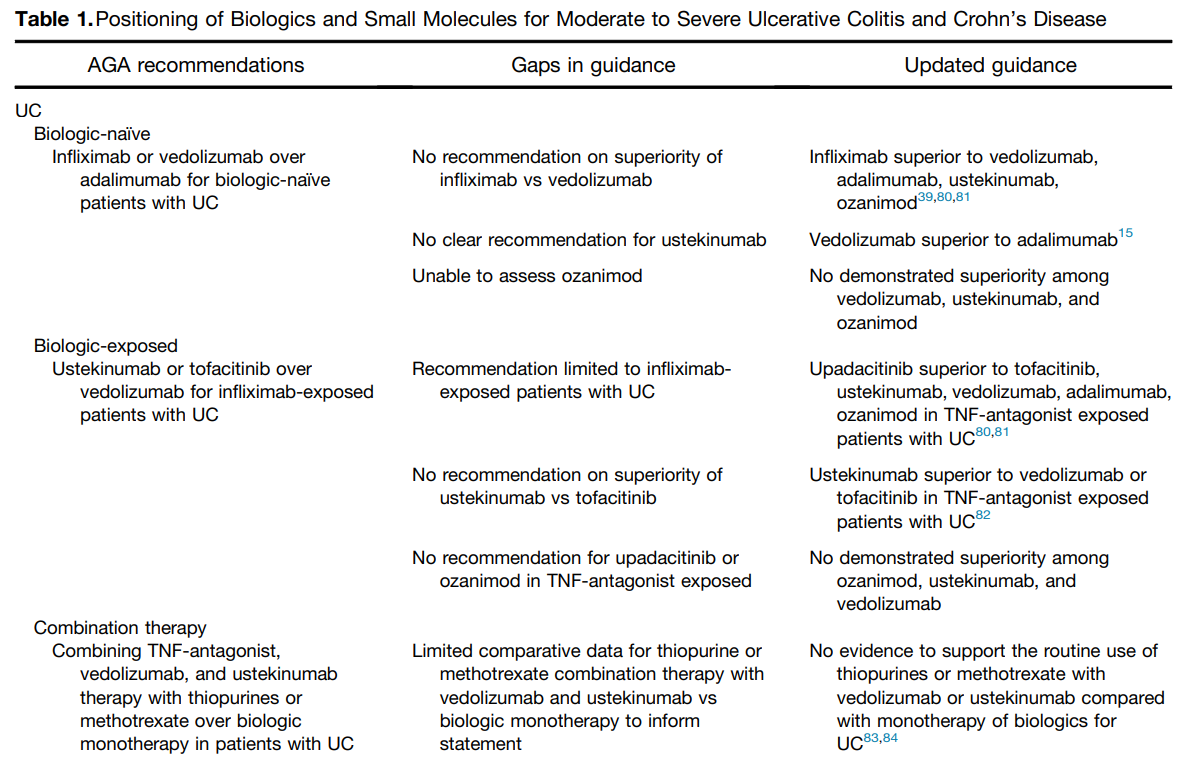
    Comparative Evidence and Positioning Advance Therapies for Inflammatory Bowel Disease

    PS Dulai et al. Gastroenterol 2024; 166: 396-408. Open Access! Integrating Evidence to Guide Use of Biologics and Small Molecules for Inflammatory Bowel Diseases

    “In this review, we provide a framework for clinicians and researchers to understand key differences in sources of evidence, how different methodologies are applied to study the comparative effectiveness of advanced medical therapies in IBD, and considerations for how these sources of evidence can be used to better integrate current guideline recommendations.”

    This article explains the use of randomized controlled trials, “real-world evidence”/observational comparative studies, network meta-analysis, and post-hoc comparisons from randomized studies.

    “The authors advocate for “”Given the rapidity with which new advanced medical therapies are becoming available in IBD, which quickly make current guidelines obsolete, living guidelines may offer a unique consideration to ensure applicability to routine care.”

    My take: This article provides a useful update of current advanced therapies and information in positioning these advanced therapies. It would be a great service if the IBD community could create something similar to HCVguidelines.org. The latter was a coordinated effort by the AASLD and IDSA to help provide expert advice during a deluge of amazing advances in HCV. And just like HCVguidelines, it is important to address “special” populations including pediatric patients and patients with very early onset IBD.

    Related blog posts:

    Disclaimer: This blog, gutsandgrowth, assumes no responsibility for any use or operation of any method, product, instruction, concept or idea contained in the material herein or for any injury or damage to persons or property (whether products liability, negligence or otherwise) resulting from such use or operation. These blog posts are for educational purposes only. Specific dosing of medications (along with potential adverse effects) should be confirmed by prescribing physician.  Because of rapid advances in the medical sciences, the gutsandgrowth blog cautions that independent verification should be made of diagnosis and drug dosages. The reader is solely responsible for the conduct of any suggested test or procedure.  This content is not a substitute for medical advice, diagnosis or treatment provided by a qualified healthcare provider. Always seek the advice of your physician or other qualified health provider with any questions you may have regarding a condition.

    Upadacitinib vs Ustekinumab for Ulcerative Colitis

    RS Dalal et al. Clin Gastroenterol Hepatol 2024; 22: 666-668. Comparative Effectiveness of Upadacitinib vs Ustekinumab for Ulcerative Colitis: A Multicenter Retrospective Cohort Study

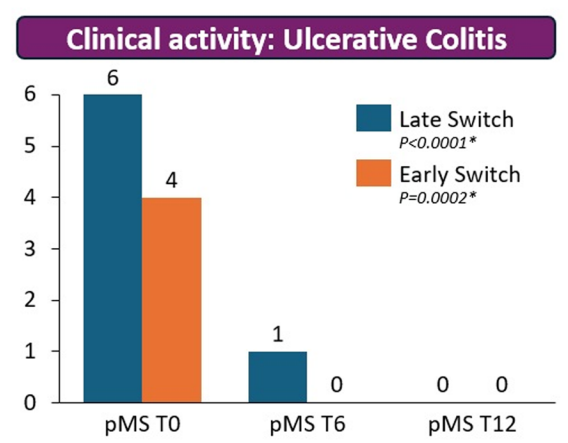
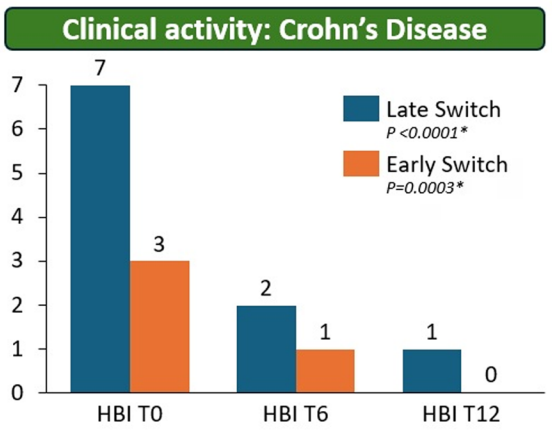
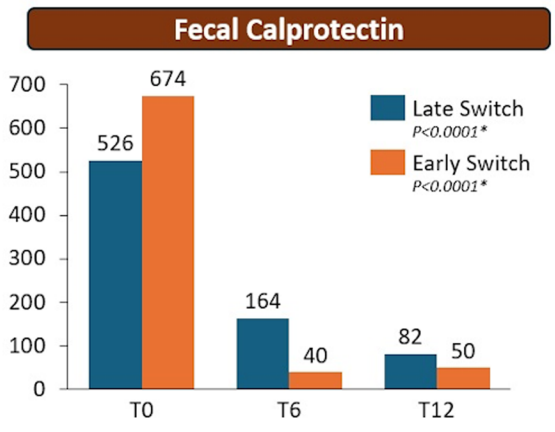
    This was a multicenter retrospective cohort study of adults with ulcerative colitis comparing upadacitinib (n=70) to ustekinumab (n=148). The upadacitinib-treated patients were all bio-exposed, had more advanced therapy failures, and higher baseline SCCAI (simple clinical colitis activity index).

    Key findings:

    • Upadacitinib-treated patients had better outcomes: Clinical response of 82.9% vs. 63.5%, Steroid-free clinical remission 62.1 % vs. 34.7%, improvement in arthralgia 64.3% (9 of 14) vs 23.4% (11 of 47), and endoscopic remission 37.5% (9 of 24) compared with 15.9% (7 of 44).
    • The odds ratio (OR) after inverse probability of treatment-weighting were in favor of upadacitinib: Clinical response OR 2.39, SFCR OR 3.17, and endoscopic remission OR 5.10
    • Similar amounts of adverse effects were reported in each group

    My take: Upadacitinib had better response rates within 52 weeks even though the patients receiving this medication had more advanced therapy failures. However, it is important to keep in mind the limitations of this retrospective study. The improved outcomes are in contrast to a study comparing another JAK inhibitor (tofacitinib) to ustekinumab in which the outcomes appeared equivalent (Tofacitinib vs Ustekinumab -Which is Better for Ulcerative Colitis?).

    Related blog posts:

    Heron at Azalea Park (Sandy Springs, GA)

    Dr. Joel Rosh: Positioning Therapies for Pediatric Ulcerative Colitis

    Dr. Joel Rosh gave our group an excellent update on sequencing therapy for ulcerative colitis (UC).  My notes below may contain errors in transcription and in omission. Along with my notes, I have included many of his slides.

    • There are only two FDA-approved biologics in pediatric Ulcerative Colitis. It typically takes 8-10 years for a medication with approval in adults to receive FDA approval in children
    • The concept of IBD as two diseases, Crohn’s disease and UC, is flawed; there are more than 200 susceptibility genes for inflammatory bowel disease
    • There has been an increasing incidence and prevalence of IBD. Some of this increase is likely due to our diet and its effects on the microbiome
    • Ultrasound is a nice tool to see what is going on in real time and shows that UC is really a transmural disease.  UC changes in the bowel can result in fibrosis
    • Consider cytokine-basis for disease as a way to conceptualize disease presentation compared to organ-based disease. Many autoimmune diseases (eg. JIA, RA, Psoriasis) are different manifestations related to cytokine-based autoimmunity
    • Almost all pediatric IBD can be considered higher risk based on known risk factors including disease extent (>80% of pediatric UC is pancolitis) and disease age of onset
    • Mesalamine steroid-free clinical remission rates are about 1/3rd after 1 year of treatment
    • Overall, there has been an improvement in colectomy rates since 2001; there still appears to be a bump in the colectomy rate after having UC for more than 10 years
    • Elevated CRP is less common in patients with UC, compared to Crohn’s disease, and is a marker for more severe disease activity
    • Dr. Rosh prefers to avoid some terms including biologic-naive and steroid failure; he favors biologic-unexposed for the former. For the latter, he tries to make it clear that the patient was not a steroid failure. Steroids failed the patient rather than the patient failing the steroids
    • Therapeutic drug monitoring (TDM) is mainly beneficial for anti-TNF agents at this time. Use of TDM can help monotherapy achieve similar results as combination therapy. For infliximab, Dr. Rosh’s ‘rule of thumb’ is 28-18-8 for 2 week trough, 6 week trough, and maintenance trough. Therapeutic levels will meet or exceed these trough levels.
    • Combination therapy has not been shown to improve pharmacokinetics for vedolizumab or ustekinumab
    • Generally, a washout period is not needed when changing biologic therapies. In fact, having some overlap in the medications may have some therapeutic benefit
    • Upadacitinib (Rinvoq) appears to be the most effective JAK for IBD. It is labelled for use as a 2nd-line agent but may be superior for some sicker patients. Rinvoq could be considered as a ‘bridge’ medication in patients with acute severe ulcerative colitis with transition to another biologic like vedolizumab
    • It is important for families to be informed that there is a black box warning for the use of JAK inhibitors. However, major cardiac adverse events (MACE) do not appear to be increased in patients without preexisting cardiac disease risk factors

    Related blog posts:

    Disclaimer: This blog, gutsandgrowth, assumes no responsibility for any use or operation of any method, product, instruction, concept or idea contained in the material herein or for any injury or damage to persons or property (whether products liability, negligence or otherwise) resulting from such use or operation. These blog posts are for educational purposes only. Specific dosing of medications (along with potential adverse effects) should be confirmed by prescribing physician.  Because of rapid advances in the medical sciences, the gutsandgrowth blog cautions that independent verification should be made of diagnosis and drug dosages. The reader is solely responsible for the conduct of any suggested test or procedure.  This content is not a substitute for medical advice, diagnosis or treatment provided by a qualified healthcare provider. Always seek the advice of your physician or other qualified health provider with any questions you may have regarding a condition.

    IBD Brief Updates: Anti-TNF Loss of Response, Upadacitinib for ASUC, Risk Factors for Developing IBD

    EHJ Savelkoul et al. Inflamm Bowel Dis 2023; 29: 1633-1647. Open Access! Systematic Review and Meta-analysis: Loss of Response and Need for Dose Escalation of Infliximab and Adalimumab in Ulcerative Colitis

    Methods: A systematic search was conducted from August 1999 to July 2021 for studies (50 studies identified) reporting loss of response and dose escalation during infliximab and/or adalimumab use in ulcerative colitis patients with primary response

    Key findings:

    • Annual loss of response was 10% for infliximab and 13% for adalimumab, with higher rates during the first year.
    • The annual LOR incidences were higher during the first 65 weeks of treatment for both IFX (14%) and ADA (23%).
    • Annual dose escalation rates were 14% (infliximab) and 21% (adalimumab), with clinical benefit in 72% and 52%, respectively

    CH Zinger et al. Inflamm Bowel Dis 2023; 29: 1667-1669. Upadacitinib for Acute Severe Ulcerative Colitis

    Key finding: 4 patients (age 18-25 yrs) received upadacitinib for acute severe ulcerative colitis (ASUC) after failing to respond to infliximab and IV steroids. 3 of 4 responded to treatment (45 mg/day) between 4 to 8 days. Three months later, two of these patients were in steroid-free clinical-endoscopic remission and one had maintained a clinical response.

    In their discussion, the authors note a similar response rate to tofacitinib, another JAK inhibitor, for ASUC; though, the authors speculate that upadacitinib may be efficacious.

    N Narula et al. Clin Gastroenterol Hepatol 2023; 21: 2649-2659. Associations of Antibiotics, Hormonal Therapies, Oral Contraceptives, and Long-Term NSAIDS With Inflammatory Bowel Disease: Results From the Prospective Urban Rural Epidemiology (PURE) Study

    In a a prospective cohort study of 133,137 individuals between the ages of 20 and 80 from 24 countries, the authors examined the relationship between exposures to antibiotics, NSAIDs and hormonal therapies with the development of IBD over a median 11 year period.

    Key findings:

    • Incident IBD was associated significantly with baseline antibiotic (aOR, 2.81; P = .0001) and hormonal medication use (aOR, 4.43; P = .001).
    • Nonsteroidal anti-inflammatory drug users also were observed to have increased odds of IBD (aOR, 1.80 P = .002), which was driven by long-term use (aOR, 5.58; P < .001)
    Near Cassis, France