On meta-analysis of 13 studies (3756 patients; median follow-up, 12 months; 41% with variants), HLA-DQA1∗05 variants were associated with 75% higher risk of immunogenicity compared with non-carriers (relative risk, 1.75) with considerable heterogeneity (I2 = 62%) (low certainty evidence).
In addition, patients with HLA-QQA1*05 variants had clinical loss of response (LOR) in 67% compared to 30% in those without this variant (wild-type); thus, a 124% higher risk of LOR.
Positive and negative predictive values of HLA-DQA1∗05 variants for predicting immunogenicity were 30% and 80%, respectively
Proactive therapeutic drug monitoring, but not concomitant use of IMMs, IMIDs, and TNF-α antagonist-type, modified this association.
My take:
The ~40% of individuals with HLA-DQA1*05 variants are at higher risk of LOR and are more likely to benefit from both therapeutic drug monitoring and probably from use of combination (with immunomodulator) therapy.
The positive predictive value (30%) is low indicating that the majority of patients with these variants will not develop anti-drug antibodies within 12 months.
In those with negative testing for HLA-DQA1*05 (~60%), the higher negative predictive value indicates a patient is more likely to do well with monotherapy.
HLA-DQA1*05 testing is available commercially (usually part of Celiac HLA typing).
This is the Initiation Well at Quinta da Regaleira in Sintra, Portugal. It is pretty cool because it seems to start at ground level and then goes down many floors. There is an exit to a number of tunnels at the lower level.
After inverse probability of treatment weighting (IPTW) (n = 819), the 5-, 10-, and 15-year cumulative HCC incidence was 3%, 4%, and 9% among treated patients (n = 394) versus 3%, 15%, and 19%, among untreated patients (n = 425), respectively (p = 0.02)
It took 5 years of treatment before there was a significant reduction in HCC risk
The protective effect was mainly in males; it was not observed in females and in patients who were HBeAg negative
The author studied patients with “Indeterminate” HBV; that is, patents that did not fit into the following categories:
The above definitions are AASLD definitions for the HBV categories. In their study, the authors’ definitions required immune tolerant to have ALT <1 x ULN, immune active to have ALT >/= ALT 2 x ULN. Inactive patients had no significant fibrosis or inflammation. The authors gauged fibrosis with either histology or a noninvasive measure (eg. FIB-4, or elastography)
My take: In this subgroup with indeterminate-phase chronic hepatitis B, antiviral treatment resulted in a 70% reduction in HCC risk. Previous AASLD guidelines indicated that treatment is mainly beneficial for immune active HBV; this study indicates that adults with indeterminate-phase HBV benefit as well. Also, as noted in prior blog posts (see below), the term “immune tolerant” is falling out of favor. In addition, updated expert recommendations on expanding treatment have been published: P Martin et al. Clin Gastroenterol Hepatol 2022; 20: 1766-1775 (post: What’s New in the Treatment of Hepatitis B (2022)
Jeff Lewis, one of my colleagues for the last 25 years, recently shared a story on The Moth Atlanta. For those of you who have not been to The Moth, you can hear many of these stories on NPR (The Moth Radio Hour) or The Moth Podcast. Each session has a topic and 10 people are invited to share their heartfelt and sometimes hilarious stories.
Jeff is a brilliant, innovative individual and a good friend. Some of his diverse accomplishments include helping start a camp for our celiac patients (Camp WeeKanEatit), starting our microbiome transplant program (FMT), advancing the health of special needs kids (given an award for this by the Georgia Department of Public Health) and starting a lecture series to honor our surgical colleague Donald Schaffner. He even prompted changes in the hospital’s advice line. In addition, he has been instrumental in making the business part of our office work and in initiating a whole host of research projects. One of his children has told me that Jeff has a calling as a clinician which is so true.
My take: It would be a great idea to have a Moth-type session at our national meeting. I enjoy listening to these stories particularly on long trips.
Per google search: “The Moth was founded in 1997 by the writer George Dawes Green — its name comes from his memories of growing up in St. Simons Island, Ga., where neighbors would gather late at night on a friend’s porch to tell stories and drink bourbon as moths flew in through the broken screens and circled the porch light.”
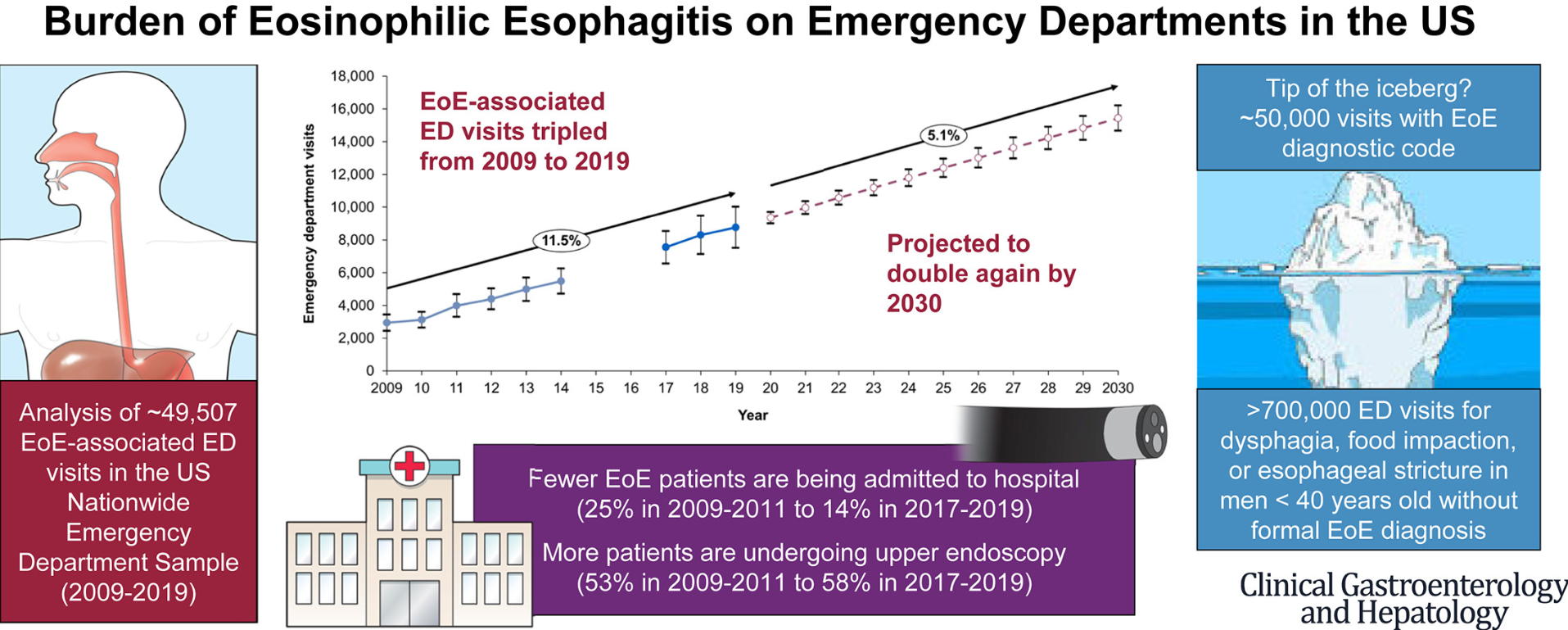
Methods: Data from the US Nationwide Emergency Department Sample (NEDS) were used to estimate weighted annual EoE-associated ED visits from 2009 to 2019. Autoregressive integrated moving average (ARIMA) models were used to project EoE-associated ED visits to 2030. NEDS is a large, publicly available, all-payer ED database in the United States, approximating a 20% stratified sample of US hospital-based EDs.
Key points:
There has been a near tripling of the frequency of EoE-associated ED visits over the course of the past decade which is correlated with an increasing prevalence of EoE. The annual volume of EoE-associated ED visits increased from 2934 in 2009 to 8765 in 2019, and is projected to reach 15,445 by 2030.
Without new interventions, this article projects further increases with doubling again by 2030 (using conservative estimates).
Increasingly EoE is being managed without admission, though average charges associated with ED visits for EoE have tripled since 2009. Total mean inflation-adjusted charges for an EoE-associated ED visit were $9025 US dollars in 2019.
Half of EoE patients presenting to the ED required an endoscopy and 40% required a foreign body/food impaction removal.
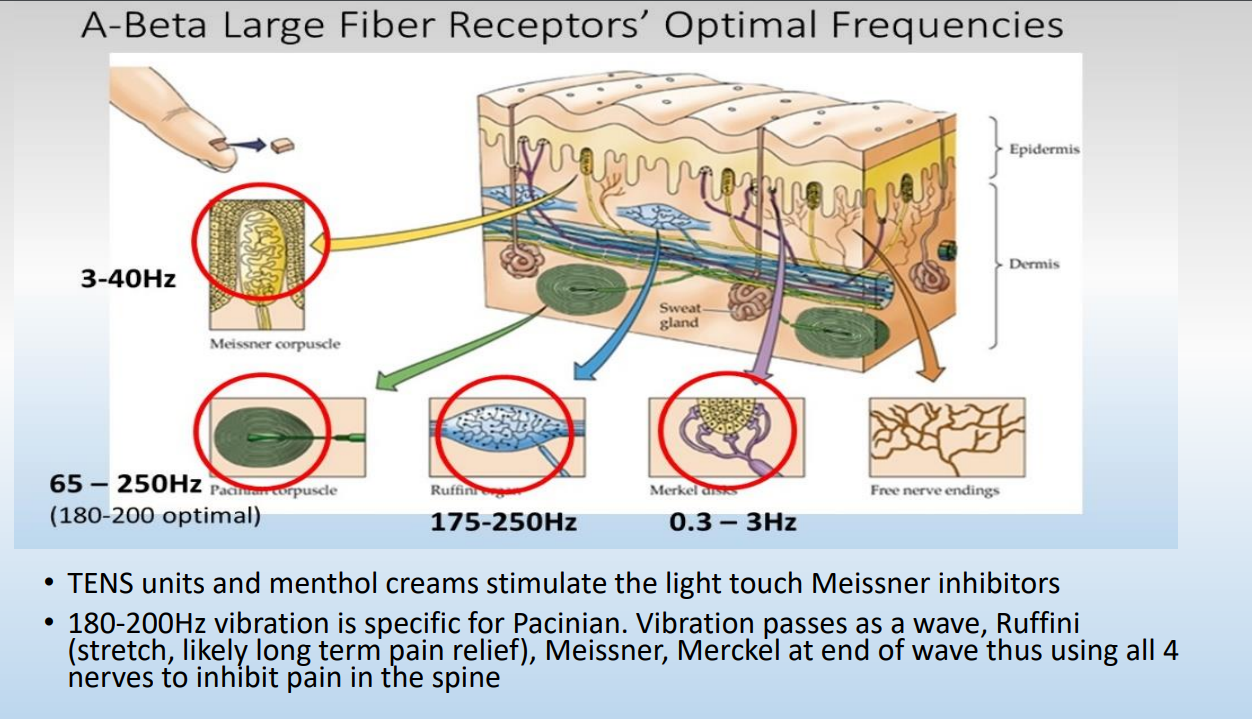
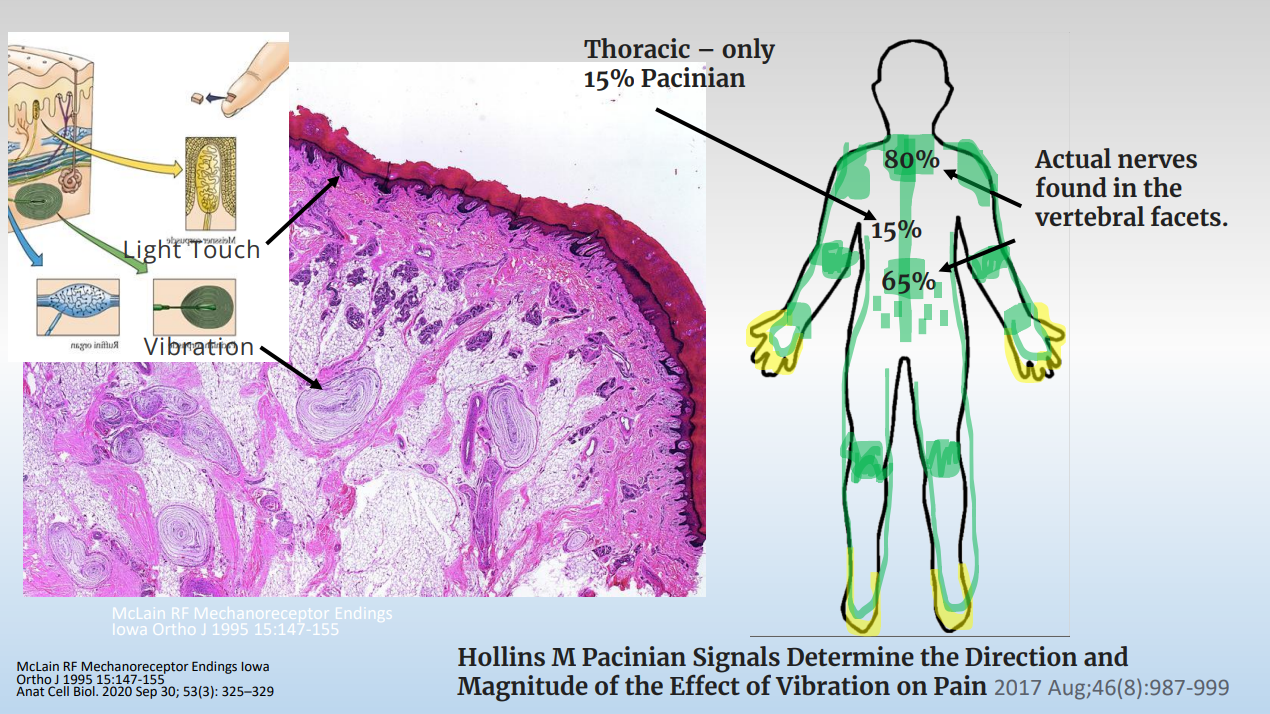
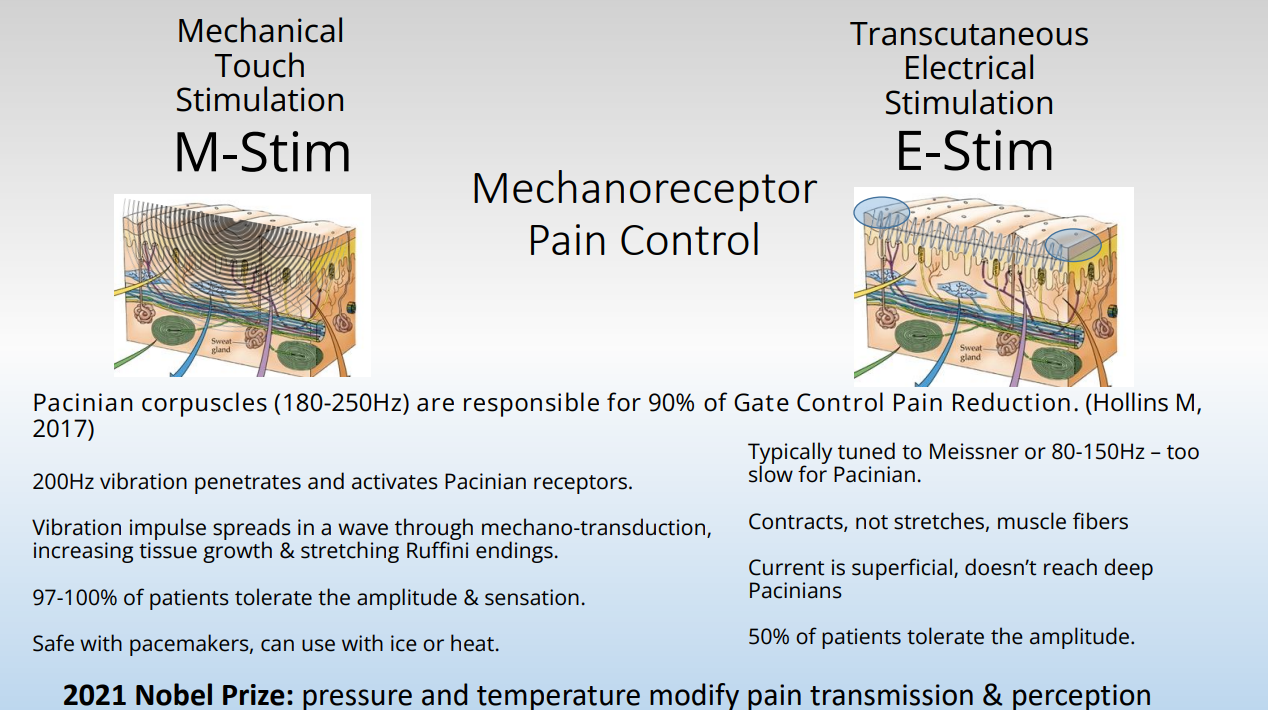
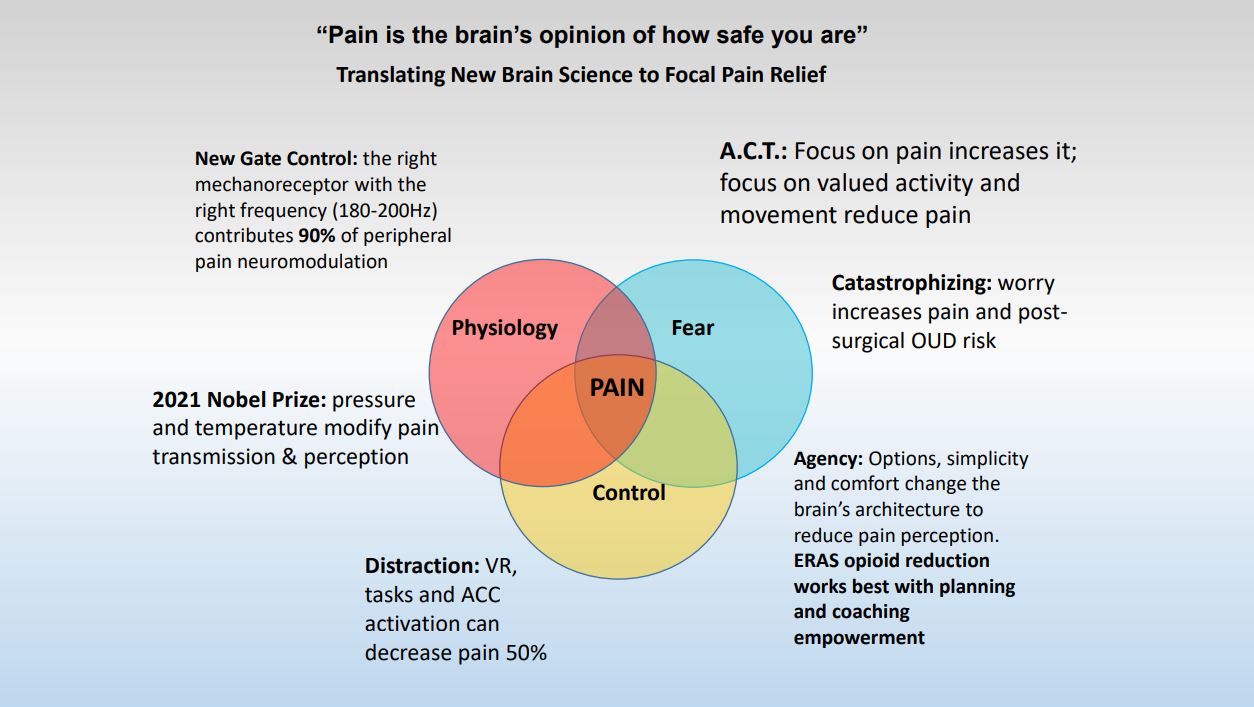
Recently, Amy Baxter, who is the inventor and CEO of BuzzyHelps.com, VibraCool.com , Distraction cards, and DuoTherm, gave a terrific update on chronic pain and new ways to help. She has given a TED talk on this topic as well with about 1 million views
Needle phobia has broader health impacts like lowering immunization rates in adults
Pain is contextual and often related to fear. Many individuals with fear of vaccines and blood draws do fine with extensive tattooing
Exercise helps pain gradually. 10 minutes of exercise twice a day in which one raises their heart rate is sufficient
Focus on function/activities not on pain levels. Expect some pain after insults/injuries.
Distraction is useful. During intense pain, one can count the “holes” in the letters to relievepain. [23 letters bolded in last two sentences, see 2nd to last slide)
Justin Schmidt helped advance pain science by allowing himself to be stung by multiple insects and describing the type of pain induced. (Schmidt JO. 1983 Archives of Insect Biochemistry and Physiology. 1 (2): 155–160)
Previous efforts to eliminate pain with “non-addictive” narcotics and describe pain as a 5th vital sign were big mistakes. Focus should be on getting more comfortable rather than eliminating pain
Gate control of pain -motion helps limit pain
Focusing on pain increases pain. Focus on valued activity and movement reduces pain
“Pain is the opinion of the brain about how safe you are.” Sometimes you have to tell the brain that everything is fine
Counting “holes” in letters helps as a distraction during severe pain
This is a terrific review of obesity and current management options, including surgery and medications. The review provides a thorough explanation of some of the reasons why we are having so many more children with obesity. The article personalizes the problems by focusing on one teen, Alexandra, who underwent sleeve gastrectomy.
Here are a few excerpts (from this lengthy article):
In response to so many grim facts, the A.A.P. in January released its first “clinical practice guideline” for those who care for children who have obesity. The academy now recommends that they immediately start “intensive health behavior and lifestyle treatment,” which it labels “the foundation” of obesity management; this approach supersedes the former strategy of “watchful waiting.” For older youth in certain circumstances — those with a higher B.M.I., say — drugs and, in cases of severe obesity, surgery should be made available as options...
The tenacity ofbody weight can be traced to our biology. Humans evolved to resist losing body fat so that we don’t become extinct, says Rudolph Leibel, chief of the pediatric molecular genetics division at Columbia University’s medical center…
A small number of children with severe obesity are born with leptin deficiency, a gene mutation identified by Sadaf Farooqi, a professor at the University of Cambridge’s Institute of Metabolic Science. Their appetites seem to be bottomless. Though it’s rare, Farooqi cites the extreme effect of this mutation as a clear illustration of the “very strong” impact that biology has upon appetite….Ghrelin, a hunger hormone, increases when food intake is restricted, making us eat more. Insulin, another important hormone, helps turn the food we eat into energy and controls things like blood sugar that influence how much we eat…“We don’t decide whether we’re going to be hungry or not, whether we’re going to have a craving or not….
Genetics may determine more than 70 percent of children’s body weight…But if our genes didn’t change significantly in the last century, why, then, are children getting bigger?No one knows for sure. One likely explanation, however, is the evolutionary mismatch between our genes and our surroundings…
The amount of readily accessible food has expanded immensely, making it easier than ever to eat — open a phone app, say, or go to a drive-through. Plenty of Americans can consume as much as they want, whenever they want.
Today nearly 70 percent of what children eat is ultraprocessed food… Ultraprocessed foods appeal to parents too: They’re cheap, last for years in pantries and freezers and require little preparation. “All food companies are trying to sell products,” Nestle says. “That’s the system, and if the system makes kids fat, well, too bad. Collateral damage.”..Over the past few decades, the variety of food items in some supermarkets has risen to more than 40,000 from 7,000…
Adolescents who have had bariatric surgery — most of them white and female — experienced weight loss similar to what adults lost: around 25 percent of their B.M.I. And while nearly 90 percent of these teenagers needed diabetes medications before the operation, none did afterward…Only a tiny fraction of the teenagers with severe obesity who qualify actually receive the operation…
The latest glucagon-like peptide-1 receptor agonists — as a group, commonly referred to as Ozempic — are the true game changers, a class of drugs that are making possible a degree of weight loss not seen before with medications. The pharmaceutical company Novo Nordisk manufactures GLP-1s for weight loss, one of which is semaglutide and sold under the brand name Wegovy. (Ozempic is the brand name for a lower-dose version of semaglutide that is prescribed to treat diabetes)…
The major studies of children and these drugs have enrolled many fewer adolescent subjects than adults, but no new safety concerns have emerged. In addition to semaglutide’s principal side effects of nausea, vomiting and diarrhea — reported by two-thirds of study participants — more serious ones include gallstones and pancreatitis. Wegovy comes with a caution about possible thyroid cancer, and the F.D.A. mandates that it include a warning about the possibility of suicidal ideation, because it acts on the brain…If patients discontinue the medicines, the weight returns…older drugs in its class have been used to treat diabetes for nearly two decades. But for any new medicine, the long-term risks remain uncertain…
For now, most adolescents who qualify for semaglutide probably won’t be able to get the drug at all [due to cost and drug shortages]….
[At the same time] a greater awareness of the drawbacks that can accompany the medicalizing of obesity, have fueled popular body-positivity movements like Health at Every Size, which seek to disentangle weight from health…
But despite the risks that can accompany obesity treatments — and despite the fact that the data doesn’t always present a clear picture — the prevailing attitude within the medical establishment is that, on balance, the potential negative consequences of obesity are too evident to ignore
If you regularly read the NEJM, what did you think about this article? Personally, I could relate a lot to the commentary.
The article starts off with the author, at the time in his 40s, chiding a colleague who was considering retiring at age 64 despite being very capable. His colleague responded: “My patients’ illnesses are starting to get to me.” Now, the author in his 70s has a different perspective.
Some excerpts:
Having just retired myself at 71, I now understand exactly what he meant…As a young physician, I was able to compartmentalize illness: it was something that happened to my patients, not to me. I could understand their illnesses, but I never saw myself in their place. I would try to alleviate their suffering, but my primary task was to diagnose and treat their condition.
I needed the distance from their suffering to be able to face the same situation with the next patient. Empathizing was not considered “professional,” but I think the real reason for avoiding it was that it undermined our defenses against the disappointment of failing in our mission to cure disease…”
Objectivity helped me cope with the stress of dealing with my patients’ life-threatening and life-changing situations. It enabled me to see my work in a more intellectual and less emotional light…
But as I grew older, this distinction became harder to maintain… My patients and their problems became more difficult to compartmentalize as separate from me. I started to feel the “extra-medical” aspects of their illnesses much more acutely than I had when I was younger — the unfairness of disease, the inevitability of age and the breakdown of the body.”
My take: As I have become older, it is harder to compartmentalize some of the suffering that I have witnessed. Even though this can help with empathy, I would rather forget a few of these experiences.
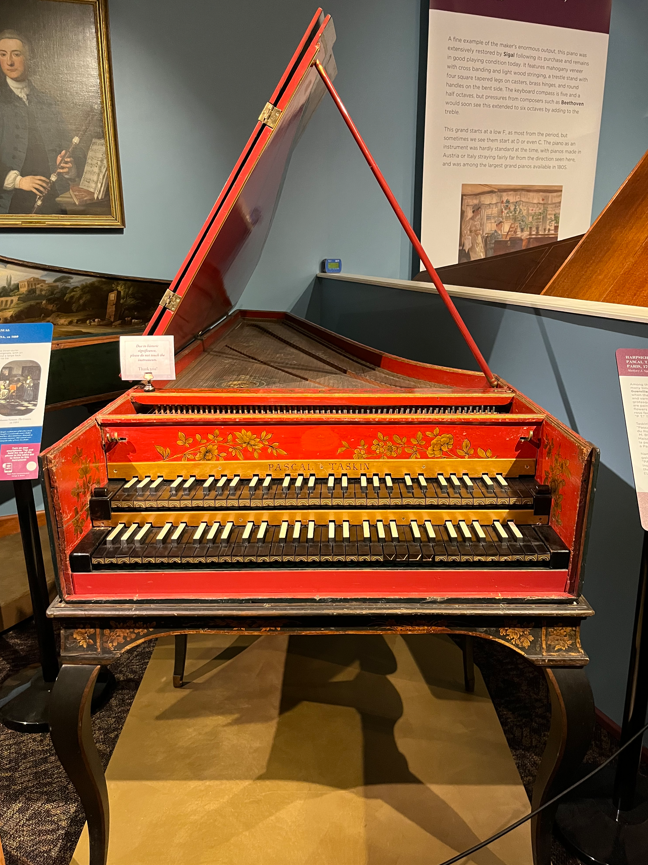
Correction:Yesterday’s post was updated after an astute observation from one of my colleagues (Jordan) to note that the pictured instrument was in fact a harpsichord rather than a piano. A harpsichord’s sound is derived from plucking a string whereas a piano’s sound comes after a hammer strikes a chord.
Thanks to Ben Gold for this reference. Also, congratulations to Jose Garza -our motility specialist and a coauthor of this study.
15 motility specialists completed their interpretation of 40 consecutive HRM (high resolution manometry) and 40 FLIP (functional lumen imaging probe panometry) studies. All were part of a FLIP study group. Key findings:
Overall, there were high levels of interrater agreement and accuracy in the interpretation of HRM and FLIP metrics and moderate-to-high levels for motility classification in FLIP
There were no FLIP diagnoses of normal EGJ opening in patients with established achalasia and no FLIP diagnoses of achalasia in patients with normal EGJ opening and contractility. This was true with HRM as well.
In non-obstructive motor disorders, raters frequently indicated that they would request alternate confirmatory testing before invasive management
My take: This is a reassuring study indicating that with the most consequential esophageal findings, there is excellent agreement among motilist interpretation. Previous studies of colonic manometry, in contrast, have found much lower levels of agreement.
Briefly noted: Case report of a 17 yo with Crohn’s disease who developed urticaria and pruritus approximately 6 hours after her very first infliximab infusion; the patient was diagnosed with Alpha-Gal and responded to change to adalimumab which is not glycosylated with alpha-gal.
Sigal Music Museum (Greenville, SC) -has a large number of very old harpsichords and pianos. A harpsichord plucks strings to make the sound whereas a piano has a small hammer that strikes the strings to make the sound. This musical instrument is a harpsichord.












 gutsandgrowth