More slides from this terrific lecture:


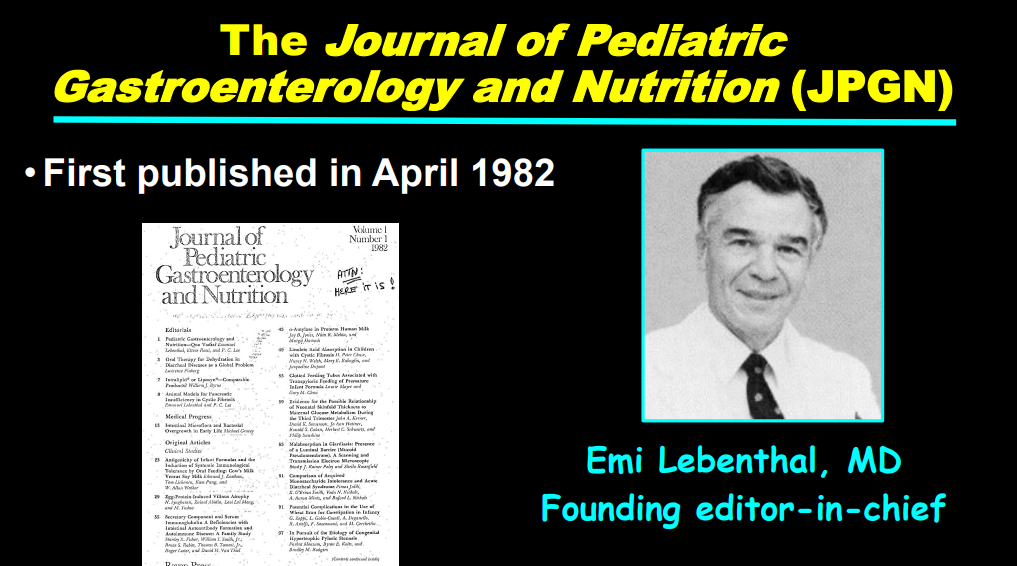







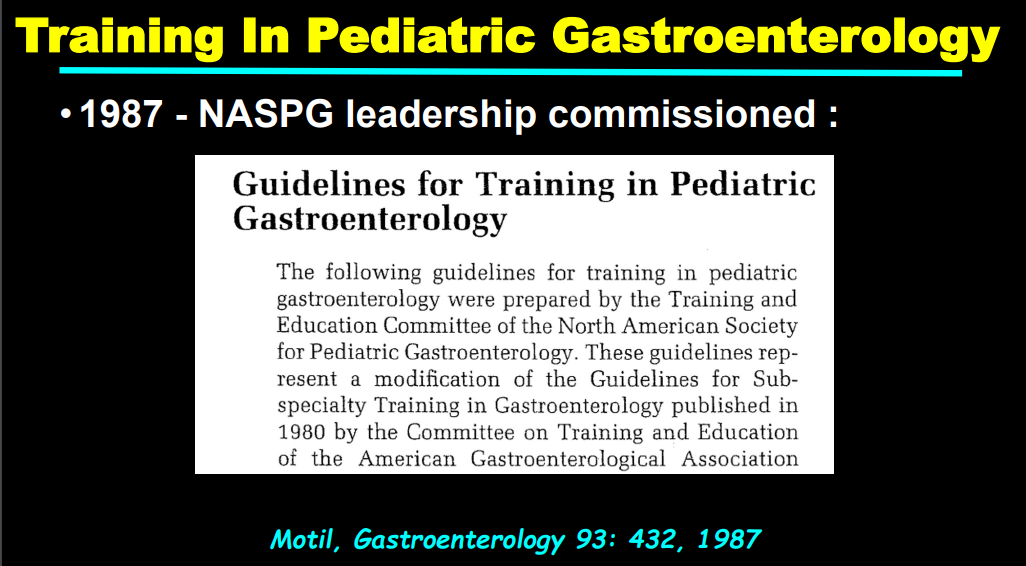


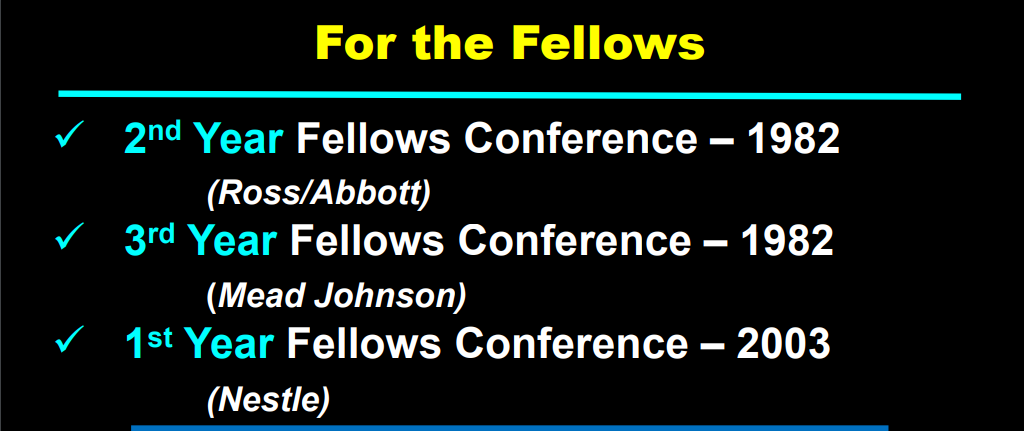

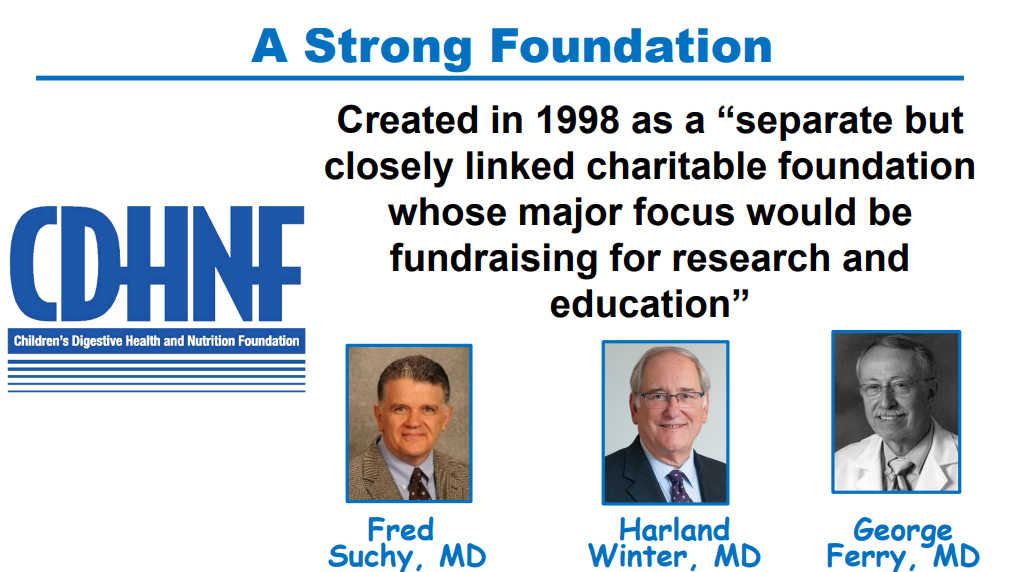
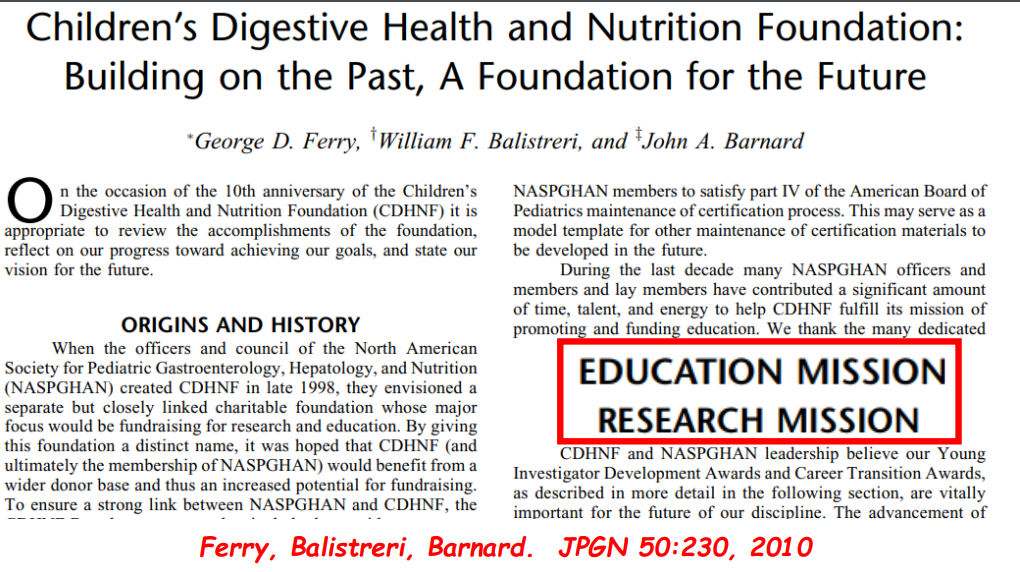
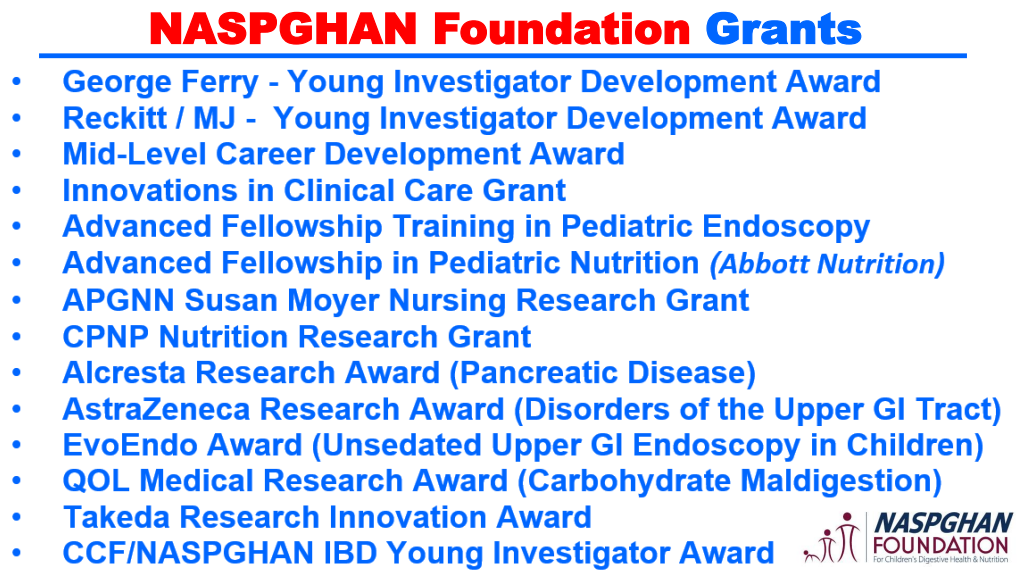

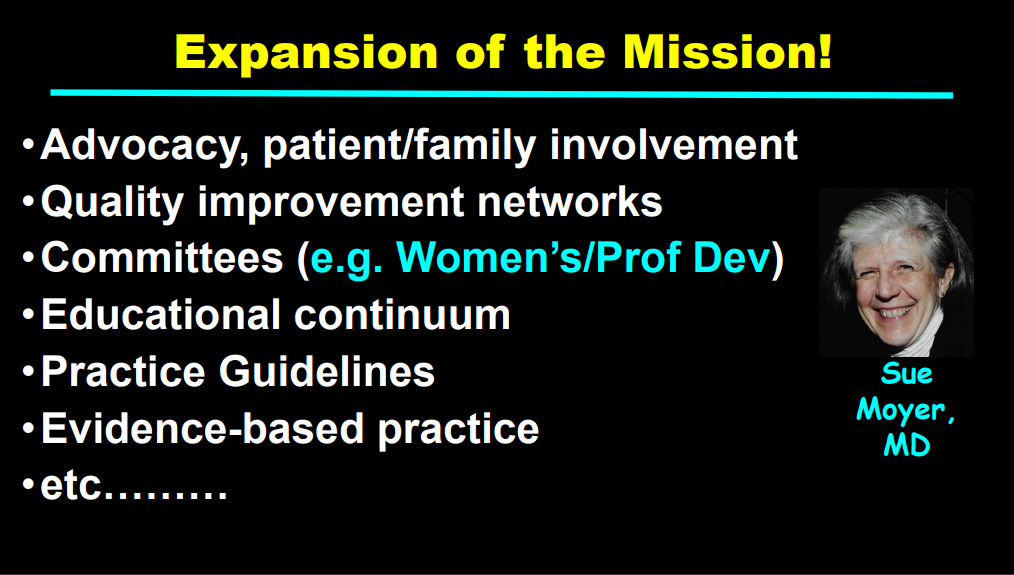




More slides from this terrific lecture:
Here are more of the slides:


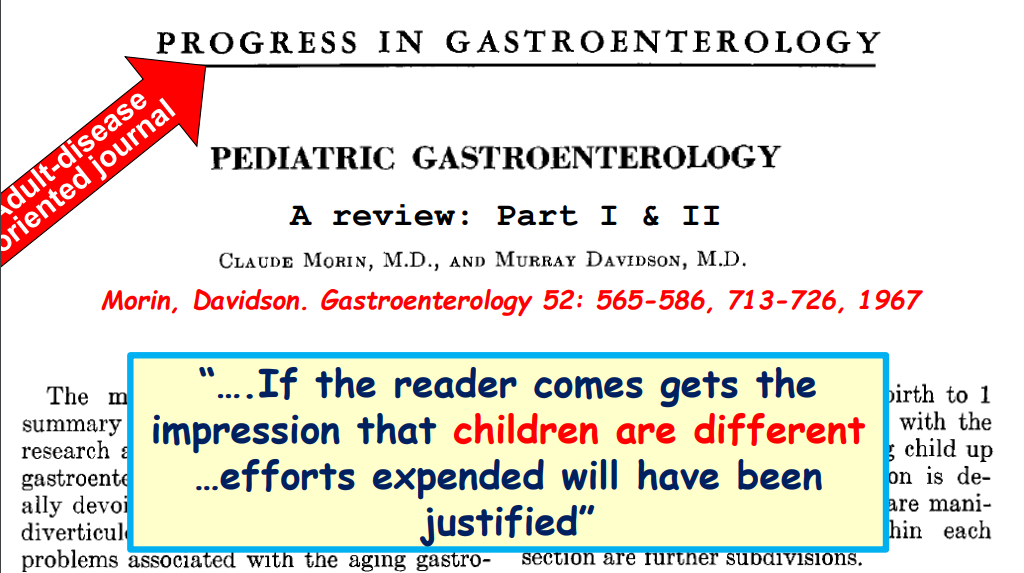

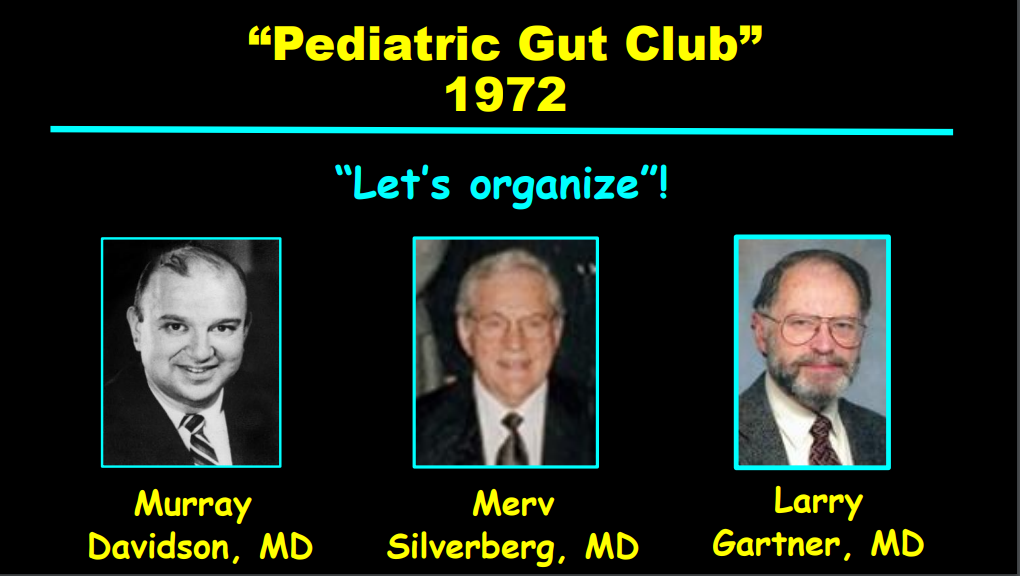
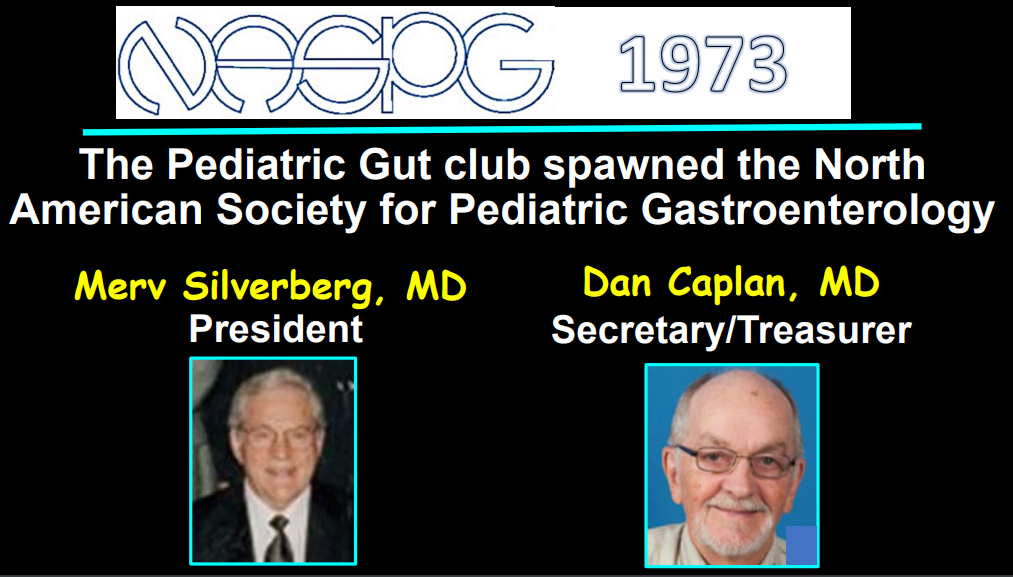


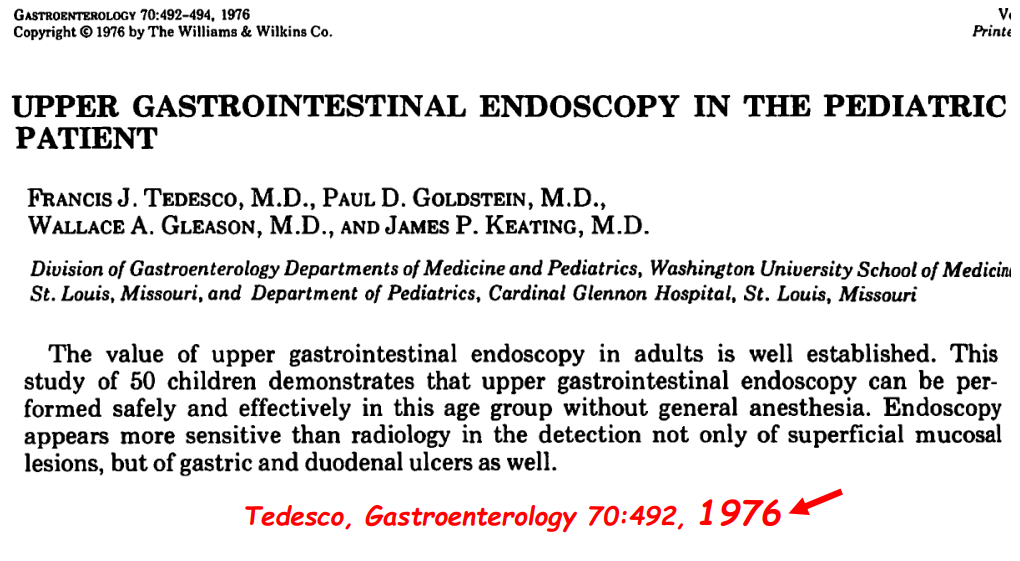


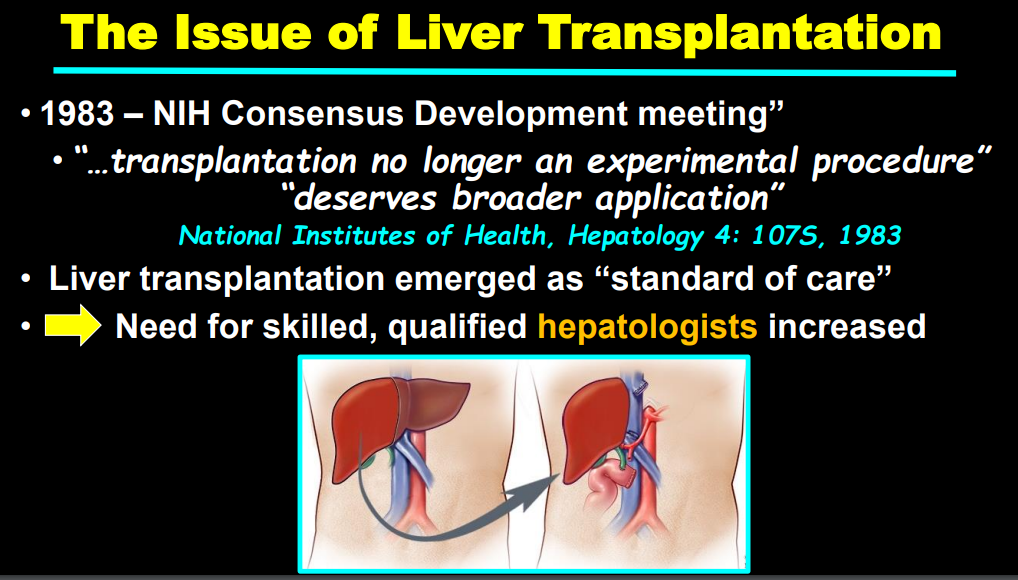






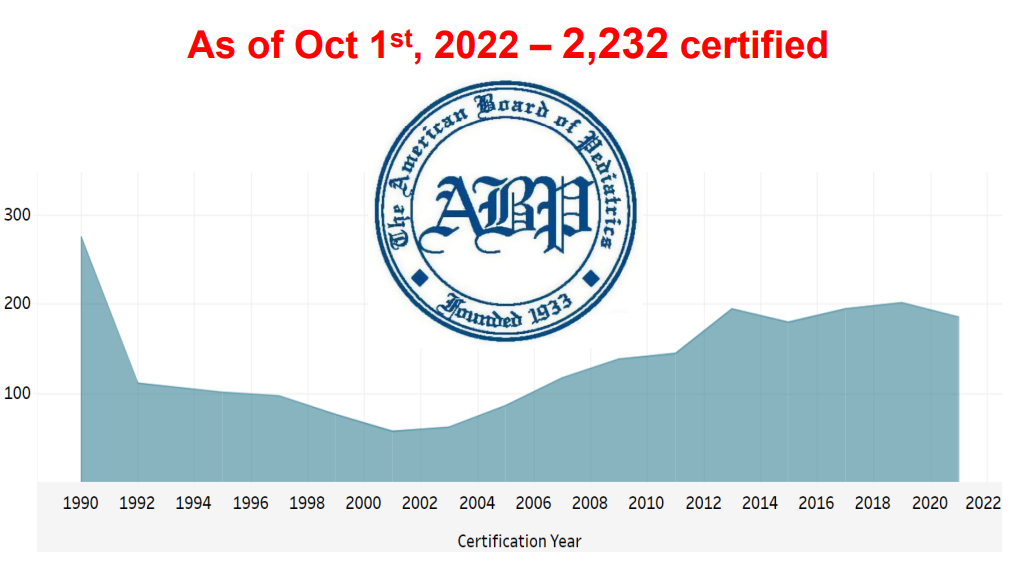

:
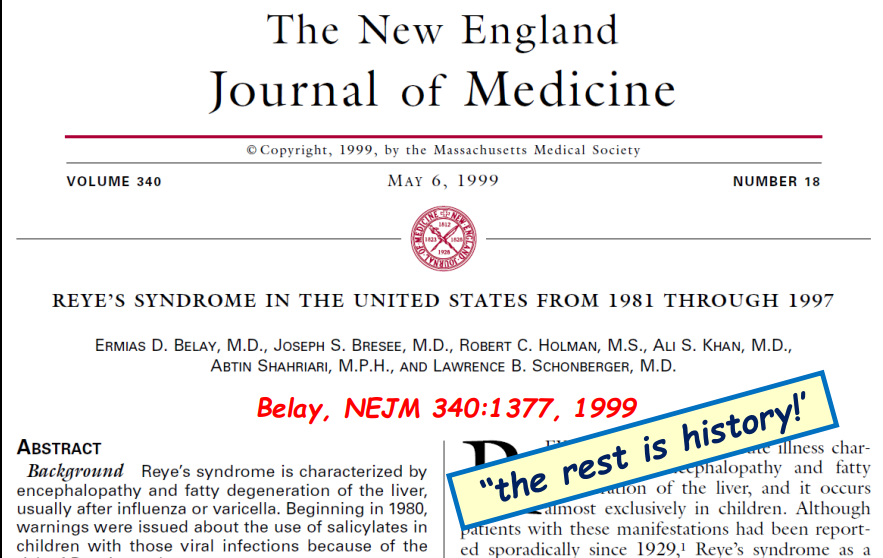
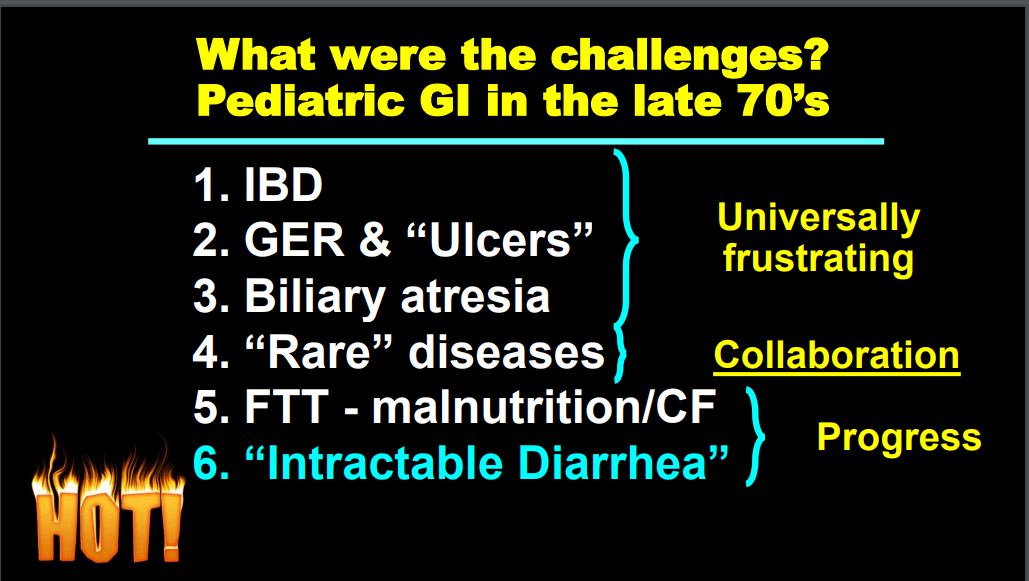
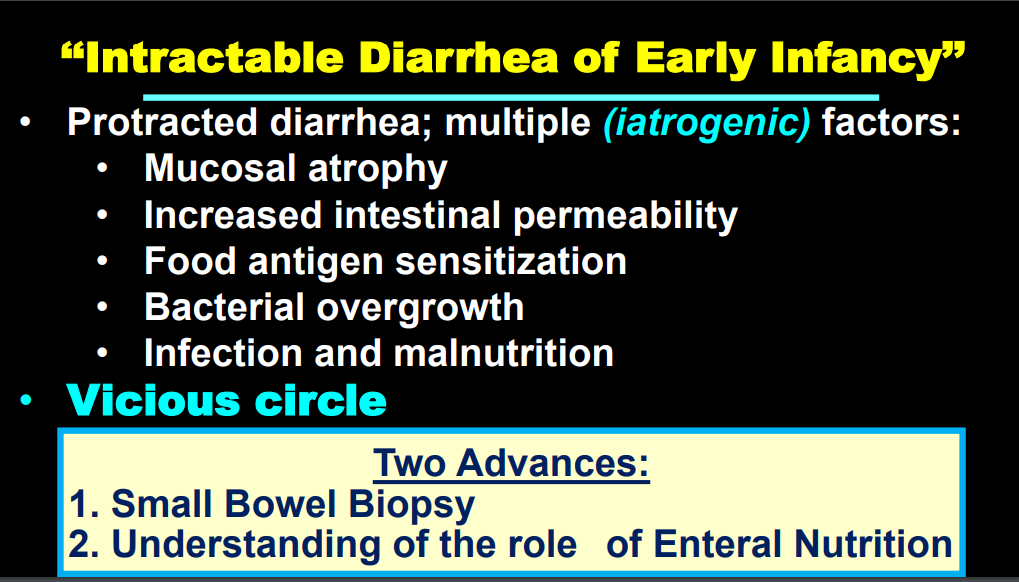
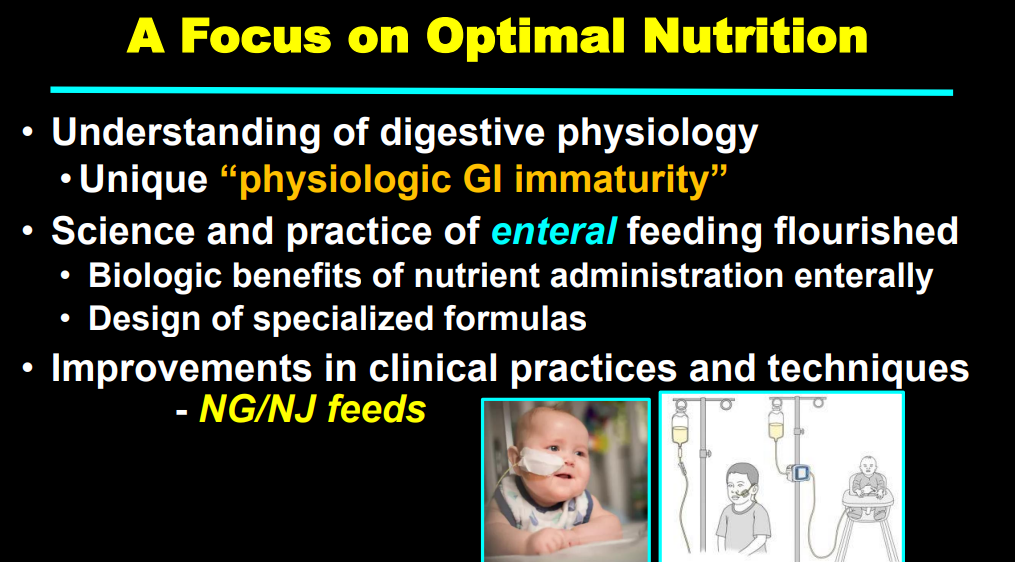
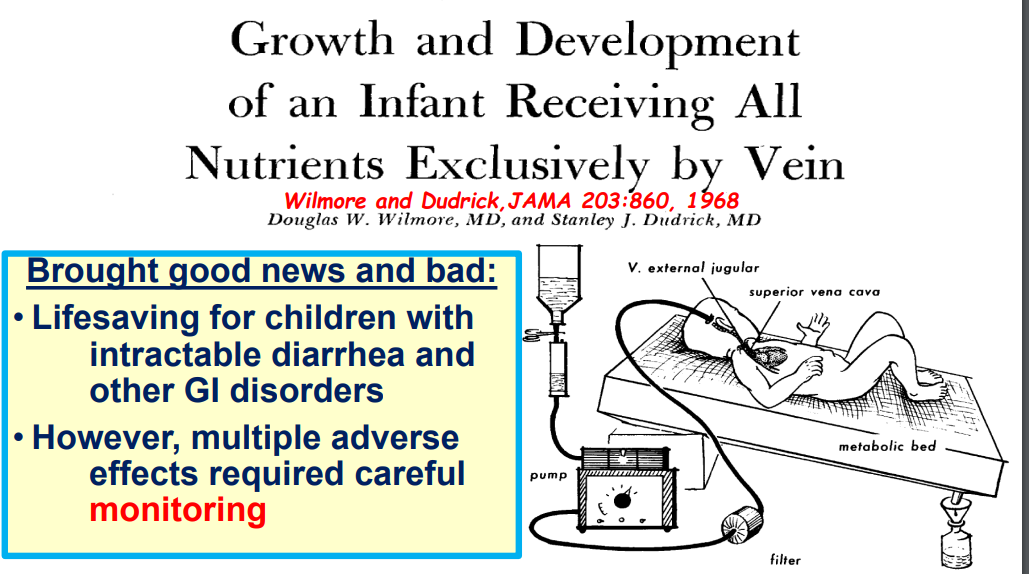
Shortly before attending medical school, I read a book by Lewis Thomas called The Youngest Science. The narrative explains the evolving of medicine into a sophisticated science. The recent Balistreri lecture (given by Dr. Balistreri himself) provides a similar narrative but focused on our specific subspecialty.
Here are some of the slides:








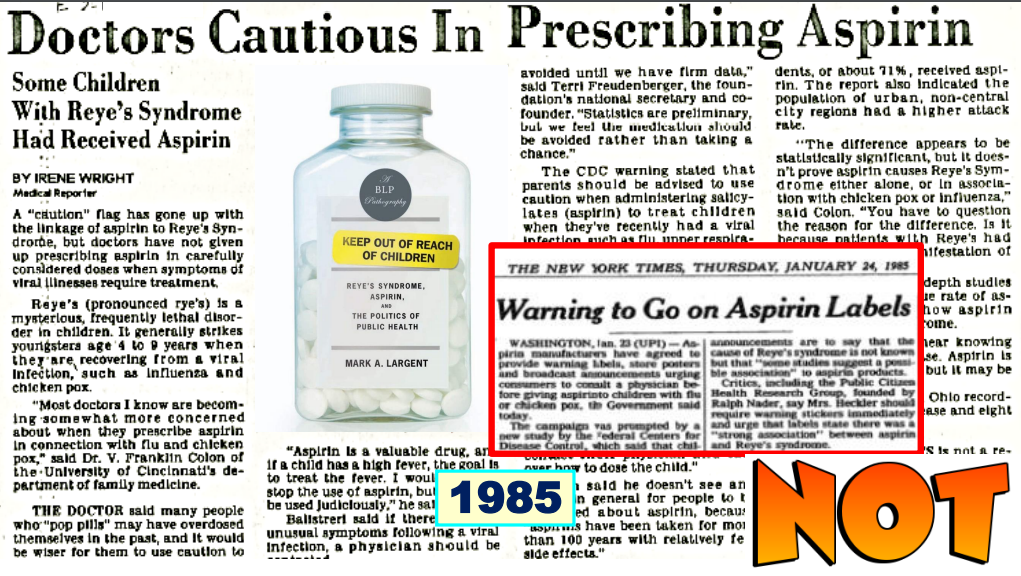





BE Sands et al.Lancet 2022; 399: 2200-2211. Ustekinumab versus adalimumab for induction and maintenance therapy in biologic-naive patients with moderately to severely active Crohn’s disease: a multicentre, randomised, double-blind, parallel-group, phase 3b trial
Methods: This was “a randomised, double-blind, parallel-group, active-comparator, phase 3b trial (SEAVUE) at 121 hospitals or private practices in 18 countries. We included biologic-naive patients aged 18 years or older with moderately to severely active Crohn’s…Eligible patients were randomly assigned (1:1; via an interactive web response system) to receive ustekinumab (approximately 6 mg/kg intravenously on day 0, then 90 mg subcutaneously once every 8 weeks) or adalimumab (160 mg on day 0, 80 mg at 2 weeks, then 40 mg once every 2 weeks, subcutaneously) through week 56. Study treatments were administered as monotherapy and without dose modifications.”
386 patients were enrolled.
Key findings:
My take:

Near Denali, AK
MR Ulcrich. NEJM 2022; 387: 1245-1247. Public Carry versus Public Health — The Harms to Come from the Supreme Court’s Decision in Bruen
Some excerpts:
“The majority opinion in Bruen, written by Justice Clarence Thomas, will have a devastating impact on efforts to mitigate gun violence and address racial disparities, but the reasoning used in the decision could cause even more havoc moving forward.”
“Allowing more guns in public does nothing to address the real drivers of criminal behavior, which include social determinants such as poverty, neighborhood violence, poor education, and substandard housing.2 Instead, an increased presence of firearms in public is likely to escalate confrontations, with data suggesting either that people who act aggressively are more likely to arm themselves or that people who are armed are more likely to act aggressively — or perhaps both.1“
“No right is absolute, and the government is able — if not obligated — to prevent harm to the broader public even in the exercise of constitutional rights. Such authority holds for the speech and religious practices covered by the First Amendment, and the Second Amendment should be no different. But the Court’s new theory of the Second Amendment compels lower courts to ignore public health research, empirical evidence, the current gun-violence epidemic, and other rights and liberties of the broader public.”
E Tobin-Tyler. NEJM 2022; 387: 1247-1249. A Grim New Reality — Intimate-Partner Violence after Dobbs and Bruen
“Pregnancy is associated with both the initiation of IPV [intimate partner violence] and an increase in IPV severity, making it a particularly dangerous time.3 Homicide is the leading cause of pregnancy-associated death in the United States; pregnant and postpartum women are more than twice as likely to die from homicide as from either hemorrhage or hypertensive disorders.3 …Studies show that abortion access plays an important role in reducing IPV.4 “
“In his dissent in Bruen, Justice Stephen Breyer noted that U.S. women are five times as likely to be killed by an intimate partner if the partner has access to a gun…In expanding the right to carry firearms, the Bruen decision exacerbates safety concerns for people actively trying to escape abusive relationships.”
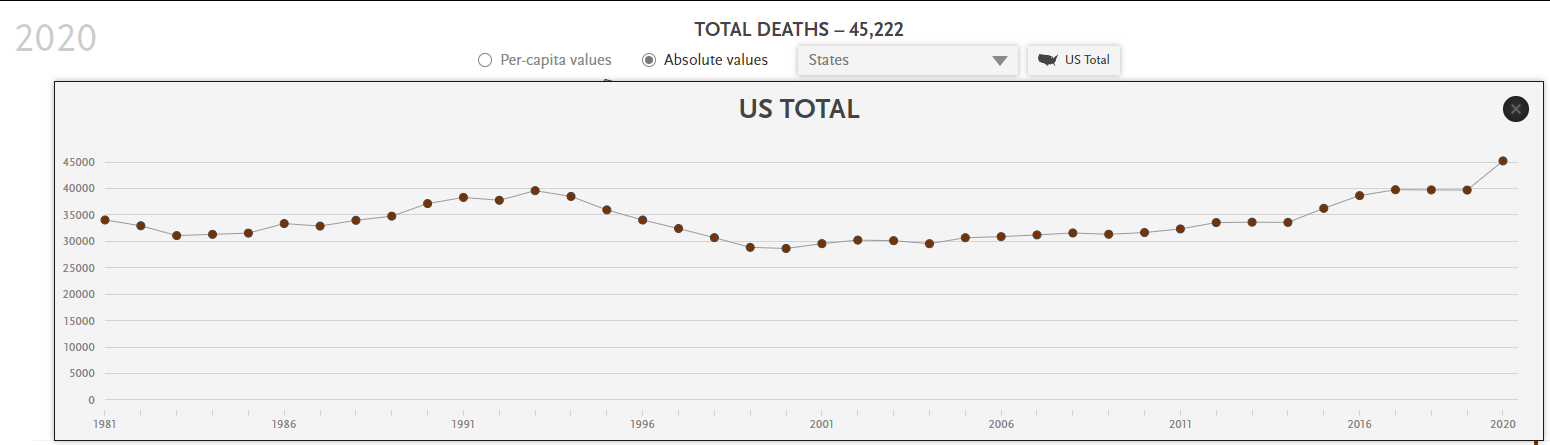
NEJM Interactive: Gun Violence in the United States (last updated 6/30/22)


Related blog posts:
NH Nguyen et al. Gastroenterol 2022; 163: 937-949. Open Access! Proactive Therapeutic Drug Monitoring Versus Conventional Management for Inflammatory Bowel Diseases: A Systematic Review and Meta-Analysis
Key finding:
The discussion in this paper makes some important points, as there are some populations in which proactive TDM is more likely to be beneficial.
Pediatrics:
“The impact of proactive TDM in pediatric patients also merits further consideration. This concept may be particularly important in pediatrics due to the variability in size of patients, which may not be adequately addressed by weight-based dosing.33 This is especially important in younger children, where it has been shown that standard TNFα antagonist regimens and trough levels may not be applicable in this age group, and may require more frequent escalation of therapy.34,35 In the PAILOT trial, proactive TDM in children with clinical response to adalimumab was associated with higher rates of maintaining sustained corticosteroid-free clinical remission at all visits from week 8–72, compared with reactive TDM in which physicians were informed of trough concentration only after loss of response.”
Induction Dosing (Adults and Children):
“It is possible that the early measurement of biologic drug concentrations, to identify patients who may have accelerated clearance, and optimization of a subset of these patients early in the course of therapy may offer benefit.1,30 …Ongoing trials such as OPTIMIZE (NCT04835506) and TITRATE (NCT03937609) in which infliximab is optimized during the induction phase through a pharmacokinetic dashboard in patients with Crohn’s disease and acute severe ulcerative colitis will shed further light on this.”
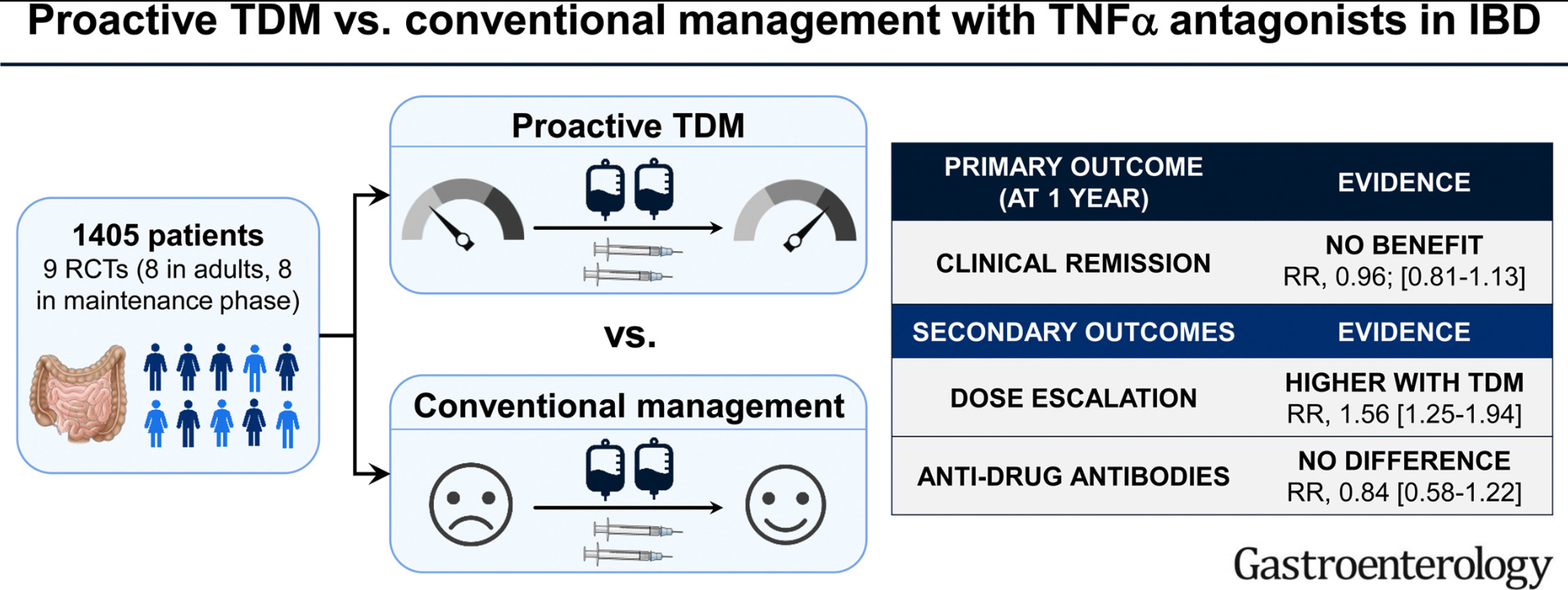
My take: So far, studies in adults have not shown that proactive therapeutic drug monitoring has been effective in improving clinical outcomes. This may change particularly if studies focus on patients on monotherapy who are at increased risk of subtherapeutic levels. No matter what happens in adults, there is sufficient data showing that proactive therapeutic drug monitoring is essential in children. This is especially important as ‘routine” dosing of infliximab in children may be subtherapeutic in nearly 80%.
Related blog posts:
C-H Lo et al. Gastroenterol 2022; 163: 852-861. Open Access! Association of Proton Pump Inhibitor Use With All-Cause and Cause-Specific Mortality
Background: “A major challenge that pharmacoepidemiologic studies often face is the susceptibility to protopathic bias. Protopathic bias occurs when a pharmaceutical agent is prescribed for an early manifestation of a disease and then appears to cause the disease when it is eventually diagnosed…Here, we used a modified lag-time approach to investigate the association between PPI use and all-cause and cause-specific mortality”
Methods: This was a prospective cohort study using data collected from the Nurses’ Health Study (2004–2018) and the Health Professionals Follow-up Study (2004–2018). Study participants: 50,156 women and 21,731 men followed for 831,407 person-years and a median of 13.8 years.
Key findings:
Upon applying lag times of up to 6 years, the mortality associations were attenuated and no longer statistically significant:
Longer duration of PPI use did not confer higher risks for all-cause and cause-specific mortality.
My take: This study provides convincing evidence that PPI use does not increase the risk of mortality. Protopathic bias can make PPI use appear to increase the risk of mortality (HR, 1.19 in this study) compared to PPI non-users. It is still a good idea to use these agents for appropriate indications and at appropriate doses.
Related blog posts:

Disclaimer: This blog, gutsandgrowth, assumes no responsibility for any use or operation of any method, product, instruction, concept or idea contained in the material herein or for any injury or damage to persons or property (whether products liability, negligence or otherwise) resulting from such use or operation. These blog posts are for educational purposes only. Specific dosing of medications (along with potential adverse effects) should be confirmed by prescribing physician. Because of rapid advances in the medical sciences, the gutsandgrowth blog cautions that independent verification should be made of diagnosis and drug dosages. The reader is solely responsible for the conduct of any suggested test or procedure. This content is not a substitute for medical advice, diagnosis or treatment provided by a qualified healthcare provider. Always seek the advice of your physician or other qualified health provider with any questions you may have regarding a condition
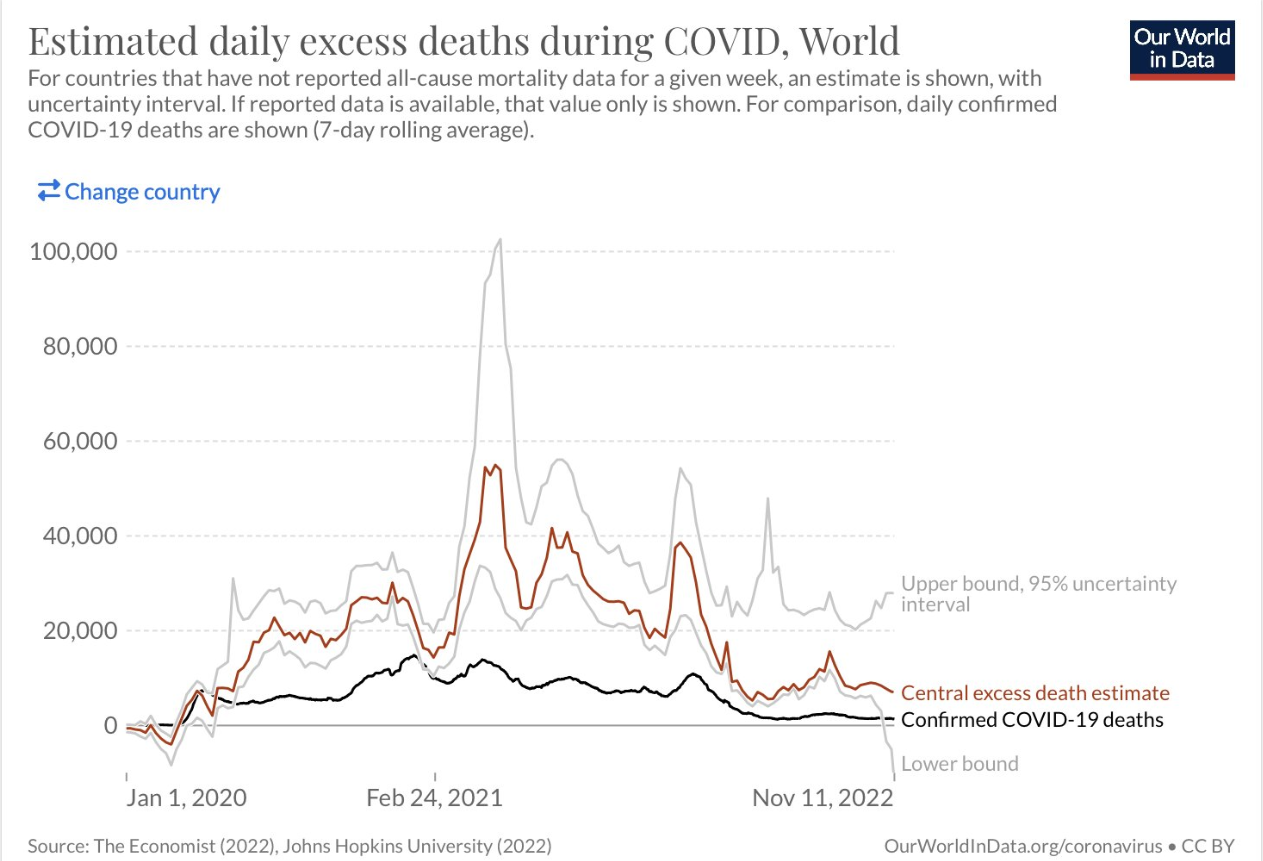
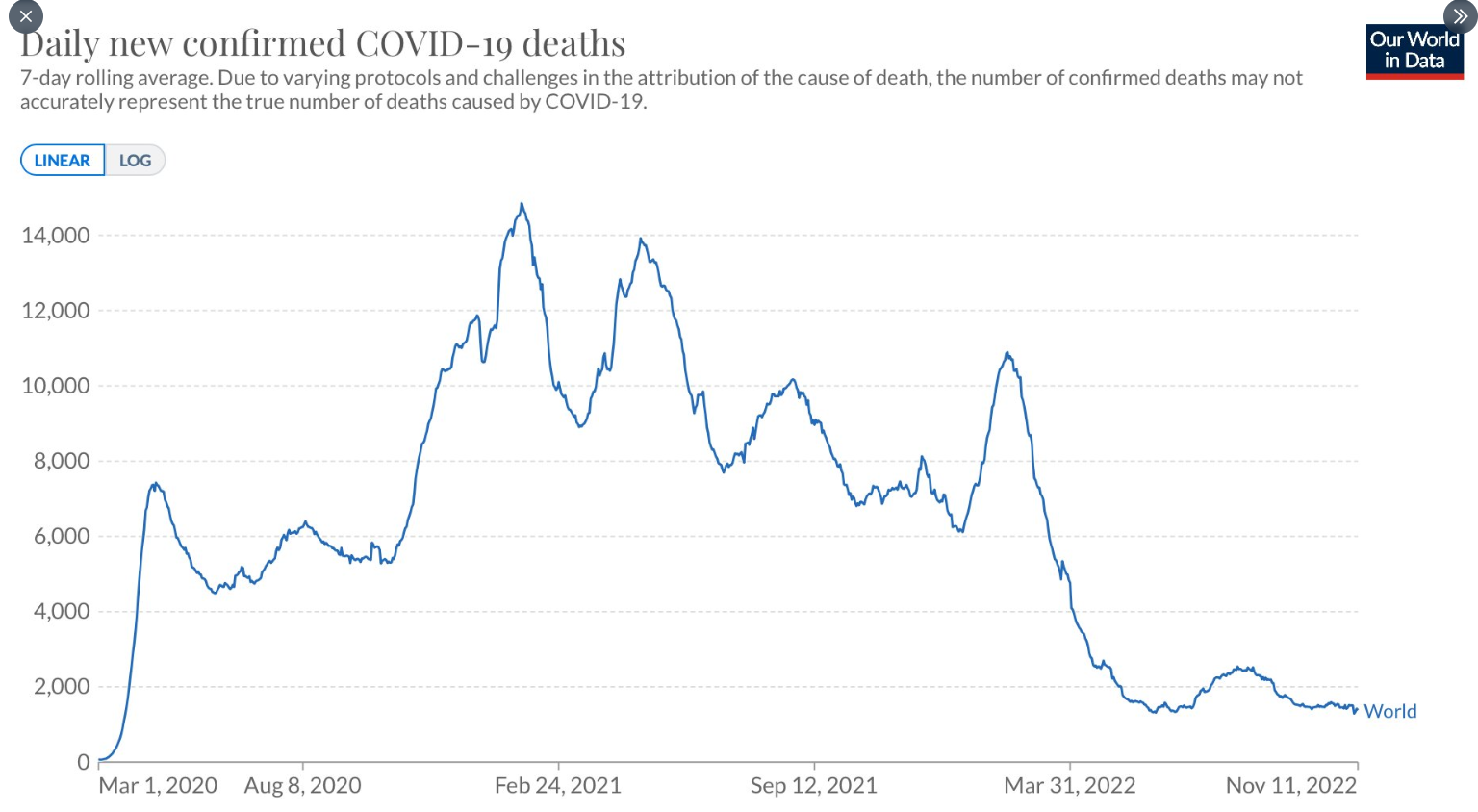
Also, worldwide COVID-19 deaths are at a low point since the beginning of the pandemic (both reported and estimated excess deaths).
F van Megen et al. Clin Gastroenterol Hepatol 2022; 20: 2258-2266. Open Access! A Low FODMAP Diet Reduces Symptoms in Treated Celiac Patients With Ongoing Symptoms–A Randomized Controlled Trial
Methods: A randomized controlled trial was performed from 2018 to 2019 in 70 adults with biopsy-proven celiac disease. Inclusion criteria were as follows: persistent gastrointestinal symptoms defined by a Gastrointestinal Symptom Rating Scale (GSRS)–IBS version score of 30 or higher, gluten-free diet adherence for 12 months or longer, and serologic and mucosal remission.
Key findings:
While this a low FODMAP diet can be helpful, the authors offer this cautionary advice:

My take: Asking patients with celiac disease to further restrict their diet is akin to running the Peachtree Road Race in a fireman’s outfit. It can be done but doesn’t look like much fun.
Related blog posts:
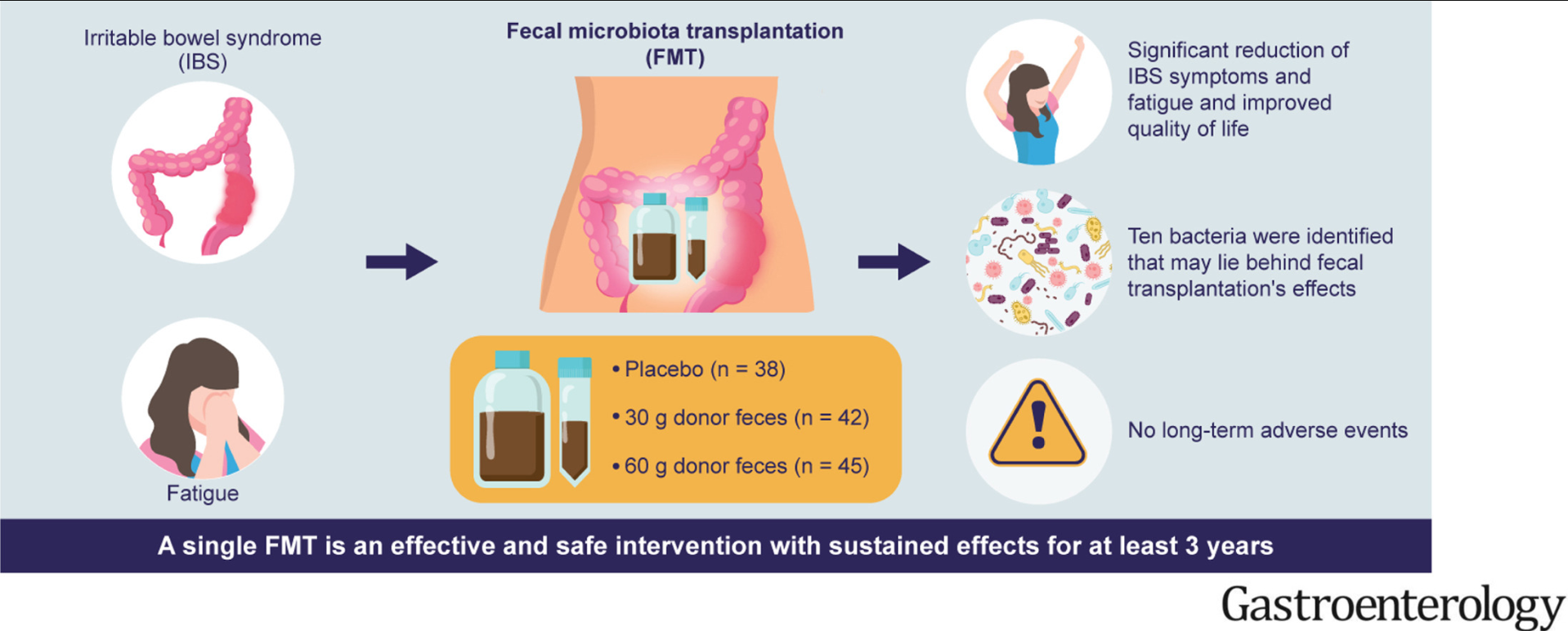
M El-Salhy et al. Gastroenterol 2022; 163: 982-994. Open Access! Efficacy of Fecal Microbiota Transplantation for Patients With Irritable Bowel Syndrome at 3 Years After Transplantation
Background: “Fecal microbiota transplantation (FMT) might be a promising treatment for IBS, and this has been investigated in 7 randomized controlled trials (RCTs). 2 In 4 of these, FMT reduced symptoms and improved the quality of life of patients with IBS, whereas no effects were indicated in the other 3. 2 The difference in these results was likely because of differences in the protocols used, the selected donors, the cohort of treated patients, the fecal transplant dose, and the route by which the transplant was administrated.2“
Methods: In this placebo-controlled trial with 125 patients, fecal microbiota transplantation (FMT) was administered into duodenum (30 g or 60 g). The donor was a healthy male aged 36 years with a normal body mass index who was born via vaginal delivery, breastfed, a nonsmoker, was not taking any medication, was only treated a few times with antibiotics, exercised regularly, and consumed a sport-specific diet that was richer in protein, fiber, minerals, and vitamins than the average diet.
Key findings:
The associated editorial (815–817, Treatment of Irritable Bowel Syndrome Using Fecal Microbiota Transplantation: A Step Forward?) noted that 25% of patients in the donor FMT continue to experience severe symptoms based on IBS-SSS>300; in addition, 50% (in 30 g) and 40% (in 60 g) had moderately severe IBS scores >175.
The editorial suggests that overall response is modest bust similar to FDA-approved medications for IBS. The number needed to treat (NNT) would be 4-5 patients to reduce the proportion with severe IBS-SSS based on per-protocol analysis (most IBS medications range from 6 to 10).

My take: This study strengthens the notion that alterations in our microbiome can the outcomes of patients suffering from IBS. Now, we have to identify which patients will benefit from this approach and how to optimally modify the microbiome. In addition, this study suggests that finding an optimal FMT donor will impact results given variability in prior trials.
Related blog posts:
Disclaimer: This blog, gutsandgrowth, assumes no responsibility for any use or operation of any method, product, instruction, concept or idea contained in the material herein or for any injury or damage to persons or property (whether products liability, negligence or otherwise) resulting from such use or operation. These blog posts are for educational purposes only. Specific dosing of medications (along with potential adverse effects) should be confirmed by prescribing physician. Because of rapid advances in the medical sciences, the gutsandgrowth blog cautions that independent verification should be made of diagnosis and drug dosages. The reader is solely responsible for the conduct of any suggested test or procedure. This content is not a substitute for medical advice, diagnosis or treatment provided by a qualified healthcare provider. Always seek the advice of your physician or other qualified health provider with any questions you may have regarding a condition.
AH Grummon, MG Hall. NEJM 2022; 387: 772-774. Updated Health Warnings for Alcohol — Informing Consumers and Reducing Harm
This article makes a compelling case that most U.S. consumers do not know the true risks of alcohol intake; this is likely in part due to the >$1 billion spent each year on marketing by the alcohol industry.
Leading causes of alcohol-related harms:
Key points –Scope of Problem and Informing Consumers:
Related article: NBC News 11/4/22: Alcohol deaths spiked among middle-aged adults, especially women, during pandemic “Alcohol-related deaths rose by 26% from 2019 to 2020, a new report published Friday by the Centers for Disease Control and Prevention finds.”
Related blog post:
More on COVID-19:
Eric Topol: Paxlovid and Long Covid This in-depth article reviews the benefits of paxlovid (early) and later, including the reduction of Long Covid in 26% in a recent study. It also provides a table for potential drug interactions (Thanks to Jeff Lewis for sharing).
This recent study is reviewed in NY Times (11/7/22): Paxlovid May Reduce Risk of Long Covid in Eligible Patients, Study Finds