Unknown's avatar

About gutsandgrowth

I am a pediatric gastroenterologist at GI Care for Kids (previously called CCDHC) in Atlanta, Georgia. The goal of my blog is to share some of my reading in my field more broadly. In addition, I wanted to provide my voice to a wide range of topics that often have inaccurate or incomplete information. Before starting this blog in 2011, I would tear out articles from journals and/or keep notes in a palm pilot. This blog helps provide an updated source of information that is easy to access and search, along with links to useful multimedia sources. I was born and raised in Chattanooga. After graduating from the University of Virginia, I attended Baylor College of Medicine. I completed residency and fellowship training at the University of Cincinnati at the Children’s Hospital Medical Center. I received funding from the National Institutes of Health for molecular biology research of the gastrointestinal tract. During my fellowship, I had the opportunity to work with some of the most amazing pediatric gastroenterologists and mentors. Some of these individuals included Mitchell Cohen, William Balistreri, James Heubi, Jorge Bezerra, Colin Rudolph, John Bucuvalas, and Michael Farrell. I am grateful for their teaching and their friendship. During my training with their help, I received a nationwide award for the best research by a GI fellow. I have authored numerous publications/presentations including original research, case reports, review articles, and textbook chapters on various pediatric gastrointestinal problems. In addition, I have been recognized by Atlanta Magazine as a "Top Doctor" in my field multiple times. Currently, I am the vice chair of the section of nutrition for the Georgia Chapter of the American Academy of Pediatrics. In addition, I am an adjunct Associate Clinical Professor of Pediatrics at Emory University School of Medicine. Other society memberships have included the North American Society for Pediatric Gastroenterology Hepatology and Nutrition (NASPGHAN), American Academy of Pediatrics, the Food Allergy Network, the American Gastroenterology Association, the American Association for the Study of Liver Diseases, and the Crohn’s and Colitis Foundation. As part of a national pediatric GI organization called NASPGHAN (and its affiliated website GIKids), I have helped develop educational materials on a wide-range of gastrointestinal and liver diseases which are used across the country. Also, I have been an invited speaker for national campaigns to improve the evaluation and treatment of gastroesophageal reflux disease, celiac disease, eosinophilic esophagitis, hepatitis C, and inflammatory bowel disease (IBD). Some information on these topics has been posted at my work website, www.gicareforkids.com, which has links to multiple other useful resources. I am fortunate to work at GI Care For Kids. Our group has 17 terrific physicians with a wide range of subspecialization, including liver diseases, feeding disorders, eosinophilic diseases, inflammatory bowel disease, cystic fibrosis, DiGeorge/22q, celiac disease, and motility disorders. Many of our physicians are recognized nationally for their achievements. Our group of physicians have worked closely together for many years. None of the physicians in our group have ever left to join other groups. I have also worked with the same nurse (Bernadette) since I moved to Atlanta in 1997. For many families, more practical matters about our office include the following: – 14 office/satellite locations – physicians who speak Spanish – cutting edge research – on-site nutritionists – on-site psychology support for abdominal pain and feeding disorders – participation in ImproveCareNow to better the outcomes for children with inflammatory bowel disease – office endoscopy suite (lower costs and easier scheduling) – office infusion center (lower costs and easier for families) – easy access to nursing advice (each physician has at least one nurse) I am married and have two sons (both adults). I like to read, walk/hike, bike, swim, and play tennis with my free time. I do not have any financial relationships with pharmaceutical companies or other financial relationships to disclose. I have helped enroll patients in industry-sponsored research studies.

Mauriac Syndrome (Glycogenic Hepatopathy)

A case report (T Malikowski et al. Gastroenterol 2017; 152: 947-49) provides some insight into a fairly common problem –elevated liver tests in the setting of poorly controlled type 1 diabetes mellitus.  This 18-year-old had presented with a glucose of 497 mg/dL, elevated lactate, aspartate aminotransferase 257 U/L, and alanine aminotransferase 178 U/L.

The authors note that Mauriac syndrome “occurs in young patients as a result of poorly controlled type 1 diabetes mellitus.”  It may result in growth retardation, pubertal delay, and cushingoid features.

“Glycogenic hepatopathy is a underrecognized complication of Mauriac syndrome that presents with abdominal pain, nausea, vomiting, elevated serum transaminases, elevated plasma lactate levels, and hepatomegaly  The pathogenesis stems from an accumulation of glycogen in the liver…The diagnosis…is made …when all other causes of liver disease have been excluded…When glucose control is achieved, prognosis is excellent.”

My take: There are many potential reasons for elevated liver enzymes associated with type 1 diabetes mellitus, including celiac disease, and autoimmune hepatitis.  However, familiarity with glycogenic hepatopathy helps with pattern recognition and helps explain the frequent concurrence of liver disease with poorly controlled type 1 diabetes mellitus.

Another Shady Pharmaceutical Business Practice: Citizen’s Pathway to Delay Competition

First, a comment regarding yesterday’s post: The Truth About Probiotics: Constipation Version

Some readers took issue with my pessimism with probiotics in terms of their effectiveness for several conditions, their safety and the number needed to treat (NNT). It is noted that the number needed to treat (NNT) with probiotics is better than with many other conditions.  For example, the NNT for benefit with the influenza vaccine, Tamiflu for influenza, and mammography for preventing breast cancer are much worse than the NNT for benefit with probiotics for conditions like NEC, antibiotic-associated diarrhea, Clostridium difficile infection, and ulcerative colitis (with VSL#3). If one looks at multiple posts from this blog, there are plenty of posts supporting the use of probiotics (see some of the links yesterday or search “probiotics” on this blog.  Thus, it is important to not overlook the benefits of probiotics for many conditions and to not take a single study and extrapolate too much.

Now for today’s post -perhaps it will stir as much interest:

I must admit I’m fascinated with the way pharmaceutical companies operate and the creative ways they find to magnify their profits.  In previous posts, I’ve detailed how pharmaceutical companies will try to corner the generic market, increase the cost of liquid medicines, and package drugs in a way to force the purchase of additional vials of medicine among other tactics.  Now, a commentary (R Feldman, C Wang. NEJM 2017; 376: 1499-1501) details how pharmaceutical companies have increasingly used “the citizen-petition process that the Food and Drug Administration (FDA) implemented in the 1970s.”  This process was designed as “a way to voice concerns” by individual citizens.

Yet, this pathway is now being used to delay competition/entrance of generic drugs, mainly with frivolous claims.  In most cases, companies file these claims at the end of the approval process, almost always as a delaying tactic.  Approximately 80% of these actions by competitor drug companies are denied by the FDA.

Ultimately, these actions could be countered with antitrust actions; this, in fact, has occurred with Shire ViroPharma.  On February 7, 2017, the Federal Trade Commission filed an antitrust action “alleging that the company abused regulatory processes by filing 43 submissions with the FDA (including 24 meritless citizen-petition filings within one docket) in an effort to hold off generic competition for its gastrointestinal drug Vancocin (vancomycin).”  However, antitrust actions are typically difficult to pursue and expensive.

My take: I think these tactics (and others) will undermine the relationship of pharmaceutical companies with consumers. While their stock holders may see benefits in the short term, I expect that other stake holders will fight back.  There are several targets in that endeavor, including ending limits on Medicare negotiating for better prices.

Related blog posts:

The Truth about Probiotics: Constipation Version

Families are often surprised to learn my opinion about probiotics.  The “truth” about probiotics is that they are poorly regulated/lack rigorous production standards and are mostly ineffective for many of the conditions for which they have been promoted.  Even in conditions in which there is some effectiveness (eg. antibiotic-associated diarrhea), the number of persons needed to treat for one person to benefit is fairly high.

In addition, when someone says that they are taking a probiotic, many families do not understand the idea of “strain” specific effects.  I tell families that if they see a “dog in yard” sign that they do not know if that is a poodle of a pit bull.  With probiotics, similarly you often do not know if you are getting a pit bull or a poodle.

As a consequence, I think negative studies like a recent report (K Wojtyniak et al. J Pediatr 2017; 184: 101-05) are helpful. In this study, the authors examined the effectiveness of Lactobacillus casei rhamnosus Lcr35 (Lcr35) in the management of constipation.

This randomized, double-blind, placebo-controlled trial was conducted in 94 children <5 years of age. Dose: 8 x10 to the 8th CFU twice daily x 4 weeks.

Key findings:

  • “Lcr35 as a sole treatment was not more effective than placebo in the management of functional constipation.” In fact, the placebo group had a greater increase in bowel movement frequency than the treatment group.
  • Both groups had improvement -more than half in each group (total 52 of 81 who completed study) had reached endpoint of 3 or more BMs/week without soiling.

My take: Probiotics often are ineffective.  This study showed that Lcr35 was NOT helpful for pediatric constipation.

Related blog posts:

Claude Monet, La Rue Montorgueil


Celiac Disease and Mode of Delivery -Perhaps Not Very Consequential

Briefly noted:

A recent study (E Lionetti et al. J Pediatr 2017; 184: 81-6) did NOT find an association between mode of delivery and the development of celiac disease (CD).

After a telephone interview to confirm mode of delivery, the authors identified 431 children at high risk for CD and compared the rates of celiac autoimmunity (serology-positive) and overt CD that developed by age 5 years:

  • CD autoimmunity –cesarean vs vaginal:  24% and 19% (P=.2)
  • Overt CD –cesarean vs vaginal:  19% and 14% (P=.2)

While neither reached statistical significance, there was a higher rate in those born by cesarean mode.  The lack of a statistical association could be a reflection on sample size or the specific population that was studied.  However, more likely, this suggests that “the role of intestinal microbiota at birth in the pathogenesis of immune mediated disorders has been overestimated.”

Related posts:

La Source, Jean Auguste Dominque Ingres, Musee d’ Orsay


Caution with Celiac Genetic Testing Plus Two

Conventional wisdom and previous studies have indicated that negative testing for HLA-DQ8 and HLD-DQ2.5 alleles makes a diagnosis of celiac disease (CD), now or in the future, very unlikely.  While ~60% of the population has one of these alleles, testing negative for these alleles has been regarded as having a high negative predictive value (>99%) and can be valuable in cases of equivocal diagnosis.

The authors of recent report (F Fernandez-Banares et al. Clin Gastroenterol Hepatol 2017; 15: 594-96) challenged this wisdom, noting that there is expected to geographical variation in the presence of these alleles. The goal of their study was to assess the prevalence of HLA-DQ2.5/8 among CD patients in Spain by reviewing previous studies; 12 studies were included. To be included, patients had to have villous atrophy, positive serology and available genotyping.

Key finding:

  • Among 2963 Spanish CD patients, 3% “might be negative for HLA-DQ2.5/8.”

This is a brief report.  It is expected that limitations would relate to the accuracy of genotyping and of excluding other causes of villous atrophy.

My take: (from the authors) “This information highlights the need to be cautious when ruling out CD only on the basis of genetics.”

Related blog posts:

Briefly noted:

L Kivela et al. J Pediatr 2017; 183: 115-21.  This study divided children with CD into those identified via screening (n=145) and those identified due to clinical symptoms (n=359). Key findings:

  • There were no differences in serology or histology between the two groups
  • More than half (51.8%) of screen-detected patients had symptoms at diagnosis, but typically these were milder than in the clinically-detected group.
  • Anemia was more common in the ‘clinical group’ 22.9% vs 7.1% (screen group) as was poor growth (36.9% vs. 15.7%).

AJ Irvine et al. Am J Gastroenterol 2017; 112: 65-76. (Thanks to Ben Gold for this reference) In this systemic review with 15,256 individuals (& 9,275 with irritable bowel), “prevalence of positive celiac serology and biopsy-proven CD was significantly higher in subjects with symptoms suggestive of IBS vs. healthy controls.”  The odds ratio for serology-positive and/or biopsy-proven CD ranged from 2.75 to 4.48, though there was no significant increase in these ORs for North American studies.

Palace of Versailles


Celiac Disease and Psychological Problems

A recent study (A Butwicka et al. J Pediatr 2017; 184: 87-93) describes an increased rate of childhood psychiatric disorders among children with celiac disease (CD).

The authors used a nationwide registry (in Sweden) with 10,903 children with celiac disease, 12,710 siblings, and more than 1 million control patients. The median age at diagnosis was 3 years and median duration of followup was 9.6 years.

Key findings:

  • CD patients had a 1.4 fold greater risk of psychiatric disorders, including mood disorders, eating disorders, behavioral disorders, and ADHD.
  • CD siblings did not have an increased risk.
  • 7.7% of children with CD were diagnosed with a psychiatric disorder

Limitation: The actual reported incidence of psychiatric disorders seems low in both the CD patients and controls.  It is possible that some of the difference could be related to selection bias. Patients with (undiagnosed) psychiatric disorders may be more likely to be anxious, and seek out medical attention for their GI complaints;  this could precede a diagnosis of CD.

Strengths: This study has large numbers of patients and the data was prospectively obtained.

The association with increased psychiatric problems could have a biologic basis or be related to the toll of chronic gastrointestinal symptoms prior to diagnosis and the difficulty of managing CD.

My take: This is an intriguing study and suggests that patients with CD are more likely to be diagnosed with a psychological disorder.  Whether CD itself or the preceding symptoms trigger this diagnosis is uncertain.

Related blog posts:

Paris from Notre Dame

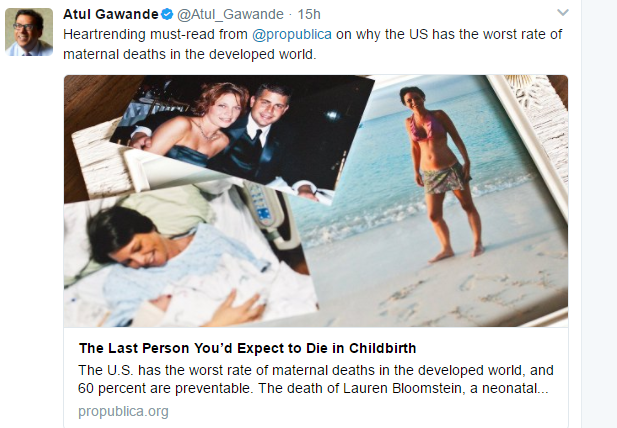
Take Two: 1. Mushroom Poisoning 2. Maternal Deaths with Childbirth

The link to the NPR article at the bottom of this blog is highly recommended –though it is a fairly long report.  Sad story for Mother’s Day.

First, from AGA blog summary of recent article: Which Patients Are at Greatest Risk From Mushroom Poisoining

An excerpt:

Maurizio Bonacini et al collected data from 27 patients (15–82 years old) admitted to the emergency department within 24 hours of ingesting wild mushrooms. All presented with nausea, vomiting, abdominal cramps or pain, and diarrhea…

Twenty-three patients survived without liver transplantation, 1 woman underwent liver transplantation on day 20 after mushroom ingestion, and 3 women died of hepatic failure.

Of the 23 patients with peak levels of total bilirubin of 2 mg/dL or more during hospitalization, 4 died or required liver transplantation.

A peak serum level of AST <4000 IU/L identified patients with good outcomes (survival without need for liver transplant) with 100% positive predictive value; use of this cutoff would have saved 10 patients from a transfer to our tertiary center.

Bonacini et al also found that a peak INR value of <2, or a nadir factor V cutoff ≥30%, would have avoided transfer for 7 and 6 patients, respectively.

Also from NPR: Focus on Infants Leaves U.S. Moms in danger

FDA Warning on Eluxadoline (Viberzi)

Briefly noted: The FDA has issued a safety warning for patients with irritable bowel syndrome who have had their gallbladder removed.

FDA Warns of Increased Risk of Serious Pancreatitis with irritable bowel drug eluxadoline (Viberzi) in patients without a gallbladder

An excerpt:

Viberzi is a prescription medicine used to treat irritable bowel syndrome in adults when the main symptom is diarrhea (IBS-D)…From May 2015, when Viberzi was first approved, through February 2017, FDA received 120 reports of serious cases of pancreatitis or death.* Among the 68 patients who reported their gallbladder status, 56 of them did not have a gallbladder and received the currently recommended dosage of Viberzi. Seventy-six patients were hospitalized, of which two patients died.

My take: Now that this warning has been issued, there may be additional cases identified. While this medication is mainly used in adults, pediatric gastroenterologists need to be aware of this risk in counseling potential patients.

Related blog posts:

Palace of Versailles -fountain turned off!


Science in a Hyperpartisan Age

Two recent commentaries (L Rosenbaum. NEJM 2017; 376: 1607–09; DJ Hunter et al. NEJM 2017; 376: 1605–7) discuss the intersection of science and politics.

Some key points from the first commentary:

  • “When doubt is wrapped up in one’s cultural identity or powerful emotions, facts often not only fail to persuade, but may further entrench skepticism.”  This is referred to as “biased assimilation.”
  • People with “higher levels of science comprehension are actually also the most adept at dismissing evidence that challenges their beliefs.”  Liberals, “for instance, are far more likely than conservatives to dismiss science suggesting that genetically modified foods are safe.”
  • “It’s easy to forget that most scientific facts, and related policies, don’t induce tribalism. You don’t see partisan battles over treatment for myocardial infarction.”
  • Dan Kahan, an expert on the way emotion and identity affect our interpretation of scientific facts says that our president “is our science communication environment polluter in chief.”  Such polluters “cunningly incite cultural battles that ultimately heighten distrust of science.”
  • For vaccine skeptics, if criticized, will try to elicit a backlash against the “academic elite.”

The second commentary focuses on the issue of climate change.  Key points:

  • “Average temperatures have increased by 1.3 to 1.9 degrees F over the past century…and increases have accelerated in recent years…the three hottest years recorded in the U.S. were 2012, 2015, and 2016.”
  • Summer heat waves increase mortality, worsen mosquito-related diseases, jeopardize crop production, increase ozone which worsens lung function, and contribute to forest fires.  Increases in “extreme heat leads to more aggression and violence.”
  • Climate change increases severe storms like hurricanes and cause indirect effects like waterborne-disease outbreaks.
  • The authors advocate for the CDC’s Building Resilience against Climate Effects (BRACE) (https://cdc.gov/climateandhealth/)
  • “U.S. leadership is critical to global action. Jobs in the renewable energy sector…already outnumber those in power generation from coal, natural gas, and oil combined.”
  • “Climate change has become unnecessarily politicized.” Tools for discussing this topic: http://climateforhealth.org/lets-talk -1 hour webinar available and links to specific ways to make an impact.

My take:  While I concede that I am not an expert on this topic, it is clear that climate change is having effects on population health and there are ways to reduce the future impact. Please don’t call me an elitist.


Is Propofol Safe in Pediatric Patients with Food Allergy and Eosinophilic Esophagitis?

According to a recent study (P Mehta et al. JPGN 2017; 64: 546-49), propofol was safe in pediatric patients with eosinophilic esophagitis (EoE) and food allergy.

This finding was based on a retrospective study of 1365 upper endoscopies (2013-2014).  Though, propofol was used less frequently, “there was no difference in complication rates relative to propofol use.”

Specifically, egg or soy allergy patients had 38 procedures; 114 children had EoE (without known egg or soy allergy) and 27 and EoE and egg or soy allergy.

This study is important because propofol is used frequently in patients with egg and soy allergies despite a contraindication warning on the package insert. Nevertheless, this study does not provide a definitive answer due to the very low rates of allergic reactions to propofol (~1:10,000 to 1:20,000).  In addition, the diagnosis of food allergy in this study relied on review of the medical record.

My take: This study is limited in scope but did not identify any significant safety concerns with propofol in patients who had EoE and/or egg/soy allergies.

Palace of Versailles