
About gutsandgrowth
I am a pediatric gastroenterologist at GI Care for Kids (previously called CCDHC) in Atlanta, Georgia. The goal of my blog is to share some of my reading in my field more broadly. In addition, I wanted to provide my voice to a wide range of topics that often have inaccurate or incomplete information.
Before starting this blog in 2011, I would tear out articles from journals and/or keep notes in a palm pilot. This blog helps provide an updated source of information that is easy to access and search, along with links to useful multimedia sources.
I was born and raised in Chattanooga. After graduating from the University of Virginia, I attended Baylor College of Medicine. I completed residency and fellowship training at the University of Cincinnati at the Children’s Hospital Medical Center. I received funding from the National Institutes of Health for molecular biology research of the gastrointestinal tract.
During my fellowship, I had the opportunity to work with some of the most amazing pediatric gastroenterologists and mentors. Some of these individuals included Mitchell Cohen, William Balistreri, James Heubi, Jorge Bezerra, Colin Rudolph, John Bucuvalas, and Michael Farrell. I am grateful for their teaching and their friendship. During my training with their help, I received a nationwide award for the best research by a GI fellow.
I have authored numerous publications/presentations including original research, case reports, review articles, and textbook chapters on various pediatric gastrointestinal problems. In addition, I have been recognized by Atlanta Magazine as a "Top Doctor" in my field multiple times.
Currently, I am the vice chair of the section of nutrition for the Georgia Chapter of the American Academy of Pediatrics. In addition, I am an adjunct Associate Clinical Professor of Pediatrics at Emory University School of Medicine. Other society memberships have included the North American Society for Pediatric Gastroenterology Hepatology and Nutrition (NASPGHAN), American Academy of Pediatrics, the Food Allergy Network, the American Gastroenterology Association, the American Association for the Study of Liver Diseases, and the Crohn’s and Colitis Foundation.
As part of a national pediatric GI organization called NASPGHAN (and its affiliated website GIKids), I have helped develop educational materials on a wide-range of gastrointestinal and liver diseases which are used across the country. Also, I have been an invited speaker for national campaigns to improve the evaluation and treatment of gastroesophageal reflux disease, celiac disease, eosinophilic esophagitis, hepatitis C, and inflammatory bowel disease (IBD). Some information on these topics has been posted at my work website, www.gicareforkids.com, which has links to multiple other useful resources.
I am fortunate to work at GI Care For Kids. Our group has 17 terrific physicians with a wide range of subspecialization, including liver diseases, feeding disorders, eosinophilic diseases, inflammatory bowel disease, cystic fibrosis, DiGeorge/22q, celiac disease, and motility disorders. Many of our physicians are recognized nationally for their achievements. Our group of physicians have worked closely together for many years. None of the physicians in our group have ever left to join other groups. I have also worked with the same nurse (Bernadette) since I moved to Atlanta in 1997.
For many families, more practical matters about our office include the following:
– 14 office/satellite locations
– physicians who speak Spanish
– cutting edge research
– on-site nutritionists
– on-site psychology support for abdominal pain and feeding disorders
– participation in ImproveCareNow to better the outcomes for children with inflammatory bowel disease
– office endoscopy suite (lower costs and easier scheduling)
– office infusion center (lower costs and easier for families)
– easy access to nursing advice (each physician has at least one nurse)
I am married and have two sons (both adults). I like to read, walk/hike, bike, swim, and play tennis with my free time.
I do not have any financial relationships with pharmaceutical companies or other financial relationships to disclose. I have helped enroll patients in industry-sponsored research studies.
“Common sense is not so common” –Voltaire
A useful review of constipation management in the NY Times: Simple Remedies for Constipation
This review explains the role of diet and exercise in treatment of constipation. The author notes that coffee helps many and that laxatives are safe. In addition, the idea of “autointoxication” due to infrequent bowel movements is debunked.
Here’s an excerpt:
Dr. Wald and others say that properly designed studies of these [stimulatory] laxatives have shown no harm to the colon when they are taken in recommended amounts.
Yet many doctors still warn – inappropriately, Dr. Wald says — against taking stimulatory laxatives for more than a few days. Indeed, the website FamilyDoctor.org states, “When these laxatives are taken for a long time, the bowel can lose its muscle tone and ‘forget’ how to push the stool out on its own.” Best to forget this outdated idea as long as you stick to the recommended dose if you must take these products.
Related blog posts:

While Zika virus infections may not be seen frequently by pediatric gastroenterologists, this infection will be a common concern for the families we treat and we may end up taking care of children with feeding problems/neurologic impairment due to congenital infection.
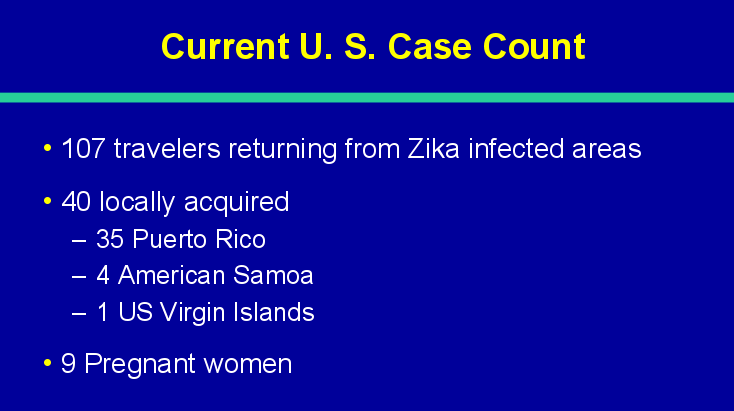
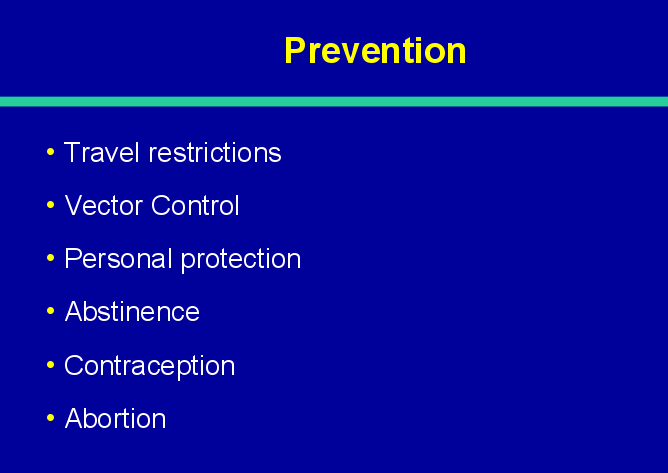
I attended a recent Georgia American Academy of Pediatrics board meeting. One of the topics discussed was the Zika virus. An update was given by Dr. Harry Keyserling, chair of the infectious disease committee (who has given permission for me to share some of his slides). Some of the important points from his talk:
- The Zika virus shares some similarities with the Dengue virus. The Zika virus is a single-stranded RNA flavivirus. Incubation period is 3 days to a few weeks. It can be acquired from mosquito bites, spread sexually, transplacentally or intrapartum. It may be transmissible via blood, organ donation or possibly breastmilk.

History of Zika Virus
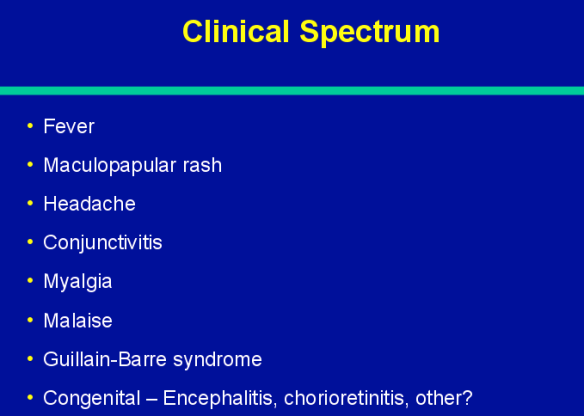
Most are asymptomatic. The clinical spectrum in those with symptoms are noted above.
- 80% of infected individuals are asymptomatic.
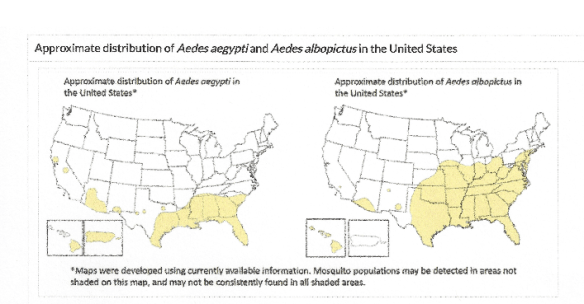
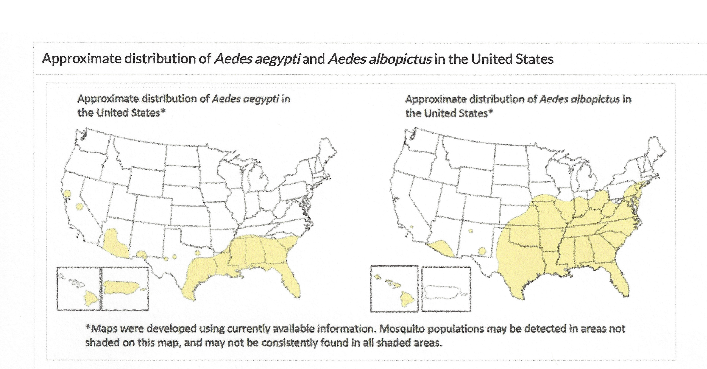
Approximate distribution of mosquito vector
- Due to the geographic distribution of the vector, it is likely that there will be many more cases in Georgia.
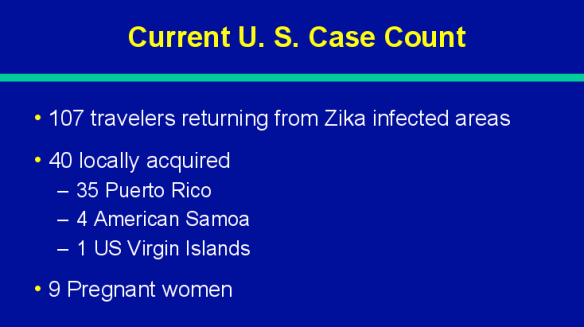
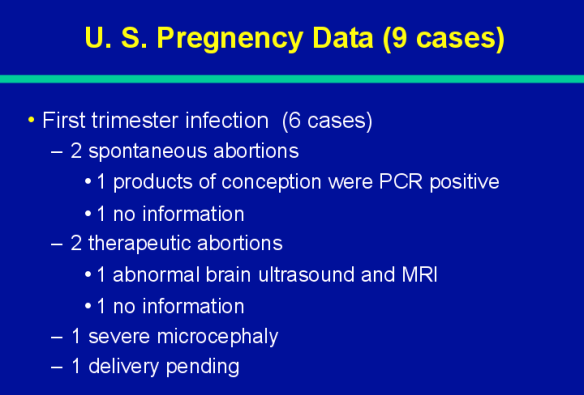

- The most alarming association has been with microcephaly. In some locations, there have been recommendations to avoid pregnancy until 2018. After natural infection has spread, it is likely to lead to immunity and then should be safe to become pregnant.

- Zika can be acquired through sexual-transmission which indicates that pregnant women in endemic areas could need to avoid sex.
More resources:
My take: Because the Zika virus is going to continue to spread and the methods for prevention are not entirely effective, the next few years are going to present a lot of challenges. This will continue until some population immunity develops (following infection or perhaps after development of an effective vaccine).
A recent case report (CM Cotten, et al. J Pediatr 2016; 169: 310-2) retrospectively reviewed 11 neonates (8 preterm) who received gabapentin mainly for “visceral hyperalgesia/agitation.” The starting doses generally ranged from a low of 5 mg/kg/dose every 24 hrs to 5 mg/kg/dose every 8 hrs. Generally, there were improved symptoms and lower need for opioids and benzodiazepines; the most frequent adverse reaction noted was bradycardia. The authors caution against abrupt withdrawal of gabapentin.
My take: Like most medications, gabapentin has not been adequately evaluated in neonates, but it would not surprise me if it were useful for irritability.
Disclaimer: These blog posts are for educational purposes only. Specific dosing of medications/diets (along with potential adverse effects) should be confirmed by prescribing physician/nutritionist. This content is not a substitute for medical advice, diagnosis or treatment provided by a qualified healthcare provider. Always seek the advice of your physician or other qualified health provider with any questions you may have regarding a condition.

Old San Juan
A recent post (New Hepatitis B Treatment Guidelines -AASLD) described the updated treatment recommendations. When these guidelines were published, a separate review devoted specifically to pediatrics was published (Hepatology 2016; 63: 307-18).
Some of the key points:
- This pediatric review included 14 studies with 1425 children. The authors note that 7 of these trials had a high risk of bias. Also, the studies are limited by relying on surrogate markers of long-term outcomes as clinical outcomes like cirrhosis, HCC, and death are rare in childhood.
- Among oral agents, entecavir and lamivudine are approved for use in children ≥ 2 years, whereas adefovir and tenofovir are approved for use in children ≥ 12 years. Both lamivudine and adefovir are associated with frequent development of viral resistance
- For children with elevated ALT (>1.5 times upper limit of normal [ULN]), treatment is recommended:
9A. The AASLD suggests antiviral therapy in HBeAg-positive children (ages 2 to <18 years) with both elevated ALT and measurable HBV DNA levels, with the goal of achieving sustained HBeAg seroconversion.
Why not treat everyone?
- Children with immune-tolerant HBV infection (normal or near-normal ALT [< 1.5-2 times ULN] along with high HBV DNA [>10 million IU/mL]), “are not typically candidates for treatment because treatment with any of the currently available drugs has not been demonstrated to improve HBeAg seroconversion compared with no treatment.”
- Children with ALT >10 time ULN may be in the process of spontaneous seroconversion “and should be observed for several months before treatment” is initiated.
- “Prolonged treatment with nucleoside or nucleotide analogs in children who are in immune-tolerant phase has not been associated with substantial benefit and carries a risk of developing antiviral drug resistance…An exception may be those…undergoing immunosuppressive therapy.”

Mina Falls, El Yunque Rainforest
From KT Park’s Twitter Feed:
Article first published online: 19 FEB 2016
NA Kennedy et al. Aliment Pharm Ther; 2016. DOI: 10.1111/apt.13547
Abstract:
Background
Infliximab and adalimumab have established roles in inflammatory bowel disease (IBD) therapy. UK regulators mandate reassessment after 12 months’ anti-TNF therapy for IBD, with consideration of treatment withdrawal. There is a need for more data to establish the relapse rates following treatment cessation.
Aim
To establish outcomes following anti-TNF withdrawal for sustained remission using new data from a large UK cohort, and assimilation of all available literature for systematic review and meta-analysis.
Methods
A retrospective observational study was performed on 166 patients with IBD (146 with Crohn’s disease (CD) and 20 with ulcerative colitis [UC) and IBD unclassified (IBDU)] withdrawn from anti-TNF for sustained remission. Meta-analysis was undertaken of all published studies incorporating 11 further cohorts totalling 746 patients (624 CD, 122 UC).
Results
Relapse rates in the UK cohort were 36% by 1 year and 56% by 2 years for CD, and 42% by 1 year and 47% by 2 years for UC/IBDU. Increased relapse risk in CD was associated with age at diagnosis [hazard ratio (HR) 2.78 for age <22 years], white cell count (HR 3.22 for >5.25 × 10⁹/L) and faecal calprotectin (HR 2.95 for >50 μg/g) at drug withdrawal. Neither continued immunomodulators nor endoscopic remission were predictors. In the meta-analysis, estimated 1-year relapse rates were 39% and 35% for CD and UC/IBDU respectively. Retreatment with anti-TNF was successful in 88% for CD and 76% UC/IBDU.
Conclusions
Assimilation of all available data reveals remarkable homogeneity. Approximately one-third of patients with IBD flare within 12 months of withdrawal of anti-TNF therapy for sustained remission.
Related blog posts:

El Junque, Puerto Rico
A recent study (KY Bilimoria et al. NEJM 2016; DOI: 10.1056/NEJMoa1515724) indicates that some flexibility in training hours did not result in increased adverse outcomes and improved continuity of care. This study examined the care of nearly 140,000 patients.
For a 2 minute quick take -video available at this link along with full-text and abstract: National Cluster-Randomized Trial of Duty-Hour Flexibility in Surgical Training
Related blog posts:
In brief:
AGA Microscopic Colitis Guideline: GC Nguyen et al. Gastroenterol 2016; 150: 242-6. Technical review DS Pardi et al. Gastroenterol 2016; 150: 247-74. Patient guide: pg 275.
EASL Clinical Practice Guidelines: Vascular diseases of the liver. J Hepatology 2016; 64: 179-202. Topics covered include Budd-Chiari, Portal vein obstruction, Heriditary hemorrhagic telangiectasia, veno-occlusive disease of the liver, management of anticoagulation in liver disease
Jensen et al. JPGN 2016; 62: 36-42. The researchers used a large database (>75 million individuals) representative of US commercially-insured population to provide estimates of the prevalence of several eosinophilic disorders:
- Eosinophilic gastritis 6.3 per 100,000
- Eosinophilic gastroenteritis 8.4 per 100,000
- Eosinophilic colitis 3.3 per 100,000
In the associated commentary by Furuta et al (pg 1), clinicians are encouraged to urge patients with EGID to register on the Consortium for Eosinophilic Gastrointestinal Disease Research registry: https://www.rarediseasesnetwork.org/cms/CEGIR
Related blog posts:

While breath test reliability for bacterial overgrowth has been a concern for a long time, another study (EC Lin, BT Massey. Clin Gastroenterol Hepatol 2016; 14: 203-08) takes a new approach to show that the glucose breath tests are subject to a high false-positive rate. This is often related to rapid transit time.
Here’s what they did:
In a retrospective study, they examined data from 139 patients with suspected small bowel bacterial overgrowth (SBBO) (2003-2013). Abnormal glucose breath tests were indicated by either hydrogen or methane >15 parts per million within 90 minutes after glucose ingestion. In addition, they used concurrent scintigraphy (by labeling glucose with a Tc99m compound) to determine whether this increase occurred before or after glucose bolus arrived in the cecum.
Findings:
- 46 (33%) had abnormal breath tests. Of these 22 (48%) had false-positive results due to colonic fermentation.
- False-positives were higher (65%) in the subset of patients with prior upper gastrointestinal surgery. The nonsurgical group had a 13% false-positive rate.
- This study shows that with rapid transit, significant glucose malabsorption is possible.
Because direct culture of small bowel contents is expensive, invasive and subject to contamination, physicians have relied on breath tests for diagnosis of SBBO or have empirically treated for SBBO. The discussion and related editorial (pg 209) explain that lactulose breath testing is not more reliable than glucose breath testing.
My take: For patients with prior GI surgery (who are at the highest risk for SBBO), breath testing may not be more reliable than flipping a coin. True positive results are more likely if hydrogen peak occurs within 60 minutes of glucose administration.
Related blog post:

Flamenco Beach, Culebra
“Common sense is not so common” –Voltaire
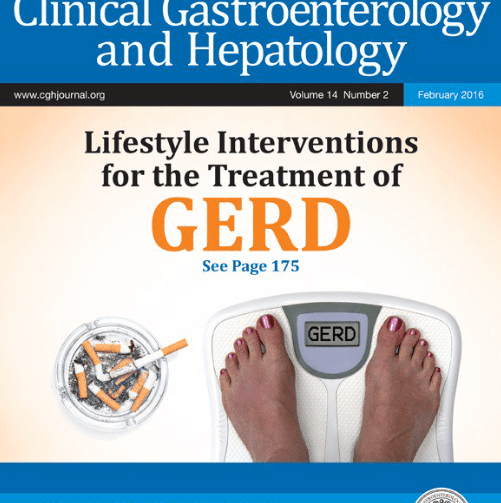
A recent study (E Ness-Jensen et al. Clin Gastroenterol Hepatol 2016; 14: 175-82) reviewed the literature and identified 15 original studies which met inclusion criteria regarding lifestyle interventions in gastroesophageal reflux disease (GERD).
Key findings:
- Weight loss lowered esophageal acid exposure in 2 RCTs: 5.6% –>3.7% and 8.0%–>5.5% and reduced reflux symptoms in prospective observational studies
- Tobacco cessation reduced reflux symptoms in normal-weight individuals in a large prospective cohort study OR 5.67
- Head-of-the-bed elevation decreased supine acid exposure from 21% to 15%.
- Early evening meals decreased supine acid exposure by 5.2% point change.
My take: With the increasing incidence of obesity, these type of lifestyle modifications need to be implemented in our teenagers with GERD. For those who want to decrease use of medications, these interventions, if emphasized with conviction, are a good first step.









 gutsandgrowth