Liver Briefs: MASLD with T1DM, ESPGHAN Pediatric HCV Recommendations, Age of Kasai in Europe

  1. F Koutny et al. JPGN 2024; https://doi.org/10.1002/jpn3.12194. Open Access! Poorly controlled pediatric type 1 diabetes mellitus is a risk factor for metabolic dysfunction associated steatotic liver disease (MASLD): An observational study

Study population, n=32,325. Key finding:  Inadequately controlled T1D (HgbA1c >11%) was associated with a higher hazard ratio ((HR: 1.54) of elevated ALT values compared to children with controlled T1D over an observation period extending up to 5.5 years. When both elevated HbA1c (>11%) and overweight were present, the HR was 2.71.

————————————————————————————————————————–

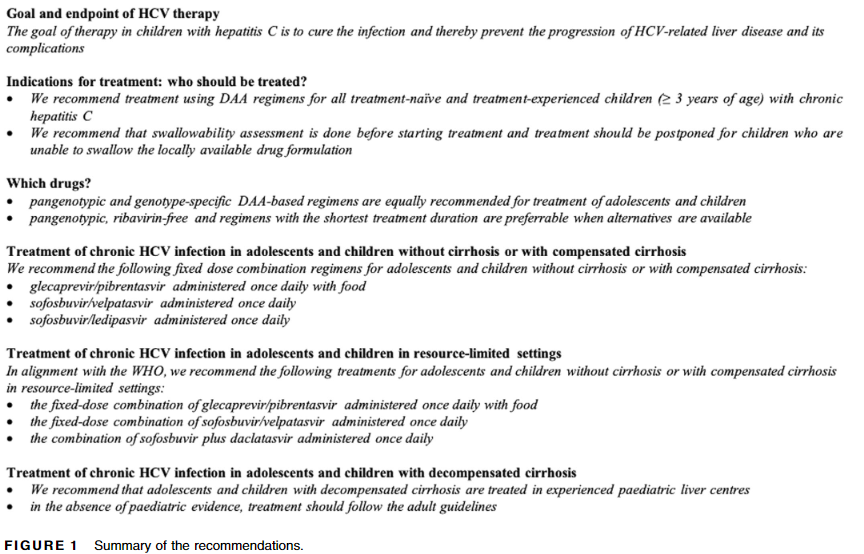
2. G Indolfi et al. JPGN 2024; 78:957–972. ESPGHAN recommendations on treatment of chronic hepatitis C virus infection in adolescents and children including those living in resource-limited settings

Summary of Recommendations:

————————————————————————————————————————–

3. F Lacaille et al. JPGN 2024; 78:1374–1382. Awareness, referral and age at Kasai surgery for biliary atresia in Europe: A survey of the Quality-of-Care Task Force of ESPGHAN

Key finding: Data from 785 infants diagnosed with BA from 2015 to 2019 from 18 centers in 15 countries revealed a mean age at referral to tertiary center of 55 days (similar to results obtained in Europe 10–30 years earlier)

Related blog posts:

Biliary Atresia

HCV:

Relooking at 6-Year Data of Maralixibat for Alagille Syndrome

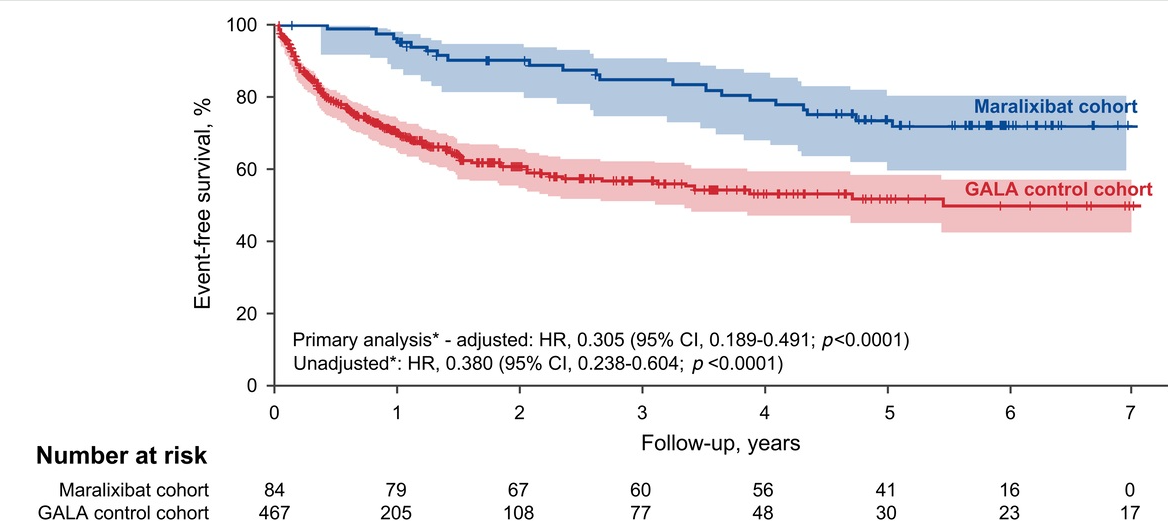
BE Hansen et al. Hepatology 2024; 79: 1279-1292. Open Access! Event-free survival of maralixibat-treated patients with Alagille syndrome compared to a real-world cohort from GALA

This study compared “6-year outcomes from maralixibat trials with an aligned and harmonized natural history cohort from the Global ALagille Alliance (GALA) study.”

Based on a quick review, some the data appears to overlap a recent report in the same journal: RJ Sokol et al. Hepatology 2023; 78: 1698-1710. Open Access! Predictors of 6-year event-free survival in Alagille syndrome patients treated with maralixibat, an ileal bile acid transporter inhibitor (See blog post: Six Year Data for IBAT Inhibitor Treatment for Alagille Syndrome).

In the current study, “event-free survival, defined as the time to first event of manifestations of portal hypertension (variceal bleeding, ascites requiring therapy), surgical biliary diversion, liver transplant, or death, was analyzed by Cox proportional hazards methods.”

Key findings:

  • Event-free survival in the maralixibat cohort (n=84) was significantly better than the GALA cohort (n=469) (HR, 0.305)
  • Transplant-free survival showed similar results (aHR, 0.33)

In their discussion, the authors note that much of the improvement in event-free survival is due to improvement in pruritus which is a main indication for liver transplantation. They speculate that improvement in event-free survival is also related to more broad-based clinical improvement (observed in ICONIC study), perhaps due to reduction in retained hepatic bile acids.

One of the limitations, reliance on a historical control, is discussed. “Historical control comparison is useful when there are ethical concerns regarding the recruitment of patients for long-term control arms requiring several years of study in life-threatening or debilitating diseases.”

My take: In this real-world comparison, Maralixibat, clearly was associated with improved outcomes. How much of this was due to relief of intractable pruritus and how much of this may be due to other biologic factors remains uncertain.

Related blog posts:

How Well Does BARD Criteria Work for Diagnosing Cholangitis Following a Kasai Repair for Biliary Atresia

M Madadi-Sanjani et al. JPGN Reports 2024: https://doi.org/10.1002/jpr3.12071. Open Access! Retrospective analysis of the standardized BARD criteria for acute cholangitis in biliary atresia patients

This retrospective study examined the Biliary atresia and Related Diseases (BARD) criteria for diagnosis of acute cholangitis in BA patients within the first year following Kasai hepatoportoenterostomy (HPE).

Key findings:

  • Of 185 consecutive BA patients, 59 (32%) had at least one episode of cholangitis within the first year after HPE
  • The correlation between the clinician’s impression and the standardized BARD definition was very strong (r = 0.8)
  • Only 41% of patients believed by their physicians to have cholangitis had fever
  • 70% had increased WBC and/or CRP, and/or procalcitonin
  • 90% had increased bilirubin/GGT, 68% had increased transaminases
  • Only one (1/59) patient in their cohort had a positive blood culture and only one (1/59) patient had bile lakes identified
  • 56/59 children (94.9%), at least one laboratory or radiological item (group B) was pathologic at cholangitis diagnosis

My take: There really is not a precise way to diagnose cholangitis following HPE. Given how infrequently they are identified, it looks like both blood culture and bile lakes are not useful in establishing the diagnosis given. Overall, these criteria correlate well with how clinicians establish the diagnosis of cholangitis in at-risk children.

The Standardized Biliary Atresia and Related Diseases (BARD) cholangitis guidelines for the diagnosis of suspected and confirmed cholangitis within the first year following hepatoportoenterostomy for biliary atresia. *Vomiting, poor feeding, irritability. PCT, procalcitonin.

Related blog posts:

Genetic Testing for Pediatric Acute Liver Failure of Indeterminate Origin

D Lenz et al. Hepatology 2024; 79: 1075-1087. Open Access! Genetic landscape of pediatric acute liver failure of indeterminate origin

Background: ” In US and European cohorts, the underlying etiology [of PALF] remained unclear in about half of cases, hampering clinical management including disease-specific therapies, particularly decision-making regarding liver transplantation.” The associated editorial (pg 970-972) by Squires and Horslen note that standardized evaluation of PALF can lower the indeterminate cases to ~30%.

This study had 96 authors! (I think). In total, 260 indeterminate PALF patients from 19 countries were recruited between 2011 and 2022, of whom 59 had recurrent PALF. 

Key findings:

  • Whole-exome sequencing (WES) established a genetic diagnosis in 37% of cases (97/260)
  • Diagnostic yield was highest in children with PALF in the first year of life (41%), and in children with recurrent acute liver failure (64%)
  • Defects in NBAS (n=20), MPV17 (n=8), and DGUOK (n=7) were the most frequent findings. The underlying pathophysiologies in those with abnormal WES were mitochondrial diseases (45%) and disorders of vesicular trafficking (28%)

Discussion points:

  • 55% of patients in this series had no evidence of an underlying genetic disorder. “According to Squires et al,32 the fraction of PALF cases with unknown etiology is particularly high in the first 3 years of life, which is the age range in which our study demonstrates the highest molecular diagnostic yield by WES.”
  • Rapid turnaround of genetic testing is essential in order to have an important clinical impact. A “short period of time as the clinical situation typically is critical and decisions are time-sensitive.” Yet the editorial noted that “rapid” testing in most laboratories require 1-6 months.

My take: Genetic testing is important for indeterminate PALF and may help in determining whether to proceed with a liver transplant.

Related blog post: Bookmark This Article on Pediatric Acute Liver Failure

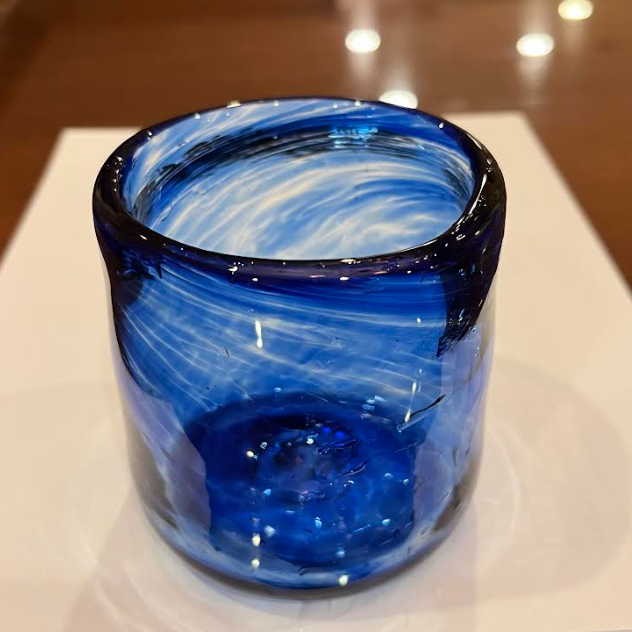
Dale Chihuly Glass Art
This is a cup that Jay Hochman made!

Autoimmune Hepatitis, Horseshoes and Hand Grenades

“Close don’t count in baseball. Close only counts in horseshoes and hand grenades.” –Frank Robinson 1973.

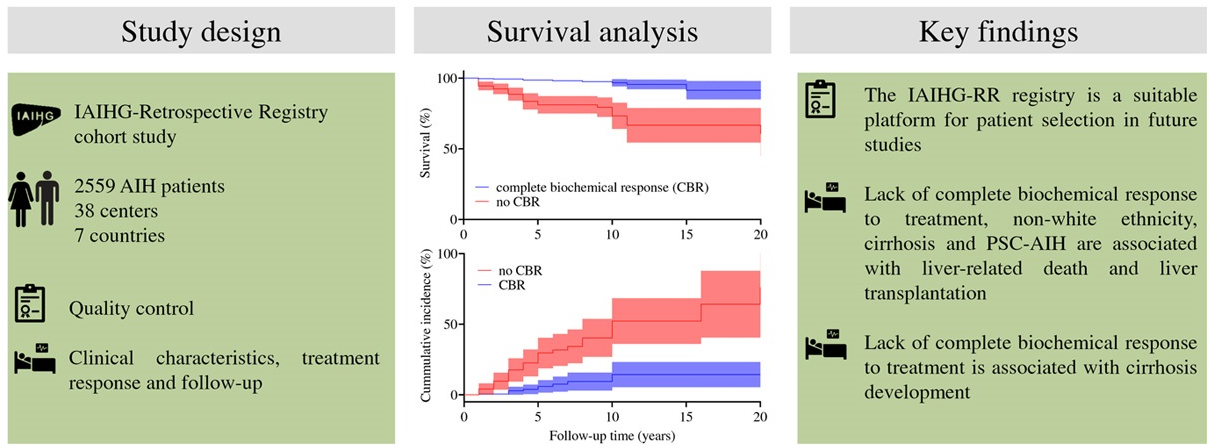
This study used the the International Autoimmune Hepatitis Group retrospective registry (IAIHG-RR), a web-based platform. This retrospective, observational, multicenter study analyzed 2559 patients; however, only 1700 had adequate follow-up. A complete biologic response (CBR) was defined as normalization of aminotransferases and serum IgG within 6 months; only 706 had serial results of these parameters to assess for a CBR.

Key findings:

  • Among the 706 with adequate data, 68.5% achieved a CBR.
  • Non-White ethnicity (HR 4), cirrhosis (HR 3.5), variant syndrome with primary sclerosing cholangitis (PSC) (HR 3.1), and lack of complete biochemical response within 6 months (HR 5.7) were independent prognostic factors.
  • Patients with a CBR had a greater actuarial survival over a 20-year period (91%) compared to those without a CBR (61%). Lack of a CBR at 6 months conferred a 3.6-fold higher risk of progression to cirrhosis.
  • Even in patients with cirrhosis, a CBR increased long-term survival: 82% versus 34%.

My take: A CBR is associated with the best long-term outcomes. My suspicion is that a biochemical response is actually similar to horseshoes. Improvement with treatment is likely beneficial but not as good as hitting the stake (the target).

Related blog posts:

Effective and Durable Hepatitis E Vaccine (Phase III Study)

Background (from MedPage Today): HEV is a leading cause of acute viral hepatitis worldwide, resulting in an estimated 20 million infections worldwide and 70,000 deaths every year. HEV primarily occurs in Africa, Central America, and Asia…U.S. incidence of HEV infection is largely unknow in part because of a lack of surveillance or an FDA-approved, commercially available HEV assay. However, an analysis of seroprevalence of HEV among blood donors in the U.S. showed approximately 10% seropositivity for HEV immunoglobulin G (IgG), reflecting past infection, and 0.58% for HEV IgM, indicating recent infection.

Genotypes HEV-1 and HEV-2 are transmitted via contaminated water and are specific to humans. However, HEV-3 and HEV-4 are zoonotically transmitted, often by eating uncooked or undercooked meat and offal of boar, deer, and pig. 

Safety data of the vaccine were reported in an earlier study, showing no serious adverse effects attributed to the vaccine (though data is scarce in vulnerable populations including pregnant women and children)

S Huang et al. The Lancet 2024: DOI:https://doi.org/10.1016/S0140-6736(23)02234-1. Long-term efficacy of a recombinant hepatitis E vaccine in adults: 10-year results from a randomised, double-blind, placebo-controlled, phase 3 trial

In this randomized placebo-controlled study with 112 604 healthy Chinese adults aged 16–65 years, the key findings:

  • During the 10-year study period, there were 13 infections in the vaccine group (0·2 per 10 000 person-years) and 77 in the placebo group (1·4 per 10 000 person-years), corresponding to a vaccine efficacy of 83·1% in the modified intention-to-treat analysis and 86·6% in the per-protocol analysis.
  • In a subset of patients, 254 (87·3%) of 291 vaccinees had vaccine-induced antibodies detectable at the 8·5-year mark.

My take: This HEV vaccine markedly decreases the likelihood of acquiring HEV infection.

Related blog posts:

View from Ram Head Trail, St John

What to Do with Refractory Autoimmune Hepatitis: Case Report

N Hadzic et al. NEJM 2024; 390: 284-286.JAK Inhibition in STAT1 Gain-of-Function–Mediated Treatment-Resistant Autoimmune Hepatitis

In this case report, the authors describe a 21 month old who presented with jaundice and abnormal liver tests. Diagnostic evaluation identified high titers of LKM antibodies (1:10,520) along with liver biopsy findings consistent with type 2 autoimmune hepatitis (AIH). After 6 months of treatment with steroids and subsequently azathioprine, the patient continued with severe biochemical relapses and a liver biopsy showed only a partial response.

Subsequently, “genetic testing found the patient had a heterozygous c.821G→A p.(Arg274Gln) pathogenic variant in the gene encoding signal transducer and activator of transcription 1 (STAT1)… Functional assays in the patient repeatedly showed abnormally high STAT1 phosphorylation as compared with healthy controls; this confirmed an autosomal dominant STAT1 gain-of-function defect.”

Treatment with “baricitinib, an inhibitor of Janus kinase 1 (JAK1) and 2 (JAK2), was started. Within weeks, the patient’s aminotransferase levels normalized. ..A liver-biopsy sample that was obtained 4 months after the initiation of baricitinib therapy showed an absence of appreciable inflammation with residual mild fibrosis…She was weaned off mycophenolate and is continuing to receive daily baricitinib (8 mg) and prednisolone (2.5 mg) along with fluconazole and azithromycin for infection prophylaxis.”

My take: In children with refractory autoimmune hepatitis, genetic testing is worthwhile and may allow targeted therapy.

Related blog posts:

Tyre Palm on St. John

Immune Mediated Disorders Associated with TNF Inhibitors Can Involve the Liver Too

Yesterday’s post highlighted immune-mediated disorders likely caused by anti-TNF therapy; this includes rheumatoid arthritis, psoriasis, hidradenitis suppurativa, and chronic recurrent multifocal osteomyelitis. Anti-TNF inhibitors can be the reason for drug-induced liver disease (DILI) including autoimmune hepatitis (AIH) as well. 

  • In one study, 8% of children receiving anti-TNF therapy developed a new elevation in ALT.
  • Most often liver enzyme elevation is mild and transient
  • Differential diagnosis for persistent elevation can be due to DILI, autoimmune liver disease (eg. PSC, AIH), or rarely due to a combination (autoimmune drug-induced liver disease). The latter can improve with drug cessation and with corticosteroid treatment.

Some slides on this topic (courtesy of William. Balistreri):

My take: Serious liver injury related to anti-TNF therapy is rare. When liver enzymes are persistently elevated, consider DILI including anti-TNF agents.

Related blog posts:

Year-in-Review for Pediatric Hepatology

Recently, Dr. William Balistreri presented a review of some of the biggest advances in pediatric hepatology this past year on the Bowel Sounds Podcast (with the award-winning hosts).

He discussed the following:

  • IBAT inhibitors which are a game-changer for pruritic cholestatic disorders like Alagille syndrome. By reducing itching, it may help many avoid liver transplantation
  • HCV medications which usually result in a cure with typical therapy courses running 8-12 weeks
  • Emergence of a new treatment, Fazirsiran, for alpha-one antitrypsin deficiency (see blog post below)
  • More data showing the good liver safety of methotrexate in individuals without preexisting liver disease. Dr. Balistreri and colleagues showed pediatric patients with JRA did not develop liver fibrosis/clinical liver disease in 1997.
  • How Gilbert’s may be beneficial –>hopeful news for the mildly jaundiced children that we see. Science (M Leslie, 6/8/23): Can ‘toxic’ bilirubin treat a variety of illnesses

He kindly agreed to send me a few slides on the later two subjects at my request:

Related blog posts:

IBAT Inhibitors:

Hepatitis C

Alpha-One Antitrypsin

Dr. Balistreri

Long-Term Outcomes off Immunosuppression in Children After Liver Transplant

S Kortbeek et al. J Pediatr 2024; 264: 113744 .Immunosuppression-Free Life after Pediatric Liver Transplant: A Case-Control Study from the Society of Pediatric Liver Transplant (SPLIT) Registry

This was a retrospective case-control study with 33 patients who were off immunosuppression for at least 1 year. The median age at LT was 0.7 years. The median IS withdrawal time was 9 years after LT. 

Key findings:

  • No differences in allograft rejection rates, IS complications, or c-IO [composite ideal outcome] prevalence were seen between SPLIT patients off IS and age- and sex-matched controls remaining on IS.

This is a highly-selected group representing ~0.5% of pediatric liver transplants (1996-2015).

My take: In this small sample size, patients off IS had similar outcomes as patients who continued on IS. Understanding this group better could help extend this approach to more patients.

Related blog post: Liver Shorts: Stopping immunosuppression after transplant, toxicity of acetaminophen at therapeutic dosing, best imaging of PSC

Chattahoochee River at Island Ford