Autoimmune Hepatitis, Horseshoes and Hand Grenades

“Close don’t count in baseball. Close only counts in horseshoes and hand grenades.” –Frank Robinson 1973.

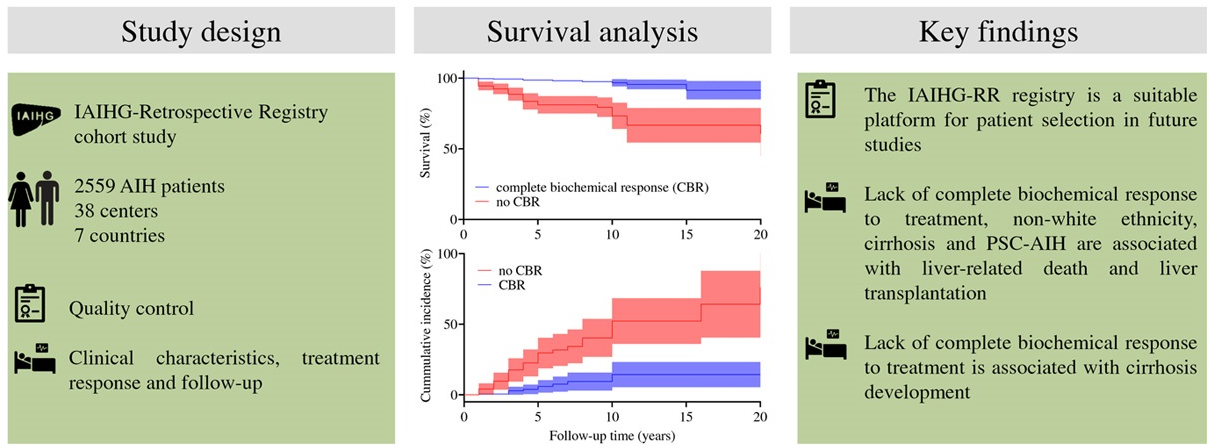
This study used the the International Autoimmune Hepatitis Group retrospective registry (IAIHG-RR), a web-based platform. This retrospective, observational, multicenter study analyzed 2559 patients; however, only 1700 had adequate follow-up. A complete biologic response (CBR) was defined as normalization of aminotransferases and serum IgG within 6 months; only 706 had serial results of these parameters to assess for a CBR.

Key findings:

  • Among the 706 with adequate data, 68.5% achieved a CBR.
  • Non-White ethnicity (HR 4), cirrhosis (HR 3.5), variant syndrome with primary sclerosing cholangitis (PSC) (HR 3.1), and lack of complete biochemical response within 6 months (HR 5.7) were independent prognostic factors.
  • Patients with a CBR had a greater actuarial survival over a 20-year period (91%) compared to those without a CBR (61%). Lack of a CBR at 6 months conferred a 3.6-fold higher risk of progression to cirrhosis.
  • Even in patients with cirrhosis, a CBR increased long-term survival: 82% versus 34%.

My take: A CBR is associated with the best long-term outcomes. My suspicion is that a biochemical response is actually similar to horseshoes. Improvement with treatment is likely beneficial but not as good as hitting the stake (the target).

Related blog posts:

Effective and Durable Hepatitis E Vaccine (Phase III Study)

Background (from MedPage Today): HEV is a leading cause of acute viral hepatitis worldwide, resulting in an estimated 20 million infections worldwide and 70,000 deaths every year. HEV primarily occurs in Africa, Central America, and Asia…U.S. incidence of HEV infection is largely unknow in part because of a lack of surveillance or an FDA-approved, commercially available HEV assay. However, an analysis of seroprevalence of HEV among blood donors in the U.S. showed approximately 10% seropositivity for HEV immunoglobulin G (IgG), reflecting past infection, and 0.58% for HEV IgM, indicating recent infection.

Genotypes HEV-1 and HEV-2 are transmitted via contaminated water and are specific to humans. However, HEV-3 and HEV-4 are zoonotically transmitted, often by eating uncooked or undercooked meat and offal of boar, deer, and pig. 

Safety data of the vaccine were reported in an earlier study, showing no serious adverse effects attributed to the vaccine (though data is scarce in vulnerable populations including pregnant women and children)

S Huang et al. The Lancet 2024: DOI:https://doi.org/10.1016/S0140-6736(23)02234-1. Long-term efficacy of a recombinant hepatitis E vaccine in adults: 10-year results from a randomised, double-blind, placebo-controlled, phase 3 trial

In this randomized placebo-controlled study with 112 604 healthy Chinese adults aged 16–65 years, the key findings:

  • During the 10-year study period, there were 13 infections in the vaccine group (0·2 per 10 000 person-years) and 77 in the placebo group (1·4 per 10 000 person-years), corresponding to a vaccine efficacy of 83·1% in the modified intention-to-treat analysis and 86·6% in the per-protocol analysis.
  • In a subset of patients, 254 (87·3%) of 291 vaccinees had vaccine-induced antibodies detectable at the 8·5-year mark.

My take: This HEV vaccine markedly decreases the likelihood of acquiring HEV infection.

Related blog posts:

View from Ram Head Trail, St John

What to Do with Refractory Autoimmune Hepatitis: Case Report

N Hadzic et al. NEJM 2024; 390: 284-286.JAK Inhibition in STAT1 Gain-of-Function–Mediated Treatment-Resistant Autoimmune Hepatitis

In this case report, the authors describe a 21 month old who presented with jaundice and abnormal liver tests. Diagnostic evaluation identified high titers of LKM antibodies (1:10,520) along with liver biopsy findings consistent with type 2 autoimmune hepatitis (AIH). After 6 months of treatment with steroids and subsequently azathioprine, the patient continued with severe biochemical relapses and a liver biopsy showed only a partial response.

Subsequently, “genetic testing found the patient had a heterozygous c.821G→A p.(Arg274Gln) pathogenic variant in the gene encoding signal transducer and activator of transcription 1 (STAT1)… Functional assays in the patient repeatedly showed abnormally high STAT1 phosphorylation as compared with healthy controls; this confirmed an autosomal dominant STAT1 gain-of-function defect.”

Treatment with “baricitinib, an inhibitor of Janus kinase 1 (JAK1) and 2 (JAK2), was started. Within weeks, the patient’s aminotransferase levels normalized. ..A liver-biopsy sample that was obtained 4 months after the initiation of baricitinib therapy showed an absence of appreciable inflammation with residual mild fibrosis…She was weaned off mycophenolate and is continuing to receive daily baricitinib (8 mg) and prednisolone (2.5 mg) along with fluconazole and azithromycin for infection prophylaxis.”

My take: In children with refractory autoimmune hepatitis, genetic testing is worthwhile and may allow targeted therapy.

Related blog posts:

Tyre Palm on St. John

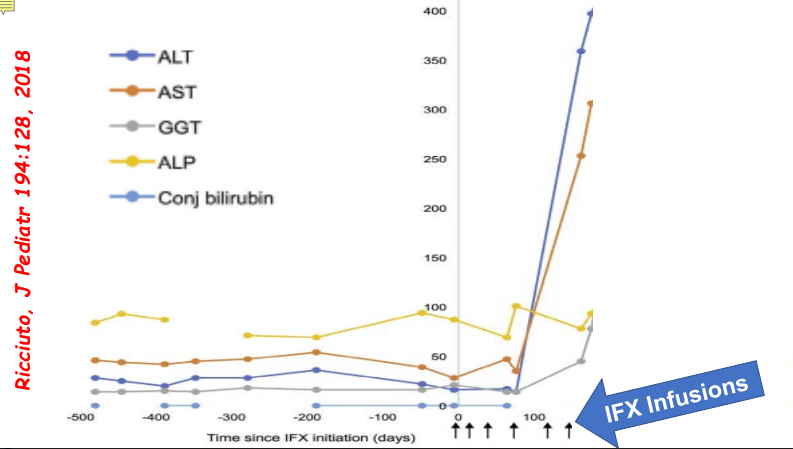
Immune Mediated Disorders Associated with TNF Inhibitors Can Involve the Liver Too

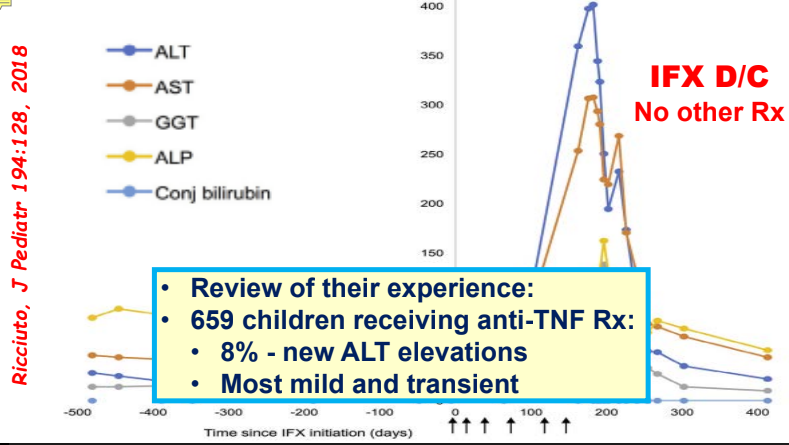
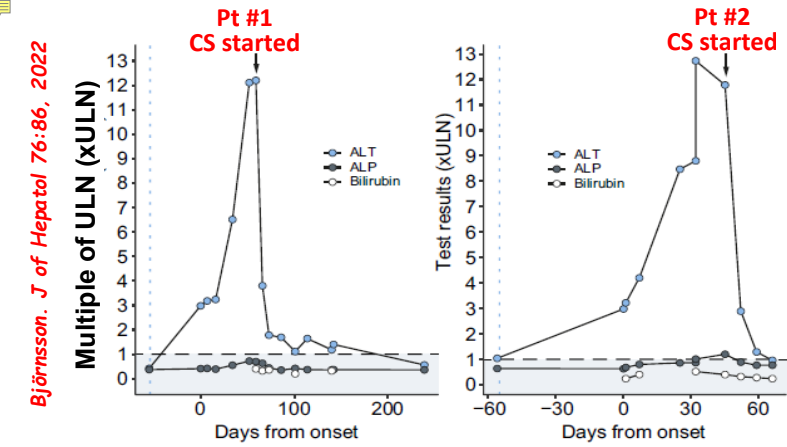
Yesterday’s post highlighted immune-mediated disorders likely caused by anti-TNF therapy; this includes rheumatoid arthritis, psoriasis, hidradenitis suppurativa, and chronic recurrent multifocal osteomyelitis. Anti-TNF inhibitors can be the reason for drug-induced liver disease (DILI) including autoimmune hepatitis (AIH) as well. 

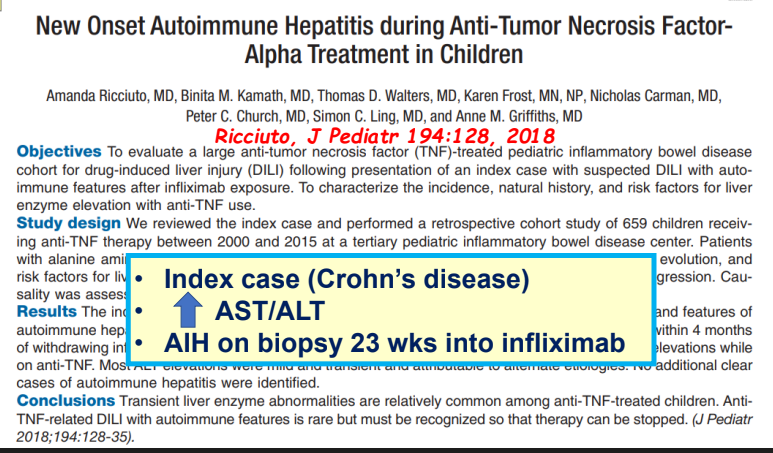
  • In one study, 8% of children receiving anti-TNF therapy developed a new elevation in ALT.
  • Most often liver enzyme elevation is mild and transient
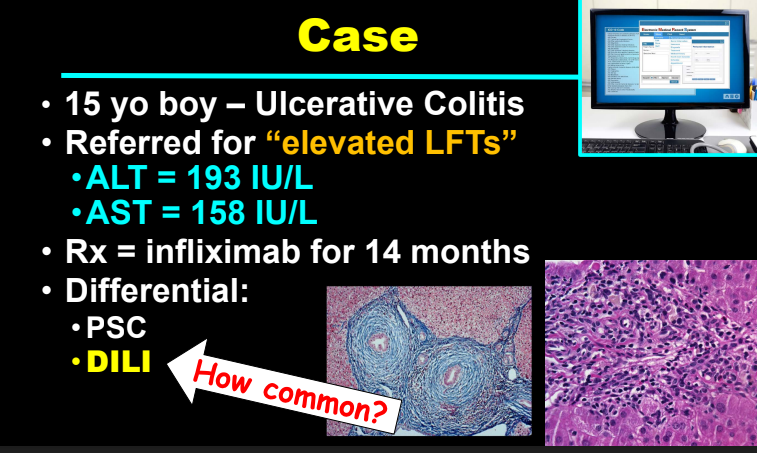
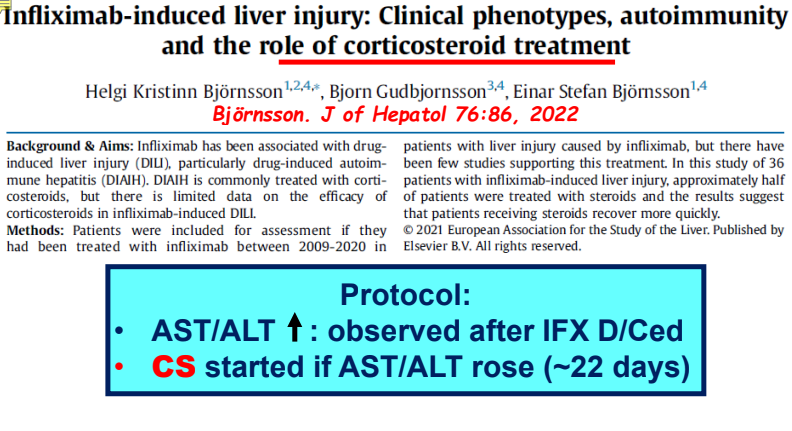
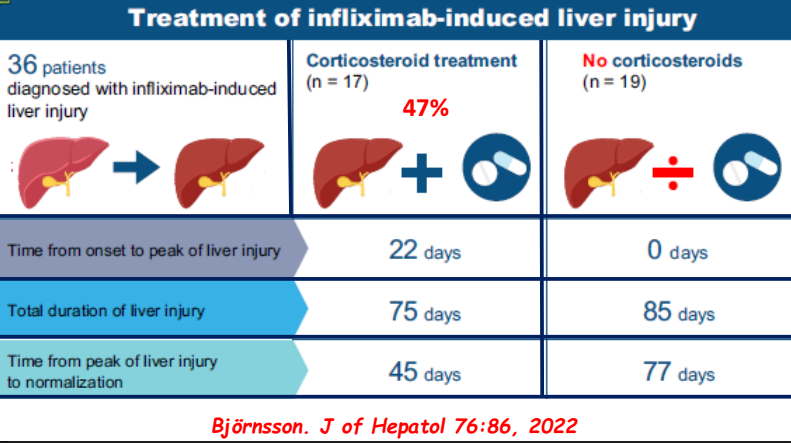
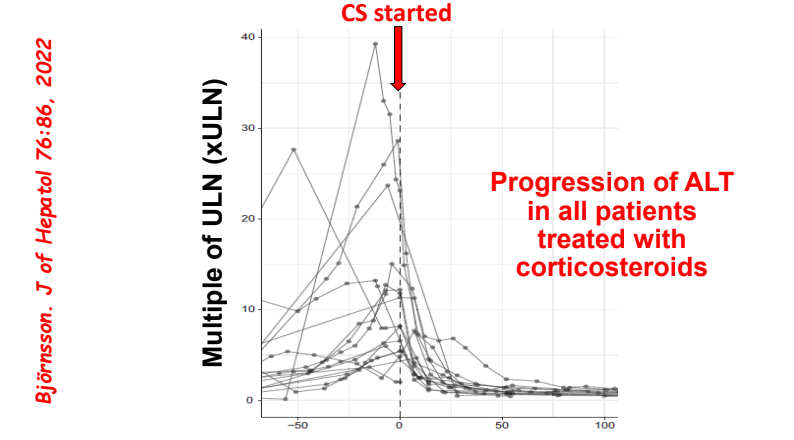
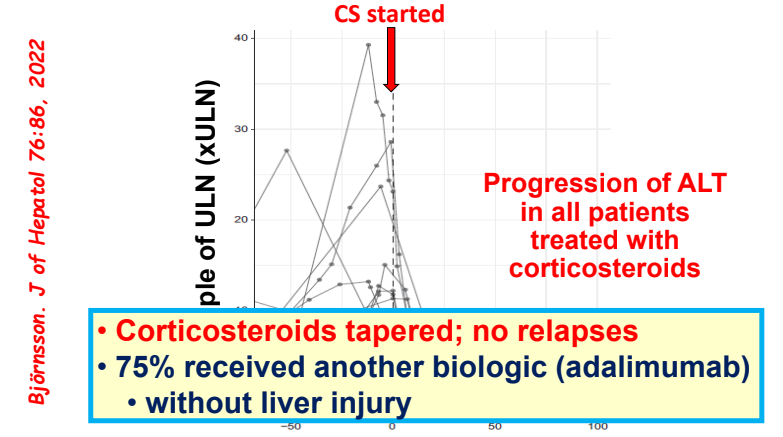
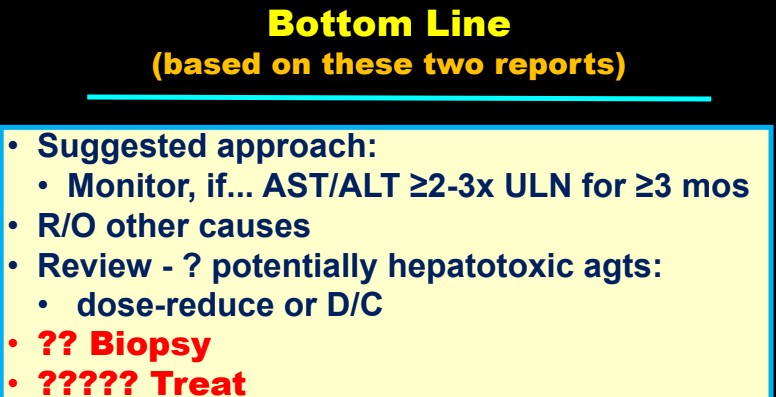
  • Differential diagnosis for persistent elevation can be due to DILI, autoimmune liver disease (eg. PSC, AIH), or rarely due to a combination (autoimmune drug-induced liver disease). The latter can improve with drug cessation and with corticosteroid treatment.

Some slides on this topic (courtesy of William. Balistreri):

My take: Serious liver injury related to anti-TNF therapy is rare. When liver enzymes are persistently elevated, consider DILI including anti-TNF agents.

Related blog posts:

Year-in-Review for Pediatric Hepatology

Recently, Dr. William Balistreri presented a review of some of the biggest advances in pediatric hepatology this past year on the Bowel Sounds Podcast (with the award-winning hosts).

He discussed the following:

  • IBAT inhibitors which are a game-changer for pruritic cholestatic disorders like Alagille syndrome. By reducing itching, it may help many avoid liver transplantation
  • HCV medications which usually result in a cure with typical therapy courses running 8-12 weeks
  • Emergence of a new treatment, Fazirsiran, for alpha-one antitrypsin deficiency (see blog post below)
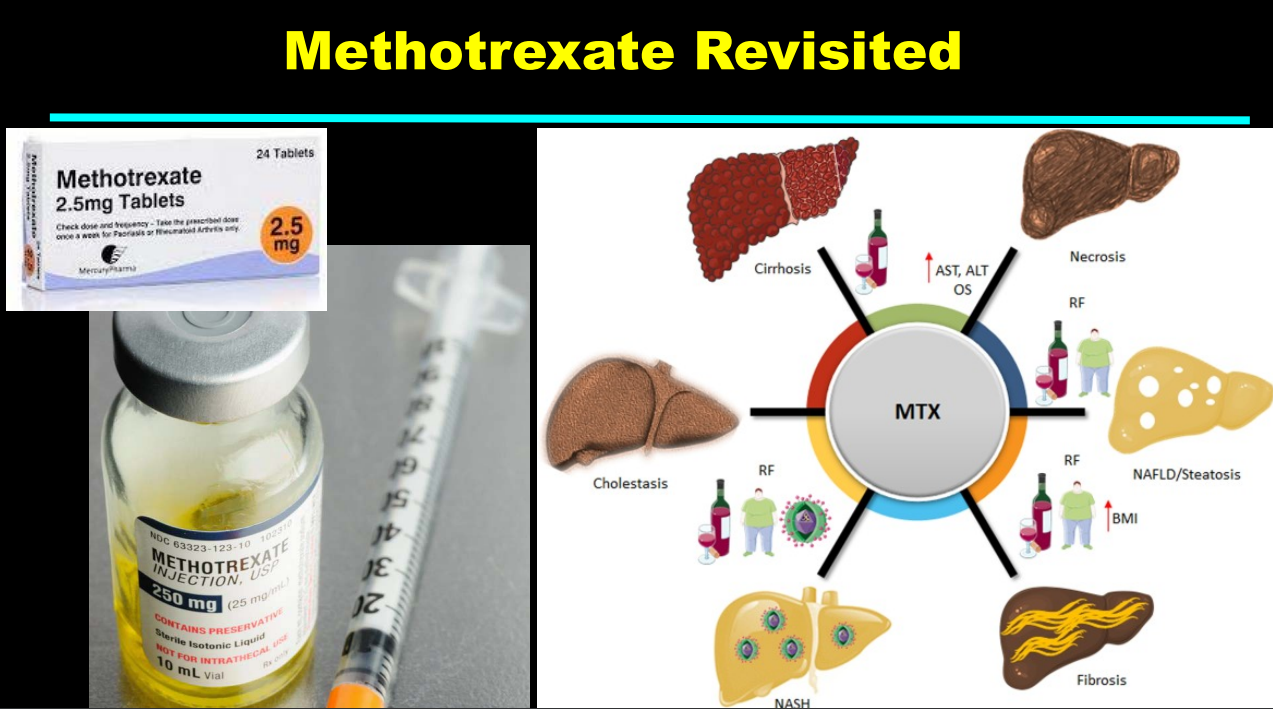
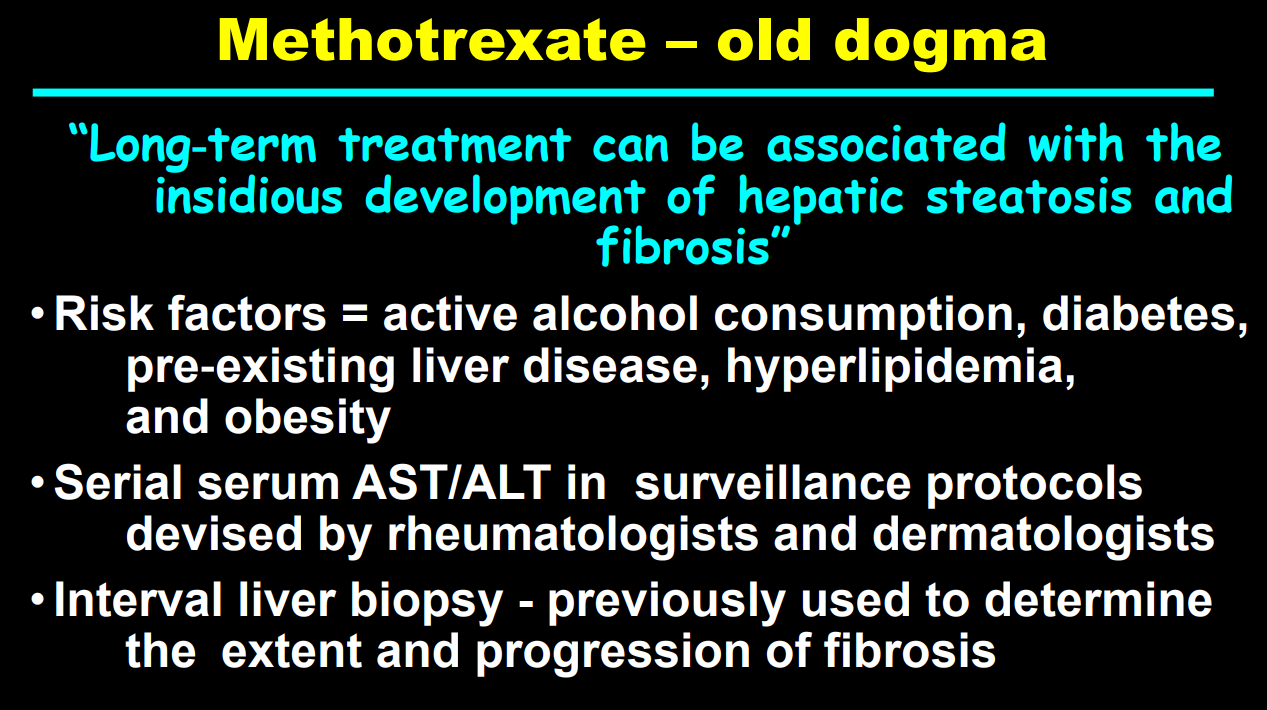
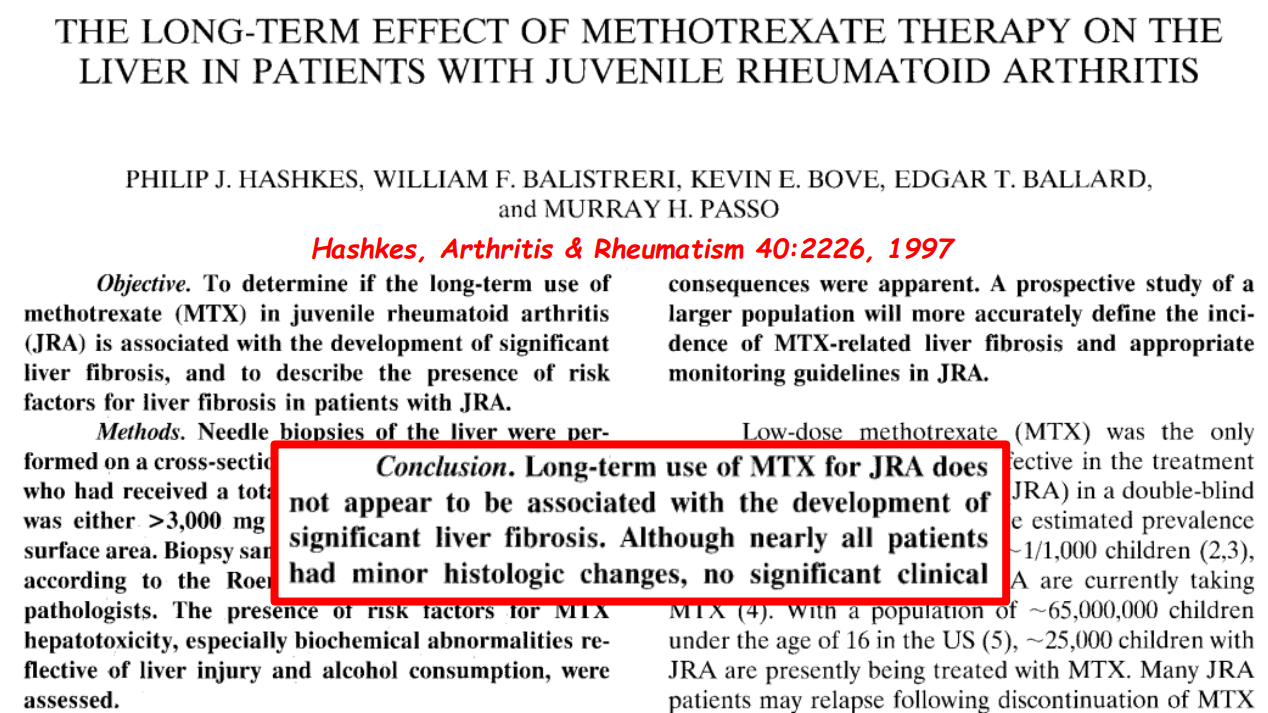
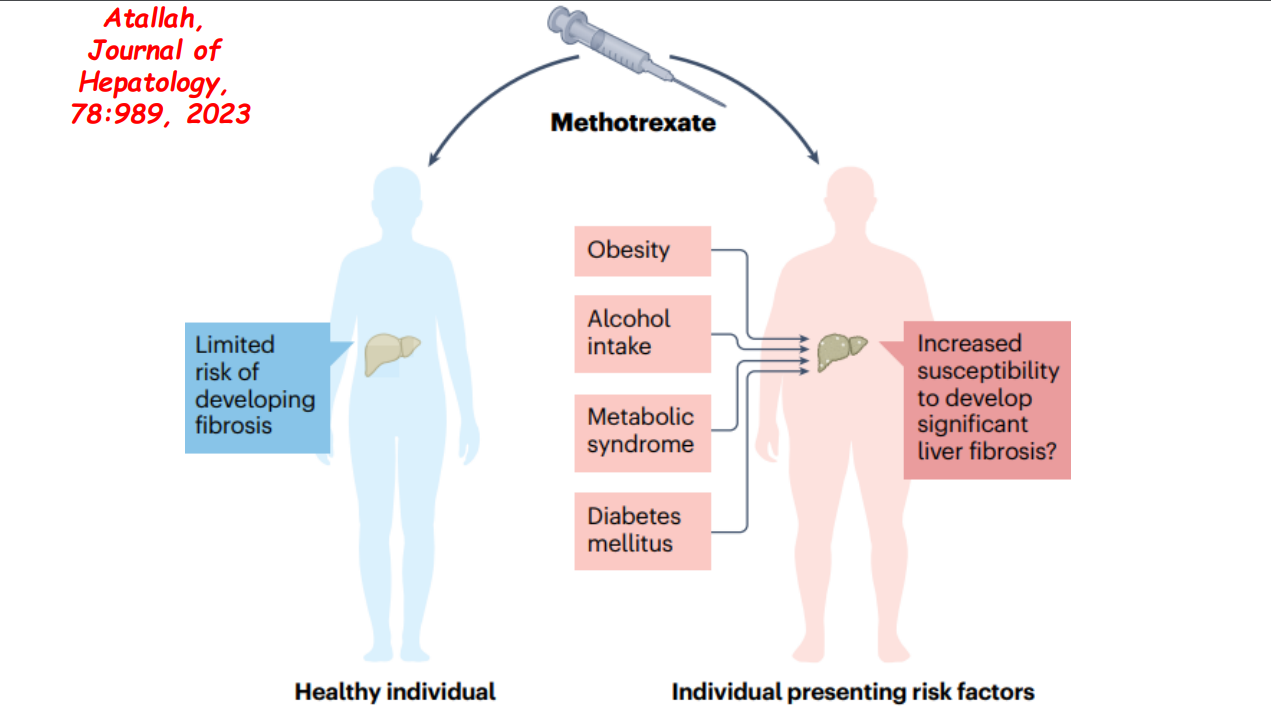
  • More data showing the good liver safety of methotrexate in individuals without preexisting liver disease. Dr. Balistreri and colleagues showed pediatric patients with JRA did not develop liver fibrosis/clinical liver disease in 1997.
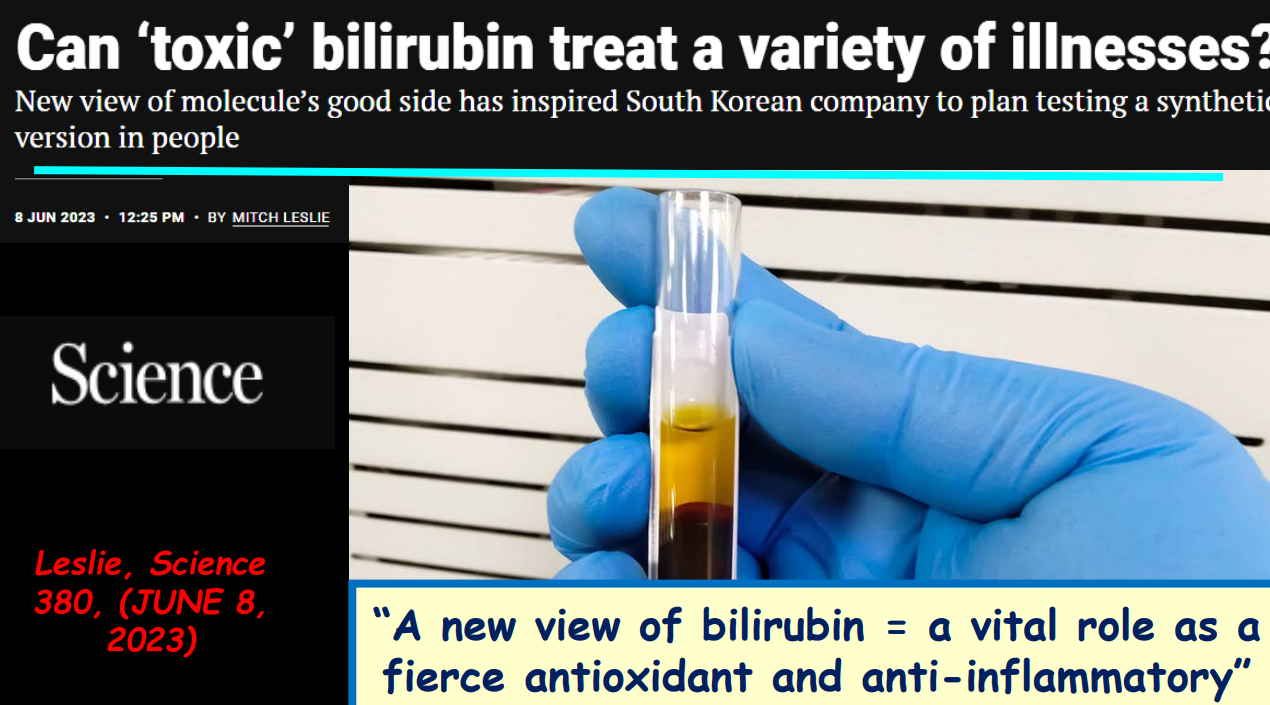
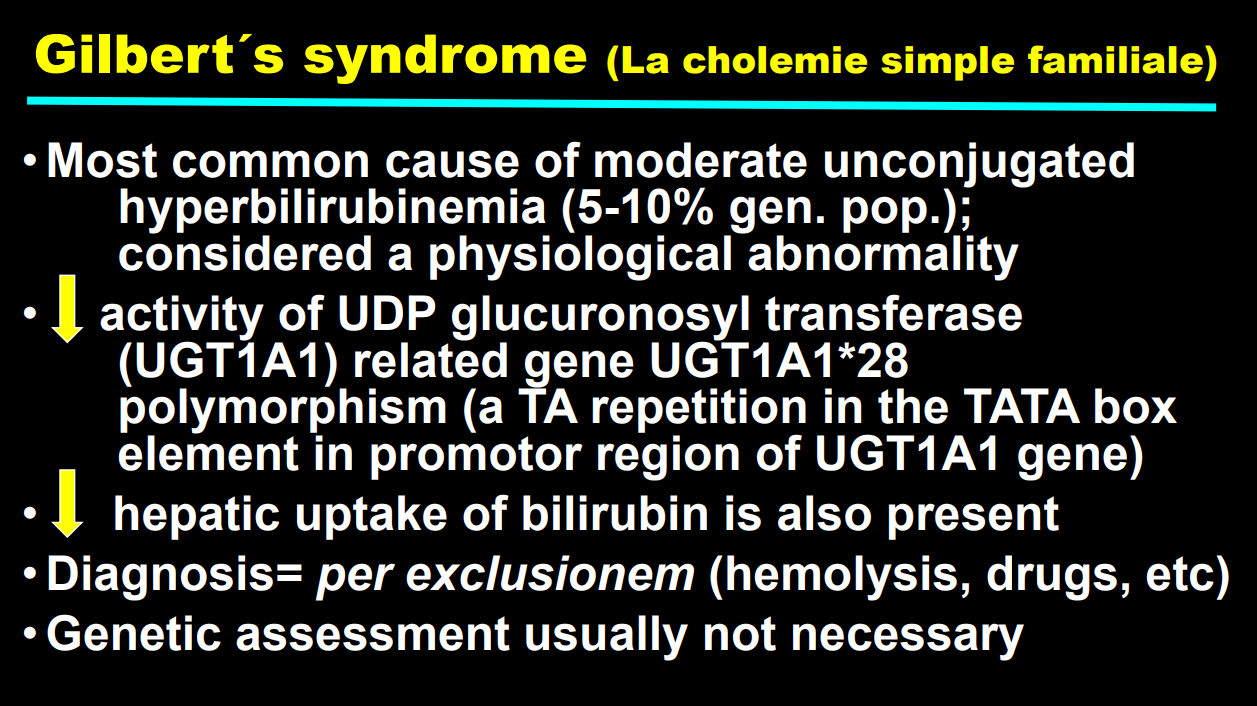
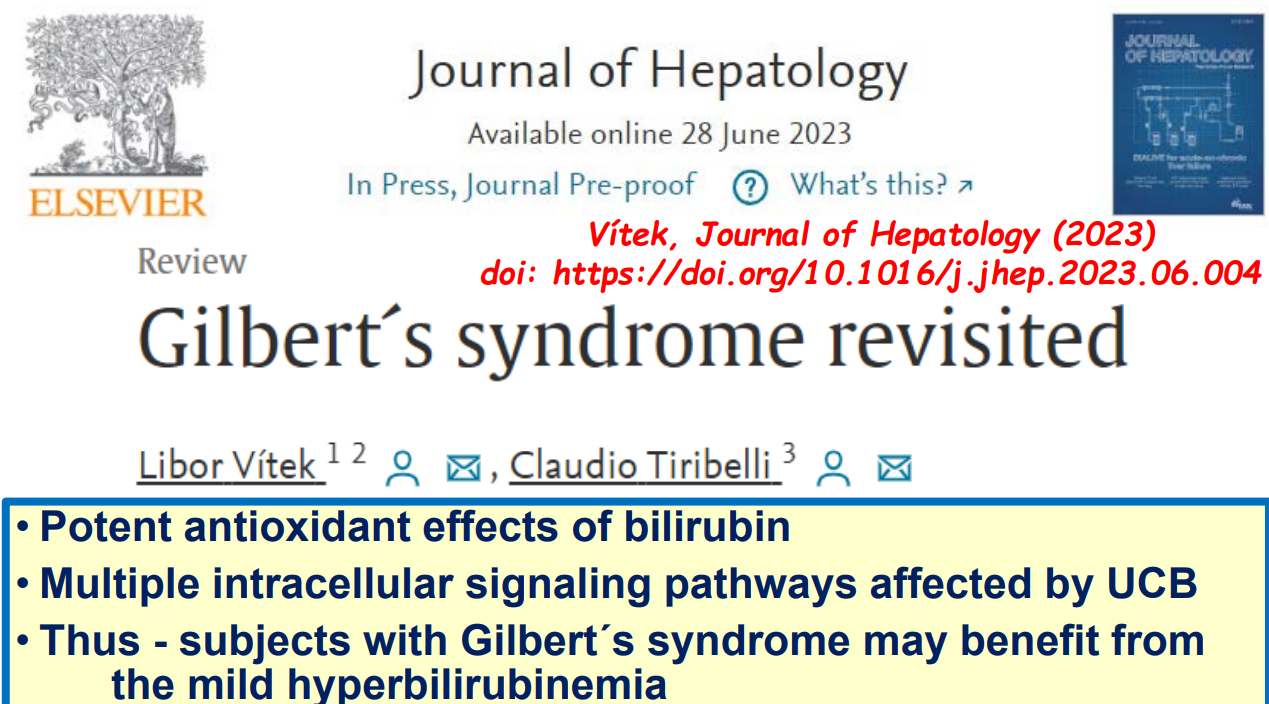
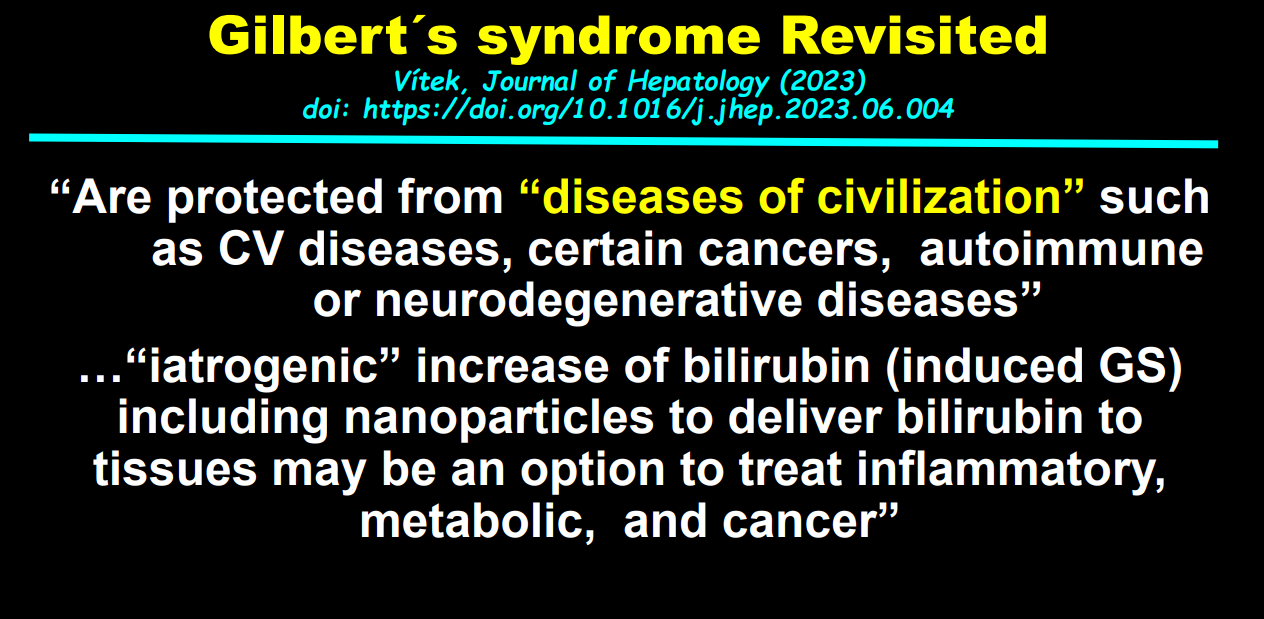
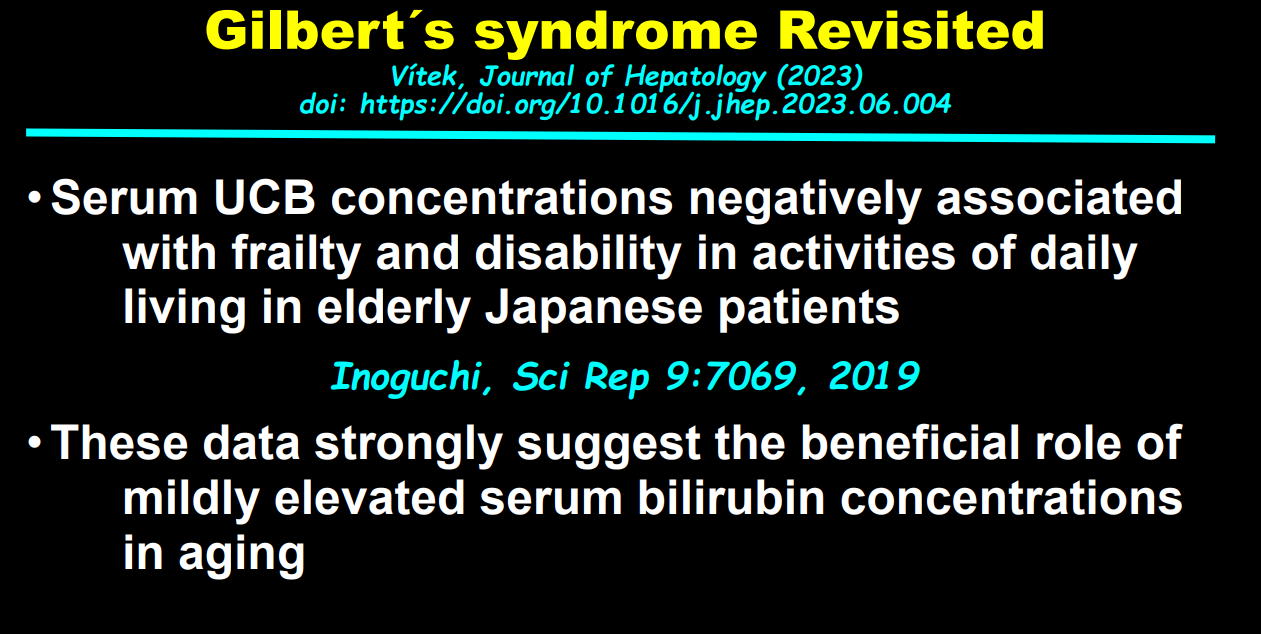
  • How Gilbert’s may be beneficial –>hopeful news for the mildly jaundiced children that we see. Science (M Leslie, 6/8/23): Can ‘toxic’ bilirubin treat a variety of illnesses

He kindly agreed to send me a few slides on the later two subjects at my request:

Related blog posts:

IBAT Inhibitors:

Hepatitis C

Alpha-One Antitrypsin

Dr. Balistreri

Long-Term Outcomes off Immunosuppression in Children After Liver Transplant

S Kortbeek et al. J Pediatr 2024; 264: 113744 .Immunosuppression-Free Life after Pediatric Liver Transplant: A Case-Control Study from the Society of Pediatric Liver Transplant (SPLIT) Registry

This was a retrospective case-control study with 33 patients who were off immunosuppression for at least 1 year. The median age at LT was 0.7 years. The median IS withdrawal time was 9 years after LT. 

Key findings:

  • No differences in allograft rejection rates, IS complications, or c-IO [composite ideal outcome] prevalence were seen between SPLIT patients off IS and age- and sex-matched controls remaining on IS.

This is a highly-selected group representing ~0.5% of pediatric liver transplants (1996-2015).

My take: In this small sample size, patients off IS had similar outcomes as patients who continued on IS. Understanding this group better could help extend this approach to more patients.

Related blog post: Liver Shorts: Stopping immunosuppression after transplant, toxicity of acetaminophen at therapeutic dosing, best imaging of PSC

Chattahoochee River at Island Ford

Eradicating Hepatitis C Dependent on Congressional Action

Francis Collins, NY Times 11/28/23: We Are Squandering One of the Most Important Medical Advances of the 21st Century

An excerpt:

Congress has an opportunity to turn this ongoing human tragedy into a public health advancement, by providing support for a five-year project to eliminate hepatitis C in the United States...

Each year, about 15,000 Americans die from hepatitis C, many in their 40s and 50s. Given the safe and effective cure available for the last nine years, the correct number of deaths in 2023 should be zero...

In March, President Biden came out in favor of a five-year program to put the United States on track to eliminate hepatitis C…The plan includes an innovative approach to provide broad access to curative medications, modeled on a successful effort in Louisiana. Under this approach, sometimes known as the “Netflix model,” a drug company or companies agree to provide full access to medications for a population in need in exchange for a set lump sum payment. In the current proposal, the populations who would have access to free hepatitis C drugs are Medicaid enrollees, the uninsured, Native Americans, and those in the prison and jail systems. If structured correctly, many more people can get lifesaving care and the cost per cure drops significantly…the plan also includes training, technical support and resources for primary care offices, federally qualified health centers, drug treatment centers, and jails and prisons…

An expert group has estimated that a national initiative to end hepatitis would save society more than $18 billion in health care costs over the next decade, with $13.3 billion of that savings accruing to the federal government.

My take: The advent of safe and effective hepatitis C medications has helped many. Particularly with the challenge of more infections due to intravenous drug use, it will take a concerted effort to eliminate this infection.

Related blog posts:

Rua Augusta Arch, Lisbon

Six Year Data for IBAT Inhibitor Treatment for Alagille Syndrome

RJ Sokol et al. Hepatology 2023; 78: 1698-1710. Open Access! Predictors of 6-year event-free survival in Alagille syndrome patients treated with maralixibat, an ileal bile acid transporter inhibitor

In this study, the authors examined 43 potential predictors of outcomes in pediatric patients (n=76) treated with maralixibat (MRX). The median duration of MRX treatment was 4.7 years. Key findings:

  • There were 10 liver transplantations, 3 decompensations, 2 deaths, and 1 surgical biliary diversion; thus, 16/76 (21%) had liver-related events.
  • The 6-year event-free survival improved with a clinically meaningful >1-point ItchRO(Obs) reduction from baseline to W48 (88% vs. 57%; p = 0.005), W48 bilirubin < 6.5 mg/dL (90% vs. 43%; p < 0.0001), and W48 serum bile acid < 200 µmol/L (85% vs. 49%; p = 0.001). These parameters were also predictive of 6-year transplant-free survival.
  • In this cohort, younger children (<36 months) fared worse, though this was likely related to selection bias as they had more severe cholestasis. In the discussion, the authors note that in their cohort, “there is a survivor bias such that older children are inherently healthier or they would have already undergone transplantation.”
  • Improved event-free survival could be largely related to symptomatic improvement. Many kids with Alagille require transplantation due to refractory pruritus. Since this study did not include histology or noninvasive techniques to assess hepatic fibrosis, it is unclear if there was also improvement in underlying liver function/fibrosis subsequent to reduction in toxic bile acid retention.
  • 46/76 (61%) had improvement in pruritus, 52/76 (68%) had improvement in bilirubin, and 56/76 (74%) had improvement in serum bile acids.

In their discussion, the authors note that in the GALA study, “which included natural history data from >1400 patients, 358 patients required a liver transplant, with 69% being transplanted for intractable pruritus.4

My take: In patients with moderate to severe pruritus, patients who respond to IBAT inhibitors are likely to have improvement in important clinical outcomes.

Related blog posts:

Increasing Prevalence of Steatotic Liver Disease in Adolescents

P Hartmann et al. Hepatology 2023; 78: 1168-1181. Open Access! Global and national prevalence of nonalcoholic fatty liver disease in adolescents: An analysis of the global burden of disease study 2019

The authors  analyzed data from the Global Burden of Disease Study 2019 to compare global, continental, and national prevalence rates of adolescent (15-19 yrs of age) NAFLD.

Key finding:

  • The global NAFLD prevalence in adolescents increased from 3.73% in 1990 to 4.71% in 2019 (a relative increase of 26.27%). NAFLD is now termed metabolic dysfunction-associated steatotic liver disease (MASLD).
  • High body mass index and not type 2 diabetes mellitus correlated with NAFLD prevalence in adolescents globally. 

In the associated editorial (S Xanthakos, Hepatology 78(4):p 1017-1019, October 2023, Rising tide of NAFLD in youth: A warning bell and call to action), some of the key points:

  • “The Global Burden of Disease (GBD) Study is the most comprehensive and long-standing effort to systematically and scientifically collate data on hundreds of diseases and injuries across the globe, including related clinical outcomes. Beginning in 1990, the GBD Study initially collected data on 106 conditions and 10 risk factors, across 5 age groups.1 Over time, the GBD Study has expanded through serial iterations to involve >9000 international researchers collecting data on 369 diseases and injuries across 204 countries and territories in the most recent 2019 report.1
  • ” From the GBD Study, we learned that NAFLD is the most rapidly rising cause of chronic liver disease in adolescents and adults,2 and the fastest-growing contributor to cirrhosis, liver cancer, and liver-related deaths globally.”
  • “The global prevalence of NAFLD in adolescents shows no sign of abating, rather has continued to increase steadily from 3.7% in 1990 to 4.7% in 2019.”
  • “As with all epidemiological research, the GBD study faces the primary limitation of relying on data sources that employ varying and less accurate measures of NAFLD prevalence (alanine aminotransferase and/or ultrasound primarily). However, the rigorous methodological approach employed by the GBD including frequent assessment of face validity, and the tremendous input of data sources (>80,000 in 2019) nonetheless results in the most comprehensive global data set available.”

My take (borrowed from editorial): Without intervention, “the increase in adolescent NAFLD certainly portends a future increase in NAFLD-related cirrhosis and liver-related deaths in young adults in the coming decades, and a likely escalation in cardiovascular and diabetes-related morbidity.

Related blog posts:

Treats (Tips) and Tricks for Using IBD Drugs in Patients with Hepatobiliary Comorbidities

S Massironi et al. Inflamm Bowel Dis 2023; 29: 1477-1487. Use of IBD Drugs in Patients With Hepatobiliary Comorbidities: Tips and Tricks

This review article makes a number of useful points:

  • Almost all of the IBD medications (Anti-TNF, Vedolizumab, Ustekinumab, Tofacitinib, Ozanimod) should not be used in patients with untreated hepatitis B surface antigen positivity. Antiviral prophylaxis is recommended even patients with inactive disease (HBV DNA <2000 IU/mL/normal ALT) starting 2 weeks prior to immunosuppression up to 12 weeks after immunosuppression discontinuation.
  • Anti-TNF, Vedolizumab, and Ustekinumab can be safely used in patients with cirrhosis, tofacitinib requires a dose reduction, and ozanimod is NOT recommended
  • Autoimmune hepatitis may be triggered (rarely) by use of anti-TNFs; however, these agents have been uses off-label as a rescue therapy for AIH as well.
  • Anti-TNFs do not appear worsen liver function in PSC and may be associated with improvement in MASH (NASH)
  • Drug-induced liver injury (DILI) is common with anti-TNFs, often seen between the second and fifth doses. It is “generally transient and asymptomatic.” DILI may occur with ustekinumab, tofacitinib and ozanimod.
  • Tofacitinib may have a favorable effect on PSC. A retrospective study with 5 patients reported a 28% and 39% decrease respectively in total bilirubin and alkaline phosphatase within 6 months of starting therapy, A separate study with 42 patients showed a non-significant drop in alkaline phosphatase from 150 U/L to 132 U/L at 12 month followup.
  • The authors note that in patients with cirrhosis and posttransplantation, “vedolizumab and ustekinumab should be preferred due to their safer profile linked to infectious risk.”
  • “Patients with hepatobiliary disorders are often excluded from pivotal trials.” This contributes to a significant knowledge gap for patients with these comorbid conditions which are frequent in patients with IBD

My take: I don’t think I will be too popular if I hand out copies of this article to the kids I see later today –despite the useful advice. (This post was meant to be published on Halloween)

Related blog posts:

Disclaimer: This blog, gutsandgrowth, assumes no responsibility for any use or operation of any method, product, instruction, concept or idea contained in the material herein or for any injury or damage to persons or property (whether products liability, negligence or otherwise) resulting from such use or operation. These blog posts are for educational purposes only. Specific dosing of medications (along with potential adverse effects) should be confirmed by prescribing physician.  Because of rapid advances in the medical sciences, the gutsandgrowth blog cautions that independent verification should be made of diagnosis and drug dosages. The reader is solely responsible for the conduct of any suggested test or procedure.  This content is not a substitute for medical advice, diagnosis or treatment provided by a qualified healthcare provider. Always seek the advice of your physician or other qualified health provider with any questions you may have regarding a condition.