GLP-1 Obesity Medication for 6-11 Year Olds

  • CK Fox et al. NEJM 2024; https://www.nejm.org/doi/full/10.1056/NEJMoa2407379. Liraglutide for Children 6 to <12 Years of Age with Obesity — A Randomized Trial
  • T Barrett et al. NEJM 2024 (editorial);/doi/full/10.1056/NEJMe2410560. Childhood Obesity and GLP-1 Receptor Agonists — A Coming of Age?

Background: The glucagon-like peptide-1 (GLP-1) analogues liraglutide and semaglutide are approved by the Food and Drug Administration and the European Medicines Agency for long-term weight management in adolescents 12 years of age or older with obesity, as adjunct treatments to lifestyle interventions.14-19 These medications act centrally to increase satiety signaling, reduce appetite and energy intake, and decrease food reward; these medications also increase postprandial insulin levels, reduce glucagon secretion, and delay gastric emptying.

Methods: this phase 3a (SCALE kids) trial, which consisted of a 56-week treatment period and a 26-week follow-up period, we randomly assigned children (n=82) (6 to <12 years of age) with obesity, in a 2:1 ratio, to receive either once-daily subcutaneous liraglutide at a dose of 3.0 mg (or the maximum tolerated dose) or placebo, plus lifestyle interventions.

Key findings:

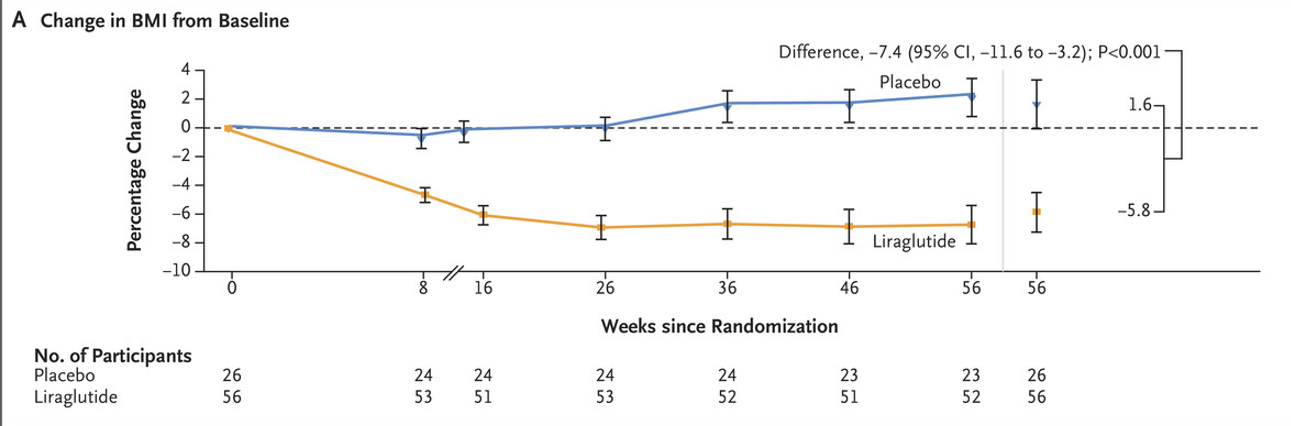
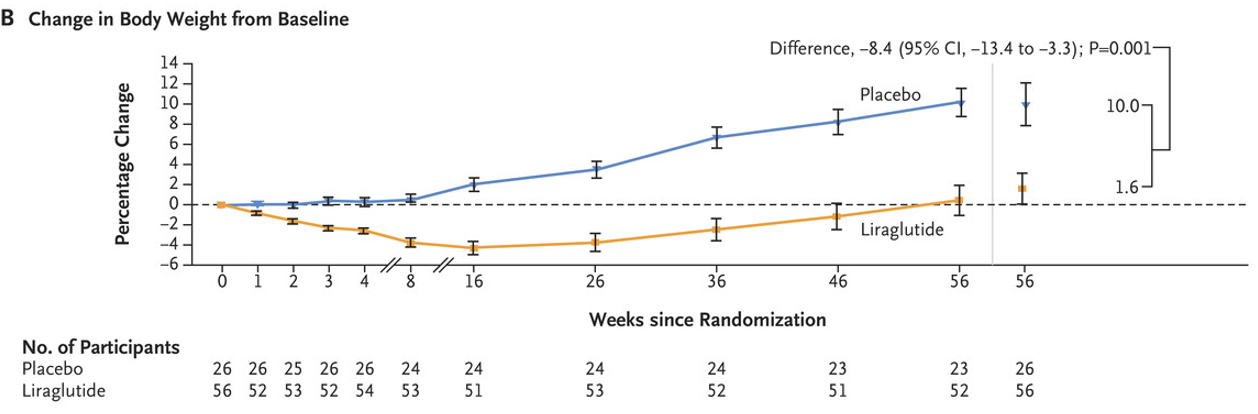
  • At week 56, the mean percentage change from baseline in BMI was −5.8% with liraglutide and 1.6% with placebo
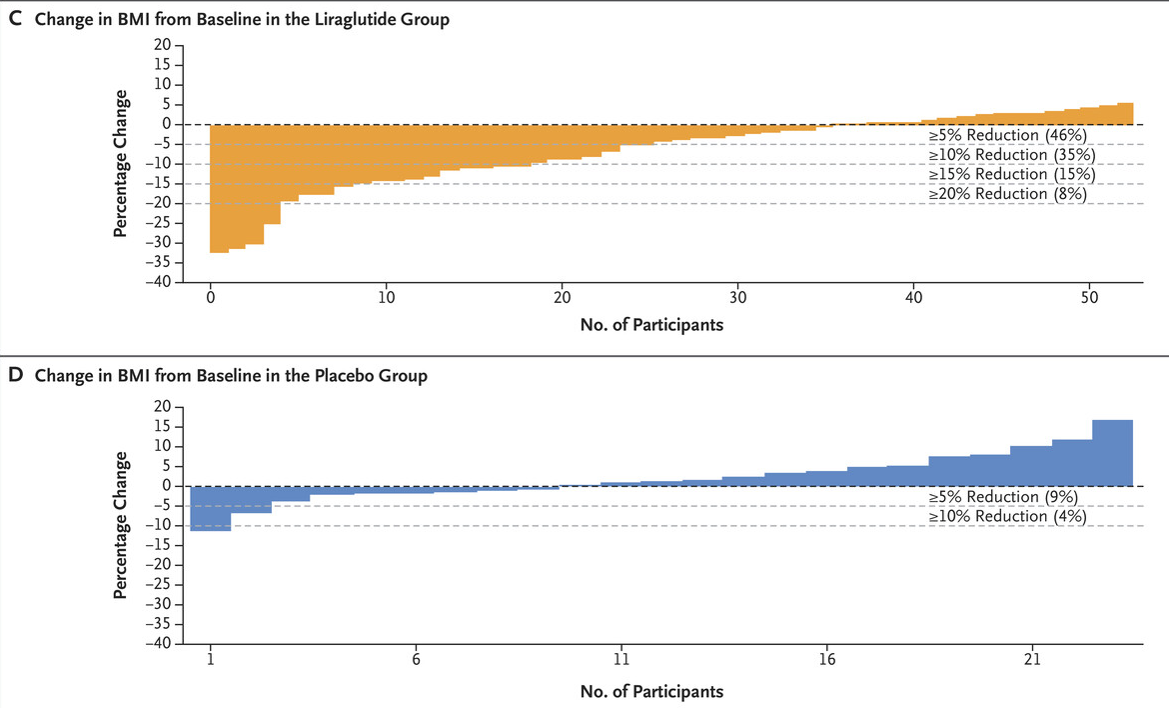
  • A reduction in BMI of at least 5% occurred in 46% of participants in the liraglutide group and in 9% of participants in the placebo group (adjusted odds ratio, 6.3)
  • The most common adverse events were gastrointestinal disorders, which were reported in 45 of 56 participants (80%) in the liraglutide group and in 14 of 26 participants (54%) in the placebo group. Three cases of vomiting in the liraglutide group were considered by investigators to be serious (each required emergency care); however, none of the events required hospitalization and all resolved without sequelae.
  • In the treated group, improvements were also observed in diastolic blood pressure and the glycated hemoglobin level
  • The editorial: “Fox et al. provide much-needed evidence for the effects of a GLP-1 receptor agonist in young children with obesity, offering a therapeutic option in prepubertal children with severe obesity as an adjunct to healthy lifestyle interventions.”

My take: It is good that there are now effective therapeutic pharmaceutical options for obesity, especially for those developing complications. Long term studies are needed as the effects of these medications on weight are not sustained in those who stop them. Given the need for indefinite therapy, other public health measures are needed to try to reverse the high prevalence of obesity.

Related blog posts:

AGA Recommendations For Iron Deficiency Anemia

TG DeLoughery et al. Clin Gastroenterol Hepatol 2024; 22: 1575-1583. Open Access! AGA Clinical Practice Update on Management of Iron Deficiency Anemia: Expert Review

This guideline was developed with adults in mind; however, much of the practice advice is applicable in the pediatric population as well. Here are some of the recommendations:

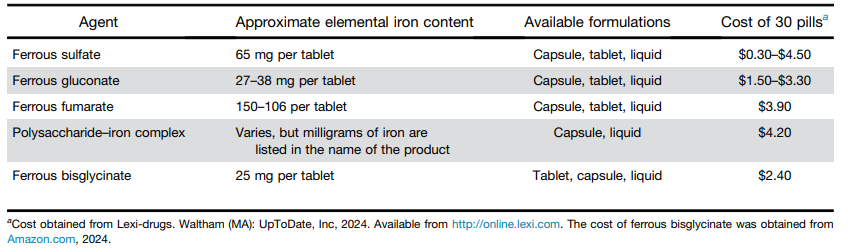
  • Best Practice Advice 1: No single formulation of oral iron has any advantages over any other. Ferrous sulfate is preferred as the least expensive iron formulation.
  • Best Practice Advice 2: Give oral iron once a day at most. Every-other-day iron dosing may be better tolerated for some patients with similar or equal rates of iron absorption as daily dosing.
  • Best Practice Advice 3: Add vitamin C to oral iron supplementation to improve absorption.
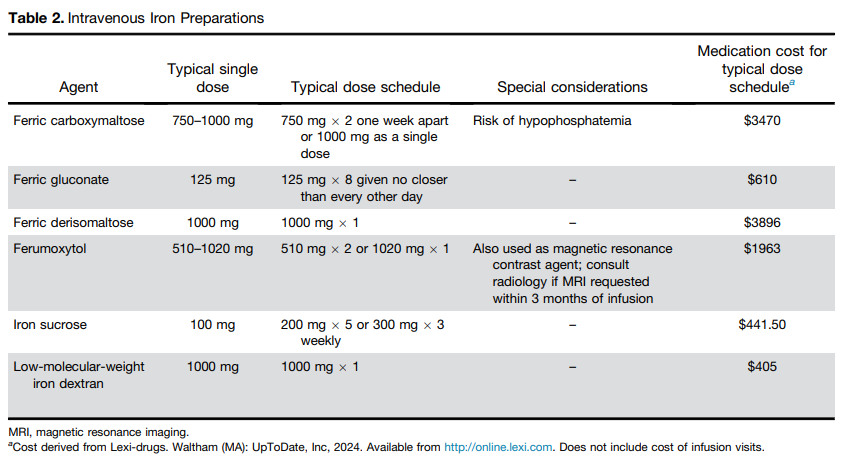
  • Best Practice Advice 4: Intravenous iron should be used if the patient does not tolerate oral iron, ferritin levels do not improve with a trial of oral iron, or the patient has a condition in which oral iron is not likely to be absorbed.
  • Best Practice Advice 5: Intravenous iron formulations that can replace iron deficits with 1 or 2 infusions are preferred over those that require more than 2 infusions.
  • Best Practice Advice 6: All intravenous iron formulations have similar risks; true anaphylaxis is very rare. The vast majority of reactions to intravenous iron are complement activation–related pseudo-allergy (infusion reactions) and should be treated as such.

With regard to iron infusion reactions, the authors note the following:

Being truly allergic to IV iron is very rare—almost all reactions are complement activation–related pseudo-allergy, which are idiosyncratic infusion reactions that can mimic allergic reactions.26 For mild reactions, simply stopping the infusions and restarting 15 minutes later at a slower rate will suffice. For more severe reactions, corticosteroids may be of benefit. Diphenhydramine should be avoided because its side effects of mouth dryness, tachycardia, diaphoresis, somnolence, and hypotension can be mistaken for worsening of the reaction.27 Studies have shown that rates of mild reactions are approximately 1:200 and rates of major reactions are approximately 1:200,000.28


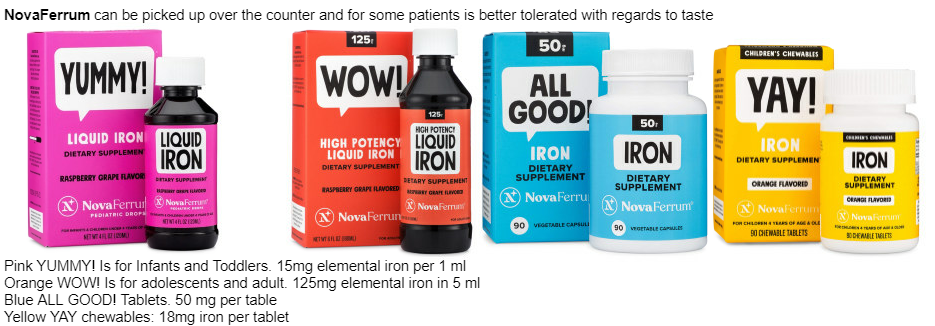
Related information: Our hematologists often recommend Novaferrum (polysaccharide-iron complex) products in children.

Food/diet items with plenty of iron:

  • beef, pork, poultry, and seafood
  • tofu
  • dried beans and peas
  • dried fruits
  • leafy dark green vegetables
  • iron-fortified breakfast cereals, breads, and pastas
  • Use of “lucky fish” (also available at Amazon) while cooking and cooking with cast iron pan can increase iron intake. The lucky fish can be used for 5 years.

Limiting milk consumption can help improve iron absorption.

My take: Iron deficiency anemia is a common issue in pediatric gastroenterology that usually merits evaluation. The AGA practice update provides helpful information with regard to management.

Related blog posts:

Disclaimer: This blog, gutsandgrowth, assumes no responsibility for any use or operation of any method, product, instruction, concept or idea contained in the material herein or for any injury or damage to persons or property (whether products liability, negligence or otherwise) resulting from such use or operation. These blog posts are for educational purposes only. Specific dosing of medications (along with potential adverse effects) should be confirmed by prescribing physician.  Because of rapid advances in the medical sciences, the gutsandgrowth blog cautions that independent verification should be made of diagnosis and drug dosages. The reader is solely responsible for the conduct of any suggested test or procedure.  This content is not a substitute for medical advice, diagnosis or treatment provided by a qualified healthcare provider. Always seek the advice of your physician or other qualified health provider with any questions you may have regarding a condition.

Dr. YouTube for IBD Dietary Advice

K Gkikas et al. Inflamm Bowel Dis 2024; Volume 30, March 2024, 347–356. Open Access! YouTube as a Source of Information for Food, Diet-Related Items, and Advisory Comments for the Management of Inflammatory Bowel Disease

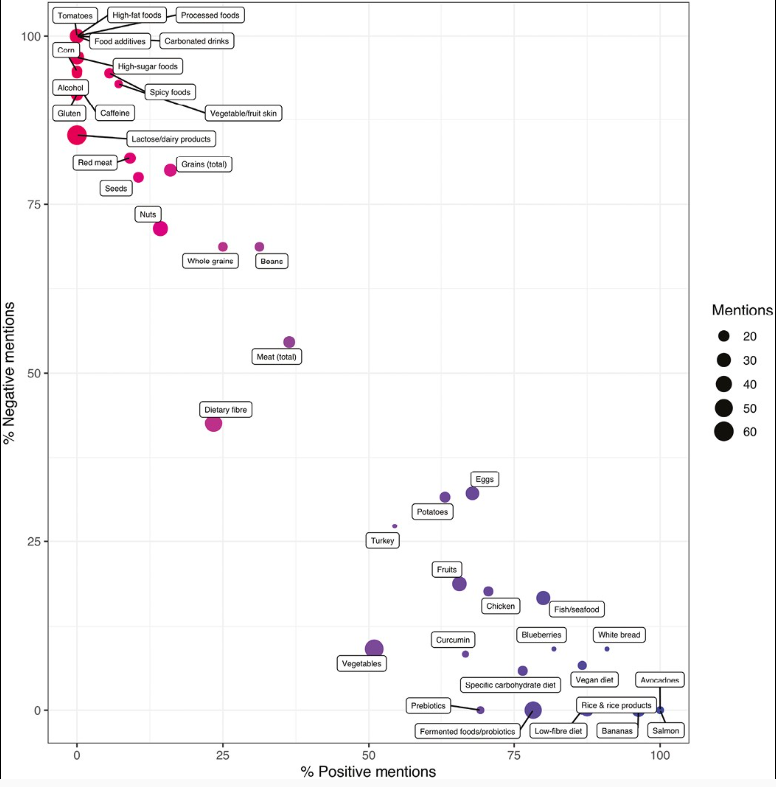
The authors assessed videos discussing dietary aspects (food, diet-related items, and advisory comments [FODRIACs]) on YouTube. Of 1800 videos screened, a total of 160 were included in the final analysis.

Background: “Currently, the only well-established dietary treatment in IBD is exclusive enteral nutrition (EEN), which is used for induction of remission mostly in pediatric CD.5,6 Over the past 2 decades, several food-based exclusion diets have been suggested as potential treatments for CD and UC, some of which demonstrated promising efficacy signals such as the CD-TREAT (Crohn’s disease treatment with eating) diet and the CDED (Crohn’s disease exclusion diet).7-9 Nonetheless, current societal guidelines do not recommend the use of any solid food–based exclusion diet as a treatment option for the induction or maintenance of clinical remission in IBD.6

Key findings:

  • Foods pertinent to a prudent dietary pattern (ie, fish, chicken, avocado, blueberries), foods high in pre- and probiotics, and certain food exclusion diets (eg, SCD) were primarily portrayed as beneficial.
  • Foods often associated with a Western dietary pattern, including processed foods, high-sugar foods and high-fat foods, red meat, and alcohol, were considered detrimental for disease outcomes in patients with IBD.
  • Neutral opinions were expressed about fiber and vegetables.
  • There was a higher video interaction rate and number of likes in patient-generated videos compared with videos from healthcare professionals.
  • Only 3% of all patient videos and 35% of videos from healthcare professionals cited any form of scientific evidence.
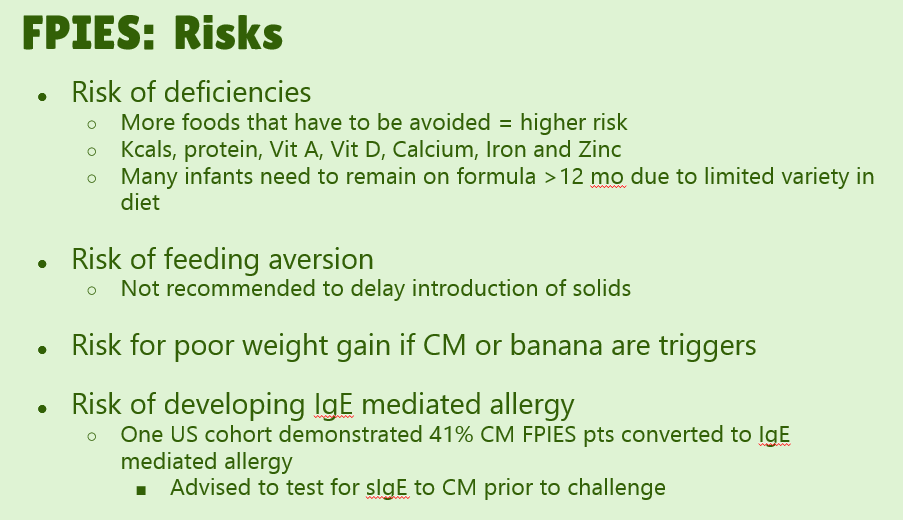
  • Problems with diet advice is that extensive dietary restrictions and adherence to extreme diets may lead to the development of disordered eating as well as nutrient deficiencies (nutritionist involvement is important to avoid this). In addition, reliance on unproven diets may lead some patients to forgo proven therapies.

My take: Though there are some overlapping advice in these videos, much of the dietary advice on YouTube (and elsewhere) is conflicting. In part, this reflects the lack of evidence-based dietary guidelines for IBD. Physicians should review information on dietary therapies at diagnosis and request that families contact them (or well-qualified nutritionists) when considering dietary modifications.

Related blog posts:

Worldwide Trends in Underweight and Obesity
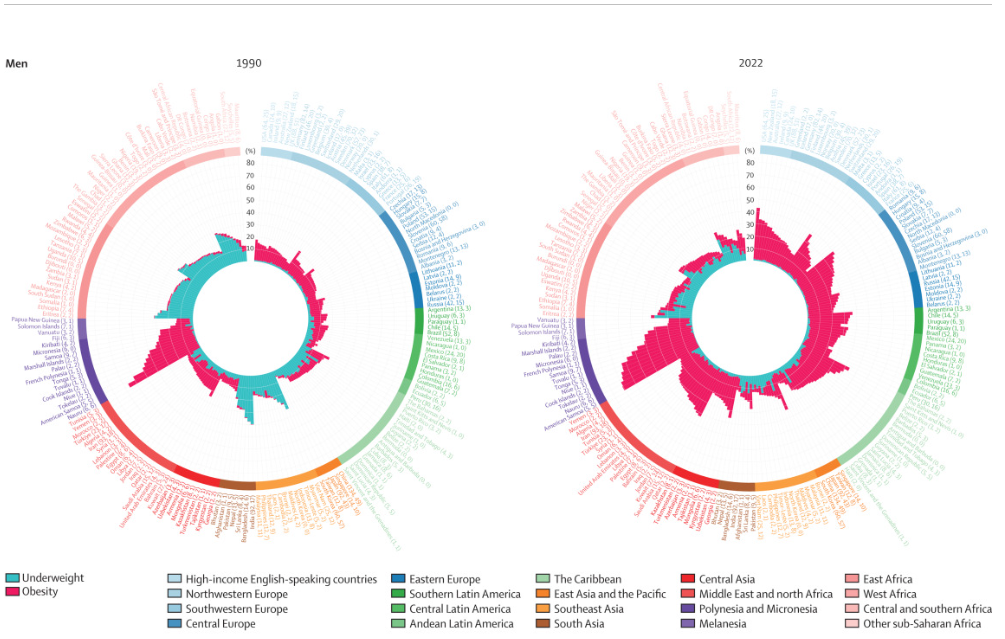
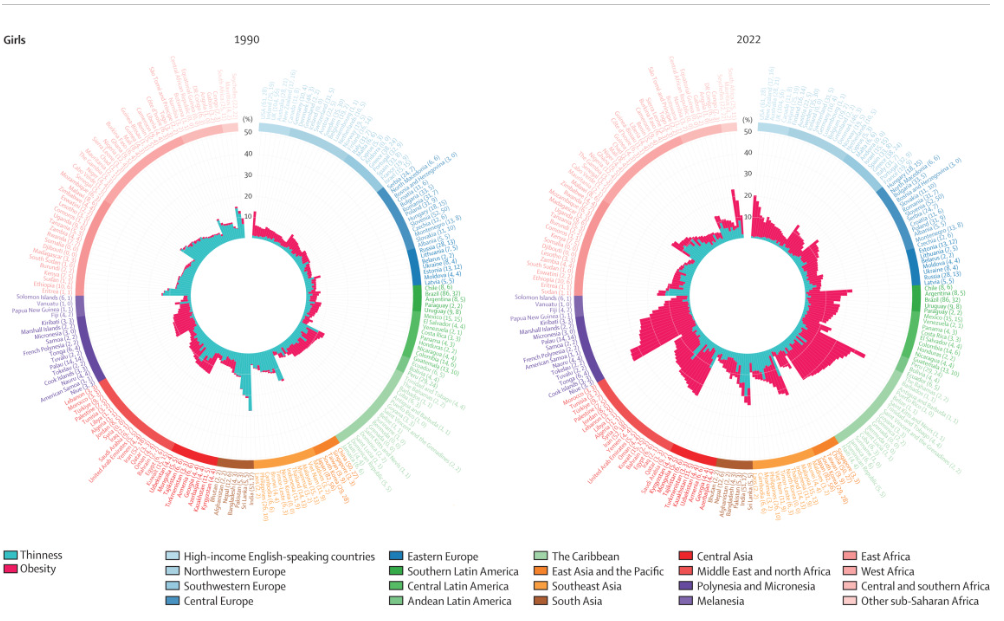
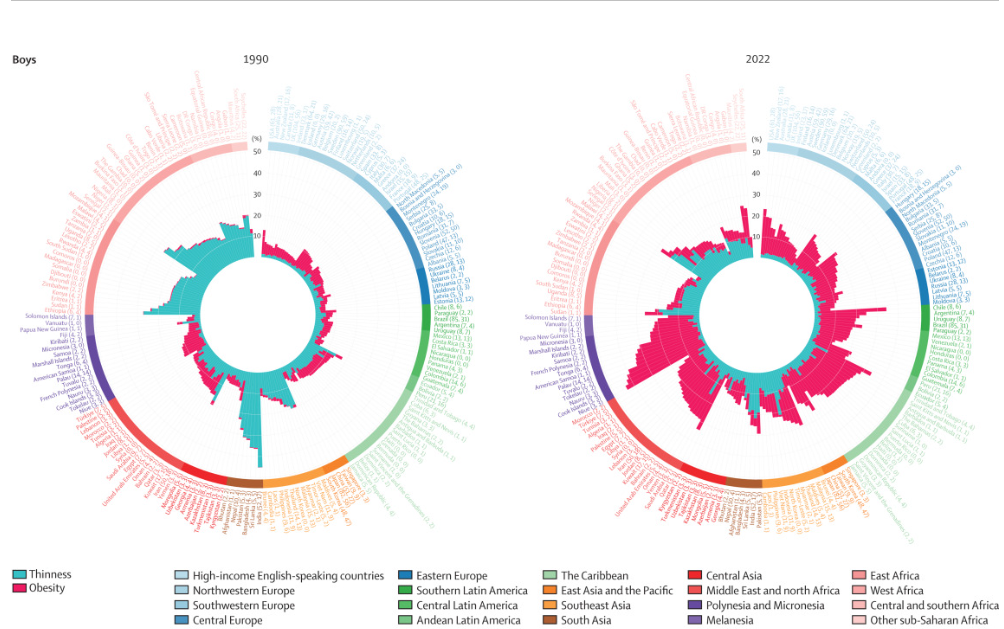
NCD Risk Factor Collaboration. The Lancet 2024; DOI:https://doi.org/10.1016/S0140-6736(23)02750-2 Open Access! Worldwide trends in underweight and obesity from 1990 to 2022: a pooled analysis of 3663 population-representative studies with 222 million children, adolescents, and adults

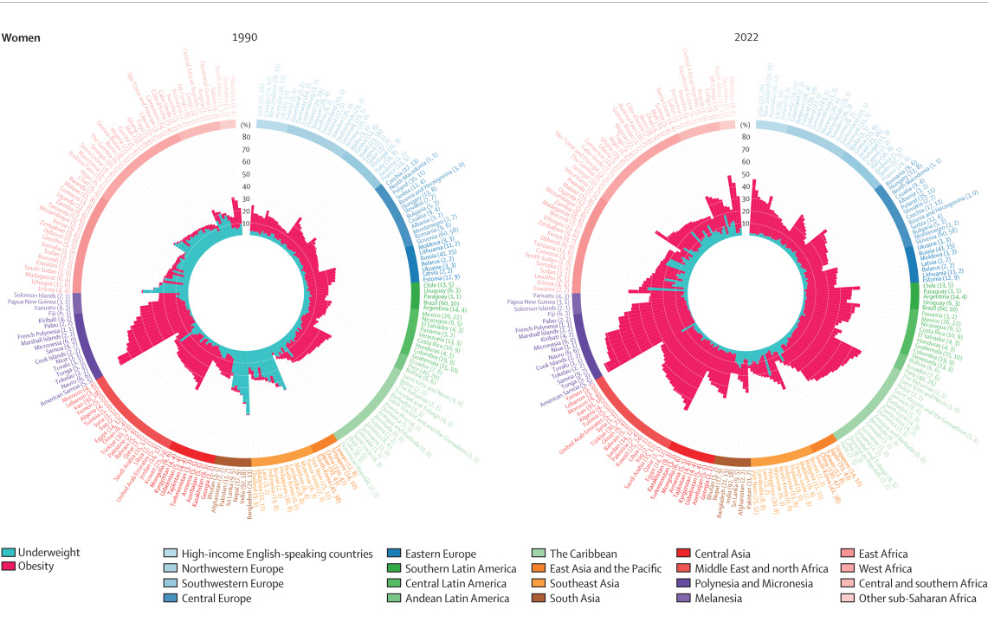
The authors used data from 3663 population-based studies with 222 million participants that measured height and weight in representative samples of the general population.

Key findings:

  • More than a billion people globally are now considered obese.
  • Obesity has more than quadrupled among children and adolescents since 1990.
  • Among all adults, 43 percent were overweight in 2022.
  • The combined burden of underweight and obesity has increased in most countries, driven by an increase in obesity, while underweight and thinness remain prevalent in south Asia and parts of Africa.
  • The trend of increasing obesity prevalence was present in adults and children (5-19 years).
  • Age-standardized prevalence of obesity increased by more than 20 percentage points in 49 countries (25%) for women and 24 countries (12%) for men, and by as much as 33·0 percentage points in The Bahamas for women and 31·7 percentage points in Romania for men.

My take: This is an impressive study providing extensive data on what’s happening with weight trends. Clearly, there is an urgent need for obesity prevention.

Related blog posts:

Humor from The Onion:

How Many Kids Would Be Good Candidates for Bariatric Surgery?

WL Shapiro et al. Pediatrics 2024: e2023063916. Prevalence of Adolescents Meeting Criteria for Metabolic and Bariatric Surgery (link includes a ~4 minute video abstract)

Methods: This retrospective cohort study analyzed electronic health record data of 603,051 adolescents aged 13 to 17 years between January 1, 2018, and December 31, 2021

Key findings:

  • 4.4% (1 in 23) of all adolescents met the eligibility criteria for bariatric surgery.
  • 22.2% had obesity (12.9% class 1, 5.4% class 2, and 3.9% class 3).
  • The most frequently diagnosed comorbid conditions were gastroesophageal reflux disease (3.2%), hypertension (0.5%), and nonalcoholic fatty liver disease (0.5%). 
  • The authors estimate that ~1 million U.S. adolescents meet criteria for bariatric surgery though only ~1700 receive this treatment yearly
  • The study strongly demonstrates that the comorbid conditions associated with obesity are underdiagnosed. In some cases this is because the screening is not done; yet, in other cases, despite screening, comorbid conditions go undiagnosed. For example, the prevalence of hypertension based on having at least 3 elevated BP measurements was 10 times higher than the prevalence based on the diagnosis being made (ICD 10) codes

My take: A lot of kids meet criteria for bariatric surgery but few undergo this surgery. If effective anti-obesity medications become more widely adopted (affordable), this may be a preferable option to surgery, especially in the pediatric age group. Surgery could be deferred to those who did not respond. Also, immediate implications of the study are that we need to be more diligent about looking for associated health problems (eg. OSA, HTN, T2DM, MASLD).

Related blog posts:

Nutramigen Recall 12/30/23

12/30/23 FDA: Reckitt/Mead Johnson Nutrition Voluntarily Recalls Select Batches of Nutramigen Hypoallergenic Infant Formula Powder Because of Possible Health Risk

An excerpt:

PARSIPPANY, N.J.–(BUSINESS WIRE)–Reckitt/Mead Johnson Nutrition (MJN), a producer of nutrition products, announced today that it has voluntarily chosen to recall from the U.S. market select batches of Nutramigen Powder, a specialty infant formula for the dietary management of Cows Milk Allergy (CMA) in 12.6 and 19.8 oz cans, due to a possibility of contamination with Cronobacter sakazakii in product sampled outside the U.S. All product in question went through extensive testing by MJN and tested negative for the bacteria...


The following recalled product batch codes and can size associated with each batch were distributed in the U.S.:

  • ZL3FHG (12.6 oz cans);
  • ZL3FMH (12.6 oz cans);
  • ZL3FPE (12.6 oz cans);
  • ZL3FQD (12.6 oz cans);
  • ZL3FRW (19.8 oz cans); and
  • ZL3FXJ (12.6 oz cans).

The products have a UPC Code of 300871239418 or 300871239456 and “Use By Date” of “1 Jan 2025”.

No other U.S. distributed Nutramigen batches or other Reckitt products are impacted...

What Consumers Should Do if They Purchased This Product

Consumers who purchased Nutramigen should check the bottom of the can to identify whether the batch number is affected. Product with the batch codes listed above should be disposed of, or contact us for a total refund. Please contact us at 866-534-9986 or by email at consumer.relations@rb.com and we will help verify if this product was impacted. If you have any concerns, contact your health care provider. For more information, please visit us at www.enfamil.com

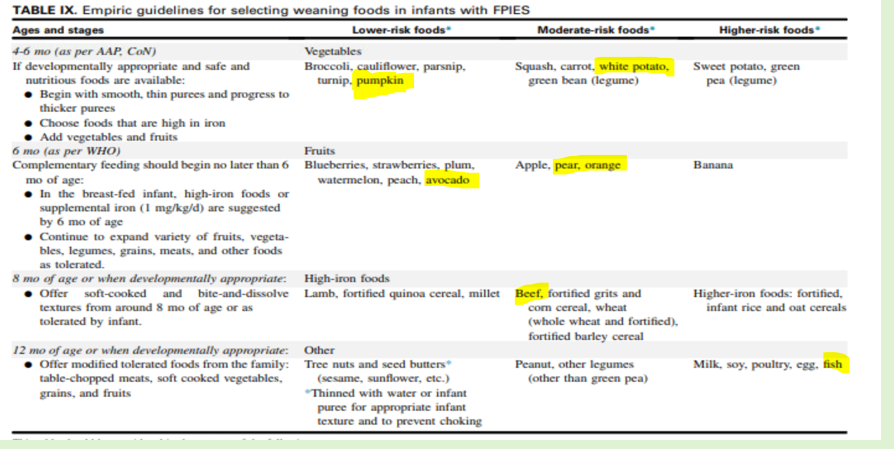
Current Approach for FPIES

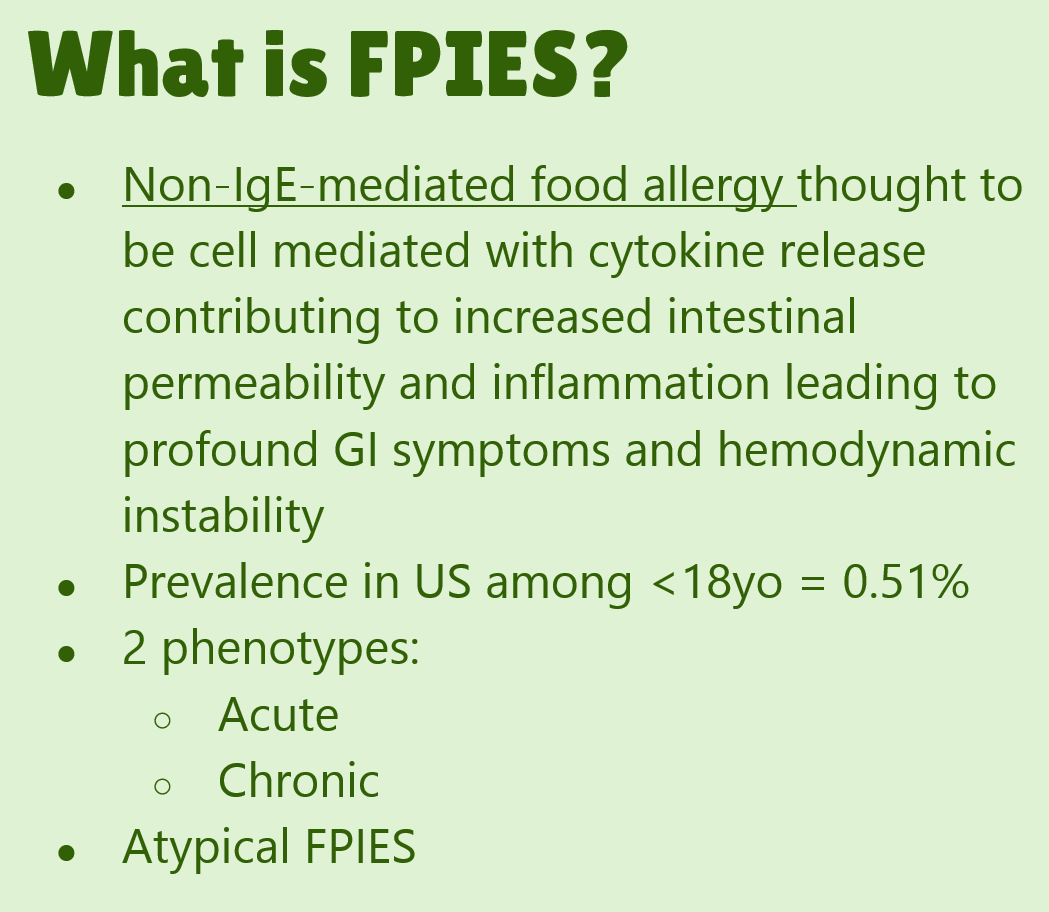
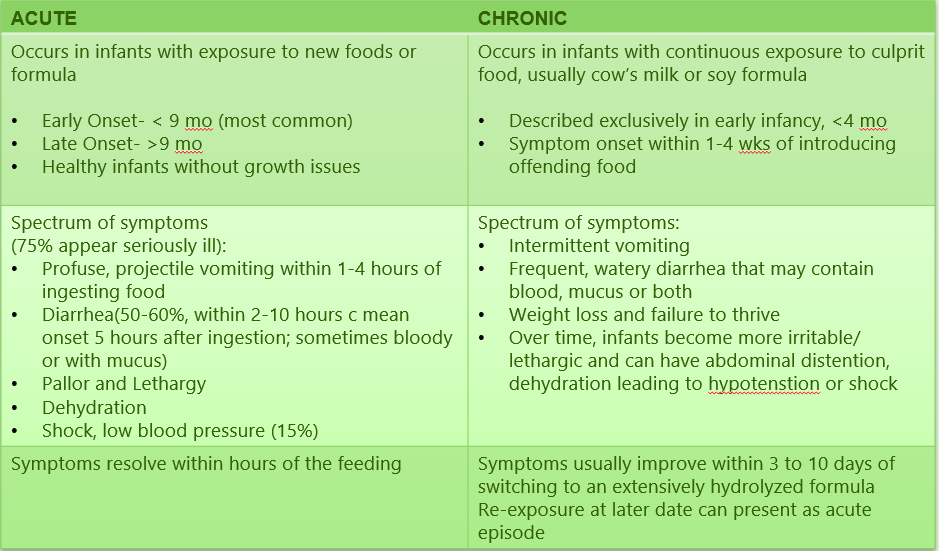
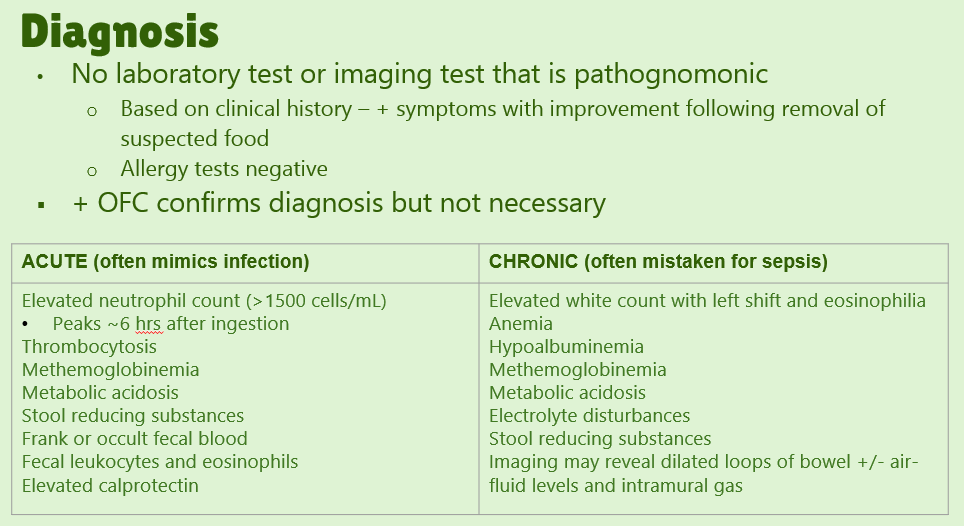
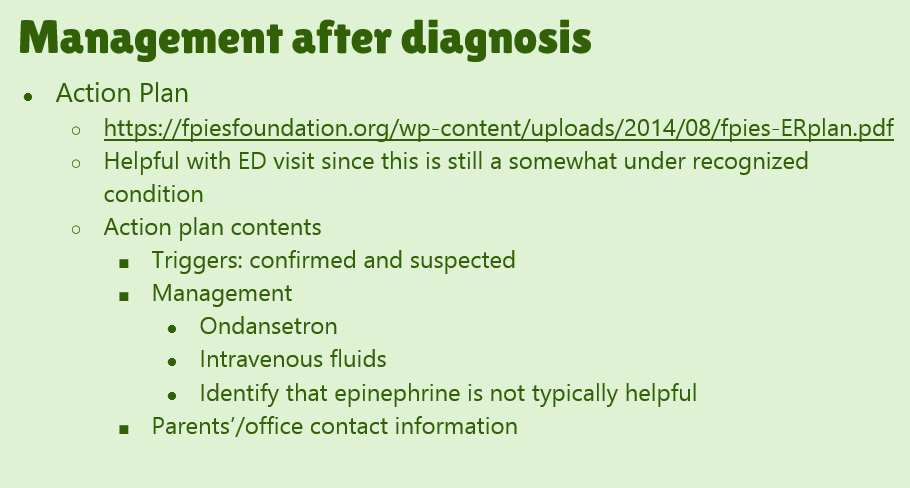
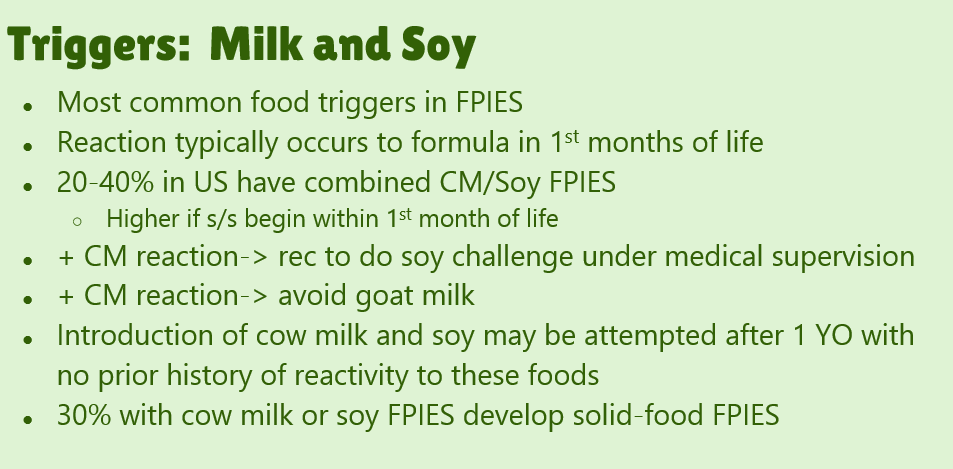
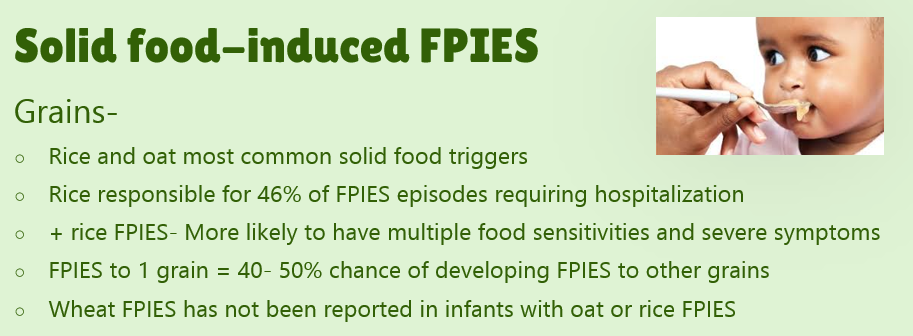
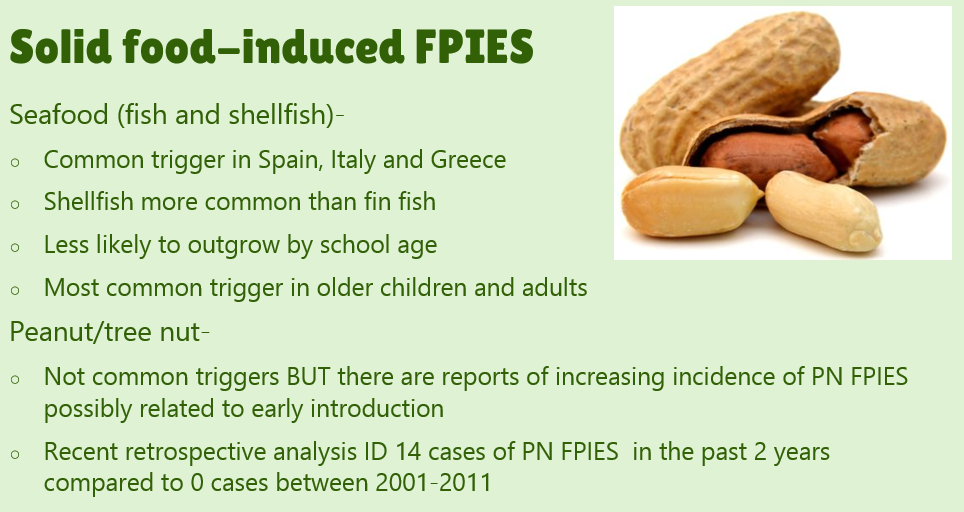
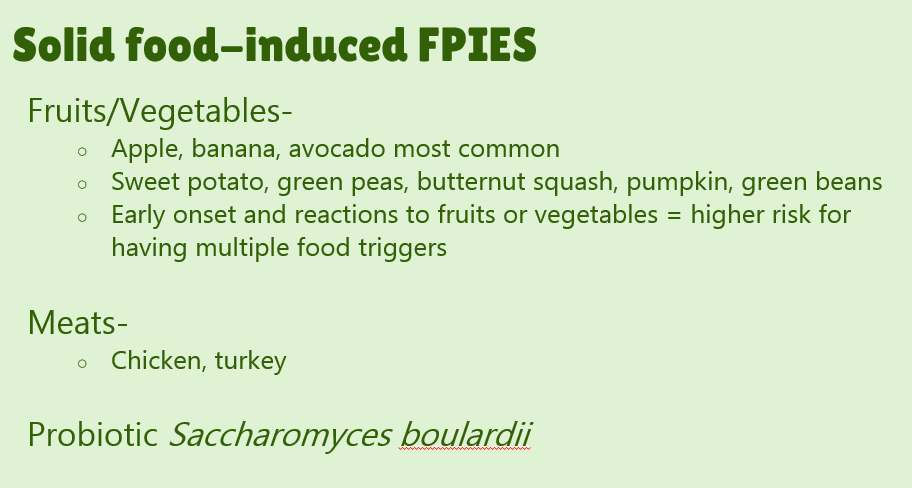
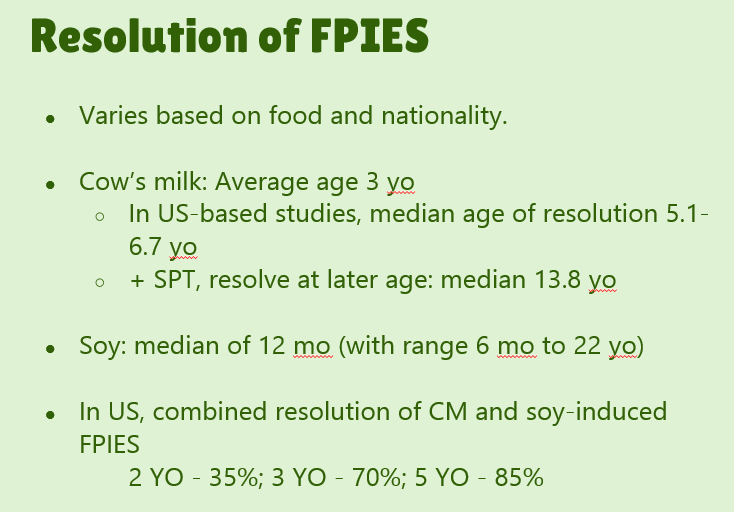
Our excellent nutritionist, Bailey Koch, recently gave our group a terrific update on FPIES. Bailey is part of the medical advisory board for THE FPIES Foundation, as is Dr. Benjamin Gold from our group. Here are many of the slides from her lecture.

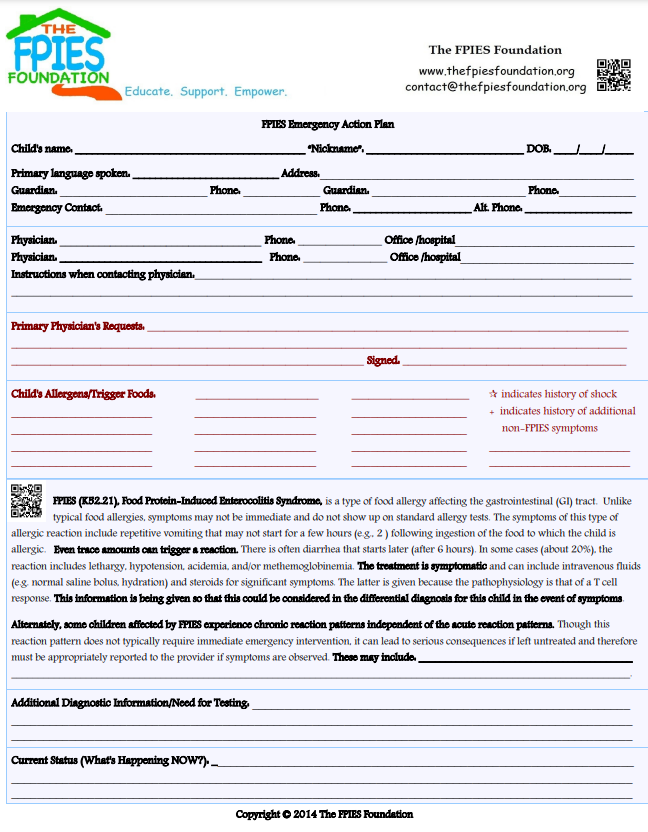
Link: FPIES foundation action plan sheet:

From International guidelines:

Nowak-Węgrzyn A, Chehade M, Groetch ME, et al. Open Access: International consensus guidelines for the diagnosis and management of food protein-induced enterocolitis syndrome: Executive summary-Workgroup Report of the Adverse Reactions to Foods Committee, American Academy of Allergy, Asthma & Immunology. J Allergy Clin Immunol. 2017;139:1111-26.

Related blog posts:

From FPIES 2017 Guidelines:

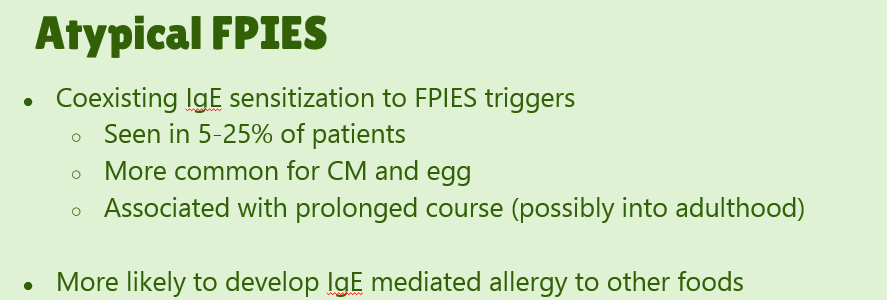
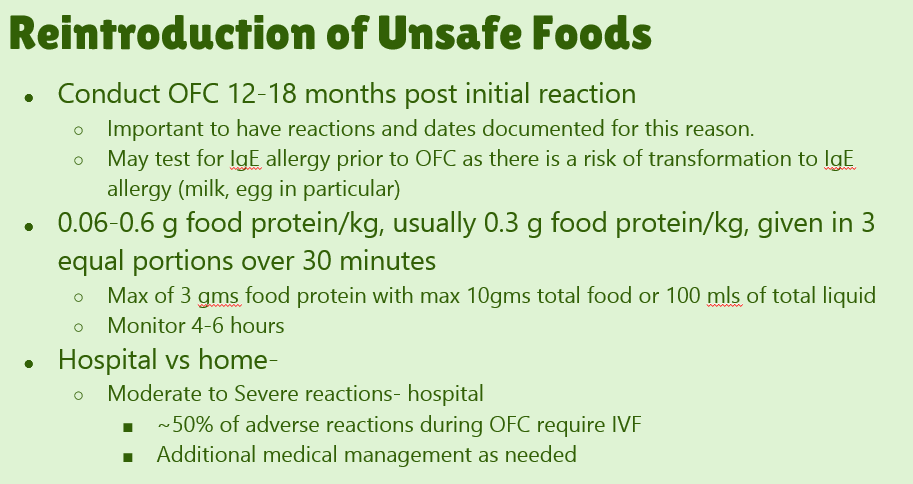
  • #4. “Consider specific IgE testing of children with FPIES to their trigger food because comorbid IgE-mediated sensitization to triggers, such as CM [cow’s milk], can infer a greater chance of persistent disease.
  • ”#8. Conduct food challenges “in patients with suspected FPIES in medically supervised settings in which access to rapid fluid resuscitation is available and prolonged observation can be provided, if necessary.”
  • #14. Do not routinely obtain endoscopic evaluation as part of the evaluation of FPIES.
  • #17. Acute FPIES should be considered a medical emergency. “Approximately 15% of patients can have hypovolemic shock.”
  • #19. Consider ondansetron treatment as an adjunct (if >6 months of age)
  • #21. Do not recommend routine maternal dietary elimination of offending triggers while breast-feeding if the infant is asymptomatic.
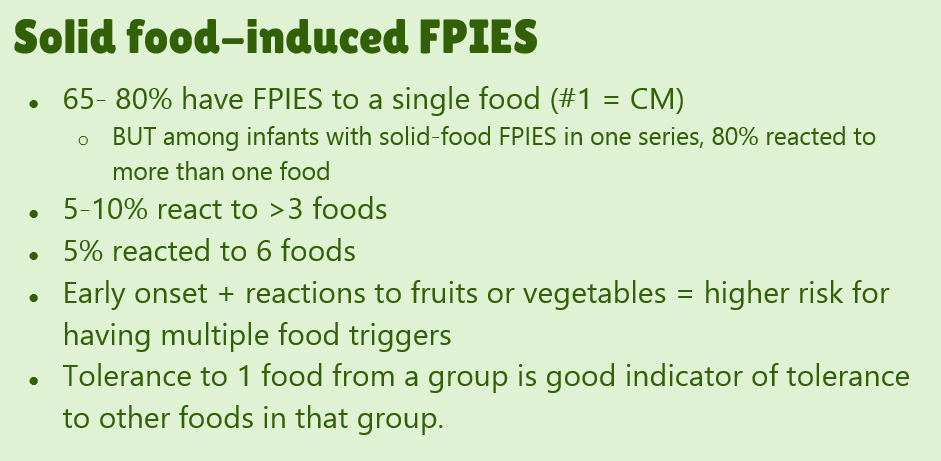
  • #23. FPIES can occur to multiple foods.  “The majority of children (65% to 80%) have FPIES to a single food, most commonly CM.”  In one study, 5% to 10% of children reacted to more than 3 foods.
  • #26. Use hypoallergenic formula in infants who can no longer breast-feed and are given a diagnosis of FPIES caused by CM. Most will tolerate extensively hydrolyzed formulas; some may require an amino acid based formula
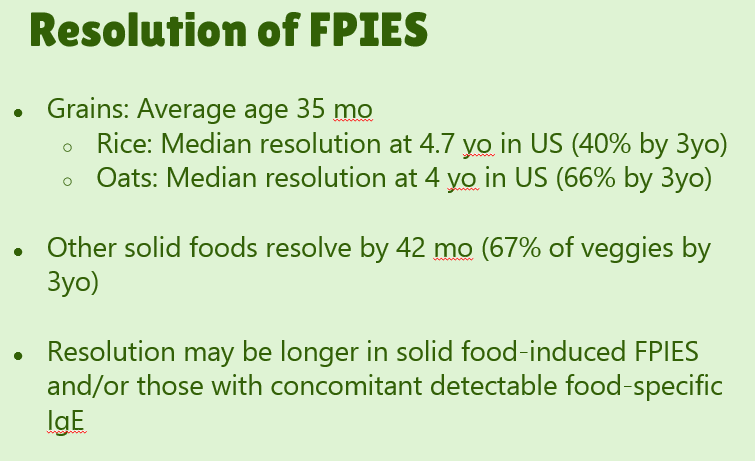
  • #29. Reviews natural history.  “The age of CM tolerance appears to be around 3 years” but there has been variability in reports. For FPIES due to grains, average age of tolerance is 35 months and other solid foods is 42 months.  The average age for soy is 12 months (later in some studies), for rice 4.7 years and 4.0 years for oats. For CM-FPIES with positive SPT response, a much protracted course has been reported, with older age of tolerance (~13.8 years)

Disclaimer: This blog, gutsandgrowth, assumes no responsibility for any use or operation of any method, product, instruction, concept or idea contained in the material herein or for any injury or damage to persons or property (whether products liability, negligence or otherwise) resulting from such use or operation. These blog posts are for educational purposes only. Specific dosing of medications (along with potential adverse effects) should be confirmed by prescribing physician.  Because of rapid advances in the medical sciences, the gutsandgrowth blog cautions that independent verification should be made of diagnosis and drug dosages. The reader is solely responsible for the conduct of any suggested test or procedure.  This content is not a substitute for medical advice, diagnosis or treatment provided by a qualified healthcare provider. Always seek the advice of your physician or other qualified health provider with any questions you may have regarding a condition.

Guilt of Breastfeeding Failure

In previous posts, this blog (see below) has examined the potential bias of studies reporting better outcomes in breastfed infants along with issues of maternal guilt. A recent commentary explores the issue of feeling guilty when breastfeeding does not go well.

AJ Kennedy. NEJM 2023; 388:1447-1449. Breast or Bottle — The Illusion of Choice

Some excerpts:

Only about 25% of women in the United States exclusively breast-feed for the recommended period.2  After my struggles, these statistics seem realistic to me, but before I went through it myself, I had no concept of how hard it could be…

Around the time my son turned 6 months old…my primary care doctor… gave me the courage to start taking medication and to stop breast-feeding that very week. Though the guilt about stopping has never fully gone away, the joy and happiness in my life quickly returned…

Even after I’ve told them that I might not choose to breast-feed this time around [with 2nd child], multiple doctors have “reminded” me that breast milk has been shown to carry Covid-19 antibodies — yet another reason to feel ashamed if I choose not to breast-feed…I am hopeful that this time around I can embrace formula feeding more quickly if that is the path that works best for me and my baby,…

I encourage the AAP and other national health organizations to consider how their statements on exclusive breast-feeding are perceived by the public. If 75% of us are not meeting this goal [6 months of exclusive breastfeeding], a more patient-centered approach and recommendation is needed.

My take: Breastfeeding does not work for everyone. Parents often feel guilty about perceived short-comings and we need to find a balance in encouraging breastfeeding but acknowledging that formula feeding is a good alternative.

Related blog posts:

Organ Pipe Cactus, Tucson Botanical Gardens

Lipid Emulsions and Cognitive Outcomes

M Thanhaeuser et al. J Pediatr 2023; 254: 68-74. Open Access: A secondary Outcome Analysis of a Randomized Trial Using a Mixed Lipid Emulsion Containing Fish Oil in Infants with Extremely Low Birth Weight: Cognitive and Behavioral Outcome at Preschool Age

Methods: This was a retrospective secondary outcome analysis of a randomized controlled trial performed between June 2012 and June 2015. Infants with extremely low birth weight received either a mixed (soybean oil, medium chain triglycerides, olive oil, fish oil) or a soybean oil-based lipid emulsion for parenteral nutrition (up to 3 gm/kd/day). At 5 years 6 months of age, data of 153 of 206 infants (74%) were available for analysis.

Key findings:

My take: The discussion highlights the lack of a positive benefit from the mixed emulsion. However, one of the biggest concerns with lipid emulsions occurs in the setting of lipid emulsion restriction due to parenteral nutrition associated liver disease. Because mixed emulsions are better tolerated, this helps minimize lipid restriction which could result in worsened neurocognitive outcomes.

Related blog posts:

Funny-shaped Saguaro, Tucson, AZ

Meds for Obesity: AAP Guidelines

Selected recommendations:

  • In children 10 y and older, pediatricians and other PHCPs should evaluate for lipid abnormalities, abnormal glucose metabolism, and abnormal liver function in children and adolescents with obesity (BMI ≥95th percentile) and for lipid abnormalities in children and adolescents with overweight (BMI ≥85th percentile to <95th percentile). 
  • Pediatricians and other PHCPs should provide or refer children 6 y and older (Grade B) and may provide or refer children 2 through 5 y of age (Grade C) with overweight (BMI ≥85th percentile to <95th percentile) and obesity (BMI ≥95th percentile) to intensive health behavior and lifestyle treatment.
  • Pediatricians and other PHCPs should offer adolescents 12 y and older with obesity (BMI ≥95th percentile) wt loss pharmacotherapy, according to medication indications, risks, and benefits, as an adjunct to health behavior and lifestyle treatment. 
  • Pediatricians and other PHCPs should offer referral for adolescents 13 y and older with severe obesity (BMI ≥120% of the 95th percentile for age and sex) for evaluation for metabolic and bariatric surgery to local or regional comprehensive multidisciplinary pediatric metabolic and bariatric surgery centers. 

My take: As with the AGA, the AAP has now recommended the widespread adoption of pharmacologic therapy for use in patients with obesity. It appears that treatment would be required indefinitely, though, given the likelihood of weight gain when treatment is stopped (reviewed on a future post).

Related blot posts:

 Garden Lights, Holiday Lights at Atlanta Botanical Gardens

The Onion’s Take on the New AAP Guidelines: