Esophageal Disorders: POEM in Kids, Mitomycin C for Refractory Strictures

At our recent national meeting, Dr. Peter Kahrilas indicated that POEM (Per-oral Endoscopic Myotomy) was now the treatment of choice for most adults with achalasia (#NASPGAN19 Postgraduate Course -Part 3).

A Chone et al (JPGN 2019; 69: 523-7) provide recent multicenter retrospective data on POEM in the pediatric age group (mean age 14 years), n=117.

Key findings:

  • Clinical success, defined as Eckardt score ≤3 during followup, was achieved in 90.6% of cases. The Eckardt score was >3 in 5 (4.3%) and data was missing in 6 (5.1%)
  • Adverse events included 1 case with significant bleeding, 2 cases of aspiration pneumonia (related to anesthesia), 1 esopleural fistula (managed endoscopically), and 6 mild AEs (4 mucosomtomies, 2 subcutaneous emphysema)

Additional related blog posts:

D Ley et al (JPGN 2019; 69: 528-32) provide retrospective data on 39 patients, median age 19 months, with refractory esophageal strictures which were treated with mitomycin C.  The authors considered mitomycin C after a minimum of two previous dilatations.

Key findings:

  • Etiology: The majority had strictures/stenosis associated with esophageal atresia (n=25) followed by caustic ingestion in 9.
  • Number of stenosis: The majority (n=35) had a single stenosis.
  • In 26 patients (67%), topical application of mitomycin C was considered a success based on a reduction in the number of dilatations.  In this group, the number of dilatations dropped from 102 to 17 over a comparable period.
  • 16 (41%) never required further dilatation following mitomycin C application

My take: This study provides some of the best evidence that mitomycin C may be helpful.  Long-term followup and more studies are needed.

Related blog posts:

Disclaimer: This blog, gutsandgrowth, assumes no responsibility for any use or operation of any method, product, instruction, concept or idea contained in the material herein or for any injury or damage to persons or property (whether products liability, negligence or otherwise) resulting from such use or operation. These blog posts are for educational purposes only. Specific dosing of medications (along with potential adverse effects) should be confirmed by prescribing physician.  Because of rapid advances in the medical sciences, the gutsandgrowth blog cautions that independent verification should be made of diagnosis and drug dosages. The reader is solely responsible for the conduct of any suggested test or procedure.  This content is not a substitute for medical advice, diagnosis or treatment provided by a qualified healthcare provider. Always seek the advice of your physician or other qualified health provider with any questions you may have regarding a condition.

Lincoln Park, Chicago

China Is Catching and Passing U.S. with NAFLD Plus Updates

F Zhou et al. Hepatology 2019; 70: 1119-33. The authors performed a systematic review (n=392 studies, more than 2 million subjects) and found that NAFLD in China increased from 25.4% in 2008-2010 to 32.3% in 2015-2018. The pooled prevalence across all studies was 29.2%. The associated editorial speculates that some of this increase is related to diet changes as well as PNPLA3 gene.  This allele “is more common among East Asians than Caucasians”  It is lower in African Americans in the U.S. which helps explain why this population is at reduced risk.

JB Schwimmer, JS Johnson et al Gastroenterol 2019; 157: 1109-22.  In this prospective study with 87 children (89% Hispanic), the authors associated fecal microbiomes with NAFLD and NASH.  Both NAFLD and NASH were associated with intestinal dysbiosis with lower diversity and high abundance of Prevotella copri. Full text link: Microbiome Signatures Associated With Steatohepatitis and Moderate to Severe Fibrosis in Children With Nonalcoholic Fatty Liver Disease

S Pelusi et al. Clin Gastroenterol Hepatol 2019; 17: 2310-9.  This study analyzed data from 1738 subjects (45% with severe obesity) who had undergone liver biopsy.  132 of 389 (33.9%) with significant fibrosis did NOT have nonalcoholic steatohepatitis (NASH) and 39 patients (10%) had no inflammation. NASH diagnosis required steatosis (≥5% of hepatocytes), hepatocellular ballooning, and lobular inflammation. Factors associated with significant fibrosis in the absence of NASH, included fasting hyperglycemia, severe steatosis, mild inflammation or ballooning, and PNPLA3 1148M variant.  My take: this study shows that the finding of NASH on liver biopsy is NOT required for the development of severe liver disease related to NAFLD.

D Linden et al. Molecular Metabolism 2019; 22: 49-61. This study, summarized in Gastroenterol 2019; 157: 1156-9) showed that PNPLA3 silencing with antisense oligonucleotides ameliorates NASH in PNPLA3 1148M knock-in mice.  The summary notes that the mutated 1148 M PNPLA3 protein variant accumulates on lipid droplets altering clearance and affecting triglycerides and phospholipid turnover.

Genetic Risk for Failing Infliximab

A recent study (A Wilson et al. AP&T 2019; https://doi.org/10.1111/apt.15563) noted that a HLADQA1*05A>G genotype predicts a high risk of developing anti-drug antibodies in patients receiving infliximab.

Here’s a link to the full article:  HLADQA1*05 genotype predicts anti‐drug antibody formation and loss of response during infliximab therapy for inflammatory bowel disease

Here’s the abstract (my highlights in bold):

Background

Anti‐drug antibodies (ADAs) are a leading contributor to infliximab loss of response and adverse drug events. It is not feasible to identify patients at risk of antibody formation before initiating infliximab. The genetic variation HLADQA1*05 (rs2097432) has been linked to infliximab antibody formation in Crohn’s disease (CD).

Aims

To evaluate the association between HLADQA1*05 and infliximab antibody formation, infliximab loss of response, treatment discontinuation and adverse drug events in patients with inflammatory bowel disease (IBD)

Methods

In a retrospective cohort study, infliximab‐exposed patients with IBD (n = 262) were screened for the genetic variation, HLADQA1*05A>G (rs2097432). Risk of infliximab ADA formation, infliximab loss of response, adverse events and discontinuation were assessed in wild‐type (GG) and variant‐carrying (AG or AA) individuals.

Results

Forty per cent of all participants were HLADQA1*05A>G variant carriers, with 79% of participants with infliximab antibodies carrying at least one variant allele. The risk of infliximab antibody formation was higher in HLADQA1*05A>G variant carriers (adjusted HR = 7.29, 95% confidence interval (CI) = 2.97‐17.191, P = 1.46 × 10−5) independent of age, sex, weight, dose and co‐immunosuppression with an immunomodulator. Variant carrier status was associated with an increased risk of infliximab loss of response (adjusted HR = 2.34, 95% CI = 1.41‐3.88, P = .001) and discontinuation (adjusted HR = 2.27, 95% CI = 1.46‐3.43, P = 2.53 × 10−4) although not with infliximab‐associated adverse drug events.

Conclusions

HLADQA1*05 is independently associated with a high risk of infliximab antibody formation in addition to infliximab loss of response and treatment discontinuation. There may be a role for genotype‐guided application of combination therapy in IBD.

Related blog posts:

Grading Treatment Response in Eosinophilic Esophagitis

Full Text Link: A Conceptual Approach to Understanding Treatment Response in Eosinophilic Esophagitis

Also, related articles:

  1. D Bushyhead et al. Gastroenterology 2019; 157: 944-5. This practical teaching case report noted that oral immunotherapy (OIT) has been shown to trigger new onset EoE in 2.7% (AJ Lucendo et al. Ann Allergy Asthma Immunol 2014; 113: 624-9).
  2. R Alexander et al. Clin Gastroenterol Hepatol 2019; 17: 2371-3. This study compared eating behaviors of adults with active EoE (n=10), inactive EoE (n=10) and control patients (n=10).  Not surprisingly, those with active EoE took longer to eat (18.3 min compared to 12.4 min, and 13.0 min respectively) and had more drinks after a single bite (11.6 compared with 5.1 and 2.5 respectively)

Related blog posts:

IBD Updates November 2019

M Lowenberg et al. Gastroenterol 2019; 157: 997-1006. This LOVE-CD study, a prospective study with 110 patients with active Crohn’s disease, found that treatment with vedolizumab resulted in 29% and 31% corticosteroid-free clinical remission at weeks 26 and 52 respectively (CDAI <150).  Endoscopic remission, based on intent-to-treat analysis, was 33% and 36% at weeks 26 and 52.  Serum vedolizumab levels above 10 mg/L at week 22 were associated with endoscopic remission at week 26.

S Danese et al. Gastroenterol 2019; 157: 1007-18.  This VERSIFY trial, a phase 3b, open-label, single-group study of 101 patients with Crohn’s disease, found that treatment with vedolizumab resulted in 11.9% and 17.9%  endoscopic remission at week 26 and 52 respectively. Remission by MRE was 21.9% and 38.1% at those respective time points. No notable safety issues were reported.

N Khan et al. Clin Gastroenterol 2019; 17: 2262-8. Using a retrospective cohort of 54,919 patients with IBD followed by the VA System (2000-2018), the authors identified 467 patients with incident squamous cell cancer (SCC); median age ~70 years.  11 patients with SCC died from related-complications.  In this group, 8 had been exposed to thiopurines.   Thus, exposure to thiopurines increased mortality related to SCC compared to those exposed to mesalamine therapy, though the absolute risk among the entire cohort was less than 1 in 5000.  My take: Long-term use of thiopurines should be paired with dermatology evaluation and good skin care.

Pics from Mechandise Mart Light Show, Chicago

Waiting for the String Test for Eosinophilic Esophagitis

A recent study (SJ Ackerman et al. American Journal of Gastroenterology: October 2019 – Volume 114 – Issue 10 – p 1614–1625) provides additional data supporting the ‘string’ test to determine whether eosinophilic esophagitis is active or inactive.  Thanks to Ben Gold for sharing this reference.

My take: The string test could be a useful test for monitoring response to treatment, especially if it could garner insurance coverage. When/if will it ever become available clinically? (prior publication as early as 2012: String test for EoE)

Here’s the link to the full-text open-access article: One-Hour Esophageal String Test: A Nonendoscopic Minimally Invasive Test That Accurately Detects Disease Activity in Eosinophilic Esophagitis

Abstract:

OBJECTIVES: Eosinophilic esophagitis (EoE), a chronic food allergic disease, lacks sensitive and specific peripheral biomarkers. We hypothesized that levels of EoE-related biomarkers captured using a 1-hour minimally invasive Esophageal String Test (EST) would correlate with mucosal eosinophil counts and tissue concentrations of these same biomarkers. We aimed to determine whether a 1-hour EST accurately
distinguishes active from inactive EoE or a normal esophagus.

METHODS: In a prospective, multisite study, children and adults (ages 7–55 years) undergoing a clinically indicated esophagogastroduodenoscopy performed an EST with an esophageal dwell time of 1 hour. Subjects were divided into 3 groups: active EoE, inactive EoE, and normal esophageal mucosa. Eosinophil-associated protein levels were compared between EST effluents and esophageal biopsy extracts. Statistical modeling was performed to select biomarkers that best correlated with and
predicted eosinophilic inflammation.

RESULTS: One hundred thirty-four subjects (74 children, 60 adults) with active EoE (n 5 62), inactive EoE (n 5 37), and patient controls with a normal esophagus (n 5 35) completed the study. EST-captured eosinophil-associated biomarkers correlated significantly with peak eosinophils/high-power field, endoscopic visual scoring, and the same proteins extracted from mucosal biopsies. Statistical modeling, using combined eotaxin-3 and major basic protein-1 concentrations, led to the development of EoE scores that distinguished subjects with active EoE from inactive EoE or normal esophagi. Eightyseven percent of children, 95% of parents, and 92% of adults preferred the EST over endoscopy if it provided similar information.

DISCUSSION: The 1-hour EST accurately distinguishes active from inactive EoE in children and adults and may facilitate monitoring of disease activity in a safe and minimally invasive fashion.

First Floor of Hancock Building, Chicago

#NASPGHAN19 Annual Meeting -Plenary Session

Here are some notes and a few slides from NASPGHAN’s plenary session.  There could be errors of transcription in my notes.

Benjamin Gold, NASPGHAN president and part of our GI group, GI Care For Kids, welcomed everyone to the meeting.

Link to NASPGHAN_Annual_Meeting_Program 2019

The first speaker, Jack Gilbert, gave the William F Balistreri lecture.  Dr. Gilbert has written a book on the topic of our ‘magnificent microbiome,’ Dirt is Good.  Here are a few slides:

Related study (not discussed in the talk): A recent study (R Vasapolli et al. Gastroenterology 2019; 157: 1081-91) provided data from 21 healthy adults. Using biopsies from panendoscopy and saliva/fecal samples, the authors found that the fecal microbiome is not representative of the mucosal microbiome.  In addition, each GI region had a different bacterial community.

Christopher Forrest gave the keynote lecture on pediatric learning health systems. By collating data from large pediatric health systems, the researchers can determine more quickly how effective treatments are in all pediatric specialties.

Melvin Heyman, editor of JPGN, provided a good year in review. I only capture a few images.

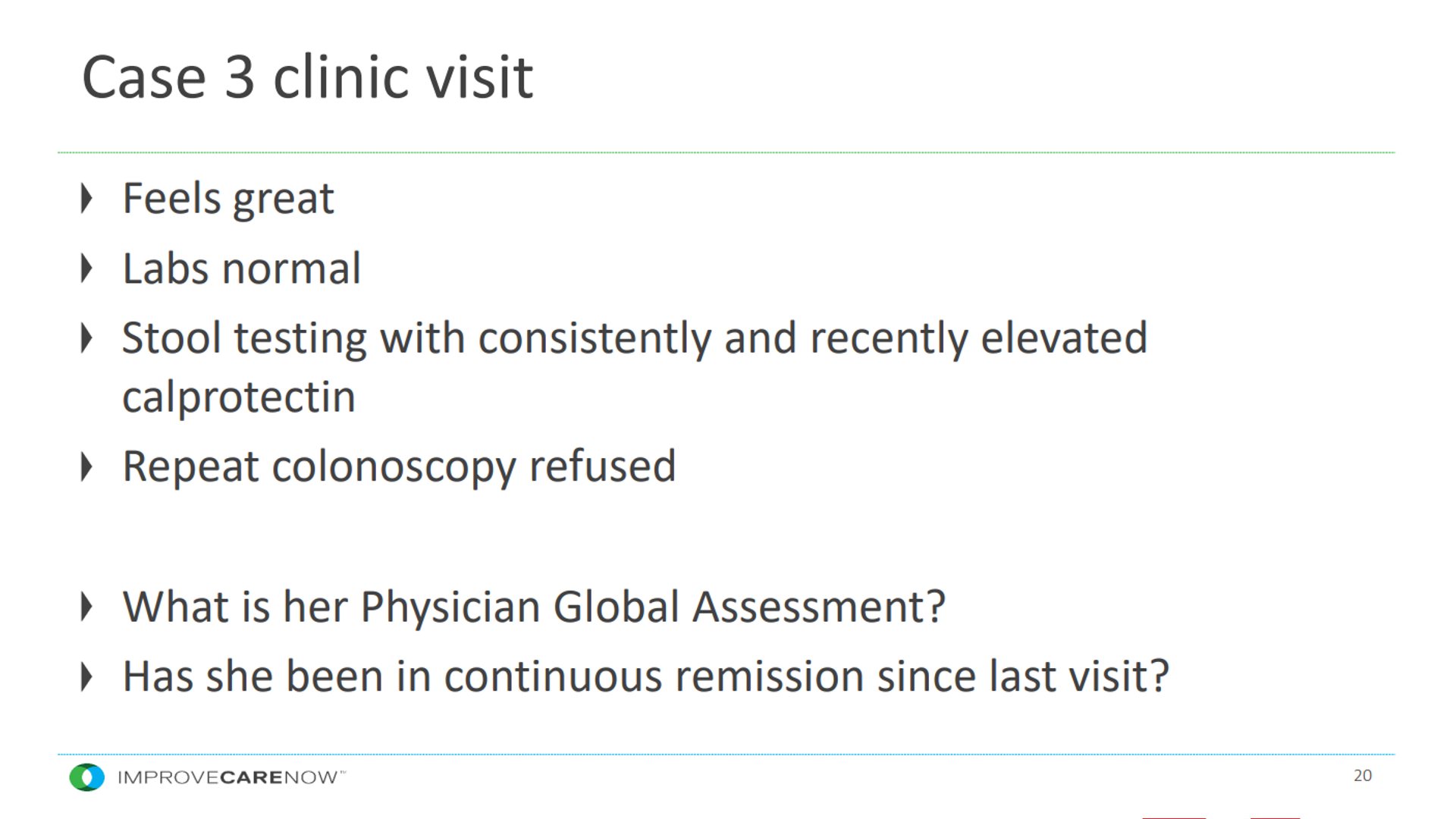
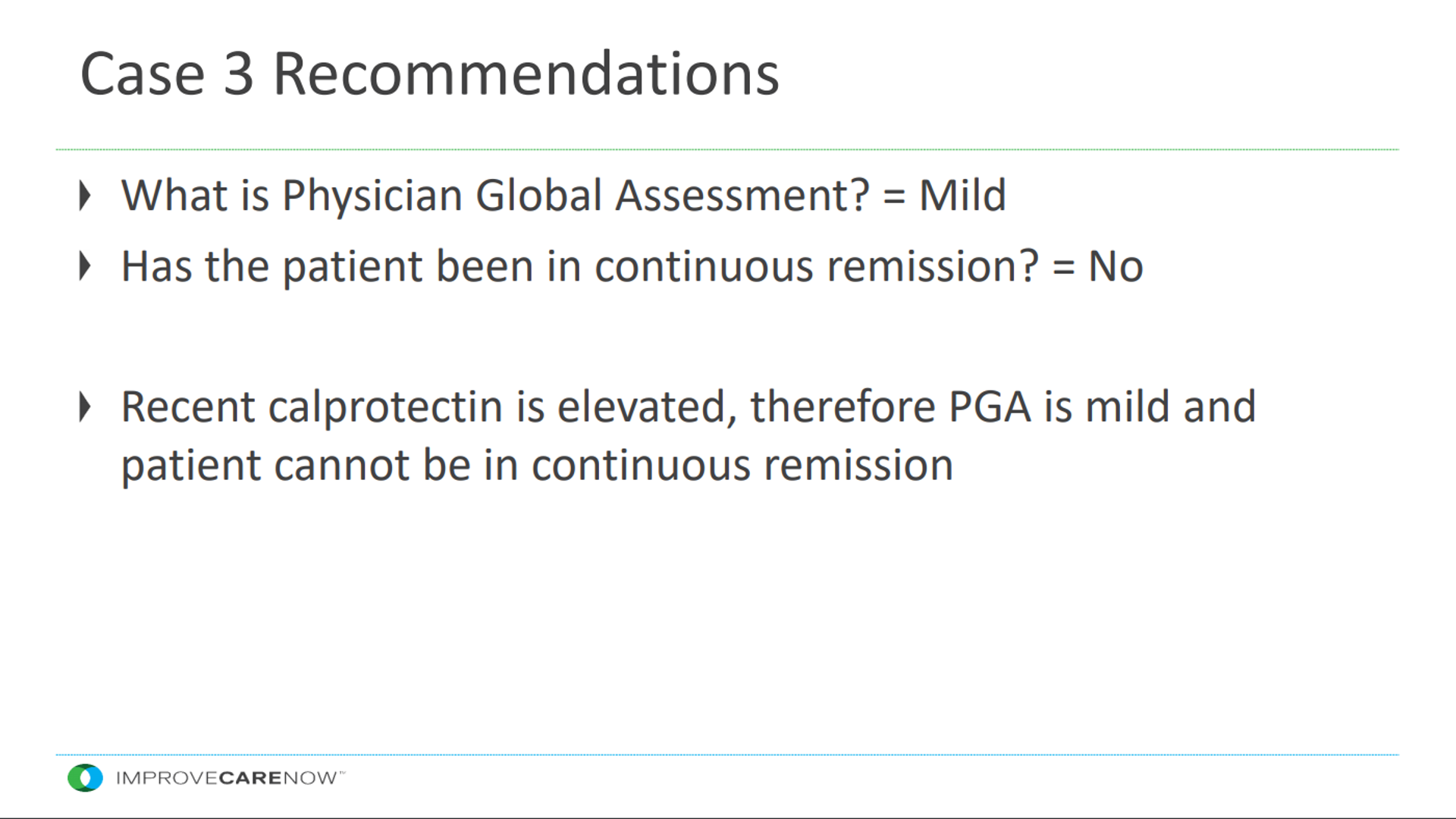
What is the Calprotectin Threshold for Disease Progression in Crohn’s Disease?

A recent retrospective study (NA Kennedy et al. Clin Gastroenterol Hepatol 2019; 17: 2269-76) with 918 patients with Crohn’s disease (CD) examined calprotectin levels and disease progression. Median followup was 50.6 months.

Key findings:

  • A calprotectin level cut-off of 115 mcg/g was identified as optimal for separation of those with and without disease disease progression.
  • The authors noted: “Several studies have identified a cut-off value of 250 mcg/g as being useful to distinguish active from inactive disease.  In the present study,…a lower threshold of 115 mcg/g (was identified) suggesting that lower levels of inflammatory activity still may be associated with an adverse outcome.”
  • The authors’ figure 2, as estimated by the empiric transition matrix method, shows disease progression over 30 years.  At that point,  the groups were nearly equally divide between stricturing disease, penetrating disease and inflammatory disease; in contrast at disease onset, ~80% had inflammatory disease behavior.

My take: As more effective therapies have become available, our goals for disease control have changed and focus on altering the disease course with more stringent endpoints.  For calprotectin, the lower number (115 compared to 250) indicates a much lower risk for disease progression.

Related blog posts:

Chicago

#NASPGHAN19 Impact of New Technologies on Patient Health

Along with Ragh Varier, I had the privilege of moderating a session on new technologies on patient health.  Below I’ve included a few slides and some notes; my notes may have errors of omission or transcription.

Chicago


Dr. Mehta’s lecture focused on wearable health technologies. Key points:

  • It is already in use in some areas (eg. continuous glucose monitoring for diabetes, ECG sensors).
  • She noted that wearable technology dates back to the 1600s with the abacus ring
  • Challenges: Accuracy, Actionability/outcome improvement, Reaching at-risk populations (not just the ‘worried well’ populations), regulation, sustainability (users may abandon quickly), and ethical/privacy concerns
  • Some families taking technology into their own hands, so to speak. #WeAreNotWaiting.  Example: artificial pancreas device system

Dr. Syed’s lecture focused on artificial intelligence in medical-decision making. Key points:

  • AI is already in use in areas like facial recognition
  • AI may be able to increase polyp detection rate in colonoscopy and improve histology reading
  • Her team has been working on using AI to help distinguishing enviromental enteropathy histology from other etiologies
  • Other potential uses: AI to help predict Crohn’s disease progression based on histology

Related study (not discussed in talk): Z Deng, H Shi et al. Gastroenterology 2019; 157: 1044-54. The authors collected more than 113 million images from 6970.  With a deep-learning algorithm, they found that video capsule endoscopy could have higher detection rates and improved reading time with a “CNN-based” reading system (CNN=convolutional neural network).  The mean reading time was reduced from 97 minutes with conventional reading to 6 minutes with CNN-based reading system.  The later had 99.88% sensitivity in per-patient analysis (vs. 74.57% with conventional reading).

The oral abstract presentation, by Sonja Swenson, detailed how machine learning was applied to try to improve transplantation selection/PELD scores.

  • The authors of this abstract (437) used data from 6273 patients with PELD scores and added additional variables to try to identify a more accurate model.
  • Link: All NASPGHAN 2019 Abstracts

Dr. Li, known by some as the ’emperor of emesis,’ presented a lecture on telemedicine. His full slides: Telemedicine NASPGHAN Updated 2019 (B Li)

Key points:

  • When surveyed, patients/families prefer telemedicine over conventional medicine.  Key reason is convenience
  • Lots of issues from health care provider viewpoint: reimbursement, licensing (improving), increased time
  • Many examples of telemedicine/telemonitoring that are ongoing

Disclaimer: NASPGHAN/gutsandgrowth assumes no responsibility for any use or operation of any method, product, instruction, concept or idea contained in the material herein or for any injury or damage to persons or property (whether products liability, negligence or otherwise) resulting from such use or operation. The discussion, views, and recommendations as to medical procedures, choice of drugs and drug dosages herein are the sole responsibility of the authors. Because of rapid advances in the medical sciences, the Society cautions that independent verification should be made of diagnosis and drug dosages. The reader is solely responsible for the conduct of any suggested test or procedure. Some of the slides reproduced in this syllabus contain animation in the power point version. This cannot be seen in the printed version.


Here’s The Proof That Proactive Drug Monitoring Improves Outcomes in Children With Crohn’s Disease

A nonblinded randomized controlled trial (A Assa et al. Gastroenterology 2019; 157: 985-06) with 78 children who had Crohn’s disease provides some of the best evidence to date that proactive therapeutic drug monitoring (pTDM) is important for anti-TNF therapy. The trial was called the PAILOT =Paediatric Crohn’s disease Adalimumab-Level-based Optimisation Treatment.  This is the first RCT of pTDM that actually achieved its primary end point.

In this study, children were divided into a pTDM group (n=38) who received adalimumab levels at weeks 4 and 8 along with every 8 weeks unitl week 72.  The control group (n=31) had reactive monitoring.  The investigators aimed for a trough concentrations above 5 mcg/mL.

Key findings:

  • The primary endpoint of sustained corticosteroid-free clinical remission (CFCR) was achieved in 82% of the pTDM group compared to 48% in the reactive monitoring group (p-.002).
  • The pTMD also  had a higher rate of the composite outcome (CFCR, CRP ≤0.5 mg/dL, and calprotectin ≤150): 42% compared to 12% in the control group (p=.003)
  • 87% of pTDM had dose intensification compared to 60% in control group.

The editorial by Papamichael and Cheifetz (pg 922-4) highlights some additional observations:

  • “The study actually showed that a 10.0 mcg/mL threshold performed better than 7.5 and 5.0 mcg/mL” with respect to PCDAI and CRP levels.
  • “The recent prospective Personalized anti-TNF therapy in Crohn’s disease study (PANTS) showed that the optimal week 14 adalimumab concentration …at both week 14 and 54 was 12 mcg/mL”

My take: Most pediatric gastroenterologist understand the importance of pTDM, especially as conventional dosing of anti-TNF agents is often too low.  This study provides some needed proof and hopefully will aid our efforts to get adequate insurance coverage.  The optimal frequency and timing of pTDM still needs work.

Related blog posts:

I really enjoyed my recent trip to Chicago. Here’s a picture from Lincoln Park Zoo from my favorite photographer