Proactive Monitoring Associated with Higher Rates of Transmural Healing

SR Fernades et al. Inflammatory Bowel Diseases, izad272, https://doi.org/10.1093/ibd/izad272 Proactive Infliximab Monitoring Improves the Rates of Transmural Remission in Crohn’s Disease: A Propensity Score–Matched Analysis 

Methods: Retrospective cohort study (n=195) including consecutive CD patients starting treatment with IFX. Rates of transmural remission were compared between patients with and without therapeutic drug monitoring (target level: 5-7 µg/mL).

Key findings:

  • The rates of transmural remission were higher in patients under proactive therapeutic drug monitoring (37.2% vs 18.3%; P = .004) with similar results in the propensity score–matched analysis (34.2% vs 17.1%; P = .025). 
  • In multivariate analysis, proactive therapeutic drug monitoring was independently associated with transmural remission (odds ratio, 2.95)

My take: Proactive therapeutic monitoring is beneficial in improving outcomes in patients with Crohn’s disease. Higher drug levels are likely to be particularly important to achieve adequate tissue penetration in transmural Crohn’s disease.

Related blog posts:

Ram Head Trail, St John

AGA Guidance: Nutritional Therapies for Inflammatory Bowel Disease

JG Hashash et al.Gastroenterology 166; 521-532. Open Access! AGA Clinical Practice Update on Diet and Nutritional Therapies in Patients With Inflammatory Bowel Disease: Expert Review

There are 12 “best practice” recommendations. Here are a few of them:

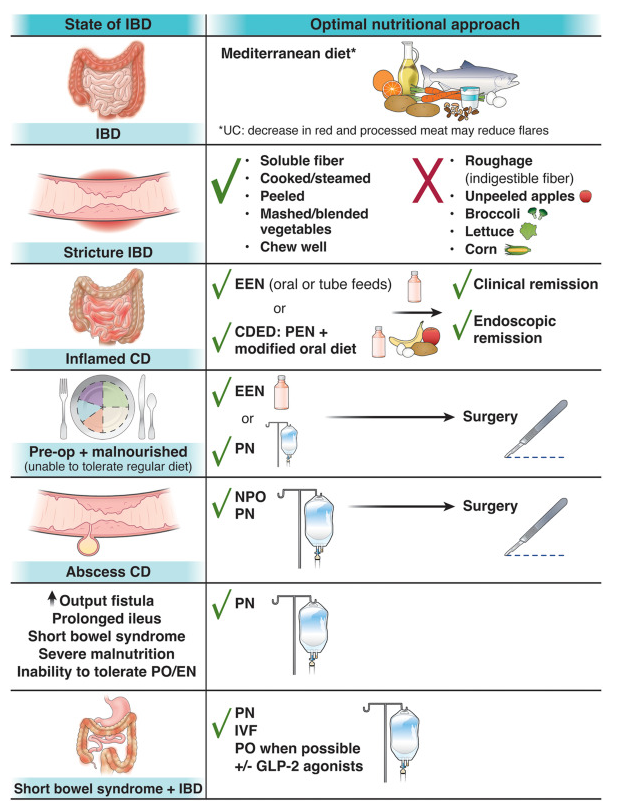
  • Best Practice Advice 1: Unless there is a contraindication, all patients with IBD should be advised to follow a Mediterranean diet rich in a variety of fresh fruits and vegetables, monounsaturated fats, complex carbohydrates, and lean proteins and low in ultraprocessed foods, added sugar, and salt for their overall health and general well-being. No diet has consistently been found to decrease the rate of flares in adults with IBD. A diet low in red and processed meat may reduce ulcerative colitis flares, but has not been found to reduce relapse in Crohn’s disease.
  • Best Practice Advice 3: Exclusive enteral nutrition using liquid nutrition formulations is an effective therapy for induction of clinical remission and endoscopic response in Crohn’s disease, with stronger evidence in children than adults. Exclusive enteral nutrition may be considered as a steroid-sparing bridge therapy for patients with Crohn’s disease.
  • Best Practice Advice 6: In patients with IBD who have an intra-abdominal abscess and/or phlegmonous inflammation that limits ability to achieve optimal nutrition via the digestive tract, short-term parenteral nutrition may be used to provide bowel rest in the preoperative phase to decrease infection and inflammation as a bridge to definitive surgical management and to optimize surgical outcomes.
  • Best Practice Advice 7: We suggest the use of parenteral nutrition for high-output gastrointestinal fistula, prolonged ileus, short bowel syndrome, and for patients with IBD with severe malnutrition when oral and enteral nutrition has been trialed and failed or when enteral access is not feasible or contraindicated.
  • Best Practice Advice 10: All patients with IBD should be monitored for vitamin D and iron deficiency. Patients with extensive ileal disease or prior ileal surgery (resection or ileal pouch) should be monitored for vitamin B12 deficiency.
  • Best Practice Advice 12: Breastfeeding is associated with a lower risk for diagnosis of IBD during childhood. A healthy, balanced, Mediterranean diet rich in a variety of fruits and vegetables and decreased intake of ultraprocessed foods have been associated with a lower risk of developing IBD.

AGA has a summary and video here: What you need to know about diet and nutritional therapies for IBD patients

Related blog posts:


End of the Line for Probiotics for Preterm Infants

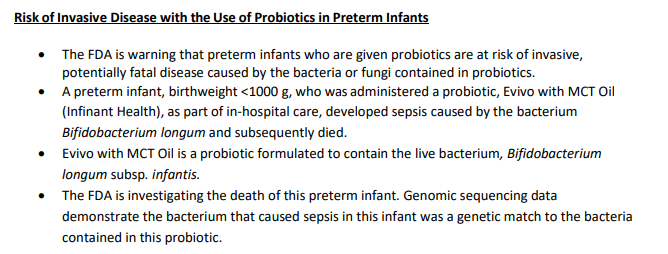
9/29/23 FDA: Risk of Invasive Disease in Preterm Infants Given Probiotics Formulated to
Contain Live Bacteria or Yeast

“The FDA cautions that microorganisms contained in probiotics have been reported in the medical literature as causing bacteremia or fungemia, sometimes with a severe clinical course, in very preterm or very low birthweight (VLBW) infants.”

“Moreover, the American Academy of Pediatrics states ‘Given the lack of FDA-regulated pharmaceutical grade products in the United States, conflicting data on safety and efficacy, and potential for harm in a highly vulnerable population, current evidence does not support the routine, universal administration of probiotics to preterm infants, particularly those with a birth weight of <1000 g.’”

“The FDA is also reminding healthcare providers that FDA has not approved any probiotic product for use as a drug or biological product in infants.”

My take: Despite promising studies (over the last 20 years) indicating that probiotics reduce the risk of necrotizing enterocolitis and death, this appears to be the end of the line for the use of probiotics for preemies in the U.S. To change course, there would need to be a pharmaceutical-grade probiotic and proof that it was a reliable high-quality agent meeting FDA standards along with subsequent studies showing this probiotic was effective.

Reference: Poindexter B. Use of probiotics in preterm infants. Pediatrics 2021;147(6):June 2021:e2021051485. https://publications.aap.org/pediatrics/article/147/6/e2021051485/180282/Use-of-Probiotics-in-PretermInfants

Related blog posts:

Dr. YouTube for IBD Dietary Advice

K Gkikas et al. Inflamm Bowel Dis 2024; Volume 30, March 2024, 347–356. Open Access! YouTube as a Source of Information for Food, Diet-Related Items, and Advisory Comments for the Management of Inflammatory Bowel Disease

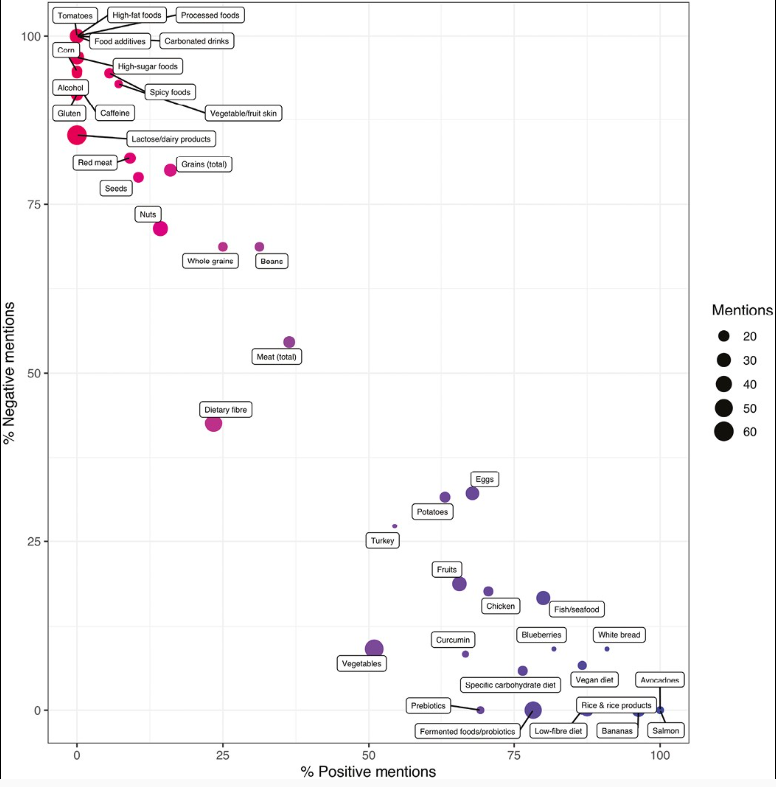
The authors assessed videos discussing dietary aspects (food, diet-related items, and advisory comments [FODRIACs]) on YouTube. Of 1800 videos screened, a total of 160 were included in the final analysis.

Background: “Currently, the only well-established dietary treatment in IBD is exclusive enteral nutrition (EEN), which is used for induction of remission mostly in pediatric CD.5,6 Over the past 2 decades, several food-based exclusion diets have been suggested as potential treatments for CD and UC, some of which demonstrated promising efficacy signals such as the CD-TREAT (Crohn’s disease treatment with eating) diet and the CDED (Crohn’s disease exclusion diet).7-9 Nonetheless, current societal guidelines do not recommend the use of any solid food–based exclusion diet as a treatment option for the induction or maintenance of clinical remission in IBD.6

Key findings:

  • Foods pertinent to a prudent dietary pattern (ie, fish, chicken, avocado, blueberries), foods high in pre- and probiotics, and certain food exclusion diets (eg, SCD) were primarily portrayed as beneficial.
  • Foods often associated with a Western dietary pattern, including processed foods, high-sugar foods and high-fat foods, red meat, and alcohol, were considered detrimental for disease outcomes in patients with IBD.
  • Neutral opinions were expressed about fiber and vegetables.
  • There was a higher video interaction rate and number of likes in patient-generated videos compared with videos from healthcare professionals.
  • Only 3% of all patient videos and 35% of videos from healthcare professionals cited any form of scientific evidence.
  • Problems with diet advice is that extensive dietary restrictions and adherence to extreme diets may lead to the development of disordered eating as well as nutrient deficiencies (nutritionist involvement is important to avoid this). In addition, reliance on unproven diets may lead some patients to forgo proven therapies.

My take: Though there are some overlapping advice in these videos, much of the dietary advice on YouTube (and elsewhere) is conflicting. In part, this reflects the lack of evidence-based dietary guidelines for IBD. Physicians should review information on dietary therapies at diagnosis and request that families contact them (or well-qualified nutritionists) when considering dietary modifications.

Related blog posts:

So Long to $1 Hot Dogs in Philly

Since baseball season is now getting started, I wanted to share this news story (which is a real story and not The Onion):

An excerpt:

“For more than a quarter-century, Phillies fans considered dollar hot dog night among the best ballpark promotions — but the team has now decided it was the wurst…Armed with projectile frankfurters, some unruly Phillies fans began chucking their favorite Hatfield meat during a game last year, and the dogs soared like cans of corn throughout the stands and onto the field…”

“It wasn’t just the throwing,” said John Weber, senior vice president, Phillies ticket operations and projects. “It’s the concourse, the crowds of everybody being at the same X amount of stands. But obviously, you know, the throwing was a little bit of a tipping point…” 

“Hey, there is still a chance in Philly to always snag a free hot dog — just catch one out of the Phanatic’s famed hot dog launcher.”

Related blog post: Hot Study on Hot Dogs & Healthy Eating Habits

FDA-Approved Subcutaneous Infliximab (Zymfentra) Now Available

Celltrion USA (3/17/24): ZYMFENTRA™(infliximab-dyyb), the first and only FDA-approved subcutaneous infliximab, now commercially available in the U.S.

Excerpts:

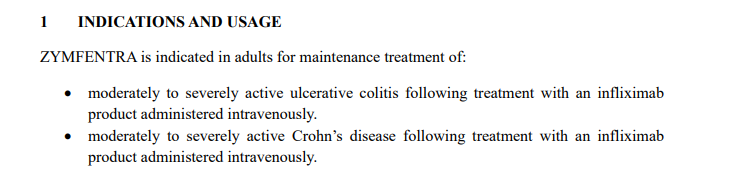
  • “ZYMFENTRA is approved for maintenance therapy in adults with moderately to severely active ulcerative colitis (UC) or moderately to severely active Crohn’s disease (CD) following an induction treatment regimen with an infliximab product administered intravenously. The recommended dose of ZYMFENTRA for maintenance treatment is 120 mg every two weeks.”
  • ” ZYMFENTRA is considered a new biologic with a first-approved subcutaneous administration form and thus will be under patent protection for its dosage form by 2037 and for its route of administration by 2040.”

FDA Label: Zymfentra Prescribing Information

My take: If the cost of the subcutaneous infliximab is competitive with the intravenous formulations, then this is going to result in a lot less infusions. Currently, this product does not have a pediatric indication. Projected cost per internet search: $6,181.08 for two shots over four weeks.

Related blog posts:

Practical Intestinal Rehabilitation (Part 2)

We had an brilliant lecture given to our group by Danielle Wendel who leads Seattle Children’s Intestinal Rehabilitation team. My notes below may contain errors in transcription and in omission. In addition, the information provided is based on what is done in Seattle. However, there is not a lot of evidence for much of what is done in intestinal rehabilitation. Thus, there is variation in practice at different centers and what works for one patient might not work for another. Following my notes, I have included many of her slides (same slides as yesterday’s post).

CLABSI Pointers:

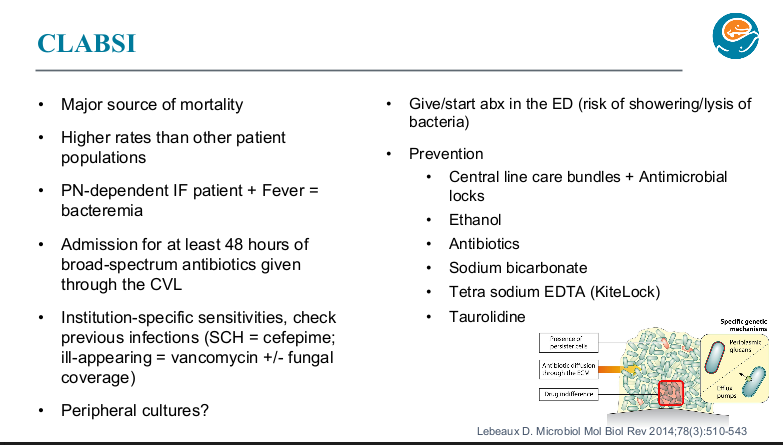
  • -At Seattle, with suspected CLABSI, usually central blood culture obtained without peripheral blood culture. (Peripheral blood cultures have not helped their team improve management)
  • -Everyone with SBS and with fever (greater than or equal to 100.4) stays for at least 48 hrs on broad spectrum IV antibiotics (choice based on local sensitivities) through the central line until it is conclusively determined if they have a CLABSI (which still carry a significant mortality risk)
  • -Sodium bicarbonate lock experience has been good (8.4% solution, 1.5 mL lock for the entire time off PN in all tunneled CVL flushed in at the end of the dwell). It has become a good substitute for ethanol locks.  Their experience will be published soon.  Since sodium bicarbonate lock does not need to be withdrawn, it has been associated with less line breakage.  Several lock solutions (KiteLock and Taurolidine) are not currently available in the U.S.  KiteLock is about to be studied in Seattle.
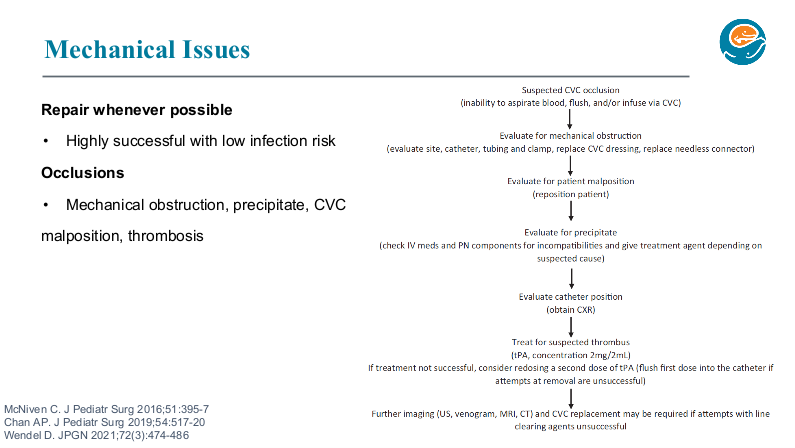
  • -At Seattle, all CLABSI are treated  through the line and every effort is made to salvage and/or repair lines.  Line replacement increases risk of losing central IV access.
  • -Line is removed for fungal infections
  • -The Seattle team prefers tunneled CVC

SIBO Pointers:

  • -Testing is problematic.  Breath tests are not reliable in kids with SBS.  Duodenal aspirates are often not helpful and have a number of technical difficulties; also, it is unclear whether a duodenal aspirate is representative of the bacteria in the more distal bowel.
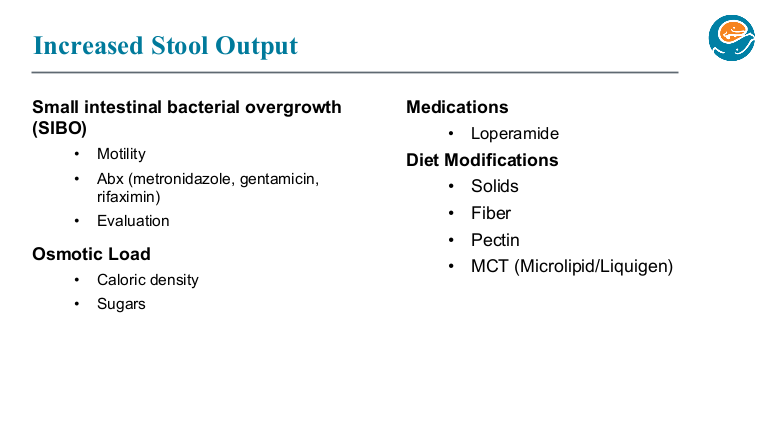
  • -Metronidazole is their first line choice.  Gentamicin (IV formulation given enterally) is their 2nd choice.  Rifaximin is their 3rd line.  Rifaximin would possibly be used earlier in treatment except for difficulty getting covered.  When used, they crush up pills rather than have it compounded to avoid sweeteners.

Teduglutide

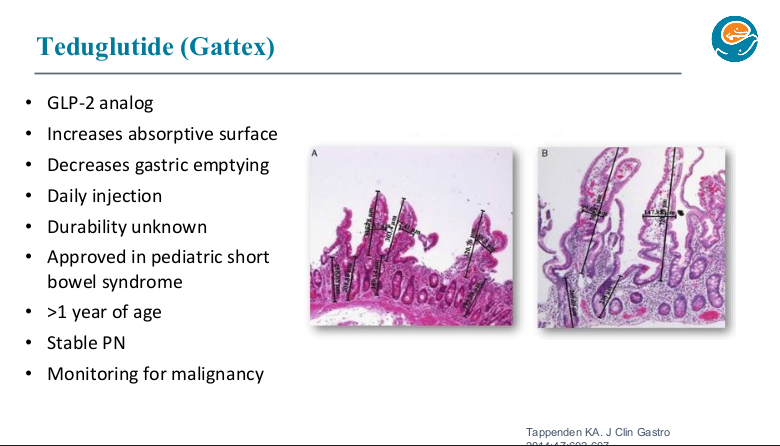
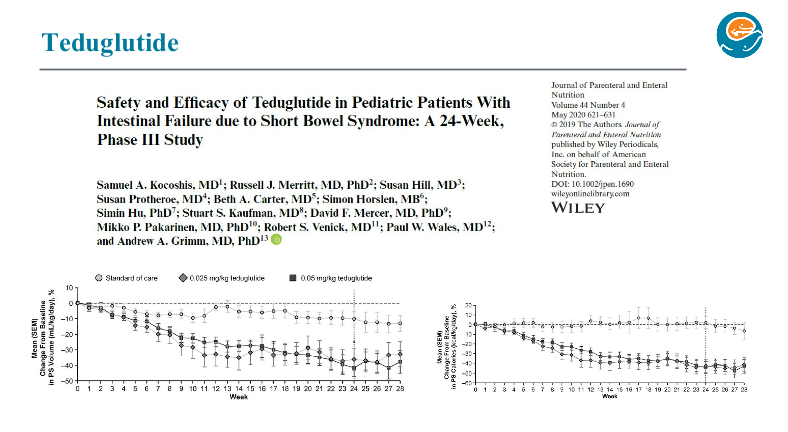
  • -Best to start if a patient is is > 1yo and on stable TPN (not able to wean)
  • -Make sure patient is using a tiny needle (not adult needle in package)
  • -Anticipate long-term treatment (?indefinite)

GI Bleeding Pointers:

  • This is being seen frequently. 
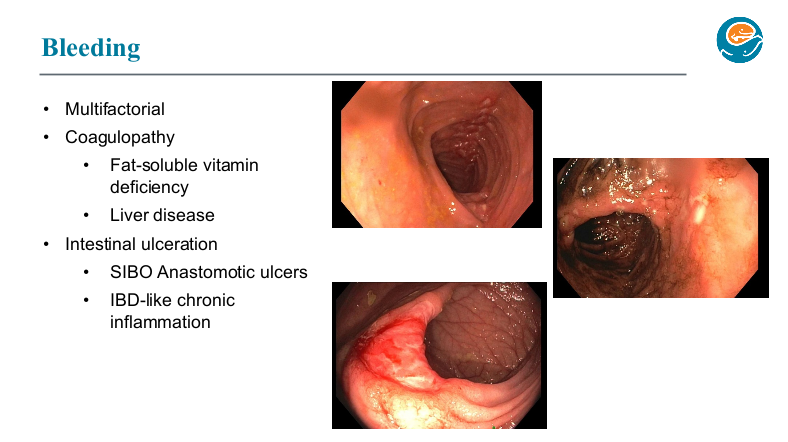
  • Etiologies include anastomotic ulcers and IBD-like lesions.   If a patient is not improving with standard approaches and possibly resection, could need an anti-TNF type agent.
  •  At Seattle, they are very selective about patients appropriate for a STEP procedure as this may be associated with more frequent bleeding over time due to the many staples used. Hand-sewn tapering may be a better option for many patients.
  • With the challenging decisions required for these bleeding patients, discussion with an experienced intestinal rehab center may be helpful.

Disclaimer: This blog, gutsandgrowth, assumes no responsibility for any use or operation of any method, product, instruction, concept or idea contained in the material herein or for any injury or damage to persons or property (whether products liability, negligence or otherwise) resulting from such use or operation. These blog posts are for educational purposes only. Specific dosing of medications (along with potential adverse effects) should be confirmed by prescribing physician.  Because of rapid advances in the medical sciences, the gutsandgrowth blog cautions that independent verification should be made of diagnosis and drug dosages. The reader is solely responsible for the conduct of any suggested test or procedure.  This content is not a substitute for medical advice, diagnosis or treatment provided by a qualified healthcare provider. Always seek the advice of your physician or other qualified health provider with any questions you may have regarding a condition.

Practical Intestinal Rehabilitation (Part 1)

We had an brilliant lecture given to our group by Danielle Wendel who leads Seattle Children’s Intestinal Rehabilitation team. My notes below may contain errors in transcription and in omission. In addition, the information provided is based on what is done in Seattle. However, there is not a lot of evidence for much of what is done in intestinal rehabilitation. Thus, there is variation in practice at different centers and what works for one patient might not work for another. Following my notes, I have included many of her slides.

Key points:

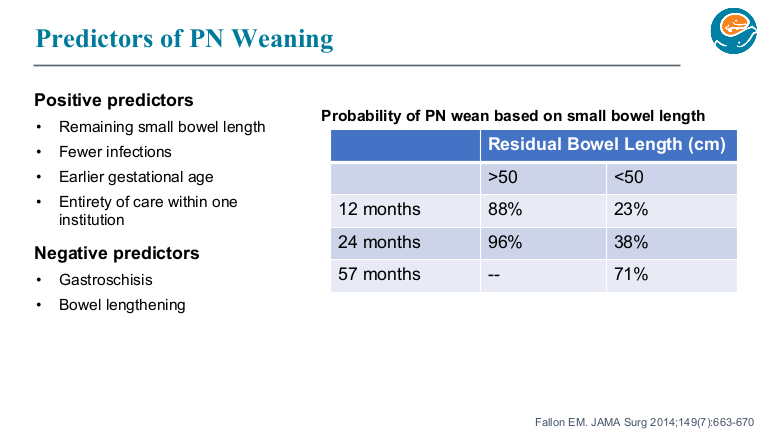
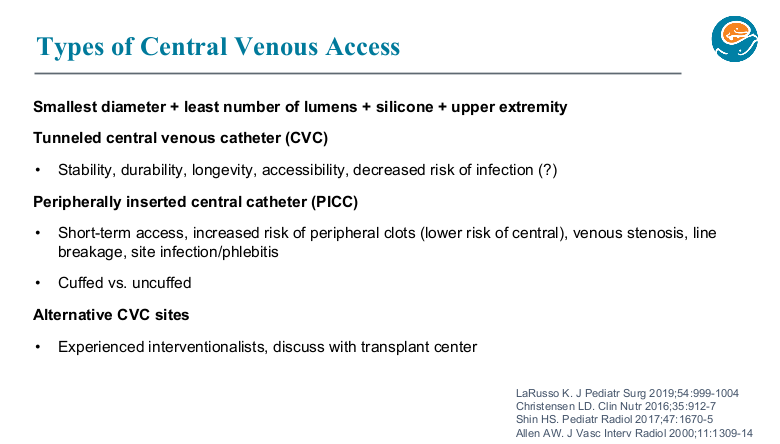
  • Enteral nutrition is key for adaptation.  At Seattle, oral feeds rather than GT feeds are preferred.
  • Time is the thing that helps the most.  Unclear which additives help.
  • Though prediction models often look at >50 cm, it is important to counsel families, even with more bowel length, that the care is going to be quite challenging.
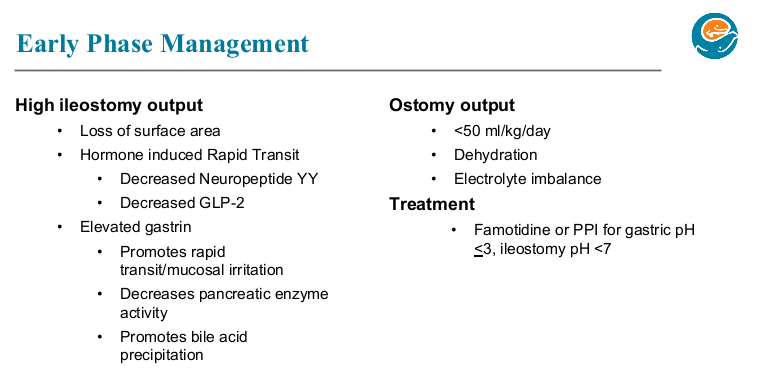
  • Acid suppression can be helpful in the early phase after resection especially if problematic high stoma output.
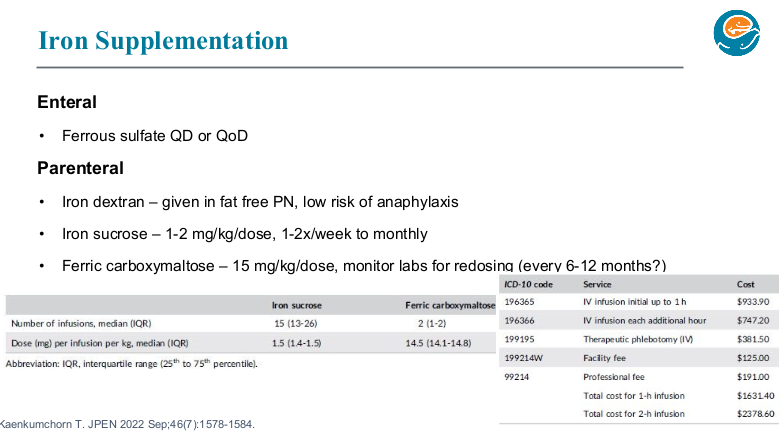
  • Iron: if given enterally, typically given everyday or every other day.  Iron dextran can be given in TPN (cannot be given with lipids).  Ferric carboxymaltose is a good choice for parenteral administration.  Due to the need for few infusions (~1-2 per year), it is safer (less line entry) and cost-effective compared to iron sucrose.
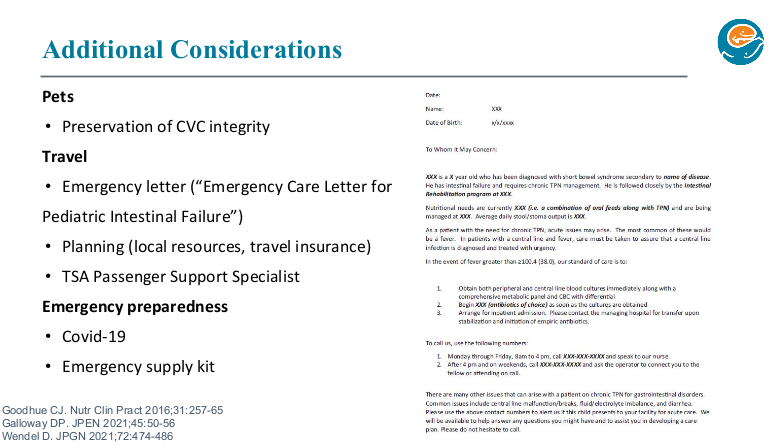
  • Seattle shares an “Emergency Care Letter” with their patients (template available in EPIC)
  • Yearly doppler ultrasound is recommended to assess vascular access.
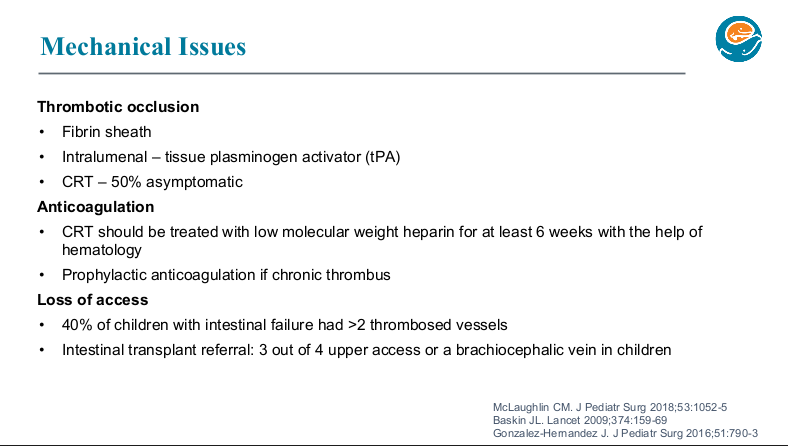
  • If a patient has more than one thrombosis, the Seattle team recommends long term prophylaxis, though it might take treatment levels to prevent further thrombosis.
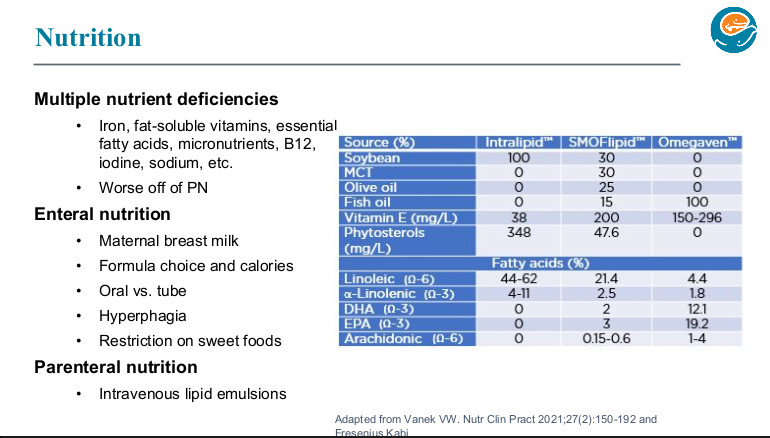
  • SMOFlipid is the most frequently used lipid at Seattle. It can be given in higher doses than Omegaven which is important nutritionally; omegaven is generally given at only 1 to 1.5 mg/kg/day and used for treatment of IFALD.
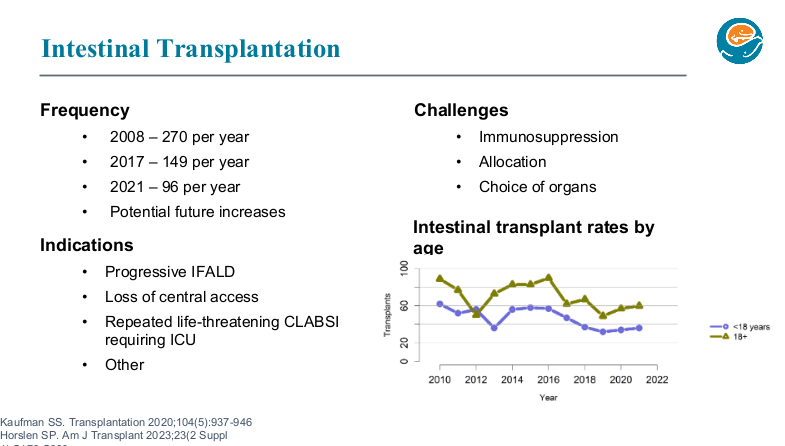
  • Long term outcomes are just as good with chronic TPN as with intestinal transplantation. So, referral generally needed based on complications like losing central access (3 of 4 upper central sites) or progressive liver disease.

Diet Pointers:

  • -In infancy, standard formula and breastmilk are preferred and thought to help with adaptation.  Some infants need elemental diets but it is not routinely given across the board  (some other institutions feel strongly about using elemental diets, but there is limited data)
  • -Kids with short bowel syndrome may tolerate volume better than concentration
  • -The Seattle program strictly restricts sweet tasting food/drink for first 3-4 years of life to help educate the child’s palate and recommends limiting these food/drink for IF patients in general.
  • -Addition of solid foods usually helps with stoma output

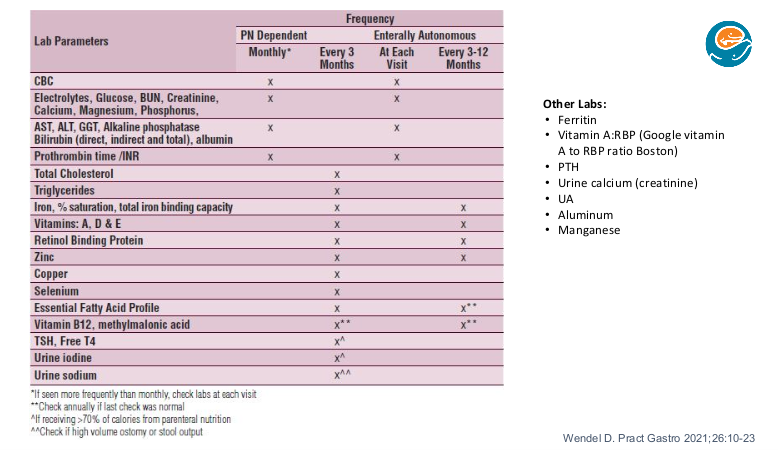
Nutrient Monitoring Pointers:

  • Usually best to batch them all lab tests for micronutrients [many micronutrients are affected by inflammation and this may affect timing of lab testing]
  •  At Seattle, aluminum and manganese are not routinely checked as they are contaminants in PN that cannot be removed
  • Serum thyroid testing is a marker for iodine deficiency in patients receiving most of their calories from PN (>70) which may be more frequent now that betadine is not used for dressing changes.  Their goal for urine iodine is >100 (can be treated with ultra-diluted potassium iodide which needs to be compounded by the pharmacy)
  • When testing for EFA (essential fatty acid) deficiency, lipids should be off for 4 hrs (or more).  Urinalysis is checked to monitor for chronic kidney disease. Urine sodium goal is >30 and is checked quarterly in patients with high ostomy output or excessive rectal stool output with poor growth.
  • Hypokalemia may be a sign of total body sodium depletion due to the kidneys dumping potassium to conserve sodium

Disclaimer: This blog, gutsandgrowth, assumes no responsibility for any use or operation of any method, product, instruction, concept or idea contained in the material herein or for any injury or damage to persons or property (whether products liability, negligence or otherwise) resulting from such use or operation. These blog posts are for educational purposes only. Specific dosing of medications (along with potential adverse effects) should be confirmed by prescribing physician.  Because of rapid advances in the medical sciences, the gutsandgrowth blog cautions that independent verification should be made of diagnosis and drug dosages. The reader is solely responsible for the conduct of any suggested test or procedure.  This content is not a substitute for medical advice, diagnosis or treatment provided by a qualified healthcare provider. Always seek the advice of your physician or other qualified health provider with any questions you may have regarding a condition.

30 Million Excess Deaths (Estimated) Worldwide due to COVID-19

The COVID-19 pandemic caused the most severe drops in life expectancy seen in 50+ years.” per IHME

NY Times 3/11/24: The Fourth Anniversary of the Covid Pandemic

“Globally, Covid ranks among the worst killers since 1900. AIDS, for example, is estimated to have killed about 40 million people, but over a half century rather than only four years. The 1918 flu killed somewhere between 20 million and 50 million people.”

“Among high-income countries, the U.S. has had one of the highest Covid tolls. The excess-death rate here, as a study by Jennifer Nuzzo and Jorge Ledesma of Brown University notes, has been much higher than in Canada, Britain, Germany, France, Spain, Sweden, Denmark, Japan, South Korea or Australia…”

Many Americans, especially political conservatives, were skeptical of the vaccines despite overwhelming evidence of their effectiveness. To this day, more than 30 percent of self-identified Republicans have not received a Covid vaccine shot, compared with less than 10 percent of Democrats…You can see the tragic effects of vaccine skepticism in this chart.

While many liberals exaggerated the value of pandemic restrictions, they were right about the vaccines. “

According to data from Washington State in 2023, the death rate for those older than 65 years due COVID-19 was nearly double in those unvaccinated compared to those who had been boosted. In the younger age group, 35-64, the rate of fatal infection was much lower but remained 5 times as high in those unvaccinated compared to those who had been boosted.

My take: COVID-19 has exacted a tremendous toll and these articles do not even focus on long COVID which afflicts so many people as well.

Related blog posts:

AGA: High Quality Upper Endoscopy

S Nagula et al. Clin Gastroenterol Hepatol 2024; DOI:https://doi.org/10.1016/j.cgh.2023.10.034. Open Access! AGA Clinical Practice Update on High-Quality Upper Endoscopy: Expert Review

The summary with nine “best practice advice” statements is not very helpful. However, Figure 2 and Table 1 are very useful.

From Figure 2 -not shown below (but in article) are Prague classification for Barrett’s and EREFS for eosinophilic esophagitis. The remaining parts of this figure include the Los Angeles classification for erosive esophagitis, the Hill classification of the gastroesophageal flap, and the Forrest classification of peptic ulcers:

From Table 1:

Table 1 also gives guidance for biopsies with peptic ulcer disease, Barrett’s esophagus, gastric preneoplasia, and for gastric polyps.

My take: When suspicious of underlying disease, this article recommends taking more biopsies and in more jars.

Related blog posts: