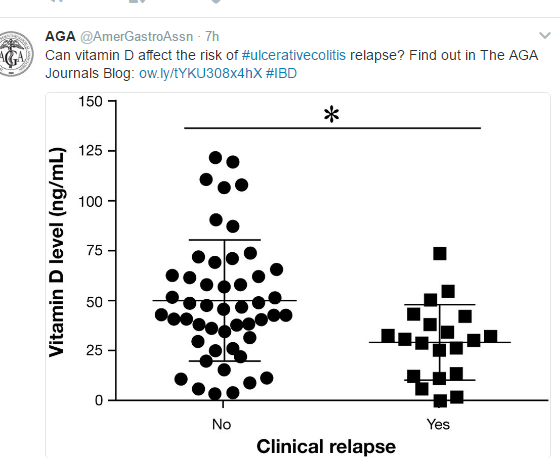
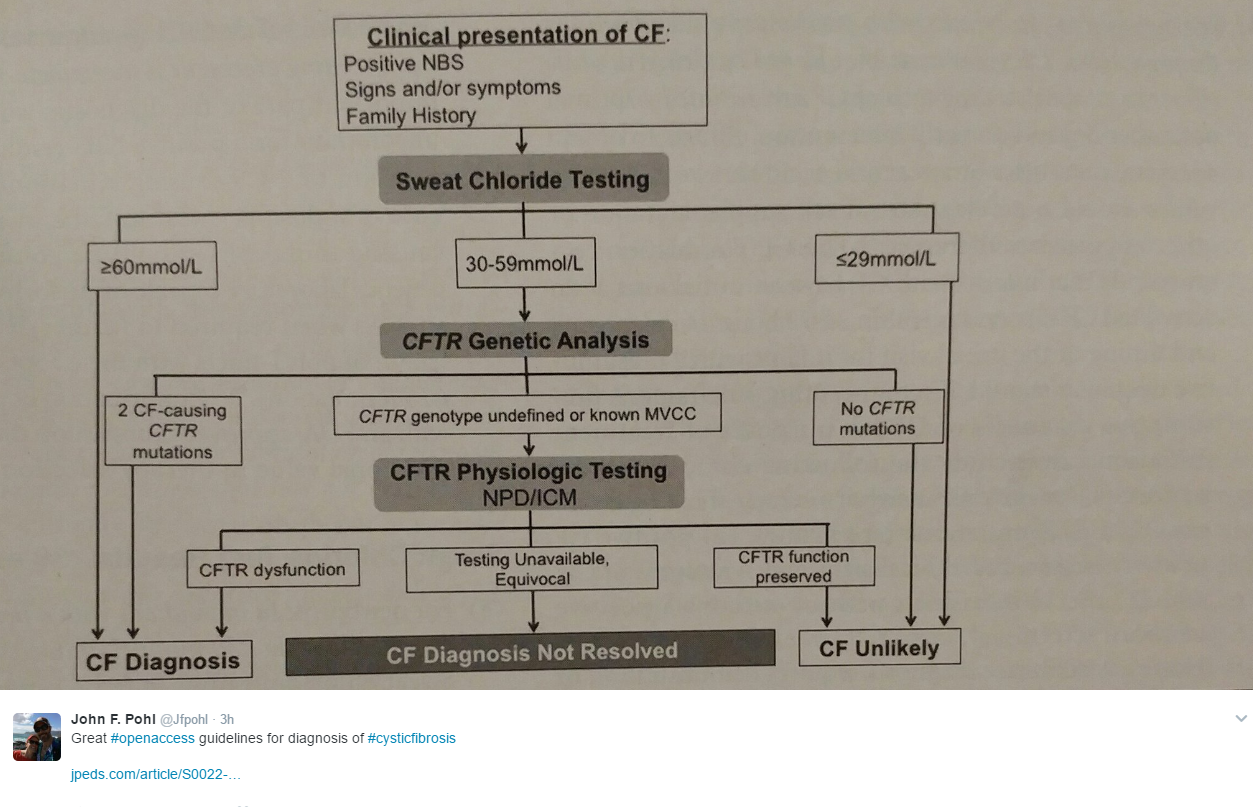
For those who are not attending this year’s national/international GI meeting, I’ve compiled some of the best tweets. These tweets are from 10/6/16.
A recent study (MR Nicholson et al. J Pediatr 2016; 176; 50-6) examined the use of multiplex molecular testing to determine the etiology of acute gastroenteritis in children. It is interesting that little has been published about this increasingly common practice of sending a 12 to 15 panel PCR assay when faced with acute GI symptoms, mainly diarrhea.
This study was a prospective population-based study of children <6 years with acute gastroenteritis (2008-2011).
Findings:
Implications of this study and this technology:
My take: These panels are helpful in identifying infectious etiologies of AGE and may help prevent unnecessary endoscopic procedures. Due to their limitations, careful selection of which patients to test and cautious interpretation of the results are needed.
Related blog posts:
From Journal of Pediatrics: V Bozzetti et al. DOI: http://dx.doi.org/10.1016/j.jpeds.2016.05.031
To detect changes in splanchnic perfusion and oxygenation induced by 2 different feeding regimens in infants with intrauterine growth restriction (IUGR) and those without IUGR.
This was a randomized trial in 40 very low birth weight infants. When an enteral intake of 100 mL/kg/day was achieved, patients with IUGR and those without IUGR were randomized into 2 groups. Group A (n = 20) received a feed by bolus (in 10 minutes), then, after at least 3 hours, received the same amount of formula by continuous nutrition over 3 hours. Group B (n = 20) received a feed administered continuously over 3 hours, followed by a bolus administration (in 10 minutes) of the same amount of formula after at least 3 hours. On the day of randomization, intestinal and cerebral regional oximetry was measured via near-infrared spectroscopy and Doppler ultrasound (US) of the superior mesenteric artery was performed. Examinations were performed before the feed and at 30 minutes after the feed by bolus and before the feed, at 30 minutes after the start of the feed, and at 30 minutes after the end of the feed for the 3-hour continuous feed.
Superior mesenteric artery Doppler US showed significantly higher perfusion values after the bolus feeds than after the continuous feeds. Near-infrared spectroscopy values remained stable before and after feeds. Infants with IUGR and those without IUGR showed the same perfusion and oxygenation patterns.
According to our Doppler US results, bolus feeding is more effective than continuous feeding in increasing splanchnic perfusion.
Related blog posts:
Here’s a link summarizing FDA approval: Medscape: FDA Clears Ustekinumab (Stelara) for Crohn’s Disease
An excerpt:
The US Food and Drug Administration (FDA) has approved ustekinumab (Stelara, Janssen Biotech, Inc) for the treatment of moderately to severely active Crohn’s disease in patients aged 18 years or older.
Specifically, the interleukin-12/23 inhibitor is indicated for Crohn’s patients who have failed or were intolerant to immunomodulator or corticosteroid therapy but who never failed treatment with a tumor necrosis factor (TNF) blocker or who failed or were intolerant to treatment with one or more TNF blockers, according to a company news release.
Ustekinumab is already approved in the United States for treatment of patients with plaque psoriasis and psoriatic arthritis…The clinical development program for ustekinumab for Crohn’s disease included more than 1300 patients across three pivotal phase 3 studies, which served as the primary basis for FDA approval.
In clinical studies of patients who were either new to, experienced with, or failed anti-TNF therapy, between 34% and 56% of patients experienced symptom relief in the 6 weeks after receiving a one-time intravenous induction dose of ustekinumab. “Noticeable improvement was observed as early as 3 weeks,” the company said.
Most patients who responded to induction dosing and who continued ustekinumab treatment with subcutaneous maintenance doses every 8 weeks were in remission at the end of 44 weeks (52 weeks from initiation of the induction dose), the company said.
Full prescribing information and a medication guide are available online.
G Wahbeh et al. JPGN 2016; 63: 348-51. This retrospective case series with 4 children (aged 12-17 years) indicated that 2 had a ‘clinical response’ to ustekinumab therapy, though one of these had ongoing elevation of CRP. The dosing may have been too low: 90 mg at week 0 and 4, then every 8 weeks. My take: This study shows that ustekinumab’s use in pediatric IBD seems to be a ‘shot in the dark’ given the lack of coherent data.
Related posts:
L Zimmerman et al. JPGN 2016; 63: 352-56. Among a cohort of 123 children who had underwent a bowel resection, from 1977-2011, the overall postoperative complication rate was 13%. This included 3 of 24 who had prior infliximab and 9 of 99 who had not received infliximab. It is noteworthy that the infliximab group had more corticosteroid exposure. The authors concluded that preoperative infliximab was not associated with increased complications but noted that their sample size was small. My take: Studies of adults with Crohn’s disease have yielded conflicting results on whether preoperative infliximab increases the risk of complications. This study shows that children likely have a lower rate of postsurgical complications and more pediatric specific data are needed.
Related post:
From KT Park’s Twitter Feed:
From Gastroenterology & Endoscopy News July 2016: Tofacitinib Effective in Refractory and Severe UC
An excerpt:
Tofacitinib (Pfizer), an oral agent already approved for certain patients with rheumatoid arthritis, can induce clinical remission in up to 25% of individuals with moderate to severe, refractory ulcerative colitis (UC) and clinical response in as many as 60% of these patients.
The results, based on two placebo-controlled trials involving more than 1,100 patients, showed the drug also increased the risk for serum lipid elevations but was otherwise safe. Researchers presented the data at the 2016 annual meeting of the European Crohn’s and Colitis Organization (ECCO; oral presentation 019)…
The new data are from the OCTAVE Induction 1 and Induction 2 trials, identically designed, randomized, double-blind and placebo-controlled Phase III studies…In the OCTAVE 1 trial, 476 patients received 10 mg of tofacitinib orally twice daily for eight weeks and 122 received an oral placebo. In OCTAVE 2, 429 and 112 patients were randomized to receive the two regimens, respectively.
Also from Gastroenterology & Endoscopy News August 2016: Update on Diagnosis and Treatment for Ulcerative Colitis This article provides a succinct summary regarding diagnosis and treatments of ulcerative colitis; treatments discussed include emerging therapies like tofacitinib.
While a recent study (A Darbari et al JPGN 2016; 63: 329-35) provides some interesting data regarding the potential origin of gastrointestinal symptoms in the setting of orthostatic intolerance, I cannot support their conclusion that antroduodenal manometry (ADM) “should” be part of the evaluation of these affected children.
Background:
What’s interesting:
Based on the discussion, the authors imply that ADM testing could help determine if the symptoms are due to neurogastrointestinal pathology or if normal, could indicate a central origin for the GI symptoms. Thus, they conclude that motility testing “should” be part of comprehensive” orthostatic intolerance evaluation.
I would argue that this study does not show that ADM testing can reliably distinguish whether symptoms are due to a neurogastroenterological pathology or central pathology. And, in fact, there are better tests to examine for central origin. I wouldn’t be surprised if many of their subjects had brain imaging, though this is not reported.
In addition, the authors acknowledge that ADM testing may not influence therapeutic decisions. “The clinical response to promotility agents in children with POTS is generally low.”
My take: This study provides a useful mechanistic explanation of symptoms associated with orthostatic intolerance. However, “I’m not there yet” on supporting ADM for all children with OI.
Related blog post:
A recent review elaborates on the newest methods for endoscopic control of bleeding. Topics included caplock clips, endoscopic suturing, and hemostatic sprays.
Full text: New Endoscopic Technologies and Procedureal Advances for Endoscopic Hemostasis (from Clinical Gastroenterology and Hepatology)
Related blog posts:
A recent study (GJ Lee et al. JPGN 2016; 63: 340-3) adds a little bit more information regarding hypertransaminasemia in newly diagnosed celiac disease. Some previous information was summarized in a previous blog: Celiac Hepatopathies (2013)
In this retrospective, single center study, 185 children had transaminases obtained at the time of celiac diagnosis (185/388 = 47.7%).
Key findings:
My take: This study indicates that elevated transaminases are common in children with celiac, particularly younger children. As with other studies, the majority resolve on a gluten-free diet. As there is a recognized association with autoimmune hepatitis, in those with elevated ALT, followup after institution of a gluten free diet seems prudent.
Last week, this blog posted an abstract regarding the use of “real foods” for short gut kids. This post looks into whether certain foods may provoke an allergic response.
A large (n=105) single center retrospective study (C Duggan et al. JPGN 2016; 63: 336-39) examined the histology from 208 endoscopic procedures to determine the frequency of eosinophilic disease in children with intestinal failure.
Key findings:
While a strict elemental diet was not shown to be effective in this study, the limitations of the study design (eg. retrospective, small number on amino acid diet) preclude a definitive answer about the utility of these diets. Other confounders, including ongoing parenteral nutrition support, also ‘muddy’ the picture. A prospective study would be able to determine more conclusively how effective elemental diets are at minimizing eosinophilic inflammation and to allow for a more uniform definition of abnormal tissue eosinophilia.
Given the frequency of elemental diets early in life along with prior GI insults, the propensity to eosinophilic disease may have its origins well before this study period. In healthy children, the LEAP, LEAP-ON, and EAT studies indicated that earlier exposure to allergens reduces the risk of allergic disease.
My take: This study shows a high prevalence of GI eosinophilic inflammation among children with intestinal failure. Thus, in children with hematochezia and intestinal failure, eosinophilic colitis needs to be considered.
Related blog posts: