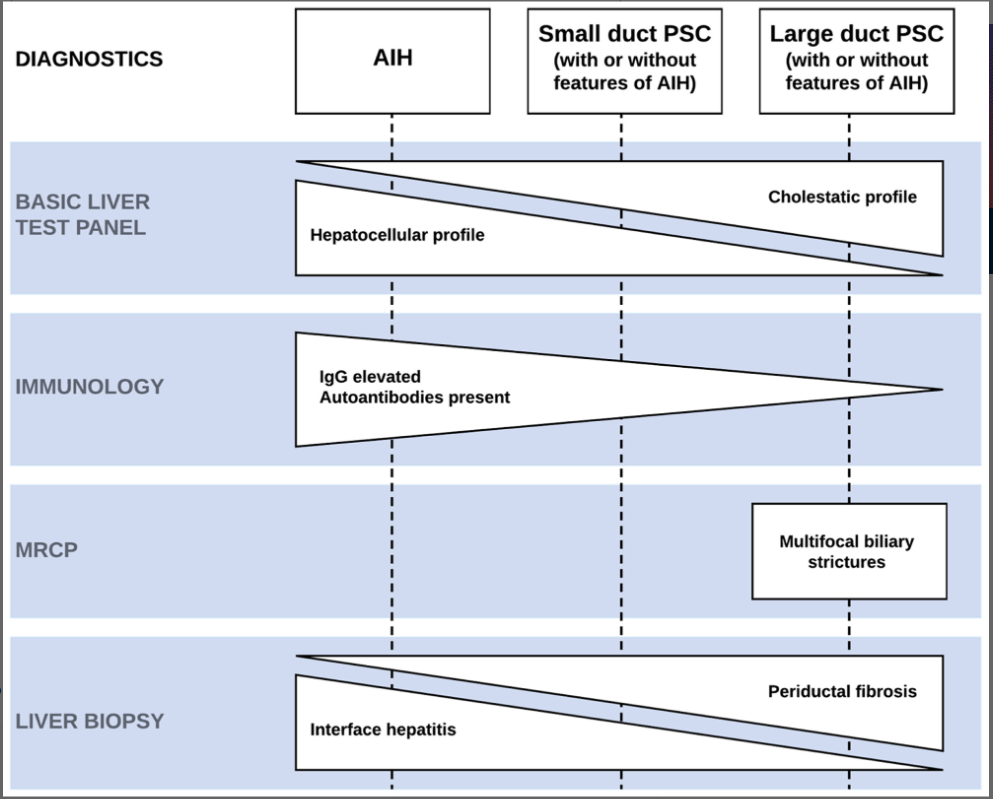
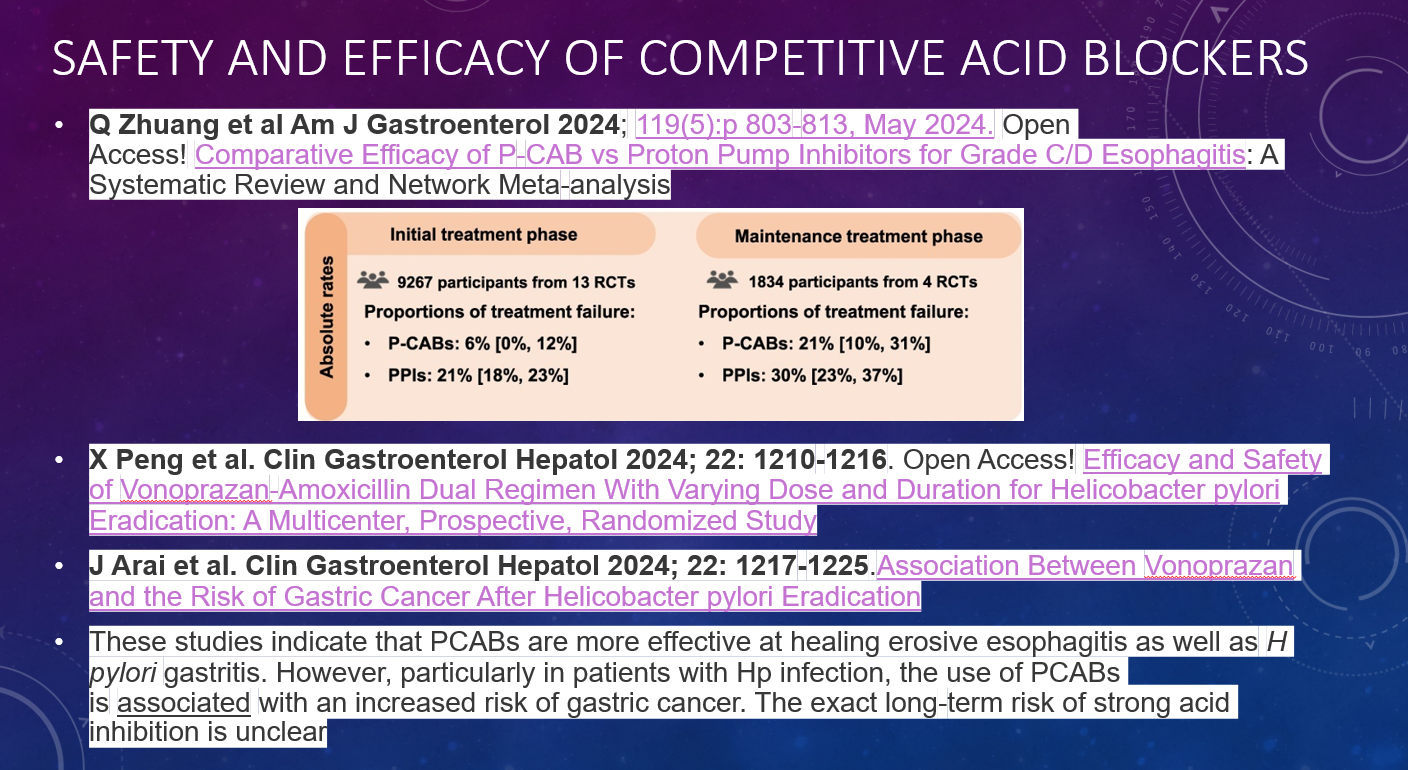
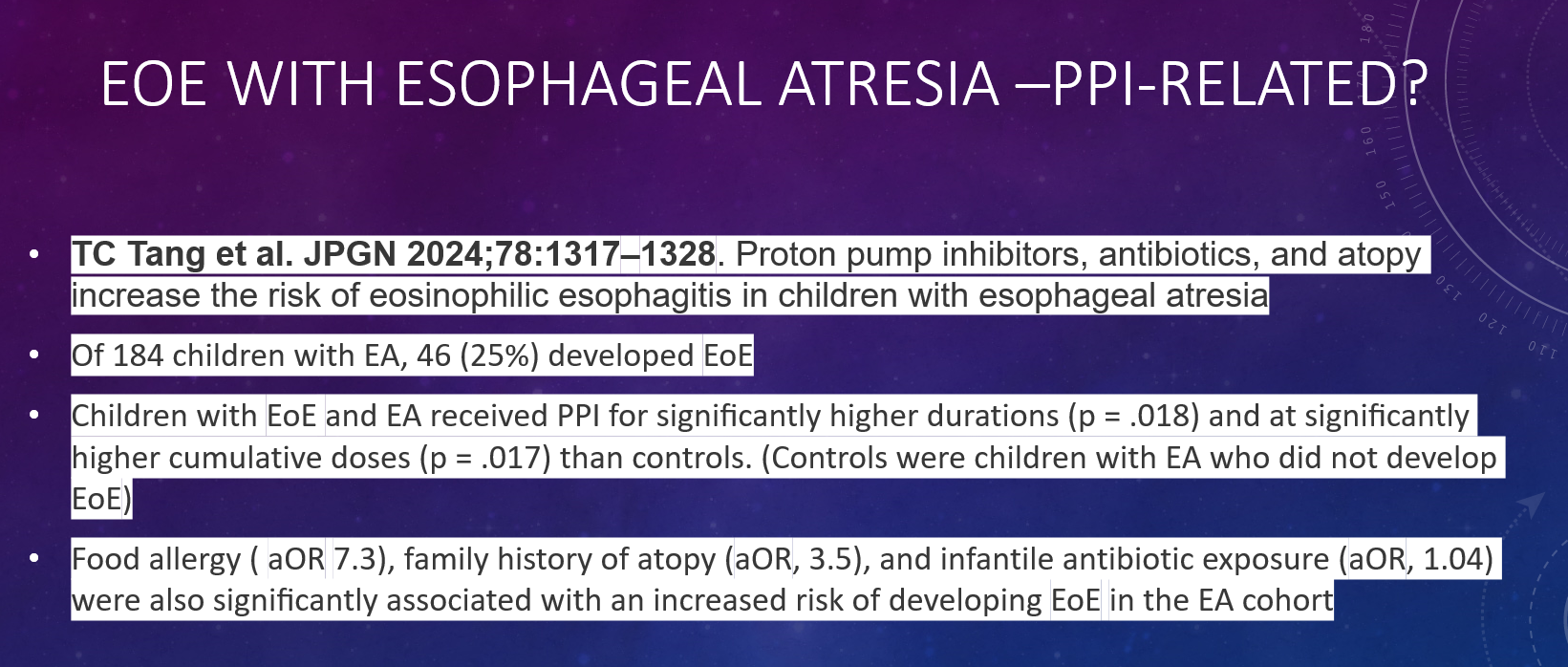
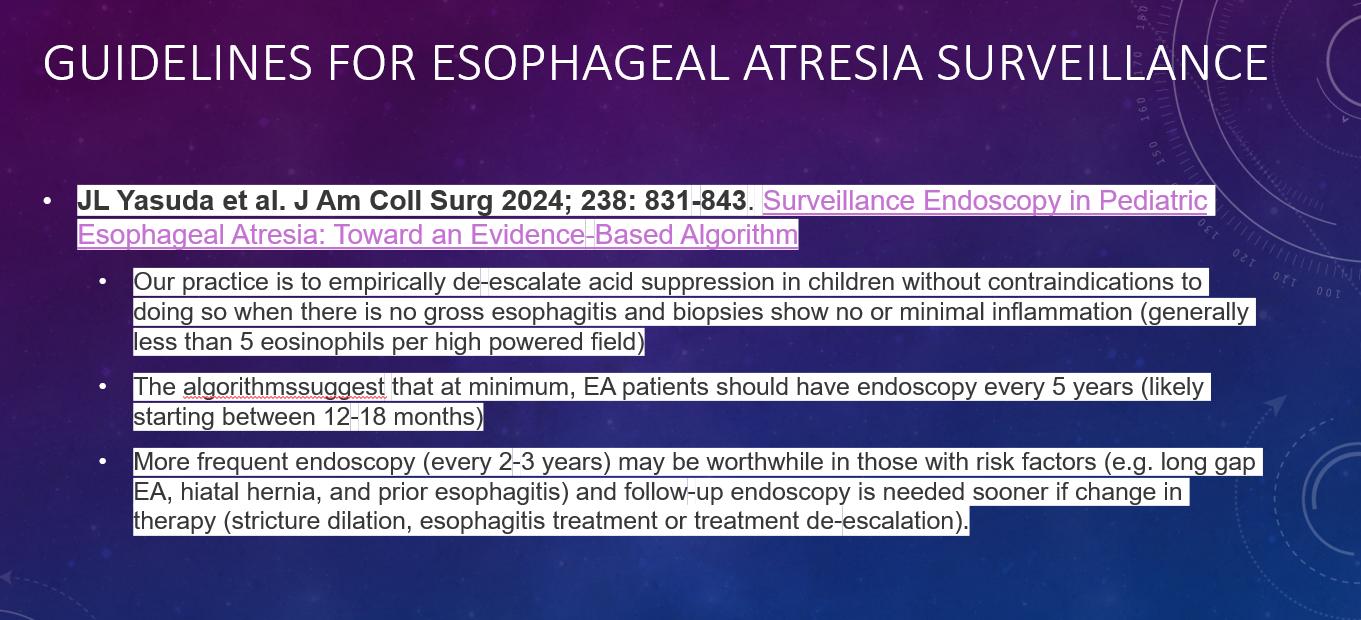
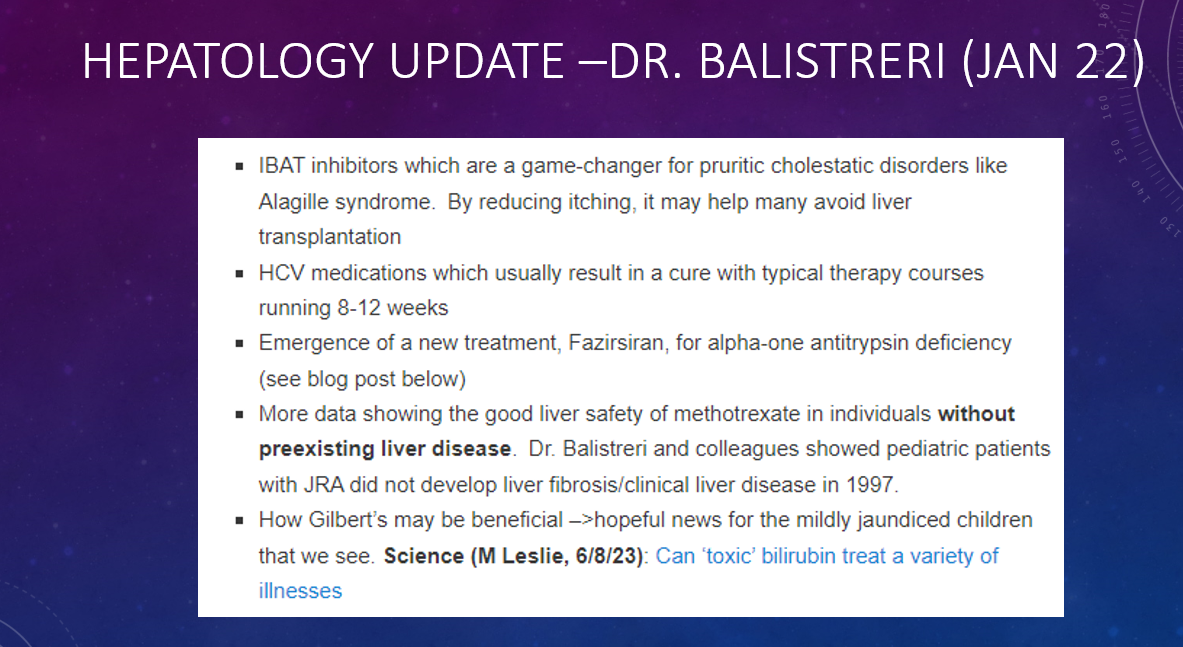
Vancomycin for Inflammatory Bowel Disease in Patients with Primary Sclerosing Cholantgitis

E Ricciuto et al. Aliment pharmacol ther 2024; 59: 1236-1247. Oral vancomycin is associated with improved inflammatory bowel disease clinical outcomes in primary sclerosing cholangitis-associated inflammatory bowel disease (PSC-IBD): A matched analysis from the Paediatric PSC Consortium
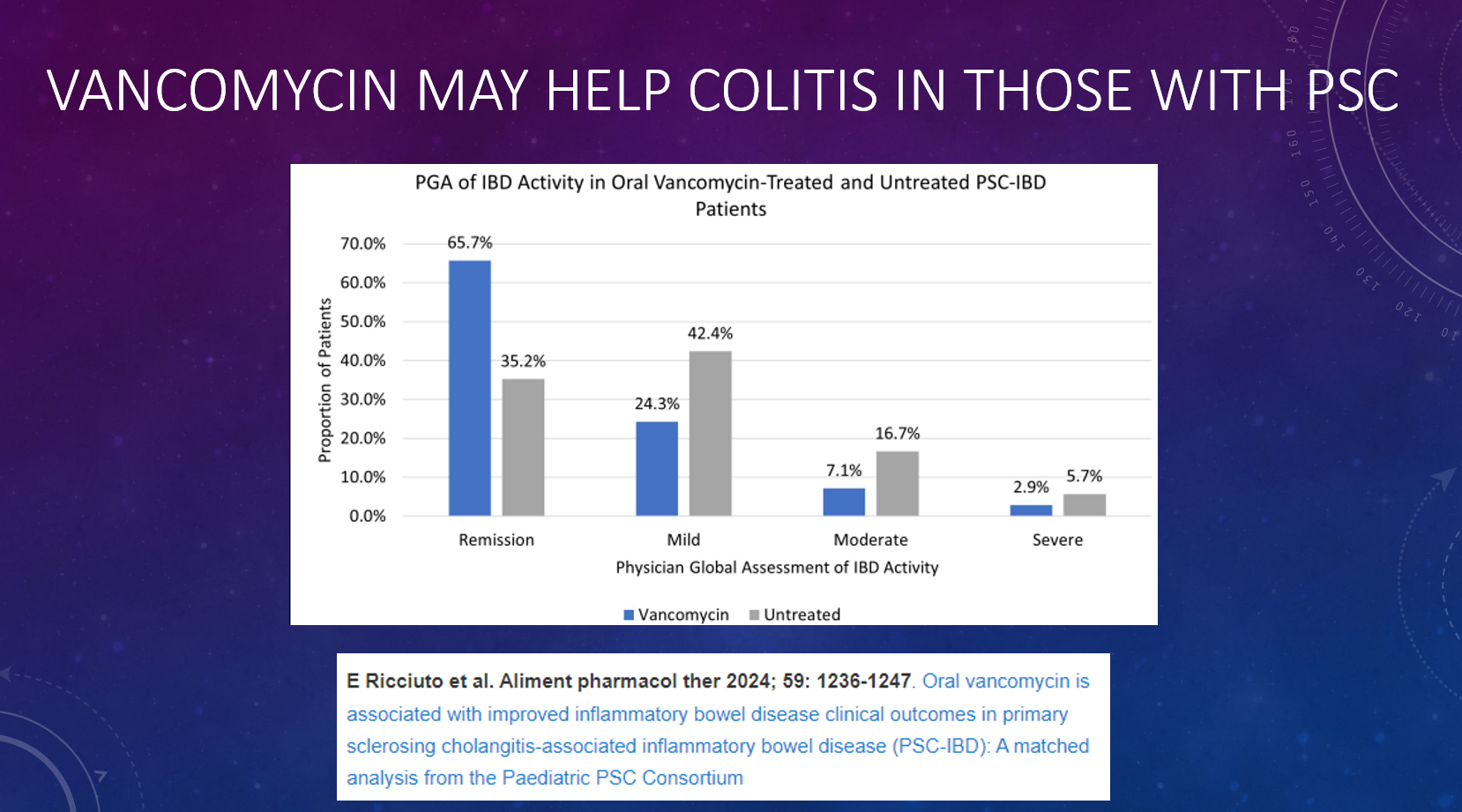
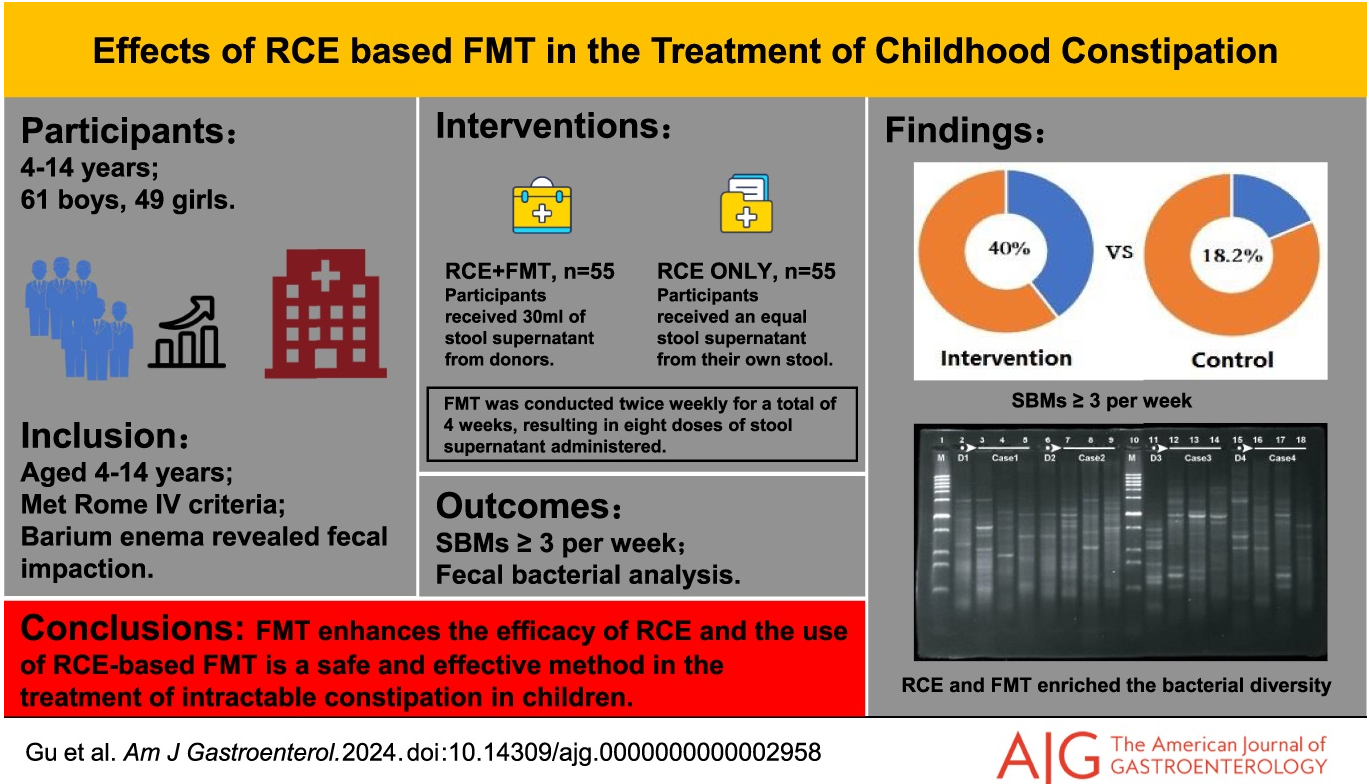
This was a retrospective study from 54 centers with 113 PSC-IBD pediatric patients receiving vancomycin (median age 12.7 years, 63% male). The matched cohort included 70 vancomycin-treated and 210 untreated patients. Clinical remission was defined as physician global assessment (PGA) of zero. It is noted that the Pediatric PSC consortium included 1362 patients at the time of this study; only 11% (n=113) were treated with vancomycin for at least 3 months. The median dose of vancomycin was 17 mg/kg/day and median duration was 2.5 years.
Key findings:

  • Vancomycin was associated with greater odds of IBD clinical remission (odds ratio [OR] 3.52, 95% CI 1.97-6.31; adjusted OR [aOR] 5.24, 95% CI 2.68-10.22).
  • Vancomycin was associated with increased odds of endoscopic remission (aOR 2.76, 95% CI 1.002-7.62; N = 101 with data), and with lower CRP (p = 0.03) and higher hemoglobin and albumin (both p < 0.01).
  • At baseline, prior to vancomycin, 34% (30/88) were in clinical remission; this increased to 60% (52/86) after 6 months of treatment. After ~ 1 year, 71% (55/78) of children treated with vancomycin were in remission, compared with 35% who had not receive the antibiotics.
  • Ursodeoxycholic acid use: 53% for vancomycin-treated and 82% of control group (P<0.001). Other cotherapies were similar including infliximab (36% vs. 27%) and vedolizumab (13% vs 7%)
  • Only 28 vancomycin-treated patients had baseline and f/u colonoscopy data available. 46% of this subgroup had endoscopic remission compared to 26% of matched untreated controls.

In the discussion, the authors acknowledge the limitations of a retrospective observational study. RCTs are quite difficult with rare disorders, especially in children. In addition, the exact mechanisms for vancomycin efficacy remain unclear -possibly microbial changes or its effects on bile acids. They note that many patients treated with vancomycin had mild clinical activity at baseline. Though, even this population may benefit with resolution of clinical inflammation which could reduce the risk of colorectal cancer.

My take: In patients with PSC-IBD, the use of vancomycin for IBD should be a consideration especially in those who have not responded adequately to other treatments.

Related blog posts:

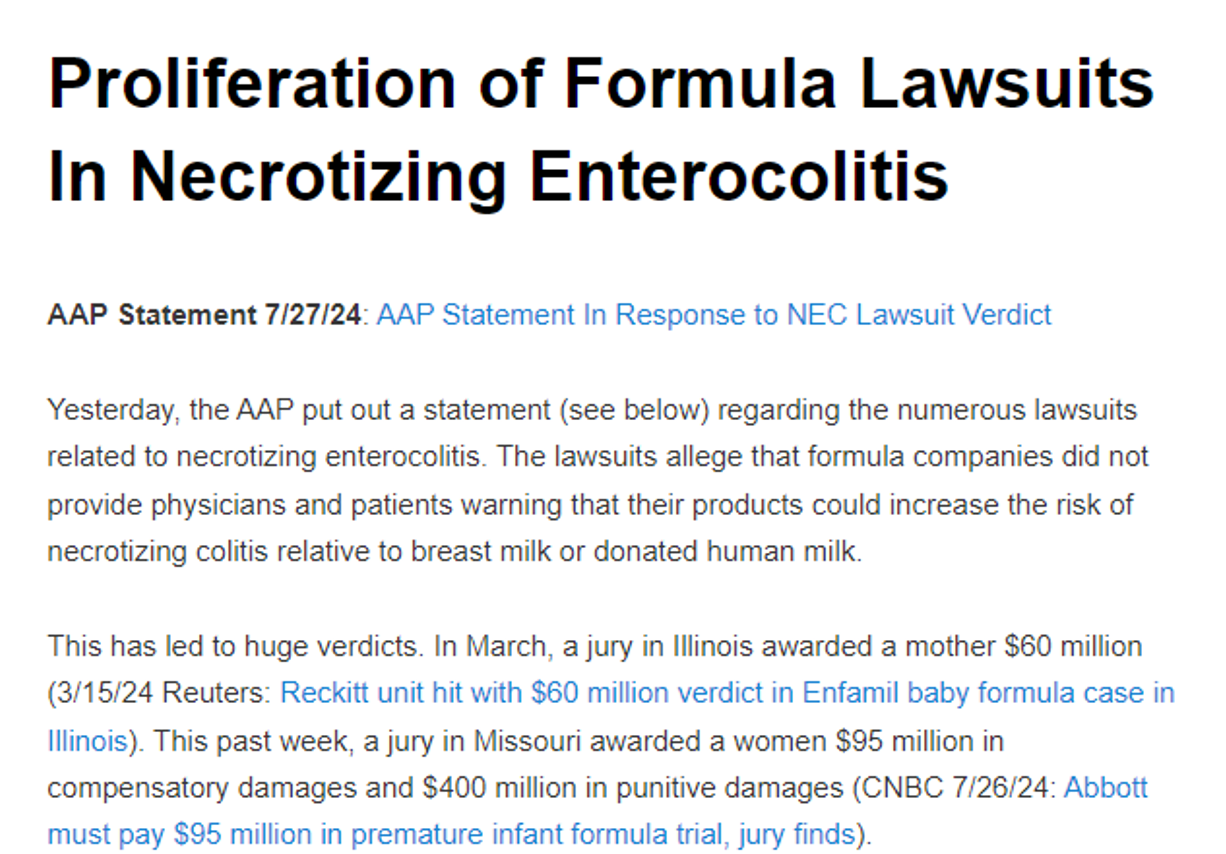
NEJM: Pharmacologic Treatment of Reflux in Infants?

JR Barzilay et al. N Engl J Med 2024;391:960-962. Medication for Gastroesophageal Reflux Disease in Infants.

A recent case vignette of a 3 month old with reflux symptoms without response to dietary changes and positioning offers two potential management options. “Option 1” author advocates for use of a PPI (which I do NOT agree with):

“If conservative measures have been performed appropriately and a pediatric gastroenterology referral has been made, I would consider a short trial of medication, in accordance with guidelines from the North American and European Societies for Pediatric Gastroenterology, Hepatology, and Nutrition.2… in my experience, many pediatric gastroenterologists would conclude, on the basis of clinical symptoms, that the infant may have reflux esophagitis and would prescribe a trial of medication before considering invasive diagnostic procedures…There is no convincing evidence to support a difference between PPIs and histamine2-receptor antagonists in controlling symptoms of reflux.3 I recommend a 4-week trial of omeprazole with continuation of the nonpharmacologic treatments. If the medication is not effective, I would consider increasing the dose before terminating the trial. A PPI should not be discontinued abruptly if it has been used for several weeks, since rebound gastric hyperactivity may occur.”

“Option 2” author argues against use of medications:

“Gastric-acid inhibitors such as PPIs are often used in infants such as this one, even though there are no published studies supporting treatment.2 Several studies have indicated that PPIs and histamine2-receptor antagonists are ineffective for treating symptoms associated with infant reflux in the absence of endoscopically proven esophagitis.2….PPIs have been associated with bacterial overgrowth, respiratory infections, viral gastrointestinal illness, drug interactions, and adverse long-term bone health. The current recommendation from the North American and European Societies for Pediatric Gastroenterology, Hepatology, and Nutrition is to use PPIs (or histamine2-receptor antagonists if PPIs are contraindicated or unavailable) only in infants who have endoscopy-proven esophagitis.4

My take:

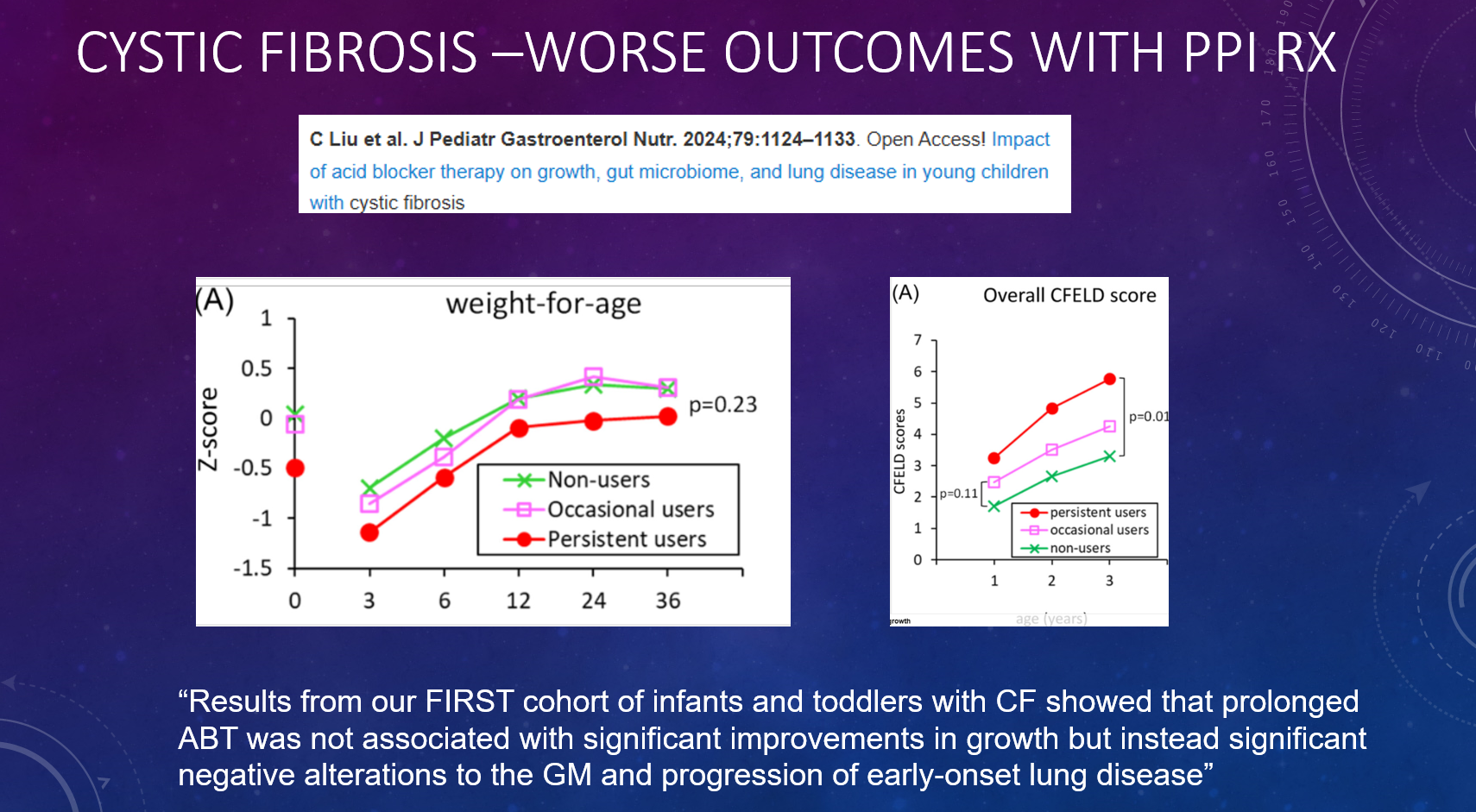
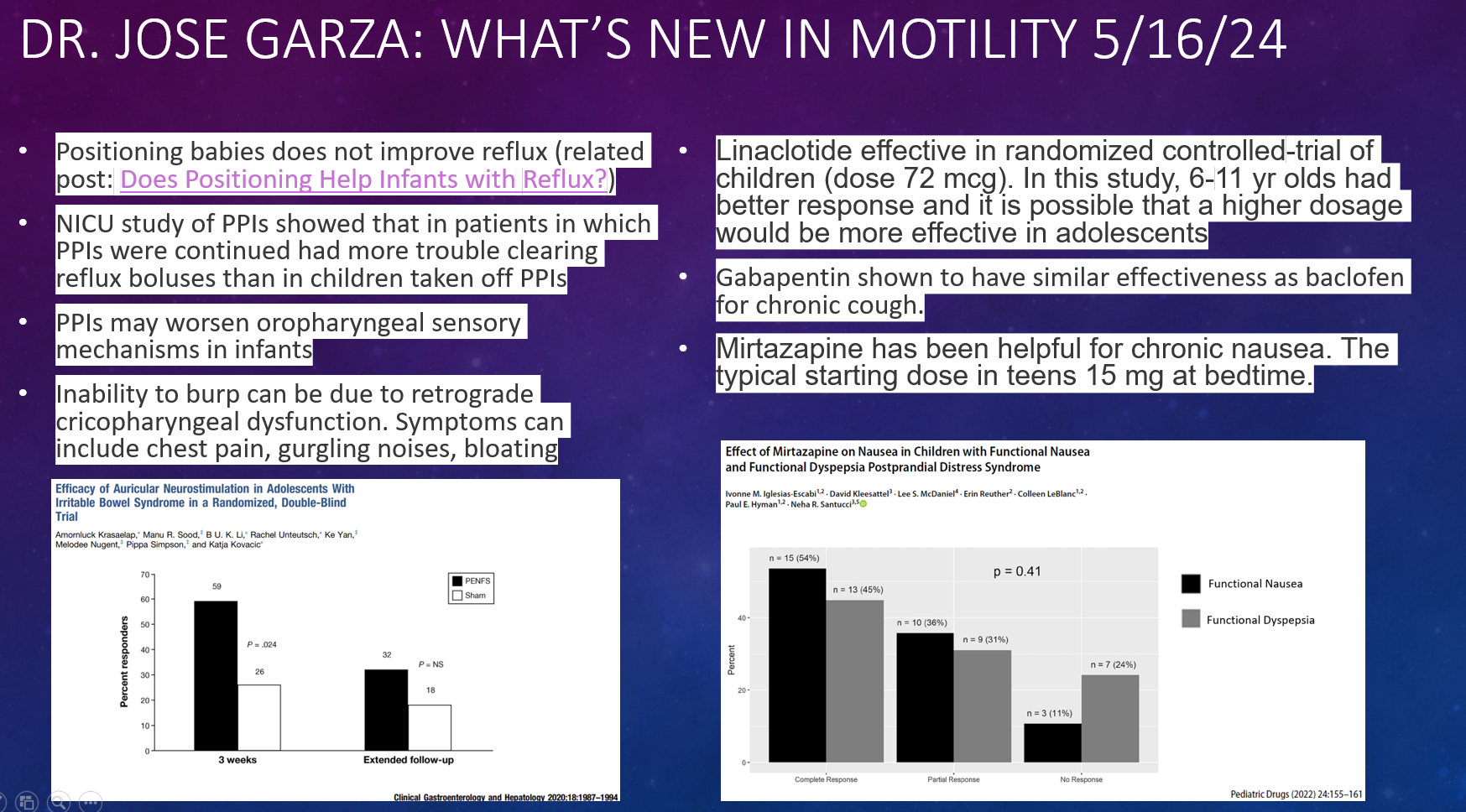
  1. It is a mistake to publish this vignette reinforcing the idea that using a PPI in this setting is a good medical decision. Though use of a PPI is common in infants, it is rarely beneficial
  2. The vignette missed an opportunity to emphasize that some infants with reflux symptoms have oropharyngeal dysfunction, especially in those with brief resolved unexplained events (BRUEs)
  3. “Option 1” lists several fallacies —a. most pediatric GIs would NOT conclude that this infant would have reflux esophagitis –most reflux is non-erosive (especially in infants), b. even if PPIs were effective, there is not a strong argument for a 4 week trial in this age group. If PPIs were effective, response to treatment should be much quicker, and c. in this age group, a slow wean off PPIs is unnecessary. There is no proof that there is rebound gastric hyperactivity in infants.

Related blog posts:

Descanso Gardens in Los Angeles

OpenBiome Suspending FMT Shipments

Link: OpenBiome Voluntarily Suspends FMT Shipments

An excerpt:

On September 29, 2024, OpenBiome will voluntarily suspend the distribution of investigational Fecal Microbiota Transplants (FMT) for patients with recurrent Clostridioides difficile infection (C. diff)...

Recent interaction with the FDA has informed our decision to voluntarily suspend the distribution of all investigational FMT as we continue to seek clear direction on aligning our operations with the final Enforcement Policy published in 2022. Our commitment has always been to adhere to FDA regulations and guidelines for the manufacture and distribution of investigational FMT as a therapeutic option for patients with C. diff. Thus, this is not a safety or quality matter. Investigational FMT preparations provided by OpenBiome are manufactured and distributed in compliance with current good manufacturing practices (cGMP).    

We continue to hear from clinicians, our frontline partners, that despite the availability of FDA-approved therapeutics, there remain patients who do not respond to these treatments and, according to clinical guidelines, should have access to traditional FMT. ..

  1. Contact us. If you have a patient suffering from severe or fulminant C. diff, please contact us at 617-575-2201 or info@openbiome.org to discuss options.
  2. Share your thoughts. We believe the FDA would benefit greatly from hearing directly from survivors and their advocates about the urgent need for continued access to rigorously screened and tested FMT. If you or your C. diff patients are willing, please submit comments to ocod@fda.hhs.gov with a copy to Dr. David Kaslow, director Office of Vaccines Research and Review, at david.kaslow@fda.hhs.gov, and Dr. Peter Marks, director of the Center for Biologics Research and Evaluation at peter.marks@fda.hhs.gov. Or you may share your experiences with us directly using this FORM. 

My take: As FDA-approved therapeutics have not received a pediatric indication, NASPGHAN involvement to try to keep FMT available for children would be a worthwhile endeavor. In the absence of having FMT available from OpenBiome, NASPGHAN experts could provide guidance on best practices for refractory C diff.

Related blog posts:

From a Nursery in Santa Barbara

Teduglutide Study on Parenteral Nutrition -It Does NOT Reduce Costs

U Cucinotta et al J Pediatr 2024; https://doi.org/10.1016/j.jpeds.2023.113882. The Impact of Teduglutide on Real-Life Health Care Costs in Children with Short Bowel Syndrome

It is disappointing that in this study, the authors conclusions in the abstract state the following: “Treatment with teduglutide is associated with a significant reduction in the annual costs of HPN but still remains expensive because of the drug itself.”

Key findings from the study do NOT support this concclusion:

  • In the treated group, the median total costs of home parenteral nutrition (HPN) significantly decreased after 1 (P < .001) and 2 years of treatment (P < .001) from 59,454 euros/year/patient to 43 885 euros/year/patient and 34,973 euros/year/patient, respectively
  • When we compared patients treated and not treated, the total HPN costs/year/patient were similar at baseline (P = .6) but were significantly lower in the teduglutide-treated group after 1 (P = .006) and 2 years of treatment (P < .001)
  • When we added the cost of teduglutide into the analysis, the total cost increased significantly in the treated group and remained much greater even after modeling a reduction in the cost of the drug to one-third the present cost and PN weaning (P < .001).

The study’s conclusion is like someone trying to tell me they saved money at a fancy restaurant if they just took the caviar off the bill. Guess what –it wasn’t less expensive!

My take: The conclusion from this article should be straight-forward: the costs were much greater in patients receiving teduglutide. It will remain more expensive even if the drug costs improve quite a bit. In addition, there are other additional costs of teduglutide if one follows the monitoring recommendations.

Related study: PW Wales et al. J Pediatr Gastroenterol Nutr. 2024;79:290–300. Long-term teduglutide associated with improved response in pediatric short bowel syndrome-associated intestinal failure. Safety concerns in this study (n=78 treated patients): out of 12 patients with positive antidrug antibodies, neutralizing activity was detected in four patients. There were no reported incidences of colorectal polyps

Related blog posts:

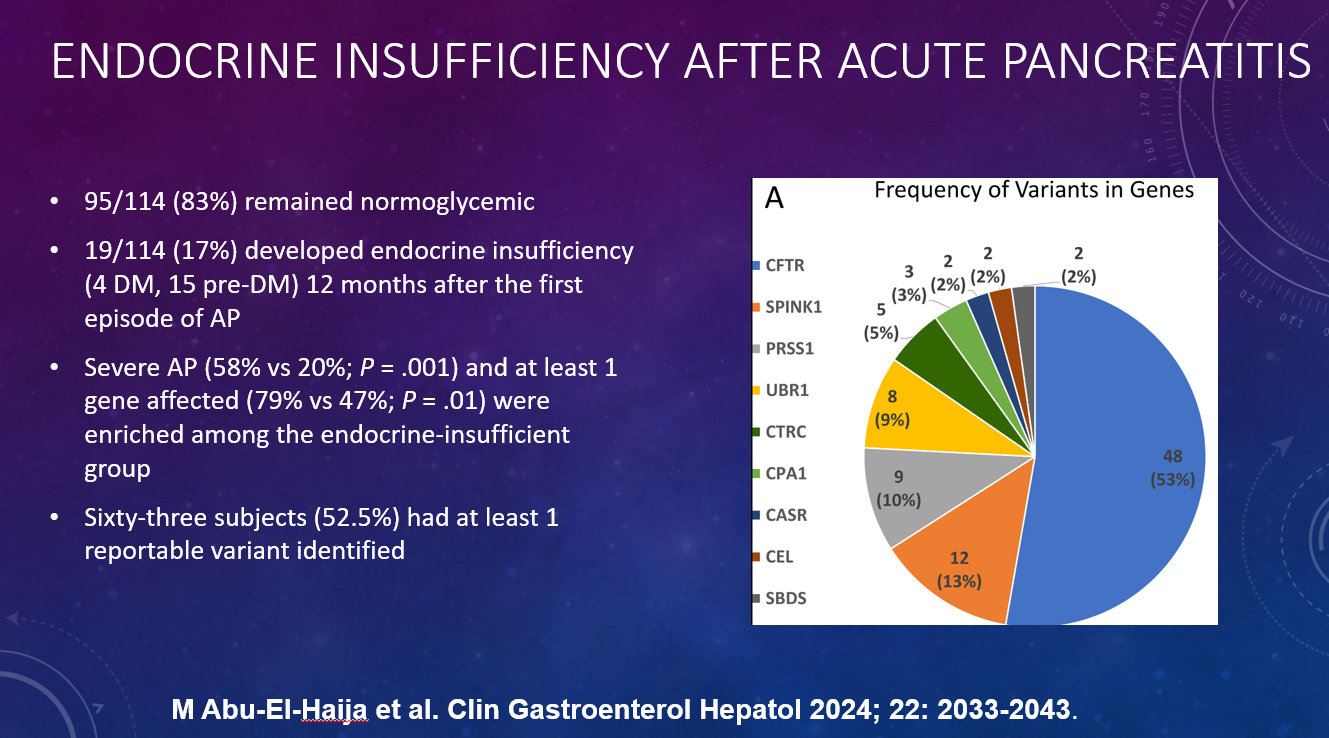
Acute Pancreatitis in Children with Inflammatory Bowel Disease

A Anafy et al. JPGN 2024; 79:325–334. Acute pancreatitis in children with inflammatory bowel disease: Risk factors, clinical course, and prognosis

In this retrospective study with 376 children, Key Findings:

  • 4% of patients with pediatric IBD developed acute pancreatitis (AP)
  • The presumed etiology for AP in all IBD patients was IBD-related: IBD flare-up in five, side effects of medications in two, and undetermined in seven. 
  • The only risk factor for AP development among IBD patients was IBD‐associated arthritis (23% vs. 3% for IBD‐non‐AP).
  • Extracolonic Crohn’s disease emerged as a negative risk factor for AP: it was present in only 2/13 (15%) IBD‐AP patients compared to 20/39 (51%) IBD‐non‐AP patients (p = 0.05). Patients who receive induction therapy with nutrition (exclusive enteral nutrition or Crohn’s disease exclusion diet) were less likely to be present in the IBD‐AP group (1/12 [8%] vs. 17/39 [44%] IBD non-AP patients, p = 0.04.
  • This study population, at the time of AP, had a relatively high number treated with ASA agents (66%; 11/14 AP-IBD and 26/42 Non-AP-IBD)), 27% with azathioprine (6/14 with AP-IBD and 9/42 Non-AP-IBD), and low number receiving biologics (18%, 2 AP-IBD and 8/42 Non-AP-IBD

My take: This study shows that acute pancreatitis is common in children with inflammatory bowel disease.

Short Bowel Syndrome and Risk of Eosinophilic Disease

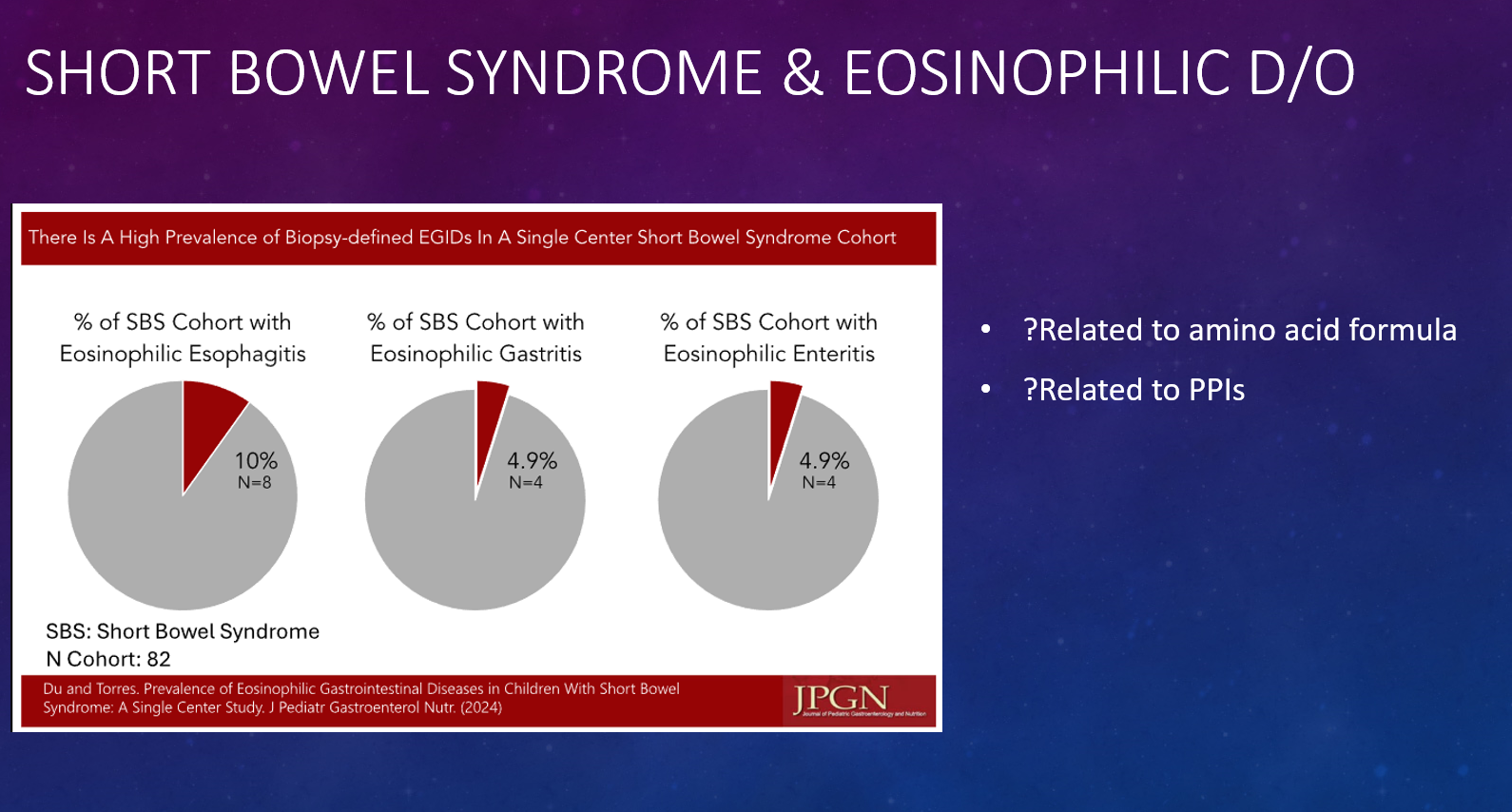
N Du, C Torres. JPGN 2024;78:1149–1154. Prevalence of eosinophilic gastrointestinal diseases in children with short bowel syndrome: A single center study

Methods: EoEdefined as ≥15 eosinophils per high powered field (HPF), eosinophilic gastritis (EoG) as ≥30 eosinophils per HPF, eosinophilic enteritis (EoGN) as >50 eosinophils per HPF, and eosinophilic colitis (EoC) as>80–100 eosinophils per HPF.

Key findings in this retrospective study (n=82):

  • The prevalence of eosinophilic esophagitis in our SBS cohort was10%, eosinophilic gastritis was 4.9%, and eosinophilic enteritis was 4.9%
  • SBS patients with history of allergy or atopy were more likely to have esophageal and intestinal eosinophilia on biopsy than patients without allergy
  • One patient had EoC

In their discussion, the authors speculate on the potential role for dysbiosis, possibly related to parenteral nutrition. They note that “rare SBS patients were on amino acid‐based formulas alone and almost all were exposed to food allergens around the same age as the general population.” I did not see any information about PPI use in this cohort.

My take: This report reinforces the fact that eosinophilic disorders are more frequent in SBS (see related post below). The exact role of altered diet/use of amino acid based formulas and the role of medications like PPIs in regards to the development of EGIDs remains unclear.

Related blog posts:

Dr. Benjamin Gold: 2024 Pediatric H pylori Guidelines (Part 2)

We had a brilliant lecture given to our group by Dr. Benjamin Gold. I have had the good fortune of getting to know Ben and working alongside Ben for more than 15 years. Most readers of this blog are very familiar with Dr. Gold who is a leader in our field.

My notes below may contain errors in transcription and in omission.

Guidelines:

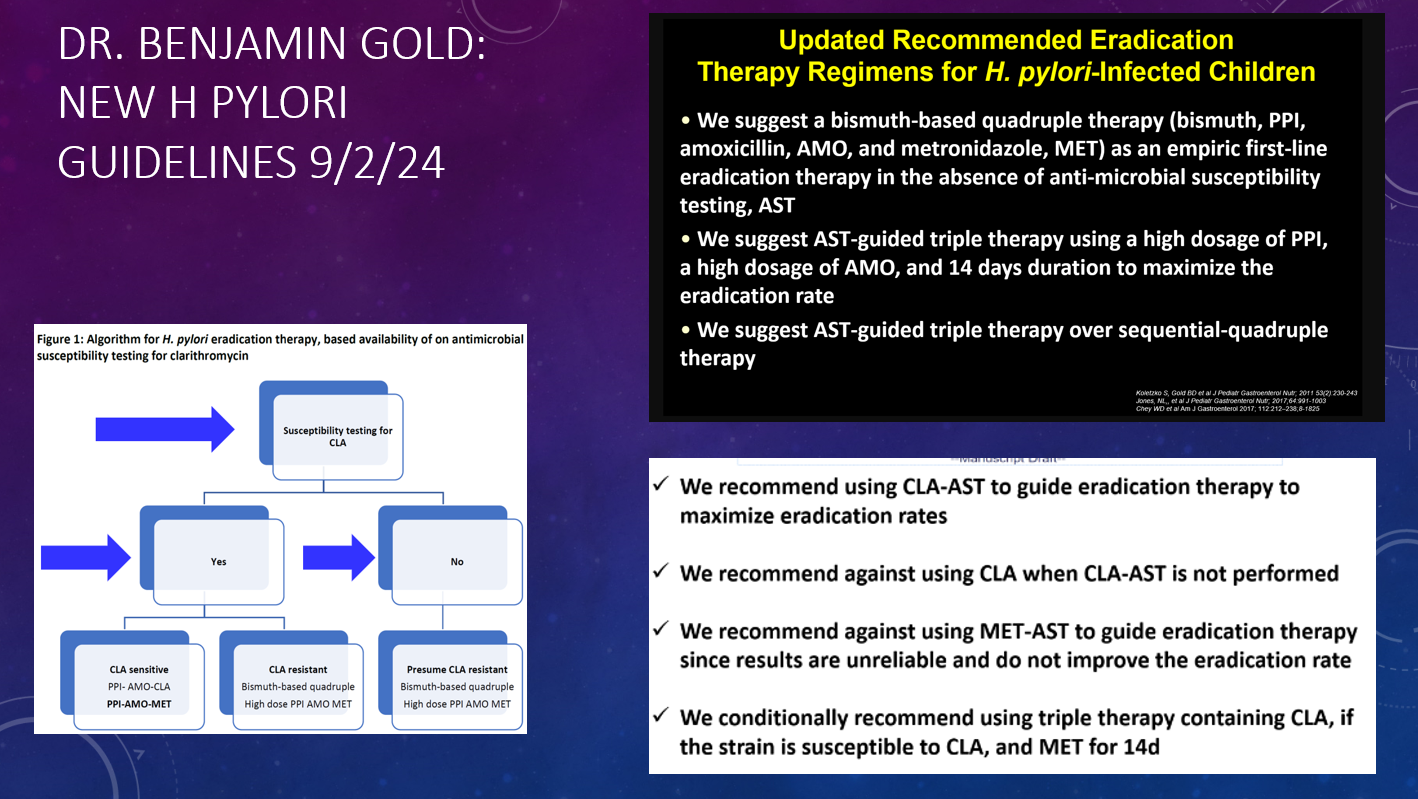
  • Bismuth-based quadruple therapy recommended when antimicrobial sensitivity testing (AST) is not available
  • Routine use of CLO test is NOT recommended during endoscopy
  • Routine testing for H pylori is NOT recommended for children with recurrent abdominal pain
  • Stool PCR testing is NOT recommended
  • Test for cure should be done at 6-8 weeks after completion of treatment

During endoscopy at CHOA in which H pylori is suspected, complete a microbiology form and ask for a culture to arrange for resistance testing.  Submit a sample (or multiple) in a sterile tube/cup.  Completed results will include clarithromycin sensitivity.  Additional testing for other antibiotic resistance can be requested subsequently.  Testing can be done with paraffin block as well.

Related blog posts:

Disclaimer: This blog, gutsandgrowth, assumes no responsibility for any use or operation of any method, product, instruction, concept or idea contained in the material herein or for any injury or damage to persons or property (whether products liability, negligence or otherwise) resulting from such use or operation. These blog posts are for educational purposes only. Specific dosing of medications (along with potential adverse effects) should be confirmed by prescribing physician.  Because of rapid advances in the medical sciences, the gutsandgrowth blog cautions that independent verification should be made of diagnosis and drug dosages. The reader is solely responsible for the conduct of any suggested test or procedure.  This content is not a substitute for medical advice, diagnosis or treatment provided by a qualified healthcare provider. Always seek the advice of your physician or other qualified health provider with any questions you may have regarding a condition.

Dr. Benjamin Gold: 2024 Pediatric H pylori Guidelines (Part One)

We had a brilliant lecture given to our group by Dr. Benjamin Gold. I have had the good fortune of getting to know Ben and working alongside Ben for more than 15 years. Most readers of this blog are very familiar with Dr. Gold who is a leader in our field.

My notes below may contain errors in transcription and in omission.

.Key points:

  • While H pylori prevalence has decreased, it is becoming more difficult to treat
  • Knowing if there is clarithromycin resistance in individuals with H pylori infection is most likely to impact treatment success. Metronidazole resistance can often be overcome with adequate dosing
  • H pylori is an infectious disease with GI manifestations (rather than a GI disease).  It needs to be treated as such, using tools like antimicrobial sensitivity
  • Improving water supply in endemic areas reduces reacquisition of infection
  • Transmission can occur from one generation to the next.  Dr. Gold (& coauthors) has published a study showing transmission from grandfather to mother to child using DNA fingerprinting
  • Eradication of H pylori lowers the risk of developing gastric cancer
  • Vonoprazan has been an effective part of treatment in adults. Pediatric studies are underway

Related blog posts:

Disclaimer: This blog, gutsandgrowth, assumes no responsibility for any use or operation of any method, product, instruction, concept or idea contained in the material herein or for any injury or damage to persons or property (whether products liability, negligence or otherwise) resulting from such use or operation. These blog posts are for educational purposes only. Specific dosing of medications (along with potential adverse effects) should be confirmed by prescribing physician.  Because of rapid advances in the medical sciences, the gutsandgrowth blog cautions that independent verification should be made of diagnosis and drug dosages. The reader is solely responsible for the conduct of any suggested test or procedure.  This content is not a substitute for medical advice, diagnosis or treatment provided by a qualified healthcare provider. Always seek the advice of your physician or other qualified health provider with any questions you may have regarding a condition.

Pediatric Data for Ustekinumab Therapy in Crohn’s Disease

D Turner et al. JPGN 2024; 79:315–324. Ustekinumab in paediatric patients with moderately to severely active Crohn’s disease: UniStar study long-term extension results

Dosing: “Patients were randomised 1:1 and stratified by body weight (<40 or ≥40 kg) to receive a single induction dose of lower- or higher-dose IV ustekinumab (lower dose: 3 mg/kg [<40 kg] and 130 mg [≥40 kg]; higher dose: 9 mg/kg [<40 kg] and 390 mg [≥40 kg]). Doses specified as higher were selected to deliver ustekinumab exposure comparable to a reference adult population with CD.712 At Week 8, patients received a single SC maintenance dose of ustekinumab (2 mg/kg [<40 kg]; 90 mg [≥40 kg]).”

Key findings:

  • Of the 34 patients who entered the LTE, 25 patients with evaluable data completed Week 48, and 41.2% (14/34) achieved clinical remission at Week 48
  • Efficacy and PK through 1 year in ustekinumab-treated paediatric patients were comparable to those previously reported in adults. No new safety or immunogenicity signals were reported through 4 years of ustekinumab treatment.

My take (borrowed in part from authors): “Overall, long-term data support the SC dose regimens of 90 mg as maintenance therapy for the treatment of CD for a paediatric population with ≥40 kg body weight. A phase 3 study of ustekinumab (ClinicalTrials.gov Identifier: NCT04673357) is ongoing to further evaluate dose regimens for paediatric patients <40 kg and ≥40 kg.” This type of data is essential to support the use of advanced therapies like ustekinumab until they receive specific regulatory approval for children (often 8-10 years after approval in adults).

Related blog posts:

IBD Updates: SMART IBD App, SC Vedolizumab Durability, Risk Factors in Acute Severe Ulcerative Colitis

KA Hommel et al. JPGN 2024; 78:1273–1278. Pilot and feasibility of the SMART IBD mobile app to improve self-management in pediatric inflammatory bowel disease

The Self‐Management Assistance with Recommended Treatment (SMART) IBD app –Key findings:

  • Patients rated the app quality as good and accessed the app adequately overall, with some pages being used often.
  • Medication adherence increased over the course of the study and was associated with sleep duration, mood, and stool consistency and blood content.

My take: IBD Management apps could be quite helpful, especially for teens and young adults.


S Hsiang et al. Inflammatory Bowel Diseases, Volume 30, Issue 8, August 2024, Pages 1284–1294, https://doi.org/10.1093/ibd/izad166. Safety, Effectiveness, and Treatment Persistence of Subcutaneous Vedolizumab in IBD: A Multicenter Study From the United Kingdom

Methods: IBD patients (n=563) on IV vedolizumab across 11 UK sites agreed to transition to SC injections or otherwise continued IV treatment

Key findings:

  • Data from 563 patients, demonstrated no differences in disease activity, remission rates, and quality of life between the SC and IV groups at all time points
  • Drug persistence at week 52 was similar (81.1% vs 81.2%; P = .98)

Related blog posts:


CFD Li Wai Suen, et al. Inflammatory Bowel Diseases, Volume 30, Issue 8, August 2024, Pages 1389–1405https://doi.org/10.1093/ibd/izad183. Factors Associated With Response to Rescue Therapy in Acute Severe Ulcerative Colitis 

This systematic review identified 101 completed studies were eligible for inclusion.

Related blog posts: