Prior Exposure to TNF Antagonists May Increase Response to JAK Inhibitors in Patients with Ulcerative Colitis

HH Lee et al. Clinical Gastroenterology and Hepatology 2025; 23, 2102 – 2114. Open Access! Differential Efficacy of Advanced Therapies in Inducing Remission in Ulcerative Colitis Based on Prior Exposure to TNF Antagonists

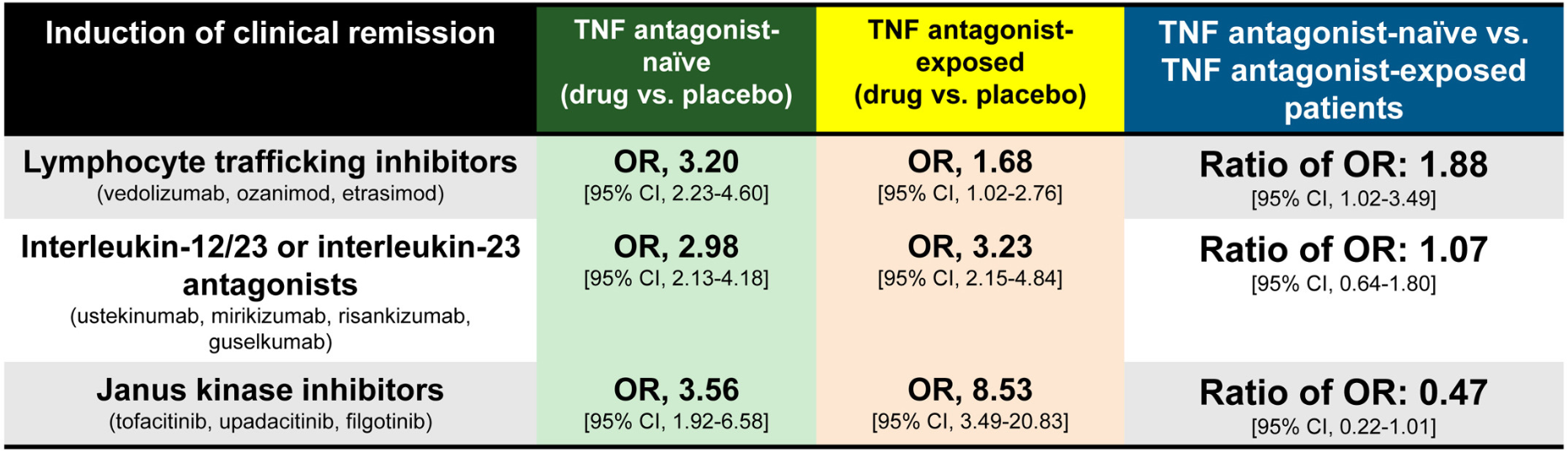
Methods: Meta-analysis of 17 randomized controlled trials in 8871 adults with moderate-severe UC. The authors calculated the ratio of odds ratio of achieving remission with active drug vs placebo, in TNF antagonist–naïve vs TNF antagonist–exposed patients.

Key findings:

  • JAK inhibitors: Less efficacious in TNF antagonist–naïve vs exposed patients (6 trials; ratio of OR, 0.47)
  • IL-23 antagonists: No significant difference was observed in efficacy of selective interleukin-23 antagonists vs placebo in TNF antagonist–naïve vs exposed patients (6 trials; ratio of OR, 1.07)
  • Lymphocyte trafficking inhibitors: More efficacious in TNF antagonist–naïve vs exposed patients (5 trials; odds ratio [OR], 1.88)

Discussion:

  • This study “confirmed prior observations that exposure to TNF antagonists significantly reduces the efficacy of lymphocyte trafficking inhibitors in inducing remission, including both vedolizumab and S1P receptor modulators, by approximately 50%.In contrast, prior exposure to TNF antagonists was associated with a significant increase in the efficacy of JAK inhibitors in inducing remission, with 2-fold higher efficacy in TNF antagonist–exposed vs TNF antagonist–naïve patients”
  • In the SELECT-COMPARE trial in patients with rheumatoid arthritis, there was also an improved response to upadacitinib in patients with prior adalimumab.
  • “The current findings raise the intriguing possibility that exposure to TNF antagonists could result in lasting effects on the immune system that differentially alter responsiveness to therapies with distinct mechanisms of action”

My take: This study suggests that JAK inhibitors are a good choice for secondary therapy after anti-TNF agents. Other factors, besides efficacy, including safety, extraintestinal manifestations, and cost, have to be considered as well.

Related blog posts:

Disclaimer: This blog, gutsandgrowth, assumes no responsibility for any use or operation of any method, product, instruction, concept or idea contained in the material herein or for any injury or damage to persons or property (whether products liability, negligence or otherwise) resulting from such use or operation. These blog posts are for educational purposes only. Specific dosing of medications (along with potential adverse effects) should be confirmed by prescribing physician.  Because of rapid advances in the medical sciences, the gutsandgrowth blog cautions that independent verification should be made of diagnosis and drug dosages. The reader is solely responsible for the conduct of any suggested test or procedure.  This content is not a substitute for medical advice, diagnosis or treatment provided by a qualified healthcare provider. Always seek the advice of your physician or other qualified health provider with any questions you may have regarding a condition.

Comprehensive ACG Clinical Guidelines for Ulcerative Coliits (2025)

D Rubin et al. The American Journal of Gastroenterology 120(6):p 1187-1224, June 2025. Open Access! ACG Clinical Guideline Update: Ulcerative Colitis in Adults

Today and tomorrow I am highlighting two adult clinical guidelines both of which are equivalent to up-to-date textbook chapters with specific recommendations; both are open access. In addition, the articles have accompanying author podcasts. Thanks to Ben Gold for these references.

Table 2 in the UC guideline makes 54 recommendations and Table 3 provides 57 key concepts.

Selected Management Recommendations:

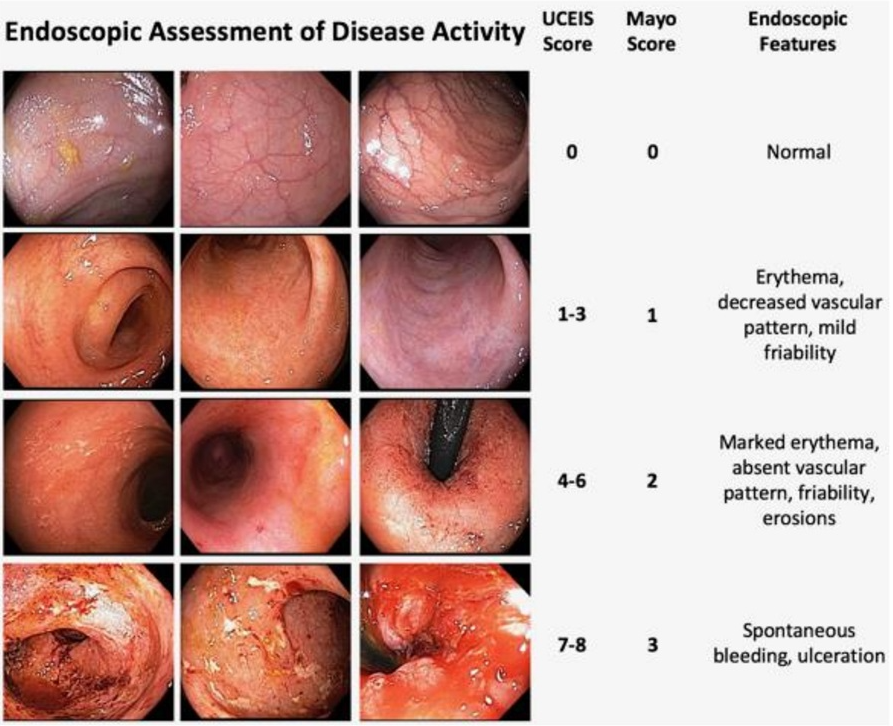
  • Table 2, #4: We recommend treating patients with UC to achieve endoscopic improvement (Mayo score 0 or 1) to increase the likelihood of sustained steroid-free remission and to prevent hospitalization and surgery
  • Table 2, #5: We recommend the use of FC (fecal calprotectin) in UC to assess response to therapy, to evaluate suspected relapse, and during maintenance
  • Table 2, #33: When infliximab is used as induction therapy for patients with moderately to severely active UC, we recommend combination therapy with a thiopurine
  • Table 2, #43: Recommend continuing tofacitinib or upadacitinib as compared with no treatment for maintenance of remission in patients with prior moderately to severely active UC now in remission after induction with tofacitinib or upadacitinib. **The authors recommend continuing each biologic that achieved remission with induction therapy (#38-#43)
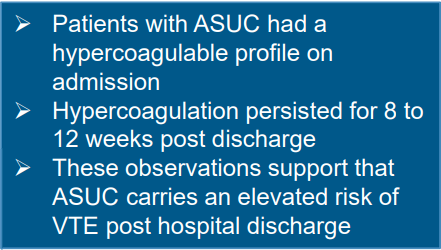
  • Table 2, #51: In patients with ASUC failing to adequately respond to intravenous corticosteroids (IVCS) by 3 days, we recommend medical rescue therapy with infliximab or cyclosporine (Strong recommendation, moderate quality of evidence).

Key concepts:

  • Table 3, #29: Patients who are primary nonresponders to an anti-TNF (defined as lack of therapeutic benefit after induction and despite sufficient serum drug concentrations) should be evaluated and considered for alternative mechanisms of disease control (e.g., in a different class of therapy) rather than cycling to another drug within the anti-TNF class.
  • Table 3, #31:  Subcutaneous infliximab and vedolizumab are considered equivalent to the standard intravenous maintenance dosing of these agents. The equivalence of the subcutaneous formulations for induction or as substitution for escalated doses of these therapies has not been robustly established.
  • Table 3, #41: Patients with UC should have available all medical options as recommended by their doctor and healthcare team. Third-party payers and requirements for step therapy should not come between the patient and their healthcare team in making decisions about treatment for UC.
  • Table 3, #48: All patients with ASUC should undergo a flexible sigmoidoscopy within 72 hours and preferably within 24 hours of admission. This should be used to assess endoscopic severity of inflammation and to obtain biopsies to evaluate for cytomegalovirus (CMV) colitis.
  • Table 3, #51: Nonsteroidal anti-inflammatory drugs (NSAIDs), narcotics, and medications with anticholinergic side effects should be avoided in ASUC.
  • Table 3, #57: In patients with ASUC initiating infliximab, dose intensification should be considered for those patients with low serum albumin (<2.5 g/dL).

My take: This article does an excellent job of summarizing current available evidence and good practice. Many of the recommendations may be helpful in garnering approval from third party payers.

Related blog posts:

Why Pediatric Patients Need Higher Dosing of Infliximab

E Stenke et al. Inflamm Bowel Dis 2025; 31: 2331-2337. Higher-Dose Infliximab Induction Achieves Better Maintenance Trough Levels in a National Pediatric IBD Cohort—A Retrospective Study

In this single center retrospective study from Ireland, the authors examined 122 patients (93 with Crohn’s disease [CD], 18 with ulcerative colitis [UC], 1 with IBDU) who received infliximab and had prospectively-collected data. The earlier cohort 2018-2019 received 5 mg/kg/dose and the later group 10 mg/kg/dose. Both groups had proactive therapeutic drug monitoring (pTDM).

Key findings:

  • The 5 mg/kg group, compared to the 10 mg/kg group, was less likely to have target pre-third TLs (6% vs 80%, P < .001) with the stated goal of >/= 15 microgm/mL
  • Fewer patients in the 5 mg/kg than 10 mg/kg group had pre-fourth TLs ≥5 µg/mL (6/48 [12.5%] vs 28/50 [56%], P < .001; mean [SD] TL 3.5 [6.3] vs 10.0 [9.9], P < .001)
  • Concurrent immunomodulator therapy was more common in the 5 mg/kg group (43% compared to 24%)
  • 80% of patients were still receiving infliximab at 1 year including 87% of patients with CD and 54% with UC
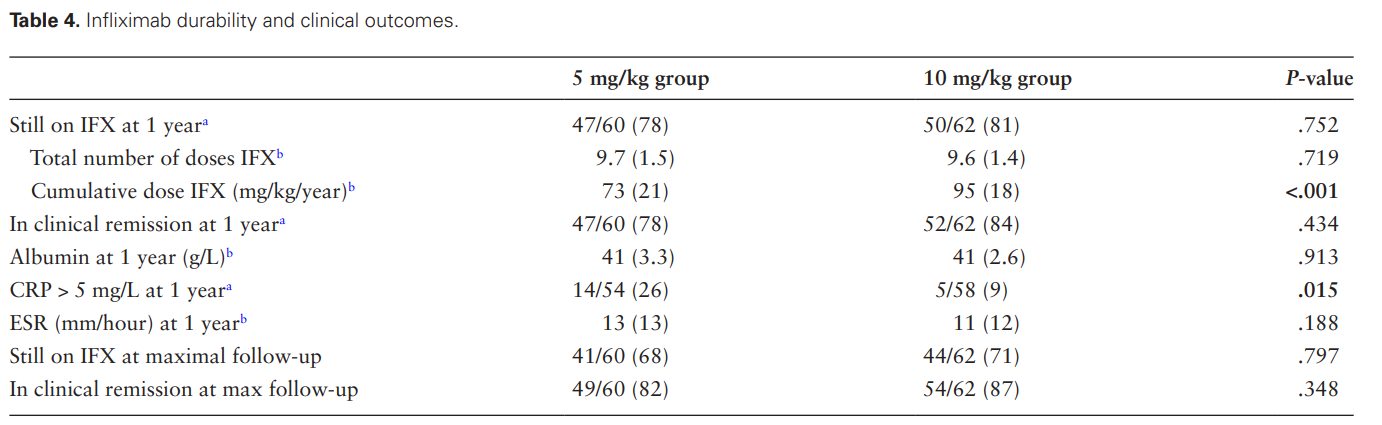
  • The higher dose group had a lower CRP at 1 year followup. 26% of patients receiving the lower dose had a CRP > 5 mg/L compared with 9% in the higher dose group.
  • Some other measures of long term outcome (eg. IFX durability, clinical remission) were slightly better but did not reach statistical significance (see below)

Discussion Points:

  • “Our data show higher rates of below-target infliximab levels during and after induction in the 5 mg/kg group. Higher rates of dose escalation in this group during the first year resulted
    in similar dosing regimens…Thus, the similar infliximab durability and clinical outcomes
    at 1-year follow-up reflect early-dose optimization leading to dose equalization between the 2 groups, rather than a lack of benefit to higher dosing regimens”
  • “Our data affirm that proactive TDM with pre-emptive dose escalation restores
    below-target infliximab TLs and sustains clinical response…Indeed, in our cohort, some patients with low IFX levels pre-third dose were given their fourth dose 6 weeks later, rather
    than the standard 8 weeks. Without proactive TDM results, our rate of suboptimal TLs pre-fourth and during maintenance therapy would have been higher in both groups”
  • “Rates of immunomodulator use in the 10 mg/kg group were lower than in the earlier cohort of 5 mg/kg, reflecting changes in clinical practice over time”

My take:

  1. This study shows that 94% of pediatric patients did NOT achieve adequate levels of infliximab at the pre-third dose with “standard” therapy. This was true even with 43% of the lower dose cohort receiving combination therapy (which often helps improve pharmacokinetics)
  2. Proactive therapeutic drug monitoring helped mitigate the clinical outcomes, especially in the lower dosed cohort
  3. “Children with IBD treated with the historic standard dose of 5 mg/kg induction are at increased risk of pharmacokinetic treatment failure related to high rates of suboptimal TLs”

Related blog posts:

Disclaimer: This blog, gutsandgrowth, assumes no responsibility for any use or operation of any method, product, instruction, concept or idea contained in the material herein or for any injury or damage to persons or property (whether products liability, negligence or otherwise) resulting from such use or operation. These blog posts are for educational purposes only. Specific dosing of medications (along with potential adverse effects) should be confirmed by prescribing physician.  Because of rapid advances in the medical sciences, the gutsandgrowth blog cautions that independent verification should be made of diagnosis and drug dosages. The reader is solely responsible for the conduct of any suggested test or procedure.  This content is not a substitute for medical advice, diagnosis or treatment provided by a qualified healthcare provider. Always seek the advice of your physician or other qualified health provider with any questions you may have regarding a condition.

New Era in Cholestatic Liver Diseases

H Sutton, RJ Sokol, BM Kamath. Hepatology 2025; 82: 985-995. Open Access! IBAT inhibitors in pediatric cholestatic liver diseases: Transformation on the horizon?

This review article is one of many in the same issue (#4) of Hepatology.

Key points:

  • “In the last few years, a novel class of agents, intestinal bile acid transporter (Ileal bile acid transporter (IBAT); also known as apical sodium-dependent bile acid transporter [ASBT]) inhibitors, has emerged and gained approval from the FDA… the pivotal studies on which these approvals were granted were all performed in rare pediatric cholestatic diseases, namely Alagille syndrome (ALGS) and progressive familial intrahepatic cholestasis (PFIC).3 Additional expansion of these approvals will possibly follow as there are ongoing trials of IBAT inhibitors in primary biliary cirrhosis, primary sclerosing cholangitis, and biliary atresia.”
  • “The role of bile acids in promoting hepatic injury in cholestasis is perhaps best illustrated in human infants with ABCB11 (bile salt export pump; BSEP) disease or PFIC type 2…The response to IBAT inhibition in this disease further supports the notion that retained bile acids are a key factor leading to progressive liver injury and cholestatic symptoms including pruritus, fat-soluble vitamin deficiencies, and growth failure.4
  • These medications may improve liver histology and not just reduce pruritic symptoms: “Using the MDR2−/− mouse cholangiopathy model, Miethke et al22 demonstrated that ASBT inhibition led to a reduction in both serum and intrahepatic bile acid concentrations by 98% and 65%, respectively. These reductions in bile acid concentrations were associated with improved liver biochemistry and a reduction in peri-portal inflammation and fibrosis on histology. The histopathologic improvements seen in these treated MDR2−/− are important to highlight, as they support the rationale of this therapeutic approach: that lowering serum bile acid (sBA) with IBAT inhibition leads to a reduction in intrahepatic bile acid accumulation and toxicity, improvements in liver inflammation and fibrosis, and ultimately improved liver disease biology.”
  • Numerous clinical trials are listed in Table 1 (completed trials) and Table 2 (ongoing).
  • Physiology: “Bile acids are key regulators of their own enterohepatic circulation, predominately through activation of the farnesoid X receptor (FXR)…the fecal elimination of bile acids in IBAT inhibitor–treated patients appears to far exceed the rate of synthesis of new bile acids in the liver; thus, IBAT inhibitors reduce the total bile acid pool size and the bile acid load presented to the liver.22,34,39
  • Alagille syndrome (ALGS): Key trials are summarized including the ICONIC trial with maralixibat and the ASSERT trial with odevixibat.
  • PFIC (Type 1 and 2) Trials: Key trials are summarized including the MARCH-PFIC trial with maralixibat and the PEDFIC1 & PEDFIC 2 trialswith odevixibat.
  • Safety: These medications are well-tolerated with self-limiting diarrhea and abdominal pain especially at the initiation of these medications. Liver blood test abnormalities have been noted in up to 20%. “This is an interesting finding, and the underlying etiology is unknown. Maralixibat is largely luminally restricted and so, without systemic absorption, a direct hepatotoxic effect is unlikely. It may reflect an alteration in the speciation of the bile acid pool with increasing bile acid synthesis or alterations in the gut-liver axis signaling. More importantly, it is not known if there are any clinical consequences to the increase in ALT.”
  • Cost: The authors note that ursodeoxycholic acid and antihistamines are frequently used for management of pruritus. They also not that “from a cost standpoint, it seems appropriate to offer rifampin before IBAT inhibitors in the treatment of cholestatic pruritus.”
  • Conclusions: “The clinical trial data are encouraging. As more physicians gain experience prescribing IBAT inhibitors, we will continue to learn how to best apply them to our patient populations. Like any new drug, there are still several unknowns. One of these unknowns is the potential for loss of efficacy…The short-term to medium-term clinical effects of IBAT inhibitors are clear, but we have not yet begun to see the long-term benefits. Whether durable reductions in oncogenic and fibrogenic bile acids reduce rates of HCC or slow the progression of (or reverse) portal hypertension remains to be seen.”

Related article: M Trauner, SJ Karpen, PA Dawson. Hepatology 2025; 82: 855-876. Open Access! Benefits and challenges to therapeutic targeting of bile acid circulation in cholestatic liver disease

“Recent advances in understanding bile acid (BA) transport in the liver… This has led to new treatments targeting BA transport and signaling. These include inhibitors of BA transport systems in the intestine and kidney (IBAT/ASBT inhibitors) and liver (NTCP inhibitors), as well as receptor agonists that modify BA synthesis and transport genes. BA analogs like norucholic acid also show promise. This review discusses the molecular and clinical basis for these therapies, particularly for cholestatic liver disorders.

Principal therapeutic targets within the entero-nephro-hepatic circulation of BAs in cholestasis.

My take (borrowed from Trauner et al): “We have arrived at a new era in the treatment of cholestatic disorders. This has been made possible by incorporating findings from discoveries into the molecular pathogenesis of cholestasis and adaptive processes that direct rational therapeutics to improve patients’ lives.”

Related blog posts:

NASPGHAN Pediatric Position Paper for Therapeutic Drug Monitoring

LM Felipez et al. J Pediatr Gastroenterol Nutr. 2025;81:1100–1117. Open Access! North American Society for Pediatric Gastroenterology, Hepatology, and Nutrition position paper on the therapeutic drug monitoring in pediatric inflammatory bowel disease

Therapeutic Drug Targets Based on Condition, Medication and Time of Therapy:

Discussion Points:

  • Pediatric Dosing is Different: “Pediatric studies have also determined adult infliximab targets are insufficient…In a prospective pediatric study, Clarkston et al. found that a trough level of 29 μg/mL at 2 weeks is required to achieve both clinical and biologic response. Patients with lower trough levels had 13-fold greater odds of clinical nonresponse. Additionally, a trough of 18 μg/mL at 6 weeks was associated with improved response. Patients with lower trough levels had sixfold greater odds of clinical nonresponse. They also observed that patients who did not achieve a trough >5–7 μg/mL by 14 weeks of therapy had a 21-fold increase in the odds of clinical nonresponse.62
  • Undetectable/very low anti-TNF levels: “If the serum level is extremely low or undetectable, then full re-induction is warranted in addition to dose escalation.”
  • Timing of TDM: “As a practice point, TDM is routinely recommended at the end of induction for most patients. We recommend obtaining TDM earlier during induction in at-risk populations, including younger age children, those with hypoalbuminemia, and those with increased inflammatory burden.”
  • Maintenance proactive TDM: “Based on prospective randomized trial evidence, we recommend proactive TDM during maintenance every 6–12 months…yearly proactive TDM was associated with 55% reduced risk of developing antidrug antibodies.26
  • Increased Antidrug Antibodies with Lower Infliximab Dosing: “In the pivotal REFINE study on immunogenicity in pediatric IBD, Coleman et al. found that antibodies to infliximab were detected in 68% of patients in the cohort, and starting dose under 7.5 mg/kg was one of the strongest predictors of developing antidrug antibodies.4
  • Higher Doses Prevent Antidrug Antibodies: “The best available evidence for preventing immunogenicity supports initiating therapy with infliximab doses greater than 8 mg/kg, and in the case of hypoalbuminemia, doses greater than 10 mg/kg. For children <40 kg, doses of 200 mg/m2 are more appropriate.”
  • Perianal fistulas: “Overall, there is less evidence to support adalimumab use over infliximab for treatment of perianal fistulas. It is possible that adalimumab may have lower efficacy for perianal fistula.105 However, it is unclear if this is inherent to adalimumab, or if it relates to less frequent TDM or less frequent dose escalation in practice.”
  • Vedolizumab: “In general, as with other biologic therapies, a higher serum vedolizumab concentration is associated with higher likelihood of treatment response…Multiple studies identified that in patients with IBD (either UC or CD) early trough levels at Week 2132 with a cut off of >23.2 μg/mL or Week 6133134 with a cut off of above 22–28 μg/mL or at Week 14135) above 16.55 μg/mL predicted a higher likelihood of sustained response over the first year. In regard to clinical remission one study identified that corticosteroid free, clinical and biochemical remission was correlated to higher trough vedolizumab concentration.136
  • Vedolizumab in younger patients: “Children under 30 kg require vedolizumab doses of 200 mg/m2 or 10 mg/kg.”

My take: “This NASPGHAN position paper should also serve to document that high-dose therapy, especially guided by TDM, is evidence-based standard of care.” This article clearly establishes three key points:

  1. “Intensive anti-TNF⍺ dosing strategies are not experimental. The initial doses of infliximab and adalimumab approved by the United States Food and Drug Administration (FDA) routinely lead to under-treatment, poor outcomes, and treatment discontinuation.60117 There is a rich, corroborated, and verified evidence-base to support the safety and efficacy of high-dose therapy anti-TNF⍺ therapy when clinically indicated, especially as supported by TDM.506265100101103118
  2. Therapeutic drug monitoring is essential in the pediatric population to optimize drug levels, allow many patients to do well with monotherapy, and to help avoid development of antidrug antibodies.
  3. The best available evidence supports TDM during induction of vedolizumab as well.

Related blog posts:

Disclaimer: This blog, gutsandgrowth, assumes no responsibility for any use or operation of any method, product, instruction, concept or idea contained in the material herein or for any injury or damage to persons or property (whether products liability, negligence or otherwise) resulting from such use or operation. These blog posts are for educational purposes only. Specific dosing of medications (along with potential adverse effects) should be confirmed by prescribing physician.  Because of rapid advances in the medical sciences, the gutsandgrowth blog cautions that independent verification should be made of diagnosis and drug dosages. The reader is solely responsible for the conduct of any suggested test or procedure.  This content is not a substitute for medical advice, diagnosis or treatment provided by a qualified healthcare provider. Always seek the advice of your physician or other qualified health provider with any questions you may have regarding a condition.

Forget the Surrogate Markers: Resolving MASH Improves Longevity Outcomes

G Lassailly et al. Clin Gastroenterol Hepatol 2025; 23: 1567-1576. Open Access! Resolution of Metabolic Dysfunction-associated Steatohepatitis With No Worsening of Fibrosis After Bariatric Surgery Improves 15-year Survival: A Prospective Cohort Study

Methods: From 1994 to 2021, 3028 bariatric patients at the University Hospital of Lille were prospectively included. Baseline liver biopsies were systematically performed with proposed follow-up biopsies 1 year after surgery, mainly in patients with MASH. We evaluated the association of the baseline and 1-year histologic progression of MASH and fibrosis status and long-term survival. The median follow-up was 10.1 years. At baseline, 2641 patients (89%) had a biopsy, including 232 with MASH (8.7%) and 266 (10.8%) with significant fibrosis (grade F2-F4). At 1 year, 594 patients had qualitative paired biopsies.

Key findings:

  • 15-year survival was shorter in patients with baseline MASH (83.9%) than in
    those without (92.7%)
  • Similarly, the15-year survival rate was 79.8% in patients with significant fibrosis vs
    94.0% in patients without
  • Compared with patients without baseline MASH, mortality increased in those with persistent MASH and/or if fibrosis worsened (adjusted HR 2.54), but not if MASH resolved without the worsening of fibrosis (adjusted HR, 0.73). This translates to a 15-year survival of 79.8% in patients with persistent MASH or worsening of fibrosis compared to 92.9% with patients without MASH and 88.4% in patients with a histologic resolution of MASH without the worsening of fibrosis (see below)

My take (borrowed in part from the authors): “This is the first study to show that the resolution of MASH with no worsening of fibrosis is associated with improved long-term survival.” Thus, histologic improvement is a very useful surrogate marker for long-term benefit in MASH, whether this is due to bariatric surgery as in this study but also with medical treatment.

Related blog posts:

Related News: Steve Gardner, USAToday 9/16/25: Legendary Dolphins QB Dan Marino reveals liver disease diagnosis

An excerpt:

In an interview with People magazine, the former Miami Dolphins quarterback said he first began feeling “a little fatigued” in 2007, and found out after a routine checkup that he had metabolic dysfunction-associated steatohepatitis, or MASH

Marino, 64, says he now exercises more regularly than he did after his playing days ended. And he’s made major adjustments to his diet after doctors told him to “cut back on the wine and pizza and candy, ice cream, those kind of things.”

Childhood Coffins Due to Cuts in Foreign Aid

Nicholas Kristof, NY Times, 9/20/25: Trump’s Most Lethal Policy

Reporting from Uganda, Mr. Kristof reports on the devastating and worsening impact related to the cuts of foreign aid –without apparent cost savings. He details three particular avoidable deaths and outlines the larger problem. Here’s an excerpt:

The Trump administration has claimed that no one has died because of its cuts to humanitarian aid…Yet what I find here in desperate villages in southwestern Uganda is that not only are aid cuts killing children every day, but that the death toll is accelerating.

Stockpiles of food and medicine are running out here. Village health workers who used to provide inexpensive preventive care have been laid off. Public health initiatives like deworming and vitamin A distribution have collapsed. Immunizations are being missed. Contraception is harder to get. Ordinary people are growing weaker, hungrier and more fragile. So as months pass, the crisis is not easing but growing increasingly lethal — and because children are particularly vulnerable, they are often the first to starve and the first to die… credible estimates by experts suggest that the child death toll may be in the hundreds of thousands this year alone — and likely an even higher number next year.

A June 3 State Department memo, headed “sensitive but unclassified,” saying that the shutdown of the U.S. Agency for International Development will cost taxpayers $6.4 billion over two years… the money is necessary to manage “litigation, claims, residual payments and closeout activities.”..

A recent study published in The Lancet estimated that the cuts will cost the lives of about 690,000 children under the age of 5 in 2025, and 829,000 next year. The study estimated that some 3.1 million children under age 5 would die during Trump’s second term because of his cuts in humanitarian assistance...

PEPFAR, founded by President George W. Bush with the strong backing of America’s evangelical Christians. It turned the tide of AIDS and has saved 26 million lives — but the Trump administration has withheld some of its funding…About 65 percent of PEPFAR awards have been canceled…

Yet it’s also true that there are hints that the Trump administration is beginning to find some footing on aid. It has begun to place new orders for R.U.T.F. and has plans to move these stockpiles. It is preparing to hand over its food aid stockpiles to U.N. agencies to distribute to those in need. And it announced this month that PEPFAR will distribute lenacapavir, an important new drug that prevents AIDS transmission, in at least eight countries next year. These are real and positive steps; they just don’t make up for the larger pattern of chaos and cutbacks…

Related blog posts:

Huntingdon Lake, Sandy Springs GA

High Frequency of Asymptomatic Perianal Crohn’s Disease at Diagnosis

M Antaya et al. AJG; DOI: 10.14309/ajg.0000000000003733 (ahead of print); The impact of integrating pelvic MRI at diagnosis on early detection of perianal Crohn’s disease in pediatrics

Methods: “Patients [n=139] were prospectively enrolled into the Edmonton Pediatric Inflammatory Bowel Disease Clinic (EPIC) registry (baseline pelvic MR since 2018). A retrospective review (2018-2023) was performed.”

Key findings:

  • Nearly 1 in 3 (31%) newly diagnosed pediatric CD patients had perianal CD identified on pelvic MRI
  • Overall, 19% (n=27/139) had subclinical perianal disease (MR+/ asymptomatic (ASx)).
  • For patients who were both asymptomatic and had a normal perianal exam (n=86/139, 62%), their subclinical perianal disease rate was similar at 20% (n=17/86)
  • One in ten pediatric CD patients needed perianal surgery within the first 6 years post-diagnosis
  • MR+/ASx also had higher rates and faster time to perianal surgery than MR-/ASx (p=0.02)
  • Perianal side branch fistula was a predictor of surgery (OR 107.6, [95% CI 16.9-2178] p<0.0001)
  • In this study from Canada, 78% (n=108/139) were receiving biologic therapy at one year following diagnosis. However, only 51% (n=71/139) received biologic therapy as initial maintenance therapy

In their discussion, the authors indicate that pelvic MRI “enables identification of patients who may benefit from earlier biologic therapy (particularly anti-TNF) and closer monitoring despite being asymptomatic, given they have an increased risk of perianal surgery.” They note potential concerns for cost-effectiveness but note routine MRI may reduce future hospitalizations and surgery.

My take: In patients who will receive early biologic therapy, it is not likely that routine MRI will result in any cost savings. However, in settings without significant resource constraints, understanding the extent of disease is still desirable for later comparison.

Related blog posts:

“Tasty & Healthy” Whole Food Diet For Crohn’s Disease

Y Frutkoff et al. Gastroenterology 2025 (Article in Press). Open Access! Whole Food Diet Induces Remission in Children and Young Adults With Mild to Moderate Crohn’s Disease and Is More Tolerable Than Exclusive Enteral Nutrition: A Randomized Controlled Trial

Yesterday’s post (“A Practical Guide to Diet and IBD” (2025)) provided a summary of data on a multitude of diets for inflammatory bowel disease. Today’s post describes a study on a new diet, called the Tasty & Healthy diet.

Background: Tasty & Healthy (T&H) is a whole food diet for Crohn’s disease (CD) that excludes processed food, gluten, red meat, and dairy, without requiring formula or mandatory ingredients.

Tasty & Healthy (T&H) is an exclusive whole food diet, first published in a charity cookbook in 2014… The T&H diet was developed to reduce proinflammatory dietary exposures by excluding gluten, animal fat (ie, red meat and dairy, except for plain yogurt), as well as all processed food (anything that comes in a package except for those with 1 unprocessed ingredient.” (see details and supportive references in Supplementary Appendix 1).

Methods: TASTI-MM was a clinician-blinded, randomized controlled trial comparing tolerability and effectiveness of T&H (n=41) vs exclusive enteral nutrition (EEN, n=42). The intention to treat analysis included 83 patients (mean age 14.5 yrs, range 7-25 yrs).

Key findings:

  • 88% tolerated T&H vs 52% for EEN. 59% of the patients in the EEN arm did not complete the 8-week follow-up period, compared with only 15% in the T&H arm
  • Calprotectin, C-reactive protein, and erythrocyte sedimentation rate decreased significantly in both groups, with no between-group differences
  • Symptomatic remission was achieved in 56% of the T&H group vs 38% of the EEN group
  •  Calprotectin <250 μg/g was achieved in 34% T&H vs 33% of the EEN group
  • Microbiome α-diversity improved in the T&H arm and declined in the EEN arm, showing superior species richness at both week 4 and week 8. Species associated with bowel inflammation, such as Ruminococcus gnavus, decreased in T&H and increased in EEN (q < .001)

Discussion Points:

“In multiple studies CDED has been found to induce symptomatic remission in 62%–77% of patients with mild to moderate uncomplicated CD, including biologic remission in a subset of patients. Although conceptually similar to CDED in the exclusion of proinflammatory food
groups, the T&H diet differs in structure—requiring no formula and no mandatory components, thus offering greater dietary flexibility.”

“The T&H diet was tested across multiple international centers, while still achieving similar outcomes compared with EEN. The use of any exclusion diet requires guidance of a dietitian to ensure balanced nutrition, and this becomes even more important in diets when formula is not needed. Other exclusive whole food diets studied in the RCT setting are the Specific Carbohydrate Diet and Mediterranean diet, which were effective in inducing symptomatic remission, but demonstrated insufficient biologic remission rates.”

“In the past, dietary interventions have not been as widely adopted in adults as in children…Although EEN use has been hampered by the thought that adults will not tolerate nutritional interventions, the advent of whole food diets has changed that notion…In this study, we found that not only were the included adults adherent to the T&H diet, it was as effective as in children and treatment response was not associated with age.”

Related article: Plotkin L, Aharoni Y, Fenster D, et al. Tasty & Healthy is a
dietary approach for inducing and maintaining remission in Crohn’s disease: a prospective case series. United European Gastroenterol J 2021;9:521 (PO431).

My take: This “Tasty & Healthy” Diet appears to be an effective option for induction of remission for mild to moderate Crohn’s disease. Extended studies will be needed to help determine whether it could be used for longer duration in those with a response. Also, whoever labelled this diet initially clearly understands marketing as it sounds a lot better than EEN or CDED.

Related blog posts:

Disclaimer: This blog, gutsandgrowth, assumes no responsibility for any use or operation of any method, product, instruction, concept or idea contained in the material herein or for any injury or damage to persons or property (whether products liability, negligence or otherwise) resulting from such use or operation. These blog posts are for educational purposes only. Specific dosing of medications (along with potential adverse effects) should be confirmed by prescribing physician.  Because of rapid advances in the medical sciences, the gutsandgrowth blog cautions that independent verification should be made of diagnosis and drug dosages. The reader is solely responsible for the conduct of any suggested test or procedure.  This content is not a substitute for medical advice, diagnosis or treatment provided by a qualified healthcare provider. Always seek the advice of your physician or other qualified health provider with any questions you may have regarding a condition