There has been a lot written about ChatGPT (see some NY Times links below). Earlier this week, one of my sons placed the following prompt:
“Write me a funny poem about a doctor from Atlanta who deals with diarrhea all day long”
This is the ChatGPT response:
There once was a doctor from Atlanta Whose patients all suffered from diarrhea They came in by the dozens Leaving behind a stench that was quite humbling But this doctor was quite unflappable
He had a cure for every case And a smile on his face As he worked tirelessly To help each patient feel less queasy
His office was filled with the sounds of relief As patients left feeling much less grief They praised his skill and his bedside manner And promised to spread the word about this Atlanta diarrhea-banner
So if you’re in Atlanta and feeling quite ill And your stomach is acting quite shrill Don’t hesitate, don’t be shy Just make your way to this doctor’s side And say goodbye to that diarrhea for good!
“It can extrapolate and take ideas from different contexts and merge them together.” The new chatbots do this with what seems like complete confidence. But they do not always tell the truth. Sometimes, they even fail at simple arithmetic. They blend fact with fiction. And as they continue to improve, people could use them to generate and spread untruths.
My take: ChatGPT (& similar programs) is a huge technological advance. In educational settings, it could help explain complicated topics. Of course, there is a concern that it could undermine education if students do not go through the process of doing their own work. In healthcare, it is possible that these programs could advance patient education and help in the diagnostic process.
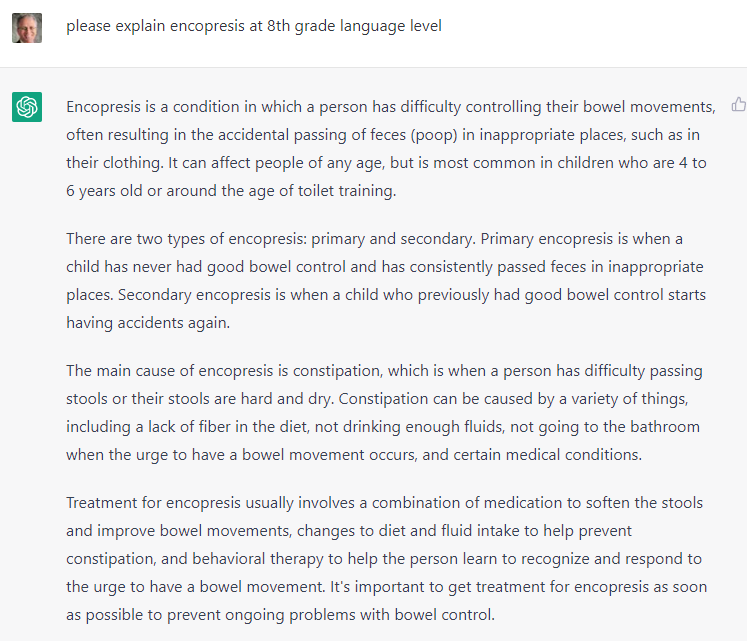
Another example (on 12/16/22) -this took less than 30 seconds:
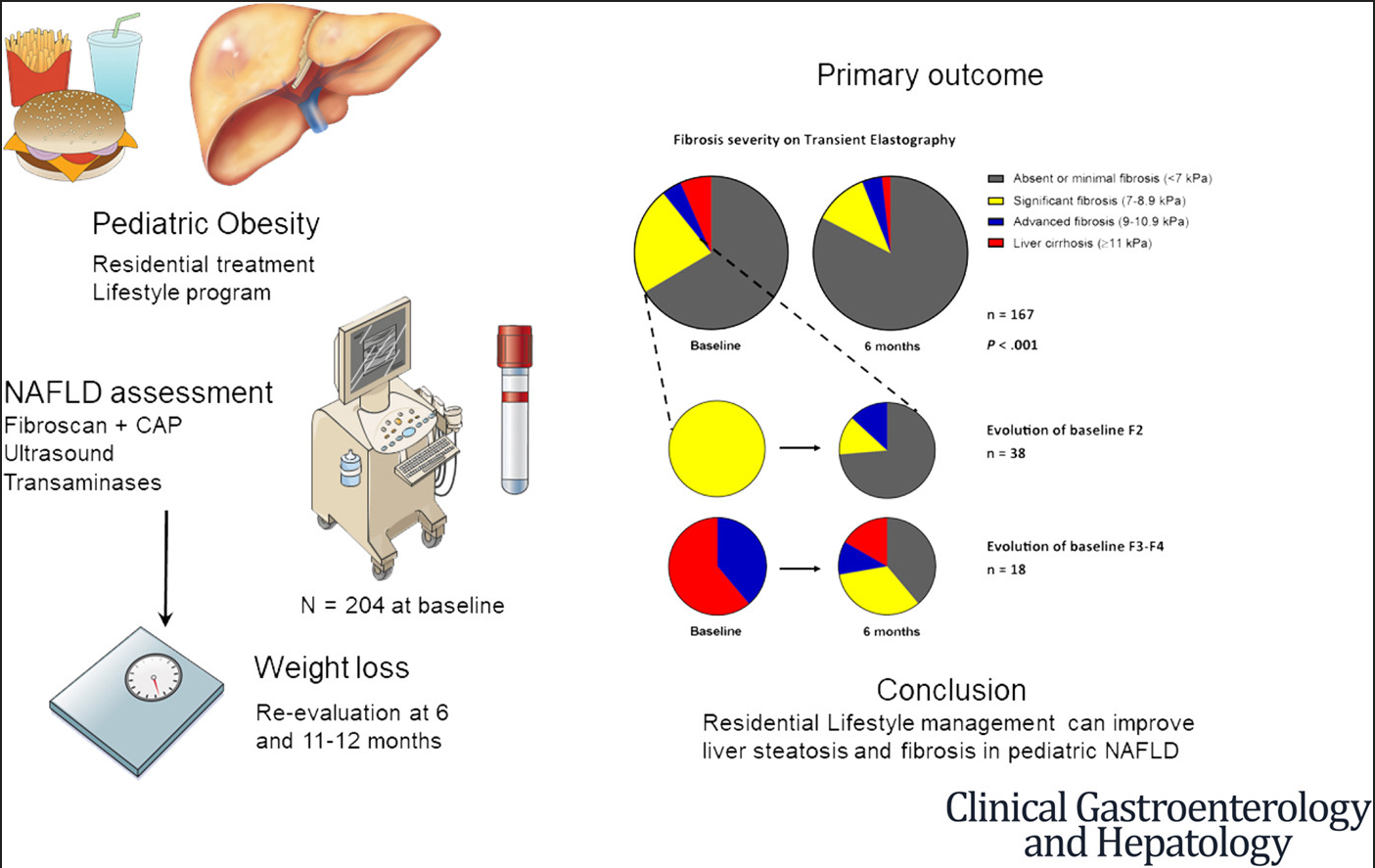
In this prospective study, pediatric patients with NAFLD received intensive lifestyle therapy which encompassed caloric restriction, physical activity, education on a healthy lifestyle, and psychosocial support. Key findings:
After 6 months, the median body weight loss was 16.0% in the 167 patients evaluated. Fibrosis improved in 75.0% (P < .001).
Fasting serum alanine aminotransferase and homeostasis model assessment of insulin resistance decreased significantly over the 1-year period (P < .001).
Related article: MH Malespin et al. Clin Gastroenterol Hepatol 2022; 20: 2393-2395. In this study, adults who were enrolled in TARGET-NASH (n=2019) were reviewed. Only 32% of overweight/obese adults with NAFLD receiving usual care in the U.S. achieved weight loss of 5% or more. In addition, only 25% who lost 5% or more of their weight maintained weight loss at follow-up at 5 years.
My take: Together these studies show that weight loss can reverse liver damage (steatosis and fibrosis) in NAFLD; however, maintaining weight loss with lifestyle treatment is quite difficult. As such, it is anticipated that newer pharmacologic agents (eg. semaglutide) will be available (after appropriate trials), especially for more severe NAFLD.
This retrospective review examined health care utilization within 3 months before and after patients received a constipation action plan (CAP which was implemented in 2019). There were 336 patients who received a CAP and 2812 patients who did not.
Key findings:
There were fewer patient telephone calls for patients who received the CAP (P = 0.0006). The difference in patient electronic messages was not statistically significant (P = 0.09).
There were no differences in UC/emergency department visits or hospitalizations.
Medications for CAP included the following:
Polyethylene glycol 3350, Senna, Milk of Magnesia, Magnesium Citrate, Lactulose, Bisacodyl (tablets, suppository, enema), Normal saline enema, Glycerin suppository, and Sodium phosphate enema
My take: A CAP likely helps educate and empower families on how to manage their child’s symptoms. In this study, it resulted in fewer phone calls (& trend of less electronic messages). Better education is likely to help with patient outcomes even if this is difficult to prove in a retrospective study. This action plan appears easier to understand than a previous CAP, and uses the Red Zone as the cleanout section. Related blog post:Pictographic Constipation Action Plan (2021)
This is a sample of the institution’s constipation action plan (similar to Figure 1) shared by the author.
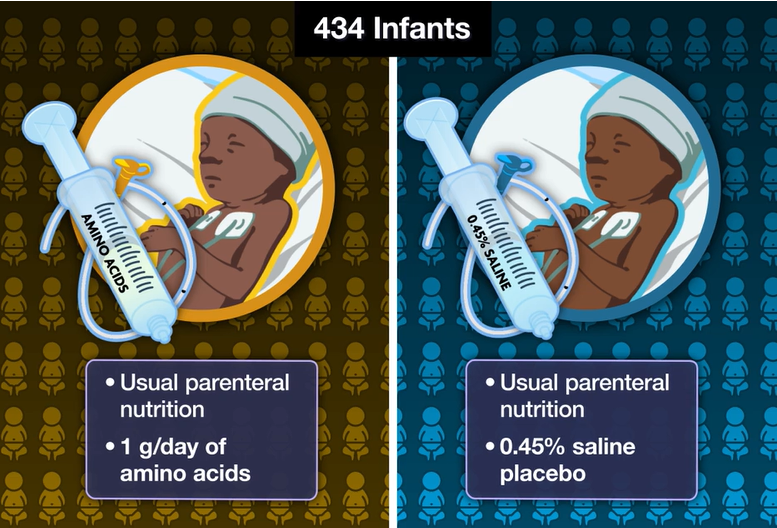
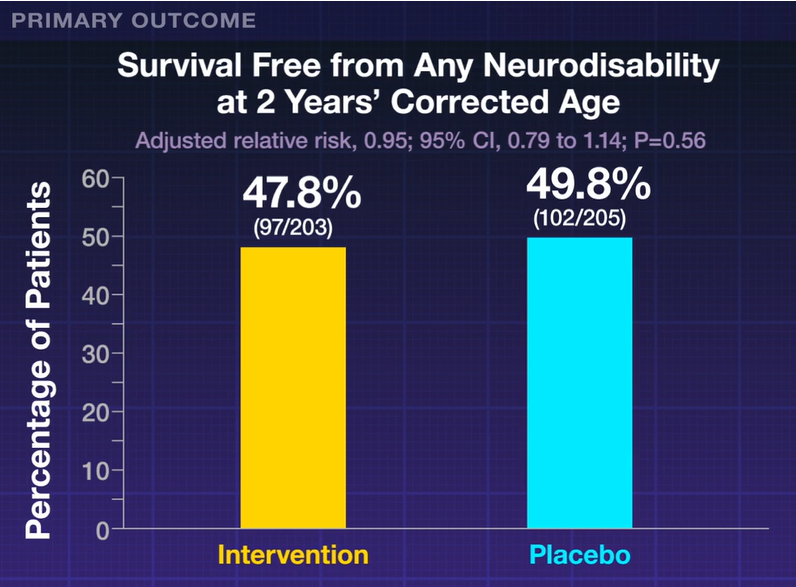
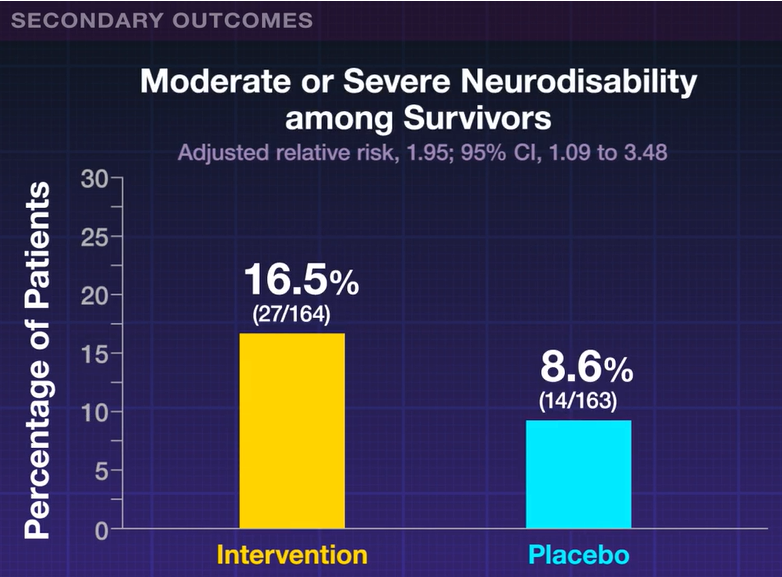
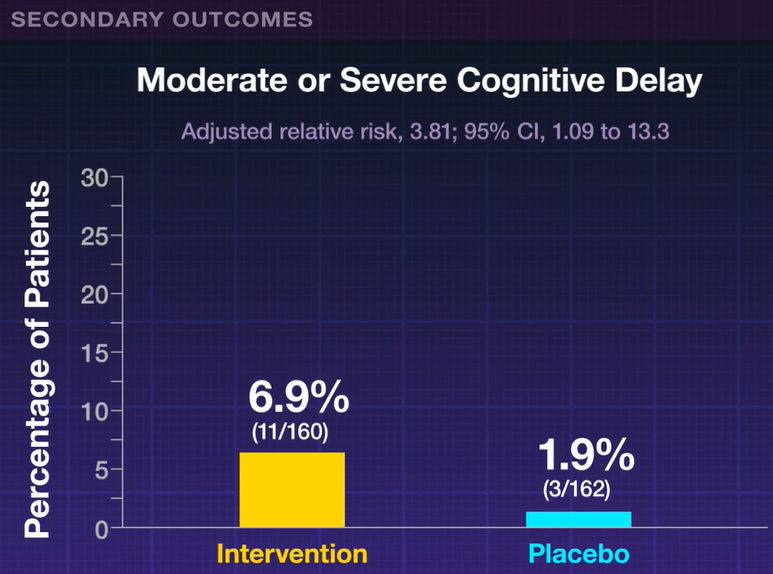
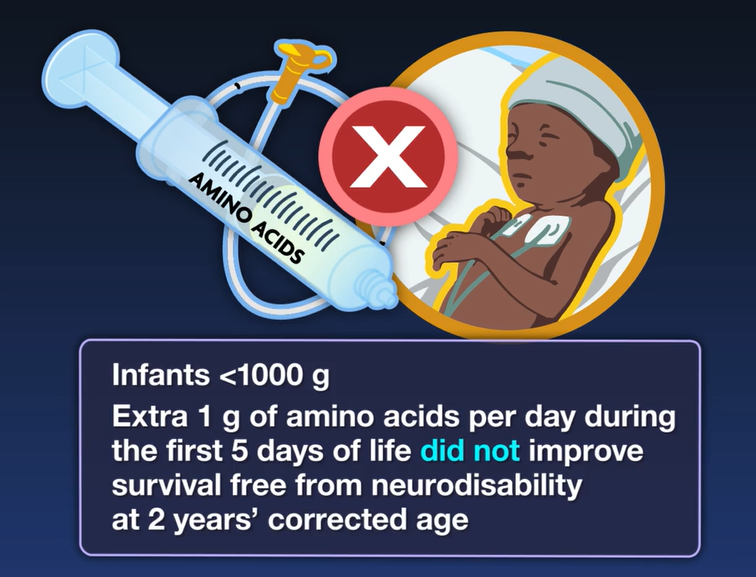
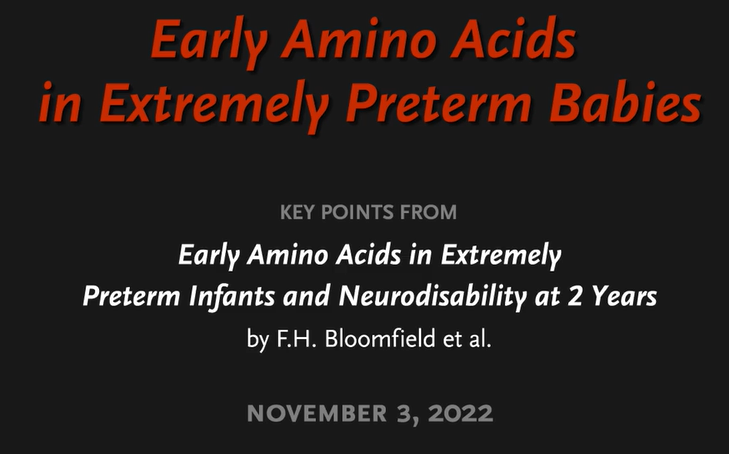
FH Bloomfield et al. NEJM 2022; 387: 1661-1672. Early Amino Acids in Extremely Preterm Babies
My take: For preterm infants <1000 gram, this study showed that the usual dosing of amino acids 2.5 gram to 3.5 gram per day (the placebo group) appeared to have better secondary outcomes (though within confidence intervals) than those who received an additional 1 gram per day.
Methods: In this 5-year retrospective study, the authors identified 22 patients with NRCD; they were following a gluten-free diet for at least 12 months but had persistent symptoms and enteropathy (Marsh 3). Treatments for NRCD were either a GCED (n=13), budesonide (n=9) or both (n=4). Four patients were lost to follow-up and did not receive either treatment.
Key findings:
Thirteen were treated with the GCED for 3 months with 46% achieving both histological and symptomatic resolution
Nine patients were treated with budesonide (6–9 mg daily), with 89% achieving both symptomatic and histologic resolution after a median 3-month treatment course
67% of patients who responded to the GCED and 100% of patients who responded to budesonide remained in remission for at least 6 months following treatment transition back to exclusive GFD
My take: This important article shows that many patients thought to be receiving a GFD can respond to a more stringent approach. In addition, it offers an alternative strategy with budesonide which had a high response rate.
In patients believed to have celiac disease who have persistent or recurrent symptoms or signs, the initial diagnosis of celiac disease should be confirmed by review of prior diagnostic testing, including serologies, endoscopies, and histologic findings.
Best Practice Advice 2
In patients with confirmed celiac disease with persistent or recurrent symptoms or signs (nonresponsive celiac disease), ongoing gluten ingestion should be excluded as a cause of these symptoms with serologic testing, dietitian review, and detection of immunogenic peptides in stool or urine. Esophagogastroduodenoscopy with small bowel biopsies should be performed to look for villous atrophy. If villous atrophy persists or the initial diagnosis of celiac disease was not confirmed, consider other causes of villous atrophy, including common variable immunodeficiency, autoimmune enteropathy, tropical sprue, and medication-induced enteropathy.
Best Practice Advice 3
For patients with nonresponsive celiac disease, after exclusion of gluten ingestion, perform a systematic evaluation for other potential causes of symptoms, including functional bowel disorders, microscopic colitis, pancreatic insufficiency, inflammatory bowel disease, lactose or fructose intolerance, and small intestinal bacterial overgrowth.
Best Practice Advice 4
Use flow cytometry, immunohistochemistry, and T-cell receptor rearrangement studies to distinguish between subtypes of refractory celiac disease and to exclude enteropathy-associated T-cell lymphoma. Type 1 refractory celiac disease is characterized by a normal intraepithelial lymphocyte population and type 2 is defined by the presence of an aberrant, clonal intraepithelial lymphocyte population. Consultation with an expert hematopathologist is necessary to interpret these studies.
Best Practice Advice 5
Perform small bowel imaging with capsule endoscopy and computed tomography or magnetic resonance enterography to exclude enteropathy-associated T-cell lymphoma and ulcerative jejunoileitis at initial diagnosis of type 2 refractory celiac disease.
Best Practice Advice 6
Complete a detailed nutritional assessment with investigation of micronutrient and macronutrient deficiencies in patients diagnosed with refractory celiac disease. Check albumin as an independent prognostic factor.
Best Practice Advice 7
Correct deficiencies in macro- and micronutrients using oral supplements and/or enteral support. Consider parenteral nutrition for patients with severe malnutrition due to malabsorption.
Best Practice Advice 8
Corticosteroids, most commonly open-capsule budesonide or, if unavailable, prednisone, are the medication of choice and should be used as first-line therapy in either type 1 or type 2 refractory celiac disease.
Best Practice Advice 9
Patients with refractory celiac disease require regular follow-up by a multidisciplinary team, including gastroenterologists and dietitians, to assess clinical and histologic response to therapy. Identify local experts with expertise in celiac disease to assist with management.
Best Practice Advice 10
Patients with refractory celiac disease without response to steroids may benefit from referral to a center with expertise for management or evaluation for inclusion in clinical trials.
Disclaimer: This blog, gutsandgrowth, assumes no responsibility for any use or operation of any method, product, instruction, concept or idea contained in the material herein or for any injury or damage to persons or property (whether products liability, negligence or otherwise) resulting from such use or operation. These blog posts are for educational purposes only. Specific dosing of medications (along with potential adverse effects) should be confirmed by prescribing physician. Because of rapid advances in the medical sciences, the gutsandgrowth blog cautions that independent verification should be made of diagnosis and drug dosages. The reader is solely responsible for the conduct of any suggested test or procedure. This content is not a substitute for medical advice, diagnosis or treatment provided by a qualified healthcare provider. Always seek the advice of your physician or other qualified health provider with any questions you may have regarding a condition.
My take: While the prices are very good, I know some have had trouble working with the online pharmacy to get their prescriptions filled in a timely manner.
“Science suggests that chores make kids happy and that you should start assigning little jobs early, even when they are toddlers.”
“Seemingly insignificant chores like setting the table or folding laundry are valuable building blocks toward a child’s independence.”
NY Times (11/1/22): How Brains Send a Signal That It’s Time to Vomit (in mice) Reference article: Z Xie et al. Cell: The gut-to-brain axis for toxin-induced defensive responses “They traced the effect to certain neurons in the brain that released neurotransmitters when the drug [eg. chemotherapy] or the toxin [eg. bacterial] reached the gut. Following those messages back, they discovered cells in the small intestine that reacted to the presence of these noxious substances. A central player in the pathway to nausea and retching was an immune system molecule called interleukin 33, or IL33. Keeping mice from making IL33 significantly reduced their symptoms.”
S Sen. NEJM 2022; 387: 1629-1630. Is It Burnout or Depression? Expanding Efforts to Improve Physician Well-Being
Key points:
“This growing attention has helped to reduce the stigma associated with burnout, highlighting the health care system, rather than the individual, as the primary driver of the problem.”
What is burnout? “One review identified 142 different definitions of physician burnout in 182 studies.3 …the most commonly used is the Maslach Burnout Inventory, which assesses continuous scores for three domains: emotional exhaustion, depersonalization, and reduced sense of personal accomplishment.”
There is a lot of overlap with depression especially with emotional exhaustion. However, depression is still stigmatized as due to individual weakness. “Work-related stress is the primary driver of depression among physicians. A stark illustration of this dynamic is the fact that the prevalence of depression among training physicians before they enter residency is similar to that among young adults in the general population, but depression rates quintuple immediately after residency begins.”
“Whether burnout is meaningfully distinguishable from depression, the argument that depression and burnout are caused by fundamentally different precipitants is unsupported by the evidence to date”
My take (borrowed from the author): “Crucially, identification and treatment of depression can help reduce the risk of suicide among physicians. Unfortunately, when we encourage clinicians to consider themselves burned out rather than depressed, they tend not to seek or receive the individual-level interventions that can improve well-being.”
Three most common causes of infectious esophagitis in children: Candida, HSV and CMV. Asperigillus (& other fungi) as well as bacterial esophagitis are rarely seen. Rare viral infections include human papilloma, varicella zoster and EBV
For Candida, this is typically a benign commensal organism but can become pathogenic due to changes in immunity (immunocompromised including corticosteroids), altered motility and sometimes after antibiotics (with or without PPI therapy). EoE can present with similar-appearing mucosa; thus, biopsy and/or brushing is needed.
With HSV, pediatric case series have reported higher rates in immunocompetent children
Typical treatments: fluconazole for Candida, and Acyclovir for HSV. For CMV, potential treatments include ganciclovir, valganciclovir, foscarnet or cidofovir.
My take: This is a short, good review of the infections that can cause esophagitis in children.
Compared with WD1 (typical Western Diet), PB2 (Plant-based diet 2) was associated with lower odds of active symptoms for CD (odds ratio [OR], 0.32
PB1 (Plant-based diet 1) was associated with lower odds of active symptoms for participants with UC (OR, 0.45; 95% CI, 0.23-0.90) but not for participants with CD (OR, 0.95
Diet PB1 (“Plant-based Diet 1”) was characterized by much higher intake of fruits, vegetables, plant-based proteins, and cooked grains than most other dietary clusters. There was low water intake in favor of juices and other beverages. There was otherwise average intake of added fats and oils, sugars, seafood, and dairy products, and modest intake of meats, eggs, mixed grains, and breads.
Diet PB2 (“Plant-based Diet 2”) was characterized by high intake of fruits, vegetables, plant proteins, and cooked grains and low intake of animal proteins (especially red and cured meats), added fats, sweetened beverages, sweet bakery products, other desserts, eggs, and breads. There was also a reduction of other beverages in favor of water. There was otherwise an average intake of seafood and dairy products.
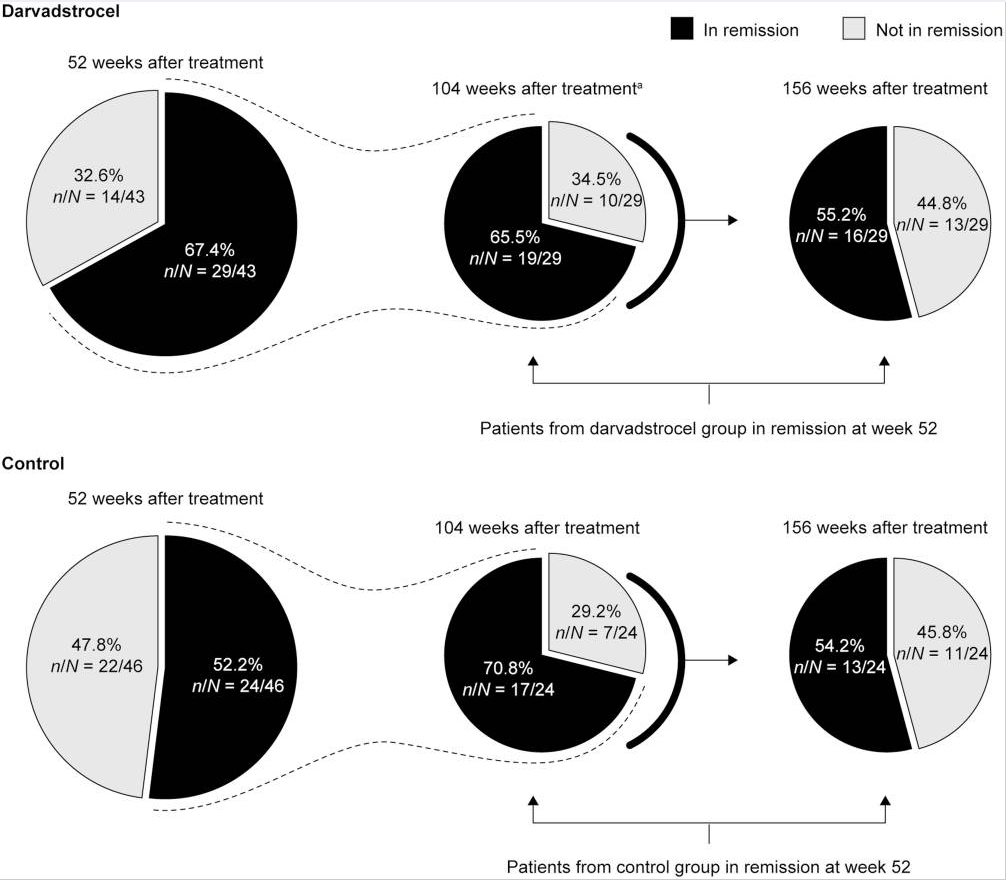
Background: The current chart review study evaluated the longer-term effectiveness and safety of darvadstrocel (expanded allogeneic adipose-derived mesenchymal stem cells).; n=43 treated patient and n=46 controls.
Key findings:
At 52, 104, and 156 weeks posttreatment, clinical remission was observed in 29 (67.4%) of 43, 23 (53.5%) of 43, and 23 (53.5%) of 43 darvadstrocel-treated patients, compared with 24 (52.2%) of 46, 20 (43.5%) of 46, and 21 (45.7%) of 46 control subjects, respectively.









 gutsandgrowth