Genus Medical Technologies v FDA -Lack of Judicial Deference to FDA Expertise

A recent commentary (PJ Zettler et al. NEJM 2021; 385: 2409-2411. A Divisive Ruling on Devices — Genus Medical Technologies v. FDA) highlights another challenge facing the FDA’s role in regulating devices, especially as the definition of devices and medications becomes more murky.

Key points/excerpts:

  • In April 2021, however, the U.S. Court of Appeals for the District of Columbia decided, in Genus Medical Technologies v. FDA, that products meeting the FDCA’s definition of a device “must be regulated as devices”…The Genus case concerned a challenge to the discretion of the FDA to classify Genus Medical Technologies’ Vanilla SilQ line of diagnostic barium sulfate contrast agents as drugs rather than as devices…FDCA’s drug and device definitions overlap.
  • Ultimately, the D.C. Circuit Court held that products meeting both definitions must be regulated as devices because the FDCA’s “text unambiguously forecloses the FDA’s interpretation.” The court did not give the FDA so-called Chevron deference, a doctrine under which courts defer to an agency’s reasonable interpretation of a statute that it implements, if the statute is ambiguous.
  • Because technological innovation often outpaces legal change, we believe it could serve both public health and industry for the FDA to retain some discretion regarding the most appropriate regulatory pathways for anticipated and as-yet-unforeseen device classes… overly restricting the FDA’s flexibility to use its expertise could endanger important public health priorities, especially when there are compelling reasons why Congress permitted flexibility.
  • The Genus decision comes at the end of a decade of growing challenges to the FDA’s authority to regulate. From court decisions in the early 2010s that were sympathetic to arguments that FDA policies regarding off-label drug promotion violate the Constitution’s First Amendment, [and] to the political (and legislative) success of right-to-try laws

My take: This commentary shows the difficulties the FDA faces as the judiciary curtails its discretion. While the legislative branch could codify FDA authority, this is unlikely. As such, this will limit FDA oversight in some new medical products. When problems arise, it is likely that the FDA (not the courts) will be blamed despite the fact that their ability to regulate has been undermined.

Related blog posts:

Huntingdon Lake. Sandy Springs, GA

How Often Does Liver Disease Develop in Healthy Young Males…Over 65 Year Study Period

J Uhanova et al. Clin Gastroenterol Hepatol 2021; 19: 2417-2424. Chronic Liver Disease and Metabolic Comorbidities in Healthy Young Males Followed for 65 Years: The Manitoba Follow-up Study

Methods: 3,983 air force men were enrolled in the Manitoba Follow-up Study in 1948. The comprehensive database on results of routine physicals and health encounters was examined for evidence of chronic liver disease (CLD) and metabolic syndrome (MetS). 

Key findings:

  • 5.2% of men developed CLD and 6.4% MetS
  • Among the 206 with CLD, 162 (79%) were diagnosed with CLD as a non-terminal event; however, CLD was clinically significant with 50.5% (n=104) with cirrhosis (of whom 56 had hepatic decompensation)
  • The most common etiologies for CLD were alcohol-related liver disease (32.5%, n=67) and fatty liver disease (20%, n=41); chronic viral hepatitis (B & C) accounted for 4.4% (n=9). In 20%, the etiology was not specified
  • The relative risk of mortality in men with vs. without CLD was 3.33 (95% CI – 2.83 to 3.91, p < .0001)
  • An increasing gradient of risk for CLD was apparent with increasing numbers of MetS components; the HR of 3.67, 5.97 and 14.3 for IR/DM (insulin resistance /diabetes mellitus), IR/DM + one component, and IR/DM + two or more components respectively

Discussion –The authors note that the lifetime risk of CLD was much higher in NHANES studies (11.8% to 14.8% prevalence); this is attributed to active surveillance for liver disease in the NHANES study (and different study population). It is also likely that there is a substantially increased risk over the last 65 years due to factors like increasing rates of obesity as well as possibly higher rates of alcohol use and infections.

My take: Among healthy 18 year old males, a substantial number develop chronic liver disease, much of which could be prevented by limiting alcohol intake and maintaining a healthy diet/exercise.

Related blog posts:

Intracostal Waterway near Siesta Key, FL

Long-Term Outcomes of Pediatric Patients with Sclerosing Cholangitis in the Setting of Inflammatory Bowel Disease

KO Hensel et al. J Pediatr 2021; 238: 50-56. Sclerosing Cholangitis in Pediatric Inflammatory Bowel Disease: Early Diagnosis and Management Affect Clinical Outcome

This was a retrospective study of 82 pediatric patients (31% female) with IBD-SC and a mean age at diagnosis of 11.9 ± 2.8 years who were followed up for a mean of 6.8 ± 3.3 years. Tests for SC included immunoglobulins and serology (ANA, ASMA, LKM-1, and SLA). Patients with ASC were maintained on low dose prednisolone (5 mg/day) and azathioprine (up to 2 mg/kg/day).

Key findings:

  • Autoimmune SC (ASC) was diagnosed in 72%, and small duct SC was diagnosed in 28%
  • Complication-free and native liver survival were 96% and 100%, respectively, at 5 years after diagnosis and 75% and 88%, respectively, at 10 years after diagnosis

The discussion notes generally better outcomes in this cohort than in previous studies. The authors note that this may be due to earlier diagnosis (though lead-time bias could be a factor as well). To increase earlier diagnosis, the gastroenterology diagnostic pathway at one institution (CUH) includes mandatory assessment of liver function and a low threshold for performing a liver biopsy (with initial panendoscopy). Diagnosis of ASC was based on the ESPGHAN diagnostic score for AILD (JPGN 2018; 66: 345-360, related post has image with scoring: Aspen Webinar 2021 Part 5 -Autoimmune Liver Disease & PSC). Also, they note that SCOPE score “seemed to overestimate the risk for developing complications.”

My take: In those with IBD and abnormal liver enzymes/GGT, looking for SC/ASC may improve outcomes.

Related blog posts:

Chattahoochee River, Atlanta

Why I Care About Another Biomarker for Pancreatitis Severity

PR Farrell et al. J Pediatr 2021; 238: 33-41. Open Access: Cytokine Profile Elevations on Admission Can Determine Risks of Severe Acute Pancreatitis in Children

Methods: In this single center pediatric study, interleukin 6 (IL -6), monocyte chemotactic protein-1 (MCP-1) and CRP were obtained within 48 hours of admission in 66 subjects (20 controls, 36 with mild acute pancreatitis (AP), and 10 with severe AP) in a derivation cohort. and then in a validation cohort with 35 subjects (10 controls, 19 mild AP and 6 severe AP)

Key findings:

  • In both the derivation and vaildation cohorts, IL-6 (P = 0.02, P= 0.02 respectively) and MCP-1 (P= 0.02, P = .007) were found to differentiate mild acute pancreatitis from severe acute pancreatitis.
  • CRP values were obtained from 53 of the subjects, revealing a strong association between elevated CRP values and progression to severe disease (P < .0001). CRP were stratifed into 3 distinct groups, <0.4 mg/dL, 0.4-2.5 mg/dL, and >2.5 mg/dL

The discussion notes a few points:

  1. “BUN as part of a standard initial clinical biochemical evaluation on admission, as well as the response of the patient’s BUN to fluid resuscitation can help predict disease severity with high specificity and a high negative predictive value which can help to determine those patients least likely to progress to severe disease”
  2. “There is adult literature showing the benefit of placing patients at highest risk of progression to severe disease on Cox-2 inhibitors and monitoring, among other measures, the response of IL-6. Patients who received the investigational drug had significantly lower levels of IL-6, and the therapy was associated with an almost 50% reduction in the progression of patients to severe disease.”

My take: In clinical practice, both elevated CRP and BUN are associated with a higher risk of progression to severe pancreatitis. The reason why I was interested in this study was the potential for targeting IL-6 to improve outcomes.

Related blog posts:

Siesta Key, FL

Time to Change the Medical Treatment and Attitudes Directed at Obesity?

NPR: New podcast examines wellness trends and beliefs, like what weight means about health. Interview with Aubrey Gordon and Michael Hobbes who co-host the podcast “Maintenance Phase.”

This interview has a lot of useful ‘food for thought.’

Some excerpts:

  • Every year, millions of Americans go on a diet. Americans also spend billions of dollars on weight loss products. So why, despite all of that, are obesity rates in the U.S. are continuing to rise?….
  • There’s a very clear correlation between weight and bad health outcomes, but weight is not the only thing that’s correlated with health. We know that poverty has a devastating effect on people’s health. The life expectancy in various counties in America can be up to 20 years of difference…And yet, weirdly, when it comes to obesity, it’s like, oh, no, no, we know that the obesity is causing this, right? Like, people have kind of jumped to this causal explanation…
  • Paradoxically, and unfortunately, what we have seen in the years since that redefinition [of obesity as a disease] is a skyrocketing of bias against fat people. That has happened amongst health care providers. It has happened amongst social workers. It has happened amongst the general public in the United States…
  • I think we would all do ourselves a really significant service by actually just focusing on the health markers and not the proxy for the health markers, which is weight…
  • What we find is really consistent stories from fat people of going into the doctor with a migraine headache and their doctor tells them to lose weight. They go in with a car accident, their doctor tells them to lose weight. They go in with a tumor, their doctor tells them to lose weight. This is something that is, like, really, really devastating to the health of fat people that essentially people don’t listen to them.

My take: Diets for weight loss have very low rates of success. Focusing on healthy eating habits (eg. food/beverage composition, eating together) along with encouraging healthy activity levels is likely to be most beneficial for long-term outcomes. .

Related blog posts:

Siesta Key, FL

Improving Outcomes with Proactive Therapeutic Drug Monitoring + Swiss COVID-19 Data

Another recent study showing the benefits of proactive therapeutic drug monitoring (pTDM):

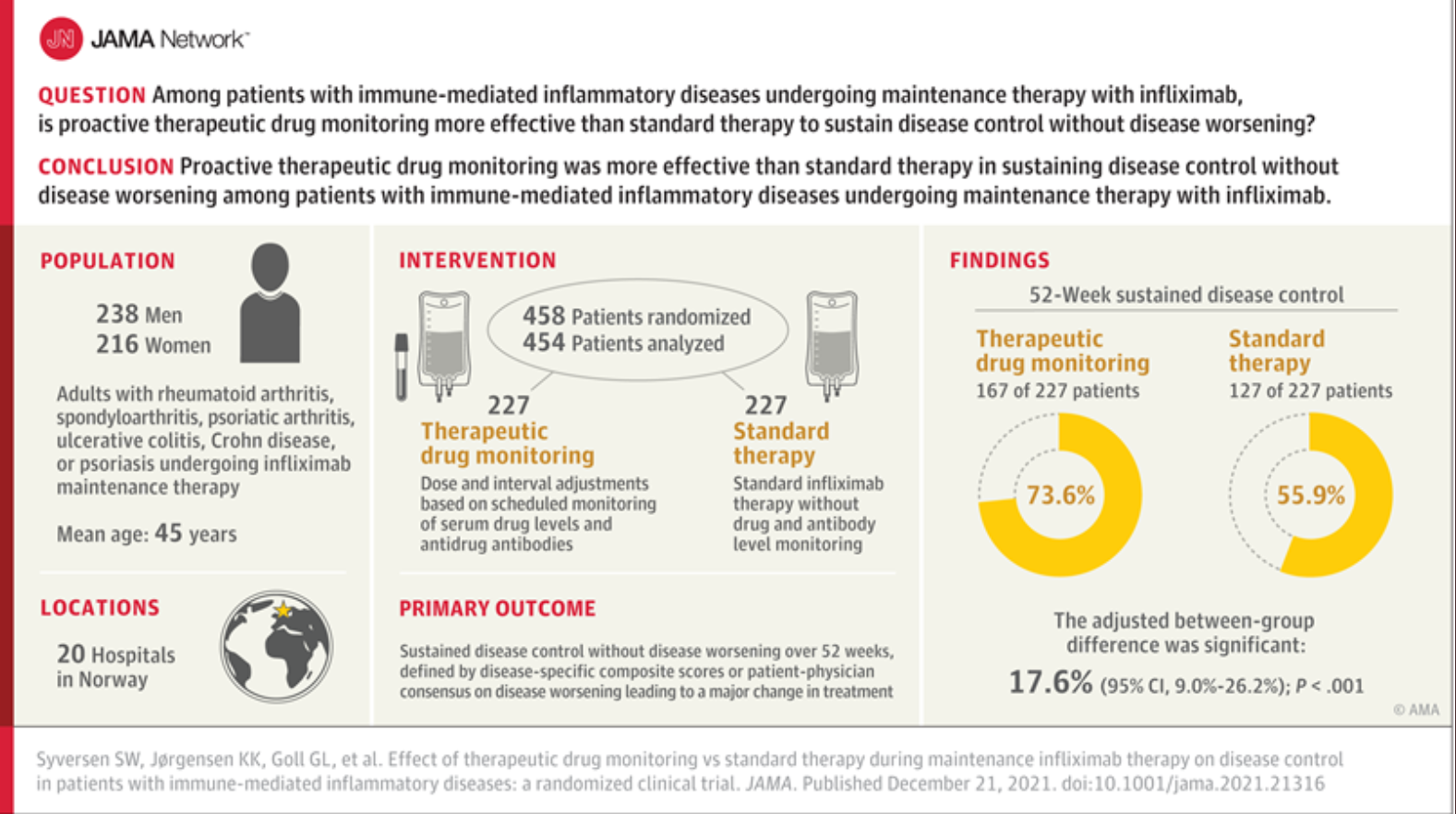
SW Syverson et al. JAMA. 2021;326(23):2375-2384. Effect of Therapeutic Drug Monitoring vs Standard Therapy During Maintenance Infliximab Therapy on Disease Control in Patients With Immune-Mediated Inflammatory Diseases (The article is only 10 pages; however, the supplementary material (which I did not read) is an additional 258 pages.) Thanks to Ben Gold for sharing article reference. Also, this study was reviewed in Healio Gastro: Link: Therapeutic drug monitoring sustains disease control during infliximab maintenance

Methods: Randomized, parallel-group, open-label clinical trial including 458 adults (mean age, 44.8 years; 49.8% women) with rheumatoid arthritis, spondyloarthritis, psoriatic arthritis, ulcerative colitis (n=81), Crohn disease (n=66), or psoriasis undergoing maintenance therapy with infliximab in 20 Norwegian hospital

Key finding:

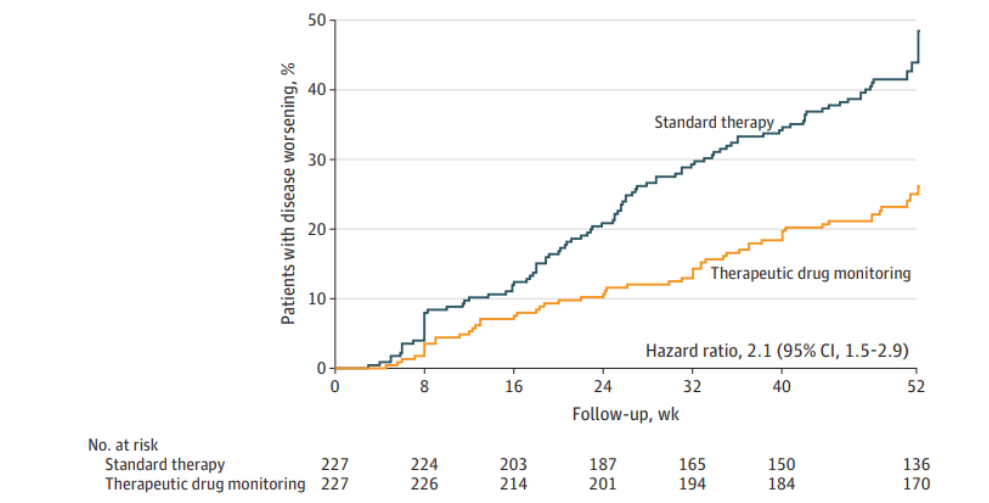
  • Sustained disease control without worsening was evident in 73.9% of pTDM group compared with 55.9% in standard infliximab group

Some limitations of this study:

  1. The open-label study was not powered to detect the difference of pTDM in each of the six diseases
  2. The therapeutic goal for maintenance infliximab was 3 to 8 mg/L, which is a little lower than current goals (ACG expert panel suggests a level of at least 5-10)

My take: This study supports recent expert guidance (see blog post below) on the benefit of pTDM as part of evidence-based care. It is likely that pTDM is even more important in children/teens due to growth.

Time to Disease Worsening

Related blog posts:

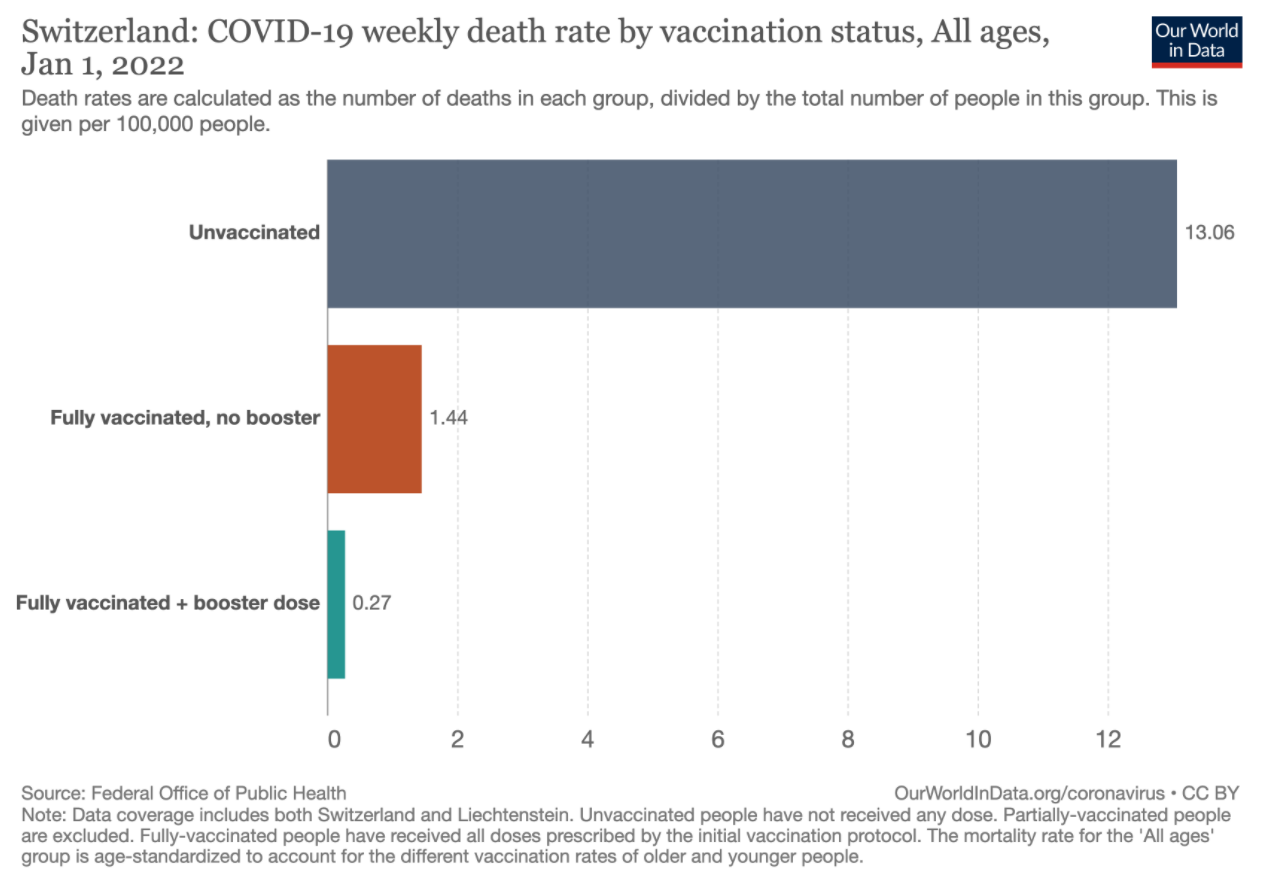
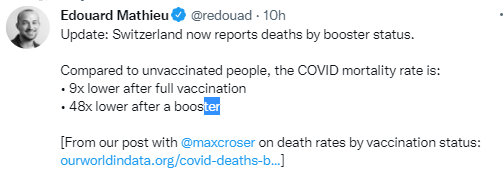
Also data from Switzerland:

Acid Suppression for Laryngomalacia -Handed This Article to My ENT Colleagues

DR Duncan et al. J Pediatr 2021; 238: 42-49. Acid Suppression Does Not Improve Laryngomalacia Outcomes but Treatment for Oropharyngeal Dysphagia Might Be Protective

This retrospective cohort study with 236 subjects (55% received acid blockers) provides a compelling argument that acid suppression is unlikely to be beneficial in infants with laryngomalacia and to consider the possibility of aspiration in them as well. Among all subjects, 27% received H2RA, 11% received PPI, and 17% received both.

Key findings:

  • Subjects treated with acid suppression had a greater risk of supraglottoplasty (hazard ratio 3.36, 95% CI 1.36-8.29, P = .009), shorter time to supraglottoplasty (5.64 ± 0.92 vs 7.98 ± 1.92 months, P = .006), and increased respiratory hospitalization risk (relative risk 1.97, 95% CI 1.01-3.85, 0.047), even after adjustment for covariates
  • Subjects receiving thickening had fewer respiratory hospitalization nights and longer time to supraglottoplasty (9.3 ± 1.7 vs 4.56 ± 0.73 months, P = .004), even after adjustment.
  • Subjects with moderate-to-severe laryngomalacia were more likely to have aspiration on a video fluoroscopic swallow study (VFSS)
  • Of the 40 patients who had a supraglottoplasty, only 4 (10%) had a VFSS before and afterwards. All repeat VFSS showed improvement at a mean of 4.7 months after supraglottoplasty

It is noted that 36% of subjects underwent a VFSS and 40% had a clinical feeding evaluation. The authors note that other studies have found “a high rate of silent aspiration in laryngomalacia.”

My take:

  1. Acid blockers are unlikely to be beneficial in infants with laryngomalacia and are potentially detrimental (findings limited by retrospective design in a tertiary care setting)
  2. Symptoms in children with laryngomalacia may be due to aspiration and evaluation is needed in those with significant symptoms

Related blog posts:

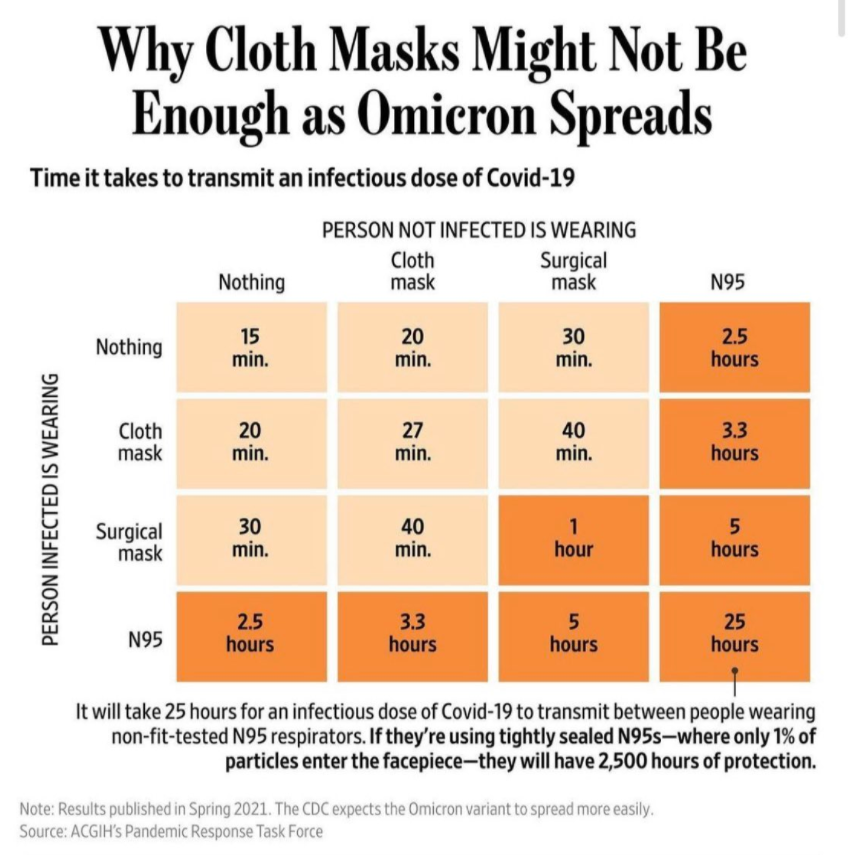
WSJ 1/2/22: Why Cloth Masks Might Not Be Enough as Omicron Spreads

Best of IBD in Gastroenterology 2021 from AIBD

The following link is the same as the QR code below (from twitter feed) and provides PDF access to ~30 influential articles from the journal, Gastroenterology, this past year (many reviewed on this blog previously):

Link: Best of Gastroenterology 2021 AIBD

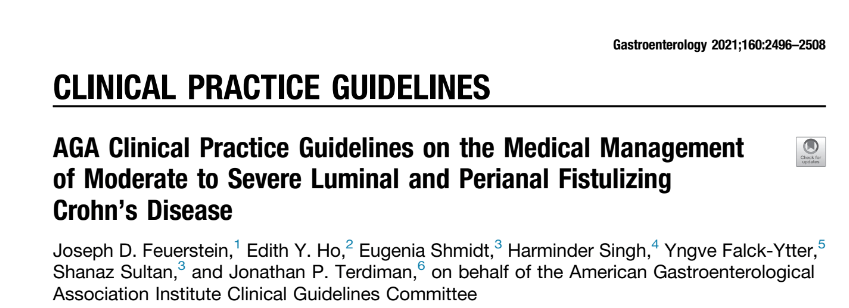
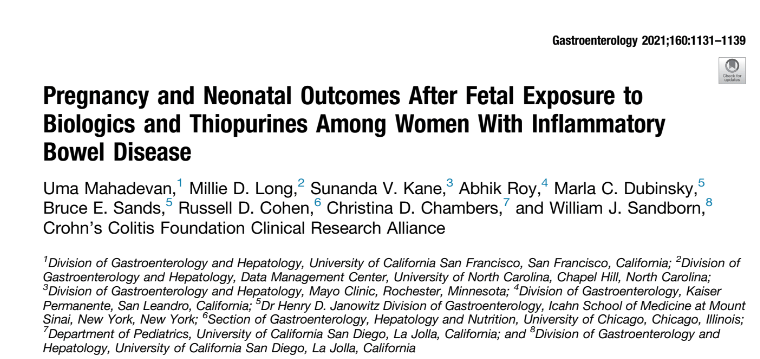
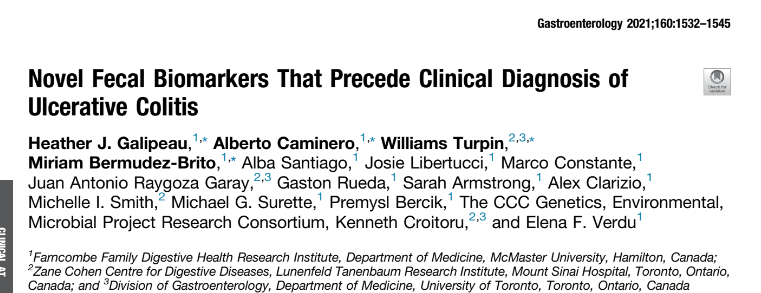
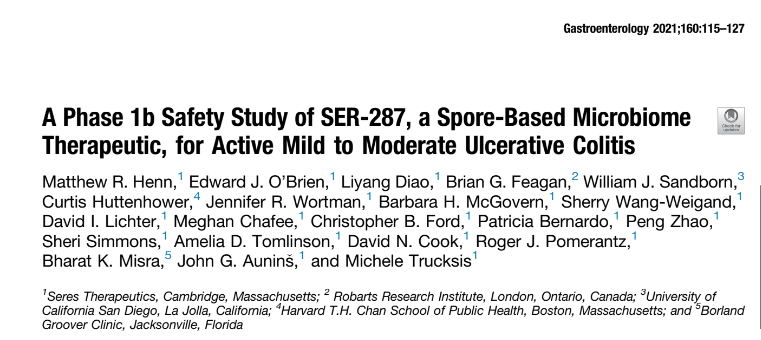
I’ve included screenshots of many of the articles below.

D Turner, SB Hanauer. Editorial on DINE-CD study
Krugliak et al. In press.

Also, recent data indicate that the omicron strain of SARS-CoV-2 is much less likely to affect sense of smell or taste but more likely to cause a sore throat –from Eric Topol twitter feed:

2-Fold Risk of Urolithiasis in Patients with Inflammatory Bowel Disease

H Dimke et al. Clin Gastroenterol Hepatol 2021; 19: 2532-2540. Risk of Urolithiasis in Patients With Inflammatory Bowel Disease: A Nationwide Danish Cohort Study 1977–2018

Using national registries, the authors identified all patients with IBD (>15 years of age) and all cases of urolithiasis in Denmark during 1977-2018. Key findings:

  • 2,549 (3%) of 75,236 IBD patients and 11,258 (2%) of 767,403 non-IBD individuals developed urolithiasis, resulting in a 2-fold increased risk of urolithiasis (HR, 2.27; 95% CI, 2.17-2.38) in patients with IBD
  • The authors note that a small risk of urolithiasis preceded the diagnosis of IBD: with OR, 1.42; 95% CI: 1.34-1.50 prior to diagnosis
  • After IBD diagnosis, risk of urolithiasis was associated with anti-TNF therapy and surgery (increased disease severity appears to be associated with increased risk). Anti-TNF therapy had a RR of 2.68 in patients with ulcerative colitis and a RR of 3.56 in patients with Crohn’s disease; for surgery, the RR were 3.14 and 2.74 respectively
  • One limitation is detection bias as patients with IBD may have more asymptomatic stones identified due to more frequent imaging

My take: This confirms an increased risk of urolithiaiss in patients with IBD and is a good reminder to consider this when patients present with severe abdominal pain/possible flare-up.

Siesta Key, FL

IBD Shorts: Fecal Calprotectin in UC & Medication Withdrawal, Outcome of Biosimilar Reverse Switches, Vedolizumab after Anti-TNF Therapy

TW Stevens et al. Inflamm Bowel Dis 2021; 19: 2333-2342. Open Access. Diagnostic Accuracy of Fecal Calprotectin Concentration in Evaluating Therapeutic Outcomes of Patients With Ulcerative Colitis

Key finding: A post hoc analysis of data from a phase 4 trial (the MOMENTUM trial) found that, even in patients (n=593 at week 8, n=305 at week 52) with complete endoscopic healing of UC, FC concentration can be used to discriminate patients with ongoing microscopic inflammation from patients with histologic remission.  The optimal FC cut-off concentrations for identification of patients with histologic remission were 75 μg/g at week 8 and 99 μg/g at week 52.

A Cassinotti et al. Clin Gastroenterol Hepatol 2021; 19: 2293-2301. Noninvasive Monitoring After Azathioprine Withdrawal in Patients With Inflammatory Bowel Disease in Deep Remission

Key finding: In this prospective study, 57 patients in deep remission stopped azathioprine after a median of 7 years. 26 (46%) relapsed within a median of 15 months. Fecal calprotectin (FC) levels were >50 mcg/g in all patients with relapse (FC specificity 100%) but the sensitivity was only 50%. Thus, having a normal FC does not preclude relapse but elevated FC is associated with relapse.

S Mahmmod et al. Inflamm Bowel Dis 2021; 27: 1954-1962. Outcome of Reverse Switching From CT-P13 to Originator Infliximab in Patients With Inflammatory Bowel Disease

In this retrospective study, 75 patients, 9.9% of all patients, who had been changed from originator infliximab to a biosimilar had clinical worsening. Key finding: Improvement of reported symptoms was seen in 73.3% of patients after reverse switching back to originator infliximab; alsor 7 out of 9 patients (77.8%) with loss of response regained response

J Kim et al. Inflamm Bowel Dis 2021; 27: 1931-1941. Clinical Outcomes and Response Predictors of Vedolizumab Induction Treatment for Korean Patients With Inflammatory Bowel Diseases Who Failed Anti-TNF Therapy: A KASID Prospective Multicenter Cohort Study

Key finding: Clinical remission rates with vedolizumab among patients with CD (n=80) and patients with UC (n=78) were 44.1% and 44.0%. Among patients with UC, the endoscopic remission rate was 32.4%