Hepatitis B: Natural History and Difficulty Treating Immunotolerant Children

S Mo et al. JPGN 2021; 73: 150-155. Natural History of Chronic Hepatitis B Infection Among Chinese Children and Young Adults: A Single-Center Experience

Key findings:

  • Of the 353 patients, there were immune-tolerant 112 (34%), HBeAg-positive immune-active 47 (14%), and inactive carrier 82 (25%). The remaining 88 patients (27%) did not fit into a particular category with 26 of 88 patients meeting the criteria for inactive carrier except for mildly elevated alanine aminotransferase
  • Among 179 patients followed for ≥5 years, the spontaneous seroconversion rate was 38% (from HBeAg-positive to HBeAg-negative along with anti-HBeAb positivity)

In their discussion, the authors make two key points:

  1. “No substantial benefit from anti-viral therapy” has been evident in children in the immuno-tolerant phase (MM Jonas et al. Hepatology 2016; 63: 307-318.)
  2. The updated AASLD guidelines “strongly recommend anti-viral therapy for HBeAg-positive pregnant women with a serum HBV DNA >200,000 IU/mL”

G Mieli-Vergani et al. JPGN 2021; 73: 156-160. Peginterferon Alfa-2a (40KD) Plus Lamivudine or Entecavir in Children With Immune-Tolerant Chronic Hepatitis B

As noted above, antiviral therapy has not been shown to be effective in children who are in the immuno-tolerant phase; however, the authors of this study explored whether combination therapy could be effective in a randomized, controlled, multicenter study (n=59).

  • Key finding: At 24 weeks post-treatment, 1 of 26 patients in the antiviral treatment group experienced HBsAg loss (vs none of 33 patients in the control group)

My take: These studies reinforce the notion that children in the immuno-tolerant phase of HBV infection do not benefit from antiviral therapy. Prevention of infection is the most promising strategy.

Related blog posts:

Confirmation Bias diagram. From Steve Stewart-Williams

Aspen Webinar 2021 Part 6 -Complications and Mgt of End-Stage liver disease

More from Aspen Webinar 2021. This blog entry has abbreviated/summarized several presentations. Though not intentional, some important material is likely to have been omitted; in addition, transcription errors are possible as well. On the last day of this webinar conference, there were three more terrific lectures which addressed topics related to a a failing liver.

Key points:

  • Surgical options are based on primary etiology: pre-hepatic, intra-hepatic, and post-hepatic
  • Rex procedure is technically difficult but is preferred for pre-hepatic obstruction
  • Warren Shunt (distal splenorenal) and TIPS can be done for intrahepatic disease
  • Often difficulty in selecting patients for surgical shunting beyond refractory bleeding

Some slides:

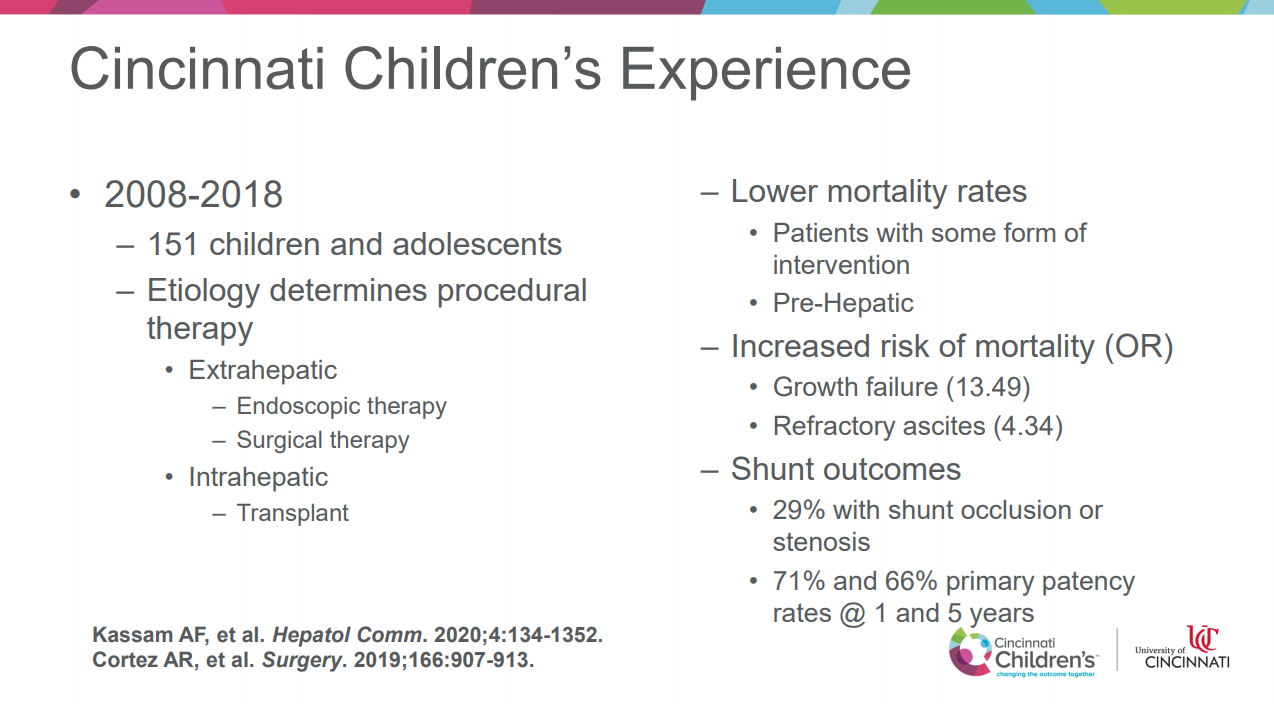
Experience at Cincy with portal hypertension patients and shunting

Key points:

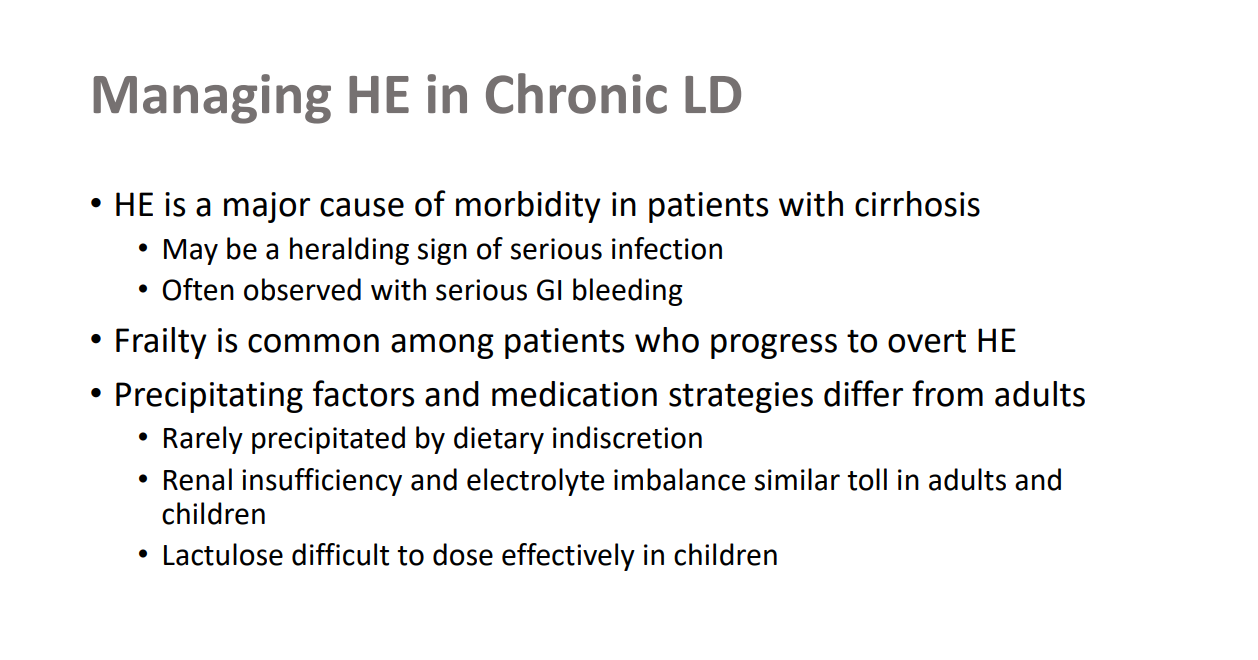
  • Hyperreflexia is a good indicator of stage 3 of HE
  • Patients with HE need to be managed in ICU
  • MARS is being used in some centers (even in infants)

Complications of ESLD -Kathy Campbell

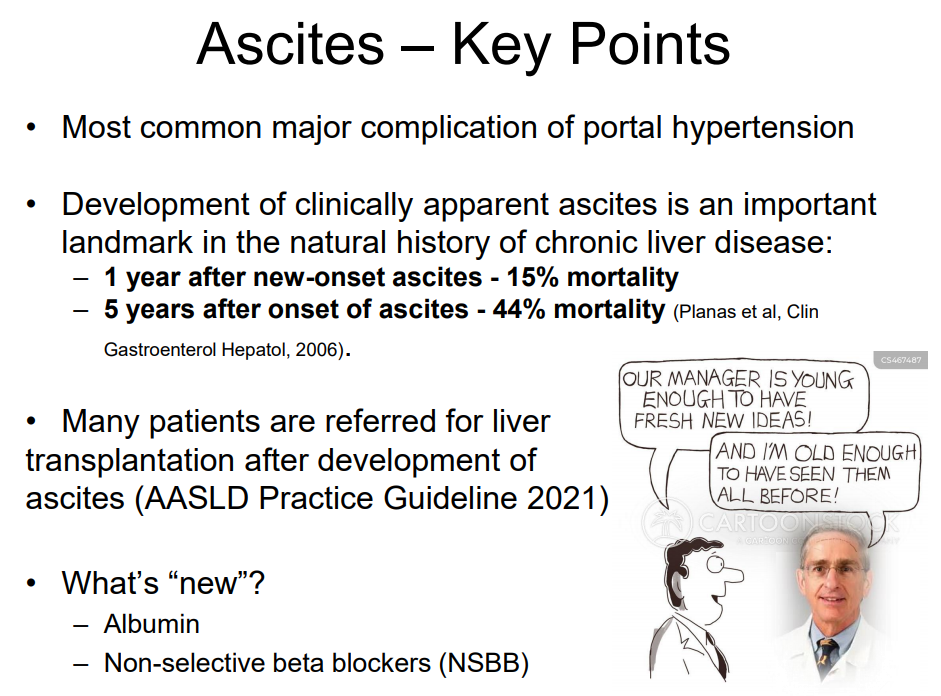
This talk provided a good overview of complications including ascites, variceal bleeding, frailty & sarcopenia, and hepatopulmonary syndrome.

Jim Heubi

So sad to hear that Jim Heubi has passed away. Jim Heubi was the person I interviewed with when I was considering where to do my pediatric residency and he helped convince me to come to Cincinnati. During my fellowship, I came to admire how he was so good at everything though it was always unassuming. He was such a kind person in addition to being a mentor and role model.

Here is a link from Cincinnati Children’s: In Memoriam: James E. Heubi, MD 1948-2021

Aspen Webinar 2021 Part 5 -Autoimmune Liver Disease & PSC

More from Aspen Webinars. This blog entry has abbreviated/summarized several presentations. Though not intentional, some important material is likely to have been omitted; in addition, transcription errors are possible as well.

Dr. Mieli-Vergani presented case report of a boy with autoimmune sclerosing cholangitis and associated colitis who presented with minimal symptoms. 

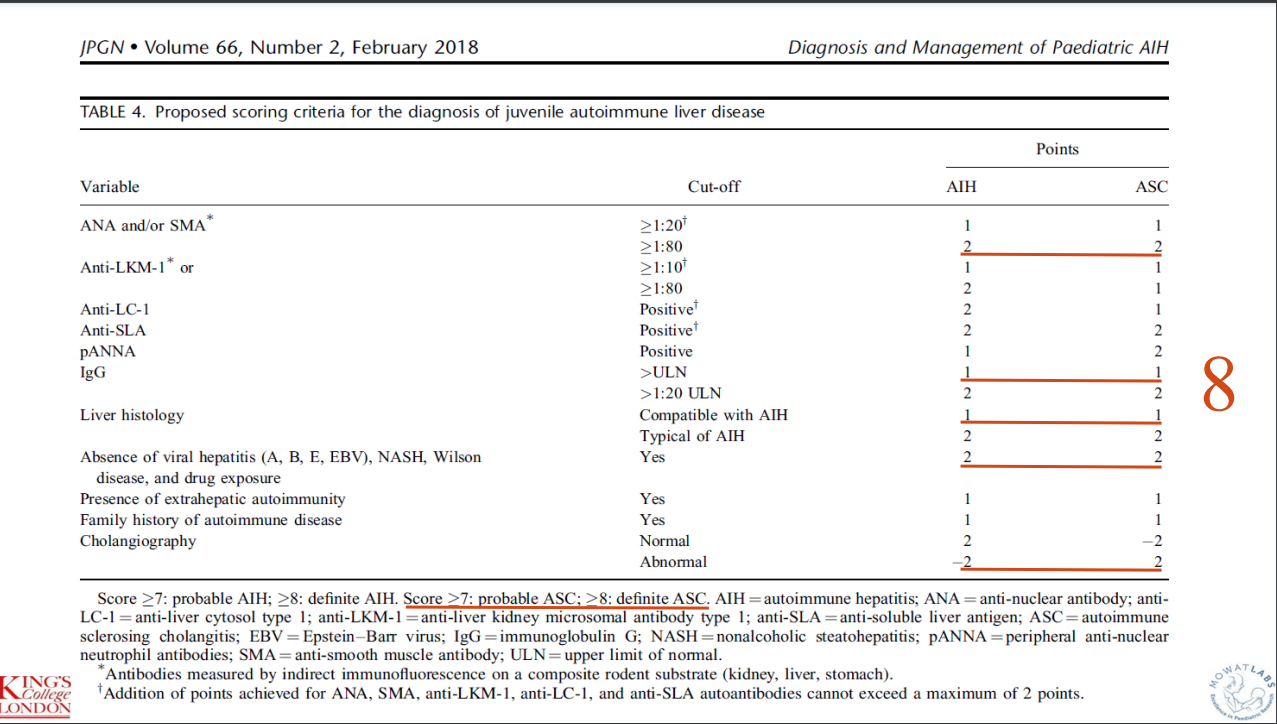
This case report highlights the evaluation and management of autoimmune liver disease hepatitis. Workup included autoimmune serology, GGT, celiac serology, calprotectin, and ultrasonography.   EGD-Colonoscopy was prompted by elevated calprotectin.  MRCP was prompted by elevated GGT (GGT were normal at the time of biopsy and MRCP) and liver biopsy findings.  

“My message is that MRCP and colonoscopy should be done in all cases of autoimmune liver disease in children and adolescents, irrespective of calprotectin levels or elevated GGT and biliary changes on histology, as both IBD and sclerosing cholangitis can be present without any of the classical symptoms and signs. Only by doing this it is possible to reach an early diagnosis which is essential for early treatment and for a good outcome.” 

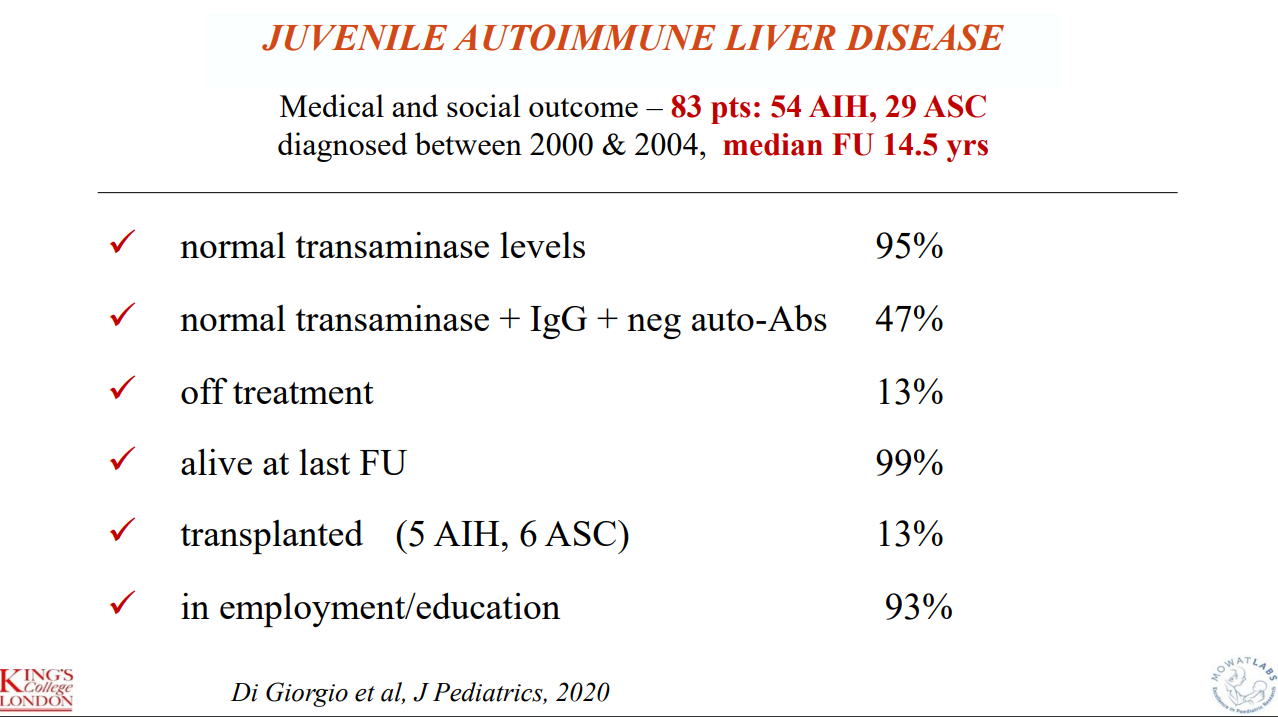
Outcome data indicate that 11 of 83 (13%, 5 AIH, 6 ASC)) required transplantation. “I have shown our long-term outcome data not to stress the number of patients who have required transplantation, but the number of patients who are well and have a normal life after over 14 years of follow-up. This can be only achieved if one thinks of autoimmune liver disease even if the child appears to have something non-specific, initiating correct treatment for the liver, and the gut if there is bowel disease, as soon as possible. At the beginning, treatment should be monitored very closely (at least weekly), to be able to decrease the dose of steroids swiftly, introduce azathioprine if needed, and avoid side affects.”

Key points:

  • Budesonide is not a good substitute for prednisone in autoimmune hepatitis
  • Mycophenolate is frequently used as a 2nd line agent
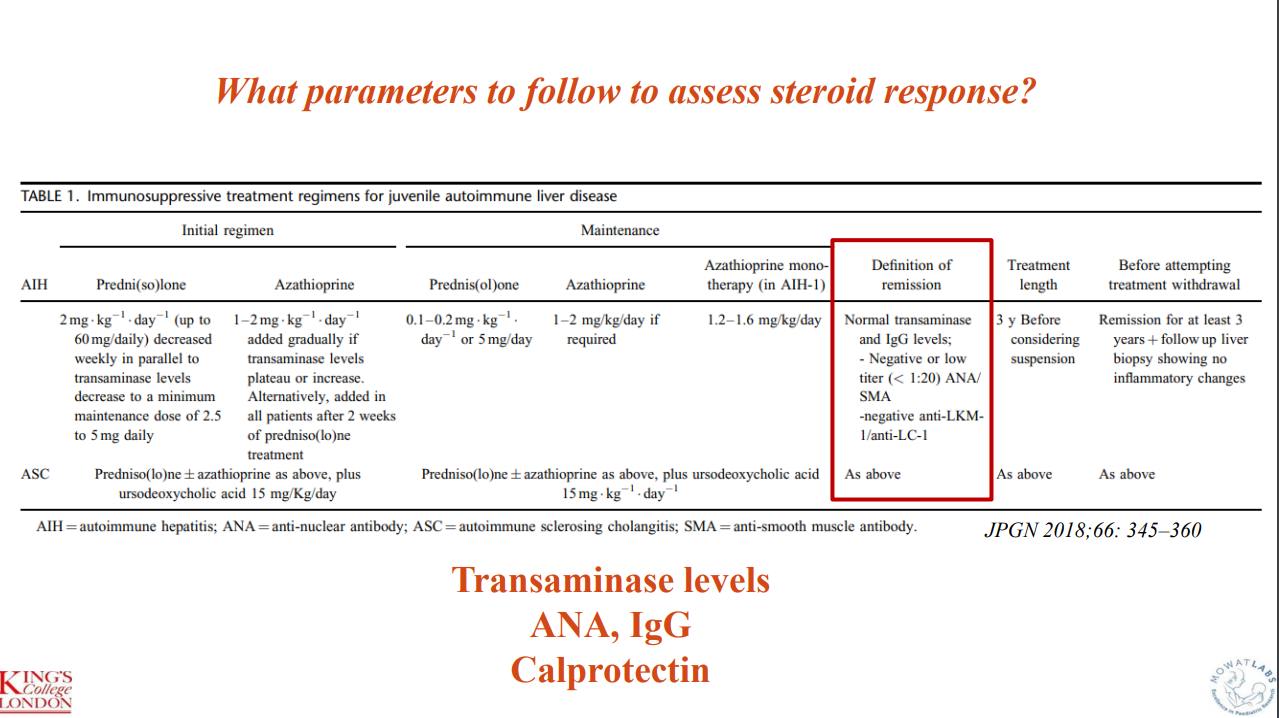
  • Consider calprotectin in patients with autoimmune liver disease to screen for IBD  (though calprotectin can be falsely-negative)
  • Consider followup liver biopsy after normalization of liver enzymes for ~3 yrs (when consideration of stopping medications)
  • Recommends MRCP for all patients with AIH

Some slides:

Key points:

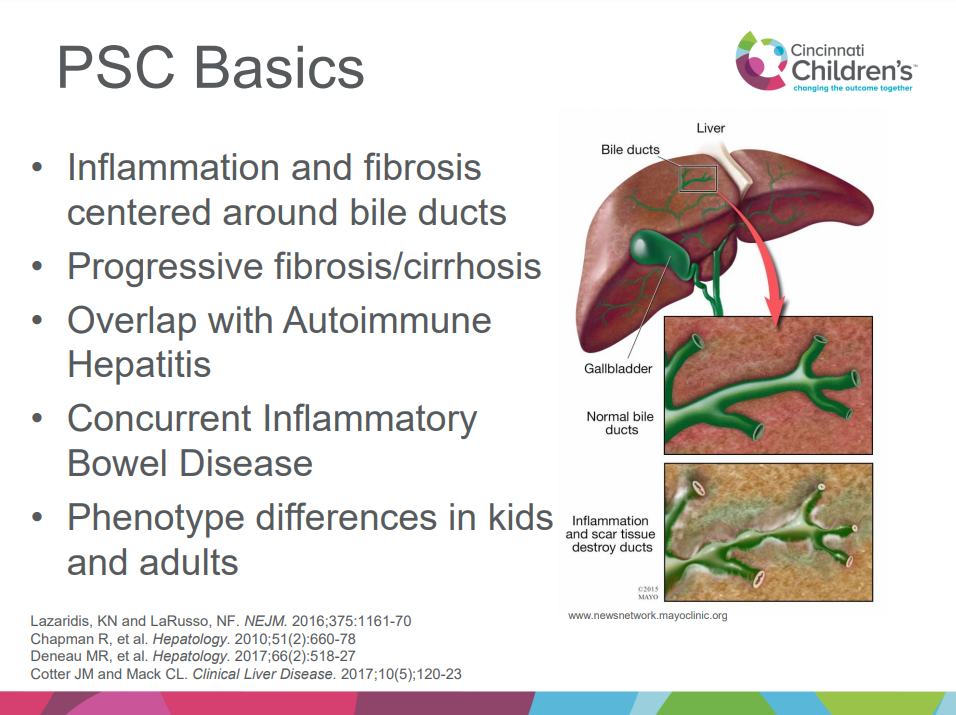
  • Better understanding of immune basis of PSC is developing
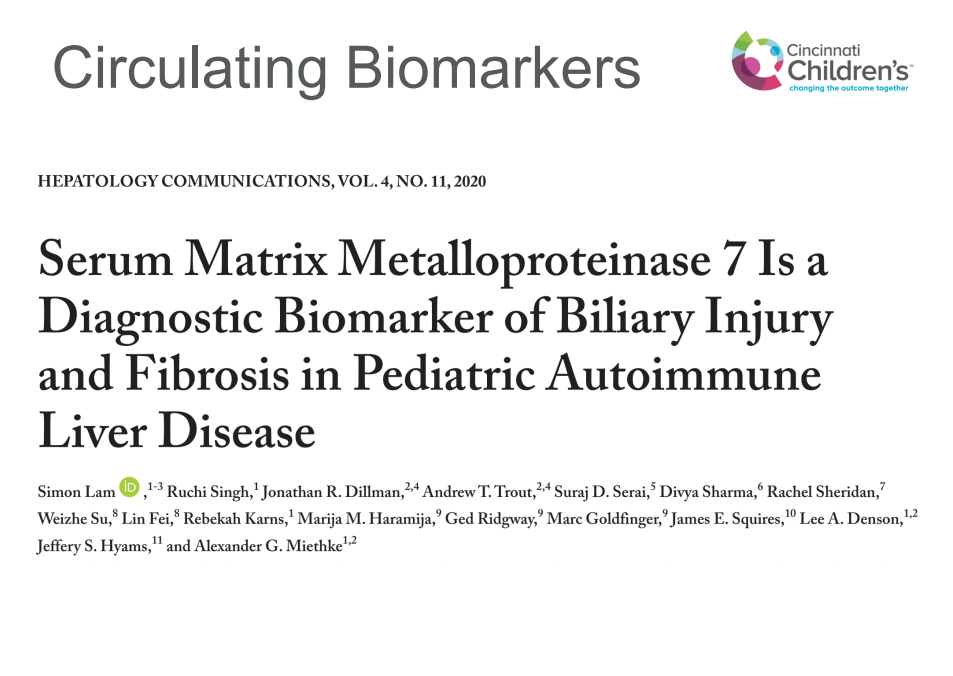
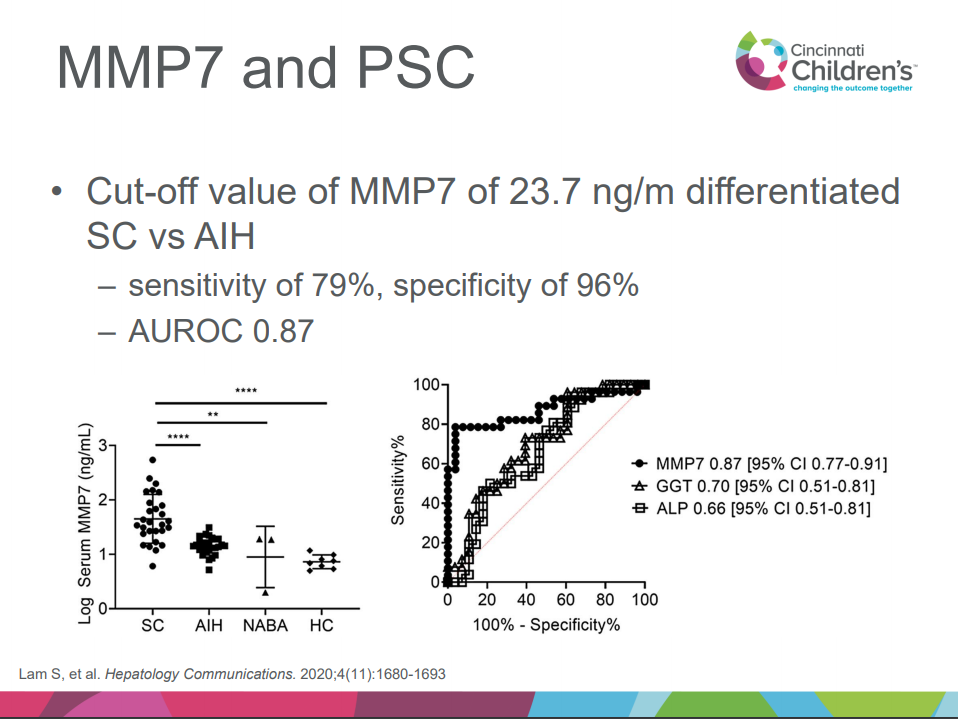
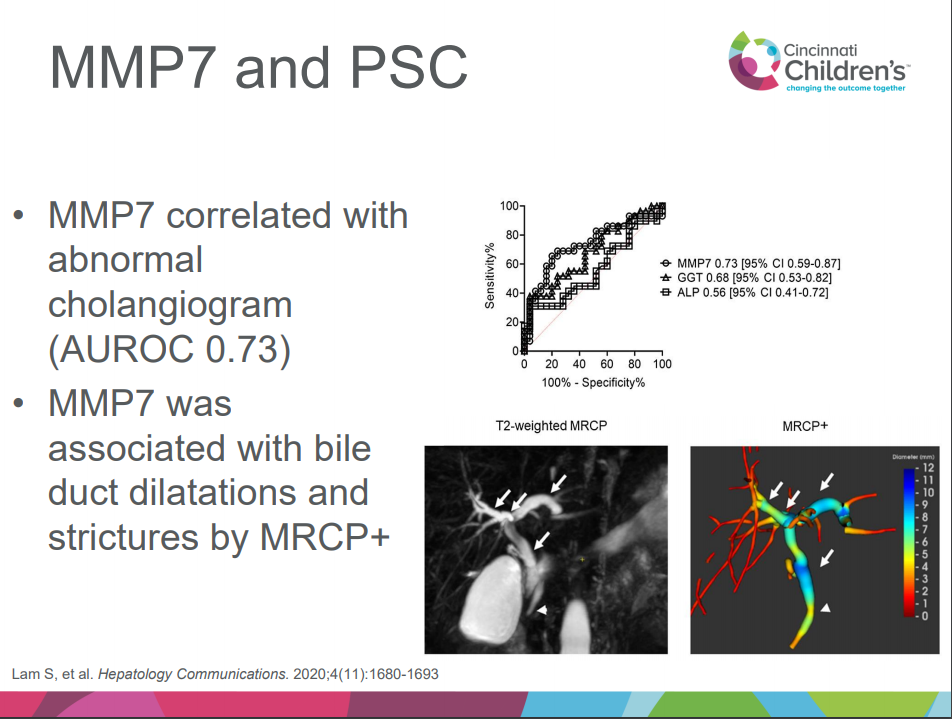
  • MMP-7 appears to help differentiate PSC/ASC from AIH
  • Small duct PSC is more common in children
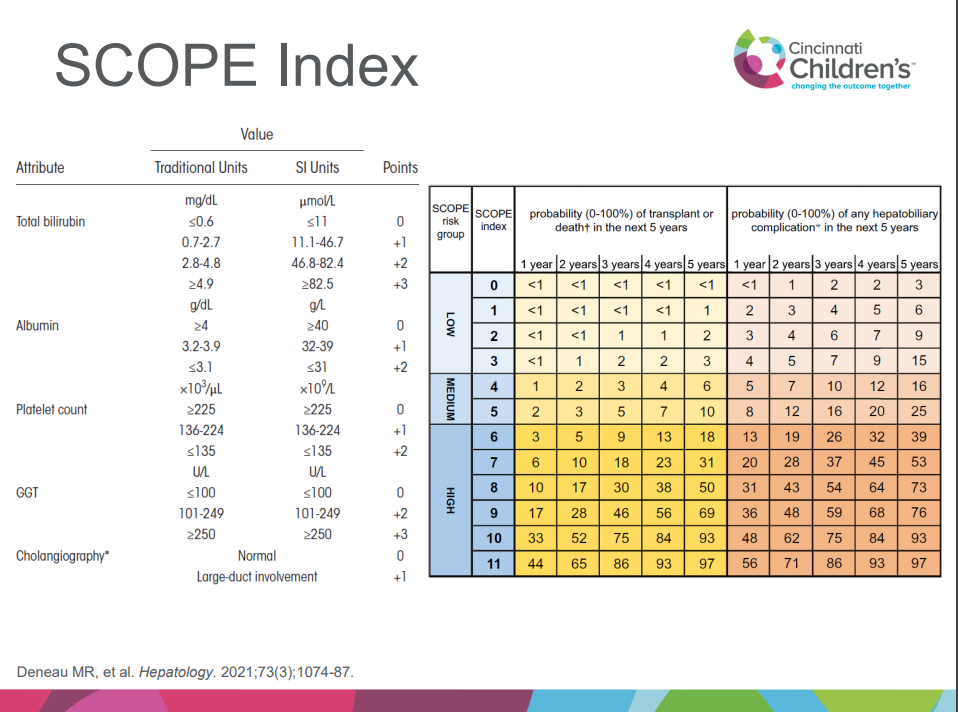
  • SCOPE index can help predict outcomes
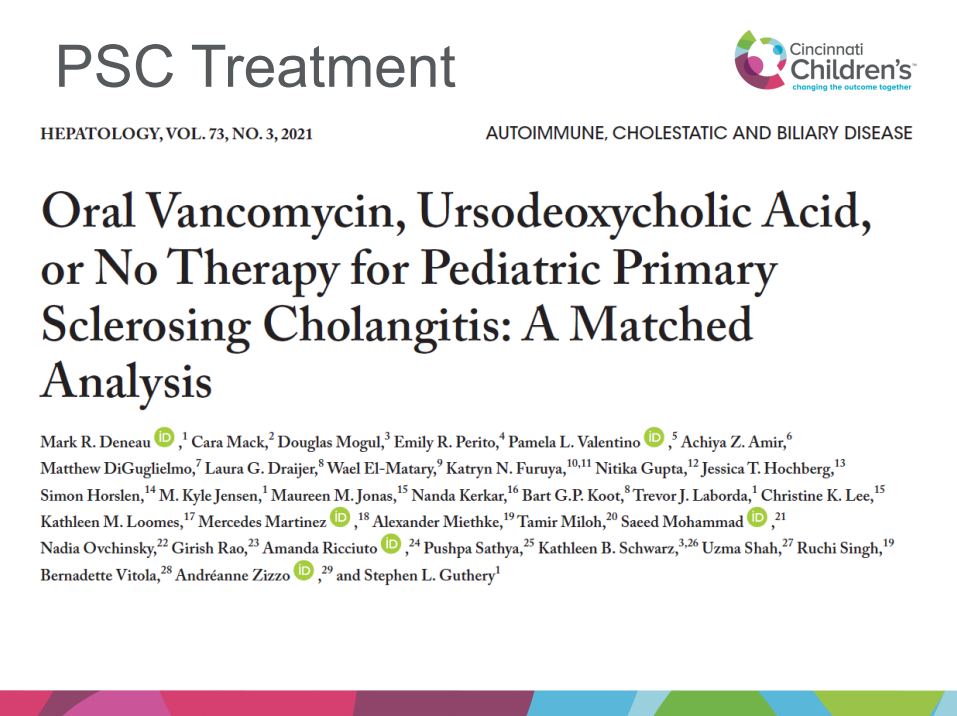
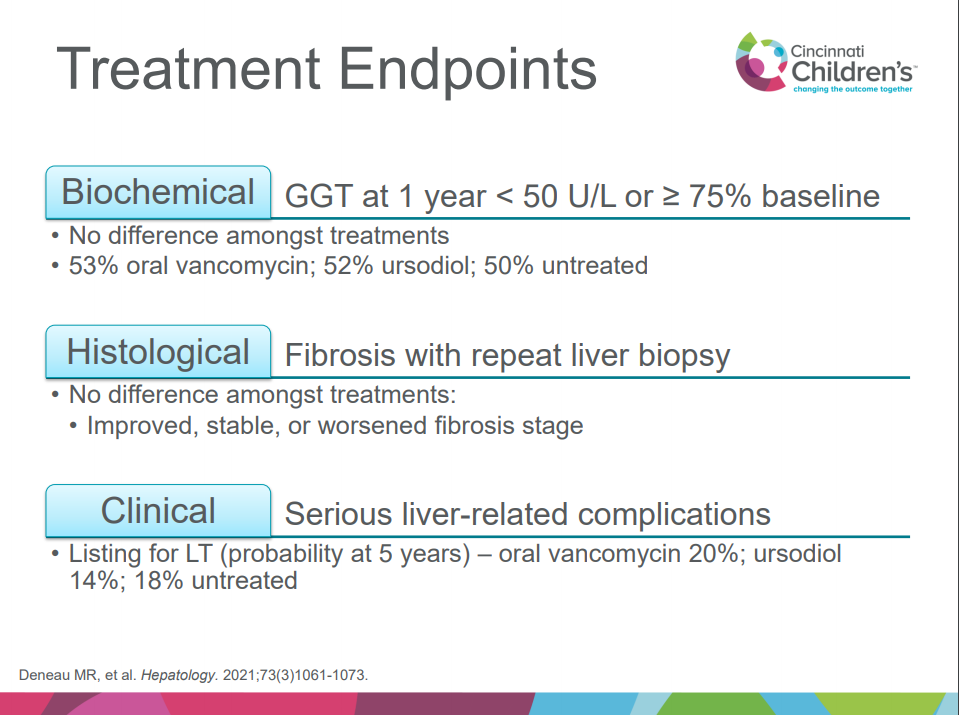
  • Treatment: no clear benefit of vancomycin, ursodeoxycholic acid compared to placebo but need for randomized controlled study
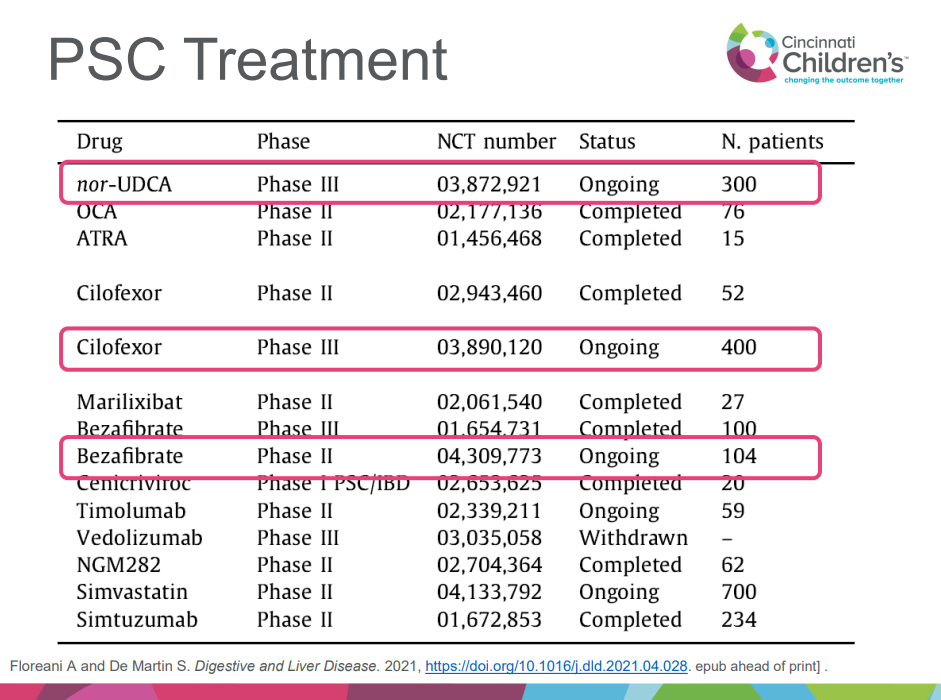
  • Several studies of new agents for PSC in adults are ongoing, including nor-UDCA, cilofexor, bezafibrate
  • Vedolizumab does not appear to be effective for PSC
  • Related blog post: Online Aspen Webinar (Part 3) -2020 lots of links to other related blog posts

Some of the slides:

Milo Rezvani -case report

Child with FTT, elevated LFTs, sporadic mild hypoglycemia, and neurologic symptoms. DDx: congenital disorders of glycosylation (CDG), mitochondrial d/o, peroxisomal d/o, urea cycle d/o and lysosomal d/o.  Diagnosis was made after liver biopsy and whole exome sequencing (which showed PMM2 mutations).  Diagnosis of most CDG can be made by serum transferrin isoforms. Discussion among many participants noted that liver biopsy often not needed in age of genetic testing.

Aspen Webinar 2021 Part 4 – IFALD Update

More from Aspen Webinar 2021. This blog entry has abbreviated/summarized several presentations. Though not intentional, some important material is likely to have been omitted; in addition, transcription errors are possible as well. An excellent review from Dr. Sokol.

What’s New with IFALD Ronald Sokol

Key points:

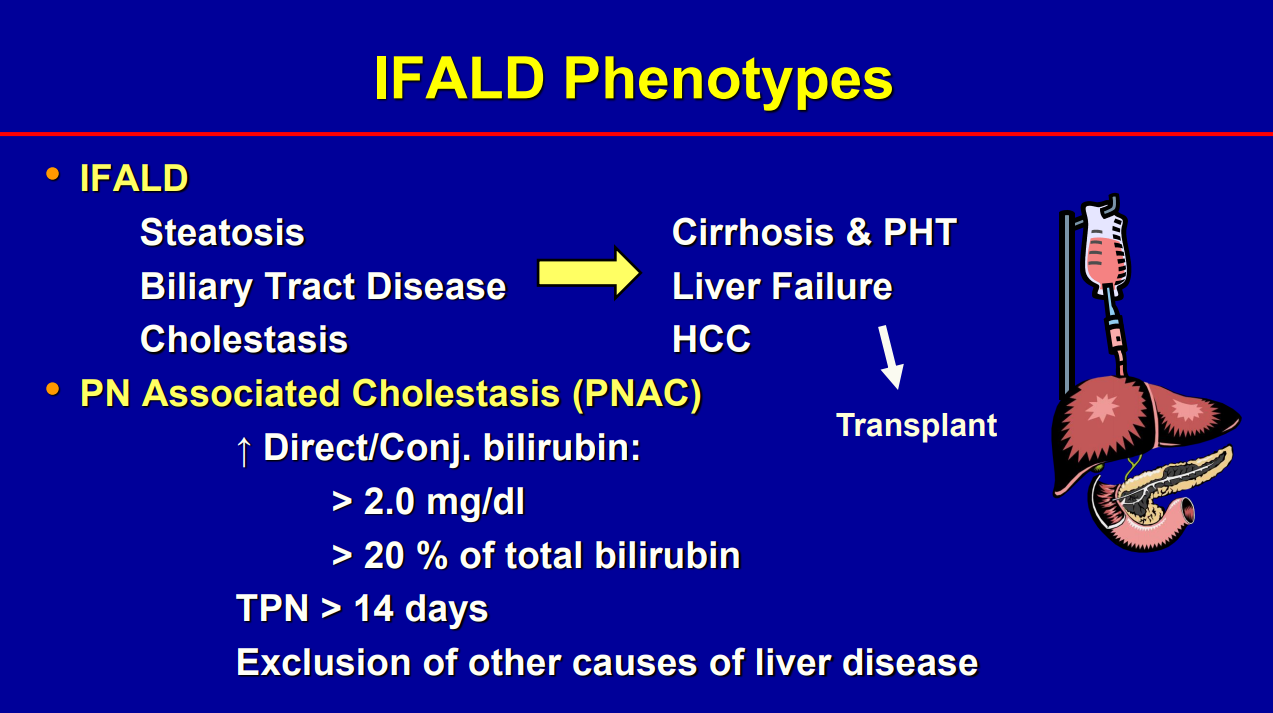
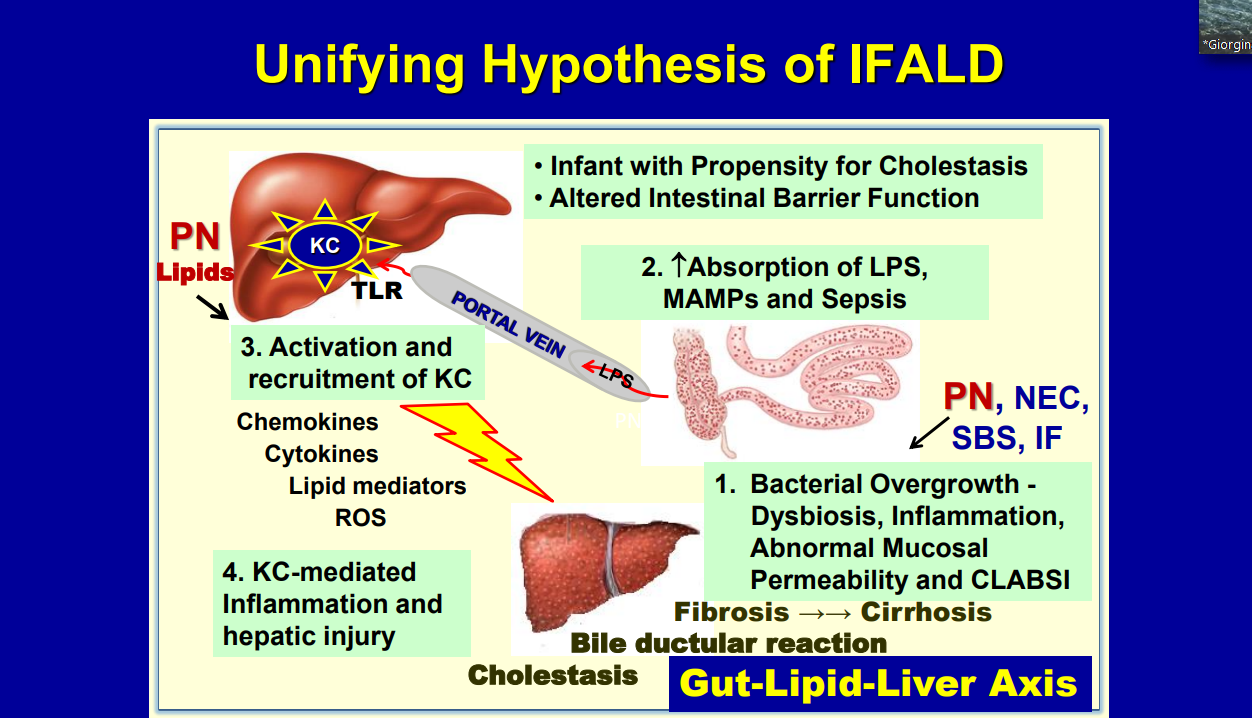
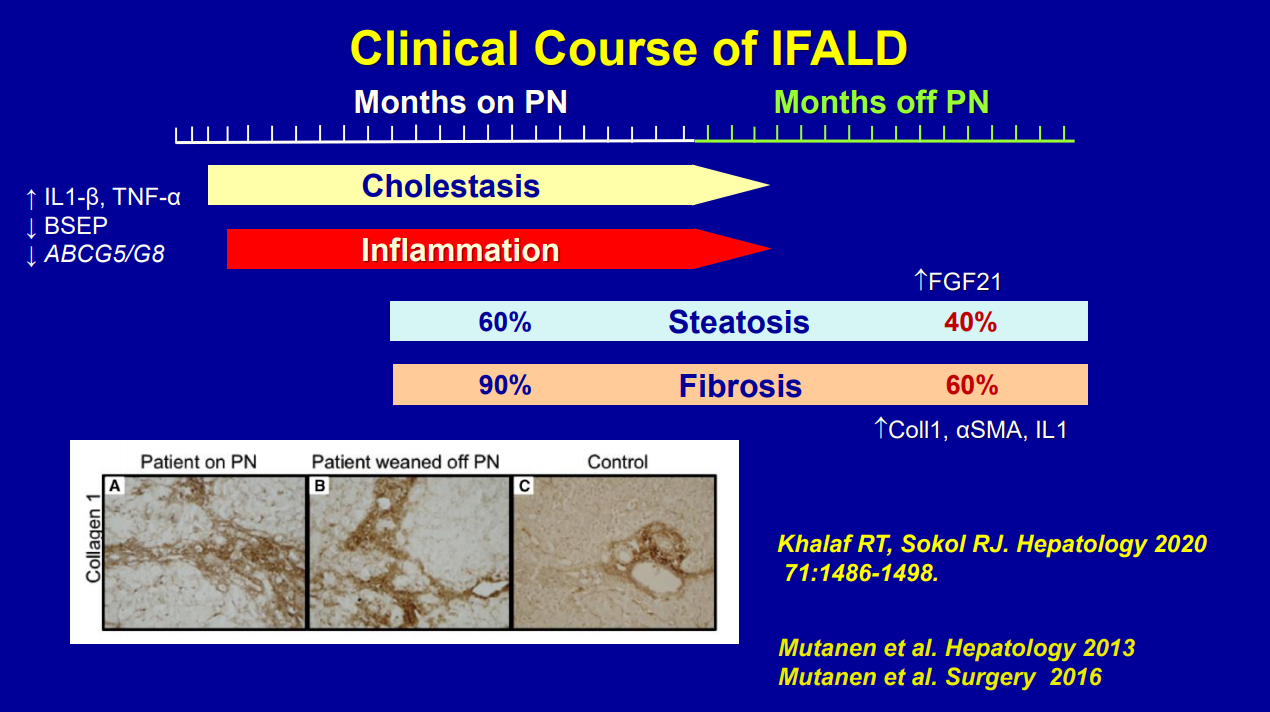
  • Biliary cirrhosis related to parenteral nutrition has been the major indication for small bowel  transplantation/multi-visceral transplantation. IFALD presentations: Steatosis, biliary tract disease and cholestasis
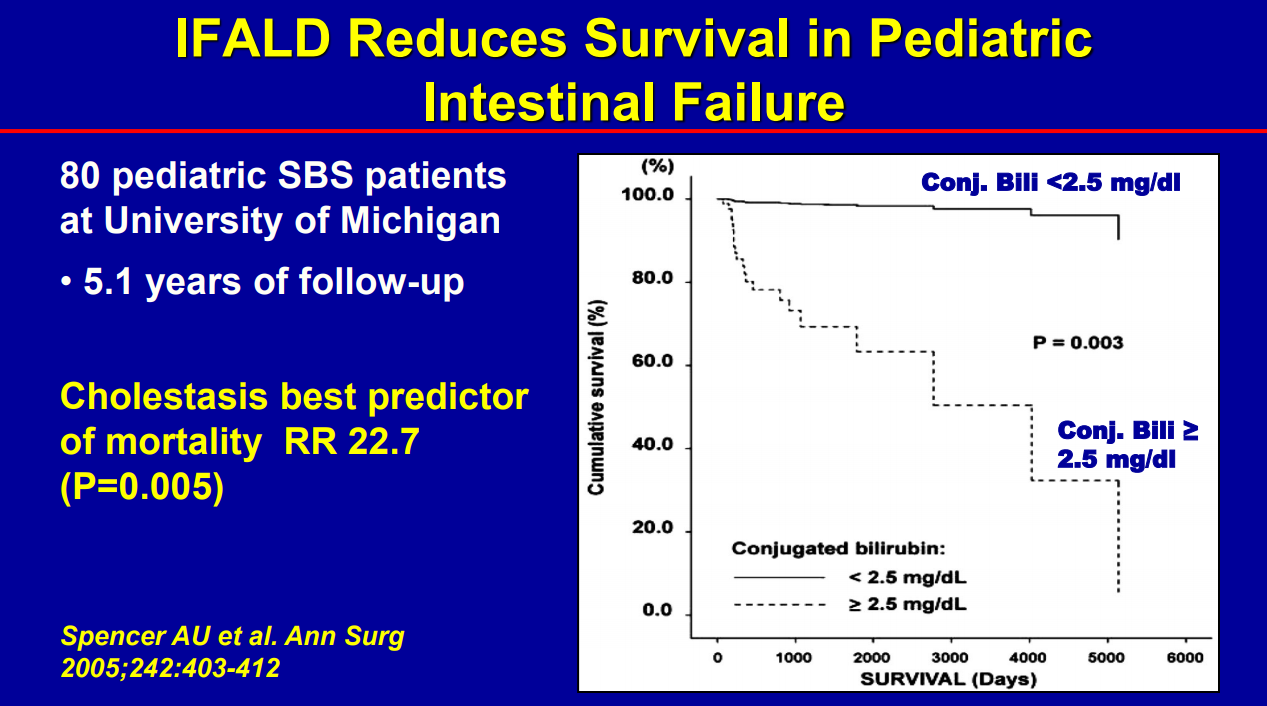
  • Conjugated bilirubin >2.5 had RR 22.5 for mortality (prior to availability of intestinal transplantation)
  • Even after weaning off PN, studies have shown long-lasting fibrosis and steatosis in more than 40% of patients (>8 yrs off PN)
  • Intestinal microbiome is altered in patients with IFALD
  • Puder M et al. (Ann Surg 2009; 250: 395) showed that fish oil (at lower doses) was associated with improvement/resolution of parenteral nutrition associated cholestasis (PNAC)
  • Lipid reduction also is associated with cholestasis resolution
  • Treatments: Advance enteral feeds, lipid modulation, prevent CLABSI, treat bacterial overgrowth, GLP-2, and STEP procedure/tapering
  • SMOF lipid allows full dosing of lipids (3 gm/kg)
  • Caution with Fish oil (omegaven): 1. Does not prevent hepatic fibrosis progression 2. Reduction of lipid doses can have negative effects on brain growth
  • Lipid management has been crucial in reducing the number of children needing intestinal transplantation

Some of the slides:

IBAT Inhibitors Frederick Suchy

Key  points:

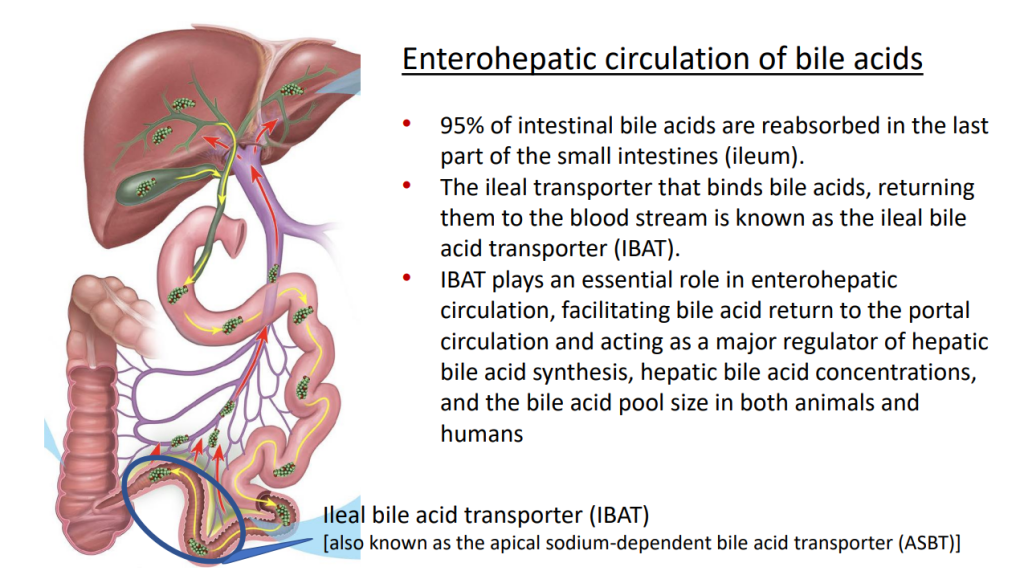
  • IBAT inhibitors block intestinal absorption of bile acids/disrupt enterohepatic circulation; this leads to augmented bile acid excretion in stools
  • IBAT inhibitors may reduce liver damage in the setting of cholestasis/accumulation of toxic bile acids
  • Potential diseases for IBAT inhibitors include Alagille syndrome and PFIC
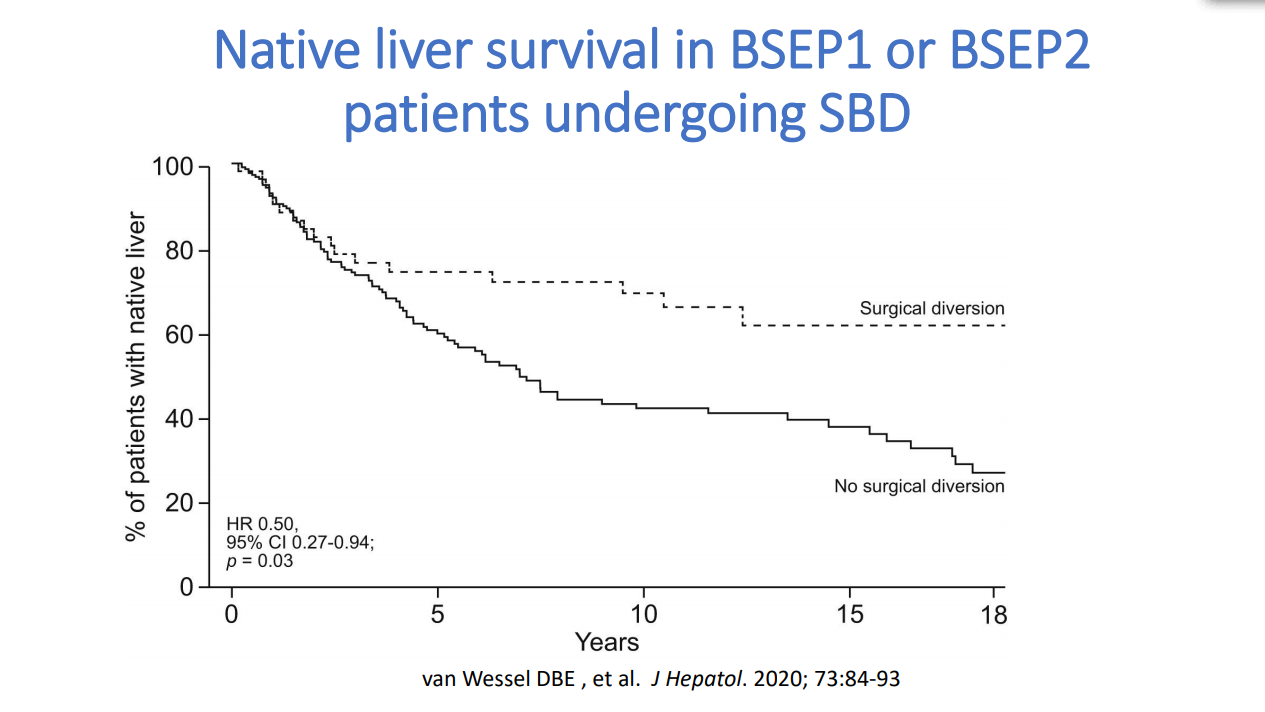
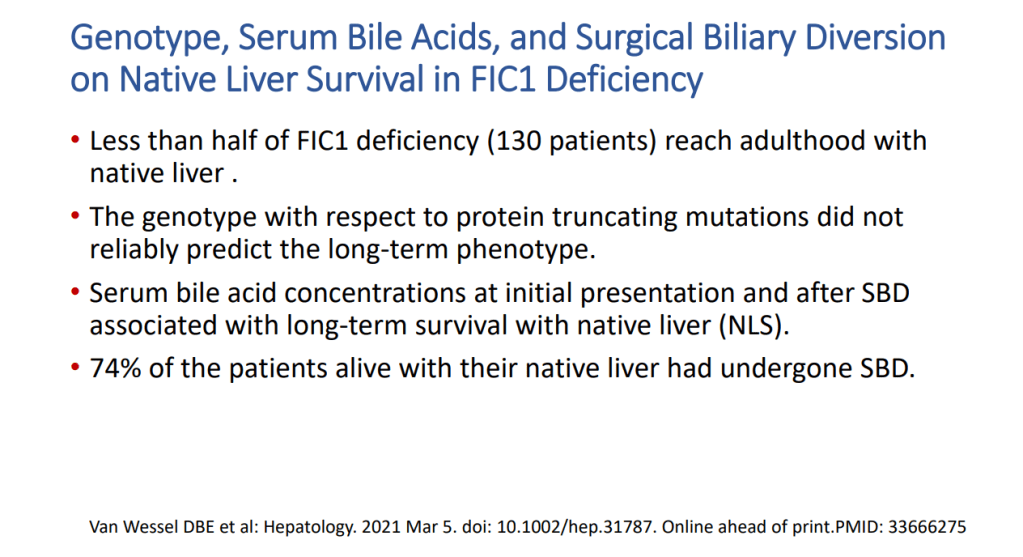
  • Van Wessel et al (J Hepatol 2020; 73: 84-93) correlated survival with PFIC1/PFIC2 with bile acid levels and showed improvement in survival in those with surgical biliary diversion
  • Goals for IBAT inhibitor trials: improvement in pruritus, bile acids, reduced ALT, hepatic fibrosis, HCC and need for liver transplantation
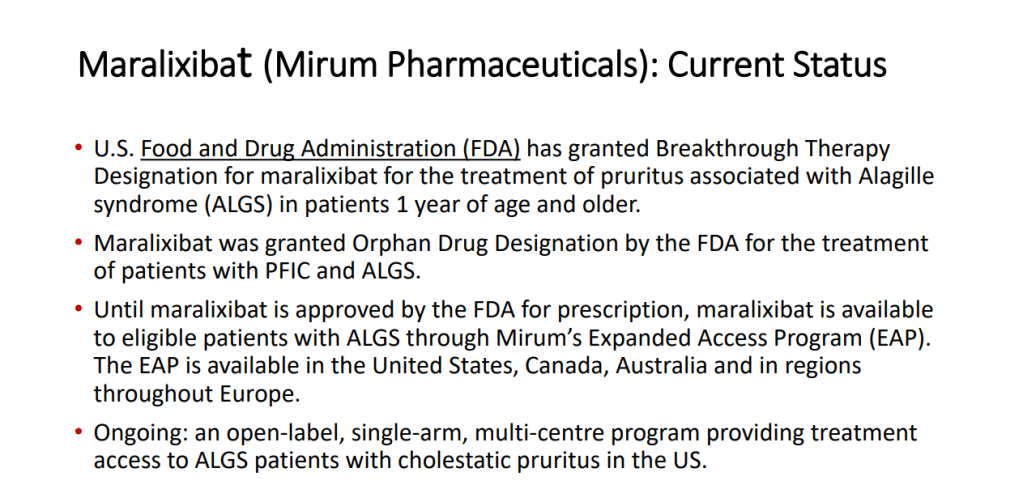
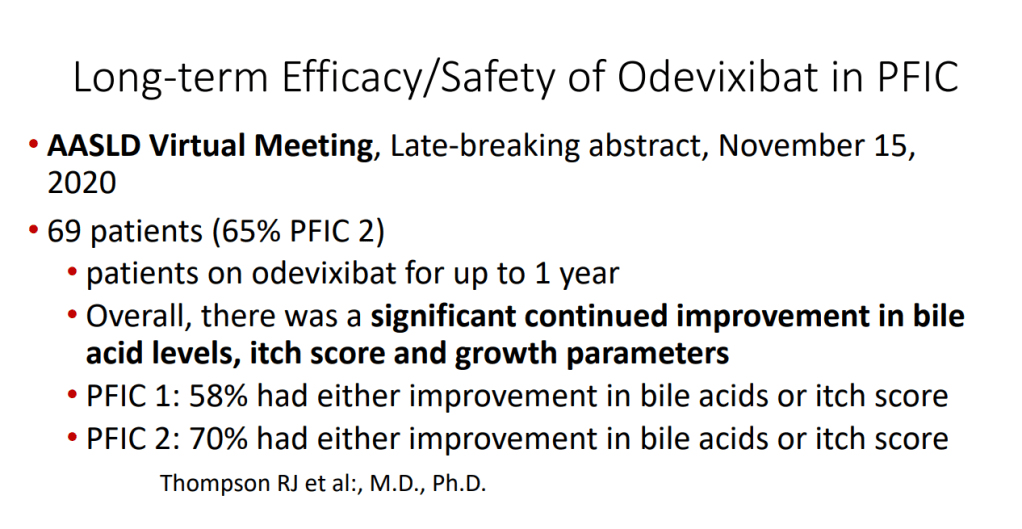
  • Marixibat is available for use as an FDA approved breakthrough medication for Alagille and PFIC2 in pediatric patients older than 1 year
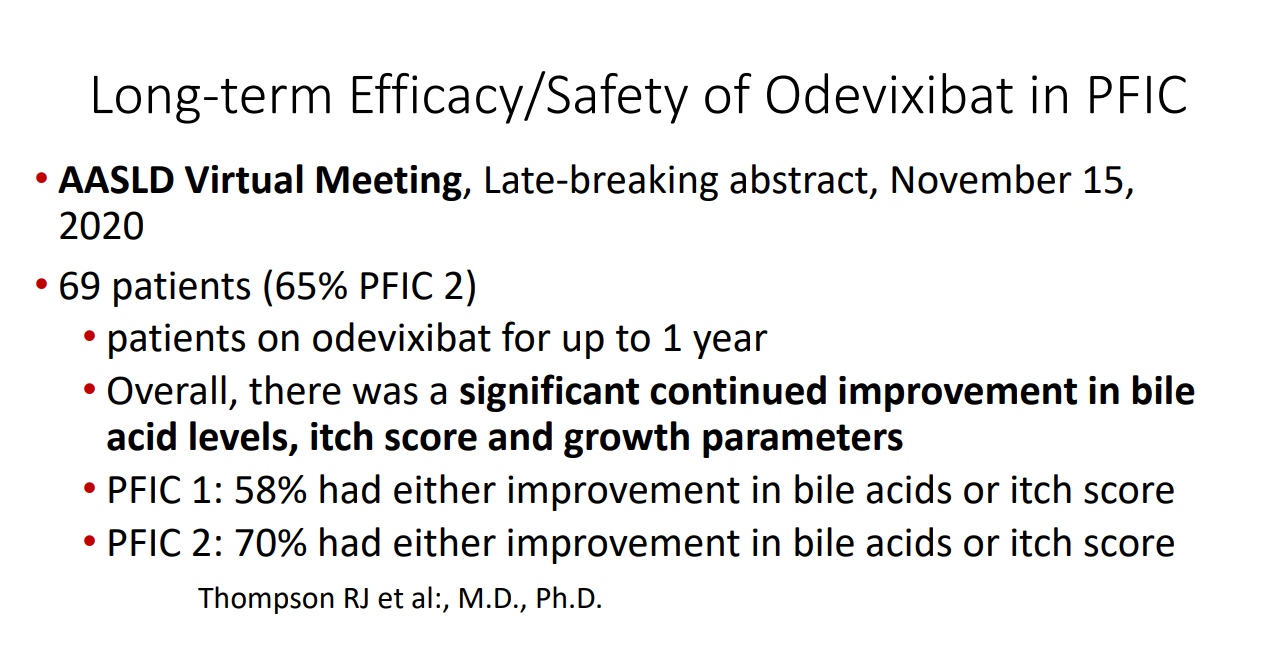
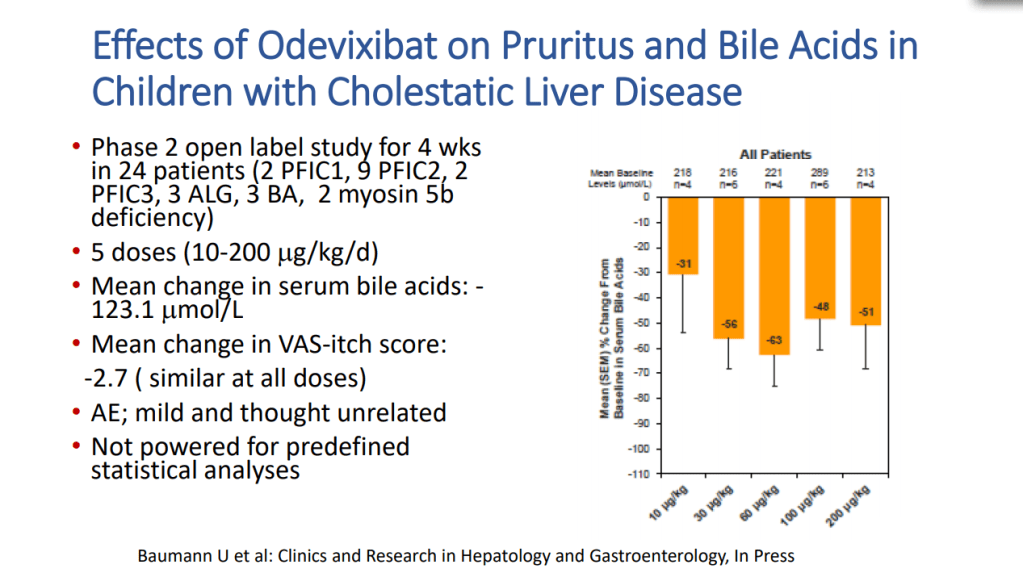
  • Odexibat is designated as an orphan drug for Alagille, PFIC, PBC, and biliary atresia
  • Safety appears good with IBAT inhibitors. Fat soluble vitamin monitoring is needed

Case report: Alejandro Velez Lopez

3 yo presented with fatigue and jaundice, 3 weeks after COVID-19 infection. She was not taking any medications.  Labs:  ALT 939, AST 1321, T bili 5.5, D bili 0.9, INR 2, Plts 174, Hgb 12.8, LDH 1297. remained positive for SARS-CoV2 by PCR. Acetaminophen -no exposure.  Evaluation: LKM 1:1280. Neg ANA, NL Ferritin, NL sIL2r, Other viral studies negative, NL IgG. Developed encephalopathy with NH4 317, INR peaked at 2.8.  Treated with steroids, rifaximin and lactulose.  Liver biopsy showed sub-massive necrosis and fibrosis (indicative of  autoimmune hepatitis, likely triggered or exacerbated by COVID-19).  Patient responded to medical therapy and did not require liver transplantation.

Aspen Webinar 2021 Part 3-IBAT Inhibitors

This blog entry has abbreviated/summarized this presentation. Though not intentional, some important material is likely to have been omitted; in addition, transcription errors are possible as well. Another great lecture from Dr. Suchy.

IBAT Inhibitors Frederick Suchy

Key  points:

  • IBAT inhibitors block intestinal absorption of bile acids/disrupt enterohepatic circulation; this leads to augmented bile acid excretion in stools
  • IBAT inhibitors may reduce liver damage in the setting of cholestasis/accumulation of toxic bile acids
  • Potential diseases for IBAT inhibitors include Alagille syndrome and PFIC
  • Van Wessel et al (J Hepatol 2020; 73: 84-93) correlated survival with PFIC1/PFIC2 with bile acid levels and showed improvement in survival in those with surgical biliary diversion
  • Goals for IBAT inhibitor trials: improvement in pruritus, bile acids, reduced ALT, hepatic fibrosis, HCC and need for liver transplantation
  • Marixibat is available for use as an FDA approved breakthrough medication for Alagille and PFIC2 in pediatric patients older than 1 year
  • Odexibat is designated as an orphan drug for Alagille, PFIC, PBC, and biliary atresia
  • Safety appears good with IBAT inhibitors. Fat soluble vitamin monitoring is needed
This image has an empty alt attribute; its file name is image-132.png
This image has an empty alt attribute; its file name is image-134.png
This image has an empty alt attribute; its file name is image-136.png
This image has an empty alt attribute; its file name is image-138.png
This image has an empty alt attribute; its file name is image-140.png
This image has an empty alt attribute; its file name is image-142.png
This image has an empty alt attribute; its file name is image-144.png
This image has an empty alt attribute; its file name is image-146.png
This image has an empty alt attribute; its file name is image-148.png

Related blog posts:

Case report: Alejandro Velez Lopez

3 yo presented with fatigue and jaundice, 3 weeks after COVID-19 infection. She was not taking any medications.  Labs:  ALT 939, AST 1321, T bili 5.5, D bili 0.9, INR 2, Plts 174, Hgb 12.8, LDH 1297. remained positive for SARS-CoV2 by PCR. Acetaminophen -no exposure.  Evaluation: LKM 1:1280. Neg ANA, NL Ferritin, NL sIL2r, Other viral studies negative, NL IgG. Developed encephalopathy with NH4 317, INR peaked at 2.8.  Treated with steroids, rifaximin and lactulose.  Liver biopsy showed sub-massive necrosis and fibrosis (indicative of  autoimmune hepatitis, likely triggered or exacerbated by COVID-19).  Patient responded to medical therapy and did not require liver transplantation.

Aspen Webinar 2021 Part 2 -Nonalcoholic Steatohepatitis

From the 2nd lecture of the Aspen Webinar. This blog entry has abbreviated/summarized this presentation. Though not intentional, some important material is likely to have been omitted; in addition, transcription errors are possible as well. This was a terrific lecture!

NASH Update Stavra Xanthakos

Key points:

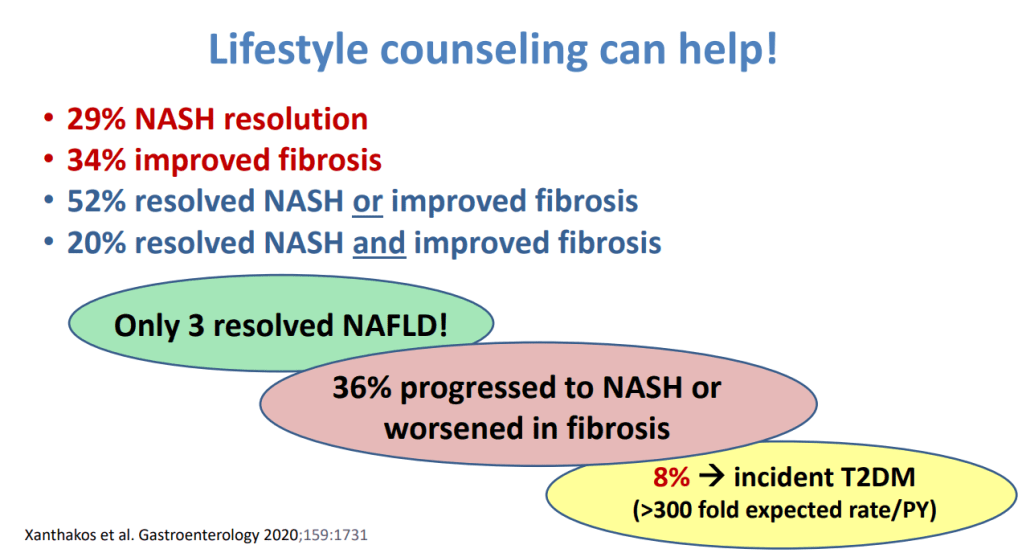
  • Lifestyle intervention is 1st line Rx (especially avoiding sugary beverages, and processed foods). This may lead to resolution of NASH in ~29%, fibrosis resolution in 34%; though, only 3% resolved fatty liver
  • Many have progressive disease despite lifestyle treatment recommendations
  • Consider adjunctive treatments if not improving with lifestyle intervention
  • Vitamin E for biopsy-confirmed disease (often for 1-2 years of therapy)
  • Pioglitazone -off-label for adults (18+). Can increase weight; a lot of trials in adults
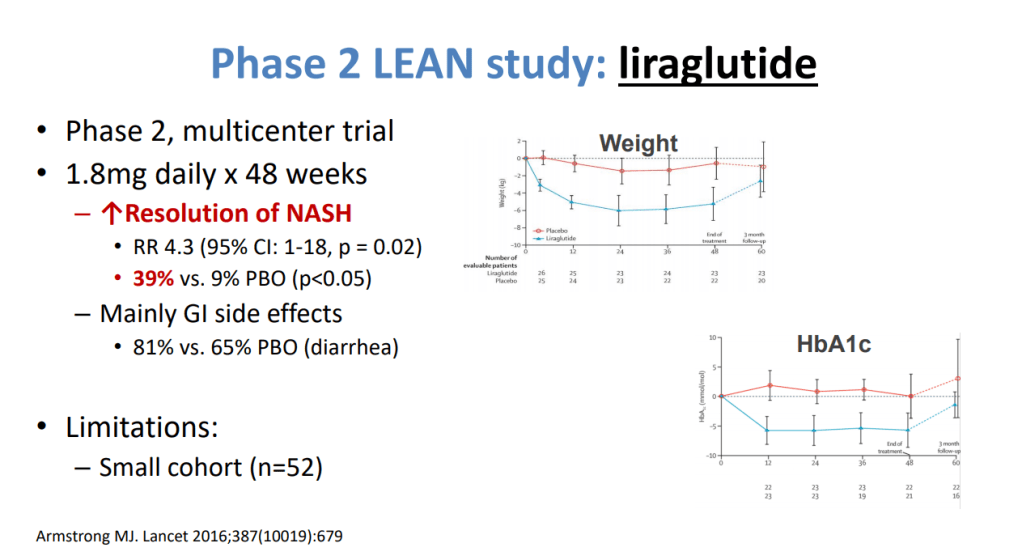
  • Several phase 3 trials in NASH -GLP1 agonists promising in phase 2 trials
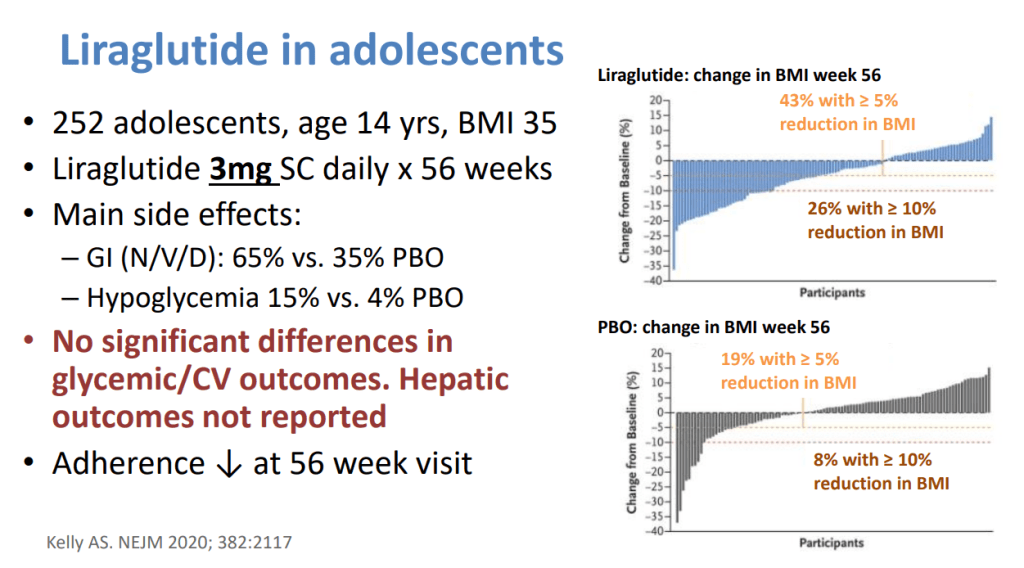
  • GLP1 agents being used in adolescents with T2DM who may also have NASH – monitor liver outcomes
  • Anti-obesity medications may help with weight and perhaps the liver. Approved agents for adolescents include 1) Orlistat -safe, but frequent side effects (eg. Diarrhea, greasy accidents) and 2) Liraglutide -daily SC.  Insurance coverage is limited.
  • Biopsy is important before implementing medications and may influence decision to pursue bariatric surgery.  
  • Fibroscan, if shows no significant fibrosis, can help limit biopsy.
This image has an empty alt attribute; its file name is image-230.png
This image has an empty alt attribute; its file name is image-232.png
This image has an empty alt attribute; its file name is image-234.png
This image has an empty alt attribute; its file name is image-236.png
This image has an empty alt attribute; its file name is image-240.png
This image has an empty alt attribute; its file name is image-238.png
This image has an empty alt attribute; its file name is image-242.png
This image has an empty alt attribute; its file name is image-244.png

Related blog posts:

Aspen Webinar 2021 Part 1-COVID-19 and the Liver

Notes from this year’s Aspen Webinar 2021. This blog entry has abbreviated/summarized some of these presentations. Though not intentional, some important material is likely to have been omitted; in addition, transcription errors are possible as well. The first talk was excellent.

What’s Hot -COVID-19 and the Liver  William Balistreri

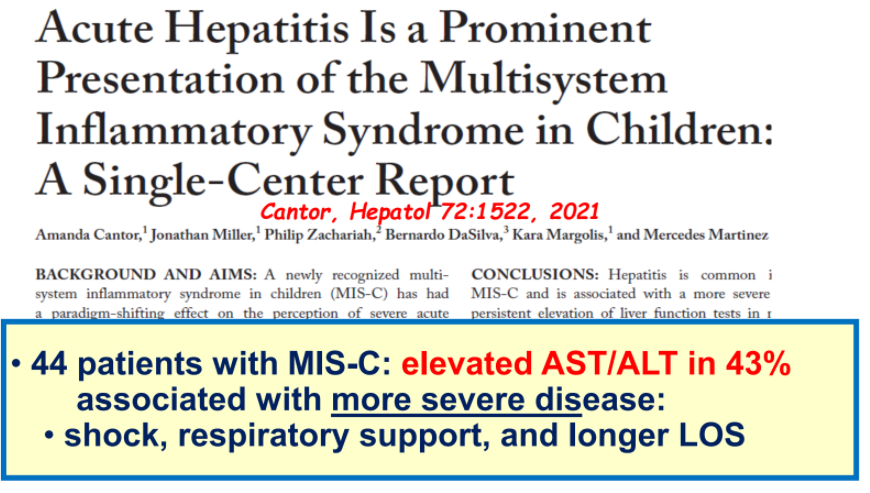
This lecture covered a ton of information and publications with regard to COVID-19 and the liver.

Key points:

  • Numerous studies generally show that liver problems related to COVID-19 are mild, particularly in children
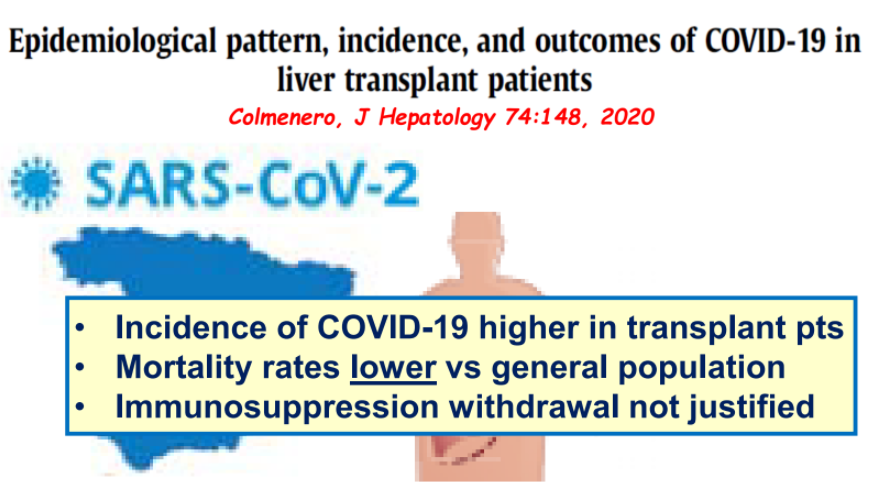
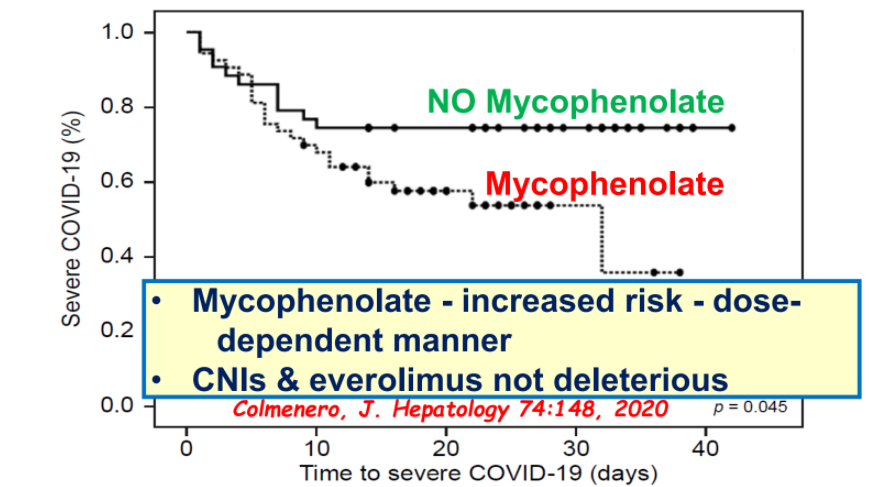
  • Most immunosuppression agents do not worsen outcomes with COVID-19 and should not be reduced in autoimmune hepatitis or liver transplantation; the exception, mycophenolate has been associated with worsened outcomes
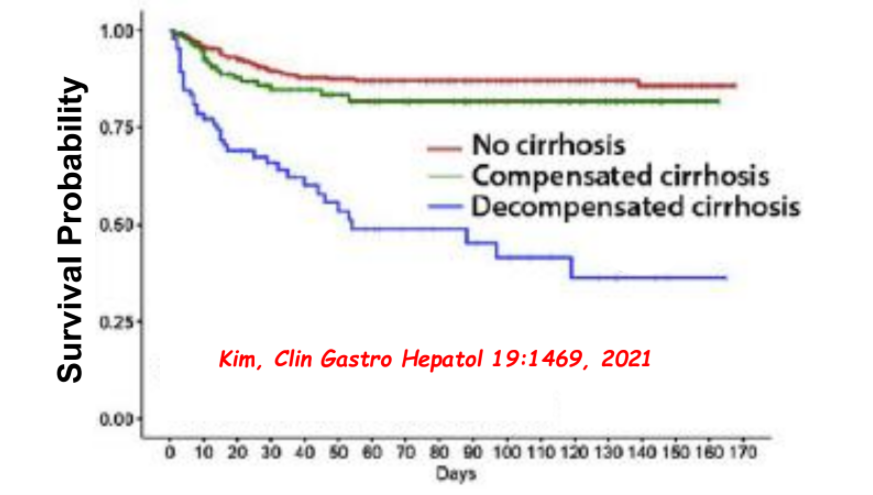
  • Cirrhosis is associated with worse outcomes in patients with COVID-19
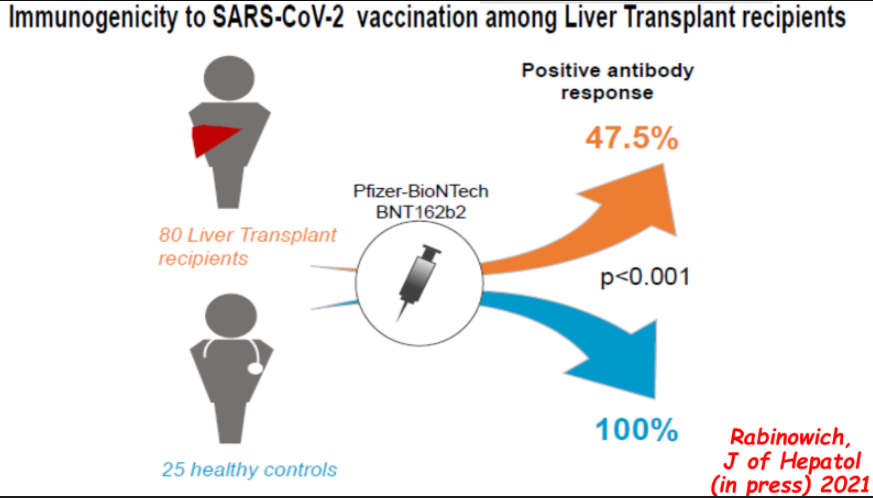
  • Vaccine response is blunted in immunocompromised patients with 40-50% developing antibody response after two doses of mRNA vaccines and generally lower titers.  3rd dose of vaccine may improve response.

Some of the slides:

Pediatric Data:

Differentiating NERD from Functional Heartburn

D Patel et al. Clin Gastroenterol Hepatol 2021; 19: 1314-26. Full text: Untangling Nonerosive Reflux Disease From Functional Heartburn. This is an excellent review.

Key points:

  • PPI response: 56% for erosive reflux disease, 37% for NERD, and 25% for functional heartburn (FH) per Figure 3 (*”FH might be a placebo effect owing to short follow-up evaluation”
  • Determination of abnormal acid exposure time (AET >6% in adults) is key in distinguishing NERD from FH which in turn helps with selection of treatment. NERD is notable for AET >6% in adults. Many patients with NERD may also have esophageal hypersensitivity
  • Table 2 reviews efficacy of neuromodulators for functional esophageal disorders; these include TCAs, SNRIs, SSRIs, and other agents (eg. gabapentin)
Heartburn etiologies in adults, per Yamasak T et al. J Neurogastroenterol Motil 2017; 23: 495-503.

Related blog posts: