Sickle Cell Related Liver Disease

A terrific review of sickle cell disease (SCD) associated liver problems: F Lacaille et al. JPGN 2021; 72: 5-10. The Liver in Sickle Cell Disease

While the most frequent liver-related problem in individuals is cholelithiasis (>25% after age 5 yrs), a host of other problems can develop –this article is a good reference.

Key points:

  • Acute Sickle Cell Hepatic Crisis, Intrahepatic cholestasis, and acute hepatic sequestration
    • ~6% of children and 10% of adults develop severe liver complications of SCD
    • With sequestration, indications include pain with acute drop in hemoglobin (>2 g/dL)
    • Acute hepatic crisis is often signaled by elevated conjugated bilirubin
    • With severe liver disease/liver ischemia, authors advocated for exchange transfusion which “more efficiently decreases HbS percentage, faster restoring the blood flow than simple transfusion.” Consider after excluding biliary complication if INR is >1.4 with increased conjugated bilirubin (>3 mg/L). “Simple transfusion should be discussed in other cases.”
  • Cholangiopathy and autoimmune liver disease
    • Although autoimmune sclerosing cholangitis/autoimmune hepatitis are rare, it may account for 8% of children with SCD referred for hepatic dysfunction
    • Liver biopsy, needed for diagnosis, “is a dangerous procedure in SCD, which cannot be performed without at least a transfusion”
    • “Steroids can induce sickle crisis”
    • Look for ANA, SMA, LKM, and ANCA
  • Iron Overload
    • “It is not usually a significant concern in children…In our patients, the median ferritin level was about 3000 ng/mL, and none had a severe overload on MRI”
  • Infections/Drug toxicity
    • Need to consider hepatitis B, hepatitis C, and hepatitis E in particular
    • Inquire about herbal medicines and recreative drugs
  • Liver transplantation
    • Results are often poor.
    • Problems include sickle cell crisis in the transplanted liver, and drug toxicity which can add to the neurological and renal morbidities of SCD
  • Stem cell transplantation
    • Consider for severe complications of SCD including hepatic complications

Related blog posts: 

From NY Times

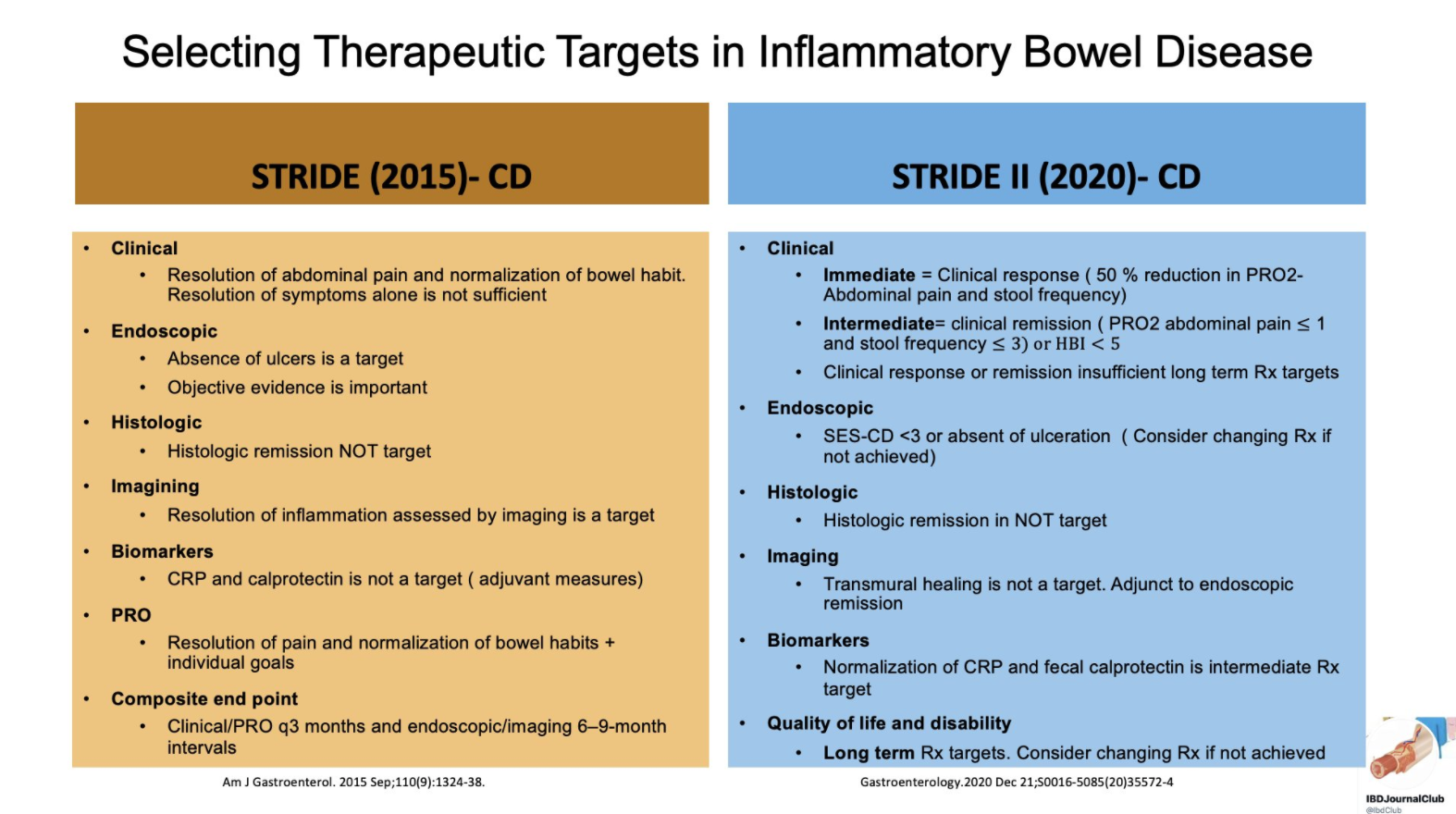
STRIDE II -Updated Crohn’s Disease Target Goals

From Tauseef Ali’s Twitter Feed — a summary slide of Crohn’s disease targets for both pediatric and adult patients and a slide showing typical response/remission/healing times to medications.

From the following article: D Turner et al. Gastroenterology (12/31/20, Online Ahead of Print): DOI: 10.1053/j.gastro.2020.12.031 STRIDE-II: An Update on the Selecting Therapeutic Targets in Inflammatory Bowel Disease (STRIDE) Initiative of the International Organization for the Study of IBD (IOIBD): Determining Therapeutic Goals for Treat-to-Target strategies in IBD

Recommendations were based on a systematic review of the literature and iterative surveys of 89 IOIBD members, recommendations were drafted and modified in two surveys and two voting rounds.
Screening for Melanoma in At-Risk (Pediatric) Patients –Is This a Good Idea?

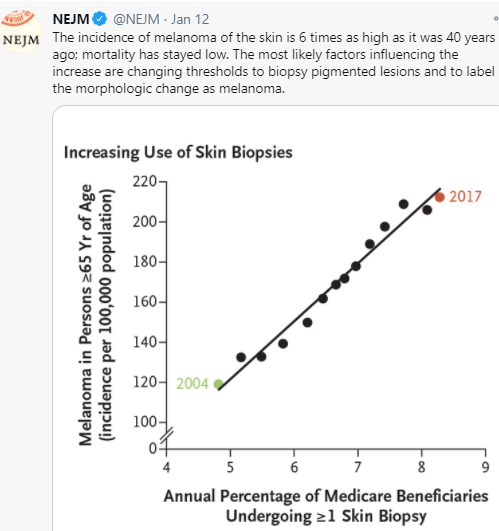
It would seem intuitive that screening for melanoma in at-risk pediatric patients would be worthwhile. And, this has been recommended in pediatric patients with inflammatory bowel disease who have received medications which increase the risk. However, a recent article (HG Welch et al. NEJM 2021; 384: 72-79. The Rapid Rise in Cutaneous Melanoma Diagnoses) provides a lot of reason to question this practice;. This article did not focus on pediatrics but its message about overdiagnosis of melanoma is applicable to this population as well.

Key points:

  • The increase in melanoma diagnosis (6-fold increase over 40 years) without a significant change in mortality (see Figure 4) indicates that the increase is primarily related to diagnostic scrutiny
  • This is driven by a fear of missing a diagnosis, medicolegal concerns and patient anxiety along with lower thresholds for referring to dermatology, lower thresholds for dermatologists to biopsy, and lower threshold by pathologists to diagnose melanoma
    • There are “no definitive diagnostic criteria for the pathological diagnosis of melanoma”
    • “The incidence of melanoma in situ is now 50 times as high as it was in 1975 (25 vs 0.5 per 100,000 population)…[yet there is a] lack of any appreciable effect in reducing the occurrence of invasive melanoma.”
  • Adverse consequences of unnecessary dermatology referrals: feeling vulnerable related to overdiagnosis of melanoma, increased costs, and difficulty obtaining life or health insurance
  • More “survivors” of melanoma overdiagnosis increase awareness of melanoma and can increase the cycle of overdiagnosis

My take: Routine visits to dermatology are difficult to justify in the absence of worrisome skin findings. “Although the conventional response has been to recommend regular skin checks, it is far more likely that more skin checks are the cause of the epidemic — not its solution.”
Endoscopic Pancreatic Function Testing -NASPGHAN Position Paper

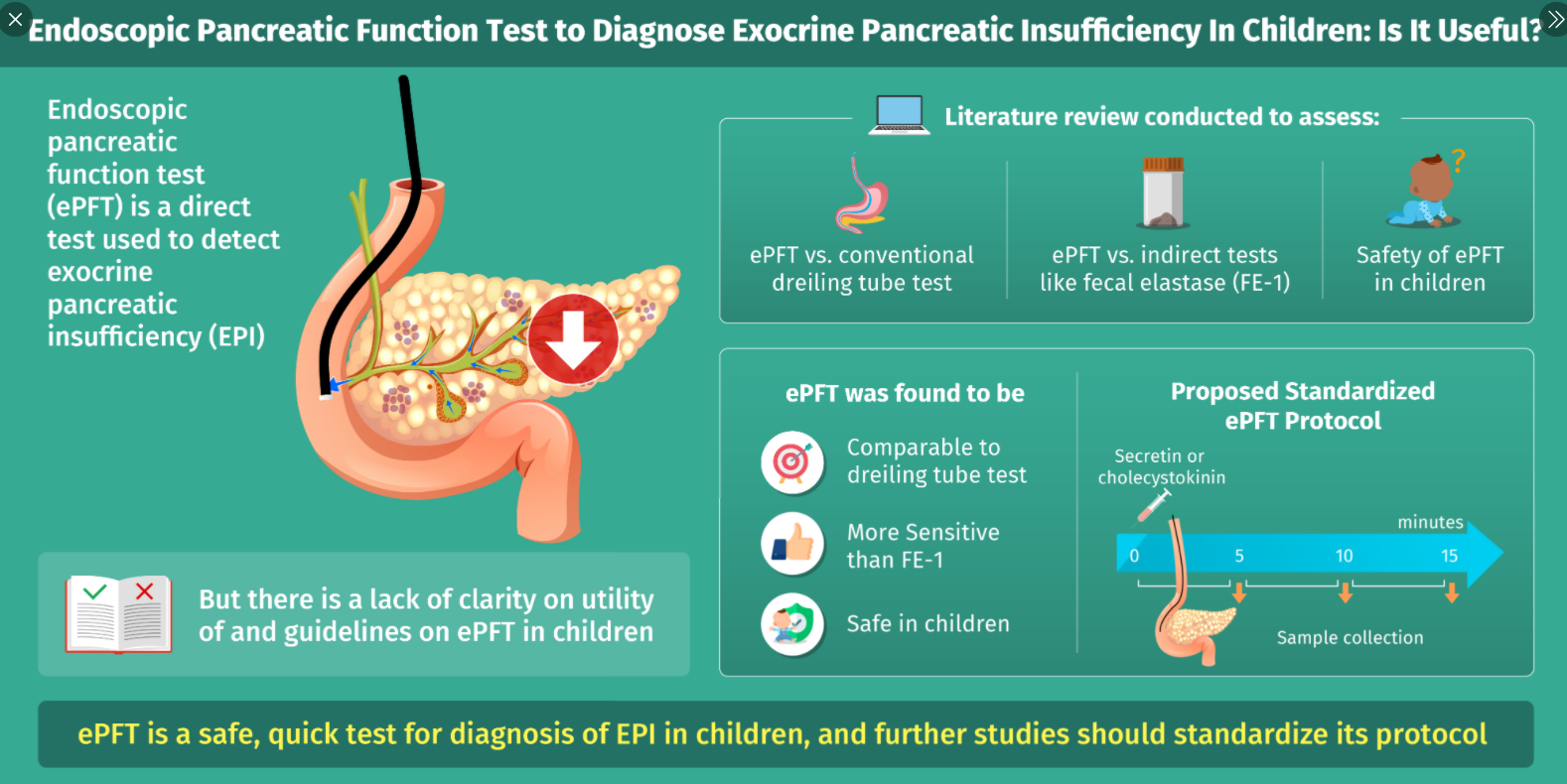
N Patel et al. JPGN 2021; 72: 144-150. full text Endoscopic Pancreatic Function Testing (ePFT) in Children: A Position Paper From the NASPGHAN Pancreas Committee

This articles serves as a good review of exocrine pancreatic insufficiency (EPI).

Etiologies:

  • “Cystic fibrosis is the most common cause of EPI in children .” Other congenital causes include  aberrant embryonic development of the pancreas, “Shwachman-Diamond syndrome, Johanson-Blizzard syndrome, Pearson marrow pancreas syndrome, and Jeune syndrome”
  • “Acquired causes of EPI can be transient, such as in the aftermath of acute pancreatitis (which can persist weeks to months)”
  • Also, infants, compared to adults, have “physiological” EPI. Lipase output is 5–10% of adult values during the 1st 6 months of life.

Advantages/Disadvantages of Endoscopic Testing for EPI:

  • Advantages:
    • Safe, technically easy, and quick procedure to perform in conjunction to routine investigative EGD
    • • Allows assessment of acinar and ductal function
    • • High sensitivity and specificity in detection of isolated and generalized enzyme deficiencies
    • • Can diagnose minor and more severe degrees of EPI and aid in early diagnosis of CP in patients with unremarkable radiological changes
  • Disadvantages:
    • Can be done only in conjunction with EGD and the patient will likely require sedation• Prolongs routine EGD
    • • Assesses peak enzyme activity and bicarbonate concentrations rather than total secretory capacity
    • • No standardized pancreatic fluid collection frequency or duration in pediatrics
    • Lack of age-specific standardized reference ranges in pediatrics

Endoscopic Testing Caveats:

  • Any sample with a pH less than 7 may be unreliable as it is below the pH optimum of the enzymes and may reflect contamination with gastric fluid; however, ” the inability to increase pH, or bicarbonate, upon secretin stimulation may be reflective of loss of cystic fibrosis transmembrane conductance regulator (CFTR) function”
  • Samples need to be frozen or placed on dry ice
  • “Commonly used laboratory (Kaleida Health Children’s Hospital Laboratory, Buffalo, NY) are: trypsin >55.4 nmol · mL−1 · minute−1, amylase >32 μmol · mL−1 · minute−1, lipase >146 μmol · mL−1 · minute−1, and chymotrypsin >2.5 μmol · mL−1 · minute−1

My take: With careful clinical judgement, endoscopic EPI testing is rarely needed. First of all, fecal elastase measurements can detect most patients with EPI. In addition, a lot of patients with poor growth and suspected malabsorption are too young for reliable endoscopic EPI testing.

Related blog posts

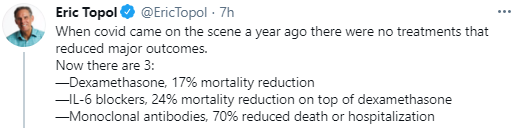
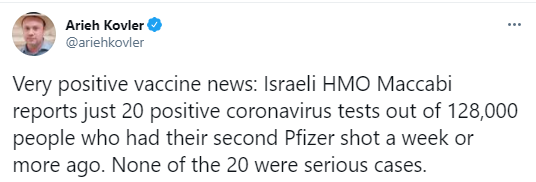
COVID-19 Vaccine in Israel & Effectiveness for Variants

From BBC (1/25/21): Moderna vaccine appears to work against variants

An excerpt:

“For the Moderna study, researchers looked at blood samples taken from eight people who had received the recommended two doses of the Moderna vaccine. The findings are yet to be peer reviewed, but suggest immunity from the vaccine recognises the new variants. Neutralising antibodies, made by the body’s immune system, stop the virus from entering cells.

Blood samples exposed to the new variants appeared to have sufficient antibodies to achieve this neutralising effect, although it was not as strong for the South Africa variant as for the UK one. Moderna says this could mean that protection against the South Africa variant might disappear more quickly.”

Imaging Recommendations for Pediatric Pancreatitis

AT Trout et al. JPGN 2021; 72: doi: 10.1097/MPG.0000000000002964 Free full text: North American Society for Pediatric Gastroenterology, Hepatology and Nutrition and the Society for Pediatric Radiology Joint Position Paper on Noninvasive Imaging of Pediatric Pancreatitis: Literature Summary and Recommendations. Also, I want to give a shout out to Jay Freeman who is one of the authors and a very appreciated colleague.

Some of the recommendations:

  • Acute Pancreatitis:
    • Transabdominal ultrasound is recommended as a first-line noninvasive imaging modality for suspected AP
    • If ultrasound is negative for AP and an imaging diagnosis of AP is needed, either CT or MRI is recommended
      • “MRI, particularly MRCP, has also been shown to be more sensitive than CT for biliary etiologies of pancreatitis”
      • “In clinical practice, MRI is often used for assessment and monitoring of late complications of AP, such as fluid collections, to time and guide therapeutic interventions.”
  • Acute Recurrent Pancreatitis:
    • MRI is recommended to identify structural or obstructive causes for ARP
  • Chronic Pancreatitis:
    • MRI is the recommended modality for imaging of suspected CP
    • When imaging is needed to assess a suspected or known episode of AP in a child with CP, transabdominal ultrasound is the preferred first-line imaging modality

My take: This report provides a great deal of detail regarding the imaging modalities, terminology and diagnostic considerations for pediatric pancreatitis.

Related blog posts:

When We Can Stop Pre-Procedure Screening For COVID-19

Briefly noted: S Sultan, SM Siddique et al. Gastroenterol 2020; 159: 1935-1948. Full text: AGA Institute Rapid Review and Recommendations on the Role of Pre-Procedure SARS-CoV-2 Testing and Endoscopy

Table 1 provides a summary of the recommendations and indicates a threshold for which routine pre-procedure testing may not be needed:

  • “For endoscopy centers where the prevalence of asymptomatic SARS-CoV-2 infection is low (<0.5%), the AGA suggests against implementing a pretesting strategy.”
  • Conditional recommendation, very low certainty evidence
  • Rationale: “In low-prevalence settings, a pretesting strategy may not be informative for triage due to the high number of false positives, thus PPE availability may drive decision-making.”

My take: Particularly after the rollout of vaccination to health care providers, routine testing for SARS-CoV-2 is not likely to be needed once the prevalence drops to low levels.

Related blog posts:

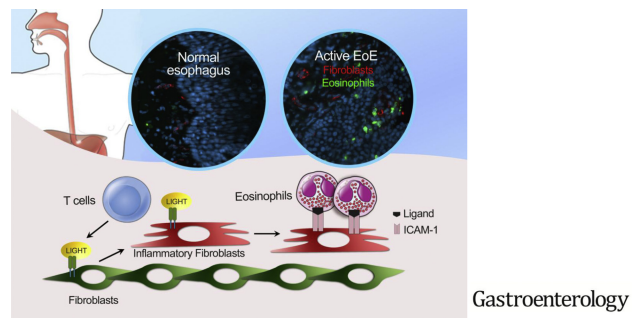
More “LIGHT” in Understanding Eosinophilic Esophagitis

Briefly noted: MC Manresa et al. Gastroenterol 2020; 159: 1778-1792. Full text: Increased Production of LIGHT by T Cells in Eosinophilic Esophagitis Promotes Differentiation of Esophageal Fibroblasts Toward an Inflammatory Phenotype

The authors investigated the effects of tumor necrosis factor superfamily member 14 (TNFSF14, also called LIGHT) on fibroblasts in EoE.

Key findings:

  • LIGHT was up-regulated in the esophageal tissues from patients with EoE, compared with control individuals
  • Stimulation of esophageal fibroblasts with LIGHT induced inflammatory gene transcription

My take: The authors show that patients with EoE had proinflammatory fibroblasts in the epithelium. Further, they show that eosinophil-fibroblast interaction was dependent on intact LIGHT signaling.

Related blog posts: