NY Times: Opening Schools Safely

NY Times: Opening Schools Won’t Be Easy, but Here’s How to Do It Safely

An excerpt:

  • First, schools cannot reopen safely when community transmission is high and climbing. In our view, schools should open only in places that have fewer than 75 confirmed cases per 100,000 people cumulatively over the previous seven days, and that have a test positivity rate below 5 percent
  • Second, schools should avoid high-risk activities. ..
  • Third, focus on the basics where risks are tolerable — that is at the medium level or lower on our chart. ..
  • [Fourth] Schools must adhere to public health measures and reduce density in classrooms and elsewhere on campus.

Related blog posts:

Online Aspen Webinar (Part 2) -Abnormal Liver Enzymes in a Tween

What Do Abnormal Liver Enzymes Mean in a Tween William Balistreri

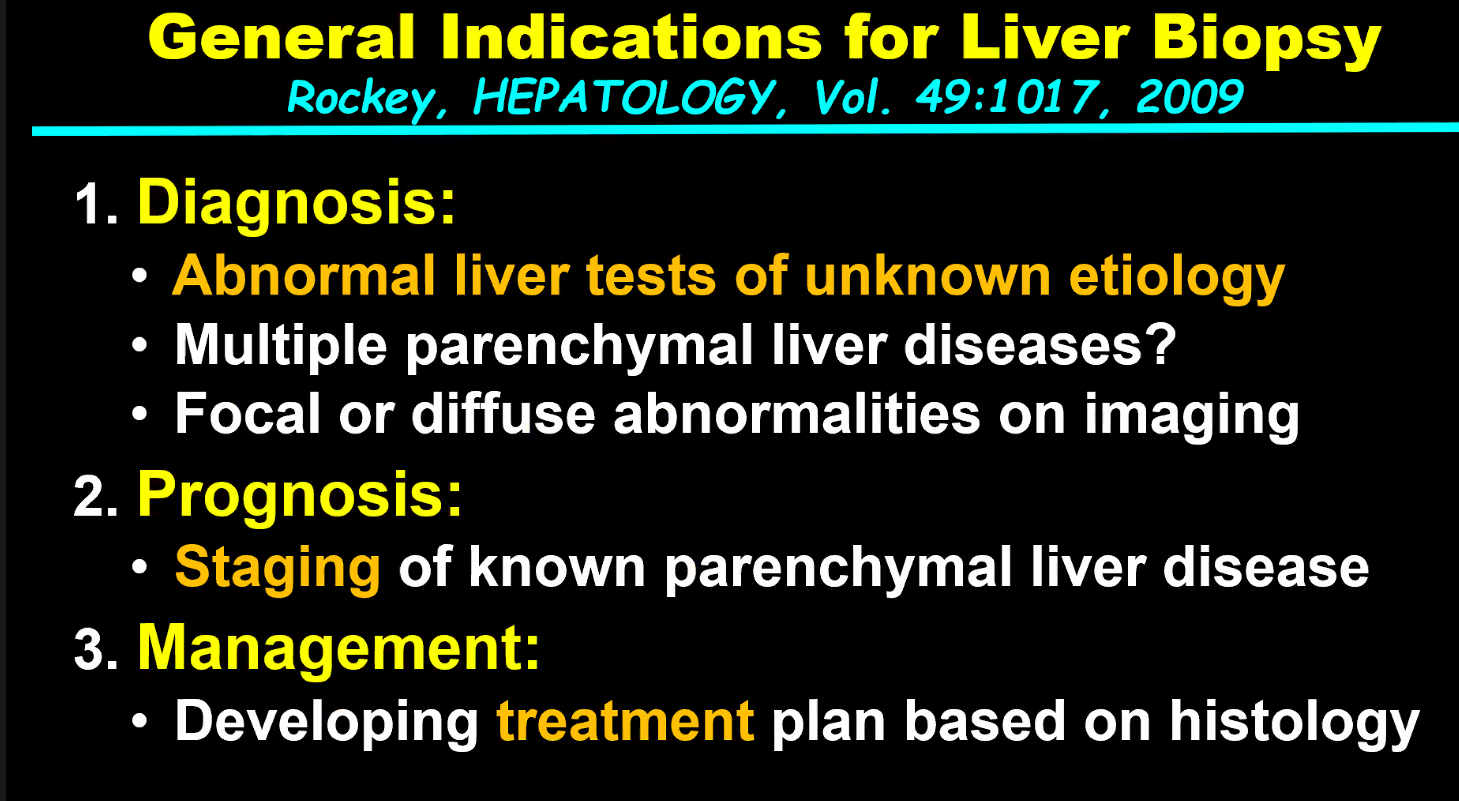
Below I’ve included a few slides and some notes; my notes may have errors of omission or transcription.

Key Points:

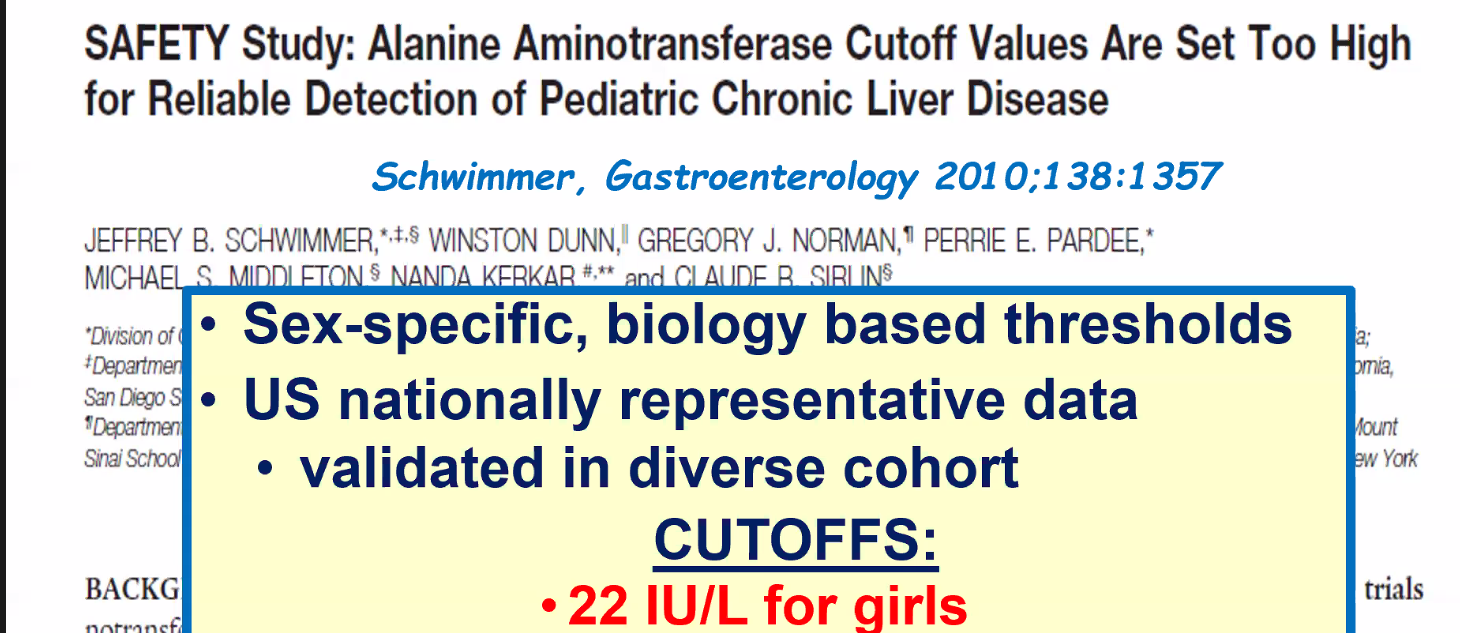
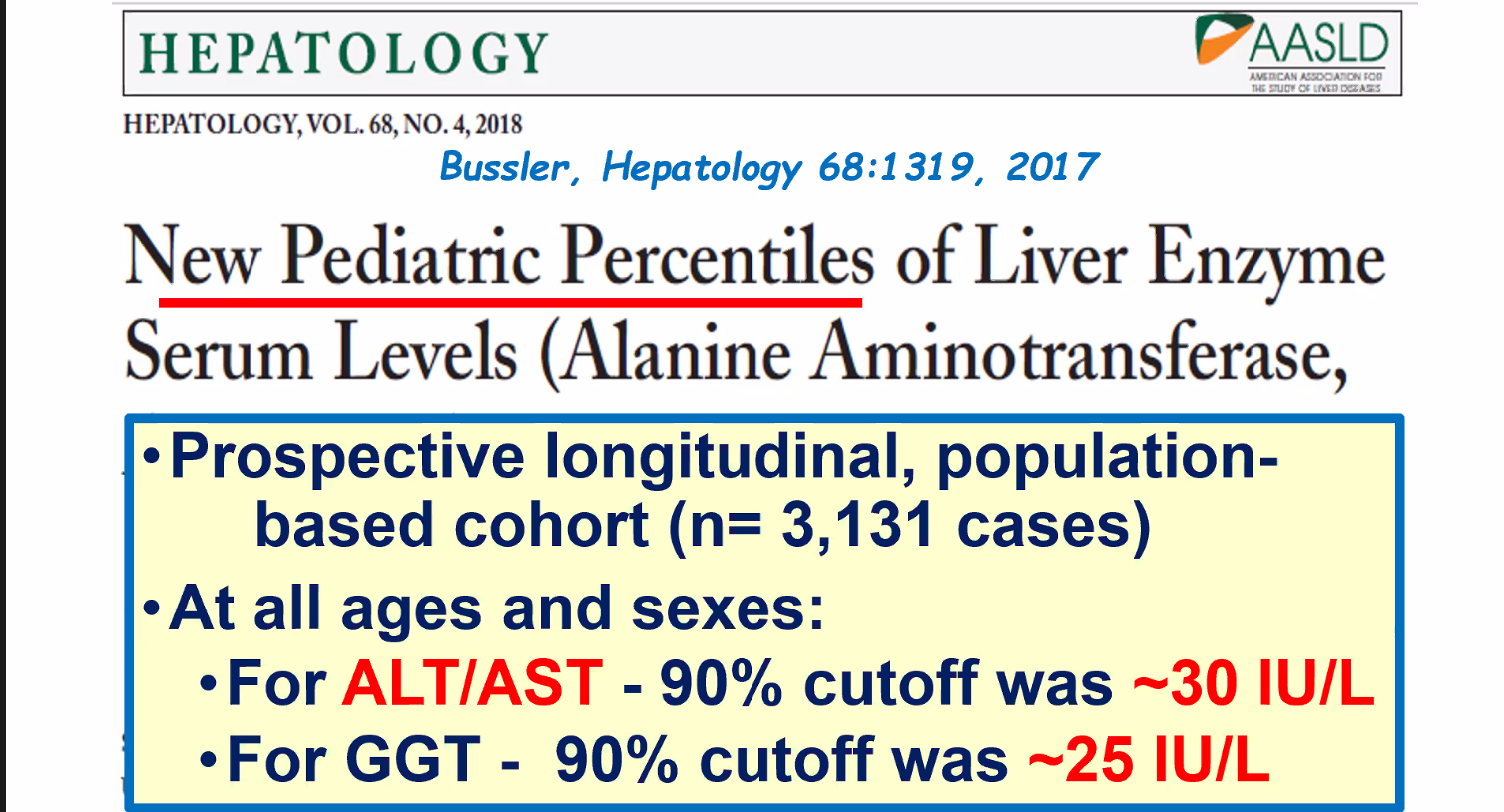
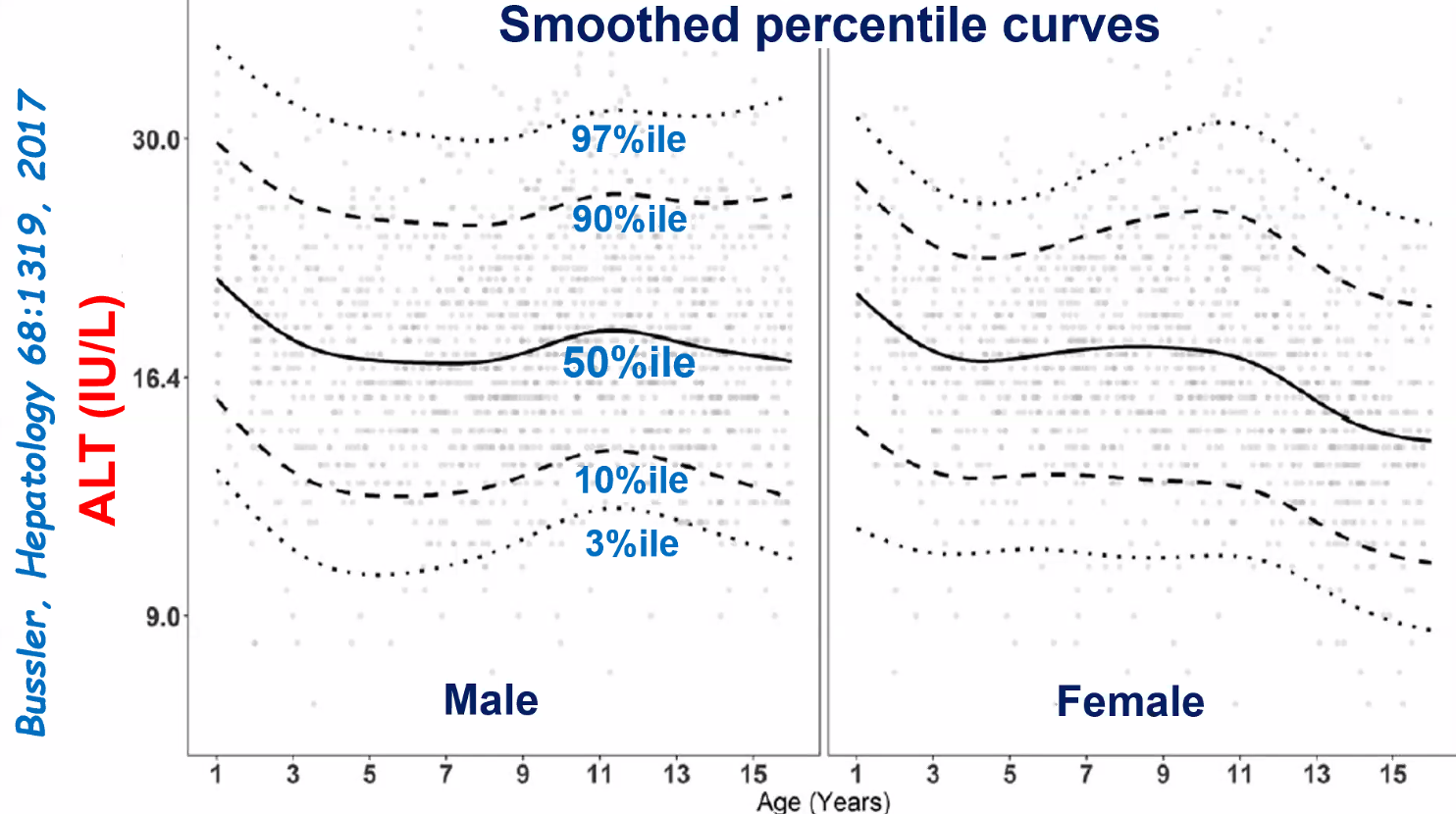
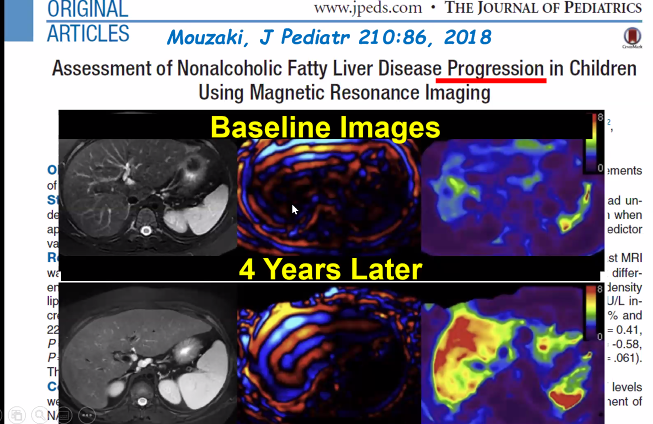
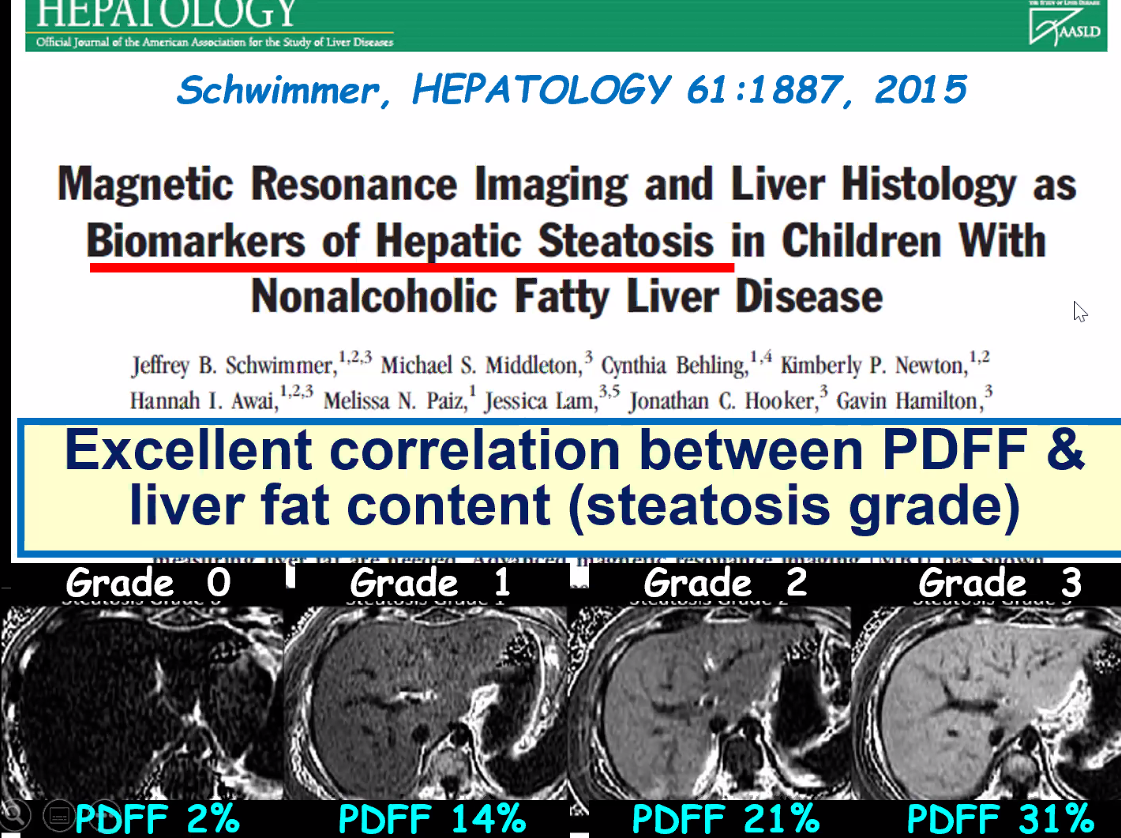
  • Provided updated normal reference data for ALT/AST along with patterns of abnormalities
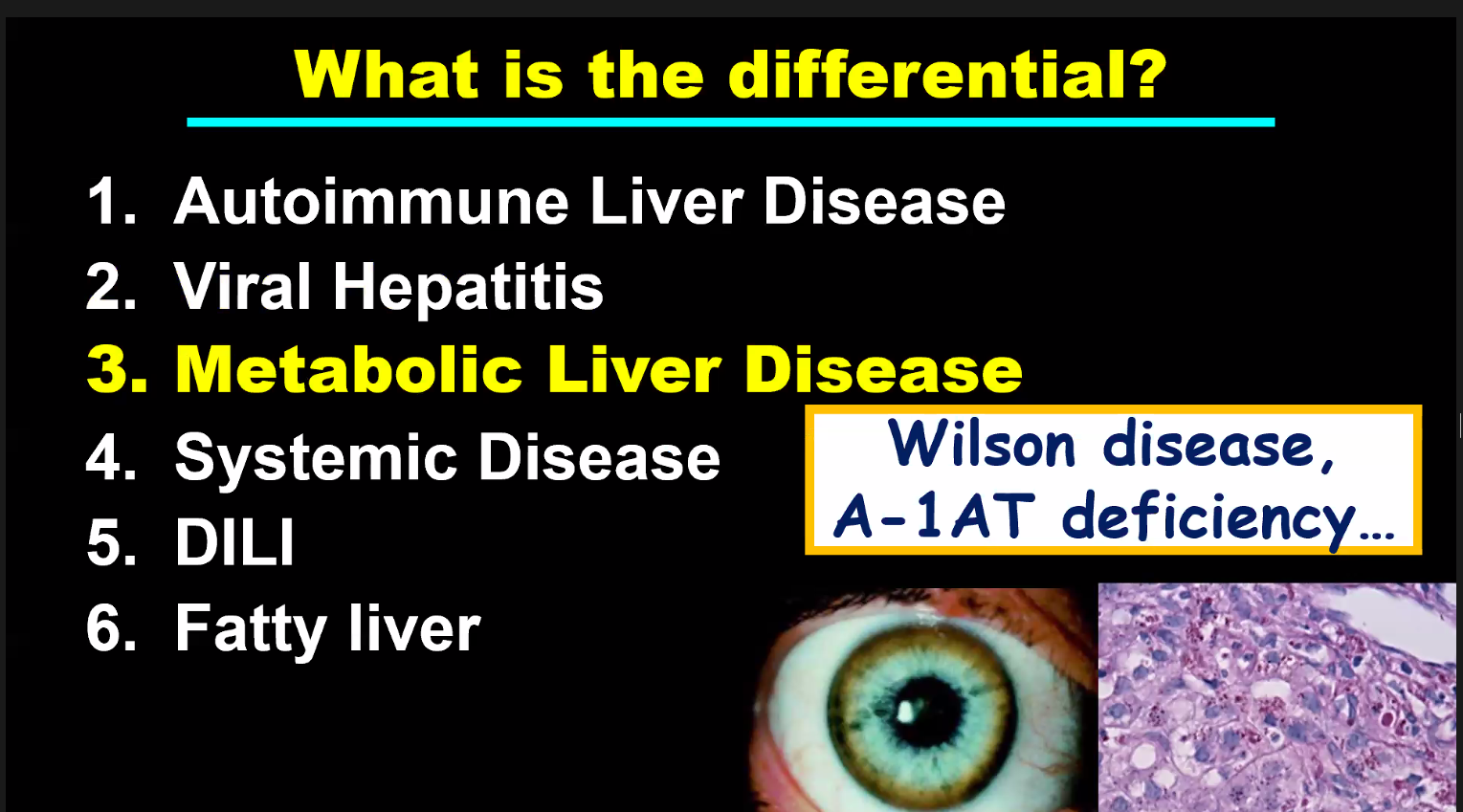
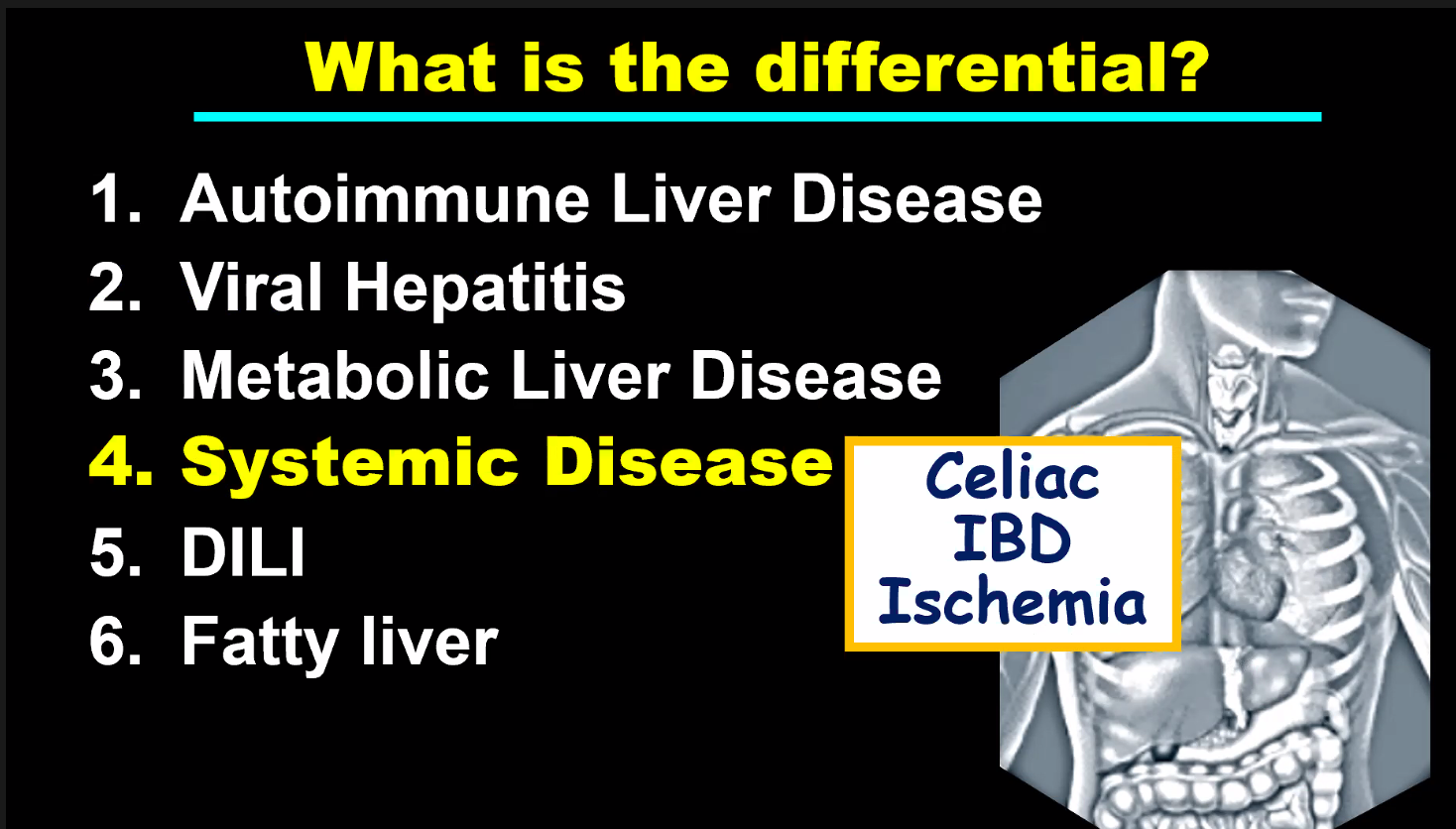
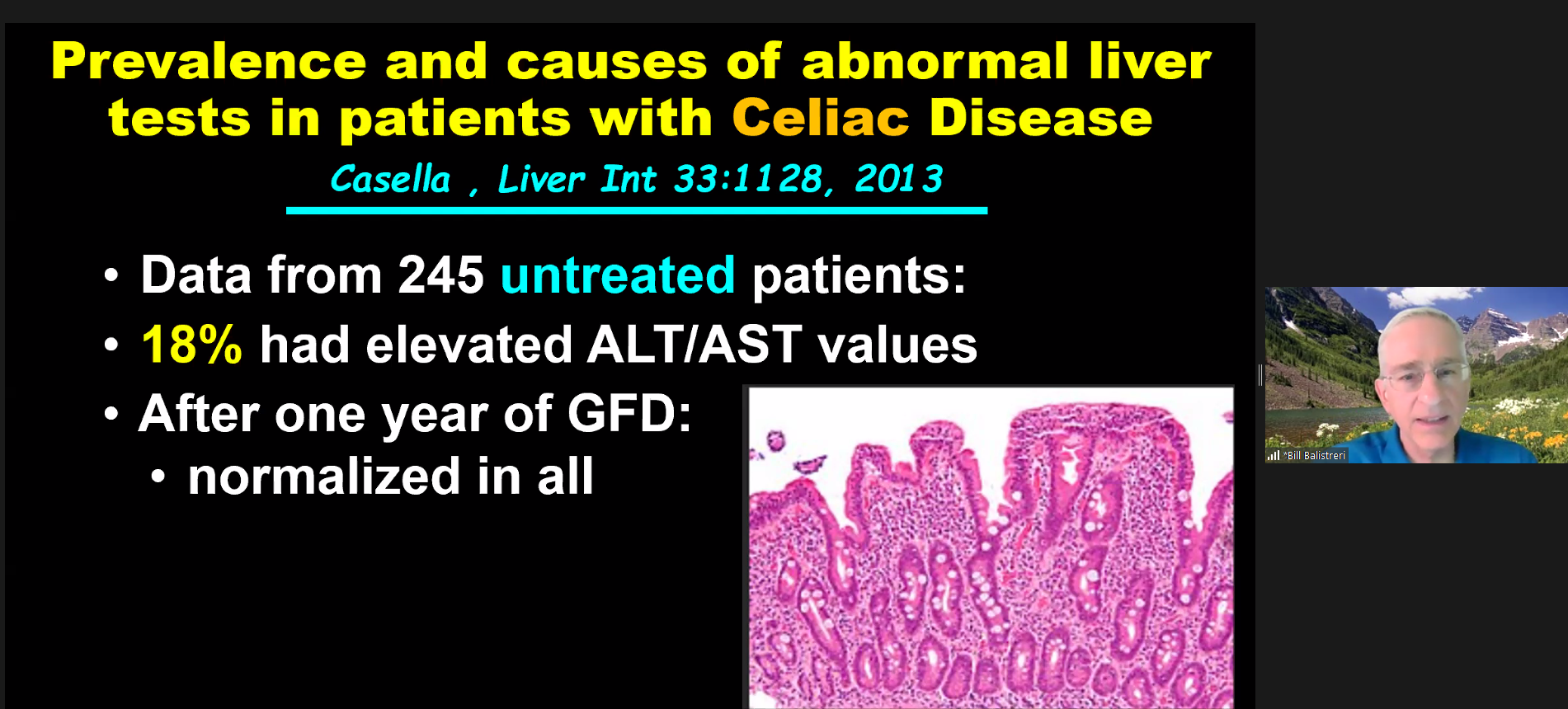
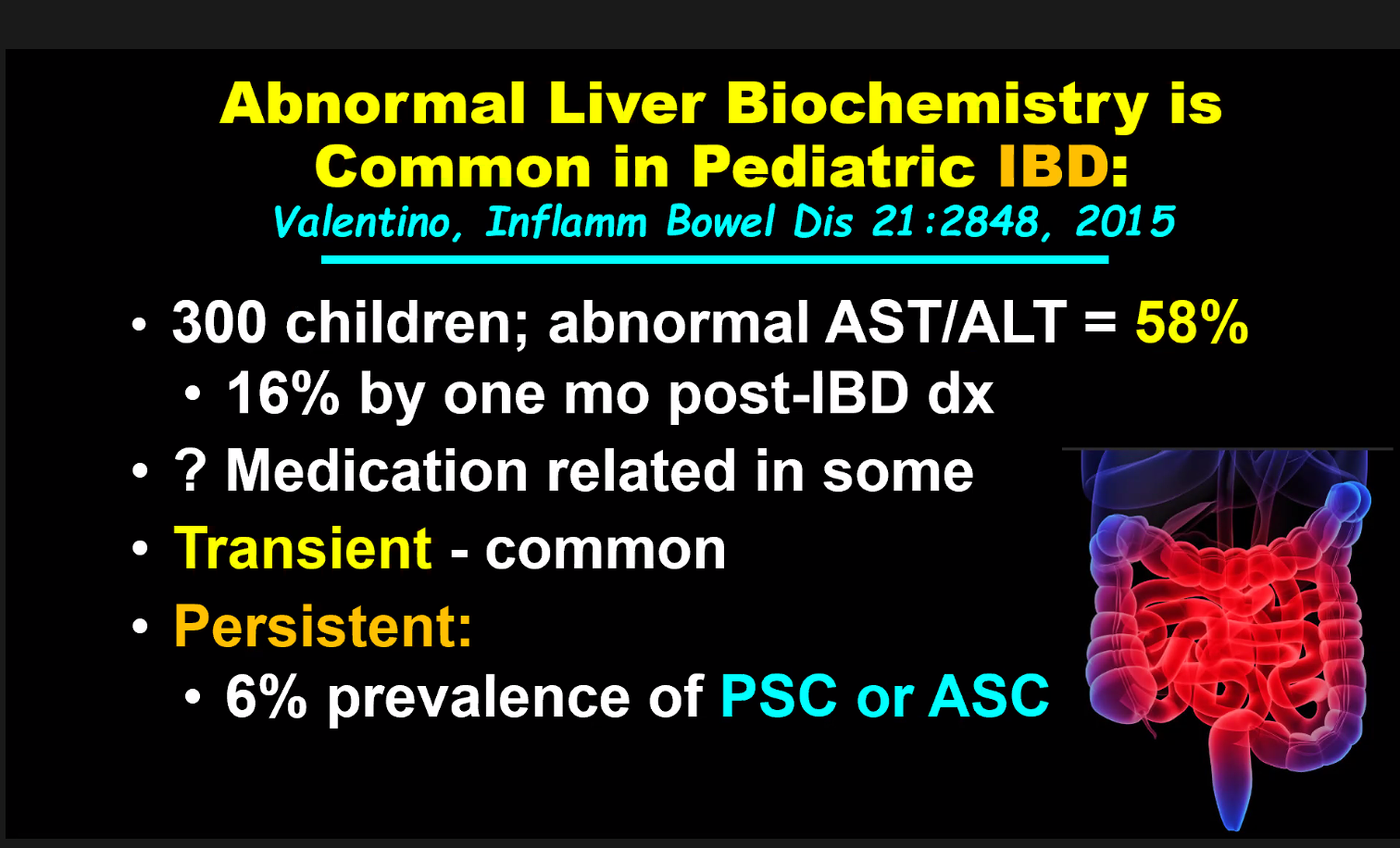
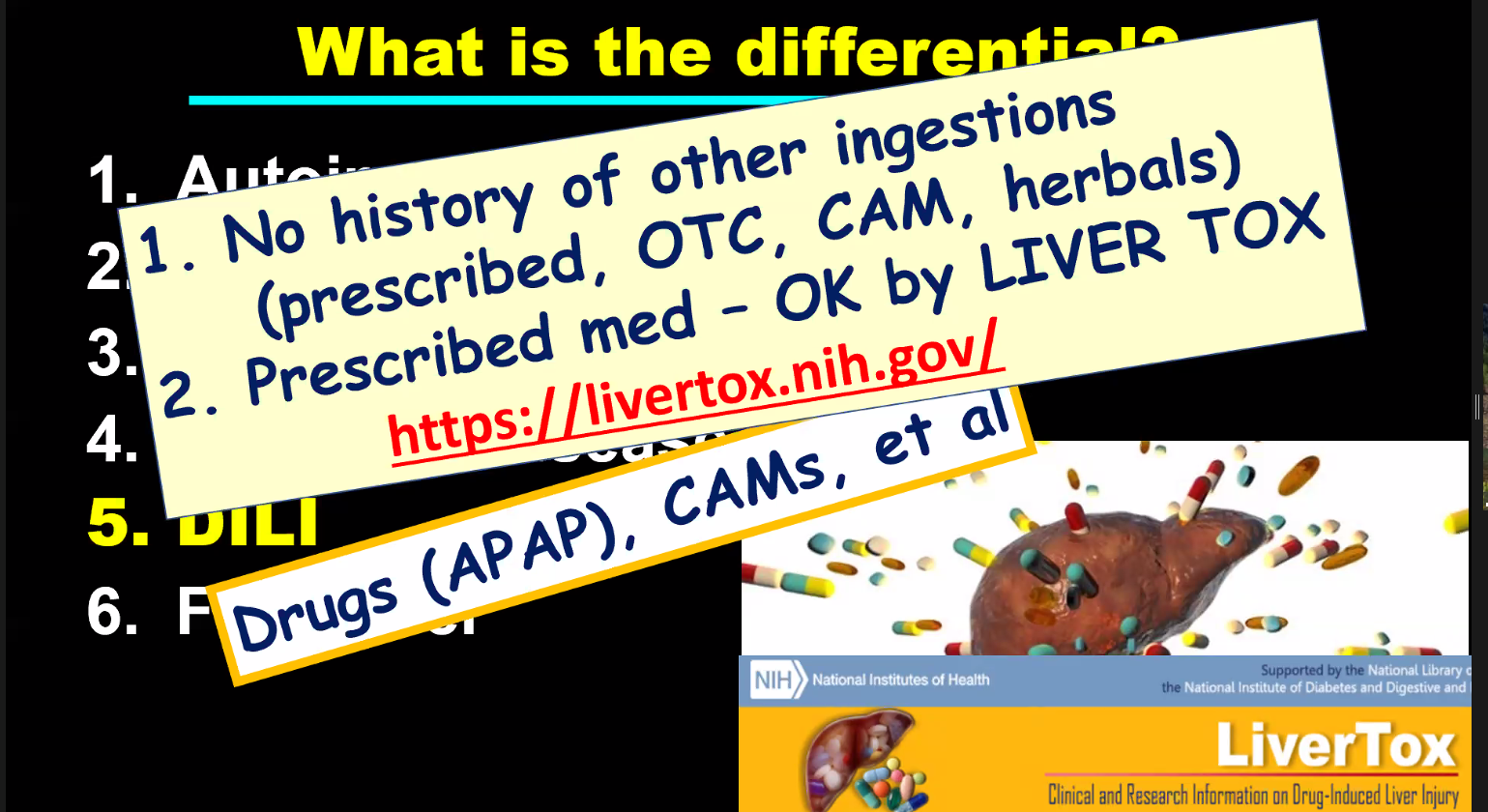
  • Reviewed step-wise workup for teenagers with elevated ALT/AST, particularly fatty liver disease and drug-induced liver disease
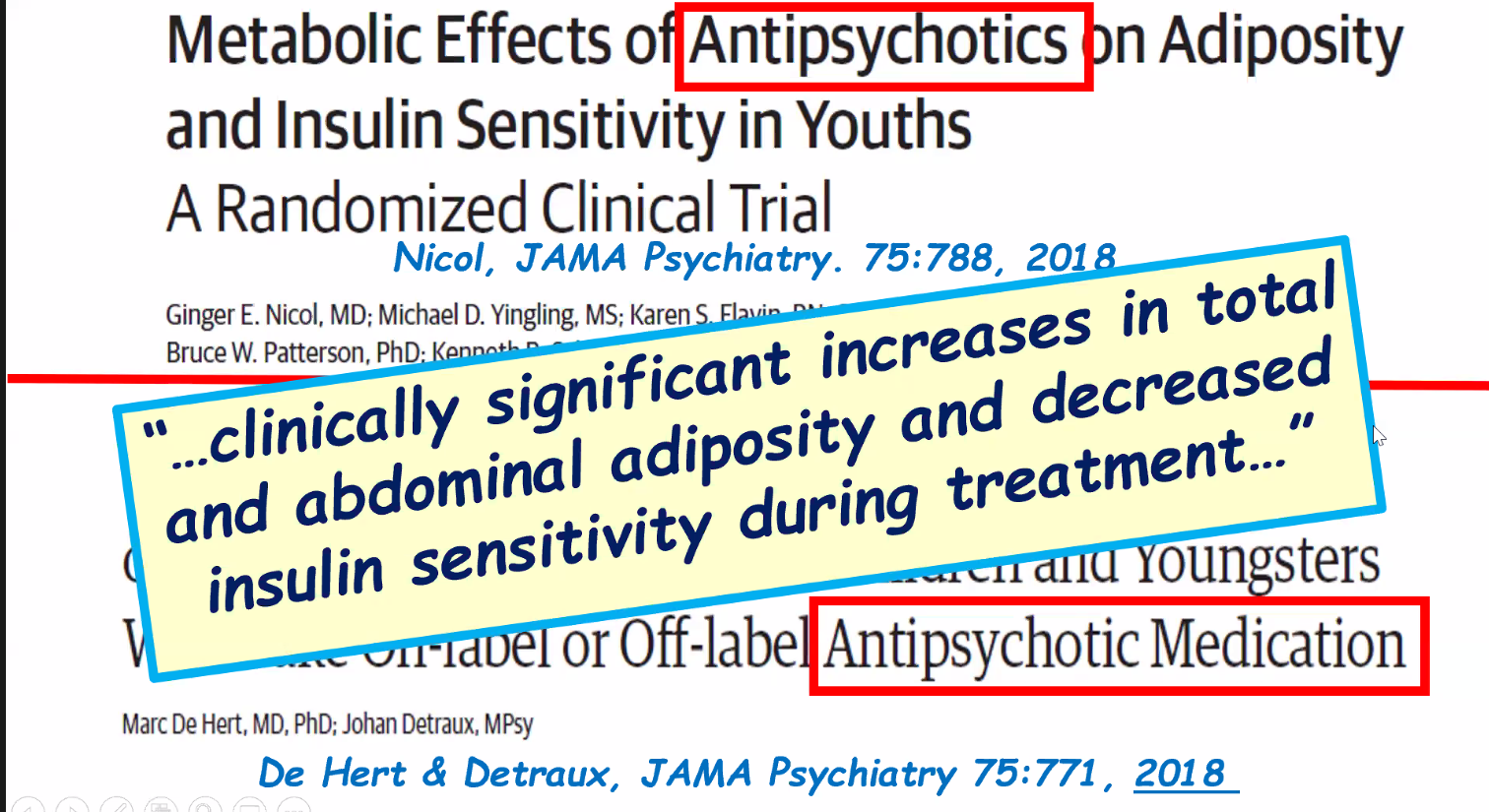
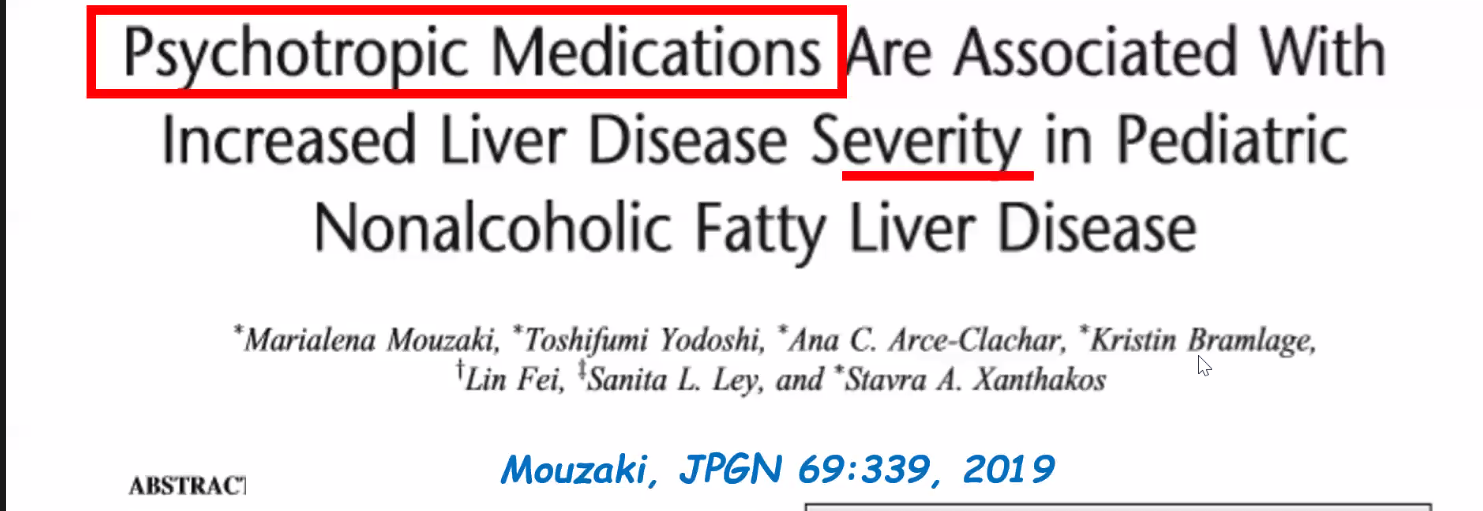
  • Increasingly frequent cause of fatty liver disease: psychotropic medications
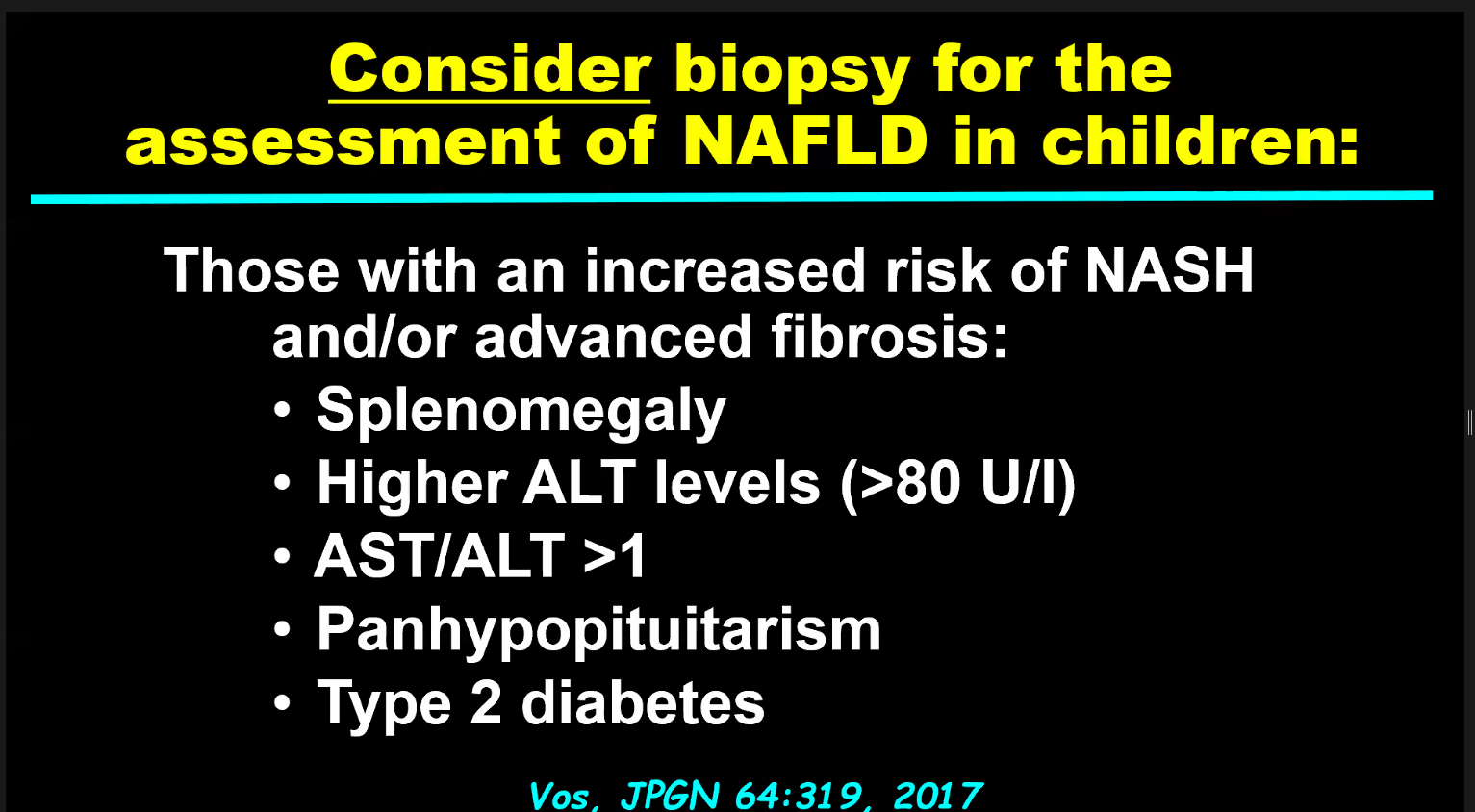
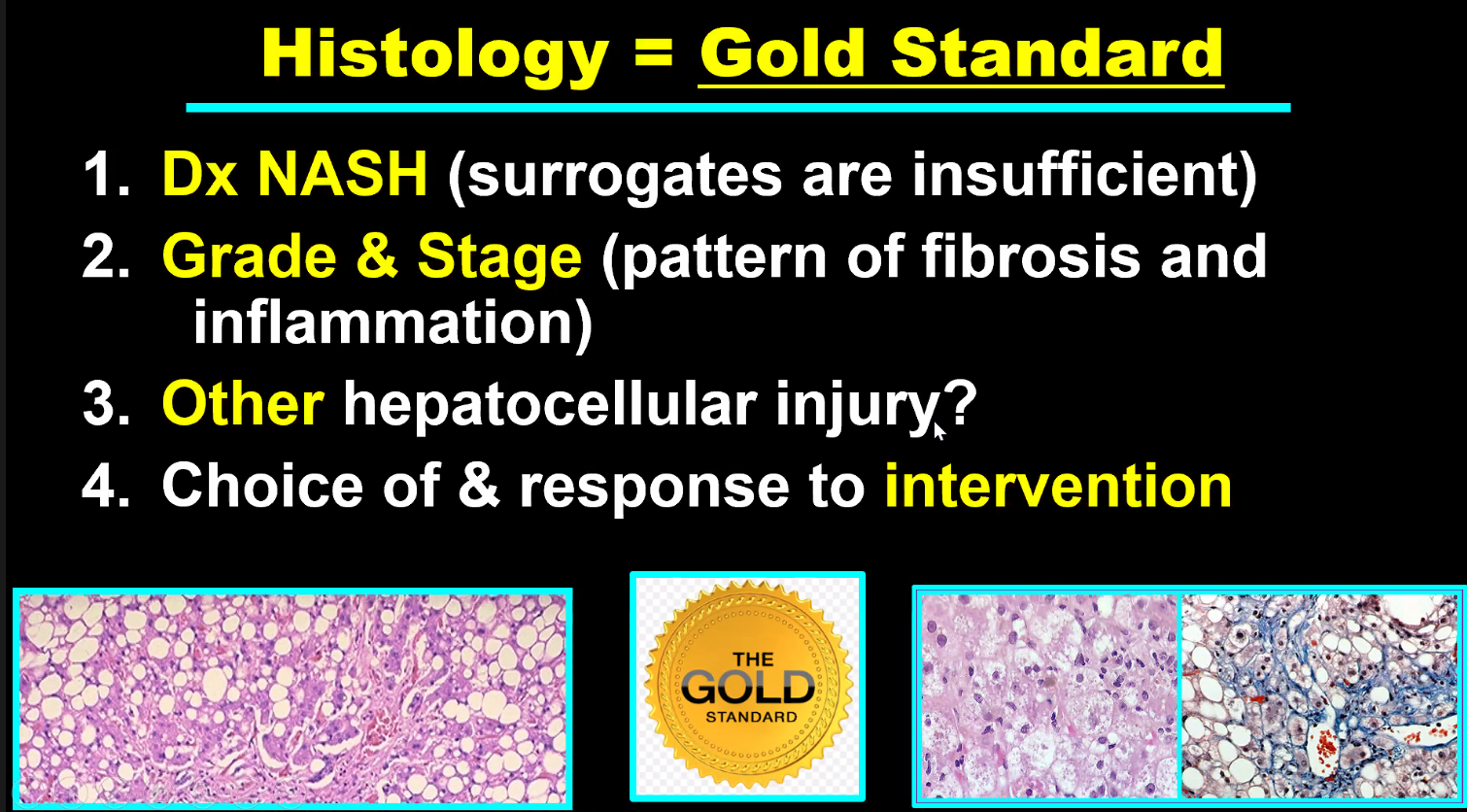
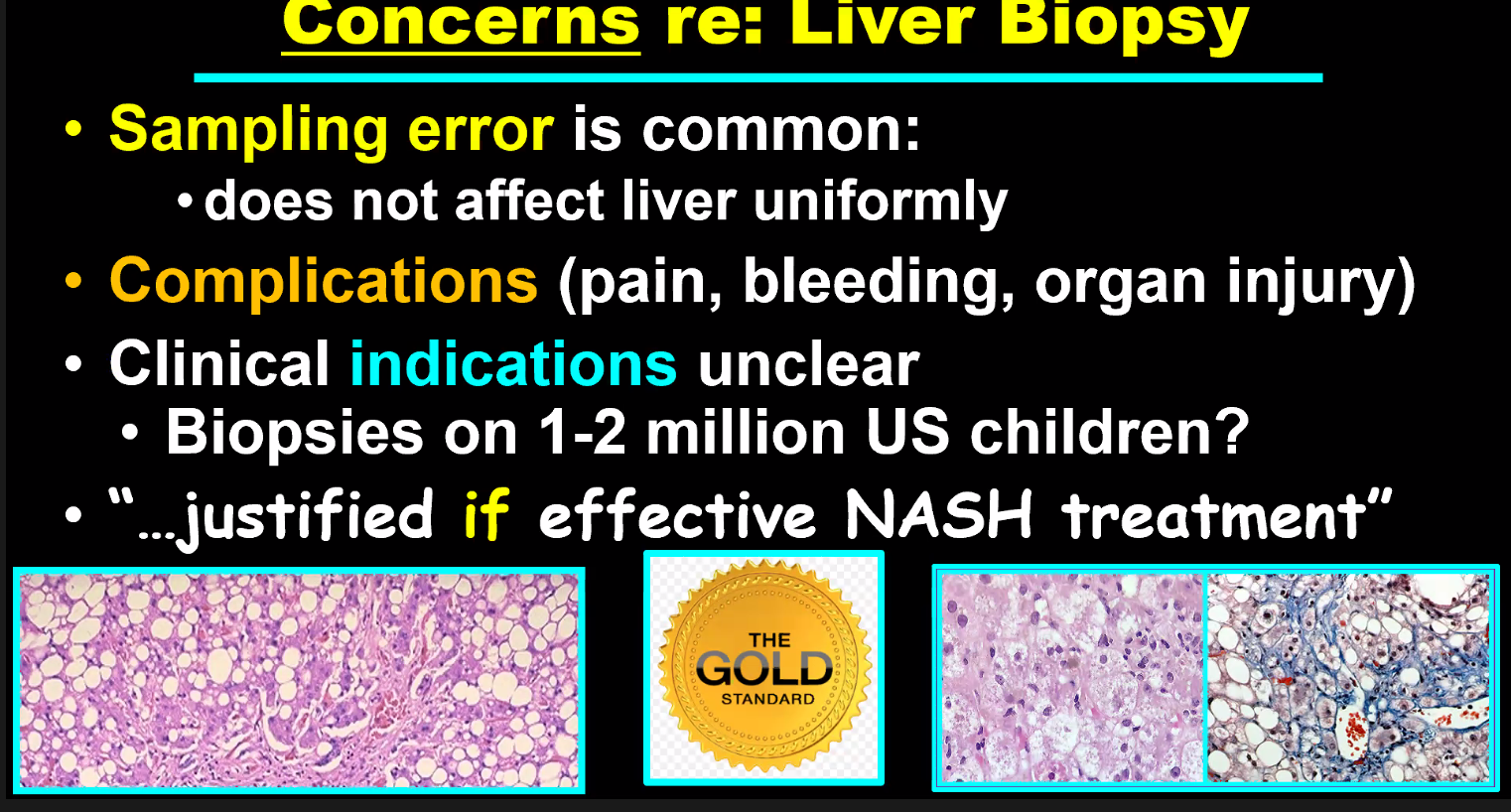
  • Discussed role/indications of liver biopsy. Liver biopsy is NOT practical option for all children with fatty liver disease and elevated liver enzymes
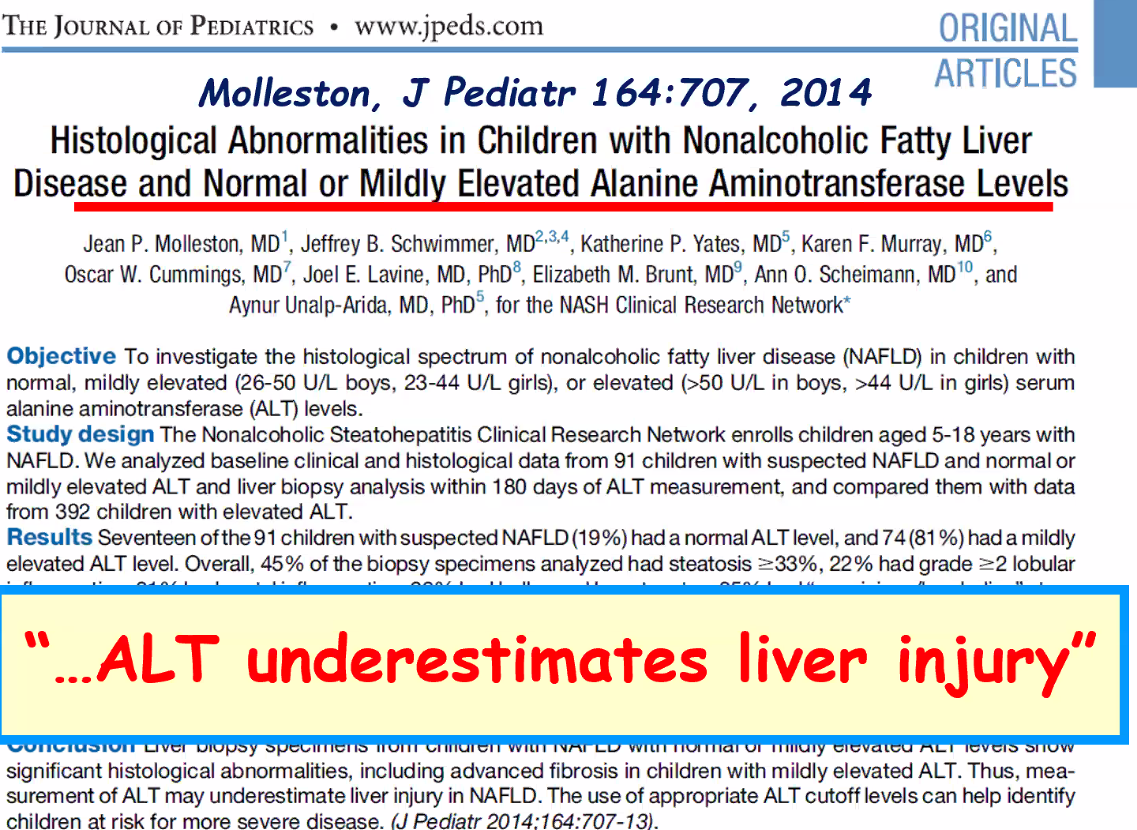
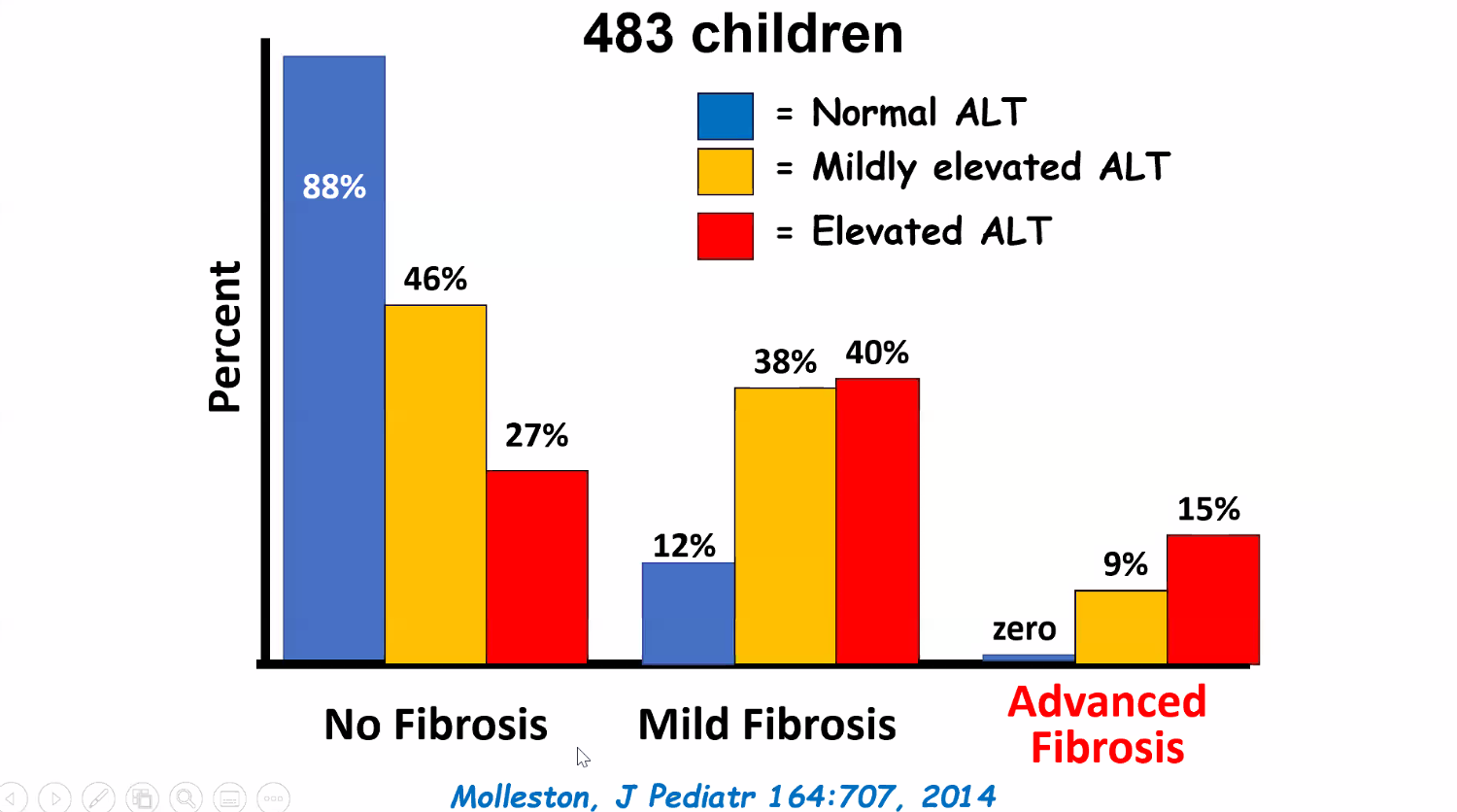
  • However, ALT values tend to underestimate severity of liver disease


Online Aspen Webinar (Part 1)

Online Webinar –Annual Aspen Conference  —July 14, 2000

Below I’ve included a few slides and some notes; my notes may have errors of omission or transcription.

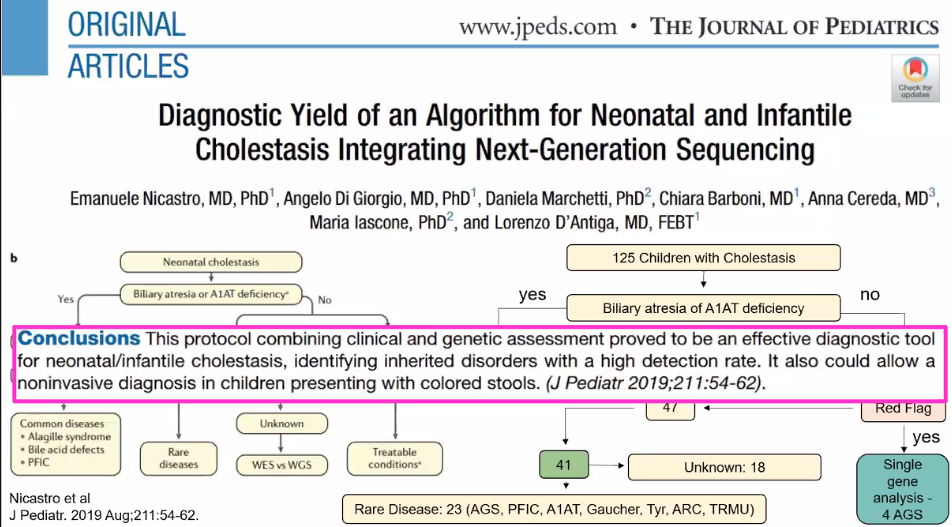
Can We Skip Liver Biopsies in Infants with Cholestasis? Jim Squires

Key points:

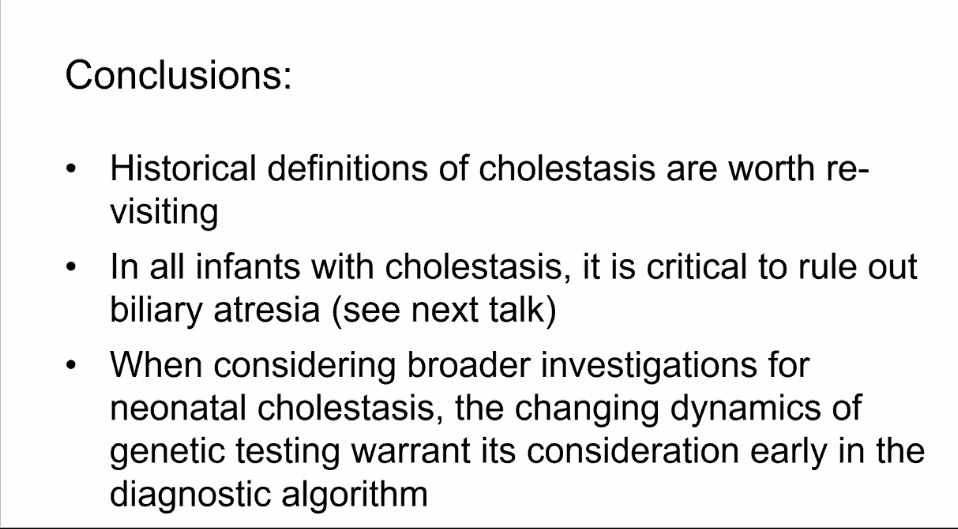
  • Data suggest that cholestasis in infants needs to be defined as direct bilirubin/conjugated bilirubin >0.3 (if TB <5) or 10% if TB >5.
  • Identifying cholestasis is challenging as cholestasis occurs in ~1 in 2500 whereas jaundice occurs in 15% of all infants
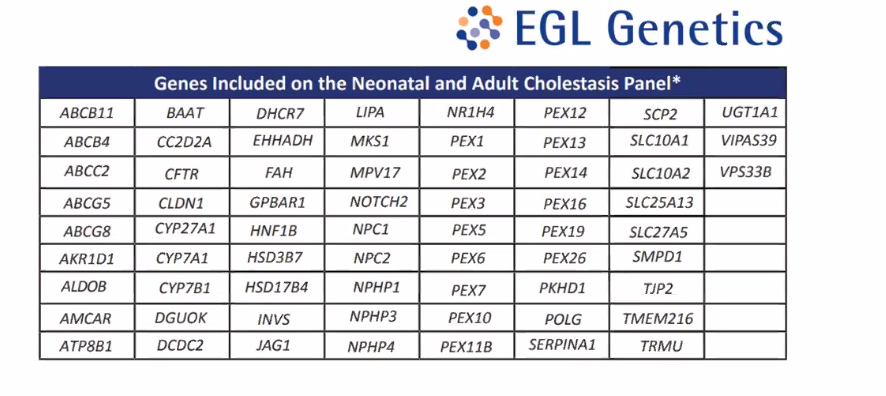
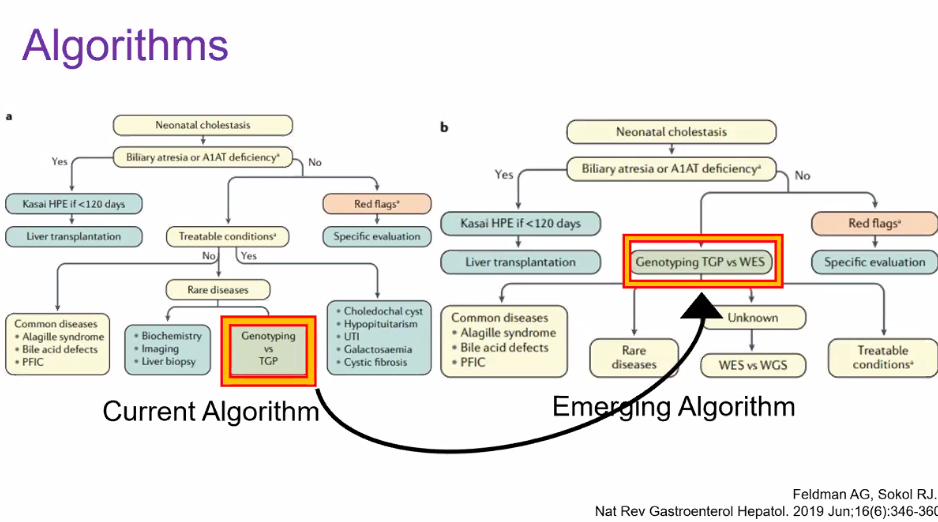
  • Genetic testing (eg. Cholestasis Panel, or exome) needs to be moved up earlier in diagnostic algorithm, after ultrasound completed and after A1AT & biliary atresia considered

Related blog posts:


Not part of webinar:

More School Advice for Organ Transplant Recipients, Plus Another Benefit of the Influenza Vaccine

Link to PDF (from Pediatric Infectious Disease Society:

FAQs Regarding Return to School for Children after Solid Organ Transplant in the United States During the COVID-19 Pandemic

Some excerpts:

Are pediatric SOT recipients at higher risk for getting COVID-19 compared with other children?
Children of any age can get COVID-19, but they seem to have milder disease than adults. Pediatric SOT recipients do not seem to get COVID-19 more often than other children.

If infected with COVID-19, are pediatric SOT recipients at higher risk for developing severe disease or complications?

Based on experience with other viruses, and from reports of COVID-19 in adult SOT patients, there are a few things that may increase the risk of severe COVID-19. These include:
1) Having undergone transplantation in the last 3-6 months
2) Receiving high doses of immunosuppression (such as for treatment of rejection)
3) Having other medical problems such as diabetes, obesity, or certain lung conditions (refer to CDC website under Helpful Resources for more details)
It is not known if the above factors also put children with SOT at risk. In fact, of all the reports among pediatric SOT recipients with COVID-19 published so far, the majority have had mild symptoms and recovered.

Related blog posts:

Why Physician Burnout Is Happening & How to Fix It

A recent commentary (P Hartzband, J Groopman. NEJM 2020; 382: 2485-87) provides critical insights into the issue of physician burnout.

Full Text: Physician Burnout, Interrupted

Some excerpts (bold =my highlights):

Initially, the prevailing attitude was that burnout is a physician problem and that those who can’t adapt to the new environment need to get with the program or leave….The unintended consequences of radical alterations in the health care system that were supposed to make physicians more efficient and productive, and thus more satisfied, have made them profoundly alienated and disillusioned…

Solutions have largely targeted the doctor, proposing exercise classes and relaxation techniques, snacks and social hours for decompressing, greater access to child care, hobbies to enrich free time, and ways to increase efficiency and maximize productivity. There is scant evidence that any of these measures have had a meaningful impact…

Medicine is in many ways unique. Doctors, nurses, and other health care professionals have traditionally viewed their work as a calling. They tend to enter their field with a high level of altruism coupled with a strong interest in human biology, focused on caring for the ill. These traits and goals lead to considerable intrinsic motivation. In a misguided attempt to improve the medical system, health care reformers put into place various positive and negative extrinsic motivators, without realizing that they would actually erode and destroy intrinsic motivation, eventually leading to “amotivation” — in other words, burnout...

Gagné and Deci posit that there are three pillars that support professionals’ intrinsic motivation and psychological well-being: autonomy, competence, and relatedness.3 All three have been stripped away as a direct result of the restructuring of the health care system.1  …

Evidence from the meta-analysis of controlled interventions supports the restoration of autonomy; giving doctors flexibility in their schedule to allow for individual styles of practice … The EHR … must be reconfigured to work for physicians rather than forcing physicians to work for it….

Competency can be restored by purging the system of meaningless metric…Relatedness should be authentic, aligning the system’s values with those of physicians, nurses, and other health care professionals

My take: Flexibility in scheduling is a crucial element for satisfaction.  Competency, which in my view equates to high quality care, is the other crucial element.

Audio Interview Link (11 minutes):  Audio Interview with Dr. Pamela Hartzband

Related blog posts:

Lingering Histologic Changes with Eosinophilic Esophagitis in Remission, Plus One

A recent study (KA Whelan et al. Clin Gastroenterol Hepatol 2020; 18: 1475-82) examined esophageal histology in 243 patients (mean age 16.9 years) in 3 groups: active eosinophilic esophagitis (EoE), inactive EoE (<15 eos/hpf), and a control non-EoE group.

Key findings:

Basal cell hyperplasia and spongiosis were present in 43 (29%) and 109 (74%) respectively of patients with inactive EoE. In comparison, these findings were present in 98% and 100% respectively of those with active EoE and in 6% and 33% of non-EoE patients

My take: This study provides some insight into the idea that esophageal damage may be ongoing in the absence of eosinophils.  These histologic findings could provide part of the reasons for symptoms in those who have had resolution of esophageal eosinophilia.

Related study: ES Dellon et al. Clin Gastroenterol Hepatol 2020; 18: 1483-92. This study showed rapid recurrence of eosinophilic esophagitis after discontinuation of topical steroids.  33/58  (57%) had symptom recurrence before 1 year (median time 244 for symptoms). At time of symptom recurrence, 78% had histologic relapse (≥15 eos/hpf).

Related blog posts:
Current Thinking with Laryngopharyngeal Reflux Symptoms

A recent study (H-C Lien et al. Clin Gastroenterol Hepatol 2020; 18: 14-66-74) adds a bit more insight into the topic of larygnpharyngeal symptoms (related blog post:  Gastroestophageal Reflux Phenotypes and Where ‘Rome, Lyon, and Montreal Meet’ provides more information on treatment outcomes).

Methods: In this prospective multi-center observational study with adults aged 20-70 years, n=142 completed study), enrollment required chronic laryngitis symptoms >3 months and “laryngoscopic” signs suggestive of reflux.  Subsequently, patients were examined with multiple modalities, including 24-pH testing, manometry, and Bernstein test followed by treatment with omeprazole 40 mg twice a day.

Key Findings:

  • Pathologic reflux was identified in 146/252 (58%) of those meeting inclusion criteria.  Thus, approximately 40% did NOT have objective findings of reflux despite suspicion of laryngopharyngeal reflux (LPR); this is similar to other studies.
  • In those with documented reflux, those with and without typical reflux symptoms had improvement in LPR with omeprazole therapy: 57% and 63% respectively; whereas, omeprazole therapy was effective in 32% in those without objective (pH probe) findings of reflux. In previous studies, reflux laryngitis response to PPIs has been similar to placebo.

My take: Typical reflux symptoms are not needed for patients with LPR to respond to PPIs.  However, more than 40% of individuals with LPR do NOT have objective evidence of reflux; in this subset, response to PPI therapy is low.

Related blog posts:
Briefly Noted: Esophageal Stricture Dilatations

SJ Clark et al. JPGN 2020; 71: e1-e5. Examining the “Rule of 3” for Esophageal Dilations in Pediatric Stricture Patients.  In this retrospective study with 284 patients and 1384 balloon dilatations, the authors examined the perforation rate compared to the delta dilation diameter (ΔDD).  They note that the “rule of 3” is a 40-year-old expert opinion that suggests dilating an esophageal stricture more than 3 mm is unsafe. In this cohort, the perforation rate was 1.66% overall; there were 8 perforations in 1075 dilations with ΔDD ≤5 mm (0.7%) and 15 perforations in 309 dilations with ΔDD >5 mm (4.9%). The authors indicate that dilatations ≤5 mm may be acceptable.

Solitary Rectal Ulcer Syndrome: How Often is It Solitary? How Often is There an Ulcer?

A recent restrospective review of 140 pediatric cases (median age 12 years) of solitary rectal ulcer syndrome (SRUS) (U Poddar et al. JPGN 2020; 71: 29-33) highlights the fact that in many, there are multiple ulcerations and in some there are none.

Key findings:

  • Most had dsynergic defecation with prolonged sitting on the toilet (94%), excessive straining (98%), feeling of incomplete evacuation (93%) or “rectal digitation” (51%)
  • Rectal bleeding was presenting feature in 94%
  • Colonoscopy showed in 72% (n=101); a single ulcer was noted in (60%) (n=84)  -thus in those with an ulcer, 83% were solitary.
  • Of the 113 with adequate followup, 63% had clinical improvement and healing of ulcer was documented in 36/82 (44%)
  • The most common treatment was hydrocortisone enema with bulk laxative (n=73) with “improvement” in 52, “better” in 16, and no response in 5 (8.2%).  Other frequent treatments: sulfasalazine enema with bulk laxative (n=12), and bulk laxative alone (n=22)

  • Most children (95/140) were older than 10 years; only 2 were ≤5 years

My take: Asking carefully about dysnergic bowel habits will make this diagnosis much easier.  Many children with SRUS have erythema and not a solitary ulcer; in addition, lesions can be ulcerative or polypoid.

Related blog postOne more cause of rectal bleeding