Challenges for Aspiring Physicians: Application Overload, Shadowing Issues, and Wonka Bars

Two recent commentaries discuss some of the problems for aspiring physicians:

  • RP Walensky, LD Walensky. NEJM 2025; 392: 1251-1254. Application Overload — A Call to Reduce the Burden of Applying to Medical School
  • DB Holt, EA Elster. NEJM 2025; 392: 1249-1251. Rethinking Shadowing for Aspiring Physicians

In the first article, the authors detail the burden associated with the common-place high-volume applications to medical schools.

The cost is approximately $150 per school for application fees, plus $345 for taking the MCAT and having the score distributed through AMCAS. These fees are waived for qualifying low-income applicants (as primarily defined by household income below 400% of the national poverty level) who apply to the AAMC Fee Assistance Program and provide the required financial documentation.2 After submitting the primary application, applicants face a flood of secondary applications, some requiring up to eight additional essays. Even when the essay prompts are similar to those from other schools, the instructions often specify different lengths. One premedical student posted on social media the findings of his review of 54 medical schools’ secondary applications: he identified 222 different prompts, which he provided to help applicants get a jumpstart on their frenzied essay writing.3..

Between 2013 and 2023, … the total number of applications and the average number of applications per student increased dramatically — by 40% (from 690,281 to 966,947) and 28% (from 14.4 to 18.4), respectively. Despite the disproportionate escalation in applications submitted, the success rate (matriculants divided by applicants) remained flat (range, 36 to 44%).”

The authors recommend limiting applications to 10 to 12 medical school applications per applicant. This would benefit students as well as faculty burdens.

The secondary-application process also needs to be reined in. Medical schools could adopt standardized secondary essays… Under this model, a student applying to 10 schools would complete a maximum of 13 secondary essays — 3 standardized and 1 customized essay per school — rather than the current norm of 60 to 80 essays (e.g., 20 secondary applications with 3 to 4 distinct essays each).”

My take: In Charlie and the Chocolate Factory, there are only five golden tickets. If everyone buys twice as many Wonka bars, it is a lot more expensive and perhaps more time-consuming. For medical school applicants, applying to 20 or more programs does not help if almost everyone is doing this. It does disadvantage the minority who do not have the financial means or available time to complete this arduous task.

In the second commentary, the article details the problems with shadowing experiences.

Medical school admission in the United States remains intensely competitive. In 2024, according to the Association of American Medical Colleges (AAMC), prospective students submitted an average of 18 applications apiece…Many medical school admissions committees consider shadowing a physician to be an essential clinical experience for professional identity formation, so nearly all applicants now do some shadowing: 95% of respondents to the 2024 AAMC Matriculating Student Questionnaire (MSQ) said they’d spent time observing a physician at work.1 

Premedical students are spending more time shadowing — sometimes hundreds to thousands of hours, which often necessitate taking a “gap year” between college and medical school at a financial cost…Three quarters of medical school applicants report taking time off before medical school, 50% taking 1 to 2 years and 25% taking 3 or more years...

These additional years delay entry into the workforce and result in higher levels of debt than moving more quickly toward potential earnings as a physician; one lost year of a physician’s salary (an average of $265,000) would result in an estimated net loss of $2 million by retirement if the money were invested at a 7% return…

Although medical schools consider clinical experiences other than shadowing, a review of our own data suggests that applicants who have shadowed physicians for more than 50 hours are more likely than their peers to be admitted — and more likely to come from higher-income families.

The authors point out that unstructured observation is of unclear benefit. A course from Stanford, that far fewer hours (11-20 hrs) was sufficient for more than 90% of students “to decide whether medicine was the right career for them….The current emphasis on shadowing not only contributes to a longer and more expensive medical education pathway but also discourages nontraditional applicants and pursuit of genuine interests in other areas that make for well-rounded physicians.”

My take: The pathway to medical school has become more time-consuming and expensive. At the same time, it is doubtful that lengthy shadowing experiences or extensive numbers of applications are benefiting aspiring students.

Related blog post:

Angel Oak Tree, Historical Landmark in Charleston, SC. The tree is approximately 400 years old

Ustekinumab in Pediatric Crohn’s Disease: Efficacy and Safety

EB Mitchell et al. JPGN 2025;80:653–663. Ustekinumab is safe and effective in pediatric patients with Crohn’s disease

This was a retrospective longitudinal cohort study of 101 children with CD treated with ustekinumab from two large centers between 2015 and 2020. The median follow-up time on ustekinumab was 16.6 months. 

Key findings:

  • Fifty-nine patients were in steroid-free clinical remission at 1 year.
  • Higher baseline disease activity (odds ratio [OR]: 0.91 (p = 0.01) and stricturing/penetrating disease phenotype (OR: 0.14 p = 0.02) were associated with decreased likelihood of steroid-free clinical remission at 1-year
  • Ustekinumab drug escalation occurred in 70% of patients, and after escalation, 50 (70%) achieved clinical remission, and 49 (69%) achieved steroid-free remission at the last follow-up
  • Adverse events were rare and did not require therapy discontinuation

My take: More pediatric data showing efficacy for ustekinumab is important. My sense, though, is that newer IL-23 specific agents are going to eclipse ustekinumab in pediatrics as they are doing in adults.

Related blog posts:

Genetic Advances in Congenital Diarrhea and Enteropathies (CODEs)

Z Gaibee et al. N Engl J Med 2025;392:1297-1309. The Genetic Architecture of Congenital Diarrhea and Enteropathy

Background:”Congenital diarrhea and enteropathies (CODEs) are a group of rare disorders that primarily affect the function of intestinal epithelial cells, leading to infantile-onset diarrhea and poor growth. Molecular defects in CODEs can be classified into six categories: epithelial trafficking and polarity, immune-cell-regulation, nutrient and electrolyte transport, enteroendocrine-cell development, nutrient metabolism, and other. CODEs are associated with substantial morbidity and mortality. Patients often receive lifelong fluid and nutritional management. Genetic causes include pathogenic variants in MYO5B (microvillus inclusion disease), EPCAM (tufting enteropathy), NEUROG3 (enteric anendocrinosis), DGAT1 (protein-losing enteropathy), and SLC9A3 (congenital sodium diarrhea). Treatment options are currently limited. However, an understanding of some of the genetic causes of CODEs has led to targeted therapies such as dietary treatments and the development of preclinical pharmacologic treatments.”

Methods: In this case series with 129 infants, the authors  analyzed the exomes or genomes of infants with suspected monogenic congenital diarrheal disorders. Using cell and zebrafish models, we tested the effects of variants in newly implicated genes.

Key findings:

  • Causal genetic variants were identified in 62 infants (48%). This included a new founder NEUROG3 variant
  • Using cell and zebrafish models, the authors uncovered and functionally characterized three novel genes associated with CODEs: GRWD1MYO1A, and MON1A

My take: Exome sequencing is an important part of the evaluation of infants with CODEs

Related blog posts:

Craig Friesen: Understanding Food Allergies and Food Intolerance in DGBIs

Dr. Craig Friesen gave our group an excellent update on food allergy and disorders of brain-gut interaction (DGBIs).  His main disclosure was that he is not an allergist. My notes below may contain errors in transcription and in omission. Along with my notes, I have included many of his slides.

Key points:

  • Food allergies are common affecting 6-10% of the population. In infants, milk and egg are common allergens. Nut allergies are more frequently seen in children
  • There are likely hundreds of genes that can predispose towards allergies
  • Food exposures, especially in the 4-6 month range, have been associated with a lower risk of food allergies
  • Food trigger symptoms are present in most patients with DGBIs; however, the lines between immune mechanisms and non-immune mechanisms are often blurry
  • Food allergy testing (skin prick testing, IgE-based blood tests) is not recommended in the absence of systemic symptoms due to poor specificity (perhaps ~10%). Obtaining a careful history is a very important part of determining allergies. Double-blind challenges, which are rarely done, are still considered “gold standard” for diagnosis
  • Mucosal endoscopic provocation (research tool) often discloses localized immune reaction; it does not correlate with skin prick testing or IgE-based blood tests
  • After prior sensitization/food allergies, stressful conditions may create similar symptoms as allergic exposures. This can be mediated by histamine and tryptase/mast cells
  • It is rare for food allergen restriction to “fix” a DGBI. Occasionally, food allergies may be part of the problem. Dietary restrictions may lead to weight loss and contribute to ARFID
  • IgG-based allergy testing (widely available) is not recommended; IgG antibodies are usually indicative of tolerance
  • Environmental pollen counts are associated with increased DGBI symptoms, increased mucosal eosinophils, and less sleep
  • Environmental allergen testing can sometimes be helpful in identifying cross-reacting foods
  • Alpha-gal syndrome. Consider testing in those with symptoms triggered by meat ingestion, and those with refractory symptoms. In pediatric patients, often no rash is identified and many will ‘outgrow’ allergy
  • Oral immunotherapy can be effective in improving tolerance for allergic foods; however, up to 70% will redevelop intolerance
  • When mucosal eosinophilia is identified, there are a number of potential treatments including dietary restrictions, mast cell stabilizers, antihistamines, and steroids

Related blog posts:

Disclaimer: This blog, gutsandgrowth, assumes no responsibility for any use or operation of any method, product, instruction, concept or idea contained in the material herein or for any injury or damage to persons or property (whether products liability, negligence or otherwise) resulting from such use or operation. These blog posts are for educational purposes only. Specific dosing of medications (along with potential adverse effects) should be confirmed by prescribing physician.  Because of rapid advances in the medical sciences, the gutsandgrowth blog cautions that independent verification should be made of diagnosis and drug dosages. The reader is solely responsible for the conduct of any suggested test or procedure.  This content is not a substitute for medical advice, diagnosis or treatment provided by a qualified healthcare provider. Always seek the advice of your physician or other qualified health provider with any questions you may have regarding a condition.

CT Imaging and Projected Cancer Risks: 2025 Analysis

Smith-Bindman R, Chu PW, Azman Firdaus H, et al.  JAMA Intern Med. Published online April 14, 2025. doi:10.1001/jamainternmed.2025.0505. Open Access! Projected Lifetime Cancer Risks From Current Computed Tomography Imaging

Methods: Lifetime radiation-induced cancer incidence and 90% uncertainty limits (UL) were estimated by age, sex, and CT category using National Cancer Institute software based on the National Research Council’s Biological Effects of Ionizing Radiation VII (BEIR VII) models and projected to the US population using scaled examination counts.

Key findings:

  • Ninety-three million CT examinations were performed in 61 510 000 patients in the United States in 2023, including an estimated 3,069,000 CTs (3.3%) in 2,570,000 children (4.2%) and 89,931,000 CTs (96.7%) in 58,940,000 adults (95.8%) 
  • In this risk model, the 93 million CT examinations performed in 62 million patients in 2023 were projected to result in approximately 103,000 future cancers
  • Estimated radiation-induced cancer risks were higher in children and adolescents, yet higher CT utilization in adults accounted for most (93,000) radiation-induced cancers
  • “If current practices persist, CT-associated cancer could eventually account for 5% of all new cancer diagnoses annually”

Discussion: “The projected number of radiation-induced cancers in this analysis is 3 to 4 times higher than the earlier assessment of CT exposure for several reasons”

  • CT use is 30% higher today than in 2007
  • Dose modeling in this study accounted for multiphase scanning
  • Substantially higher organ doses in this study were reconstructed using newer dosimetry methods
  • More granular CT categories reflecting imaging indications that have important dose differences
  • “Many of the model assumptions were conservative” and could underestimate the risk

My take (borrowed from authors): “Even very small cancer risks will lead to a significant number of future cancers given the tremendous volume of CT use in the United States…CT could be responsible for approximately 5% of cancers diagnosed each year. This would place CT on par with other significant risk factors, such as alcohol consumption (5.4%) and excess body weight (7.6%)”

Related blog posts:

Kiawah Beach, SC

Longevity Gap Present Even in Wealthy Americans

S Machado et al. NEJM 2025;392:1310-1319. Association between Wealth and Mortality in the United States and Europe

Methods: This was a longitudinal, retrospective cohort study with 73,838 adults (mean [±SD] age, 65±9.8 years), a total of 13,802 (18.7%) died during a median follow-up of 10 years.

Key findings:

  • The gap in survival between the top and bottom wealth quartiles was wider in the United States than in Europe
  • The poorest Americans appeared to have the lowest survival among all wealth groups in the study sample
  • Survival among the participants in the top wealth quartiles in northern and western Europe and southern Europe appeared to be higher than that among the wealthiest Americans
  • Survival in the wealthiest U.S. quartile appeared to be similar to that in the poorest quartile in northern and western Europe

The countries in the Survey of Health, Ageing, and Retirement in Europe (SHARE) were split into the following three groups: northern and western Europe (Austria, Belgium, Denmark, France, Germany, the Netherlands, Sweden, and Switzerland), southern Europe (Italy, Portugal, and Spain), and eastern Europe (Czech Republic, Estonia, Hungary, Poland, and Slovenia). The shaded area in Panel A indicates the difference between quartile 4 (the wealthiest) and quartile 1 (the poorest) in the Health and Retirement Study (HRS); the same shaded area was added in Panels B, C, and D for the purposes of comparison. The median duration of follow-up was 10 years in both surveys, and the mean (±SD) age at baseline was 65±9.8 years.

In their discussion, the authors note that health care access should not be a factor for wealthy Americans. However, “systematic factors may influence longevity across social strata, such as diet; environment; behavioral, cultural, and social attitudes; and opportunities for social mobility.2,28,32,33 The poorest are most vulnerable to these systemic factors, but these factors are broad and probably affect the entirety of society.”

My take: This study indicates that mortality in the United States is higher than in Europe, even at higher wealth levels.

Commentary on this article from NBC News (4/2/25): Not even wealth is saving Americans from dying at rates seen among some of the poorest Europeans

“Fifty years ago, life expectancy in the U.S. and wealthy European countries was relatively similar. That began to change around 1980. As European life expectancy steadily increased, the U.S. struggled to keep pace — and its life expectancy even began declining in 2014…The wealthiest group in northern and western Europe had mortality rates about 35% lower than the wealthiest group in the U.S.”

Related blog posts:

Breaking Down the New mRNA Vaccine for C. difficile

This NEJM review describes recent developments in vaccines for C difficile.

Background: “Because the pathogenesis of C. difficile infection depends on the production of the potent toxins TcdA (toxin A) and TcdB (toxin B) by vegetative C. difficile cells, there is hope that the development of vaccines targeting these virulence factors…will be successful in limiting the development of C. difficile infection in patients receiving antibiotic treatment.2

An excerpt:

A trial of a vaccine composed of formalin-inactivated TcdA and TcdB purified from a highly toxigenic C. difficile strain was stopped at the first planned interim analysis on the basis of clinical futility,3 and the development of this vaccine was terminated. More recently, results were published from the Clostridium difficile Vaccine Efficacy Trial (CLOVER), a phase 3, randomized trial of a genetically detoxified C. difficile vaccine composed of recombinant TcdA and TcdB (containing targeted amino-acid substitutions to limit toxic activity) that were further detoxified by chemical means.4 Although the trial did not show a benefit with respect to the primary end point of preventing a first episode of C. difficile infection, vaccinated patients in whom C. difficile infection developed had a shorter duration of symptoms and were less likely to receive medical attention for their infection than patients who had received placebo.

In this setting, a new type of C. difficile vaccine candidate, described by Alameh, Semon, and colleagues,5 is of interest. These investigators developed a multivalent nucleoside-modified messenger RNA (mRNA) vaccine (see Key Concepts) delivered in lipid nanoparticles (LNPs)…The mRNA–LNP vaccine elicited higher antibody levels to all three vaccine targets than the recombinant vaccine with alum adjuvant. Furthermore, the mRNA–LNP vaccine provided complete protection against challenge with an intraperitoneally administered high dose of purified TcdA or TcdB: all the vaccinated mice survived, whereas all the unvaccinated mice were moribund within 2 days. The recombinant–alum vaccines protected only 20% of the vaccinated animals

However, protection was not associated with the prevention of colonization: all the vaccinated animals shed high numbers of culturable C. difficile and had histopathological damage to intestinal tissue that was equivalent to that seen in unvaccinated animals according to analyses performed 2 days after infection. This finding suggests that protection was due to blocking of the systemic effects of the C. difficile toxins. However, additional data indicated that inclusion of the PPEP-1 antigen in the multivalent vaccine resulted in more rapid clearance of luminal toxin levels.”

My take: An effective vaccine would be a welcome advance and perhaps limit the shitty treatments we have had to date.

Related blog posts:

White Temple, Chiang Rai, Thailand


Jose Garza: Belching, Bloating and Best Advice

Recently Dr. Garza gave our group an excellent lecture. It is always great learning more about how the GI tract really works and what is going wrong when patients are having symptoms. I have taken some notes and shared some slides. There may be inadvertent omissions and mistakes in my notes.

Physiology:

  • Air in the GI tract needs to either be expelled from mouth, be absorbed or be expelled rectally. Nitrogen gas is not well-absorbed. Bacteria in GI tract can contribute to gas production and can also absorb gas.
  • Only about 23% of GI tract air is expelled rectally as gas. Most gas is absorbed and can be expelled from the lungs subsequently.
  • GI tract makes adjustments after swallowing air to help with comfort. This includes raising of the diaphragm. Toddlers frequently have aerophagia but infrequently have symptoms due to distention. Symptoms may worsen in teens/older individuals due to not allowing gas passage

Bloating:

  • Bloating is a sensation that can occur with and without distention.
  • Up to 85% of patients with DGBIs c/o bloating
  • Reasonable to check for celiac disease and possibly other tests if alarm symptoms like bilious vomiting, weight loss and poor growth
  • Increased air in the small bowel is rare and often indicative of dysmotility
  • Elegant studies with CT scan have shown that the typical increase in excess gas during bloating symptoms is only 22 mL. With pseudoobstruction, excess volume of gas is around 3000 mL.
  • pH-impedance is good at detecting aerophagia which often contributes to bloating. Aerophagia prevalence was 3.66% in one study
  • The amount of air from bacterial overgrowth (SIBO) is usually NOT enough to cause most of the reported symptoms of bloating (though may be a contributing factor).
  • A lot of bloating symptoms are due to increased sensitivity and ‘weird gas handling.’ The latter could include compression of diaphragm rather than elevation.
  • Diets (eg lower fructan) can decrease gas but likely also work in other ways. Diets also have side effects and this needs to be carefully considered due to potential issues with eating disorders/ARFID
  • Treat constipation IF PRESENT
  • Diaphragmatic breathing, CBT, neuromodulators and peppermint oil are potential treatment options
  • Increased activity helps with bloating and gas passage

Belching:

  • Descriptions of belching date back more than a hundred years
  • Most belching is normal. Most belching is due to gastric belching and is physiologic
  • Supragastric belching is abnormal. Hallmarks are frequent symptoms and can be associated with worsening reflux and rumination
  • Differences between gastric and supragastric belching can usually be distinguished with clinical presentation (see below). Manometry findings are distinctive between the two. With supragastric belching, With supragastric belching, the air that is expelled is from the esophagus. With gastric belching, air that has reached the stomach is expelled.  
  • Main treatments for supragastric belching are diaphragmatic breathing, and CBT

Inability to Belch:

  • In patients unable to burp, many have retrograde cricopharyngeus dysfunction. This is due to dysfunction of upper esophageal sphincter which had increased pressure and not allowing air in the esophagus to escape. This, in turn, causes discomfort and gurgling noises. While this disorder was reported in 1987, more widespread recognition has occurred since 2019
  • Manometry should be done prior to botox therapy which results in improvement in most patients

Related blog posts:

Disclaimer: This blog, gutsandgrowth, assumes no responsibility for any use or operation of any method, product, instruction, concept or idea contained in the material herein or for any injury or damage to persons or property (whether products liability, negligence or otherwise) resulting from such use or operation. These blog posts are for educational purposes only. Specific dosing of medications (along with potential adverse effects) should be confirmed by prescribing physician.  Because of rapid advances in the medical sciences, the gutsandgrowth blog cautions that independent verification should be made of diagnosis and drug dosages. The reader is solely responsible for the conduct of any suggested test or procedure.  This content is not a substitute for medical advice, diagnosis or treatment provided by a qualified healthcare provider. Always seek the advice of your physician or other qualified health provider with any questions you may have regarding a condition.

Impact of Testing (or No Testing) for Rumination Syndrome Outcomes

JS Khoo et al. J Pediatr Gastroenterol Nutr. 2025;80:611–616. Impact of diagnostic testing on outcomes of children with rumination syndrome

Background: “A prior study from our institution showed that many patients undergo extensive diagnostic testing, which is associated with high financial cost with low clinical yield and delay in diagnosis.”

Methods: This was a retrospective study with 152 children (60% female, median age of diagnosis 13 years) with rumination syndrome (RS). 22 patients (14%) had diagnostic testing that confirmed RS.

Key findings:

  • The confirmatory testing group was more likely to need supplemental nutrition (p ≤ 0.001) and to receive intensive treatment (68% vs 24%) (p < 0.001)
  • After treatment, the proportion of patients without vomiting increased in both groups without a statistically significant difference between the two groups or needing supplemental nutrition.

Discussion Points:

“Our findings reveal that despite advancements in testing methodologies, undergoing diagnostic testing and receiving a positive result for RS is not associated with improved outcomes, specifically in cessation of vomiting, after treatment. In situations where patients and caregivers have difficulty accepting the clinical diagnosis, selective testing may be justified as acceptance of the diagnosis is a crucial aspect of the therapeutic plan for all gut-brain interaction disorders.”

Limitations included selection bias. While there were not overt differences in outcomes, the confirmatory testing group required more intensive treatment. As such, the testing may have some benefit in this group (though this was not identified in this retrospective study).

My take (borrowed in part from the authors): “We recommend that clinicians avoid diagnostic testing in children who clearly meet symptom-based criteria for RS and accept the diagnosis.”

Related blog posts:

Train bridge near Chickamauga dam (Tennessee River).
There is a blue heron about to take flight due to the oncoming train

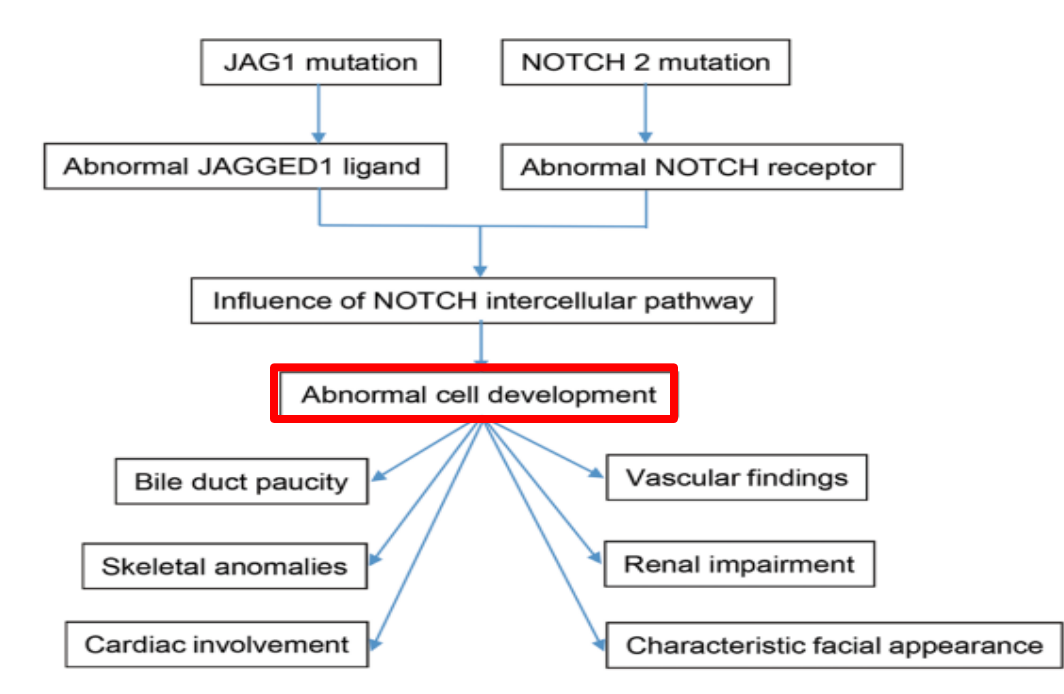
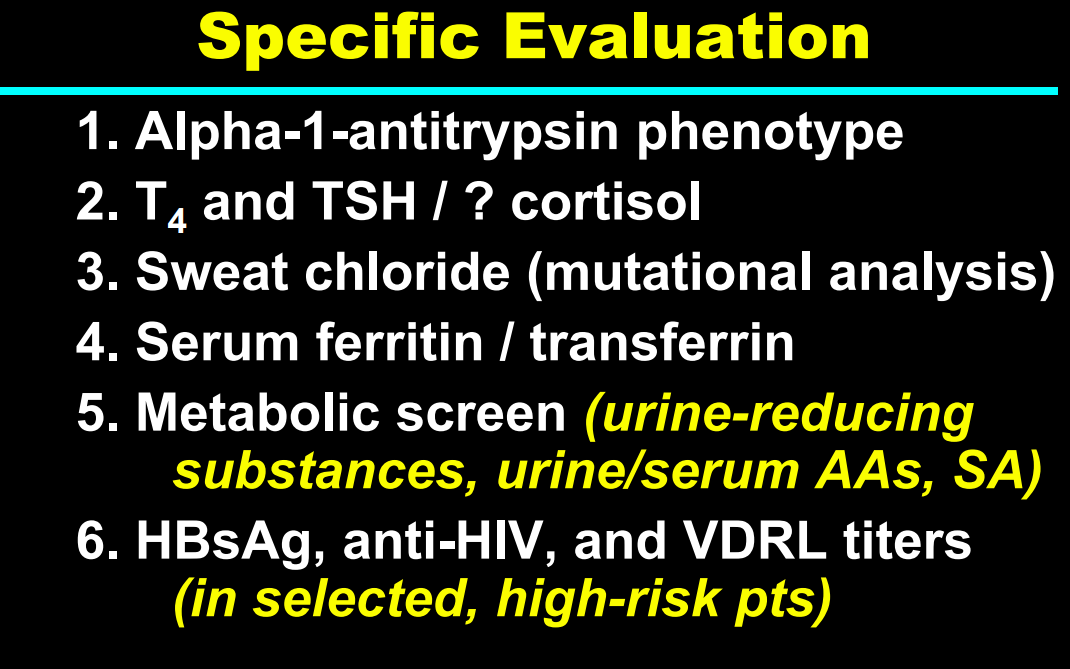
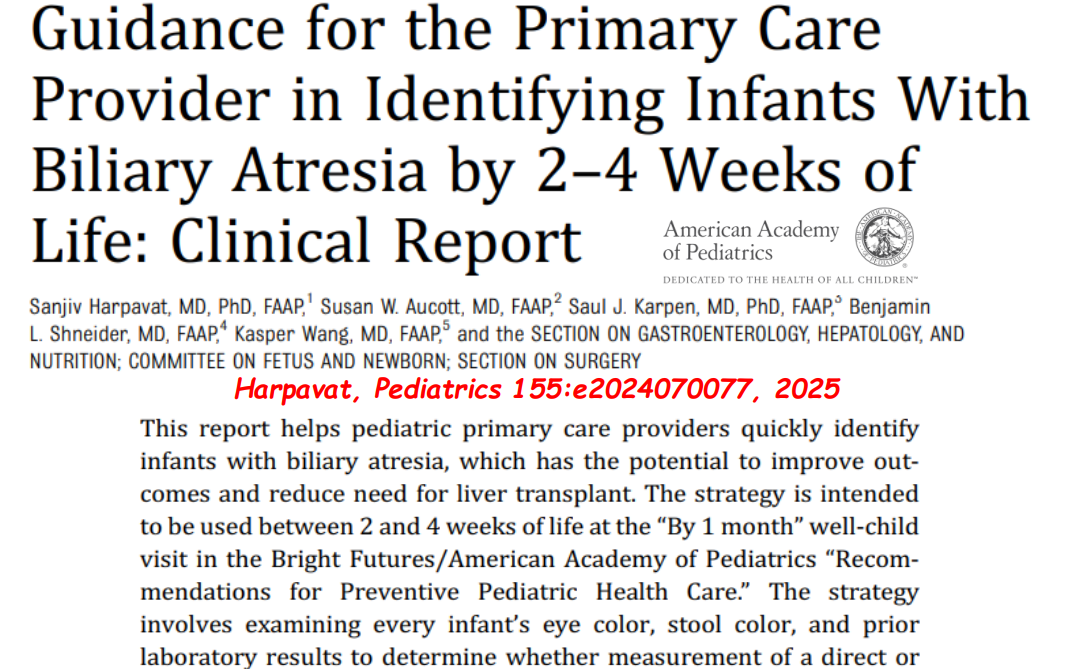
Advancements in Pediatric Cholestatic Liver Disease Management
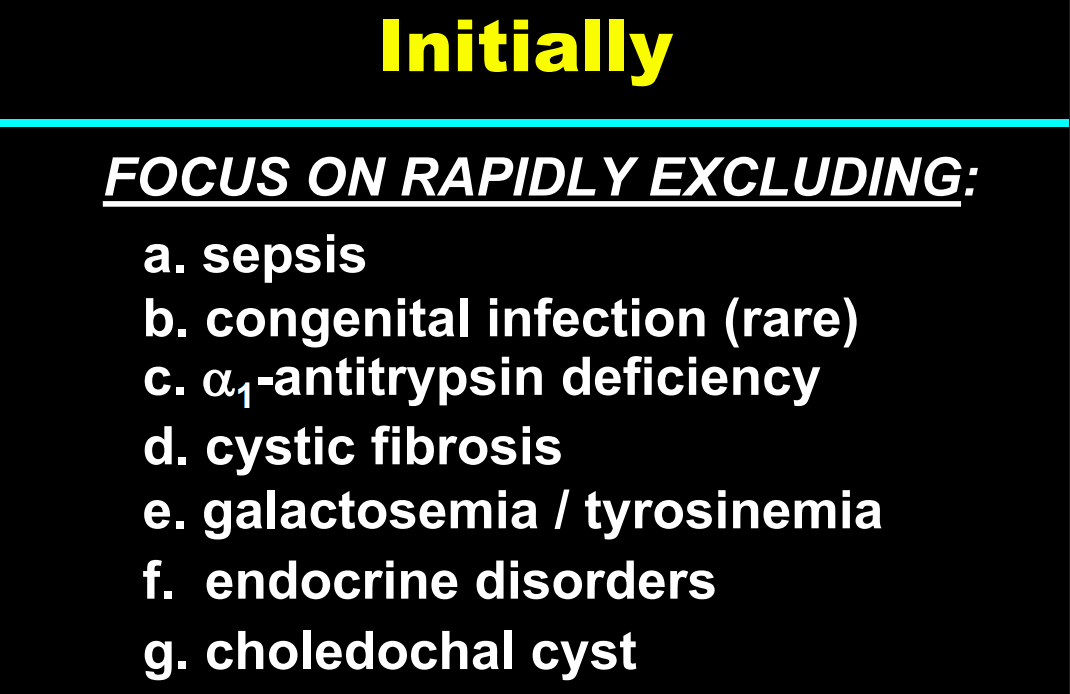
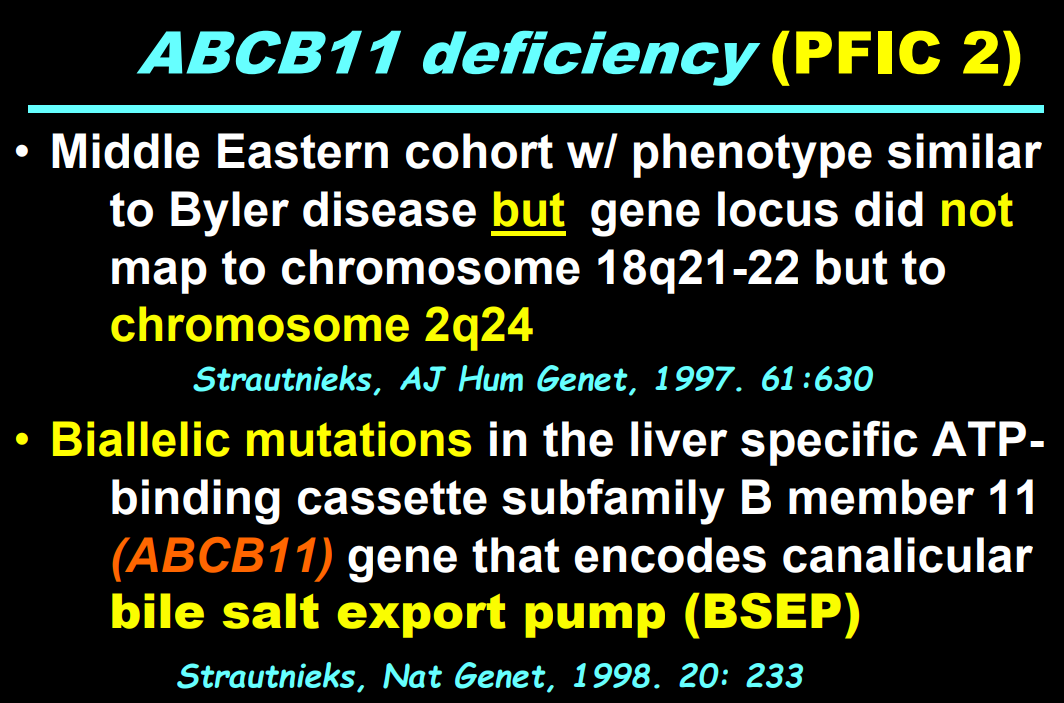
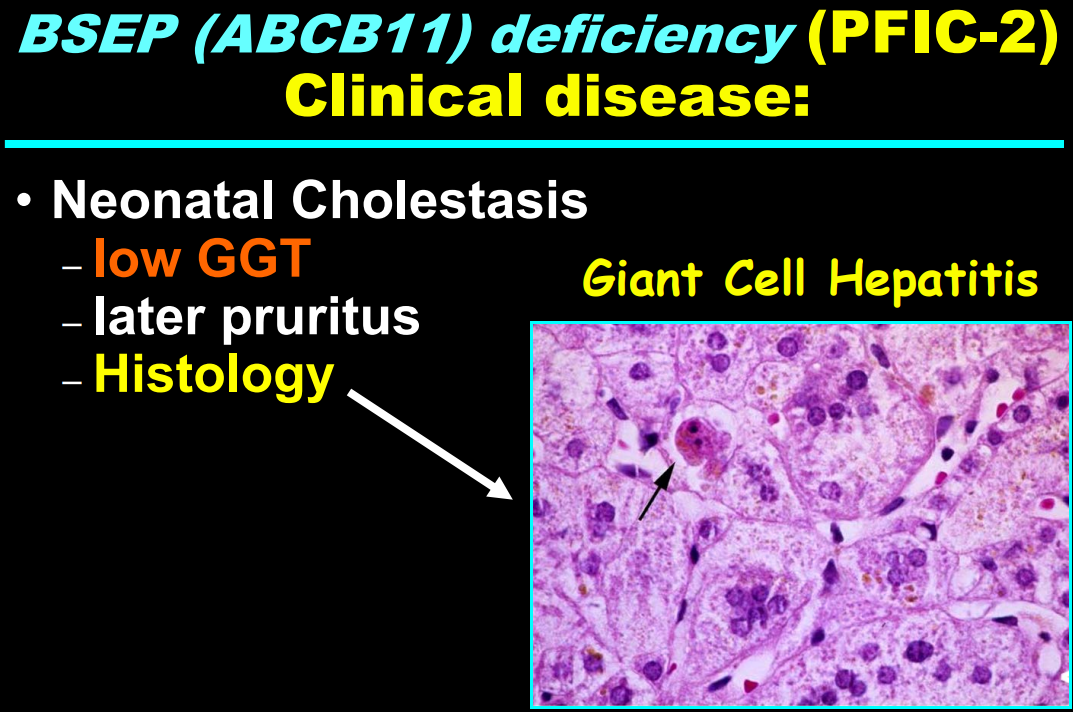
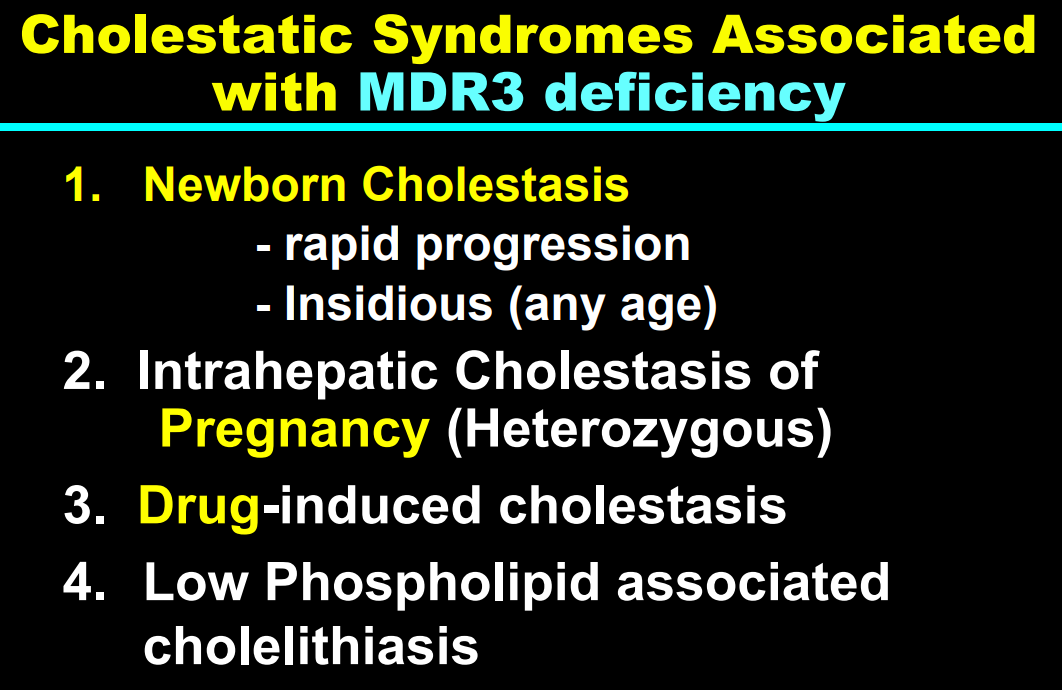
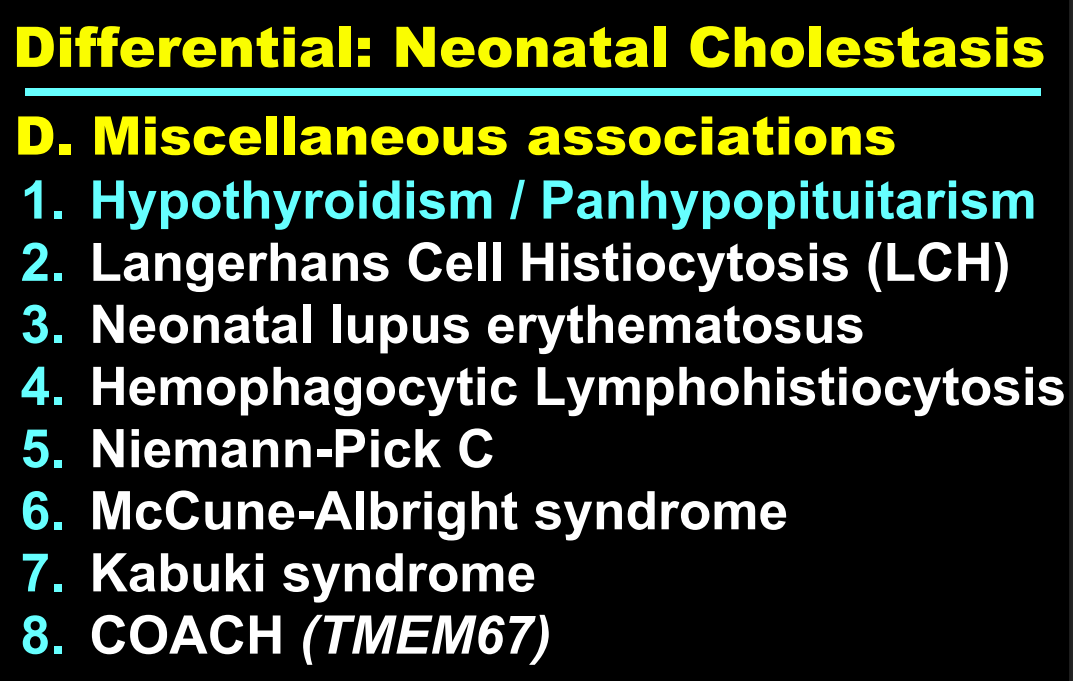
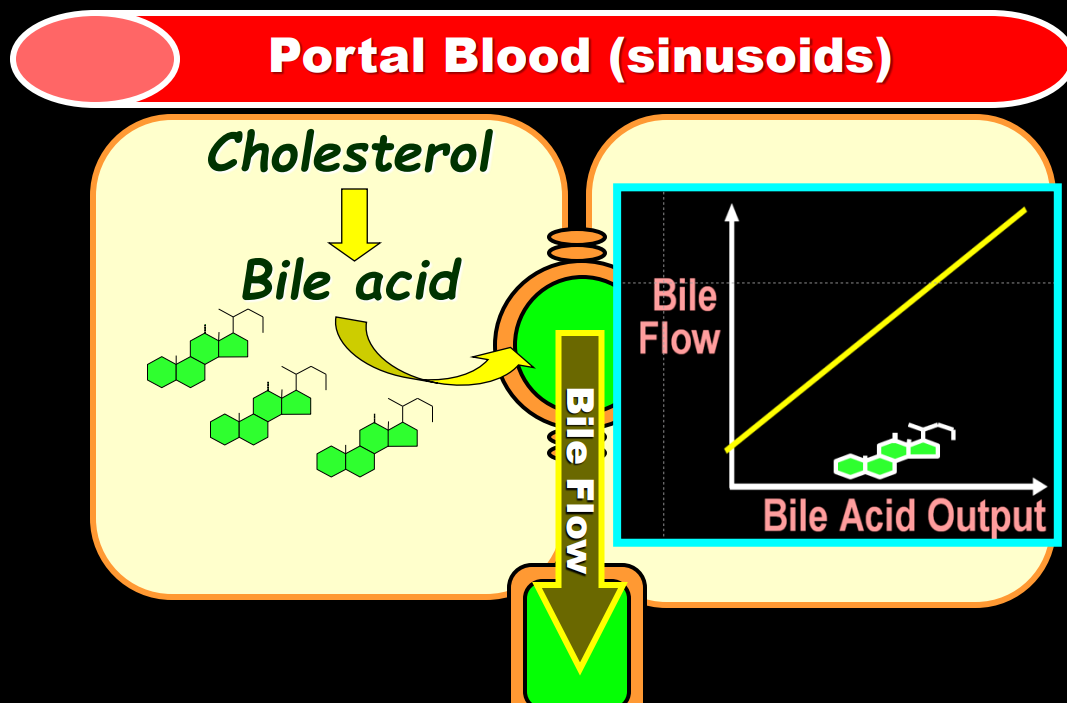
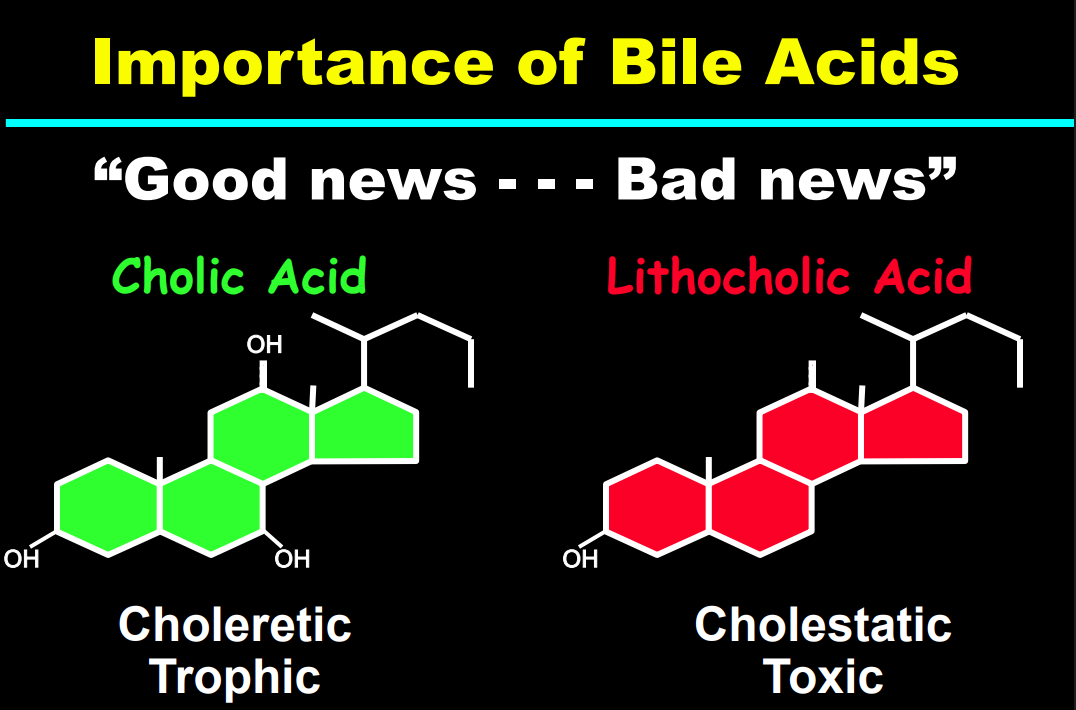
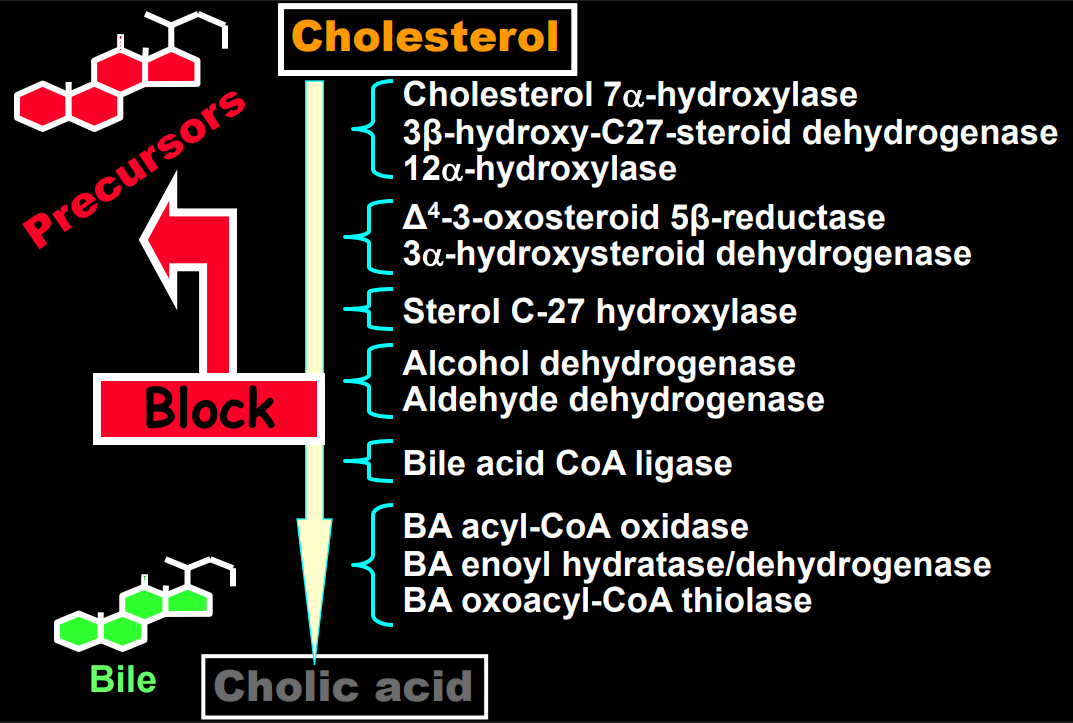
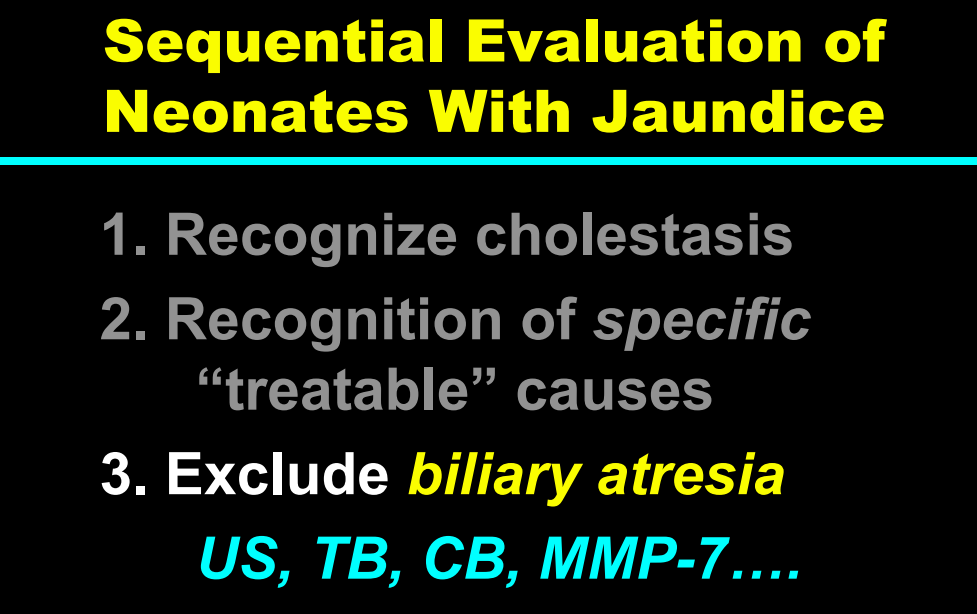
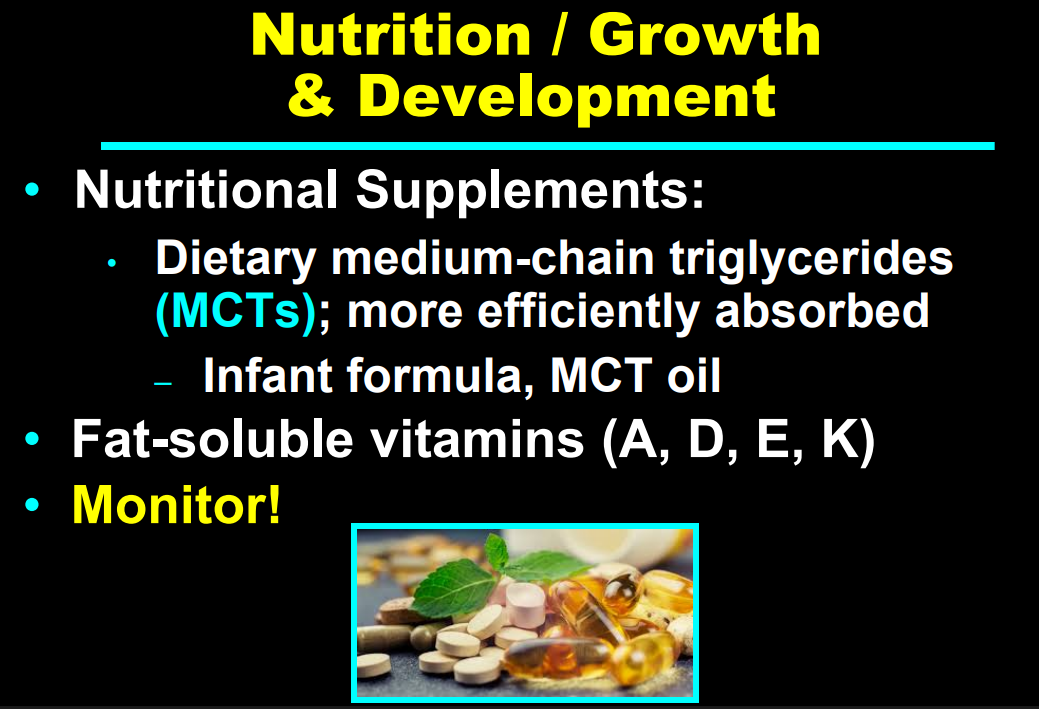
KR Mysore et al. J Pediatr Gastroenterol Nutr. 2025;80:549–558. Recent advances in the management of pediatric cholestatic liver diseases

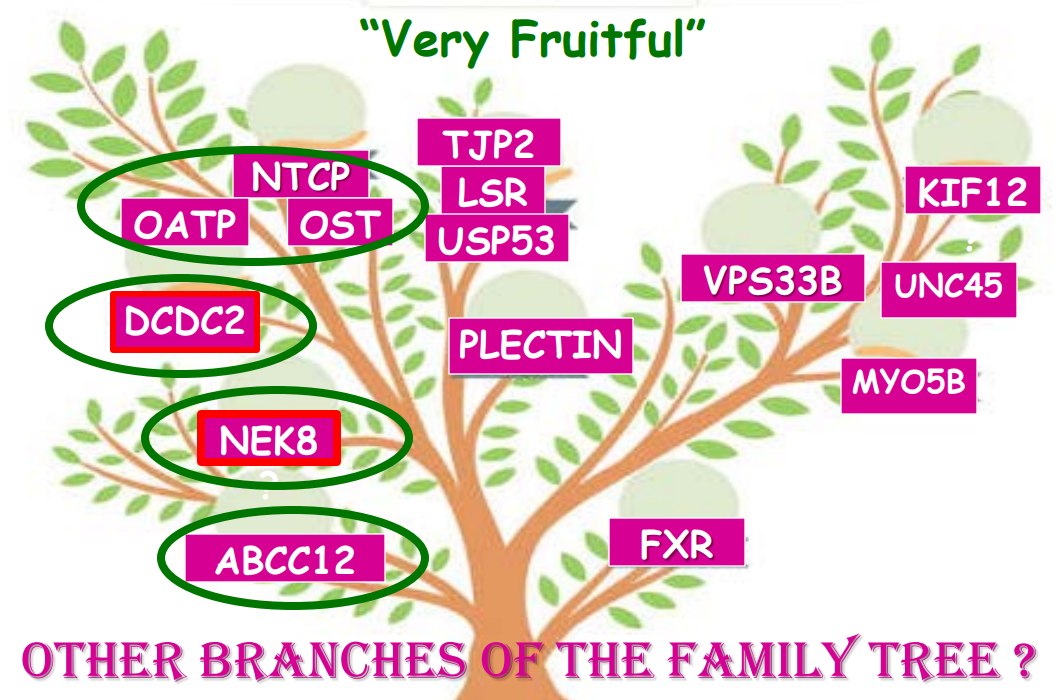
This is a useful review summarizing advances in the management of cholestatic diseases.

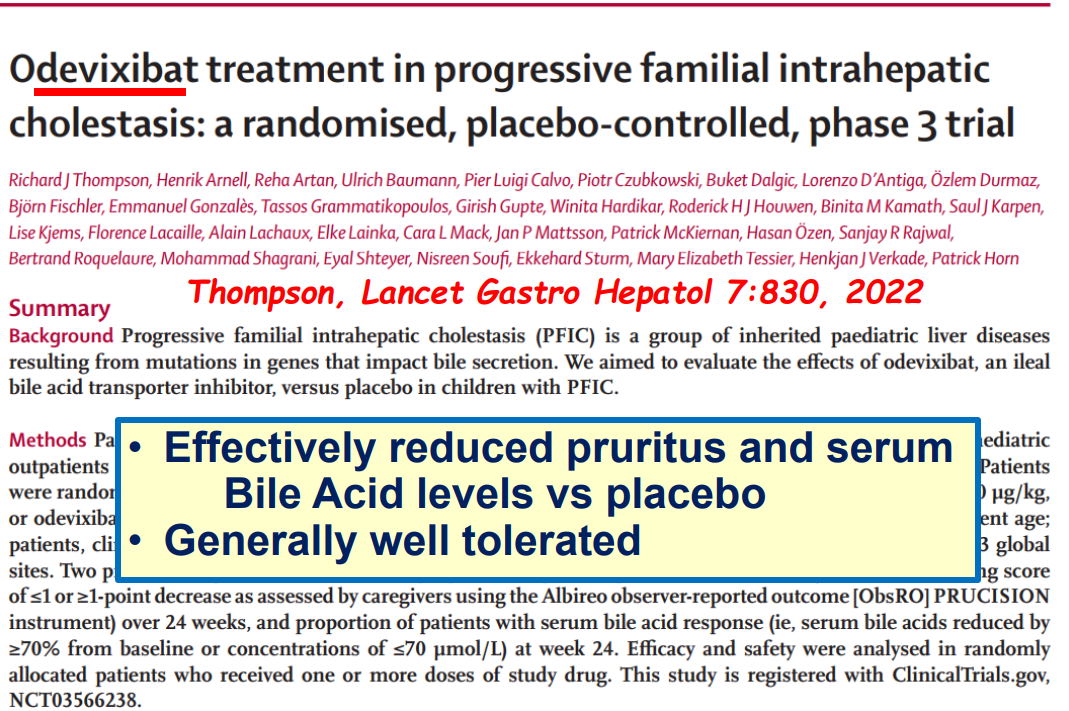
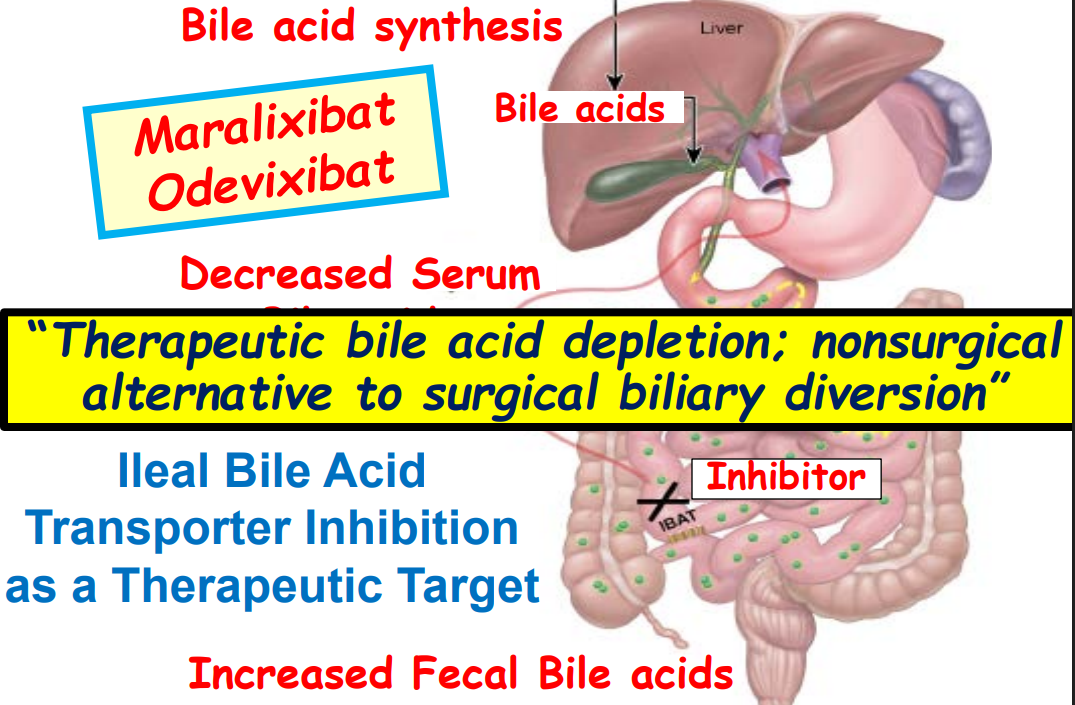
Treatment with IBAT inhibitors:

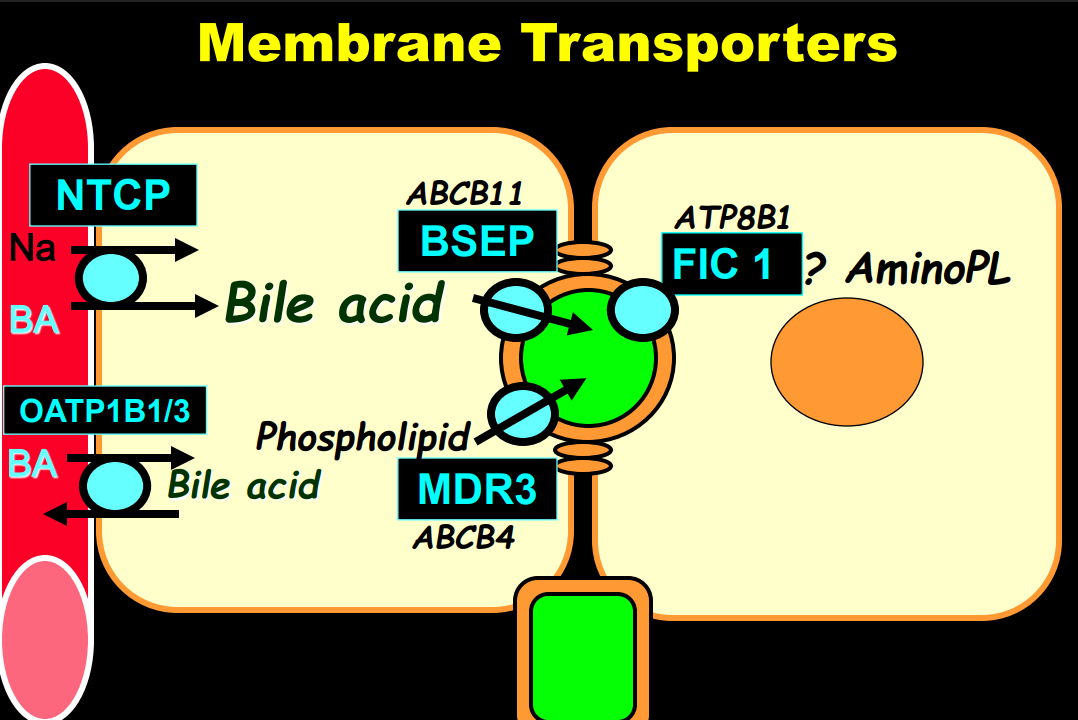
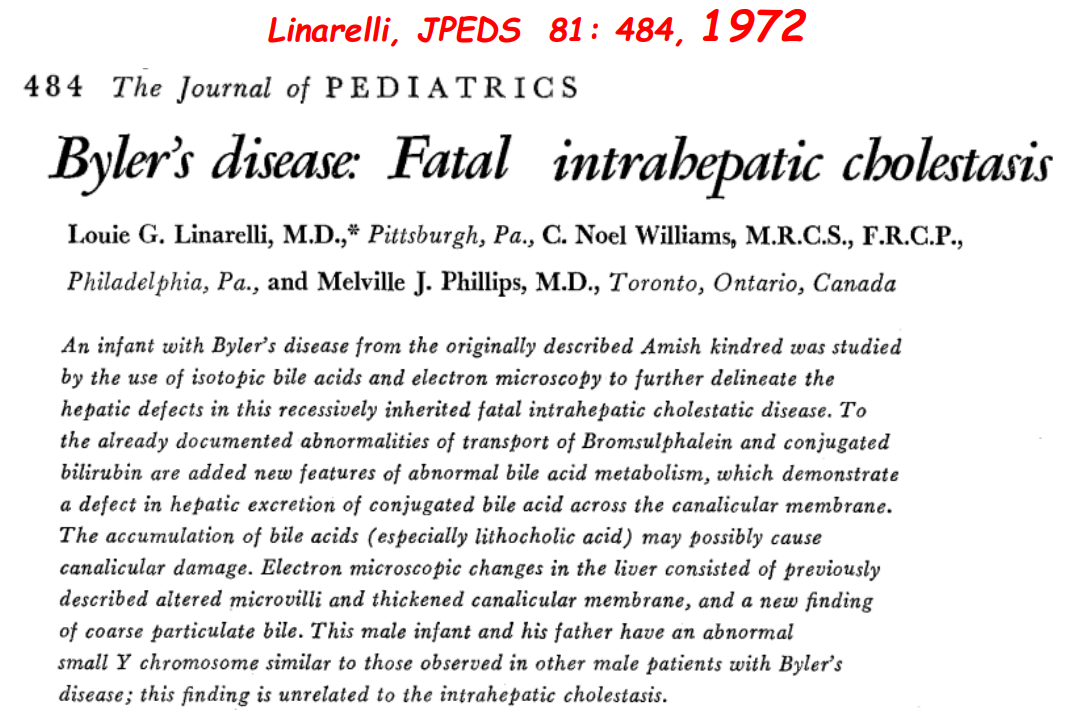
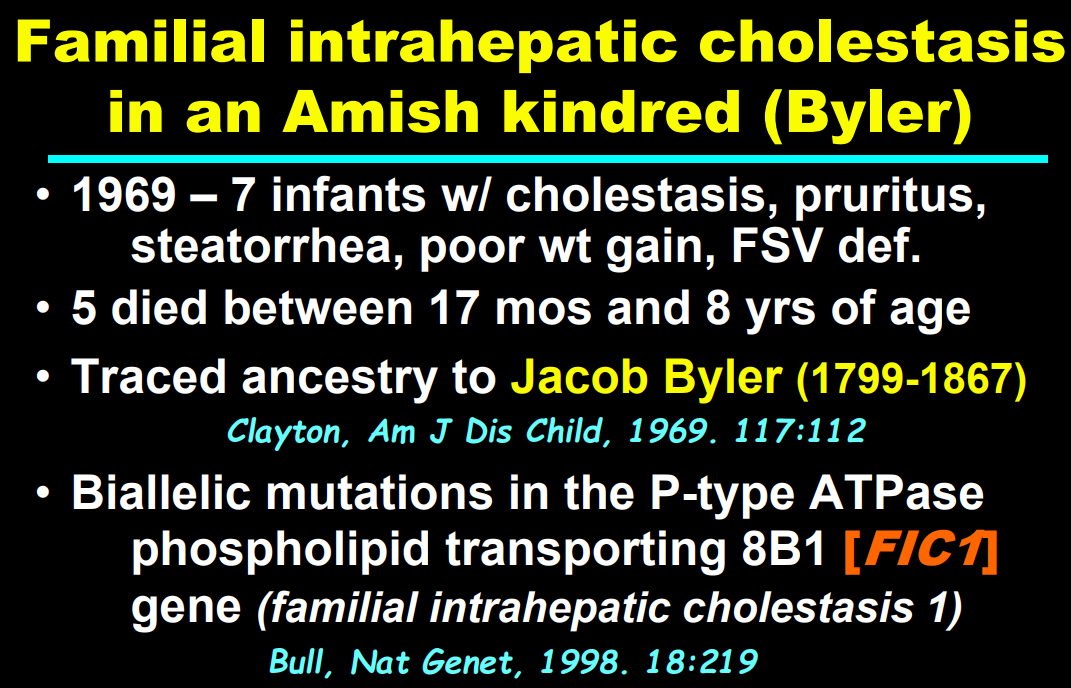
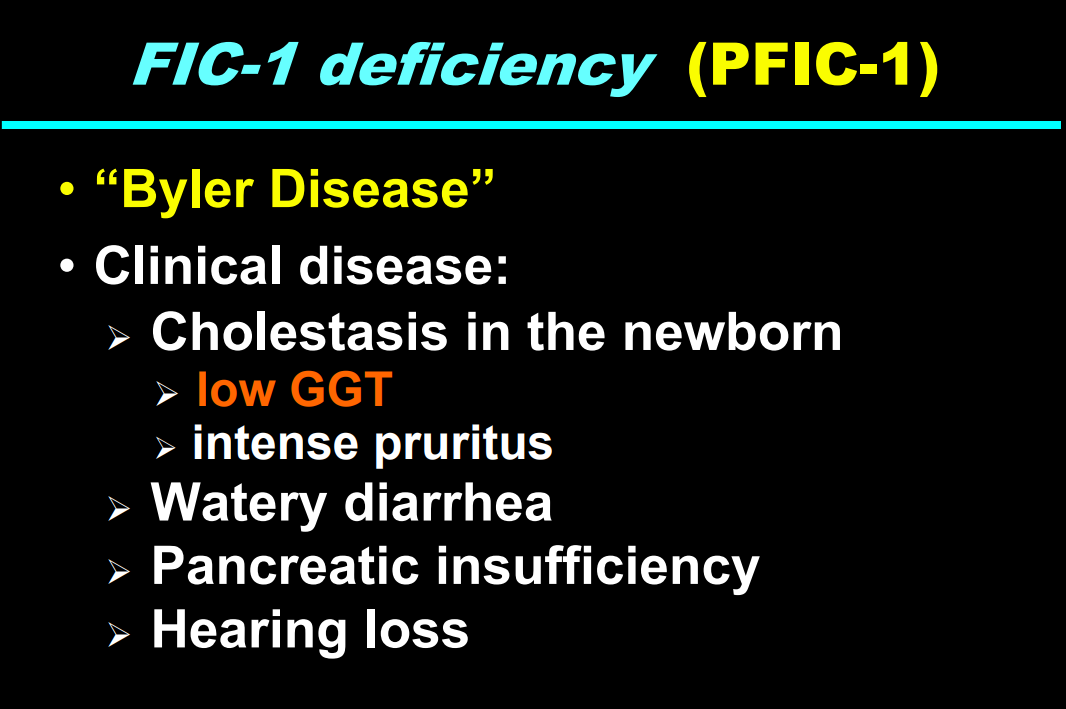
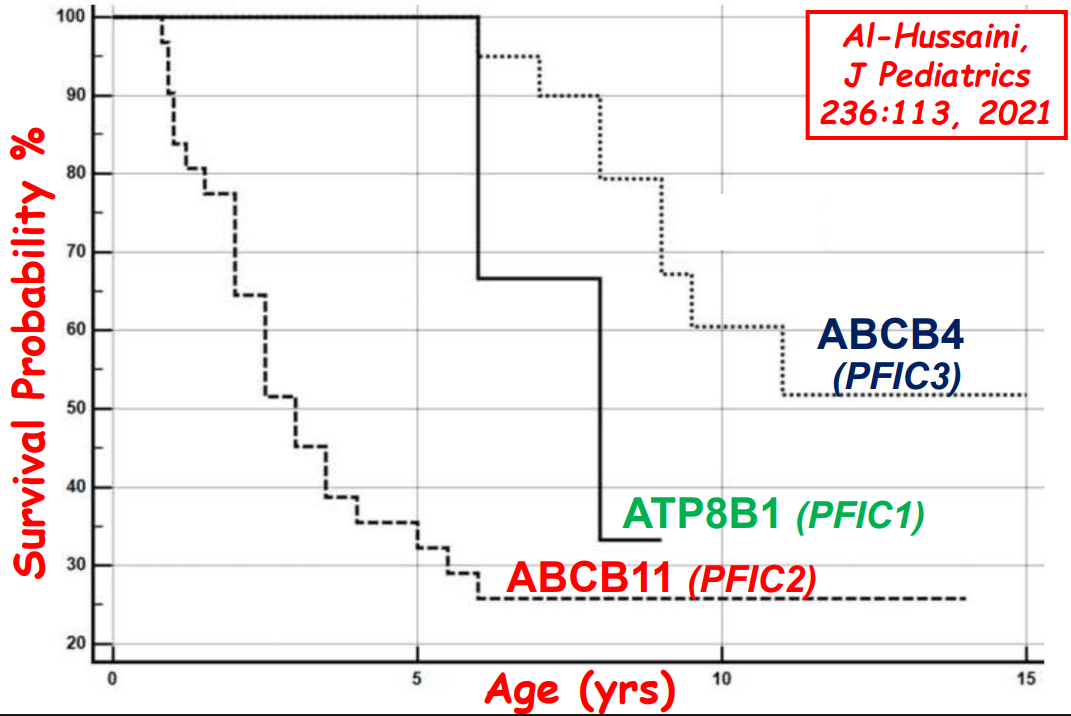
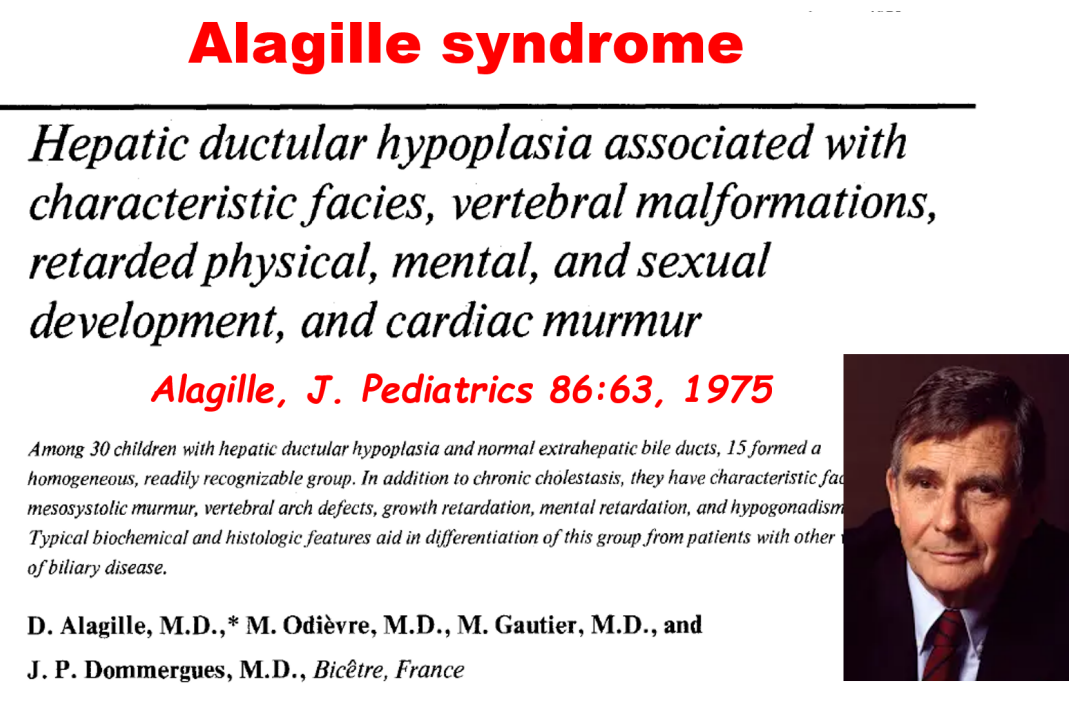
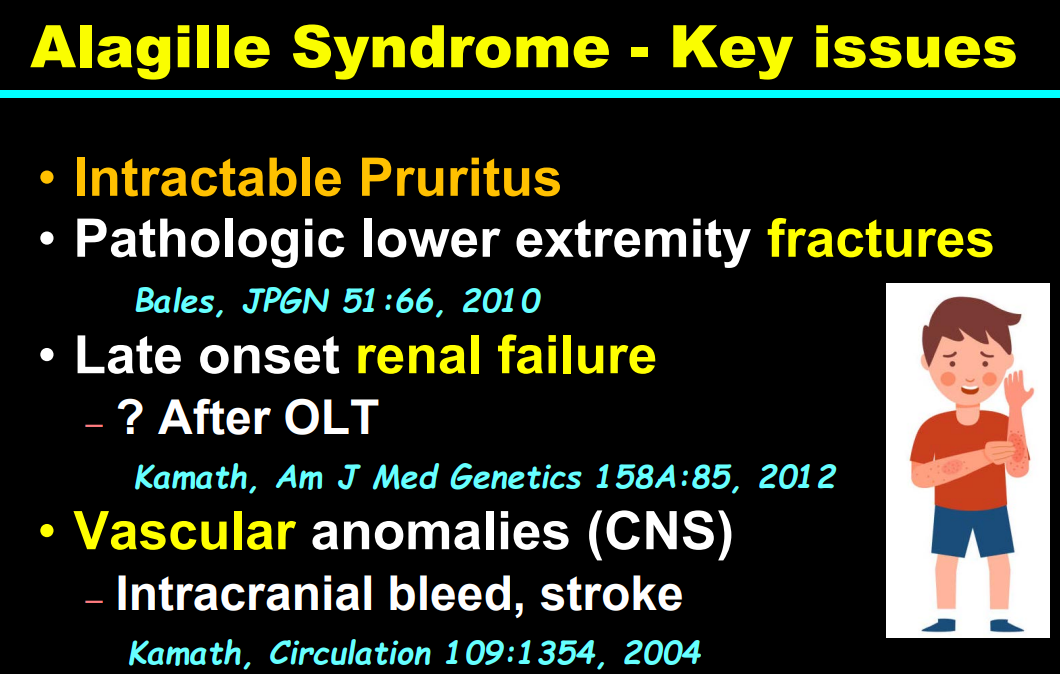
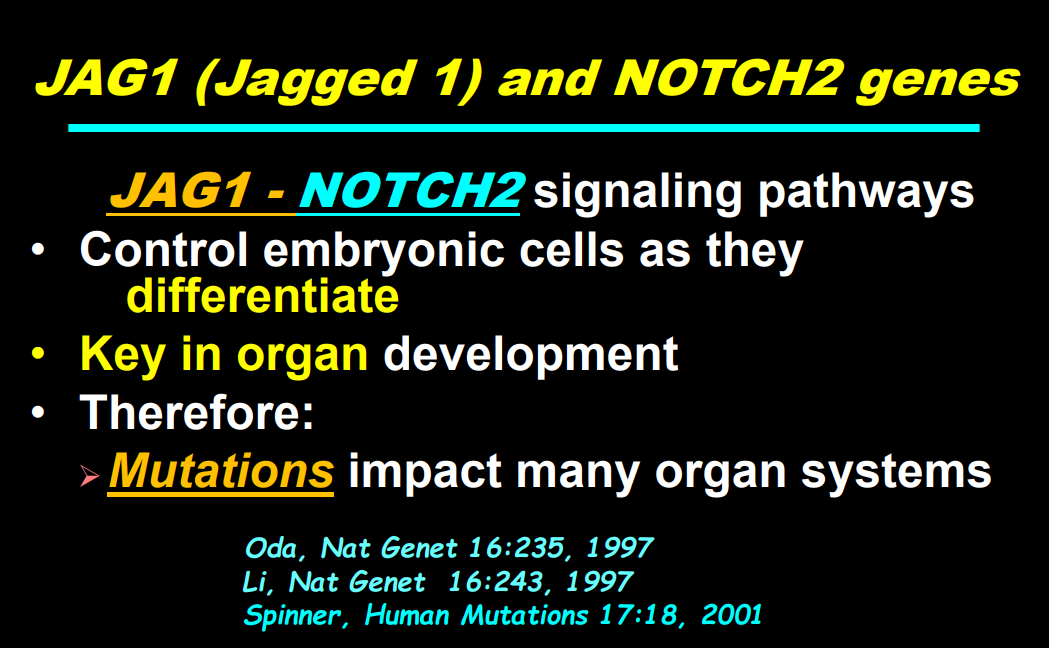
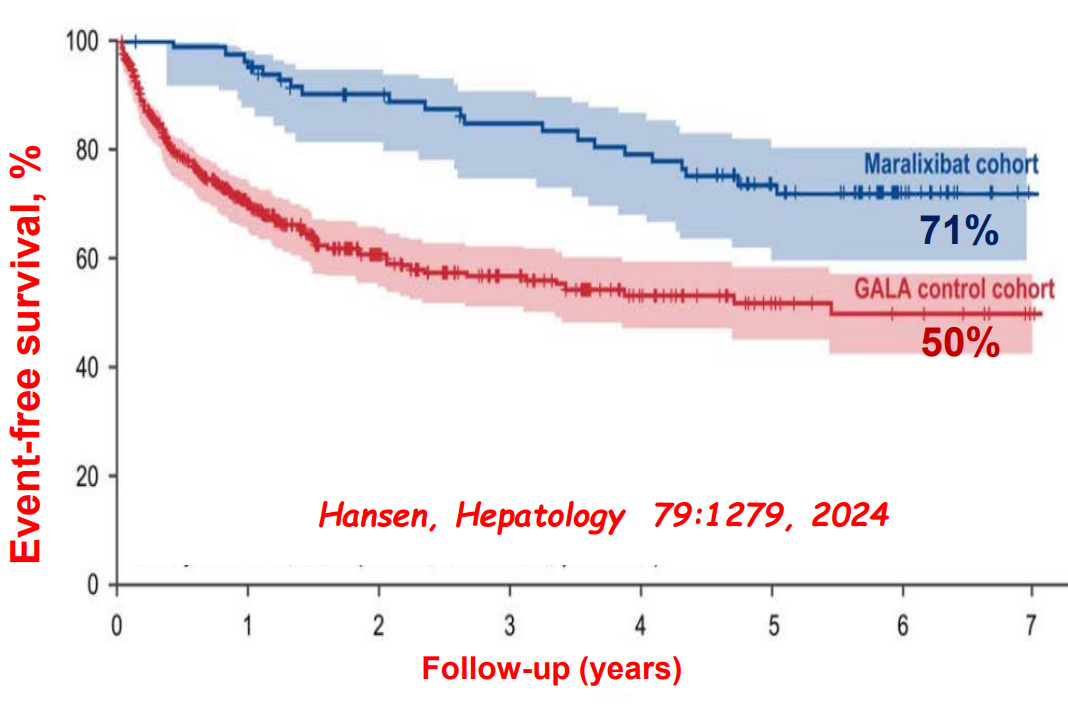
“Improvement in both pruritus and serum BAs/bilirubin levels has been associated with improved event‐free survival and 6‐year transplant‐free survival in ALGS patients treated with maralixibat. Additionally, this class of medication improved overall growth of the patient by improving mean height and weight Z scores that may be related to reduced impact of high serum bile acid levels on the growth axis although further studies are needed to better define the mechanism responsible for this out-come. This finding suggests these parameters could be used as surrogate end‐points for disease severity in diseases like ALGS or PFIC, where the time course to develop the need for LT commonly occurs over many years.”
Related blog posts:

Disclaimer: This blog, gutsandgrowth, assumes no responsibility for any use or operation of any method, product, instruction, concept or idea contained in the material herein or for any injury or damage to persons or property (whether products liability, negligence or otherwise) resulting from such use or operation. These blog posts are for educational purposes only. Specific dosing of medications (along with potential adverse effects) should be confirmed by prescribing physician.  Because of rapid advances in the medical sciences, the gutsandgrowth blog cautions that independent verification should be made of diagnosis and drug dosages. The reader is solely responsible for the conduct of any suggested test or procedure.  This content is not a substitute for medical advice, diagnosis or treatment provided by a qualified healthcare provider. Always seek the advice of your physician or other qualified health provider with any questions you may have regarding a condition.